
The Inca System of Weights and Measures: Precision in Daily Life


Unravel the mysteries of a lost world! Journey with us into the heart of the Andes, where powerful empires thrived and left behind a legacy of breathtaking artistry and ingenious innovation. But what secrets lie hidden within the seemingly simple act of weighing and measuring? Discover the surprising complexity of the Inca weight and measurement system, a testament to the sophistication of their daily life and a crucial component of their remarkable civilization. Prepare to be amazed – your exploration begins now.
- The Inca Weight and Measurement System: Precision in Daily Life
- Fundamental Units of the Inca Measurement System
- Inca Time Measurement: Tracking the Seasons and Agriculture
- The Inca System of Measurement in Practice
- The Legacy of Inca Measurement
- Frequently Asked Questions
- Final Reflection: Echoes of Precision: The Enduring Legacy of Inca Measurement
- Unveil the Precision of Inca Innovations!
The Inca Weight and Measurement System: Precision in Daily Life
The Inca Empire, renowned for its sophisticated engineering feats like Machu Picchu and its intricate social structures, also possessed a remarkably precise system of weights and measures. This system, far from being haphazard, was integral to the empire's economic prosperity, social organization, and even its religious practices.
Understanding the Inca weight and measurement system offers a fascinating glimpse into the daily lives of its citizens, revealing a level of standardization and meticulousness that belies the often-romanticized image of a purely agrarian society. This article delves into the intricacies of Inca metrology, exploring the units of measurement used, their practical applications, and their significance within the broader context of Inca civilization.
We will examine how this system facilitated trade, agriculture, construction, and the equitable distribution of resources across the vast empire. The precision evident in their system underscores the advanced understanding of mathematics and engineering possessed by the Inca, challenging common misconceptions about their technological capabilities.
Introduction to Inca Metrology
The Inca system of weights and measures, unlike many systems based on arbitrary units, appears to have been grounded in practical considerations and natural phenomena. While written records are scarce, archaeological evidence, coupled with ethnohistorical accounts from the post-conquest period, provides valuable insights. Key units included the qhapaq ñan (the "royal road"), which served as a basis for land measurement and distance calculation.
The topo, a unit of land roughly equivalent to [specific area pending], was used for agricultural purposes and land allocation within the ayllu (community). For smaller measurements, units like the p'alla (handful) and the q'apa (fist) were used for grains and other goods, demonstrating a system adaptable to various contexts. The standardization of these units, though not universally consistent across the vast empire, indicates a deliberate effort to ensure fair exchange and efficient resource management.
The Inca's mastery of practical geometry and their ability to accurately survey and divide land are clearly demonstrated through the precise layout of their agricultural terraces and urban centers. The system was not merely a collection of arbitrary units; it represented a sophisticated understanding of measurement and its vital role in societal function.
The Importance of Measurement in Inca Society
The Inca weight and measurement system wasn't simply a matter of convenience; it was deeply intertwined with the fabric of Inca society. Accurate measurement was crucial for several key aspects of daily life:
- Agriculture: The success of the Inca's intensive agricultural practices depended heavily on precise land allocation and measurement of crop yields. The topo played a vital role in the equitable distribution of arable land amongst the ayllus, preventing conflict and ensuring sufficient food production for the entire population. Accurate measurement of harvested crops was necessary for tax collection and the redistribution of surplus goods.
- Construction: The impressive architectural achievements of the Inca, from their monumental stonework to their extensive road network, required precise measurements for planning and execution. The qhapaq ñan, besides its role as a communication artery, served as a standardized unit for measuring distances during construction projects. This ensured consistency and facilitated the efficient coordination of large-scale construction efforts.
- Textiles: The Inca were renowned for their fine textiles, which were not only decorative but also held significant social and ritual value. Accurate measurements were essential for weaving intricate designs and creating garments of consistent size and quality. The use of standardized units ensured that textiles could be traded fairly and that their value could be assessed accurately.
- Trade and Taxation: The empire's extensive trade network relied on a standardized system of weights and measures to facilitate fair exchange and prevent exploitation. Accurate measurement of goods was crucial for tax collection, ensuring that the state received its due share of agricultural produce and other resources. This system helped maintain economic stability and supported the empire's vast administrative apparatus.
The Inca weight and measurement system, therefore, was not just a technological achievement but a cornerstone of Inca social and economic organization. Its precision and practicality reflect the sophisticated understanding of mathematics, engineering, and social organization that characterized this remarkable civilization. Further research is needed to fully understand the nuances and regional variations within this system, but the existing evidence clearly points to a level of sophistication that deserves greater recognition.
Fundamental Units of the Inca Measurement System
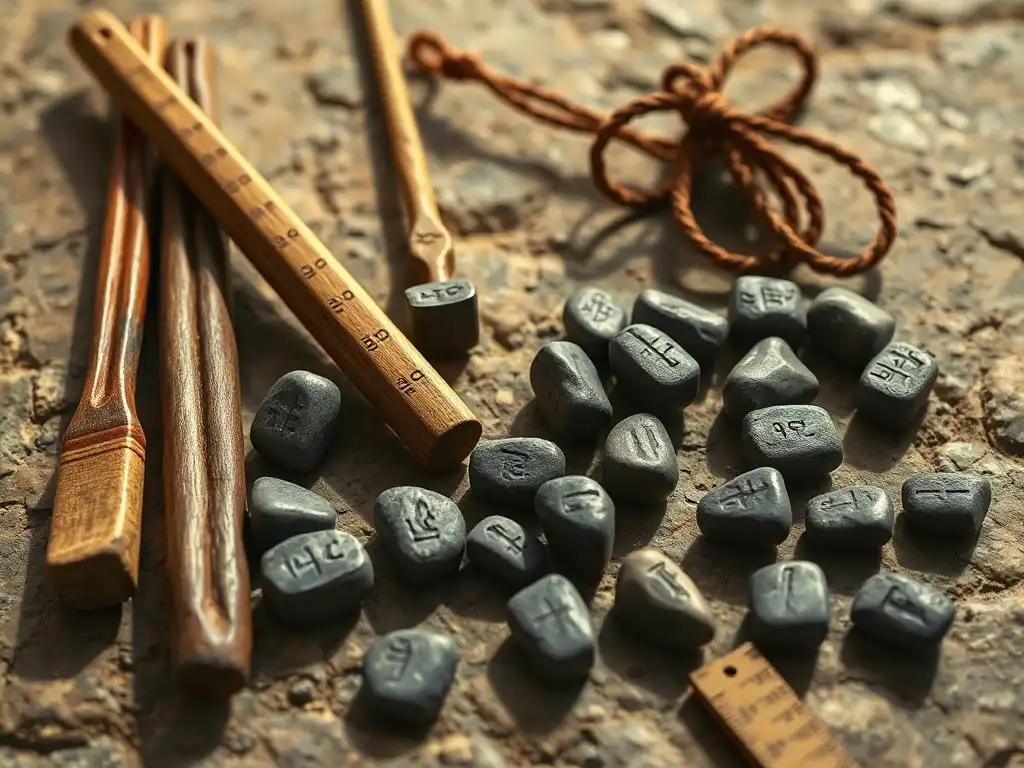
The Inca Empire, renowned for its sophisticated infrastructure and administrative prowess, relied on a surprisingly precise system of weights and measures to manage its vast resources and complex society. Unlike many other ancient civilizations that used arbitrary units, the Inca system often stemmed from human body proportions, creating a readily accessible and easily reproducible standard across the empire. This ingenious system facilitated trade, construction, agriculture, and tax collection, demonstrating a keen understanding of practical measurement in daily life. Understanding the Inca weight and measurement system provides crucial insights into their advanced organizational capabilities.
Inca Units of Length: From the Human Body to the Land
The Inca system of linear measurement was fundamentally anthropometric, meaning it was based on the dimensions of the human body. This ensured widespread accessibility and understanding, minimizing the need for complex tools or standardized artifacts for measurement. The system wasn't perfectly uniform across the entire empire; regional variations existed, but the core principles remained consistent.
The 'Riqra' or 'Rikra': Measuring with Arm Spans
The riqra (or rikra), a unit of length frequently used by the Inca, was based on the length of a person's outstretched arm. While the exact length varied slightly depending on individual body size, it provided a readily available and easily understood standard for everyday measurements. This practical approach allowed for quick estimations in various contexts, from building construction to textile production. Archaeological evidence suggests its use in land surveying and the allocation of agricultural plots.
The 'Yupi': Measuring with Feet
The Yupi, another common Inca unit of length, corresponded roughly to the length of a person's foot. Like the riqra, its exact length varied slightly depending on the individual. However, its widespread use points to its practicality in everyday tasks. Think of measuring the length of a piece of cloth, the width of a doorway, or the dimensions of a small structure; the Yupi was a versatile and readily available tool. The use of body-based units fostered a connection between the human scale and the built environment.
Inca Land Measurement Units: 'Tupu' and its variations
Inca land measurement was crucial for their agricultural system and the organization of their society. The tupu, a fundamental unit of land area, varied in size depending on the region and the type of land being measured. However, it generally represented a small agricultural plot, sufficient for a family to cultivate.
Variations of the tupu existed, often reflecting differences in soil quality or irrigation capabilities. The precise dimensions of these variations remain a subject of ongoing research, but their existence highlights the Inca's nuanced approach to land management. Further research is needed to precisely quantify the regional variations of the tupu.
The 'Khata': Inca Unit of Area
For larger land areas, the Inca employed the khata. This unit represented a larger parcel of land, often encompassing multiple tupu. The khata was essential for recording land ownership, assigning agricultural tasks, and collecting taxes. Its size varied significantly depending on location and agricultural productivity. The exact conversion rate between khata and tupu is still being investigated, as the size of a khata could be adjusted based on the terrain and the agricultural potential of the land. Records from this era would provide invaluable insight into the precise scale of the khata.
Inca Units of Weight: Managing Resources and Trade
The Inca system of weights, like their system of lengths, was crucial for managing resources, facilitating trade, and ensuring equitable distribution of goods. The system was not only practical but also incorporated a degree of sophistication that reflects the Inca's advanced understanding of measurement and administration.
The 'Tanta': Basic Unit of Weight
The tanta served as the fundamental unit of weight in the Inca system. While its precise equivalent in modern units is still debated among scholars, it is estimated to have been roughly equivalent to a small handful or a specific volume of a common commodity like maize or quinoa. The tanta was widely used for measuring food rations, agricultural produce, and goods traded in local markets. Its practicality and adaptability made it a cornerstone of the Inca economic system.
Inca Balances and Scales: Tools of Precision
The Inca did not rely solely on estimations. Archaeological evidence reveals the existence of sophisticated balances and scales, indicating a high degree of precision in their weight measurements. These tools, often made from materials like wood and stone, allowed for accurate weighing of goods, ensuring fair trade and the equitable distribution of resources. The design and functionality of these tools highlight the Inca's advanced metallurgical and engineering skills. Further analysis of excavated Inca balances and scales is crucial to fully understanding their precision.
Variations in Inca Weight Measures: Regional Adaptations
Similar to their units of length, Inca weight measures demonstrated regional variations. The exact weight of a tanta likely differed slightly depending on the region and the specific commodity being measured. This adaptability highlights the pragmatic nature of the Inca system, allowing for adjustments based on local needs and customs. Understanding these regional adaptations is key to a comprehensive understanding of the Inca weight and measurement system across the vast empire. [Specific information pending on regional variations of the tanta and other weight units].
Inca Time Measurement: Tracking the Seasons and Agriculture
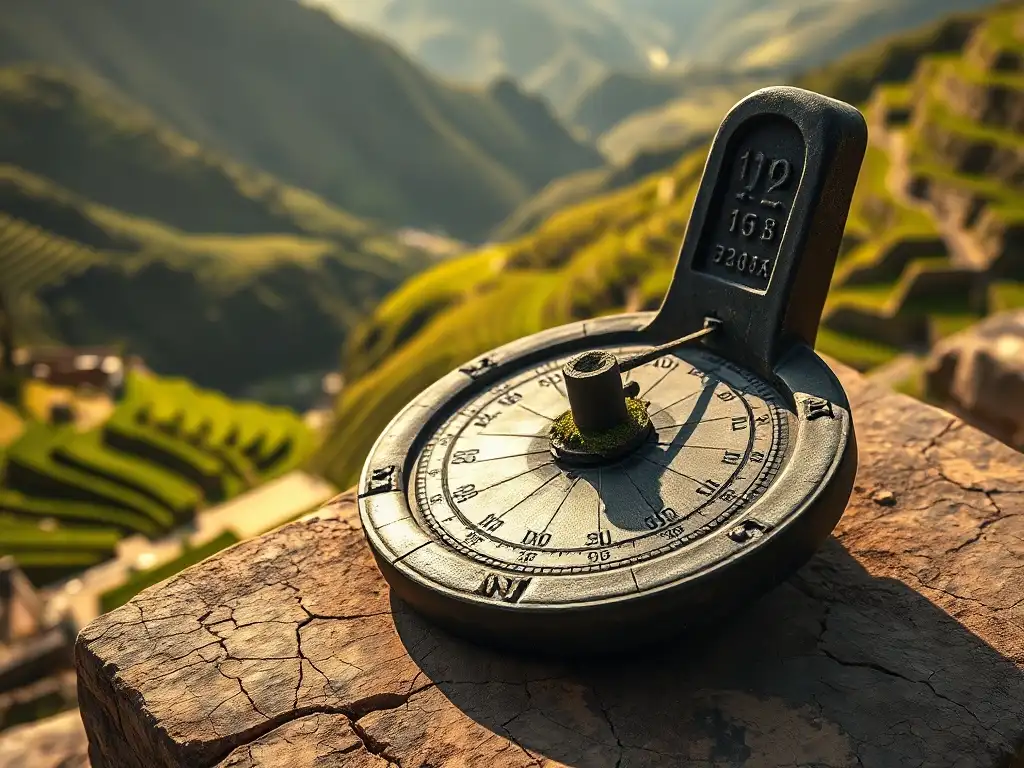
The Inca Empire, renowned for its sophisticated engineering and administrative prowess, possessed a remarkably precise system for measuring time, intricately linked to their agricultural practices and religious beliefs. Unlike the rigid, clock-based systems of later civilizations, the Inca calendar was a flexible, nature-based system attuned to the rhythms of the Andes. This deep connection to the environment ensured that agricultural activities were perfectly synchronized with the changing seasons, maximizing crop yields and supporting the empire's vast population.
Understanding their temporal system provides crucial insight into their societal organization and agricultural ingenuity. The Inca weight and measurement system, while impressive in its own right, was intrinsically intertwined with this temporal framework, ensuring efficient resource management.
The Inca Calendar: A Lunar and Solar System
The Inca calendar wasn't a single, monolithic structure. Instead, it was a complex interplay of solar and lunar observations, resulting in a system that was both accurate and adaptable. While evidence of written records is scarce, archaeological findings and ethnohistorical accounts paint a vivid picture. The solar year was divided into twelve lunar months, each approximately 29.5 days long.
This resulted in a year slightly shorter than the actual solar year, necessitating periodic adjustments. These adjustments, likely involving the observation of key celestial events like solstices and equinoxes, demonstrate a keen understanding of astronomical phenomena. The Inca's deep knowledge of the stars and their movements allowed for accurate predictions of seasonal changes, which were crucial for planning agricultural activities.
The system wasn't just about counting days; it was a living, dynamic tool for navigating the Andean environment. The precision of the Inca calendar is a testament to their sophisticated observational skills and their profound connection to the natural world. Furthermore, the Inca calendar played a vital role in religious ceremonies and festivals, highlighting the close relationship between their temporal system and their spiritual beliefs.
Inca Agricultural Cycles and Time Management
The Inca's agricultural success hinged on their meticulous time management. The calendar wasn't merely an abstract system; it was a practical tool for organizing agricultural labor and resource allocation across the vast empire. The timing of planting, harvesting, and irrigation was carefully determined based on the calendar's indications. Different regions within the empire experienced varied climatic conditions, requiring localized adaptations of the calendar's agricultural implications.
The Inca's understanding of microclimates and their ability to tailor their farming practices accordingly underscore the ingenuity of their system. The mit'a system, a form of mandatory labor, was also carefully scheduled according to the agricultural calendar, ensuring a sufficient workforce for tasks such as terracing, irrigation, and harvesting at optimal times. This efficient organization of labor, coupled with sophisticated agricultural techniques, allowed the Inca to sustain a large and densely populated empire.
The success of the Inca weight and measurement system in its role in resource allocation was directly dependent on the accuracy of their temporal framework. Without a precise understanding of the seasons, the distribution and management of resources would have been significantly hampered. This intricate interplay between timekeeping and agriculture highlights the interconnectedness of various aspects of Inca society.
The Inca System of Measurement in Practice
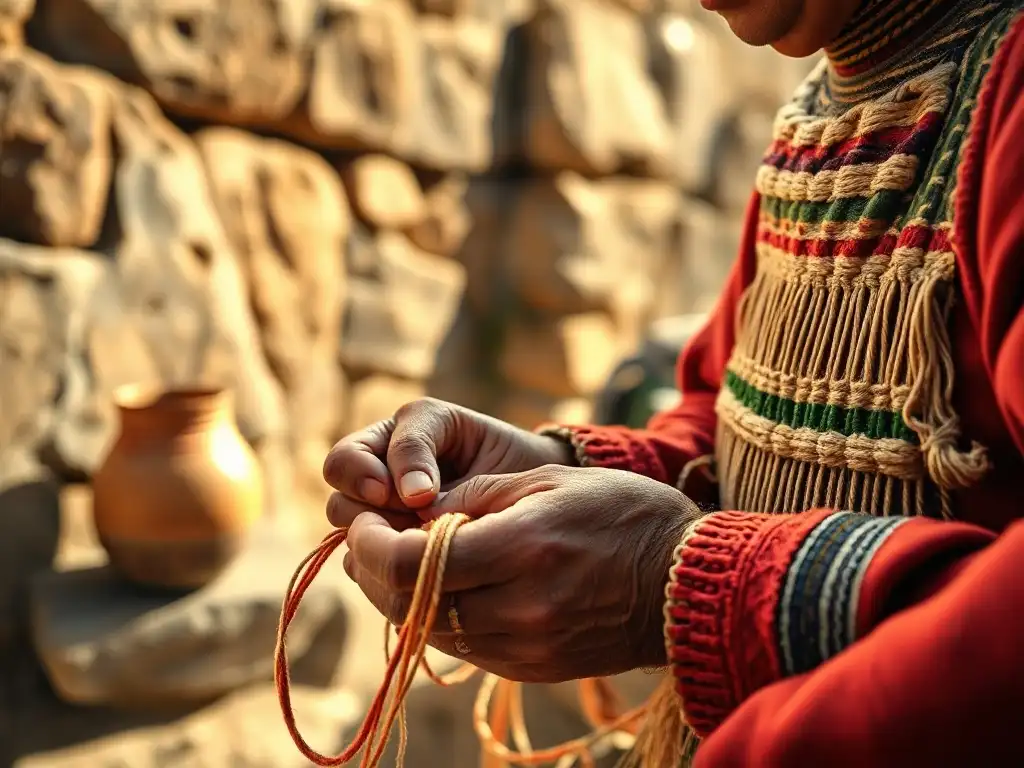
The Inca Empire, despite lacking a written language in the way we understand it, possessed a sophisticated system of weights and measures crucial to their advanced civilization. This system, passed down through generations via oral tradition and practical application, facilitated intricate engineering projects, efficient agriculture, and the equitable distribution of resources. Understanding the Inca weight and measurement system reveals a level of precision and organization that belies the common misconceptions about pre-Columbian societies. This section will delve into the practical application of this system, focusing on its impact on Inca construction and agriculture.
Inca Construction and Engineering: Precision in Architecture
The Inca's mastery of stonework is legendary, evident in their monumental structures like Machu Picchu and Sacsayhuamán. This architectural prowess wasn't achieved through guesswork but relied heavily on a standardized system of measurement. While specific units are still debated amongst scholars, evidence suggests the use of standardized lengths, likely based on body parts (like a handspan or forearm) and possibly referencing natural units like the length of a specific type of plant stalk. This standardization ensured consistency across vast distances and diverse building projects.
Measuring and Planning Inca Roads
The Inca road system, an impressive feat of engineering stretching thousands of kilometers across challenging terrain, required meticulous planning and execution. The precise measurement of distances, gradients, and curves was essential for efficient construction and transportation. Archaeological findings suggest the use of simple measuring tools, likely ropes or sticks of calibrated lengths, to lay out routes and ensure consistent road widths. The system also allowed for the accurate calculation of necessary materials and labor for each section of road. This level of organization speaks to the sophisticated logistical capabilities of the Inca state.
Inca Building Techniques and Dimensional Control
Inca masons achieved an astonishing level of precision in fitting stones together, with minimal mortar used. This precision wasn't accidental; it stemmed from a well-defined system of measurement that dictated stone dimensions and tolerances. The near-perfect alignment of massive stones in structures like Sacsayhuamán points to the use of sophisticated techniques, perhaps involving templates and standardized measuring tools.
The consistency in stone sizes and shapes across different building sites further supports the existence of a widespread, standardized measurement system. Further research is needed to fully understand the intricacies of their dimensional control techniques, but existing evidence strongly suggests a rigorous and highly effective approach.
Inca Agriculture: Optimizing Land Use and Yield
The Inca's agricultural achievements are equally impressive, particularly considering the challenging Andean environment. Their ability to cultivate crops on steep slopes and in arid regions was largely due to their sophisticated agricultural techniques and a well-defined system of land measurement and allocation. This system played a vital role in ensuring fair distribution of land and maximizing agricultural output.
Measurement in Inca Irrigation Systems
The Inca built extensive irrigation systems to support their agriculture, channeling water across vast distances to irrigate fields. The construction of these systems required precise measurements to ensure proper water flow and distribution. Channels were carefully graded and sized, reflecting an understanding of hydraulic principles and a sophisticated method for determining the appropriate dimensions for water management. The efficient use of water resources was crucial for their agricultural success, and accurate measurements were key to that efficiency. Evidence of standardized channel widths and slopes in different regions points to a widespread, codified system of measurement guiding irrigation construction.
Inca Agricultural Terraces and Land Division
Inca terraces, carved into mountain slopes, dramatically increased arable land. The construction of these terraces involved precise measurements to ensure stability and optimal sun exposure. The consistent dimensions of individual terraces and the overall layout of terraced fields indicate the use of a standardized measurement system for land division.
This meticulous approach to land management allowed for efficient cultivation and equitable distribution of agricultural resources amongst the population. Furthermore, the precise measurements likely played a role in the accurate estimation of crop yields and the subsequent tax assessments levied on agricultural production. This system underscores the Inca's remarkable understanding of agricultural engineering and resource management.
Inca Textile Production: Precision in Craftsmanship
Inca textile production was not merely a craft; it was a highly organized and standardized system reflecting the empire's sophisticated understanding of measurement. The Inca's mastery of textile production, evident in the intricate designs and durable fabrics, relied heavily on precise measurements at every stage, from the initial shearing of the alpaca and llama fleece to the final stages of weaving and finishing. This precision wasn't just about aesthetics; it played a crucial role in the social and economic fabric of Inca society.
Garments, tapestries, and other textiles served as indicators of social status, and consistent sizing and quality control were paramount. The intricate designs, often incorporating symbolic imagery, required accurate measurements to ensure their faithful reproduction across various textiles.
The durability of Inca textiles, evident in surviving examples, showcases the effectiveness of their standardized production methods and the accuracy of their measurement systems. The Inca's ability to produce textiles of consistent quality across vast distances speaks volumes about their administrative capabilities and their understanding of standardized weights and measures.
Measuring Inca Textile Length
Measuring the length of textiles was a fundamental aspect of Inca weaving. While we don't have direct surviving written records detailing their exact units of length, archaeological evidence suggests they employed a system based on body measurements or readily available natural materials. One possibility is that they used a standardized length based on the forearm or cubit, a common unit of measurement across many ancient civilizations.
This would have allowed for relatively easy and consistent measurements across different weavers and locations. Furthermore, the consistent dimensions of many surviving textiles suggest the use of standardized measuring tools, potentially made from wood or other readily available materials. These tools might have been simple rulers or measuring sticks, calibrated to their chosen unit of length.
The precision evident in surviving textiles, with their intricate patterns and consistent dimensions, suggests a high degree of accuracy in their measuring techniques. The absence of significant variations in length across comparable textiles points to a well-defined and consistently applied system. Further research, including analysis of surviving tools and textiles, is needed to fully understand the intricacies of their length measurement system.
Standardizations in Inca Weaving
The Inca's remarkable skill in weaving wasn't just about individual talent; it was a product of a highly standardized system. Standardization extended to yarn thickness, fabric width, and even the types of knots used. These standardizations ensured consistency in the quality and appearance of textiles produced across the vast Inca Empire. The use of standardized yarn thickness, for instance, facilitated the creation of uniform fabrics and simplified the process of weaving complex patterns.
Different types of yarn, spun from various animal fibers or plant materials, would have been carefully measured to ensure consistency in diameter. The width of the fabrics was also likely standardized, making it easier to create garments and other textiles that fitted consistently. This standardization simplified the creation of larger pieces, such as tapestries or ceremonial cloths, which required the seamless joining of multiple woven sections.
The standardization of weaving techniques, including knot types and weaving patterns, further contributed to the overall consistency and quality of Inca textiles. This sophisticated system, coupled with the precise measurements mentioned earlier, allowed the Inca to produce high-quality textiles in large quantities, showcasing their organizational prowess and technological sophistication. The resulting uniformity is testament to the effectiveness of their system of standardization in textile production.
The Legacy of Inca Measurement
The Inca Empire, despite lacking a written language in the way we understand it, developed a remarkably sophisticated system of weights and measures. This system, far from being haphazard, was integral to their complex social, economic, and administrative structures. Its precision facilitated efficient resource management, equitable distribution of goods, and the construction of their impressive architectural feats.
Understanding the Inca weight and measurement system reveals a level of organization and standardization that challenges common misconceptions about pre-Columbian societies. The legacy of this system continues to resonate in Andean traditions even today, demonstrating its enduring impact on the region's cultural landscape.
Impact of Inca Metrology on Andean Traditions
The Inca's meticulous approach to measurement wasn't simply a practical tool; it became deeply embedded in their worldview. Many Andean communities still utilize traditional units of measurement, often directly descended from or closely related to Inca standards. For example, the qhapaq ñan, the vast Inca road network, influenced the layout of many villages and agricultural practices, impacting land division and irrigation systems.
The standardization inherent in Inca metrology ensured that construction projects across the vast empire maintained consistency and efficiency. Even today, some indigenous communities maintain practices related to land allocation and agricultural production that echo the principles of Inca measurement, highlighting the enduring influence of this sophisticated system.
Further research is needed to fully document the extent of this continuing impact across diverse Andean communities and their unique cultural expressions, as [specific information pending] regarding the precise transmission of these practices across generations. The persistence of these traditional units speaks volumes about the effectiveness and cultural significance of the Inca weight and measurement system.
Inca Measurement Systems and its Influence on Later Cultures
The Inca system of weights and measures wasn't isolated; its influence extended beyond the empire's borders and into subsequent periods. While the Spanish conquest disrupted many aspects of Inca life, some elements of their measurement system persisted, albeit often adapted and integrated into the colonial framework. The adoption (or adaptation) of Inca units, however subtly, impacted the organization of labor, land management, and trade in the post-conquest era.
This influence is particularly evident in the continued use of traditional units in rural areas, where indigenous practices often maintained a stronger foothold than in urban centers. Unfortunately, systematic documentation of this transition and its precise ramifications is currently lacking. [Specific information pending] regarding the extent of the Inca system's influence on colonial and post-colonial measurement practices in the Andes.
However, anecdotal evidence and surviving documents suggest a far more complex interplay than previously recognized, demanding further investigation. The study of this interaction can illuminate the resilience of Inca traditions and their enduring impact on Andean societies.
Understanding Inca Precision: A Key to Their Success
The precision of the Inca weight and measurement system was not accidental; it was a deliberate choice reflecting their advanced understanding of engineering and administration. Their ability to construct monumental structures like Machu Picchu, with its perfectly fitted stones, demonstrates a remarkable level of accuracy in their measurements. This precision extended beyond monumental architecture; it was crucial in agriculture, allowing for efficient irrigation and land management.
Furthermore, the standardization of weights and measures facilitated fair trade and the efficient distribution of resources across the empire. This intricate system allowed for the effective organization of labor, the accurate assessment of taxes, and the equitable allocation of goods, forming a crucial element in the administrative and economic success of the Inca Empire.
The Inca weight and measurement system wasn't merely a collection of units; it was a sophisticated tool that underpinned the empire's impressive achievements and its remarkable organizational capacity. The level of accuracy achieved by Inca engineers and administrators serves as a testament to their advanced knowledge and skills, showcasing the importance of precise measurement in the context of a vast and complex empire.
Frequently Asked Questions
What was the Inca system of weights and measures based on?
The Inca system wasn't based on standardized units like ours. Instead, it relied on practical, everyday objects such as grains of maize or lengths of rope, varying regionally. No single, universally applied system existed across the entire empire.
How did the Incas measure larger distances?
Larger distances were measured using units based on walking time or the distance a llama could travel in a day. This was practical for a vast, mountainous empire with varied terrain. These weren't precise measurements in our modern sense.
Did the Incas have standardized weights for trade?
While there wasn't a formal, standardized weight system, they used reference objects like specific-sized containers or bundles of goods. This relied heavily on trust and established community practices.
What materials did the Incas use for measuring tools?
The Incas utilized readily available materials such as rope, knotted cords (quipus), and containers made from materials like pottery or gourds. These were adapted to the specific task and available resources.
How accurate was the Inca system of weights and measures?
The accuracy varied depending on the context and the need for precision. While not mathematically precise like modern systems, it was sufficient for their daily needs, including agriculture, construction, and trade within their communities.
Final Reflection: Echoes of Precision: The Enduring Legacy of Inca Measurement
The Inca system of weights and measures, far from being a relic of a bygone era, offers a powerful lesson in the importance of standardized units in fostering societal cohesion and economic prosperity. Its sophisticated application across diverse aspects of Inca life, from agriculture and construction to trade and taxation, stands as a testament to the ingenuity and organizational prowess of this remarkable civilization. This precision wasn't merely practical; it was fundamental to the very fabric of Inca society.
The impact of standardized measurement extends far beyond the Inca Empire itself. Its influence resonates even today, reminding us of the crucial role accurate measurement plays in modern global commerce and scientific advancement. Without measurement, there is no science; without science, there is no progress.
This quote highlights the enduring relevance of the Inca's achievements, showcasing how a seemingly simple system of weights and measures underpinned a complex and successful society. We can learn much from their dedication to precision and its societal benefits.
Consider the implications of this for your own life. How do accurate measurements impact your daily experiences? From the food you consume to the buildings you inhabit, standardized units are integral to our modern world. Take a moment to appreciate the unseen infrastructure of measurement that underpins our daily lives, and reflect on how a commitment to precision, like that demonstrated by the Inca, can contribute to a more efficient, equitable, and prosperous future. Let the legacy of Inca ingenuity inspire you to seek accuracy and precision in your own endeavors.
Unveil the Precision of Inca Innovations!
Thank you for exploring the fascinating world of Inca weights and measures with us! You've discovered how crucial precision was to daily life in this ancient civilization, shaping its trade, agriculture, and culture. Now, let's put that knowledge to use!
Here are some ways you can further engage with the rich history and lessons of the Inca civilization:
- **Explore** and **document** the measurements you encounter in your daily life—how do modern practices compare to Inca methods?
- **Share** your newfound knowledge with friends and family—spark a conversation about the lasting influence of ancient systems on today's world.
- **Participate** in local history events or workshops focused on ancient civilizations to deepen your understanding and connect with fellow enthusiasts.
What aspect of the Inca measurement system most surprised you, and how can you apply that knowledge to your everyday life?