
Andean Strategies for Mitigating Environmental Risks

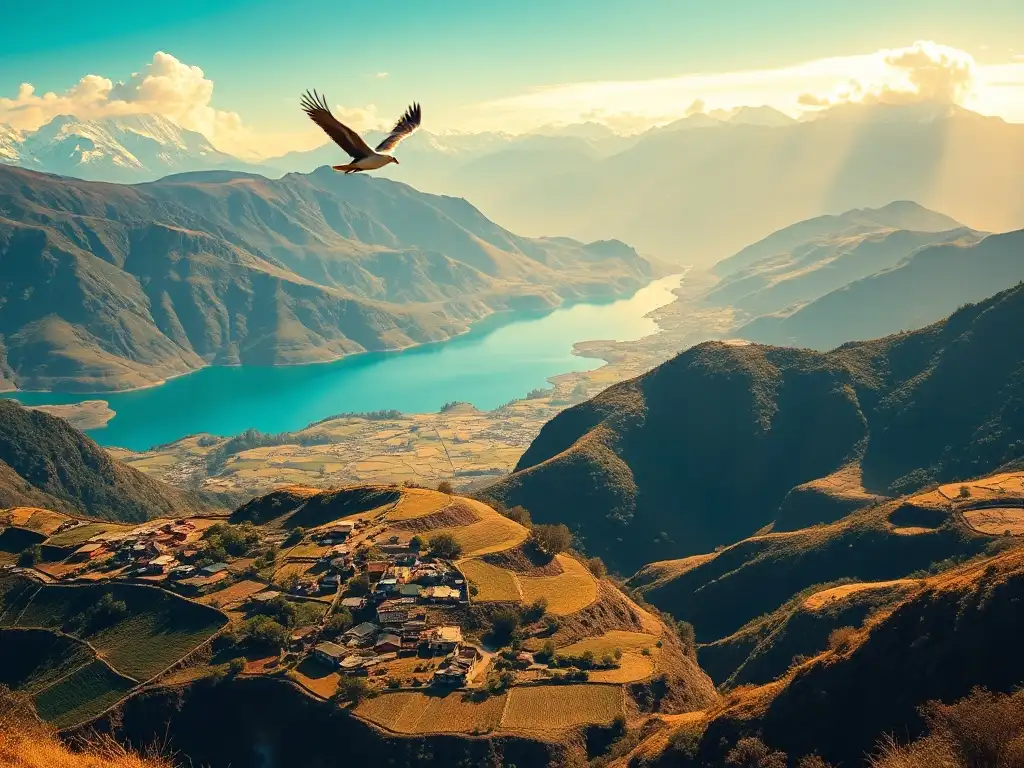
Step into a world lost to time, yet echoing with lessons for today. For centuries, the Andean civilizations thrived amidst challenging landscapes, mastering ingenious strategies to navigate environmental risk. Discover how the Incas, Moche, Nazca, and Tiahuanaco, among others, confronted and conquered the threats posed by their environment. Uncover the secrets behind their remarkable Andean environmental risk management techniques – a legacy as fascinating as their monumental architecture and intricate artistry. Prepare to be amazed.
The Andes Mountains, a spine of towering peaks and deep valleys stretching along the western edge of South America, presented ancient civilizations with a formidable yet fascinating environmental challenge. Life in this dramatic landscape demanded ingenuity and adaptability, fostering the development of sophisticated strategies for mitigating environmental risks.
This article explores the remarkable ways in which Andean cultures, including the Inca, Moche, Nazca, and Tiahuanaco, successfully navigated the inherent dangers of their environment, offering valuable insights into sustainable resource management and resilience in the face of natural hazards. Understanding their approaches to "Andean environmental risk management" provides a compelling case study for modern-day challenges, highlighting the enduring wisdom of these ancient societies and their relevance to contemporary concerns about climate change and environmental sustainability.
We will examine the specific environmental vulnerabilities faced by these cultures, and the innovative techniques they employed to mitigate these risks, demonstrating the deep connection between human ingenuity and the Andean ecosystem.
Understanding Environmental Challenges in the Andes
The Andes presented a complex tapestry of environmental challenges. The high altitude resulted in thin air, intense solar radiation, and extreme temperature fluctuations between day and night. The steep slopes fostered landslides and erosion, while unpredictable weather patterns, including droughts and floods, posed constant threats to agriculture and settlements. Seismic activity, including earthquakes, was another significant hazard.
Furthermore, resource scarcity—especially water—was a common concern, particularly in arid and semi-arid regions. These diverse and often intertwined challenges demanded a holistic approach to environmental management, pushing Andean societies to develop sophisticated strategies for resource allocation, agricultural practices, and infrastructure development. The severity of these challenges varied geographically, with coastal communities facing different risks than those in the high Andes. For example, coastal communities were more vulnerable to tsunamis and El Niño events, while highland communities dealt with frost and freezing temperatures.
The Unique Andean Ecosystem and its Vulnerabilities
The Andean ecosystem, characterized by its vertical zonation (a distinct layering of ecological zones based on altitude), offered both opportunities and limitations. Each altitudinal zone possessed unique flora and fauna, providing a diverse range of resources. However, this diversity also meant that environmental changes in one zone could have cascading effects on others.
For instance, changes in glacial meltwater at high altitudes could significantly impact water availability in lower valleys, affecting agriculture and human settlements. The fragility of the Andean ecosystem was further exacerbated by deforestation, soil erosion, and overgrazing, particularly in densely populated areas. Understanding the interconnectedness of these different zones and the vulnerabilities of the ecosystem was crucial for the development of effective risk management strategies.
The delicate balance between human activity and environmental sustainability was a constant concern for Andean societies. Specific examples of ecosystem vulnerabilities included the susceptibility of terraced agriculture to landslides and the impact of drought on water resources.
Ancient Andean Risk Management Techniques
Andean civilizations developed a remarkable array of techniques to mitigate environmental risks. These included sophisticated irrigation systems, such as the canal networks of the Nazca and the intricate systems employed by the Inca. These systems not only provided water for agriculture but also helped to control flooding and erosion. Terracing, a technique of creating level platforms on steep slopes, significantly reduced soil erosion and increased agricultural productivity.
The construction of robust infrastructure, including stone buildings and roads, demonstrated an understanding of seismic activity and the need for resilient structures. Furthermore, the development of diverse agricultural practices and crop diversification helped to reduce the vulnerability to crop failure due to unpredictable weather patterns. Evidence suggests that sophisticated knowledge of astronomy and meteorology allowed them to predict weather patterns and plan accordingly.
The integration of religious and spiritual beliefs into environmental management also played a significant role, emphasizing the importance of respecting and maintaining the balance of nature. These strategies, combined with a deep understanding of their environment, allowed Andean civilizations to thrive for centuries in one of the world's most challenging landscapes. Further research is needed to fully quantify the effectiveness of each technique and to understand the long-term sustainability of these practices.
- Understanding Environmental Challenges in the Andes
- The Unique Andean Ecosystem and its Vulnerabilities
- Ancient Andean Risk Management Techniques
- What environmental risks did Andean civilizations face?
- How did the Inca manage water resources?
- What role did agriculture play in Andean environmental risk management?
- How did Andean societies adapt to altitude and climate variability?
- What can modern societies learn from Andean environmental risk management?
Traditional Andean Agricultural Practices and Environmental Adaptation
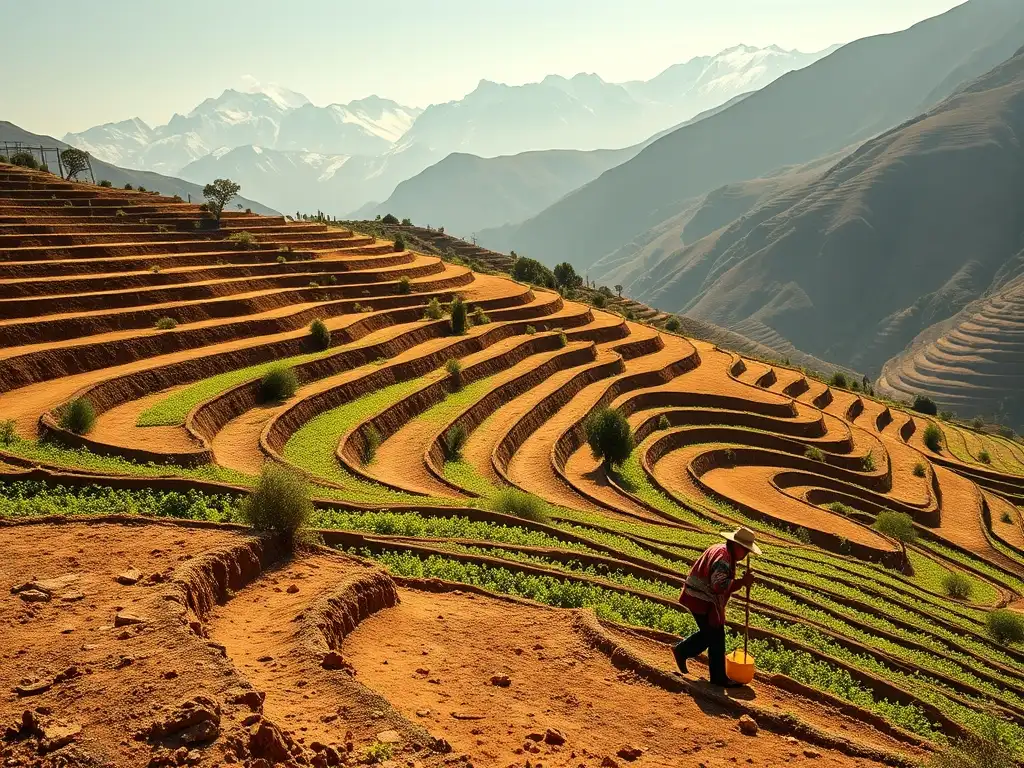
Andean civilizations, renowned for their ingenuity, developed sophisticated agricultural techniques to thrive in the challenging Andean environment. Their success hinged on a deep understanding of the local ecosystems and a remarkable ability to adapt to environmental risks. This understanding, passed down through generations, allowed them to minimize the impact of natural hazards like droughts, floods, and soil erosion, forming the bedrock of their "Andean environmental risk management" strategies.
These weren't merely practices; they were integral to their worldview and social structures. The ingenuity of these systems is still studied and admired today, offering valuable lessons for sustainable agriculture and environmental stewardship.
Terracing and Soil Conservation in Andean Agriculture
Terracing, perhaps the most visually striking example of Andean agricultural innovation, is a testament to their mastery of land management. By carving slopes into a series of level platforms, they dramatically reduced soil erosion caused by heavy rainfall and runoff. This technique not only conserved precious topsoil but also created microclimates, allowing farmers to cultivate a wider variety of crops at different altitudes.
The precise construction of terraces, often incorporating retaining walls made of stone, demonstrates a sophisticated understanding of engineering principles and the impact of gravity on soil stability. Evidence suggests that the precise angle and orientation of terraces were carefully chosen based on factors such as sun exposure, water drainage, and soil type.
The effectiveness of terracing is evident even today, where many ancient terraces remain in use, showcasing their long-term sustainability and resilience. For example, the extensive terrace systems in the Sacred Valley of Peru, visible even from a distance, are a powerful symbol of this sophisticated Andean environmental risk management.
Water Management Systems: Canals and Aqueducts
Water scarcity was a constant concern in the Andes, yet Andean civilizations developed remarkably efficient water management systems to overcome this challenge. They constructed intricate networks of canals and aqueducts to channel water from rivers and springs to their fields, ensuring a reliable water supply even during dry periods. These systems were not merely functional; they were integrated into the social and spiritual fabric of their communities.
Many of these canals were designed with ingenious features, such as strategically placed reservoirs and diversion channels, to manage water flow and prevent flooding. The Nazca culture, for instance, is famous for its sophisticated irrigation systems, which allowed them to cultivate vast tracts of land in a relatively arid environment.
Detailed archaeological evidence reveals the meticulous planning and labor involved in the construction of these systems, highlighting the community-wide effort dedicated to Andean environmental risk management. The precise alignment of some canals suggests an advanced understanding of surveying techniques.
Crop Diversification and Adaptation to Climate Variability
Andean farmers didn't rely on a single crop; instead, they practiced extensive crop diversification to mitigate the risks associated with climate variability. By planting a wide array of crops—from potatoes and maize to quinoa and beans—they ensured that at least some crops would thrive even if others failed due to drought, frost, or disease. This strategy, a cornerstone of their Andean environmental risk management, significantly reduced their vulnerability to crop failure and food shortages.
The high-altitude environments of the Andes are characterized by significant microclimatic variations, and this understanding informed their choice of crops and planting locations. The diverse range of Andean crops, many of which are remarkably resilient to harsh conditions, is a testament to their successful adaptation to the challenging environment. The cultivation of different varieties of potatoes, each adapted to specific altitudes and conditions, is a prime example of this sophisticated approach to minimizing environmental risks.
Furthermore, the practice of intercropping—planting different crops together—further enhanced the resilience of their agricultural systems. The careful consideration of crop rotations and fallow periods also played a crucial role in maintaining soil fertility and minimizing the risk of pest outbreaks, showcasing a deep understanding of ecological principles.
Andean Strategies for Natural Disaster Mitigation
The Andes Mountains, a geographically diverse and challenging environment, presented significant environmental risks to its ancient inhabitants. Successful Andean civilizations, however, developed sophisticated strategies for mitigating these hazards, demonstrating remarkable ingenuity and adaptation to their surroundings. This section explores some key examples of their environmental risk management approaches, focusing on their preparedness for and response to natural disasters. Understanding these strategies offers valuable insights into the resilience and adaptive capacity of Andean societies, contributing to a richer understanding of Andean environmental risk management.
Earthquake-Resistant Construction Techniques
The Andes are highly susceptible to seismic activity. Yet, many Andean structures, particularly those built by the Incas, exhibited remarkable resistance to earthquakes. This wasn't due to a single, unified technique, but rather a combination of approaches tailored to available materials and local geological conditions.
One crucial aspect was the use of ashlar masonry. This involved precisely cut stones, fitted together without mortar, creating incredibly strong and stable walls. The intricate interlocking of stones, combined with their weight and shape, significantly enhanced structural integrity and allowed the buildings to absorb seismic shocks more effectively. Furthermore, the Inca utilized a technique known as pirca, which involved layering stones of varying sizes and shapes, creating a flexible and adaptable structure capable of withstanding ground movement.
The Incas also incorporated features like irregular stone shapes and sizes. This prevented the formation of continuous lines of weakness that could be exploited during an earthquake. The irregular shapes helped to distribute stress more evenly across the structure, enhancing its overall resistance.
The use of smaller stones in the upper levels of buildings further minimized damage during an earthquake. This is a testament to their deep understanding of structural mechanics and their ability to adapt construction techniques to the specific challenges of their environment. Further research is needed to fully quantify the effectiveness of these techniques compared to modern methods, but their longevity and survival throughout centuries of seismic activity suggest a remarkable level of effectiveness in Andean environmental risk management.
Flood Management and Mitigation Methods
Andean civilizations faced recurring threats from floods, particularly in river valleys where agriculture flourished. Their responses weren't solely reactive; they implemented proactive measures for flood management and mitigation. These strategies included:
- Terracing: Extensive terracing on hillsides not only increased arable land but also slowed down the flow of rainwater, reducing runoff and the risk of flooding in lower-lying areas. This method effectively managed water resources and prevented soil erosion, minimizing the impact of extreme weather events.
- Canal Systems: Sophisticated canal systems were constructed to divert water away from settlements and agricultural fields during periods of heavy rainfall. These canals also served to irrigate crops during drier periods, demonstrating a holistic approach to water management. The Nazca culture, for instance, is renowned for its intricate canal systems, showcasing their advanced understanding of hydraulic engineering and their success in Andean environmental risk management.
- Drainage Systems: Many Andean settlements incorporated well-designed drainage systems within urban areas to manage excess rainfall and prevent waterlogging. These systems, often constructed from stone, efficiently channeled water away from buildings and public spaces. The integration of these systems into urban planning highlights a sophisticated understanding of urban infrastructure and risk mitigation.
Addressing Landslides and Slope Instability
The steep slopes of the Andes posed a constant threat of landslides and slope instability. Andean societies developed several strategies to mitigate these risks, including:
- Retaining Walls: Stone retaining walls were built to stabilize slopes and prevent soil erosion, particularly in areas where agriculture was practiced on steep terrains. These walls were often constructed using the same techniques as their earthquake-resistant buildings, emphasizing the interconnectedness of their approach to environmental risk management.
- Controlled Burning: In certain areas, controlled burning of vegetation helped to reduce the risk of large-scale landslides by clearing excess biomass and preventing the build-up of flammable materials. This approach, however, required careful management to avoid undesirable ecological consequences. [Specific details on the frequency and extent of controlled burning pending]
- Settlement Location: The choice of settlement location itself played a crucial role in mitigating landslide risk. Settlements were often strategically located in relatively stable areas, avoiding high-risk slopes and areas prone to erosion. This demonstrates a long-term perspective on environmental risk management, prioritizing safety and sustainability. This careful consideration of topography highlights the sophistication of their understanding of geological hazards and their ability to adapt to the Andean environment. The legacy of these strategies continues to inform modern approaches to Andean environmental risk management.
Andean Knowledge of Climate Patterns and Forecasting
The Andes Mountains, a geographically diverse region, presented significant environmental challenges to its inhabitants. Successful Andean civilizations, however, didn't simply endure these challenges; they developed sophisticated systems for understanding and mitigating environmental risks. A cornerstone of this success was their deep understanding of climate patterns and their ability to forecast weather events, crucial for agricultural planning and resource management.
This knowledge, passed down through generations, wasn't merely superstition; it was a practical, finely-tuned system honed over millennia. The effectiveness of their forecasting, combined with adaptive agricultural practices, allowed these societies to thrive in often unpredictable environments. Understanding their methods provides valuable insights into "Andean environmental risk management" and offers potential lessons for modern approaches to climate change adaptation.
Observation and Interpretation of Natural Indicators
Andean societies meticulously observed a vast array of natural indicators to predict upcoming weather patterns. This wasn't a passive observation; it was an active engagement with the environment, requiring keen attention to detail and a deep understanding of ecological interrelationships. For example, the behavior of animals was carefully noted. Changes in migratory patterns of birds, the breeding cycles of certain insects, and even the activity levels of specific animals were all interpreted as potential signs of impending climatic shifts.
Similarly, the appearance of plants played a significant role. The timing of flowering, the growth rate of crops, and the overall health of vegetation provided crucial clues. Additionally, celestial observations, such as the positioning of constellations and the phases of the moon, were integrated into their forecasting systems.
These observations weren't isolated pieces of information; they were interconnected parts of a holistic understanding of the environment. The collective analysis of these multiple indicators allowed for a more nuanced and accurate prediction than any single indicator could provide alone. For instance, observing a late blooming of quinoa alongside unusual bird migration patterns might suggest a late and potentially harsh rainy season.
Traditional Forecasting Methods and their Accuracy
The observations described above weren't simply recorded; they were systematically processed using a variety of traditional forecasting methods. These methods varied somewhat between different Andean cultures, but common threads existed. Many societies used complex mnemonic devices, such as songs, poems, or elaborate narratives, to store and transmit accumulated knowledge across generations. This oral tradition ensured the continuity of vital environmental information, even in the absence of written records.
Additionally, some groups developed sophisticated calendar systems intricately tied to agricultural cycles and weather patterns. These calendars weren't simply instruments for timekeeping; they were powerful tools for predicting seasonal changes and managing agricultural activities accordingly. Assessing the accuracy of these methods requires careful consideration.
While precise quantitative data is often lacking, the long-term survival and prosperity of Andean civilizations in challenging environments speaks to the effectiveness of their forecasting systems. Anthropological studies and historical records offer anecdotal evidence of their success, suggesting a surprisingly high degree of accuracy, particularly in predicting shorter-term weather events like rainfall within a specific season. The longevity of their agricultural practices further supports this claim.
Integration of Indigenous Knowledge with Modern Science
The sophisticated understanding of "Andean environmental risk management" held by indigenous communities offers a rich source of information for modern scientists. Integrating indigenous knowledge with modern scientific methods can lead to more comprehensive and effective strategies for climate change adaptation and environmental protection. Modern climate models, for example, could benefit from incorporating the detailed observations and interpretations of Andean communities.
This integration could lead to more accurate and localized climate predictions, particularly in areas with limited meteorological data. Furthermore, understanding the traditional farming techniques employed by Andean civilizations can provide valuable insights into sustainable agriculture. These techniques, often adapted to specific microclimates and soil conditions, offer potential solutions for increasing crop yields while minimizing environmental impact.
However, this integration must be approached with respect and sensitivity. It's crucial to recognize the intellectual property rights of indigenous communities and to ensure that their knowledge is not exploited but rather valued and preserved. Collaboration and mutual respect are essential for building a truly effective and equitable partnership between indigenous knowledge and modern science in the ongoing challenge of Andean environmental risk management.
The Legacy of Andean Environmental Resilience
The Andes Mountains, a geographically diverse and challenging environment, fostered remarkable ingenuity in ancient Andean civilizations. Their survival depended on a deep understanding and respect for their surroundings, leading to sophisticated strategies for mitigating environmental risks. This wasn't simply a matter of reacting to natural disasters; it was a proactive approach deeply interwoven with their spiritual beliefs and social structures.
"Andean environmental risk management" wasn't a formalized concept, but rather a deeply ingrained way of life. We can see evidence of this in their agricultural techniques, water management systems, and settlement patterns, all carefully adapted to the specific challenges of their environment. Studying these legacies offers invaluable lessons for contemporary environmental management.
Lessons for Contemporary Environmental Management
Contemporary environmental management can learn significantly from the sophisticated strategies employed by Andean civilizations. Their approach, characterized by a holistic understanding of the ecosystem, stands in stark contrast to many modern, compartmentalized approaches. For instance, the intricate waru waru agricultural system, characterized by raised beds and irrigation channels, demonstrates a mastery of water management, soil conservation, and microclimate control.
This system not only boosted crop yields but also enhanced resilience to drought and frost – crucial considerations in the unpredictable Andean climate. Similarly, their terraced farming techniques, still visible in many parts of the Andes, minimized soil erosion and maximized arable land. These methods highlight the importance of integrated approaches, recognizing the interconnectedness of various environmental factors.
The success of these systems, maintained for centuries, underscores the long-term benefits of sustainable practices. Analyzing these ancient techniques provides crucial insights for developing resilient and sustainable agricultural systems in the face of climate change and increasing environmental pressures. The effective integration of traditional ecological knowledge with modern scientific understanding holds immense potential for addressing contemporary environmental challenges.
Sustainable Practices Inspired by Andean Civilizations
Numerous contemporary sustainable practices are directly inspired by, or find parallels in, Andean traditions. For example, the concept of ayni, a reciprocal exchange system that fostered community cooperation and resource management, offers a powerful model for collaborative environmental stewardship. The principle of reciprocity extended to the environment, emphasizing a balanced relationship between humans and nature.
This contrasts sharply with exploitative approaches that prioritize short-term gains over long-term sustainability. Furthermore, the careful selection and cultivation of native crops, adapted to the specific conditions of the Andean region, offers valuable lessons for biodiversity conservation and climate-resilient agriculture. The utilization of diverse crop varieties reduced vulnerability to pests and diseases, a crucial factor in ensuring food security.
This emphasis on biodiversity is a key element of modern sustainable agriculture, highlighting the enduring wisdom embedded in Andean practices. The integration of indigenous knowledge in modern agricultural development programs demonstrates the practical application of these lessons. The revival and adaptation of ancient Andean techniques—such as the waru waru system—in modern agricultural projects showcases the potential for integrating traditional knowledge with contemporary needs.
Preserving Andean Environmental Knowledge for Future Generations
Preserving the rich body of Andean environmental knowledge is crucial for future generations. This knowledge, passed down through generations, represents a valuable resource for addressing contemporary environmental challenges. However, the erosion of traditional practices and the loss of indigenous languages pose significant threats to this invaluable legacy.
Documentation and dissemination of this knowledge are essential, utilizing various methods including oral histories, ethnobotanical studies, and collaborative research projects involving indigenous communities. This requires active participation and collaboration with indigenous communities, ensuring that their intellectual property rights are respected and that they benefit from any research and application of their traditional knowledge. Furthermore, incorporating this knowledge into educational curricula can help foster a deeper appreciation for the interconnectedness of humans and the environment and promote responsible environmental stewardship.
The preservation and application of Andean environmental knowledge is not merely an academic pursuit; it is a crucial step towards building more sustainable and resilient futures. The continued survival of these practices is vital for maintaining biodiversity, improving food security, and adapting to the challenges of climate change in the Andean region and beyond. The integration of traditional knowledge with modern science offers a powerful pathway for achieving a more sustainable future.
Frequently Asked Questions
What environmental risks did Andean civilizations face?
Andean civilizations faced numerous environmental risks, including earthquakes, volcanic eruptions, floods, droughts, and landslides. These events significantly impacted their infrastructure and food production.
How did the Inca manage water resources?
The Inca employed sophisticated irrigation systems and terracing techniques to manage water resources effectively, especially in arid regions. They also built reservoirs and aqueducts to ensure a reliable water supply.
What role did agriculture play in Andean environmental risk management?
Agriculture was central to Andean risk management. Crop diversification, terracing, and intercropping techniques minimized the impact of environmental disasters and ensured food security.
How did Andean societies adapt to altitude and climate variability?
Andean societies developed remarkable adaptations, including specialized crops suited to high altitudes, verticality in agricultural practices, and complex social structures to cope with climate variability.
What can modern societies learn from Andean environmental risk management?
Modern societies can learn from the sustainable practices and integrated approach to environmental risk management employed by Andean civilizations. Their strategies offer valuable insights for dealing with contemporary environmental challenges.
Final Reflection: Weaving Resilience into the Andean Tapestry
The interconnected challenges of climate change, biodiversity loss, and resource depletion in the Andes are not merely environmental concerns; they are a direct threat to the livelihoods and cultural heritage of millions. The strategies explored in this article – from indigenous knowledge systems to innovative technological solutions – highlight the urgent need for a multifaceted approach to Andean environmental risk management. Ignoring these risks is not an option; the consequences are too severe and far-reaching.
The enduring legacy of Andean civilizations, built upon a deep understanding of their environment, serves as a powerful reminder of the importance of sustainable practices. Their sophisticated agricultural techniques, water management systems, and respect for the sacredness of nature offer invaluable lessons for contemporary approaches. The Earth is what we all have in common.
– Wendell Berry. This simple statement underscores the shared responsibility we all bear in protecting the fragile ecosystems of the Andes, and indeed, the entire planet. The ongoing struggle to balance development with environmental protection in the region is a microcosm of the global challenge we face.
Consider the implications of the strategies discussed within this article. What steps can you take to support sustainable practices in the Andes, even from afar? Perhaps it's supporting fair trade initiatives, advocating for responsible tourism, or simply educating yourself and others about the unique challenges and opportunities facing this remarkable region. Let the resilience of the Andean people and their environment inspire you to become a part of the solution, weaving your own thread into the tapestry of a more sustainable future.
**Embrace Sustainable Solutions Today! **
Thank you for exploring the fascinating world of Andean sustainable practices and their vital role in mitigating environmental risks. You've gained valuable insights into how these ancient methods offer powerful lessons for modern sustainability. Now, let's put this knowledge into action!
Here's how you can make a difference:
- **Incorporate an Andean-inspired practice** into your daily life. This could be as simple as using natural pest control methods in your garden or adopting more water-efficient gardening techniques. Start small, and you'll be amazed at the positive impact you can achieve!
- Seek out **local community projects** focused on sustainable living. Your involvement can make a real difference, and you'll have the opportunity to share your knowledge of sustainable Andean methods with others.
- **Spread the word! ** Share this article with your friends and family, and post it on social media to raise awareness about these effective, time-tested environmental solutions. You might inspire someone to make a positive change.
Which sustainable practice from Andean cultures resonates most with you, and how could you adapt it for your own community?