
Inca Stairways: Carved into the Andes, Connecting Communities

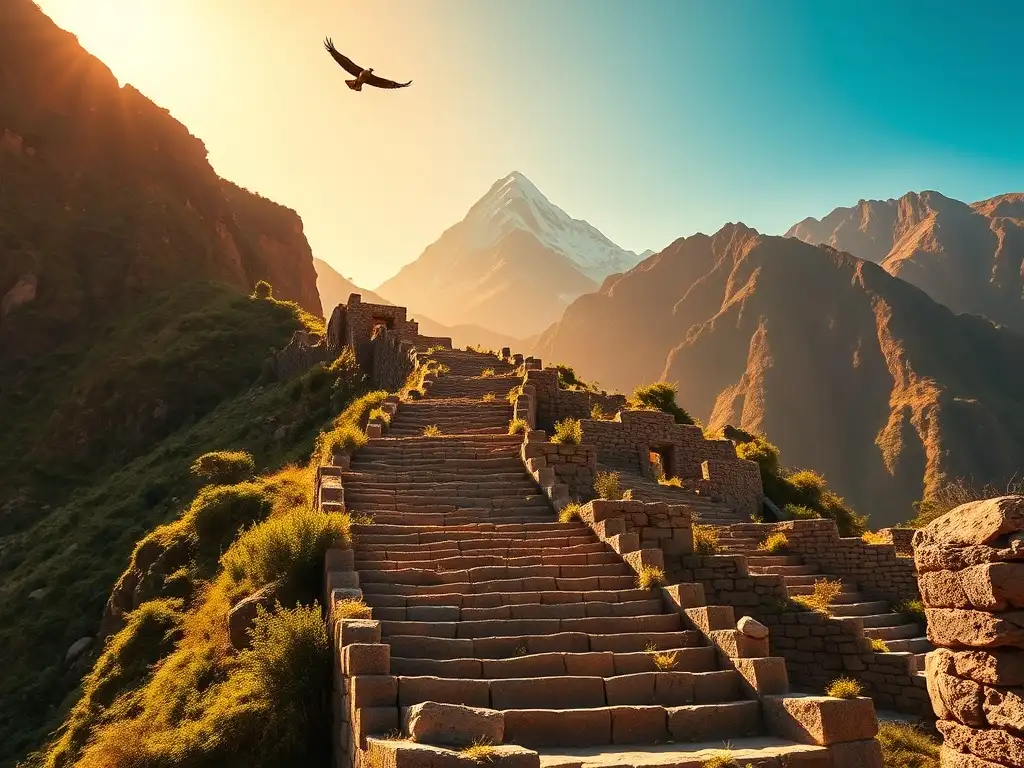
Step into a world lost to time, yet echoing with the whispers of a magnificent empire. Imagine the breathtaking scale of Inca stairways, meticulously carved into the formidable Andes Mountains. These weren't just paths; they were the very arteries of an advanced civilization, connecting communities and shaping the destiny of a people. Unravel the mysteries behind their construction, their purpose, and the enduring legacy they left behind – discover the incredible story of Inca stairways and Andes history within.
The Inca Empire, a civilization that thrived in the challenging Andean highlands, left behind a legacy of breathtaking architecture and ingenious engineering solutions. Their mastery of stonework is legendary, but perhaps less appreciated is their intricate network of stairways carved directly into the steep Andean slopes. These weren't mere pathways; they were vital arteries of communication, trade, and cultural exchange, connecting scattered communities across treacherous terrain.
This article delves into the significance of Inca stairways, exploring their historical context, construction techniques, and enduring impact on Andean life. We will uncover how these impressive feats of engineering facilitated the growth and cohesion of the Inca Empire, highlighting their role in shaping the landscape and the lives of the people who inhabited it.
Understanding Inca stairways offers a fascinating glimpse into the ingenuity and societal organization of one of history's most remarkable civilizations. The keyword "Inca stairways Andes history" will be explored throughout, examining their place within the broader context of Andean history and culture.
The Significance of Inca Stairways in Andean History
Inca stairways were far more than simple routes; they were integral to the very fabric of Inca society. Their strategic placement facilitated efficient movement of people, goods, and messages across the vast and rugged Andean landscape. This efficient infrastructure was crucial for the Inca's ability to administer their empire effectively.
The construction itself was a testament to the Inca's advanced understanding of engineering and their deep connection to their environment. They skillfully adapted their building techniques to the specific challenges of each location, often integrating the stairways seamlessly into the natural contours of the mountains. This wasn't just about practicality; the construction of these stairways also served a symbolic purpose, reinforcing the Inca's control and influence over the territory and connecting communities in a powerful way.
The sheer scale of the undertaking underscores the immense human and logistical resources at the Inca's disposal, reflecting their sophisticated organizational capabilities. The meticulous planning and execution evident in these structures speak volumes about the Inca's advanced understanding of surveying, stonework, and logistics. The intricate network of pathways also connected sacred sites, further emphasizing the profound spiritual significance interwoven with the practical function of the stairways.
Construction Techniques and Materials of Inca Stairways
The construction of Inca stairways was a remarkable feat of engineering, employing techniques that continue to fascinate and inspire architects and engineers today. The Incas utilized locally sourced stone, expertly shaping and fitting the blocks to create incredibly durable and stable structures. Their mastery of dry-stone masonry, a technique that involved fitting stones together without mortar, is truly astonishing.
The precision and artistry involved in the construction are evident in the incredibly tight fits of the stones, creating structures that have withstood the test of time. Furthermore, the stairways were often integrated into the surrounding landscape, sometimes utilizing existing natural features to minimize disruption to the environment. Careful consideration was given to drainage, ensuring that water wouldn't erode the structures.
The construction itself involved a highly organized workforce, reflecting the Inca's sophisticated social and political organization. Evidence suggests that specialized labor teams, possibly incorporating knowledge passed down through generations, were responsible for various aspects of the construction process. The creation of these stairways was a communal effort, a testament to the Inca's capacity for collective action and their commitment to building a cohesive and interconnected empire.
The Inca stairways played a vital role in the social and economic life of the empire. They facilitated trade and commerce, allowing for the efficient exchange of goods and resources between different communities. This interconnectedness fostered economic growth and stability, contributing to the overall prosperity of the Inca Empire.
Beyond the economic benefits, the stairways also served as crucial communication routes, enabling the rapid transmission of information and the maintenance of social order across vast distances. The ability to quickly relay messages was particularly important for the Inca administration, enabling effective governance and response to crises. The stairways also played a significant role in religious and ceremonial practices, connecting settlements to sacred sites and facilitating pilgrimages.
This interwoven social, economic, and religious significance highlights the centrality of the stairways to Inca life and their profound impact on the fabric of Andean society. Their construction and maintenance required a significant investment of labor and resources, reflecting their perceived importance within the Inca social structure. The legacy of these stairways continues to resonate today, serving as a powerful reminder of the Inca's innovative engineering skills and their sophisticated social organization.
- The Significance of Inca Stairways in Andean History
- Construction Techniques and Materials of Inca Stairways
- The Social and Economic Impact of Inca Stairways
- What makes Inca stairways unique in Andes history?
- How were Inca stairways constructed in such challenging terrain?
- What was the purpose of Inca stairways beyond simple transportation?
- What materials were primarily used in the construction of Inca stairways?
- How have Inca stairways contributed to our understanding of Inca civilization?
Engineering Marvels: Constructing Inca Stairways
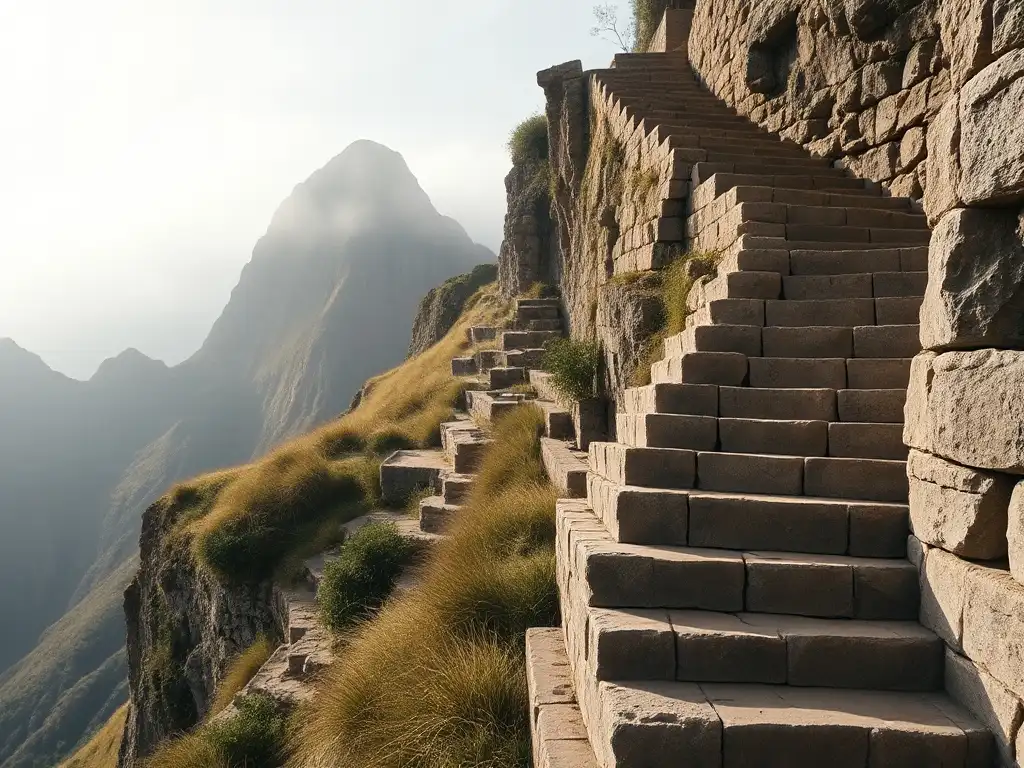
The Inca Empire's mastery of stonework is perhaps nowhere more evident than in their impressive network of stairways carved into the Andes Mountains. These weren't merely pathways; they were sophisticated feats of engineering, reflecting a deep understanding of topography, material science, and community needs. The construction of these stairways, often traversing treacherous terrain, stands as a testament to the Inca's advanced civilization and their ability to seamlessly integrate infrastructure with the challenging landscape.
Understanding the Inca stairways' construction reveals insights into their ingenuity and the enduring legacy of their architectural prowess. The keyword phrase "Inca stairways Andes history" is central to understanding this remarkable aspect of Inca civilization.
Inca Stone Cutting Techniques for Stairways
Inca stone cutting techniques were remarkably precise, particularly crucial for the construction of stairways. They employed a sophisticated system involving various tools and methods to achieve the incredibly tight fits characteristic of their stonework. Evidence suggests the use of copper and bronze chisels, hammers, and possibly even abrasive materials like quartz sand to shape and refine the stones.
The precision was breathtaking; stones were often cut so precisely that even a knife blade couldn't be inserted between them. This level of accuracy was essential for the stability and longevity of the stairways, especially given the often steep and uneven terrain. The Inca's ability to shape massive blocks of andesite, granite, and other hard stones with such precision showcases their advanced understanding of metallurgy and stoneworking.
They didn't just cut stones; they meticulously shaped them to perfectly interlock, creating structures that withstood the test of time and the elements. Their mastery of this technique is a significant factor contributing to the enduring legacy of Inca stairways in the Andes.
The Design and Planning of Inca Mountain Staircases
The design and planning of Inca mountain staircases were not arbitrary. They were carefully considered, reflecting a deep understanding of both the environment and the needs of the communities they served. The stairways weren't simply straight lines; they often followed the contours of the mountains, utilizing natural features to minimize the amount of earthwork required.
This approach reduced construction time and resources, while also creating visually stunning and functional pathways. Furthermore, the width and gradient of the stairways were likely adapted to the specific location and intended use. Steeper sections might have been used for shorter distances or where the terrain dictated, while gentler slopes would have been preferred for carrying loads or for more frequent use.
Evidence from surviving sections suggests a remarkable attention to detail, with strategically placed resting areas and even drainage systems incorporated into the design. This meticulous planning ensured both the structural integrity and practical usability of these vital Andean pathways. The planning process itself highlights the sophisticated organizational capabilities of the Inca Empire and their commitment to building sustainable infrastructure.
Materials Used in Inca Stairway Construction
The materials used in Inca stairway construction varied depending on the local geology, but generally involved locally sourced stone. Andesite, a hard volcanic rock, was a common choice due to its durability and availability in many parts of the Andes. Granite and other hard stones were also used where available. The selection of materials was crucial for ensuring the longevity and stability of the stairways, especially given the challenging environmental conditions.
The use of local materials also minimized transportation costs and time, reflecting the Inca's practical approach to construction. Beyond the primary stone, other materials were likely used in smaller quantities. Mortar, though less common than in other Inca structures, may have been used in some cases to bind stones together, although the precise composition remains to be fully researched.
[Specific information pending] on the use of binding agents in Inca stairway construction. However, the remarkable precision of the stone cutting often rendered mortar unnecessary, with the stones themselves providing sufficient stability through interlocking. The careful selection and utilization of materials are clear indicators of the Inca's understanding of engineering principles and their ability to adapt to the unique challenges presented by the Andean environment.
Inca Stairways as Vital Communication Routes
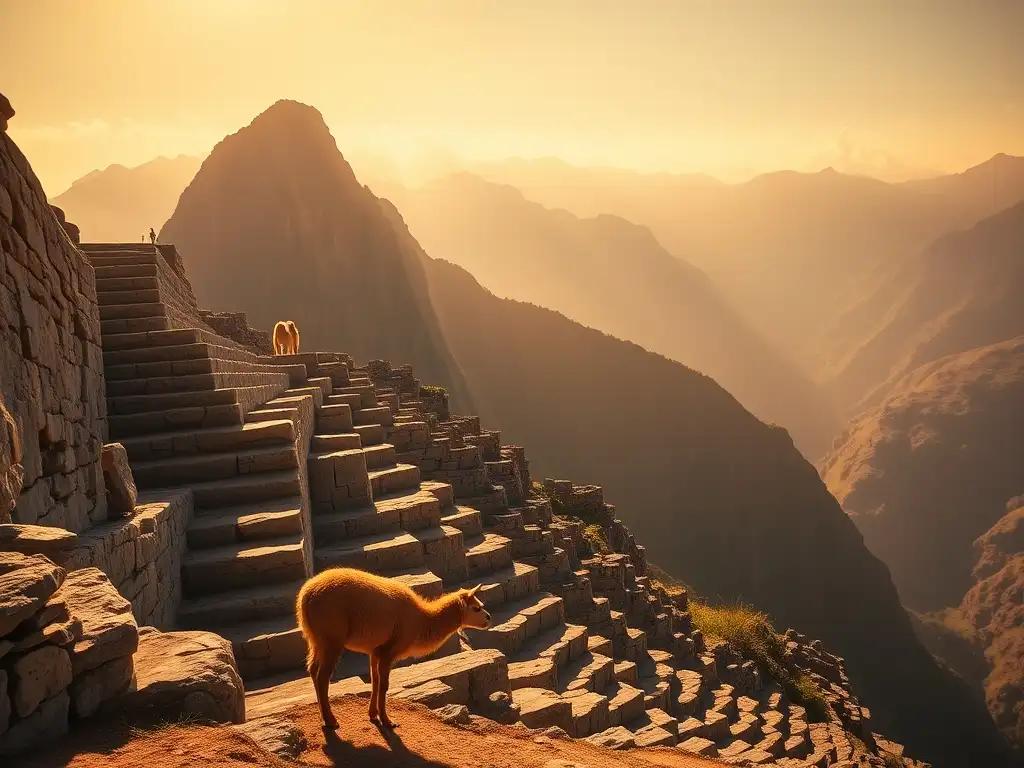
Inca stairways, carved meticulously into the challenging Andean terrain, served as far more than mere pathways. They formed a critical component of the Inca Empire's sophisticated communication network, enabling rapid transmission of information across vast distances. This intricate system of stairways, often integrated with the wider Qhapaq Ñan road network, allowed for the swift movement of messengers, military units, and administrative personnel.
The strategic placement of these stairways, often connecting settlements perched precariously on mountain slopes, showcases the Inca's mastery of both engineering and logistics. The speed of communication was paramount for effective governance and defense in such a geographically diverse empire.
Consider the impact of a swift message relaying news of an impending attack or a vital administrative decree: the efficiency of the stairway system directly contributed to the stability and expansion of the Inca state. The strategic location of many stairways near critical resources or military vantage points further underscores their importance for maintaining control and communication within the empire.
Inca Stairways and the Qhapaq Ñan Road System
The Qhapaq Ñan, or Great Inca Road, was a marvel of ancient engineering, a vast network stretching thousands of kilometers across the Andes. Inca stairways were intrinsically linked to this road system, acting as crucial connectors between the main arteries and the more remote settlements. Many stairways served as access points to the Qhapaq Ñan, allowing communities to quickly reach the main roads for trade, communication, or travel.
The integration of stairways and the road system highlights the Inca's sophisticated understanding of infrastructure planning and their ability to adapt construction techniques to the varied topography of the Andes. The stairways weren't merely add-ons; they were integral to the overall functionality of the Qhapaq Ñan, providing vital access points and facilitating efficient movement of people and goods.
Archaeological evidence consistently demonstrates the close proximity and functional relationship between these stairways and the main roads, reinforcing their interconnectedness within the broader Inca communication and transportation infrastructure. This intricate network ensured that even the most remote communities remained connected to the heart of the empire.
How Inca Stairways Facilitated Trade and Travel
Inca stairways played a significant role in facilitating trade and travel within the empire. These pathways provided access to otherwise inaccessible regions, allowing for the exchange of goods and the movement of people between different communities. The stairways often followed natural contours, utilizing existing terrain features to minimize construction challenges.
This practical approach facilitated the efficient and safe transport of goods, ranging from agricultural products to textiles and precious metals. The construction of stairways with strategically placed resting areas – often indicated by archaeological finds of stone seats or platforms – facilitated longer journeys. Imagine the arduous journeys undertaken by traders carrying goods along these pathways, the stairways providing crucial resting points and a measure of safety.
The efficient transport network, including the stairways, underpinned the Inca's economic prosperity and cultural exchange. The presence of stairways near known agricultural areas or mining sites further supports their crucial role in facilitating trade and economic activity.
The Role of Inca Stairways in Connecting Andean Communities
Inca stairways served as vital links between Andean communities, fostering social cohesion and cultural exchange within the vast empire. The construction of these stairways not only facilitated practical necessities like trade and communication but also promoted social interaction and the strengthening of community ties. The shared use of these pathways fostered a sense of unity and collective identity among geographically dispersed populations.
The construction itself, often a communal effort, likely served as a social event and strengthened community bonds. Consider the social implications of shared construction, maintenance, and daily use of the stairways. These pathways were not merely utilitarian structures; they were integral to the social fabric of Inca society, connecting people and communities in a way that transcended mere physical proximity.
This interconnectedness contributed significantly to the overall stability and cultural unity of the Inca Empire, highlighting the profound social impact of these seemingly simple structures. The enduring legacy of these Inca stairways lies not only in their impressive engineering but also in their crucial role in connecting the hearts and minds of the Andean communities they served.
Examples of Iconic Inca Stairways
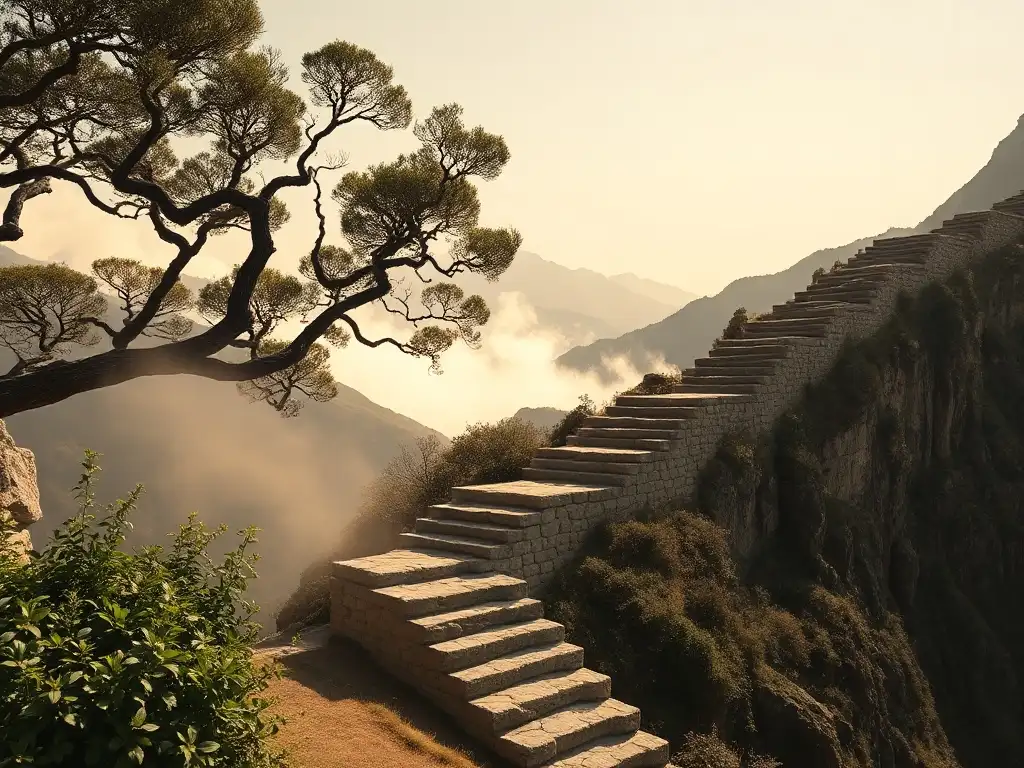
The Inca Empire, renowned for its sophisticated engineering prowess, left behind a legacy of impressive architectural feats. Among these, the Inca stairways carved into the Andes stand out as remarkable examples of their ability to adapt construction to challenging terrains. These weren't merely pathways; they were integral components of their urban planning, connecting communities, facilitating trade, and reflecting their deep understanding of the Andean landscape.
The construction of these stairways speaks volumes about Inca ingenuity, demonstrating mastery of stonework, hydrology, and a profound respect for the environment. The keyword phrase "Inca stairways Andes history" perfectly encapsulates the significance of these structures within the broader context of Andean civilization.
The Stairways of Machu Picchu: A Case Study
Machu Picchu, the iconic "Lost City of the Incas," is renowned for its breathtaking setting and intricate architecture. However, the network of stairways interwoven throughout the site is often overlooked, despite its crucial role in the city's functionality. These stairways, expertly fitted with precisely cut stones, navigate the steep slopes, connecting different levels of the city, from residential areas to agricultural terraces and ceremonial centers. The precision of the stonework is astonishing; many stones fit together so seamlessly that a knife blade cannot be inserted between them.
This meticulous craftsmanship wasn't just for aesthetics; it ensured stability and longevity, even in the face of earthquakes and heavy rainfall. The design also incorporated drainage systems, diverting water away from the steps to prevent erosion and maintain the integrity of the pathways. Analyzing the arrangement and construction of these stairways reveals much about the social organization and daily life within Machu Picchu.
The varying widths and styles of stairways might indicate different levels of access or designated uses, providing valuable insights into the city's hierarchical structure. Further research into the materials used and the construction techniques employed could reveal even more about Inca building practices and their understanding of engineering principles. The sheer scale of the stairway network at Machu Picchu underscores the vast labor and organizational capacity of the Inca Empire.
The Intricate Stairways at Ollantaytambo
Ollantaytambo, a significant Inca fortress and agricultural center, boasts another impressive example of Inca stairway construction. Unlike the stairways of Machu Picchu, which are integrated into the city's organic layout, Ollantaytambo's stairways are more monumental, often forming part of the imposing fortress walls. These stairways are characterized by their impressive height and the sheer size of the stones used in their construction. Some steps are massive blocks, requiring extraordinary engineering skill to lift and place with such precision.
The stairways at Ollantaytambo are not just functional; they also serve as a powerful visual statement of Inca power and control. The strategic placement of the stairways, often leading to defensive positions or overlooking agricultural terraces, highlights their role in both defense and resource management. The construction of these stairways likely involved sophisticated techniques, including the use of ramps, levers, and possibly even rollers to move the massive stones into place.
Detailed studies of the stonework at Ollantaytambo could provide further insights into the Inca's advanced understanding of mechanics and engineering. The sheer scale and precision of the stairways at Ollantaytambo remain a testament to the Inca's exceptional capabilities. The integration of the stairways within the overall fortress design showcases the holistic approach of Inca architecture, where functionality and aesthetics were seamlessly blended.
The Stairway to Huayna Picchu
Huayna Picchu, the towering mountain peak overlooking Machu Picchu, is accessible via a challenging but rewarding stairway. This stairway, unlike the more gently sloping paths found in Machu Picchu itself, is a steep, narrow ascent carved directly into the mountainside. This dramatic stairway, with its winding path and precarious location, demonstrates the Inca’s mastery of constructing pathways in extremely challenging terrain. The construction techniques used for this stairway might differ from those employed in the more level areas of Machu Picchu, reflecting adaptations to the specific geological conditions.
The stones used are often smaller and more irregularly shaped, suggesting a greater emphasis on adaptability and stability in this extreme environment. The Huayna Picchu stairway is a testament to the Inca’s resourcefulness and their ability to overcome seemingly insurmountable obstacles. While less extensively studied than the stairways of Machu Picchu or Ollantaytambo, the Huayna Picchu stairway presents a fascinating case study in Inca engineering adaptability.
Further research could reveal more about the construction methods, the materials used, and the significance of this path within the broader context of Inca religious practices and possibly even astronomical observations, given the mountain's prominence. The sheer audacity of constructing such a stairway in such a location speaks to the Inca’s remarkable skill and determination. The breathtaking views from the summit reward the climber with a stunning perspective on the Inca civilization's ingenuity and its harmonious relationship with the Andes mountains.
The Legacy of Inca Stairways in the Andes Today
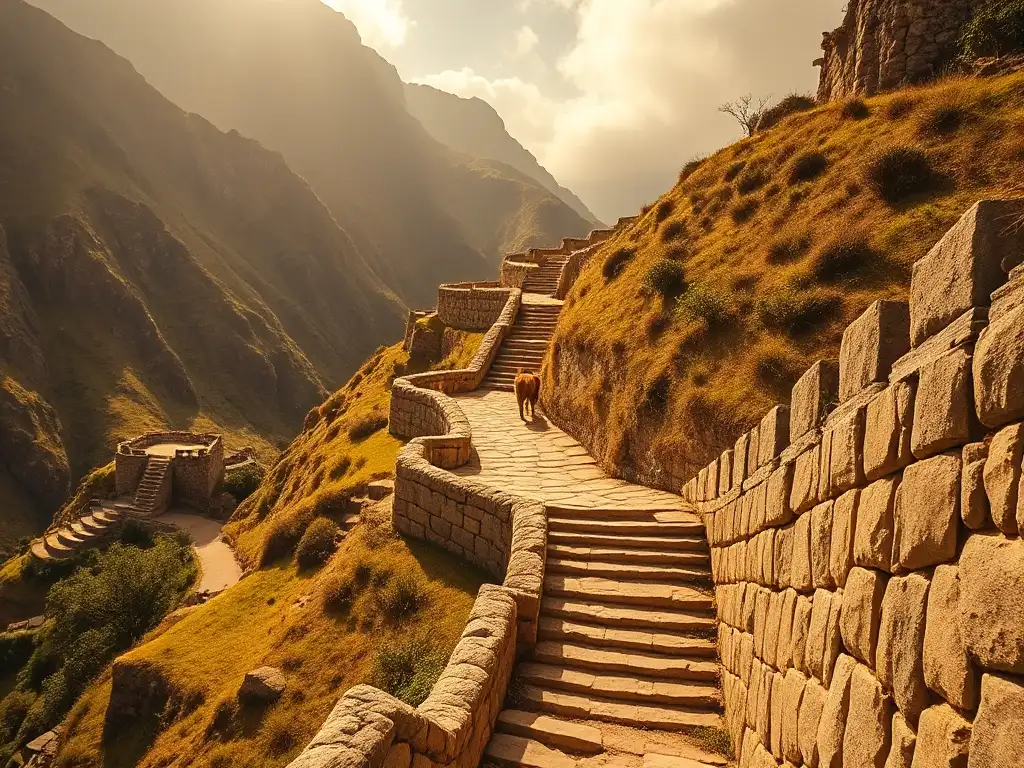
Inca stairways remain a powerful testament to the ingenuity and adaptability of the Inca civilization. Scattered throughout the Andes Mountains, these ancient pathways not only facilitated trade and communication but also served as crucial elements of the Inca's sophisticated agricultural and social systems. Their enduring presence shapes the landscape and continues to influence the lives of Andean communities today.
The legacy extends beyond mere physical structures; it represents a deep connection to the past, a source of cultural pride, and a vital component of modern Andean identity. Understanding this legacy requires examining the ways these stairways continue to function within contemporary Andean life.
Inca Stairways as a Symbol of Andean Ingenuity
The construction of Inca stairways exemplifies the remarkable engineering skills of the Inca people. Their mastery of stonework, coupled with an intimate understanding of Andean geography, allowed them to carve intricate pathways into the steep mountain slopes. These stairways weren't simply functional; they were carefully integrated into the landscape, often forming part of broader agricultural terraces or connecting sacred sites. The precision and durability of the construction are astounding, with many stairways surviving centuries of erosion and seismic activity.
This enduring quality highlights the Inca's deep knowledge of materials science and their ability to adapt construction techniques to the challenging terrain. The use of locally sourced stones, perfectly fitted without mortar, showcases not only technical prowess but also a profound respect for the environment. The very existence of these stairways serves as a continuing symbol of Andean ingenuity and resilience.
Their enduring presence is a constant reminder of the impressive achievements of a civilization that thrived in one of the world's most challenging environments. The intricate design, often incorporating switchbacks and strategically placed resting areas, reflects a sophisticated understanding of human physiology and the demands of traversing steep inclines. This holistic approach to design, combining functionality with aesthetic appeal, is a hallmark of Inca engineering and continues to inspire awe and admiration.
Preservation Efforts of Ancient Inca Stairways
Preserving these invaluable historical sites is a complex undertaking, demanding a multifaceted approach. Efforts often involve collaboration between local communities, government agencies, and international organizations. Challenges include the effects of erosion, seismic activity, and the impact of tourism. Sustainable tourism practices are crucial; managing visitor flow and educating tourists about the importance of preserving the stairways are key components of preservation strategies.
Local communities often play a crucial role in monitoring the condition of the stairways and reporting damage. Their intimate knowledge of the local environment and their deep connection to the cultural heritage are invaluable assets in preservation efforts. Furthermore, detailed documentation and archaeological surveys are essential for understanding the construction techniques and the historical significance of these sites. This information helps inform restoration projects and ensures that any interventions are undertaken with sensitivity and respect for the historical integrity of the stairways.
Funding for preservation initiatives is frequently a limiting factor, underscoring the need for sustained investment in the protection of this important cultural heritage. The long-term preservation of Inca stairways requires a collaborative and sustained effort, combining scientific expertise with community engagement and responsible tourism practices. The goal is not merely to maintain the physical structures but to protect their cultural and historical significance for future generations.
Inca Stairways and Modern Tourism
Inca stairways have become increasingly significant in the Andean tourism sector. They offer a unique opportunity for visitors to experience the grandeur of Inca engineering and connect with the rich history of the region. However, the increasing popularity of these sites presents both opportunities and challenges. Responsible tourism practices are essential to mitigate the negative impacts of increased visitor numbers.
This includes implementing measures to protect the stairways from damage, educating tourists about the importance of preserving these sites, and ensuring that tourism benefits local communities. The development of sustainable tourism infrastructure, such as well-maintained trails and visitor centers, can help to manage visitor flow and minimize environmental impact. Furthermore, partnering with local guides who possess deep knowledge of the history and cultural significance of the stairways can enhance the visitor experience and promote a deeper understanding of the Inca legacy.
By carefully managing tourism, while ensuring that local communities benefit from the economic opportunities it presents, it is possible to balance the preservation of these invaluable sites with the economic needs of the region. The challenge lies in striking a balance between promoting tourism as a means of economic development and ensuring the long-term preservation of this irreplaceable cultural heritage for future generations. This requires a holistic and sustainable approach that prioritizes both environmental protection and community well-being.
Exploring the Cultural Importance of Inca Stairways
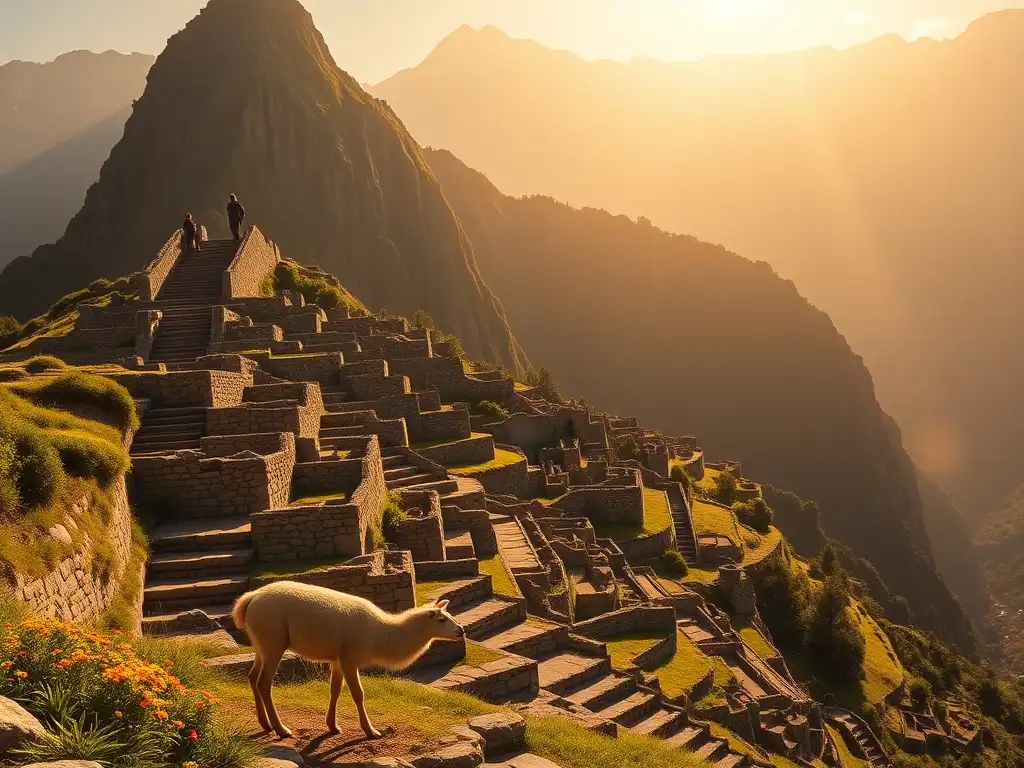
Inca stairways, carved meticulously into the steep Andean slopes, were far more than mere pathways; they were integral components of Inca society, deeply intertwined with its religious beliefs, social structures, and daily life. Understanding their cultural significance reveals a fascinating aspect of Inca civilization, showcasing their ingenuity and spiritual connection to their environment. The phrase "Inca stairways Andes history" encapsulates this vital link between architectural achievement and the broader narrative of the Inca Empire.
These stairways weren't simply practical solutions to traversing challenging terrain; they were imbued with symbolic meaning and served crucial roles in religious ceremonies and community life. Their construction reflects a sophisticated understanding of engineering principles, combined with a profound spiritual worldview.
Inca Stairways and their Religious Significance
The Inca worldview was deeply rooted in nature worship, with mountains holding immense spiritual power. Inca stairways, often leading to sacred sites high in the Andes, facilitated access to these revered locations. The act of ascending these pathways was itself a ritualistic journey, a physical manifestation of the spiritual ascent towards the divine.
Many stairways were likely aligned with astronomical events, further reinforcing their religious significance. For example, [specific astronomical alignments pending] could have been incorporated into the design and placement of certain Inca stairways, potentially linked to solstices or equinoxes, signifying the Inca's profound understanding of celestial cycles and their integration into their spiritual practices.
The meticulous craftsmanship evident in these structures suggests a level of reverence and dedication that extended beyond mere functionality. This careful attention to detail reinforces the idea that these stairways were not simply utilitarian structures but also served as sacred pathways connecting the earthly realm with the spiritual world.
The Symbolism Encoded in Inca Stairway Design
The design of Inca stairways wasn't arbitrary; specific features likely held symbolic meaning. The consistent width and carefully placed steps suggest a deliberate intentionality. The use of specific stones, possibly imbued with certain properties or sourced from sacred locations, further adds to their symbolic value. [Specific examples of stone types and their potential symbolic meaning pending].
The occasional incorporation of niches or platforms along the stairways may have served as resting places, but also potentially held symbolic significance within Inca cosmology. Researchers are still uncovering the subtle nuances of these designs, but it's clear that the Inca invested considerable thought and planning into the aesthetic and symbolic aspects of their construction. The very act of carving these pathways into the landscape itself might be seen as a symbolic act of shaping and controlling the natural world, reflecting the Inca's belief in their ability to harness and manipulate the environment.
Inca Stairways and Andean Rituals
Inca stairways played a vital role in various Andean rituals. Processions, pilgrimages, and offerings likely took place along these routes, transforming the stairways into dynamic spaces for religious expression. The movement of people along these pathways, perhaps carrying offerings or participating in ceremonies, would have further imbued the stairways with spiritual significance.
[Specific examples of rituals conducted on or near Inca stairways pending]. The presence of associated structures, such as shrines or platforms located at strategic points along the stairways, provides further evidence of their integration into religious practices.
The very act of traversing these pathways, connecting communities and sacred sites, would have strengthened social bonds and reinforced communal identity, underscoring the deeply intertwined nature of religious belief and social organization within Inca society. The study of Inca stairways, therefore, offers invaluable insights into the religious and social fabric of this remarkable civilization, enriching our understanding of "Inca stairways Andes history".
Conclusion: The Enduring Impact of Inca Stairways
The Inca stairways stand as a testament to the ingenuity and organizational prowess of the Inca Empire. Their construction, spanning vast distances and challenging terrains, showcases a deep understanding of engineering principles and a remarkable ability to adapt to the harsh Andean environment. More than just pathways, these stairways were integral to the social, economic, and spiritual fabric of Inca society, facilitating trade, communication, and religious pilgrimages.
Understanding their design, construction, and lasting impact offers crucial insights into the complexities of this remarkable civilization. The keyword phrase "Inca stairways Andes history" accurately reflects the significance of these structures within the broader context of Andean history and Inca achievements.
The Lasting Legacy of Inca Engineering
The legacy of Inca engineering, particularly as embodied in their stairways, extends far beyond their immediate practical use. The precision and durability of these structures are a testament to the Inca's mastery of stonework. Many stairways remain remarkably intact despite centuries of exposure to the elements, showcasing the longevity of their construction techniques.
This enduring legacy inspires modern engineers and architects, providing valuable lessons in sustainable construction and adaptation to challenging environments. Analyzing the materials used—primarily locally sourced stone—and the techniques employed, such as precise fitting without mortar, allows us to appreciate the sophisticated level of Inca engineering. The intricate systems of drainage integrated into the stairway designs highlight a deep understanding of hydrology and environmental factors.
This knowledge, meticulously passed down through generations of Inca builders, continues to inform contemporary approaches to infrastructure development in mountainous regions. The impressive scale of these projects underscores the Inca's organizational capacity and their ability to mobilize large workforces for extended periods.
Reflecting on the Ingenuity of the Inca Civilization
The Inca stairways are a powerful symbol of the Inca civilization's ingenuity. Their construction required not only skilled craftsmanship but also a sophisticated understanding of mathematics, surveying, and logistics. The stairways’ integration into the landscape demonstrates a deep respect for the environment and an ability to harmonize human construction with the natural world.
For example, the strategic placement of stairways to minimize environmental impact, such as avoiding sensitive ecosystems or minimizing soil erosion, is a testament to a sustainable approach to infrastructure development that is still relevant today. The intricate carvings and designs found on some stairways also suggest a rich artistic and symbolic dimension, reflecting the Inca’s deep-seated beliefs and worldview. Further research into the iconography present on these structures could reveal additional insights into Inca cosmology and spirituality.
The sheer scale of the undertaking, encompassing hundreds, if not thousands, of kilometers of stairways across the Andes, is a remarkable feat of human endeavor. This highlights the Inca's advanced organizational skills and their ability to coordinate and manage vast projects across their empire.
The Importance of Preserving Inca Stairways for Future Generations
Preserving these remarkable Inca stairways is crucial for safeguarding a vital part of Andean cultural heritage and for understanding the Inca civilization's technological advancements. The ongoing threat of erosion, vandalism, and the impacts of climate change necessitates proactive conservation efforts. Detailed documentation, including 3D modeling and photographic surveys, is essential for preserving the stairways' physical attributes for future study.
Furthermore, community engagement plays a vital role in ensuring the long-term preservation of these sites. Educating local communities about the historical and cultural significance of the stairways can foster a sense of ownership and responsibility for their protection. The implementation of sustainable tourism practices is also crucial to minimize the environmental impact of visitors while generating economic benefits for local communities.
This holistic approach—combining scientific research, community engagement, and sustainable tourism—is vital for ensuring that the Inca stairways continue to inspire and educate generations to come. The continued study and preservation of these structures are critical for a complete understanding of "Inca stairways Andes history".
Frequently Asked Questions
What makes Inca stairways unique in Andes history?
Inca stairways are unique due to their precise engineering and integration with the landscape. They weren't just pathways; they were vital components of the Inca road system, facilitating trade, communication, and military movement across challenging terrain.
How were Inca stairways constructed in such challenging terrain?
The Incas employed advanced stonework techniques, expertly fitting stones together without mortar. Their understanding of drainage and slope stability was crucial for building durable stairways in the Andes' steep mountains. They also utilized local materials effectively.
What was the purpose of Inca stairways beyond simple transportation?
Beyond transportation, Inca stairways served ceremonial and agricultural purposes. Some stairways likely connected sacred sites, while others facilitated access to terraced farming areas, crucial for Inca agriculture. They also served as important social spaces.
What materials were primarily used in the construction of Inca stairways?
Inca stairways primarily utilized locally sourced stone, carefully selected and shaped to fit together precisely. The type of stone varied depending on the region, reflecting the resourcefulness and adaptability of Inca builders. Mortar was rarely used.
How have Inca stairways contributed to our understanding of Inca civilization?
The study of Inca stairways provides valuable insights into Inca engineering skills, social organization, and spiritual beliefs. Their construction reveals sophisticated knowledge of mathematics, astronomy, and environmental adaptation. The stairways are also important archaeological sites providing further evidence of their culture.
The intricate network of Inca stairways, carved painstakingly into the unforgiving Andes, remains a potent symbol of human ingenuity and collaborative spirit, a testament to a civilization's ability to overcome seemingly insurmountable challenges. Their enduring presence reminds us that even in the face of adversity, connection and perseverance can lead to remarkable achievements, a lesson profoundly relevant in our increasingly interconnected, yet often fractured, world.
The impact of the Inca's architectural prowess extends far beyond the impressive structures themselves. These stairways, meticulously designed to navigate the treacherous terrain, fostered trade, facilitated communication, and ultimately, bound communities together across vast distances. The mountains were not a barrier, but a bridge,
a phrase often attributed to Andean cultures, perfectly encapsulates the spirit of ingenuity and connection embodied in these ancient pathways. Their legacy continues to inspire awe and wonder, prompting us to consider the power of collective effort and the enduring strength of human connection in the face of adversity.
Consider the echoes of the Inca stairways in your own life. What challenges do you face that require collaboration and perseverance? How can you, like the Inca builders, find innovative solutions and forge stronger connections with those around you? Embrace the spirit of ingenuity and shared purpose; build your own bridges, one step at a time. Let the legacy of the Inca stairways inspire you to create a more connected and collaborative future, a future where challenges are met not with isolation, but with the collective strength of a community working together.
**Unveil the Legacy of the Inca Stairways! **
Thank you for exploring the rich history and significance of Inca stairways in connecting Andean communities. You've discovered a truly magnificent architectural marvel, and your journey of discovery doesn't need to end here.
Here are some ways to further explore this fascinating topic:
- **Explore a Local Trail:** Discover and hike a nearby trail that reflects the spirit of community and local history, echoing the interconnectedness of the Inca pathways. Consider researching trails with historical significance in your area.
- **Share Your Knowledge:** Discuss your newfound understanding with friends and family, or share your insights on social media to inspire others to appreciate the depth and richness of Andean culture.
- **Expand Your Research:** Compare Inca infrastructure to that of other ancient civilizations. You might uncover surprising similarities and differences in their approaches to construction and community development. The possibilities for new discoveries are endless!
What hidden pathways and local treasures will you uncover next as you continue to explore indigenous cultures?