
The Andean Concept of the Soul: Its Journey After Death

Step into a world lost to time, yet echoing with vibrant life. Discover the secrets whispered on the wind across the Andes, a realm where the boundaries between the living and the dead blurred. Prepare to unravel the mysteries of Andean afterlife beliefs, a journey into the heart of ancient cosmologies and a glimpse into a civilization's profound understanding of the soul's intricate journey after death. What awaits beyond the earthly plane? Explore the fascinating details within...
- Andean Afterlife Beliefs: The Journey of the Soul After Death
- The Andean Journey After Death: A Detailed Exploration
- Key Aspects of the Andean Afterlife
- Comparing Andean Afterlife Concepts to Other Ancient Cultures
- Conclusion: The Enduring Legacy of Andean Afterlife Beliefs
-
Frequently Asked Questions
- What were the Andean civilizations' main beliefs about the afterlife?
- How did the Incas view death and the afterlife?
- Did the Nazca people have specific beliefs about the soul's journey?
- What role did offerings and sacrifices play in Andean afterlife beliefs?
- How did Andean art and architecture reflect their beliefs about death and the afterlife?
- Final Reflection: Echoes of the Andes: A Journey Beyond Death
- Embrace the Andean Perspective and Transform Your Understanding!
Andean Afterlife Beliefs: The Journey of the Soul After Death
The Andes Mountains, a spine of towering peaks stretching along the western coast of South America, have been home to a rich tapestry of civilizations for millennia. These cultures, including the Incas, Moche, Nazca, and Tiahuanaco, developed complex belief systems deeply intertwined with their environment and understanding of the cosmos. Central to their worldview was a profound understanding of life, death, and the continued existence of the soul – a concept far more nuanced and intricate than simple notions of heaven or hell.
This article delves into the fascinating Andean concept of the soul and its journey after death, exploring the diverse beliefs and practices surrounding ancestor veneration and the afterlife, providing insights into the rich spiritual landscape of these ancient societies. Understanding these beliefs offers a crucial key to unlocking the mysteries of Andean cosmology and their enduring legacy.
We will examine the intricate relationship between the living and the dead, the significance of rituals and offerings, and the enduring impact of these beliefs on Andean cultures even today. This exploration will illuminate the complexities of "Andean afterlife beliefs" and their central place within the broader Andean worldview.
Understanding Andean Cosmology and the Soul
Andean cosmology wasn't a monolithic entity; it varied across different cultures and time periods. However, common threads emerge, particularly the deep interconnectedness of the physical and spiritual worlds. The soul, often referred to using terms that translate roughly as "spirit" or "life force," wasn't seen as a separate entity entirely distinct from the body. Instead, it was considered an integral part of a person's being, intimately linked to their physical existence and the natural world.
Death wasn't viewed as an absolute end but rather a transformation, a transition to another realm of existence. The soul's journey after death was influenced by the individual's actions in life, their social standing, and their relationship with the community and the spirits of their ancestors. Specific rituals and offerings were performed to ensure a smooth passage and a positive afterlife.
The concept of huaca, sacred places or objects imbued with spiritual power, played a significant role in these beliefs, acting as points of contact between the living and the spirit world. Many Andean cultures believed in a layered cosmos, with different levels of existence both above and below the earthly plane, each inhabited by various deities and spirits. The soul's journey often involved traversing these realms.
The Concept of 'Ayni' and its Connection to the Spirit World
The principle of ayni, reciprocal exchange, was fundamental to Andean societies and deeply intertwined with their beliefs about the afterlife. Ayni wasn't merely a social contract; it was a cosmic principle governing the relationship between humans, nature, and the spirit world. The living were expected to maintain a balance through offerings and rituals, ensuring the continued well-being of the community and appeasing the spirits of their ancestors.
Failure to uphold ayni could result in misfortune or disruption of the cosmic order. Offerings, ranging from simple agricultural products to elaborate gold and silver artifacts, were presented to appease the spirits and ensure their continued benevolent support. These offerings weren't seen as mere gifts but rather as a continuation of the reciprocal exchange that governed Andean society.
The spirits, in turn, were believed to provide protection, guidance, and prosperity to the living. This reciprocal relationship highlights the dynamic interaction between the living and the dead within the Andean worldview. The concept of ayni extended beyond the earthly realm, encompassing the interactions between the living and the spirits in the afterlife.
Andean Beliefs About the Soul's Essence
The precise nature of the soul's essence varied across different Andean cultures. Some believed that the soul consisted of multiple components, each with specific functions and destinies after death. For example, some accounts suggest a distinction between the physical body's life force and a more ethereal aspect that could travel to the spirit world.
Evidence from archaeological discoveries, such as burial practices and funerary offerings, provides valuable insights into these beliefs. The elaborate preparations for burial, the inclusion of grave goods, and the construction of monumental tombs all suggest a belief in the continued existence and importance of the deceased in the spirit world. The careful preservation of mummies, particularly among the Inca, further illustrates the importance attributed to the physical remains as a vessel for the soul.
This wasn't merely a matter of preserving the body; it was a ritual act aimed at ensuring the soul's continued journey and well-being in the afterlife. The specific beliefs varied significantly across different groups, reflecting the diversity of Andean cultures and their rich spiritual traditions. Further research is needed to fully understand the nuances of these beliefs across different regions and time periods.
The Role of Spirits in the Andean Worldview
The Andean worldview was deeply intertwined with the belief in a vibrant spirit world. Life and death weren't seen as opposing forces, but rather as interconnected phases of a continuous cycle. Spirits, or wakas, weren't simply ghosts or disembodied entities; they were powerful forces inhabiting natural features like mountains, rivers, and rocks, as well as objects and ancestors.
These wakas played a crucial role in daily life, influencing harvests, weather patterns, and the overall well-being of the community. Respecting and appeasing these spirits through offerings and rituals was paramount to maintaining a harmonious relationship with the supernatural realm and ensuring prosperity. This wasn't a passive relationship; the wakas were believed to actively intervene in human affairs, rewarding piety and punishing transgression.
The concept of the huaca extended beyond the purely physical. Ancestral spirits, considered powerful wakas, held a particularly significant position within the Andean cosmology. Their continued presence and influence were acknowledged and celebrated through elaborate funerary rituals and ancestor veneration practices. These practices weren't solely about remembering the deceased; they were about maintaining a vital connection with the spiritual realm and drawing upon the wisdom and power of those who had come before. The line between the living and the dead was fluid, with ancestors actively participating in the lives of their descendants.
Furthermore, the Andean understanding of spirits wasn't limited to benevolent entities. Malevolent spirits also existed, capable of causing illness, misfortune, and even death. These spirits often inhabited desolate places or were associated with negative events.
Therefore, rituals and offerings weren't only directed towards benevolent wakas but also served to appease or ward off these malevolent forces. This constant negotiation with the spirit world underscores the importance of ritual and ceremony in the daily lives of Andean peoples and their understanding of the afterlife. The balance between the positive and negative forces in the spirit world directly impacted the well-being of the living, highlighting the dynamic and ever-present nature of the supernatural in their lives.
The complexity of this relationship illustrates the nuanced Andean understanding of the afterlife and the ongoing influence of spirits on the living world. Understanding this intricate system of beliefs is crucial to grasping the Andean concept of the soul's journey after death.
The Andean Journey After Death: A Detailed Exploration
This section delves into the fascinating and complex Andean beliefs surrounding the afterlife, exploring the journey of the soul after death and the significance of rituals and ancestor veneration in shaping these beliefs. Understanding these perspectives provides crucial insight into the Andean worldview and their deep connection to the spiritual realm. The term "Andean afterlife beliefs" encompasses a wide range of practices and interpretations across different cultures and time periods within the Andes.
The Initial Transition: Leaving the Physical Realm
The Andean concept of death wasn't simply an ending; it was a transformation, a transition to another plane of existence. The immediate aftermath of death involved a series of crucial rituals designed to facilitate the soul's safe passage. The body, considered a temporary vessel, wasn't seen as inherently sacred in all traditions.
While some cultures practiced elaborate mummification, others focused on swift burial or other disposal methods. The emphasis was not always on preserving the physical form, but rather on ensuring the soul's successful journey into the afterlife. The process was often seen as fraught with potential dangers, with the soul vulnerable to malevolent spirits or straying from the proper path.
The immediate family played a vital role in this initial transition. Their actions, including specific mourning practices and the provision of grave goods, were believed to directly influence the soul's journey. The timing and manner of burial varied across different Andean cultures, reflecting the diverse beliefs and practices within the region.
For example, the Nazca culture's intricate burial practices, often including elaborate grave goods and offerings, contrasted with the simpler burial customs of some smaller, less centralized groups. Further research is needed to fully understand the nuances of these practices across the various Andean societies, as [specific information pending] regarding the specific rituals of lesser-known groups.
The Role of Rituals and Offerings in the Afterlife Journey
Rituals and offerings formed an integral part of the Andean afterlife journey. These weren't mere symbolic gestures; they were considered essential actions that sustained the soul in the next world and maintained a connection between the living and the dead. Offerings, ranging from food and drink to precious artifacts, were believed to nourish the soul and appease any potentially hostile entities encountered along the way. The type and quantity of offerings varied depending on the social status of the deceased and the specific Andean culture.
For instance, elite individuals might receive lavish burials with gold ornaments, fine textiles, and abundant food supplies, reflecting their societal importance and the belief in their continued influence in the afterlife. Conversely, simpler offerings accompanied less elaborate burials. The process of offering also involved specific ceremonies and prayers, led by shamans or priests who acted as intermediaries between the living and the spirit world.
These rituals were not just performed at the time of death; they often continued for years afterward, demonstrating the ongoing importance of maintaining contact with deceased ancestors. The continuity of these practices is key to understanding the significance of ancestor veneration in Andean cosmology.
The Importance of Ancestor Veneration in Andean Traditions
Ancestor veneration was, and continues to be, a cornerstone of Andean cultures. The deceased weren't simply forgotten; they were considered active participants in the lives of the living. Their spirits were believed to continue to exert influence, offering protection, guidance, and even intervention in the affairs of the community. This enduring connection fueled a deep respect for ancestors and a commitment to honoring their memory.
The concept of ayni – reciprocity – played a crucial role. The living provided for their ancestors through offerings and rituals, while the ancestors, in turn, were believed to provide blessings and protection. This reciprocal relationship cemented the bond between the living and the dead, creating a dynamic and interwoven spiritual ecosystem.
The importance of ancestor veneration is evident in various Andean practices, including the construction of elaborate tombs and the creation of funerary art. These elements weren’t merely decorative; they served as tangible reminders of the ongoing connection with the ancestors and served as focal points for rituals and offerings. The continued relevance of these traditions in contemporary Andean societies underscores the enduring power of these beliefs and the deep-rooted connection to the past.
The vibrant tapestry of Andean afterlife beliefs, as exemplified by these practices and rituals, showcases the rich spiritual heritage of the region, providing a fascinating window into their complex cosmology and worldview. 👨🌾👵🏽 The study of "Andean afterlife beliefs" requires a nuanced approach, acknowledging the diverse practices across different Andean groups and time periods.
The Destinations of the Soul: Upper, Middle, and Lower Worlds
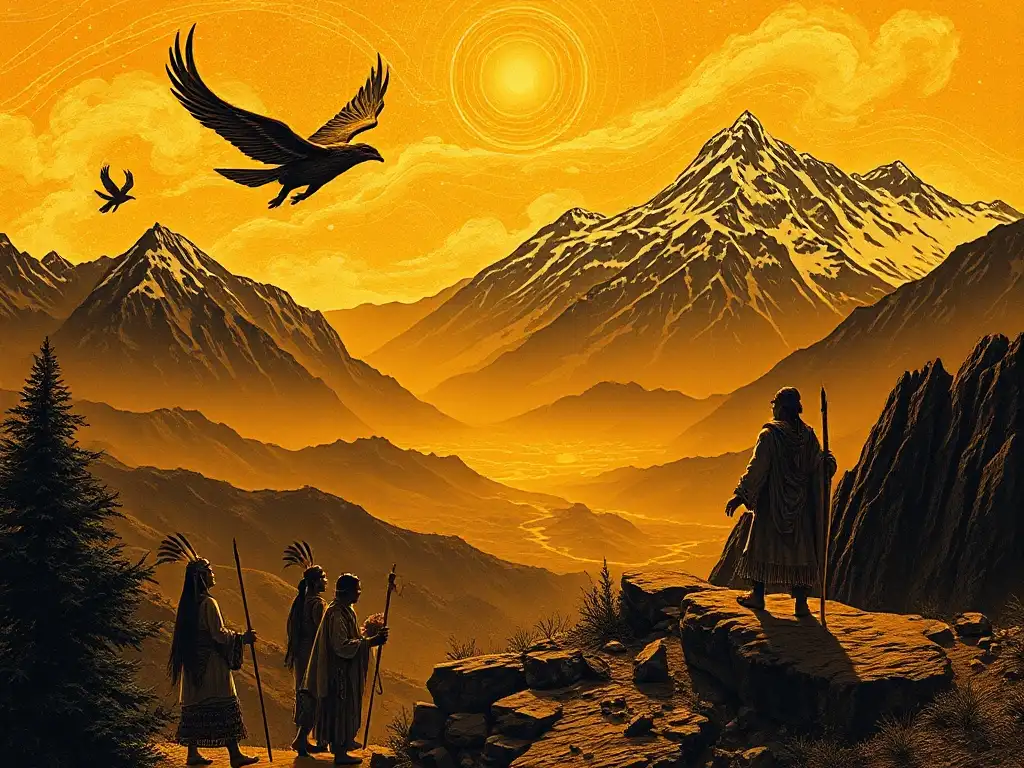
Andean afterlife beliefs were deeply intertwined with their complex cosmology, which envisioned a multi-layered universe. The soul's journey after death wasn't a simple transition to a single realm, but rather a complex passage through different levels of reality, reflecting the Andean understanding of the interconnectedness of the living and the dead. This intricate worldview encompassed three primary destinations for the soul: the Hanan Pacha (Upper World), the Kay Pacha (Middle World), and the Ukhu Pacha (Lower World).
The Hanan Pacha, the celestial realm, was associated with the sun, stars, and deities. It was considered a place of immense power and light, reserved for those who lived virtuous lives and performed significant deeds. Reaching the Hanan Pacha was a testament to a life well-lived, a reward for adherence to societal norms and spiritual practices. The journey to this realm was often depicted in myths and stories as a challenging ascent, mirroring the arduous path towards spiritual enlightenment. Specific rituals and offerings were performed to ensure a smooth transition to this sacred space.
The Kay Pacha, the earthly realm, was the world of the living. However, in the context of the afterlife, it represented a transitional space for souls. Not all souls immediately ascended to the Hanan Pacha or descended to the Ukhu Pacha.
Some souls might linger in the Kay Pacha, interacting with the living through dreams, omens, or as protective spirits for their descendants. This concept underlines the Andean emphasis on ancestor veneration and the enduring connection between the living and the dead. The presence of these spirits in the Kay Pacha highlights the continuous influence of the ancestors on the lives of their kin.
The Ukhu Pacha, the underworld, was a realm of darkness and mystery, often associated with the earth and its depths. While not necessarily a place of eternal punishment, it was viewed as a realm of challenges and trials.
Souls who had led immoral lives or failed to fulfill their social obligations might find themselves in the Ukhu Pacha, facing various tests or undergoing transformations before potentially finding a path to a more positive afterlife destination. The nature of this realm varied across different Andean cultures, with some portraying it as a place of purification or even a temporary resting place.
The Andean concept of the afterlife wasn't a rigid system with fixed destinations. The soul's journey was dynamic, its destination influenced by the individual's actions and their relationship with the community and the cosmos. This flexible understanding reveals a nuanced approach to death, emphasizing the importance of living a life aligned with Andean values and traditions.
Specific Andean Cultures and Their Afterlife Variations
While the general concept of a three-world cosmology permeated many Andean cultures, specific beliefs and rituals surrounding death and the afterlife varied considerably depending on the region and cultural group. The Incas, for example, emphasized the importance of mummification and ancestor veneration, suggesting a strong belief in the continued presence and influence of deceased ancestors.
Their elaborate funerary practices, including the construction of intricate tombs and the offering of gifts and sacrifices, reflect the significant role the deceased played in the Inca worldview. The preservation of the body was believed to facilitate the soul's journey and continued connection with the living.
The Moche civilization, known for its impressive artistic achievements, depicted afterlife scenes in their pottery and textiles. These artistic representations offer glimpses into their beliefs, illustrating journeys to the underworld, encounters with supernatural beings, and the transformation of the soul. The imagery often suggests a more dynamic and less hierarchical view of the afterlife than that of the later Inca Empire. While the Moche also practiced ancestor veneration, their artistic depictions reveal a more vibrant and multifaceted vision of the soul's journey.
The Nazca culture, famous for its enigmatic geoglyphs, also had its own unique beliefs concerning death and the afterlife. While less information is available compared to the Inca or Moche, archaeological evidence suggests a complex funerary system, with elaborate tombs and offerings, indicating a belief in a continued existence beyond death.
The precision and artistry evident in their geoglyphs may reflect a cosmological understanding that influenced their views on the afterlife, though the precise nature of these beliefs remains a subject of ongoing scholarly debate. Further research is needed to fully understand the Nazca conception of the "Andean afterlife beliefs".
The Tiahuanaco culture, with its monumental architecture and sophisticated social organization, likely held a similarly complex understanding of the afterlife, though the specifics remain somewhat enigmatic. Their impressive stonework and intricate iconography point to a sophisticated cosmology, likely influencing their beliefs about death and the soul's journey. However, the interpretation of their artistic and architectural achievements requires further investigation to accurately reconstruct their beliefs about the "Andean afterlife beliefs".
The limited surviving textual and iconographic evidence necessitates further archaeological research to elucidate their specific beliefs. The study of their burial practices and associated offerings remains crucial in understanding their concept of the afterlife.
Key Aspects of the Andean Afterlife
This section delves into the multifaceted Andean concept of the afterlife, exploring how their beliefs about the soul's journey after death were intricately woven into their understanding of time, space, and the natural world. Understanding these beliefs offers a crucial lens through which to interpret the rich tapestry of Andean funerary practices and ancestor veneration, key components of their cosmology. The Andean worldview, far from being a singular, monolithic belief system, varied across different cultures and time periods. However, common threads connect these diverse expressions of Andean afterlife beliefs, demonstrating a profound interconnectedness between the living and the dead.
The Concept of Time and Space in the Andean Spirit Realm
The Andean understanding of time and space differed significantly from Western perspectives. Time wasn't perceived as a linear progression but rather as cyclical, a continuous flow between the past, present, and future. This cyclical view extended to the afterlife. The deceased weren't simply gone; they continued to exist in a realm that overlapped with the world of the living.
This realm wasn't necessarily a separate "place" in the geographical sense but rather a different dimension of existence, accessible through specific rituals and locations. Archaeological evidence, such as the elaborate burial sites and offerings found throughout the Andes, supports this notion of a continuous interaction between the living and the dead. The careful placement of grave goods, for example, suggests that the deceased were believed to continue their lives in the afterlife, requiring the same necessities and comforts they enjoyed in life.
Furthermore, the meticulous construction of these burial sites indicates a deep respect for the deceased and their continued presence in the community's spiritual landscape. The cyclical nature of time also manifested in the importance of ancestor veneration, where the deceased were believed to exert influence over the living, shaping their destinies and providing guidance. This concept is central to understanding Andean afterlife beliefs and their enduring legacy.
The Significance of Sacred Places in the Soul’s Journey
Sacred mountains, caves, and lakes played a pivotal role in Andean conceptions of the afterlife. These places were not merely geographical features; they were considered portals or liminal spaces connecting the world of the living with the spirit world. The soul's journey after death often involved a passage through these sacred sites. For example, the high altitude burial sites frequently found in the Andes suggest the belief that the soul ascended to the mountaintops, closer to the celestial realm.
The specific location of a burial site often reflected the individual's social status and the nature of their relationship with the spiritual world. Elite individuals were often buried in elaborate tombs within or near sacred sites, while commoners might be buried in simpler graves in less prominent locations. This variation highlights the hierarchical nature of Andean society and its impact on afterlife beliefs.
The use of specific materials in the construction of these sites and the inclusion of particular grave goods also speaks to the richness and complexity of Andean afterlife rituals and beliefs. The careful selection of materials, such as precious metals and textiles, suggests a strong connection between the material world and the spiritual realm. The offerings found within these sites, such as food, drink, and tools, further support the idea that the deceased were believed to need these items in their afterlife.
The Influence of the Natural World on Andean Afterlife Concepts
The Andean afterlife beliefs were deeply intertwined with the natural world. The landscape itself was considered sacred, imbued with spiritual energy and inhabited by various deities and spirits. Mountains, rivers, and animals all held symbolic significance, representing different aspects of the Andean worldview and influencing beliefs about the soul's journey after death. The concept of Pachamama, Mother Earth, was central to this worldview.
Pachamama was not just the earth; she was a powerful deity who governed the cycles of life and death, fertility, and abundance. The deceased were believed to return to Pachamama, becoming part of the earth's cycle of regeneration. This understanding explains the importance of offerings and rituals aimed at appeasing Pachamama and ensuring the harmonious relationship between the living and the dead. Furthermore, the abundant imagery of animals and plants in Andean art and textiles suggests that the natural world played a crucial role in shaping their beliefs about the afterlife.
These images often represent different stages of the soul's journey or symbolize specific aspects of the spiritual realm. The intricate designs and symbolism found on these artifacts provide valuable insights into the complexities of Andean cosmology and their beliefs about death and the afterlife. The integration of natural elements into funerary practices further reinforces the connection between the living, the dead, and the natural world. Understanding this deep connection is paramount to grasping the true essence of Andean "Andean afterlife beliefs."
The Relationship Between the Living and the Dead in Andean Thought
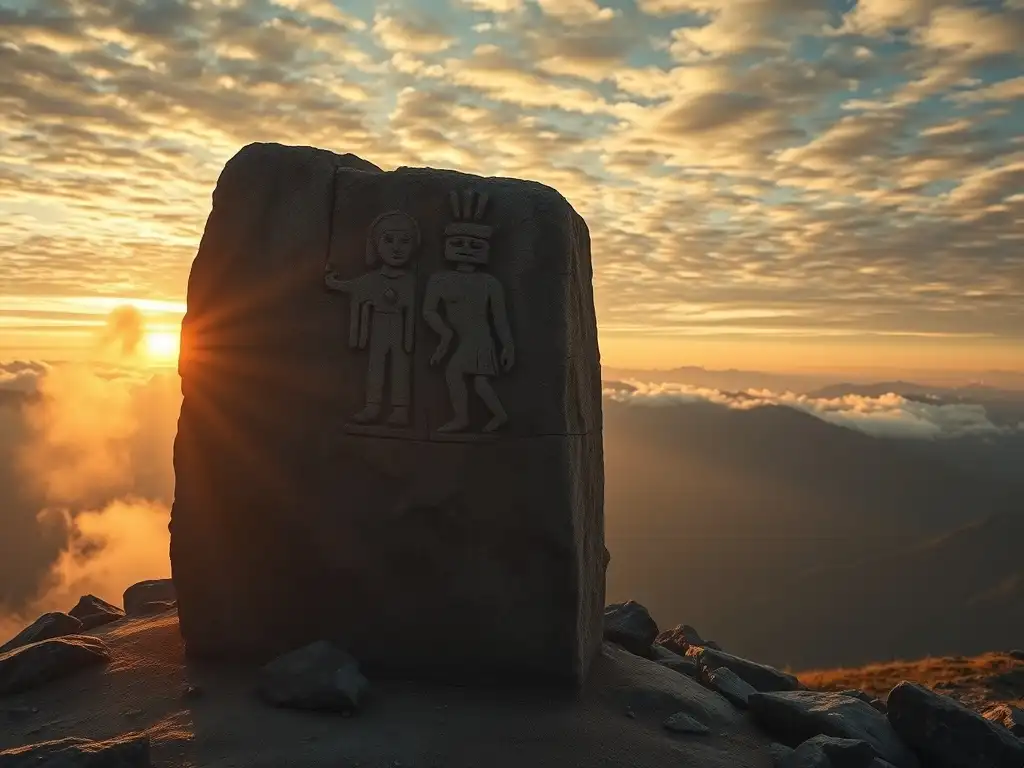
Andean cultures didn't view death as a complete severance from the living. Instead, they believed in a continuous, albeit transformed, relationship between the deceased and their descendants. Ancestor veneration was—and in many communities, still is—a cornerstone of Andean life. The deceased weren't simply forgotten; they were actively incorporated into the fabric of daily life and community rituals.
This wasn't a passive remembrance but an ongoing interaction. Families maintained contact with their ancestors through offerings, prayers, and specific ceremonies designed to appease and honor them. These offerings frequently included food, drink, coca leaves (a sacred plant), and other objects believed to be cherished by the deceased in their afterlife. The belief was that the ancestors continued to exert influence on the living, providing guidance, protection, and even prosperity.
Failure to honor them, conversely, was believed to invite misfortune and bad luck. This dynamic relationship highlights a key aspect of Andean afterlife beliefs: the dead weren't relegated to a separate realm entirely detached from the living world; rather, they remained integral members of the community, albeit in a different form. Specific rituals, like the pago a la tierra (payment to the earth), illustrate this interaction, where offerings are made to appease the spirits of the land and ancestors who inhabit it, ensuring the continued fertility of the land and the well-being of the community. The vibrant tapestry of Andean life was, and remains, inextricably woven with the presence of their ancestors.
Rebirth and the Cycle of Life in Andean Beliefs
Many Andean cultures believed in a cyclical view of life and death, emphasizing rebirth and regeneration. Death wasn't seen as an end but as a transition to another phase of existence, often closely tied to the natural world's cycles. The concept of pachamama, or Mother Earth, played a crucial role in this belief system. Death was interpreted as a return to the earth, a reintegration into the natural order. The deceased's spirit, or essence, was believed to be absorbed back into pachamama, to eventually be reborn in a new form, be it human, animal, or plant.
This cyclical perspective is reflected in many Andean rituals and artistic expressions. For example, representations of life, death, and rebirth are frequently depicted in pottery, textiles, and other artifacts. The imagery often focuses on the interconnectedness of life and the continuous flow of energy between the living and the natural world. Furthermore, the agricultural practices of Andean communities mirrored this belief.
The planting and harvesting of crops mirrored the cyclical nature of life and death, with the seeds returning to the earth only to be reborn as new plants. This deep understanding of the cyclical nature of life and death profoundly shaped the Andean worldview, promoting a respect for both the living and the dead, and a harmonious relationship with the natural world. The concept of rebirth provided solace and a sense of continuity, emphasizing the enduring nature of life beyond the physical realm. This worldview fostered a holistic understanding of existence, where death wasn't an ending but a continuation of a larger, ever-revolving cycle.
Comparing Andean Afterlife Concepts to Other Ancient Cultures
Similarities and Differences in Beliefs About the Soul
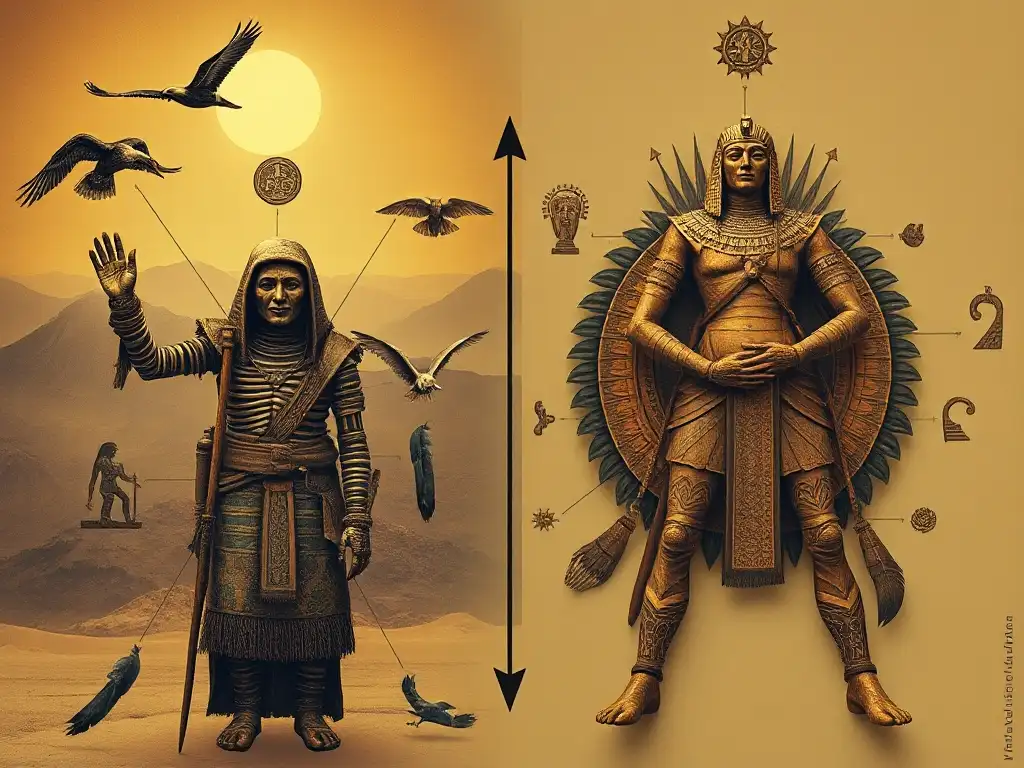
Andean afterlife beliefs, while unique, share some common threads with other ancient cultures' understandings of the soul and the afterlife. Many cultures, including the Andean civilizations, believed in a continuation of existence after physical death, albeit in a transformed state. The concept of a soul, or spirit, persists across numerous belief systems, though its nature and journey vary significantly. For instance, the ancient Egyptians, like the Andeans, invested heavily in funerary practices aimed at ensuring a successful transition to the afterlife.
Both cultures meticulously prepared bodies for burial, often including elaborate grave goods intended for use in the next world. However, the specifics of the afterlife differed drastically. While the Egyptians envisioned a detailed, often perilous journey through the underworld, judged by Osiris, the Andean concept is more nuanced and less rigidly defined.
The Andean worldview was more holistic, encompassing a cyclical understanding of life, death, and rebirth. The soul's journey wasn't necessarily a linear progression to a singular destination but a complex process potentially involving reincarnation, transformation into a celestial being, or integration with the earth itself. This contrasts sharply with many other cultures that posit a clear-cut heaven or hell, or a specific location for the deceased.
The emphasis on ancestor veneration in Andean cultures further distinguishes them, highlighting the ongoing connection between the living and the dead. Unlike some cultures that focus on individual salvation, Andean beliefs emphasize community and the collective continuity of the lineage.
Contrasting Andean Views with Egyptian Afterlife Beliefs
The starkest contrast between Andean and Egyptian afterlife beliefs lies in their conceptions of the afterlife itself. Egyptian beliefs, richly documented through hieroglyphs and tomb paintings, detail a complex journey through the Duat (underworld), involving various trials and judgments before reaching the Field of Reeds, a paradise-like realm. The soul's preservation was paramount, achieved through mummification and the inclusion of amulets and spells to protect it during its journey. The Book of the Dead provides a detailed guide to navigating this complex process.
Andean beliefs, while also involving elaborate funerary practices, lacked such a clearly defined and structured afterlife. Evidence suggests a more fluid and less geographically specific understanding of the soul's destination. While some Andean cultures may have believed in a specific "underworld," it wasn't depicted with the same level of detail or consistency as the Egyptian Duat.
The focus was less on individual judgment and more on maintaining a harmonious relationship between the living and the deceased ancestors, who were believed to continue influencing the lives of the living. The emphasis on ancestor veneration and the cyclical nature of life and death in Andean cosmologies presents a fundamentally different approach to the afterlife compared to the linear progression depicted in Egyptian beliefs. This difference highlights the diverse ways in which ancient cultures grappled with the mysteries of death and the unknown.
The Unique Aspects of the Andean Understanding of Death
The Andean understanding of death is characterized by its cyclical nature and close relationship with the natural world. Death wasn't viewed as an absolute end but as a transition, a transformation within a continuous cycle of life, death, and rebirth. This cyclical perspective is deeply embedded in their cosmology and influenced their funerary practices.
Unlike many cultures that sought to separate the dead from the living, Andean societies often integrated the deceased into their communities through rituals and ancestor veneration. The deceased were not merely forgotten but remained active participants in the ongoing life of the community, influencing events and offering guidance from the spirit world.
Furthermore, the concept of huaca, sacred places and objects imbued with spiritual power, played a crucial role in Andean funerary practices. Burial sites were often strategically located near these huacas, emphasizing the connection between the living and the spirit world. The offerings left with the deceased, ranging from food and textiles to elaborate gold and silver artifacts, reinforced this connection, ensuring the deceased's continued well-being and their continued influence on the living.
This holistic approach to death, deeply intertwined with the natural world and ancestor veneration, sets Andean beliefs apart from many other ancient cultures' more individualistic and linear conceptions of the afterlife. The emphasis on community and the cyclical nature of existence forms a unique and compelling aspect of Andean "Andean afterlife beliefs."
Conclusion: The Enduring Legacy of Andean Afterlife Beliefs
The Andean concept of the soul and its journey after death reveals a complex and nuanced worldview, significantly different from many Western perspectives. Understanding these beliefs—integral to the Andean concept of ayni (reciprocity) and pachamama (Mother Earth)—provides crucial insight into the intricate social structures, artistic expressions, and technological advancements of these ancient civilizations.
The enduring legacy of these beliefs is not merely a historical curiosity; it remains a vibrant and influential force in contemporary Andean societies. This section will explore the importance of understanding these traditions, their impact on modern Andean culture, and the ongoing efforts to preserve and share this rich cosmological knowledge.
The Importance of Understanding Andean Spiritual Traditions
Understanding Andean afterlife beliefs is paramount for several reasons. Firstly, it allows us to move beyond simplistic interpretations of ancient Andean societies and appreciate the sophisticated spiritual frameworks that guided their lives. These beliefs were not merely superstitious notions; they were deeply integrated into every aspect of Andean life, from agricultural practices to political organization.
For instance, the elaborate mummification practices of the Moche civilization, far from being a morbid ritual, represented a complex process of ensuring the continued well-being of the deceased in the afterlife and maintaining their connection to the living. This understanding challenges Eurocentric biases that often reduce indigenous cultures to simplistic narratives.
Secondly, comprehending these traditions fosters a more respectful and nuanced approach to the study of Andean archaeology and anthropology. By acknowledging the inherent spiritual significance of Andean artifacts and sites, researchers can avoid misinterpreting or misrepresenting the cultural contexts in which they were created and used.
For example, the intricate Nazca lines, often viewed solely through a geometric lens, might be better understood as part of a broader cosmological system related to water, fertility, and the celestial realm, reflecting beliefs about the afterlife and the interaction between the living and the dead. This holistic perspective is crucial for ethical and responsible research.
Finally, this knowledge is essential for promoting intercultural dialogue and understanding in the modern world. Appreciating the diversity of spiritual beliefs and practices across cultures encourages tolerance, respect, and a deeper appreciation for the richness of human experience. Ignoring or dismissing Andean spiritual traditions not only perpetuates harmful stereotypes but also limits our capacity for intercultural learning and collaboration. The interconnectedness of the living and the dead, a central tenet of Andean cosmology, offers a powerful metaphor for our interconnectedness as humans.
The Impact of Andean Beliefs on Modern Andean Culture
The Andean concept of the afterlife continues to exert a profound influence on contemporary Andean culture. Ancestor veneration remains a central practice in many Andean communities, with rituals and ceremonies designed to honor and maintain contact with deceased relatives. These practices are not merely nostalgic traditions; they are integral to the social fabric of these communities, reinforcing kinship ties and providing a sense of continuity across generations. For example, the pachamama celebrations, involving offerings and prayers to Mother Earth, directly connect the living with the spiritual world and the ancestors who inhabit it.
Furthermore, many aspects of Andean art, music, and literature continue to reflect and reinterpret these ancient beliefs. The imagery of the afterlife, often depicting journeys to the underworld or encounters with supernatural beings, appears frequently in contemporary Andean artistic expressions. This ongoing engagement with the past demonstrates the enduring relevance of these spiritual traditions and their capacity to adapt and evolve within changing social and historical contexts.
The influence extends even to everyday life, impacting societal norms, ethical considerations, and views on the environment. Understanding the roots of these cultural practices reveals a deeper appreciation for the complexity and resilience of Andean culture.
Preserving and Sharing the Knowledge of Andean Cosmology
The preservation and dissemination of knowledge concerning Andean afterlife beliefs are crucial for safeguarding cultural heritage and promoting intercultural understanding. Efforts to document these traditions through ethnographic research, oral histories, and the study of existing artifacts are essential. However, this process should be conducted ethically and responsibly, ensuring the active participation and consent of Andean communities. It's vital to avoid appropriating or commodifying these beliefs for tourism or other purposes that may misrepresent their significance.
Furthermore, educational initiatives aimed at sharing this knowledge with wider audiences are crucial. By integrating Andean cosmology into educational curricula and public outreach programs, we can foster a greater appreciation for the diversity of human spiritual experiences and challenge dominant narratives that often marginalize indigenous perspectives. This includes supporting and amplifying the voices of Andean scholars and community members who are actively working to preserve and share their cultural heritage. The future of Andean afterlife beliefs rests on collaborative efforts that respect indigenous knowledge systems and promote their accessibility to a global audience.
This ensures the continued vitality of these powerful spiritual traditions for generations to come. The preservation of this knowledge is not just about preserving history; it’s about preserving a living culture and worldview. The rich tapestry of Andean cosmology deserves to be woven into the broader understanding of human spirituality.
Frequently Asked Questions
What were the Andean civilizations' main beliefs about the afterlife?
Andean cultures held diverse beliefs about the afterlife, but generally believed in a spiritual realm connected to the physical world. The journey of the soul after death often involved navigating challenging landscapes and encounters with supernatural beings before reaching a final destination. This destination varied depending on the specific culture and individual's actions in life.
How did the Incas view death and the afterlife?
The Incas believed in a complex afterlife where the soul's journey depended on their social status and actions. Mummification played a crucial role, preserving the deceased for continued interaction with the living. Elite individuals had a greater chance of a positive afterlife, while commoners faced a less certain fate.
Did the Nazca people have specific beliefs about the soul's journey?
The Nazca's afterlife beliefs are less well-understood than those of the Incas, but evidence suggests a belief in a spiritual world accessible through shamanistic practices. Their elaborate burial practices hint at a concern for the well-being of the deceased in the afterlife, potentially involving offerings and provisions for the journey.
What role did offerings and sacrifices play in Andean afterlife beliefs?
Offerings and sacrifices were crucial across various Andean cultures. These acts aimed to appease deities, ensure a safe passage for the soul, and provide sustenance for the deceased in the afterlife. The type and scale of offerings varied depending on the culture and the status of the deceased.
How did Andean art and architecture reflect their beliefs about death and the afterlife?
Andean art and architecture frequently depict scenes from the afterlife, including journeys of the soul and encounters with supernatural beings. Elaborate tombs and burial sites showcase the importance placed on the deceased and their continued existence in the spiritual realm, reflecting the significance of afterlife beliefs.
Final Reflection: Echoes of the Andes: A Journey Beyond Death
The Andean concept of the soul's journey after death, far from being a relic of the past, offers a powerful lens through which to understand contemporary anxieties about mortality and the enduring human search for meaning. The vibrant tapestry of beliefs woven across diverse Andean cultures reveals a profound interconnectedness between the living and the dead, a perspective that challenges our modern, often individualistic, understanding of the afterlife.
The enduring influence of these beliefs on Andean communities is undeniable, shaping not only funerary practices but also social structures and worldviews. The cyclical nature of life and death, the importance of ancestor veneration, and the continued interaction with the spirit world are all integral aspects of Andean identity. Death is not an end, but a transformation, a passage to another realm of existence.
This sentiment, though paraphrased, encapsulates the core of Andean beliefs and continues to resonate deeply within the communities that hold them dear. It reminds us that our understanding of death is deeply culturally shaped, and that other perspectives can offer valuable insights into our own mortality.
Consider the implications of this perspective on your own life. How might embracing a more cyclical understanding of life and death, one that emphasizes continuity rather than absolute finality, enrich your own experience? Let the echoes of the Andes inspire you to reflect on your own relationship with mortality, to appreciate the interconnectedness of all life, and to find meaning in the journey, not just the destination. The Andean concept of the soul's journey is not merely an anthropological curiosity; it is a powerful invitation to reconsider our own place in the grand tapestry of existence.
Embrace the Andean Perspective and Transform Your Understanding!
Thank you for exploring the fascinating Andean concept of the soul with us! We hope this journey has enriched your understanding of life, death, and the enduring spiritual connections that transcend time. Now, let's deepen your engagement with these profound ideas.
- Reflect on your beliefs: Take some time to journal about your personal perspectives on the afterlife and how they resonate with, or differ from, the Andean worldview. This reflection can offer valuable new insights.
- Join our community: Connect with others who share your interest in Andean traditions by participating in our online forum or social media groups. Share your thoughts and learn from the diverse experiences and perspectives of others.
- Continue your learning: Explore our extensive library of articles and books to delve deeper into Andean philosophies and spirituality, and uncover the wisdom that has guided generations.
How has learning about the Andean view of the soul changed your perspective on life or death? We'd love to hear your thoughts below!