
The Legacy of Colonial Trauma: The LongTerm Effects on Andean Peoples

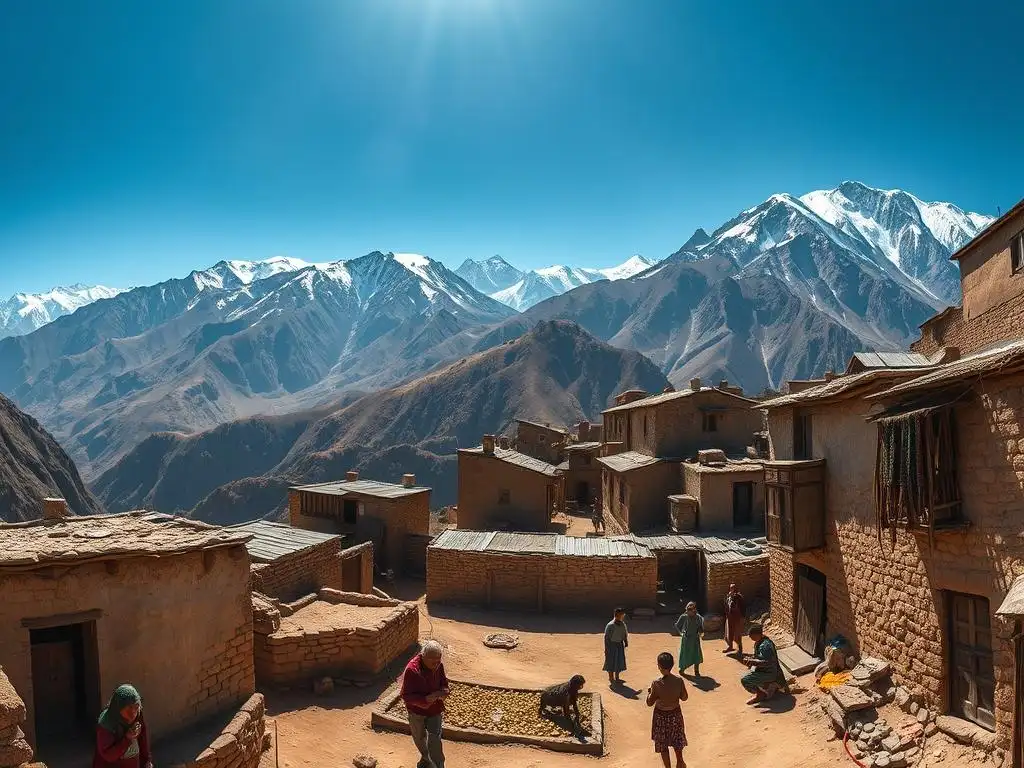
Dive into the captivating world of Andean Civilizations, where towering achievements meet enduring legacies. For centuries, these empires shaped a landscape rich in artistry and innovation. But what happened when the Spanish conquistadors arrived? Discover the profound and lasting impact of Andean civilizations colonial trauma, a story of resilience, resistance, and the enduring fight for cultural survival. Uncover the hidden truths behind the Spanish Conquest and explore the complex legacy that continues to shape the Andean world today. Prepare to be amazed – and perhaps, disturbed.
The Spanish conquest of the Andes, beginning in the early 16th century, irrevocably altered the course of Andean civilizations. While often focused on the military victories and the fall of empires like the Inca, the true legacy of this period extends far beyond the battlefield, leaving a deep and enduring scar on the social fabric, cultural practices, and even the genetic makeup of Andean peoples.
This article delves into the long-term consequences of colonial trauma, exploring its impact on Andean societies from the initial invasion to the present day. We will analyze the profound disruption of traditional social structures, the lasting effects on indigenous identities, and the ongoing struggle for self-determination and cultural revitalization that characterizes the Andean experience even centuries later.
Understanding this historical context is crucial to comprehending the complex realities facing Andean communities today and to appreciating the resilience and strength displayed in their ongoing efforts to reclaim their heritage. The keyword "Andean civilizations colonial trauma" encapsulates the core of this investigation into the persistent effects of Spanish colonialism on the diverse populations and rich cultural tapestry of the Andes.
Understanding the Historical Context of Colonialism in the Andes
The Spanish conquest wasn't a singular event but a multifaceted process spanning decades, involving complex interactions between conquistadors, indigenous populations, and other colonial actors. The initial impact was devastating. The introduction of European diseases, such as smallpox and measles, decimated the native populations, weakening their ability to resist.
This biological warfare, coupled with brutal subjugation and exploitation, dramatically altered the demographic landscape of the Andes. Beyond the immediate loss of life, the Spanish systematically dismantled existing power structures, replacing indigenous governance with a colonial administration designed to extract resources and consolidate Spanish control. This involved imposing new religious beliefs, suppressing indigenous spiritual practices, and establishing a rigid social hierarchy that placed indigenous peoples at the bottom.
The process was not uniform across the Andes, varying significantly depending on factors such as the specific indigenous group, the geographic location, and the resistance encountered. However, the overarching pattern was one of systematic dispossession, oppression, and the erosion of indigenous autonomy.
The Initial Impact of the Spanish Conquest on Andean Societies
The arrival of the Spanish marked a catastrophic turning point for Andean societies. The immediate effects were catastrophic: mass death from disease, forced labor in mines (like Potosí) and on encomiendas, and the destruction of infrastructure and agricultural systems. The Inca Empire, already weakened by internal conflicts, crumbled under the combined pressure of disease, warfare, and Spanish exploitation. The sophisticated agricultural techniques and intricate social organization that characterized Andean civilizations were disrupted, leading to widespread famine and social upheaval.
The introduction of new crops and livestock had both positive and negative consequences, altering traditional diets and agricultural practices while introducing new forms of dependence on the colonial economy. This initial period of violence and upheaval set the stage for the long-term consequences of colonial trauma, shaping the trajectory of Andean societies for centuries to come. The legacy of this initial impact continues to resonate in contemporary Andean communities.
The Spanish conquest profoundly disrupted the intricate social structures of Andean civilizations. The ayllu, the traditional communal system based on kinship and reciprocity, was undermined by the introduction of the encomienda system, which forced indigenous labor into service for Spanish landowners. This system stripped Andean communities of their land, resources, and autonomy, leading to the disintegration of traditional social bonds and economic systems.
The imposition of Spanish laws and institutions further weakened the ayllu, replacing traditional forms of governance with a colonial hierarchy that privileged Spanish authority. The introduction of new religious beliefs and the suppression of indigenous spiritual practices also contributed to the erosion of traditional social cohesion. The resulting social fragmentation and loss of cultural identity had long-lasting repercussions, contributing to the marginalization and impoverishment of many Andean communities.
The effects of this disruption are still felt today, as Andean communities continue to grapple with the legacy of colonial social engineering. The struggle to reclaim and revitalize traditional Andean social structures remains a central element of contemporary indigenous resistance movements.
The Imposition of the Encomienda System and its Consequences
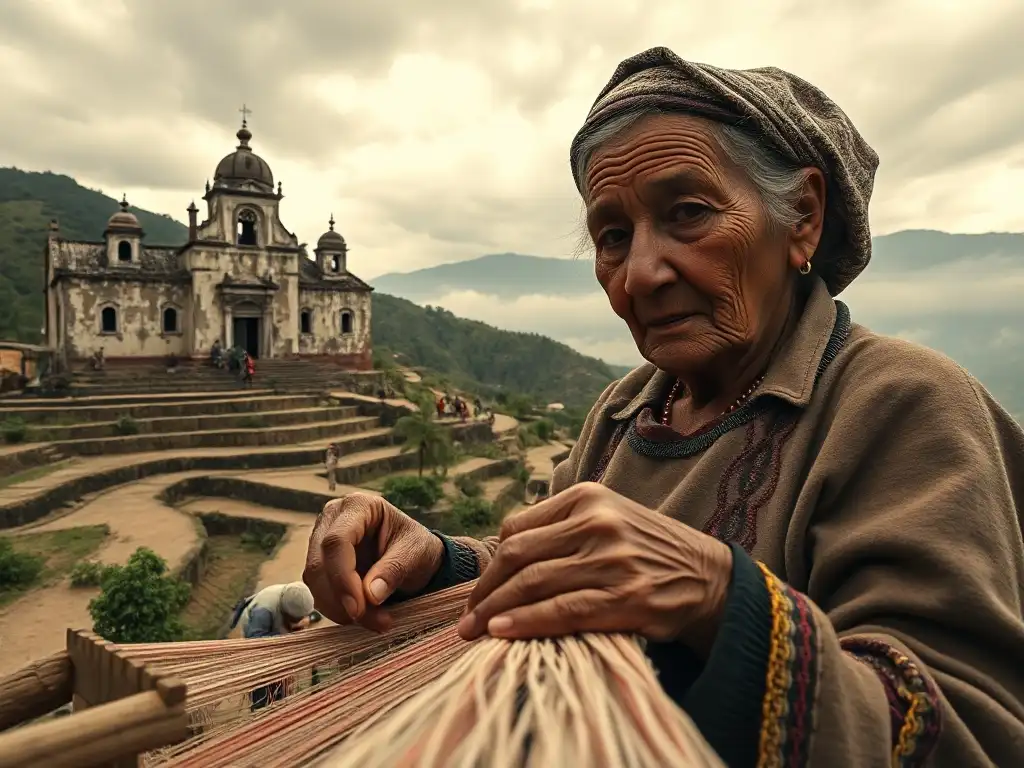
The Encomienda system, a cornerstone of Spanish colonial rule in the Andes, inflicted profound and lasting trauma on Andean populations. Initially presented as a system of land grants rewarding conquistadors for their service to the crown, it quickly devolved into a brutal system of forced labor and exploitation. Indigenous communities were subjected to grueling work in mines, on farms (haciendas), and in other projects, often under inhumane conditions. Death rates soared due to overwork, malnutrition, and disease, decimating entire populations and disrupting established social structures.
The system's inherent inequality fostered resentment and resistance, fueling future rebellions. The economic devastation caused by the Encomienda crippled Andean economies for generations, hindering their ability to recover and maintain their traditional ways of life. The forced labor also disrupted established agricultural practices, leading to land degradation and food insecurity. The long-term effects of the Encomienda system are still felt today in the socioeconomic disparities between indigenous communities and other populations in Andean countries.
The legacy of this exploitative system continues to impact land ownership, access to resources, and overall well-being for many Andean descendants. The deep-seated trauma caused by this system created intergenerational trauma that impacts the mental and physical health of communities to this day. Understanding the Encomienda's pervasive and enduring consequences is crucial to comprehending the complexities of Andean history and the ongoing challenges faced by indigenous communities.
Cultural and Religious Suppression of Andean Beliefs
The Spanish conquest brought with it a systematic campaign to suppress Andean religious beliefs and cultural practices, a form of colonial violence that inflicted deep psychological wounds. The Inca religion, with its sophisticated cosmology and intricate rituals, was deemed heretical by the Spanish, leading to the destruction of sacred sites, temples, and artifacts. The huacas, revered places of worship and spiritual significance, were often desecrated or repurposed for Christian churches, representing a blatant attempt to erase Andean spiritual heritage. The Spanish actively promoted the Catholic faith, forcing conversions and punishing those who clung to traditional beliefs.
This suppression extended beyond religious practices, encompassing the dismantling of social structures, traditional governance systems, and artistic expressions. Andean art, textiles, and music, often imbued with spiritual meaning, were either destroyed or repurposed to serve the interests of the colonizers. The suppression of Andean languages further contributed to the cultural erosion, leading to a loss of ancestral knowledge and traditions. The trauma associated with the forced conversion and suppression of indigenous beliefs fostered a sense of cultural inferiority and contributed to a loss of identity among Andean peoples.
The long-term effects include a diminished sense of cultural pride and the ongoing struggle to reclaim and revitalize indigenous traditions and beliefs in the face of centuries of oppression. Even today, the impact of this cultural suppression is evident in the ongoing efforts to preserve and revive indigenous languages, art forms, and spiritual practices. The struggle for cultural survival is a direct consequence of the colonial trauma inflicted upon Andean civilizations.
- Understanding the Historical Context of Colonialism in the Andes
- The Initial Impact of the Spanish Conquest on Andean Societies
- Disruption of Traditional Andean Social Structures
- The Imposition of the Encomienda System and its Consequences
- Cultural and Religious Suppression of Andean Beliefs
- What is the main focus of this article on Andean Civilizations?
- How did Spanish colonization impact Andean cultures?
- What are some of the lasting effects of colonial trauma on Andean communities?
- How did the colonial period affect Andean technology and infrastructure?
- Where can I learn more about the specific impacts of colonial trauma on different Andean groups (e.g., Inca, Moche)?
The Psychological Scars of Colonialism: Trauma and its Manifestations
The Spanish conquest of the Andes left an indelible mark, not just on the physical landscape, but also on the psyche of Andean peoples. The brutal subjugation, forced labor ( mita), and systematic destruction of indigenous cultures resulted in a profound and lasting trauma that continues to resonate through generations. Understanding the psychological scars of colonialism is crucial to comprehending the complexities of modern Andean societies and their ongoing struggles for self-determination.
This trauma manifests in various ways, shaping individual and collective experiences, impacting everything from family structures to political participation. The enduring legacy of colonial violence is woven into the very fabric of Andean identity, making it essential to acknowledge and address its lingering effects. This section will explore some key manifestations of this historical trauma, focusing on its intergenerational transmission, the persistent effects of violence and exploitation, and the resulting loss of cultural identity.
Analyzing the enduring impact of colonial trauma is not merely an academic exercise; it is a necessary step towards fostering healing and reconciliation for Andean communities. The keyword "Andean civilizations colonial trauma" encapsulates the core issue we are exploring here.
Intergenerational Trauma within Andean Families
Intergenerational trauma, the transmission of trauma across generations, is a significant consequence of the colonial experience in the Andes. The psychological wounds inflicted during the conquest—witnessing violence, experiencing forced labor, enduring cultural suppression—were passed down through families, shaping parenting styles, relationships, and overall well-being. Studies have shown a correlation between historical trauma and increased rates of mental health issues, such as anxiety, depression, and PTSD, in contemporary Andean communities.
For example, [specific data on mental health statistics in Andean communities pending]. This isn't simply a matter of inherited genes; it's about learned behaviors, coping mechanisms, and unspoken narratives that shape the family dynamic. Children raised in families grappling with the legacy of colonial trauma may inherit feelings of powerlessness, distrust, and a sense of collective shame.
The impact on family structures can be profound, leading to difficulties in communication, trust, and emotional intimacy. Breaking this cycle requires conscious effort, including community-based initiatives focused on healing, fostering dialogue, and promoting intergenerational understanding. Addressing Andean civilizations colonial trauma requires understanding its insidious impact on families.
The Enduring Effects of Violence and Exploitation
The systematic violence and exploitation inflicted during the colonial period left a deep imprint on Andean societies. The mita system, a form of forced labor, not only devastated the physical health of indigenous populations but also eroded their sense of self-worth and autonomy. The constant threat of violence, the arbitrary exercise of power, and the systematic dehumanization inherent in colonial practices created a climate of fear and oppression that continues to impact social structures.
This is evidenced in [specific examples of ongoing social inequalities linked to colonial exploitation pending]. Furthermore, the legacy of economic exploitation continues to manifest in persistent inequalities in access to resources, education, and healthcare. The uneven distribution of wealth and power, deeply rooted in the colonial past, fuels social unrest and contributes to cycles of poverty and marginalization.
Understanding the enduring effects of colonial violence requires examining not only the historical context but also its contemporary manifestations. The term "Andean civilizations colonial trauma" highlights the long-term consequences of this historical violence.
Loss of Identity and Cultural Disconnection
Colonialism systematically targeted the cultural identity of Andean peoples. The suppression of indigenous languages, religions, and traditions aimed to erase their unique heritage and impose a European worldview. This cultural disconnection resulted in a profound sense of loss and alienation for many communities. The imposition of Catholicism, for instance, led to the suppression of indigenous spiritual practices and beliefs, creating a spiritual vacuum that continues to impact Andean worldview today.
[Specific examples of the ongoing impact of religious suppression on Andean communities pending]. The destruction of traditional knowledge systems and artistic practices further contributed to a sense of cultural fragmentation. However, the resilience of Andean cultures is evident in the ongoing efforts to reclaim and revitalize their traditions.
The persistence of indigenous languages, the revival of traditional arts and crafts, and the growing recognition of indigenous knowledge systems demonstrate a powerful resistance against colonial erasure. The fight to reclaim cultural identity remains a crucial aspect of addressing the lasting effects of Andean civilizations colonial trauma. Rebuilding cultural pride and connection is a vital step in the healing process.
Mental Health Challenges and the Impact of Historical Trauma
The legacy of Spanish colonization continues to cast a long shadow over the mental well-being of Andean communities. The systematic dismantling of indigenous social structures, the forced conversion to Catholicism, and the brutal suppression of cultural practices resulted in profound and lasting psychological trauma that reverberates through generations. This historical trauma manifests in various ways, impacting individual and collective mental health. For example, studies have shown a higher prevalence of anxiety and depression among descendants of those directly affected by colonial violence. The intergenerational transmission of trauma, where the experiences of ancestors are passed down through families, contributes significantly to this ongoing crisis.
This transmission can occur through narratives, behaviors, and epigenetic changes, creating a cycle of suffering that is difficult to break. The lack of access to culturally appropriate mental health services further exacerbates the issue, as traditional healing practices often clash with Westernized therapeutic approaches. Understanding the specific ways in which historical trauma manifests in Andean communities is crucial for developing effective interventions and promoting healing. This requires acknowledging the complex interplay between historical events, cultural identity, and present-day challenges. The ongoing struggle for land rights, economic inequality, and systemic discrimination all contribute to the perpetuation of psychological distress within these communities.
Addressing these broader social determinants of mental health is paramount in mitigating the lasting impact of colonial trauma. Furthermore, incorporating traditional Andean healing practices into mental health services can potentially enhance their effectiveness and cultural sensitivity. This collaborative approach respects the rich cultural heritage of Andean peoples while addressing their urgent mental health needs. The path to healing requires a multifaceted approach that integrates historical understanding, cultural sensitivity, and accessible mental health resources.
The impact is not limited to individual suffering; it also affects the collective identity and resilience of Andean communities. The erosion of traditional belief systems and social structures weakened the ability of communities to cope with adversity. The imposition of foreign values and the suppression of indigenous languages led to a loss of cultural pride and a sense of disconnection from ancestral heritage.
This collective trauma contributes to feelings of powerlessness and hopelessness, hindering efforts towards self-determination and social justice. The psychological scars of colonialism are deeply interwoven with the social and economic inequalities that persist in many Andean regions today. Addressing these broader societal issues is crucial for fostering collective healing and empowerment.
Only through a holistic approach that recognizes the interconnectedness of historical trauma, social injustice, and mental health can we hope to alleviate the suffering and promote the well-being of Andean peoples. The resilience shown by Andean communities throughout history, however, offers a beacon of hope, demonstrating their capacity to overcome adversity and reclaim their cultural heritage. Supporting and amplifying these efforts is essential in the ongoing process of healing and reconciliation.
Socioeconomic Disparities and the Lingering Effects of Colonialism
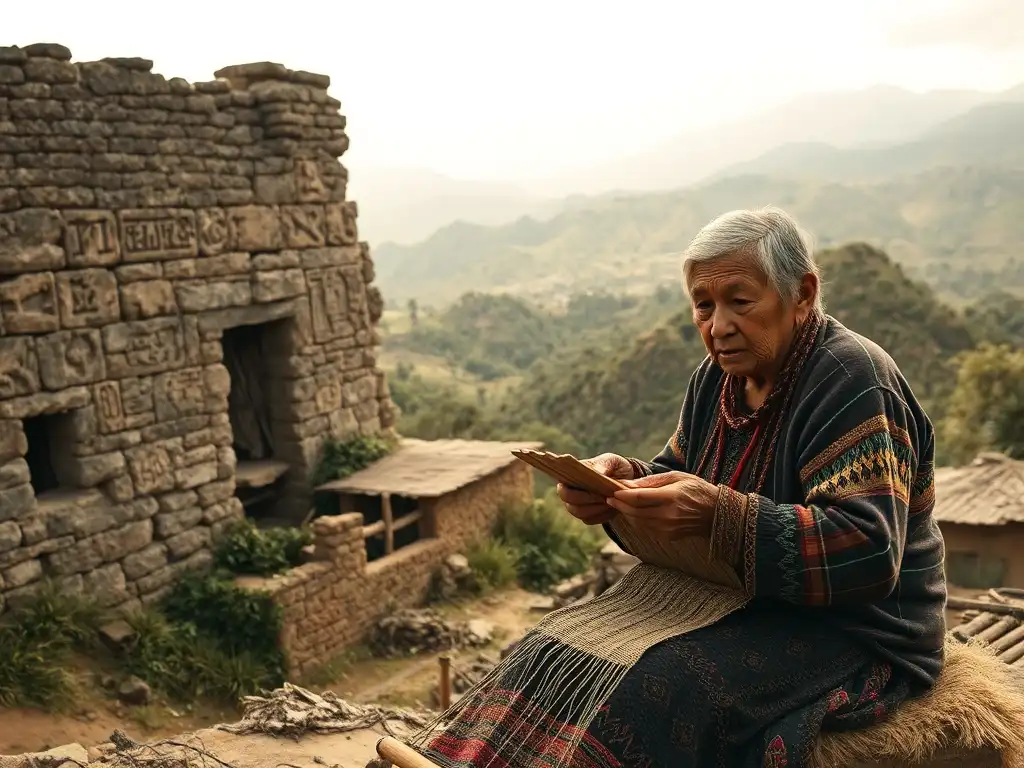
The legacy of Spanish colonialism continues to cast a long shadow over Andean societies, manifesting in profound socioeconomic disparities that echo the exploitative structures imposed centuries ago. Understanding the enduring impact of colonial trauma requires a nuanced examination of its multifaceted consequences, particularly in the realms of land ownership, economic opportunity, and access to education. The term "Andean civilizations colonial trauma" accurately reflects the deep-seated wounds inflicted upon these communities, wounds that continue to hinder their progress and self-determination.
Land Dispossession and its Impact on Andean Communities
The Spanish conquest initiated a systematic process of land dispossession, fundamentally altering the relationship between Andean communities and their ancestral territories. Prior to the arrival of the Europeans, indigenous populations held intricate systems of communal land ownership, deeply intertwined with their spiritual beliefs and agricultural practices. The encomienda system, followed by the hacienda system, effectively transferred land ownership to Spanish colonizers and their descendants, displacing indigenous communities and concentrating land in the hands of a small elite.
This process resulted not only in the loss of land but also in the disruption of traditional agricultural practices, leading to food insecurity and economic vulnerability. The effects are still felt today, with many Andean communities facing ongoing struggles for land rights and recognition of their ancestral claims.
Studies show that communities facing historical land dispossession exhibit significantly lower economic indicators and higher rates of poverty compared to those with secure land tenure. The ongoing struggle for land rights represents a crucial aspect of addressing the lasting effects of Andean civilizations colonial trauma.
Economic Exploitation and Systemic Inequality
Colonial economic policies systematically disadvantaged Andean populations, creating a system of entrenched inequality that persists to this day. The extraction of resources like silver and gold enriched the Spanish crown and a small class of colonial elites, while indigenous communities were forced into exploitative labor systems, such as the mita. This forced labor, often under brutal conditions, severely undermined indigenous economies and perpetuated cycles of poverty.
The legacy of this exploitation is evident in the persistent economic disparities between indigenous and non-indigenous populations in the Andes. Even today, indigenous communities often lack access to capital, credit, and markets, hindering their economic development. Furthermore, the colonial-era emphasis on extractive industries continues to shape economic structures, often to the detriment of sustainable development and environmental protection.
This systemic inequality, deeply rooted in the colonial past, remains a significant challenge in addressing the lingering effects of Andean civilizations colonial trauma. The need for equitable economic policies that empower indigenous communities and promote sustainable development is paramount.
Limited Access to Education and Opportunities
The colonial regime actively suppressed indigenous knowledge systems and languages, while simultaneously limiting access to formal education for Andean communities. This deliberate policy aimed to undermine indigenous cultures and solidify Spanish dominance. The result was a significant educational gap that has persisted for centuries. Limited access to quality education has severely restricted opportunities for social and economic mobility, perpetuating cycles of poverty and inequality.
While significant progress has been made in expanding access to education in recent decades, significant disparities remain. Indigenous communities often face challenges such as limited resources, inadequate infrastructure, and a curriculum that may not be culturally relevant. The lack of educational opportunities directly contributes to the ongoing effects of Andean civilizations colonial trauma, hindering the potential of individuals and communities to overcome historical injustices and achieve self-determination.
Investing in culturally relevant and accessible education is crucial to addressing this persistent inequality and fostering greater social justice. The lack of opportunity directly relates to the continued effects of colonial trauma on the Andean peoples. Addressing this requires investment in educational infrastructure and culturally appropriate curriculum.
The Cycle of Poverty and its Roots in Colonial Practices
The legacy of colonial exploitation in the Andes continues to manifest in deeply entrenched socioeconomic disparities. The forced labor system, the mita, implemented by the Spanish, systematically extracted wealth and resources from indigenous communities, leaving them impoverished and vulnerable. Generations were subjected to grueling work in mines and on haciendas, receiving minimal compensation and enduring inhumane conditions.
This systemic exploitation not only stripped communities of their economic resources but also eroded their traditional social structures and knowledge systems, hindering their ability to rebuild and thrive. The impact on indigenous agriculture was particularly devastating. The Spanish introduced new agricultural systems and crops that often displaced traditional Andean farming practices, disrupting established food security and leading to long-term dependence on external markets.
The consequences of this historical dispossession continue to resonate today. Many Andean communities remain trapped in a cycle of poverty, lacking access to adequate healthcare, education, and economic opportunities. This cycle is perpetuated by a complex interplay of factors, including limited land ownership, lack of access to credit and capital, and persistent discrimination. The colonial-era land redistribution policies, often favoring Spanish landowners, created a system of inequality that continues to marginalize indigenous populations.
Furthermore, the suppression of indigenous languages and cultural practices during the colonial period resulted in a loss of traditional knowledge and skills that could have contributed to economic self-sufficiency. This loss, coupled with limited access to education and job training, further entrenches the cycle of poverty. The intergenerational trauma resulting from centuries of oppression and exploitation contributes to this cycle, impacting mental health, social cohesion, and economic productivity.
Studies show a correlation between historical trauma and present-day socioeconomic indicators in Andean communities, highlighting the enduring impact of colonial policies. Addressing this deep-rooted poverty requires not only economic interventions but also a concerted effort to acknowledge and redress the historical injustices that have shaped the current socioeconomic landscape. This includes land reform, investment in education and healthcare, and the promotion of indigenous languages and cultural revitalization.
Cultural Resilience and the Reclamation of Andean Heritage
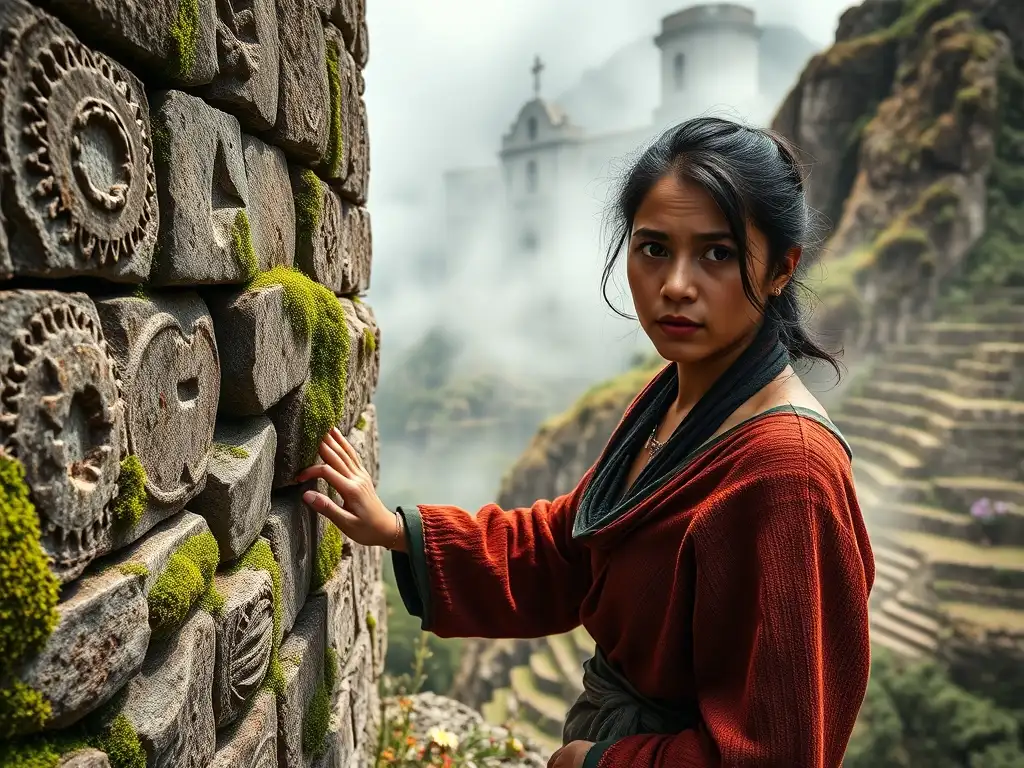
The Spanish conquest inflicted profound wounds on Andean civilizations, aiming to eradicate indigenous cultures and replace them with European norms. However, the spirit of Andean peoples proved remarkably resilient. Despite centuries of oppression, many aspects of their rich heritage survived, adapting and evolving in response to the colonial experience.
This enduring legacy manifests in various forms, demonstrating the profound strength and adaptability of Andean communities. Understanding this resilience is crucial to comprehending the long-term effects of colonial trauma and the ongoing struggle for cultural survival. The impact of colonialism on Andean identity is a complex and multifaceted issue, requiring a nuanced understanding of both destruction and preservation.
The Persistence of Indigenous Languages and Traditions
Despite concerted efforts by the Spanish crown to suppress Quechua and Aymara, among other Andean languages, they persisted. These languages, integral to the transmission of cultural knowledge, survived largely within rural communities, acting as a powerful symbol of identity and resistance.
Many indigenous traditions, particularly those associated with agriculture, ritual, and social organization, also endured, albeit often in modified forms. For example, while the Inca's elaborate state religion was largely dismantled, many indigenous practices and beliefs were syncretized with Catholicism, creating unique hybrid forms of spirituality.
This syncretism, a blending of indigenous and colonial religious elements, allowed for the continued practice of traditional rituals while outwardly conforming to the dominant religion, a testament to the resourcefulness of Andean communities in maintaining their cultural heritage under duress. The survival of these languages and traditions demonstrates the deep-seated cultural values and the determination of Andean peoples to preserve their identity in the face of colonial oppression.
The number of Quechua speakers, for instance, while fluctuating throughout the colonial period and beyond, still represents a substantial population across several Andean nations. Detailed linguistic studies are still ongoing to fully quantify the impact of language shift and revitalization efforts, but the enduring presence of Quechua, Aymara, and other indigenous languages remain a powerful indicator of cultural resilience. Furthermore, the oral traditions, encompassing myths, legends, and historical accounts, have played a vital role in preserving cultural memory and transmitting knowledge across generations.
Contemporary Movements for Cultural Revitalization
In recent decades, there has been a significant resurgence of interest in and efforts towards the revitalization of Andean cultures. Indigenous communities are actively reclaiming their languages, traditions, and artistic expressions, often in response to the ongoing effects of colonialism and the desire to assert their cultural identity in a globalized world. These movements encompass a wide range of activities, including language immersion programs, the revival of traditional arts and crafts, and the promotion of indigenous knowledge systems.
The goal is not merely to preserve the past but to actively reshape the present and future, ensuring that Andean cultures continue to thrive. The rise of indigenous political movements and activism further contributes to this revitalization, giving voice to marginalized communities and demanding recognition of their rights and cultural heritage.
This cultural resurgence is not simply a nostalgic yearning for a bygone era, but a dynamic process of adaptation and innovation. For instance, young Andean artists are incorporating traditional techniques and motifs into contemporary art forms, creating vibrant and powerful expressions of their heritage. This blending of tradition and modernity is a testament to the enduring vitality of Andean cultures and their ability to adapt to changing circumstances. The success of these movements hinges on several factors, including government support, community engagement, and the active participation of younger generations.
Andean Art, Music, and Storytelling as Forms of Resistance
Andean art, music, and storytelling have served as powerful tools of resistance throughout history. These forms of expression provided a means for indigenous communities to preserve their cultural identity, challenge colonial narratives, and express their experiences of oppression. Textiles, for example, often incorporated coded messages or symbolic representations that conveyed resistance or historical memory.
Traditional music and dance similarly played a vital role in maintaining cultural continuity and fostering community solidarity. Oral storytelling, particularly in the form of myths and legends, served to transmit knowledge, values, and historical accounts across generations, preserving cultural memory and fostering a sense of collective identity.
The intricate designs woven into textiles, the haunting melodies of Andean music, and the evocative narratives of oral traditions all speak to the enduring strength and resilience of Andean peoples. These forms of expression were not merely aesthetic pursuits but active forms of cultural preservation and resistance. They served as a powerful counter-narrative to the colonial project, affirming indigenous identities and challenging the dominant culture's attempts to erase them.
The continued use and adaptation of these artistic and narrative forms today underscore their ongoing importance as symbols of cultural pride and resistance. The study of these forms provides invaluable insight into the enduring strength of Andean cultures and the ongoing struggle for cultural survival in the face of colonial trauma.
The Importance of Ancestral Knowledge for Healing and Empowerment
The enduring legacy of colonial trauma on Andean peoples necessitates a deep understanding of the interconnectedness between historical oppression and present-day challenges. Healing from this trauma requires more than simply acknowledging the past; it demands a conscious reconnection with ancestral knowledge and practices. This ancestral wisdom, passed down through generations, offers invaluable tools for empowerment and healing, fostering resilience in the face of persistent societal inequalities.
The transmission of this knowledge, often oral and deeply ingrained in community rituals and traditions, provides a powerful framework for understanding identity, fostering community bonds, and reclaiming cultural pride. This is not merely a nostalgic exercise; it’s a vital strategy for building a healthier and more equitable future.
For example, traditional Andean healing practices, incorporating medicinal plants and spiritual ceremonies, offer alternative approaches to mental and physical well-being, often more accessible and culturally relevant than Western models. These practices are not simply remedies for physical ailments; they are integral to a holistic understanding of health that encompasses spiritual, emotional, and social dimensions.
The knowledge of these practices, passed down through generations of curanderas and yatiri, represents a profound understanding of the human condition and the interconnectedness of all living things. The resurgence of interest in these traditional methods reflects a growing recognition of their vital role in addressing the lasting impacts of colonial trauma.
Furthermore, the revitalization of indigenous languages plays a crucial role in cultural reclamation and empowerment. Spanish colonization systematically suppressed indigenous languages, aiming to erase cultural identities and facilitate control. The reintroduction and preservation of Quechua, Aymara, and other Andean languages are not simply linguistic exercises; they are acts of resistance, representing a conscious effort to reclaim a cultural heritage that was violently suppressed.
The ability to communicate and think in one's ancestral tongue allows for a deeper connection to one's heritage, strengthening cultural identity and fostering a sense of community. This linguistic reclamation empowers individuals and communities to reclaim their narrative and challenge dominant power structures.
The revival of these languages is intrinsically linked to healing from the trauma of colonization and building a stronger, more resilient future for Andean communities. The ongoing efforts to preserve and promote these languages demonstrate a profound commitment to cultural survival and the healing process.
Paths Towards Healing and Reconciliation
The enduring legacy of colonial trauma on Andean peoples demands a multifaceted approach to healing and reconciliation. Moving beyond simple acknowledgement requires concrete actions that address systemic inequalities and foster genuine understanding. This process is not merely about remembering past injustices, but about actively working towards a future where the descendants of Andean civilizations can thrive. The path forward necessitates a collaborative effort involving governments, NGOs, and most importantly, the Indigenous communities themselves. The following sections explore key strategies for achieving this crucial goal.
Acknowledging and Addressing Historical Injustices
Acknowledging historical injustices is the foundational step towards healing. This goes beyond symbolic gestures; it requires concrete policy changes and reparations. For Andean civilizations, this could involve:
- Land restitution: Returning ancestral lands unjustly seized during the colonial period is paramount. This requires careful consideration of land ownership, addressing competing claims, and ensuring sustainable land management practices. The complexities are immense, necessitating meticulous legal frameworks and community involvement. Many communities still lack secure land tenure, hindering their economic development and cultural preservation.
- Reparations for forced labor: The exploitation of Andean labor during the colonial era led to immense suffering and economic hardship. Reparations, in the form of financial compensation or investment in community development projects, could help redress this historical imbalance. Determining appropriate forms of reparations requires extensive consultation with affected communities to ensure they align with their needs and priorities. This process must be transparent and accountable.
- Formal apologies and recognition: Governments must issue formal apologies for the atrocities committed during the colonial period. This requires acknowledging the profound suffering inflicted upon Andean peoples and recognizing the lasting impact on their communities. This is not simply a symbolic gesture but a crucial step in building trust and fostering reconciliation. The precise form of an apology needs careful consideration to ensure it is both meaningful and respectful.
The implementation of these actions requires significant political will and resources. However, the long-term benefits of addressing historical injustices far outweigh the costs, fostering social harmony and enabling Andean communities to build a more prosperous future. Failure to address these fundamental issues perpetuates the cycle of trauma and hinders progress towards genuine reconciliation.
The Role of Education in Promoting Awareness and Understanding
Education plays a critical role in fostering awareness and understanding of the lasting effects of colonial trauma on Andean civilizations. This involves incorporating accurate and nuanced accounts of colonial history into school curricula at all levels, from primary to tertiary education. The narratives must be presented from the perspective of Andean peoples, emphasizing their resilience, resistance, and cultural contributions.
- Curriculum reform: Existing curricula often present a Eurocentric view of history, marginalizing or misrepresenting the experiences of Andean communities. A significant overhaul is needed to integrate Indigenous perspectives and knowledge systems. This includes incorporating Indigenous languages and incorporating oral histories alongside written accounts.
- Teacher training: Educators need comprehensive training to effectively teach this revised curriculum. This training should focus on decolonizing pedagogical approaches and fostering critical thinking skills among students. It's important to train teachers to engage with sensitive topics in a respectful and trauma-informed manner.
- Community engagement: Educational initiatives should involve collaboration with Andean communities. This ensures that the narratives presented accurately reflect their experiences and perspectives. Community involvement can also enhance the relevance and impact of educational programs.
By promoting a more accurate and comprehensive understanding of colonial history, education can help break down harmful stereotypes, foster empathy, and contribute to a more just and equitable society. This requires a long-term commitment to curriculum development, teacher training, and community engagement. The goal is not only to educate but also to empower Andean communities to reclaim their narratives and shape their own futures.
Supporting Indigenous-led Initiatives for Community Development
Supporting Indigenous-led initiatives is crucial for empowering Andean communities and fostering sustainable development. This involves providing financial and technical assistance to community-based projects that promote economic self-sufficiency, cultural preservation, and social justice. Examples include:
- Funding for sustainable agriculture: Many Andean communities rely on agriculture for their livelihoods. Supporting initiatives that promote sustainable agricultural practices can enhance food security and economic stability. This could involve providing access to improved seeds, training in modern farming techniques, and support for fair trade initiatives.
- Investment in cultural preservation projects: Protecting and promoting Andean languages, art forms, and traditional knowledge is vital for preserving cultural identity. Funding for cultural centers, museums, and artist residencies can help safeguard this invaluable heritage. This needs to be led and managed by the communities themselves to avoid cultural appropriation.
- Access to healthcare and education: Ensuring access to quality healthcare and education is essential for improving the well-being of Andean communities. This involves investing in infrastructure, training healthcare workers, and developing culturally relevant educational programs. The focus should be on improving access to services in remote areas and addressing specific health and educational needs.
Ultimately, empowering Andean communities to lead their own development is paramount. This requires a shift away from top-down approaches to development, towards participatory models that respect Indigenous knowledge and decision-making processes. This collaborative approach is essential for fostering long-term healing and reconciliation. The focus should be on creating sustainable solutions that are driven by the communities themselves and address their specific needs and priorities.
Towards a Future of Equity and Self-Determination for Andean Peoples
The enduring legacy of colonial trauma necessitates a concerted effort towards fostering equity and self-determination for Andean peoples. This isn't merely about reparations or apologies, although those are important components. True healing requires a fundamental shift in power dynamics, a reclaiming of narratives, and a revitalization of cultural practices that were suppressed or destroyed during the colonial period. This involves a multifaceted approach encompassing several key areas.
One crucial aspect is the empowerment of indigenous communities through education and economic development. Education systems must actively incorporate indigenous perspectives and languages, challenging the Eurocentric narratives that have historically marginalized Andean cultures. This includes promoting bilingual education programs that value and celebrate Quechua, Aymara, and other indigenous languages alongside Spanish. Furthermore, economic development initiatives should prioritize the needs and priorities of Andean communities, fostering sustainable and equitable economic opportunities that allow them to thrive on their own terms. This might involve supporting community-based businesses, promoting fair trade practices, and investing in infrastructure that benefits indigenous populations directly.
Another critical step involves the recognition and protection of indigenous land rights. The historical dispossession of land during the colonial era continues to have devastating consequences for Andean communities, limiting their access to resources and hindering their ability to maintain their traditional ways of life. The formal recognition and protection of ancestral territories, coupled with the implementation of effective mechanisms to prevent further land grabs, is essential for ensuring the long-term well-being of Andean peoples.
This necessitates robust legal frameworks that uphold indigenous land rights and actively combat land encroachment. Furthermore, it requires the active participation of indigenous communities in the decision-making processes that affect their land and resources.
Finally, fostering intercultural dialogue and reconciliation is paramount. This involves creating spaces for open and honest conversations about the historical injustices perpetrated against Andean peoples, allowing for the sharing of narratives and the building of bridges between different communities. It also necessitates a commitment to truth and reconciliation processes that acknowledge the pain and suffering caused by colonialism and work towards healing the wounds of the past.
This process must be driven by the needs and priorities of Andean communities themselves, ensuring that their voices are heard and respected in the process of reconciliation. The goal is not simply to forget the past but to learn from it, to build a future where equity, justice, and self-determination are realized for all Andean peoples. The path towards healing is long and complex, but with sustained effort and a commitment to meaningful change, a brighter future is within reach.
Frequently Asked Questions
What is the main focus of this article on Andean Civilizations?
This article explores the long-term effects of colonial trauma on Andean peoples. It examines how the Spanish conquest and subsequent colonization impacted the cultural, social, and political structures of Andean societies, leaving a lasting legacy that persists to this day.
How did Spanish colonization impact Andean cultures?
Spanish colonization resulted in the destruction of many aspects of Andean culture, including religious practices, social hierarchies, and artistic traditions. It also led to the exploitation and displacement of indigenous populations.
What are some of the lasting effects of colonial trauma on Andean communities?
The legacy of colonial trauma includes social inequality, poverty, and discrimination against indigenous populations. These issues continue to affect access to resources, education, and political participation.
How did the colonial period affect Andean technology and infrastructure?
The Spanish conquest led to both the destruction of existing Andean infrastructure and the introduction of new technologies. This resulted in a complex interplay of adaptation and disruption in Andean technological development.
Where can I learn more about the specific impacts of colonial trauma on different Andean groups (e.g., Inca, Moche)?
This article provides a general overview. To learn more about the specific impacts on individual groups, further research focusing on the Inca, Moche, Nazca, and Tiahuanaco civilizations and their respective colonial experiences is recommended. Look for scholarly articles and books focusing on the effects of colonialism on each culture.
Final Reflection: Echoes of Empire: Understanding the Enduring Impact of Colonial Trauma
The legacy of colonial trauma in the Andes continues to shape the region's social, economic, and political landscapes, a stark reminder that the past is never truly past. The wounds inflicted centuries ago remain open, manifesting in persistent inequalities and hindering the full potential of Andean communities. Understanding this enduring impact is crucial not only for historical accuracy but also for building a more just and equitable future.
The pervasive influence of colonial structures on Andean societies is undeniable, a complex tapestry woven from exploitation, dispossession, and the systematic dismantling of indigenous cultures. The echoes of this trauma resonate in everything from land ownership patterns and economic disparities to the psychological scars carried across generations. The past is never dead. It's not even past.
– William Faulkner. This quote perfectly encapsulates the enduring power of colonial trauma, highlighting its persistent presence in the present day and its shaping of the future. The ongoing struggle for self-determination and the reclamation of indigenous identities are powerful testaments to the resilience of Andean peoples, yet the fight for true healing and justice remains a long and arduous journey.
Consider the ways in which colonial legacies continue to affect your own life, even if indirectly. Think about the systems of power and privilege that exist in your own society, and how they might be rooted in historical injustices.
You have the power to challenge these systems, to advocate for social justice, and to contribute to a world where the echoes of empire are finally silenced, replaced by the vibrant voices and thriving cultures of the Andean peoples. Let the stories of resilience and resistance shared in this article inspire you to learn more, to engage in meaningful dialogue, and to actively work towards a more equitable future for all.
Uncover Your Role in Healing Colonial Wounds
Thank you for taking the time to learn about the profound and lasting impact of colonial trauma on Andean communities. Your interest is crucial; it's the first step towards meaningful action and genuine understanding. Now, let's turn that understanding into tangible steps that honor this complex history.
Here are some ways you can make a difference:
- Engage with Andean Communities: Participate in local events and discussions that explore the rich history and culture of Andean peoples. Building relationships and fostering mutual respect is key to understanding and healing.
- Share Your Knowledge: Educate others! Spread awareness about the enduring effects of colonialism and encourage conversations about social justice and equitable solutions.
- Support Indigenous-Led Initiatives: Research and support organizations dedicated to empowering Andean communities and preserving their invaluable cultural heritage. Your contribution can directly impact their efforts to heal and thrive.
Reflect on these suggestions and ask yourself: What concrete steps will you take today to help break the cycle of trauma and support healing in Andean communities?