
Decoding the Colors of the Andes: Natural Dyes and Their Symbolic Meanings

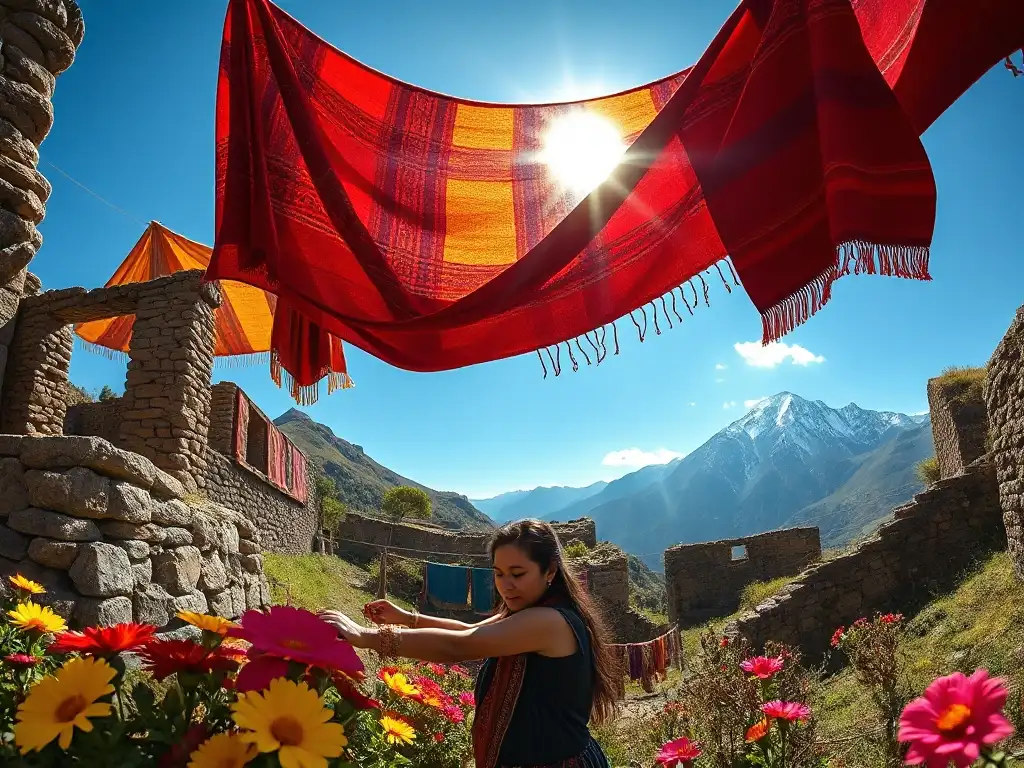
Step into a world painted in vibrant hues and ancient secrets. For centuries, the Andean civilizations wove narratives into their textiles, using natural dyes to express profound symbolic meanings. Prepare to unravel the mysteries surrounding Andean civilization dye symbolism, a captivating journey through the rich tapestry of Andean culture and craft. Discover how colors, far from mere decoration, held the key to understanding their beliefs, rituals, and social structures. Are you ready to decode the vibrant language of the Andes?
The vibrant textiles of the Andean civilizations are renowned worldwide for their intricate designs and stunning colors. But beyond their aesthetic appeal lies a rich tapestry of symbolism, deeply rooted in the beliefs and worldview of these ancient cultures. This article delves into the fascinating world of Andean natural dyes, exploring not only the ingenious techniques used to extract color from the Andean landscape but also the profound symbolic meanings associated with each hue.
We will uncover the secrets behind the colors that adorned the clothing, ritual objects, and everyday life of the Incas, Moche, Nazca, and Tiahuanaco, providing a deeper understanding of Andean civilization dye symbolism and its significance within the broader context of Andean culture and crafts. Prepare to be amazed by the ingenuity and artistry of these ancient Andean peoples and the powerful messages encoded within their vibrant textiles.
Introduction to Andean Textiles and Dye Symbolism
Andean textiles represent far more than just clothing; they are powerful expressions of cultural identity, social status, and spiritual beliefs. For centuries, Andean communities have meticulously crafted textiles, employing sophisticated techniques passed down through generations. The choice of color was not arbitrary; each hue held specific symbolic meaning, reflecting the wearer's social standing, religious affiliations, or even the time of year. The intricate designs, often incorporating geometric patterns, zoomorphic motifs, and stylized representations of deities, further enhanced the symbolic richness of these textiles.
Understanding Andean civilization dye symbolism requires appreciating the deep connection between color, nature, and the spiritual world within the Andean worldview. This intricate relationship between color and meaning is what makes the study of Andean textiles so captivating. The use of natural dyes, sourced from plants and minerals found in the diverse Andean landscape, further connects the textiles to the land and its inherent spiritual power.
Understanding Andean Natural Dyes: A Traditional Craft
The creation of Andean textiles relied heavily on the mastery of natural dyes, a complex process requiring extensive knowledge of local flora and fauna. Unlike modern synthetic dyes, these natural pigments were extracted from a variety of sources, including plants, insects, and minerals, each yielding unique shades and requiring specific preparation methods. The durability and vibrancy of these dyes, which often lasted for generations, are a testament to the skill and expertise of the Andean artisans.
The process was not merely technical; it was deeply intertwined with spiritual rituals and beliefs, ensuring that the colors carried not only visual appeal but also spiritual significance. The knowledge of dye preparation was passed down orally within families and communities, preserving these valuable traditional techniques for centuries. The careful selection and preparation of these dyes highlight the sophisticated understanding of the natural world possessed by Andean civilizations.
The Source of Color: Andean Plants and Minerals for Dyes
The Andean region boasts an incredible biodiversity, providing a rich palette of natural dyes. Plants like the cochineal insect (producing vibrant reds), various species of molle (yielding yellows and oranges), and indigo plants (source of deep blues) were crucial to the Andean dye palette. Minerals, too, played a significant role, with clays and ochres providing a range of earthy tones, from yellows and browns to reds and oranges.
The specific plants and minerals used varied regionally, reflecting the diverse ecological niches across the Andes. For example, high-altitude regions might have relied more on certain minerals, while lower-altitude areas might have had access to a wider variety of plant-based dyes. The precise combination of ingredients and the techniques used for extraction influenced the final color, resulting in a vast spectrum of shades and hues.
The careful selection of these natural resources demonstrates a deep understanding and respect for the Andean ecosystem. This intimate knowledge of the environment was essential not only for creating beautiful textiles but also for maintaining a harmonious relationship with the natural world.
Preparing Natural Dyes: A Step-by-Step Guide
The process of preparing Andean natural dyes was intricate and time-consuming, involving multiple steps. First, the chosen plant or mineral material was carefully harvested and prepared. This often involved cleaning, crushing, and sometimes fermenting the material to release the color molecules.
Then, the prepared material was boiled in water, sometimes with the addition of mordants—substances that help the dye bind to the fibers—to enhance the color's fastness and vibrancy. Different mordants, such as alum or certain plant extracts, were used depending on the desired color and the type of fiber being dyed. The process of dyeing itself could also involve multiple steps, with the fabric being dipped repeatedly in the dye bath to achieve the desired intensity of color.
The entire process, from harvesting to dyeing, was a testament to the Andean artisans' patience, skill, and deep understanding of natural processes. The resulting textiles, imbued with the colors of the Andean landscape and the spiritual energy of the artisans, were more than just garments; they were living expressions of Andean culture and tradition.
The Symbolic Power of Color in Andean Art and Textiles
The vibrant hues found in Andean textiles weren't merely aesthetic choices; they held profound symbolic meanings deeply rooted in the Andean worldview. Color in Andean art and textiles served as a powerful visual language, communicating social status, religious beliefs, and cosmological understandings. The careful selection and combination of colors reflected a sophisticated understanding of the natural world and its relationship to the spiritual realm.
This intricate system of color symbolism provides invaluable insight into the beliefs and practices of these ancient civilizations. Understanding this symbolism unlocks a deeper appreciation for the artistry and cultural significance embedded within each textile. The use of natural dyes, painstakingly extracted from plants, minerals, and insects, further underscored the sacred connection between the artisans and their environment.
The process of dye creation itself was imbued with ritual and significance, adding another layer of meaning to the final product. From the simplest garment to the most elaborate tapestry, every color choice was deliberate and meaningful, reflecting a rich tapestry of cultural and spiritual beliefs.
Red: Life, Power, and Ancestral Blood in Andean Culture
Red, a color often associated with blood and life force, held a position of great importance in Andean cultures. It symbolized power, vitality, and the connection to ancestors. In many Andean societies, red was linked to the blood of sacrificial victims, emphasizing its association with fertility and the life-giving powers of the earth. The use of red in ceremonial textiles and garments signified high social status and authority, reflecting the wearer's connection to power and leadership.
Furthermore, the vibrant crimson hues, often achieved using cochineal insects, served as a potent visual representation of the sun's life-giving energy and its influence on Andean agriculture. The deep red color, achieved through laborious processes, further enhanced its symbolic significance, highlighting its value and importance within Andean society. This wasn't just a color; it was a potent symbol of life, power, and ancestral lineage.
Yellow: Gold, Sun, and Divine Energy in Andean Traditions
Yellow, the color of the sun and gold, represented divinity, power, and wealth in Andean civilizations. The sun, a central figure in Andean cosmology, was associated with life, energy, and fertility. Gold, a precious metal often associated with the sun, was considered sacred and was used extensively in religious ceremonies and adornments. Yellow dye, often extracted from plants like the Tara tree, was used to create stunning textiles that reflected the radiant energy of the sun.
The association of yellow with the sun and gold reinforced its symbolic weight, representing the power and authority of the Inca rulers and the divine energy that permeated the Andean worldview. The use of yellow in textiles often indicated high status and connection to the divine realm, further solidifying its importance within Andean culture. Intricate patterns and designs in yellow often adorned garments worn during religious ceremonies and important social events.
Blue: Water, Sky, and the Spiritual Realm in Andean beliefs
Blue, often derived from indigo plants, represented the sky, water, and the spiritual realm in Andean cosmology. Water, essential for life and agriculture, was revered as a sacred element. The sky, a vast and mysterious expanse, was seen as a connection to the supernatural world. Therefore, blue held a significant spiritual meaning, representing the divine and the unseen forces that governed the Andean world.
The use of blue in textiles often symbolized a connection to the spiritual world, indicating a higher spiritual status or connection to religious practices. The deep, rich blues, sometimes achieved through multiple dyeing processes, reflected the depth and mystery of the heavens and the importance of water in the Andean way of life. This vibrant color, carefully crafted, became a powerful visual representation of the spiritual and the divine.
Green: Nature, Fertility, and Growth in Andean societies
Green, the color of vegetation and growth, represented nature, fertility, and abundance in Andean societies. Associated with the earth's life-giving power, green symbolized prosperity, agricultural success, and the continuous cycle of life and renewal. The shades of green, ranging from vibrant emerald to deep forest tones, were often achieved using various plant-based dyes, reflecting the diversity of the Andean landscape.
The use of green in textiles emphasized the importance of agriculture and the close relationship between Andean peoples and their environment. Textiles with green hues were often associated with fertility rituals and celebrations of the harvest, further reinforcing its symbolic connection to the life-sustaining power of nature. This vibrant color represented not just the beauty of the landscape but also the essential connection between humans and the natural world.
Black and Brown: Earth, Ancestors, and the Underworld in Andean cosmology
Black and brown, the colors of the earth and the underworld, represented the ancestors, the earth, and the spiritual realm beneath the surface. These colors, often derived from natural pigments like charcoal or plant extracts, carried significant symbolic weight in Andean cosmology. Black, in particular, was associated with the underworld and the spiritual realm beyond the visible world. Brown, representing the earth itself, symbolized stability, grounding, and connection to the ancestors.
Both colors were used in textiles to represent the connection to the past, the earth's power, and the unseen forces that shaped Andean life. The use of black and brown in ceremonial textiles often indicated a connection to the ancestors, underscoring the importance of lineage and the spiritual continuity between generations. These earthy tones reflected the deep respect for the land and the enduring link between the living and the deceased in Andean culture.
- Introduction to Andean Textiles and Dye Symbolism
- Understanding Andean Natural Dyes: A Traditional Craft
- The Symbolic Power of Color in Andean Art and Textiles
- What role did natural dyes play in Andean civilizations?
- What were some common sources of natural dyes in the Andes?
- What did the color red symbolize in Andean cultures?
- How did the symbolism of Andean dyes vary between different cultures?
- Where can I learn more about Andean dye symbolism and its significance?
Modern Applications and Preservation of Andean Dye Techniques
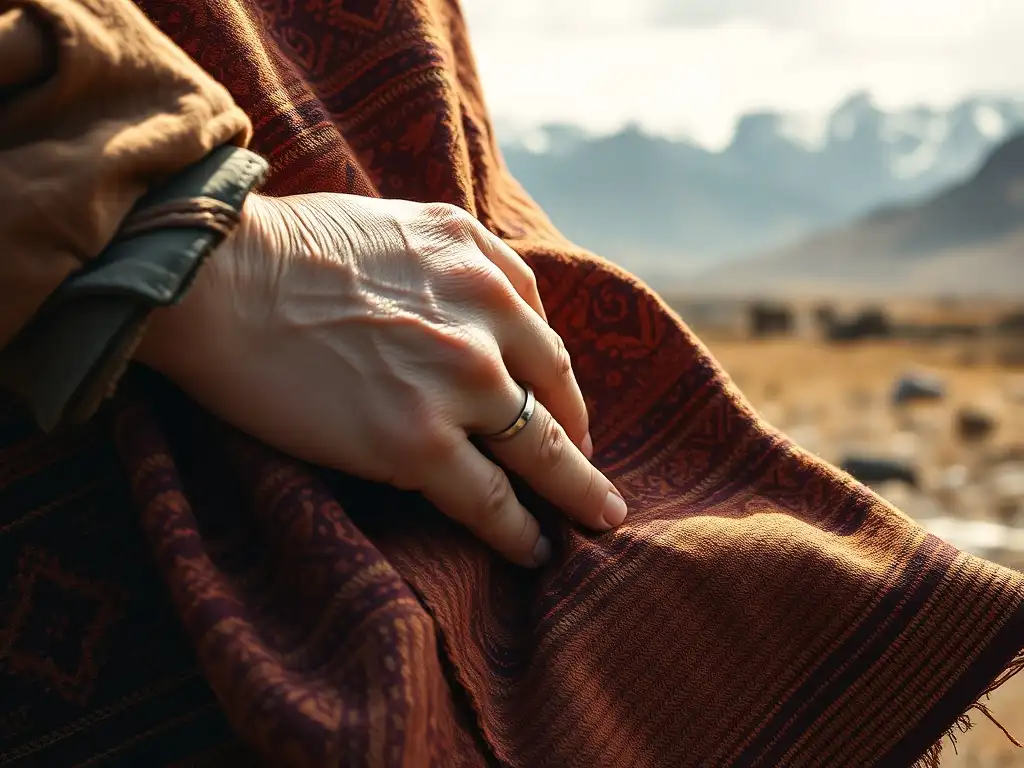
The vibrant hues of Andean textiles, once solely associated with ancient civilizations, continue to captivate modern audiences. Understanding the historical significance of these dyes, however, is crucial to appreciating their contemporary applications. The knowledge passed down through generations is not merely aesthetic; it's a vital link to a rich cultural heritage. The preservation of these techniques is paramount, ensuring that the symbolic language embedded within the colors remains accessible and meaningful. This section delves into the modern relevance of Andean dyeing and the efforts to safeguard its legacy for future generations.
Keeping the Tradition Alive: Contemporary Andean Textile Artists
Many contemporary Andean textile artists are actively preserving and reinterpreting ancient dyeing techniques. These artisans, often working within their communities, not only produce stunning textiles but also act as custodians of a valuable cultural inheritance. Their work showcases the enduring power of Andean dye symbolism, incorporating traditional motifs and colors into contemporary designs.
For instance, the use of cochineal, a deep crimson dye derived from insects, continues to represent power and royalty, while añil (indigo), a vibrant blue, still signifies spirituality and the sky. Their dedication ensures that the intricate knowledge of dye preparation and application isn't lost, adapting techniques to modern contexts while retaining their cultural authenticity. The meticulous processes, often involving family members and community participation, highlight the social and cultural significance of textile production in Andean communities.
This isn't merely craft; it's a vital part of their identity, passed down through generations. The continued use of traditional tools, alongside modern adaptations, demonstrates a dynamic interplay between ancient practices and contemporary needs.
Ethical Sourcing and Sustainability in Natural Dyeing
The revival of interest in natural dyes has brought into sharp focus the importance of ethical sourcing and sustainable practices. Unlike synthetic dyes, which often have harmful environmental and health impacts, natural dyes are inherently more sustainable. However, the harvesting of certain dye plants must be managed responsibly to prevent overexploitation.
For example, the sustainable harvesting of tarwi (lupines) for its yellow dye requires careful consideration of its growth cycle and responsible farming techniques. Similarly, the cultivation and harvesting of achiote (annatto) for its orange-red dye requires attention to biodiversity and soil health. Ethical sourcing ensures that the communities involved in dye production benefit economically and environmentally.
This includes fair trade practices, community-based initiatives, and support for local farmers. The emphasis on sustainability not only protects the environment but also ensures the long-term viability of traditional Andean dyeing practices, contributing to the overall preservation of Andean civilization dye symbolism. This holistic approach acknowledges the interconnectedness of cultural preservation, environmental stewardship, and economic justice.
Conclusion: Appreciating the Rich Legacy of Andean Dyes
The vibrant colors of Andean textiles are more than just aesthetically pleasing; they are powerful symbols carrying a wealth of cultural and historical meaning, profoundly connected to Andean civilization dye symbolism. From the intricate designs of ancient textiles to the contemporary creations of skilled artisans, the legacy of Andean dyeing continues to inspire and captivate.
Preserving these techniques—through the dedication of contemporary artists, ethical sourcing, and sustainable practices—is crucial for safeguarding a rich cultural heritage. By understanding and appreciating the symbolism embedded within these colors, we gain a deeper understanding of the ingenuity, artistry, and spiritual beliefs of the Andean civilizations, a legacy that deserves continued recognition and celebration.
The enduring appeal of these dyes underscores their timeless beauty and the enduring connection to the land and its people. The ongoing efforts to preserve and promote these techniques ensure that the vibrant tapestry of Andean culture will continue to thrive for generations to come.
Frequently Asked Questions
What role did natural dyes play in Andean civilizations?
Natural dyes were essential to Andean cultures. They were used to color textiles, ceramics, and other artifacts, reflecting social status, religious beliefs, and cosmological views. The colors themselves held deep symbolic meaning.
What were some common sources of natural dyes in the Andes?
Andean civilizations utilized a wide variety of plants and insects for dyes. Cochineal insects produced vibrant reds, while plants like tarwi and achiote provided yellows and oranges. Other sources included indigo for blues and various minerals for browns and blacks.
What did the color red symbolize in Andean cultures?
Red, often derived from cochineal, held significant meaning. It represented blood, power, and the sun. In some cultures, it was associated with fertility and divinity.
How did the symbolism of Andean dyes vary between different cultures?
While some color associations were widespread, variations existed. For example, the meaning of specific shades could differ between the Inca, Moche, and Nazca cultures. The application and context of the dye also influenced its symbolic interpretation.
Where can I learn more about Andean dye symbolism and its significance?
To delve deeper, explore academic journals, museum exhibits, and books focusing on Andean textiles and archaeology. Many resources detail the specific symbolism of colors within different Andean civilizations and their ritualistic and practical uses.
Final Reflection: The Enduring Legacy of Andean Color
The vibrant hues woven into the textiles of the Andes are not merely aesthetic choices; they are potent symbols, echoing across millennia and resonating with contemporary concerns about cultural preservation and sustainable practices. The intricate relationship between natural dyes, Andean cosmology, and social structures continues to fascinate and inspire, offering a rich tapestry of meaning that deserves deeper exploration.
The enduring power of these colors lies in their ability to connect us to a rich history, reminding us of the ingenuity and deep spiritual connection the Andean people held with their environment. Their understanding of the symbolic language of color – the earthiness of browns, the celestial blues, the fiery reds – offers a powerful counterpoint to our modern, often homogenized, world. The colors are not just colors, but stories, histories, and prayers woven into the very fabric of life.
– (Hypothetical quote from an Andean textile artist). This sentiment encapsulates the profound significance of these dyes, transcending mere decoration to become a vital part of Andean identity and cultural heritage.
Consider the legacy of these vibrant colors. How can we, in our own lives, embrace a more mindful approach to the materials we use, appreciating their origins and the stories they hold? Let the enduring symbolism of Andean dyes inspire you to seek deeper meaning in the things that surround you, to connect with the natural world, and to celebrate the rich diversity of human expression. Let the colors of the Andes remind you of the power of tradition, innovation, and the enduring beauty of handcrafted artistry.
Unveil the Spectrum of the Andes!
Thank you for exploring the vibrant world of natural dyes and their profound significance in Andean culture! You've discovered how these colors narrate stories and forge connections within communities, revealing the rich heritage of the Andes. Now, let's deepen your engagement with this captivating subject.
To further your exploration, consider these steps:
- **Experiment with Natural Dyes:** Gather locally sourced materials and try creating your own natural dyes using plants or flowers. Share your creations with us!
- **Join a Local Workshop:** Find workshops or classes focusing on textile arts or natural dyeing to connect with other enthusiasts.
- **Spread the Word:** Share this article with friends or on social media to inspire others to appreciate the artistry of natural dyes.
Which colors resonate most with you, and how do you interpret their meaning in your life and community? Let's begin a conversation!