
The Tiahuanaco Canals: A Network of Waterways and their Purpose

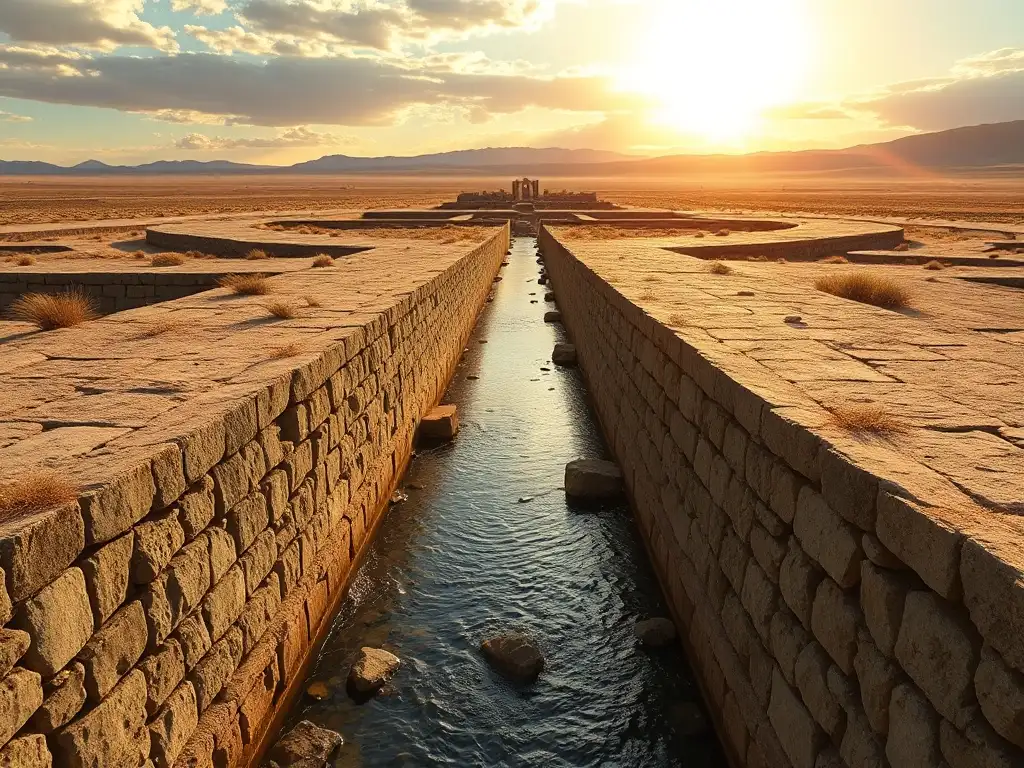
Step into a world lost to time, a world of towering stone cities and ingenious engineering marvels. For centuries, the enigmatic Tiahuanaco civilization has captivated historians and archaeologists alike, leaving behind a legacy shrouded in mystery. But what was the true purpose of the intricate Tiahuanaco canals? Unravel the secrets of this advanced Andean culture and discover the astonishing truth behind these ancient waterways. Dive into the fascinating story of the Tiahuanaco canals purpose and prepare to be amazed.
The city of Tiahuanaco, flourishing in the Bolivian Altiplano between 500 and 1000 CE, stands as a testament to the ingenuity of its builders. While its monumental architecture, such as the Gate of the Sun and the Kalasasaya Temple, often captivates the attention of researchers and visitors alike, the intricate network of canals that crisscrossed the city remains a compelling enigma.
Understanding the purpose of these Tiahuanaco canals is crucial to fully grasping the sophistication of this Andean civilization and its remarkable adaptation to a high-altitude, arid environment. This article delves into the design, construction, and likely functions of this sophisticated hydraulic system, exploring the various theories surrounding its purpose and its significance within the broader context of Tiahuanaco society.
We will examine archaeological evidence and consider the environmental challenges the Tiahuanaco people faced, shedding light on the ingenuity of their water management strategies. The question of the Tiahuanaco canals purpose is not simply about irrigation; it speaks to a complex interplay of agriculture, religious practices, and social organization within this remarkable civilization.
The Hydraulic Engineering Marvel of Tiahuanaco
The Tiahuanaco canals are not simply haphazard ditches; they represent a complex and carefully planned system of waterways. Archaeological surveys reveal a network of canals of varying sizes, some wide and deep enough to accommodate significant water flow, others smaller and likely used for different purposes. These canals were meticulously constructed, often lined with stone and featuring sophisticated techniques for water diversion and control.
Evidence suggests the use of advanced surveying techniques to ensure accurate alignment and gradients, a remarkable feat given the available tools and technology of the time. The precision of their construction speaks volumes about the level of engineering expertise possessed by the Tiahuanaco people.
Detailed analysis of sediment deposits within the canals is ongoing, providing further insights into water flow patterns and the overall management of the system. The sheer scale of the project—spanning across a considerable area around the city—underlines the importance of water management to Tiahuanaco society.
Irrigation and Agriculture: The Primary Function?
The most widely accepted theory regarding the Tiahuanaco canals purpose is their role in irrigation. The Altiplano is a high-altitude plateau characterized by a relatively arid climate, making reliable water sources essential for agriculture. The canals likely channeled water from nearby Lake Titicaca and other sources to irrigate agricultural fields surrounding the city. This allowed for the cultivation of crops crucial to the Tiahuanaco diet, such as potatoes, quinoa, and other Andean staples.
The scale of the canal system suggests that agriculture was a large-scale operation, supporting a substantial population concentrated around the city. However, the intricate design of the canals, with their various branches and control structures, suggests a more complex function than simple irrigation. Further research into soil samples and analysis of plant remains from the surrounding areas could help clarify the extent of irrigated agriculture supported by this network.
Religious and Ritualistic Significance: Beyond Practicality
While irrigation was undoubtedly crucial, the Tiahuanaco canals may have also held significant religious and ritualistic importance. Many Andean cultures viewed water as a sacred element, closely tied to their cosmology and religious beliefs. The careful planning and construction of the canals might reflect a deliberate integration of practical needs with religious symbolism.
Some researchers suggest that the canals themselves, or specific features within the canal system, might have been incorporated into ritual practices or served as symbolic representations of cosmological concepts. Further investigation into the relationship between the canal system and other architectural features within the city, as well as analysis of any associated artifacts, could shed more light on the potential religious significance of the canals. The precise nature of this symbolic meaning remains a subject of ongoing research and debate.
The construction and maintenance of the Tiahuanaco canal system would have required significant coordinated effort, implying a high degree of social organization and cooperation. Control over water resources likely played a significant role in the power structure of Tiahuanaco society. The equitable distribution of water would have been essential to maintain social stability and prevent conflict.
The design of the canals, with its intricate network of branches and control structures, could reflect a sophisticated system for managing water allocation and access. This highlights the importance of considering the social and political aspects of the canal system in addition to its purely practical functions. Further research into the social structure of Tiahuanaco society can help illuminate the role of the canals in maintaining social order and resource management.
Unanswered Questions and Future Research
Despite considerable research, many questions about the Tiahuanaco canals purpose remain unanswered. Further investigation using advanced techniques like remote sensing and geophysical surveys could reveal additional sections of the canal system and provide a more complete understanding of its extent and complexity. Detailed analysis of the construction techniques, materials, and the overall design of the canals could also offer valuable insights into the engineering skills and technological capabilities of the Tiahuanaco people.
A multidisciplinary approach, integrating archaeology, hydrology, anthropology, and other relevant fields, is essential to fully unravel the mysteries of this remarkable hydraulic system and its role in the rise and fall of the Tiahuanaco civilization. The ongoing exploration of the Tiahuanaco canals promises to reveal further fascinating details about this remarkable Andean civilization and its sophisticated understanding of water management.
- The Hydraulic Engineering Marvel of Tiahuanaco
- Irrigation and Agriculture: The Primary Function?
- Religious and Ritualistic Significance: Beyond Practicality
- Social Organization and Water Control: A Shared Resource?
- Unanswered Questions and Future Research
Understanding the Tiahuanaco Water Management System
The Tiahuanaco civilization, flourishing in the high Andes between 500 and 1000 CE, developed a sophisticated water management system crucial to its survival and prosperity. Understanding the Tiahuanaco canals purpose requires examining this system's complexity and ingenuity. Located in a high-altitude, arid environment with limited rainfall, the Tiahuanaco people demonstrated remarkable engineering skills to harness scarce water resources, transforming a challenging landscape into a productive agricultural zone.
This achievement is a testament to their deep understanding of hydrology and their ability to organize large-scale public works projects. The success of their water management is directly linked to the civilization's growth, allowing for population expansion and the development of a complex social structure. The intricate network of canals, aqueducts, and reservoirs wasn't simply a matter of survival; it was integral to the very fabric of Tiahuanaco society and its religious beliefs.
The efficient distribution of water facilitated the cultivation of crops like potatoes, quinoa, and maize, supporting a substantial population. Further research is needed to fully understand the societal impact of this remarkable feat of ancient engineering. The sophisticated techniques employed suggest a level of planning and social organization far exceeding many contemporary civilizations.
The Significance of Water in Tiahuanaco Society
Water held profound symbolic and practical importance for the Tiahuanaco people. Beyond its essential role in agriculture, water was deeply intertwined with their religious beliefs. Many scholars believe that the Tiahuanaco's elaborate water management systems were not only functional but also served a ceremonial purpose, reflecting their reverence for water as a life-giving force.
The precise nature of this connection remains a subject of ongoing research, but evidence suggests that water played a central role in their rituals and worldview. For example, archaeological findings show the presence of water features in many significant religious structures, indicating their sacred association. The careful channeling and distribution of water were not simply practical endeavors; they were acts of reverence, ensuring the continuity of life and the prosperity of the community.
This holistic approach to water management, encompassing both practical needs and spiritual beliefs, distinguishes Tiahuanaco from many other ancient civilizations. The careful planning and execution of the canal system shows a deep understanding of not just the physical properties of water, but also its cultural and religious significance. The Tiahuanaco canals purpose, therefore, transcends mere irrigation; it encompasses a complex interplay of practical engineering and spiritual beliefs.
Overview of the Tiahuanaco Canals Network
The Tiahuanaco canals network was a vast and intricate system, extending for many kilometers throughout the surrounding landscape. This network included a complex arrangement of canals, aqueducts, and reservoirs, all carefully designed to collect, store, and distribute water efficiently. The canals themselves were constructed with remarkable precision, using sophisticated techniques to ensure a steady flow of water.
Evidence suggests the use of advanced surveying techniques and a deep understanding of hydraulic principles. The network also incorporated sophisticated features such as spillways and regulators to manage water levels and prevent flooding. This demonstrates a high level of engineering expertise and planning capabilities.
The construction of the canals involved the mobilization of significant labor resources, suggesting a highly organized and centralized society capable of coordinating large-scale public works projects. Further, the precise alignment of some canals suggests a possible astronomical connection, potentially linking the water management system to their calendar and religious practices. Detailed analysis of the canals' construction materials and techniques, along with ongoing archaeological excavations, continues to reveal new insights into this impressive feat of ancient engineering.
The Tiahuanaco canals purpose was multifaceted, supporting agriculture, religious practices, and the overall societal functioning of this remarkable civilization. The scale and complexity of the network are a testament to the ingenuity and organizational prowess of the Tiahuanaco people.
Construction Techniques of Tiahuanaco Canals
The Tiahuanaco canals, a remarkable feat of ancient Andean engineering, stand as a testament to the sophisticated knowledge and organizational capabilities of the Tiahuanaco civilization. Understanding their construction reveals much about their technological prowess and societal structure. The precise purpose of these canals, while still debated, highlights their ingenuity in managing water resources in the harsh altiplano environment. This section delves into the methods and principles behind their creation, emphasizing the scale and complexity of this impressive hydraulic system. The keyword "Tiahuanaco canals purpose" is central to understanding the driving force behind this ambitious undertaking.
Materials and Methods Used in Canal Construction
The construction of the Tiahuanaco canals involved a complex interplay of materials and techniques, reflecting both the available resources and the advanced engineering skills of the builders. Evidence suggests that the canals were primarily dug by hand, a laborious process requiring significant manpower. The precise tools used remain a topic of ongoing research, but it's likely that simple implements like stone picks, shovels made from wood or bone, and possibly copper tools were employed.
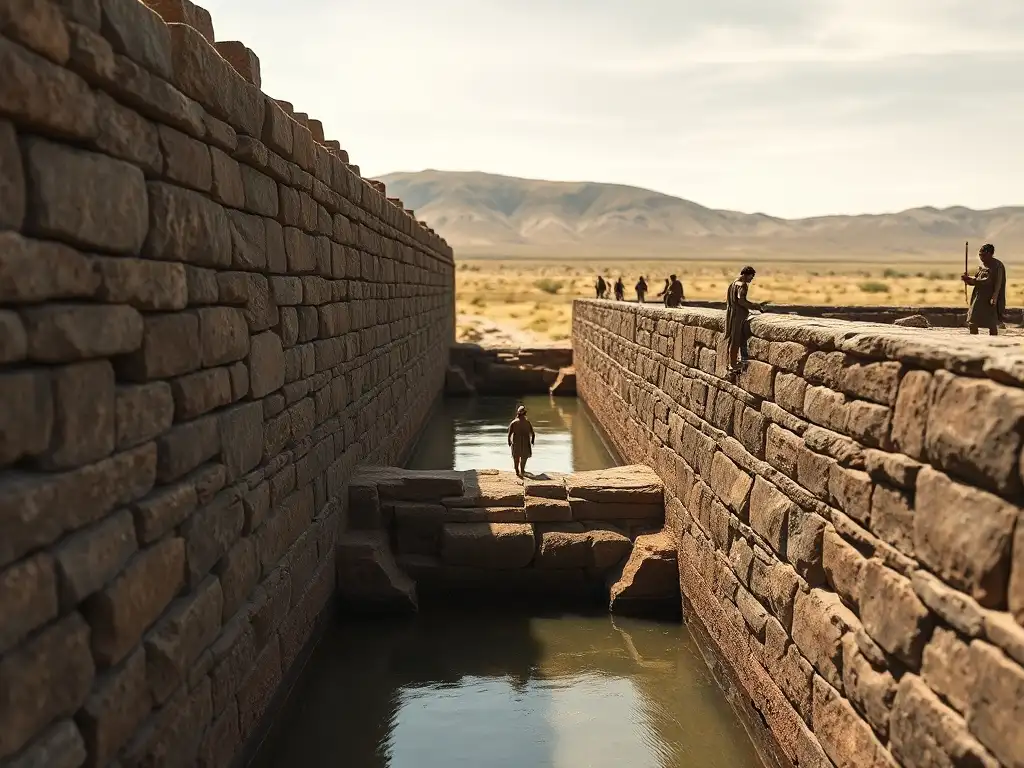
The canals themselves were primarily excavated in the earth, with their dimensions varying depending on their function and location. Larger canals, designed for irrigation or water transport, were deeper and wider than smaller drainage channels. In some sections, where the terrain was particularly challenging or the canal needed to be stabilized, stone lining or retaining walls were constructed. These walls were typically made from locally sourced stone, carefully fitted together without the use of mortar – a testament to the builders' mastery of dry-stone masonry techniques.
The precision and stability of these structures are remarkable, considering the harsh environmental conditions and the absence of advanced tools. The choice of materials—earth, stone, and possibly wood for temporary scaffolding—reflects a sustainable approach to construction, utilizing readily available resources. Analysis of sediment samples from within the canals could reveal further details about the construction materials and techniques employed.
Engineering Principles Behind the Waterways
The design and layout of the Tiahuanaco canals reveal a sophisticated understanding of hydraulic engineering principles. The canals were not simply haphazardly dug trenches; rather, they were strategically planned and constructed to optimize water flow and minimize erosion. The gradient of the canals was carefully controlled to ensure a consistent flow, preventing stagnation and promoting efficient water distribution.
The inclusion of strategically placed spillways and sediment traps further demonstrates the advanced hydraulic knowledge of the builders. These features helped to regulate water levels, prevent flooding, and maintain the integrity of the canal system over time. The careful consideration of factors such as terrain, soil type, and water flow demonstrates a level of sophistication not often associated with pre-Columbian engineering projects.
Further research, including digital elevation models and hydrological simulations, could provide a deeper insight into the engineering principles behind the canal system. The efficiency and longevity of the canals are striking evidence of the advanced understanding of hydraulic principles in Tiahuanaco society.
The Scale and Complexity of the Canal System
The Tiahuanaco canal system was not a small-scale project; it was a vast and intricate network of waterways covering a significant area around the city. The sheer scale of the undertaking underscores the organizational and logistical capabilities of the Tiahuanaco civilization. The system included a complex array of canals of varying sizes and functions, ranging from large irrigation canals to smaller drainage channels and intricate networks of smaller channels for localized irrigation. The precise extent of the system is still being investigated, with ongoing archaeological surveys revealing new sections of canals.
| Canal Type | Function | Estimated Length (km) | Notes |
|---|---|---|---|
| Main Irrigation | Large-scale irrigation of agricultural fields | [Specific information pending] | Likely multiple branches feeding smaller canals |
| Drainage Canals | Removal of excess water from fields | [Specific information pending] | Prevented waterlogging and soil erosion |
| Localized Irrigation | Smaller canals for targeted irrigation | [Specific information pending] | High degree of precision in water distribution |
The complexity of the system is further highlighted by the integration of various structures, such as reservoirs, aqueducts, and spillways, which played a crucial role in regulating water flow and managing water resources. The intricate network of canals demonstrates the sophisticated water management techniques employed by the Tiahuanaco people, allowing them to cultivate crops in a challenging high-altitude environment. The careful planning and execution of this large-scale project suggest a high level of societal organization and centralized control over water resources.
The scale and complexity of the Tiahuanaco canals continue to inspire awe and admiration for the engineering prowess of this ancient Andean civilization. 🗺️
The Primary Functions of Tiahuanaco Canals
The Tiahuanaco canals, a remarkable feat of ancient Andean engineering, remain a source of fascination and ongoing research. Their intricate network, spanning across the Altiplano, served multiple crucial functions for the Tiahuanaco civilization, extending beyond simple irrigation. Understanding their purpose requires considering the complex interplay of agricultural needs, urban development, and possibly, ritualistic practices.
The scale and sophistication of the canal system suggest a highly organized society with advanced water management capabilities, a testament to their ingenuity in adapting to the challenging high-altitude environment. The "Tiahuanaco canals purpose" is multifaceted, and unraveling its complexities reveals much about this influential civilization.
Irrigation Purposes: Supporting Agriculture
The most readily apparent function of the Tiahuanaco canals was irrigation, vital for supporting intensive agriculture in the arid Altiplano. The region's limited rainfall necessitated sophisticated water management to cultivate crops such as potatoes, quinoa, and maize—staples of the Tiahuanaco diet. The canals channeled water from the rivers and lakes, distributing it efficiently across agricultural fields.
Evidence suggests a sophisticated system of channels, ditches, and reservoirs, carefully designed to optimize water flow and minimize losses. This involved careful surveying of the terrain, construction of levees, and the creation of intricate drainage systems. The precise techniques used, such as the creation of raised fields (waru waru), further enhanced agricultural yields by improving soil drainage and water retention.
The effectiveness of this irrigation system is evident in the scale of agricultural production needed to sustain a large urban population, a significant indicator of the Tiahuanaco's mastery of water resources. Analysis of soil samples near the canals reveals traces of agricultural activity, supporting the theory of extensive irrigation practices.
Water Distribution for Urban Centers
Beyond agriculture, the Tiahuanaco canals played a crucial role in supplying water to the urban center of Tiahuanaco itself. The city's population required a reliable source of fresh water for drinking, cooking, and other domestic purposes. The canal system provided this essential resource, transporting water from distant sources directly into the city. This intricate network not only facilitated daily life but also supported the growth and prosperity of the urban center.
The strategic placement of canals near monumental structures suggests a deliberate integration of water management into the city's overall design. Further research is needed to fully understand the distribution networks within the city itself, but the evidence strongly suggests a direct link between the canals and urban water supply. The scale of the city and the evidence of sophisticated water management infrastructure point towards a well-organized urban planning system that placed water security as a top priority.
Potential Use in Ceremonial and Ritual Activities
While the primary functions of the Tiahuanaco canals were undoubtedly agricultural and urban, the possibility of ceremonial and ritualistic significance cannot be overlooked. The symbolic importance of water in Andean cultures suggests that the canals may have held deeper meaning beyond their practical applications. The careful alignment of some canals with significant sites, combined with the presence of water features within ceremonial complexes, hints at a potential connection between the canals and religious practices.
The deliberate channeling of water into specific areas might have been part of larger ritual performances, reflecting the Tiahuanaco worldview and their relationship with the natural world. While concrete evidence linking the canals directly to specific rituals remains limited, the symbolic value of water in Andean cosmology makes this a plausible hypothesis worthy of further investigation.
Anthropological studies of other Andean cultures reveal the profound spiritual significance often attributed to water sources, suggesting that a similar understanding might have existed within Tiahuanaco society. This aspect of the Tiahuanaco canals purpose requires further interdisciplinary research, combining archaeological findings with anthropological insights.
The Purpose of Tiahuanaco Canals: A Detailed Analysis
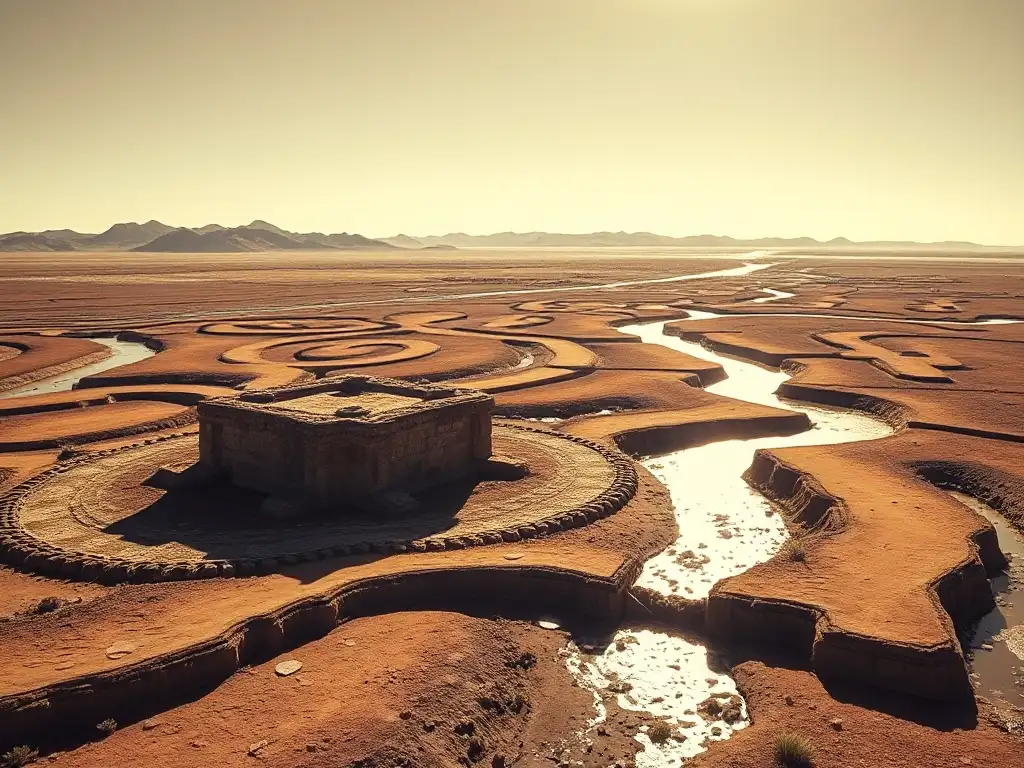
The Tiahuanaco canals, a remarkable feat of ancient Andean engineering, remain a subject of ongoing research and fascination. Their intricate network, spanning across the Altiplano, served multiple crucial purposes, far beyond simple irrigation. Understanding their design and function offers invaluable insight into the sophistication of the Tiahuanaco civilization and their mastery of hydraulic engineering. This section delves into the key roles these canals played in shaping Tiahuanaco society, focusing on their impact on water management, agriculture, and the overall economy. The "Tiahuanaco canals purpose" is a complex one, with interwoven elements contributing to the success of this remarkable civilization.
Controlling Water Flow and Minimizing Flooding
The Altiplano's unpredictable climate, characterized by intense rainfall and periods of drought, presented significant challenges to the Tiahuanaco people. The canals' primary function was undoubtedly to manage water flow, mitigating the risks of both devastating floods and crippling droughts. Evidence suggests that the canal system was meticulously designed to divert excess water during the rainy season, preventing destructive inundation of agricultural lands and settlements.
This involved a complex network of channels, reservoirs, and drainage systems, skillfully integrated into the landscape. The precise engineering involved careful consideration of elevation, slope, and soil composition. For example, the use of strategically placed spillways and sediment traps prevented the canals from silting up and maintaining their efficient drainage capacity.
This sophisticated approach to water management was essential for the survival and prosperity of the Tiahuanaco population. The precise capacity of each canal section, and the total volume managed by the entire network, requires further research, but preliminary studies suggest a remarkably efficient system capable of handling significant water volumes.
Enhancing Agricultural Productivity through Water Access
Beyond flood control, the Tiahuanaco canals played a crucial role in enhancing agricultural productivity. The Altiplano's arid conditions necessitate a reliable water source for successful crop cultivation. The canals provided a consistent and controlled supply of water to the extensive agricultural fields surrounding the city.
This allowed the Tiahuanaco people to cultivate a variety of crops, including potatoes, quinoa, and maize, supporting a large and densely populated urban center. The canals were not merely open channels; they were carefully designed to deliver water precisely where it was needed. Smaller, secondary channels branched off from the main canals, irrigating individual plots and ensuring equitable distribution of water resources.
This efficient irrigation system maximized crop yields, contributing significantly to the economic and social stability of Tiahuanaco society. The success of this agricultural system is evidenced by the large scale of agricultural remains found in the surrounding area, testifying to the productivity achieved through the skillful use of the canal network. Further analysis of soil samples from these fields could reveal more precise data about crop yields and the types of crops cultivated.
Supporting the Population and Economy
The Tiahuanaco canals were not merely a technological marvel; they were integral to the social and economic fabric of the civilization. The efficient water management and increased agricultural productivity supported a large and complex urban center. The surplus of food produced through irrigation facilitated specialization of labor, allowing individuals to pursue crafts and other non-agricultural activities.
This led to the development of a sophisticated economy, characterized by extensive trade networks and the production of intricate textiles, ceramics, and metalwork. The canals, therefore, were not simply an engineering project; they were a cornerstone of the Tiahuanaco civilization's success. The economic impact of the canal system is a complex issue that requires further research, but it is clear that the reliable water supply it provided was foundational to the development of a robust and sophisticated society.
The intricate interplay between the canals and the overall economic prosperity of Tiahuanaco is a topic deserving of further investigation. Archaeological evidence, combined with sophisticated hydrological modeling, could provide a more complete picture of this crucial aspect of Tiahuanaco life. The scale and complexity of the Tiahuanaco canal system serve as a testament to the ingenuity and organizational capacity of this remarkable ancient civilization.
The Impact of the Tiahuanaco Canals on Society
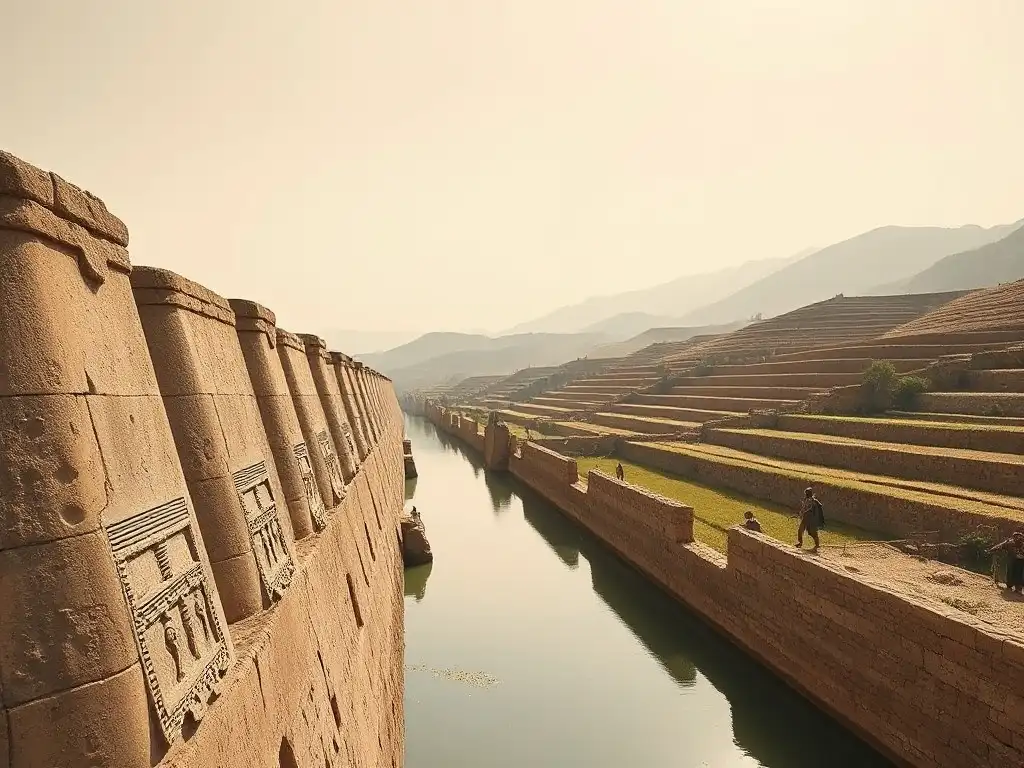
The Tiahuanaco canals, a marvel of ancient Andean engineering, profoundly impacted the society that built and maintained them. Their influence extended far beyond mere irrigation, shaping social structures, economic activities, and leaving a lasting legacy on subsequent civilizations. Understanding the purpose of these canals requires examining their multifaceted role in the daily lives of the Tiahuanaco people.
The intricate network of waterways wasn't just a technological achievement; it was a cornerstone of their social and economic fabric. The precise methods used to construct and manage these canals, while still being studied by archaeologists, reveal a sophisticated understanding of hydraulic engineering, far surpassing what was previously thought possible for the time period.
The scale of the project itself points to a highly organized and centralized society capable of mobilizing significant labor resources. This immense undertaking demonstrates a remarkable level of societal planning and cooperation, crucial for the success of the Tiahuanaco civilization.
The Tiahuanaco canal system necessitated a complex social organization centered around water management. Evidence suggests a hierarchical structure, with specialized labor forces responsible for canal construction, maintenance, and distribution of water. This likely involved a system of overseers, engineers, and laborers, all working in coordination to ensure the efficient functioning of the entire network.
The equitable distribution of water, a vital resource, was likely a key element in maintaining social stability and preventing conflicts. This intricate system required sophisticated record-keeping and communication, underscoring the advanced administrative capabilities of the Tiahuanaco state. The social impact of this centralized control over water resources is significant, shaping power dynamics and influencing social stratification within the community.
The canals themselves might have served as focal points for community gatherings and rituals related to water worship, further reinforcing their importance in Tiahuanaco society. Further research is needed to fully understand the social structures that supported this complex system. [Specific information pending: details on social stratification based on archaeological findings].
Economic Benefits of the Canal System
The Tiahuanaco canals provided significant economic benefits, enabling intensive agriculture and supporting a larger population density than would have been possible without them. The reliable water supply facilitated the cultivation of crops such as potatoes, quinoa, and maize, forming the basis of the Tiahuanaco diet and economy. The surplus produced through efficient irrigation likely allowed for specialization of labor and the development of craft production.
This economic surplus might have been used to support the elite class and fund large-scale public works projects, including the very canals themselves. The canals also facilitated trade, providing access to water transportation routes for goods and resources. The economic prosperity facilitated by the canal system is directly linked to the growth and power of the Tiahuanaco civilization.
[Specific information pending: quantitative data on crop yields and economic output]. The ability to control and manage water resources was directly connected to the power and prosperity of the Tiahuanaco state.
The Legacy of Tiahuanaco Engineering
The Tiahuanaco canals represent a remarkable feat of engineering, demonstrating a deep understanding of hydrology and construction techniques. Their design and construction techniques influenced subsequent Andean civilizations, shaping their own irrigation systems and agricultural practices. The legacy of Tiahuanaco engineering extends beyond the immediate region, demonstrating the far-reaching impact of their innovations.
The sophisticated techniques used in canal construction, including the precise alignment and grading of channels, are still being studied and admired by modern engineers. The Tiahuanaco's mastery of hydraulic engineering continues to inspire researchers and demonstrates the advanced level of technological and societal development achieved by this ancient civilization.
The enduring impact of the Tiahuanaco canals serves as a testament to the ingenuity and foresight of its creators, leaving an undeniable mark on the history of Andean engineering and its influence on later cultures. The ingenuity displayed in the Tiahuanaco canals continues to inspire awe and underscores the importance of understanding and preserving this incredible legacy.
The Decline of the Tiahuanaco Waterways
The intricate network of canals that once defined the Tiahuanaco landscape didn't endure forever. Understanding the reasons behind their eventual decline is crucial to fully appreciating the ingenuity and vulnerability of this remarkable hydraulic system. While the exact timeline remains a subject of ongoing research and debate among archaeologists and historians, several contributing factors strongly suggest a gradual, multifaceted process rather than a sudden collapse.
The sophistication of the Tiahuanaco canal system, a testament to their advanced understanding of water management, ironically highlights their dependence on a stable environment and a robust social structure. Its decline underscores the intricate relationship between human engineering and environmental forces. The keyword "Tiahuanaco canals purpose" is intrinsically linked to understanding not only their function but also their eventual abandonment.
Factors Contributing to the Disuse of the Canals
Several interconnected factors likely contributed to the decline and eventual disuse of the Tiahuanaco canals. These include:
- Climate Change: Evidence suggests a significant shift in the regional climate around the time of Tiahuanaco's decline. Decreased rainfall and altered precipitation patterns could have severely reduced the water supply available to the canal system, rendering significant portions unusable. This climatic shift would have impacted agricultural yields, potentially leading to social unrest and decreased capacity for canal maintenance. The exact nature and extent of this climate change are still being investigated, but isotopic analysis of lake sediments and other environmental proxies are providing crucial insights.
- Social and Political Instability: The powerful Tiahuanaco state eventually fragmented. Internal strife, external pressures from rival groups, or a combination of both could have destabilized the social and political order necessary for the continued maintenance and management of the extensive canal network. Without centralized authority and coordinated labor, the canals would have fallen into disrepair. This is supported by evidence of decreased construction activity and a lack of major repairs during the later phases of Tiahuanaco occupation.
- Shifting Agricultural Practices: It's possible that changes in agricultural techniques or the introduction of new crops may have lessened the reliance on the canal system. Perhaps new irrigation methods emerged, or perhaps the population shifted to areas with more reliable water sources, rendering the canals less essential. Archaeological evidence relating to crop diversification and changes in settlement patterns could help illuminate this aspect.
- Sedimentation and Silting: Over time, the canals would have inevitably accumulated sediment, reducing their carrying capacity and efficiency. Regular dredging and maintenance would have been essential to counter this natural process. However, with the decline of the Tiahuanaco state, this crucial maintenance likely ceased, contributing to the canal system's eventual collapse.
The Archaeological Evidence of Abandonment
Archaeological investigations provide tangible evidence of the abandonment and decay of the Tiahuanaco canals. This evidence includes:
- Sediment buildup: Excavations reveal significant layers of sediment within the canals themselves, indicating a lack of regular maintenance and dredging. The depth of the sediment layers can be used to estimate the timeline of abandonment and the rate of silting.
- Collapsed canal sections: Researchers have documented collapsed or severely damaged sections of the canal network. These collapses would have rendered large portions of the system unusable, further hindering the agricultural productivity of the region.
- Absence of later occupation: The lack of later settlements or construction directly associated with the canals suggests a long-term abandonment, rather than temporary disuse. This absence of subsequent use supports the idea of a gradual and irreversible decline.
- Changes in pottery styles and artifacts: Changes in the styles of pottery and other artifacts found within and around the canals provide chronological markers for the period of decline, helping to pinpoint the timeframe of abandonment. These changes often correlate with broader shifts in Tiahuanaco culture and society.
Lessons Learned from the Tiahuanaco Canal System
The rise and fall of the Tiahuanaco canal system offers invaluable insights into the complex interplay between human ingenuity, environmental pressures, and social organization. The system's remarkable success highlights the advanced hydraulic engineering capabilities of the Tiahuanaco people and their sophisticated understanding of water management. However, its eventual decline serves as a cautionary tale, emphasizing the vulnerability of even the most sophisticated technologies to environmental change and social instability.
Understanding the factors that contributed to the demise of the Tiahuanaco canals provides crucial lessons for contemporary water management strategies, particularly in the face of climate change and increasing population pressures. The study of the Tiahuanaco canals remains a vital area of research, offering continued opportunities to learn from past successes and failures in addressing water resource challenges. The "Tiahuanaco canals purpose" ultimately encompasses both their impressive engineering and their eventual, instructive decline.
Comparing Tiahuanaco Canals with Other Andean Systems
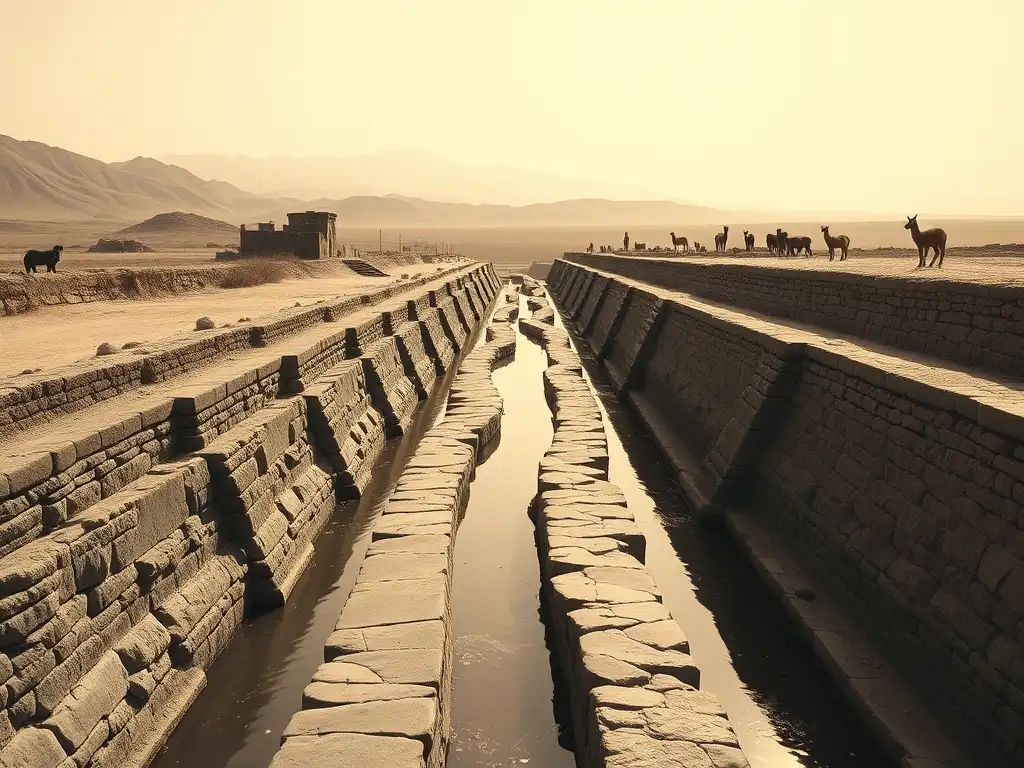
The Tiahuanaco canal system, a marvel of pre-Columbian hydraulic engineering, presents a fascinating case study when compared to other Andean water management strategies. While sharing some commonalities with other civilizations, its scale, complexity, and unique features distinguish it significantly. Understanding these contrasts illuminates the sophistication and ingenuity of Tiahuanaco's engineers. The purpose of these canals, beyond simple irrigation, remains a subject of ongoing research and debate, adding to their enigmatic allure.
Contrasting with Inca Water Management Techniques
While both the Inca and Tiahuanaco civilizations mastered sophisticated water management techniques, their approaches differed considerably. The Inca, known for their extensive road network, also built a vast system of aqweductos (aqueducts) and canals, often integrating them into their imperial infrastructure. Inca canals were typically smaller and more localized, serving primarily agricultural needs within their specific administrative units.
They frequently utilized terracing and sophisticated drainage systems to maximize water efficiency in mountainous terrain. In contrast, the Tiahuanaco canals were larger, more extensive, and seemingly served a broader range of purposes beyond simple irrigation, hinting at a more complex societal organization and possibly ceremonial or symbolic significance. The Inca emphasis on control and centralized administration is reflected in their water management, whereas the Tiahuanaco system suggests a perhaps more decentralized, yet equally effective, approach.
The scale of the Tiahuanaco system, encompassing a far larger area than any single Inca administrative unit, further underscores this contrast. Specific data on the total length and capacity of both systems is still being compiled, but initial estimates suggest a significant difference in scale.
Similarities and Differences with Other Pre-Columbian Canals
The Tiahuanaco canals also present intriguing comparisons with other pre-Columbian canal systems in the Andes. The Nazca lines, while famous for their enigmatic geoglyphs, also involved sophisticated water management practices, including canals and subterranean aqueducts. However, the Nazca canals were primarily focused on irrigation in a desert environment, a stark contrast to the more diverse potential uses of the Tiahuanaco system.
The Moche civilization, similarly located in a coastal desert, also developed advanced irrigation techniques, but their canals, while impressive, were generally smaller and less complex than those of Tiahuanaco. A key difference lies in the apparent integration of the Tiahuanaco canals into the city's overall urban planning, suggesting a far more integrated approach to water management within the urban context.
Further research is needed to fully compare the engineering techniques employed, such as the materials used and the methods of construction, to determine the precise degree of similarity and difference in their construction methods. [Specific data on materials and construction techniques pending].
The Unique Features of Tiahuanaco Engineering
The Tiahuanaco canals stand out due to several unique features, further highlighting their sophisticated engineering. Their construction involved the precise channeling of water across vast distances, often utilizing intricate systems of channels, reservoirs, and drainage systems. The use of elevated channels and sophisticated water control mechanisms suggests a deep understanding of hydraulic principles.
The integration of the canals within the urban landscape of Tiahuanaco itself is another unique feature, demonstrating a level of urban planning rarely seen in other contemporaneous Andean societies. The precise purpose of some of the larger canals remains unclear, leading to speculation about their potential ceremonial or symbolic roles. The scale and complexity of the system point towards a highly organized society with a sophisticated understanding of engineering and resource management.
The Tiahuanaco canals, therefore, represent not just a feat of engineering but also a testament to the cultural and societal achievements of this remarkable civilization. The precise methods used to measure water flow and manage the system remain a subject of ongoing research, but preliminary evidence suggests the use of sophisticated techniques to ensure an even distribution of water throughout the city and surrounding agricultural lands. The Tiahuanaco canals are a compelling example of the ingenuity and technological capabilities of the Andean civilizations and continue to fascinate researchers with their complex design and enduring legacy.
Conclusion: The Enduring Importance of the Tiahuanaco Canals
The Tiahuanaco canals represent a remarkable feat of ancient Andean engineering, a testament to the sophisticated understanding of hydraulics and water management possessed by the Tiahuanaco culture. Their construction, spanning centuries and requiring immense labor, speaks to the importance of water in the social, economic, and religious life of this civilization. Understanding the intricacies of this system allows us to appreciate not only the technological prowess of the Tiahuanaco people but also their deep connection to their environment.
The enduring legacy of the canals serves as a powerful reminder of the ingenuity and adaptability of pre-Columbian societies in the face of environmental challenges. Their study continues to provide valuable insights into ancient Andean societies and their complex relationship with the natural world.
The precise methods used in their construction, along with the complete reasons behind their design, remain areas requiring further investigation. However, the existing evidence unequivocally demonstrates the significance of water management in shaping the trajectory of the Tiahuanaco civilization.
The Tiahuanaco Canals Purpose: A Summary
The primary purpose of the Tiahuanaco canals was undoubtedly irrigation. The high altitude and arid climate of the Altiplano region necessitated sophisticated water management systems to support agriculture. The canals channeled water from Lake Titicaca and other sources to irrigate vast fields, enabling the cultivation of crops crucial to the Tiahuanaco economy and sustenance. Evidence suggests that the canals were not merely simple ditches but a complex network, incorporating sophisticated techniques like water diversion, storage, and distribution.
This allowed for efficient irrigation even during periods of drought, ensuring agricultural productivity and stability. Beyond irrigation, the canals likely served other crucial functions. They may have been used for transportation, facilitating the movement of goods and people across the region. Furthermore, the canals' role in religious and ceremonial practices cannot be discounted.
Water held significant symbolic importance in Andean cultures, and the canals may have played a role in rituals and ceremonies related to water deities or fertility. Further research is necessary to fully elucidate the multifaceted roles of this remarkable system. The extent of their use in transportation and religious ceremonies is still a topic of ongoing debate amongst archaeologists.
The Lasting Impact on Andean Civilizations
The Tiahuanaco canal system's influence extended far beyond the Tiahuanaco civilization itself. Its engineering innovations and water management techniques likely inspired and influenced subsequent Andean cultures. The sophisticated understanding of hydraulics demonstrated by the Tiahuanaco people undoubtedly contributed to the development of similar irrigation systems in later Andean societies. The knowledge and expertise accumulated through the construction and maintenance of these canals likely facilitated the growth and prosperity of subsequent civilizations in the region.
The legacy of the Tiahuanaco canals serves as a powerful example of cultural transmission and technological innovation across generations. The impact on agricultural practices and societal organization within the Andean region is undeniable. It's likely that the techniques employed in the Tiahuanaco canals were adapted and refined by succeeding cultures, shaping the development of Andean agriculture for centuries. This highlights the enduring importance of the Tiahuanaco's engineering achievements.
Further Research and Exploration of Tiahuanaco Engineering
Despite significant progress in understanding the Tiahuanaco canals, numerous questions remain unanswered. Further research is crucial to deepen our understanding of their construction techniques, the extent of their use in different aspects of Tiahuanaco life, and their overall impact on the civilization's development. Detailed analysis of the canals' morphology, sediment composition, and associated artifacts can provide invaluable insights.
Advanced techniques like remote sensing and geophysical surveys can assist in mapping the full extent of the canal network and identifying previously unknown features. Interdisciplinary collaboration between archaeologists, engineers, and other specialists is essential to fully unravel the mysteries of this remarkable engineering marvel. Specifically, further investigation into the materials used in canal construction, the methods of labor organization, and the long-term maintenance strategies would significantly enhance our understanding of Tiahuanaco engineering capabilities.
The potential for uncovering new information about the Tiahuanaco canals and their broader significance within the Andean context is immense. Continued research promises to reveal even more about this fascinating aspect of Andean history and engineering.
Frequently Asked Questions
What is Tiahuanaco?
Tiahuanaco was a pre-Columbian civilization that flourished in the Andes region of South America, near present-day Bolivia. It's known for its remarkable architecture and sophisticated water management systems, including its extensive canal network.
What is the main purpose of the Tiahuanaco canals?
The primary purpose of the Tiahuanaco canals was irrigation, supporting intensive agriculture in the high-altitude Altiplano region. They also likely served for water management and potentially ritualistic purposes.
How did the Tiahuanaco people build their canals?
The Tiahuanaco people constructed their canals using advanced engineering techniques, carefully channeling water across the landscape. They utilized stone and earthworks, demonstrating a sophisticated understanding of hydraulics.
Why are the Tiahuanaco canals significant?
The Tiahuanaco canals are significant because they represent a remarkable feat of ancient engineering, showcasing the civilization's ability to adapt to challenging environmental conditions. Their construction highlights their advanced understanding of water management.
What is the current state of the Tiahuanaco canals?
Some sections of the Tiahuanaco canals are still visible today, although many have been damaged or altered over time. Archaeological research continues to uncover more about their construction and function.
Final Reflection: The Enduring Legacy of Tiahuanaco's Waterways
The ingenious irrigation systems of Tiahuanaco remain a testament to the ingenuity of a civilization that thrived in a challenging high-altitude environment, a feat that continues to inspire awe and inform modern water management strategies. Their sophisticated understanding of hydraulic engineering, far surpassing many contemporary societies, offers valuable lessons for sustainable resource management in a world increasingly grappling with water scarcity.
The impact of Tiahuanaco's canal system extends far beyond its immediate geographical location. Its influence resonates in our understanding of ancient civilizations' capacity for complex societal organization and technological advancement. The meticulous planning and collaborative effort required to construct and maintain such a vast network highlight the importance of community and shared resources. The past is never dead. It's not even past.
– William Faulkner. This quote perfectly encapsulates the enduring relevance of Tiahuanaco's legacy; its lessons continue to shape our understanding of societal development and resource management, even today.
Consider the challenges facing our world: climate change, population growth, and the increasing demand for water. The Tiahuanaco canals serve as a powerful reminder of the importance of sustainable practices and innovative solutions. You, too, can contribute to a more sustainable future by reflecting on the ingenuity of past civilizations and applying their wisdom to the challenges we face today. Let the legacy of Tiahuanaco inspire you to explore innovative solutions for water management in your own community and beyond.
Unveil the Mysteries of Tiahuanaco's Canals!
Thank you for exploring the fascinating water management systems of the Tiahuanaco civilization! You've discovered their ingenious methods for sustainable agriculture. Now, build on this knowledge, whether for personal enrichment or to share these insights with others.
Here are some suggestions for your next steps:
- **Expand your knowledge:** Delve deeper into the world of ancient Andean civilizations by exploring the detailed articles and research papers available on our website.
- **Share your discoveries:** Discuss the remarkable Tiahuanaco canals with friends, family, or online communities. Spread the word and inspire others to learn more!
- **Join our community:** Connect with fellow history enthusiasts in our forum. Exchange ideas, ask questions, and gain new perspectives on this remarkable ancient innovation.
What aspect of the Tiahuanaco canals resonated most with you? Let's continue the discussion!