
Inca Daily Life: Books That Offer a Glimpse into the Lives of Ordinary People

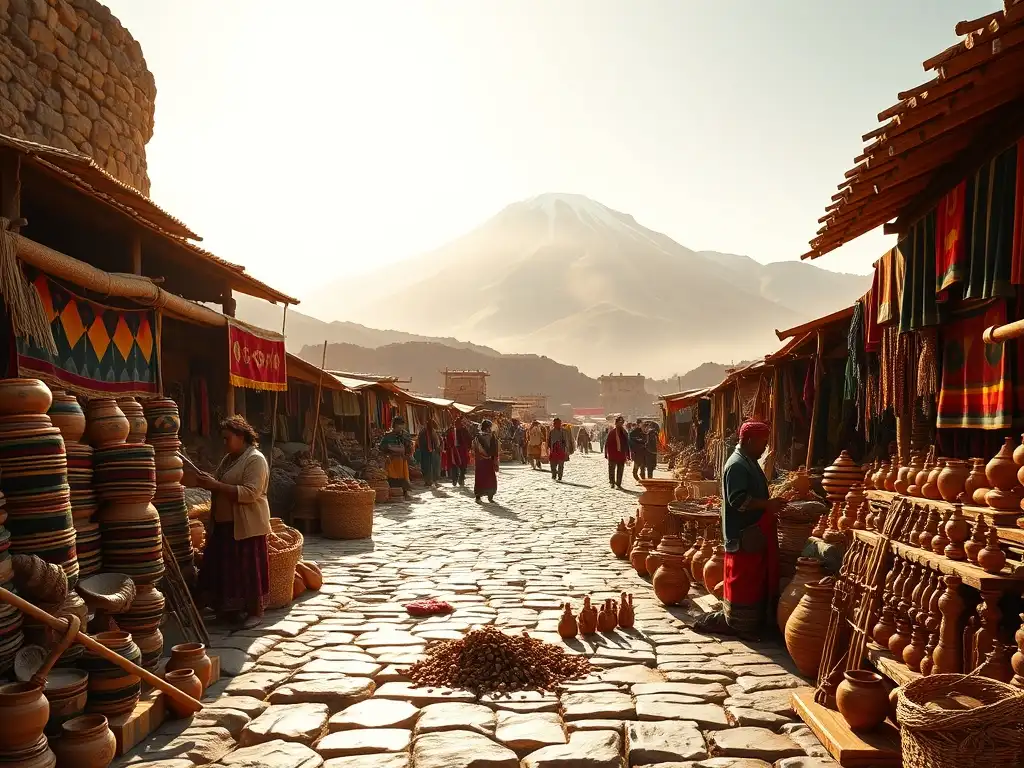
Welcome, explorer! Prepare to journey through time and uncover the mysteries of the Andean Civilizations. From the breathtaking artistry of the Nazca lines to the sophisticated engineering of the Incas, this website offers an unparalleled glimpse into a world lost to time. But what did an average day look like for an Inca citizen? Intrigued? Then delve into our exploration of Inca daily life books, unlocking fascinating insights into the lives of ordinary people who shaped these remarkable cultures. Discover their secrets and prepare to be amazed.
- Unveiling Inca Daily Life: Books That Offer a Glimpse into the Lives of Ordinary People
- "The Incas: The Royal Commentaries of the Inca, Garcilaso de la Vega": A Deep Dive into Inca Society and Daily Routines
- "Everyday Life of the Incas": A Detailed Look at Everyday Practices
- "The Incas": A Comprehensive Guide to Inca Society
- "Lost City of the Incas: The Story of Machu Picchu and Its People": A Look at Life in Machu Picchu and Beyond
- Comparing Inca Daily Life Books: Choosing the Right Read for You
- Further Resources for Understanding Inca Daily Life
-
Frequently Asked Questions
- What kind of books offer insights into Inca daily life?
- Where can I find reliable sources for information on Inca daily life?
- What aspects of Inca daily life are most commonly covered in books?
- Are there any books that specifically focus on the lives of women in Inca society?
- How can I tell if a book on Inca daily life is academically rigorous?
- Final Reflection: Unearthing the Echoes of Inca Lives
- Uncover the Daily Wonders of the Inca!
Unveiling Inca Daily Life: Books That Offer a Glimpse into the Lives of Ordinary People
The Inca Empire, a civilization that flourished in the Andes Mountains for over a century, often captivates our imaginations with tales of emperors, grand cities like Machu Picchu, and impressive feats of engineering. However, the true richness of Inca history lies not just in the monumental achievements of its rulers, but also in the everyday lives of its people. This article delves into the fascinating world of Inca daily life, exploring the books that offer invaluable insights into the experiences of ordinary Inca men, women, and children.
We will uncover what life was like for the common people—their work, their social structures, their beliefs, and their daily routines—moving beyond the often-glorified narratives of imperial power to paint a more complete and nuanced picture of this remarkable civilization. Understanding Inca daily life provides a critical lens through which to appreciate the complexity and resilience of this Andean society, offering a more human and relatable perspective on their achievements and legacy.
This exploration will help you navigate the vast landscape of books available on Inca civilization, focusing specifically on those that shine a light on the lives of the ordinary people who made up the heart of the empire. We aim to equip you with the knowledge to choose books that will satisfy your thirst for a deeper understanding of Inca daily life, providing a more complete and human-centered narrative of this captivating civilization.
Exploring the World of the Incas Through Literature
Many books explore the Inca Empire, focusing primarily on the political and military aspects of the civilization. However, a growing number of scholarly works and engaging narratives now delve into the lives of ordinary Incas. These resources utilize archaeological findings, anthropological studies, and historical accounts to reconstruct a more complete picture of daily life.
Through carefully researched analyses of Inca textiles, pottery, agricultural practices, and societal structures, these books provide compelling narratives that illuminate the daily routines, social hierarchies, beliefs, and challenges faced by commoners within the Inca society. By examining these aspects, we gain a deeper appreciation for the intricate tapestry of Inca culture and a more human understanding of the people who built this impressive empire.
The variety of approaches taken by these authors, from detailed academic studies to engaging storytelling, provides a rich and diverse resource for those seeking to understand Inca daily life. This range allows for a selection of books to suit different reading styles and levels of academic interest, making the topic accessible to a broad audience.
Why Understanding Inca Daily Life Matters
Understanding Inca daily life is crucial for several reasons. Firstly, it allows us to move beyond simplistic narratives of imperial power and conquest, revealing the complexities of social structures, economic systems, and cultural practices. It offers a more nuanced perspective on the Inca civilization, highlighting the contributions and experiences of all its members, not just its rulers.
Secondly, studying everyday life provides invaluable insights into the resilience and adaptability of the Inca people. Their innovative agricultural techniques, sophisticated social organization, and intricate religious beliefs all played a vital role in their survival and success in a challenging Andean environment. Lastly, exploring Inca daily life connects us to a rich cultural heritage and allows for a deeper appreciation of the lasting impact of the Inca civilization on the modern world.
By understanding the daily lives of the Inca people, we can better understand their enduring legacy and the complexities of their society. This more holistic approach to understanding the Incas enriches our historical knowledge and fosters a greater appreciation for the human experience across cultures and time periods. The stories of ordinary Incas offer a powerful counterpoint to the often-grandiose narratives of imperial conquest and expansion, offering a more relatable and human perspective on this fascinating civilization.
Beyond Emperors and Conquests: The Importance of Everyday Life in Inca History
The traditional narratives surrounding the Inca often focus on the exploits of emperors like Pachacuti and Huayna Capac, their military campaigns, and the grandeur of their empire. While these aspects are undoubtedly important, they represent only a fraction of the complete picture. The daily lives of ordinary Incas—farmers, artisans, laborers, and religious practitioners—provide a richer and more nuanced understanding of the empire's functioning and its societal fabric.
By studying their daily routines, their social interactions, their beliefs, and their challenges, we gain a deeper understanding of the societal structures that supported the empire's power and longevity. This perspective allows us to appreciate the ingenuity and resilience of the Inca people, their ability to adapt to a challenging environment, and the contributions of every member of their society to the empire’s success.
It is through this deeper exploration of everyday lives that we can truly appreciate the complexity, ingenuity, and enduring legacy of the Inca civilization. Ignoring the daily lives of ordinary Incas would be akin to studying a painting by only looking at its frame, missing the richness and detail of the artwork itself.
Top Books Exploring Inca Daily Life
Several excellent books delve into the intricacies of Inca daily life, moving beyond the grandeur of the empire to illuminate the experiences of ordinary people. These books utilize archaeological findings, anthropological studies, and historical accounts to paint a vivid picture of Inca society. They often explore topics such as agriculture, textile production, religious practices, and social structures, revealing the daily routines and challenges faced by Inca citizens.
The authors skillfully weave together diverse sources to provide a comprehensive and nuanced understanding of Inca life, avoiding simplistic narratives and instead presenting a complex tapestry of human experience. Some books focus on specific aspects of daily life, such as the role of women in Inca society or the organization of labor within the ayllu system, while others offer broader overviews, encompassing the diverse experiences of people across different regions and social strata.
The best books in this category strive to present a balanced and accurate portrayal of Inca life, acknowledging both the achievements and the hardships experienced by the Inca population. They often challenge traditional Eurocentric perspectives, offering a more indigenous-centered understanding of Inca civilization.
The quality and depth of these books vary considerably. Some may rely heavily on secondary sources, while others incorporate primary source materials such as colonial-era accounts and archaeological data. The most reliable books often cite their sources meticulously, allowing readers to assess the evidence upon which their conclusions are based.
It's crucial to evaluate the author's expertise and approach when selecting a book on Inca daily life. Look for authors with a strong background in Andean archaeology or anthropology, and consider the book's publication date, as newer publications often benefit from more recent research and discoveries.
A well-written book will engage the reader not just with facts and figures but also with compelling narratives and insightful interpretations, bringing the past to life in a meaningful and accessible way. Choosing a book that balances scholarly rigor with engaging prose is key to gaining a true appreciation for the complexity of Inca daily life.
"The Incas: The Royal Commentaries of the Inca, Garcilaso de la Vega": A Deep Dive into Inca Society and Daily Routines
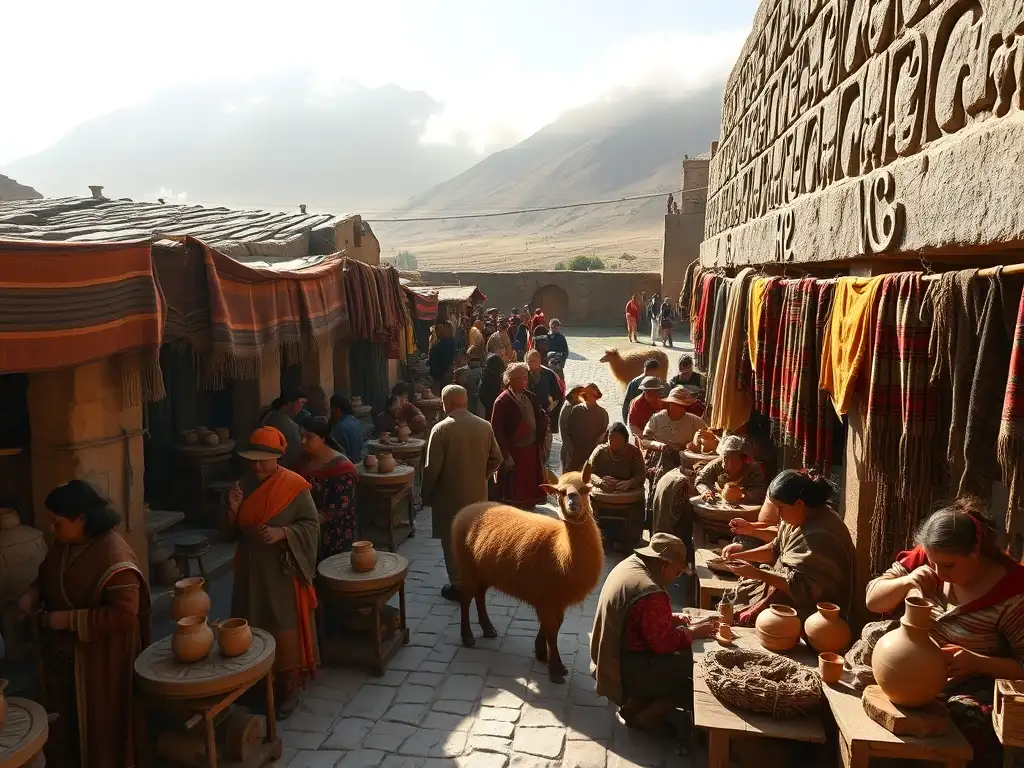
This section delves into Garcilaso de la Vega's Royal Commentaries of the Incas, a seminal work offering invaluable insights into Inca daily life. While not solely focused on the everyday routines of ordinary people, the sheer detail and scope of Garcilaso's account provide a rich tapestry from which we can glean a comprehensive understanding of Inca society and its daily operations. He draws on both his Inca ancestry and his Spanish upbringing, providing a unique perspective rarely found in other historical accounts.
This blend of perspectives allows for a nuanced exploration of Inca daily life, moving beyond simplistic narratives and offering a more holistic view. The book's enduring relevance in understanding Inca daily life books stems from its detailed descriptions and unique authorial perspective.
Key Features of "The Incas: The Royal Commentaries of the Inca, Garcilaso de la Vega"
The Royal Commentaries distinguishes itself from other Inca daily life books through several key features:
- First-hand accounts (or near first-hand): Garcilaso's Inca heritage provides a level of access to information unavailable to purely Spanish chroniclers. He recounts stories and traditions passed down through his family, offering glimpses into the beliefs, practices, and everyday experiences of Inca people. This personal connection significantly enriches the narrative and adds authenticity to his descriptions.
- Detailed descriptions of Inca society: The book meticulously outlines the social hierarchy, from the Sapa Inca down to the commoners. It explains the intricate system of ayllu (community) organization, detailing the responsibilities and roles of various social groups within the Inca empire. This level of detail is crucial for understanding the context of daily life for different segments of the population.
- Focus on Inca traditions and rituals: Garcilaso dedicates considerable space to describing Inca religious beliefs, ceremonies, and festivals. These cultural aspects are integral to understanding the rhythm of daily life, which was deeply intertwined with the spiritual and cosmological beliefs of the Inca people. Understanding these rituals provides a deeper appreciation of the meaning behind everyday actions.
- A blend of perspectives: Garcilaso's bilingual upbringing allows him to present a perspective that bridges the gap between Inca and Spanish interpretations of events. This avoids the overly biased narratives often found in accounts written solely from a colonial viewpoint. This crucial aspect makes the book a valuable resource for understanding Inca daily life from a less biased angle.
Who Should Read This Book?
This book is a must-read for anyone seriously interested in Inca civilization and its daily life. It's particularly valuable for:
- Students and scholars: The Royal Commentaries provides a rich source of primary material for research on Inca history, social structures, and daily routines. Its detailed descriptions and unique perspective are invaluable for academic study.
- History enthusiasts: Those passionate about history will find this book engaging and informative. Garcilaso's writing style, while sometimes dense, is richly descriptive and brings the Inca world to life.
- Anyone interested in Andean culture: The book offers a window into the broader cultural context of Inca life, enriching the understanding of Andean civilizations as a whole. Its exploration of Inca traditions and beliefs provides a deeper understanding of the region's rich cultural heritage.
Garcilaso masterfully illustrates the complex social structures of the Inca Empire. He details the hierarchical system, emphasizing the Sapa Inca's absolute authority and the roles of the nobility, priests, and commoners. He describes the mit'a system—a form of mandatory labor—and its impact on daily life, showing how it shaped the routines and responsibilities of different social groups.
Furthermore, he provides insights into the ayllu system, explaining how communities were organized and how this organization influenced daily activities, from agriculture and construction to religious ceremonies. This detailed portrayal helps readers understand how social standing directly impacted the daily lives of Inca individuals. The book doesn't just list the social hierarchy; it shows how that hierarchy manifested in the practicalities of daily existence.
Detailed Descriptions of Inca Daily Tasks and Activities
The Royal Commentaries offers vivid descriptions of various aspects of Inca daily life. Garcilaso details agricultural practices, including the sophisticated irrigation systems and terracing techniques used to cultivate crops. He describes the daily routines of farmers, artisans, and builders, providing insights into their tools, techniques, and working conditions.
He also touches upon aspects like food preparation, clothing, housing, and leisure activities, painting a picture of the daily rhythms of Inca communities. For example, he vividly describes the preparation of chicha, a fermented corn beverage, and the importance of this drink in social and religious contexts. These detailed descriptions bring Inca daily life to a vibrant and engaging reality.
The book provides a concrete understanding of how Inca people spent their time, from sunrise to sunset, and how their activities were shaped by their environment, social structure, and beliefs. It is a remarkable resource for understanding the practicalities of daily life within the Inca Empire.
"Everyday Life of the Incas": A Detailed Look at Everyday Practices
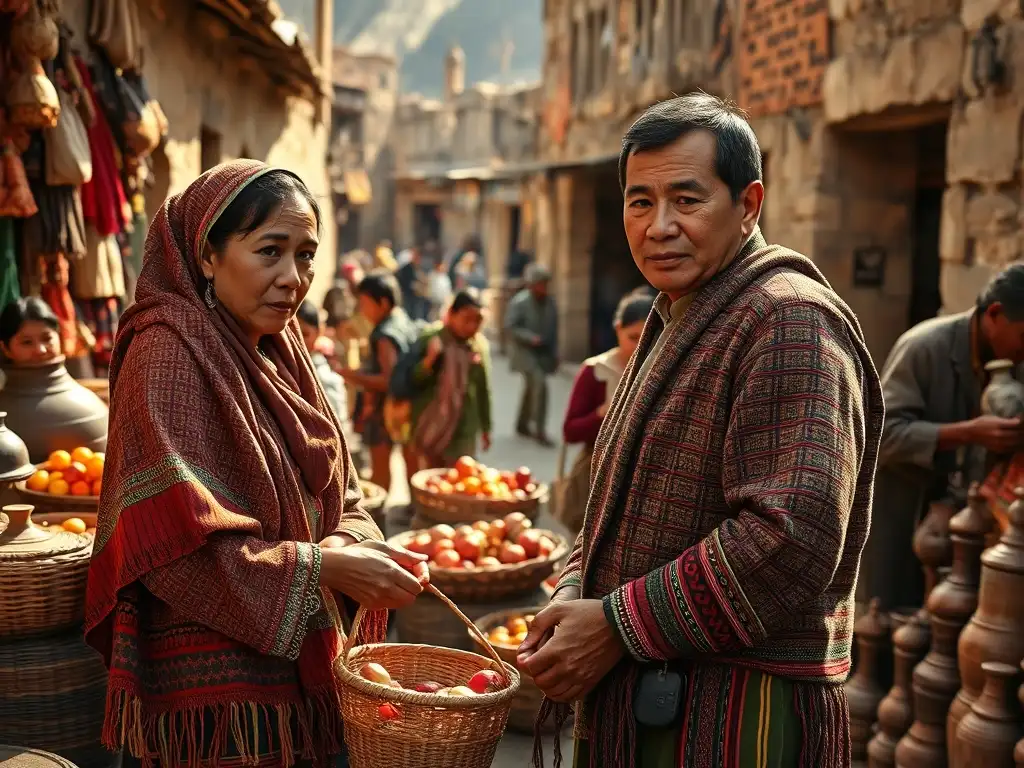
This section delves into the specifics of daily life for the average Inca citizen, moving beyond the grandeur of imperial power to reveal the intricate tapestry of their routines and traditions. Understanding the everyday lives of the Inca people provides crucial context for appreciating their remarkable achievements in engineering, agriculture, and social organization. This exploration goes beyond the often-glamorized portrayals, focusing on the realities of their existence.
We'll examine their clothing, food, housing, and religious practices to paint a more complete picture of Inca daily life. This detailed analysis provides a rich understanding of Inca society, contributing to a more nuanced perspective on this fascinating civilization.
Unveiling the Nuances of Inca Daily Life
The Inca Empire, at its zenith, encompassed a vast and diverse territory. Therefore, daily life varied depending on factors like altitude, climate, and proximity to urban centers. While generalizations are necessary, it's crucial to remember the inherent regional differences. The meticulous organization of the Inca state, however, ensured some common threads ran throughout their society.
The ayllu, the communal system based on kinship and reciprocal obligations, formed the bedrock of their social structure, heavily influencing daily routines. This system dictated agricultural practices, labor distribution, and even religious observances. The Inca state's highly centralized nature ensured a degree of uniformity in certain aspects of daily life, particularly concerning matters of religion and state-sponsored projects. However, local customs and traditions undoubtedly persisted, adding layers of complexity to this picture.
Exploring Inca Clothing, Food, and Housing
Inca clothing reflected social status and geographic location. The elite wore fine textiles of alpaca and vicuña wool, adorned with intricate designs and precious metals. Commoners, on the other hand, wore simpler garments made from llama or cotton. The climate heavily influenced clothing choices; warmer regions saw lighter fabrics, while higher altitudes demanded warmer, layered clothing. Food staples included potatoes, maize, quinoa, and beans – crops expertly cultivated through advanced agricultural techniques like terracing.
Meat consumption varied, with llama and alpaca being significant sources of protein, particularly in the highlands. Housing styles varied regionally. In urban centers like Cusco, stone structures were common, while rural areas saw more modest dwellings made from adobe or other locally available materials. The architecture reflected both practical needs and the Inca's sophisticated understanding of engineering and construction.
Rituals and Traditions in the Inca Daily Routine
Religion permeated all aspects of Inca life. Daily routines included prayers and offerings to the sun god, Inti, and other deities. The capacocha, a ritual sacrifice of children, while a dark aspect of their religious practices, underscores the profound importance of religion in their society. Agricultural cycles dictated many festivals and ceremonies, ensuring the harmonious relationship between the people and the land.
These rituals strengthened community bonds and reinforced the social order. Daily life was punctuated by these religious observances, highlighting the deep integration of spirituality into the fabric of Inca society. Furthermore, the Inca calendar, meticulously tracked and understood, guided their agricultural and ceremonial practices, shaping their daily routines. The complex interplay of these elements is crucial to understanding the Inca worldview and the rhythms of their daily lives.
Why "Everyday Life of the Incas" is a Must-Read
Understanding the "everyday" provides a crucial counterpoint to the often-grandiose narratives surrounding the Inca Empire. This book offers a refreshing perspective by focusing on the lives of ordinary people, revealing the intricate details of their daily routines, social structures, and beliefs. By illuminating the lives of ordinary citizens, this detailed study enhances our understanding of the Inca civilization as a whole, enriching the reader's knowledge and appreciation.
It provides a more human and relatable perspective on this ancient civilization, moving beyond the monumental achievements to focus on the individuals who built this remarkable society. The book successfully bridges the gap between scholarly research and accessible narrative, making it a valuable resource for both seasoned researchers and those with a casual interest in Inca history. It's a must-read for anyone seeking a more complete and nuanced understanding of Inca daily life and the intricacies of their civilization.
"The Incas": A Comprehensive Guide to Inca Society
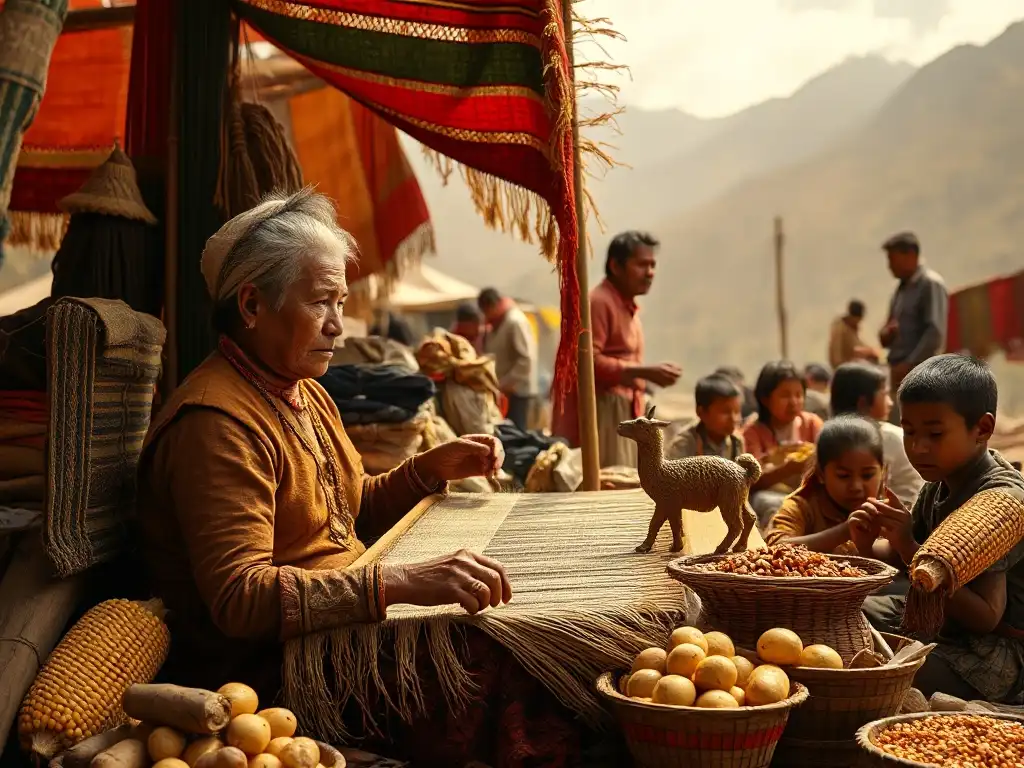
This section delves into the intricacies of Inca society, providing a framework for understanding the daily lives of its inhabitants as depicted in various historical accounts and archaeological findings. We'll move beyond the grand narratives of emperors and conquests to examine the everyday realities of Inca citizens. Understanding this context is crucial to appreciating the insights offered by books focusing on Inca daily life.
A Broader Perspective on Inca Daily Life
Inca daily life wasn't monolithic; it varied significantly based on factors like social standing, geographic location (highland vs. coastal), and even the time of year. While the Inca empire imposed a degree of standardization, local traditions and customs persisted, creating a complex tapestry of experiences. For instance, the agricultural practices of a farmer in the fertile Urubamba Valley differed considerably from those of a herder in the high Andes. Similarly, the social structures and family dynamics within a bustling urban center like Cusco would have been distinct from those of a smaller, more isolated village.
The concept of ayllu, the extended family unit and the foundation of Inca social organization, played a pivotal role in shaping daily routines. Mutual support, communal labor ( mita), and shared resources were integral aspects of life within the ayllu. This system, while efficient in many ways, also imposed obligations and responsibilities on individuals, significantly impacting their daily schedules and activities. The intricate network of ayllus formed the backbone of Inca society, influencing everything from agricultural production to religious ceremonies.
Analysis of Inca Agriculture and Economy
Inca agricultural practices were remarkably sophisticated for their time, showcasing a deep understanding of their environment. Terracing, irrigation systems, and the cultivation of diverse crops demonstrate their ingenuity. The waru waru system, a type of raised-field agriculture, is a prime example of their innovative approach to optimizing land use and water management, particularly crucial in the challenging Andean terrain.
This system increased crop yields and allowed for cultivation in areas previously considered unsuitable for farming. The Inca economy, while centrally planned, also incorporated elements of reciprocity and redistribution, ensuring the equitable distribution of resources throughout the empire. This system, however, was not without its limitations and vulnerabilities, as evidenced by the impact of droughts or natural disasters on agricultural production and subsequent societal stability.
The Role of Family and Community in Inca Society
Family and community were inextricably linked in Inca society. The ayllu functioned as a social safety net, providing support during times of hardship and ensuring the continuation of traditional practices. Children were raised within the ayllu, learning essential skills and values from elders. Social roles were clearly defined, with responsibilities often determined by age and gender.
Women, while not holding positions of formal political power, played crucial roles in agriculture, textile production, and household management – essential contributions to the well-being of the community. The ayllu also served as a crucial unit for religious practices, with communal ceremonies and rituals forming an integral part of daily life. These collective experiences strengthened social bonds and reinforced the shared identity of the community. The strength of the ayllu system is a key factor in understanding the social cohesion and resilience of Inca society.
What Makes This Book a Valuable Resource?
The value of a book focusing on Inca daily life lies in its ability to humanize the past. Instead of focusing solely on grand narratives of conquest and empire building, these resources offer a glimpse into the everyday lives of ordinary people. By examining their routines, challenges, and triumphs, we gain a richer, more nuanced understanding of Inca civilization.
A truly valuable resource will go beyond simply describing daily activities; it will analyze the social, economic, and environmental factors that shaped those experiences. It will also critically engage with the available evidence, acknowledging limitations and uncertainties while presenting a well-supported interpretation of the past.
Such books help us move beyond stereotypical portrayals of Inca society and appreciate the complexity and dynamism of this remarkable civilization. The best books on Inca daily life are those that successfully weave together archaeological findings, historical accounts, and anthropological insights to offer a compelling and informative narrative.
"Lost City of the Incas: The Story of Machu Picchu and Its People": A Look at Life in Machu Picchu and Beyond
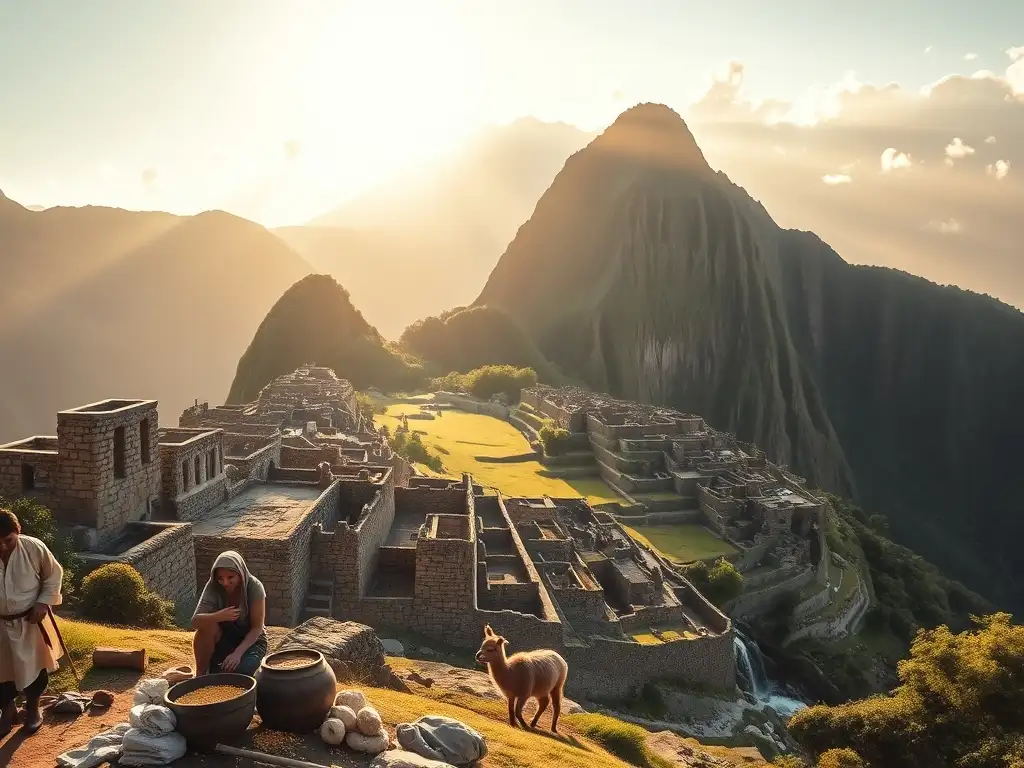
This section delves into the insights provided by Hiram Bingham's Lost City of the Incas: The Story of Machu Picchu and Its People regarding Inca daily life. While the book focuses on the discovery and initial exploration of Machu Picchu, it offers valuable glimpses into the daily routines and societal structures of the Inca people who once inhabited this remarkable site. It's important to note that modern scholarship has significantly advanced our understanding since Bingham's time, providing a more nuanced and complex picture of Inca civilization.
However, Bingham's work remains a foundational text, offering a unique perspective shaped by the initial encounter with this lost city. We will examine how the book's descriptions, even considering their historical context, illuminate aspects of Inca daily life.
Exploring the Archaeological Evidence of Inca Daily Life
How Machu Picchu Reveals the Daily Activities of its Inhabitants
Bingham's account details the discovery of various structures within Machu Picchu, providing crucial evidence for reconstructing daily life. The presence of residential buildings, agricultural terraces, and water management systems reveals a sophisticated society capable of complex organization and resource management. The book describes meticulously the layout of the houses, suggesting family structures and social hierarchies.
For example, the presence of larger residences likely indicated higher social status within the community. The agricultural terraces, painstakingly carved into the mountainside, illustrate the importance of agriculture in Inca daily life, showcasing the dedication to farming and food production. The intricate water channels and fountains further highlight the advanced engineering skills and the meticulous planning that went into ensuring a reliable water supply for the inhabitants.
Analyzing these elements, even with the limitations of early 20th-century archaeological techniques, offers valuable insights into the practical aspects of Inca daily life. Further research has significantly expanded our understanding of these features, but Bingham's initial observations laid the groundwork for these later studies.
Connecting Archaeological Findings to Everyday Inca Practices
The archaeological evidence presented in Lost City of the Incas hints at a range of daily activities. The discovery of tools and artifacts suggests a society skilled in various crafts, such as pottery, weaving, and metalworking. While the book might not explicitly detail the day-to-day processes, the presence of these artifacts implies a vibrant artisan class contributing to the community's needs and possibly engaging in specialized trade.
The agricultural terraces, as mentioned earlier, point to a primarily agrarian society where farming was central to daily life. The book hints at the likely existence of a social hierarchy, with different roles and responsibilities for various members of the community. This understanding, though rudimentary compared to modern scholarship, provides a starting point for interpreting the social dynamics within Machu Picchu and extrapolating to other Inca settlements.
Bingham's narrative, although limited by the knowledge of his time, allows us to begin to piece together the everyday tapestry of Inca life. Subsequent research has significantly added to our understanding of Inca social structures and agricultural practices, but Bingham's initial account remains a crucial historical document.
The Unique Perspective of "Lost City of the Incas: The Story of Machu Picchu and Its People"
Bingham's Lost City of the Incas offers a unique perspective on Inca daily life, primarily because it documents the initial discovery and exploration of Machu Picchu. His narrative, written at a time when understanding of Inca civilization was less developed, provides a valuable, albeit limited, window into the past. While modern research has significantly advanced our knowledge, enriching our understanding of Inca daily life beyond what Bingham could have imagined, his account retains its significance as a primary source reflecting the initial encounter with this remarkable site.
The book's descriptive passages, though potentially lacking the nuanced interpretation of contemporary scholarship, offer a sense of immediacy and discovery that is difficult to replicate in later, more analytical works. It's crucial to approach Bingham's work within its historical context, recognizing both its contributions and limitations in understanding Inca daily life. Reading it alongside modern scholarly works provides a richer, more complete picture of Inca civilization and its remarkable achievements.
The book’s legacy lies not only in its contribution to the discovery of Machu Picchu but also in its role as a foundational text in the ongoing quest to understand Inca daily life. It provides a compelling narrative that continues to inspire further research and deepen our appreciation for this fascinating civilization.
Comparing Inca Daily Life Books: Choosing the Right Read for You
This section provides a comparative analysis of several books focusing on Inca daily life, helping you choose the perfect read based on your interests and preferred learning style. We delve into the nuances of each book's approach, highlighting their strengths and weaknesses to guide your selection. The goal is to equip you with the knowledge necessary to select a book that best satisfies your curiosity about Inca daily life. Remember, understanding Inca daily life requires exploring various perspectives and methodologies.
A Comparative Analysis of the Featured Books
Comparing Perspectives and Focus on Inca Daily Life
Selecting a book on Inca daily life requires careful consideration of the author's approach. Some books prioritize anthropological interpretations, analyzing social structures and customs through the lens of modern social science. Others favor a more archaeological perspective, focusing on material evidence and its implications for daily routines. Still others blend these approaches, offering a more holistic view of Inca life. This variety ensures that readers with diverse interests can find a book that resonates with their preferred learning style.
For instance, some books might focus heavily on the daily lives of the elite, offering detailed accounts of their palaces, feasts, and clothing. Others might delve into the lives of commoners, exploring their agricultural practices, textile production, and religious beliefs. Understanding this distinction is crucial in selecting a book that aligns with your specific research interests.
| Book Title (Example) | Primary Focus | Strengths | Weaknesses |
|---|---|---|---|
| Inca Daily Life: A Farmer's Perspective | Agricultural practices and rural communities | Detailed descriptions of farming techniques; strong ethnographic focus | Limited exploration of urban life; potentially biased towards a single perspective |
| The Emperor's Court: Inca Royal Life | Daily life of the Inca elite | Rich detail on royal ceremonies and customs; abundant visual material | May lack representation of broader Inca society; limited discussion of commoner lives |
| Weaving the Past: Inca Textile Traditions | Textile production and its social significance | Insight into the social and economic roles of textile production | May not cover all aspects of Inca daily life; specialized focus |
This table provides a snapshot. A thorough review of each book's introduction and table of contents will offer a more complete understanding of its scope and approach. Remember that even books with a seemingly narrow focus can offer valuable insights into broader aspects of Inca daily life.
Recommendations Based on Your Interests
This section offers personalized recommendations to help you find the perfect book for your specific interests. The diversity of books on this subject ensures something for everyone, regardless of their background or preferred approach to learning.
For Readers Interested in Inca Social Hierarchy
If you are interested in understanding the intricate social hierarchy of the Inca Empire and how it impacted daily life, look for books that specifically address social stratification. These books often explore the roles of different social groups, from the emperor and nobility to commoners and those considered outside the mainstream. Pay close attention to the author's interpretation of social mobility and the ways in which daily life varied across social strata.
Look for keywords such as "social stratification," "elite," "commoners," "ayllu," and "mita" in the book descriptions to help guide your selection. Analyzing the distribution of resources, responsibilities, and opportunities based on social standing will offer a deeper understanding of the complex Inca social fabric.
For Readers Who Prefer Archaeological Insights
For those who prefer a more evidence-based approach, prioritizing archaeological findings and material culture, books focusing on archaeological excavations and interpretations are ideal. These books often include detailed descriptions of artifacts, settlements, and burial sites, providing valuable insights into the daily lives of the Inca people. Look for books that mention specific archaeological sites and employ scientific methodologies in their analysis.
Consider the book's use of illustrations, maps, and diagrams; a strong visual component can significantly enhance understanding. Keywords to look for include "archaeological evidence," "material culture," "excavations," "artifacts," and specific Inca sites like Machu Picchu or Ollantaytambo. The strength of the archaeological approach lies in its ability to provide tangible evidence to support claims about Inca daily life.
Further Resources for Understanding Inca Daily Life
This section delves deeper into resources that offer insights into the daily lives of Inca people, moving beyond the scope of the books already discussed. We explore complementary reading material, academic research, and visual media to provide a more comprehensive understanding of Inca daily life. This expanded perspective aims to paint a richer picture of their routines, beliefs, and societal structures.
Complementary Books on Inca Civilization
While the previously mentioned books focus specifically on daily life, several others offer valuable contextual information crucial to a complete understanding. These complementary works provide insights into Inca social structures, religious practices, and technological advancements, all of which directly influenced daily routines.
For instance, books focusing on Inca agriculture provide crucial context for understanding food production and distribution systems, directly impacting the daily lives of ordinary people. Similarly, works detailing Inca urban planning shed light on the organization of settlements and the spatial dynamics that shaped daily activities. Understanding the intricate network of mit'a (labor service) requires consulting specialized texts that explain its impact on individual lives and the Inca economy.
Detailed analysis of Inca textiles, ceramics, and other artifacts, often found in dedicated archaeological studies, offers a window into daily aesthetics, social status, and religious symbolism, all interwoven with daily life. These resources provide the necessary background to fully appreciate the nuances of daily life as depicted in the books focused specifically on that topic. The key is to approach the study of Inca civilization holistically, integrating information from diverse sources.
Academic Articles and Research on Inca Daily Practices
Beyond books, a wealth of academic articles and research papers offer detailed analyses of specific aspects of Inca daily life. These scholarly works often delve into primary source material, providing a deeper level of analysis and nuance.
These resources frequently utilize archaeological evidence to reconstruct daily routines, from agricultural practices and food preparation to clothing styles and housing arrangements. Ethnohistorical studies, drawing on colonial-era accounts and indigenous oral traditions, provide valuable insights into Inca beliefs and worldview, which directly influenced daily activities. For example, research on Inca cosmology helps explain the significance of specific rituals and festivals in the daily lives of the population.
Similarly, studies on Inca kinship systems provide a clearer understanding of family structures and social interactions. The meticulous work of archaeologists and anthropologists provides invaluable data on topics ranging from Inca diet and nutrition to healthcare practices and burial rituals. Accessing these resources requires navigating academic databases and journals, but the reward is a significantly deeper understanding of Inca daily life.
Documentaries and Visual Media Exploring Inca Daily Life
While books and academic articles provide valuable textual information, documentaries and other visual media offer a different perspective, bringing Inca daily life to life through images and narratives. These visual resources can significantly enhance comprehension and engage a wider audience.
High-quality documentaries often incorporate archaeological findings, historical reconstructions, and expert interviews to create immersive experiences. These productions can effectively illustrate aspects of Inca daily life that are difficult to convey solely through text, such as the bustling atmosphere of Inca markets or the intricacies of Inca construction techniques. Furthermore, visual media can provide a deeper understanding of the Inca landscape and its impact on daily activities.
However, it's crucial to critically evaluate the sources and perspectives presented in documentaries, as they may sometimes present biased or incomplete narratives. Supplementing visual media with textual sources ensures a more well-rounded understanding of Inca daily life. The combination of visual and textual information provides a multifaceted approach to learning, catering to different learning styles and deepening overall comprehension.
Conclusion: Immersing Yourself in the World of the Inca People
Exploring Inca daily life through literature offers a unique and enriching experience. By delving into the pages of well-researched books, we move beyond the grand narratives of emperors and conquests to discover the vibrant tapestry of ordinary lives. We gain insight into their daily routines, social structures, beliefs, and challenges.
This intimate perspective allows us to appreciate the ingenuity and resilience of the Inca people, fostering a deeper understanding and respect for their remarkable civilization. The books discussed here provide a solid foundation, opening doors to further exploration and a more nuanced appreciation of Inca history. Remember, reading about Inca daily life isn't just about acquiring facts; it's about connecting with a lost culture and fostering empathy across time.
The more we understand their world, the richer our own understanding of humanity becomes. This journey of discovery is ongoing, and each new book we read adds another layer to our comprehension of this fascinating civilization.
The Value of Understanding Inca Daily Life Through Literature
Understanding Inca daily life is crucial for a complete understanding of their civilization. While monumental architecture and political structures provide a framework, understanding the daily lives of ordinary Inca people reveals the human element—the heart and soul—of this powerful empire. Literature allows us to access this human element. By reading accounts of their agricultural practices, family structures, religious beliefs, and social interactions, we gain a more complete picture than solely focusing on grand events and powerful figures.
This detailed understanding combats the potential for a skewed perspective, ensuring a richer, more accurate, and empathetic understanding of Inca history and culture. This nuanced perspective allows us to appreciate the ingenuity and resourcefulness of Inca society, moving beyond simplistic narratives and uncovering the complexities of their daily existence. In essence, understanding Inca daily life adds depth and meaning to our understanding of their broader societal achievements.
Continuing Your Journey to Discover the Inca World
The exploration of Inca daily life doesn't end with the books mentioned above. Many other resources await those eager to delve deeper. Consider exploring academic journals specializing in Andean archaeology and anthropology. These publications often contain detailed analyses of archaeological findings, shedding further light on everyday Inca life. Furthermore, documentaries and museum exhibits can provide visual and interactive experiences that complement textual accounts.
Seeking out primary sources, such as translated Inca texts (where available), offers an unparalleled glimpse into the Inca perspective. Finally, consider visiting sites such as Machu Picchu and other Inca ruins; walking among the stones brings the past to life in a uniquely powerful way. The journey to understanding Inca civilization is a continuous process of learning and discovery, and the resources available are vast and varied. Embrace this ongoing exploration, and your appreciation for this remarkable culture will only grow.
Frequently Asked Questions
What kind of books offer insights into Inca daily life?
Many books explore Inca daily life, focusing on topics like agriculture, textiles, social structures, and religious practices. Look for titles specifically mentioning "daily life," "domestic life," or "ordinary people" in the Inca context. You can also search for books focusing on archaeological findings related to homes and everyday objects.
Where can I find reliable sources for information on Inca daily life?
Reliable sources include academic books and journals, museum publications, and reputable online resources from universities and cultural institutions. Be cautious of less credible websites or books lacking strong scholarly backing. Look for citations and bibliographies as indicators of reliability.
What aspects of Inca daily life are most commonly covered in books?
Books frequently cover topics such as Inca agriculture and irrigation systems, clothing and textiles, housing and urban planning, and religious ceremonies and beliefs. Other common themes include social hierarchy, family structures, and daily routines.
Are there any books that specifically focus on the lives of women in Inca society?
While many books touch upon the roles of women, some specifically focus on their lives. Look for titles that highlight female artisans, their contributions to textile production and agriculture, and their roles within family and religious structures. These resources help provide a more nuanced understanding of Inca society.
How can I tell if a book on Inca daily life is academically rigorous?
Look for books published by university presses or well-known academic publishers. Check for author credentials and whether the book includes extensive footnotes, a bibliography, and a detailed index. These features indicate a strong commitment to scholarly accuracy.
Final Reflection: Unearthing the Echoes of Inca Lives
The meticulous reconstruction of Inca daily life, as presented through the books discussed, offers a vital counterpoint to grand narratives of empire. These seemingly small details—the weaving techniques, the agricultural practices, the social structures—reveal a vibrant and complex civilization far beyond the glittering gold and imposing stonework often emphasized in historical accounts. Understanding this nuanced reality is not just an academic exercise; it's crucial for appreciating the enduring legacy of the Inca and for fostering a more inclusive and accurate understanding of the past.
The impact of these books extends beyond simply adding to our historical knowledge; they challenge us to reconsider how we approach the study of any civilization. By focusing on the everyday lives of ordinary people, we gain a deeper appreciation for the human experience that transcends time and geography. As the historian Felipe Fernández-Armesto eloquently stated, History is not just about kings and queens, but about the lives of ordinary people who shaped the world.
This sentiment resonates deeply, reminding us that the stories of the Inca, like those of any culture, are enriched by understanding the lives of its farmers, artisans, and families.
Consider the lives touched by the Inca civilization, the ingenuity and resilience demonstrated in their daily routines. Now, consider your own life, your own daily routines, and the connections you might find with these ancient people. You, too, are part of a continuing narrative, a story woven into the rich tapestry of human history. Let the insights gleaned from these books inspire you to seek out the stories of the ordinary, to appreciate the intricate details that make up the grand narratives, and to connect with the past in a more meaningful and personal way.
Uncover the Daily Wonders of the Inca!
Thank you for exploring the vibrant world of Inca daily life with us! We hope you're inspired by the fascinating insights these books offer into the lives of ordinary Inca people. Now, let's delve deeper.
Here are a few ways to continue your exploration:
- **Explore the Recommended Reads:** Deepen your understanding and appreciation of Inca daily life by reading one of the featured books.
- **Share Your Thoughts:** Join our community! Share your reflections on these books in the comments below or on our social media platforms. Your insights will spark engaging discussions.
- **Expand Your Research:** Broaden your perspective by exploring local libraries or online resources dedicated to Andean civilizations.
What aspect of Inca daily life intrigues you most, and how do you see it connecting to our lives today?