
Tiahuanaco's Drainage System: How They Managed Water in a HighAltitude Environment

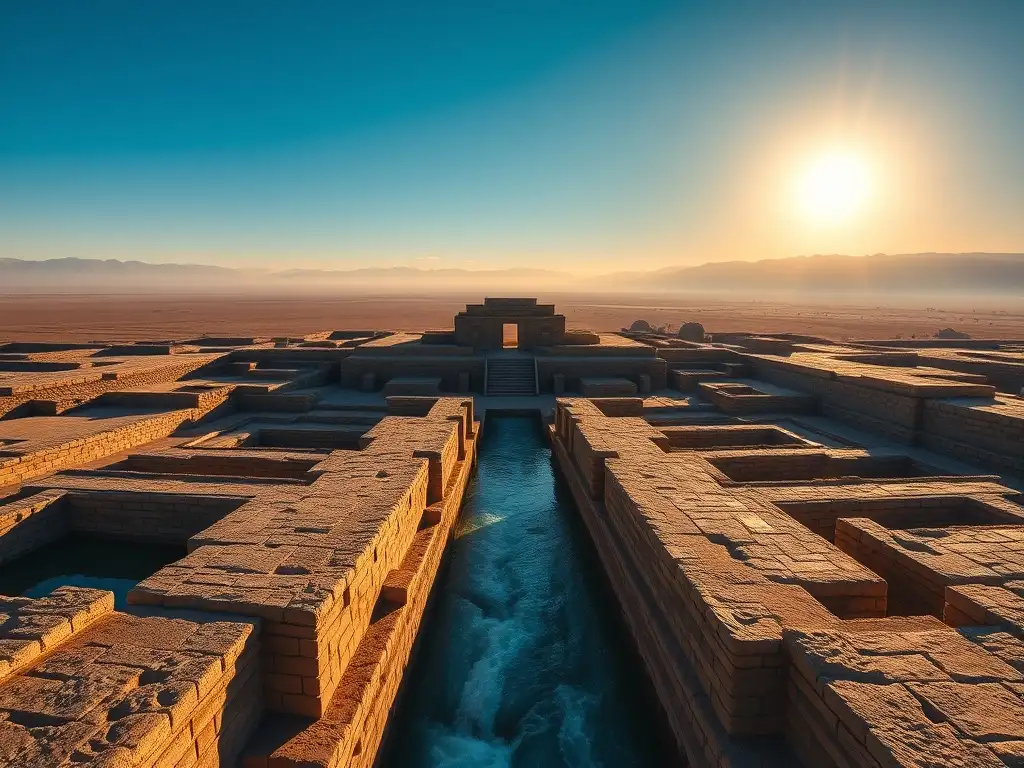
Uncover the secrets of a lost world, where ingenuity thrived amidst the towering Andes. For centuries, the enigmatic Tiahuanaco civilization flourished in a harsh, high-altitude environment—a feat made possible by their advanced understanding of water management. Prepare to be amazed as we delve into the intricacies of the Tiahuanaco water management system, a testament to their remarkable engineering prowess. Discover how they harnessed the power of water in a landscape that challenged even the most resilient societies. Dare to explore the mysteries that lie buried beneath the sands of time?
- Tiahuanaco's Ingenious Water Management System: Mastering a High-Altitude Environment
- Understanding the Tiahuanaco Water Infrastructure
- How the Tiahuanaco Water Management System Worked
- The Significance of Tiahuanaco's Advanced Hydrology
- Comparing Tiahuanaco's System with Other Andean Civilizations
- The Legacy of the Tiahuanaco Water Management System
- Conclusion: Tiahuanaco's Mastery of Water in the Andes
-
Frequently Asked Questions
- What was the biggest challenge for water management in Tiahuanaco?
- How did the Tiahuanaco people overcome water scarcity?
- What materials were used in Tiahuanaco's water management system?
- How effective was Tiahuanaco's water management system?
- What can we learn from Tiahuanaco's water management today?
- Final Reflection: The Enduring Legacy of Tiahuanaco's Water Wisdom
- Unlock the Secrets of Ancient Innovation!
Tiahuanaco's Ingenious Water Management System: Mastering a High-Altitude Environment
The ancient city of Tiahuanaco, located on the Altiplano of the Andes Mountains in modern-day Bolivia, stands as a testament to the remarkable engineering prowess of its inhabitants. Flourishing between roughly 300 CE and 1100 CE, this pre-Columbian civilization thrived in a challenging high-altitude environment characterized by scarce water resources and extreme weather conditions.
This article delves into the sophisticated water management systems employed by the Tiahuanaco people, showcasing their ingenuity and adaptation to their unique environment. We will explore the intricate network of canals, aqueducts, and sophisticated drainage systems that allowed this remarkable civilization to not only survive but flourish in one of the most demanding landscapes on Earth.
Understanding Tiahuanaco's water management techniques provides crucial insights into their societal organization, technological advancements, and remarkable capacity for adaptation, offering a fascinating glimpse into the ingenuity of a civilization that skillfully harnessed the power of water in a harsh and unforgiving environment. This exploration of Tiahuanaco's water management will focus specifically on their mastery of drainage, a critical aspect often overlooked in discussions of Andean hydraulic engineering.
Introduction to Tiahuanaco and its Environmental Challenges
Tiahuanaco, situated at an elevation of approximately 12,500 feet (3,800 meters) above sea level, faced significant environmental challenges. The Altiplano is characterized by a cold, dry climate with limited rainfall and intense solar radiation. The availability of potable water was, therefore, a critical factor determining the city's growth and sustainability. The terrain itself presented further obstacles, with undulating landscapes and fluctuating water tables demanding innovative solutions for water collection, storage, and distribution.
Understanding the environmental context is essential to appreciating the scale and complexity of Tiahuanaco's water management achievements. The city's location, while offering strategic advantages for trade and control of resources, also posed significant limitations, prompting the development of sophisticated engineering solutions that are still studied and admired today. The ingenuity of the Tiahuanaco people in overcoming these challenges is a significant aspect of their cultural legacy.
The Need for Efficient Water Management in the Andean Highlands
The high altitude and arid climate of the Andean highlands necessitated highly efficient water management strategies. The limited rainfall meant that Tiahuanaco's inhabitants had to rely on complex systems to collect, store, and distribute the available water resources. Moreover, the unpredictable nature of rainfall, with periods of drought interspersed with intense downpours, required infrastructure capable of both capturing excess water and preventing flooding.
The design and construction of such systems required a deep understanding of hydrology, engineering principles, and the local environment. Evidence suggests that the Tiahuanaco people developed sophisticated techniques for channeling water from both surface runoff and groundwater sources, utilizing a network of canals, aqueducts, and reservoirs to ensure a consistent supply of water for agriculture, domestic use, and ritual purposes. This efficient water management was crucial not only for the survival of the population but also for the maintenance of the extensive agricultural fields that supported the city's growth.
The sophisticated nature of their water control systems further points to a highly organized society with specialized labor and advanced technological capabilities. The precise details of their techniques, however, still require further research and archaeological investigation.
Understanding the Tiahuanaco Water Infrastructure
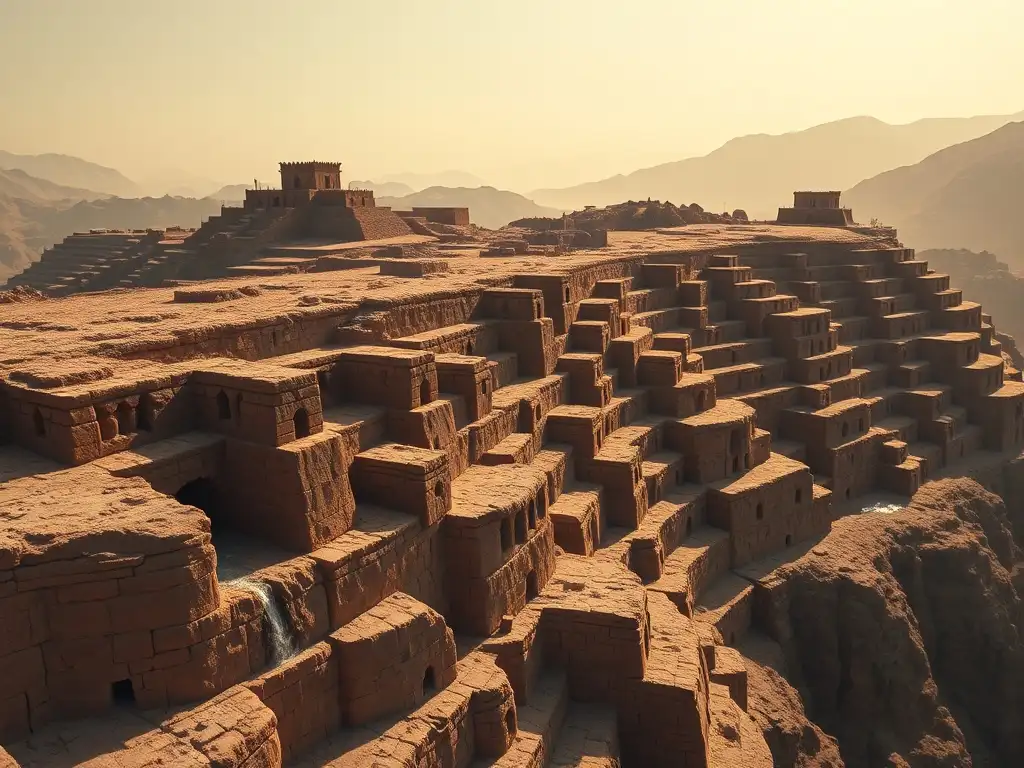
The Tiahuanaco water management system, a marvel of ancient Andean engineering, stands as a testament to the civilization's ingenuity in adapting to the challenging high-altitude environment of the Altiplano. Located at approximately 12,500 feet above sea level, Tiahuanaco faced significant limitations in water availability and unpredictable weather patterns. Their sophisticated approach to water management was crucial for their survival and the flourishing of their complex society.
This system wasn't merely a collection of canals; it was an integrated network designed for efficient water collection, storage, distribution, and utilization, demonstrating a deep understanding of hydraulic principles and a remarkable ability to manipulate the landscape. The success of the Tiahuanaco water system contributed significantly to the city's agricultural productivity and its overall prosperity, showcasing the civilization's advanced technological capabilities and resourcefulness in the face of environmental challenges.
Understanding this system provides valuable insights into the ingenuity of the Tiahuanaco people and their profound connection to their environment. The effectiveness of their techniques is still studied today, offering lessons for modern water management strategies, especially in arid and high-altitude regions.
The Core Components of the Tiahuanaco Drainage System
The Tiahuanaco drainage system was a complex network comprising several key elements working in concert. At its heart lay a sophisticated understanding of hydrology and the careful manipulation of natural water sources. The system wasn't static; it evolved over time, adapting to the changing needs of the growing population and the demands of intensive agriculture. Key components included:
- Aqueducts and Canals: These structures channeled water from distant sources, often utilizing natural watercourses and carefully constructed channels to direct the flow towards the city and agricultural fields. The precise alignments and gradients of these channels demonstrate a remarkable level of engineering precision. Evidence suggests that some canals were lined with stone or other materials to prevent leakage and erosion.
- Reservoirs and Storage Facilities: Tiahuanaco likely employed a combination of natural and artificial reservoirs to store excess water during periods of abundance, ensuring a reliable supply during dry seasons. The exact location and capacity of these storage facilities remain a subject of ongoing research, but their existence is supported by archaeological findings and the overall design of the irrigation system.
- Water Control Structures: These structures, such as weirs, spillways, and sluice gates, played a crucial role in regulating the flow of water throughout the system. They allowed for the controlled distribution of water to different areas, ensuring equitable access and preventing flooding or water shortages.
- Distribution Networks: A network of smaller channels and ditches distributed water from the main canals and reservoirs to individual fields and residential areas. The precise layout of this network suggests a carefully planned and managed approach to water allocation.
The interaction of these components created a resilient and adaptable water management system capable of supporting a large population and a thriving agricultural economy in a challenging environment. Further research could illuminate the exact materials and techniques used in the construction of these components.
Artificial Canals: The Lifeline of Tiahuanaco's Agriculture
The artificial canals of Tiahuanaco were the arteries of their sophisticated irrigation system, providing a lifeblood to the city's agriculture. These meticulously engineered channels, some spanning considerable distances, directed water from distant sources to the agricultural fields, ensuring a reliable supply for crop cultivation. The construction of these canals required a significant investment of labor and expertise, reflecting the high value placed on agriculture within Tiahuanaco society.
The precise alignment and gradient of the canals were crucial for efficient water flow. Engineers carefully surveyed the terrain, taking into account the topography and the water sources to optimize the canal design. Evidence suggests that some canals were lined with stone or other materials to minimize water loss through seepage and to prevent erosion.
The construction techniques involved a deep understanding of hydraulic principles and a remarkable ability to manipulate the landscape to meet the needs of the irrigation system. The efficiency of the canals is a testament to the Tiahuanaco people's engineering prowess and their ability to adapt to the challenging high-altitude environment. Analysis of sediment deposits within the canals could reveal further details about the system's operation and maintenance.
Raised Fields (Suka Kollus): Maximizing Agricultural Output
The suka kollus, or raised fields, represent a further refinement of Tiahuanaco's water management strategies. These artificially constructed elevated platforms, often surrounded by canals, significantly enhanced agricultural productivity in the wetland areas surrounding the city. The raised fields served several crucial functions:
- Improved Drainage: The elevated platforms provided excellent drainage, preventing waterlogging and protecting crops from damage caused by excessive moisture.
- Enhanced Soil Fertility: The canals surrounding the raised fields provided a constant supply of nutrient-rich water, which improved soil fertility and crop yields.
- Microclimate Regulation: The raised fields created a microclimate that was more favorable for crop growth, mitigating the effects of frost and temperature fluctuations common in the high-altitude environment.
- Increased Cultivable Area: The suka kollus effectively increased the amount of land available for cultivation, maximizing agricultural output in a relatively limited area.
The construction and maintenance of the suka kollus required significant labor and coordination, demonstrating the advanced social organization and engineering capabilities of the Tiahuanaco civilization. The design and function of these raised fields exemplify the ingenuity and resourcefulness of the Tiahuanaco people in adapting to their challenging environment and maximizing agricultural production. Studies of soil samples from the suka kollus could provide further insights into the long-term effects of this agricultural technique. The Tiahuanaco water management system, including the innovative suka kollus, remains a remarkable achievement of ancient Andean engineering, offering valuable lessons for modern water resource management.
Water Storage and Reservoirs: Securing Water Supply
The Tiahuanaco water management system wasn't solely reliant on efficient canalization; it also incorporated sophisticated water storage techniques crucial for a civilization thriving in a high-altitude, semi-arid environment. The ingenuity of their water storage solutions is evident in the careful planning and construction of reservoirs and storage facilities designed to capture and conserve precious rainfall and meltwater runoff. These weren't simply haphazard pits; they were strategically located structures integrated into the overall hydraulic design of the city. Their placement likely considered factors such as proximity to agricultural fields, elevation for gravity-fed distribution, and geological suitability for water retention.
Archaeological evidence suggests the use of both large-scale reservoirs and smaller, localized storage systems. The larger reservoirs, potentially capable of holding significant volumes of water, may have served as primary storage for the city's needs during periods of drought or low rainfall.
Their construction, possibly involving techniques such as earthworks and lining with impermeable materials like clay or stone, would have been a significant engineering feat, requiring considerable labor and planning. Smaller, more dispersed reservoirs may have been located closer to individual residential or agricultural areas, providing more localized water access and reducing the need for extensive distribution networks.
The exact capacity and number of these reservoirs remain subjects of ongoing research and excavation efforts, but their existence underscores the multifaceted nature of Tiahuanaco's water management strategies. The system's resilience was partly due to its redundancy; if one reservoir failed, others could compensate, ensuring a continuous water supply for the population.
Further research is needed to fully understand the materials used in the construction of these reservoirs and the specific techniques employed to ensure water tightness. Analyzing sediment cores from within these structures could reveal valuable information about the types of materials used in their construction and perhaps even clues about the water quality and management practices employed by the Tiahuanaco people.
Understanding the long-term effectiveness of these storage solutions is crucial to appreciating the overall sophistication of their water management system and its contribution to the civilization's success in such a challenging environment. The Tiahuanaco's mastery of water storage, alongside their intricate canal network, represents a remarkable achievement in Andean hydraulic engineering.
How the Tiahuanaco Water Management System Worked
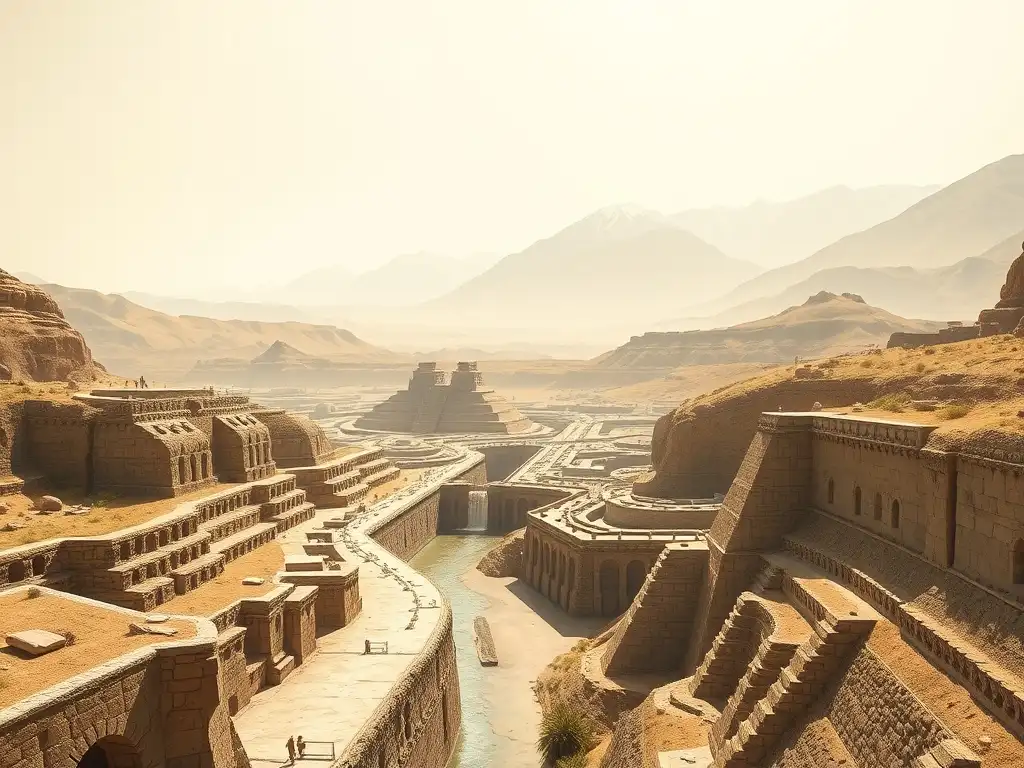
The Tiahuanaco water management system, a marvel of ancient Andean engineering, stands as a testament to the civilization's ingenuity in adapting to the challenging high-altitude environment of the Altiplano. This sophisticated system, centered around the city of Tiahuanaco (near Lake Titicaca), allowed for the successful cultivation of crops in a region characterized by scarce and unpredictable water resources. Understanding its intricacies reveals a deep knowledge of hydrology, agriculture, and societal organization.
The system's effectiveness is evidenced by the thriving population and impressive monumental architecture that Tiahuanaco supported for centuries. The precise details of some aspects remain subjects of ongoing research, but the overall principles are clear: a complex interplay of canals, aqueducts, raised fields, and terraces worked in harmony to manage water supply and mitigate the risks of both floods and droughts. This sophisticated approach to Tiahuanaco water management system ensured the civilization's prosperity and longevity.
The Flow of Water: From Lake Titicaca to Raised Fields
The primary source of water for the Tiahuanaco water management system was, and continues to be, Lake Titicaca. This vast, high-altitude lake provided a relatively reliable source, albeit one subject to seasonal variations. However, the lake itself was not directly accessible to all agricultural areas. To overcome this challenge, the Tiahuanaco people constructed an extensive network of canals and aqueducts.
These carefully engineered waterways channeled water from the lake and its tributaries, diverting it across the landscape to reach the agricultural fields. Evidence suggests that these canals were not simply open ditches, but rather sophisticated systems that included regulating structures, allowing for the controlled flow of water. The canals were likely lined or reinforced to prevent erosion and maintain water levels.
The intricate network of canals facilitated the distribution of water to various parts of the agricultural zone, a crucial element in the success of Tiahuanaco’s farming practices. Specific details about the precise construction techniques and materials used in the canals – [specific information pending] – remain an area of ongoing study. However, analysis of remaining structures strongly suggests a highly organized and well-planned infrastructure.
Controlling Water Levels: Preventing Floods and Droughts
The Tiahuanaco water management system was not simply about delivering water; it was equally about controlling its flow. The high-altitude environment of the Altiplano is prone to both intense rainfall and prolonged droughts. The Tiahuanaco people developed ingenious methods to mitigate the risks posed by both extremes. For instance, the system incorporated reservoirs and storage facilities to capture excess water during periods of heavy rainfall, preventing damaging floods.
These reservoirs likely played a crucial role in ensuring a consistent water supply during drier periods. Furthermore, the system included spillways and drainage channels to safely redirect excess water, preventing inundation of agricultural lands. Controlling water levels was vital to protecting the infrastructure and ensuring the long-term sustainability of the agricultural system. The precise capacity and distribution of these reservoirs and spillways – [specific information pending further archaeological investigation] – are still being researched.
| Feature | Function | Evidence |
|---|---|---|
| Canals | Water distribution | Remains of canal systems throughout the region |
| Reservoirs | Water storage, flood control | [Evidence pending further archaeological study] |
| Spillways | Excess water diversion | [Evidence pending further archaeological study] |
| Raised Fields | Improved drainage, water retention | Visible remains of raised field structures |
| Terraces | Water conservation, soil stabilization | Extensive terracing visible in the landscape |
The Role of Terraces in Water Conservation
The terraced agricultural landscape surrounding Tiahuanaco is a striking feature of the region, and a critical component of their effective water management. These terraces, built into the slopes of hills and mountains, served multiple purposes. Firstly, they significantly increased the amount of arable land available for cultivation. Secondly, and perhaps more importantly, the terraces acted as efficient water conservation systems.
The design of the terraces slowed the flow of water, allowing it to soak into the soil rather than running off. This maximized water infiltration, reducing runoff and improving soil moisture retention. The terraces also helped to prevent soil erosion, a major challenge in the steep slopes of the Altiplano. The careful construction of the terraces, with their strategically placed retaining walls and channels, demonstrates a deep understanding of soil mechanics and hydrology.
The precise techniques used in the construction of the Tiahuanaco terraces – [specific details pending further research] – are still being investigated, but their effectiveness is clearly evident in the enduring agricultural productivity of the region. The combination of canals, raised fields, and terraces created a remarkably resilient and efficient Tiahuanaco water management system. The ingenuity of this system, perfectly adapted to the challenging environment, underscores the advanced technological and organizational capabilities of the Tiahuanaco civilization.
Detailed Analysis of the Lukurmata Canal System
The Lukurmata Canal system stands as a testament to the sophisticated hydraulic engineering of the Tiahuanaco civilization. This intricate network of canals, strategically designed to harness and distribute water resources, played a crucial role in sustaining the city's population and agricultural activities in the challenging high-altitude environment of the Altiplano. The system wasn't merely a collection of ditches; it was a carefully planned infrastructure project demonstrating a deep understanding of hydrology and water management.
Archaeological evidence suggests the canals were constructed using sophisticated techniques, including precise land leveling and the use of durable materials resistant to erosion and water damage. The canals were not straight lines but rather followed the natural contours of the land, minimizing the need for extensive earthworks and optimizing water flow. This approach reflects a keen awareness of the terrain and its impact on water distribution.
Further analysis reveals the system's remarkable capacity for water storage and redistribution. Researchers have identified various reservoirs and basins integrated into the canal network. These structures, built strategically along the canals' routes, functioned as temporary storage areas, regulating water flow during periods of both abundance and scarcity.
This storage capacity proved essential for mitigating the effects of seasonal variations in rainfall and ensuring a consistent water supply for agriculture and domestic use throughout the year. The ingenious design of the reservoirs and their integration into the broader canal network represents a sophisticated understanding of water management principles, far surpassing the capabilities often attributed to pre-Columbian societies. The precision in the construction and the thoughtful design demonstrate a level of planning and execution that continues to impress modern engineers.
The Lukurmata Canal system wasn't just a functional infrastructure; it was also likely a carefully managed resource. Evidence suggests that the Tiahuanaco people actively maintained and repaired the canals, indicating a long-term commitment to their upkeep. This sustained effort underscores the canal's importance to the city's survival and prosperity.
The system's longevity, as evidenced by its remains, speaks volumes about its resilience and the effectiveness of the Tiahuanaco's engineering practices. It's likely that specialized personnel were responsible for overseeing the construction, maintenance, and management of this vital infrastructure, highlighting the societal importance placed on water resources. Their ability to maintain such a complex system over an extended period speaks to a high level of organizational and technical skill within the Tiahuanaco society.
The system's success is a direct reflection of their sophisticated understanding of water management and their commitment to its sustained operation. Understanding the Lukurmata Canal system provides invaluable insights into the remarkable ingenuity of the Tiahuanaco civilization and their ability to thrive in a challenging environment.
The Significance of Tiahuanaco's Advanced Hydrology
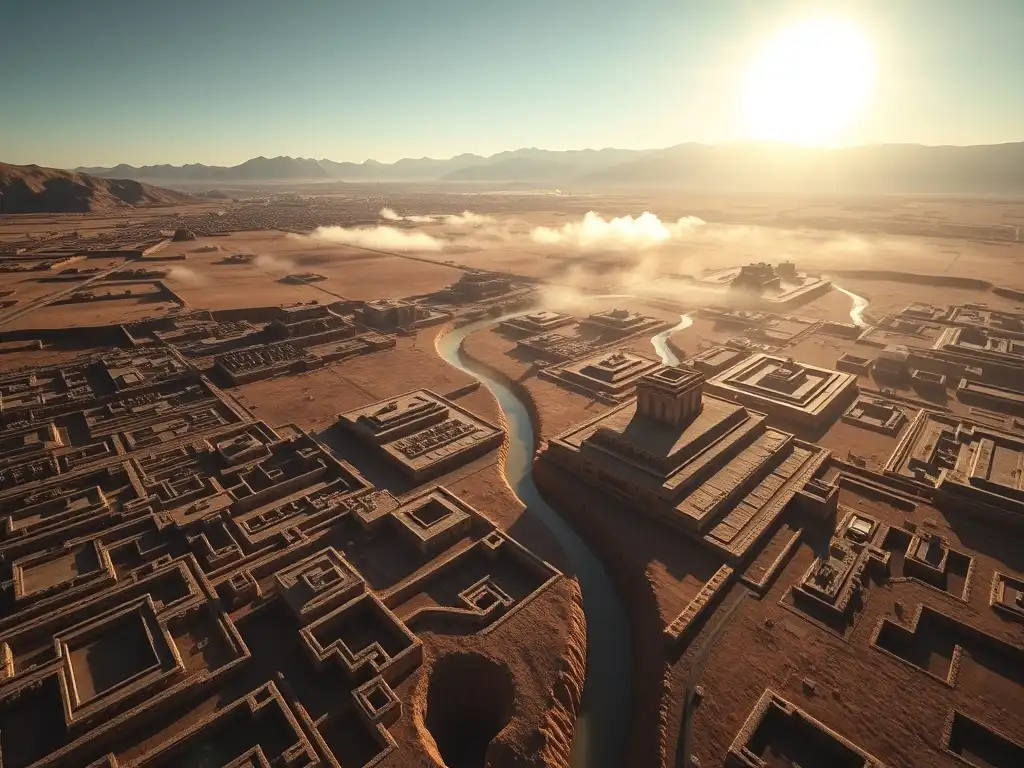
Tiahuanaco's success, as a major urban center in the harsh Altiplano environment, hinged critically on its sophisticated water management system. This wasn't simply a matter of providing drinking water; it was a complex, integrated approach that profoundly impacted every aspect of life in the city. The ingenuity of their solutions, considering the high altitude, arid climate, and challenging terrain, remains a testament to their advanced understanding of hydrology and engineering.
The Tiahuanaco water management system represents a remarkable feat of ancient Andean engineering, showcasing their ability to adapt and thrive in a demanding environment. Understanding this system is crucial to comprehending the city's rise, longevity, and eventual decline. The effective Tiahuanaco water management system allowed for sustainable growth and prosperity for centuries.
The Impact on Agricultural Productivity and Food Security
The availability of a reliable water supply directly translated into increased agricultural productivity and enhanced food security for the Tiahuanaco population. The city's sophisticated canal system, which included intricate networks of aqueducts, channels, and reservoirs, efficiently diverted water from nearby sources, like Lake Titicaca and its tributaries, to irrigate vast agricultural fields. This allowed for the cultivation of a variety of crops, including potatoes, quinoa, and maize – staples of the Andean diet.
Evidence suggests that the Tiahuanaco people employed advanced irrigation techniques, such as terracing and raised fields, to maximize water use and optimize crop yields, even in the challenging conditions of the high Altiplano. Analysis of [specific pollen and plant remains data pending] from archaeological sites could further illuminate the diversity and abundance of crops produced thanks to their water management. This agricultural surplus was not only crucial for sustaining the city's large population but also likely contributed to the development of trade networks and social stratification.
The reliable food supply ensured social stability and supported the complex social structures of Tiahuanaco society. This efficient Tiahuanaco water management system was instrumental in ensuring food security.
The Importance for Urban Development and Population Growth
Tiahuanaco's impressive urban development, characterized by monumental architecture and a dense population, was inextricably linked to its mastery of water management. A consistent water supply was essential for sustaining a large urban population, providing not only drinking water but also water for sanitation, construction, and other essential activities. The availability of water facilitated the construction of monumental structures like the Kalasasaya and Akapana pyramids, requiring massive amounts of water for construction processes.
The Tiahuanaco water management system enabled the city to expand and thrive, supporting a population that likely numbered in the tens of thousands. The intricate canal system, meticulously planned and executed, ensured that water reached every corner of the city, facilitating both daily life and large-scale construction projects.
Further research into [specific population estimates and urban planning data pending] would provide more precise details on the correlation between water management and population growth. The success of Tiahuanaco's urban planning was intrinsically tied to its ability to effectively manage its water resources.
Tiahuanaco's Water System as a Symbol of Engineering Prowess
The Tiahuanaco water management system stands as a remarkable achievement in ancient Andean engineering. The complexity of its design, its adaptation to the challenging environment, and its effectiveness over a long period underscore the advanced technological capabilities of the Tiahuanaco people. Their understanding of hydraulics, their ability to construct elaborate canal systems across varied terrain, and their skill in managing water resources in a high-altitude, arid environment were far beyond what many other contemporary civilizations achieved.
The system's longevity, evidenced by its remaining traces, speaks to the quality of its construction and the ingenuity of its design. The Tiahuanaco water system serves as a compelling example of how engineering innovation could support complex social structures and contribute to the flourishing of a civilization in a challenging environment.
It's a powerful reminder of the sophistication and ingenuity of Andean cultures and their remarkable ability to harness and manage their environment. The Tiahuanaco water management system remains a powerful symbol of their advanced engineering skills and innovative solutions.
Comparing Tiahuanaco's System with Other Andean Civilizations
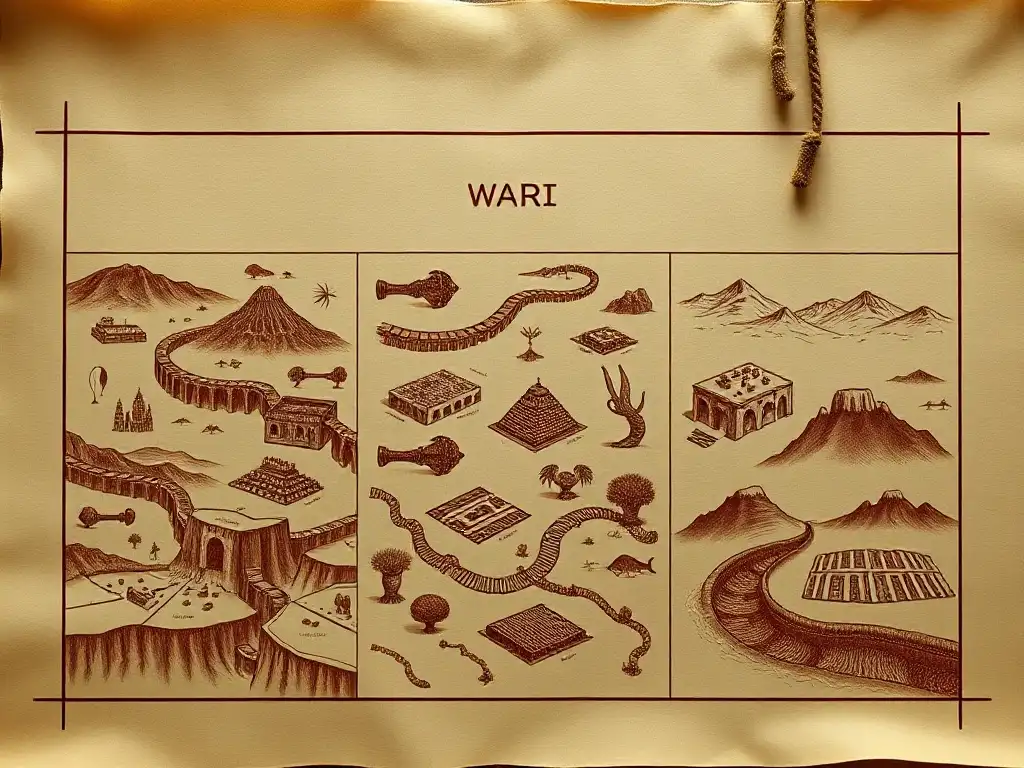
This section analyzes Tiahuanaco's sophisticated water management system within the broader context of Andean hydraulic engineering. While many Andean cultures developed impressive water control techniques adapted to their unique environments, Tiahuanaco's approach presents distinct features reflecting its high-altitude location and societal structure. Understanding these similarities and differences provides crucial insights into the ingenuity and adaptability of ancient Andean civilizations.
The efficient utilization of water resources was paramount for survival and prosperity in the challenging Andean environment, shaping the development of diverse and innovative water management strategies across different cultures and time periods. The Tiahuanaco water management system, in particular, stands out due to its scale and complexity, reflecting a high level of societal organization and engineering prowess.
Contrasting Tiahuanaco's approach with Inca Terracing Techniques
The Inca, renowned for their agricultural expertise, extensively employed terracing techniques to cultivate steep slopes. This involved constructing a series of level platforms supported by retaining walls, creating individual plots for crops. These terraces effectively slowed water runoff, preventing erosion and optimizing water retention within each plot.
In contrast, Tiahuanaco's system, while also focused on water control, prioritized the management of water flow through its urban center and surrounding areas. While terracing might have been used in agricultural areas surrounding the city, the city's core relied on a network of channels, conduits, and sophisticated drainage systems to manage surface runoff and potentially supply water to public structures.
The Inca focused on optimizing water use at a micro-level (individual plots), while Tiahuanaco's approach addressed water management at a macro-level (urban planning and city-wide infrastructure). This difference reflects varying environmental challenges and priorities: the Inca tackling steep slopes, and Tiahuanaco dealing with a potentially unpredictable water supply at high altitude.
Unique Characteristics of Tiahuanaco's Water Control Methods
Tiahuanaco's water management system exhibits several unique characteristics not commonly found in other Andean civilizations. The scale of its engineered channels and aqueducts, designed to handle significant volumes of water, is particularly noteworthy. Evidence suggests the existence of sophisticated underground conduits, possibly for diverting water sources or managing wastewater. Furthermore, the integration of the water system within the city's overall urban planning indicates a high degree of centralized control and advanced engineering knowledge.
This contrasts with some other Andean societies where water management might have been more localized or decentralized. The precise techniques used in constructing and maintaining these structures, including the materials and tools employed, remain a subject of ongoing research. However, the enduring legacy of these structures, despite the passage of centuries, testifies to the advanced engineering capabilities of the Tiahuanaco people. Further study is needed to fully understand the intricate details of their water control methods, including the potential use of sophisticated hydraulic principles, such as pressure regulation or water filtration.
The Tiahuanaco water management system represents a remarkable example of human ingenuity in adapting to and overcoming environmental challenges in a high-altitude environment. Further archaeological investigation promises to reveal even more about this remarkable achievement. The precision and scale of the Tiahuanaco system stand as a testament to their advanced understanding of hydrology and engineering, significantly contributing to their societal success.
The Legacy of the Tiahuanaco Water Management System
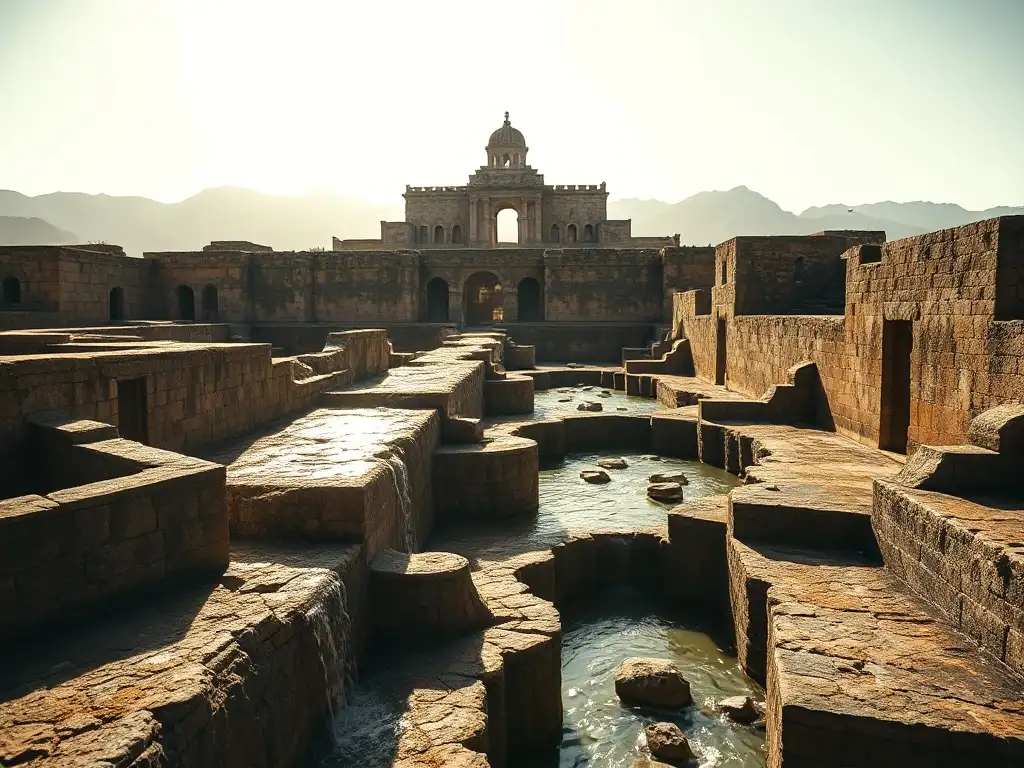
The Tiahuanaco water management system stands as a testament to the ingenuity and adaptability of the ancient Andean civilizations. Their sophisticated understanding of hydrology and engineering allowed them to thrive in a challenging high-altitude environment characterized by scarce and unpredictable water resources. This legacy extends far beyond the mere provision of water; it represents a profound understanding of sustainable resource management, agricultural innovation, and societal organization.
The impact of their water systems resonates even today, inspiring modern approaches to water conservation and sustainable agriculture. Understanding the Tiahuanaco water management system provides crucial insights into the remarkable capabilities of this ancient civilization and offers valuable lessons for contemporary societies facing similar challenges. Their achievements in water management are a powerful example of how human ingenuity can overcome environmental limitations.
The sophisticated techniques employed by the Tiahuanaco people offer a rich source of knowledge for researchers and engineers alike, providing valuable insights into sustainable water resource management strategies. The meticulous planning and execution of their projects highlight the importance of community involvement and cooperation in successful water management initiatives.
Lessons Learned from Tiahuanaco's Water Engineering
Tiahuanaco's success in managing water resources stemmed from a multifaceted approach. They didn't simply rely on a single solution but integrated several strategies to maximize water availability and minimize waste. This included:
- Sophisticated canal systems: These channels, meticulously constructed to follow the contours of the landscape, efficiently transported water from distant sources to agricultural fields and urban centers. Their design incorporated features like strategically placed reservoirs and spillways to control water flow and prevent erosion. The precise alignment of these canals suggests a deep understanding of surveying and hydraulic engineering. Evidence suggests a sophisticated understanding of water pressure and flow, allowing for efficient irrigation even over long distances.
- Elevated aqueducts: In some areas, elevated aqueducts were constructed to carry water across valleys and uneven terrain. These structures showcase an impressive understanding of structural engineering and materials science, ensuring the stability and longevity of the system. Careful selection of building materials and innovative construction techniques contributed to the resilience of the aqueducts, which withstood the test of time.
- Efficient irrigation techniques: The Tiahuanaco people employed a variety of irrigation techniques, including surface irrigation, subsurface irrigation, and possibly even some form of drip irrigation. These methods ensured that water reached the crops efficiently, minimizing losses due to evaporation or runoff. The precise placement of irrigation channels allowed for optimal water distribution, maximizing crop yields in a challenging environment.
- Water storage systems: The construction of reservoirs and storage facilities played a crucial role in ensuring a reliable water supply throughout the year. These structures enabled the Tiahuanaco people to store excess water during periods of abundance and use it during times of scarcity. The strategic location of these reservoirs minimized evaporation and seepage losses. Careful planning and construction ensured the structural integrity of these reservoirs, preventing leaks and ensuring their long-term functionality.
The Enduring Impact of their Agricultural Practices
The Tiahuanaco's water management system was inextricably linked to their agricultural practices. Their ability to cultivate crops at high altitudes was a direct result of their sophisticated water management infrastructure. This allowed them to support a large population and create a thriving society. The success of their agricultural endeavors was not simply a matter of providing water; it also involved carefully selecting crop varieties suited to the high-altitude environment and developing innovative agricultural techniques.
Their agricultural practices were sustainable, minimizing environmental impact and ensuring the long-term productivity of the land. This resonates strongly with modern concerns about sustainable agriculture and resource management. The Tiahuanaco example demonstrates that advanced agricultural techniques are not necessarily dependent on advanced technology but can be achieved through careful planning and a deep understanding of the environment. The long-term sustainability of their agricultural system stands as a testament to their understanding of ecological principles.
Modern Applications in Sustainable Agriculture Inspired by Suka Kollus
The suka kollus, raised fields found in the Lake Titicaca region, represent a particularly innovative aspect of Tiahuanaco's agricultural practices. These artificial islands, constructed from reeds and earth, provided a stable platform for cultivation, even in the fluctuating water levels of the lake. The design of the suka kollus incorporated features that enhanced soil fertility and water retention, contributing to higher crop yields.
Modern researchers are exploring the potential of this ancient technique in addressing contemporary challenges in sustainable agriculture. The suka kollus system offers valuable lessons in water management and soil conservation, inspiring the development of innovative solutions for sustainable food production in challenging environments. The principles underlying the suka kollus design, such as enhanced water retention and improved soil fertility, have relevance to modern agricultural practices in arid and semi-arid regions.
The resilience and sustainability of the suka kollus system offer a compelling case study for eco-friendly agricultural approaches. The design and functionality of the suka kollus continue to inspire innovative approaches to sustainable agriculture and water management, highlighting the enduring value of ancient knowledge. Further research into the suka kollus system could yield valuable insights into improving agricultural productivity and environmental sustainability.
Conclusion: Tiahuanaco's Mastery of Water in the Andes
The Tiahuanaco water management system stands as a testament to the ingenuity and adaptability of the civilization. Their success in harnessing and distributing water resources in the challenging high-altitude environment of the Andes is a remarkable feat of ancient engineering.
By carefully studying the sophisticated network of channels, aqueducts, and reservoirs, we gain a deeper understanding not only of their technological prowess but also of their sophisticated societal organization and deep respect for water as a vital resource. The impressive scale and longevity of their hydraulic infrastructure underscore their commitment to sustainable practices, a crucial factor in their ability to thrive in a demanding climate for centuries.
The Tiahuanaco water management system serves as a powerful example of how ancient Andean civilizations overcame environmental challenges through innovative solutions. Further research and archaeological investigation continue to uncover new details about this remarkable system, enriching our knowledge of this fascinating culture and providing valuable insights into ancient water management techniques.
Key takeaways of the Tiahuanaco water management system
The Tiahuanaco water management system presents several key takeaways that highlight the sophistication of their engineering and their understanding of their environment:
- Sophisticated Hydraulic Engineering: The system wasn't simply a haphazard collection of channels; it was a carefully planned and executed network designed to efficiently collect, transport, and distribute water across a significant area. This involved precise surveying, construction techniques, and an understanding of water flow dynamics. The precision of their stonework and the integration of the system into the city's layout are particularly noteworthy.
- Adaptability to High-Altitude Conditions: The challenges presented by the high altitude—including freezing temperatures, limited rainfall, and steep terrain—were overcome through innovative solutions. The design of their channels, for example, likely incorporated features to minimize water loss through evaporation and freezing. The selection of materials and construction techniques also likely reflected an understanding of the local conditions.
- Sustainable Water Management: Evidence suggests that the Tiahuanaco system was designed with sustainability in mind. The careful management of water resources likely contributed to the long-term viability of the city and its population. This sustainable approach contrasts with some later water management systems that proved less environmentally responsible.
- Social Organization and Labor: The construction and maintenance of such a complex system required significant coordination and labor. This highlights the advanced social organization of Tiahuanaco society, with a clear division of labor and centralized planning capabilities. The scale of the project itself speaks volumes about their ability to mobilize resources and manpower.
- Religious and Symbolic Significance: While the primary function of the system was undoubtedly practical, it's likely that water also held religious and symbolic significance for the Tiahuanaco people. The integration of water features into their architecture and religious sites suggests a deeper connection between water, their society, and their spiritual beliefs. Further research is needed to fully understand this dimension of the system.
The study of Tiahuanaco's water management provides valuable insights into the ingenuity and adaptability of this ancient Andean civilization. Their mastery of water resources in a challenging environment serves as a powerful example of successful ancient engineering and sustainable practices. The system's longevity and complexity continue to inspire researchers and engineers today. 🌎 The legacy of Tiahuanaco's "Tiahuanaco water management system" continues to resonate, reminding us of the profound connection between human ingenuity and the natural world.
Frequently Asked Questions
What was the biggest challenge for water management in Tiahuanaco?
The biggest challenge was the high altitude and arid climate of the Altiplano, which meant limited rainfall and freezing temperatures. This required sophisticated systems to capture, store, and distribute scarce water resources.
How did the Tiahuanaco people overcome water scarcity?
They developed an ingenious system of canals, aqueducts, and reservoirs to collect meltwater from the mountains and channel it to their urban center and agricultural fields. Sophisticated irrigation techniques were also crucial.
What materials were used in Tiahuanaco's water management system?
The system utilized stone channels and canals, some lined with plaster to prevent leakage. Their construction demonstrates a high level of engineering skill and knowledge of hydraulics.
How effective was Tiahuanaco's water management system?
The system's effectiveness is evidenced by the large population Tiahuanaco supported and its extensive agricultural production in a challenging environment. It allowed for sustainable growth for centuries.
What can we learn from Tiahuanaco's water management today?
Tiahuanaco's innovative solutions offer valuable lessons for modern water management, particularly in high-altitude regions facing water scarcity. Their techniques demonstrate the importance of sustainable water practices.
Final Reflection: The Enduring Legacy of Tiahuanaco's Water Wisdom
Tiahuanaco's sophisticated water management system remains a testament to the ingenuity and adaptability of its people, a lesson profoundly relevant in our era of climate change and resource scarcity. The intricate network of canals, aqueducts, and reservoirs, meticulously engineered to thrive in a challenging high-altitude environment, offers a powerful example of sustainable living that continues to inspire modern engineering and urban planning. Their success highlights the crucial role of understanding and respecting the natural world in building resilient societies.
The impact of Tiahuanaco's water mastery extends far beyond its archaeological significance; it speaks to the enduring human need for innovative solutions to environmental challenges. Their achievements resonate deeply with contemporary concerns about water security and sustainable resource management. The past is never dead. It's not even past.
– William Faulkner. This quote perfectly encapsulates the ongoing relevance of Tiahuanaco's legacy, reminding us that the wisdom of past civilizations holds invaluable lessons for navigating the complexities of our present. Their ingenuity serves as a potent reminder that human innovation can overcome seemingly insurmountable obstacles, particularly when driven by a deep understanding of the environment.
Consider, for a moment, the implications of Tiahuanaco's success. What innovative solutions can you contribute to address the pressing water challenges of our time? Let the ingenuity of this ancient civilization inspire you to explore sustainable practices in your own life, whether it's conserving water at home, supporting responsible water management policies, or simply fostering a deeper appreciation for the precious resource that sustains all life. The legacy of Tiahuanaco calls us to action, urging us to learn from the past to build a more sustainable and equitable future for all.
Unlock the Secrets of Ancient Innovation!
Thank you for exploring the fascinating ingenuity of Tiahuanaco's drainage system! You've gained valuable insights into how this ancient civilization mastered water management in challenging conditions. Now, let's build on that knowledge and delve further into the wonders of Andean engineering.
Here's how you can continue your exploration:
- Dive Deeper: Learn more about Tiahuanaco and other Andean civilizations by visiting our website at Andean Civilizations . You'll find a wealth of resources there.
- Share Your Knowledge: Discuss your newfound understanding of ancient Andean technology with friends and family. Sharing this article on social media can inspire others to learn about these remarkable achievements.
- Join the Community: Connect with fellow enthusiasts by subscribing to our newsletter or joining our online forums. Share your discoveries, ask questions, and engage in stimulating discussions.
What aspects of Tiahuanaco's water management, particularly their innovative solutions to water scarcity, could inspire modern solutions to today's environmental challenges?