
Inca Architecture and the Concept of Innovation: Pushing Boundaries

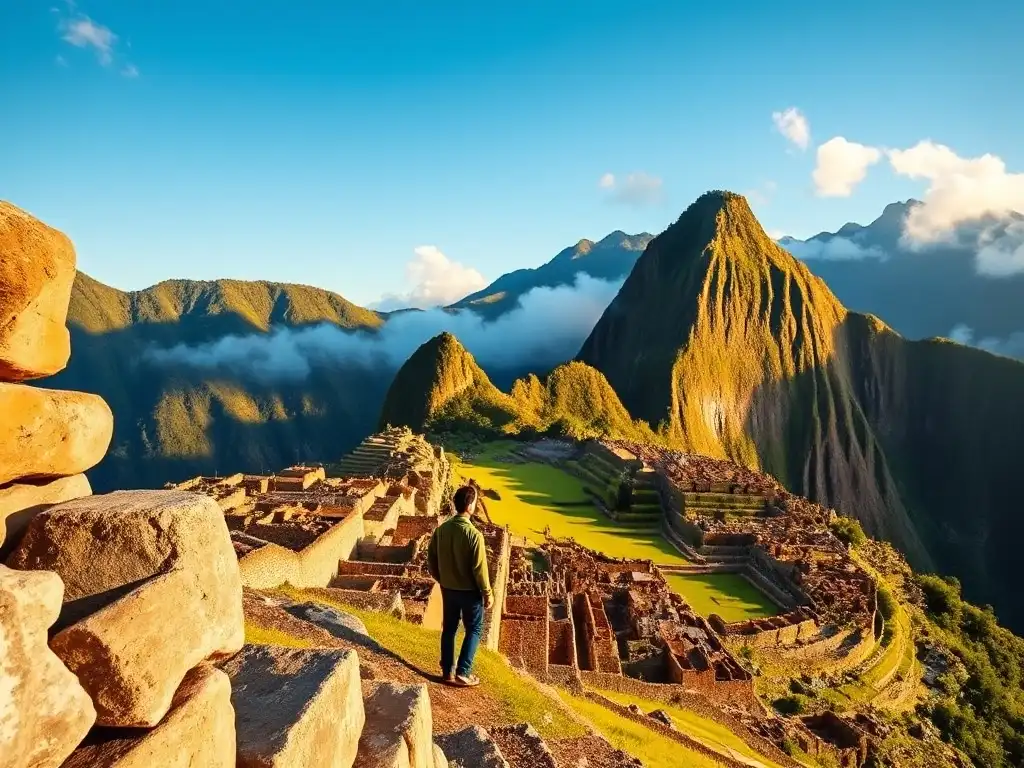
Step into a world lost to time, yet echoing with the ingenuity of a vanished empire. Prepare to be amazed by the breathtaking artistry and unparalleled engineering of the Andes. This journey into the heart of Andean Civilizations begins with an exploration of Inca architectural innovation, revealing secrets hidden within the stones and challenging our understanding of what's possible. Discover how the Incas pushed the boundaries of their time – a legacy that continues to inspire awe centuries later. Are you ready to uncover the mysteries?
The Inca Empire, spanning across the formidable Andes Mountains, stands as a testament to human ingenuity and adaptation. Their architectural achievements, far from being mere constructions, represent a profound understanding of engineering principles, materials science, and the delicate balance between human intervention and the natural environment. This article delves into the innovative aspects of Inca architecture, exploring how their mastery of stonework, terracing, and landscape integration redefined the possibilities of construction in a challenging terrain.
We will examine how Inca architectural innovation, a key element of their societal success, allowed them to create awe-inspiring structures that continue to fascinate and inspire architects and engineers today. Understanding Inca architectural innovation provides crucial insights into their societal organization, resource management, and overall cultural prowess. This exploration will showcase the ingenuity that enabled the Inca to build a vast empire in one of the world's most challenging geographical locations.
Introduction to Inca Architectural Ingenuity
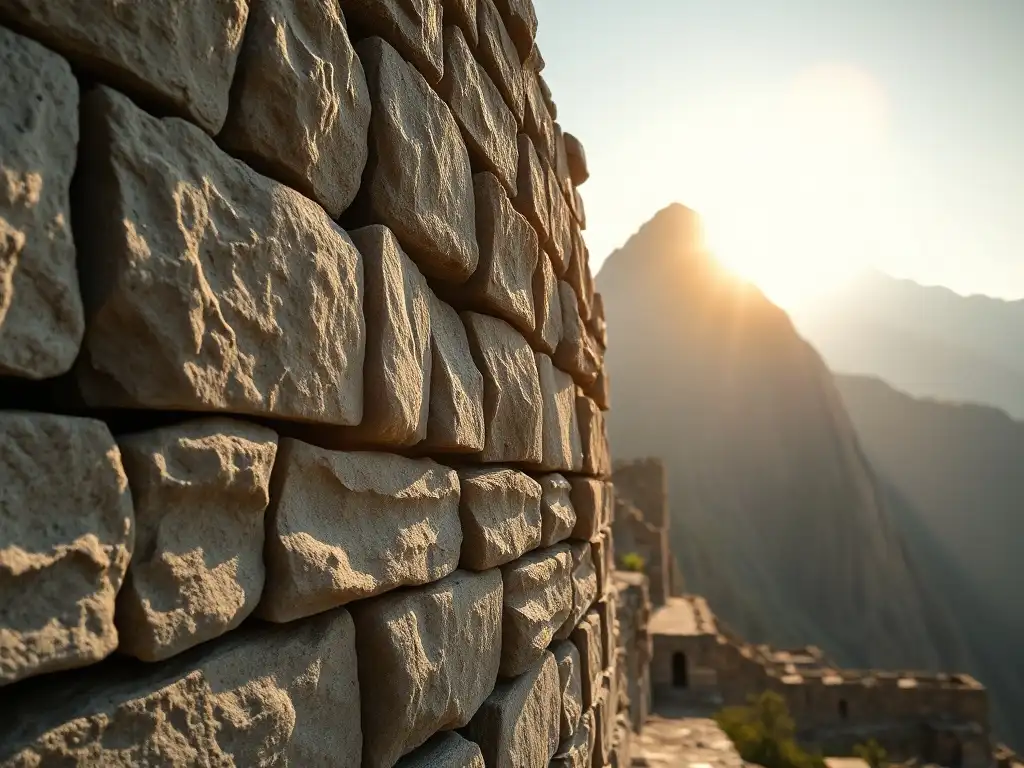
Inca architecture is characterized by its remarkable precision, functionality, and harmonious integration with the surrounding landscape. Unlike many other ancient civilizations that relied heavily on mortar, the Incas perfected a technique of dry-stone masonry, fitting stones together with such accuracy that even a knife blade couldn't slip between them. This exceptional skill, coupled with their understanding of seismic activity and the unique properties of Andean stone, resulted in structures that have withstood the test of time and numerous earthquakes.
The scale of their projects, from sprawling cities like Machu Picchu to intricate irrigation systems, is equally impressive, showcasing a sophisticated level of organization and planning. The Inca’s ability to adapt their architectural styles to diverse environments, from high-altitude mountain passes to coastal plains, further highlights their innovative approach.
This adaptability is a testament to their deep understanding of both architectural principles and the natural world. Their innovations weren't simply aesthetic; they were crucial to the empire's survival and prosperity.
The Foundations of Inca Construction Techniques
The Inca's architectural prowess stemmed from a deep understanding of materials and construction methods. Their mastery of stonework is particularly noteworthy. They utilized a variety of stones, selecting the most suitable type based on its properties and availability in the specific region.
The precision of their cuts and the intricate fitting of stones, often without the use of mortar, are a testament to their advanced knowledge of geometry and engineering. This advanced knowledge allowed them to create structures that were not only aesthetically pleasing but also incredibly strong and durable. Furthermore, their use of terraces transformed steep, challenging slopes into usable agricultural land, demonstrating a remarkable understanding of both engineering and agricultural principles.
Understanding Inca Masonry: Precise Stone Fitting
The hallmark of Inca masonry is its unparalleled precision. Stones were meticulously shaped and fitted together without mortar, creating incredibly strong and stable structures. The techniques employed varied depending on the location and purpose of the structure, but the common thread was an unwavering commitment to accuracy and detail. The close fit of the stones not only enhanced the structural integrity but also reduced the risk of earthquakes causing damage.
Archaeological evidence suggests that the Incas used a variety of tools, including stone hammers and chisels, to achieve this level of precision. The time and effort invested in each stone reflects the high value placed on craftsmanship and architectural excellence. This level of precision is rarely seen in other ancient civilizations.
The Role of Terraces in Inca Architecture
Terracing was not merely a method of land management; it was an integral part of Inca architectural design. By transforming steep slopes into level platforms, the Incas dramatically increased the amount of arable land available for agriculture. These terraces also served as a form of erosion control, preventing soil loss and preserving the fertility of the land.
The construction of terraces required sophisticated engineering skills, including careful planning, precise measurements, and the use of retaining walls built from carefully fitted stones. The aesthetic impact of terraced landscapes is undeniable, demonstrating a harmonious blend of functionality and beauty. The scale and complexity of some of these terracing projects are truly remarkable, highlighting the Inca's organizational abilities and engineering expertise.
Adaptation to the Andean Landscape
The Inca's architectural innovations were deeply intertwined with their adaptation to the challenging Andean landscape. The diverse geography of the empire, ranging from high-altitude mountains to coastal plains, demanded flexibility and innovation in construction techniques. The Incas skillfully adapted their building methods to the specific conditions of each region, utilizing locally available materials and employing construction techniques suited to the terrain.
Their ability to integrate their structures seamlessly into the landscape, rather than imposing them upon it, is a hallmark of their architectural philosophy. This approach not only preserved the natural beauty of the Andes but also made their structures more resilient and sustainable. This profound understanding of their environment is a testament to the Inca's deep connection to the land and their remarkable ability to adapt to its challenges.
- What makes Inca architecture so innovative?
- How did the Incas transport massive stones for their buildings?
- What are some examples of Inca architectural innovation?
- How did the Inca's understanding of engineering contribute to their architectural achievements?
- What is the significance of Inca architectural innovation in the broader context of Andean civilizations?
Inca Architectural Innovation: Key Elements and Examples
The Inca Empire, renowned for its vast territorial expanse and sophisticated social organization, also left behind a legacy of remarkable architectural innovation. Their buildings weren't merely functional; they were testaments to ingenuity, reflecting a deep understanding of engineering principles and an impressive ability to adapt to diverse and challenging terrains. The concept of "Inca architectural innovation" encompasses a multitude of aspects, from material selection and construction techniques to the overall design and functionality of their structures. This section will delve into some key elements and provide concrete examples of their impressive achievements.
Innovative Use of Materials in Inca Buildings
The Incas demonstrated remarkable skill in selecting and utilizing available materials, often adapting their techniques to suit the specific geological context of each building project. This adaptability, a core component of Inca architectural innovation, allowed for the creation of structures that were both aesthetically pleasing and structurally sound.
Exploiting Local Stone: Andesite and Granite
Andesite and granite, readily available in the Andes Mountains, formed the bedrock of much of Inca masonry. The Incas weren't simply using these materials; they mastered the art of precisely cutting and fitting these stones, creating incredibly tight joints without the use of mortar. This "dry-stone masonry" technique, requiring exceptional precision and skill, resulted in structures that withstood the test of time and seismic activity.
The precision is such that even a knife blade often cannot be inserted between the stones. This level of craftsmanship speaks volumes about their advanced understanding of stonework and their commitment to quality. Evidence suggests that the selection of stone type was also influenced by aesthetic considerations, with certain stones chosen for their color and texture to enhance the visual appeal of the structures.
The Significance of Adobe in Inca Structures
While stone dominated monumental architecture, adobe – sun-dried brick – played a crucial role in Inca construction, particularly in residential and less imposing structures. The use of adobe demonstrates another facet of Inca architectural innovation: adaptability to resource availability. Adobe construction, while seemingly simpler, required a sophisticated understanding of soil composition and drying techniques to ensure structural integrity. The Incas often combined adobe with stone, creating hybrid structures that maximized the benefits of both materials.
For example, the lower levels of buildings might be constructed of stone for greater stability, while upper levels utilized adobe for lighter construction. The specific mix of adobe, including the addition of straw or other binding agents, would vary depending on local conditions and the intended function of the building. This nuanced approach further highlights their innovative and resourceful approach to building.
Advanced Engineering in Inca Construction
Beyond material selection, the Incas displayed exceptional engineering prowess in their construction techniques. Their ability to overcome geographical challenges, such as steep slopes and treacherous terrain, is a testament to their innovative approach to engineering problems.
Inca Bridges: Suspension and Pontoon Designs
The Inca road network, a marvel of engineering in itself, was facilitated by impressive bridge designs. They employed both suspension bridges, using woven fibers for the suspension cables, and pontoon bridges, using bundles of reeds or wood. The design and construction of these bridges required a deep understanding of structural mechanics and materials science, showcasing remarkable ingenuity given the available technology.
The materials used were locally sourced, demonstrating the Inca's commitment to sustainable practices alongside their innovative engineering. The precise construction techniques for these bridges, including the methods used to secure the cables or the pontoons, are still being studied by engineers today.
Inca Roads: The Qhapaq Ñan and its Engineering Marvel
The Qhapaq Ñan, or Inca Road system, is perhaps the most striking example of Inca architectural innovation on a grand scale. This extensive network of roads, spanning thousands of kilometers across diverse terrains, was meticulously engineered to facilitate communication, trade, and military movement. The roads were expertly graded, incorporating drainage systems and retaining walls to ensure stability and accessibility.
The construction required immense labor, but the strategic planning and engineering behind its design were equally impressive, demonstrating their advanced understanding of surveying, logistics, and engineering principles. The road network's durability and longevity are a clear testament to the quality of their engineering and construction.
Hydraulic Engineering: Canals and Water Management
Inca architectural innovation extended to sophisticated water management systems. They constructed intricate canal networks to irrigate agricultural lands and supply water to urban centers. The design and construction of these canals, often carved into steep slopes and across challenging terrain, were feats of engineering that required advanced surveying techniques and a deep understanding of hydraulic principles.
The precise gradients of the canals, designed to ensure a consistent flow of water, are a testament to their engineering prowess. The integration of these canals into the landscape was often seamless, demonstrating a level of environmental awareness and sensitivity that is remarkable. The efficient and sustainable water management systems implemented by the Incas are still studied today as models of effective water resource management.
Examples of Inca Architectural Marvels
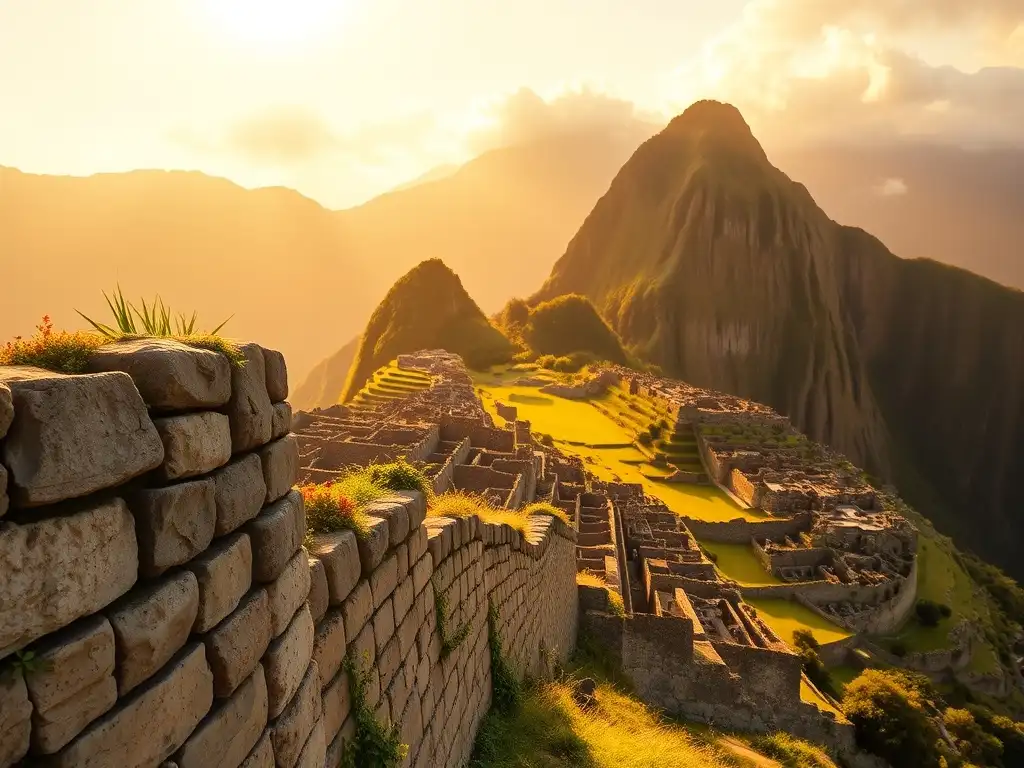
This section delves into specific examples of Inca architectural marvels, showcasing the ingenuity and innovative techniques employed by Inca builders. We'll explore the remarkable feats of engineering and design that continue to astound and inspire researchers and visitors alike. The Inca's mastery of stonework, their understanding of seismic activity, and their ability to adapt to diverse terrains all contributed to their exceptional architectural achievements. Analyzing these examples provides a deeper understanding of Inca architectural innovation.
Machu Picchu: A Testament to Inca Ingenuity
Machu Picchu, often referred to as the "Lost City of the Incas," stands as a powerful symbol of Inca architectural prowess. Its breathtaking location and intricate design highlight the advanced knowledge and sophisticated planning involved in its construction. The sheer scale of the undertaking, coupled with the precision of the stonework, underscores the exceptional skills of the Inca builders. The site's remarkable survival through centuries also speaks to the durability and resilience of Inca architectural methods.
Location and Purpose of Machu Picchu
Nestled high in the Andes Mountains, Machu Picchu's location offers stunning views and strategic advantages. Its precise location, perched on a mountain ridge, suggests a deliberate choice for both defensive purposes and spiritual significance. While its exact purpose remains a subject of ongoing debate among scholars, the prevailing theory suggests it served as a royal estate, a religious center, or possibly both.
Archaeological evidence points to a complex social structure and a significant population inhabiting the site. The precise layout and functionality of different structures within Machu Picchu are still being researched, offering ongoing opportunities to understand the complexity of Inca architectural innovation.
Architectural Features and Design of Machu Picchu
Machu Picchu's architecture is characterized by its meticulous stonework, dry-stone construction techniques, and ingenious integration with the surrounding landscape. The precisely fitted stones, without the use of mortar, demonstrate an extraordinary level of craftsmanship and an intimate understanding of the properties of stone. The intricate network of terraces, meticulously carved into the mountainside, served both agricultural and structural purposes, showcasing a sophisticated approach to land management and engineering.
The use of natural materials such as granite and andesite, sourced locally, demonstrates a sustainable and environmentally conscious approach to construction—a feature often overlooked when discussing Inca architectural innovation. Furthermore, the buildings’ design, with their unique shapes and varied sizes, reflects a deep understanding of the surrounding environment and its influence on the buildings' stability.
Sacsayhuamán: Monumental Stone Fortress
Sacsayhuamán, located near Cusco, is a monumental stone fortress that exemplifies the Inca's mastery of large-scale construction and their ability to manipulate massive stone blocks. Its cyclopean walls, composed of enormous stones, are a testament to the Inca's advanced engineering skills and their innovative solutions to challenges posed by the terrain. The fortress's strategic location and impressive defenses offer insight into the Inca military strategy and their capacity for monumental projects.
The Cyclopean Walls of Sacsayhuamán
The cyclopean walls of Sacsayhuamán are arguably the most striking feature of this impressive site. These walls are constructed from massive, irregularly shaped stones, some weighing over 100 tons. The precision with which these enormous stones were cut, transported, and fitted together without mortar is truly remarkable and speaks volumes about the Inca's engineering capabilities.
The intricate interlocking system of the stones, which allows for flexibility and seismic resistance, is a testament to the advanced understanding of structural engineering and the innovative approach to Inca architectural innovation that characterized their building practices. The techniques employed in the construction of Sacsayhuamán remain a source of fascination and continue to inspire research into the Inca's building methods.
Military and Ceremonial Significance
Sacsayhuamán's strategic location on a hill overlooking Cusco suggests a dual purpose: military defense and ceremonial importance. Its imposing walls served as a formidable defense against potential invaders, providing a strategic vantage point and a strong defensive perimeter. However, evidence suggests that Sacsayhuamán also held significant ceremonial importance.
The placement of specific structures, the layout of the site, and the use of astronomical alignments all point to a rich ceremonial role, possibly linked to Inca religious beliefs and practices. Understanding this dual purpose helps to appreciate the complexity of the site and to further recognize the depth of Inca architectural innovation. The interplay between military strength and spiritual significance in Sacsayhuamán's design reflects the intricate connection between power, religion, and architecture in the Inca Empire.
Ollantaytambo: A Living Inca City
Ollantaytambo, nestled in the Sacred Valley of the Urubamba, stands as a testament to Inca architectural innovation. More than just ruins, it's a living city, a remarkably preserved example of Inca urban planning and engineering prowess. Its strategic location, nestled amongst towering mountains and overlooking fertile agricultural terraces, speaks volumes about the Inca's understanding of both defense and resource management. The sheer scale of the site, with its intricate network of streets, buildings, and agricultural terraces, is breathtaking.
The city's layout reveals a sophisticated understanding of water management, with channels and fountains integrated seamlessly into the urban fabric. This wasn't simply a defensive fortress; it was a thriving center of life, demonstrating the Inca's ability to blend functionality with aesthetic beauty. The precision of the stonework, even in the most extensive structures, underscores their mastery of construction techniques.
The enduring legacy of Ollantaytambo lies not just in its imposing structures but in its enduring connection to the Inca's holistic approach to urban design, an approach that prioritized both practical needs and spiritual harmony. Analyzing Ollantaytambo provides crucial insights into the Inca concept of ayni, the principle of reciprocity and communal effort that underpinned their societal structure and building practices. The city's survival and continued relevance further showcase the resilience and ingenuity of Inca architectural design.
Terraced Agriculture and Urban Planning
The integration of terraced agriculture into the urban landscape of Ollantaytambo is a defining feature of Inca architectural innovation. These meticulously crafted terraces, carved into the steep mountain slopes, weren't merely agricultural plots; they were an integral part of the city's urban planning. The terraces dramatically increased arable land, optimizing food production in a challenging mountainous environment. This wasn't just about efficiency; it was about a deep understanding of the relationship between humans and their environment.
The terraces' precise alignment and construction ensured efficient water distribution, minimizing soil erosion and maximizing crop yields. The system's complexity speaks to sophisticated hydrological knowledge and advanced engineering skills. The Inca's approach to terraced agriculture exemplifies sustainable practices centuries ahead of their time.
They weren't simply building terraces; they were creating a resilient and self-sustaining ecosystem that supported the city's population. The precise placement of terraces also played a role in the city's defense, using the agricultural landscape to create natural barriers and strategic vantage points. The impressive scale and sophistication of the terraced fields at Ollantaytambo represent a remarkable feat of Inca architectural innovation, highlighting their deep understanding of both agriculture and urban design.
The Temple Hill and Royal Sector
The Temple Hill at Ollantaytambo, with its massive stone blocks and imposing structures, represents the heart of the city's royal sector. The sheer size of the stones used in its construction is astounding, with some weighing many tons. The precision with which these colossal stones were cut, transported, and fitted together without mortar remains a source of wonder and debate among scholars. The perfectly fitted stones, with minimal gaps, are a testament to the Inca's advanced understanding of stone masonry and engineering.
The Temple Hill wasn't simply a religious structure; it was a symbol of royal power and authority, embodying the Inca's sophisticated social hierarchy. The intricate layout of the royal sector, with its interconnected buildings and courtyards, reveals a complex system of social organization and ritual practices. The impressive stonework, the strategic placement of buildings, and the overall grandeur of the Temple Hill and the surrounding royal sector all showcase the Inca's exceptional abilities in architecture and urban planning.
The use of specific types of stone, sourced from different locations, further illustrates their mastery of logistics and resource management. The Temple Hill at Ollantaytambo stands as a powerful symbol of Inca architectural innovation, showcasing their mastery of engineering, their understanding of social organization, and their profound connection to their environment. The enduring presence of these structures highlights the lasting impact of Inca ingenuity on the landscape and our understanding of ancient Andean civilizations.
The Concept of Innovation in Inca Architecture
The Inca Empire, renowned for its vast territorial reach and sophisticated social structures, also left behind a remarkable architectural legacy. Understanding Inca architectural innovation requires moving beyond simply appreciating the impressive scale of their constructions. We must analyze their approach to design and construction, recognizing the ingenuity and problem-solving skills that characterized their work.
This section delves into the core principles underpinning Inca architectural innovation, demonstrating how their achievements stemmed from a unique blend of adaptation, collaboration, and a deep understanding of their environment. The term "Inca architectural innovation" itself underscores the remarkable achievements of this civilization, pushing the boundaries of engineering and design within the constraints of their available resources and technology.
Adaptation and Resourcefulness in Inca Design
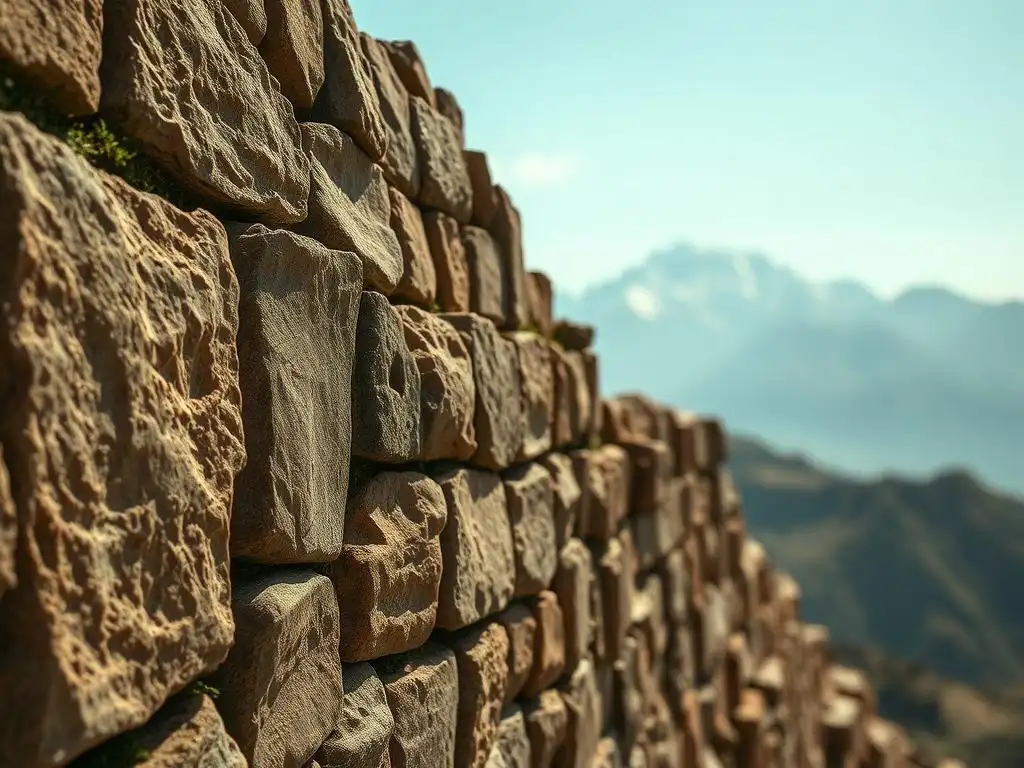
Inca architects were masters of adaptation, skillfully integrating their designs with the challenging Andean terrain. They didn't simply build on the landscape; they built into it, using the natural features of the land to their advantage. This is clearly evidenced in their mastery of stonework, particularly their ability to precisely cut and fit massive stones without the use of mortar. This technique, requiring exceptional precision and understanding of stone properties, allowed them to create structures that seamlessly integrated with their surroundings, enhancing their stability and resilience against earthquakes.
Problem Solving in Construction
Consider the challenges of constructing massive structures at high altitudes, often in treacherous mountainous regions. The Incas overcame these obstacles through ingenious solutions. For example, their use of qollqas (storage buildings) demonstrates an understanding of ventilation and climate control, crucial for preserving food in harsh conditions. Their sophisticated irrigation systems, carved into the mountainsides, showcased their ability to harness water resources effectively, ensuring agricultural success in arid environments. These weren't just buildings; they were solutions to complex problems, showcasing the practical application of Inca architectural innovation.
Innovation through Collaboration and Community Work
Inca architectural innovation wasn't the product of individual genius but rather the result of collective effort and community participation. The mita system, a form of obligatory labor, mobilized a significant workforce for large-scale construction projects. However, it wasn't simply forced labor; it was a system that fostered collaboration and shared responsibility.
The intricate designs and precise execution of Inca structures suggest a high degree of skill and coordination amongst the workforce, highlighting the importance of community involvement in the success of their architectural endeavors. The precision of the stonework, for instance, implies a sophisticated system of training and collaboration amongst the builders.
The Legacy of Inca Architectural Innovation
The impact of Inca architectural innovation extends far beyond the ruins that still stand today. Their ingenuity continues to inspire awe and admiration, making their achievements a significant area of study for architects, engineers, and historians alike. The enduring legacy of their designs is a testament to their understanding of engineering principles, their resourcefulness, and their profound connection to their environment. The influence of Inca architectural techniques is still visible in modern constructions, serving as a reminder of the power of sustainable and integrated design.
Influence on Contemporary Architecture
Modern architects continue to study Inca techniques, seeking inspiration from their sustainable building practices and innovative use of local materials. The principles of seismic resistance embedded within Inca structures serve as a valuable lesson for contemporary earthquake-prone regions. Furthermore, their understanding of passive solar design and ventilation systems offers valuable insights for creating energy-efficient buildings. The enduring appeal of Inca architectural design speaks to its timeless elegance and functional effectiveness, demonstrating the enduring relevance of Inca architectural innovation.
Preserving Inca Architectural Heritage
Preserving Inca architectural heritage is crucial for understanding the past and informing the future. The ongoing efforts to conserve these sites, through careful restoration and preservation techniques, are essential for ensuring that future generations can appreciate and learn from these remarkable achievements. This includes not only protecting the physical structures but also documenting and sharing the knowledge behind their construction, ensuring that the story of Inca architectural innovation continues to inspire and educate.
The challenge lies in balancing preservation with responsible access, allowing for research and tourism while protecting the integrity of these invaluable sites. Careful monitoring, preventative maintenance, and ongoing research are all vital for ensuring the long-term preservation of this significant architectural heritage.
Frequently Asked Questions
What makes Inca architecture so innovative?
Inca architecture was incredibly innovative due to its masterful use of stone, precise engineering, and adaptation to diverse terrains. They developed unique techniques like ashlar masonry to create incredibly strong and durable structures.
How did the Incas transport massive stones for their buildings?
The Incas employed a sophisticated system of roads and ramps, along with human labor and possibly animal power, to move enormous stones across challenging landscapes. Their organizational skills were crucial to this feat of engineering.
What are some examples of Inca architectural innovation?
Machu Picchu, with its terraced agriculture and perfectly fitted stones, is a prime example. Other notable innovations include irrigation systems, suspension bridges, and complex urban planning in cities like Cusco.
How did the Inca's understanding of engineering contribute to their architectural achievements?
The Incas possessed a deep understanding of structural engineering, seismic activity, and environmental factors. This knowledge allowed them to build structures that were remarkably stable and resilient, even in earthquake-prone regions.
What is the significance of Inca architectural innovation in the broader context of Andean civilizations?
Inca architectural innovation represents a culmination of Andean building techniques, showcasing a high level of sophistication and artistry. It also demonstrates the Ingenuity of the Inca Empire's organization and resource management.
Final Reflection: Echoes of Ingenuity: The Enduring Legacy of Inca Architecture
The ingenuity of Inca architecture continues to resonate today, a testament to their mastery of engineering and a powerful reminder of the boundless potential of human innovation. Their achievements, from the breathtaking Machu Picchu to the intricate network of roads spanning the Andes, weren't merely feats of construction; they were expressions of a deeply sophisticated understanding of their environment and a commitment to community. This understanding transcends time, offering valuable lessons for sustainable design and collaborative problem-solving in the modern world.
The impact of Inca architectural innovation extends far beyond the physical structures themselves. It represents a cultural paradigm shift, a testament to the power of collective effort and resourcefulness in the face of immense challenges. The Inca civilization was not just a collection of buildings; it was a living organism, constantly adapting and evolving.
This quote encapsulates the dynamic nature of their architectural achievements, a constant striving for improvement and adaptation that continues to inspire architects and engineers today. Their legacy challenges us to consider how we can build more sustainably, more collaboratively, and with a deeper respect for the environment.
Consider the intricate stonework, the mastery of water management, and the sheer scale of their projects. These weren't simply built; they were designed with an understanding of the land, its resources, and the needs of the people. You, too, can embrace this spirit of innovation. Think about the challenges you face, both personally and professionally. How can you approach them with the same ingenuity, resourcefulness, and collaborative spirit that defined the Inca civilization? Let the echoes of their ingenuity inspire you to push your own boundaries and create something truly remarkable.
Embrace the Spirit of Innovation Today!
Thank you for exploring the world of Inca architecture and the remarkable innovation that defined this extraordinary civilization. Your curiosity has revealed how these ancient builders pushed boundaries and transformed architectural design. Now, it's time to embark on your own innovative journey!
Here's how you can get started:
- Explore local architecture inspired by ancient civilizations. Take a walk or a virtual tour to appreciate the unique styles in your area, perhaps focusing on buildings that echo ancient techniques and aesthetics.
- Share your newfound knowledge with friends, family, or on social media. Discuss how ancient building methods and design principles could inspire modern projects and create more sustainable, beautiful structures.
- Get creative! Try incorporating elements of Inca architecture into your own projects, however small. Even a simple sketch inspired by your newfound knowledge can spark new ideas.
How will you push the boundaries of your own creativity and make a difference today? Share your thoughts—let's inspire each other!