
Terraces of Life: How Andean Farmers Conquered the Mountains with Water

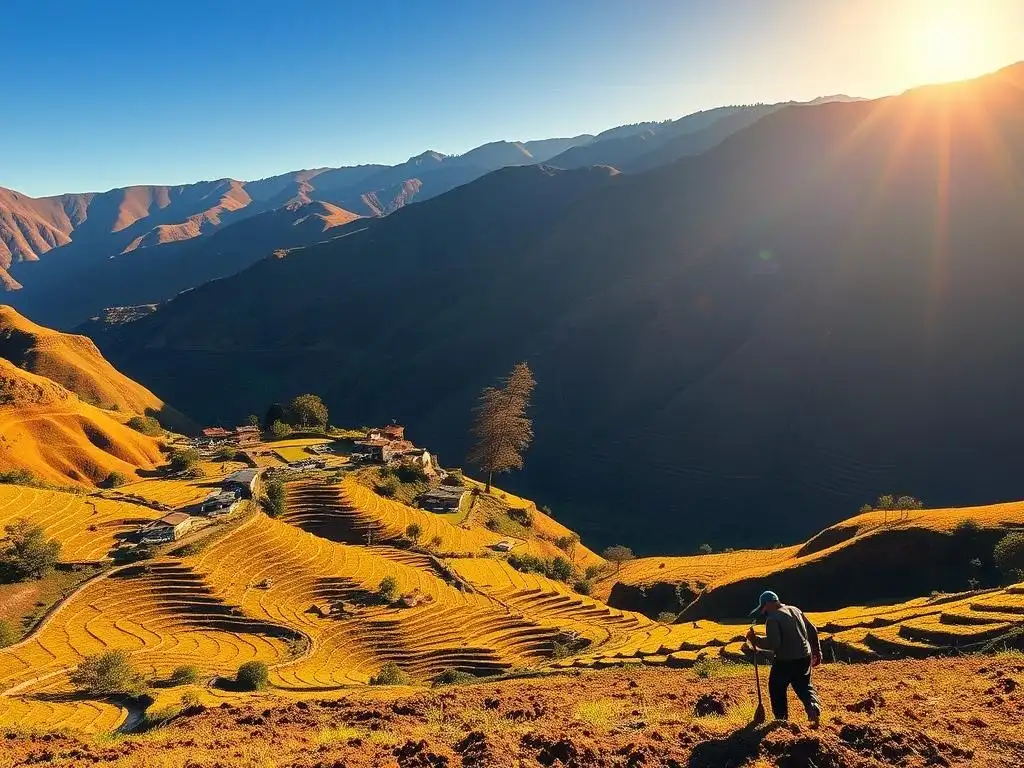
Unravel the mysteries of the Andes! For centuries, towering mountains seemed insurmountable, yet ingenious civilizations thrived amidst their peaks. Prepare to be amazed by the remarkable ingenuity of the ancient Andean cultures, particularly their mastery of Andean farming techniques. Discover how they transformed barren slopes into fertile terraces, conquering the challenges of altitude and water scarcity in "Terraces of Life: How Andean Farmers Conquered the Mountains with Water"—a journey into a world of breathtaking landscapes and unparalleled innovation.
The Andes Mountains, a formidable natural barrier stretching along the western coast of South America, presented an unparalleled challenge to early inhabitants. Steep slopes, unpredictable rainfall, and thin, rocky soils made traditional agriculture virtually impossible. Yet, thriving Andean civilizations, including the Incas, Moche, Nazca, and Tiahuanaco, not only survived but flourished, developing sophisticated agricultural techniques that harnessed the power of water and transformed the landscape.
This article explores the ingenious methods employed by Andean farmers, showcasing their remarkable adaptation to the harsh mountain environment and their mastery of water management, a testament to their ingenuity and resilience. We will delve into the specific challenges faced, the innovative solutions implemented, and the lasting legacy of these remarkable Andean farming techniques.
Understanding these methods provides valuable insight into the remarkable achievements of these ancient cultures and their ability to sustainably cultivate food in one of the world's most challenging environments. This exploration of their ingenuity will highlight the significance of water management in shaping Andean civilizations and their enduring impact on modern agricultural practices.
The Ingenuity of Andean Agriculture
Andean agricultural practices weren't simply about planting seeds; they represented a profound understanding of their environment and a remarkable ability to manipulate it to their advantage. The ingenuity of these techniques is evident in their complexity and effectiveness. Central to their success was the masterful control of water, a precious resource in the arid and semi-arid regions of the Andes. This wasn't achieved through brute force, but through a sophisticated network of interconnected systems, meticulously designed to capture, store, and distribute water where and when it was needed. These systems included:
- Terracing: The creation of stepped fields on slopes, reducing erosion, maximizing arable land, and improving water retention. These terraces were not haphazardly constructed; their orientation, size, and slope were carefully planned to optimize sunlight exposure and water distribution.
- Canals and Aqueducts: Extensive networks of canals and aqueducts channeled water from rivers and springs to distant fields, often across significant distances and elevations. These impressive feats of engineering demonstrate a deep understanding of hydraulic principles.
- Waru Waru: This unique agricultural system involved the construction of raised fields surrounded by canals. This technique improved drainage in wet areas, reduced frost damage, and created microclimates conducive to crop growth. The canals also served as reservoirs, providing a supplementary water source during dry periods.
- Andenes: These massive agricultural terraces are a striking example of Andean engineering prowess. Some andenes were incredibly extensive, stretching for kilometers along mountain slopes, creating a dramatic and productive landscape.
Understanding the Challenges of Mountain Farming in the Andes
Farming in the Andes presented numerous challenges. The high altitude resulted in shorter growing seasons, intense solar radiation, and frequent frost. Steep slopes increased the risk of erosion and made land cultivation difficult. Furthermore, rainfall was often unpredictable, with periods of drought interspersed with periods of intense rainfall.
The thin, rocky soils lacked nutrients, further complicating agricultural efforts. These combined factors demanded innovative solutions, pushing the limits of human ingenuity and fostering the development of sophisticated agricultural techniques. The sheer scale of the engineering projects undertaken – from the construction of extensive terrace systems to the creation of intricate irrigation networks – underscores the significance of these challenges and the determination of Andean farmers to overcome them. The success of these techniques was crucial for the survival and prosperity of Andean civilizations.
The Need for Innovative Agricultural Practices
The harsh environmental conditions in the Andes necessitated innovative agricultural practices. Simple farming techniques would have been inadequate to support large populations. The need for efficient water management, soil conservation, and frost protection drove the development of sophisticated irrigation systems, terracing, and other techniques.
The evolution of these methods reflects a deep understanding of the local ecology and a remarkable ability to adapt to the specific challenges of the Andean environment. The resulting agricultural systems were not only productive but also sustainable, allowing Andean civilizations to thrive for centuries. The legacy of these Andean farming techniques continues to inspire modern agricultural practices, offering valuable lessons in resource management and sustainable land use in challenging environments.
The ingenuity of these ancient farmers remains a testament to human adaptability and resilience. Further research into specific crop rotations, fertilization techniques, and livestock integration within these systems would provide a more complete picture of the complexity and effectiveness of Andean agriculture.
- The Ingenuity of Andean Agriculture
- Understanding the Challenges of Mountain Farming in the Andes
- The Need for Innovative Agricultural Practices
- What innovative farming techniques did Andean civilizations use to cultivate crops in mountainous terrain?
- How did terracing help Andean farmers overcome the challenges of mountainous agriculture?
- What role did water management play in Andean agricultural success?
- Which crops were commonly cultivated using these Andean farming techniques?
- How did the Andean farming techniques impact the development of Andean civilizations?
Andean Farming Techniques: A Legacy of Sustainable Agriculture
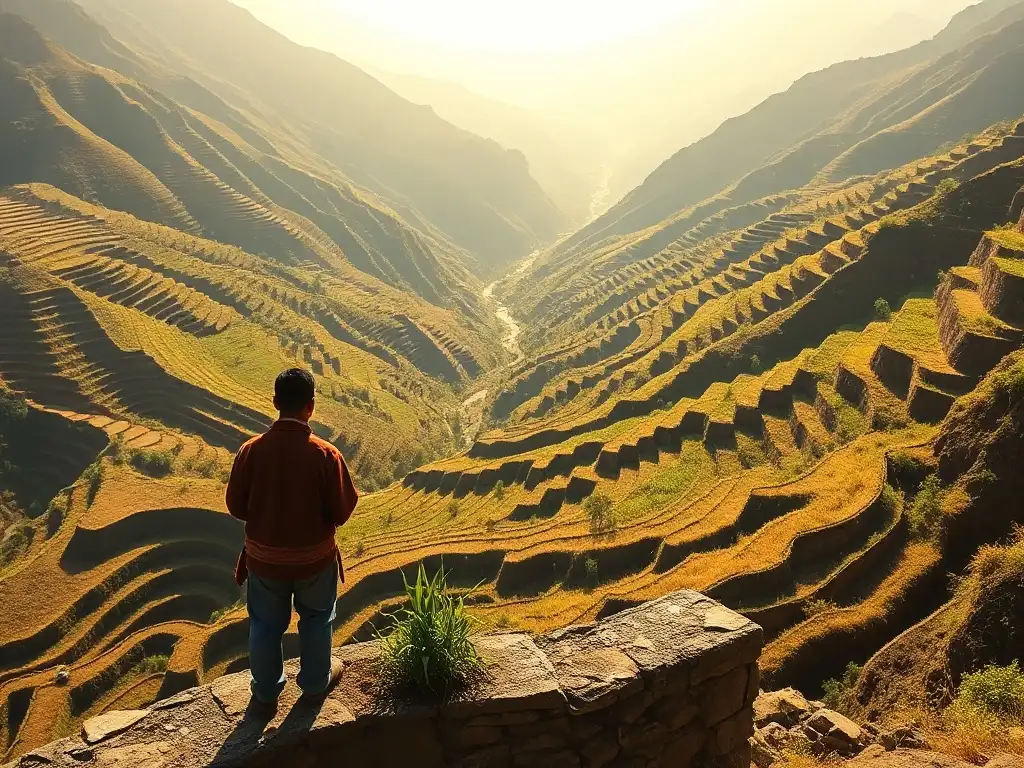
Andean farming techniques represent a remarkable feat of human ingenuity and adaptation to challenging environments. For centuries, Andean communities developed sophisticated methods to cultivate crops in the steep, arid slopes of the Andes Mountains. These techniques, honed over millennia, demonstrate a deep understanding of both the environment and the principles of sustainable agriculture. The success of Andean agriculture wasn't simply a matter of luck; it was a result of careful planning, innovative engineering, and a profound respect for the delicate balance of the ecosystem.
The ingenuity of these methods is evident in their enduring legacy, providing valuable lessons for modern sustainable agriculture practices. Understanding these techniques offers insights into the resilience and adaptability of Andean cultures, and their lasting impact on the landscape. The keyword "Andean farming techniques" encapsulates this rich history of innovation and resourcefulness.
The Development of Terraced Farming in the Andes
The development of terraced farming in the Andes was a gradual process, evolving over centuries in response to the specific challenges of the mountainous terrain. Early attempts likely involved simple, rudimentary methods of carving into hillsides. However, over time, these techniques became increasingly sophisticated. The construction of terraces involved significant labor, requiring careful planning and coordination within communities.
Evidence suggests that different Andean cultures independently developed similar techniques, demonstrating a shared understanding of the benefits of this approach. The precise timing of terrace construction varies depending on the region and culture, with some evidence dating back to pre-Inca times. The scale of some terrace systems is truly impressive, with vast networks covering entire mountainsides.
These terraces not only increased the amount of arable land but also helped to prevent soil erosion and regulate water flow, creating a more stable and productive agricultural system. The construction itself involved meticulous work, with terraces often built with stone walls to retain soil and create level platforms for planting. Variations in terrace design reflect the diverse environments and agricultural practices across the Andes.
Water Management in Andean Terraces
Water management was, and remains, crucial to the success of Andean terraced agriculture. The effectiveness of the terraces relies heavily on the ability to capture, store, and distribute water efficiently. Several ingenious methods were employed to achieve this. One key technique involved building intricate canal systems that channeled water from high-altitude sources down to the terraces.
These canals were often lined with stone to prevent water loss and erosion. Furthermore, the design of the terraces themselves facilitated water retention. The level platforms created by the terraces allowed for even water distribution, minimizing runoff and maximizing water absorption by the soil. Many systems incorporated reservoirs or storage ponds to collect excess water for use during dry periods.
This sophisticated water management allowed Andean farmers to cultivate a wide variety of crops, even in areas with limited rainfall. The effectiveness of this integrated approach is demonstrated by the long-term sustainability of Andean agriculture in challenging environments. The careful management of water resources illustrates a deep understanding of hydrological principles and a sustainable approach to water usage.
How Andean Terraces Utilize Gravity for Irrigation
A remarkable aspect of Andean terrace irrigation systems is their ingenious use of gravity. The carefully engineered slopes of the terraces, combined with the canal systems, allowed for a natural flow of water from higher elevations to lower ones. This minimized the need for manual irrigation, saving considerable labor and maximizing efficiency.
The gradient of the canals was precisely calculated to ensure a consistent and controlled flow of water to each terrace. This gravity-fed system also reduced water loss compared to other methods. The terraces themselves acted as natural reservoirs, slowing down the water flow and allowing for better absorption by the soil.
The integration of gravity into the irrigation system showcases a deep understanding of physics and engineering principles, demonstrating the advanced knowledge of Andean cultures. The use of gravity for irrigation is a testament to the resourcefulness and ingenuity of Andean farmers, allowing for the efficient cultivation of crops across challenging terrains. This system is a prime example of how a deep understanding of the environment can lead to sustainable and efficient agricultural practices.
The Engineering Marvel of Andean Irrigation Systems
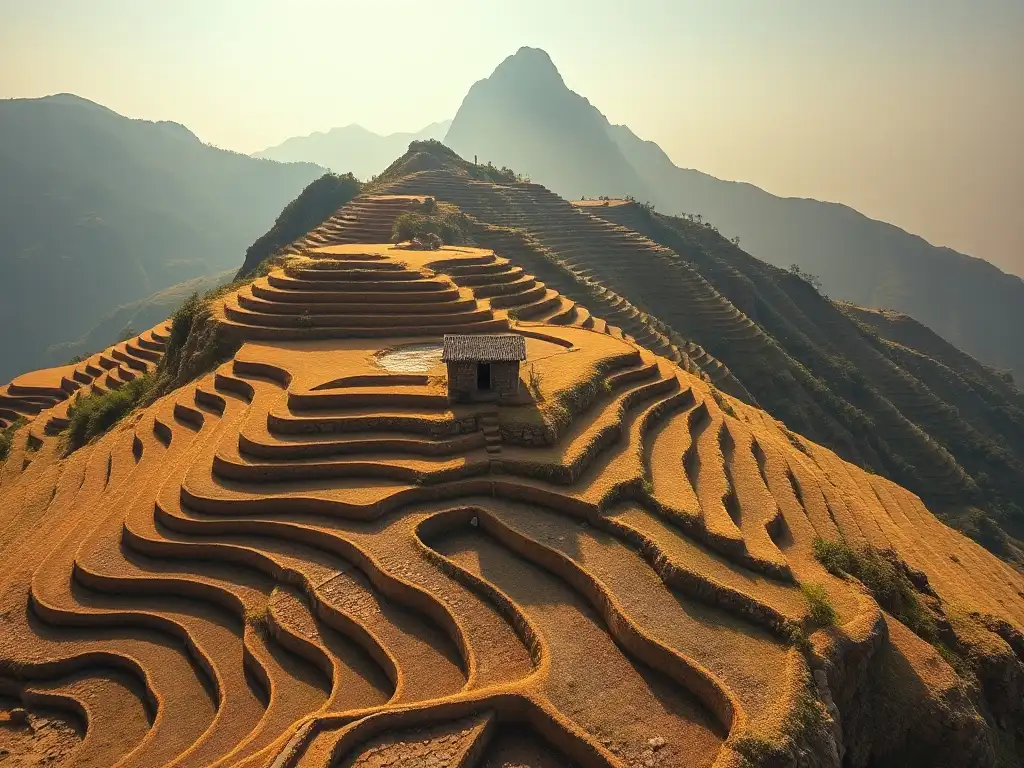
Andean farming techniques represent a remarkable feat of human ingenuity, particularly considering the challenging mountainous terrain. The ability to cultivate crops at high altitudes, often with limited rainfall, relied heavily on sophisticated irrigation systems. These weren't simply ditches; they were complex networks carefully designed to harness scarce water resources and maximize agricultural yields.
Understanding these systems is crucial to appreciating the advanced engineering and agricultural knowledge of ancient Andean societies. The success of Andean agriculture hinged on a deep understanding of hydrology, topography, and the unique properties of their environment. This section delves into the key elements of these impressive water management systems, exploring their construction, functionality, and lasting impact.
Diversion of Water Sources for Terraced Agriculture
The cornerstone of Andean irrigation was the strategic diversion of water sources. Rivers, springs, and even melted snow were channeled to serve the needs of terraced fields. This wasn't a haphazard process; careful observation and planning were essential. Farmers identified suitable water sources based on factors such as flow rate, water quality, and proximity to agricultural lands.
They then constructed channels—often using stone, earth, and other readily available materials—to guide the water across sometimes considerable distances. The ingenuity is evident in how they navigated steep slopes and uneven terrain, utilizing gravity to their advantage. For instance, the Inca utilized a system of aqueducts, some quite extensive, to transport water across valleys and mountains.
These aqueducts often incorporated ingenious features like siphons and pressure regulators to maintain a consistent water flow even over significant elevation changes. The precision and scale of these projects are truly astonishing, showcasing a deep understanding of hydraulics and engineering principles. Detailed analysis of surviving structures reveals a level of sophistication that surpassed many contemporary systems in other parts of the world.
Construction and Design of Andean Irrigation Channels
The construction of Andean irrigation channels was a community effort, often involving specialized labor and advanced knowledge of materials science. Channels were built to withstand the rigors of the Andean climate, including freezing temperatures, heavy rainfall, and potential erosion. Different materials were used depending on local availability and the specific needs of the project. Stone was a common choice, especially for sections that required greater durability or resistance to erosion. Earth and clay were also used extensively, often compacted and reinforced with other materials to improve their stability.
The design of the channels themselves was equally important. Gradients were carefully calculated to ensure a consistent flow of water without excessive speed, which could lead to erosion. The channels were often lined or paved to minimize water loss through seepage. Furthermore, structures like check dams and spillways were incorporated to control the flow of water and prevent damage to the channels themselves.
This attention to detail highlights the sophisticated understanding of hydraulic engineering possessed by Andean farmers. The longevity of many of these systems—some remnants of which still exist today—is a testament to their robust design and construction. Further research is needed to fully understand the techniques used in the construction of specific channels in different regions. [Specific information pending on the precise techniques employed in different regions and time periods].
The Waru Waru System of the Titicaca Basin
The Waru Waru system, prevalent in the Titicaca Basin, represents a particularly sophisticated example of Andean farming techniques. This system involves the creation of raised fields separated by canals filled with water. The raised fields provide excellent drainage, while the canals retain water and moderate temperature fluctuations. This system offers several advantages: improved soil fertility due to the retention of nutrients and moisture, enhanced crop yields, and frost protection.
The Waru Waru system is a testament to the ingenuity of Andean farmers in adapting their techniques to the specific challenges of the high-altitude environment. The construction of these raised fields, often involving the movement of significant amounts of earth, required considerable labor and coordination. The intricate network of canals, designed to efficiently distribute water and control water levels, is a remarkable feat of water management.
Analysis of pollen and other organic matter found in Waru Waru sites provides valuable insights into the crops cultivated and the overall productivity of this system. The continued relevance of the Waru Waru system as a sustainable agricultural practice is a testament to its enduring value and the wisdom of its creators. 🌱 The system demonstrates a deep understanding of ecological principles and a sustainable approach to agriculture, features that are increasingly relevant in today's world.
Key Components of Andean Terraces
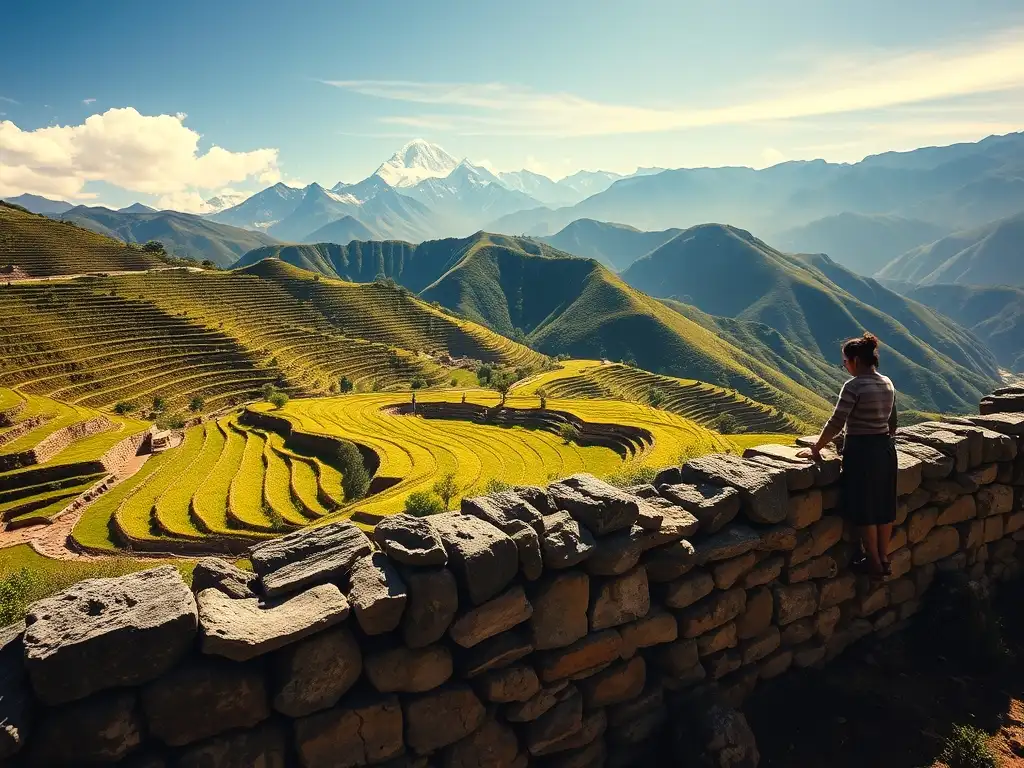
Andean farming techniques, particularly the construction and maintenance of agricultural terraces, represent a remarkable feat of engineering and adaptation to challenging mountainous terrain. The success of these systems hinged on several key components working in harmony, each crucial for maximizing yields in a harsh environment. Understanding these components provides insights into the ingenuity and resilience of Andean civilizations. This section will delve into the critical elements that made these terrace systems so effective.
The Importance of Soil Management
The success of Andean agriculture wasn't solely dependent on the physical structure of the terraces. Soil management played a vital role in ensuring crop yields. Andean farmers understood the importance of soil fertility and developed sophisticated techniques to maintain and enhance it. This included:
- Crop Rotation: Rotating different crops through the terraced fields helped prevent soil depletion and maintain nutrient levels. Legumes, for example, would have been strategically planted to fix nitrogen in the soil, benefiting subsequent crops.
- Manure and Compost: Animal manure and composted organic matter were essential components of soil enrichment. These provided vital nutrients and improved soil structure, enhancing water retention and drainage. The use of guano, bat and seabird droppings, was particularly valuable due to its high nutrient content. This practice shows a deep understanding of soil chemistry and nutrient cycling.
- Terracing itself as a Soil Management Tool: The very act of terracing improved soil management. The creation of level platforms reduced soil erosion significantly, preventing the loss of topsoil and precious nutrients. This careful management of the land was critical for long-term agricultural sustainability.
- Water Management Integration: The intricate relationship between water management and soil health was intrinsically linked. Controlled irrigation, a key element of Andean farming techniques, ensured that the soil remained optimally moist without becoming waterlogged, preventing nutrient leaching and promoting healthy root development. This delicate balance was crucial for sustained agricultural productivity.
The Role of Stone Walls in Terrace Stability
The stone walls that defined the terraces weren't merely aesthetic features; they were crucial for the entire system's structural integrity and long-term functionality. These walls performed several key functions:
- Erosion Control: The walls acted as barriers against erosion, preventing the valuable topsoil from being washed away by rainfall or runoff. This was especially important on steep slopes where erosion could quickly degrade the agricultural land. The careful construction of these walls minimized soil loss and ensured the long-term productivity of the terraces.
- Water Retention: The walls helped to create level platforms, allowing for effective water management. They also aided in water retention by slowing down the flow of irrigation water, allowing it to soak into the soil more effectively. This careful control of water flow was essential for maximizing crop yields.
- Soil Stabilization: The walls provided support for the soil, preventing landslides and ensuring the stability of the terraces. This was critical in mountainous regions prone to seismic activity and heavy rainfall. The construction techniques used, often utilizing dry-stone masonry, showcased a mastery of engineering principles adapted to the specific environmental conditions.
- Microclimate Modification: The walls also contributed to microclimate modification, providing shelter from strong winds and creating more favorable conditions for crop growth. The walls' ability to retain heat at night helped to protect crops from frost damage, extending the growing season and increasing productivity.
Potatoes, Quinoa, and Maize: Staple Crops of the Andes
The success of Andean farming techniques is inextricably linked to the cultivation of specific crops well-suited to the high-altitude environment and the unique challenges of terraced agriculture. Potatoes, quinoa, and maize formed the backbone of the Andean diet and played a crucial role in the sustenance of these civilizations.
- Potatoes (Solanum tuberosum): Remarkably adaptable to diverse altitudes and climates, potatoes thrived in the Andean terraces. Their high caloric value and nutritional richness provided essential energy for the population. The development of countless potato varieties, each adapted to specific microclimates within the terraces, demonstrates the intimate knowledge Andean farmers possessed of their crops and environment.
- Quinoa (Chenopodium quinoa): A highly nutritious pseudo-cereal, quinoa provided a valuable source of protein and essential amino acids. Its resilience to harsh conditions and adaptability to diverse altitudes made it a cornerstone of the Andean diet, complementing the potato's caloric contribution. Its cultivation further demonstrated the mastery of Andean farming techniques in challenging environments.
- Maize (Zea mays): While perhaps less prevalent at the highest altitudes, maize was still an important crop in lower-lying terraces. Its role as a source of carbohydrates and its use in various food preparations cemented its place in Andean agriculture. Its successful cultivation in the Andes highlights the versatility of Andean farming techniques and their ability to support a diverse range of crops. The integration of these three staple crops—potatoes, quinoa, and maize—demonstrates the sophisticated agricultural practices employed by Andean civilizations to ensure food security in a demanding environment. These crops, carefully cultivated using innovative farming techniques, underpinned the social and economic structures of these remarkable societies.
The Impact of Andean Farming on Andean Societies
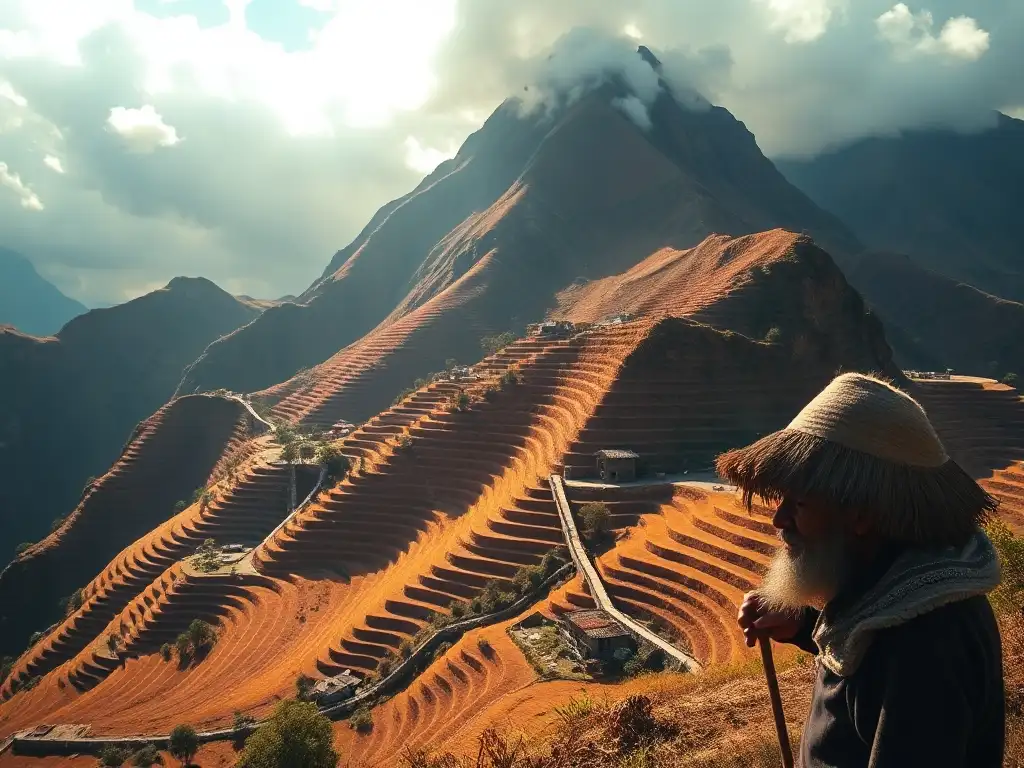
Andean farming techniques, particularly the ingenious systems of terraced agriculture and sophisticated water management, profoundly shaped the social fabric and trajectory of Andean societies. These weren't merely agricultural practices; they were the bedrock of their civilizations, influencing everything from population density and social stratification to political organization and cultural expression. The ability to cultivate the steep, challenging Andean slopes directly impacted the development and sustainability of these impressive cultures. Understanding these impacts provides crucial insights into the complexity and resilience of Andean life.
Food Security and Population Growth in the Andes
The success of Andean farming techniques directly correlated with food security and, consequently, population growth. Before the development of sophisticated irrigation and terracing, the Andes presented a formidable challenge to agriculture. Steep slopes, unpredictable rainfall, and thin, rocky soils limited arable land.
However, the innovative creation of terraces, often intricately carved into mountain sides, dramatically increased cultivable land area. This allowed for the cultivation of staple crops like potatoes, maize, quinoa, and beans on a scale previously unimaginable, ensuring a relatively stable food supply. This increased food production fueled significant population growth, enabling the development of larger, more complex societies.
For instance, the Inca Empire, renowned for its advanced agricultural practices, boasted a population estimated in the millions, a feat largely attributable to their mastery of Andean farming techniques. Analysis of archaeological sites consistently reveals a strong correlation between the density of terrace systems and population size in pre-Columbian Andean settlements. The availability of surplus food also allowed for specialization of labor, laying the groundwork for the development of sophisticated social structures and urban centers.
The Socio-Economic Implications of Terraced Farming
The construction and maintenance of terraced fields had profound socio-economic consequences. The creation of these agricultural marvels required immense collective effort, coordinating the labor of entire communities. Access to fertile land, controlled by the terrace system, became a critical determinant of social status and wealth. Elite groups often controlled the most productive terraces, enjoying a privileged access to resources.
This control over resources often translated into political power, further reinforcing social hierarchies. Furthermore, the surplus food generated by the efficient farming methods allowed for the development of specialized crafts and trades, fostering economic diversification within Andean societies. The intricate network of exchange and trade, facilitated by the increased agricultural output, contributed to the integration and stability of these complex societies. The economic success of these systems also fueled artistic and architectural achievements, as evidenced by the impressive monumental structures and intricate textiles found at various archaeological sites.
Community Labor and the Ayni System in Terrace Maintenance
The ongoing maintenance of the elaborate terrace systems relied heavily on community labor and reciprocal exchange systems, such as the ayni. Ayni, a Quechua term, describes a system of mutual assistance where individuals contribute their labor to a communal project, receiving reciprocal support in the future. This system was crucial for the long-term sustainability of the terraces.
Tasks like repairing damaged walls, clearing irrigation channels, and managing water flow required continuous effort. The ayni system ensured that these vital tasks were completed effectively, solidifying social bonds and fostering community cohesion. The success of the ayni system demonstrates the importance of social cooperation in managing the complex challenges of Andean agriculture.
The failure to maintain these systems could lead to devastating consequences, such as soil erosion and crop failure, highlighting the critical role of communal effort in ensuring the prosperity of Andean communities. Records and anthropological studies consistently highlight the central role of ayni in the long-term success of Andean farming practices, demonstrating the deep connection between social organization and agricultural productivity. The system wasn't simply about labor; it was a cornerstone of Andean social and cultural identity.
The Enduring Legacy of Andean Farming Techniques
Andean farming techniques represent a remarkable feat of human ingenuity and adaptation to challenging environments. For centuries, Andean communities developed sophisticated methods to cultivate crops in the steep slopes and arid climates of the Andes Mountains. These techniques, honed over millennia, weren't just about survival; they were integral to the complex social and political structures of Andean civilizations. The ingenuity displayed in water management, terracing, and crop diversification continues to inspire modern agricultural practices and offers valuable lessons in sustainability.
Understanding these techniques provides insight into the remarkable resilience and innovative spirit of Andean peoples. Their success in harnessing scarce resources laid the foundation for thriving societies and continues to inform contemporary approaches to agriculture in challenging terrains. The legacy of Andean farming extends far beyond the historical context, offering valuable insights for sustainable agriculture in the 21st century.
Modern Relevance of Andean Agricultural Practices
The principles behind Andean agricultural practices are experiencing a resurgence in modern agriculture, particularly in the face of climate change and growing concerns about food security. Many of the techniques employed, such as terracing and water harvesting, are proving highly effective in mitigating the impact of drought and soil erosion. For instance, the intricate systems of andenes (terraces) not only increased arable land but also reduced soil runoff, preventing nutrient loss and preserving soil fertility.
This is especially relevant today, as sustainable soil management is crucial for long-term agricultural productivity. Furthermore, the Andean focus on crop diversification, intercropping, and the selection of drought-resistant varieties offers valuable lessons for developing climate-resilient agricultural systems. Modern agricultural research is increasingly drawing on traditional Andean knowledge to develop more sustainable and environmentally friendly farming methods.
The integration of ancient wisdom with modern technology holds immense potential for improving agricultural practices globally. This is evidenced by the increasing interest from researchers and organizations in replicating and adapting Andean techniques in different contexts.
Sustainable Farming Lessons from the Andes
Andean farming techniques offer a wealth of knowledge regarding sustainable agriculture. The emphasis on water conservation, for example, is particularly relevant in regions facing water scarcity. The ingenious systems of canals, aqueducts, and reservoirs enabled efficient irrigation, minimizing water waste and maximizing crop yields.
This contrasts sharply with many modern agricultural practices that rely on intensive irrigation, often leading to water depletion and environmental damage. Moreover, the Andean practice of waru waru agriculture, which involves creating raised beds surrounded by water channels, offers a powerful example of sustainable water management and increased crop production. This method not only conserves water but also improves soil fertility and provides a microclimate that protects crops from frost.
The integration of livestock into the agricultural system, a common Andean practice, also contributed to a more resilient and sustainable ecosystem. Manure provided natural fertilizer, while animals helped with land preparation and pest control. These integrated systems demonstrate a holistic approach to agriculture, minimizing reliance on external inputs and promoting biodiversity.
Preserving Andean Agricultural Heritage
Preserving Andean agricultural heritage is crucial not only for understanding the past but also for ensuring food security and environmental sustainability in the future. This requires a multi-faceted approach that involves documenting traditional practices, supporting local communities, and integrating traditional knowledge into modern agricultural research. The loss of traditional farming practices poses a significant threat to biodiversity and cultural heritage.
Efforts to preserve this knowledge should focus on collaborating with indigenous communities, ensuring that their intellectual property rights are respected and that they benefit from the preservation of their cultural heritage. This involves investing in research and education programs that document and disseminate traditional Andean farming techniques, as well as supporting the development of sustainable agricultural practices that build upon this rich legacy. Additionally, promoting ecotourism that highlights Andean agricultural heritage can help generate income for local communities and incentivize the continuation of these invaluable traditions.
The preservation of Andean agricultural heritage is not simply a matter of historical interest; it is essential for building a more sustainable and resilient future. The unique knowledge and practices developed by Andean farmers over centuries offer invaluable lessons for addressing the challenges of modern agriculture.
Frequently Asked Questions
What innovative farming techniques did Andean civilizations use to cultivate crops in mountainous terrain?
Andean civilizations developed ingenious techniques like terracing, which created flat areas on slopes for farming. They also built complex irrigation systems to channel water to their fields, maximizing water use in arid regions. These methods allowed them to cultivate diverse crops successfully.
How did terracing help Andean farmers overcome the challenges of mountainous agriculture?
Terracing dramatically increased cultivable land by transforming steep slopes into manageable plots. It also reduced soil erosion and improved water retention, leading to higher crop yields. Gravity-fed irrigation systems further enhanced the effectiveness of terraced fields.
What role did water management play in Andean agricultural success?
Water management was crucial. Andean farmers constructed canals, aqueducts, and reservoirs to transport water from rivers and springs to their fields. This ensured a reliable water supply even during dry seasons, essential for successful cultivation.
Which crops were commonly cultivated using these Andean farming techniques?
Andean farmers cultivated a variety of crops, including potatoes, maize (corn), quinoa, beans, and squash. The specific crops varied depending on altitude and climate, showcasing the adaptability of their farming systems.
How did the Andean farming techniques impact the development of Andean civilizations?
The success of these techniques led to stable food supplies, supporting population growth and the development of complex societies. The surplus of food also allowed for specialization of labor and the rise of sophisticated urban centers.
Final Reflection: The Enduring Legacy of Andean Water Wisdom
The ingenious water management systems developed by Andean farmers remain a powerful testament to human ingenuity and a crucial model for sustainable agriculture in a world grappling with climate change. Their innovative terraces, canals, and reservoirs, far from being relics of the past, offer vital lessons for addressing contemporary challenges of food security and environmental stewardship.
The enduring impact of these techniques extends far beyond the Andes, influencing agricultural practices globally and inspiring innovative solutions to water scarcity. Their ability to cultivate diverse crops on steep, seemingly inhospitable terrain underscores the power of human adaptation and resilience. The mountains are not just a barrier, but a teacher,
a Quechua farmer once told me, and this wisdom resonates deeply with the challenges we face today in creating sustainable food systems. The ingenuity of these ancient practices continues to inspire modern agricultural research and development, reminding us that traditional knowledge holds invaluable insights for the future.
Consider the ingenuity of these ancient farmers, their deep understanding of their environment, and the enduring legacy they have left behind. You too can cultivate a deeper appreciation for sustainable practices, whether through supporting local farmers, exploring sustainable agriculture techniques in your own community, or simply reflecting on the profound connection between humanity and the natural world. Let the terraces of the Andes serve as a powerful reminder of our capacity for innovation and our responsibility to protect the planet for generations to come.
Unleash Your Inner Farmer: Transform Your Perspective on Nature!
Thank you for exploring the fascinating world of Andean terrace farming! You've gained valuable insights into sustainable practices and water conservation in challenging environments. Let's apply this knowledge to make a positive impact on our own lives.
Here are some engaging steps you can take:
- Create a Home Garden: Start a small terrace garden or vertical planting system to maximize space and resources. Every plant contributes!
- Share Your Knowledge: Discuss what you've learned with friends, family, or online to raise awareness about sustainable farming and water conservation.
- Get Involved Locally: Volunteer with or support local environmental groups focused on sustainable agriculture. You might discover new skills and build connections within your community.
Which of these actions will you take to cultivate a deeper connection with nature and inspire others?