
The Heart of the Andes: Protecting Sacred Sites and Pilgrimage Routes

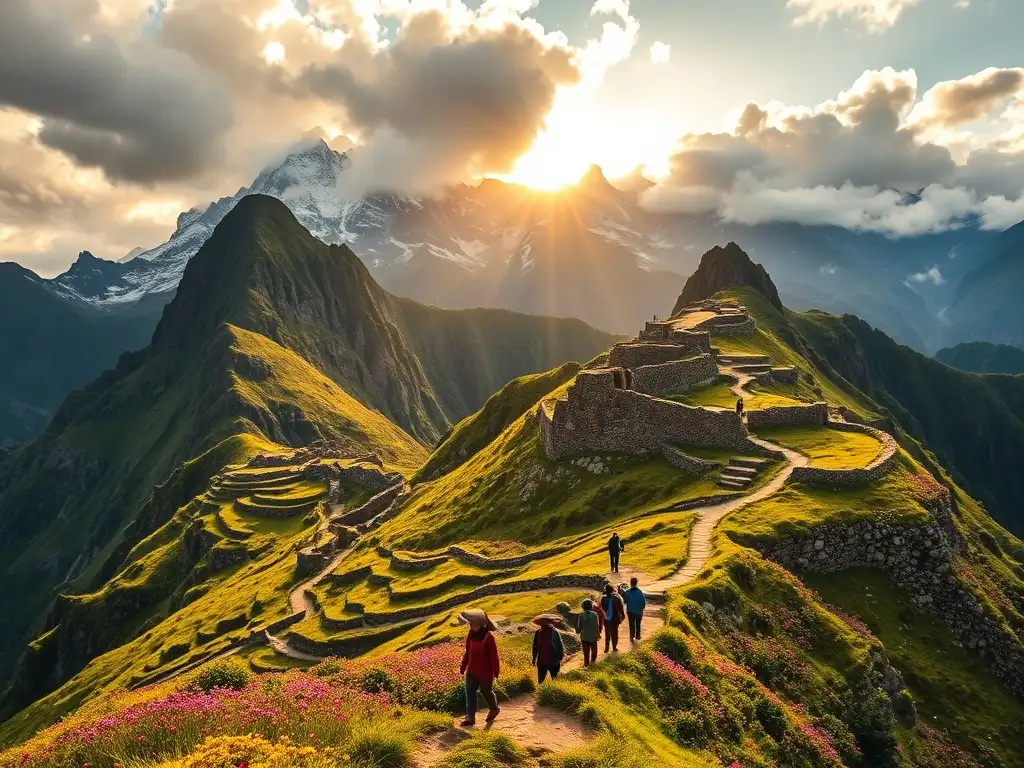
Step into a world lost to time, yet echoing with power and mystery. Imagine the breathtaking landscapes of the Andes, once home to flourishing civilizations that left behind an unparalleled legacy. But what secrets do their sacred sites still hold? This journey into the heart of the Andes focuses on Andean sacred sites preservation, a crucial undertaking to protect the fragile remnants of an extraordinary past. Uncover the challenges and triumphs in safeguarding these pilgrimage routes and discover the enduring spirit of the Incas, Moche, Nazca, and Tiahuanaco. Explore the captivating story…
The Andes Mountains, a majestic spine running down the western edge of South America, are not merely a geographical feature; they are the very heart of a rich tapestry of ancient civilizations. For millennia, these towering peaks, fertile valleys, and breathtaking landscapes have served as sacred spaces for numerous Andean cultures, from the Inca to the pre-Inca societies like the Moche, Nazca, and Tiahuanaco. This article delves into the crucial efforts underway to protect these invaluable Andean sacred sites and the pilgrimage routes that have connected communities for generations.
The preservation of these sites is not just about safeguarding physical structures; it's about preserving cultural heritage, spiritual practices, and the enduring connection between Andean peoples and their ancestral lands. Understanding the challenges and successes in Andean sacred sites preservation is vital to ensuring the legacy of these remarkable civilizations continues to thrive.
The delicate balance between preserving these sites for future generations and allowing for respectful access and cultural practices is a complex one, demanding careful consideration and collaborative strategies. We will explore the significance of these sites, the importance of pilgrimage, and the ongoing initiatives dedicated to their protection.
Understanding the Significance of Andean Sacred Sites
Andean sacred sites are far more than just archaeological ruins; they are living repositories of cultural memory and spiritual power. These sites, often located in geographically significant locations like mountain peaks ( apus ), caves, and springs, hold deep symbolic meaning for Andean communities. For instance, Machu Picchu, while famously Inca, is built upon earlier foundations, suggesting a continuous spiritual connection to the land spanning centuries.
Many sites were associated with specific deities or cosmological beliefs, reflecting the complex religious systems of these societies. The intricate stonework, astronomical alignments, and elaborate ceremonial structures found at these sites offer invaluable insights into the worldview, social organization, and technological advancements of the Andean civilizations.
The preservation of these sites requires not only archaeological expertise but also a deep understanding of their ongoing cultural significance to contemporary Andean communities. These sites are not simply objects of study; they are actively used and revered by present-day communities, highlighting the enduring connection between past and present.
| Site | Civilization | Significance | Preservation Challenges |
|---|---|---|---|
| Machu Picchu | Inca | Royal estate, religious center | Tourism impact, erosion, infrastructure development |
| Sacsayhuamán | Inca | Fortress, ceremonial center | Vandalism, looting, environmental degradation |
| Nazca Lines | Nazca | Geoglyphs of unknown purpose | Environmental factors, tourism impact, human encroachment |
| Tiwanaku | Tiahuanaco | Ceremonial center, religious capital | Climate change, erosion, looting |
| Chavín de Huántar | Chavín | Ceremonial center, significant religious influence | Tourism management, looting, environmental factors |
The Importance of Pilgrimage in Andean Culture
Pilgrimage plays a central role in Andean spirituality and cultural identity. For centuries, people have undertaken arduous journeys to sacred sites, often carrying offerings and participating in ceremonies to honor their ancestors and deities. These pilgrimages are not simply religious acts; they are also powerful social events, strengthening community bonds and reaffirming cultural heritage. The routes themselves, often traversing challenging terrain and incorporating significant landmarks, are considered sacred spaces in their own right.
The preservation of pilgrimage routes is therefore crucial for maintaining the continuity of Andean cultural practices and fostering a sense of shared identity. Many of these routes are threatened by infrastructure development, environmental degradation, and the impacts of tourism. Protecting these routes requires a multifaceted approach, balancing the needs of local communities with the demands of sustainable tourism.
The preservation of these pilgrimage traditions ensures that the spiritual and cultural heart of the Andes continues to beat strong. The continuity of these traditions represents a vital thread in the rich cultural tapestry of the Andean region. Protecting these routes is not just about preserving paths; it's about preserving a living culture.
Threats to Andean Sacred Sites and Pilgrimage Routes
The preservation of Andean sacred sites faces numerous complex challenges, demanding a multi-faceted approach to conservation. These threats are interconnected and often exacerbate one another, highlighting the urgency of effective and collaborative solutions for Andean sacred sites preservation. The delicate balance of these ancient landscapes is increasingly under pressure from a variety of sources, demanding immediate and sustained attention. Understanding these threats is the first step towards implementing successful preservation strategies.
Environmental Degradation and its Impact
Environmental degradation poses a significant threat to the integrity of Andean sacred sites. Climate change, manifested through glacial melt, altered precipitation patterns, and increased frequency of extreme weather events, directly impacts the physical landscape and cultural heritage. For example, the melting glaciers in the Cordillera Blanca are not only affecting water resources for local communities but also damaging ancient agricultural terraces and pathways, integral parts of the cultural landscape.
Soil erosion, exacerbated by deforestation and unsustainable agricultural practices, further contributes to the deterioration of these sites. The loss of biodiversity, a consequence of habitat destruction and invasive species, also diminishes the ecological and cultural significance of these areas. The impact extends beyond the physical; the disruption of ecological balance can affect spiritual practices and traditional beliefs associated with these sacred locations.
The Effects of Uncontrolled Tourism
Uncontrolled tourism, while potentially beneficial for local economies, can significantly damage Andean sacred sites. The increased foot traffic leads to erosion of trails, damage to archaeological features, and the disturbance of fragile ecosystems. Littering and the introduction of invasive species are also significant concerns. Furthermore, the lack of respect for sacred traditions and cultural sensitivities can deeply offend local communities and disrupt spiritual practices. For instance, inappropriate photography or the removal of artifacts can desecrate sites held sacred for centuries. Effective management of tourism is crucial, balancing economic benefits with the protection of cultural and natural heritage.
Mining and Resource Extraction Challenges
Mining and other resource extraction activities represent a major threat to Andean sacred sites. The construction of mines, roads, and other infrastructure can cause irreversible damage to archaeological sites and disrupt traditional land use patterns. Pollution from mining operations, including water and air pollution, can contaminate sacred landscapes and harm both human and ecological health.
The extraction of resources often disrupts the spiritual connection between communities and their ancestral lands. For example, the development of mining projects near Machu Picchu has raised significant concerns about the potential impact on the surrounding environment and the integrity of the Inca citadel. Balancing economic development with environmental protection and respect for cultural heritage presents a considerable challenge.
Conservation Strategies for Andean Sacred Sites
Addressing the threats to Andean sacred sites requires a comprehensive and collaborative approach that integrates various conservation strategies. A holistic strategy must incorporate the perspectives of local communities, government agencies, and international organizations to ensure long-term effectiveness. The success of preservation efforts hinges on the active participation of all stakeholders.
Community-Based Conservation Initiatives
Community-based conservation initiatives are crucial for the long-term protection of Andean sacred sites. By involving local communities in the planning and implementation of conservation projects, initiatives can ensure that preservation efforts are culturally sensitive and economically sustainable. This approach empowers local communities to become active stewards of their heritage, fostering a sense of ownership and responsibility. Successful examples include projects where communities manage tourism, monitor environmental conditions, and participate in archaeological research. These initiatives not only protect sacred sites but also strengthen cultural identity and promote sustainable development.
The Role of Indigenous Knowledge in Preservation
Indigenous knowledge plays a vital role in the preservation of Andean sacred sites. For centuries, indigenous communities have developed sophisticated systems of resource management and ecological stewardship that are deeply intertwined with their spiritual beliefs. Integrating indigenous knowledge into conservation planning can provide valuable insights into the ecological and cultural significance of these sites. Traditional practices, such as sustainable agricultural techniques and rituals related to environmental protection, can be incorporated into modern conservation strategies. Recognizing and respecting indigenous rights and knowledge is essential for successful and ethical preservation efforts.
Implementing Sustainable Tourism Practices
Implementing sustainable tourism practices is vital for minimizing the negative impacts of tourism on Andean sacred sites. This involves carefully managing visitor numbers, developing well-maintained trails, providing educational programs for tourists, and promoting responsible behavior. Sustainable tourism initiatives can generate economic benefits for local communities while protecting the environment and cultural heritage. For instance, the implementation of carrying capacity limits, the development of eco-lodges, and the promotion of cultural tourism can balance economic needs with environmental protection. This approach requires careful planning and collaboration among various stakeholders to ensure long-term sustainability and minimize the negative impacts of tourism.
Protecting Andean Pilgrimage Routes
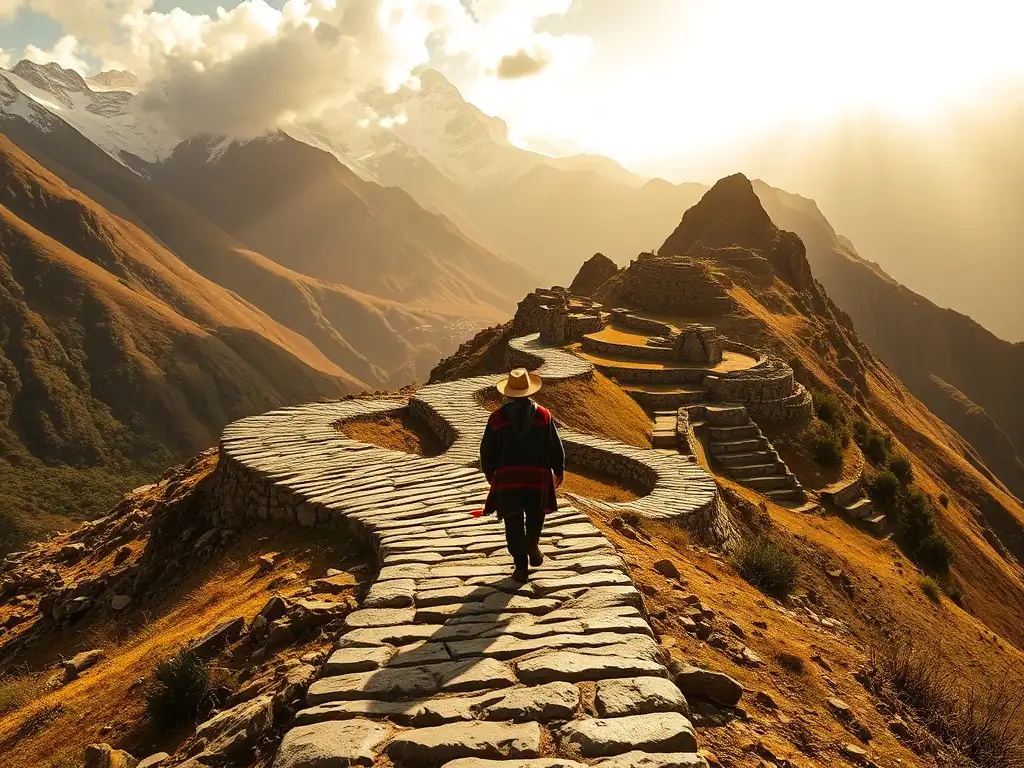
Andean pilgrimage routes, often ancient pathways dating back centuries, represent a crucial aspect of the region's cultural heritage. These routes, frequently traversing challenging terrains, are not merely paths; they are living testaments to the spiritual beliefs and practices of Andean communities. Protecting these routes requires a multi-faceted approach, balancing the needs of preservation with the continued use by pilgrims and tourists.
The degradation of these pathways, caused by erosion, neglect, and unsustainable tourism practices, poses a significant threat to their long-term survival. Therefore, concerted efforts are necessary to ensure their continued existence for future generations. The preservation of these pilgrimage routes is not only crucial for cultural heritage but also contributes to the sustainable tourism development of the Andean region.
This involves careful planning, community engagement, and the implementation of responsible tourism practices. Ignoring these routes' preservation risks losing invaluable historical and cultural knowledge, impacting the livelihoods of communities dependent on pilgrimage-related tourism, and eroding the spiritual significance of these sites.
Mapping and Documenting Ancient Pathways
Accurate mapping and documentation are fundamental first steps in protecting Andean pilgrimage routes. This involves not just the precise charting of the physical path but also the recording of associated cultural and historical elements. Researchers employ Geographic Information Systems (GIS) technology to create detailed maps, incorporating data on elevation, terrain, and the location of significant landmarks along the routes.
Furthermore, oral histories, archaeological findings, and ethnographic studies are crucial in understanding the significance of specific locations along the pathways. This meticulous process helps identify areas vulnerable to erosion or damage, informing future conservation strategies. For example, detailed mapping of the Inca Trail to Machu Picchu has allowed for the implementation of effective trail maintenance and visitor management plans, limiting the impact of increased tourism.
Without such precise documentation, effective preservation efforts would be significantly hampered. The ongoing documentation and updating of these maps are essential to ensure their continued relevance and effectiveness.
Restoring and Maintaining Pilgrimage Trails
The restoration and maintenance of Andean pilgrimage trails necessitate a careful balance between preserving their historical integrity and ensuring their safe and accessible use. This often involves employing traditional building techniques and locally sourced materials to minimize environmental impact and maintain authenticity. Regular trail clearing, erosion control measures, and the stabilization of vulnerable sections are crucial aspects of this ongoing process. Communities living along these routes often play a central role in their maintenance, possessing invaluable traditional knowledge of appropriate techniques and materials.
This participatory approach not only ensures effective restoration but also fosters a sense of ownership and responsibility within the local communities. For instance, in many communities, regular "mingas," community work days, are organized to maintain sections of the ancient paths. The lack of consistent maintenance, however, can quickly lead to the deterioration of these trails, rendering them unsafe and inaccessible.
Balancing Access and Preservation
A major challenge in protecting Andean pilgrimage routes is balancing the needs of preservation with ensuring responsible access for pilgrims and tourists. Over-tourism can lead to significant environmental degradation and cultural commodification. Implementing sustainable tourism practices, such as limiting visitor numbers, establishing designated trails, and educating tourists about responsible behavior, is crucial. This requires collaboration between government agencies, local communities, and tourism operators.
The development of alternative, less impactful routes, and the promotion of low-impact tourism activities can help distribute the pressure on the most sensitive areas. Finding this delicate balance is essential for ensuring the long-term sustainability of these pilgrimage routes and the preservation of their cultural significance. Failure to manage access appropriately risks irreparable damage to these fragile ecosystems and the cultural heritage they represent.
Case Studies in Andean Sacred Site Preservation
Several successful initiatives demonstrate the effectiveness of collaborative and community-based approaches to the preservation of Andean sacred sites. These projects highlight the importance of considering the cultural and spiritual significance of these sites alongside their ecological value, ensuring that preservation efforts are culturally sensitive and sustainable. The successful implementation of these projects serves as a model for future conservation efforts in the Andean region. The lessons learned from these case studies are invaluable in informing future strategies and policies for the protection of Andean sacred sites.
The Qhapaq Ñan Project: A Multi-National Effort
The Qhapaq Ñan, the vast Inca road system, is a remarkable example of a successful multi-national effort in Andean sacred site preservation. Spanning six countries (Argentina, Bolivia, Chile, Colombia, Ecuador, and Peru), this collaborative project involves extensive archaeological research, mapping, and restoration work. The project not only focuses on preserving the physical infrastructure of the road system but also aims to revitalize its cultural and historical significance.
This international collaboration highlights the importance of shared responsibility in protecting transboundary cultural heritage. The Qhapaq Ñan project serves as a model for collaborative efforts in the preservation of shared cultural heritage, emphasizing the importance of international cooperation and community engagement.
The Ausangate Trek: Community-Led Conservation
The Ausangate trek in Peru showcases the effectiveness of community-led conservation initiatives. Local communities actively participate in managing tourism, ensuring that the influx of visitors does not negatively impact the sacred mountain and its surrounding environment. This approach empowers local communities, allowing them to benefit economically from tourism while preserving their cultural heritage. The Ausangate trek exemplifies how sustainable tourism can be harnessed to support both economic development and environmental protection. This model demonstrates that community participation is not only essential for effective conservation but also contributes to the economic well-being of local communities.
The Future of Andean Sacred Sites and Pilgrimage Routes
The future of Andean sacred sites and pilgrimage routes hinges on a multifaceted approach encompassing preservation, sustainable tourism, and community engagement. The delicate balance between protecting these invaluable cultural and historical assets and allowing for responsible access requires careful planning and consistent monitoring. Successful preservation strategies must consider the impact of climate change, which poses significant threats to the integrity of these sites through increased erosion, glacial melt, and extreme weather events.
For example, the rising temperatures in the high Andes are already affecting the delicate ecosystem surrounding Machu Picchu, leading to increased risks of landslides and damage to ancient structures. Effective mitigation strategies are crucial, including improved drainage systems, preventative structural reinforcement, and the implementation of early warning systems for extreme weather events.
Furthermore, the increasing popularity of these sites as tourist destinations necessitates a sustainable tourism model that minimizes environmental damage and respects local communities. This involves implementing strict regulations on visitor numbers, promoting responsible tourism practices, and ensuring that the economic benefits of tourism are equitably distributed amongst local populations. Overtourism can lead to irreversible damage to fragile ecosystems and historical structures, diminishing the very essence of the sites themselves.
Careful management of waste disposal, infrastructure development, and visitor flow is paramount. The successful model of sustainable tourism at Angkor Wat in Cambodia offers a valuable case study for Andean nations to emulate, highlighting the importance of long-term planning and community involvement. Ignoring these principles risks jeopardizing the very sites we are striving to protect.
The Importance of International Cooperation
Preserving Andean sacred sites requires a collaborative effort that transcends national borders. International cooperation is crucial for sharing best practices, funding preservation projects, and implementing effective monitoring systems. Organizations such as UNESCO play a vital role in facilitating this cooperation, providing technical assistance, and raising awareness about the importance of these sites on a global scale. Joint research initiatives between Andean nations and international experts can lead to the development of innovative preservation techniques and a better understanding of the challenges faced.
For instance, a collaborative project involving archaeologists from Peru, Bolivia, and international institutions could lead to breakthroughs in understanding the impact of climate change on specific sites and developing tailored mitigation strategies. This collaborative approach ensures a more comprehensive and effective preservation strategy, leveraging the expertise and resources of multiple stakeholders. International funding mechanisms are also essential, providing the necessary financial resources to support long-term preservation efforts.
Educating Future Generations on Cultural Heritage
Educating future generations about the importance of Andean sacred sites and pilgrimage routes is paramount for ensuring their long-term preservation. Educational programs should be implemented at all levels, from primary schools to universities, to foster a deep understanding and appreciation of Andean cultural heritage.
These programs should emphasize not only the historical significance of these sites but also their ongoing spiritual and cultural relevance to local communities. Interactive museum exhibits, immersive virtual reality experiences, and community-based educational initiatives can all play a crucial role in engaging young people and fostering a sense of responsibility towards the protection of these sites.
For example, a school program in Cusco could involve students in hands-on restoration projects, providing them with practical experience in preservation techniques while promoting a sense of ownership and pride in their cultural heritage. By instilling a deep appreciation for Andean culture from a young age, we can ensure that future generations will actively participate in the preservation of these invaluable sites.
Fostering a Deeper Respect for Andean Traditions
Preserving Andean sacred sites is inextricably linked to respecting and upholding the living traditions and spiritual practices of Andean communities. These sites are not merely historical relics; they are integral parts of ongoing cultural and spiritual life. Therefore, any preservation effort must prioritize the voices and perspectives of indigenous communities, ensuring that their traditional knowledge and practices are respected and incorporated into preservation strategies.
This means actively involving local communities in decision-making processes, supporting traditional practices that contribute to the preservation of the sites, and ensuring that the benefits of any tourism initiatives flow back to the communities themselves. For example, involving Quechua communities in the management of a sacred mountain could lead to the development of sustainable tourism practices that respect traditional beliefs and customs while generating economic opportunities for the community.
Ignoring the spiritual and cultural significance of these sites would not only be disrespectful but would also undermine the very fabric of Andean identity and cultural continuity. A truly successful preservation strategy must be grounded in respect for the living cultures that these sites represent.
- Understanding the Significance of Andean Sacred Sites
- The Importance of Pilgrimage in Andean Culture
- Threats to Andean Sacred Sites and Pilgrimage Routes
- Conservation Strategies for Andean Sacred Sites
- Protecting Andean Pilgrimage Routes
- Case Studies in Andean Sacred Site Preservation
- The Future of Andean Sacred Sites and Pilgrimage Routes
Frequently Asked Questions
What is the significance of Andean sacred sites?
Andean sacred sites hold immense spiritual and cultural importance for indigenous communities. They are often linked to ancestral beliefs, rituals, and ceremonies, passed down through generations. Their preservation is vital for maintaining cultural identity.
Why is the preservation of Andean sacred sites crucial?
Preservation efforts are crucial to safeguarding invaluable archaeological heritage and supporting the living cultures that still utilize these sites. Loss of these sites would represent an irreplaceable loss of history and cultural identity.
What threats do Andean sacred sites face?
Andean sacred sites face threats from tourism, climate change, urban development, and looting. These factors can damage physical structures, disrupt sacred practices, and erase historical information.
Pilgrimage routes are intrinsically linked to sacred sites, often leading to them and passing through significant areas. Protecting these routes is essential for preserving the cultural landscape and ensuring continued access to these important locations for indigenous communities.
What role can tourists play in Andean sacred sites preservation?
Tourists can contribute to preservation by respecting local customs, supporting sustainable tourism initiatives, and avoiding actions that could damage sites or disrupt sacred practices. Responsible tourism is key to ensuring the longevity of these important locations.
Final Reflection: Weaving a Future for the Andes' Sacred Heart
The preservation of Andean sacred sites is not merely an archaeological endeavor; it is a vital act of cultural survival, a testament to the enduring power of ancestral wisdom in a rapidly changing world. The interconnectedness of these sites, forming pilgrimage routes that have sustained spiritual and cultural practices for millennia, is increasingly threatened by climate change, unsustainable tourism, and the encroachment of modern development. Ignoring this threat risks the irreversible loss of invaluable heritage and the erosion of indigenous identities.
The impact of these threats extends far beyond the physical landscape. The spiritual significance of these sites, deeply woven into the fabric of Andean communities, is profoundly affected by their degradation. The mountains are not just mountains, they are the living body of our ancestors.
This sentiment, echoing across generations, underscores the profound connection between the Andean people and their sacred spaces. The ongoing struggle to protect these sites is a fight for the preservation of a living culture, a fight for the very soul of the Andes.
Consider the legacy you wish to leave. Will you be a passive observer of the erosion of this invaluable heritage, or will you actively participate in its preservation? You have the power to make a difference. Support organizations dedicated to the protection of Andean sacred sites, advocate for sustainable tourism practices, and educate yourself and others about the importance of these irreplaceable cultural treasures. Let us collectively weave a future where the heart of the Andes continues to beat strong, its sacred rhythm echoing through generations to come.
**Embrace the Sacred: Take Action for the Heart of the Andes! **
Thank you for learning about the vital importance of protecting the sacred sites and pilgrimage routes of the Andes. Your interest demonstrates a deep commitment to preserving this invaluable cultural heritage. Now is the time to translate that interest into meaningful action.
Here’s how you can help:
- **Join a local conservation organization** dedicated to protecting Andean heritage sites and participate in their initiatives and cleanup efforts.
- **Share your passion** on social media! Use the hashtag #SaveTheAndes to inspire your friends and family to learn more about these unique and vibrant cultures.
- **Plan a responsible trip** to an Andean sacred site. Engage respectfully with local communities, gaining firsthand insight into their traditions and directly supporting their economies and sustainable practices.
What actions will you take today to help ensure the Andes' rich cultural heritage thrives for generations to come?