
The Shaman's Transformation: Metamorphosis and the Power of Shapeshifting in the Andes

Step into a world lost to time, yet echoing with power. Imagine the chilling whispers of Andean peaks, where ancient rituals unfolded under starlit skies. This is where the mysteries of Andean shaman shapeshifting rituals begin to unravel. Prepare to be captivated by the breathtaking transformations and the profound cosmological beliefs that shaped the lives of these extraordinary civilizations. Dare to explore the secrets hidden within the heart of the Andes – the journey awaits.
The Andean world, a tapestry woven from the threads of diverse cultures spanning millennia, held a profound belief in the power of transformation. This wasn't merely a metaphorical concept; it was deeply embedded in their spiritual practices, particularly within the role of the shaman. This article explores the fascinating world of Andean shaman shapeshifting rituals, examining how these practices intertwined with their cosmology, social structures, and understanding of the natural world.
We will delve into the specific rituals, the symbolic meaning behind the transformations, and the evidence supporting this intriguing aspect of Andean spirituality. Understanding these rituals provides crucial insight into the complex relationship between the Andean people and their environment, their deities, and their own inner selves. The ability to shapeshift wasn't simply a magical feat; it represented a profound connection to the spiritual realm and a mastery over the forces of nature.
Evidence of Shapeshifting in Andean Iconography
Numerous examples of shapeshifting appear in Andean art and iconography. Textiles, ceramics, and metalwork frequently depict figures undergoing metamorphosis, often transforming into animals with significant symbolic meaning within their culture. For instance, depictions of human-animal hybrids are common, with jaguars, condors, and snakes frequently featured.
These weren't random choices; each animal held specific spiritual significance, representing power, fertility, or connection to the underworld. The precise interpretation varies depending on the specific iconography and the cultural group in question, but the recurring theme of transformation remains consistent.
Further research is needed to fully catalog and analyze the extent of these representations across different Andean cultures, but the available evidence strongly suggests the importance of shapeshifting in their belief systems. Detailed studies of specific artifacts, such as the textiles from Paracas or the ceramics from Moche, reveal intricate depictions of these transformations, showcasing the artist's skill and the cultural significance of the subject matter.
The Rituals and Their Purpose: Connecting with the Supernatural
Andean shaman shapeshifting rituals weren't spontaneous events. They were carefully planned and executed ceremonies, often involving the consumption of specific plants with psychoactive properties, such as the huacachina cactus or other hallucinogenic substances whose exact nature remains partially unknown. 1 These substances were believed to facilitate the shaman's journey into the spirit world, enabling them to communicate with deities and ancestors. The transformation itself wasn't merely a visual spectacle; it was a crucial step in accessing these other realms and obtaining the knowledge or power necessary to heal the sick, predict the future, or influence natural events. The specific rituals varied across different Andean cultures, but the underlying principle of using altered states of consciousness to achieve shapeshifting remained constant. Further research into ethnobotanical studies is crucial to fully understand the specific plants and their roles in these rituals.
The ability to shapeshift wasn't just a spiritual gift; it also held significant social and political implications. Shamans who could successfully undergo these transformations were often viewed as powerful figures, wielding influence within their communities. Their ability to interact with the spirit world granted them authority and respect, allowing them to mediate disputes, offer guidance, and even influence political decisions.
The social status of a shaman was directly related to their ability to manifest these shapeshifting abilities, making it a crucial aspect of their power and influence. This dynamic is reflected in the surviving iconography, where shamans are often depicted in positions of authority, highlighting their unique role within Andean society. Specific examples of the influence of shapeshifting shamans on political decisions are currently limited by the scarcity of primary source material, however, future research may shed more light on this topic.
Modern Interpretations and Ongoing Research
While the exact details of many Andean shaman shapeshifting rituals remain shrouded in mystery, ongoing research continues to shed light on this fascinating aspect of Andean culture. Anthropologists, archaeologists, and ethnobotanists work collaboratively to piece together the fragments of knowledge available, drawing on a combination of textual sources, archaeological findings, and oral traditions. The study of Andean shaman shapeshifting rituals offers a unique window into the complex spiritual beliefs and practices of these ancient civilizations, allowing us to gain a deeper appreciation of their rich cultural heritage.
Further exploration is crucial to fully understand the significance of these practices within the broader context of Andean cosmology and social organization. The ongoing efforts to preserve and interpret these traditions are vital in ensuring that the knowledge and wisdom of these ancient cultures are not lost to time.
1 More detailed information on specific plants used in these rituals is pending further research.
- Evidence of Shapeshifting in Andean Iconography
- The Rituals and Their Purpose: Connecting with the Supernatural
- The Social and Political Implications of Shapeshifting
- Modern Interpretations and Ongoing Research
Andean Cosmovision and the Shaman's Role
This section delves into the core beliefs that underpinned the Andean understanding of shamanic shapeshifting, emphasizing the integral role of spirituality within their worldview. Understanding this cosmological framework is crucial to appreciating the significance of shapeshifting rituals in Andean societies. The Andean worldview wasn't simply a belief system; it was a lived reality, deeply interwoven with daily life and profoundly influencing their interactions with the natural and spiritual realms. The practice of shapeshifting, therefore, wasn't just a ritualistic performance; it was a manifestation of their deeply held beliefs about the interconnectedness of all things.
The Significance of Spirituality in Ancient Andean Cultures
Ancient Andean cultures possessed a profoundly spiritual worldview. Their cosmology wasn't a separate entity but rather an integral part of their daily existence. Mountains, rivers, and other natural elements weren't merely geographical features; they were considered sacred entities, imbued with spiritual power and inhabited by spirits. This animistic perspective permeated every aspect of Andean life, from agriculture and warfare to healing and social structures.
Their spiritual practices weren't confined to temples or ceremonies; they were woven into the fabric of everyday life. For example, offerings were routinely made to the apus (mountain spirits) to ensure successful harvests and protect communities. This constant interaction with the spirit world shaped their understanding of reality and laid the groundwork for practices like shamanic shapeshifting.
The ability to shift forms was seen as a direct consequence of this profound connection to the spiritual realm, a testament to the shaman's mastery over the unseen forces that governed their world. Archaeological evidence, such as the intricate iconography found on textiles and ceramics, further supports this deep spiritual understanding. Depictions of supernatural beings and transformative events are frequent, suggesting that shapeshifting was not only practiced but also widely understood and accepted within Andean society.
Shamans as Intermediaries Between Worlds
Andean shamans weren't simply religious leaders; they acted as vital intermediaries between the human and spirit worlds. Their role transcended the purely religious; they were healers, advisors, and social arbiters. Their ability to interact with the spirit world was considered paramount, allowing them to access knowledge, power, and healing capabilities unavailable to ordinary individuals.
This intermediary role is crucial to understanding the significance of shapeshifting rituals. By transforming into animals or other supernatural beings, shamans could more effectively traverse the boundaries between worlds, communicating with spirits and accessing their power. This wasn't a mere theatrical performance; it was a deliberate act of spiritual transformation, granting the shaman access to knowledge and power necessary for healing, divination, and community well-being.
The effectiveness of the shaman was directly linked to their ability to successfully navigate and manipulate these spiritual realms, a skill honed through years of rigorous training and spiritual practice. The shaman's power wasn't inherent; it was acquired and constantly maintained through ritual and communion with the spirit world.
Connecting with the Spirits and the Natural World
The Andean shaman's ability to shapeshift was intricately linked to their connection with the natural world. The transformation wasn't a purely mental or spiritual event; it was deeply rooted in the shaman's intimate understanding of the natural environment and its inhabitants. The shaman's power stemmed from their ability to embody the essence of the animal or spirit they transformed into, mimicking their characteristics and accessing their inherent abilities.
For example, a shaman transforming into a condor might gain the bird's ability to soar to great heights, gaining a unique perspective and access to spiritual insight. Similarly, transforming into a puma could grant the shaman the feline's strength, agility, and predatory instincts. These transformations weren't random; they were purposeful acts, strategically employed to achieve specific goals, whether healing a sick individual, contacting a specific spirit, or guiding a community through a difficult time.
The use of hallucinogenic plants like San Pedro cactus likely played a significant role in facilitating these transformative experiences, enhancing the shaman's connection to the spirit world and allowing for a more profound and immersive transformation. The detailed understanding of the natural world, its rhythms, and its inhabitants was essential for the successful practice of Andean shamanic shapeshifting, highlighting the profound interconnectedness between the spiritual and natural realms in their cosmology. The effectiveness of the ritual was directly tied to the shaman's intimate knowledge of both.
Understanding Andean Shaman Shapeshifting Rituals
This section delves into the fascinating world of Andean shamanic practices, specifically focusing on the rituals and beliefs surrounding shapeshifting. While concrete historical documentation is scarce, anthropological research and surviving iconography offer compelling insights into the significance of metamorphosis in Andean spiritual life. The power attributed to shapeshifting wasn't merely a theatrical display; it represented a profound connection between the shaman and the spiritual world, impacting their role as intermediaries between the human and supernatural realms.
Understanding these practices requires appreciating the intricate cosmology and spiritual beliefs of the various Andean cultures. The term "Andean shaman shapeshifting rituals" itself encapsulates a complex tapestry of beliefs and practices across different Andean societies.
The Core of Andean Shamanic Practices: Metamorphosis
Andean shamanic practices often involved a deep engagement with the concept of metamorphosis. This wasn't simply a visual transformation; it represented a profound shift in consciousness and power. Shamans weren't just acting as animals or spirits; they believed they were becoming them, accessing their strengths and powers.
This transformation was facilitated through rigorous training, hallucinogenic substances like San Pedro cactus, and intense meditative practices. The ability to shapeshift was seen as a sign of mastery, reflecting a deep understanding of the interconnectedness of the natural and supernatural worlds. The shaman's ability to shift between forms symbolized their ability to navigate between different planes of existence, accessing knowledge and power unavailable to ordinary individuals.
This ability was crucial for their role as healers, diviners, and mediators between the human and spiritual realms. Many artifacts, including pottery and textiles, depict shamans in various forms—animalistic, hybrid, or even celestial—providing visual evidence of the importance of shapeshifting in their spiritual practices.
The Purpose of Shapeshifting in Andean Rituals
The purpose of shapeshifting in Andean rituals was multifaceted. It served several key functions within the Andean worldview:
- Healing: Shamans might shapeshift into animals associated with healing powers to treat illnesses. For example, a shaman might transform into a condor to access the bird's high-altitude perspective and divine the cause of an ailment. Alternatively, they might transform into a snake to access its connection to the earth's energies and facilitate healing through the earth's restorative powers.
- Divination: Shapeshifting allowed shamans to access hidden knowledge and predict the future. By transforming into a spirit animal or a celestial being, they could gain insights into the unseen world and communicate with the divine. This divination was crucial for making important decisions related to agriculture, warfare, and community well-being.
- Communication with the Supernatural: Shapeshifting was a means of directly communicating with spirits, deities, and ancestors. By taking on the form of a spirit animal, a shaman could enter their realm and negotiate with them, seeking guidance, protection, or intervention.
- Protection: Shapeshifting could provide protection against malevolent forces. By transforming into a powerful animal or spirit, the shaman could ward off evil spirits and ensure the safety of the community.
The effectiveness of these rituals was deeply tied to the shaman’s skill and the community’s belief in their powers. The rituals were not simply performances, but powerful acts of transformation with tangible consequences within the Andean social fabric.
Initiation Rites and the Acquisition of Shapeshifting Abilities
The acquisition of shapeshifting abilities wasn't a spontaneous event; it involved rigorous training and initiation rites. These rites varied across different Andean cultures but often included:
- Extended periods of fasting and seclusion: These practices were designed to purify the body and mind, preparing the initiate for the transformative experience.
- Ingestion of hallucinogenic plants: Substances like San Pedro cactus were used to induce altered states of consciousness, allowing the initiate to connect with the spiritual world and experience shapeshifting firsthand. The precise methods and dosages likely varied considerably depending on the specific shamanic tradition and the individual initiate’s capabilities.
- Mentorship by experienced shamans: Aspiring shamans underwent rigorous training under the guidance of experienced practitioners, learning the techniques of shapeshifting and the associated rituals and beliefs. This mentorship often involved years of dedicated study and practice.
- Spiritual journeys and trials: Initiates often undertook perilous spiritual journeys or trials to prove their worthiness and demonstrate their ability to withstand the transformative power of shapeshifting. These trials may have involved physical ordeals, encounters with supernatural beings, or navigating challenging landscapes.
The acquisition of shapeshifting abilities was a testament to the initiate's spiritual strength, resilience, and commitment to serving their community. The process was not merely physical; it involved a profound transformation of the individual's consciousness and identity, merging the human and the supernatural in a powerful and transformative way. Further research is needed to fully understand the nuances of these initiation practices across the diverse Andean cultures. The surviving evidence, however, points to a complex and deeply spiritual process.
Forms of Shapeshifting in Andean Traditions
The concept of Andean shaman shapeshifting rituals is deeply embedded within the complex religious and cosmological beliefs of various Andean cultures. Shapeshifting wasn't merely a magical trick; it represented a profound connection between the shaman, the spirit world, and the natural environment. This ability to transform, to become something else entirely, was a powerful tool used for healing, divination, and maintaining cosmic balance.
The specific forms of shapeshifting varied across different cultures and time periods, reflecting the diversity of Andean traditions. However, several recurring themes and patterns emerge when examining the available archaeological and ethnographic evidence. Understanding these forms is crucial to appreciating the significance of shapeshifting within the Andean worldview.
Animal Transformations: Exploring the Andean Bestiary
Animal transformations were a prevalent aspect of Andean shamanistic practices. The Andean bestiary, rich with symbolic meaning, provided a wide range of forms for shamans to inhabit. The choice of animal was not arbitrary; it often reflected the specific purpose of the ritual or the nature of the problem being addressed.
For example, the transformation into a puma, a powerful and revered feline, might be undertaken to access strength, courage, or the ability to traverse the underworld. Conversely, transforming into a condor, a majestic bird of prey, could symbolize ascension to the upper world, connection with the sun, or the acquisition of heightened vision and perception.
The specific animals featured in shapeshifting rituals varied across different Andean cultures. While the puma and condor were common across many groups, others incorporated animals specific to their local environments. The llama, crucial to Andean economies, might have represented fertility and abundance. Small, elusive animals like the vizcacha could symbolize cunning and adaptability.
Evidence from textile art, pottery, and rock carvings often depicts these transformations, providing valuable insights into the practices and beliefs of these ancient cultures. Further research into specific regional variations is needed to fully document the breadth of animal forms used in these rituals. This requires a more comprehensive analysis of existing archaeological data and a deeper engagement with surviving oral traditions.
The Symbolic Meaning of Specific Animal Forms
The symbolic significance attributed to specific animal forms in Andean shapeshifting rituals is multifaceted and context-dependent. The puma, for example, was associated not only with strength and power but also with nocturnal activities, the underworld, and shamanic journeys into the realm of the dead. Its spotted coat might have symbolized the starry night sky, further reinforcing its connection to the cosmos. In contrast, the condor, associated with the sun and high altitudes, represented spiritual elevation, access to divine knowledge, and the ability to perceive the world from a transcendent perspective.
The choice of animal form often reflected the specific goal of the ritual. A shaman seeking to cure illness might transform into an animal associated with healing, while one seeking to predict the future might choose an animal known for its keen senses. The transformation wasn't simply a superficial change; it was a profound shift in consciousness, allowing the shaman to access the powers and attributes of the chosen animal.
More research is needed to fully understand the nuances of these symbolic associations, particularly by examining the cultural context within which specific animal forms appeared. The detailed iconography found in Andean art offers a promising avenue for this research.
Shifting into Natural Elements: Earth, Water, and Sky
Beyond animal transformations, Andean shamans also possessed the ability to shift into natural elements—earth, water, and sky. These transformations reflected the deep interconnectedness between humanity and the natural world in the Andean worldview. Transforming into earth could grant access to the realm of the ancestors, facilitating communication with the departed and gaining insights into the past. This connection to the earth also symbolized grounding, stability, and fertility.
Transformation into water might have been associated with healing, purification, and fluidity. Water, as a life-giving force, could represent cleansing, renewal, and the ability to adapt and flow with the forces of nature. Finally, transforming into sky signified ascension, connection to the divine, and access to cosmic knowledge.
This ability to traverse the different realms – the underworld, the earthly plane, and the celestial sphere – highlighted the shaman's role as a mediator between the human and spiritual worlds. A deeper understanding of the specific rituals and practices associated with these elemental transformations requires more detailed investigation of Andean mythology and iconography. The symbolic significance of these transformations is likely to be rich and complex, reflecting the intricate cosmological beliefs of Andean cultures.
Human-to-Deity Transformations and their Significance
Transformations of Andean shamans into deities represent the pinnacle of their spiritual power and connection to the cosmos. These weren't merely theatrical performances; they were believed to be genuine metamorphoses, bridging the gap between the human and divine realms. The shaman, through rigorous ritual preparation and intense spiritual focus, achieved a state of altered consciousness allowing them to embody the essence of a specific deity. This wasn't a simple costume change; accounts suggest a complete physical and psychological alteration, a profound merging of the shaman's being with the divine.
The significance of these transformations extended far beyond individual spiritual achievement. They served crucial societal functions. For example, successful human-to-deity transformations were seen as a validation of the shaman's ability to interact effectively with the spirit world, ensuring the community's well-being.
A shaman who could convincingly transform into a powerful deity like the creator god Viracocha or a storm god like Illapa instilled confidence and trust among the community, reinforcing their faith in the shaman's leadership and spiritual authority. These transformations were often performed during critical times, such as periods of drought, disease, or impending war, serving as powerful rituals to appease the gods and secure favorable outcomes.
The specific deities adopted by shamans varied depending on the cultural context and the shaman's specialization. While some focused on deities associated with fertility and abundance, others channeled the power of fierce protective spirits. The nature of the transformation itself – the specific visual manifestations, accompanying rituals, and the shaman's behavior during the altered state – would reflect the chosen deity's attributes and domain.
Detailed accounts of these transformations, while scarce due to the oral nature of much Andean tradition, offer glimpses into the rich tapestry of beliefs and practices surrounding shamanic shapeshifting. Archaeological evidence, such as depictions in textiles and ceramics, provides further support for these accounts, though interpretation remains a subject of ongoing scholarly debate. The enduring power and mystery surrounding these human-to-deity transformations underscore their importance in understanding Andean shamanistic practices and the complex relationship between humanity and the divine in these ancient cultures.
The Ritual Process of Andean Shaman Shapeshifting
This section delves into the intricate and often mysterious process of Andean shamanic shapeshifting rituals, focusing on the key elements that facilitated this transformative experience. While precise details are often shrouded in secrecy and passed down through oral traditions, archaeological evidence and ethnohistorical accounts provide glimpses into these powerful practices. The understanding of "Andean shaman shapeshifting rituals" requires a nuanced approach, recognizing the diversity of practices across different Andean cultures and time periods.
Preparations for the Ritual: Sacred Spaces and Offerings
The successful execution of an Andean shamanic shapeshifting ritual demanded meticulous preparation. The selection of the ritual space was paramount. Ideally, this would be a location imbued with spiritual significance – a cave with particular acoustic properties, a mountaintop offering panoramic views mirroring the cosmic order, or a specially constructed ceremonial structure. These spaces were not merely physical locations; they were considered portals connecting the earthly realm with the supernatural.
The cleansing and consecration of the space were crucial steps, often involving the burning of sacred herbs like pako (a type of Andean tobacco) to purify the environment and banish negative energies. The air would be thick with the aromatic smoke, creating a sensory experience integral to the ritual's effectiveness. This preparatory phase also involved the meticulous arrangement of offerings. These offerings, intended to appease and honor the spirits, varied depending on the specific shapeshifting goal and the Andean culture in question.
They might include intricately woven textiles, finely crafted pottery vessels filled with chicha (fermented corn beer), coca leaves, and precious metals like gold and silver. The arrangement itself often followed specific geometric patterns reflecting the Andean worldview and cosmology. The meticulous nature of these preparations highlights the profound respect and reverence accorded to the transformative power of shapeshifting.
The Use of Plant Medicine in Shapeshifting Practices
Plant medicine played a pivotal role in facilitating the shaman's shapeshifting experience. The specific plants employed varied across different Andean cultures and regions, reflecting the rich biodiversity of the Andes and the nuanced understanding of their pharmacological properties. Substances like ayahuasca (although its use in the Andes predates its current Amazonian association and might have been regional), various species of cacti, and psychoactive mushrooms were likely used to induce altered states of consciousness, blurring the boundaries between the physical and spiritual realms.
The ingestion of these plants wasn't a haphazard act; it was a carefully orchestrated process, often involving specific dosages and methods of preparation. The shaman, possessing extensive knowledge of the plants' effects and potential dangers, acted as a guide, carefully monitoring the participant's experience and ensuring their safety.
The effects of these plants were not just hallucinogenic; they were believed to facilitate communication with the spirit world, allowing the shaman to access the transformative powers necessary for shapeshifting. Further research is needed to definitively pinpoint the specific plants used in each Andean culture's shapeshifting practices, as much of this knowledge remains undocumented.
The Role of Music and Dance in the Metamorphic Journey
Music and dance were not mere accompaniments to the Andean shamanic shapeshifting ritual; they were integral components that actively shaped the experience. The rhythmic drumming, the haunting melodies of panpipes, and the hypnotic movements of the dance were believed to create a powerful synergy that facilitated the shaman's transformation. The repetitive rhythms and melodies were thought to induce trance-like states, further enhancing the effects of the plant medicine and opening pathways to the spirit world.
The dance itself was often highly stylized, mimicking the movements of the animal or spirit the shaman sought to embody. This physical embodiment was not simply symbolic; it was believed to be a crucial step in the actual process of shapeshifting. The shaman, through their movements, actively channeled the energy and essence of the spirit, gradually merging their identity with that of the chosen entity.
The combination of music, dance, and plant medicine created a powerful, immersive experience that enabled the shaman to achieve a profound and transformative metamorphosis. The specific musical instruments and dance styles varied across different Andean cultures, reflecting the rich diversity of their traditions and beliefs. The study of surviving musical instruments and artistic depictions of dances provides valuable insights into the role of these elements in the shamanic shapeshifting rituals.
The Ayahuasca Ceremony - A Detailed Description
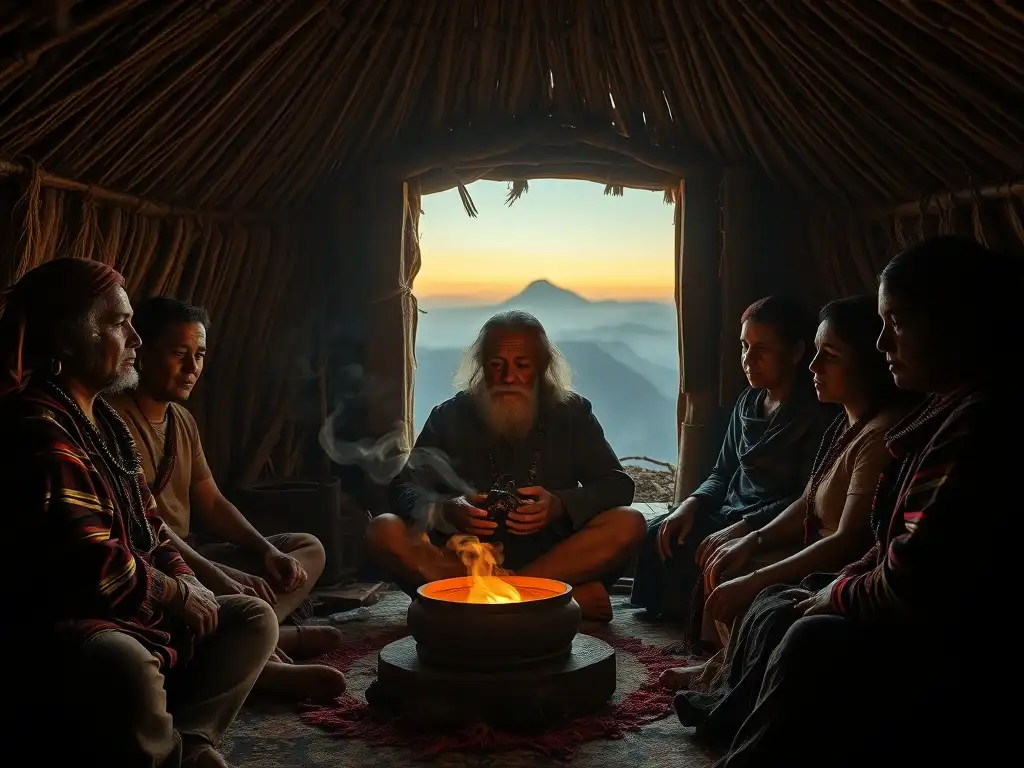
The Ayahuasca ceremony, a cornerstone of many Amazonian indigenous traditions, also played a significant, albeit less documented, role in some Andean shamanic practices, particularly in regions bordering the Amazon basin. While not as prevalent as other Andean rituals involving San Pedro cactus, Ayahuasca's powerful hallucinogenic properties facilitated shamanic journeys and transformations. The ceremony typically involved a secluded setting, often in a darkened hut or cave, designed to enhance the visionary experience. The shaman, or yachac, would meticulously prepare the brew, often chanting and praying throughout the process to imbue it with spiritual power.
The brew itself, a concoction of Banisteriopsis caapi and Psychotria viridis, was consumed by participants who would then lie down, guided by the shaman's songs, prayers, and interpretative guidance. The experience could last for several hours, even an entire night, involving intense visions, emotional catharsis, and profound spiritual insights. The shaman's role was crucial, not only in preparing the brew but also in interpreting the visions and guiding the participants through potentially challenging experiences, ensuring a safe and meaningful transformation. The detailed symbolism within the visions, often relating to Andean cosmology and mythology, provided crucial information for healing, divination, and personal growth.
Post-ceremony, a period of rest and reflection was essential for integrating the transformative experience into daily life. Specific details regarding the exact rituals and practices varied significantly between different Andean communities, highlighting the rich diversity within the region's shamanic traditions. Further research is needed to fully understand the nuances of Ayahuasca's role in Andean shapeshifting rituals.
The San Pedro Ceremony - A Detailed Description
The San Pedro cactus ( Echinopsis pachanoi) ceremony stands as one of the most well-known and widely practiced Andean shamanic rituals associated with shapeshifting. Unlike the Ayahuasca ceremony, which is more closely tied to Amazonian traditions, the San Pedro ceremony has a long history within the Andes, evidenced by archaeological findings and ongoing ethnographic studies. The ritual often involved meticulous preparation of the cactus, which might involve specific cuts, prayers, and offerings to ensure a successful and safe experience. The shaman, again acting as a guide and interpreter, would administer the prepared cactus brew, often in a communal setting, although some variations involved solitary experiences.
The effects of the San Pedro, while also hallucinogenic, are often described as less intense and more introspective compared to Ayahuasca. Participants would experience altered states of consciousness, allowing for contact with the spirit world and access to personal and collective ancestral knowledge. The shaman's role was paramount in interpreting the visions and guiding the participant's journey, ensuring a positive and constructive transformation. The ceremony often involved intricate symbolic rituals, including music, dance, and offerings, all designed to enhance the transformative potential of the experience.
Shamanic shapeshifting during a San Pedro ceremony could manifest as visions of transforming into animals, spirits, or even celestial beings, reflecting the Andean worldview's close connection between humans and the natural world. Post-ceremony, the integration of the experience was crucial, with the shaman often providing guidance and support to help the participant incorporate the insights gained into their daily life. The specifics of the San Pedro ceremony varied greatly across different Andean regions and communities, indicating a complex and diverse tapestry of shamanic practices. Detailed accounts of specific ceremonies from different communities would provide a more complete picture of Andean shamanistic shapeshifting.
The Power of Shapeshifting: Healing, Prophecy, and Protection
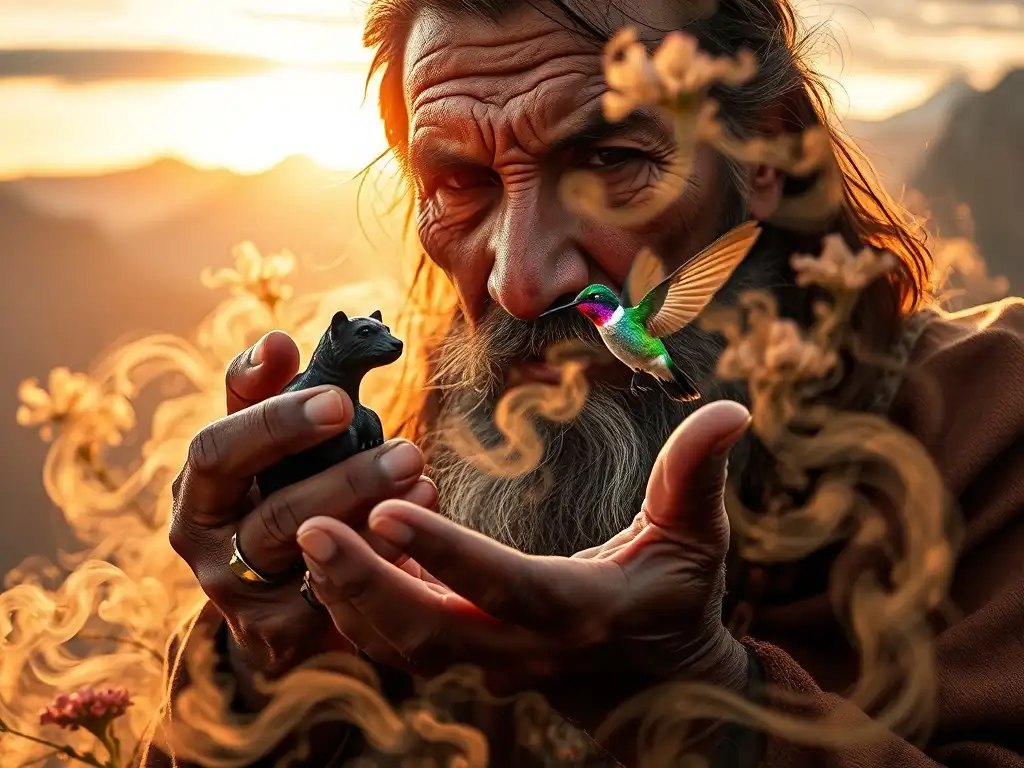
The Andean worldview deeply intertwined the physical and spiritual realms, fostering a belief system where the boundaries between humans, animals, and deities were permeable. This fluidity is vividly expressed through the concept of shapeshifting, a central element in Andean shamanic practices and a key aspect of understanding Andean shaman shapeshifting rituals. Shamans, acting as intermediaries between these worlds, weren't merely healers or diviners; they were transformative figures capable of altering their form to access otherworldly knowledge and power, ultimately benefiting their communities.
The ability to shapeshift wasn't merely a magical trick; it represented a profound spiritual attainment, achieved through rigorous training, intense ritual practices, and a deep connection with the Andean cosmos. The power of shapeshifting manifested in diverse ways, profoundly impacting the lives of individuals and communities.
Shapeshifting for Healing and Spiritual Cleansing
Shapeshifting played a crucial role in Andean healing practices. Shamans, through their ability to transform into animal spirits – often jaguars, condors, or serpents – could diagnose illnesses, access hidden causes of ailments, and perform effective treatments. For instance, transforming into a jaguar allowed the shaman to access the jaguar's inherent power and strength, facilitating the removal of negative energies or malevolent spirits believed to cause disease.
This wasn't simply symbolic; accounts from various Andean cultures suggest the shamanic transformation was a tangible experience, involving altered states of consciousness and physical manifestations of the adopted animal form. The process often involved the use of hallucinogenic plants like ayahuasca or San Pedro cactus, enhancing the shaman's ability to journey into the spiritual realm and interact with the spirit world. The shaman's transformation facilitated not only physical healing but also spiritual cleansing, purging individuals of negative influences and restoring their balance with the cosmos.
This holistic approach to healing underscores the deep interconnectedness between the physical and spiritual in Andean cosmology. Detailed ethnographic studies are needed to fully grasp the nuances of these practices in different Andean groups, as the specific rituals and techniques likely varied across regions and cultures. However, the core principle of shapeshifting as a powerful healing tool remains consistent across various Andean traditions.
The Shaman's Role in Prophecy and Divination
Beyond healing, Andean shamans utilized shapeshifting for prophecy and divination. By assuming the form of specific animals associated with particular spiritual attributes – for example, a condor for far-sightedness or a serpent for wisdom and insight – shamans could access heightened senses and gain knowledge unavailable to ordinary individuals. This ability allowed them to predict future events, interpret omens, and advise community leaders on crucial decisions.
The shaman's journeys into the spirit world, facilitated by their shapeshifting abilities, provided insights into the cosmic order and allowed them to decipher the messages conveyed through dreams, natural phenomena, or other spiritual channels. The accuracy of their prophecies and divinations greatly enhanced their prestige within the community, solidifying their role as essential guides and advisors.
Consider the intricate designs found on Nazca pottery, depicting shamanistic figures in various animal forms; these visual representations offer valuable clues into the significance of shapeshifting in their divinatory practices. Further research into the iconography and symbolic language of Andean art could reveal even more nuanced aspects of the shaman's prophetic role and the connection between shapeshifting and divination.
Protection of the Community through Shapeshifting Abilities
The ability of Andean shamans to shapeshift also extended to the protection of their communities. By transforming into powerful animal spirits, they could ward off evil spirits, protect against natural disasters, and ensure the prosperity of their people. For example, transforming into a puma, a powerful and revered animal in Andean culture, granted the shaman the strength and ferocity to confront malevolent forces threatening the community.
Similarly, assuming the form of a condor allowed the shaman to survey the land, identifying potential dangers and providing early warnings of impending threats. These protective roles cemented the shaman's position as a vital element in the social fabric of Andean societies, underscoring the profound impact of shapeshifting on community well-being and security. The effectiveness of these protective practices was likely reinforced by the shaman's mastery of ritualistic practices and their deep understanding of the Andean cosmology, allowing them to harness the power of the spirit world for the benefit of their people.
Further investigation into the specific rituals and techniques employed in these protective shapeshifting rituals would provide valuable insights into the complex interplay between shamanic practices and community safety in Andean societies. The survival and prosperity of Andean communities were often linked to the abilities of their shamans, highlighting the critical importance of shapeshifting in maintaining social harmony and security.
The Legacy of Andean Shamanic Shapeshifting
The practice of shamanic shapeshifting, a core element of Andean spiritual traditions, left an indelible mark on the region's history and culture. Evidence suggests that the ability to transform into animals or other beings was not merely a symbolic representation, but a deeply ingrained belief system integral to Andean shamanic rituals and practices. This power, often associated with accessing other realms and communicating with the spirit world, was essential for maintaining balance within the cosmos and the community.
The legacy of Andean shamanic shapeshifting is not merely historical; its echoes resonate in contemporary Andean cultures and continue to inform spiritual practices today. The belief in the transformative power inherent in nature and the interconnectedness of all living things underpins this enduring legacy.
Understanding this legacy requires examining the diverse ways shapeshifting manifested across different Andean cultures, from the intricate iconography of the Moche to the complex cosmology of the Inca. The persistence of these beliefs demonstrates the profound impact of these practices on Andean identity and worldview.
The Influence of Andean Metamorphosis on Modern Traditions
Andean metamorphosis, the ability to shapeshift, continues to influence modern traditions in subtle yet significant ways. While overt shapeshifting rituals may be less prevalent than in the past, the underlying belief in the transformative power of nature and the interconnectedness of the spiritual and physical worlds persists. This influence manifests in various forms:
- Contemporary Andean art: Modern artists often incorporate motifs of animal transformation and shamanic figures, reflecting the enduring significance of these themes in Andean cultural memory. These visual representations serve as a powerful reminder of the ancestral practices and beliefs related to shapeshifting.
- Healing practices: Many contemporary Andean healers incorporate elements of shamanic traditions into their practices. While they may not explicitly claim to shapeshift, the use of animal symbolism and the invocation of nature spirits reflects the continuity of beliefs associated with the transformative power inherent in the Andean worldview.
- Festivals and ceremonies: Annual festivals and ceremonies across the Andes often feature elements that echo ancient shamanic rituals. Costumes, dances, and symbolic actions can be interpreted as modern expressions of the transformative power associated with shapeshifting. For instance, the use of masks representing animal spirits can be seen as a symbolic form of transformation.
The survival of these practices demonstrates the resilience of Andean spiritual traditions and their ability to adapt to changing social and historical contexts. The continued presence of these beliefs and their integration into contemporary life underscores the enduring relevance of Andean shamanic shapeshifting.
Preserving the Knowledge of Andean Shapeshifting Practices
Preserving the knowledge of Andean shapeshifting practices is crucial for understanding the rich tapestry of Andean culture and spirituality. However, this task presents significant challenges. Much of the knowledge was traditionally passed down orally within families and communities, making documentation and preservation difficult. Furthermore, the sensitive nature of these practices often leads to reluctance to share information openly. Efforts to preserve this knowledge must be approached with respect and sensitivity, prioritizing collaboration with indigenous communities.
Several strategies can contribute to preserving this invaluable heritage:
- Ethnographic research: Rigorous ethnographic research conducted in collaboration with indigenous communities can help document and understand the nuances of different shapeshifting practices. This work should prioritize the voices and perspectives of the indigenous populations involved.
- Archival research: Careful examination of historical records, including archaeological findings and colonial-era accounts, can provide valuable insights into past practices. However, it's crucial to critically evaluate such sources, acknowledging potential biases and interpretations.
- Community-based initiatives: Supporting community-based initiatives aimed at preserving and transmitting traditional knowledge is essential. This could include funding cultural centers, supporting elder knowledge keepers, and fostering intergenerational dialogue.
The preservation of this knowledge is not merely an academic endeavor; it is a vital step in ensuring the continuity of Andean cultural identity and the respect for indigenous traditions. The urgency of this task necessitates a collaborative approach that prioritizes ethical considerations and community engagement.
The Ethical Considerations of Learning from Andean Shamanism
Learning from Andean shamanism, including its shapeshifting practices, necessitates a deep understanding and respect for ethical considerations. Approaching these practices with a sense of appropriation or exploitation is unacceptable and harmful. Respectful engagement requires a commitment to:
- Seeking permission and guidance: Before engaging with any aspect of Andean shamanism, it is crucial to seek permission and guidance from the appropriate indigenous communities and knowledge keepers. This demonstrates respect for their traditions and avoids cultural appropriation.
- Avoiding commodification: The spiritual practices of Andean communities should not be commodified or exploited for personal gain. Authentic learning involves a commitment to reciprocal exchange and respect for the cultural context.
- Recognizing the sacred nature of the practices: Andean shamanic practices are deeply rooted in spiritual beliefs and should be approached with reverence and respect for their sacred nature. Approaching these practices with a lighthearted or flippant attitude is deeply disrespectful.
- Supporting indigenous communities: Support for indigenous communities and their efforts to preserve their cultural heritage is essential. This includes supporting community-based initiatives and advocating for their rights.
Learning from Andean shamanism should be a journey of mutual respect and understanding, not a process of extraction. A commitment to ethical engagement is paramount to ensuring the preservation of this rich and valuable cultural heritage and avoiding the harm caused by cultural appropriation. The goal should be to contribute to the understanding and appreciation of Andean shamanism, not to exploit it for personal gain.
Frequently Asked Questions
What were Andean shamanic shapeshifting rituals?
Andean shamanic practices often involved ritualistic shapeshifting, believed to grant access to otherworldly realms and power. Shamans would use entheogens, costumes, and intense rituals to embody animal spirits or deities. This facilitated communication with the spirit world and healing.
Did all Andean cultures practice shapeshifting rituals?
While evidence suggests shapeshifting was significant across many Andean cultures, the specific practices and beliefs varied greatly. The Incas, Moche, Nazca, and Tiahuanaco all had unique spiritual traditions, influencing their approaches to ritual transformation. Not all shamans practiced it.
What role did animals play in Andean shapeshifting?
Animals held crucial symbolic importance, with shamans often transforming into specific creatures, such as jaguars, condors, or snakes. These animals represented specific powers or attributes, linking the shaman to those forces during the ritual. The animal's spirit was believed to enhance the shaman's abilities.
What evidence supports the existence of Andean shapeshifting rituals?
Archaeological findings, including iconography depicting transforming figures and the discovery of ritual objects, support the existence of these practices. Ethnohistorical accounts from Spanish chronicles, while biased, also offer glimpses into these beliefs and rituals. Interpretations of these sources require careful consideration of their context.
How did Andean shapeshifting differ from other cultures' practices?
While parallels exist with other cultures' shamanic traditions, Andean shapeshifting was unique due to its strong connection to Andean cosmology and specific animal symbolism. The integration of the natural world, particularly mountains and animals, into their beliefs heavily influenced their ritual practices. The specific use of entheogens also contributed to the distinct nature of Andean shapeshifting.
Final Reflection: Echoes of the Andes: A Legacy of Transformation
The enduring power of Andean shamanic practices resonates deeply in our modern world, a testament to the human need for healing and connection with the spiritual realm. While seemingly ancient, the themes of metamorphosis and shapeshifting explored within these rituals offer a potent lens through which to examine our own journeys of self-discovery and resilience in the face of adversity. The ability to adapt, to transform, is not just a mythical power, but a vital human capacity.
The shaman's ability to embody different forms, to navigate between worlds, speaks to a profound understanding of interconnectedness – a concept increasingly relevant in our globally connected, yet often fragmented, society. The shaman is not a magician, but a bridge between worlds.
This simple statement encapsulates the essence of the shamanic practice, highlighting its role not as a display of power, but as a facilitation of understanding and healing. The ongoing influence of these traditions reminds us of the importance of respecting diverse spiritual practices and recognizing the wisdom embedded within indigenous cultures.
Consider the transformative power within yourself. What aspects of your own life require a "shapeshifting" – a willingness to adapt, to change, to evolve? Embrace the spirit of the Andean shaman, not by literally shapeshifting, but by cultivating the courage to embrace change, to heal old wounds, and to connect with the deeper wellspring of your own inner strength. Let the echoes of the Andes inspire you to embark on your own journey of metamorphosis, a journey of personal growth and spiritual awakening.
**Embrace Your Inner Shaman: Transform and Connect! **
Thank you for exploring the mystical world of Andean shamanism and transformation. We hope you found inspiration in the powerful journey of change and shapeshifting. Now, let's put that inspiration into practice!
Here are some ways to deepen your connection with this rich cultural tradition:
- **Reflect on your personal journey of transformation. ** Begin a journal to explore moments of significant change and how they've shaped you.
- **Connect with the natural world. ** Spend time outdoors practicing mindfulness, such as meditation or guided imagery, drawing inspiration from the concept of shapeshifting.
- **Share your discoveries. ** Discuss your insights with friends or join an online community dedicated to Andean cultures and shamanic practices.
What significant life experiences resonate with the themes of shamanism? Share your thoughts below and let's begin a conversation!