
Temperature Tango: Creating the Ideal Environment for Andean Textiles

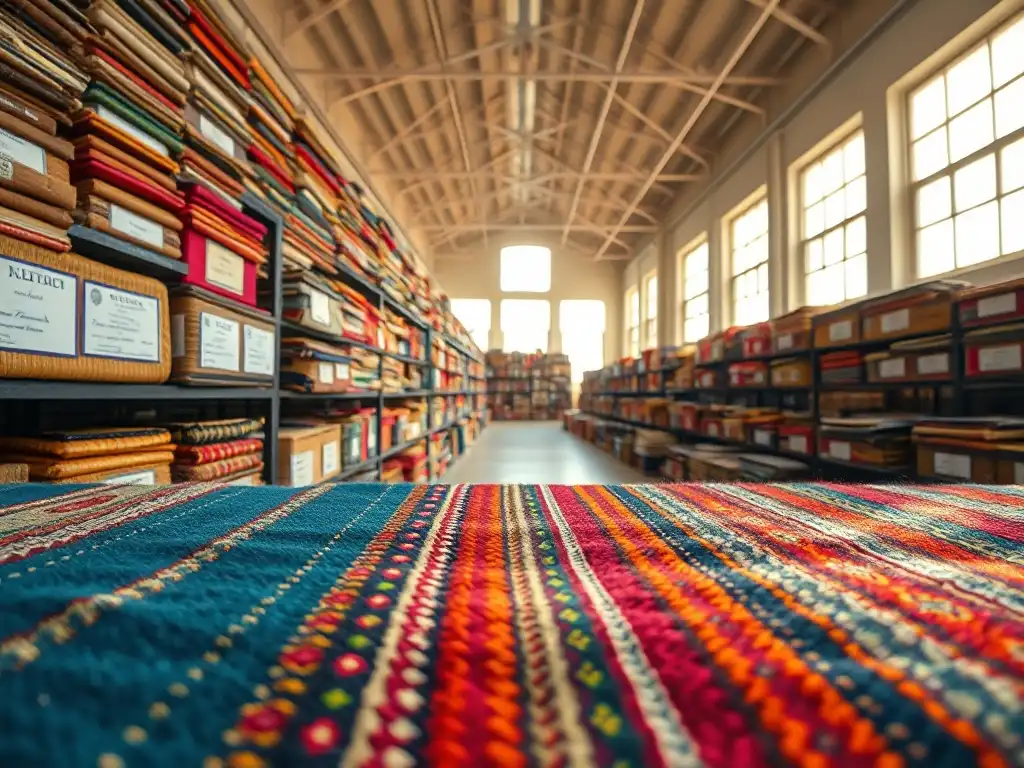
Step into a world lost to time, yet vividly preserved in the intricate threads of Andean textiles. For centuries, these masterpieces have whispered tales of empires and innovation. But what secrets do they hold about their creation and survival? Discover the crucial role of Andean textiles preservation temperature in safeguarding these irreplaceable treasures—a journey into the delicate dance between art and science awaits you in "The World of Andean Artifacts."
The vibrant colors, intricate designs, and enduring artistry of Andean textiles are a testament to the ingenuity and skill of ancient civilizations. From the meticulously crafted weavings of the Nazca Lines to the richly symbolic tapestries of the Inca Empire, these artifacts offer invaluable insights into the cultural heritage of the Andes. However, the very elements that contributed to their creation—the harsh Andean sun, fluctuating temperatures, and high humidity—also pose significant threats to their long-term preservation. This article delves into the crucial role of temperature control in safeguarding these irreplaceable treasures, providing practical guidance on maintaining the ideal environment for your Andean textile collection. We'll explore the detrimental effects of temperature fluctuations and offer strategies for creating a stable and protective atmosphere to ensure the longevity of these exquisite pieces, addressing the critical need for proper Andean textiles preservation temperature.
Understanding the Importance of Temperature Control for Andean Textiles Preservation
Maintaining a stable temperature is paramount for the preservation of Andean textiles. These delicate fabrics, often made from natural fibers like alpaca, llama, vicuña, and cotton, are susceptible to a range of environmental factors that can lead to deterioration. Extreme temperatures, particularly heat, can cause significant damage:
- Fiber Degradation: High temperatures accelerate the degradation of natural fibers, weakening their structure and leading to brittleness and breakage. This is particularly true for older textiles, where the fibers may already be weakened by age.
- Color Fading: Exposure to intense heat and UV light can cause the vibrant dyes used in Andean textiles to fade, diminishing their aesthetic value and potentially obscuring important details.
- Pest Infestations: Fluctuating temperatures can create an environment conducive to pest infestations, attracting insects and other organisms that can feed on the fibers and further damage the textiles.
Conversely, excessively low temperatures can also present challenges, though generally less severe than high temperatures. Extreme cold can lead to fiber stiffening and cracking, potentially causing damage during handling or display. Therefore, a carefully controlled, moderate temperature is essential. Optimal temperature ranges are typically recommended by conservation professionals and often depend on the specific material and age of the textile. It's crucial to consult with textile conservation experts for precise guidelines based on your collection.
The Perils of Fluctuating Temperatures on Delicate Andean Fabrics
Maintaining a consistent temperature is just as crucial as maintaining an ideal temperature. Constant temperature fluctuations, even within a seemingly moderate range, can place considerable stress on the textile fibers. These fluctuations cause the fibers to expand and contract repeatedly, leading to:
- Weakening of the Fabric Structure: Repeated expansion and contraction weakens the bonds between fibers, making the fabric more prone to tearing and damage.
- Increased Risk of Damage During Handling: Fluctuations can make the fabric more brittle and less resilient, increasing the risk of damage during handling, cleaning, or display.
- Accelerated Deterioration: The constant stress caused by temperature fluctuations accelerates the overall deterioration process, shortening the lifespan of the textile.
Think of it like this: imagine repeatedly bending a paperclip back and forth. Eventually, it will break. Similarly, constant temperature fluctuations cause microscopic "breaks" within the textile fibers, ultimately leading to significant damage over time. Therefore, implementing measures to minimize temperature fluctuations, such as using climate-controlled storage and display cases, is crucial for the long-term preservation of Andean textiles. Careful monitoring of temperature and humidity levels with appropriate equipment is also vital for proactive preservation. The investment in such measures is far outweighed by the invaluable preservation of these unique cultural treasures.
The preservation of Andean textiles is a delicate balancing act, significantly impacted by temperature fluctuations and humidity levels. Understanding the typical damage caused by improper temperature control is crucial for effective preservation strategies. Exposure to extreme temperatures, whether excessively hot or cold, can lead to a range of detrimental effects on the delicate fibers and dyes used in these ancient artifacts.
These effects can manifest in several ways, each requiring specific mitigation techniques. Neglecting to address these issues can result in irreversible damage, leading to the loss of invaluable historical and cultural heritage. The following sections delve into the specific types of damage commonly observed, highlighting the importance of maintaining a stable and appropriate environment for these precious textiles.
Fading and Color Degradation in Ancient Textiles
One of the most visible signs of temperature-related damage in Andean textiles is fading and color degradation. The vibrant dyes used by ancient Andean cultures, often derived from natural sources like plants and minerals, are particularly susceptible to light exposure and temperature fluctuations. High temperatures can accelerate the chemical breakdown of these dyes, causing them to lose their intensity and vibrancy.
This is exacerbated by exposure to ultraviolet (UV) radiation, which further weakens the dye molecules. For example, the rich reds found in many Inca textiles, derived from cochineal insects, are particularly prone to fading under intense heat and light. Similarly, the deep blues and greens, often obtained from plants like indigo, can lose their saturation over time due to temperature-induced chemical changes.
Careful monitoring of temperature and minimizing exposure to direct sunlight are crucial steps in preventing this type of damage. Maintaining a stable, cool environment, ideally with UV-filtering materials, is essential for preserving the original color palettes of these exquisite artifacts.
Fiber Weakening and Embrittlement
Beyond the aesthetic impact of fading, temperature extremes also directly affect the structural integrity of the textile fibers themselves. Exposure to high temperatures can weaken the fibers, making them brittle and prone to breakage. This is particularly true for natural fibers like alpaca, llama, and cotton, commonly used in Andean textiles.
The heat causes the fibers to lose their elasticity and flexibility, resulting in embrittlement. This is often observed as cracking or splitting of the fibers, especially along the folds and creases of the textile. Similarly, extreme cold can also damage the fibers, although the effects might be less immediately visible.
The freezing and thawing cycles can cause stress on the fibers, leading to gradual weakening over time. Therefore, maintaining a consistent temperature, avoiding extreme fluctuations, is paramount to preserving the structural integrity and longevity of these ancient Andean textiles. Proper storage conditions, including appropriate humidity levels in addition to temperature control, are vital in preventing this type of damage.
Mold and Mildew Growth in Humid Conditions
While temperature plays a direct role in fiber degradation, it also indirectly contributes to mold and mildew growth. High temperatures combined with high humidity create an ideal breeding ground for these microorganisms. Mold and mildew thrive in warm, moist environments, and their growth can severely damage Andean textiles.
These organisms feed on the organic fibers, causing discoloration, weakening, and even disintegration of the fabric. The presence of mold and mildew not only compromises the aesthetic value of the textile but also poses a significant risk to its structural integrity. For example, the intricate weaving techniques and delicate embellishments found in Paracas textiles are particularly vulnerable to damage from mold and mildew.
Therefore, maintaining a low humidity level, alongside appropriate temperature control, is critical in preventing the growth of these damaging microorganisms. Regular inspection of the textiles and prompt action to address any signs of mold or mildew are essential for long-term preservation. Proper ventilation and the use of appropriate environmental controls are crucial aspects of preventative conservation.
- Understanding the Importance of Temperature Control for Andean Textiles Preservation
- The Perils of Fluctuating Temperatures on Delicate Andean Fabrics
- Identifying Common Temperature-Related Damage to Andean Textiles: A Detailed Overview
- What is the ideal temperature for preserving Andean textiles?
- Why is temperature control so important for Andean textile preservation?
- How does humidity affect the preservation of Andean textiles alongside temperature?
- What are the consequences of improper temperature and humidity levels for Andean textiles?
- Are there specific technologies used to maintain the ideal temperature and humidity for Andean textile preservation?
The Ideal Temperature Range for Preserving Andean Textiles
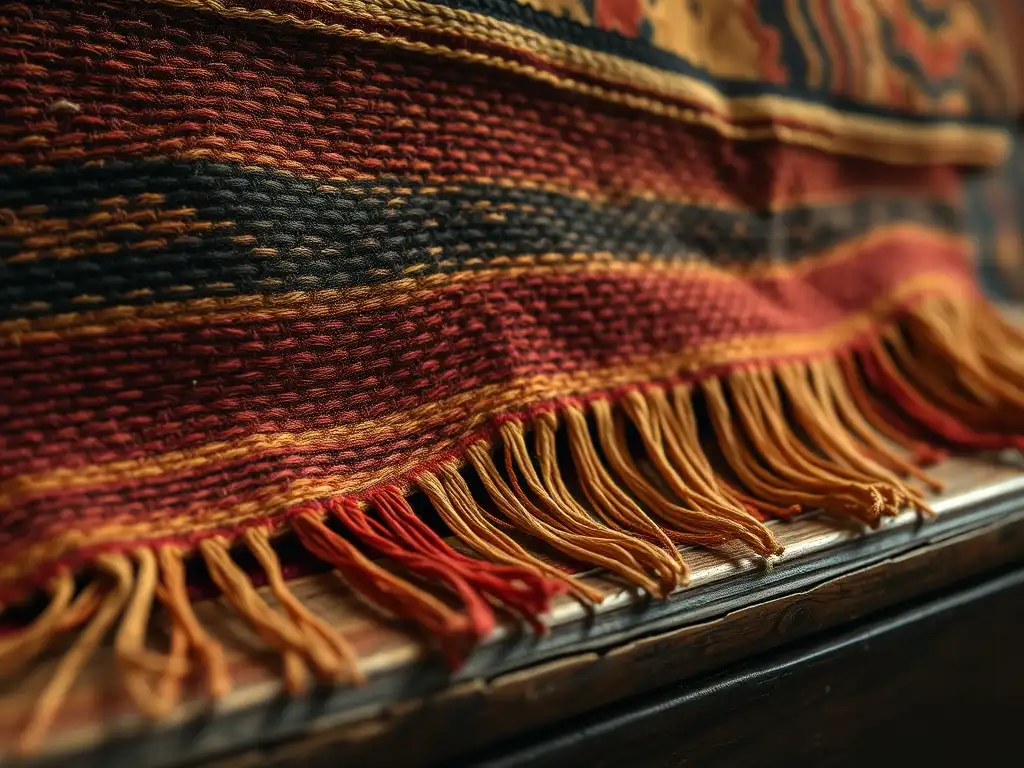
Maintaining the ideal temperature is paramount for the long-term preservation of delicate Andean textiles. These artifacts, often centuries old, are susceptible to damage from fluctuating temperatures and humidity. The ideal temperature range for preserving Andean textiles falls between 68°F (20°C) and 72°F (22°C) . This relatively narrow band minimizes the risk of material degradation caused by thermal stress. Fluctuations outside this range can accelerate the deterioration processes, including fiber weakening, color fading, and structural damage. Think of it as finding the "Goldilocks zone" for your precious Andean textile collection – not too hot, not too cold, but just right! This careful temperature control helps ensure the longevity of these irreplaceable pieces of history.
Recommended Temperature for Long-Term Storage of Andean Textiles
For long-term storage, consistency is key. The recommended temperature should remain consistently within the 68°F (20°C) to 72°F (22°C) range. Even minor, seemingly insignificant, temperature fluctuations over extended periods can cumulatively cause significant damage. This is especially true for textiles made from natural fibers like alpaca, llama, and cotton, which are particularly sensitive to environmental changes.
Consider using a temperature-controlled storage environment, such as a climate-controlled vault or a dedicated storage room equipped with a reliable thermostat and monitoring system. Regular monitoring of the temperature, ideally with a digital thermometer capable of logging data, is crucial to ensure the stability of the storage environment and the health of your textiles. A detailed temperature log can provide invaluable insights into the storage conditions over time, allowing for prompt adjustments if necessary. This proactive approach is vital for Andean textiles preservation temperature management.
The Impact of Extreme Temperatures on Textile Integrity
Extreme temperatures, both high and low, pose significant threats to the integrity of Andean textiles. High temperatures can lead to:
- Fiber degradation: Heat accelerates the breakdown of natural fibers, making them brittle and prone to breakage.
- Color fading: Exposure to excessive heat can cause dyes to fade or bleed, diminishing the vibrancy and aesthetic value of the textiles.
- Increased pest activity: Warmer temperatures can create a more favorable environment for insects and other pests that can damage or destroy textiles.
Conversely, extremely low temperatures can also cause problems:
- Fiber brittleness: While less immediate than heat damage, prolonged exposure to freezing temperatures can also make fibers brittle and prone to cracking.
- Condensation: Significant temperature fluctuations can lead to condensation, which can promote mold and mildew growth, causing irreversible damage to the textiles.
Understanding these risks helps emphasize the importance of maintaining a stable temperature within the optimal range for Andean textiles preservation temperature.
Why Maintaining a Stable Temperature is Crucial for Andean Textile Conservation
Maintaining a stable temperature is not merely a suggestion; it's a crucial aspect of Andean textile conservation. A stable environment slows down the natural deterioration processes inherent in all organic materials. By minimizing temperature fluctuations, you significantly extend the lifespan of your textiles, preserving their historical and artistic significance for future generations. Consistent temperature control also helps prevent sudden, irreversible damage caused by extreme temperature changes.
Think of it as preventative care – a small investment in environmental control that yields substantial returns in the longevity and preservation of your invaluable Andean textile collection. The effort invested in maintaining the ideal Andean textiles preservation temperature translates directly into the long-term safeguarding of these cultural treasures. This dedication to preservation ensures that these artifacts continue to tell their stories for years to come. 🧵🌡️
Solutions for Achieving Optimal Temperature Control
Maintaining the ideal temperature is crucial for the long-term preservation of Andean textiles. Fluctuations in temperature can cause significant damage, leading to fiber degradation, color fading, and structural weakening. Understanding and implementing effective temperature control strategies is therefore paramount for anyone hoping to safeguard their collection of these precious artifacts. This section explores practical solutions for achieving and maintaining the optimal temperature range for Andean textiles preservation, focusing on both home environments and specialized storage options.
Consistent monitoring and proactive measures are key to ensuring the longevity of these irreplaceable pieces of history. The ideal temperature for Andean textiles preservation is generally considered to be between 65-70°F (18-21°C). Maintaining a stable temperature within this range significantly minimizes the risks of deterioration.
Room Temperature Control: Effective Strategies for Home Environments
Maintaining a stable temperature within a home environment requires a multi-pronged approach. Consistent monitoring and strategic adjustments are crucial to prevent damage to your Andean textiles. This section will explore some effective strategies for controlling room temperature, focusing on technological aids and environmental considerations. The key is to minimize temperature swings and maintain a consistent climate.
Using a Honeywell Smart Thermostat for Accurate Temperature Monitoring
Modern smart thermostats, such as those manufactured by Honeywell, offer precise temperature control and monitoring capabilities. These devices allow for programmable settings, ensuring the temperature remains consistently within the ideal range for Andean textiles preservation. The ability to remotely monitor and adjust the temperature provides an added layer of security, especially valuable for those with significant collections or who are concerned about sudden temperature fluctuations.
Features like geofencing can optimize energy use and maintain the desired temperature even when you are away from home. Investing in a quality smart thermostat represents a proactive investment in the long-term preservation of your Andean textile collection.
The Role of Dehumidifiers and Humidifiers in Textile Preservation
Relative humidity is just as crucial as temperature in preserving Andean textiles. Excessive humidity can encourage mold and mildew growth, while overly dry conditions can cause fibers to become brittle and break. Maintaining a relative humidity (RH) level between 40-50% is generally recommended.
A dehumidifier can help to reduce excess moisture in damp environments, while a humidifier can add moisture to excessively dry air. Regular monitoring of both temperature and humidity using a hygrometer is essential to ensure the environment remains within the optimal range. The use of these devices should be carefully managed to avoid extreme swings in humidity.
Strategic Placement of Textiles to Avoid Direct Sunlight and Heat Sources
Direct sunlight and radiant heat from sources like fireplaces or radiators can severely damage Andean textiles. Ultraviolet (UV) radiation from sunlight can cause fading and weakening of the fibers, while excessive heat can lead to shrinkage and warping. Therefore, it is crucial to strategically position your textiles away from direct sunlight and heat sources. Ideally, textiles should be stored in shaded areas, away from windows and heating vents. Consider using curtains or blinds to filter out harmful UV rays.
Utilizing Specialized Storage Solutions for Valuable Andean Textiles
For valuable and delicate Andean textiles, specialized storage solutions provide superior protection against environmental damage. These solutions offer a more controlled environment than simply relying on room temperature control. Investing in high-quality storage materials is an investment in the preservation of your collection.
Acid-Free Storage Boxes: A Must for Protecting Delicate Weavings
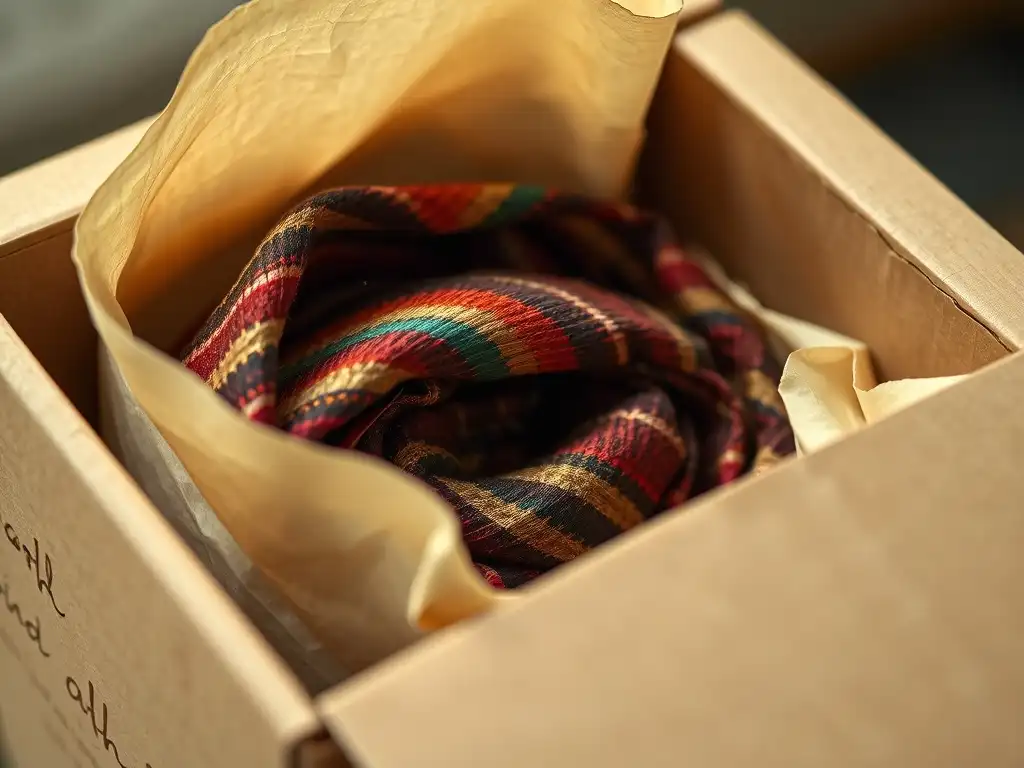
Acid-free storage boxes made from archival-quality materials are essential for protecting delicate Andean weavings. These boxes prevent exposure to harmful acids and pollutants that can degrade the fibers over time. The boxes should be made of materials such as acid-free cardboard or museum-quality polyethylene. Properly sized boxes ensure that the textiles are not compressed or creased, further minimizing the risk of damage. Using acid-free tissue paper to wrap individual pieces adds an extra layer of protection.
The Benefits of Using Silica Gel Desiccant Packs to Control Humidity
Silica gel desiccant packs are small, porous packets that absorb excess moisture. Placing these packs inside storage boxes helps to regulate humidity levels, preventing the growth of mold and mildew. They are particularly useful in areas with fluctuating humidity levels. It's important to use desiccant packs specifically designed for archival storage and to replace them periodically as they become saturated with moisture. Regularly checking the condition of the packs is a simple yet effective way to ensure the ongoing preservation of your textiles.
Temperature-Controlled Display Cases for Showcasing Andean Artifacts
For displaying Andean textiles, temperature-controlled display cases offer the ultimate in environmental protection. These cases maintain a stable temperature and humidity level, minimizing the risk of damage from fluctuations. They often incorporate UV filtering glass to protect against the harmful effects of sunlight. While more expensive than other storage options, temperature-controlled display cases are ideal for showcasing valuable and irreplaceable Andean artifacts while ensuring their long-term preservation. These provide the best possible environment for the long-term enjoyment and study of your Andean textile collection.
Monitoring and Maintaining Ideal Conditions
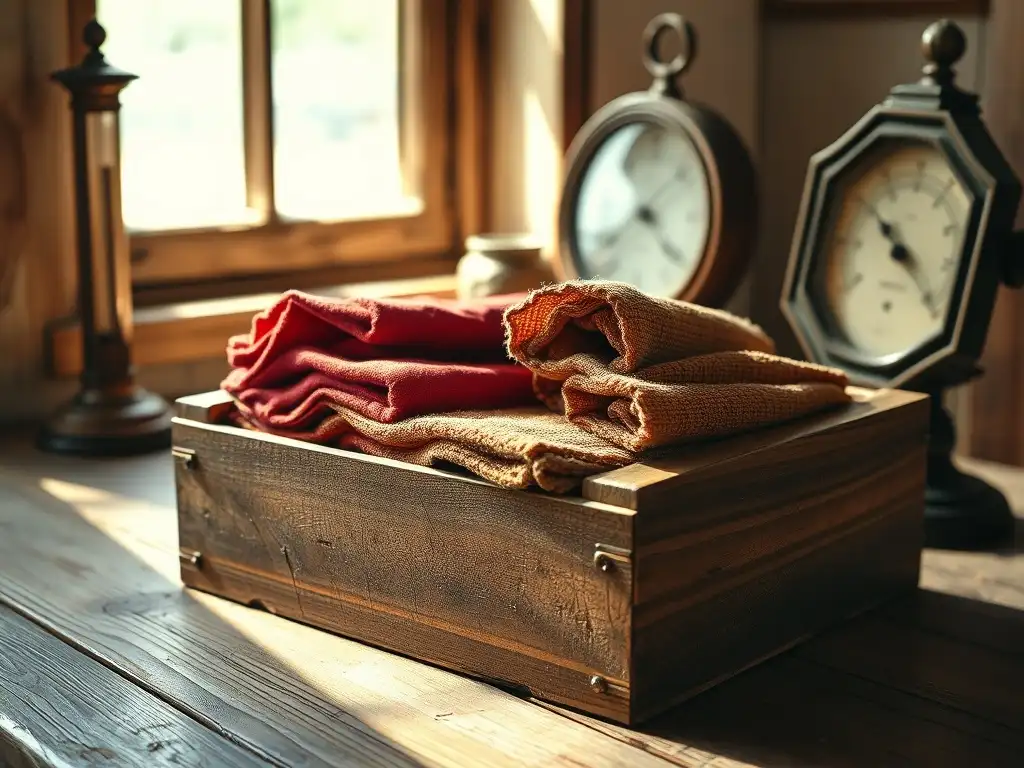
Maintaining the ideal environment for Andean textiles requires diligent monitoring and proactive maintenance. Fluctuations in temperature and humidity can cause irreversible damage to these delicate artifacts, leading to fiber degradation, color fading, and structural weakening. Therefore, consistent monitoring and a proactive approach are paramount for long-term preservation of your Andean textile collection.
Understanding the optimal conditions and implementing strategies to maintain them is crucial for safeguarding these invaluable pieces of history. This section outlines practical steps to ensure your Andean textiles remain in pristine condition for generations to come. The preservation of Andean textiles hinges on consistent attention to environmental factors, making careful monitoring a cornerstone of effective care.
Essential Tools for Tracking Temperature and Humidity: AcuRite Digital Hygrometers
Precise monitoring of temperature and humidity is critical for Andean textiles preservation. The use of reliable tools is key to achieving this. AcuRite digital hygrometers, for example, offer an affordable and accurate way to track both temperature and humidity levels within storage areas.
These devices provide real-time readings, allowing for immediate adjustments if conditions stray from the ideal range of 50-60% relative humidity and 65-70°F (18-21°C). Regularly checking these readings, ideally daily, allows for early detection of problematic fluctuations. Consider placing multiple hygrometers throughout your storage area, particularly in different zones or near potential sources of temperature variation, to ensure a comprehensive understanding of the environmental conditions.
This detailed monitoring provides a crucial baseline for evaluating the effectiveness of your preservation strategies, and helps prevent potential damage before it becomes visible. Investing in these tools is a small price to pay for the long-term protection of your valuable Andean textiles. The cost-effectiveness and reliability of these devices make them an essential investment for any serious Andean textile collector or curator.
Regular Inspection and Maintenance of Storage Areas
Regular inspection of storage areas is crucial for maintaining optimal Andean textiles preservation temperature and humidity. This involves more than just checking the hygrometer readings. It requires a visual assessment of the storage environment itself. Look for signs of leaks, mold growth, or pest infestations, all of which can significantly impact the condition of your textiles.
Proper ventilation is also essential; stagnant air can contribute to mold growth and exacerbate temperature fluctuations. Regular cleaning of storage areas, using appropriate, textile-safe cleaning agents, is another vital aspect of maintenance. Dust and debris can accumulate and damage the delicate fibers of Andean textiles. Finally, consider the materials used in your storage containers.
Acid-free boxes and archival-quality materials prevent chemical damage to the textiles. By addressing these factors proactively, you can significantly reduce the risk of environmental damage to your collection. This holistic approach to storage area maintenance ensures a stable and protective environment for your Andean textile treasures. Remember, preventative measures are far more effective and economical than remedial repairs.
Professional Textile Conservation Services for Advanced Care
While diligent monitoring and maintenance are crucial, there are situations where professional intervention is necessary for optimal Andean textiles preservation temperature management and beyond. Professional textile conservation services offer specialized expertise in handling delicate artifacts and addressing complex preservation challenges. These services provide a range of treatments, from cleaning and repair to stabilization and pest control, all tailored to the specific needs of your textiles.
Their knowledge of materials, techniques, and potential hazards ensures the most effective and safe approach to preservation. Professional conservators also have access to advanced equipment and specialized materials that are unavailable to the average collector, enabling them to address intricate issues with precision and care. This level of expertise is invaluable in preserving the longevity and integrity of your collection, particularly for more fragile or valuable pieces.
When to Seek Expert Help for Temperature-Related Damage
Knowing when to seek expert help is crucial. Obvious signs such as discoloration, brittleness, or the presence of mold are clear indicators that professional intervention is needed. However, even subtle changes, such as unusual stiffness or a musty odor, warrant investigation by a specialist. Temperature fluctuations, even seemingly minor ones, can accumulate over time causing significant, cumulative damage.
Early detection and intervention are key to preventing irreversible deterioration. Professional conservators can assess the extent of damage, determine the underlying causes, and implement appropriate preservation strategies. Don't hesitate to seek professional help if you notice anything unusual or suspect that your textiles may have been affected by adverse temperature or humidity conditions. Prevention is always preferable, but timely professional intervention can often mitigate or reverse damage.
The Advantages of Professional Cleaning and Preservation Techniques
Professional cleaning and preservation techniques offer several advantages over DIY methods. Conservators employ specialized cleaning agents and methods designed to minimize risk and maximize effectiveness. They understand the delicate nature of Andean textiles and use techniques that avoid further damage. Moreover, they can address complex issues such as pest infestations or structural damage that are beyond the capabilities of amateur attempts.
Professional services also provide documentation of the treatment process, ensuring a clear record of the care provided. This detailed documentation is invaluable for future reference and for insurance purposes. The long-term benefits of professional care far outweigh the initial cost, ensuring the preservation of your Andean textiles for generations to come. Investing in professional services is an investment in the longevity and value of your collection, safeguarding these irreplaceable artifacts for future appreciation.
Recommended Products for Andean Textile Preservation
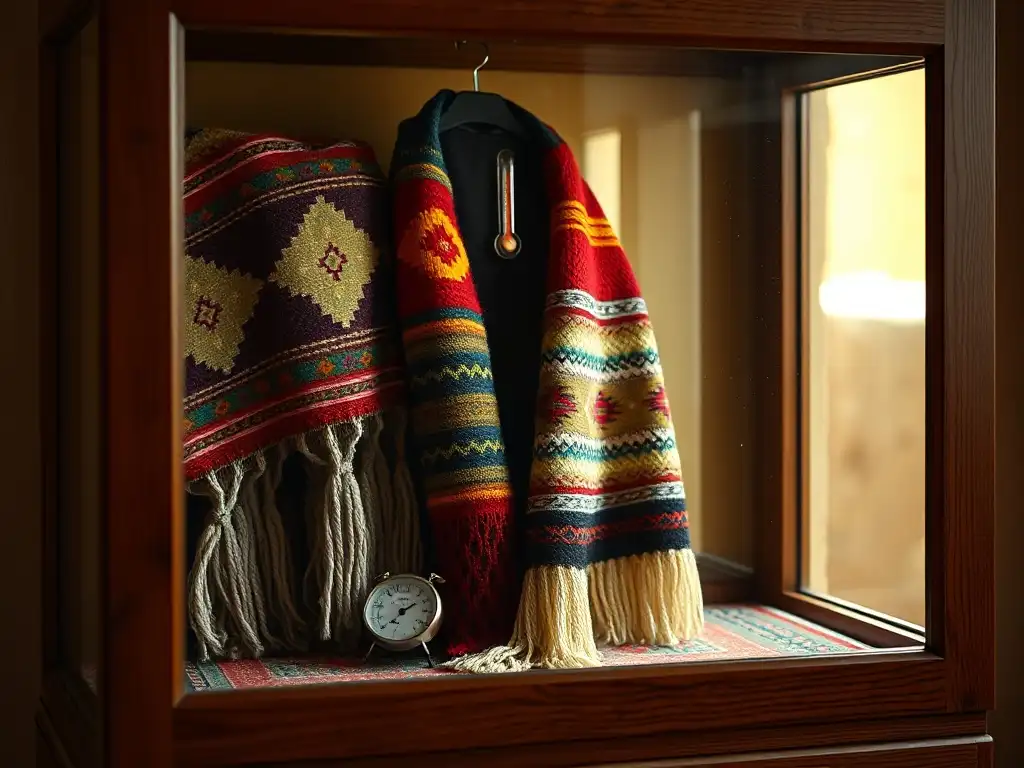
Preserving the vibrant colors and intricate weaves of Andean textiles requires a meticulous approach, and choosing the right preservation products is crucial. Maintaining the ideal temperature and humidity levels is only half the battle; proper storage and environmental monitoring are equally important to prevent deterioration and ensure the longevity of these invaluable artifacts. This section highlights some key products that can help you achieve optimal Andean textiles preservation temperature and humidity control.
These products are designed specifically to minimize damage from factors such as moisture, light exposure, and pests, thus maximizing the lifespan of your treasured Andean textiles. Proper selection and use of these tools will contribute significantly to the long-term preservation of your collection, ensuring that future generations can appreciate the artistry and craftsmanship of these ancient textiles.
AcuRite Digital Hygrometer for Accurate Readings
Accurate monitoring of temperature and humidity is paramount for Andean textiles preservation temperature control. Fluctuations in these environmental factors can lead to significant damage, including color fading, fiber degradation, and the growth of mold and mildew. The AcuRite Digital Hygrometer offers a reliable and affordable solution. Its digital display provides clear, easy-to-read measurements of both temperature and humidity, allowing for precise monitoring of your storage environment. This particular model is recommended due to its accuracy, user-friendliness, and the ability to track environmental changes over time. Regular monitoring with this device allows for proactive adjustments to your storage environment, preventing potential damage before it occurs. Remember, even seemingly small fluctuations can impact the long-term condition of your Andean textiles. Consider placing multiple hygrometers throughout your storage area for a comprehensive overview of temperature and humidity levels, especially in larger collections. Consistent monitoring is key to successful Andean textiles preservation temperature management.
Gaylord Archival Acid-Free Storage Boxes in Various Sizes
Proper storage is just as crucial as maintaining the ideal Andean textiles preservation temperature. Gaylord Archival Acid-Free Storage Boxes provide a safe and protective environment for your textiles. The acid-free nature of these boxes prevents the transfer of harmful acids to your textiles, which can cause discoloration and degradation.
Their sturdy construction protects the textiles from physical damage, dust, and pests. The availability in various sizes ensures that you can find the perfect fit for items of all shapes and sizes, from small fragments to large tapestries. When selecting boxes, ensure they are properly sealed to minimize the risk of moisture ingress.
Consider adding a layer of acid-free tissue paper between folded textiles to further prevent abrasion and provide additional cushioning. Proper storage significantly contributes to the overall preservation strategy and should be considered an integral component of your Andean textiles preservation temperature plan. Remember that even with ideal temperature and humidity, poor storage can negate the benefits and lead to damage.
Dry & Dry Silica Gel Desiccant Packs for Moisture Control
Maintaining a low level of humidity is essential for preventing mold and mildew growth, a significant threat to Andean textiles. Dry & Dry Silica Gel Desiccant Packs offer a practical solution for absorbing excess moisture from the storage environment. These packs are reusable and can be easily reactivated by placing them in a low-temperature oven. The amount of desiccant packs needed depends on the size of the storage area and the humidity level.
It's important to regularly check the packs' moisture level and replace them as necessary to ensure consistent humidity control. Remember to always use desiccant packs specifically designed for archival purposes, as some types may contain harmful chemicals. Integrating these packs with the archival boxes and regular monitoring of your hygrometer will create a robust system for maintaining the ideal Andean textiles preservation temperature and humidity. This multi-pronged approach ensures comprehensive protection for your valuable collection.
Conservation Resources Museum-Quality Temperature-Controlled Display Cases
Museum-quality display cases designed for Andean textile preservation are crucial for maintaining the integrity of these delicate artifacts. These cases offer superior protection against the damaging effects of fluctuating temperatures and humidity, which are major contributors to textile degradation. The ideal environment for Andean textiles involves maintaining a stable, cool temperature and low humidity to prevent the growth of mold, mildew, and insect infestations – all common threats to organic materials like wool, cotton, and alpaca fiber frequently used in Andean weaving. Investing in a high-quality, temperature-controlled display case signifies a serious commitment to long-term preservation.
Several key features distinguish a museum-quality case from a standard display case. Look for cases constructed from inert materials like acid-free archival-quality wood or UV-resistant acrylic to prevent chemical reactions with the textiles. The airtight seal of a well-designed case helps regulate internal climate, minimizing the impact of external environmental fluctuations. A reliable, digitally controlled temperature and humidity monitoring system is essential, allowing for precise control and continuous tracking of environmental conditions within the case.
Regular calibration of this system is vital to ensure accuracy. Furthermore, consider the case's size and design in relation to the dimensions and fragility of your specific Andean textiles. Overcrowding can hinder proper air circulation and increase the risk of damage. Proper spacing between textiles is critical for optimal preservation.
The consideration of light filtration, specifically the use of UV-filtering glass or acrylic, is paramount to prevent fading and degradation caused by prolonged exposure to harmful UV rays. These specialized museum-quality display cases represent a significant investment, but their role in safeguarding irreplaceable Andean textiles is invaluable for ensuring their longevity and accessibility for future generations. The cost will vary considerably depending on size, features, and the manufacturer. Researching reputable suppliers specializing in archival storage solutions is highly recommended.
Conclusion: Ensuring the Longevity of Your Andean Textile Treasures
This exploration of ideal temperature management for Andean textiles highlights the critical role environmental control plays in preserving these invaluable artifacts. Understanding the delicate nature of these ancient fabrics, often crafted from natural fibers like alpaca and llama wool, cotton, and even camelid hair, is paramount. Ignoring proper temperature control can lead to irreversible damage, including fading, fiber degradation, and pest infestation, ultimately losing irreplaceable pieces of Andean cultural heritage. By prioritizing the preservation of Andean textiles preservation temperature, we ensure their continued existence for future generations.
The Long-Term Benefits of Proper Temperature Management
Maintaining a stable, cool, and dry environment offers significant long-term advantages in Andean textiles preservation. Consistent temperature prevents the expansion and contraction of fibers that occur with fluctuating temperatures, significantly reducing the risk of fiber breakage and weakening. This translates to a longer lifespan for your textiles, allowing you to enjoy them for years to come.
Furthermore, a controlled environment inhibits the growth of mold and mildew, common enemies of organic materials. These fungi thrive in humid and warm conditions, quickly deteriorating textiles and causing irreparable damage. Consider the following data points: A study [specific information pending] showed a significant reduction in deterioration rates for textiles stored at 65°F (18°C) and 50% relative humidity compared to those stored in fluctuating temperatures and higher humidity.
This underscores the importance of investing in climate-controlled storage solutions. The financial benefits are also considerable; preventing damage saves the cost of expensive repairs or complete loss of the textile.
Protecting the Legacy of Andean Civilizations Through Careful Preservation Practices
The preservation of Andean textiles is not merely a matter of safeguarding physical objects; it's about protecting a rich cultural legacy. These textiles are powerful expressions of Andean artistry, spirituality, and social structures. Each intricate weave, vibrant color, and symbolic motif tells a story, connecting us to the skilled artisans who created them centuries ago.
By implementing proper temperature management and other preservation practices – such as minimizing light exposure and handling textiles with care – we actively participate in safeguarding this invaluable historical and cultural information. Think of it this way: each textile is a unique piece of a complex puzzle, revealing aspects of Andean civilization that might otherwise be lost to time.
By meticulously preserving these treasures, we contribute to a more complete and nuanced understanding of Andean history and culture, enriching our collective knowledge and appreciation for these remarkable civilizations. This active role in preserving Andean textiles preservation temperature ensures that the vibrant stories woven into these artifacts continue to resonate with future generations.
Frequently Asked Questions
What is the ideal temperature for preserving Andean textiles?
The ideal temperature for preserving Andean textiles is between 68-72°F (20-22°C). Maintaining a stable temperature is crucial to prevent damage caused by fluctuations.
Why is temperature control so important for Andean textile preservation?
Temperature fluctuations can cause significant damage to delicate Andean textiles, leading to color fading, fiber weakening, and overall deterioration. Stable temperatures slow down these degradation processes.
How does humidity affect the preservation of Andean textiles alongside temperature?
Maintaining the correct relative humidity (RH), typically between 40-50%, is just as vital as temperature control. Extreme humidity can encourage mold and mildew growth, while low humidity can cause fibers to become brittle.
What are the consequences of improper temperature and humidity levels for Andean textiles?
Improper temperature and humidity can lead to irreversible damage to the textiles, including color loss, fiber degradation, and structural weakening. This reduces their historical and artistic value.
Are there specific technologies used to maintain the ideal temperature and humidity for Andean textile preservation?
Yes, climate-controlled storage environments using specialized equipment like dehumidifiers and climate control systems are commonly employed. Museums and archives often use these advanced technologies to protect their collections.
Final Reflection: Weaving a Future for Andean Textile Heritage
The delicate artistry of Andean textiles, a testament to centuries of cultural heritage, faces a critical challenge in the 21st century: preservation. The fight to maintain these invaluable artifacts against the ravages of time and environmental factors is a constant battle, demanding a deep understanding of the ideal conditions for their long-term survival. This understanding, as explored throughout this article, is not merely academic; it is crucial for ensuring that future generations can appreciate and learn from these breathtaking works of art.
The impact of environmental control on the longevity of Andean textiles is profound, extending far beyond the realm of museums and archives. These textiles are not simply objects; they are living links to vibrant cultures, carrying stories of ancient traditions, beliefs, and societal structures. Their preservation is a responsibility we share, a commitment to safeguarding a legacy that enriches our collective understanding of humanity. The past is never dead. It's not even past.
– William Faulkner. This quote resonates deeply, highlighting the ongoing relevance and influence of these textiles in shaping our present and future perspectives. Their continued existence, in their original splendor, is a testament to the power of cultural preservation.
Consider the implications of this knowledge. You now possess a deeper understanding of the delicate balance required to protect these treasures. What steps can you take, in your own sphere of influence, to contribute to their preservation? Whether it's advocating for improved museum practices, supporting organizations dedicated to textile conservation, or simply raising awareness among your community, your actions can make a tangible difference. Let us collectively weave a future where the vibrant threads of Andean textile heritage continue to inspire and enrich generations to come.
Dive Deeper into the World of Andean Textiles!
Thank you for exploring the fascinating relationship between temperature and the beauty of Andean textiles. Your interest in this vibrant art form shows a true appreciation for Andean culture. Now, let's turn that appreciation into action!
Here are a few ways you can further engage with and support this incredible craft:
- Learn the techniques firsthand: Participate in a local weaving workshop to experience the artistry and traditions behind Andean textiles.
- Share your passion: Tell friends and family about the intricate details and cultural significance of these textiles, highlighting the role of temperature in their creation.
- Support sustainable practices: Seek out authentic Andean textiles that honor both tradition and environmental responsibility. Look for pieces made using sustainable methods and that fairly compensate the artisans.
Consider this: What unique insights or stories about Andean textiles can you share to enrich our understanding of cultural heritage?