
The Andean Ritual of the Spider: Symbolizing Creativity and Skill

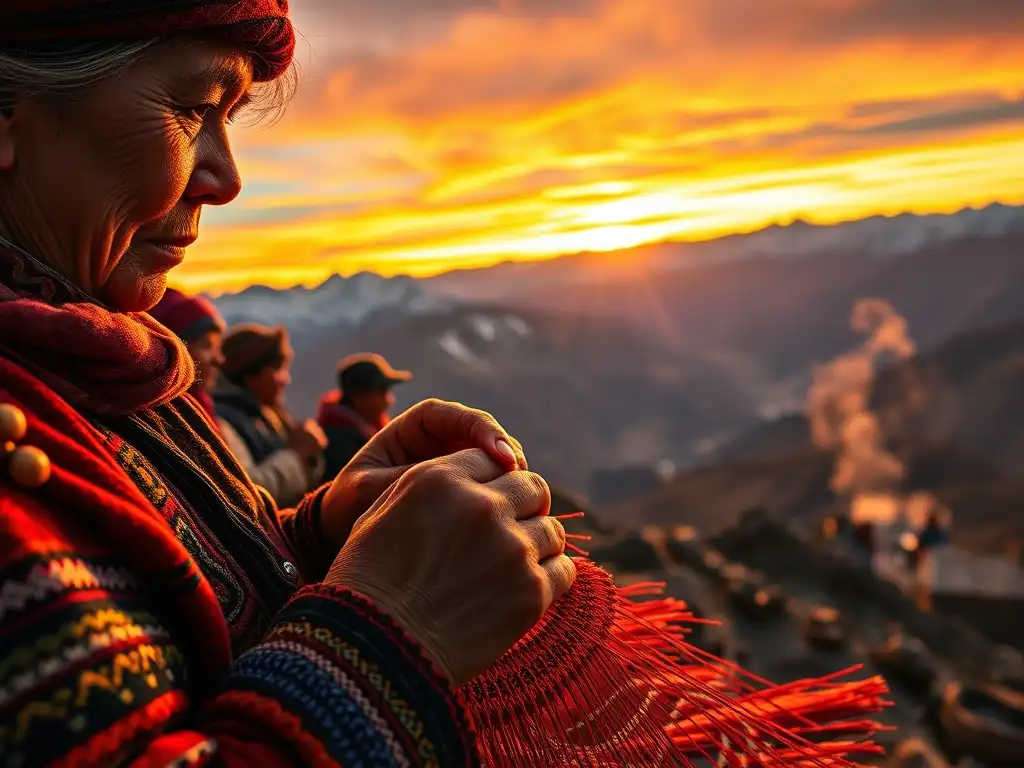
Step into a world lost to time, yet echoing with vibrant life. For centuries, the Andes Mountains have held secrets whispered on the wind, secrets now unveiled. Prepare to unravel the enigma of Andean spider ritual symbolism, a captivating thread woven through the rich tapestry of Andean religion and cosmovision. Discover how this seemingly humble creature held profound significance for ancient civilizations, revealing their intricate beliefs and remarkable ingenuity. Dare to delve deeper and uncover the astonishing truth...
The intricate tapestry of Andean civilizations is woven with threads of fascinating rituals, ceremonies, and offerings, reflecting a profound connection with the natural world and a complex spiritual understanding. This article delves into one particularly intriguing aspect of Andean religious practice: the ritualistic symbolism surrounding the spider.
Far from being merely a creepy-crawly insect, the spider held a position of significant reverence in various Andean cultures, representing concepts of creativity, skill, and the very fabric of existence itself. We will explore the multifaceted symbolism of the spider in Andean cosmovision, examining its role in rituals and ceremonies, and uncovering the rich cultural significance embedded within this often-overlooked element of Andean religious life.
Understanding the Andean spider ritual symbolism provides a deeper appreciation for the nuanced beliefs and practices that shaped these remarkable societies. We will uncover how the seemingly humble spider became a powerful symbol reflecting the ingenuity and spiritual depth of the Andean people.
Introduction to Andean Spider Rituals and Their Significance
The spider's presence in Andean rituals wasn't uniform across all cultures. However, evidence from archaeological findings, ethnographic studies, and surviving oral traditions suggests a recurring theme of associating spiders with craftsmanship, weaving, and the creation of intricate textiles. For example, in certain Moche contexts, depictions of spiders are often found alongside images of skilled artisans at work, suggesting a connection between the spider's web-spinning abilities and human creativity.
These depictions frequently appear on pottery and textiles themselves, further emphasizing this symbolic link. The precision and artistry involved in creating spider-themed artwork also highlight the value placed on these creatures. Furthermore, some researchers suggest that certain rituals might have involved the use of spider silk in sacred contexts, though further research is needed to corroborate these theories.
The lack of extensive written records from many Andean cultures necessitates a careful approach, relying on careful interpretation of archaeological and anthropological data. The spider, therefore, represents not just a physical creature but a powerful metaphor for the creative processes integral to Andean life. The meticulous craftsmanship evident in their textiles, pottery, and metalwork mirrors the spider's diligent web-building.
The Spider in Andean Cosmovision: A Symbol of Creation
In the Andean cosmovision, the spider often symbolized the interconnectedness of the universe. Its web, a complex and intricate structure, mirrored the perceived cosmic order and the intricate relationships between the different realms of existence. The spider's ability to create something so complex from such seemingly simple materials reinforced the belief in the creative potential inherent in nature and the human spirit.
This creation was not merely a physical act; it was a spiritual one, reflecting the constant process of renewal and transformation present in the Andean worldview. The spider's spinning, the careful placement of each strand, represented the meticulous work of the creator, connecting the earthly realm with the divine. The cyclical nature of the spider's life cycle—from egg to spiderling to adult—may have also resonated with Andean concepts of regeneration, death, and rebirth, further enriching its symbolic significance.
This cyclical nature is mirrored in the agricultural practices and the reverence for the cyclical patterns of nature prevalent in Andean societies. The spider, therefore, became a potent symbol of the creative energy that shaped both the cosmos and human endeavors. The careful observation of nature, and the spider's place within it, informed the Andean understanding of the world and their place within it.
Spider Iconography in Ancient Andean Art
The spider, a creature of remarkable skill and intricate design, holds a significant place in the iconography of various Andean cultures. Its presence in ancient art isn't merely decorative; it reflects deep-seated beliefs about creativity, craftsmanship, and the interconnectedness of the cosmos. The spider's ability to spin complex webs mirrors the intricate artistry and technological prowess of Andean societies, particularly in their mastery of textiles and pottery.
The careful observation of the natural world, exemplified by the detailed depictions of spiders, underscores the Andean worldview, where the human and natural realms are intricately intertwined. Scholars have noted a consistent thematic representation across different Andean cultures, suggesting a shared understanding of the spider's symbolic significance, though nuances certainly exist between different groups.
This widespread symbolism further emphasizes the spider’s importance within the Andean cultural landscape. The enduring presence of spider motifs in Andean art speaks to the lasting impact of this symbolism on subsequent generations.
Pottery Depictions of Spiders in Moche Culture
The Moche civilization (c. 100–800 CE), renowned for its exquisite pottery, frequently featured spiders in their artistic creations. These depictions aren't simply realistic representations; they often integrate spiders into elaborate narrative scenes, sometimes showing them interacting with humans or other mythical beings. The level of detail in these ceramic pieces is astonishing, showcasing the Moche's keen observation of the natural world and their technical mastery of pottery-making. For example, some Moche vessels depict spiders actively spinning their webs, emphasizing the creature's industrious nature and its association with creative production. The vibrant colors and dynamic compositions further enhance the symbolic power of these images, suggesting that the spider held a position of reverence within Moche society. Analysis of these artifacts provides valuable insights into Moche religious beliefs and their understanding of the natural world. The consistent inclusion of spiders in diverse contexts indicates their multifaceted symbolic importance, extending beyond simple decoration.
Textile Representations of Arachnids in Paracas Art
The Paracas culture (c. 500 BCE – 200 CE), known for its incredibly complex textiles, also incorporated spider imagery into its elaborate woven designs. Unlike the Moche's ceramic representations, the Paracas' textile depictions often emphasize the spider's intricate web, highlighting its geometric patterns and the precision of its construction. The skill required to create these textiles, with their incredibly fine threads and complex designs, parallels the spider's own ability to construct its intricate web.
The use of vibrant colors and diverse weaving techniques further amplifies the symbolic significance of the spider within Paracas art. Researchers have identified specific patterns and motifs repeatedly associated with spiders, suggesting a codified system of visual communication related to this potent symbol. The sheer artistry and technical skill displayed in these textiles underscore the profound respect the Paracas people held for both the spider and the craft of weaving itself.
Spider Motifs in Nazca Geoglyphs
The Nazca lines, a series of enormous geoglyphs etched into the desert landscape, also feature spider motifs. While less common than in pottery or textiles, the sheer scale of these spider representations is striking. Unlike the more detailed portrayals in other media, the Nazca spider geoglyphs often emphasize the spider's overall form, highlighting its eight legs and body shape. The immense effort required to create these geoglyphs underscores their significance within Nazca cosmology.
The placement of these geoglyphs, often in relation to other celestial or terrestrial features, suggests that the spider held a powerful position within Nazca religious beliefs. Their location and orientation might have had ritualistic purposes, further supporting the spider's role in Andean ritual practices. Further research is needed to fully understand the meaning and function of these colossal spider representations within the Nazca lines' complex iconography.
The Andean Spider Ritual: Purpose and Context
The spider's symbolic importance in Andean cultures extended beyond artistic representation; it played a crucial role in various rituals and ceremonies. While specific details of these rituals remain elusive due to limited surviving documentation, archaeological evidence and ethnographic studies provide tantalizing glimpses into their purpose and context.
The spider's association with creativity, skill, and the cyclical nature of life and death likely played a significant role in these practices. These rituals likely served to connect the human world with the spiritual realm, seeking to harness the spider's symbolic power for various purposes, ranging from ensuring successful harvests to promoting community well-being.
The Ritual's Connection to Weaving and Textile Arts
The strong association between spiders and weaving is readily apparent in Andean culture. The spider's ability to spin intricate webs was seen as a parallel to the skilled craftsmanship of Andean weavers. Rituals involving spiders may have been performed to ensure successful harvests of cotton and other fibers crucial to textile production.
These rituals may also have served as a form of apprenticeship, with experienced weavers guiding novices in the sacred art of textile creation. The spider, in this context, acted as a powerful intermediary between the human and spiritual realms, ensuring the continuation of this vital craft. The intricate designs woven into Andean textiles themselves may be seen as a continuation of these rituals, with patterns and motifs reflecting spiritual beliefs and cosmological understandings.
Spider Symbolism and its Relation to Skill and Dexterity
Beyond weaving, the spider’s symbolism extended to other aspects of Andean life requiring skill and dexterity. The precision and patience required to spin a web were seen as analogous to the skills needed in various crafts, such as pottery, metalworking, and stone carving. Rituals invoking the spider's power may have been performed to enhance the skills of artisans, seeking its blessing for successful outcomes.
The spider, therefore, acted as a patron deity for those who practiced skilled crafts, embodying the ideals of patience, precision, and creativity. This widespread association highlights the spider's importance as a symbol of human ingenuity and its connection to the spiritual world.
The Role of the Spider in Andean Agricultural Beliefs
The spider’s role in Andean agricultural beliefs was likely significant, given its association with the earth and its life-giving properties. The spider's web, often seen as a representation of the cosmos, could have symbolized the interconnectedness of the agricultural cycle. Rituals involving spiders might have been performed to ensure bountiful harvests and protect crops from pests and disease.
The spider, in this context, served as a mediator between the human world and the forces of nature, ensuring the continued fertility of the land. Furthermore, the spider’s ability to regenerate its web could have symbolized the cyclical nature of agricultural practices and the continuous renewal of life. This connection between the spider and agricultural prosperity underscores its importance in Andean cosmology and its role in maintaining the balance of the natural world.
Elements of the Spider Ritual: Materials and Practices
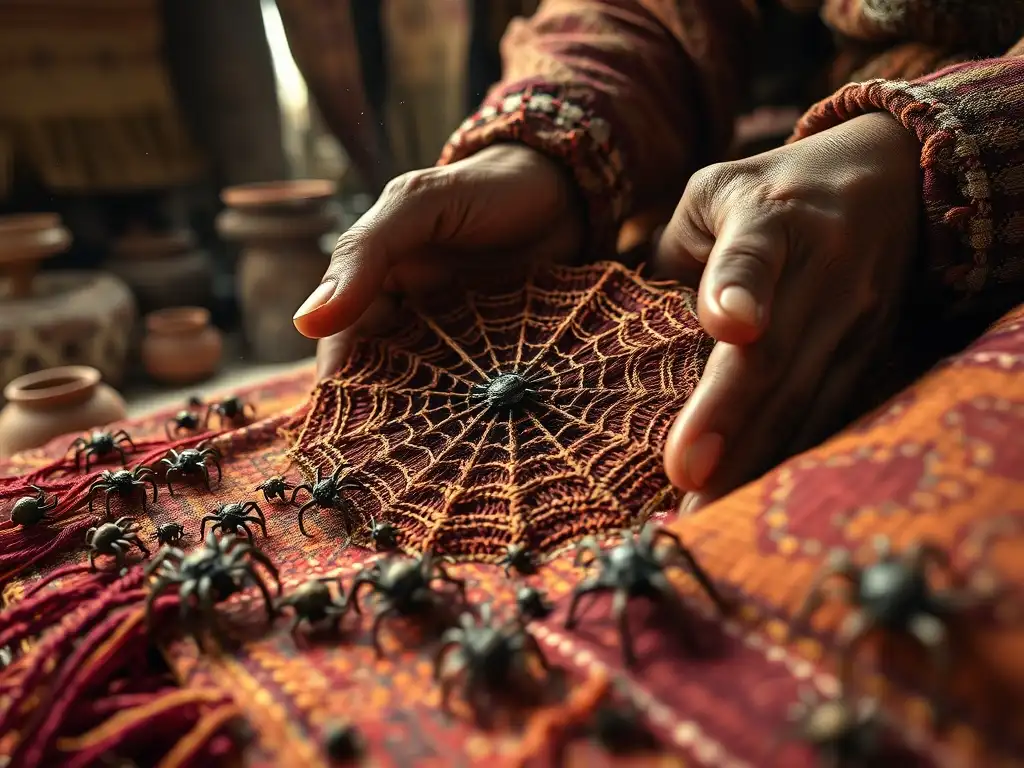
The Andean spider ritual, while varying across different cultures and regions, shared common threads in its material and practical elements. These rituals often involved the careful selection and preparation of natural materials, reflecting a deep respect for the environment and the interconnectedness of life. The process was not merely a mechanical act but a deeply spiritual one, imbued with meaning and intention. The practitioners approached each step with reverence, understanding that the materials themselves held symbolic power.
Use of Natural Fibers and Dyes in Ritual Practices
Natural fibers, predominantly cotton and llama wool, played a crucial role in the creation of ritual objects. These fibers, spun and woven into intricate textiles, represented the spider's ability to create complex webs from seemingly simple threads. The dyes used were derived from natural sources like plants and minerals, each color carrying its own symbolic weight within the Andean cosmology.
For example, red, obtained from cochineal insects, often symbolized blood, life force, and the sun, while yellow, from various plants, represented fertility and the earth. The meticulous craftsmanship involved in creating these textiles mirrored the spider's skill and dedication in weaving its web. The process itself was a form of prayer, a meditative act that connected the weaver to the spirit world.
The Significance of Spider-Shaped Offerings
Spider-shaped figurines, often crafted from clay, wood, or precious metals, served as important offerings in Andean spider rituals. These figurines, meticulously detailed, represented the spider's power and creativity. The size and material of the offering often indicated the significance of the ritual and the supplicant's devotion.
Larger, more elaborately crafted figurines might be reserved for important ceremonies or requests for significant blessings, while smaller ones might be used in more personal or everyday rituals. The placement of these offerings – in sacred sites, burial grounds, or within domestic shrines – further underscored their importance within the ritual context. Analysis of excavated artifacts suggests that these offerings were not merely discarded but carefully placed, indicating a belief in their continued spiritual efficacy.
Ritual Dances and Chants Associated with the Spider
Ritual dances and chants formed an integral part of the Andean spider rituals. These performances, often involving masked dancers and elaborate costumes, mimicked the spider's movements and weaving patterns, evoking the spider's creative energy and its ability to connect different realms. The chants, passed down through generations, invoked specific deities associated with weaving, creativity, and the cosmos.
These vocalizations, imbued with symbolic language and rhythmic patterns, were believed to hold transformative power, facilitating communication with the spiritual world and ensuring the success of the ritual. The combination of movement and sound created a powerful atmosphere, fostering a state of heightened spiritual awareness among the participants. Archaeological evidence, such as depictions on pottery and textiles, supports the existence of these performances and provides clues about their nature.
Regional Variations in Andean Spider Rituals
While the overarching themes of creativity and skill were common to Andean spider rituals, significant regional variations existed, reflecting the diverse cultural landscapes and beliefs of the various Andean groups. The specific practices, materials used, and symbolic interpretations differed considerably, highlighting the rich tapestry of Andean spiritual traditions.
Specific Ritual Practices in the Inca Empire
In the Inca Empire, the spider’s symbolism was often intertwined with the imperial ideology of order, control, and centralized power. The intricate web was seen as a metaphor for the empire's vast network of roads, administrative systems, and social hierarchy. Rituals likely involved offerings of fine textiles and gold ornaments, reflecting the Inca's wealth and power.
The precise details of these rituals remain somewhat elusive due to the limited surviving sources; however, the integration of spider symbolism into imperial iconography suggests its importance within the Inca worldview. Further research is needed to fully understand the specific practices within the Inca context.
Spider Rituals Among the Tiahuanaco Culture
The Tiahuanaco culture, known for its sophisticated art and monumental architecture, likely incorporated spider symbolism into its complex religious system. Given their advanced textile production and mastery of intricate designs, it's plausible that spider rituals among the Tiahuanaco focused on weaving and the creation of intricate textiles. The spider might have been associated with deities related to fertility, craftsmanship, and the cyclical nature of life and death. However, concrete evidence regarding the specific nature of these rituals is limited, requiring more archaeological investigation and analysis of available artifacts.
Variations in Spider Symbolism Across Different Andean Groups
Spider symbolism varied across different Andean groups. While the connection to creativity and skill was consistent, the specific attributes associated with the spider differed. Some groups might have emphasized the spider's ability to capture prey, associating it with hunting and warfare. Others might have focused on its role in pollination and agriculture, linking it to fertility and abundance.
The regional variations underscore the diversity of Andean cultures and the richness of their respective cosmovisions. Further research is crucial to fully document and understand the nuances of spider symbolism across the various Andean groups. The lack of extensive written records presents a challenge, necessitating a more thorough analysis of material culture and archaeological findings.
The Enduring Legacy of the Andean Spider Ritual
The Andean spider ritual, while its precise practices might be lost to time, continues to resonate in Andean cultures today. Its symbolism, deeply rooted in the intricate web-spinning abilities of the spider, persists as a powerful metaphor for creativity, skill, and the interconnectedness of life. The spider's ability to create something complex and beautiful from seemingly simple materials mirrors the ingenuity and artistry found throughout Andean civilizations.
From the intricate textiles of the Inca to the sophisticated irrigation systems of the Nazca, the spider's legacy lives on in the remarkable achievements of Andean peoples. The enduring power of this symbolism speaks to the deep-seated respect for nature and the profound understanding of the natural world held by these ancient cultures. Even today, certain Andean communities still incorporate spider imagery into their crafts and rituals, albeit often in subtly modified forms.
This continuity demonstrates the enduring influence of ancient traditions on contemporary life. The spider motif, once a central element of a specific ritual, has transformed into a broader, more pervasive symbol of Andean identity and creativity.
Contemporary Interpretations of Spider Symbolism
While the precise details of ancient Andean spider rituals remain largely unknown, the spider's symbolic importance continues to be interpreted and reinterpreted in contemporary Andean contexts. For some, the spider embodies the creative spirit, a symbol of resourcefulness and the ability to construct complex systems. Others see the spider's web as a representation of the interconnectedness of the universe, highlighting the intricate relationships between different elements of the natural and spiritual worlds.
In modern Andean art, the spider frequently appears as a powerful symbol, often depicted in intricate textiles, pottery, and other crafts. These contemporary representations often integrate elements from both ancient traditions and modern interpretations, showcasing the adaptability and enduring relevance of the spider's symbolism.
The evolution of the spider's meaning reflects the dynamic nature of Andean culture and its ability to adapt ancient traditions to modern contexts. The spider, therefore, remains a potent symbol, capable of conveying a range of meanings depending on the cultural context and individual interpretation.
The Influence of Ancient Rituals on Modern Andean Culture
The influence of ancient Andean rituals, including those potentially centered around the spider, is still felt in modern Andean culture. Many contemporary Andean traditions and practices retain echoes of ancient beliefs and practices. The deep reverence for nature, the intricate craftsmanship, and the importance of community are all aspects that connect modern Andean culture to its rich and complex past.
While specific rituals may have changed or been lost over time, their underlying spiritual and philosophical principles continue to inform the worldview and practices of Andean communities. The continuity between ancient and modern Andean culture is evident in various aspects of daily life, from agricultural practices to artistic expressions. The enduring legacy of ancient Andean spirituality demonstrates the resilience of cultural traditions and their capacity to adapt and evolve while retaining their core values.
The spider's symbolism, therefore, serves as a powerful reminder of this enduring legacy and the ongoing connection between past and present. Studying these connections offers valuable insights into the continuity and transformation of Andean culture.
Conclusion: The Significance of the Spider in Andean Spirituality
The spider, far from being just an insect, holds a significant place in Andean spirituality. Its symbolic representation transcends a simple creature; it embodies creativity, skill, interconnectedness, and the very fabric of Andean cosmology. While the specifics of ancient spider rituals remain largely shrouded in mystery, the enduring presence of spider imagery in contemporary Andean art and culture testifies to its lasting significance.
The spider's web, a symbol of intricate design and interconnectedness, serves as a powerful metaphor for the complex relationships between the natural world, the spiritual realm, and human society. Understanding the significance of the spider in Andean spirituality provides valuable insight into the worldview and values of these ancient and enduring cultures.
Further research is needed to uncover the full extent of the spider's role in Andean rituals and beliefs, but its enduring presence underscores its importance in the Andean cultural landscape. The spider, therefore, stands as a powerful reminder of the enduring legacy of Andean spirituality and its continuing relevance in the modern world.
- Introduction to Andean Spider Rituals and Their Significance
- The Spider in Andean Cosmovision: A Symbol of Creation
- Spider Iconography in Ancient Andean Art
- The Andean Spider Ritual: Purpose and Context
- Elements of the Spider Ritual: Materials and Practices
- Regional Variations in Andean Spider Rituals
- The Enduring Legacy of the Andean Spider Ritual
- Conclusion: The Significance of the Spider in Andean Spirituality
- What is the significance of spiders in Andean cultures?
- How did the Andean people depict spiders in their art?
- Were spider rituals practiced across all Andean cultures?
- What is the connection between spider symbolism and Andean textile production?
- Where can I learn more about Andean spider ritual symbolism?
Frequently Asked Questions
What is the significance of spiders in Andean cultures?
Spiders held significant symbolic meaning in various Andean cultures. They were often associated with creativity, skill, and the ability to weave intricate designs, mirroring the complex textiles and architecture of these civilizations.
How did the Andean people depict spiders in their art?
Spiders frequently appear in Andean textiles, pottery, and other forms of art. Their representations often highlight their ability to spin and weave, connecting them to concepts of creation and craftsmanship.
Were spider rituals practiced across all Andean cultures?
While spider symbolism was widespread, the specific rituals and practices varied between different Andean cultures like the Incas, Moche, Nazca, and Tiahuanaco. The interpretations and associated beliefs differed as well.
What is the connection between spider symbolism and Andean textile production?
The spider's ability to create intricate webs directly linked it to the skill and artistry of Andean textile production. Weaving was a highly valued craft, and the spider served as a powerful symbol of this expertise.
Where can I learn more about Andean spider ritual symbolism?
Further research into Andean archaeology and iconography will provide deeper insights. You can explore academic journals, museum exhibits, and books focusing on Andean civilizations to uncover more details about this fascinating subject.
Final Reflection: Weaving the Threads of Andean Creativity
The enduring legacy of the Andean spider ritual continues to resonate today, a powerful testament to the intricate connection between human ingenuity and the natural world. Its symbolism, far from being a relic of the past, offers a potent metaphor for the creative process itself – the meticulous spinning of ideas, the patient weaving of narratives, and the ultimately transformative power of skilled craftsmanship. This ancient practice speaks volumes about the enduring human need to find meaning and purpose in the world around us.
The spider, as a symbol of creation and resilience, has profoundly impacted my understanding of Andean culture and its enduring influence on contemporary art and spirituality. Its intricate web, a testament to both fragility and strength, mirrors the complexities of life itself. The spider's web is a metaphor for the interconnectedness of all things,
a Quechua elder once told me, a sentiment that continues to echo in my own reflections on the subject. The ritual's persistence, despite the passage of centuries, underscores the timeless nature of human creativity and the enduring power of symbolic representation.
Consider, for a moment, the intricate web you are weaving in your own life. What threads of creativity, skill, and resilience are you diligently spinning? Embrace the spirit of the Andean spider ritual – the dedication, the patience, the unwavering belief in the transformative power of your own unique skills. Let the ancient wisdom of this practice inspire you to create, to innovate, and to leave your own indelible mark on the world, one carefully woven thread at a time.
Unveil Your Creative Potential with Andean Wisdom!
Thank you for joining us on this exploration of the Andean Spider Ritual, where we uncovered valuable insights into creativity and skill development. We hope this journey has sparked your imagination and inspired you to embrace your creative process. Now, let's put those insights into action!
- Immerse Yourself: Engage in a creative activity inspired by Andean culture. Whether you choose weaving, painting, sculpting, or writing, channel the energy and symbolism of the spider to create something truly unique.
- Share Your Journey: Share your creative work on social media and tag us to connect with a community of like-minded individuals celebrating creativity. Use the hashtag #AndeanCreativity to join the conversation!
- Explore Further: Deepen your understanding of Andean traditions by exploring books, articles, or documentaries about the culture. You never know what inspiring ideas and new skills you might discover!
How will you integrate the lessons from the Andean spider ritual into your life and creative endeavors?