
The Sacred Huacas: Discovering the Power of Holy Places in Inca Rituals

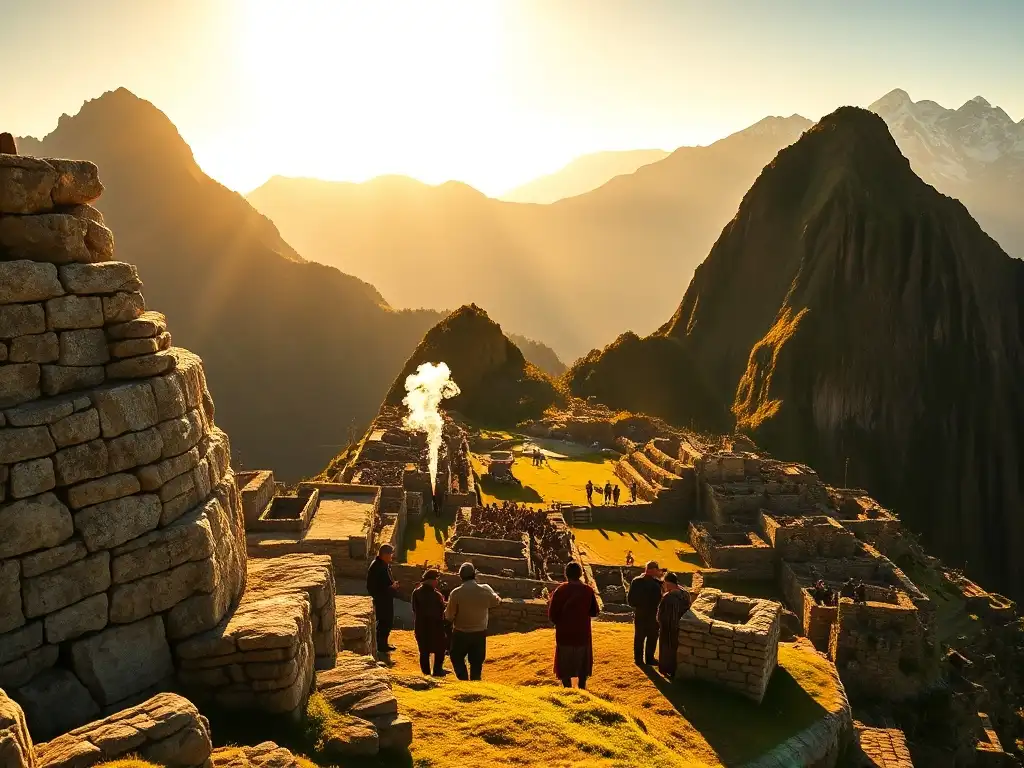
Step into a world lost to time, yet echoing with the power of ancient Andean spirituality. Imagine the breathtaking grandeur of the Inca Empire, where sacred sites pulsed with life, and the mysterious rituals surrounding the Inca Huacas held the very fabric of their society together. Prepare to uncover the secrets behind these holy places and delve into the captivating world of Inca religious practices – a journey that will leave you breathless. Discover the enigma of the Inca Huacas sacred rituals and unlock the mysteries of this awe-inspiring civilization.
The Inca Empire, renowned for its sophisticated engineering and vast territorial reach, also possessed a deeply spiritual worldview centered around the veneration of huacas. These weren't simply "sacred sites," but rather powerful entities imbued with spiritual energy, integral to the fabric of Inca society and deeply intertwined with their complex ritual practices. This article delves into the profound significance of huacas within Inca religion, exploring their diverse forms, the rituals performed at these locations, and their enduring legacy in understanding the Inca worldview.
We will examine how these sacred places served as focal points for maintaining cosmic balance, ensuring agricultural prosperity, and reinforcing the Inca's imperial power. Understanding the role of huacas provides crucial insight into the intricacies of Inca religious beliefs and their profound impact on daily life.
This exploration will reveal how the Inca's connection to these sacred places shaped their society, politics, and ultimately, their enduring cultural heritage. We will uncover the power dynamics inherent in their reverence, the specific rituals undertaken, and the lasting impact these sacred sites continue to hold.
Understanding Inca Huacas: More Than Just Sacred Sites
The term "huaca" encompasses a vast array of natural and artificial features considered sacred by the Inca. These could include mountains (like the majestic Ausangate), springs, caves, rocks with unusual shapes, and even specific trees. Many huacas were associated with specific deities or ancestors, and their power was believed to influence the fertility of the land, the success of harvests, and the overall well-being of the community.
The Inca meticulously maintained and venerated these sites, investing significant resources in their upkeep and the performance of elaborate rituals. It's important to note that the power of a huaca wasn't inherent; it was bestowed upon it through ritual action and the ongoing engagement of the Inca people. This active participation reinforced the sacred nature of the huaca and its connection to the cosmological order.
The Inca believed that maintaining a harmonious relationship with these powerful entities was crucial for the stability and prosperity of their empire. Failure to do so could result in natural disasters, crop failures, or even the weakening of imperial authority.
The Inca worldview was deeply animistic, believing that spirits inhabited both the natural and the supernatural realms. Huacas served as tangible manifestations of these spirits, providing access points for communication and interaction. This interaction wasn't passive; the Inca actively sought to appease and honor the spirits inhabiting the huacas through offerings, prayers, and elaborate ceremonies.
These rituals were not merely symbolic acts, but rather vital mechanisms for maintaining the delicate balance between the human and spiritual worlds, a balance critical to their survival and prosperity. The specific rituals varied depending on the nature of the huaca and the purpose of the ceremony. Some involved simple offerings of food and drink, while others were far more elaborate, involving processions, sacrifices, and the participation of priests and other religious specialists.
The Significance of Huacas in Inca Religion
The Inca religion was deeply polytheistic, with a complex pantheon of deities representing various natural forces and aspects of the cosmos. Huacas played a crucial role in this religious system, serving as both physical manifestations of these deities and as intermediaries between the human and divine worlds. The Inca believed that huacas possessed the power to influence events in the human world, and thus, maintaining a positive relationship with them was crucial for the well-being of the empire.
This relationship was fostered through a variety of rituals, including offerings, prayers, and festivals. These rituals were often performed by specialized priests, but could also involve the participation of the wider community.
The importance of huacas extended beyond religious practices; they also played a significant role in the political and social organization of the Inca Empire. The control and access to specific huacas were often used to assert power and authority. The Inca elite, through their control over these sacred places, were able to reinforce their legitimacy and maintain social order.
The huacas served as potent symbols of Inca power and authority, reinforcing their imperial control over both the human and spiritual realms. The strategic placement of huacas along major roads and in important administrative centers further solidified their political and religious dominance. The continued study of Inca huacas and their associated rituals provides invaluable insights into the complex interplay between religion, politics, and society within the Inca Empire, enriching our understanding of this remarkable civilization.
The legacy of these sacred places continues to resonate today, reminding us of the enduring power of faith and the deep connection between humans and the natural world. The meticulous records kept by Spanish chroniclers, alongside archaeological discoveries, offer a rich tapestry of information that allows us to piece together the significance of these sacred sites and the power they held in Inca society.
Types of Huacas: Natural and Man-Made Sacred Spaces
The Inca worldview was deeply intertwined with the concept of huacas, sacred places imbued with spiritual power. These weren't simply religious sites; they were integral to the Inca's understanding of the cosmos, their relationship with nature, and the very fabric of their society. Huacas encompassed a wide spectrum of locations, broadly categorized as either natural or man-made. Natural huacas represented the inherent sacredness of the Andean landscape, reflecting the power of the earth and its elements.
These included towering mountains, gushing springs, and imposing rock formations. Man-made huacas, on the other hand, were created by human hands to enhance or focus pre-existing spiritual energies. These could range from carefully constructed temples and shrines to intricately designed agricultural terraces and even carefully placed stones within a landscape. The distinction between natural and man-made huacas wasn't always sharp, as human intervention often sought to amplify the inherent sacredness of a natural site, blurring the lines between creation and discovery.
The Inca understanding of the sacred seamlessly integrated the natural and the human-made, underscoring their profound respect for the interconnectedness of all things. This holistic approach is key to understanding the significance of huacas within Inca religious practices. The Inca Empire's extensive road system, for example, was not just a logistical achievement, but a spiritual pathway connecting numerous huacas across the vast empire, facilitating pilgrimage and maintaining the sacred connections between distant communities.
Natural Huacas: Mountains, Springs, and Rocks of Power
The Inca reverence for natural landscapes is strikingly evident in their designation of numerous natural features as huacas. These weren't simply picturesque locations; they were believed to be dwelling places of powerful spirits, direct manifestations of Andean deities, and crucial conduits for communicating with the supernatural realm. The Inca worldview saw the mountains, springs, and rocks as active participants in the cosmic order, their energies influencing everything from agricultural cycles to the well-being of the entire empire.
Rituals performed at these sites were intended to maintain harmony with these powerful forces, ensuring fertility, prosperity, and protection from harm. The selection of a particular natural feature as a huaca wasn't arbitrary; it was based on a complex interplay of geographical factors, perceived spiritual significance, and the historical importance of the site within the community.
The Inca carefully observed and interpreted natural phenomena, attributing spiritual meaning to unique geological formations, unusual water sources, and the presence of specific flora and fauna. This close observation of the natural world shaped their religious practices and influenced their understanding of the cosmos.
Apu Mountains: The Highest Huacas in Inca Beliefs
The towering Apus, or mountain gods, held the most prominent position within the Inca pantheon of natural huacas. These majestic peaks were considered the physical embodiment of powerful deities, their snow-capped summits reaching towards the celestial realm. The Apus weren't merely geographical features; they were venerated as living entities, possessing agency and influencing the lives of those living in their shadow.
Inca communities living near an Apu would perform regular offerings and rituals to appease the mountain god, ensuring favorable weather patterns, successful harvests, and the overall well-being of the community. These rituals often involved climbing to high-altitude shrines built on mountain slopes or peaks, carrying coca leaves, chicha (fermented corn beer), and other offerings to appease the mountain spirit.
The importance of the Apus in Inca religion is further underscored by the meticulous construction of roads and trails leading to these sacred mountain sites, evidence of the significant effort undertaken to maintain and strengthen the relationship between people and the sacred mountains. The construction itself was often considered a ritual act, further sanctifying the path to the mountain’s peak.
Water Sources: Springs and Rivers as Sacred Huacas
Water, a life-giving force in the arid Andean landscape, held immense spiritual significance for the Inca. Springs and rivers, often originating from the slopes of the Apus, were considered sacred huacas, embodying the vital energy that sustained life and fertility. These water sources were not just sources of hydration; they were believed to be imbued with spiritual power, connecting the earthly realm with the supernatural world.
Rituals performed at these sites often involved offerings of coca leaves, flowers, and other sacred items, intended to honor the spirit dwelling within the water and ensure its continued flow. The Inca's sophisticated water management systems, including intricate irrigation channels and reservoirs, weren’t solely for practical purposes; they also served to reinforce the sacred nature of water, channeling its life-giving energy and demonstrating their respect for this vital resource.
The careful maintenance of these systems was a testament to their understanding of the interconnectedness between the physical and the spiritual. Specific springs or river confluences were often selected for their unique geological features, further enhancing their spiritual significance.
Sacred Stones and Rock Formations: The Power of Huacas
Beyond mountains and water sources, certain stones and rock formations were also designated as huacas, their unique shapes and characteristics imbuing them with spiritual significance. These could range from individual boulders with unusual features to larger rock formations or cave systems. The Inca attributed specific powers or properties to these stones, often associating them with particular deities or ancestral spirits.
Some stones might be considered particularly potent for healing, while others might be associated with fertility or protection. These sacred stones frequently served as focal points for rituals, with offerings and prayers made to the spirits inhabiting them. The Inca's meticulous selection of these stones suggests a deep understanding of the landscape’s subtle energies and their ability to perceive the spiritual potency inherent within specific natural formations.
The arrangement of stones in certain sites, particularly in conjunction with agricultural terraces or other man-made structures, suggests a deliberate attempt to harness and channel the spiritual energies of the landscape. These carefully selected and placed stones represent a tangible manifestation of the Inca's profound connection with the natural world and their reverence for the sacred energies permeating their environment.
Man-Made Huacas: Temples, Shrines, and Ceremonial Platforms
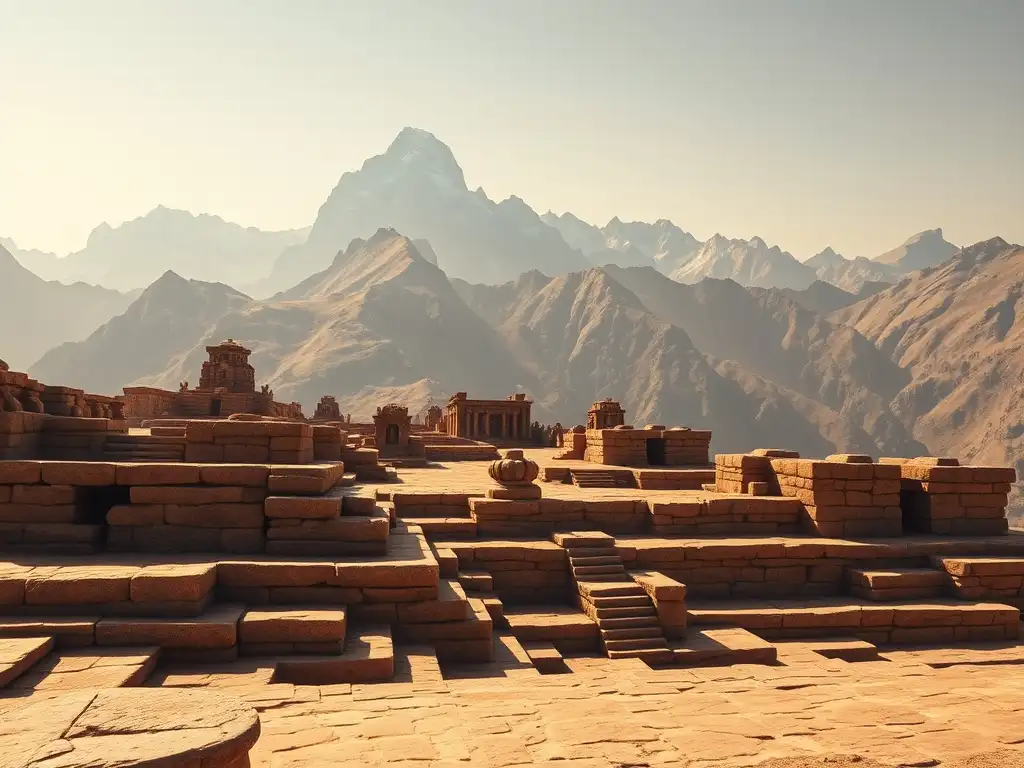
The Inca civilization meticulously crafted numerous man-made huacas, transforming natural landscapes and building impressive structures dedicated to their deities and ancestors. These weren't merely buildings; they were imbued with spiritual significance, acting as focal points for elaborate rituals and ceremonies. The design and placement of these huacas reflected a deep understanding of cosmology and the Inca worldview, connecting the earthly realm to the sacred.
The precise location of these sites often held symbolic importance, aligning with astronomical events or significant geographical features. The construction itself was a ritualistic act, involving communal labor and offerings to ensure the successful completion and blessing of the sacred space. Master builders and artisans poured their skills into creating these magnificent structures, utilizing advanced techniques in stonework, and often incorporating intricate designs and symbolic motifs.
The grandeur of these man-made huacas serves as a powerful testament to the Inca's reverence for their gods and the spiritual power they attributed to these locations. Their construction involved a complex interplay of religious beliefs, engineering prowess, and social organization, showcasing the sophisticated nature of Inca society.
Coricancha: The Temple of the Sun as a Major Inca Huaca
Coricancha, or the Temple of the Sun, stands as a prime example of a man-made huaca in Cusco. This magnificent temple, originally plated in gold, was the most important religious center in the Inca Empire. Its central location and opulent adornments reflected the paramount importance of Inti, the sun god, in Inca religion.
The temple's design incorporated sophisticated astronomical alignments, likely used for observing solstices and other celestial events. The precision of its stonework is astounding, showcasing the exceptional skills of Inca masons. Numerous historical accounts describe the temple's lavish interior, filled with gold and silver statues, intricate carvings, and precious artifacts.
The sheer scale and grandeur of Coricancha underline its significance as not just a temple, but a powerful huaca, a place where the divine presence was believed to be particularly strong. The destruction of much of Coricancha after the Spanish conquest unfortunately obscures many details, but archaeological investigations continue to reveal more about this incredibly significant Inca huaca.
Sacsayhuamán: A Fortress and Ceremonial Center as a Huaca
Sacsayhuamán, located overlooking Cusco, is a remarkable example of an Inca huaca that served a dual purpose: as a formidable fortress and a significant ceremonial center. Its massive cyclopean stonework, with stones weighing many tons, is awe-inspiring. The strategic location and imposing architecture underscore its role as a defensive structure.
Yet, the alignment of its structures with astronomical events, along with the discovery of ritual objects within its walls, reveals its crucial ceremonial role. Sacsayhuamán hosted important religious festivities, particularly during the Inti Raymi, the festival celebrating the sun god. The complex's layout, with its terraces and platforms, likely facilitated large-scale ceremonies and processions.
The integration of military and religious functions highlights the interconnectedness of these aspects within Inca society. Sacsayhuamán’s enduring presence on the Cusco landscape highlights its importance as a powerful huaca that combined military strength with profound spiritual significance. It remains a powerful symbol of Inca strength and religious devotion.
Ollantaytambo: A Royal Estate and Temple Complex as a Huaca
Ollantaytambo, located in the Sacred Valley, was a significant royal estate and religious center, serving as a powerful huaca. Its impressive agricultural terraces, intricate water management systems, and monumental stone structures reflect both its practical and spiritual significance. The site's architecture showcases the Inca’s remarkable engineering skills and their ability to integrate their built environment seamlessly with the natural landscape.
The presence of numerous temples and shrines within the complex suggests it played a critical role in religious activities. Ollantaytambo's strategic location, controlling access to the Andes, further emphasizes its importance as a hub of power and spiritual significance. It served as a royal retreat, a religious center, and a strategic stronghold, embodying the multifaceted nature of Inca huacas.
The site's enduring legacy as a powerful huaca stems from its unique blend of royal authority, religious practices, and remarkable architectural achievements. The enduring presence of Ollantaytambo stands as a testament to the importance of huacas in the Inca worldview.
Inca Rituals and Offerings at Huacas
Inca rituals at huacas were complex and varied, reflecting the diverse pantheon of deities and the specific nature of each sacred site. These rituals often involved processions, music, dance, and offerings. The huacas served as locations for communicating with the divine, requesting blessings, and ensuring the well-being of the community. Offerings, ranging from agricultural produce and textiles to precious metals and human sacrifices (in certain specific cases), were presented to appease the gods and ensure their continued favor.
Priests played a central role in conducting these rituals, interpreting omens, and mediating between the human and divine realms. The frequency and intensity of rituals at a particular huaca likely depended on its perceived importance and the specific needs of the community. The rituals were not merely religious acts; they were integral to the social fabric, reinforcing social hierarchies, and strengthening community bonds.
Understanding the rituals associated with Inca huacas provides invaluable insights into their beliefs, social structures, and relationship with the natural world. The complexity of these rituals underlines the deep spiritual significance of huacas in Inca society and their central role in maintaining cosmic harmony. Archaeological evidence continues to shed light on the specific practices associated with these sacred places, revealing the rich tapestry of Inca religious life.
The Role of Priests and Shamans in Huaca Rituals
The Inca religious system was highly structured, with priests and shamans playing pivotal roles in rituals performed at huacas. These individuals, often chosen for their perceived connection to the spiritual realm, acted as intermediaries between the human and divine worlds. Priests, belonging to a hierarchical system, were responsible for maintaining the calendar, conducting elaborate ceremonies, and interpreting omens. Their knowledge of Inca cosmology and the specific significance of each huaca was crucial for the successful execution of rituals.
They led processions, oversaw offerings, and ensured the proper performance of sacred dances and chants. Shamans, on the other hand, possessed more individualistic powers and were often consulted for healing, divination, and communicating with spirits inhabiting the huacas. Their role was often more intimate and less formalized than that of the priests, focusing on individual needs and connecting directly with the supernatural forces associated with a particular huaca. The interplay between priests and shamans ensured a comprehensive approach to ritual practice, combining both formal religious observance with more personalized spiritual experiences.
The effectiveness of the rituals depended heavily on the skill and perceived spiritual authority of these religious specialists. Evidence suggests that both priests and shamans underwent rigorous training and were deeply respected within Inca society for their roles in maintaining cosmic balance and ensuring the well-being of the community. Their influence extended beyond the ritual sphere, impacting political decisions and social structures.
Animal Sacrifices and Offerings to the Huacas
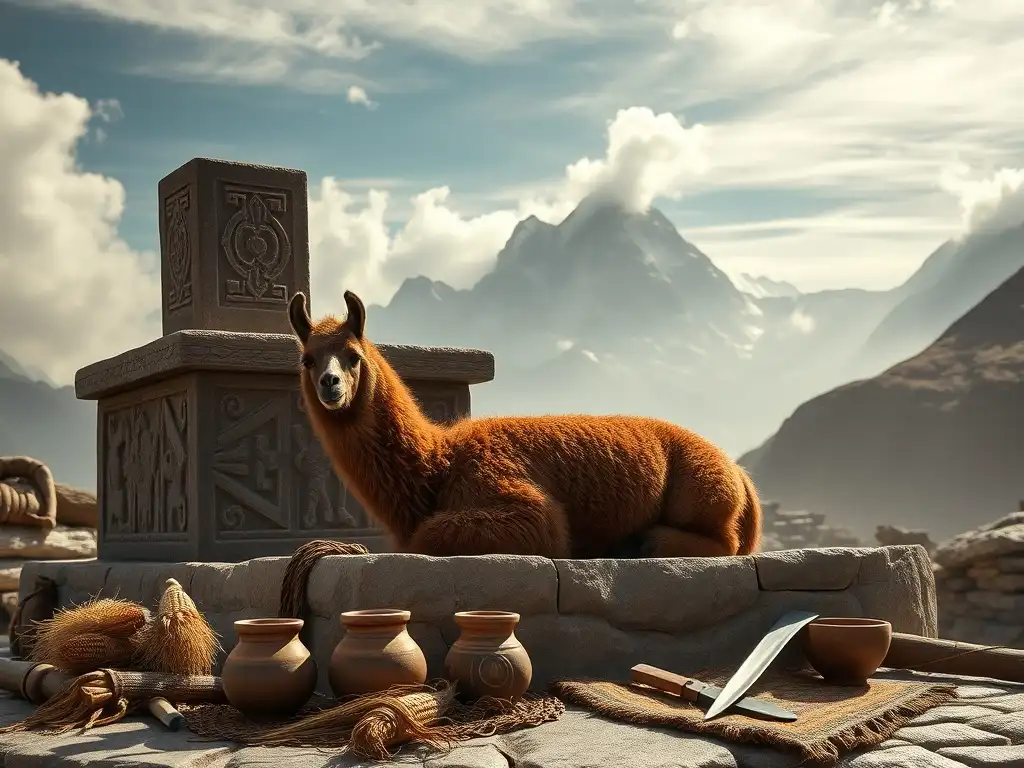
Animal sacrifices formed a significant aspect of Inca rituals conducted at huacas. These offerings, far from being mere displays of power, were deeply symbolic acts aimed at appeasing the gods and ensuring the fertility of the land and the prosperity of the people. The type of animal sacrificed varied depending on the huaca and the specific purpose of the ritual. Llamas, alpacas, and vicuñas were frequently offered, their importance rooted in their economic and symbolic value within Inca society.
These animals represented wealth, status, and connection to the Andean landscape. The sacrifice itself was a meticulously performed ritual, often involving specific procedures and incantations designed to ensure the acceptance of the offering by the supernatural forces associated with the huaca. Beyond sacrifices, other offerings were presented at huacas. These included food, drink, textiles, and precious metals.
Such offerings were meant to demonstrate respect and gratitude to the deities and spirits associated with the sacred site. The quality and quantity of the offerings often reflected the importance of the ritual and the status of the individuals making the offerings. Archaeological evidence consistently reveals the presence of these offerings at various huacas across the Inca Empire, highlighting the widespread importance of these practices in Inca religious life. The careful placement and preservation of these artifacts suggest a profound belief in the power of offerings to maintain a harmonious relationship between the human and spiritual realms.
Human Sacrifices at Huacas: Understanding the Inca Context
While animal sacrifices were common, human sacrifice, though less frequent, also occurred at certain huacas within the Inca Empire. These sacrifices were not undertaken lightly; they were considered extraordinary events, reserved for times of crisis, significant political events, or to appease particularly powerful deities. The victims were often selected based on specific criteria, sometimes chosen for their perceived purity or exceptional qualities. Children were sometimes sacrificed, a practice viewed as particularly potent in securing divine favor.
The location of the huaca played a significant role; some sites were more associated with human sacrifice than others. These events were often connected to important ceremonies and festivals, and the act itself was likely seen as a way to maintain cosmic balance or to secure a favorable outcome in critical situations. It's crucial to understand the Inca context: these sacrifices were not acts of cruelty for their own sake, but rather ritualistic actions embedded within a complex system of beliefs and practices aimed at maintaining order and prosperity.
The narratives surrounding human sacrifice in Inca culture are often intertwined with myths, legends, and stories that emphasized the significance of the act in the larger cosmological framework. While the practice may appear shocking to modern sensibilities, it's essential to approach it within its historical and cultural context to avoid misinterpretations. Further research and archaeological discoveries continue to shed light on the specific circumstances and motivations behind Inca human sacrifice, revealing the complex and nuanced nature of this aspect of their religious beliefs.
Pilgrimages to Huacas: A Journey of Faith and Devotion
Pilgrimages to huacas were not merely journeys; they were deeply spiritual experiences central to Inca religious life. These journeys, often undertaken over arduous mountain paths and spanning considerable distances, were acts of devotion demonstrating unwavering faith and commitment to the Inca deities. Participants, ranging from commoners to elite members of society, would travel to venerate specific huacas, often carrying offerings of coca leaves, chicha (a fermented maize beverage), and other precious goods.
The journey itself held significance, mirroring the arduous paths of life and the spiritual striving towards a closer connection with the divine. The physical exertion and the challenges faced during the pilgrimage were seen as a form of purification and a demonstration of one's dedication. Upon reaching the huaca, elaborate rituals would be performed, involving prayers, sacrifices, and offerings aimed at securing blessings, healing, or favorable outcomes in matters of importance.
Evidence suggests these pilgrimages were organized events, sometimes involving entire communities traveling together, creating a powerful collective experience of shared faith and devotion. The social bonding and reinforcement of community ties during these journeys were as important as the religious aspects. Moreover, the stories and traditions associated with specific huacas and the routes leading to them were passed down through generations, solidifying their cultural and religious significance within Inca society.
The Legacy of Inca Huacas: Preserving Sacred Spaces Today
The legacy of Inca huacas continues to resonate powerfully in modern Peru and beyond. While many have suffered from looting, neglect, and the ravages of time, considerable efforts are underway to preserve these sacred sites for future generations. Archaeological research plays a crucial role in understanding the significance of these locations and the rituals performed there.
Careful excavation and analysis of artifacts unearthed at these sites shed light on Inca religious practices, beliefs, and social structures. Furthermore, many huacas are now protected as national monuments or are incorporated into national parks, safeguarding them from further damage and allowing for controlled access to researchers and visitors. The preservation efforts are not solely focused on physical structures; they also involve the preservation of oral traditions, stories, and cultural practices associated with these sites.
This includes working with local communities who often hold traditional knowledge and beliefs related to specific huacas, recognizing their role as custodians of these sacred spaces. The challenge lies in balancing the need for preservation with the desire to make these sites accessible for educational and tourism purposes, ensuring that both the physical integrity and the cultural significance of these sites are respected and maintained. The long-term sustainability of these preservation efforts relies heavily on collaboration between government agencies, researchers, local communities, and international organizations committed to protecting Peru's invaluable cultural heritage.
Huacas and Modern Andean Culture: Continuity and Adaptation
The huacas of the Inca Empire are not merely relics of the past; they remain deeply integrated into the fabric of modern Andean culture. While the Inca civilization may have fallen centuries ago, its spiritual and religious legacy continues to influence the practices and beliefs of Andean communities today. Many huacas are still considered sacred places, visited by locals who perform rituals and offerings, maintaining a continuity of religious traditions that span centuries.
These practices often blend elements of pre-Columbian Inca beliefs with those of Catholicism, reflecting the syncretic nature of Andean spirituality. For instance, traditional ceremonies might involve both Inca deities and Catholic saints, demonstrating a fascinating interplay of ancient and modern religious practices. Moreover, the symbolism and stories associated with specific huacas continue to shape local identities and cultural narratives.
These sites serve as powerful reminders of ancestral heritage and contribute to the sense of community and shared history among Andean people. The ongoing cultural significance of huacas highlights the enduring power of Inca religious traditions and their remarkable adaptation to the changing social and political landscapes of the Andes. This vibrant continuity underscores the importance of recognizing and respecting the living cultural heritage embodied within these sacred spaces.
Protecting Inca Sacred Sites: The Importance of Conservation
The preservation of Inca huacas is paramount not only for understanding their rich history and religious significance but also for safeguarding a vital part of Peru's cultural heritage. These sites, often imbued with spiritual power for the Inca people, are vulnerable to the ravages of time, natural disasters, and unfortunately, human activity. The delicate balance of these ecosystems, often high in the Andes, makes them particularly susceptible to environmental changes. Erosion, landslides, and the effects of climate change pose significant threats to the structural integrity of these ancient structures and the surrounding landscapes.
Effective conservation strategies require a multi-pronged approach. Archaeological research plays a critical role in documenting the sites' condition, understanding their construction, and identifying areas requiring immediate attention. This research, however, must be conducted responsibly, minimizing any further damage to the already fragile structures. Careful excavation techniques and the use of non-invasive technologies are crucial.
Beyond the purely scientific approach, community involvement is essential. Local populations often possess invaluable traditional knowledge about the sites and their significance, which can inform conservation efforts. Engaging these communities fosters a sense of ownership and responsibility, encouraging sustainable practices and preventing illicit activities such as looting or vandalism.
Furthermore, sustainable tourism practices are vital. While tourism can provide economic benefits to local communities and raise awareness about Inca heritage, uncontrolled or irresponsible tourism can lead to significant damage. Implementing strict regulations, providing proper training for tour guides, and educating visitors about the importance of respectful behavior are crucial steps in protecting these invaluable sites.
This includes limiting visitor access to sensitive areas, establishing designated pathways, and providing clear guidelines on appropriate conduct. Financial investment in conservation projects is also crucial. Funding is needed for infrastructure improvements, such as improved drainage systems to prevent erosion, and the implementation of protective measures against vandalism and looting.
International collaboration is also key, fostering the exchange of expertise and resources to implement the best possible conservation strategies. The preservation of Inca huacas is not merely a matter of preserving stones and structures; it is about safeguarding a living legacy, a tangible link to a rich and complex past that continues to inspire and resonate with people today. Failing to protect these sites is failing to protect a significant part of human history and cultural identity.
- Understanding Inca Huacas: More Than Just Sacred Sites
- The Significance of Huacas in Inca Religion
- Types of Huacas: Natural and Man-Made Sacred Spaces
- Natural Huacas: Mountains, Springs, and Rocks of Power
- Man-Made Huacas: Temples, Shrines, and Ceremonial Platforms
- Inca Rituals and Offerings at Huacas
- The Role of Priests and Shamans in Huaca Rituals
- Animal Sacrifices and Offerings to the Huacas
- Human Sacrifices at Huacas: Understanding the Inca Context
- Pilgrimages to Huacas: A Journey of Faith and Devotion
- The Legacy of Inca Huacas: Preserving Sacred Spaces Today
- Huacas and Modern Andean Culture: Continuity and Adaptation
- Protecting Inca Sacred Sites: The Importance of Conservation
Frequently Asked Questions
What are Huacas?
Huacas are sacred places in Inca culture. They could be mountains, rocks, springs, or even ruins, considered to have spiritual power and were vital to Inca religious life.
What role did Huacas play in Inca rituals?
Huacas were central to Inca religious practices. Rituals, offerings, and pilgrimages were performed at Huacas to honor deities and ensure a good harvest and prosperity.
Were all Huacas equally important?
No, Huacas varied in importance. Some held regional significance, while others were considered national sanctuaries, attracting pilgrims from across the empire. Their importance depended on their perceived power and history.
What types of offerings were made at Huacas?
Inca offerings at Huacas were diverse. They included food, drink, textiles, gold, and silver, reflecting the importance of the Huaca and the nature of the request to the deities.
How did the Inca maintain the sanctity of Huacas?
The Inca maintained Huacas through ritual cleansing, offerings, and the construction of temples and shrines around them. These actions reinforced their sacred status and ensured continued spiritual power.
Final Reflection: The Enduring Legacy of Inca Huacas
The reverence for sacred spaces, embodied in the Inca concept of huacas, remains profoundly relevant today. Our modern world, despite its technological advancements, still grapples with the fundamental human need to connect with something larger than ourselves, to find solace and meaning in places imbued with spiritual significance. The enduring power of these sites speaks to a timeless human yearning for connection and the search for sacredness within the landscape.
The influence of Inca huacas extends far beyond the archaeological record; their impact resonates in the cultural landscape of modern-day Peru and beyond. The spiritual practices and beliefs associated with these sites continue to shape the identities and traditions of Andean communities. Their enduring presence serves as a powerful reminder of the continuity of cultural memory and the importance of preserving our shared heritage. The past is never dead. It's not even past.
- William Faulkner. This quote perfectly encapsulates the ongoing relevance of understanding and respecting the sacred sites of past civilizations, like the Inca huacas.
Consider, for a moment, the profound connection between place and spirituality. How do you find your own sense of sacredness? What spaces in your life hold a similar power and resonance to the Inca huacas?
I urge you to reflect on this, to seek out those places that nourish your soul and to appreciate the enduring human need to connect with the sacred, whether it be a mountain peak, a quiet forest, or a cherished personal space. Let the legacy of the Inca huacas inspire you to discover and protect the sacred places in your own life and in the world around you.
Unveil the Sacred Power of Huacas!
Thank you for exploring the rich significance of huacas in Inca culture. We hope you've gained insight into these sacred sites and their profound role in ancient rituals. Now, let's bring that knowledge to life!
Here are some ways to deepen your connection to the mystical world of the Incas:
- Visit a significant local site, such as a historical landmark or archaeological ruin, and experience the power of the place firsthand. Feel the energy of the past.
- Share your newfound knowledge with friends and family, sparking conversations about the mysteries of ancient civilizations.
- Expand your understanding of Inca history by exploring books, documentaries, or museums that focus on their rituals and beliefs.
What sacred site are you most excited to explore, and how do you anticipate it will enrich your understanding of Andean culture? 🌄