
The Role of Priests in Tiahuanaco Society: Interpreters of the Divine Will

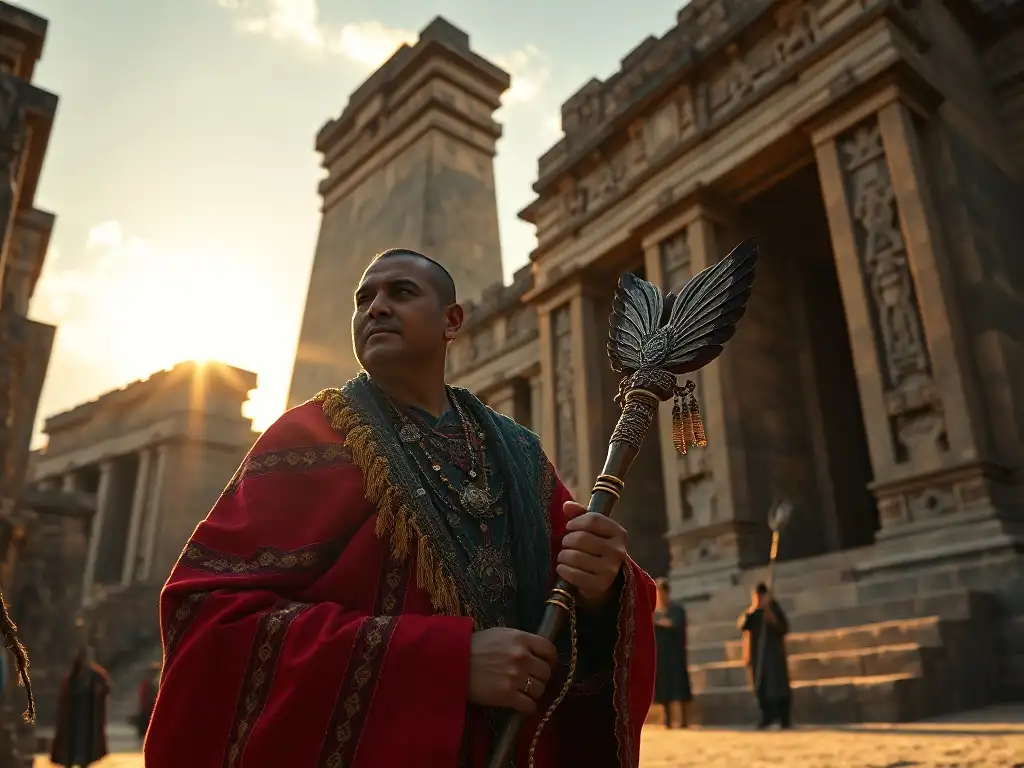
Step into a world lost to time, yet echoing with the power of ancient Andean civilizations. Imagine a society where the line between the earthly and spiritual realms blurred, where the priest held sway over life and death. This website delves into the fascinating complexities of these remarkable cultures, from the intricate artistry of the Nazca to the monumental architecture of the Incas. But today, we unravel the mysteries surrounding the Tiahuanaco priest social role, a position of immense influence that shaped the very fabric of Tiahuanaco society. Uncover their secrets and prepare to be amazed.
The enigmatic Tiahuanaco civilization, flourishing in the Andean highlands between approximately 500 and 1000 CE, remains a source of fascination for archaeologists and historians alike. This article delves into a crucial aspect of Tiahuanaco society: the multifaceted role of its priests. Understanding the social standing and influence of these religious figures is key to deciphering the complex socio-political structure of this powerful Andean civilization.
We will explore how Tiahuanaco priests acted not only as intermediaries between the human and divine realms but also as key players in the economic, political, and social fabric of their society. Their influence extended far beyond mere religious rituals, shaping daily life and contributing significantly to the overall power structure of Tiahuanaco. This exploration will reveal the intricate interplay between religion and society in Tiahuanaco, providing insights into the Tiahuanaco priest social role and its profound impact.
The precise social hierarchy of Tiahuanaco remains a subject of ongoing research and debate amongst scholars. However, evidence suggests that priests occupied a position of significant power and prestige. Archaeological finds, such as elaborate burial sites containing rich grave goods and the depiction of priestly figures in monumental architecture, point to their elevated status.
These individuals likely held considerable influence over the populace, acting as advisors to the rulers and interpreters of the divine will. The sheer scale and complexity of Tiahuanaco's religious structures, such as the Kalasasaya temple and the Akapana pyramid, further underscore the importance of religious authority within the society.
The construction of these monumental works required immense organizational skill and mobilization of resources, suggesting a highly centralized system with powerful religious leaders at its helm. Further research into the iconography and symbolism found within these structures could provide more concrete evidence of the priest's position within the social structure.
Tiahuanaco priests were central to the performance of elaborate rituals, which played a vital role in maintaining social order and ensuring the well-being of the community. These rituals, often involving offerings, sacrifices, and elaborate ceremonies, were not merely spiritual exercises but also served important social functions. For example, the annual cycle of agricultural rituals likely played a crucial role in reinforcing social cohesion and ensuring the successful harvest.
The precise nature of these rituals remains partly enigmatic, but evidence from ceramic artifacts and monumental architecture offers valuable clues. The intricate carvings and symbolic representations found on these artifacts hint at the complex cosmology and beliefs that underpinned these practices.
The meticulous preparation and execution of these rituals would have required specialized knowledge and skills, further emphasizing the priests' expertise and authority. We can speculate that participation in these rituals served to solidify social bonds and reinforce the authority of the priestly class.
Economic Influence and Control of Resources
The economic influence of Tiahuanaco priests is another significant aspect of their social role. Evidence suggests that they controlled or at least had considerable access to vital resources, including agricultural surpluses and craft production. The management of these resources would have been a key aspect of their power, allowing them to maintain their influence and prestige within the society.
The construction of large-scale irrigation systems and storage facilities indicates a sophisticated system of resource management, likely overseen by the priestly class. These priests may have also played a role in regulating trade and distribution networks, further solidifying their economic power.
Analyzing the distribution of goods and the organization of production within the Tiahuanaco state can provide further insights into the economic role of the priestly class. It is likely that the control of resources and their distribution were intimately linked to the priestly role, demonstrating a clear connection between religious authority and economic power.
Political Power and Interaction with Rulers
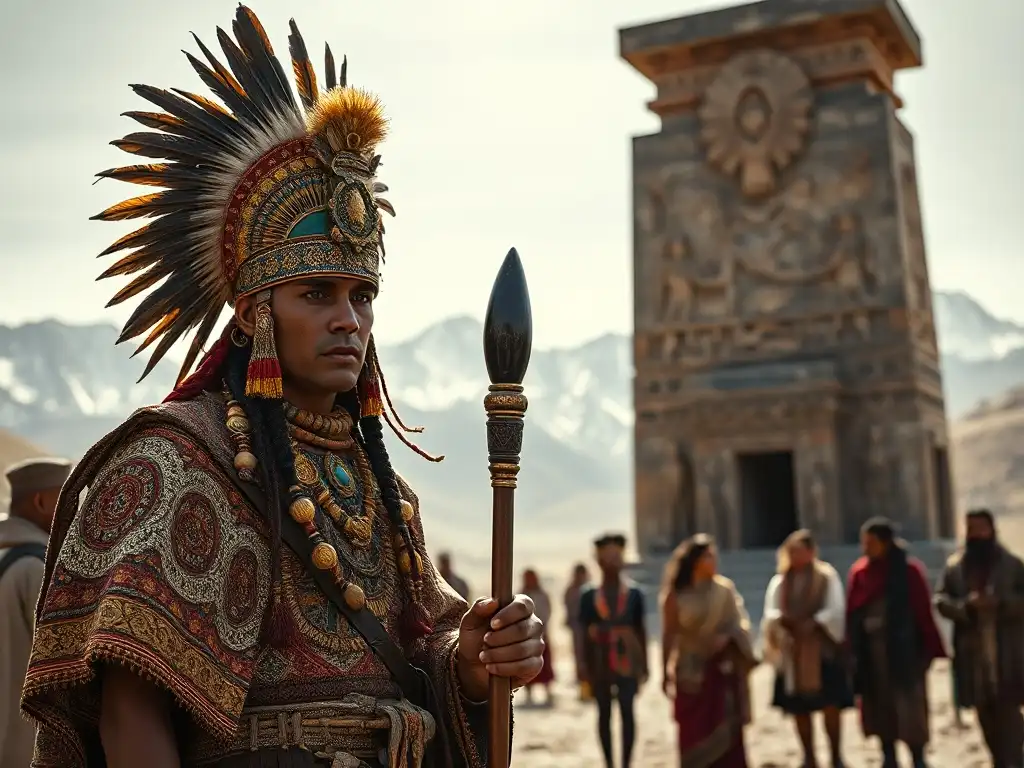
The relationship between Tiahuanaco priests and the ruling elite is a complex one, requiring further investigation. While the exact nature of their interaction remains unclear, it is likely that priests held significant political influence, possibly advising rulers on matters of state and offering legitimacy to their rule. The monumental architecture and iconography suggest a close relationship between religious and political authority, implying that the priests played a crucial role in shaping political decisions.
Further research is needed to determine the precise extent of their political power and the nature of their relationship with the ruling class. Careful analysis of the iconography depicting rulers and priests together could offer valuable clues. The possibility of a theocratic or theocratic-like structure should also be considered, where priests held considerable political power and may have even held the highest positions in the ruling structure.
The Legacy of Tiahuanaco Priests
The legacy of Tiahuanaco priests extends far beyond their immediate societal impact. Their influence can be seen in the subsequent development of Andean religions and cultures. The sophisticated religious beliefs and practices of Tiahuanaco, along with the monumental architecture and iconography associated with their priestly class, have left an indelible mark on the region's cultural landscape. Their intricate understanding of the cosmos, their mastery of ritual practices, and their control over resources served as a powerful model for later Andean civilizations.
This enduring legacy underscores the profound and lasting impact of the Tiahuanaco priest social role on the history and culture of the Andes. Further research into the spread of Tiahuanaco's religious and cultural influence can illuminate the long-term significance of their priestly class. The study of Tiahuanaco's legacy continues to provide invaluable insights into the development of Andean civilization.
- The Priest's Position within the Social Hierarchy
- Ritual Practices and their Social Significance
- Economic Influence and Control of Resources
- Political Power and Interaction with Rulers
- The Legacy of Tiahuanaco Priests
- What was the primary role of priests in Tiahuanaco society?
- How did Tiahuanaco priests influence the daily lives of the people?
- What evidence exists to support the social importance of Tiahuanaco priests?
- Did the priests of Tiahuanaco hold political power?
- How did the social role of a Tiahuanaco priest compare to other Andean civilizations?
Tiahuanaco Religious Hierarchy and its Importance
The intricate social structure of Tiahuanaco society was deeply intertwined with its complex religious beliefs. Understanding the Tiahuanaco priest social role requires acknowledging the centrality of religion in all aspects of life, from agricultural practices to political organization. Evidence suggests a hierarchical priestly structure, with power radiating from the top down, mirroring the societal hierarchy itself.
While the precise details remain debated due to limited textual sources, archaeological findings, such as the elaborate ceremonial centers and monumental architecture, point towards a highly organized and influential priesthood. The scale of the religious structures, like the monumental Kalasasaya complex, implies significant resources and manpower dedicated to religious activities, underlining the priesthood's considerable power and influence. This wasn't merely a matter of spiritual guidance; the priests likely played a crucial role in resource allocation, conflict resolution, and even political decision-making.
The prestige and authority associated with the priesthood undoubtedly provided access to privileged positions within the broader social hierarchy. The very fabric of Tiahuanaco society was woven with religious threads, making the understanding of the priestly class essential to comprehending the civilization's overall dynamics.
The Centrality of Religion in Tiahuanaco Culture
Religion permeated every facet of Tiahuanaco life. It wasn't a separate sphere but rather the organizing principle around which society revolved. Agricultural cycles, crucial for the survival of the population, were intimately linked to the religious calendar. Rituals and ceremonies, likely overseen by the priestly class, ensured the fertility of the land and the well-being of the community.
The elaborate iconography found on Tiahuanaco artifacts, particularly the recurring motifs of stylized figures, animals, and celestial bodies, suggests a sophisticated cosmology that informed their worldview and practices. The construction of monumental structures, like the Akapana pyramid, further emphasizes the immense importance given to religious activities. These weren't mere buildings; they were sacred spaces designed to connect the earthly realm with the divine.
The careful alignment of structures with astronomical events suggests a deep understanding of celestial cycles and their significance in the Tiahuanaco worldview. This pervasive religious influence meant that the Tiahuanaco priest social role extended far beyond spiritual guidance; they were key players in maintaining the social order and ensuring the community's prosperity. The very survival of Tiahuanaco society was believed to be dependent on the proper performance of religious rituals and the adherence to the divine will, as interpreted by the priestly class.
Understanding the Tiahuanaco Priesthood
The Tiahuanaco priesthood was likely a stratified group, with varying levels of authority and responsibility. While we lack detailed written records, the architectural complexity and iconographic evidence suggest a sophisticated hierarchy. High-ranking priests may have held considerable political influence, acting as advisors to rulers or even wielding direct power. Lower-ranking priests might have been responsible for conducting daily rituals, managing temples, and instructing the populace on religious practices.
The selection process for priests remains largely unknown, but it's probable that lineage, religious knowledge, and perhaps even demonstrated capabilities in ritual performance played a role. Archaeological evidence suggests the existence of specialized priestly attire and objects, further highlighting the distinct social status of the priesthood. The Tiahuanaco priest social role encompassed various functions, including interpreting omens, predicting future events, conducting sacrifices, and mediating between the human and divine realms. Their knowledge of cosmology, astronomy, and agricultural cycles made them indispensable to society.
Their influence extended to all aspects of life, solidifying their position as key figures within the Tiahuanaco social structure. Further research, particularly focused on analyzing the burial sites of individuals associated with religious practices, is needed to refine our understanding of the Tiahuanaco priesthood and its intricate internal hierarchy. The limited available evidence, however, clearly indicates a powerful and influential priestly class whose social role was fundamental to the functioning of Tiahuanaco society.
Tiahuanaco Priests: Guardians of Sacred Knowledge
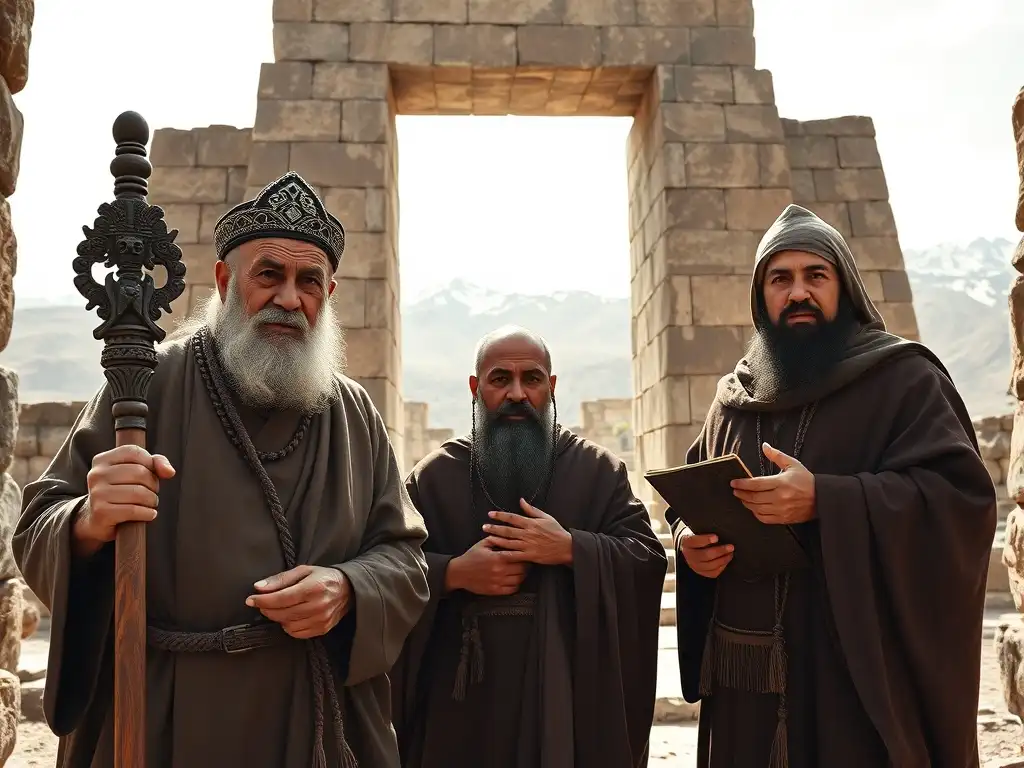
The Tiahuanaco priest held a position of immense power and influence within the complex social structure of the Tiahuanaco civilization. Their role extended far beyond simple religious rituals; they were essential interpreters of the divine will, advisors to the ruling elite, and custodians of vital knowledge. Understanding their social role is crucial to comprehending the intricacies of Tiahuanaco society and its sophisticated belief system. The prestige associated with the priestly class stemmed from their perceived connection to the supernatural realm and their ability to navigate its complexities. This influence permeated all aspects of life, from agricultural practices to political decisions, highlighting the profound impact of religion on daily existence within the Tiahuanaco state. Archaeological evidence, albeit limited, suggests a hierarchical priestly structure, with varying levels of authority and responsibility. Further research is needed to fully delineate the specifics of this hierarchy and the paths of advancement within the priestly ranks.
The Role of Priests as Intermediaries with the Gods
Tiahuanaco priests acted as crucial intermediaries between the human and divine realms. They were believed to possess the ability to communicate with the gods, interpreting their will and conveying their messages to the people. This communication wasn't a passive process; it involved elaborate rituals, sacrifices, and symbolic acts designed to appease the deities and ensure the continued prosperity of the civilization.
The priests' understanding of complex cosmologies and religious doctrines allowed them to perform these rituals effectively. Consider the intricate calendar system employed by the Tiahuanaco, likely used by priests to determine auspicious times for planting, harvesting, and other significant events. This demonstrates the practical application of their religious knowledge and its direct impact on the economic well-being of the community.
The intricate iconography found on Tiahuanaco artifacts, often depicting deities and mythological scenes, likely served as tools in their religious practices, aiding in communication and understanding of the divine. The precise methods of communication with the gods remain largely speculative, though analyses of religious artifacts and ritual sites offer tantalizing clues.
Tiahuanaco Priests and the Interpretation of Omens and Prophecies
Beyond mediating communication with the gods, Tiahuanaco priests were also skilled interpreters of omens and prophecies. They observed natural phenomena, such as celestial events and weather patterns, searching for signs that might indicate the gods' favor or displeasure. These interpretations were crucial in guiding political decisions, planning agricultural activities, and navigating times of crisis.
For example, an unusual astronomical alignment might have been interpreted as a portent of war or famine, prompting the priests to advise the ruler on appropriate actions. The careful observation and interpretation of omens ensured societal stability and allowed for proactive responses to potential threats. This role highlights the priests’ influence on the political landscape, demonstrating their power to shape the course of events through their understanding of the divine will.
The precise methods used for interpreting omens remain unclear, but likely involved a combination of sophisticated astronomical knowledge and detailed analysis of religious texts or oral traditions. Further research on Tiahuanaco astronomical observatories could shed light on their predictive capabilities.
The Transmission of Religious Doctrines by Tiahuanaco Priests
The perpetuation of Tiahuanaco religious beliefs and practices relied heavily on the priests' ability to transmit their knowledge across generations. This transmission likely involved a combination of oral traditions, ritual performances, and the careful preservation of religious texts—though the nature of these texts remains a mystery. The priestly class acted as educators, instructing initiates in the intricacies of the Tiahuanaco cosmology, religious rituals, and the interpretation of omens.
This rigorous training ensured the continuity of religious practices and the maintenance of a strong connection to the divine. The education process would have been lengthy and demanding, requiring years of study and apprenticeship under experienced priests. The selection process for new initiates is another area needing further investigation, as is the potential existence of specific priestly schools or training centers.
The effective transmission of religious doctrines was paramount to the stability and coherence of Tiahuanaco society, ensuring the continued reverence for the gods and the preservation of their cultural heritage. The legacy of Tiahuanaco religious practices, though fragmented, continues to intrigue and inspire scholars today, showcasing the enduring impact of the priestly class on Andean civilization.
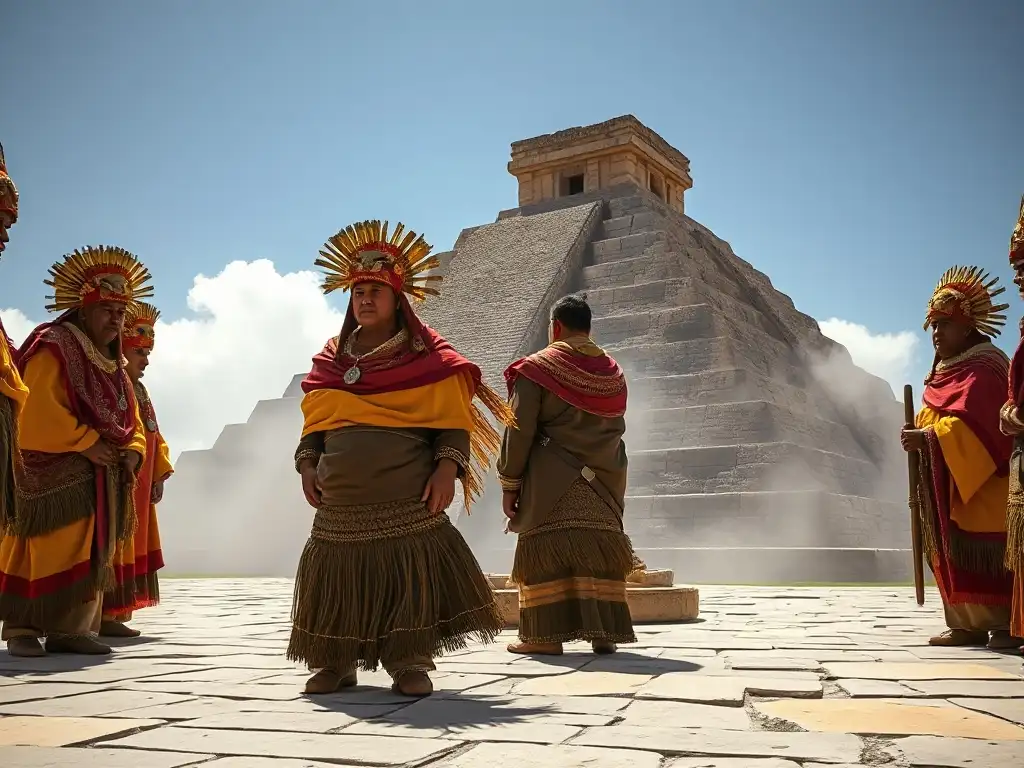
The Tiahuanaco priest's social role extended far beyond mere religious ritual. Their influence permeated the fabric of Tiahuanaco society, shaping its political landscape and daily life. The intricate relationship between the priesthood and the ruling elite, coupled with the reverence afforded to religious figures, solidified the priests' position as powerful intermediaries between the divine and the earthly realms.
Understanding this influence requires examining their authority, their participation in governance, and their dynamic relationship with the rulers themselves. The extent of their power is still a subject of ongoing scholarly debate, but archaeological evidence and interpretations of iconography suggest a significant level of social and political control.
This influence likely stemmed from the priests' purported ability to communicate with the gods and interpret their will, a skill highly valued in a society deeply reliant on agricultural cycles and the whims of nature. The successful harvest, the avoidance of natural disasters, and even military victories were often attributed to the favor of the gods, mediated by the priestly class.
The Tiahuanaco clergy wielded considerable power and authority. Their elevated social status is evidenced by their elaborate burial practices, often including rich grave goods reflecting their high standing within the community. Archaeological excavations have unearthed tombs containing exquisite textiles, gold ornaments, and finely crafted ceramics, all suggesting a lifestyle of privilege and access to resources unavailable to the average citizen.
Furthermore, depictions of priests in Tiahuanaco art often showcase them wearing elaborate headdresses and garments, signifying their sacred role and setting them apart from the general population. The visual representation of their attire and the artifacts found in their burials strongly suggest a hierarchical structure within the priesthood itself, with certain priests holding more power and influence than others. The precise nature of this hierarchy and the mechanisms of priestly succession remain areas of ongoing research.
We know that certain individuals held significant sway, evidenced by the scale and opulence of their burial sites, but the exact criteria for advancement within the priestly ranks are not yet fully understood. The careful consideration given to their burial rituals suggests a belief in their continued importance even after death, reinforcing their lasting influence on Tiahuanaco society.
The Tiahuanaco priest's social role was deeply intertwined with governance and decision-making. While the extent of their direct involvement in political affairs is debated, it's clear that religious leaders held considerable influence over the ruling elite and, consequently, the direction of the state. Agricultural practices, crucial to the survival of Tiahuanaco, were likely guided by the priests' interpretation of celestial events and their predictions of favorable planting and harvest times.
This influence extended beyond agriculture; major public works projects, such as the construction of monumental structures, may have been initiated or overseen by the priests, who could leverage their religious authority to mobilize labor and resources. The priests' ability to legitimize the rule of the leaders is also crucial. By connecting the rulers to the divine realm, the priests ensured the stability and acceptance of the ruling power.
The close connection between religious and political authority is evident in the iconography found on Tiahuanaco artifacts, which frequently depict rulers and priests together, suggesting a collaborative relationship in governance. However, further research is needed to determine the precise mechanisms through which priests influenced political decision-making. The lack of written records presents a challenge, making it difficult to definitively assess the exact nature of their involvement in specific political events.
The Relationship Between Tiahuanaco Rulers and the Priesthood
The relationship between Tiahuanaco rulers and the priesthood was complex and symbiotic. While rulers held ultimate political authority, they relied heavily on the priests for religious legitimacy and guidance. The priests, in turn, benefited from the rulers' support and access to resources. This interdependence is reflected in the artistic representations found at Tiahuanaco.
Depictions often show rulers and priests together, participating in ceremonies or engaging in symbolic acts that highlight their collaborative relationship. This close alliance ensured the stability of the state and reinforced the social order. The rulers provided the priests with the resources they needed to maintain their influence, while the priests, through their religious authority, legitimized the rulers' power and ensured the continued prosperity of the state. This symbiotic relationship, however, may have also been a source of tension.
The exact balance of power between the rulers and priests remains a subject of ongoing research and debate amongst archaeologists and historians. The lack of direct written evidence necessitates reliance on careful interpretation of archaeological findings and iconographic analysis to unravel the nuances of this dynamic relationship. Further investigation of burial sites and the analysis of artifacts could shed more light on this critical aspect of Tiahuanaco society.
Rituals and Ceremonies Led by Tiahuanaco Priests
The Tiahuanaco priests held a central position in the religious life of their society, acting as intermediaries between the human and divine realms. Their role extended far beyond simple religious observance; they were active participants in shaping societal structures, influencing political decisions, and controlling vital resources. Understanding the rituals they led is key to comprehending the complex social fabric of Tiahuanaco.
The intricate ceremonies were not merely symbolic; they were deeply interwoven with the daily lives of the people, reinforcing social hierarchies and maintaining cosmic order. Evidence suggests a highly structured religious system, with priests of varying ranks and responsibilities, reflecting the stratified nature of Tiahuanaco society itself. The power wielded by the high priests was considerable, allowing them to influence everything from agricultural practices to warfare strategies.
The precise details of many rituals remain shrouded in mystery, due to the limitations of surviving archaeological evidence, but careful analysis of artifacts and architectural remains allows for plausible reconstructions of some key practices. The very architecture of Tiahuanaco, with its monumental structures and intricate carvings, served as a backdrop for these elaborate ceremonies.
Key Religious Practices Performed by Tiahuanaco Priests
Tiahuanaco priests presided over a range of religious practices, many of which centered around appeasing the deities and ensuring the prosperity of the community. These included:
- Public processions: Large-scale processions, likely involving the entire population, moved through the city's plazas and temples. These processions, guided by priests, served to reinforce social bonds and demonstrate communal devotion. The use of specific routes and the carrying of sacred objects likely held deep symbolic meaning related to the Tiahuanaco cosmology.
- Temple rituals: Inside the temples, priests performed more private ceremonies, often involving offerings and sacrifices. These rituals were likely more complex and esoteric, accessible only to a select group of individuals, reinforcing the priests' privileged position. The precise nature of these temple rituals is difficult to ascertain, but evidence suggests the use of hallucinogenic substances and intricate dances.
- Agricultural rituals: Given the importance of agriculture to the Tiahuanaco economy, it's highly probable that priests played a critical role in agricultural rituals aimed at securing bountiful harvests. These ceremonies might have involved prayers, offerings, and the performance of specific agricultural tasks under the priests' guidance, ensuring the continued success of their society.
- Funeral rites: The elaborate burial practices of Tiahuanaco suggest a significant involvement of priests in funeral rituals. The careful placement of grave goods and the intricate construction of tombs indicate a highly structured and symbolic process, overseen by those with religious authority. The priests’ involvement in these rites reinforced their control over the life cycle and the afterlife.
The Significance of Offerings and Sacrifices in Tiahuanaco Rituals
Offerings and sacrifices were integral components of Tiahuanaco religious practices, serving as a means of communicating with and appeasing the deities. The types of offerings varied, ranging from agricultural products and precious metals to animal sacrifices and, potentially, human sacrifices (though evidence for the latter remains debated among scholars). These offerings were not merely gifts; they were carefully chosen items possessing symbolic significance within the Tiahuanaco worldview.
The act of offering itself was a ritualized performance, meticulously orchestrated by the priests and imbued with deep spiritual meaning. The placement of offerings within specific temple structures or burial sites further underscores their importance in the religious system. Analysis of the types and quantities of offerings can provide valuable insights into the social and economic structures of Tiahuanaco society, reflecting the power dynamics and resource allocation within the community.
The scale of some offerings suggests the significant investment of resources into religious practices, highlighting the central role of religion in daily life. The meticulous nature of these offerings points to the sophisticated understanding of religious symbolism within the Tiahuanaco civilization.
Tiahuanaco Priests and their Participation in Calendar Cycles and Festivals
The Tiahuanaco calendar system, though not fully understood, played a crucial role in regulating religious life. Priests were instrumental in observing and interpreting celestial events, which likely guided the timing of agricultural activities and religious festivals. The alignment of structures like the Kalasasaya suggests an advanced understanding of astronomy and its connection to religious practices.
Specific festivals, perhaps tied to solstices or equinoxes, would have been overseen by priests, marking important moments in the agricultural cycle and reinforcing the cyclical nature of life and death in the Tiahuanaco worldview. The priests' role extended beyond mere observation; they actively shaped the community's response to these celestial events, ensuring the proper rituals were performed at the appropriate times. This close relationship between the calendar and religious festivals further solidified the priests' authority and their influence on the social and political life of Tiahuanaco.
The precise details of these festivals remain largely unknown, but their existence is strongly suggested by the calendar's sophistication and the importance of astronomical observation in Andean cultures. Further research is needed to fully elucidate the intricate relationship between the Tiahuanaco calendar, its festivals, and the role of its priestly class.
The Material Culture and Symbols of the Tiahuanaco Priesthood
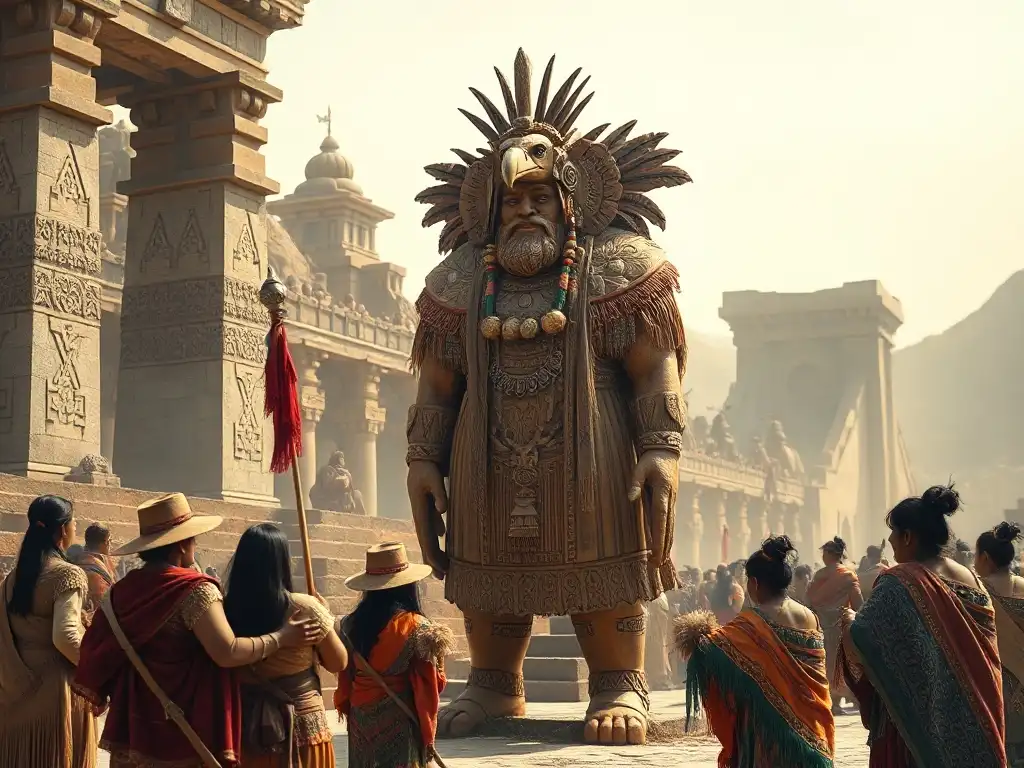
The material culture associated with the Tiahuanaco priesthood offers crucial insights into their social role within the broader society. Understanding the objects they used, their attire, and the spaces they occupied allows us to reconstruct their influence and authority. The Tiahuanaco priest social role wasn't solely defined by spiritual authority; it was intrinsically linked to the manipulation of symbolic objects and the control of sacred spaces, reinforcing their power and prestige.
Analysis of these artifacts reveals a complex interplay between religious belief, social hierarchy, and political control. The intricate details of their material culture provide a tangible window into the intangible world of Tiahuanaco religious practices.
Iconography and Dress of Tiahuanaco Religious Figures
Depictions of Tiahuanaco religious figures in ceramics, textiles, and stone carvings consistently show specific iconographic elements that signify their status. These figures are often portrayed wearing elaborate headdresses, often featuring stylized feline features or bird motifs – symbols likely representing deities or celestial beings. The headdresses themselves were likely crafted from precious materials like feathers, gold, and silver, further highlighting the elevated social position of the priests.
Detailed analysis of the iconography suggests a complex system of visual communication, where specific symbols and garments represented different ranks or specializations within the priesthood. For instance, the presence of specific staffs or scepters might indicate a high-ranking priest with access to greater power and influence. Furthermore, the use of specific colors and textiles in their garments likely held symbolic meaning, potentially indicating their connection to specific deities or rituals.
Unfortunately, the exact meaning of many of these symbols remains a subject of ongoing scholarly debate, requiring further research and interdisciplinary collaboration to fully decipher. The scarcity of well-preserved textiles presents a significant challenge to researchers seeking to understand the full range of priestly attire.
Sacred Objects and Tools Used by Tiahuanaco Priests
Beyond their clothing, the tools and objects used by Tiahuanaco priests provide further evidence of their social role. These included ceremonial vessels used for libations, intricately carved stone sculptures representing deities or ancestors, and specialized instruments for rituals. The craftsmanship and materials used in these objects indicate the significant resources allocated to religious activities, reflecting the importance of the priesthood within Tiahuanaco society.
For example, the meticulous detail in the carving of ceremonial staffs and the use of rare minerals in the creation of ritual vessels demonstrates the high level of skill and expertise possessed by the artisans who produced these sacred objects. The presence of these objects in elite contexts, such as within monumental architecture or high-status burials, further reinforces the priests' high social standing.
While specific information on the precise function of every object is limited by the fragmentary nature of the archaeological record, the sheer diversity of objects discovered suggests a sophisticated and complex religious system. More research into the chemical composition of these objects could reveal further details about their origin and production methods, adding another layer of understanding to the Tiahuanaco priest social role.
The Architectural Context of Tiahuanaco Religious Activities
The monumental architecture of Tiahuanaco itself provides a powerful backdrop for understanding the social role of its priests. The massive platforms, temples, and intricate stonework served as focal points for religious activities, clearly demonstrating the power and influence of the priestly class. The priests likely controlled access to these sacred spaces, mediating between the divine and the populace.
The carefully planned layout of the religious structures, with their precise alignments and symbolic ornamentation, further suggests a sophisticated understanding of cosmology and ritual practice, placing the priesthood at the center of this knowledge system. The scale of the architecture itself—the sheer size and complexity of the structures—implies a significant mobilization of labor and resources, indicating a high level of social organization and control, with the priesthood likely playing a crucial role in managing these projects.
Analyzing the spatial relationships between different structures, such as the location of temples relative to residential areas, could reveal more about the social dynamics between priests and the general population. Detailed architectural studies, combined with further archaeological excavations, are vital to fully understand the influence of the priesthood on the social and political landscape of Tiahuanaco.
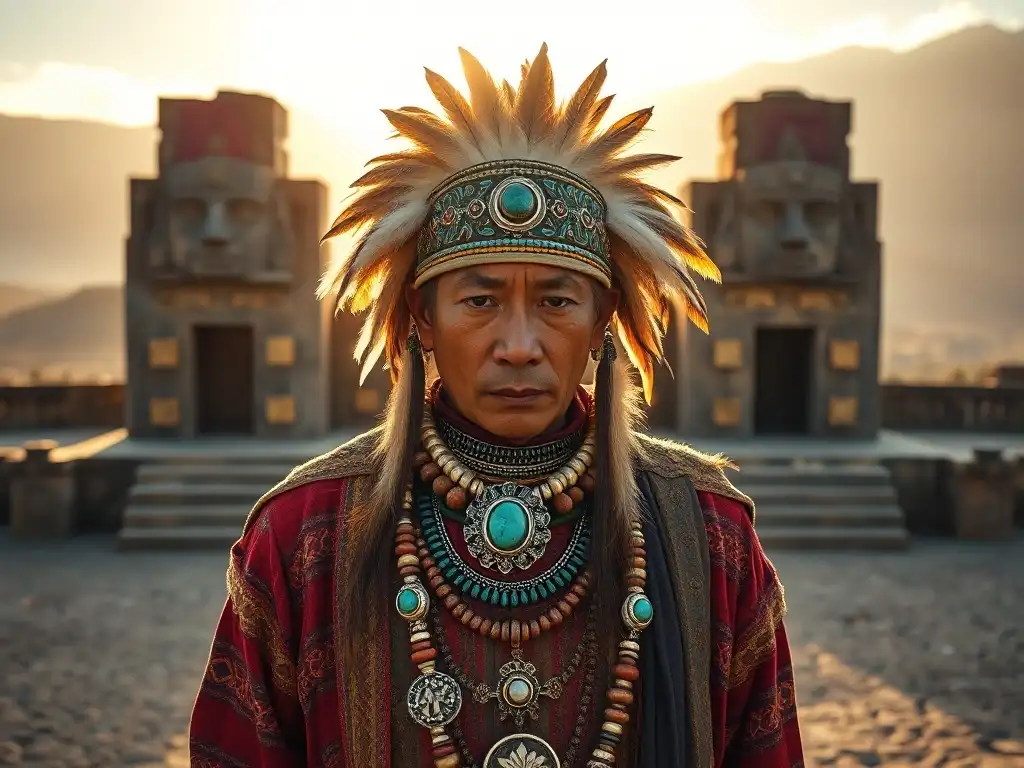
The Tiahuanaco priest's social role extended far beyond simple religious rituals. They were the vital link between the earthly realm and the spiritual world, actively shaping and maintaining the cosmological order crucial to Tiahuanaco society. Their understanding of the cosmos, reflected in their elaborate religious practices and monumental architecture, directly influenced the social fabric and ensured the well-being of the community. The priests weren't merely spiritual leaders; they were active participants in the governance and social organization of Tiahuanaco, wielding significant power and influence.
Their interpretations of celestial events and natural phenomena dictated agricultural cycles, political decisions, and even social hierarchies. This intricate relationship between the priestly class and the stability of the Tiahuanaco civilization underscores their paramount importance. Understanding their role is key to understanding the very essence of Tiahuanaco society.
The Priestly Role in Understanding and Explaining the Cosmos
Tiahuanaco priests were responsible for interpreting and explaining the cosmos to the populace. This wasn't simply a matter of narrating myths; it involved a profound understanding of astronomy, meteorology, and the natural world. They meticulously observed the celestial movements, correlating them with agricultural cycles and predicting significant events like solstices and equinoxes.
This knowledge, carefully preserved and passed down through generations, was vital for scheduling planting and harvesting, ensuring food security for the entire community. Evidence suggests they possessed sophisticated astronomical instruments, though the exact nature of these tools remains a topic of ongoing research. Their interpretations weren't merely predictions; they were explanations of the divine will, shaping the worldview and beliefs of the Tiahuanaco people.
The priests acted as intermediaries, translating the complex workings of the universe into a framework understandable and applicable to daily life. Their ability to predict and explain natural phenomena solidified their position as authoritative figures within the society. This understanding of the cosmos was not merely intellectual; it was deeply embedded within the religious practices and rituals of Tiahuanaco.
Tiahuanaco Priests and their Influence on Agricultural Practices
The influence of Tiahuanaco priests extended deeply into the agricultural practices of the society. Their understanding of the cosmos was directly applied to farming, with the priests playing a key role in determining planting and harvesting schedules. They likely used observations of the sun, moon, and stars to predict optimal planting times, maximizing crop yields and ensuring food security.
The intricate irrigation systems found at Tiahuanaco suggest a high level of agricultural organization and planning, undoubtedly guided by the priestly class. Moreover, religious rituals and ceremonies were likely integrated into the agricultural cycle, aimed at ensuring bountiful harvests and appeasing the deities associated with fertility and growth. These rituals might have involved offerings, prayers, and specific agricultural practices dictated by the priests.
The success or failure of harvests may have been interpreted as a reflection of the community's adherence to the priests' instructions, further cementing their authority and influence. The priests' knowledge of agriculture wasn’t just practical; it was imbued with a spiritual significance, underscoring the inextricable link between the divine and the earthly in Tiahuanaco culture. The study of ancient agricultural techniques and the role of the priests in their implementation remains an active field of research, promising to reveal more about the intricate workings of Tiahuanaco society.
The Connection Between Tiahuanaco Religion and the Natural World
The Tiahuanaco religion was deeply intertwined with the natural world. The priests acted as interpreters of this connection, mediating between the human world and the powerful forces of nature. Mountains, water sources, and celestial bodies were not simply geographical features; they were imbued with spiritual significance, considered manifestations of deities or powerful spirits. The priests' understanding of these forces shaped religious practices and rituals, which were often performed in specific locations deemed sacred.
The monumental architecture of Tiahuanaco itself reflects this intimate connection, with structures aligned with astronomical events and incorporating natural elements into their design. The presence of water features, such as fountains and canals, within the religious complexes highlights the importance of water in Tiahuanaco cosmology. The priests' role wasn't just to understand these natural forces; it was to harness them for the benefit of the community, ensuring the continued prosperity and well-being of the Tiahuanaco civilization.
This intimate relationship between religion and the natural world is a defining characteristic of Tiahuanaco culture, and the priests were its central interpreters and custodians. Further research into the specific rituals and practices associated with these natural elements is crucial to a complete understanding of the Tiahuanaco priest's role in society. The intricate relationship between the spiritual and the physical realms in Tiahuanaco is a testament to the sophistication of their religious and cosmological beliefs.
Legacy of the Tiahuanaco Priesthood
The Tiahuanaco priesthood left an undeniable mark on Andean history and culture, extending far beyond the civilization's geographical and temporal boundaries. Understanding their legacy requires examining both the enduring impact of their religious beliefs and their influence on subsequent Andean societies. The intricate social structure they helped maintain, the sophisticated religious practices they orchestrated, and the symbolic power they wielded continue to resonate in our understanding of the Andean world.
Their role wasn't merely confined to ritual; it intertwined deeply with the political, economic, and social fabric of Tiahuanaco society. Deciphering the complexities of their influence is a crucial step in comprehending the full scope of Tiahuanaco's contribution to the Andean cultural tapestry.
The Enduring Impact of Tiahuanaco Religious Beliefs
The religious beliefs propagated by the Tiahuanaco priesthood were not ephemeral; they left a lasting impression on the spiritual landscape of the Andes. Evidence suggests a continuity of certain cosmological concepts, deities, and ritual practices across different Andean cultures, even long after the decline of Tiahuanaco. The emphasis on water, the veneration of particular mountains, and the symbolic significance of certain animals—all central to Tiahuanaco religion—reappear in later Andean traditions.
This suggests a process of cultural transmission, with elements of Tiahuanaco's religious worldview being adapted and incorporated into the belief systems of successor cultures. For example, the concept of a creator god or a pantheon of deities, central to Tiahuanaco cosmology, finds echoes in later Andean religions.
The legacy of Tiahuanaco's religious beliefs is not simply a matter of historical continuity; it's a testament to the enduring power of religious ideas to shape cultural identities and worldviews across generations. Further research is needed to fully quantify the extent of this influence and pinpoint specific examples across diverse Andean groups.
The Influence of Tiahuanaco Priesthood on Later Andean Cultures
The influence of the Tiahuanaco priesthood extended beyond the realm of religious beliefs; it significantly shaped the social structures and political organization of later Andean cultures. The hierarchical nature of Tiahuanaco society, with its powerful priestly class at its apex, served as a model for subsequent Andean states. Many of these later cultures adopted similar administrative structures, with specialized religious officials holding significant power and influence.
The sophisticated system of record-keeping and administration developed by the Tiahuanaco, likely managed by priestly scribes, also influenced later Andean societies. This influence is observable in the development of complex administrative systems and record-keeping practices in cultures such as the Inca, who inherited and adapted many aspects of the Tiahuanaco administrative model.
The Tiahuanaco priest social role, therefore, played a crucial part in shaping the political and social landscape of the Andes for centuries to come. Understanding this influence is crucial to accurately assessing the long-term impact of Tiahuanaco on Andean civilization.
Archaeological Insights into Tiahuanaco Religious Practices
Archaeological excavations at Tiahuanaco have yielded significant insights into the religious practices overseen by the priesthood. The discovery of monumental structures like the Kalasasaya and the Akapana, along with numerous artifacts, provides valuable evidence of elaborate rituals and ceremonies. The presence of intricately carved stone sculptures, often depicting deities or mythical beings, suggests a sophisticated system of religious iconography that was carefully maintained and interpreted by the priesthood.
Furthermore, the discovery of human remains in carefully constructed burial sites indicates the importance of mortuary rituals and the role of priests in these ceremonies. Analysis of these remains, along with the artifacts found alongside them, offers clues to the social standing of individuals and the nature of their relationship with the priestly class. The scale and complexity of these archaeological findings underscore the significant social and political power wielded by the Tiahuanaco priesthood.
Further analysis of isotopic signatures within human remains could provide further insight into dietary practices and social stratification within the priesthood itself. The ongoing archaeological work at Tiahuanaco continues to reveal new information, enriching our understanding of the "Tiahuanaco priest social role" within their complex society.
Frequently Asked Questions
What was the primary role of priests in Tiahuanaco society?
Priests in Tiahuanaco served as interpreters of the divine will, mediating between the gods and the people. Their influence extended to political and social life, shaping societal norms and practices.
How did Tiahuanaco priests influence the daily lives of the people?
Tiahuanaco priests played a vital role in agricultural practices, ceremonies, and the interpretation of omens. Their pronouncements guided daily routines and major decisions.
Archaeological findings, such as elaborate burial sites and unique artifacts associated with priests, indicate their high status and significant influence within the society. Monumental architecture also suggests their power.
Did the priests of Tiahuanaco hold political power?
While not always directly holding political office, Tiahuanaco priests undoubtedly wielded significant indirect political influence. Their religious authority gave them considerable power to shape societal structures and decisions.
While specifics vary, the religious authority and social prestige of Tiahuanaco priests were comparable to those in other Andean societies, reflecting a common pattern of priest-king relationships and the importance of religion in governance.
Final Reflection: Echoes of the Divine in Tiahuanaco's Legacy
The intricate role of priests in Tiahuanaco society remains profoundly relevant today, a testament to the enduring power of religious authority in shaping culture and social structures. Understanding their influence allows us to better appreciate the complexities of ancient civilizations and the lasting impact of belief systems on societal development. The sophisticated rituals and astronomical knowledge wielded by these priestly figures were not merely religious practices; they were the very foundation upon which Tiahuanaco's power and influence were built.
The legacy of the Tiahuanaco priests continues to resonate in the archaeological record and in our ongoing attempts to decipher the mysteries of this remarkable civilization. Their influence extended far beyond the confines of religious practice, shaping aspects of daily life, agriculture, and even political power. The very architecture of Tiahuanaco, with its monumental structures aligned with celestial events, speaks to the profound integration of religious belief into the fabric of society. The past is never dead. It's not even past.
– William Faulkner. This quote perfectly encapsulates the enduring relevance of studying the Tiahuanaco priestly class; their actions and beliefs continue to shape our understanding of the past and inform our present.
Consider the power dynamics inherent in the priest-society relationship in Tiahuanaco. How did this dynamic shape the social hierarchy? What lessons can we glean from this ancient system of authority, and how can we apply these insights to our own understanding of power structures in contemporary society? You, the reader, are now invited to reflect on the enduring influence of religious authority and its impact on the development of civilizations, past and present. Let the echoes of the divine in Tiahuanaco inspire you to explore the complex interplay between faith, power, and society in your own world.
Unveil the Mysteries of Tiahuanaco—Take Action Today!
Thank you for exploring the fascinating role of priests in Tiahuanaco society! You've gained valuable insights into how these spiritual leaders shaped their civilization and interpreted religious beliefs. Now, let's delve deeper into this incredible culture.
Here are a few ways you can continue your exploration:
- Expand your knowledge by reading more about Tiahuanaco's rich history and cultural significance on our website. We have a wealth of information available.
- Share your discoveries with friends and family, or spark a conversation on social media about the influence of religious leaders in ancient societies. Let's spread the word!
- Join our community! Subscribe to our newsletter for updates on articles, events, and discussions about Andean civilizations and related topics. You'll be among the first to know about exciting new developments.
What aspect of Tiahuanaco's religious practices most captivates you? Share your thoughts in the comments below!