
The Tiahuanaco Concept of the Soul: Its Journey and Destiny

Welcome, explorer! Prepare to embark on a fascinating journey into the heart of the Andes, uncovering the secrets of ancient civilizations. This isn't just history; it's a revelation. What if I told you the Tiahuanaco soul concept held the key to understanding their enduring legacy? Discover the mysteries behind their beliefs, their rituals, and the ultimate destiny of the soul in our exploration of the Tiahuanaco soul concept journey. Dare to delve deeper?
The Andean world, a tapestry woven with threads of intricate cosmology and vibrant spirituality, offers a fascinating glimpse into humanity's understanding of life, death, and the afterlife. Within this rich cultural landscape, the Tiahuanaco civilization, flourishing in the Bolivian Altiplano between roughly 300 and 1000 CE, developed a sophisticated and nuanced concept of the soul, its journey, and its ultimate destiny.
This article delves into the intricacies of the Tiahuanaco worldview, exploring archaeological evidence, iconography, and anthropological interpretations to unravel the mysteries surrounding their beliefs about the soul and its transformative path. Understanding the Tiahuanaco concept of the soul provides crucial insight into their social structures, rituals, and the profound connection they held with their environment and the cosmos.
This exploration will illuminate the unique spiritual landscape of Tiahuanaco and its enduring influence on later Andean cultures. We will examine the evidence available to piece together this compelling narrative, focusing on the interplay between material culture and spiritual belief.
Evidence from Tiahuanaco Art and Architecture
The monumental architecture and intricate artistry of Tiahuanaco offer invaluable clues to their understanding of the soul. The imposing structures, such as the Kalasasaya Temple and the Puerta del Sol (Sun Gate), are not merely architectural feats but also powerful symbolic representations of their cosmological beliefs. Carvings depicting figures with stylized features, often associated with deities or ancestral spirits, suggest a belief in a complex spiritual realm.
The recurring motifs—condor wings, feline imagery, and intricate geometric patterns—likely encoded symbolic meanings related to the soul's journey and transformation. Detailed analysis of these motifs, combined with comparative studies of other Andean cultures, helps us interpret the possible narratives embedded within the Tiahuanaco artistic expression.
For instance, the recurring depiction of the "Staff God," a central figure in Tiahuanaco iconography, may represent a powerful intermediary between the earthly and spiritual realms, guiding souls on their journey. Further research into the specific iconographic details is crucial to fully understand their symbolic weight within the context of the Tiahuanaco soul concept.
The Role of Ritual and Sacrifice in the Afterlife
The Tiahuanaco people performed elaborate rituals, some involving sacrifice, which likely played a significant role in their understanding of the afterlife and the soul's journey. While the specifics of these rituals remain partially shrouded in mystery, archaeological findings—such as the discovery of human remains in specific contexts—offer hints about their significance. These rituals may have been intended to appease deities, ensure a successful passage for the souls of the deceased, or to maintain the cosmic balance believed essential for the well-being of the community.
The precise nature of these sacrifices and their connection to the soul's journey requires further investigation, with meticulous analysis of contextual data and comparative studies of similar practices in other Andean cultures. The discovery of new archaeological evidence, coupled with advanced analytical techniques, could significantly enhance our understanding of these practices and their relation to the Tiahuanaco concept of the soul.
The Destiny of the Soul: Continuity and Transformation
The ultimate destiny of the Tiahuanaco soul remains a subject of ongoing scholarly debate. Did they believe in reincarnation? Did souls ascend to a heavenly realm? Or did they envision a different form of continuity after death?
The lack of explicit textual evidence presents a challenge. However, by carefully examining the available archaeological and iconographic evidence, we can formulate informed hypotheses. The recurring motifs in Tiahuanaco art, particularly those representing cyclical processes or transformations, may suggest a belief in the soul's continuous journey through different stages or realms.
The emphasis on agriculture and the cyclical nature of life and death in the Andean environment may have influenced their beliefs about the soul's destiny. Further research, particularly interdisciplinary collaborations between archaeologists, anthropologists, and historians, is needed to gain a comprehensive understanding of the Tiahuanaco concept of the soul's ultimate destination. The potential for new discoveries and interpretations continues to make this a fascinating area of research.
Comparative Analysis with Other Andean Cultures
Comparing the Tiahuanaco concept of the soul with those of other contemporary and later Andean cultures, such as the Inca, provides valuable context. While there were undoubtedly regional variations, shared beliefs and symbols suggest a broader Andean worldview regarding the afterlife and the soul's journey. Identifying similarities and differences helps us refine our understanding of the Tiahuanaco beliefs and their place within the larger Andean cosmological framework.
This comparative approach could reveal subtle nuances in their beliefs and highlight the unique aspects of the Tiahuanaco worldview. A comparative table outlining key similarities and differences across various Andean cultures regarding soul concepts would be a valuable addition to this analysis. [Specific comparative data pending]
Further Research Areas
Future research should focus on:
- Detailed analysis of specific iconographic elements in Tiahuanaco art.
- Further excavation and analysis of Tiahuanaco burial sites.
- Comparative studies with other Andean cultures.
- Integration of linguistic data (if available) to shed light on the terminology used to describe the soul.
- Evidence from Tiahuanaco Art and Architecture
- The Role of Ritual and Sacrifice in the Afterlife
- The Destiny of the Soul: Continuity and Transformation
- Comparative Analysis with Other Andean Cultures
- What was the Tiahuanaco civilization's understanding of the soul?
- How did the Tiahuanaco depict their soul concept in their art?
- What was the believed destiny of the soul after death in Tiahuanaco culture?
- How does the concept of the "Tiahuanaco soul" relate to their technology and engineering?
- Where can I learn more about the Tiahuanaco concept of the soul and its journey?
Understanding the Tiahuanaco View of the Soul
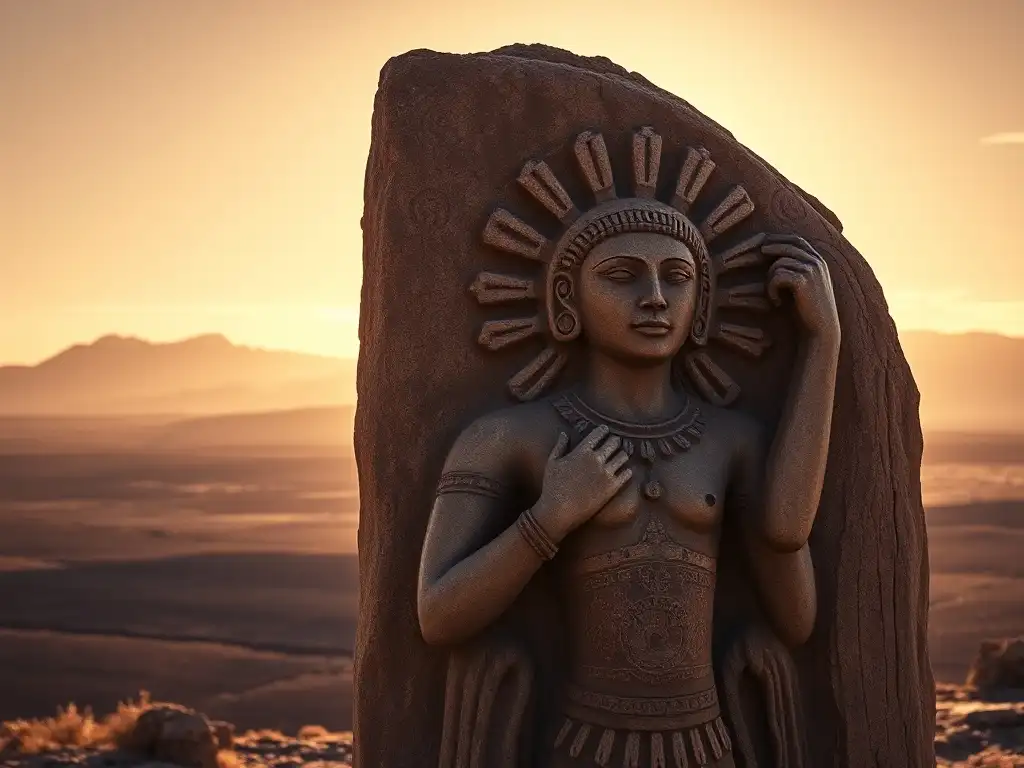
The Tiahuanaco concept of the soul, a fascinating aspect of their complex cosmology, remains partially shrouded in mystery. Archaeological evidence, coupled with interpretations of surviving iconography and limited ethnographic parallels with later Andean cultures, offers glimpses into their beliefs about the soul's nature, journey, and ultimate destiny.
Unlike many other ancient civilizations that focused on a singular, easily defined soul, the Tiahuanaco worldview appears to have encompassed a more nuanced and perhaps multifaceted understanding of the human spirit. Understanding this requires a careful examination of their spiritual beliefs and the key elements they attributed to the soul itself.
The concept of the "Tiahuanaco soul concept journey" is not a straightforward narrative, but rather a complex tapestry woven from various threads of ritual, symbolism, and possibly, oral traditions lost to time. The limited textual evidence necessitates relying heavily on interpretation of material culture, a process inherently prone to debate and varying scholarly perspectives.
The Tiahuanaco Spiritual Beliefs and the Afterlife
Tiahuanaco's religious beliefs centered around a complex pantheon of deities, often depicted in monumental sculptures and intricate ceramics. These deities, frequently anthropomorphic or zoomorphic, often embodied natural forces and cosmic principles. While direct evidence of beliefs surrounding the afterlife is scarce, the elaborate funerary practices suggest a belief in some form of continuation beyond physical death.
The meticulous preparation of bodies for burial, the inclusion of grave goods—including food, tools, and adornments—and the construction of monumental structures like the Akapana pyramid, all hint at a cosmology that valued the transition and possibly the continued existence of the soul. The presence of intricately carved monolithic figures and the recurring motifs of deities and mythical creatures within funerary contexts further reinforces this idea. Some scholars suggest that the Akapana pyramid itself may have served as a symbolic representation of the underworld, a place of transition or even residence for the souls of the deceased.
The careful placement of bodies and grave goods within the pyramid’s complex structure supports this interpretation. Furthermore, the recurring themes in Tiahuanaco art, such as the stylized figures with feline features and the emphasis on duality and cosmic balance, may represent different aspects of the soul's journey or its interaction with the divine realm. The study of Tiahuanaco's funerary practices is crucial to understanding their broader cosmological views and their beliefs about the soul's destiny.
Key Elements of the Tiahuanaco Soul
Pinpointing the exact characteristics of the Tiahuanaco soul proves challenging due to the lack of written records. However, by analyzing their art and architecture, we can identify certain key elements. The recurring motif of the "staff god," often depicted holding a staff or scepter, might represent a powerful spiritual force or a mediator between the earthly and spiritual realms, possibly connected to the soul's journey.
Similarly, the presence of stylized birds and other winged creatures in their iconography might symbolize the soul's ability to transcend the physical world. The emphasis on duality and balance in their art—often represented by paired figures or opposing symbols—suggests a complex understanding of the human spirit, possibly encompassing both a physical and spiritual component. It is plausible that the Tiahuanaco people conceived of the soul as possessing multiple aspects or layers, each with its own function and significance.
The interpretation of these elements is, however, open to discussion. Further research is needed to clarify the precise meaning of these symbols within the context of their beliefs and practices. The ongoing excavation and analysis of Tiahuanaco sites hold the potential to unveil further clues about this fascinating aspect of their culture. The study of the Tiahuanaco soul concept journey necessitates a multidisciplinary approach, combining archaeological findings with anthropological interpretations and comparative studies of other Andean cultures. This holistic approach will hopefully provide a more comprehensive understanding of this intriguing aspect of Tiahuanaco’s rich spiritual heritage.
The Soul's Journey in Tiahuanaco Cosmology
The Tiahuanaco soul concept journey, a fascinating aspect of their complex cosmology, remains partially shrouded in mystery. However, archaeological evidence, iconography, and interpretations of surviving artifacts offer intriguing glimpses into their beliefs regarding the soul's existence, passage after death, and ultimate destiny. Understanding their perspective requires careful consideration of their sophisticated worldview, deeply intertwined with agriculture, celestial observation, and a profound respect for the natural world. This section delves into the intricacies of the Tiahuanaco understanding of the soul, focusing on its journey and ultimate fate.
The Initial State of the Soul According to Tiahuanaco Beliefs
Tiahuanaco beliefs about the soul's initial state aren't explicitly detailed in surviving texts. Instead, we must rely on interpreting artistic representations and the context of their rituals. Evidence suggests a holistic view—the soul wasn't seen as a separate entity entirely detached from the body but rather intrinsically linked to it, an integral part of a person's being.
This concept is reinforced by the frequent depictions of figures in Tiahuanaco art with elongated heads and stylized features, possibly symbolizing a spiritual essence within the physical form. The emphasis on fertility and agriculture in their culture also suggests a belief in the soul's connection to the earth and its regenerative cycles. The soul, therefore, was likely perceived as a vital force, both physical and spiritual, essential for life and inextricably bound to the natural world.
Further research into the iconography of Tiahuanaco artifacts, such as the various representations of deities and mythical creatures, could shed more light on this understanding. More detailed analysis of [specific artifact examples pending] could provide a more definitive understanding of their beliefs.
The Transition Process of the Soul After Death
The transition process of the soul after death in Tiahuanaco cosmology is a topic requiring further investigation. However, based on the archaeological record, we can infer certain aspects. The elaborate burial practices of the Tiahuanaco people suggest a belief in an afterlife, and the inclusion of grave goods—tools, ornaments, and food—indicates a desire to provide for the deceased's continued existence in the spirit world.
The meticulous craftsmanship of these artifacts underscores the importance placed upon this transition. The presence of specific symbols and motifs on these objects might encode information about the soul's journey, but their precise meanings remain largely debated. The orientation of tombs and the positioning of the bodies also might be significant, potentially reflecting a specific understanding of the direction the soul would take after leaving the physical realm.
Further research into the spatial arrangement of burial sites and the symbolic meaning of grave goods is crucial for a more comprehensive understanding of this process. This requires a detailed analysis of [specific burial sites and grave goods pending] to confirm these hypotheses.
Tiahuanaco Rituals and the Soul's Passage
Tiahuanaco rituals likely played a crucial role in facilitating the soul's passage to the afterlife. While the precise nature of these rituals remains unclear, the monumental architecture of Tiahuanaco, particularly the Kalasasaya complex, suggests the performance of large-scale ceremonies involving numerous participants. The intricate carvings and astronomical alignments of the structures indicate a sophisticated understanding of the cosmos and a deep connection between the earthly and spiritual realms.
These rituals may have involved offerings, prayers, and symbolic actions aimed at ensuring a safe and successful transition for the soul. The use of specific materials, such as obsidian and gold, in ritual objects suggests their symbolic importance in the context of the soul's journey. Additionally, the presence of [specific ritual objects pending] could further illuminate the practices surrounding death and the afterlife.
The study of these rituals, through careful analysis of the archaeological evidence, is crucial for understanding the Tiahuanaco concept of the soul's journey and destiny. Further investigation into the possible uses of specific areas within the Kalasasaya and other Tiahuanaco structures could provide insights into the specific rituals performed. The potential existence of specialized priests or shamans who oversaw these rituals also warrants further research.
The Destiny of the Soul in Tiahuanaco Thought
The Tiahuanaco civilization, flourishing in the Andes between 500 and 1000 CE, possessed a sophisticated religious and cosmological system deeply intertwined with their understanding of the soul's journey and ultimate destiny. Unlike many other cultures, the Tiahuanaco concept of the soul wasn't simply about an afterlife; it was a complex interplay of earthly actions, spiritual progression, and cyclical rebirth.
Their beliefs, though largely inferred from archaeological evidence and limited textual sources, reveal a profound engagement with the spiritual realm and a nuanced perspective on the human condition. Understanding their concept of the soul provides crucial insight into the worldview of this remarkable Andean civilization, enriching our understanding of the "Tiahuanaco soul concept journey."
The Concept of Rebirth in Tiahuanaco Culture
The Tiahuanaco people seemingly believed in a cyclical view of life and death, strongly suggesting a concept of rebirth. This isn't a simple reincarnation in the strictest sense, but rather a continuous cycle of existence within the cosmos. Evidence for this comes from their iconography, particularly the recurring motifs of fertility symbols, such as stylized serpents and llamas, and the frequent depiction of figures emerging from or returning to the earth.
These images likely represent the continuous cycle of life, death, and regeneration, reflecting the cyclical nature of Andean agriculture and their deep connection to the land. The soul, upon death, wasn't simply extinguished but rather transitioned to another state, potentially preparing for a renewed earthly existence. Further research is needed to ascertain the specific mechanics of this rebirth, and whether it was viewed as a literal rebirth or a metaphorical continuation of the soul's essence within the cosmic cycle.
More detailed analysis of Tiahuanaco funerary practices could shed light on this aspect of their belief system. The idea of the soul's continual journey, a central part of the "Tiahuanaco soul concept journey", is key to understanding their cosmology.
The Soul's Final Destination: The Waka or Spirit World
The ultimate destination of the soul in Tiahuanaco cosmology appears to have been a spiritual realm, often referred to as Waka. While the precise nature of Waka remains elusive, it's depicted in art as a realm of power and spiritual beings, often associated with mountains and celestial bodies. The Waka wasn't necessarily a heaven or hell in a Judeo-Christian sense, but rather a complex spiritual landscape populated by deities, ancestors, and other supernatural entities.
The soul's journey to the Waka wasn't necessarily a linear progression; it was likely influenced by the individual's actions during their lifetime. The position of the soul within the Waka likely reflected their moral standing and their contributions to the community.
Further research into the iconography associated with the Waka and its representations in Tiahuanaco art is essential to deepen our comprehension of this crucial aspect of their spiritual beliefs. This adds another layer to the "Tiahuanaco soul concept journey."
The Influence of Actions on the Soul's Destiny
The Tiahuanaco concept of the soul's destiny wasn't predetermined; it was intricately linked to the individual's actions and conduct in life. This emphasizes a strong ethical component within their spiritual beliefs. Good deeds, contributions to the community, and adherence to social norms likely ensured a favorable position for the soul in the Waka, while negative actions could have resulted in a less favorable outcome.
This is evidenced by the emphasis on social order and communal harmony reflected in their societal structure and artistic representations. The concept of karma, though not explicitly stated, seems implicitly embedded within their understanding of the soul's journey. The emphasis on collective well-being and social responsibility highlights the interconnectedness between individual actions and the overall cosmic balance.
Further study of Tiahuanaco social structures and their relationship to religious beliefs is needed to fully understand the nuances of this complex interplay. This ethical dimension is crucial to understanding the complete "Tiahuanaco soul concept journey."
Analyzing the "Tiahuanaco soul concept journey" reveals a complex and sophisticated understanding of the soul's fate, reflecting a deeply spiritual civilization with a nuanced view of life, death, and the cosmos. The cyclical nature of rebirth, the spiritual realm of *Waka*, and the strong ethical component all contribute to a rich and compelling picture of Tiahuanaco religious thought.
Tiahuanaco Soul Beliefs: A Comparison to Other Andean Civilizations
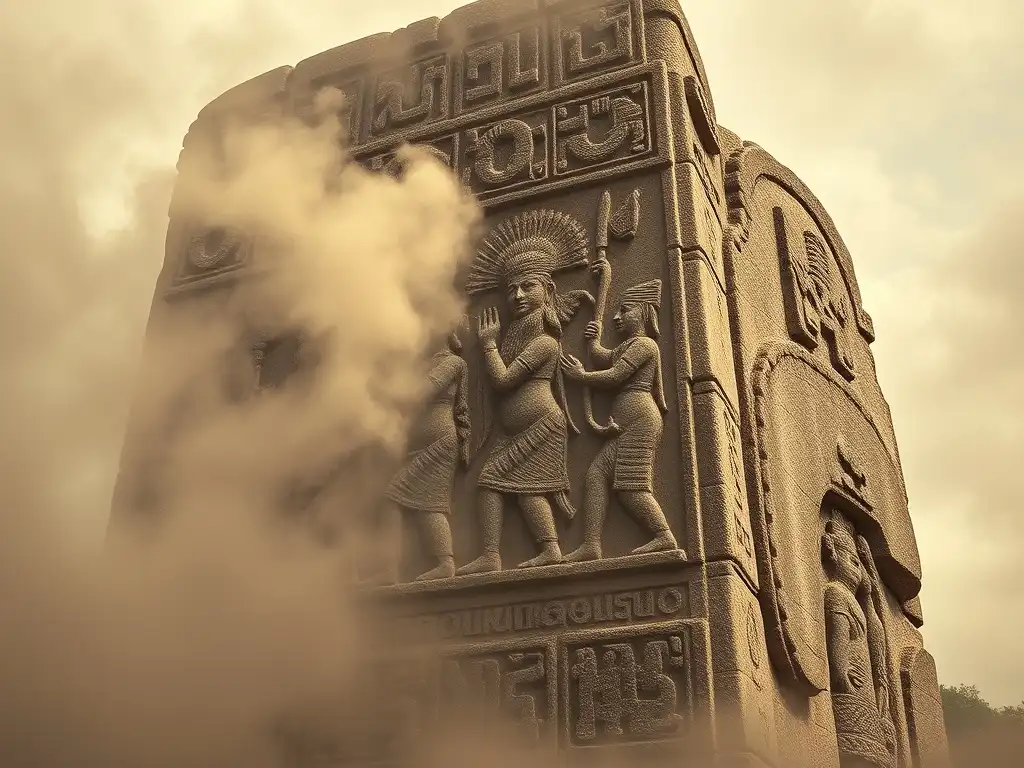
The Tiahuanaco concept of the soul, while not explicitly documented in the same way as some later Andean civilizations, can be inferred from archaeological evidence, particularly iconography found on ceramics, textiles, and monumental architecture. Unlike the Inca emphasis on a clearly defined afterlife, Tiahuanaco spirituality seems to have focused more on a cyclical understanding of life, death, and rebirth, deeply intertwined with the agricultural cycle and the cosmos. This understanding of the soul's journey, while nuanced and requiring further research, suggests a more fluid and less rigidly defined concept compared to later Andean cultures.
The Tiahuanaco soul concept journey remains a fascinating area of study, revealing a unique perspective on the relationship between the human spirit and the Andean world. This section will compare and contrast Tiahuanaco beliefs with those of other prominent Andean civilizations, specifically the Inca and Moche, to illuminate the unique characteristics of the Tiahuanaco worldview.
Contrasting Tiahuanaco Views with Inca Soul Beliefs
The Inca huaca, or sacred entity, encompassed a broad range of spiritual forces, including ancestors, mountains, and even specific objects. While the Inca believed in a soul's journey to the underworld ( Ukhu Pacha) after death, their emphasis was on ancestor veneration and maintaining a harmonious relationship with the living world. The Inca soul, or sunipa, was closely tied to the physical body and its lineage.
This is in contrast to the potentially more abstract and cyclical nature of the Tiahuanaco soul concept, where the emphasis may have been less on a linear progression to a specific afterlife and more on the continuous interaction between the living and the spiritual realms. The Inca worldview presented a more structured hierarchy in the afterlife, with a clear separation between the living and the dead, while Tiahuanaco iconography suggests a more fluid interaction between these realms.
Further research is needed to definitively confirm these inferences, but the available evidence suggests contrasting approaches to the concept of the soul and its destiny. For example, the elaborate Inca mummification practices, which aimed to preserve the physical body for the afterlife, stand in stark contrast to the seeming lack of similar practices in Tiahuanaco culture, suggesting different understandings of the soul’s relationship to the physical form.
Similarities and Differences with Moche Soul Concepts
The Moche civilization, known for its elaborate funerary practices and vibrant iconography, also presents a contrasting yet partially similar perspective on the afterlife. Moche beliefs, revealed through their intricate ceramic depictions, suggest a complex cosmology involving deities, shamans, and a journey to an underworld populated by supernatural beings. Unlike the Inca, the Moche seem to have placed a greater emphasis on the shamanistic journey to the underworld, possibly mirroring a certain fluidity in the Moche concept of the soul's interaction with different realms.
While the detailed depictions of Moche rituals provide insights into their beliefs, direct comparisons with Tiahuanaco remain challenging due to the less explicit nature of Tiahuanaco spiritual iconography. However, both cultures, despite their different artistic styles, share a common thread: the depiction of figures interacting with supernatural realms and engaging in ceremonies that seem to suggest a belief in a continuing connection between the living and the dead.
This suggests that the concept of a persistent spiritual essence, even if its form and journey varied, was a shared element across different Andean cultures, including the Moche and potentially Tiahuanaco, although the specifics of these beliefs require further investigation and interpretation of the available archaeological data. The lack of extensive textual sources for both cultures necessitates a careful and comparative analysis of their artistic and archaeological remains to better understand the nuances of their respective soul concepts.
The Enduring Legacy of the Tiahuanaco Soul Concept
The Tiahuanaco soul concept, while not explicitly documented in the way modern religions might be, is powerfully inferred from their art, architecture, and the overall cosmological framework suggested by archaeological findings. Understanding their beliefs about the soul's journey and destiny provides crucial insight into their worldview and its lasting impact on subsequent Andean cultures. The Tiahuanaco civilization, flourishing between roughly 300 and 1100 CE, left behind a complex legacy, and their sophisticated understanding of the soul's journey is a significant part of that inheritance.
Their artistic representations, often depicting figures in dynamic poses, with stylized features and symbolic adornments, strongly suggest a belief system encompassing a complex afterlife and a cyclical relationship between the living and the dead. This wasn't a simple concept of a soul simply departing to an afterlife; instead, it was intricately woven into their daily life and understanding of the cosmos.
The enduring nature of these beliefs is evident in the persistent themes found in later Andean cultures. The concept of a continuous cycle of life, death, and rebirth, heavily implied in Tiahuanaco iconography, resonates across centuries.
How Tiahuanaco Ideas Influenced Later Andean Beliefs
The influence of Tiahuanaco cosmology, including their beliefs about the soul, is demonstrably evident in the religious and artistic expressions of later Andean cultures, particularly the Inca. While the Incas developed their own sophisticated religious system, many scholars believe certain core beliefs, particularly concerning the cyclical nature of existence and the veneration of ancestors, owe a significant debt to the Tiahuanaco worldview. For example, the Inca emphasis on ayni, a principle of reciprocity and balance, could be interpreted as an extension of the Tiahuanaco emphasis on maintaining harmony within the cosmos.
This harmony extended to the relationship between the living and the dead, with ancestors holding a powerful influence on the affairs of the living. The intricate burial practices discovered at Tiahuanaco sites, often with elaborate grave goods and carefully positioned bodies, suggest a deep respect for the deceased and a belief in their continued presence. This reverence for ancestors is a recurring theme in later Andean cultures, suggesting a continuity of belief systems.
Furthermore, the Inca’s use of specific motifs and iconography echoing those found in Tiahuanaco art further strengthens the argument for a direct lineage of spiritual ideas. Detailed comparative studies of iconography and ritual practices are needed to fully elucidate the extent of this influence, but the preliminary evidence is compelling. The enduring power of the Tiahuanaco soul concept is undeniable in its far-reaching influence.
The Relevance of Understanding the Tiahuanaco Soul in Modern Times
Understanding the Tiahuanaco soul concept is not merely an academic exercise; it has significant relevance in the modern world. By studying their beliefs, we gain valuable insights into the human experience of death, spirituality, and the relationship between humanity and the cosmos. The cyclical view of life and death, central to their cosmology, offers a refreshing perspective in a world often dominated by linear thinking.
This cyclical understanding fosters a deeper appreciation for the interconnectedness of all things and challenges anthropocentric viewpoints. Moreover, exploring their sophisticated understanding of the soul can enrich our appreciation for the diversity of human spiritual experience. The Tiahuanaco civilization's unique perspective on the soul’s journey offers alternative frameworks for considering our own mortality and place in the universe.
Their worldview, emphasizing balance and reciprocity, also holds valuable lessons for contemporary societies grappling with environmental issues and social inequalities. Studying their beliefs can inspire a more holistic and sustainable approach to life, emphasizing harmony and respect for all living things. The insights derived from understanding the Tiahuanaco soul journey can contribute to a richer and more nuanced understanding of human spirituality.
The Use of Tiahuanaco Imagery in Modern Andean Art
The enduring power of Tiahuanaco imagery is evident in its continued use in contemporary Andean art. Artists draw inspiration from the civilization's iconic motifs—the stylized figures, geometric patterns, and symbolic representations—to express their own cultural identity and spiritual beliefs. This reappearance of Tiahuanaco stylistic elements in modern art demonstrates the profound and lasting impact of this civilization's artistic and spiritual legacy.
Many contemporary artists consciously incorporate Tiahuanaco iconography into their work, using it to explore themes of ancestry, spirituality, and cultural continuity. The use of these motifs is not simply decorative; it carries a deeper meaning, connecting the present with the past and reaffirming the enduring relevance of Tiahuanaco cultural heritage. For example, [Specific examples of modern Andean art incorporating Tiahuanaco imagery pending].
This demonstrates the ongoing vitality of the Tiahuanaco aesthetic and its continued power to resonate with contemporary artists and audiences alike. Analyzing this modern usage reveals the continued cultural significance of the Tiahuanaco soul concept, proving its enduring relevance. The artistic expression of the Tiahuanaco soul concept continues to thrive, demonstrating its lasting influence.
Frequently Asked Questions
What was the Tiahuanaco civilization's understanding of the soul?
The Tiahuanaco people believed in a complex spiritual world populated by various deities and spirits. Their concept of the soul was deeply intertwined with nature, ancestry, and the cosmos. This is reflected in their art and architecture.
How did the Tiahuanaco depict their soul concept in their art?
Tiahuanaco art often features stylized figures and symbols representing spiritual beings and the soul's journey. These depictions are often found in ceramics, textiles, and monumental stone carvings, reflecting their beliefs.
What was the believed destiny of the soul after death in Tiahuanaco culture?
The ultimate destiny of the soul in Tiahuanaco belief systems remains a subject of ongoing scholarly debate. However, evidence suggests a belief in some form of afterlife, potentially connected to the ancestral world or the cosmos.
How does the concept of the "Tiahuanaco soul" relate to their technology and engineering?
The monumental architecture of Tiahuanaco, such as the Puma Punku, may have served as ritual sites connected to their beliefs about the soul and the cosmos. Their advanced engineering skills likely aided in the construction of these significant spiritual centers.
Where can I learn more about the Tiahuanaco concept of the soul and its journey?
Further research into Tiahuanaco iconography, archaeological findings, and anthropological studies can provide a deeper understanding. Academic journals and specialized books on Andean civilizations are excellent resources for further exploration of this topic.
Final Reflection: Echoes of the Andes: The Enduring Legacy of the Tiahuanaco Soul
The Tiahuanaco concept of the soul, with its intricate journey through life, death, and beyond, remains profoundly relevant today. Its emphasis on interconnectedness, cyclical existence, and the enduring power of the spirit offers a powerful counterpoint to the often isolating and linear narratives of modern life. This ancient cosmology, far from being a relic of the past, speaks directly to our contemporary search for meaning and purpose.
The enduring influence of the Tiahuanaco worldview is undeniable, shaping not only Andean spirituality but also influencing our understanding of cosmology and the human condition. Its emphasis on the cyclical nature of existence, the importance of community, and the profound connection between the living and the dead resonates deeply with contemporary ecological and spiritual movements. The mountains are not just stones, but living beings, with spirits that watch over us.
– This sentiment, though perhaps not directly from Tiahuanaco texts, encapsulates the essence of their animistic worldview, a perspective that feels increasingly vital in an era of environmental crisis.
Consider, for a moment, the implications of the Tiahuanaco understanding of the soul's journey. How might embracing a more cyclical view of life, death, and rebirth impact your own perspective on time, mortality, and your place within the larger cosmos? Embrace the echoes of the Andes, and allow the wisdom of this ancient civilization to illuminate your own path. Let the enduring legacy of the Tiahuanaco soul inspire you to connect more deeply with the world around you, to honor the cyclical nature of existence, and to find meaning in the interconnectedness of all things.
Embrace Your Soul's Journey—Start Today!
Thank you for exploring the profound insights of the Tiahuanaco concept of the soul! We hope you've gained valuable perspectives on its journey and destiny, inspiring personal reflection and growth. Let's continue this exploration together!
Here are a few ways to apply what you've learned:
- Reflect on your personal journey: Take some quiet time for meditation, reflecting on your life experiences and how they've shaped your understanding of your soul's purpose.
- Join the discussion: Share your thoughts and reflections on social media or in the comments section below. What aspects of the Tiahuanaco beliefs resonate most deeply with you?
- Expand your knowledge: Explore additional resources on Andean philosophies or delve into similar spiritual concepts from other cultures to broaden your understanding.
Are you ready to uncover the deeper meaning of your own life's journey? What insights have emerged as you contemplate the destiny of your soul?