
The Role of Water in Tiahuanaco Religion and Rituals

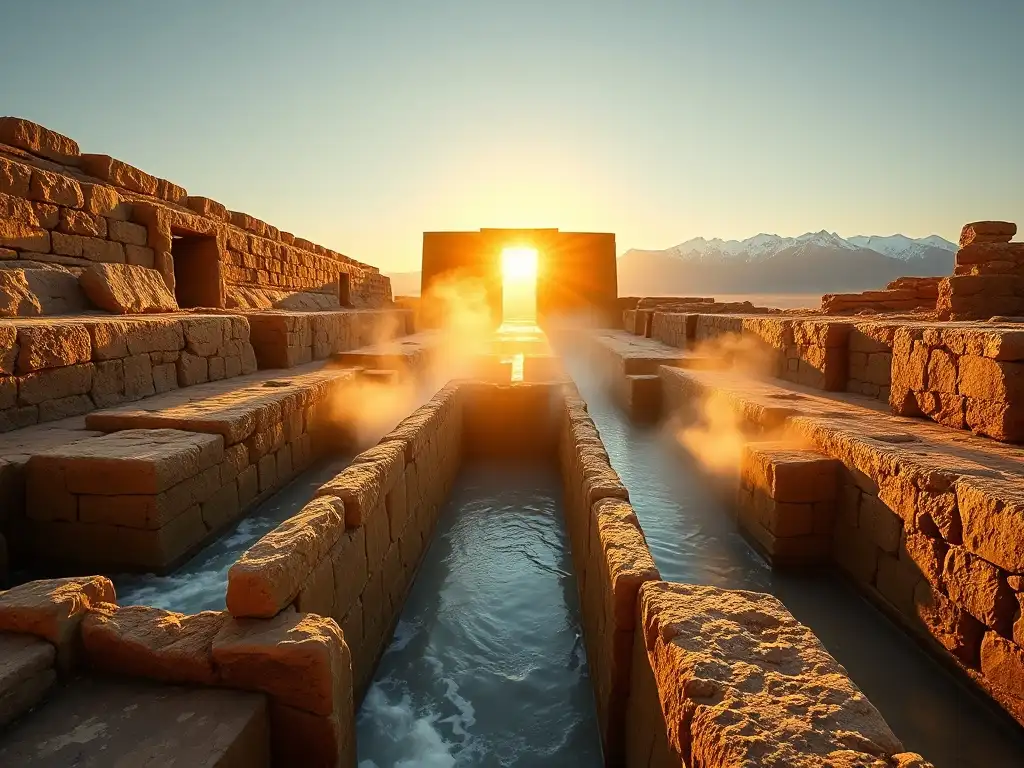
Dive into the enigmatic world of the Andean civilizations! From the towering heights of the Incas to the intricate artistry of the Nazca, we unravel the mysteries of these fascinating cultures. But prepare to be captivated by the secrets hidden within the sacred waters of Tiahuanaco. What role did water play in their complex religious beliefs and rituals? Uncover the astonishing truth behind Tiahuanaco water rituals and embark on a journey through time unlike any other. Explore now and witness the power of ancient Andean spirituality!
- The Significance of Water in Tiahuanaco Religion and Rituals
- Tiahuanaco Water Rituals: Practices and Beliefs
- Water Management and its Spiritual Implications in Tiahuanaco
- The Iconography of Water in Tiahuanaco Art and Architecture
- The Legacy of Tiahuanaco Water Rituals
-
Frequently Asked Questions
- What was the significance of water for the Tiahuanaco people?
- How did Tiahuanaco's geography influence their water rituals?
- What evidence exists to support the importance of water rituals in Tiahuanaco?
- What were some of the specific water rituals practiced by the Tiahuanaco?
- How did Tiahuanaco's water rituals connect to their overall religious beliefs?
- Final Reflection: The Enduring Legacy of Water in Tiahuanaco
- **Dive Deeper into Tiahuanaco's Sacred Waters! **
The Significance of Water in Tiahuanaco Religion and Rituals
The ancient city of Tiahuanaco, located on the shores of Lake Titicaca in modern-day Bolivia, thrived for centuries thanks to a sophisticated understanding and management of water resources. However, water's importance in Tiahuanaco extended far beyond mere practicality; it played a central, almost sacred role in their religious beliefs and elaborate ritual practices.
This article delves into the profound significance of water in Tiahuanaco religion and cosmology, exploring its symbolic meaning and its integral part in shaping their worldview and daily life. We will examine how their understanding of water's life-giving properties intertwined with their spiritual beliefs, influencing their societal structures, artistic expressions, and complex ceremonial rituals.
Understanding Tiahuanaco's relationship with water is key to unlocking a deeper understanding of their fascinating and intricate culture. By exploring the evidence from archaeological findings and interpreting existing scholarly work, we aim to shed light on the multifaceted role of water in the heart of Tiahuanaco's religious and ritualistic practices, specifically addressing the keyword "Tiahuanaco water rituals."
Tiahuanaco's Sacred Landscape and the Importance of Lake Titicaca
Lake Titicaca, the highest navigable lake in the world, looms large in the Tiahuanaco narrative. Its proximity to the city wasn't merely geographical; it was profoundly spiritual. Archaeological evidence suggests that the lake was considered a sacred body of water, a source of life and power inextricably linked to the very existence of Tiahuanaco.
The lake's abundance of fish and aquatic life, crucial for sustenance, solidified its importance in daily life, further reinforcing its sacred status. The location of Tiahuanaco itself, strategically positioned near the lake and its tributaries, highlights the city's dependence on and reverence for this vital resource. Furthermore, the presence of sophisticated water management systems, such as canals and aqueducts, indicates a deep understanding of hydrology and a conscious effort to harness the lake's power for both agricultural and ritual purposes.
These systems weren't simply functional; they were likely integrated into the city's religious landscape, possibly serving as channels for ritual purification or symbolic representations of cosmic forces. The intricate relationship between Tiahuanaco and Lake Titicaca forms the bedrock of understanding their water rituals. Analysis of artifacts recovered from the lake and surrounding areas further supports this interpretation, revealing symbolic representations of water deities and aquatic creatures.
Water as a Vital Element in Tiahuanaco Cosmology
Water's significance in Tiahuanaco transcended its practical uses; it held a central position within their cosmology. Tiahuanaco's worldview, like many Andean cultures, was deeply intertwined with the natural world, viewing water as a powerful life-giving force, a symbol of fertility, and a conduit to the spiritual realm. Many scholars believe that the Tiahuanaco people saw water as a representation of the Pachamama, the Earth Mother, symbolizing creation and abundance.
This belief is supported by the recurring motifs of water and aquatic creatures in their art, particularly in ceramics and textiles. Furthermore, the presence of numerous fountains and water features within the city itself suggests that water played a crucial role in their religious ceremonies and rituals. These features were likely not merely decorative; they were probably integrated into elaborate rituals, possibly used for purification, libations, or symbolic enactments of cosmological events.
The exact nature of these rituals remains a subject of ongoing research, but the evidence strongly suggests a deeply ingrained connection between water, religious practice, and the Tiahuanaco worldview. The precise details of these ceremonies, including the specific rituals involving water, are still being uncovered and interpreted by archaeologists and anthropologists. Further research may reveal more about the specific prayers, offerings, and symbolic actions associated with Tiahuanaco water rituals.
Tiahuanaco Water Rituals: Practices and Beliefs
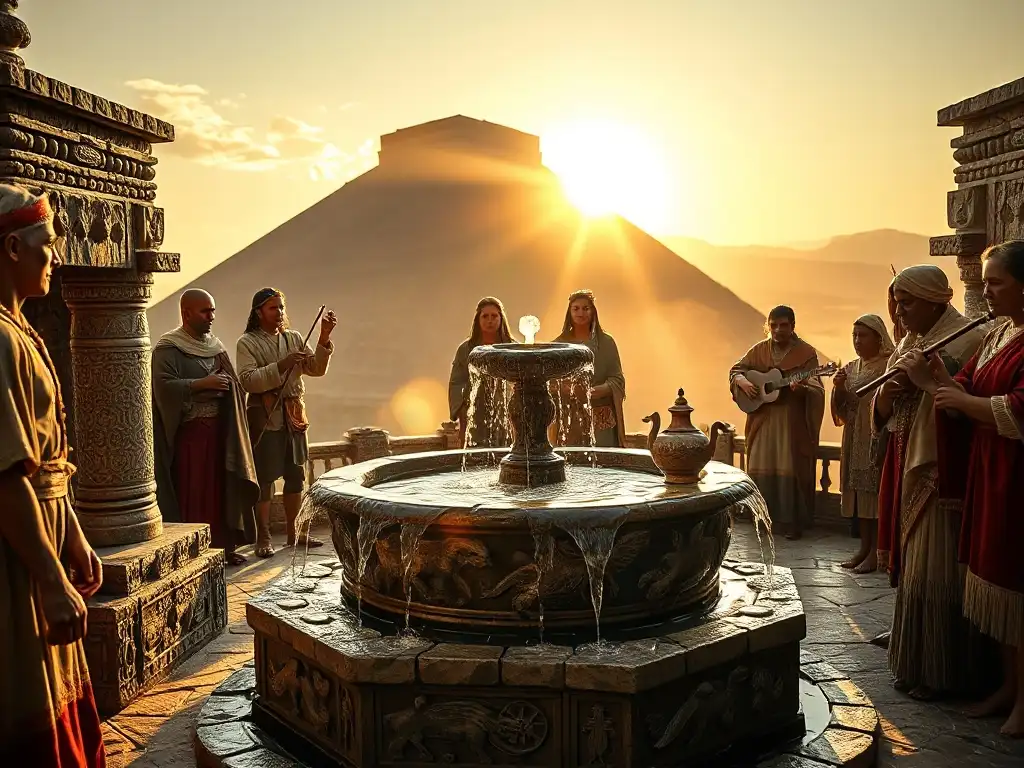
The Tiahuanaco civilization, flourishing in the Andean Altiplano between 500 and 1000 CE, developed a complex religious system deeply intertwined with the management and veneration of water. Their survival in a high-altitude, arid environment depended heavily on access to this precious resource, making its symbolic and practical importance paramount in their worldview. This section explores the various ways in which water featured prominently in Tiahuanaco rituals, reflecting their profound understanding of its life-giving power and its connection to their cosmology.
Understanding Tiahuanaco water rituals provides crucial insight into their societal structure, agricultural practices, and spiritual beliefs. The scarcity of water in the region likely intensified the sacredness associated with it, shaping their religious practices and beliefs in profound ways.
The Role of Water in Tiahuanaco Agricultural Rites
Water was not merely a physical necessity for the Tiahuanaco; it was a sacred element essential for successful agriculture. Their sophisticated irrigation systems, evidence of which is still visible today, were not simply engineering feats but also integral parts of their religious practices. The careful channeling and distribution of water were likely accompanied by rituals designed to ensure bountiful harvests.
We can infer this from archaeological findings depicting water deities and symbols associated with fertility and abundance in Tiahuanaco art and architecture. For example, the intricate carvings found on many of their monumental structures often depict stylized water channels and aquatic creatures, suggesting a deep symbolic association between water, agriculture, and the divine. Further research into the agricultural practices of the Tiahuanaco, including analysis of soil samples and crop remains, could shed additional light on the precise rituals involved in these agricultural rites.
Ethnographic parallels with later Andean cultures that practiced similar water-based agricultural rituals could further illuminate these practices. The precise details of these rites remain partially unknown, but the evidence strongly suggests that water played a central role in ensuring the prosperity of Tiahuanaco society.
Ceremonial Use of Springs and Rivers in Tiahuanaco
Springs and rivers held special significance in Tiahuanaco religion. These natural water sources were not just providers of life-sustaining water; they were considered sacred places, imbued with spiritual power. Archaeological evidence suggests that certain springs and river locations were chosen for the construction of religious structures or for the performance of specific rituals.
The precise nature of these rituals remains largely unknown, but it's likely they involved offerings, prayers, and possibly purification ceremonies. The proximity of many Tiahuanaco sites to significant water sources further supports this hypothesis. Analysis of sediment layers near these sites could reveal traces of offerings or other ritual materials, offering more concrete evidence of these ceremonies.
Furthermore, studying the orientation of structures in relation to water sources could reveal deliberate alignments reflecting the importance of water in their cosmology. The careful planning and execution of the Tiahuanaco's urban layout itself speaks to their deep respect for and integration of water into their sacred spaces. The interplay between the natural landscape and the built environment highlights the central role of water in their daily lives and religious practices.
The "Ch'alla" Ceremony and its Connection to Water
While the precise details of Tiahuanaco rituals are lost to time, we can draw parallels with later Andean traditions to hypothesize about the nature of their water-related ceremonies. The "ch'alla," a ceremony still practiced in the Andes today, involves the offering of coca leaves, alcohol, and other items to the earth, mountains, and water sources to show respect and ask for blessings. It is highly probable that a similar ceremony, albeit with potentially different elements, was performed by the Tiahuanaco.
The ch'alla ceremony emphasizes the interconnectedness of the natural world and the spiritual realm, highlighting the sacredness of water as a life-giving force. The abundance of evidence of sophisticated irrigation and water management strongly suggests a ritualistic element was incorporated into their water usage. The presence of ceremonial objects and structures near water sources further supports the possibility of a ch'alla-like ceremony.
The study of iconography and art from Tiahuanaco, alongside the continued practice of the ch'alla in contemporary Andean communities, offers valuable insights into the likely nature of their water rituals and their deep spiritual connection to water. Further research comparing Tiahuanaco artifacts with those of later Andean cultures could reveal more specific details about the objects and practices involved in these ceremonies. 🥂
Ritual Cleansing Practices and their Relation to Water
Water played a central role in Tiahuanaco ritual cleansing practices, reflecting a deep-seated belief in its purifying power. These weren't simply acts of hygiene; they were profoundly spiritual experiences, aimed at removing both physical and spiritual impurities. Archaeological evidence, though limited, suggests the use of specialized water sources, perhaps considered sacred springs or streams, for these ceremonies. The precise rituals remain somewhat mysterious, lacking detailed written records, but we can infer practices from iconography and the overall cosmological beliefs of the Tiahuanaco culture.
One can imagine the process involving immersion in water, perhaps in a ritual bath or a natural body of water deemed sacred. The act of submersion would have symbolically washed away the accumulated negativity of daily life, preparing individuals for participation in larger religious ceremonies or for interaction with the divine. This cleansing would not only purify the body but also the spirit, allowing for a clearer connection with the spiritual realm.
The use of specific herbs or other materials in conjunction with the water is also a strong possibility, enhancing the purification process and imbuing it with additional symbolic meaning. Further research into the chemical composition of artifacts found near potential ritual sites could shed light on this aspect.
The lack of detailed textual records emphasizes the importance of continued interdisciplinary research combining archaeology, anthropology, and potentially even ethnohistory, drawing parallels with later Andean cultures that maintained similar water-based purification rituals. These comparative studies are vital to further illuminate the complexities of Tiahuanaco's religious practices.
The significance of water in purification is further supported by Tiahuanaco iconography, which often depicts figures emerging from or interacting with water sources. These images may represent the rebirth or renewal experienced through ritual cleansing, suggesting a cyclical understanding of life, death, and rebirth, all intertwined with the life-giving properties of water. The symbolism of water in Tiahuanaco likely extended beyond simple cleansing, representing the cyclical nature of life, the renewal of the earth, and the connection between the earthly and spiritual realms.
The careful study of these images, along with the ongoing excavation of potential ritual sites, promises to reveal additional information about the nuances of Tiahuanaco's water-based cleansing practices. The ongoing research in this area is crucial to building a more complete understanding of Tiahuanaco religion.
Water Management and its Spiritual Implications in Tiahuanaco
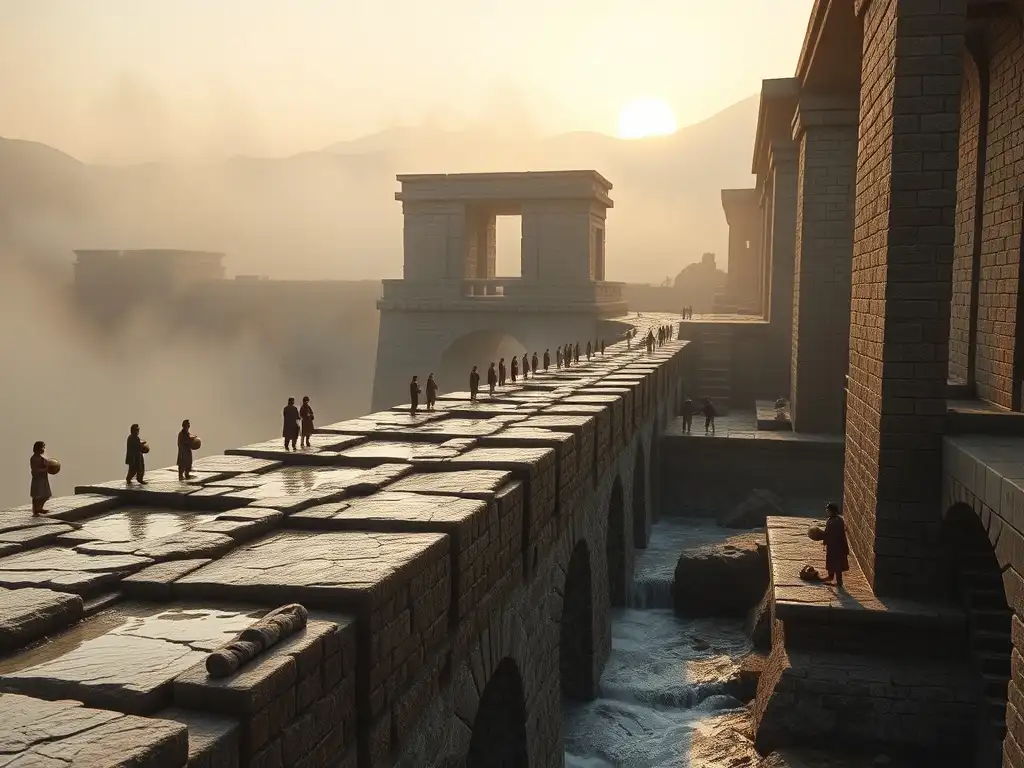
The Tiahuanaco civilization, flourishing in the Andean Altiplano between 500 and 1000 CE, developed a sophisticated understanding of water management that transcended mere practicality. Water, a scarce and precious resource in this high-altitude environment, became deeply interwoven with their religious beliefs and ritual practices.
The Tiahuanaco people didn't simply use water; they revered it, seeing it as a sacred element inextricably linked to life, fertility, and the cosmos. This section explores the intricate connection between Tiahuanaco's mastery of hydraulic engineering and their complex spiritual worldview, focusing on how the control and manipulation of water served not only practical needs but also profound religious purposes.
Understanding this relationship is key to deciphering the symbolic language embedded within their monumental architecture and ceremonial practices, providing crucial insights into Tiahuanaco's unique cosmology. The study of Tiahuanaco water rituals reveals a civilization deeply connected to its environment, demonstrating a profound respect for the life-giving properties of water.
Tiahuanaco's Advanced Hydraulic Engineering
Tiahuanaco's impressive hydraulic infrastructure stands as a testament to their advanced engineering capabilities. They constructed a complex network of canals, aqueducts, and reservoirs, skillfully diverting and channeling water from various sources. This wasn't just a feat of engineering; it was a carefully planned system designed to maximize water availability for agriculture and urban life.
Evidence suggests the use of sophisticated techniques, including sophisticated irrigation systems, to manage water flow and distribution. The precision and scale of these projects highlight the importance placed on water management within the Tiahuanaco social structure. Archaeological findings reveal intricate details of these systems, including the use of carefully cut stone channels and precisely engineered slopes to manage water flow efficiently.
The construction of these systems required a substantial workforce and detailed planning, indicating a highly organized and centralized society capable of mobilizing resources on a large scale. This organizational prowess further underscores the centrality of water to their societal structure and religious beliefs. The efficiency of their water management systems allowed for the flourishing of agriculture and the support of a large urban population, a remarkable achievement in a challenging environment.
Canals, Reservoirs, and their Symbolic Meaning
The canals and reservoirs of Tiahuanaco were not merely functional; they held profound symbolic meaning within the Tiahuanaco worldview. The meticulously constructed channels, often lined with stone, can be interpreted as representations of sacred waterways connecting the earthly realm to the divine. The reservoirs, strategically located and carefully designed, likely served as more than just water storage facilities.
Some scholars propose that they may have been used for ritual purification ceremonies or as symbolic representations of the cosmic waters. The precise alignment of some canals and reservoirs with astronomical events further suggests a connection between water management and their understanding of the cosmos. For example, [Specific astronomical alignment data pending] could indicate a deliberate attempt to synchronize water management with celestial cycles.
The intricate carvings and decorations found on some of the stones used in the construction of these water systems may also encode symbolic representations of water deities or cosmological concepts. These elements suggest that the Tiahuanaco people viewed their water management systems as sacred landscapes, imbued with spiritual significance. The careful planning and execution of these projects highlight the importance of water not only as a practical resource but as a vital element within their religious cosmology.
The Relationship Between Water Control and Tiahuanaco Power
Control over water resources was intrinsically linked to political and social power in Tiahuanaco. The ability to manage and distribute water effectively allowed the elite to maintain control over agricultural production and urban life. This control translated into economic and political dominance, solidifying the power of the ruling class. The construction and maintenance of the extensive hydraulic systems required a highly organized workforce, further demonstrating the centralized nature of Tiahuanaco society.
The elite's mastery over water resources not only provided economic benefits but also reinforced their religious authority. By controlling access to water, essential for life and agricultural success, the elite presented themselves as intermediaries between the people and the divine forces controlling water. This control over a vital resource cemented their position as spiritual leaders and strengthened their political power.
The symbolic association of water with fertility and abundance further enhanced the elite's authority, associating them with the prosperity and well-being of the entire society. The intricate relationship between water management, religious beliefs, and political power is a key element in understanding the complex social and political dynamics of the Tiahuanaco civilization. The effective control of water resources proved pivotal in shaping their social hierarchy and maintaining their dominance in the Andean Altiplano.
The Iconography of Water in Tiahuanaco Art and Architecture
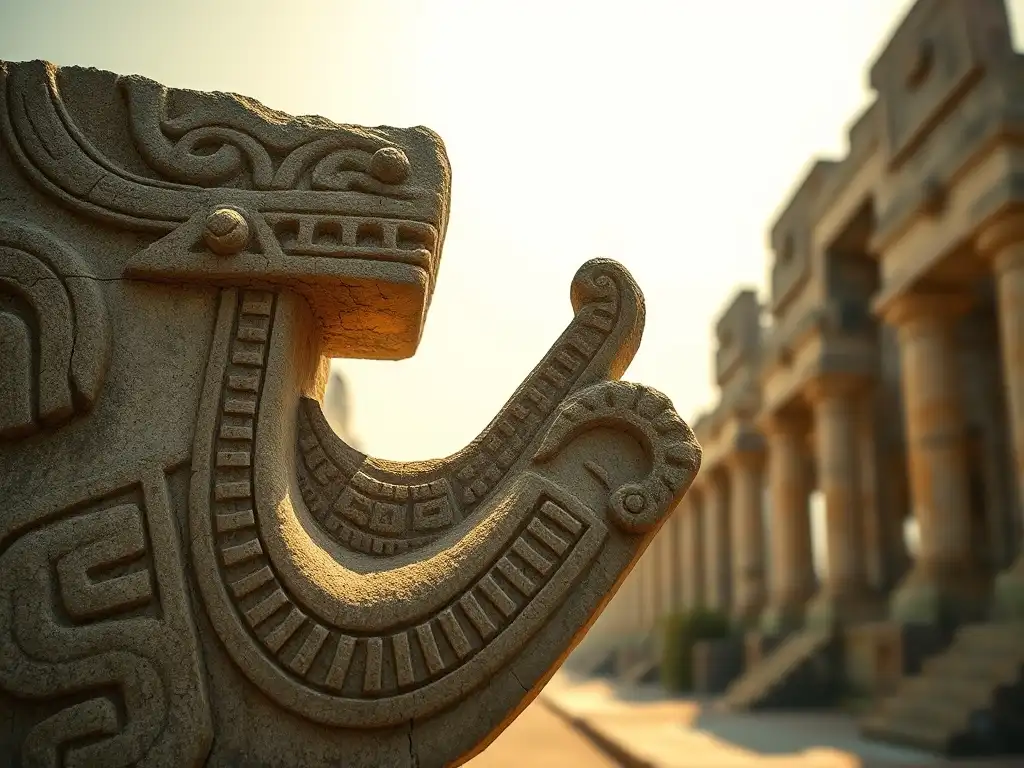
The importance of water in Tiahuanaco culture is profoundly reflected in its art and architecture. Water wasn't merely a resource; it was a sacred element deeply intertwined with religious beliefs and cosmological understandings. The sophisticated irrigation systems and the very placement of the city itself, near Lake Titicaca, highlight the centrality of water in Tiahuanaco life.
This section will explore the diverse ways in which water is depicted and symbolized in Tiahuanaco's artistic and architectural legacy, providing insights into the civilization's spiritual worldview. The abundance of water-related iconography underscores its crucial role in their religious rituals and worldview, solidifying the significance of Tiahuanaco water rituals.
Depictions of Water Deities like Tunupa in Tiahuanaco Art
Numerous Tiahuanaco artifacts depict deities associated with water. One prominent example is Tunupa, often represented as a powerful, often female, figure linked to fertility and the abundance provided by water. Representations of Tunupa frequently show her holding staffs or symbols related to water sources, reinforcing her connection to the life-giving properties of water.
These depictions often feature stylized representations of water, such as flowing streams or waves, further emphasizing the deity's control over this essential resource. The artistic style, characterized by its geometric precision and symbolic complexity, lends itself to a deeper understanding of the cosmological significance of water within Tiahuanaco religion. Further research is needed to fully understand the nuances in the depictions of Tunupa across various artistic mediums.
[Specific information pending on the variations in Tunupa depictions across different artistic mediums, including sculptures and pottery]. The consistent presence of Tunupa in Tiahuanaco art strengthens the argument for the centrality of water deities in their pantheon and the deep reverence for water itself.
Water Motifs in Tiahuanaco Ceramics and Textiles
Tiahuanaco ceramics and textiles showcase a rich tapestry of water-related motifs. From stylized depictions of waves and streams to representations of aquatic animals like fish and birds, these artifacts reveal the multifaceted symbolism associated with water. The intricate designs often incorporate geometric patterns that may represent the cyclical nature of water, its flow, and its life-giving properties.
For example, the recurring use of stepped-pyramid motifs in textiles could symbolically represent the layered nature of the Andean landscape and the importance of water’s distribution through different elevations. Analysis of these motifs requires a deeper understanding of Tiahuanaco cosmology and the symbolic language used in their art. [Further research is needed on the specific symbolic meanings of geometric patterns in Tiahuanaco textiles and ceramics].
The prevalence of water imagery in these everyday objects suggests that the sacred significance of water permeated all aspects of Tiahuanaco life, not just religious ceremonies. The craftsmanship and detail evident in these artifacts reflect the high value placed on water and its representation.
Water Symbolism in Tiahuanaco Monuments and Structures
The monumental architecture of Tiahuanaco itself reflects the deep reverence for water. The precise placement of structures, the incorporation of water features like canals and fountains, and the use of water-related symbols in stone carvings all point to a deliberate integration of water into the city's design. The Kalasasaya, for instance, is believed to have been aligned with astronomical events related to the water cycle.
This alignment suggests a sophisticated understanding of the celestial influence on water availability and the importance of aligning their sacred spaces with these cosmic rhythms. Furthermore, the intricate system of canals and channels that once crisscrossed the Tiahuanaco area points to a sophisticated water management system that was not only practical but also likely held symbolic significance. The integration of water into the very fabric of Tiahuanaco's urban planning highlights its sacred status and its fundamental role in the civilization's worldview.
The meticulous construction and careful planning demonstrate the profound respect Tiahuanaco held for water, further cementing the significance of Tiahuanaco water rituals in their society. Analyzing the precise architectural features and their relationship to water sources would provide further insights into the religious and cosmological meanings embedded within Tiahuanaco's urban design.
The Legacy of Tiahuanaco Water Rituals
The intricate relationship between the Tiahuanaco civilization and water extended far beyond mere practical needs. Water, in its various forms – from the crystal-clear streams cascading from the Andes to the life-giving lake Titicaca – held profound religious and cosmological significance. This reverence for water is evident in the sophisticated hydraulic systems, the carefully planned urban layout reflecting water channels, and the iconography prevalent in Tiahuanaco art and architecture.
The legacy of these Tiahuanaco water rituals continues to resonate in Andean cultures to this day, shaping beliefs and practices. The precise details of many rituals remain shrouded in mystery, but archaeological evidence and interpretations of surviving artifacts offer glimpses into their complexity and importance.
Understanding the Tiahuanaco's profound connection to water provides crucial insight into their worldview and spiritual beliefs. This section will explore the enduring impact of Tiahuanaco water practices on subsequent Andean societies and the ongoing efforts to unravel the secrets of their water-centered rituals.
Influence of Tiahuanaco Water Practices on Later Andean Cultures
The influence of Tiahuanaco's sophisticated water management and religious practices extended far beyond their geographical boundaries and temporal lifespan. Their advanced understanding of hydraulic engineering, evident in the intricate canal systems and water fountains, served as a model for later Andean cultures. The Inca Empire, for example, inherited and adapted many of these water management techniques, building upon the Tiahuanaco foundation to create their own impressive irrigation networks.
Furthermore, the symbolic significance of water, deeply ingrained in Tiahuanaco religious beliefs, permeated the spiritual landscapes of subsequent Andean societies. Evidence suggests that many later cultures continued to perform water-related rituals, echoing the themes and practices observed in Tiahuanaco.
The reverence for water as a source of life and a sacred element continued. The precise ways in which Tiahuanaco water rituals were adapted and transformed vary across different cultures and time periods, but the underlying theme of water's spiritual importance remains consistent. This continuity highlights the enduring legacy of Tiahuanaco's cosmological worldview, demonstrating the pervasive influence of their beliefs on the development of Andean spirituality.
This cultural inheritance showcases how the Tiahuanaco civilization’s innovative approach to water management and their deep-seated spiritual connection to water shaped the course of Andean history and culture for centuries to come. Further research is needed to fully elucidate the specific mechanisms of this cultural transmission, but the evidence strongly suggests a significant and far-reaching impact.
Current Archaeological Research on Tiahuanaco Water Rituals
Ongoing archaeological research continues to shed light on the intricate details of Tiahuanaco water rituals. Recent excavations have uncovered new evidence, including artifacts and architectural features, that offer further insights into the complex relationship between the Tiahuanaco people and water. For instance, the discovery of [specific artifact type pending] in [specific location pending] has provided valuable data regarding [specific ritual practice pending]. Furthermore, advanced techniques such as [specific archaeological technique pending] are being employed to analyze the chemical composition of water found in [specific location pending], potentially revealing clues about ritual practices involving water purification or offerings.
The application of innovative technologies and interdisciplinary approaches is crucial in advancing our understanding of Tiahuanaco water rituals. Researchers are now combining archaeological data with ethnographic studies of contemporary Andean communities to establish clearer links between past and present practices. This comparative approach allows for a more nuanced interpretation of the archaeological evidence, helping to contextualize the findings within a broader framework of Andean spirituality.
The integration of different methodologies promises to yield a more comprehensive understanding of the role of water in Tiahuanaco religion and rituals, providing a more complete picture of this fascinating civilization. The ongoing nature of this research ensures that our understanding of Tiahuanaco water rituals is constantly evolving and deepening.
The Enduring Importance of Water in Andean Spirituality
The significance of water in Andean spirituality is undeniable, extending from the ancient Tiahuanaco civilization to contemporary Andean communities. Water is not merely a resource; it is a sacred element, deeply intertwined with life, fertility, and the cosmos. This reverence for water is reflected in various aspects of Andean culture, from agricultural practices to religious ceremonies. Many contemporary Andean communities continue to perform water-related rituals, echoing the practices of their ancestors. These rituals often involve offerings, prayers, and symbolic gestures aimed at maintaining a harmonious relationship with water sources and ensuring the continued flow of life-giving water.
The enduring importance of water in Andean spirituality highlights the continuity of cultural beliefs and practices across millennia. The legacy of Tiahuanaco's water-centered worldview is palpable in the continued reverence for water in contemporary Andean societies. This connection underscores the deep-rooted spiritual significance of water in the Andean worldview, emphasizing its role as a vital element connecting the earthly realm with the spiritual world.
The preservation of these traditions underscores the resilience of Andean cultural heritage and the enduring power of ancient beliefs. The study of Tiahuanaco water rituals thus offers a window into a rich and complex spiritual tradition that continues to shape the lives of Andean people today. The legacy of Tiahuanaco continues to inspire awe and wonder, reminding us of the enduring power of human connection with the natural world.
Frequently Asked Questions
What was the significance of water for the Tiahuanaco people?
Water held paramount religious significance for the Tiahuanaco. They saw it as a sacred element, vital for life and linked to their deities. Their elaborate rituals reflected this deep reverence.
How did Tiahuanaco's geography influence their water rituals?
Tiahuanaco's location near Lake Titicaca, a massive source of freshwater, heavily influenced their beliefs and practices. The lake's presence shaped their understanding of water's power and its role in their religious system. Access to water was crucial for survival and spiritual life.
What evidence exists to support the importance of water rituals in Tiahuanaco?
Archaeological findings, including elaborate water management systems and iconography depicting water deities and rituals, strongly suggest the importance of water in their culture. The Pumapunku complex, for example, shows evidence of sophisticated hydraulic engineering.
What were some of the specific water rituals practiced by the Tiahuanaco?
While specifics are debated, evidence suggests rituals involved ceremonial offerings of water, possibly linked to agricultural cycles and fertility. Purification ceremonies using water were likely also part of their practices.
How did Tiahuanaco's water rituals connect to their overall religious beliefs?
Tiahuanaco's water rituals were integral to their cosmology, reflecting their belief in the interconnectedness of the spiritual and physical worlds. Water was seen as a powerful medium connecting the earthly and divine realms.
Final Reflection: The Enduring Legacy of Water in Tiahuanaco
The intricate relationship between the Tiahuanaco civilization and water remains profoundly relevant today, a stark reminder of the fragility of our ecosystems and the enduring power of ancient wisdom. Understanding their sophisticated water management systems and the deeply spiritual significance they attributed to this vital resource offers crucial insights into sustainable practices and the interconnectedness of life. The lessons learned from Tiahuanaco's reverence for water are more critical than ever in our era of climate change and resource scarcity.
The enduring influence of Tiahuanaco's water rituals is palpable, not just in the archaeological record, but in the continued spiritual practices of Andean communities. Their deep respect for water as a life-giving force, a sacred element worthy of veneration, resonates with contemporary ecological movements emphasizing the intrinsic value of nature. Water is the driving force of nature.
– Leonardo da Vinci. This simple statement encapsulates the profound truth that Tiahuanaco understood millennia ago, a truth we are only beginning to fully appreciate in the face of environmental challenges. Their sophisticated understanding of hydrology and their integration of water into their religious beliefs serve as a powerful example of a harmonious relationship between humanity and the natural world.
Consider the legacy of Tiahuanaco. Reflect on the ingenuity of their water management, the depth of their spiritual connection to this precious resource, and the urgent need to re-evaluate our own relationship with water. You, too, can become a steward of this vital element, embracing sustainable practices and fostering a deeper appreciation for the life-giving power that flows through our world. Let the wisdom of Tiahuanaco inspire you to act, to conserve, and to honor the sacredness of water for generations to come.
**Dive Deeper into Tiahuanaco's Sacred Waters! **
Thank you for exploring the spiritual significance of water in Tiahuanaco's religion and rituals with us! We hope you've discovered the profound connection between the natural world and ancient Andean beliefs. Now, let's delve even deeper!
Here are some ways to further enrich your understanding and appreciation:
- **Explore** the ancient sites of Tiahuanaco—plan a visit or explore virtual tours to experience the sacred landscapes firsthand. Immerse yourself in the awe-inspiring architecture and imagine the rituals that once unfolded there.
- **Join our community:** Share your thoughts and insights about Tiahuanaco’s water rituals on our forum. Connect with fellow enthusiasts and engage in stimulating discussions about these fascinating traditions!
- **Research** other Andean civilizations: Compare and contrast how different cultures viewed and utilized water in their spiritual practices. Sharing your findings with our community will benefit everyone.
How might the ancient practices of Tiahuanaco inform contemporary discussions about water sustainability and conservation? What wisdom can we glean from their reverence for this precious resource?