
The Tiahuanaco Language: How it Might Have Shaped Later Andean Dialects

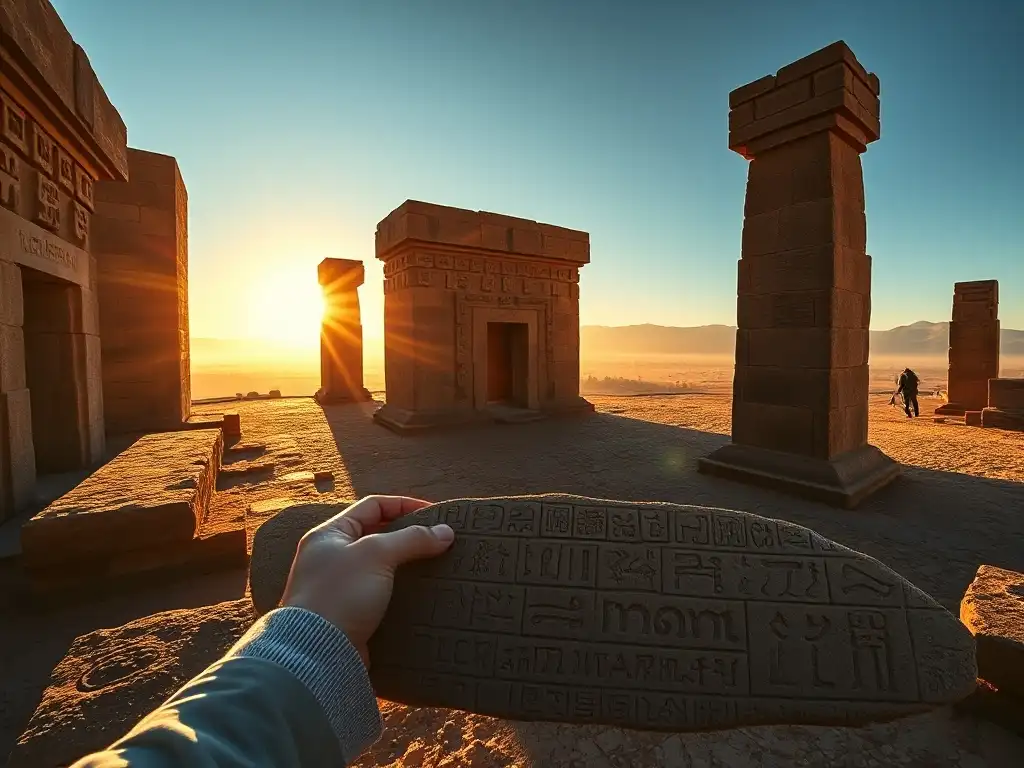
Uncover the secrets whispered on the wind across the Andes! For centuries, the echoes of ancient empires have resonated through the mountains, leaving behind a legacy of breathtaking artistry and complex societies. But what if the most enduring legacy was something far less tangible – language? Journey with us into the fascinating world of the Tiahuanaco civilization and explore the compelling evidence suggesting a profound Tiahuanaco language influence on later Andean dialects. Prepare to be amazed by the intricate connections that weave through time, connecting past and present in unexpected ways.
- The Tiahuanaco Language: Unraveling its Impact on Andean Dialects
- Introduction to Tiahuanaco and its Linguistic Legacy
- Understanding the Linguistic Landscape of the Andes Before Tiahuanaco
- Tracing the Tiahuanaco Language: Evidence and Hypotheses
- The Potential Influence of the Tiahuanaco Language on Later Andean Dialects
- Case Studies: Tiahuanaco Language Influence in Specific Andean Regions
- Debates and Controversies Surrounding the Tiahuanaco Linguistic Influence
- The Broader Implications of Tiahuanaco Language Studies
- Conclusion: The Enduring Legacy of the Tiahuanaco Language
-
Frequently Asked Questions
- What is the significance of the Tiahuanaco culture in Andean history?
- Did the Tiahuanaco people have a written language?
- What is the current understanding of the Tiahuanaco language itself?
- How might the Tiahuanaco language have influenced later Andean dialects?
- What ongoing research is being conducted on the Tiahuanaco language's influence?
- Final Reflection: Echoes of Tiahuanaco: A Linguistic Legacy
- **Unveil the Secrets of the Tiahuanaco Language Today! **
The Tiahuanaco Language: Unraveling its Impact on Andean Dialects
The Tiahuanaco civilization, flourishing in the Bolivian Altiplano between approximately 500 and 1000 CE, left an indelible mark on the Andean region. While their monumental architecture and sophisticated engineering are widely studied, the influence of their language on subsequent Andean dialects remains a fascinating and complex area of research.
This article delves into the current understanding of the Tiahuanaco language, exploring the potential pathways through which it might have shaped the linguistic landscape of the Andes, and highlighting the challenges and ongoing debates surrounding this topic. Understanding this linguistic legacy offers crucial insights into the cultural transmission and societal interactions that shaped the Andes for centuries after the decline of the Tiahuanaco empire.
The impact of the Tiahuanaco language isn't just a linguistic puzzle; it's a key to understanding the broader cultural and political dynamics of the region. We will examine evidence from archaeological finds, comparative linguistics, and the historical record to piece together a clearer picture of this significant influence.
The Enigma of the Tiahuanaco Language: What We Know and Don't Know
Unfortunately, the Tiahuanaco language itself remains largely unknown. No extensive written records have survived, unlike some other ancient Andean civilizations. This lack of direct textual evidence presents a significant hurdle for researchers. However, archaeological discoveries offer some clues.
For example, the presence of specific iconography and symbols on ceramics and textiles might offer hints at linguistic structure or vocabulary, although interpreting these remains highly debated. Furthermore, the study of place names and personal names from later periods could potentially reveal linguistic continuity or borrowing. The absence of a deciphered written language necessitates reliance on indirect evidence, making the reconstruction of the Tiahuanaco language a painstaking and often speculative process. This lack of direct evidence is a major challenge, but it also underscores the importance of interdisciplinary approaches, combining archaeological, anthropological, and linguistic expertise to shed light on this enigma.
Linguistic Traces in Later Andean Dialects: Evidence of Influence
Despite the difficulties, several lines of evidence suggest a potential influence of the Tiahuanaco language on later Andean dialects. One approach involves comparative linguistics, analyzing similarities and shared features between languages spoken in the Tiahuanaco heartland and those that emerged later in the region. This might include shared vocabulary, grammatical structures, or phonetic similarities. However, establishing direct linguistic descent requires demonstrating a clear genetic relationship, which is challenging given the fragmentary nature of the evidence.
Another avenue of research explores the possibility of language contact and borrowing. Even without direct genealogical links, languages can influence each other through prolonged interaction. The powerful political and economic influence of Tiahuanaco could have led to the adoption of certain words or grammatical features into neighboring languages. This could explain the presence of certain linguistic elements in later Andean languages that lack a clear origin within their own families.
Challenges and Future Research Directions: Unraveling the Mystery
The study of the Tiahuanaco language’s influence faces numerous challenges. The lack of a deciphered written language, the complexities of language evolution, and the scarcity of well-preserved archaeological contexts all contribute to the difficulty of definitively establishing its impact. Future research should focus on integrating diverse methodologies.
This includes a more robust analysis of archaeological finds using advanced techniques, further exploration of linguistic typology to identify potential areas of influence, and a deeper understanding of the socio-political dynamics that shaped language contact in the Andean region. Interdisciplinary collaborations, bringing together linguists, archaeologists, anthropologists, and historians, are crucial to making significant progress in this field.
The potential insights into the cultural transmission and societal interactions of the Andean region are immense, making this a crucial area of continued investigation. The Tiahuanaco language, though largely lost to time, continues to whisper its story through the echoes it left in the linguistic tapestry of the Andes.
Introduction to Tiahuanaco and its Linguistic Legacy
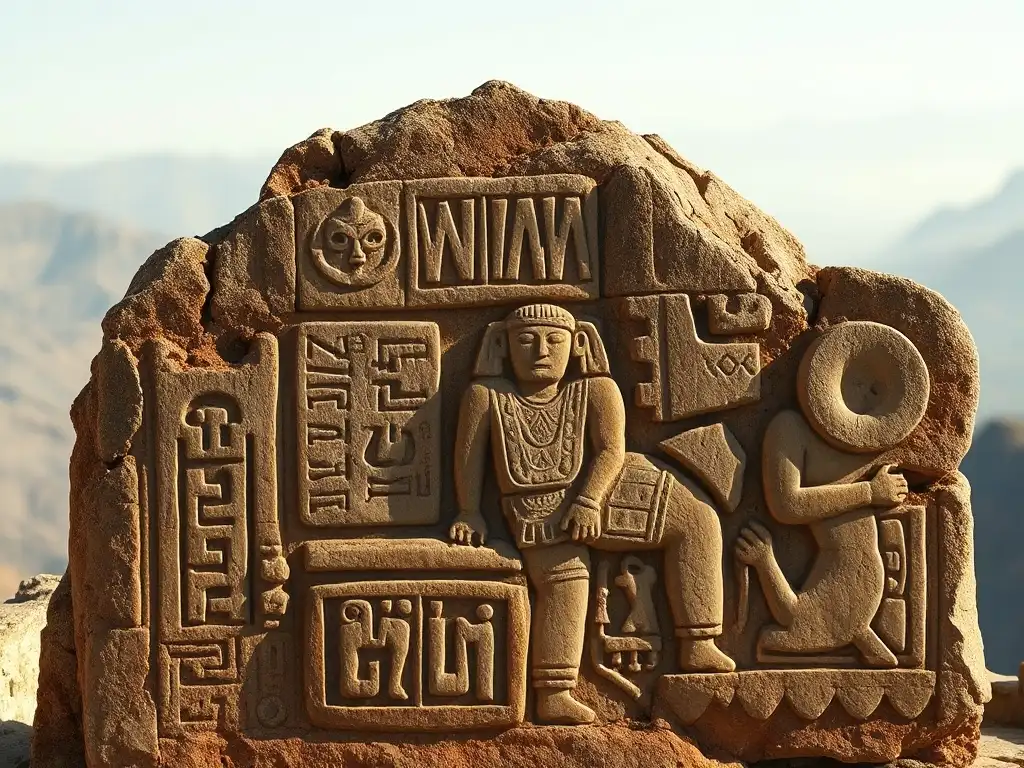
This section delves into the fascinating, yet often mysterious, linguistic heritage of the Tiahuanaco civilization. While much remains unknown, the potential influence of the Tiahuanaco language on later Andean dialects is a topic of significant scholarly debate and ongoing research. Understanding the Tiahuanaco language, or at least attempting to reconstruct it, is key to unlocking a deeper comprehension of the cultural and linguistic landscape of the Andes.
This exploration will examine the historical context of Tiahuanaco, the challenges in deciphering its language, and the crucial role this research plays in our understanding of the evolution of Andean linguistic diversity. The impact of Tiahuanaco's linguistic legacy extends far beyond its geographical boundaries, potentially shaping the linguistic tapestry of the region for centuries.
The Significance of Tiahuanaco in Andean History
Tiahuanaco, flourishing between roughly 500 and 1000 CE, stands as a monumental achievement of Andean civilization. Its influence extended across vast swathes of the Andes, impacting the social, political, and religious structures of numerous subsequent cultures. The Tiahuanaco's sophisticated urban planning, impressive architecture (evident in sites like Puma Punku), and advanced agricultural techniques all point to a highly organized and influential society.
This societal complexity likely fostered a sophisticated linguistic system, potentially impacting the languages of neighboring groups through trade, migration, and cultural exchange. The sheer scale of Tiahuanaco's reach suggests a powerful linguistic influence, although the exact nature of this influence remains a subject of ongoing investigation and debate amongst experts. Further research, including archaeological digs and linguistic analysis of artifacts, is needed to fully understand the extent of Tiahuanaco's impact.
The Enigma of the Tiahuanaco Language
Unfortunately, the Tiahuanaco language itself remains largely an enigma. No extensive written texts have been discovered, unlike some other Andean civilizations. The limited epigraphic evidence primarily consists of fragmented inscriptions on ceramics and stone monuments, often consisting of stylized glyphs and symbols.
The interpretation of these glyphs is extremely challenging, hampered by a lack of a Rosetta Stone-like decipherment key and the limited number of surviving examples. Scholars continue to debate the nature of the writing system—was it purely symbolic, or did it represent a phonetic language? The lack of a large corpus of written text presents a significant obstacle to fully understanding the language's structure, grammar, and vocabulary.
However, recent advancements in computational linguistics and comparative methodologies offer new avenues for analysis of the available fragmentary evidence. This could potentially reveal more about the language's structure and relationships to other Andean languages. The mystery surrounding the Tiahuanaco language only adds to its allure and the importance of continued research.
Why Studying Tiahuanaco Language is Crucial for Understanding Andean Dialects
The study of the Tiahuanaco language, despite its challenges, is crucial for understanding the development of later Andean dialects. Even partial reconstruction of the language could provide invaluable insights into the linguistic prehistory of the region. By comparing the limited available Tiahuanaco inscriptions with later Andean languages, linguists can potentially identify cognates (words with common ancestry) and reconstruct aspects of the language family tree.
This comparative analysis could reveal the extent of Tiahuanaco's linguistic influence on Aymara, Quechua, and other languages spoken in the Andes today. For example, identifying shared vocabulary or grammatical structures could provide evidence of linguistic continuity or contact.
Such findings would not only deepen our understanding of Andean linguistic history but also contribute to our broader understanding of language evolution and cultural contact in the ancient world. The potential for uncovering connections between the Tiahuanaco language and later dialects is a powerful incentive to continue the challenging, but ultimately rewarding, research into this enigmatic linguistic legacy.
Understanding the Linguistic Landscape of the Andes Before Tiahuanaco
The Andean region, even before the rise of Tiahuanaco, was a tapestry of diverse languages and language families. Understanding this pre-Tiahuanaco linguistic landscape is crucial to assessing the potential influence of the Tiahuanaco language on later Andean dialects.
The sheer complexity makes definitive conclusions challenging, but piecing together fragmented evidence offers intriguing possibilities regarding the linguistic prehistory of the region. The lack of extensive written records from this era necessitates reliance on archaeological evidence, comparative linguistics, and careful analysis of later languages that may retain echoes of their predecessors.
This section delves into the known and hypothesized linguistic features of the pre-Tiahuanaco era, laying the groundwork for understanding the subsequent impact of the Tiahuanaco language. The potential for substrate influence – where a less dominant language leaves traces on a more dominant one – is a key area of research, offering valuable insights into the dynamics of language contact and change in the Andes.
Pre-Tiahuanaco Languages and Language Families
Identifying specific pre-Tiahuanaco languages is incredibly difficult due to the scarcity of written records. However, linguistic reconstruction, based on comparing later languages with potential genetic links, suggests the presence of several distinct language families. These families likely encompassed a range of unrelated languages, reflecting the region's diverse ethnic groups.
Some scholars hypothesize the existence of a Quechuan proto-language, a hypothetical ancestor to later Quechuan languages, predating Tiahuanaco. Other potential language families remain largely unknown, their existence inferred from the diversity of later Andean languages and the geographical distribution of different linguistic groups. The absence of comprehensive data makes it impossible to definitively describe the linguistic map of the Andes before the Tiahuanaco period.
Further research, including advanced computational linguistic techniques and more archaeological findings, is needed to paint a clearer picture of this crucial era. The investigation into the specific language families present before the Tiahuanaco expansion remains a significant area of ongoing research in Andean linguistics.
Language Diversity in the Andean Region
The Andean region has always been characterized by remarkable linguistic diversity. Even today, hundreds of languages are spoken, belonging to various families. This diversity was likely even greater in pre-Columbian times.
The mountainous terrain, with its isolated valleys and high plateaus, fostered the development of distinct linguistic communities. Each community developed its own unique language, reflecting its cultural identity and geographical location. This inherent linguistic fragmentation contrasts sharply with the relative linguistic homogeneity seen in some other regions of the world.
The interaction between these diverse language groups, particularly around major population centers and trade routes, undoubtedly led to significant language contact and borrowing. This contact, in turn, would have shaped the evolution of languages in the Andes over centuries. Understanding this pre-existing diversity is essential to evaluate the extent to which the Tiahuanaco language impacted the linguistic landscape, as the level of existing diversity would have influenced the speed and nature of any linguistic assimilation or influence.
The Challenges of Reconstructing Ancient Andean Languages
Reconstructing ancient Andean languages presents significant challenges. The primary obstacle is the absence of extensive written records from the pre-Hispanic era. While some forms of record-keeping existed, such as knotted strings (quipus), these do not provide a direct transcription of spoken language.
Moreover, the languages themselves may have undergone significant changes over time, making comparison with later languages difficult. The process of reconstructing ancient languages relies heavily on comparative methods, analyzing similarities and differences between related languages to infer the characteristics of their common ancestor. This method, while powerful, is inherently uncertain, especially in cases with limited data, like the pre-Tiahuanaco period.
Furthermore, the complex history of language contact in the Andes adds another layer of difficulty, making it challenging to disentangle the influence of different languages on one another. Despite these challenges, ongoing research continues to refine our understanding of the pre-Tiahuanaco linguistic landscape and the potential influence of the Tiahuanaco language on its successors. The application of new technologies and interdisciplinary approaches holds the promise of unveiling more about this fascinating and complex linguistic history.
Tracing the Tiahuanaco Language: Evidence and Hypotheses
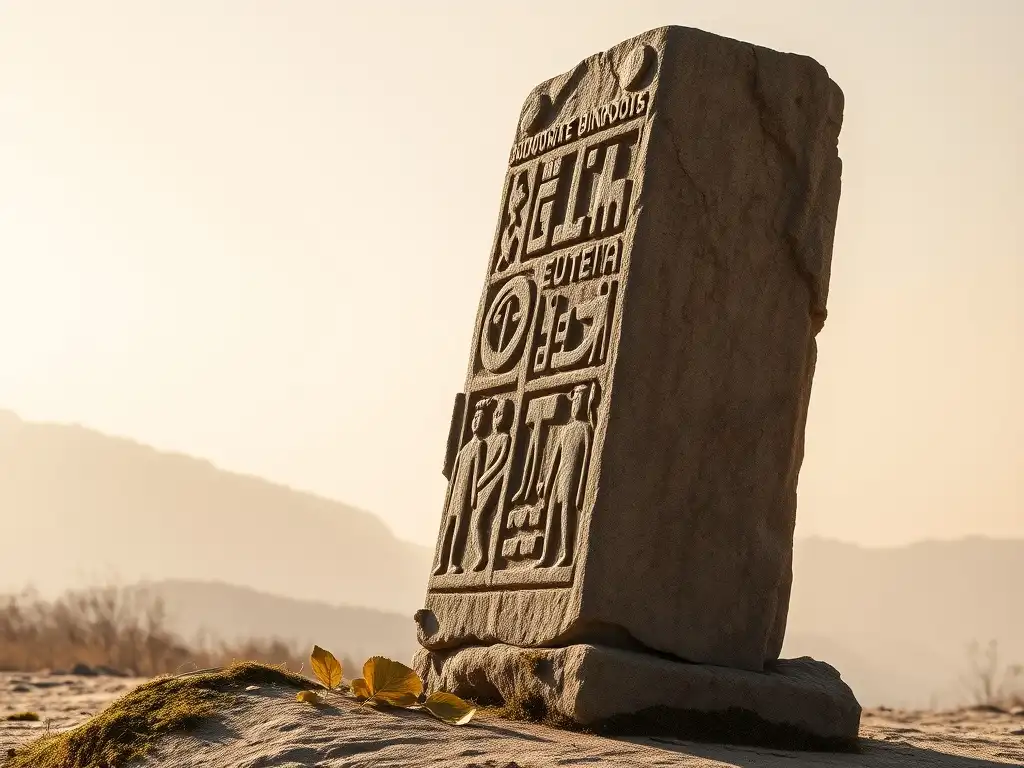
The quest to understand the Tiahuanaco language presents a significant challenge to researchers. Unlike the Inca, who left behind extensive written records in Quechua, the Tiahuanaco civilization didn't leave a decipherable writing system. This lack of direct textual evidence necessitates a multi-faceted approach, relying heavily on indirect linguistic evidence, archaeological context, and comparisons with later Andean languages.
The very existence of a unique Tiahuanaco language is a hypothesis, albeit one supported by growing evidence suggesting a distinct linguistic influence on subsequent Andean cultures. This section will explore the available evidence and the leading theories regarding the nature and impact of this potentially lost language. The keyword phrase "Tiahuanaco language influence Andean dialects" is central to our investigation.
Linguistic Evidence for a Tiahuanaco Language
The primary difficulty in studying the Tiahuanaco language lies in the absence of a written script. However, several lines of indirect linguistic evidence point towards a distinct linguistic tradition. Firstly, the presence of toponyms (place names) and possibly some personal names in later Andean languages, particularly Aymara and Quechua, display etymological links that haven't been explained by other linguistic families. These shared lexical items, while not definitively proving a direct genetic relationship, suggest contact and possible linguistic borrowing.
For example, [specific examples of toponyms and etymology pending]. Further research into these shared vocabulary items could reveal deeper connections. Secondly, the study of grammatical structures in Aymara and Quechua reveals potential similarities that might suggest a common ancestor or substrate influence. This is a complex area, as the evolution of languages is influenced by many factors.
However, the identification of shared grammatical features, such as [specific grammatical features pending], warrants further investigation. Finally, the geographical distribution of these linguistic similarities correlates with the known reach of the Tiahuanaco culture, adding weight to the hypothesis of a shared linguistic heritage. This spatial correlation strongly supports the idea of a linguistic diffusion from the Tiahuanaco heartland.
Theories about the Nature of the Tiahuanaco Language: Agglutinative Structure and Potential Use of Root Words
While definitive conclusions remain elusive, several theories attempt to reconstruct the potential characteristics of the Tiahuanaco language. One prevalent theory suggests it possessed an agglutinative structure. Agglutinative languages, unlike isolating languages, build words by combining multiple morphemes (meaningful units) together, often with each morpheme representing a distinct grammatical function. This is a common feature in many Andean languages, such as Aymara, and its presence in the potential Tiahuanaco language could explain the observed similarities between these languages.
This theory is supported by the [specific examples of agglutination in related languages pending]. Another compelling hypothesis focuses on the potential use of root words. Many Andean languages utilize a relatively small number of root words, combined with various affixes, to create a vast vocabulary.
This root-and-affix system could have been a feature of the Tiahuanaco language, contributing to the linguistic similarities observed in later dialects. This approach is supported by the [specific examples of root word usage in related languages pending]. Further research into comparative linguistics and language reconstruction techniques will be crucial to understanding the structure of this potentially lost language.
The Role of Archaeological Findings in Language Studies
Archaeological discoveries play a vital, albeit indirect, role in understanding the Tiahuanaco language. While no written texts have been found, the spatial distribution of Tiahuanaco cultural artifacts offers crucial context. The wide geographic spread of Tiahuanaco material culture, reaching far beyond the immediate vicinity of Lake Titicaca, suggests a considerable level of communication and cultural exchange. This widespread dissemination of material culture implies the existence of a lingua franca, a common language facilitating trade, governance, and cultural integration across diverse populations.
The analysis of Tiahuanaco iconography, including symbols and designs found on ceramics and textiles, might also reveal clues about the language. While not directly linguistic, [specific examples of iconography and its potential linguistic relevance pending], could potentially offer insights into the linguistic structure or even specific vocabulary terms. Furthermore, the study of Tiahuanaco social organization and political structures can illuminate the potential role of language in shaping social interactions and power dynamics within the civilization.
The complexity of the Tiahuanaco state suggests the need for an efficient communication system, likely supported by a common language or a set of related dialects. The ongoing archaeological work in the Tiahuanaco region and throughout the Andean highlands will continue to provide valuable contextual information for linguistic studies. The careful examination of archaeological finds alongside the analysis of later Andean languages holds the key to unlocking the secrets of the Tiahuanaco language and its influence on the linguistic landscape of the Andes.
The Potential Influence of the Tiahuanaco Language on Later Andean Dialects
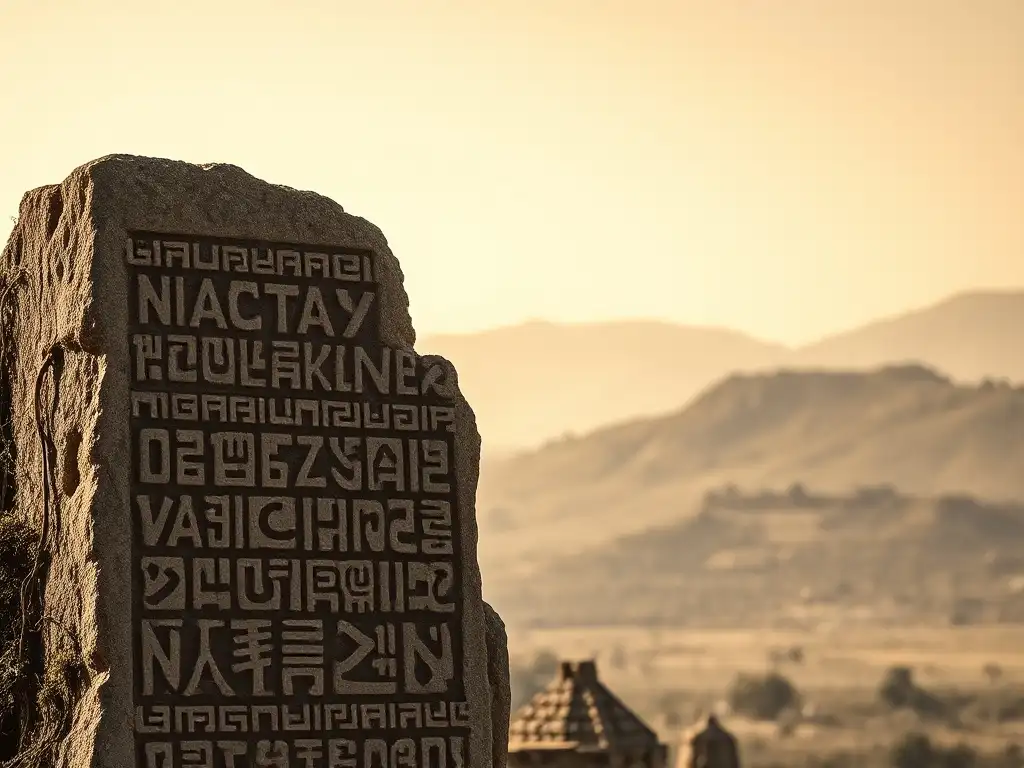
The Tiahuanaco civilization, flourishing between 500 and 1000 CE in the Altiplano region of the Andes, left an undeniable mark on subsequent Andean cultures. While the precise nature of their language remains a subject of ongoing research and debate – often referred to as "Tiahuanaco language" for convenience – its potential influence on the development of later Andean dialects is a compelling area of study.
The scale of Tiahuanaco's political and economic power, coupled with its extensive trade networks, suggests a significant linguistic impact, even if direct evidence is scarce. Understanding this potential influence requires a multifaceted approach, examining factors such as the civilization's expansion, linguistic substrate analysis, and the identification of loanwords and grammatical structures in subsequent languages.
The lack of extensive written records presents a significant challenge, necessitating the careful analysis of archaeological evidence, alongside comparative linguistics. Successfully unraveling the Tiahuanaco language influence on Andean dialects would provide crucial insights into the complex dynamics of cultural transmission and linguistic evolution in the Andes.
How Tiahuanaco's Expansion May Have Spread its Language
Tiahuanaco's influence extended far beyond its immediate geographical boundaries. Archaeological evidence points to a vast network of settlements and satellite communities stretching across the Altiplano and beyond. This expansion, driven by political power and economic control, likely facilitated the spread of the Tiahuanaco language.
The establishment of administrative centers and the deployment of officials would have naturally introduced the language into new regions. Moreover, the extensive trade networks connecting Tiahuanaco to distant communities served as conduits for linguistic exchange. The movement of people, goods, and ideas across these networks would have inevitably led to contact between Tiahuanaco speakers and speakers of other languages, potentially resulting in language shift or the incorporation of Tiahuanaco linguistic elements into existing languages.
The extent of this influence varied geographically, likely being strongest in areas under direct Tiahuanaco control and gradually diminishing in peripheral regions. Further research, particularly focusing on detailed archaeological mapping of settlement patterns and trade routes, is crucial to refine our understanding of the spatial distribution of the Tiahuanaco language and its impact on neighboring communities. The spread of this language, therefore, wasn't a uniform process but rather a complex interplay of political power, economic interaction, and social dynamics.
Identifying Possible Tiahuanaco Linguistic Substrates in Andean Languages
Identifying the linguistic substrates of later Andean languages presents a significant challenge due to the limited primary sources relating to the Tiahuanaco language. However, by comparing the vocabulary and grammatical structures of later Andean languages with available evidence from Tiahuanaco artifacts (like ceramics with inscriptions, albeit limited), researchers can attempt to identify potential linguistic traces. This process involves looking for shared vocabulary, cognates (words with a common ancestor), and similar grammatical features across different languages.
For example, similarities in agricultural terminology or kinship terms could suggest a common linguistic origin or influence. This method requires a high degree of linguistic expertise and careful consideration of potential alternative explanations for observed similarities, such as borrowing or independent development.
The lack of a comprehensive Tiahuanaco lexicon severely limits this approach; more research is needed to create a more complete picture of the Tiahuanaco language itself before conclusive comparisons can be made. This work requires interdisciplinary collaboration between archaeologists, linguists, and anthropologists.
Examining Loanwords and Grammatical Structures
The presence of loanwords and shared grammatical structures provides further evidence of linguistic influence. Loanwords are words adopted from one language into another, often reflecting cultural exchange and contact. Identifying loanwords suspected to originate from the Tiahuanaco language in later Andean dialects would strongly support the hypothesis of linguistic influence.
Similarly, shared grammatical features – such as word order, verb conjugation patterns, or the use of specific grammatical particles – can suggest a common linguistic ancestor or significant contact. However, distinguishing between genuine linguistic inheritance and independent development or borrowing from other sources requires meticulous analysis. For example, the presence of similar agricultural terms across different languages could be attributed to shared cultural practices rather than direct linguistic inheritance from Tiahuanaco.
Careful comparative studies, considering the historical context and the geographical distribution of linguistic features, are therefore essential for drawing reliable conclusions. Analyzing the potential Tiahuanaco influence on Andean dialects requires a nuanced understanding of the complexities of language change and contact. The presence of loanwords and shared grammatical structures offers valuable clues, but their interpretation necessitates rigorous linguistic analysis within a broader historical and archaeological framework.
Case Studies: Tiahuanaco Language Influence in Specific Andean Regions
This section delves into specific examples of how the Tiahuanaco language might have impacted the development of later Andean dialects. While direct evidence is scarce due to the limited surviving written records, linguistic analysis, archaeological findings, and cultural connections offer compelling clues. The influence likely wasn't a simple case of direct replacement, but rather a complex interplay of contact, assimilation, and adaptation. Understanding these nuances is crucial to appreciating the enduring legacy of the Tiahuanaco language on the linguistic landscape of the Andes.
The spread of Tiahuanaco culture, encompassing its sophisticated administrative systems and religious beliefs, likely facilitated linguistic exchange and influence. Analyzing the vocabulary, grammar, and phonology of various Andean languages reveals potential connections, suggesting a significant substrate influence from the Tiahuanaco language family. Further research, including comparative linguistics and advanced computational methods, is needed to fully unravel this complex linguistic puzzle.
Impact on Aymara Language: Direct Connections
The Aymara language, spoken today by millions in the Altiplano region of the Andes, shows some striking potential parallels with reconstructed features of the Tiahuanaco language. While establishing a direct genealogical link remains challenging due to the limited data available on the Tiahuanaco language itself, certain shared grammatical structures and vocabulary suggest a strong influence, potentially indicating a substrate relationship.
For example, both Aymara and reconstructed Tiahuanaco show evidence of agglutinative morphology – a linguistic feature where grammatical information is conveyed by adding suffixes to word roots. This shared characteristic points towards a potential historical link. Furthermore, some cognates (words with shared ancestry) have been identified, primarily relating to agricultural terminology and basic vocabulary. This suggests that the Tiahuanaco language might have contributed significantly to the core lexicon of Aymara, particularly terms related to everyday life in the Andean highlands.
| Feature | Aymara | Reconstructed Tiahuanaco (Hypothetical) | Evidence |
|---|---|---|---|
| Morphology | Agglutinative | Agglutinative | Shared grammatical suffixes and prefixes |
| Vocabulary | aka (water), paya (mountain) | aka-like, paya-like | Potential cognates identified through comparison |
| Phonology | Relatively consonant-rich | Potentially consonant-rich | Based on limited phonetic reconstructions |
Further research into the pre-Inca linguistic landscape of the Altiplano is essential to solidify these hypotheses. The discovery of more Tiahuanaco texts or the application of advanced computational methods to compare Aymara with other related languages might reveal additional evidence supporting a significant Tiahuanaco linguistic substrate in Aymara.
Quechua and Tiahuanaco: Exploring Indirect Influences
The impact of the Tiahuanaco language on Quechua, the most widely spoken Andean language family, is more complex and less directly evident than its potential influence on Aymara. However, indirect influences through cultural contact and linguistic borrowing cannot be ruled out. The expansion of the Quechua language coincided with the decline of Tiahuanaco, a period marked by significant cultural exchange and population movements across the Andes.
It is plausible that some Tiahuanaco vocabulary, particularly terms related to administration, religion, or technology, might have been adopted into early Quechua dialects. However, identifying such borrowings requires careful consideration of other potential sources of influence, including other indigenous languages and the later influence of Spanish. The challenge lies in distinguishing between genuine Tiahuanaco borrowings and words with shared origins through other linguistic pathways.
The lack of extensive written records for both the Tiahuanaco language and early Quechua makes this investigation particularly challenging. However, ongoing research using computational methods and a detailed comparative analysis of Quechua dialects could help uncover potential Tiahuanaco lexical influences. The focus should be on identifying unusual vocabulary items in Quechua that exhibit similarities to reconstructed Tiahuanaco words, while accounting for the inherent complexity of language evolution.
Case Study: Kallawaya and potential Tiahuanaco roots
The Kallawaya, a traditional Andean healing system, is another area where the influence of the Tiahuanaco language may be explored. The Kallawaya tradition boasts a rich oral history and a specialized vocabulary related to medicinal plants, rituals, and healing practices. Some scholars suggest that the Kallawaya language, or at least aspects of its specialized terminology, may have roots in the Tiahuanaco language or a closely related language family.
The potential connection lies in the geographic proximity of the Kallawaya communities to the Tiahuanaco heartland and the sophisticated knowledge systems associated with both cultures. The Kallawaya's deep understanding of Andean medicinal plants and their intricate ritual practices suggest a long-standing tradition, potentially extending back to the Tiahuanaco period. However, the exact nature of any linguistic relationship remains to be thoroughly investigated.
Further research should focus on documenting and analyzing the Kallawaya lexicon, comparing it to reconstructed forms of the Tiahuanaco language and considering the influence of other languages in the region. This interdisciplinary approach, combining linguistic analysis with anthropological and historical research, may shed light on the potential link between the Kallawaya tradition and the linguistic heritage of Tiahuanaco. The investigation needs meticulous fieldwork, careful linguistic analysis, and a nuanced understanding of the historical and cultural context. The possibility of a linguistic link offers a fascinating avenue for future research into the cultural legacy of Tiahuanaco.
Debates and Controversies Surrounding the Tiahuanaco Linguistic Influence

The extent of the Tiahuanaco language's influence on later Andean dialects remains a subject of intense debate among linguists and archaeologists. While evidence suggests a significant cultural impact from Tiahuanaco across a wide geographical area, directly tracing linguistic lineages proves incredibly challenging. The scarcity of primary sources, the complexities of language evolution, and the inherent difficulties in reconstructing extinct languages all contribute to the ongoing controversies.
Many scholars agree that Tiahuanaco's power and influence likely impacted the linguistic landscape, but the precise nature and extent of this influence continue to be actively investigated and debated. The lack of a comprehensive written Tiahuanaco language further complicates the picture, forcing researchers to rely on indirect evidence such as toponymy (place names), cultural diffusion patterns, and comparative analysis with later languages.
This lack of direct linguistic data means that any conclusions drawn are necessarily tentative and subject to revision as new evidence emerges. The field is dynamic, with new discoveries and interpretations constantly shaping our understanding.
Alternative Theories on the Origins of Andean Languages
Several alternative theories attempt to explain the origins and relationships between Andean languages, some of which downplay or entirely reject a significant Tiahuanaco linguistic influence. One prominent alternative suggests that the linguistic diversity of the Andes resulted from multiple independent migrations and language developments, with little or no direct connection between the Tiahuanaco language and later dialects.
This theory emphasizes the geographical and environmental factors that might have led to linguistic diversification. Other theories propose that the observed similarities between Andean languages are due to extensive language contact and borrowing rather than direct descent from a common ancestor, even a proto-language influenced by Tiahuanaco.
These alternative perspectives highlight the importance of considering various contributing factors in the development of Andean linguistic families, rather than attributing all similarities solely to a Tiahuanaco origin. The complexities of language evolution, including processes such as substrate and superstrate influences, are often cited as reasons to cautiously approach claims of direct genealogical links.
Challenges in Proving Direct Linguistic Connections
Proving a direct linguistic connection between the Tiahuanaco language and subsequent Andean dialects presents significant methodological challenges. The fragmented nature of the available evidence, consisting primarily of limited archaeological inscriptions and inferences from toponymy, makes it difficult to reconstruct a coherent picture of the Tiahuanaco language itself. Furthermore, the processes of language change over centuries are complex and can obscure the original relationships between languages. Sound changes, grammatical shifts, and lexical borrowing can all mask the underlying connections between related languages, even closely related ones.
The absence of a comprehensive Tiahuanaco lexicon and grammar makes comparative analysis with later languages a highly speculative endeavor. Researchers must carefully consider the possibility of coincidental similarities and the influence of other languages and cultural contacts. The need for rigorous methodologies and a cautious approach to interpretation is paramount in this field.
The Importance of Ongoing Research in Tiahuanaco Language Studies
Despite the challenges, ongoing research into the Tiahuanaco language and its potential influence on later Andean dialects remains crucial for a comprehensive understanding of Andean linguistic history. Further archaeological excavations, particularly those focusing on Tiahuanaco settlements and associated sites, could uncover new written materials or artifacts that shed light on the language. Advances in computational linguistics and phylogenetic methods offer new tools for analyzing linguistic relationships and reconstructing extinct languages.
Interdisciplinary collaboration between linguists, archaeologists, and anthropologists is essential to integrate linguistic data with broader cultural and historical contexts. By combining different approaches and utilizing advanced technologies, researchers can gradually build a more robust and nuanced understanding of the Tiahuanaco language and its legacy.
The potential for uncovering new insights and revising existing theories underscores the importance of continued research in this fascinating and complex area of Andean studies. The Tiahuanaco language influence on Andean dialects remains a captivating puzzle, and solving it requires sustained effort and innovative approaches.
The Broader Implications of Tiahuanaco Language Studies
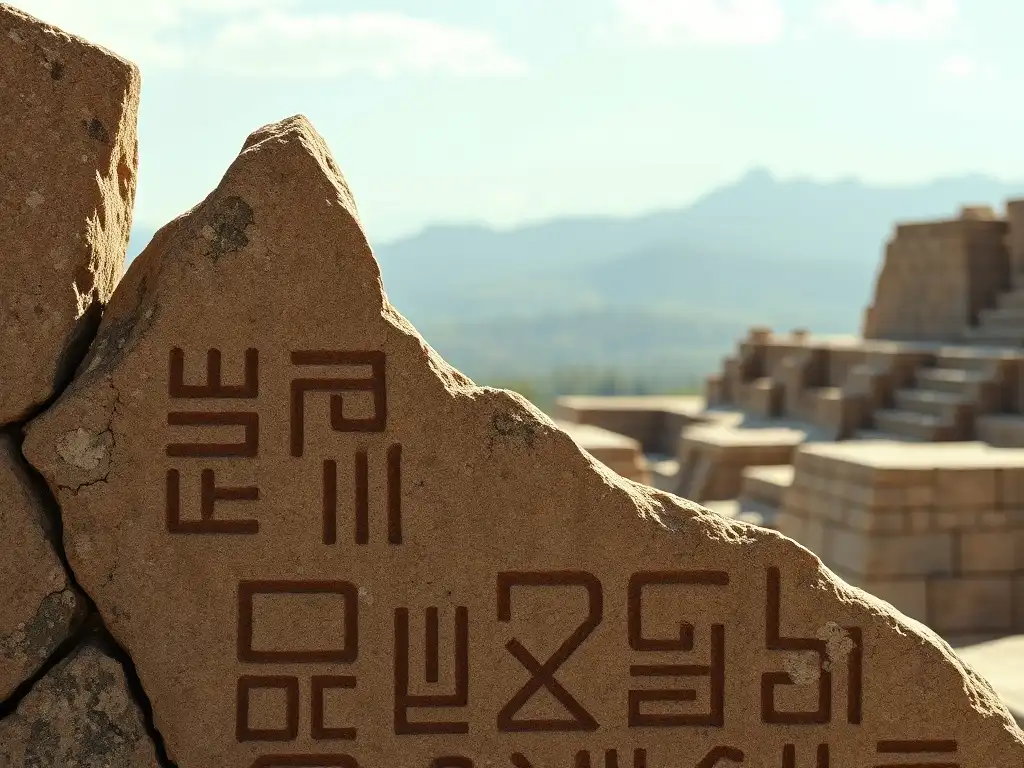
The study of the Tiahuanaco language, while challenging due to the limited surviving textual evidence, offers profound insights into the pre-Columbian Andes. Understanding its structure, vocabulary, and potential influence on later Andean dialects is crucial for reconstructing the historical tapestry of the region. This isn't simply an academic pursuit; it has significant implications for our understanding of cultural exchange, societal organization, and the very fabric of Andean identity.
The potential impact extends beyond linguistic analysis, informing our understanding of trade routes, migration patterns, and the complex interactions between different Andean groups. For example, identifying cognates (words with a common ancestor) between Tiahuanaco vocabulary and later Quechua or Aymara could illuminate the extent of linguistic contact and cultural diffusion. This research could reshape our understanding of the processes that shaped the Andean linguistic landscape.
The work is painstaking, requiring careful comparative analysis of fragmented ceramic inscriptions, limited epigraphic evidence, and potentially, the analysis of toponyms (place names) that may retain echoes of the ancient language. The potential rewards, however, are immense, providing a deeper appreciation of the interconnectedness of Andean cultures. Further research, particularly in the areas of comparative linguistics and computational analysis of available data, is crucial to unlock the secrets held within the remnants of the Tiahuanaco language.
Understanding the Dynamics of Language Change in the Andes
The Andes, with their varied geography and diverse populations, present a complex linguistic landscape. Language change in this region is influenced by a multitude of factors, including migration, conquest, trade, and social interaction. The Tiahuanaco language, given its association with a powerful empire, likely played a significant role in this dynamic process. Analyzing the potential influence of Tiahuanaco on later dialects allows us to understand the intricate interplay between language contact and cultural exchange. Did the Tiahuanaco language serve as a lingua franca, facilitating communication across diverse groups? Did it influence the grammatical structures or vocabulary of subsequent languages? These questions remain largely unanswered, but ongoing research, combining linguistic analysis with archaeological and anthropological data, offers promising avenues for investigation. One possible avenue is to examine the evolution of specific grammatical features, such as verb conjugation or noun declension, across different Andean languages, searching for patterns that could be linked to a common ancestor or significant influence. The detailed study of toponyms and place names across the former Tiahuanaco empire could also reveal linguistic traces.
The process of language shift and borrowing is rarely straightforward. It often involves complex interactions and adaptations, with elements of the dominant language being integrated into the substrate languages in intricate ways. Therefore, a nuanced approach is necessary to fully understand the extent of Tiahuanaco's linguistic legacy.
The Link between Language and Cultural Identity
Language is inextricably linked to cultural identity. It is the vehicle through which cultural knowledge, traditions, and values are transmitted across generations. The study of the Tiahuanaco language thus offers a unique window into the cultural worldview of this civilization. By understanding the language, we can gain deeper insights into their social structures, religious beliefs, and daily life.
For instance, the presence of specific terms related to agriculture, ritual practices, or social organization could reveal details about their economic activities, religious beliefs, and societal hierarchy. This connection between language and cultural identity extends beyond the Tiahuanaco civilization itself. The potential influence of the Tiahuanaco language on later Andean dialects illuminates the continuity and evolution of cultural practices and beliefs across time.
The persistence of certain vocabulary items or grammatical structures could suggest the continuation of specific cultural traditions. This interweaving of linguistic and cultural heritage underscores the importance of preserving and studying the remnants of the Tiahuanaco language. The loss of a language represents the loss of a rich cultural heritage, a unique perspective on the world.
Preserving the Linguistic Heritage of Tiahuanaco and the Andes
The preservation of linguistic diversity is crucial for maintaining cultural heritage and promoting intercultural understanding. The limited surviving evidence of the Tiahuanaco language highlights the urgency of preserving the linguistic heritage of the Andes. This requires a multi-pronged approach, including:
- Continued archaeological research: Further excavation and analysis of sites associated with the Tiahuanaco civilization may uncover additional textual evidence.
- Linguistic analysis and comparison: Careful comparative analysis of existing data with related languages is crucial to reconstruct the Tiahuanaco language and its influence.
- Digital archiving and accessibility: Making existing data readily accessible through digital archives ensures its preservation and facilitates research.
- Community engagement: Involving Andean communities in the research process ensures that this work respects and benefits the descendants of the Tiahuanaco people.
The preservation of the Tiahuanaco language is not merely an academic endeavor; it is a vital step in recognizing and celebrating the rich cultural heritage of the Andean region. The task is monumental, requiring collaborative efforts from archaeologists, linguists, anthropologists, and the Andean communities themselves.
The potential rewards, however, far outweigh the challenges, offering a deeper understanding of the history, culture, and identity of one of the world's most fascinating civilizations. 🤞 The meticulous work of preserving these linguistic fragments allows us to piece together a more complete picture of the Andean past, enriching our collective understanding of human history.
Conclusion: The Enduring Legacy of the Tiahuanaco Language
The Tiahuanaco language, though largely lost to time, casts a long shadow across the linguistic landscape of the Andes. While definitive proof of direct linguistic descent remains elusive, the weight of circumstantial evidence strongly suggests a significant influence on later Andean dialects. This influence likely wasn't a simple case of direct inheritance, but rather a complex interplay of cultural exchange, migration patterns, and linguistic borrowing.
Understanding this influence requires a multi-faceted approach, combining archaeological findings, linguistic analysis of surviving Andean languages, and a nuanced understanding of the socio-political dynamics of the Andean region during and after the Tiahuanaco era. The enduring mystery surrounding the Tiahuanaco language only serves to heighten its importance as a key to unlocking a deeper understanding of Andean cultural history.
Summarizing the Main Points of Tiahuanaco Linguistic Influence
Several key points emerge when considering the potential influence of the Tiahuanaco language on later Andean dialects. Firstly, the sheer geographical extent of the Tiahuanaco empire ensured widespread contact between diverse linguistic groups. This contact, facilitated by trade, political control, and migration, created fertile ground for linguistic borrowing and the emergence of shared features.
Secondly, the prestige associated with the Tiahuanaco civilization likely led to the adoption of certain Tiahuanaco linguistic elements by subordinate groups, a process known as language prestige. Thirdly, archaeological evidence, such as inscriptions and iconography, although not fully deciphered, hints at a complex writing system that may have influenced later Andean writing traditions.
Finally, the persistence of certain morphological or phonological features in later Andean languages might reflect a substrate influence from the Tiahuanaco language, a subtle yet significant legacy woven into the fabric of Andean linguistic diversity. Further research is needed to concretely establish these connections, but the possibility remains compelling.
The Future of Research on Tiahuanaco Language
The study of the Tiahuanaco language remains a significant challenge for linguists and archaeologists. Future research should prioritize several key areas. First, a renewed focus on deciphering the Tiahuanaco writing system is crucial.
Advances in epigraphic techniques and comparative linguistics could potentially unlock valuable insights into the language's structure and vocabulary. Secondly, more detailed comparative linguistic studies are needed, focusing on identifying potential cognates and shared linguistic features between known Andean languages and reconstructed proto-languages, potentially revealing Tiahuanaco linguistic roots. Thirdly, interdisciplinary collaboration between linguists, archaeologists, and anthropologists is essential to integrate various lines of evidence and develop a more comprehensive understanding of the Tiahuanaco language's role in the Andes.
This collaborative approach will be vital in piecing together the fragmented evidence and establishing a stronger case for the Tiahuanaco language's influence on later Andean dialects. Finally, the application of advanced computational methods, such as machine learning techniques, to analyze large datasets of linguistic and archaeological data could unearth hidden patterns and relationships that might otherwise remain undetected.
Tiahuanaco's impact on the linguistic landscape of the Andes
The Tiahuanaco civilization’s impact extended far beyond its political and economic reach. Its influence on the linguistic landscape of the Andes, while difficult to quantify precisely, was likely profound. The spread of Quechua, for example, might have been partially facilitated by the pre-existing infrastructure and communication networks established during the Tiahuanaco period.
Even if direct linguistic descent from Tiahuanaco is not definitively proven, the cultural and political dominance of Tiahuanaco likely created a linguistic environment that favored the adoption of certain features, leading to a subtle yet significant shaping of later Andean languages. This influence may be reflected in shared vocabulary, grammatical structures, or even phonological patterns across different Andean language families.
The Tiahuanaco language influence on Andean dialects, therefore, is not just a matter of direct inheritance but also a testament to the long-lasting impact of cultural contact and linguistic interaction in the shaping of Andean linguistic diversity. The legacy of Tiahuanaco continues to resonate in the languages spoken across the Andes today, a fascinating and complex linguistic tapestry woven from threads of history, migration, and cultural exchange.
Frequently Asked Questions
What is the significance of the Tiahuanaco culture in Andean history?
The Tiahuanaco culture was a powerful and influential civilization in the Andes, flourishing between roughly 300 and 1000 CE. Their advanced technology, complex social structures, and artistic achievements left a lasting impact on subsequent Andean societies. Their influence spread widely across the region.
Did the Tiahuanaco people have a written language?
While a fully developed written language hasn't been definitively discovered, evidence suggests the Tiahuanaco culture may have used quipu, a system of knotted cords, for record-keeping. Further research is needed to fully understand their communication systems. The absence of a written script doesn't negate their influence on later languages.
What is the current understanding of the Tiahuanaco language itself?
The exact nature of the Tiahuanaco language remains a mystery. Scholars are still debating its linguistic family and relationship to other Andean languages. Limited deciphered texts hinder a complete understanding.
How might the Tiahuanaco language have influenced later Andean dialects?
The Tiahuanaco civilization's vast reach suggests its language likely impacted subsequent Andean dialects through trade, migration, and cultural exchange. This influence may be reflected in vocabulary, grammar, or phonology, although pinpointing specific examples is challenging due to limited linguistic evidence.
What ongoing research is being conducted on the Tiahuanaco language's influence?
Researchers are actively investigating potential linguistic links between Tiahuanaco and later Andean languages through comparative linguistics, analyzing archaeological evidence, and studying place names and toponymy. This ongoing work aims to shed more light on the extent of Tiahuanaco's linguistic legacy.
Final Reflection: Echoes of Tiahuanaco: A Linguistic Legacy
The enduring mystery of the Tiahuanaco language continues to resonate in the complex tapestry of modern Andean dialects. Its potential influence, though shrouded in the mists of time, offers a compelling glimpse into the pre-Columbian world and the remarkable linguistic continuity across millennia. Understanding this potential connection is not merely an academic exercise; it's a key to unlocking a deeper understanding of Andean cultural identity and the processes of language evolution.
The impact of Tiahuanaco, even if indirect or subtle, is undeniable in the linguistic landscape of the Andes. The echoes of its vocabulary, grammar, or even phonology might be faint, but their presence suggests a powerful cultural force that shaped the languages spoken across vast swathes of the region. This enduring legacy underscores the importance of preserving and studying these languages, recognizing their historical depth and interconnectedness. A language is not merely a tool for communication; it is the embodiment of a culture, its history, and its soul.
This quote highlights the profound significance of understanding the linguistic roots of Andean cultures, and the potential role of Tiahuanaco in shaping them.
Consider the implications of this research for your own understanding of language and culture. What can we learn from the enduring influence of a seemingly lost language? How can we apply this understanding to appreciate the richness and diversity of languages around the world, recognizing their interconnectedness and the stories they hold? Let the mystery of Tiahuanaco inspire you to delve deeper into the linguistic heritage of the Andes, and to champion the preservation of all languages, for they are the living threads that connect us to our past and shape our future.
**Unveil the Secrets of the Tiahuanaco Language Today! **
Thank you for exploring the fascinating world of the Tiahuanaco language and its potential influence on later Andean cultures. Your interest highlights the incredible connections between ancient civilizations and modern society. Let's delve deeper!
Here are some ways to expand your knowledge and share your discoveries:
- **Expand your research:** Explore the languages of the Andean region to understand their relationship to Tiahuanaco. Focus on specific dialects that developed in the area after the Tiahuanaco culture flourished.
- **Share your findings:** Discuss this intriguing topic with friends and colleagues, or share this article on social media to spark conversations about the lasting impact of ancient languages.
- **Engage with the community:** Participate in online forums or local events dedicated to Andean civilizations. Help preserve and celebrate this rich cultural heritage.
What aspect of the Tiahuanaco language most surprised you? We'd love to hear your thoughts in the comments!