
Decoding the Tiahuanaco Creation Myth: From Lake Titicaca to the Cosmos

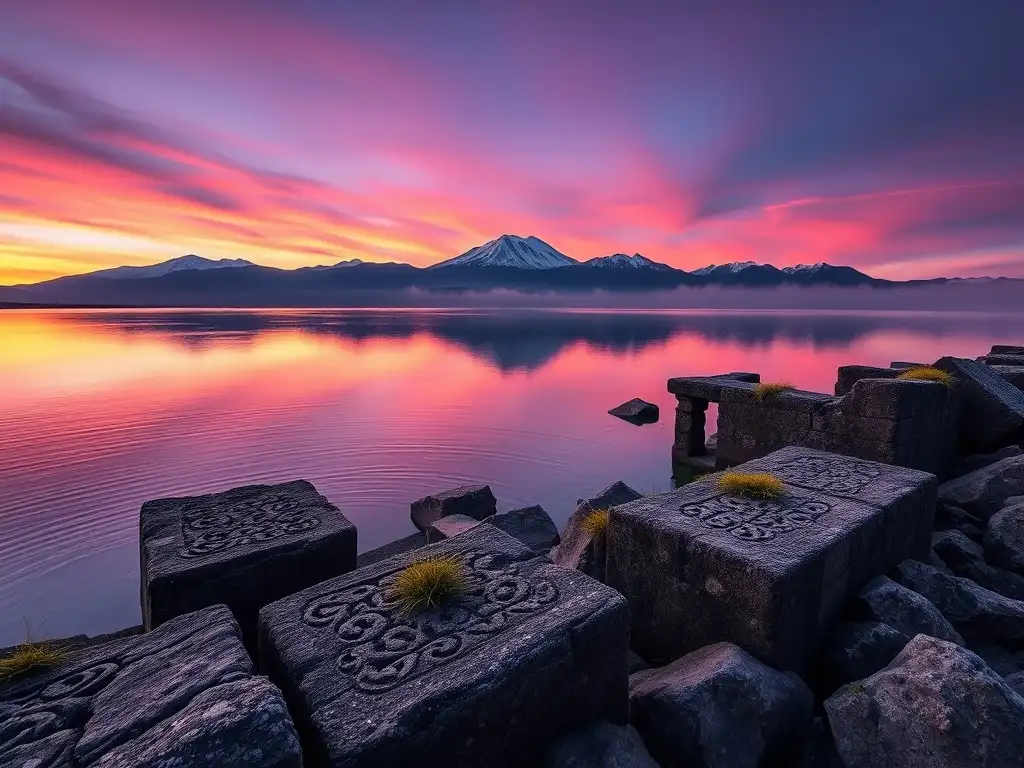
Step into a world lost to time, yet echoing with power and mystery. Imagine a civilization that harnessed the energy of the Andes, leaving behind breathtaking artistry and a legacy shrouded in enigma. Unravel the secrets of the Tiahuanaco creation myth, a captivating tale woven from the very fabric of Lake Titicaca and reaching towards the cosmos. Prepare to be astonished as we delve into the heart of this ancient Andean marvel; discover how their beliefs shaped their world, and how their legends continue to resonate today. Dare to explore further?
The enigmatic Tiahuanaco civilization, flourishing in the Andean highlands around Lake Titicaca from approximately 500 to 1000 CE, left behind a legacy shrouded in mystery. Their sophisticated architecture, intricate artwork, and advanced agricultural techniques speak to a highly developed society, but perhaps their most intriguing contribution is their complex cosmology and creation myth, deeply intertwined with the sacred waters of Lake Titicaca.
This article delves into the Tiahuanaco creation myth, exploring its connection to Lake Titicaca and its broader implications for understanding their worldview, a fascinating tapestry woven from astronomical observations, agricultural practices, and deeply held spiritual beliefs. We will unravel the layers of this ancient narrative, piecing together fragmented evidence to reveal a cosmology that connected the earthly realm to the celestial sphere.
Understanding the Tiahuanaco creation myth provides invaluable insight into the societal structures, beliefs, and rituals that shaped this influential Andean civilization. The keyword "Tiahuanaco creation myth Lake Titicaca" perfectly encapsulates the core subject of our exploration.
The Role of Lake Titicaca in Tiahuanaco Cosmology
Lake Titicaca, the highest navigable lake in the world, held immense significance for the Tiahuanaco people. Far from being merely a source of water and sustenance, it was considered a sacred body of water, the birthplace of the world and the dwelling place of powerful deities.
Archaeological evidence, including the location of Tiahuanaco's monumental structures near the lake, strongly suggests its central role in their religious practices and beliefs. Many scholars believe that the lake’s unique geography, its elevation, and its proximity to the Andes mountains contributed to its sacred status.
The lake's seemingly endless expanse, its reflections of the sky, and the dramatic backdrop of the snow-capped Andes all likely played a part in the Tiahuanaco people's perception of it as a mystical and powerful force. The abundant aquatic life within the lake also likely played a part in their belief systems, possibly contributing to myths and legends surrounding the creation of life itself.
Key Figures and Events in the Creation Myth
While precise details remain elusive due to the limited surviving textual sources, anthropological research and interpretations of Tiahuanaco iconography suggest a creation myth involving powerful deities and transformative events. One prominent figure often associated with the creation myth is Viracocha, a creator god depicted in various forms in Tiahuanaco art. Some interpretations portray Viracocha emerging from the waters of Lake Titicaca, creating the world and its inhabitants.
Other accounts describe a cataclysmic event, perhaps a great flood, preceding the creation of the world as we know it. These events, often depicted in intricate carvings and textiles, are crucial in understanding the Tiahuanaco worldview and their relationship with the natural world.
The lack of a singular, coherent written account of the creation myth necessitates a careful analysis of multiple sources and a nuanced interpretation of the available archaeological evidence. Further research and discoveries could potentially unveil more details about these key figures and events.
Interpreting Tiahuanaco Iconography: Deciphering the Symbols
The Tiahuanaco creation myth is not explicitly documented in writing. Instead, we must rely heavily on interpreting their iconography – the symbols, figures, and motifs found on their monumental structures, ceramics, and textiles. These intricate designs often depict deities, mythical creatures, and celestial events, all interwoven to convey aspects of their creation story. For example, the recurring motif of the "staff god" or "condor god" might symbolize a powerful deity associated with creation or governance.
Similarly, representations of celestial bodies like the sun and the stars likely reflect astronomical observations and their role in the Tiahuanaco understanding of the cosmos. The meticulous attention to detail in these artworks suggests a deep understanding of symbolic language and a sophisticated system for transmitting knowledge across generations. The challenge lies in deciphering the meaning of these symbols, often relying on comparative studies with other Andean cultures and careful analysis of contextual clues.
The Tiahuanaco Creation Myth and its Legacy
The Tiahuanaco creation myth, however fragmented our understanding might be, offers a valuable window into the worldview of this remarkable civilization. It reveals a profound connection between the earthly and celestial realms, highlighting the importance of Lake Titicaca as a sacred and generative source. The myth's enduring influence can be traced in later Andean cultures, suggesting a continuity of cosmological beliefs and traditions across different societies.
Understanding this creation myth helps us appreciate the complexity and sophistication of Tiahuanaco culture and its significant contribution to the rich tapestry of Andean history and spirituality. Further research, incorporating advanced technologies and interdisciplinary approaches, promises to shed more light on this captivating aspect of Andean civilization. The ongoing exploration of the Tiahuanaco creation myth continues to inspire awe and wonder, reminding us of the enduring power of ancient stories and their capacity to connect us to the past.
- The Role of Lake Titicaca in Tiahuanaco Cosmology
- Key Figures and Events in the Creation Myth
- Interpreting Tiahuanaco Iconography: Deciphering the Symbols
- The Tiahuanaco Creation Myth and its Legacy
- What is the significance of Lake Titicaca in the Tiahuanaco creation myth?
- How did the Tiahuanaco people explain the creation of the universe?
- What role did Viracocha play in the Tiahuanaco creation myth?
- What are some common themes found in Tiahuanaco creation myths?
- How do scholars interpret the Tiahuanaco creation myth today?
The Enigmatic Origins of Tiahuanaco Cosmology
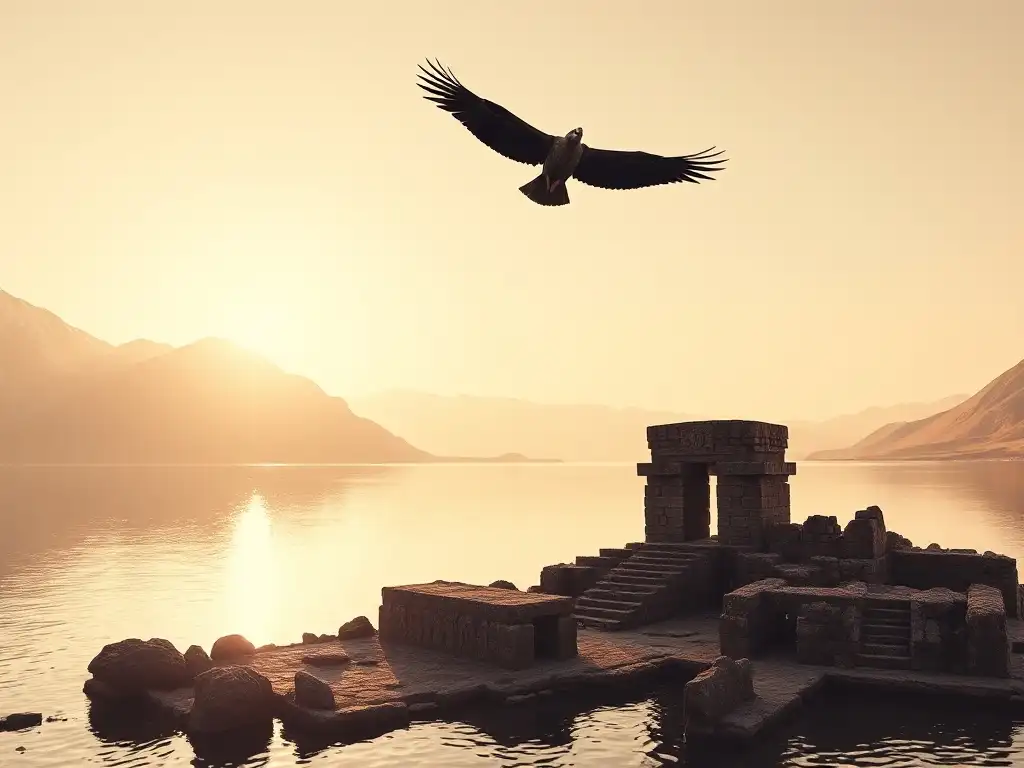
The Tiahuanaco creation myth, deeply intertwined with Lake Titicaca, remains one of the most fascinating and debated aspects of Andean cosmology. Unlike many other creation narratives, the Tiahuanaco version isn't a singular, clearly documented story. Instead, it's pieced together from archaeological evidence, iconography found on ceramics and monumental architecture, and interpretations of limited surviving textual sources.
Scholars continue to debate the precise details, but the overarching theme revolves around the emergence of life and civilization from the sacred waters of Lake Titicaca, a concept central to the Tiahuanaco worldview. The intricate interplay of water, earth, and the cosmos is consistently depicted in their art, suggesting a sophisticated understanding of the natural world and its connection to the divine.
Understanding this cosmology requires analyzing various artistic representations, architectural layouts, and the limited written accounts available, acknowledging the inherent challenges of interpreting a culture largely understood through material remains. The very ambiguity of the myth adds to its allure, prompting ongoing research and diverse interpretations.
Tiahuanaco's Spiritual Worldview: An Introduction
Tiahuanaco's spiritual worldview was profoundly shaped by its environment. The imposing landscape of the Altiplano, with its stark beauty and harsh climate, likely influenced their perception of the cosmos. Lake Titicaca, the highest navigable lake in the world, held immense spiritual significance, viewed as the birthplace of the world and the source of life-giving waters. Their religion wasn't a monolithic entity; rather, it involved a complex interplay of deities, rituals, and beliefs.
Evidence suggests a pantheon of gods and goddesses, often depicted in anthropomorphic or zoomorphic forms, reflecting the interconnectedness of the natural and supernatural realms. The emphasis on water, particularly in the context of Lake Titicaca, points to a deep understanding of its vital role in sustaining life in this high-altitude environment. This reverence for water is further emphasized by the sophisticated irrigation systems they developed, a testament to their practical application of their spiritual beliefs.
Analyzing the iconography on their pottery and textiles reveals recurring motifs of stylized animals, celestial bodies, and human figures, all contributing to a rich tapestry of spiritual symbolism. Further research is needed to fully understand the nuances of their ritual practices and the social structures that supported their complex religious system. The limited written records leave significant gaps in our knowledge, making the interpretation of their religious beliefs a challenging but rewarding endeavor.
The Significance of Lake Titicaca in Tiahuanaco Beliefs
Lake Titicaca's centrality to the Tiahuanaco creation myth is undeniable. The lake wasn't merely a geographical feature; it was considered a sacred source, the origin point of the cosmos and the cradle of civilization. Archaeological evidence, such as the location of Tiahuanaco's ceremonial center near the lake, supports this interpretation. The lake's waters were seen as life-giving, a vital resource essential for agriculture and survival in the harsh Altiplano environment.
This dependence on the lake likely fueled the profound reverence it held in Tiahuanaco culture. Many artistic representations depict the lake as a source of creation, often featuring stylized representations of water deities or figures emerging from its depths. These depictions are not just aesthetic; they convey deep cosmological beliefs about the origins of the world and the ongoing interaction between the terrestrial and celestial realms.
The lake's role extended beyond the creation myth; it was likely integral to numerous rituals and ceremonies, serving as a focal point for religious practices. The exact nature of these rituals remains largely unknown, but their importance can be inferred from the lake's prominence in Tiahuanaco art and the strategic location of their city. Further research into the lake's ecology and the potential impact of climate change on Tiahuanaco's water resources could shed additional light on the cultural significance of Lake Titicaca.
Understanding Tiahuanaco's Place in Andean Religious Thought
Tiahuanaco's cosmology wasn't isolated; it existed within a broader context of Andean religious thought. While possessing unique characteristics, it shared certain common threads with other Andean cultures, particularly in the emphasis on water, mountains, and celestial bodies. The veneration of water, for instance, is a recurring theme across various Andean civilizations, reflecting the vital role of water in their lives and the spiritual significance they attributed to it.
The concept of Pachamama (Mother Earth) and the interconnectedness of the natural world is also a shared belief, although the specific manifestations of these concepts might differ between cultures. Comparing and contrasting Tiahuanaco's cosmology with those of other Andean societies, such as the Inca, Wari, and Nazca, can help to understand the evolution and diffusion of religious ideas across the region. This comparative analysis highlights both the unique aspects of Tiahuanaco's beliefs and the broader patterns of Andean religious thought.
While further research is needed to fully delineate the specific relationships and influences between these different cultures, a clearer picture of Tiahuanaco's place within the wider Andean religious landscape is gradually emerging. The study of Tiahuanaco’s religious beliefs provides valuable insights into the complex tapestry of Andean spiritual traditions, revealing a rich and diverse history of religious practices and cosmological understandings.
The Core Elements of the Tiahuanaco Creation Narrative
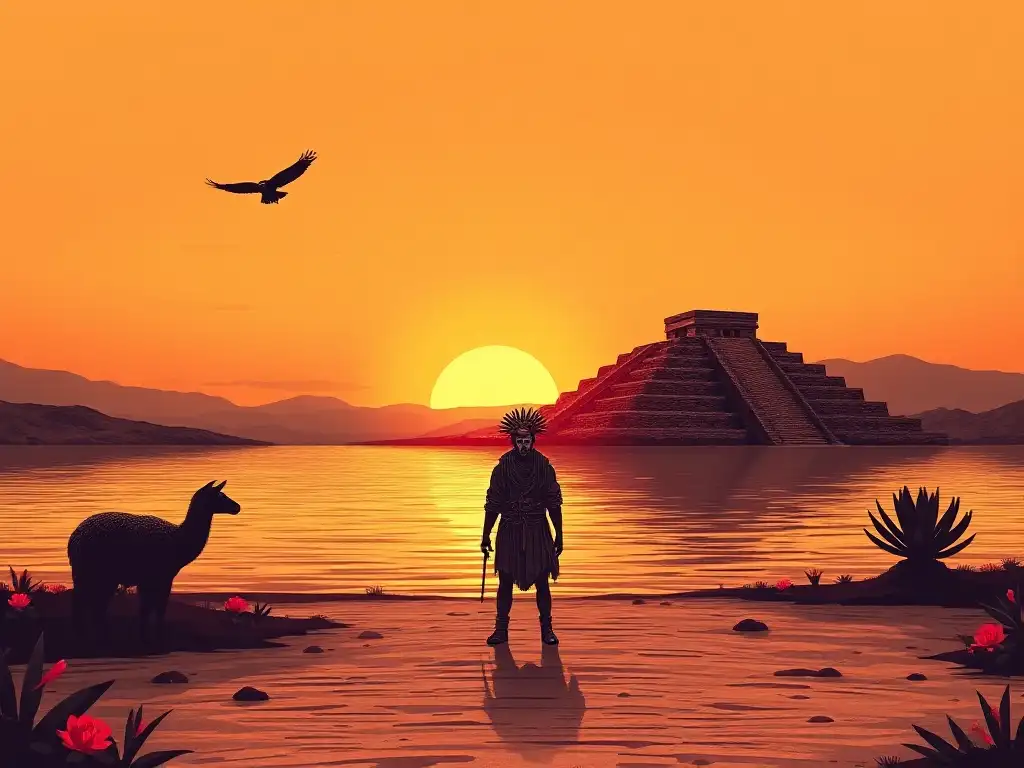
The Tiahuanaco creation myth, deeply intertwined with the geography and cosmology of the Andean region, presents a complex narrative of emergence, creation, and divine intervention. Unlike neatly packaged creation stories from other cultures, the Tiahuanaco myth is pieced together from archaeological findings, surviving iconography, and interpretations of fragmented historical accounts. This reconstruction reveals a powerful story rooted in the sacred landscape of Lake Titicaca and the potent symbolism of the creator god, Viracocha.
Understanding the core elements of this myth offers crucial insights into the worldview and beliefs of the Tiahuanaco people, their relationship with the natural world, and their sophisticated understanding of the cosmos. The narrative's enduring influence on subsequent Andean cultures highlights its significance in shaping the region's spiritual landscape.
Deciphering this myth requires a careful examination of its key components, focusing on the geographical origins, the divine actors, and the creation of humanity itself. The keyword phrase "Tiahuanaco creation myth Lake Titicaca" accurately reflects the central geographical location in the story.
The Emergence From Lake Titicaca: The Birth of the World
The Tiahuanaco creation myth frequently depicts Lake Titicaca as the birthplace of the world. This isn't merely a geographical detail; Lake Titicaca, situated at a high altitude in the Andes, holds immense spiritual significance for numerous Andean cultures. The lake's vastness, its seemingly limitless depths, and its unique ecosystem likely contributed to its association with creation.
Archaeological evidence, including the location of Tiahuanaco itself near the lake, supports this connection. The myth likely portrays the emergence of the world from the watery depths of Titicaca, a primordial chaos giving way to structured land. This process is often symbolized through iconography depicting stylized waves, aquatic creatures, and emerging mountains, all pointing to the transformative power of the lake in the Tiahuanaco worldview.
Further research into the specific iconography and its interpretations is needed to fully flesh out this aspect of the myth. The association of Lake Titicaca with the origin of the world is central to the "Tiahuanaco creation myth Lake Titicaca" narrative.
The Role of Viracocha in the Tiahuanaco Creation Story
Viracocha, a powerful creator god, plays a central role in many Andean creation myths, including that of Tiahuanaco. Depicted as a bearded figure often associated with water and the sun, Viracocha is credited with shaping the world from chaos. In the Tiahuanaco narrative, Viracocha's actions are likely portrayed as both creative and destructive.
He might be seen as the one who brought order out of primordial chaos, emerging from Lake Titicaca to create the land and the cosmos. Some interpretations suggest Viracocha's role extends to the creation of humanity, either directly or through intermediaries. The exact nature of Viracocha's actions and his relationship to other deities within the Tiahuanaco pantheon requires further investigation.
Iconographic representations of Viracocha, often found in Tiahuanaco artifacts, offer valuable clues but their precise meanings remain subject to ongoing scholarly debate. However, his presence is undeniable as a pivotal figure in the "Tiahuanaco creation myth Lake Titicaca" narrative.
The Creation of Humanity According to Tiahuanaco Myths
The creation of humanity in Tiahuanaco mythology is likely linked to Viracocha's actions. While the precise details remain elusive due to fragmented evidence, several possibilities exist. One interpretation suggests that Viracocha directly created humans, perhaps from the earth or from the waters of Lake Titicaca.
Another suggests that he may have used intermediaries, lesser deities, or even ancestral figures to populate the world. The nature of these early humans, their relationship with Viracocha, and their initial societal structures remain largely unknown. Additional research is needed to ascertain whether the Tiahuanaco myth describes a single act of creation or a series of events leading to the emergence of diverse human populations.
Analysis of Tiahuanaco artifacts depicting human figures and their interaction with the divine could shed more light on this aspect of the creation myth. The understanding of how humanity emerged is crucial for a complete understanding of the "Tiahuanaco creation myth Lake Titicaca". More detailed analysis of archaeological findings and iconography is needed to fully explore this aspect of the myth.
Tiahuanaco Deities and their Connection to Cosmic Order
The Tiahuanaco creation myth is deeply intertwined with a complex pantheon of deities, each representing a fundamental aspect of the cosmos and earthly existence. Unlike simpler pantheons, the Tiahuanaco system doesn't neatly categorize deities into good and evil. Instead, they represent forces of nature, both constructive and destructive, all playing vital roles in maintaining cosmic balance. Understanding these deities is crucial to deciphering the narrative's core message.
The most prominent deity, often depicted in monumental sculptures like the Puerta del Sol (Sun Gate), is a figure often interpreted as a creator god or a supreme being. This figure, whose precise identity remains debated among scholars, often wears elaborate headdresses and clothing symbolizing celestial bodies and earthly power. The iconography surrounding this deity suggests a connection to both the sun and the underworld, implying a dualistic nature fundamental to the Tiahuanaco worldview.
Some researchers suggest this deity represents Viracocha, a creator god found in other Andean mythologies, highlighting the potential interconnectedness of these ancient belief systems. However, the unique artistic representations in Tiahuanaco art suggest a distinct interpretation of this deity within the specific context of the culture.
Further complicating the picture are the various animalistic and anthropomorphic representations found in Tiahuanaco art. These figures, often depicted interacting with the creator god or engaged in symbolic actions, likely represent lesser deities or spiritual forces associated with specific natural phenomena. Condor and puma imagery, for instance, are frequently observed, possibly representing aerial and terrestrial power respectively.
The frequent appearance of these motifs suggests a close relationship between the celestial realm and the Andean landscape, further emphasizing the interconnectedness of the cosmic and earthly spheres in the Tiahuanaco creation narrative. Detailed analysis of these images, taking into account their placement within specific structures and their interaction with other symbolic elements, is vital for a more comprehensive understanding of their meaning. Unfortunately, the lack of written records makes definitive interpretations challenging, requiring careful consideration of archaeological evidence and comparative analysis with related Andean cultures.
Finally, the concept of duality is pervasive throughout the Tiahuanaco pantheon. The representation of both male and female principles, light and darkness, creation and destruction, highlights the dynamic equilibrium believed to govern the cosmos. This balance is not a static state but a continuous interplay of opposing forces, constantly shaping and reshaping the universe and maintaining its ongoing existence.
The Tiahuanaco creation myth, therefore, isn't a story of a singular event but a cyclical narrative reflecting this inherent cosmic dynamism. This dynamic interplay is emphasized through the use of complementary symbols and motifs found throughout the archaeological record, underscoring the complexity and sophistication of the Tiahuanaco religious cosmology. Further research focusing on the interplay between these deities and their symbolic representations promises to reveal more about the nuances of their belief system.
Key Symbols and Iconography in Tiahuanaco Creation Myths
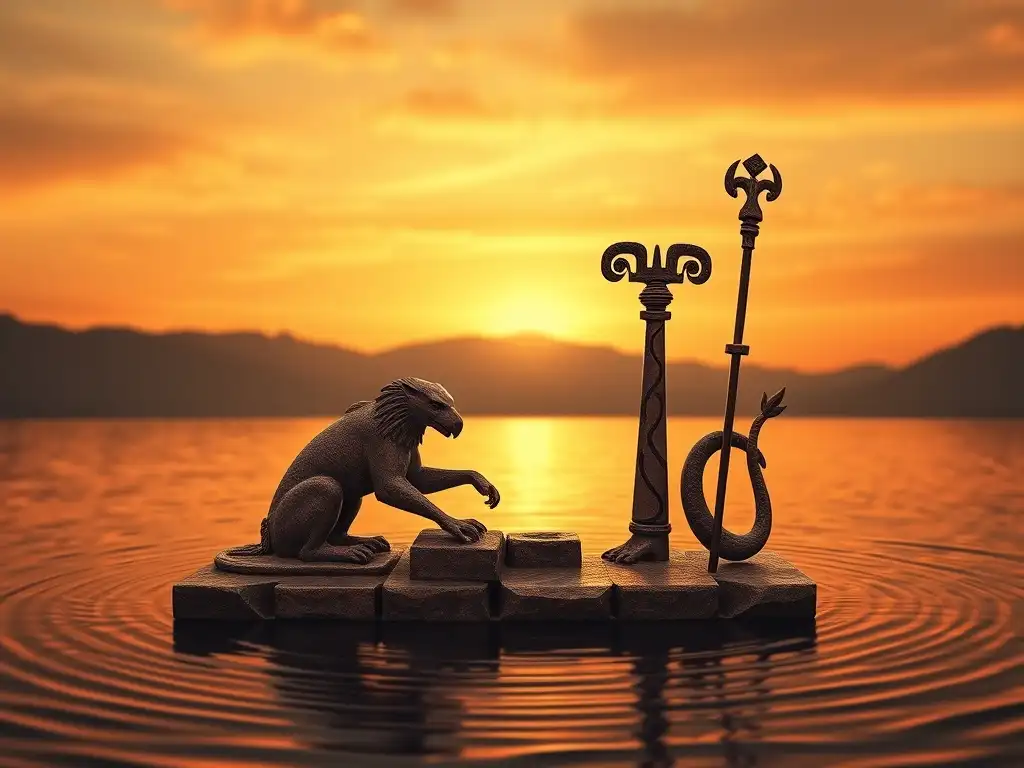
The Tiahuanaco creation myth, deeply intertwined with Lake Titicaca and the surrounding Andean landscape, is richly encoded in a complex system of symbols and iconography. Understanding these visual representations is crucial to deciphering the civilization's cosmological beliefs and understanding their worldview. The Tiahuanaco people weren't simply recording events; they were visually articulating a profound spiritual narrative that linked the earthly realm with the celestial. This section will delve into some of the key symbols found in Tiahuanaco art and architecture, offering insights into their possible meanings within the context of the creation myth.
The prevalence of these symbols across various artifacts suggests a deeply ingrained and widely understood system of religious belief. Variations in representation across different media (stone carvings, ceramics, textiles – where evidence exists) may reflect regional differences or evolving interpretations of the myth over time. More research is needed to fully understand these nuances.
The Gateway of the Sun and its Symbolic Representation
The Gateway of the Sun, a monumental stone structure, stands as a prime example of Tiahuanaco's sophisticated artistry and symbolic language. Its intricate carvings depict a central figure, often interpreted as a deity, surrounded by various other figures and symbols. The central figure's attire and attributes suggest a powerful cosmic being, possibly associated with the creator god or a key figure in the creation narrative.
[Specific details on the central figure's attributes pending further scholarly consensus]. The surrounding figures, often depicted in rows, may represent different celestial bodies, ancestral figures, or perhaps even stages in the creation process itself. The repeated motifs, such as stylized birds and feline figures, further reinforce the connection to the Andean ecosystem and its integration into the cosmic order.
Analyzing the Gateway of the Sun requires a multidisciplinary approach, combining art historical analysis with anthropological and archaeological interpretations to gain a holistic understanding of its symbolic significance within the Tiahuanaco creation myth. The intricate detail and scale of the carving suggest a significant investment of time and resources, emphasizing the importance of this structure within the Tiahuanaco society and its religious beliefs.
The Sun God and His Prominent Role in Tiahuanaco Cosmology
The Sun God plays a central, if not dominant, role in the Tiahuanaco creation myth and cosmology. Evidence suggests a complex relationship between the sun, the creator deity, and the origins of the world. Many artifacts depict a sun deity, often with anthropomorphic features, associated with symbols of power and authority.
This deity’s prominence is not only reflected in iconography but also in the orientation of Tiahuanaco's monumental architecture, which seems strategically aligned with solar movements. The precise nature of the Sun God's involvement in the creation myth remains a subject of ongoing scholarly debate. Some interpretations suggest the Sun God directly created the world, while others propose a more nuanced role, perhaps as a mediator between the celestial and terrestrial realms.
[Further research is needed to clarify the specific actions of the Sun God in the creation myth]. The cyclical nature of the sun's journey across the sky may have been interpreted as a metaphor for the cyclical nature of creation and destruction, reflecting the Andean understanding of time and the cosmos. The worship of the Sun God likely played a crucial role in the daily lives of the Tiahuanaco people, influencing their agricultural practices and social structures.
Animal Symbolism and their Meanings in Tiahuanaco Creation
Animal symbolism is pervasive in Tiahuanaco art and is deeply integrated into the creation myth. Condor, puma, and serpent motifs frequently appear, each carrying specific symbolic weight within the Tiahuanaco worldview. The condor, often associated with the upper world and the sun, might represent celestial power and connection to the divine. The puma, linked to the earthly realm and its power, could symbolize earthly strength and fertility.
The serpent, often associated with water and the underworld, may represent the life-giving waters of Lake Titicaca and the cyclical nature of life and death. The precise meanings of these animal representations likely varied depending on the context and the specific artifact. For example, a condor depicted alongside a sun disc might have a different meaning than a condor depicted alone or in a different pose. [A comprehensive catalog of Tiahuanaco animal symbolism and its contextual interpretations is needed].
Further research into Tiahuanaco iconography, including comparative studies with other Andean cultures, is crucial to better understand the specific roles these animals played within the creation narrative and the broader cosmological system. The careful observation of details such as posture, orientation, and accompanying symbols is crucial for accurate interpretation. The use of these animal motifs highlights the close relationship between the Tiahuanaco people and their environment, reflecting a deep understanding of the natural world and its integration into their spiritual beliefs.
Interpreting Tiahuanaco Art Through the Lens of Creation Beliefs
The art of Tiahuanaco is not merely decorative; it's a powerful visual language deeply intertwined with their creation myth and cosmology. Understanding their artistic representations requires moving beyond aesthetic appreciation and delving into the symbolic meanings embedded within each piece. Scholars have painstakingly analyzed the iconography, identifying recurring motifs that offer clues to their beliefs about the origin of the world and humanity's place within it.
The intricate carvings on their monumental structures, such as the Puerta del Sol (Sun Gate), are not simply architectural embellishments but rather complex narratives depicting key moments in their creation story. These narratives often feature stylized depictions of deities, mythical creatures, and celestial bodies, all interwoven to convey a comprehensive cosmological vision.
For example, the repeated appearance of feline figures might represent powerful deities associated with the underworld or the night sky, reflecting the importance of these realms in their worldview. Similarly, the depiction of stylized human figures, often in ceremonial attire, might represent ancestors or shamanistic figures playing crucial roles in the creation process.
Analyzing Tiahuanaco art requires a multidisciplinary approach, combining archaeological findings with anthropological interpretations and ethnohistorical accounts. By studying the context in which these artifacts were found—whether within temples, residential areas, or burial sites—scholars can gain a deeper understanding of their intended meaning and function. For instance, the discovery of specific artifacts within a temple dedicated to a particular deity can help clarify the symbolic significance of those artifacts within the broader context of their creation myth.
This contextual analysis allows for a more nuanced interpretation, avoiding simplistic readings of isolated images. Furthermore, comparing the iconography across different media—stone carvings, ceramics, textiles—reveals consistent themes and variations, suggesting a shared cultural understanding and potential evolution of their creation narrative over time. The subtle differences in artistic style across different periods also provide valuable insights into the changing beliefs and practices of the Tiahuanaco people.
The study of Tiahuanaco art requires a careful consideration of the limitations inherent in interpreting ancient cultures. While we can draw inferences from the available evidence, the precise meaning of certain symbols might remain elusive.
The lack of written texts from the Tiahuanaco period adds another layer of complexity, making interpretation reliant on careful analysis of material culture and comparative studies with other Andean cultures. However, the sheer volume and complexity of Tiahuanaco art provide a rich source of information for understanding their cosmology and creation myth, offering valuable insights into their worldview and beliefs.
By combining rigorous archaeological investigation with careful interpretive methodologies, we can continue to unravel the secrets embedded within their breathtaking artistic legacy and gain a deeper appreciation for the sophistication of their religious and cosmological thought. The ongoing research in this area continually refines our understanding of the Tiahuanaco creation myth, highlighting the vibrant and complex nature of their beliefs.
Tiahuanaco Creation Myth: A Detailed Exploration
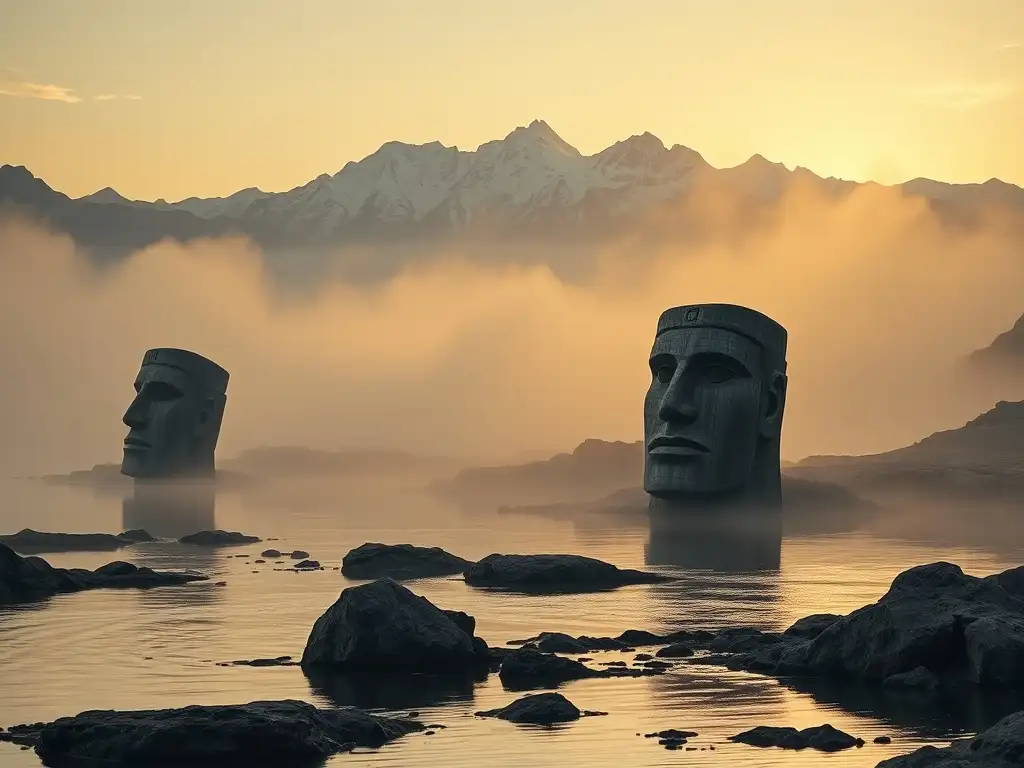
This section delves into the intricacies of the Tiahuanaco creation myth, focusing on its unique blend of cosmological beliefs and its connection to Lake Titicaca, a crucial element in understanding the Tiahuanaco worldview and their concept of origin. We will explore the primordial waters, their cyclical understanding of time, and how these beliefs are visually represented in their remarkable art. The Tiahuanaco creation myth, deeply intertwined with Lake Titicaca, offers a fascinating glimpse into the spiritual and philosophical landscape of this remarkable Andean civilization. Understanding this myth is key to deciphering the religious and cosmological underpinnings of Tiahuanaco society.
The Primordial Waters and the Genesis of Life
The Tiahuanaco creation myth begins, like many others, with water. However, it's not just any water; it's the primordial waters of Lake Titicaca, considered a sacred and life-giving source. This lake, situated high in the Andes, wasn't merely a geographical feature; it was the womb of the world, the birthplace of creation itself. Tiahuanaco cosmology viewed Lake Titicaca as the origin point, the wellspring from which all life emerged.
Archaeological evidence, such as the prevalence of water imagery in Tiahuanaco art and the strategic location of the city near the lake, supports this interpretation. The lake's immense size and the abundance of aquatic life further solidified its significance in their creation narrative. The myth likely details a divine being, or perhaps a series of interconnected deities, emerging from these waters, initiating the creation process.
This initial emergence from the watery depths represents not just physical creation but also the genesis of order from chaos, a fundamental theme in many creation myths. The precise details of this initial emergence remain somewhat elusive due to the fragmented nature of the surviving sources, but the importance of the primordial waters of Lake Titicaca as the starting point is undeniable. Further research into Tiahuanaco iconography and surviving texts may shed more light on these crucial details.
The Tiahuanaco Understanding of Time and Cycles
The Tiahuanaco creation myth doesn't depict a linear progression of time but rather a cyclical one. This cyclical understanding is deeply rooted in their agricultural practices and their observation of the natural world. The annual flooding of Lake Titicaca, the changing seasons, and the celestial movements all contributed to their perception of time as a recurring pattern of creation, destruction, and renewal.
This cyclical worldview is reflected in their monumental architecture, which is aligned with astronomical events. For example, the precise orientation of certain structures suggests a sophisticated understanding of solstices and equinoxes, highlighting the importance of celestial cycles in their cosmology. The Tiahuanaco creation myth likely incorporates this cyclical understanding, portraying creation not as a singular event but as a recurring process, mirroring the cyclical nature of life, death, and rebirth observed in the Andean ecosystem.
This understanding of time profoundly impacted their societal structure, religious practices, and artistic expressions. The cyclical nature of their creation myth emphasizes the continuous interplay between the divine and the material world, a dynamic relationship that sustained their worldview.
How Tiahuanaco Art Reflects Their Creation Beliefs
Tiahuanaco art serves as a powerful visual testament to their creation myth and cosmological beliefs. The intricate carvings on their monumental structures, ceramics, and textiles often depict stylized representations of water, celestial bodies, and mythical creatures, all symbolic of their creation narrative. For example, the frequent depiction of stylized figures emerging from water, often surrounded by aquatic creatures, reinforces the importance of Lake Titicaca as the source of life.
The repetition of these motifs across various art forms emphasizes their central role in the Tiahuanaco worldview. Furthermore, the use of specific colors and materials in their art likely held symbolic meaning related to their creation myth. The precise interpretation of these symbolic elements requires further research and analysis of Tiahuanaco art, but their connection to the creation myth is undeniable.
The highly stylized representations of deities and mythical beings found in Tiahuanaco art offer clues to the narrative structure and key characters of their creation story, although the precise details may remain partially obscured by time and the loss of primary sources. The detailed analysis of Tiahuanaco art provides invaluable insights into the cosmological beliefs of this fascinating civilization, enriching our understanding of the "Tiahuanaco creation myth Lake Titicaca."
The Influence of Tiahuanaco Creation Narratives on Later Andean Cultures
The Tiahuanaco creation myth, deeply intertwined with Lake Titicaca and the cosmos, wasn't confined to the Tiahuanaco culture itself. Its powerful imagery and cosmological framework significantly impacted subsequent Andean civilizations, leaving an undeniable mark on their religious beliefs, artistic expressions, and societal structures. The enduring legacy of Tiahuanaco's worldview is evident in the shared motifs and narratives found across various later Andean cultures, highlighting the far-reaching influence of this sophisticated civilization.
The intricate iconography associated with the Tiahuanaco creation myth, featuring figures like the chakana (Andean cross) and representations of creator deities, frequently reappeared in the art and architecture of later Andean groups. For example, the chakana, often interpreted as a representation of the cosmos and the four cardinal directions, became a ubiquitous symbol in Inca iconography, appearing on textiles, ceramics, and stonework.
This demonstrates a clear continuity of cosmological thought and symbolic language, suggesting a direct or indirect transmission of Tiahuanaco beliefs. The persistent use of the chakana across diverse Andean cultures underscores its deep symbolic significance and its role in connecting these different societies through shared cosmological understandings.
Furthermore, the narrative structure of the Tiahuanaco creation myth, with its emphasis on the emergence of life from the waters of Lake Titicaca and the creation of the cosmos, resonated with the cosmogonies of later Andean cultures. While specific details might have varied, the underlying theme of creation from a primordial watery source and the importance of celestial bodies in maintaining cosmic order remained a common thread.
This suggests that the Tiahuanaco creation narrative provided a foundational framework for understanding the origin of the world and humanity, which was adapted and reinterpreted by subsequent Andean societies to fit their own specific contexts and beliefs. This adaptation and reinterpretation highlight the remarkable adaptability and enduring power of the Tiahuanaco worldview.
The influence extended beyond mere symbolism and narrative structure. The emphasis on ancestor veneration and the importance of ritual practices, central to the Tiahuanaco creation myth, also found their expression in the religious rituals and social structures of later Andean cultures. The concept of a divine lineage connecting rulers to creator deities, a prominent feature of Tiahuanaco ideology, also surfaced in the Inca imperial ideology, reinforcing the power of the ruling class and legitimizing their authority.
The persistence of these themes across different Andean societies highlights the profound impact of Tiahuanaco's socio-religious system on the development of later Andean cultures. The Tiahuanaco legacy, therefore, is not just a matter of artistic motifs, but a broader transmission of cosmological, religious, and social ideas that shaped the identity and worldview of subsequent Andean civilizations.
The Legacy of the Tiahuanaco Creation Myth
The Tiahuanaco creation myth, deeply intertwined with Lake Titicaca and the surrounding Andean landscape, left an indelible mark on subsequent Andean cultures. Its influence reverberates through centuries of religious practices, artistic expressions, and cosmological beliefs, shaping the spiritual landscape of the region long after the decline of the Tiahuanaco civilization itself.
Understanding this legacy requires examining the myth's core tenets – the emergence of life from the primordial waters, the role of Viracocha (or similar creator deities), and the establishment of cosmic order – and tracing their echoes in later Andean societies. The enduring power of the narrative lies in its ability to provide a framework for understanding the world, both physically and spiritually.
This framework, passed down through generations, offered a sense of continuity and belonging, connecting disparate groups under a shared cosmological umbrella. The specific details might vary across different groups and time periods, but the underlying themes of creation, order, and the sacredness of Lake Titicaca remained remarkably consistent.
Tiahuanaco's Impact on Andean Religion and Cosmology
The Tiahuanaco creation myth profoundly impacted the religious and cosmological beliefs of subsequent Andean cultures, particularly the Inca. While the Inca pantheon and specific myths differed, the overarching themes of a creator deity emerging from the waters and establishing cosmic order find clear parallels in Inca cosmology. Viracocha, the central figure in many interpretations of the Tiahuanaco myth, is often linked to the Inca creator god, Pachacamac, suggesting a direct lineage of cosmological thought.
The emphasis on water as a source of life and creation, prominent in the Tiahuanaco narrative, is also echoed in Inca beliefs, where water sources held significant ritual importance. Furthermore, the Tiahuanaco focus on the sacred geography of Lake Titicaca influenced the Inca's own reverence for the lake, solidifying its position as a central point in their spiritual world. Archaeological evidence, such as the similarities in temple architecture and iconography across different Andean cultures, further supports the widespread influence of the Tiahuanaco creation myth.
The continuity of these themes suggests a process of cultural transmission and adaptation, where the core elements of the Tiahuanaco myth were integrated into, and reshaped by, the evolving belief systems of later Andean societies. This demonstrates the myth's enduring power and its role in shaping the overarching Andean worldview.
The Enduring Relevance of the Tiahuanaco Creation Story
The Tiahuanaco creation story, despite its antiquity, retains remarkable relevance in contemporary Andean societies. Many indigenous communities in the Lake Titicaca region still maintain traditions and beliefs directly linked to the myth. These beliefs often center around the sacredness of the lake, the importance of water as a source of life, and the continued veneration of creator deities. The myth provides a framework for understanding their connection to the land and their place within the cosmos.
Furthermore, the narrative serves as a powerful symbol of cultural identity and continuity. In a world increasingly shaped by globalization, the Tiahuanaco creation myth offers a counterpoint, preserving a sense of history and heritage. It reminds communities of their ancestral roots and reinforces their connection to a rich and complex past.
The ongoing use of motifs and imagery from the myth in contemporary art and religious practices further highlights its enduring significance. This enduring relevance is a testament to the myth's ability to transcend time and resonate with modern audiences, providing a sense of belonging and continuity in a rapidly changing world. Its power lies not only in its historical context but also in its capacity to speak to universal themes of creation, order, and the human relationship with the natural world.
Modern Interpretations of the Tiahuanaco Creation Narrative
Modern interpretations of the Tiahuanaco creation narrative often draw upon a variety of disciplines, including archaeology, anthropology, and religious studies. Scholars continue to debate the precise details of the myth and its variations across different time periods and cultural groups. Some emphasize the role of Viracocha as a singular creator deity, while others highlight the presence of other deities and mythological figures. The interpretation of specific symbols and iconography found in Tiahuanaco artifacts also remains a subject of ongoing research.
Furthermore, the relationship between the myth and the astronomical observations of the Tiahuanaco people is a topic of considerable interest. Some researchers suggest that the myth reflects a sophisticated understanding of celestial movements and the cosmos. The integration of archaeological findings with linguistic and ethnographic data is crucial for a comprehensive understanding of the Tiahuanaco creation myth.
Ultimately, modern interpretations strive to provide a nuanced and multi-faceted perspective, acknowledging the complexity of the narrative and its multifaceted layers of meaning. This ongoing scholarly engagement ensures that the Tiahuanaco creation myth remains a dynamic and evolving subject of study, enriching our understanding of Andean cosmology and its lasting impact. The continued investigation of this powerful narrative promises to yield further insights into the beliefs and worldview of one of the most fascinating ancient civilizations of the Americas.
Tiahuanaco's Creation Myth: A Bridge Between Past and Present
The Tiahuanaco creation myth, deeply intertwined with the sacred Lake Titicaca, isn't merely a historical relic; it's a living narrative that continues to resonate with Andean communities today. The myth's enduring power stems from its ability to explain the origins of the world, humanity, and the Tiahuanaco civilization itself, providing a framework for understanding their place within the cosmos. This narrative, passed down through generations via oral traditions and expressed in their intricate art and architecture, offers profound insights into their worldview and spiritual beliefs. The story's central characters, often depicted in Tiahuanaco's monumental sculptures and ceramics, represent powerful deities and ancestral figures, their actions shaping the landscape and the very fabric of society.
The enduring presence of Lake Titicaca, the alleged birthplace of the world according to the myth, further emphasizes the myth's connection to the tangible world and its lasting impact on the cultural identity of the region. Understanding this myth provides a key to deciphering the meaning behind many Tiahuanaco artistic representations and architectural designs, revealing a complex cosmology that integrated the natural and supernatural realms. The myth's influence can still be observed in contemporary Andean spiritual practices and beliefs, demonstrating its lasting relevance and continuing importance. Archaeological discoveries continue to shed light on the details of the myth, enriching our comprehension of its significance and complexity.
The ongoing research and interpretation of Tiahuanaco artifacts and sites are vital in preserving and understanding the rich tapestry of this ancient civilization's beliefs. The myth serves as a powerful reminder of the enduring legacy of Tiahuanaco and its profound impact on the cultural landscape of the Andes. It is a testament to the resilience of cultural memory and its ability to transcend time.
Frequently Asked Questions
What is the significance of Lake Titicaca in the Tiahuanaco creation myth?
Lake Titicaca is considered a sacred birthplace in the Tiahuanaco cosmology. Many myths associate the lake with the emergence of the first humans and the creation of the world. It's a central element of their worldview.
How did the Tiahuanaco people explain the creation of the universe?
Tiahuanaco creation myths often involve powerful deities emerging from or near Lake Titicaca, shaping the world and bringing forth humanity. These narratives explain the origins of the cosmos and the Tiahuanaco people's place within it.
What role did Viracocha play in the Tiahuanaco creation myth?
Viracocha, a major creator god, is frequently linked to the Tiahuanaco creation story. He's often depicted as emerging from Lake Titicaca and shaping the landscape and its inhabitants. His actions are central to the creation narrative.
What are some common themes found in Tiahuanaco creation myths?
Common themes include emergence from water, the creation of humanity, the establishment of order from chaos, and the importance of sacred sites like Lake Titicaca. These themes reflect their relationship with the natural world.
How do scholars interpret the Tiahuanaco creation myth today?
Scholars analyze the myths through archaeological findings, iconography, and surviving texts. These interpretations help us understand Tiahuanaco beliefs and their connection to Lake Titicaca and the broader Andean region.
Final Reflection: Echoes of Viracocha: A Legacy Across Time
The enduring power of the Tiahuanaco creation myth resonates deeply with our contemporary understanding of origins and cosmology. Its intricate weaving of celestial events, Andean landscapes, and the emergence of humanity continues to fascinate and challenge our perspectives on the relationship between myth, history, and the human experience. The story of Viracocha, the creator god emerging from Lake Titicaca, is not merely a relic of the past; it's a living narrative that speaks to our ongoing quest for meaning and understanding.
The myth's influence extends far beyond the shores of Lake Titicaca, shaping Andean cultures and artistic expressions for millennia. Its impact on subsequent belief systems and artistic representations is undeniable, a testament to the enduring power of narrative to shape identity and worldview. Myth is a powerful instrument of culture, shaping not only our understanding of the world but also our place within it.
This quote highlights the profound and lasting impact of the Tiahuanaco creation myth, its ability to transcend time and continue to inform our understanding of the human condition.
Consider the echoes of Viracocha in your own life. How do your own origin stories, personal myths, and beliefs shape your understanding of the world and your place within it? Take a moment to reflect on the power of narrative, the enduring legacy of ancient cultures, and the connections that bind us across time and space. Let the story of Viracocha inspire you to explore your own origins, to appreciate the rich tapestry of human experience, and to seek meaning in the world around you.
Unleash Your Curiosity: Dive Deeper into Ancient Wisdom!
Thank you for exploring the fascinating world of the Tiahuanaco creation myth! Your interest in these ancient narratives enriches your understanding of Andean culture and connects you to profound stories that have shaped the region for centuries. Now, let's put that curiosity to work!
Here are a few ways you can delve deeper:
- Reflect on the Myth: Consider how the themes of creation and connection resonate with your own life. Journaling your thoughts or discussing them with others can be a rewarding way to explore these ideas further.
- Expand Your Knowledge: Numerous online resources and academic publications offer detailed information about Andean civilizations and their mythology. Explore these resources to uncover more myths and historical insights.
- Share Your Discoveries: Spread the word about this captivating mythology! Share this article with friends or on social media to inspire conversations about the rich cultural heritage of the Andes.
What aspect of the Tiahuanaco creation myth resonates most with you, and why do you think it continues to hold significance today?