
Unraveling the Mysteries of Tiahuanaco's Religious Texts (if any)

Step into a world lost to time, where towering monuments whisper secrets of a vanished empire. Dive into the fascinating world of Andean Civilizations, uncovering the intricate tapestry of their history, art, and technology. But prepare to be captivated by the enigma surrounding Tiahuanaco religious texts – fragments of a past that could rewrite our understanding of these remarkable cultures. Are we ready to decipher their cryptic messages? Journey with us to uncover the truth.
- Unraveling the Mysteries of Tiahuanaco's Religious Practices
- The Enigma of Tiahuanaco's Communication System
- Decoding Tiahuanaco's Iconography and Symbolism
- The Role of Oral Tradition in Tiahuanaco Religion
- Tiahuanaco's Religious Beliefs and Practices
- Comparing Tiahuanaco's Religious Practices with Other Andean Cultures
- Research and Ongoing Investigations on Tiahuanaco's Religious Practices
- Conclusions: The Ongoing Study of Tiahuanaco's Religious Practices
-
Frequently Asked Questions
- What evidence exists for Tiahuanaco religious texts?
- How did Tiahuanaco people communicate their religious beliefs?
- What are the main religious themes found in Tiahuanaco art and architecture?
- Are there any deciphered symbols or writings from Tiahuanaco that hint at religious practices?
- Where can I find more information about Tiahuanaco religious beliefs?
- Final Reflection: Echoes of the Andes: Tiahuanaco's Enduring Legacy
- Unlock the Secrets of Tiahuanaco!
Unraveling the Mysteries of Tiahuanaco's Religious Practices
The enigmatic civilization of Tiahuanaco, flourishing in the Bolivian Altiplano between 500 and 1000 CE, leaves behind a legacy shrouded in mystery. While their monumental architecture and sophisticated engineering are relatively well-documented, the specifics of their religious beliefs and practices remain largely elusive. This article delves into the ongoing quest to understand Tiahuanaco's religious texts, examining the challenges faced by researchers and exploring the potential avenues for future discoveries.
The scarcity of direct textual evidence presents a significant obstacle, forcing scholars to rely on indirect sources like iconography, artifacts, and architectural features to piece together a picture of their spiritual world. Understanding Tiahuanaco's religious beliefs is crucial to comprehending the civilization's societal structure, artistic expressions, and overall worldview. We will explore the existing evidence, weigh its interpretations, and consider the future potential for uncovering further insights into the fascinating religious landscape of this ancient Andean power.
The Scarcity of Direct Textual Evidence: A Major Hurdle
One of the most significant challenges in reconstructing Tiahuanaco's religious beliefs is the lack of extensive written texts. Unlike some other ancient civilizations that left behind detailed scriptures or codices, Tiahuanaco's surviving records are limited. This absence of direct textual sources necessitates a multidisciplinary approach, drawing upon archaeological findings, anthropological studies, and comparative analyses with other Andean cultures.
The limited inscriptions found on some artifacts often consist of cryptic symbols and designs, whose meanings remain largely debated among scholars. The difficulty in deciphering these symbols, combined with the lack of a Rosetta Stone-like key, has significantly hampered our understanding of Tiahuanaco's religious worldview. Further complicating matters is the possibility of textual materials having been lost or destroyed over time due to natural disasters, warfare, or deliberate actions.
Interpreting Iconography: Decoding Religious Symbols
In the absence of extensive written texts, researchers rely heavily on the interpretation of iconography found on Tiahuanaco artifacts, including ceramics, textiles, and monumental sculptures. These intricate designs often depict deities, mythical creatures, and symbolic representations of cosmological concepts. The "Gateway of the Sun," for example, is a prime example of such iconography, featuring a complex array of figures and symbols whose meanings have been subject to various interpretations.
Some scholars suggest that these symbols represent celestial bodies, agricultural cycles, or aspects of the Tiahuanaco pantheon. However, the lack of a standardized system for interpreting these symbols makes it challenging to reach a definitive consensus. The ongoing research involves meticulous analysis of the stylistic elements, spatial arrangements, and recurring motifs within the iconography, hoping to uncover patterns and decipher their religious significance.
Architectural Clues: Temples, Monuments, and Sacred Spaces
The monumental architecture of Tiahuanaco itself provides invaluable clues to understanding its religious practices. The precise arrangement of temples, platforms, and other structures suggests a carefully planned sacred landscape, reflecting a sophisticated understanding of cosmology and ritual. The orientation of buildings towards specific celestial events, such as solstices or equinoxes, points towards a strong connection between religious beliefs and astronomical observations.
The scale and grandeur of the structures themselves imply the importance of religious rituals and ceremonies in Tiahuanaco society. The careful study of these architectural features, complemented by analyses of associated artifacts, offers valuable insights into the religious practices and beliefs of the Tiahuanaco people, even in the absence of explicit textual descriptions.
Comparative studies with other Andean cultures, such as the Inca, Moche, and Nazca civilizations, offer additional perspectives on Tiahuanaco's religious beliefs. While Tiahuanaco's culture was unique, it shared certain commonalities with its neighbors, suggesting a possible exchange of religious ideas and practices. Analyzing similarities and differences in iconography, ritual practices, and cosmological concepts can help contextualize Tiahuanaco's religious system within the broader Andean cultural landscape.
This comparative approach offers valuable insights into potential influences and interpretations of the limited evidence available for Tiahuanaco specifically. By comparing and contrasting, researchers can refine their understanding of the Tiahuanaco worldview and its unique characteristics.
Future Research and the Potential for New Discoveries
The ongoing research into Tiahuanaco's religious beliefs relies on a multidisciplinary approach, combining archaeological excavations, anthropological studies, and advanced technologies. Future research could involve the application of new techniques for analyzing artifacts, such as advanced imaging and spectroscopic analysis, to uncover hidden details and refine interpretations of existing evidence. Further archaeological excavations at Tiahuanaco and surrounding sites may unearth new artifacts and structures that shed light on their religious practices.
The development of new methodologies for deciphering the cryptic symbols found on Tiahuanaco artifacts is also crucial for advancing our understanding of their religious texts, even if those texts are not in the form of traditional written documents. The continued exploration and analysis of Tiahuanaco's legacy promises to reveal further insights into this fascinating and enigmatic civilization.
The Enigma of Tiahuanaco's Communication System
The search for "Tiahuanaco religious texts" immediately confronts us with a significant challenge: the absence of a readily decipherable writing system comparable to those found in other ancient Andean cultures. While the Incas utilized quipu (a system of knotted cords) for record-keeping, and the Moche left behind intricate iconography on ceramics, Tiahuanaco presents a more enigmatic picture. This lack of a traditional alphabetic or syllabic script significantly complicates our understanding of their religious beliefs and practices. The very nature of their communication system remains a subject of ongoing debate and intense scholarly investigation.
Did they rely solely on oral traditions, passed down through generations? Or did they employ visual or symbolic systems that we haven't yet fully grasped? The answer, it seems, is complex and multi-faceted.
The Absence of Traditional Script in Tiahuanaco
The archaeological record of Tiahuanaco offers abundant evidence of sophisticated artistry and architectural prowess. Monumental structures like the Kalasasaya and Pumapunku stand as testaments to their advanced engineering skills. However, the search for inscribed tablets or codices similar to those found in Mesoamerica yields little fruit. While some researchers have proposed interpretations of certain carvings as proto-writing, these remain highly debated and lack widespread acceptance within the academic community.
The absence of a clear, widespread writing system suggests a reliance on other forms of communication and knowledge transmission. This absence, however, doesn't imply a lack of sophisticated religious thought; rather, it forces us to reconsider our assumptions about how ancient societies documented and transmitted their beliefs. The challenge is to find alternative ways to interpret the evidence available. Perhaps the answers lie not in inscribed texts, but in the very architecture and iconography of the site itself.
Exploring Alternative Forms of Expressing Beliefs
Given the lack of traditional "Tiahuanaco religious texts," scholars have turned to other avenues to understand their religious worldview. These include:
- Monumental Architecture: The precise alignment of structures, the intricate carvings on stone blocks, and the symbolic representations embedded within the city's layout may all hold clues to their cosmology and religious practices. The very orientation of buildings towards celestial bodies suggests a profound understanding of astronomy and its connection to their spiritual beliefs. The scale of the architecture itself might be interpreted as a form of visual communication, conveying power, authority, and a connection to the divine.
- Ceramics and Textiles: While not directly "texts" in the traditional sense, the iconography found on Tiahuanaco ceramics and textiles provides valuable insights into their religious imagery and symbolism. Recurring motifs, such as stylized figures, geometric patterns, and depictions of animals and deities, offer glimpses into their beliefs and rituals. A careful analysis of these visual elements, combined with contextual archaeological data, may help unravel some of the mysteries surrounding their religious practices. Further research is needed to fully understand the meaning embedded within these artistic expressions.
- Oral Traditions: While direct access to oral traditions from Tiahuanaco is impossible, the persistence of similar beliefs and practices in later Andean cultures may offer indirect clues. The study of these later traditions, combined with careful analysis of archaeological findings, may provide a framework for understanding the religious worldview of the Tiahuanaco people. This approach, however, requires careful consideration of cultural evolution and the potential for misinterpretations.
The study of "Tiahuanaco religious texts" therefore requires a paradigm shift. We must move beyond the search for traditional written documents and embrace a multidisciplinary approach, incorporating insights from archaeology, anthropology, astronomy, and art history to piece together a more complete picture of their religious beliefs and practices. The challenge is significant, but the potential rewards – a deeper understanding of a fascinating and enigmatic civilization – are immense.
The absence of a readily deciphered script doesn't negate the rich religious life of Tiahuanaco; it simply compels us to explore alternative avenues for understanding their beliefs. The quest for "Tiahuanaco religious texts" continues, but the path to discovery may lie in unexpected places.
Decoding Tiahuanaco's Iconography and Symbolism
The search for "Tiahuanaco religious texts" often yields limited results, primarily because the traditional understanding of "text" as a written script doesn't fully apply to Tiahuanaco. Instead, their religious beliefs and cosmology are powerfully conveyed through a sophisticated system of iconography and symbolism embedded within their architecture, ceramics, and textiles. Understanding this visual language is key to unlocking the mysteries of their spiritual world. While no written scriptures have been definitively identified, the intricate carvings, painted motifs, and sculpted figures offer a rich tapestry of religious narratives.
The challenge lies in deciphering their meaning, a task that requires careful analysis of recurring patterns and contextual clues. The absence of a deciphered written language doesn't diminish the significance of their visual records; rather, it highlights the unique and sophisticated nature of their communication system. The study of Tiahuanaco iconography is an ongoing endeavor, with new interpretations and discoveries constantly emerging.
Analyzing Religious Motifs in Tiahuanaco Ceramics
Tiahuanaco ceramics provide a wealth of information about their religious beliefs. The recurring motifs found on these vessels, often intricately painted or carved, frequently depict stylized figures, deities, and symbolic elements related to their cosmology. For instance, the frequent appearance of feline figures, often associated with power and the supernatural, suggests their importance in the Tiahuanaco pantheon.
Similarly, the repeated use of stepped pyramids and other architectural elements on ceramic vessels indicates the significance of these structures in their religious practices. Analysis of the colors used in the ceramic paintings also offers valuable insights. Specific colors, such as red and black, might have held symbolic meaning, representing different aspects of their spiritual world or specific deities.
Detailed studies of ceramic fragments, comparing styles and iconographic elements across different periods, can reveal the evolution of their religious beliefs and practices over time. The careful cataloging and comparison of these motifs are crucial for building a comprehensive understanding of Tiahuanaco religious expression. Further research into the chemical composition of the pigments used might even reveal additional clues about their symbolic significance.
The Significance of the Gateway of the Sun's Reliefs
The Gateway of the Sun, a monumental stone structure, is arguably the most iconic representation of Tiahuanaco's religious beliefs. Its central relief, depicting a central figure surrounded by various other figures and symbols, has been the subject of extensive scholarly debate. The central figure, often interpreted as a deity, is surrounded by winged beings, stylized figures, and geometric patterns, all potentially holding significant religious meaning.
Many researchers believe this central figure represents a creator god or a powerful deity connected to the sun, given the structure’s name and astronomical alignments. However, the exact interpretation remains uncertain, and different scholars offer varying perspectives on the identities and roles of the figures depicted. The analysis of the Gateway of the Sun's reliefs requires a multidisciplinary approach, combining archaeological, anthropological, and astronomical data.
The precise arrangement of the figures, their attributes, and the overall composition of the relief are all crucial elements in deciphering its message. The study of similar motifs found in other Tiahuanaco artifacts can help to contextualize the meaning of the Gateway of the Sun's reliefs, providing a more complete picture of their religious worldview.
Understanding Tiahuanaco's Iconographic Communication
Tiahuanaco's iconography wasn't simply decorative; it was a sophisticated system of communication, conveying complex religious narratives and cosmological concepts. The repetition of certain motifs across various media—ceramics, textiles, stone carvings—suggests a standardized system of representation and meaning. However, the absence of a written language makes deciphering these visual narratives challenging. Scholars rely on comparative analysis, studying the context in which these symbols appear, and identifying recurring patterns to infer meaning.
For example, the recurring presence of specific animals or plants in conjunction with certain human figures might indicate a connection between them in their religious beliefs. Similarly, the use of specific geometric patterns might represent cosmological concepts or abstract ideas related to their worldview. Furthermore, the spatial arrangement of figures and symbols within a given artwork can be just as important as the individual elements themselves.
The development of a comprehensive iconographic dictionary for Tiahuanaco remains a significant task, requiring further interdisciplinary research and collaboration. This ongoing effort involves piecing together fragmented evidence, comparing different interpretations, and continuously refining our understanding of this fascinating and complex visual language. The ultimate goal is not just to identify individual symbols, but to comprehend the narratives and beliefs they collectively represent, thus shedding light on the rich spiritual world of the Tiahuanaco civilization.
The Role of Oral Tradition in Tiahuanaco Religion
The absence of extensive written records for Tiahuanaco presents a significant challenge to understanding their religious beliefs. However, this doesn't imply a lack of sophisticated religious practices. Instead, it points towards a strong reliance on oral tradition as the primary method for transmitting religious knowledge, beliefs, and practices across generations. Unlike civilizations that developed elaborate writing systems, Tiahuanaco's religious worldview likely thrived on a complex network of spoken narratives, songs, and ritual performances.
This oral tradition, passed down through lineages of priests, shamans, and community leaders, ensured the continuity of their religious framework. The sheer scale and complexity of Tiahuanaco's monumental architecture suggest a highly organized society capable of maintaining and transmitting intricate religious knowledge through non-written means. The enduring power of oral traditions is evident in many indigenous Andean cultures to this day, demonstrating the efficacy of this system for preserving cultural heritage.
Further research focusing on comparative studies of Andean oral traditions could provide invaluable insights into potential parallels and illuminate the nature of Tiahuanaco's religious texts, even if those texts were never written down. Understanding how oral traditions functioned within Tiahuanaco society is crucial to deciphering their religious beliefs and practices. The lack of written "Tiahuanaco religious texts" shouldn't be interpreted as a lack of religious complexity, but rather as a different approach to knowledge transmission.
The Transmission of Beliefs Through Ritual Performance
Ritual performance played a pivotal role in the transmission of Tiahuanaco religious beliefs. These ceremonies, likely involving elaborate costumes, music, dance, and offerings, served as powerful vehicles for reinforcing key religious tenets. The repetition of these rituals across generations solidified core beliefs and ensured their survival.
Imagine the intricate choreography of a sun-worship ceremony, the chanted hymns invoking celestial deities, or the solemn procession carrying sacred objects – these were not mere spectacles, but crucial elements in the ongoing communication of Tiahuanaco's religious worldview. The visual and auditory impact of these performances would have deeply embedded religious narratives and moral codes within the collective consciousness of the community. Unfortunately, the specifics of these performances remain largely unknown, requiring further archaeological investigation and comparative analysis with other Andean cultures to piece together a more complete picture.
The limited surviving artifacts, such as intricately carved figurines and ceremonial objects, offer tantalizing glimpses into these rituals but lack the narrative detail to fully reconstruct them. However, the sheer scale and complexity of Tiahuanaco’s ceremonial centers strongly suggest the importance of ritual performance in their religious system.
Investigating Potential Tiahuanaco Origin Stories
While concrete written accounts are missing, the investigation of Tiahuanaco's origin stories is crucial to understanding their cosmology and religious beliefs. These narratives, likely transmitted orally, would have explained the world's creation, the origins of their deities, and the role of humans within the cosmos. Scholars can indirectly explore these origin stories by analyzing iconography found on artifacts and architecture.
For instance, recurring motifs such as stylized figures, celestial bodies, and symbolic animals may represent key elements within these foundational narratives. The analysis of these motifs, combined with anthropological studies of similar Andean creation myths, can help to reconstruct potential Tiahuanaco origin stories. This interdisciplinary approach, combining archaeological findings with anthropological insights, offers the best hope for uncovering the lost narratives that shaped Tiahuanaco's religious identity.
The task requires meticulous attention to detail and a careful consideration of the symbolic language employed in Tiahuanaco art and architecture. The potential for uncovering these lost stories is significant, offering a deeper understanding of Tiahuanaco's religious worldview.
The Importance of Pilgrimage and Processions
Pilgrimage and processions likely played a vital role in the dissemination and reinforcement of Tiahuanaco's religious beliefs. The monumental structures and the city's strategic location suggest a significant religious draw for people from across the Andes. These journeys, potentially involving large groups of people, would have fostered a sense of shared religious identity and strengthened community bonds.
The act of traveling to a sacred site, participating in communal rituals, and interacting with others from different regions would have served as a powerful mechanism for propagating religious teachings and reinforcing the authority of Tiahuanaco's religious elite. The scale of Tiahuanaco's architecture suggests a capacity to accommodate large gatherings, further supporting the idea of significant pilgrimage activity. The routes these pilgrims took, the rituals they performed, and the objects they carried remain areas of ongoing research.
Archaeological investigations focusing on the surrounding areas and the identification of potential pilgrimage routes could provide invaluable insights into the importance of pilgrimage in Tiahuanaco's religious system. Further research into the material culture associated with pilgrimage, such as votive offerings and travel artifacts, would also be highly beneficial. The investigation of pilgrimage and processions offers a compelling avenue for understanding the dissemination of Tiahuanaco's religious ideas and practices across a vast geographical area.
Tiahuanaco's Religious Beliefs and Practices
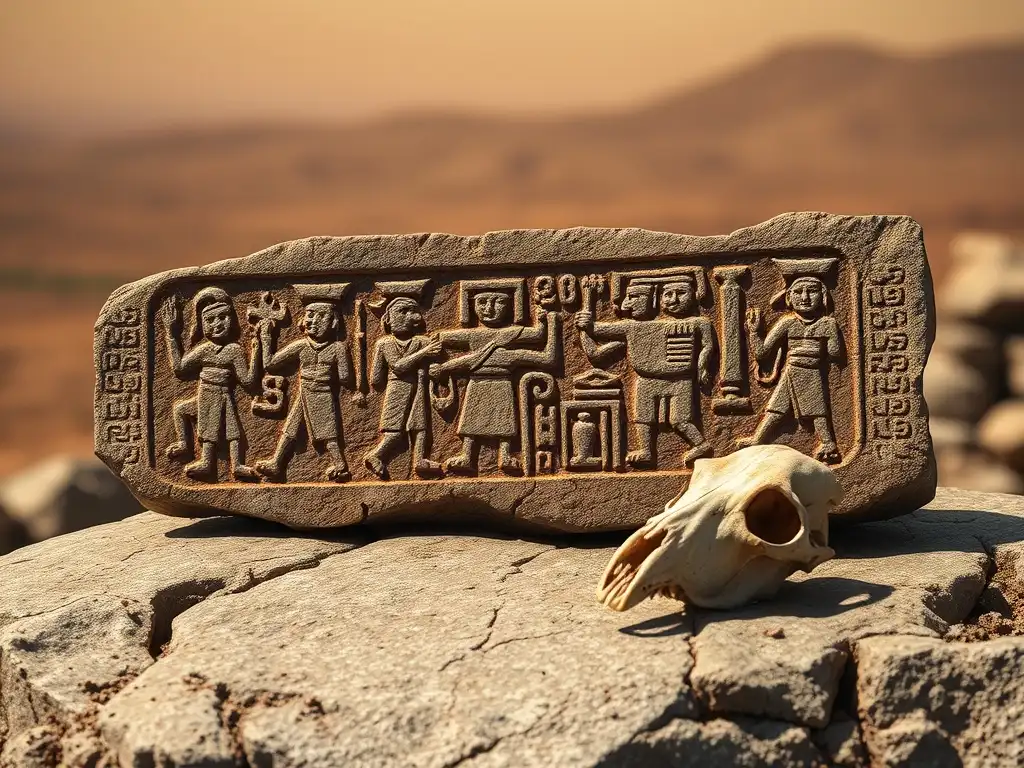
This section delves into the fascinating, yet enigmatic, religious landscape of the Tiahuanaco civilization. While direct textual evidence in the form of written religious texts remains elusive, archaeological discoveries and iconographic analyses provide compelling insights into their spiritual world. The lack of a writing system comparable to those of Mesoamerica makes reconstructing their beliefs a complex, interpretative process, relying heavily on the careful examination of artifacts and architectural features.
The study of Tiahuanaco religion is therefore a fascinating blend of archaeological investigation and scholarly interpretation, constantly evolving as new evidence emerges. Understanding their cosmology requires piecing together fragments of a rich, yet largely unwritten, history.
Deities and Supernatural Entities in Tiahuanaco Cosmology
Tiahuanaco's cosmology, like that of many ancient cultures, was likely polytheistic, featuring a pantheon of deities and supernatural entities. While specific names and attributes remain largely unknown, iconography on ceramics, textiles, and monumental structures hints at a complex hierarchy of powerful beings. The recurring motif of the werere (a figure often depicted with feline features) suggests a significant deity possibly associated with power, fertility, and perhaps the underworld. Other representations include figures with bird-like traits, potentially representing sky deities or shamanistic figures who mediated between the human and spiritual realms.
The interpretation of these iconographic representations is often debated among scholars. Some argue that certain figures represent ancestors or powerful rulers deified after their deaths, blurring the lines between religious and political power. Others suggest a connection between these figures and celestial bodies, reflecting a sophisticated understanding of astronomy and its role in their religious practices. Further research, including detailed stylistic analyses and cross-cultural comparisons with other Andean cultures, is crucial to refine our understanding of the Tiahuanaco pantheon. The discovery of new artifacts could significantly alter our current interpretations, highlighting the ongoing nature of this scholarly pursuit.
Ritualistic Practices and Ceremonial Architecture
The monumental architecture of Tiahuanaco itself serves as a powerful testament to the significance of ritualistic practices within the civilization. The precise functions of structures like the Kalasasaya and the Akapana remain subjects of ongoing debate, but their sheer scale and intricate design clearly indicate their importance in religious ceremonies. Evidence suggests the use of these sites for ritual processions, offerings, and possibly astronomical observations tied to the agricultural cycle.
The discovery of numerous artifacts within and around these structures, including ceramic vessels, textiles, and human remains, provides further clues to ritual practices. Analysis of these artifacts reveals the use of specific materials and symbols, potentially reflecting specific deities or rituals. For instance, the prevalence of certain types of ceramics in specific areas of the site may indicate dedicated spaces for particular types of offerings or ceremonies.
The presence of human remains suggests the possibility of human sacrifice, a practice attested in other Andean cultures, although the extent and context of such practices in Tiahuanaco are still subjects of investigation. More detailed studies of these remains and their associated artifacts are needed to fully understand the nature of these practices.
Understanding Tiahuanaco's Cosmological Perspective
Reconstructing Tiahuanaco's cosmological perspective is a challenging but rewarding endeavor. While we lack explicit written texts, the layout of the city, the iconography on its artifacts, and the overall organization of its monumental structures suggest a deep understanding of the cosmos. The alignment of certain structures with astronomical events points to a possible integration of astronomical knowledge into their religious beliefs. This integration may have influenced their agricultural practices, with religious ceremonies timed to coincide with key moments in the agricultural cycle.
The frequent depiction of stylized representations of mountains, water, and the sun on Tiahuanaco artifacts suggests a strong connection between their religious beliefs and the natural world. These elements likely represented fundamental components of their cosmology, reflecting their dependence on the environment and their understanding of its cyclical processes. Further research into the symbolism embedded within these representations is crucial to unravel the deeper meaning of their cosmological perspective. The ongoing study of Tiahuanaco's architecture, artifacts, and iconography will continue to shed light on this fascinating, complex, and still largely mysterious ancient civilization and its unique religious beliefs.
Comparing Tiahuanaco's Religious Practices with Other Andean Cultures
The religious landscape of the Andes was complex and varied across different cultures and time periods. While Tiahuanaco possessed unique characteristics, understanding its religious system requires comparing and contrasting it with contemporaneous and geographically proximate Andean societies. This comparative approach helps illuminate both the shared threads of Andean spirituality and the distinct features of Tiahuanaco's religious beliefs and practices. The lack of extensive written texts from Tiahuanaco itself necessitates a reliance on archaeological evidence, iconography, and comparisons with better-documented cultures to piece together a comprehensive understanding of their Tiahuanaco religious texts (or lack thereof).
Many Andean cultures shared fundamental beliefs, suggesting a degree of cultural exchange and interconnectedness. A common thread across various Andean societies, including Tiahuanaco, was the veneration of nature and ancestor worship. Evidence suggests a widespread belief in powerful deities associated with the sun, moon, mountains, and other natural phenomena. The importance of water, particularly in agricultural societies, is also a recurring motif. Many sites feature sophisticated irrigation systems, reflecting a deep connection between water, fertility, and the divine. Furthermore, the use of specific iconography, such as feline imagery and stylized representations of human figures, points towards shared symbolic systems across different Andean groups. For example, the recurring motif of the "Staff God," found in various Andean cultures, might indicate a shared cosmological vision, although its specific meaning likely varied depending on the cultural context. This shared cultural substrate provides a framework for interpreting the unique aspects of Tiahuanaco's religious system.
Unique Aspects of Tiahuanaco's Religious System
While sharing some common ground with other Andean cultures, Tiahuanaco also developed unique religious characteristics. The monumental architecture of Tiahuanaco, including the iconic Gateway of the Sun and the Kalasasaya Temple, suggests a highly organized and centralized religious system. The scale of these structures, and the precision of their construction, indicate a significant investment of resources and manpower, pointing to the importance of religion in Tiahuanaco society.
The iconography found on these structures, often featuring complex figures and symbols, differs in style and detail from those of other Andean cultures, suggesting a distinct religious cosmology. For instance, the intricate carvings on the Gateway of the Sun, while potentially echoing themes found in other Andean sites, possess a unique artistic style and a degree of symbolic complexity that requires further investigation.
Unfortunately, the precise meaning of many of these symbols remains debated among scholars, highlighting the ongoing challenges in deciphering Tiahuanaco's religious Tiahuanaco religious texts. The lack of deciphered written Tiahuanaco religious texts contributes to this ongoing debate.
Comparison with Wari Religious Practices
The Wari civilization, a powerful Andean empire that flourished contemporaneously with Tiahuanaco, offers a valuable point of comparison. While both cultures shared some commonalities in their religious beliefs, such as the veneration of nature and ancestor worship, their religious practices and iconography differed significantly. The Wari, for example, are known for their extensive network of administrative centers, which also served religious functions.
These centers often featured smaller-scale architecture compared to Tiahuanaco's monumental structures. The Wari iconography also displayed a distinct style, differing from the more abstract and complex imagery found at Tiahuanaco. Comparing the religious practices of the Wari and Tiahuanaco helps to highlight the distinct character of Tiahuanaco's religious system, emphasizing its unique features within the broader Andean context.
Further research comparing the distribution of specific artifacts and architectural styles across both cultures could shed additional light on the exchange and divergence of religious ideas and practices during this period. The absence of readily available, extensive textual records for both Wari and Tiahuanaco emphasizes the importance of archaeological analysis in reconstructing their religious histories. The search for further Tiahuanaco religious texts, or any form of written records, remains a crucial area of future research.
Research and Ongoing Investigations on Tiahuanaco's Religious Practices
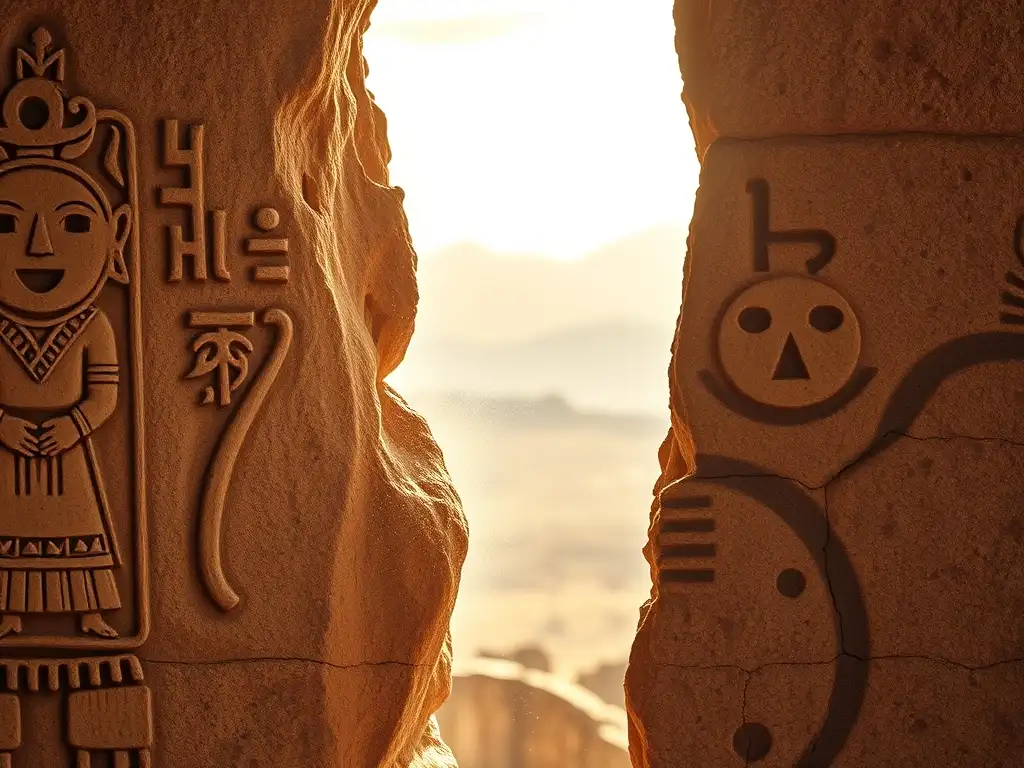
The study of Tiahuanaco's religious beliefs and practices remains a complex and fascinating area of research. While the monumental architecture and intricate artwork offer tantalizing glimpses into their cosmology, the absence of a written language presents significant challenges in deciphering their religious texts, if any existed. Instead, archaeologists and scholars rely on meticulous analysis of material culture, architectural design, and iconography to piece together a picture of their spiritual world. This section delves into the ongoing research and interpretations surrounding Tiahuanaco's religious practices, highlighting key findings and ongoing debates.
Archaeological Findings and their Interpretations
Archaeological excavations at Tiahuanaco have unearthed a wealth of artifacts that provide clues about their religious beliefs. These include intricately carved stone sculptures, such as the iconic Gateway of the Sun, depicting various deities and mythological figures. The repeated motifs—condor, puma, and serpent—suggest a complex pantheon and symbolic system linked to Andean cosmology. Furthermore, the discovery of ceremonial centers, such as the Kalasasaya complex, indicates the importance of ritual practices within Tiahuanaco society. The precise function of these structures remains a subject of ongoing debate, but their monumental scale and intricate design strongly suggest their significance in religious ceremonies.
The analysis of ceramic artifacts also offers valuable insights. Pottery fragments frequently depict stylized figures and symbols, some interpreted as representations of deities or spirits. The iconography on these vessels often mirrors the motifs found in stone carvings, reinforcing the consistency of religious imagery across different mediums.
Detailed stylistic analysis of these artifacts helps to establish chronological sequences and trace the evolution of religious beliefs over time. However, the interpretations of these symbolic representations often vary among scholars, leading to ongoing discussions and refinements of our understanding. For example, the interpretation of the "staff god" figure varies significantly depending on the researcher's theoretical framework.
Scholarly Debates on the Nature of Tiahuanaco's Religion
The nature of Tiahuanaco's religion remains a topic of considerable scholarly debate. Some scholars argue for a highly centralized, state-sponsored religion, with a hierarchical priesthood controlling religious practices and interpreting divine will. This perspective emphasizes the monumental architecture and the apparent standardization of religious imagery as evidence of a unified belief system.
Conversely, other researchers propose a more decentralized model, suggesting a greater degree of local variation and flexibility in religious practices. They point to the diversity of iconography and the regional variations in ceramic styles as evidence against a completely uniform religious system. This debate highlights the challenges of interpreting archaeological evidence in the absence of written texts, and the need for multidisciplinary approaches that incorporate anthropological, sociological, and historical perspectives.
Furthermore, understanding the role of ritual practices and their connection to social structures within Tiahuanaco society remains a crucial area of inquiry. The identification of specific ritual objects and their use within different contexts are key to addressing this question.
Future Directions in Tiahuanaco Religious Studies
Future research on Tiahuanaco's religious beliefs should focus on several key areas. Firstly, a more nuanced understanding of the social context of religious practices is needed. This requires a deeper investigation of the social stratification within Tiahuanaco society and the role of religion in maintaining social order. Secondly, further interdisciplinary collaboration is essential.
Combining archaeological data with insights from anthropology, ethnohistory, and other relevant fields will provide a more comprehensive understanding of Tiahuanaco's religious worldview. Furthermore, the application of advanced technologies, such as 3D modeling and digital image analysis, can enhance the analysis of artifacts and architectural features, potentially revealing new details about Tiahuanaco's religious practices. Finally, a comprehensive review and synthesis of existing research, addressing inconsistencies and discrepancies in interpretations, will be crucial for advancing our understanding of this enigmatic civilization's spiritual legacy.
The potential for new discoveries at the site and surrounding areas also holds great promise for future research, potentially uncovering additional evidence that sheds light on the intricate complexities of Tiahuanaco religion. The ongoing excavation and analysis of sites related to Tiahuanaco's sphere of influence could also provide crucial contextual information. This integrated approach will be essential for a more complete picture of Tiahuanaco's religious texts—or lack thereof—and their broader cultural significance.
Conclusions: The Ongoing Study of Tiahuanaco's Religious Practices
The quest to decipher the religious beliefs and practices of the Tiahuanaco civilization remains a captivating challenge for archaeologists and scholars. While definitive "religious texts" in the traditional sense (like written scriptures) haven't been discovered, the rich iconography etched into their monumental architecture, ceramics, and textiles provides invaluable clues. Understanding Tiahuanaco's religious landscape requires a multidisciplinary approach, combining archaeological findings with anthropological interpretations and comparative studies of other Andean cultures.
The absence of a written language doesn't equate to a lack of sophisticated religious thought; instead, it highlights the unique ways in which this Andean society expressed its spiritual world. The puzzle is complex, but the pieces are slowly coming together.
Summary of Key Findings
Our current understanding of Tiahuanaco religion, based on the analysis of its iconography and monumental structures, suggests a complex system of beliefs centered around:
- Water and Fertility: The prominence of water symbolism in Tiahuanaco art and architecture strongly indicates its central role in their religious worldview. The emphasis on agricultural practices and the careful management of water resources points to a deep connection between their spirituality and the life-sustaining properties of water. This is evidenced by the intricate canal systems and the depictions of water deities or spirits frequently found on ceramics and stone carvings.
- Cosmological Beliefs: Tiahuanaco iconography often portrays a highly structured cosmology, possibly reflecting a hierarchical vision of the universe. The "Gate of the Sun," for instance, with its intricate carvings of figures and symbols, is often interpreted as a representation of this cosmology, although its exact meaning remains debated. The arrangement of the city itself, with its monumental structures strategically placed, may also reflect a deliberate cosmological plan.
- Ancestor Veneration: While direct evidence is scarce, the presence of elaborate burial sites and the recurring motifs of stylized figures in Tiahuanaco art suggest the possibility of ancestor veneration as an important religious practice. Further research into burial practices and the analysis of grave goods could shed more light on this aspect.
- Ritual Practices: The presence of numerous ceremonial platforms and structures at Tiahuanaco strongly suggests that rituals played a significant role in their religious life. These rituals likely involved offerings, processions, and possibly human sacrifice, although the specifics remain uncertain. The discovery of artifacts within these structures could provide further insights.
The Importance of Continued Research
Further investigation into Tiahuanaco religious practices is crucial for a more complete understanding of this enigmatic civilization. The existing research, while providing valuable insights, only scratches the surface. Continued research is vital for several reasons:
- Refining Interpretations: Current interpretations of Tiahuanaco iconography are often debated. Further analysis, employing advanced techniques such as 3D modeling and digital image processing, could help clarify ambiguous symbols and refine our understanding of their meaning.
- Expanding the Dataset: More archaeological excavations and surveys are needed to uncover new artifacts and structures that can contribute to our knowledge. The exploration of less-studied sites in the Tiahuanaco region could reveal additional clues about their religious practices.
- Interdisciplinary Collaboration: A collaborative approach involving archaeologists, anthropologists, art historians, and other specialists is essential to achieve a more comprehensive understanding. The integration of different perspectives can lead to richer and more nuanced interpretations.
Future Research into Iconographic Interpretation
Future research should prioritize a more detailed analysis of Tiahuanaco iconography, focusing on:
- Comparative Studies: Comparing Tiahuanaco iconography with that of other contemporary Andean cultures can help identify common themes and patterns, potentially revealing broader religious trends in the region. This comparative approach could provide valuable context for understanding Tiahuanaco's unique religious expressions.
- Technological Advancements: Employing advanced imaging techniques, such as multispectral imaging and hyperspectral imaging, can reveal hidden details and layers of paint or carvings that might have been overlooked in previous studies. This could potentially unlock new information encoded within the iconography itself.
- Contextual Analysis: Examining the context in which artifacts and structures were found is crucial for understanding their meaning. Careful recording of the spatial relationships between objects and structures can provide valuable clues about ritual practices and cosmological beliefs.
The study of Tiahuanaco's religious practices is a journey of discovery. With continued research and interdisciplinary collaboration, we can hope to unravel more of the mysteries surrounding this fascinating Andean civilization and gain a deeper appreciation for its rich and complex religious worldview. The absence of written texts only serves to heighten the intrigue and challenge us to explore alternative avenues of understanding their spiritual heritage.
Frequently Asked Questions
What evidence exists for Tiahuanaco religious texts?
Unfortunately, there is no direct evidence of written religious texts from Tiahuanaco in the same way as some other ancient civilizations. Surviving artifacts offer clues to religious beliefs, but not a codified written scripture.
How did Tiahuanaco people communicate their religious beliefs?
Tiahuanaco's religious beliefs were likely communicated through visual representations such as intricate carvings on stone monuments, ceramics, and textiles. Oral traditions also played a significant role in transmitting knowledge across generations.
What are the main religious themes found in Tiahuanaco art and architecture?
Tiahuanaco art frequently depicts deities and mythical beings, often associated with fertility, water, and the cosmos. Architectural structures like the Kalasasaya complex suggest a complex religious cosmology.
Are there any deciphered symbols or writings from Tiahuanaco that hint at religious practices?
While some symbols and iconography have been identified on Tiahuanaco artifacts, their precise meanings remain largely undeciphered. Research continues to attempt to interpret these enigmatic markings.
Where can I find more information about Tiahuanaco religious beliefs?
You can find more information through academic journals specializing in Andean archaeology and anthropology, as well as museum exhibits focusing on Tiahuanaco culture. Books on pre-Columbian Andean civilizations also provide valuable insights.
Final Reflection: Echoes of the Andes: Tiahuanaco's Enduring Legacy
The enigmatic silence surrounding Tiahuanaco's religious beliefs remains a powerful testament to the enduring mystery of pre-Columbian civilizations. While we may never fully decipher the intricate meanings woven into their potentially lost texts, the very act of searching reveals the profound impact of this culture on our understanding of Andean history and spirituality. The quest to understand Tiahuanaco is not just an academic pursuit; it's a journey into the heart of a civilization that continues to resonate with us today.
The limited surviving evidence, or lack thereof, regarding Tiahuanaco's religious texts underscores the fragility of cultural heritage and the importance of preserving what little remains. The challenge of interpreting fragmented pottery, stone carvings, and potentially lost codices forces us to confront the limitations of our knowledge and the vastness of what may be forever lost. The past is never dead. It's not even past.
- William Faulkner. This quote highlights the enduring relevance of Tiahuanaco, even in the absence of complete textual records. Its influence continues to shape our understanding of Andean cosmology and the complex interplay between humans and the natural world.
Consider the enduring power of symbols and rituals. Even without fully understanding the written word of Tiahuanaco, we can appreciate the sophistication of their artistic expressions and the deep spiritual significance they held for their creators. You, the reader, are now invited to reflect on the ways in which your own cultural heritage is expressed and preserved. What stories do the artifacts of your past tell? How can we better understand and protect the cultural legacies of civilizations, both ancient and modern, ensuring that their voices continue to echo through time?
Unlock the Secrets of Tiahuanaco!
Thank you for exploring the fascinating world of Tiahuanaco's religious texts with us! You've gained valuable insights into the rich history and cultural significance of this ancient civilization. Now, let's put your newfound knowledge to work!
- Delve deeper into Tiahuanaco's mysteries by exploring our extensive collection of artifacts and inscriptions—discover untold stories and hidden meanings!
- Join our vibrant community forum, Andean Civilizations, to share your thoughts, discoveries, and interpretations with fellow enthusiasts. Learn from others and contribute your unique perspective.
- Spread the word about Tiahuanaco's enduring legacy by sharing this article with friends and on social media. Let's ignite a wider appreciation for this remarkable civilization!
What aspect of Tiahuanaco most captivates you, and how do you believe it has influenced our understanding of Andean cultures?