
The Tiahuanaco Pantheon: How its Deities and Myths Persisted in Later Andean Beliefs

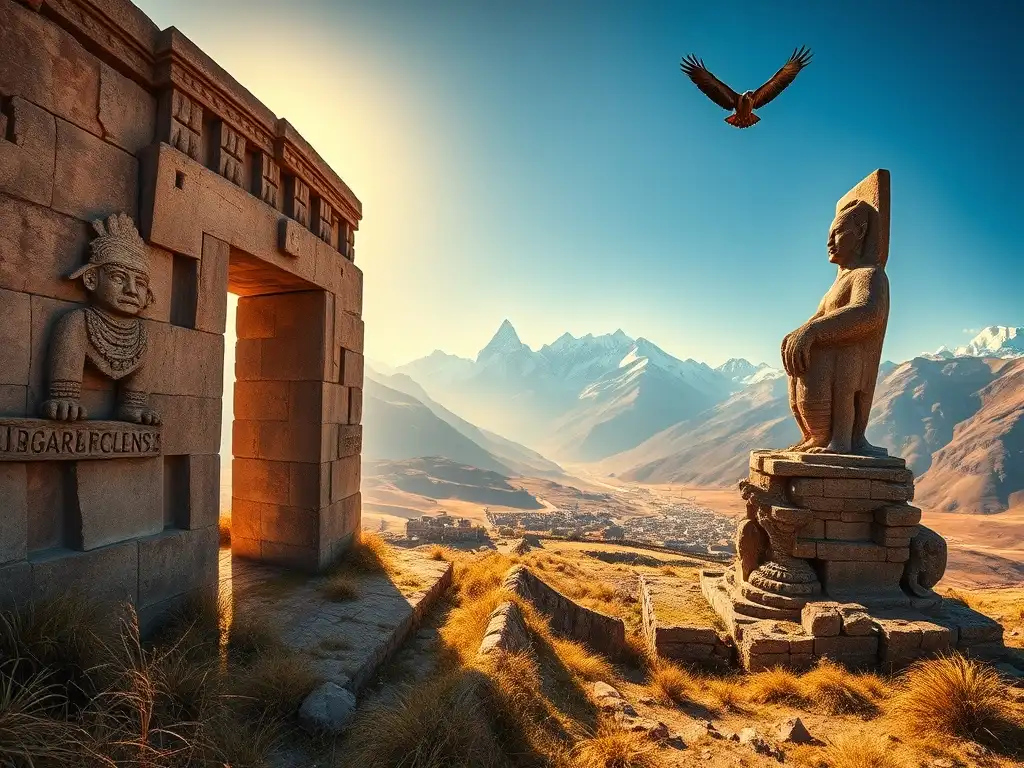
Step into a world lost to time, yet echoing through the ages. Imagine a civilization so advanced, its influence rippled across millennia, shaping the beliefs of even the mighty Inca Empire. Uncover the secrets of Tiahuanaco, a civilization whose deities and myths left an indelible mark on Andean spirituality. Prepare to be captivated by the Tiahuanaco deities' influence on Inca beliefs—a story woven into the very fabric of Andean history. Journey with us to explore this fascinating legacy.
The enigmatic Tiahuanaco civilization, flourishing in the Andean highlands between 500 and 1000 CE, left behind a legacy far exceeding its geographical footprint. Its sophisticated urban planning, intricate artistry, and complex religious beliefs exerted a profound and lasting influence on subsequent Andean cultures, particularly the Inca. This article delves into the Tiahuanaco pantheon – its key deities, associated myths, and the enduring impact these religious concepts had on the development of Inca beliefs and cosmology.
We will explore how specific Tiahuanaco deities and their symbolic representations were adopted, adapted, or even syncretized within the Inca worldview, demonstrating a fascinating continuity in Andean religious thought across centuries. Understanding this influence offers crucial insights into the complex tapestry of Andean cultural evolution and the enduring power of religious tradition. We will examine both direct evidence, where available, and explore potential interpretations based on iconographic similarities and shared mythological motifs.
Key Deities of the Tiahuanaco Pantheon
The Tiahuanaco pantheon, unfortunately, remains somewhat shrouded in mystery due to the limited deciphered textual sources. However, careful analysis of iconography from monumental architecture, ceramics, and textiles reveals recurring figures and symbols suggestive of a complex cosmology. One of the most prominent deities seems to be a powerful, often anthropomorphic figure frequently depicted with a staff, headdress, and sometimes feline features.
This deity, often interpreted as a creator god or a supreme being, is found in various representations across Tiahuanaco sites. Other important figures include deities associated with water, fertility, and the Andean landscape, reflecting the crucial role of these elements in the civilization's survival and worldview.
The interpretation of these figures is often debated among scholars, but their recurring presence underscores their importance within the Tiahuanaco religious system. Furthermore, the absence of a clearly defined written language presents a significant challenge in understanding the nuances of Tiahuanaco religious beliefs, making iconographic analysis crucial in our understanding.
Evidence of Tiahuanaco Influence on Inca Religion
The Inca Empire, which rose to prominence centuries after the decline of Tiahuanaco, inherited a rich cultural and religious landscape heavily influenced by its predecessor. While the Incas developed their own sophisticated religious system, clear parallels exist between Inca deities and those of Tiahuanaco. For instance, the Tiahuanaco creator god's attributes – power, authority, connection to the cosmos – find echoes in the Inca's own supreme deity, Viracocha.
The similarities in iconography, such as the use of staffs and specific headdresses, further strengthen the argument for a direct lineage. Moreover, the Inca's emphasis on water management and agricultural practices, mirroring those of Tiahuanaco, suggests a potential continuation of religious beliefs centered around these vital resources.
The Inca's reverence for specific mountains and geographical features also seems to share roots with the Tiahuanaco's veneration of the Andean landscape. This continuity isn't simply a matter of direct adoption; it's a more nuanced process of adaptation and syncretism, where Inca beliefs integrated elements from Tiahuanaco while simultaneously developing unique characteristics.
Specific Examples of Syncretism and Adaptation
The process of cultural exchange wasn't a simple transfer of ideas; it involved a complex interplay of adaptation and syncretism. For example, [Specific examples of syncretism between Tiahuanaco and Inca deities pending]. This involved not just the adoption of specific deities but also a reinterpretation of their attributes and roles within the Inca worldview. This adaptation is evident in [Specific examples of adapted religious practices pending].
The Inca's sophisticated state organization likely facilitated the integration of these beliefs, allowing for the incorporation of pre-existing religious practices into a larger, imperial framework. The careful study of Inca iconography and religious texts reveals a subtle yet powerful influence of Tiahuanaco religious concepts on the formation of Inca beliefs, highlighting a significant continuity in Andean religious thought. Further research, particularly the ongoing efforts to decipher and interpret existing archaeological evidence, will shed more light on this fascinating cultural exchange.
The Enduring Legacy of Tiahuanaco Religious Beliefs
The influence of the Tiahuanaco pantheon extends beyond the Inca Empire. Many aspects of Tiahuanaco religious beliefs and iconography can be traced in subsequent Andean cultures, demonstrating the long-lasting impact of this civilization's worldview. The persistence of certain motifs, symbols, and religious practices across centuries highlights the enduring power of religious traditions and their capacity to shape cultural identities.
The study of Tiahuanaco's influence on later Andean beliefs provides a crucial perspective on the continuity and evolution of Andean religious thought, reminding us of the complex interactions and cultural exchanges that shaped the rich tapestry of Andean history. The legacy of Tiahuanaco serves as a testament to the enduring power of religious ideas and their ability to transcend time and influence the cultural development of successive generations. Further research will undoubtedly uncover even more evidence of this profound and lasting legacy.
- Key Deities of the Tiahuanaco Pantheon
- Evidence of Tiahuanaco Influence on Inca Religion
- Specific Examples of Syncretism and Adaptation
- The Enduring Legacy of Tiahuanaco Religious Beliefs
- What is the significance of Tiahuanaco in Andean history?
- How did Tiahuanaco deities influence Inca beliefs?
- What specific Tiahuanaco deities are linked to Inca beliefs?
- Were there any significant differences between Tiahuanaco and Inca religious practices?
- What evidence supports the link between Tiahuanaco deities and Inca beliefs?
Understanding the Tiahuanaco Religious Landscape
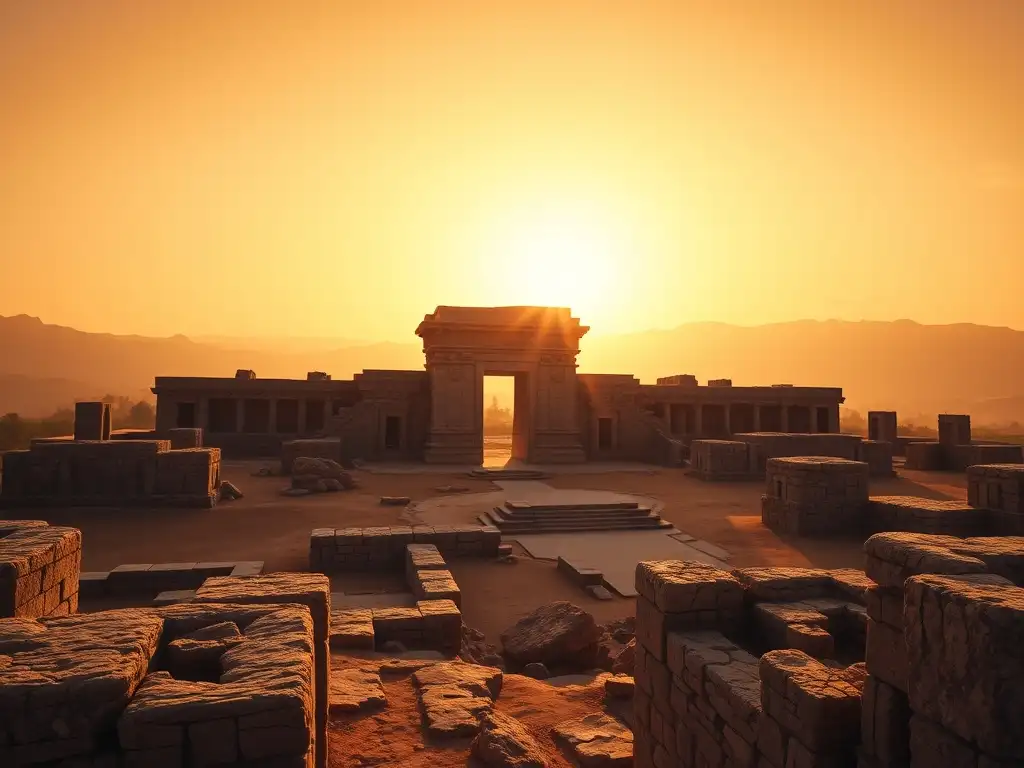
This section delves into the fascinating religious landscape of the Tiahuanaco civilization, exploring its core beliefs, key deities, and ritual practices. Understanding the Tiahuanaco pantheon is crucial to tracing the influence of Tiahuanaco deities on Inca beliefs and other subsequent Andean cultures. The Tiahuanaco worldview, though not fully understood due to the limited surviving textual evidence, is revealed through iconography found on ceramics, textiles, and monumental architecture. Their sophisticated cosmology and complex religious system left an enduring legacy on later Andean societies.
Core Beliefs and Cosmological Views of Tiahuanaco
Tiahuanaco's cosmology centered around a complex interplay of deities, forces of nature, and the cyclical nature of time. Evidence suggests a strong emphasis on water, symbolized by the ubiquitous presence of aquatic motifs in their art. The central deity, often depicted as a powerful figure with feline features, may have represented a creator god or a powerful force associated with both creation and destruction. This deity's representation varied across different artifacts, suggesting a degree of flexibility in interpretation and perhaps a hierarchical pantheon.
Furthermore, the emphasis on duality—light and darkness, life and death—is evident in their iconography and likely informed their understanding of the cosmos. The intricate designs found on their pottery and textiles often depict intertwined serpents or other symbols that may represent these dualities and the cyclical nature of life, death, and rebirth. This cyclical view of time likely influenced their agricultural practices and their understanding of the seasons.
Their sophisticated understanding of astronomy, evident in the precise orientation of their monumental structures, also played a vital role in their religious calendar and rituals. The significance of these cosmological views extends far beyond Tiahuanaco's borders, influencing subsequent Andean cultures' understanding of the world and their interactions with the supernatural. The persistence of these beliefs is a testament to the enduring power of Tiahuanaco's religious ideas.
Key Deities in the Tiahuanaco Pantheon
While a complete understanding of the Tiahuanaco pantheon remains elusive, several key deities have been identified through the analysis of their iconography. The most prominent is often referred to as the "God of the Staff" or "Central Deity," frequently depicted as a powerful figure with feline characteristics, sometimes holding a staff or scepter. This deity's prominence suggests a role as a creator god or a supreme being. Other important deities are represented through various symbols and iconographic elements, such as stylized birds, serpents, and feline figures.
These representations often appear in combination, suggesting a complex web of interactions and relationships between deities. There’s evidence to suggest a possible connection between these deities and the forces of nature, such as water, sun, and mountains, crucial aspects of their environment and daily life. The visual representations on ceremonial objects often provide clues to their roles and attributes, but their names and specific functions remain largely unknown.
Further research and careful analysis of surviving artifacts are needed to fully understand the intricate structure and the meaning of this complex pantheon. The limited surviving textual evidence makes the task challenging, relying heavily on iconographic interpretations. However, the influence of these deities on later Andean beliefs, particularly within the Inca pantheon, is undeniable, showcasing the lasting impact of Tiahuanaco's religious system.
The Role of Ritual and Ceremony in Tiahuanaco Religion
Ritual and ceremony were integral to the Tiahuanaco religious system. The monumental architecture of Tiahuanaco itself served as a backdrop for these rituals, with its precise orientation and intricate designs suggesting a carefully planned system of religious practices. Evidence suggests the use of offerings, including ceramics, textiles, and perhaps even human sacrifices, to appease the deities and ensure the prosperity of the community. The precise nature of these rituals remains largely unknown, but the sheer scale of the monumental structures points to elaborate ceremonies involving large numbers of participants.
The iconography on ceremonial objects provides further insights into the rituals, often depicting scenes of processions, offerings, and perhaps even shamanistic practices. The importance of water in their cosmology is also reflected in their rituals, with water likely playing a significant role in various ceremonies. The Tiahuanaco's sophisticated understanding of astronomy suggests a close connection between their religious calendar and the cycles of the sun, moon, and stars.
These rituals were not merely symbolic acts; they were integral to maintaining the cosmic order and ensuring the well-being of the community. The influence of Tiahuanaco's ritual practices can be seen in subsequent Andean cultures, demonstrating the lasting impact of their religious traditions. The persistence of certain ritual elements in later Andean cultures underscores the enduring legacy of Tiahuanaco's religious system and its significant contribution to the development of Andean religious beliefs.
Tiahuanaco Deities' Influence on Inca Beliefs
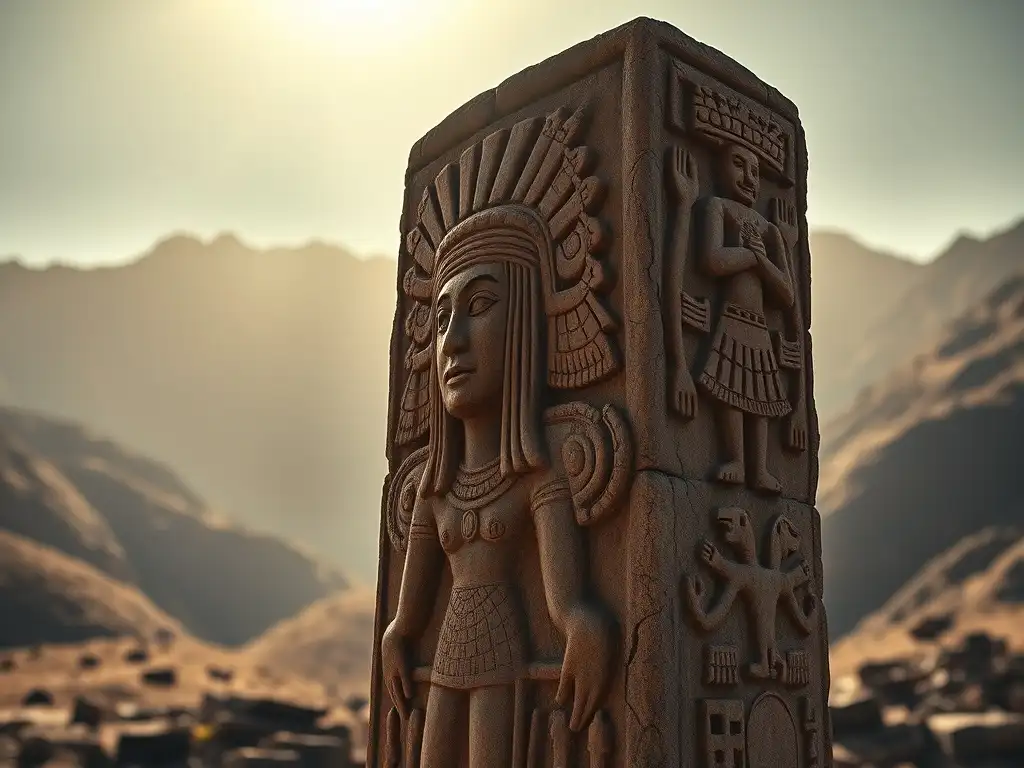
The influence of Tiahuanaco's complex religious system on subsequent Andean cultures, particularly the Inca, is a topic of ongoing scholarly debate. While direct, linear transmission of beliefs is difficult to definitively prove, compelling evidence suggests a significant cultural and religious exchange. The Inca empire, emerging centuries after the decline of Tiahuanaco, inherited a landscape deeply shaped by its predecessor's religious practices and iconography.
This section will explore some of the key ways Tiahuanaco deities and myths impacted Inca beliefs, focusing on the transmission of religious ideas and the striking similarities between their pantheons. The enduring legacy of Tiahuanaco's religious worldview is evident in the Inca’s cosmology, rituals, and artistic representations. Understanding this influence provides crucial context for interpreting Inca religion and its rich tapestry of beliefs.
The Transmission of Tiahuanaco Religious Ideas
The mechanisms through which Tiahuanaco religious ideas were transmitted to the Inca remain a subject of research. Several factors likely contributed to this cultural exchange. Firstly, the sheer geographical extent of Tiahuanaco's influence is undeniable. Its political and economic power extended across vast swathes of the Andes, leaving behind a legacy of architectural marvels, artistic styles, and religious practices. The presence of Tiahuanaco-style artifacts and architectural features in later Inca sites suggests a continuation, if not a direct adoption, of certain religious symbols and traditions.
Secondly, the Inca themselves may have actively sought to incorporate elements of Tiahuanaco’s religious system into their own. The Inca were known for their sophisticated strategies of cultural integration, often adopting and adapting the beliefs and practices of conquered peoples to consolidate their power and legitimacy. This process of syncretism – the blending of different religious traditions – is well-documented in Inca history. The incorporation of Tiahuanaco deities into the Inca pantheon could be viewed as a strategic move to legitimize their rule over territories previously under Tiahuanaco's control.
Finally, the persistence of certain religious concepts and practices across generations may have facilitated the transmission of Tiahuanaco religious ideas. Oral traditions, passed down through generations of Andean communities, likely played a significant role in preserving and transmitting key aspects of Tiahuanaco's religious beliefs. These oral traditions, combined with the material evidence left behind by Tiahuanaco, provide valuable insights into the continuity of Andean religious thought.
Similarities Between Tiahuanaco and Inca Gods
Numerous similarities exist between the deities worshipped by the Tiahuanaco and the Inca, suggesting a direct link or at least a strong parallel evolution of religious thought. This section will explore some key examples, focusing on the creator god, the sun god, and the earth mother. The striking parallels highlight the profound impact of Tiahuanaco’s religious legacy on the Inca worldview.
Viracocha and the Tiahuanaco Creator God
The Inca creator god, Viracocha, shares remarkable similarities with the supreme deity worshipped in Tiahuanaco. While the exact nature of the Tiahuanaco creator god remains debated, archaeological evidence suggests a powerful figure associated with creation, water, and cosmic order. Viracocha, similarly, is depicted as a creator god, often associated with the emergence of humanity and the ordering of the cosmos.
Both deities are linked to water, a vital element in the Andean worldview, symbolizing life, fertility, and power. While not identical, the parallels between Viracocha and the Tiahuanaco creator god are compelling, suggesting a potential lineage or at least a strong influence. Further research into Tiahuanaco iconography and Inca mythology is needed to fully understand the nature of this relationship.
Inti and the Sun Worship in Tiahuanaco and Inca Cultures
Sun worship was central to both Tiahuanaco and Inca religious practices. While the specific rituals and iconography differed, the sun's importance as a life-giving force is evident in both cultures. Archaeological evidence from Tiahuanaco indicates a sophisticated understanding of astronomy and a profound reverence for the sun.
The Inca, similarly, placed immense emphasis on Inti, the sun god, integrating him deeply into their state religion and imperial ideology. The Inca's elaborate sun temples and the centrality of Inti in their rituals reflect the enduring importance of sun worship, likely influenced by Tiahuanaco's earlier traditions. The continuity of sun worship across these two powerful Andean cultures underscores the lasting impact of Tiahuanaco's religious legacy.
Pachamama and the Earth Mother in both Traditions
Pachamama, the earth mother, is another significant deity whose veneration spans both Tiahuanaco and Inca cultures. While the specific attributes and rituals associated with Pachamama may have varied, the fundamental concept of a life-giving earth mother is consistently present. In Tiahuanaco, evidence suggests a deep reverence for the earth's fertility and its connection to agricultural abundance.
The Inca similarly revered Pachamama, associating her with fertility, harvests, and the well-being of the community. Offerings and rituals dedicated to Pachamama were integral to Inca agricultural practices and social life. The continuity of Pachamama worship across these two cultures demonstrates the enduring power of this ancient Andean deity and the long-lasting influence of Tiahuanaco's religious traditions.
How Tiahuanaco Iconography Shaped Inca Art and Religion
The influence of Tiahuanaco iconography on Inca art and religion is undeniable, a testament to the enduring legacy of this powerful pre-Inca civilization. The stylistic motifs, symbolic representations, and even specific deities of Tiahuanaco found their way into Inca artistic expressions and religious practices, often subtly integrated but undeniably present. This wasn't a simple copying; rather, the Incas adapted and reinterpreted Tiahuanaco imagery, weaving it into the fabric of their own distinct cultural identity.
One striking example lies in the representation of the weracocha, a key deity in both Tiahuanaco and Inca belief systems. While the exact nature of the weracocha varied across different cultures and time periods, the Tiahuanaco portrayal of this creator god, often depicted with a staff and a serene expression, significantly impacted how the Incas visualized and venerated their own version of the deity.
Inca textiles, ceramics, and stone carvings frequently feature figures with similar attributes, suggesting a direct lineage or, at the very least, a profound artistic and religious borrowing. The stylistic similarities, such as the distinctive headdress or the posture of the figure, are too striking to be coincidental.
Furthermore, the use of stepped pyramids, a hallmark of Tiahuanaco architecture, found its echo in Inca constructions. While Inca architecture developed its own unique characteristics, the underlying principle of tiered structures, symbolizing the connection between the earthly and celestial realms, clearly reflects the influence of Tiahuanaco's monumental structures. The incorporation of these architectural elements wasn't merely aesthetic; it suggests a continuity of religious and cosmological beliefs, with the Incas potentially inheriting and adapting the symbolic meaning associated with these designs.
Beyond specific deities and architectural forms, the overall stylistic conventions of Tiahuanaco art, such as the use of bold geometric patterns, stylized figures, and a preference for certain colors, are discernible in later Inca artwork. The sophisticated techniques of metalworking and textile production, evident in Tiahuanaco artifacts, also likely influenced Inca artisans, contributing to the high level of craftsmanship seen in Inca art.
The intricate designs and symbolic representations found on Inca textiles, for example, often show a clear connection to the more abstract and geometric styles characteristic of Tiahuanaco art. This suggests a continuity of artistic traditions and the transmission of knowledge across generations and cultures.
The precise mechanisms of this cultural transmission remain a subject of ongoing research, but the evidence strongly points towards a significant and lasting influence. Further research into specific examples of Inca artwork and their Tiahuanaco parallels would provide even greater insight into this fascinating cultural exchange.
Myths and Legends: Tracing Tiahuanaco Narratives in Later Andean Cultures
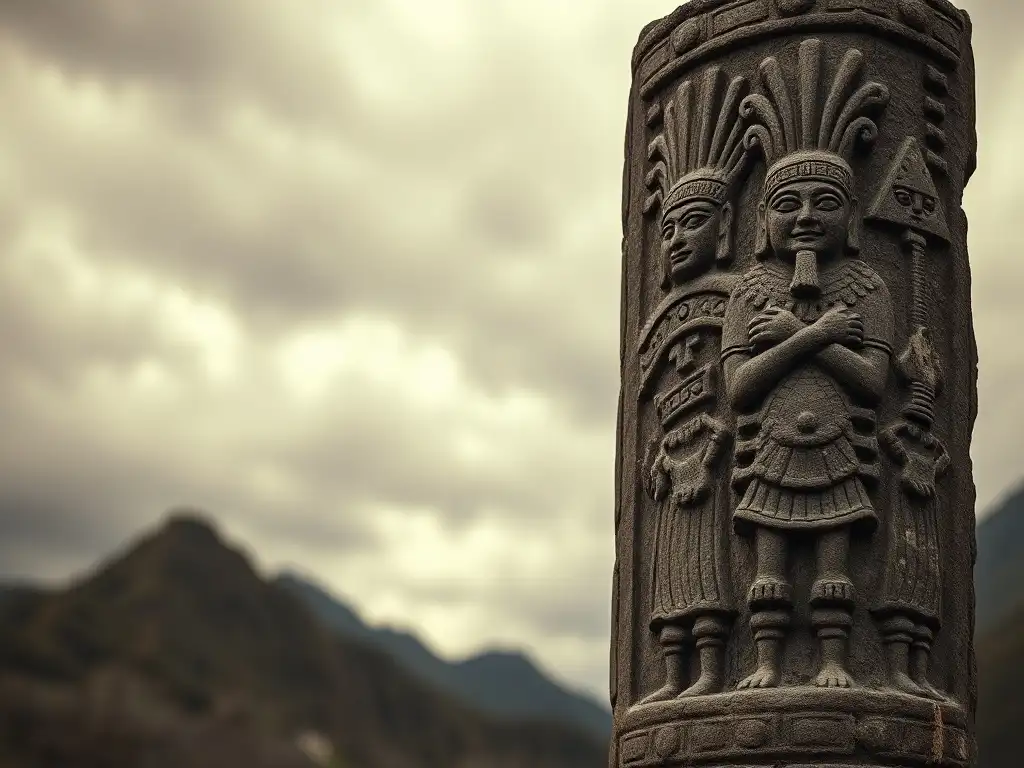
The Tiahuanaco civilization, flourishing between 500 and 1000 CE, left an indelible mark on subsequent Andean cultures, particularly the Inca. Their sophisticated religious beliefs, expressed through intricate iconography and monumental architecture, resonated deeply, influencing Inca mythology and religious practices. Tracing the threads of Tiahuanaco influence on Inca beliefs requires examining the shared mythological themes and symbolic continuity across centuries.
The persistence of specific deities and narratives demonstrates a complex process of cultural transmission and adaptation, shaping the religious landscape of the Inca Empire. Understanding this influence provides crucial insights into the development of Andean religious thought and the enduring legacy of the Tiahuanaco pantheon.
The intertwining of Tiahuanaco and Inca beliefs is evident in the shared cosmological framework and recurring mythological motifs. While specific names and details may differ, the underlying themes of creation, celestial bodies, and powerful deities demonstrate a clear line of influence. The Inca pantheon, while distinct, incorporates elements directly traceable to Tiahuanaco religious concepts, suggesting a process of syncretism and adaptation rather than complete replacement.
This shared heritage highlights the lasting impact of Tiahuanaco religious ideas on the subsequent Inca worldview. The influence is not a simple adoption, but rather a complex interaction, with Inca beliefs re-interpreting and re-shaping the inherited narratives.
The Myth of Creation and its Variations
Tiahuanaco mythology, although fragmented due to the limited surviving textual sources, presents a creation narrative centered around powerful deities associated with water, earth, and celestial bodies. These narratives often feature a primeval chaos that is ordered through divine intervention. While the specifics remain debated among scholars, the general theme of a divinely orchestrated creation mirrors similar narratives found in Inca mythology.
The Inca creation myth, involving Viracocha, shares thematic similarities with Tiahuanaco creation accounts, suggesting a possible lineage or at least a shared conceptual framework. The exact nature of this connection requires further research, but the parallels are undeniable. For instance, both narratives frequently involve a creator god emerging from a watery realm, shaping the world and its inhabitants.
The Significance of the Sun and Moon in Andean Cosmology
Both Tiahuanaco and Inca cultures placed immense significance on the sun and moon, viewing them as powerful deities with direct influence on earthly affairs. This veneration is reflected in the monumental architecture of Tiahuanaco, where the sun's movements likely played a significant role in the design and orientation of structures. Similarly, Inca religious practices centered heavily on solar worship, with the Inca emperor himself considered a descendant of the sun god, Inti.
The persistence of sun and moon worship, along with associated rituals and iconography, strongly suggests a direct link between Tiahuanaco cosmology and Inca religious beliefs. The detailed astronomical observations and calendar systems developed by both cultures further underscore this shared focus on celestial bodies. This shared reverence for the sun and moon highlights the enduring influence of Tiahuanaco's cosmological framework on Inca religious practices.
The Legend of Tunupa and the Origin of Lake Titicaca
The legend of Tunupa, a major deity in Tiahuanaco mythology, is often associated with the creation of Lake Titicaca and the surrounding region. This narrative, though passed down through oral traditions and archaeological evidence, reveals a deep connection between the divine and the geographical landscape. While the Inca did not directly adopt Tunupa into their pantheon, the importance of Lake Titicaca in Inca mythology and the surrounding area suggests a possible connection.
The lake's sacred status in Inca culture, mirroring its significance in Tiahuanaco beliefs, points to a continuity in the perception of the region as a divinely ordained space. The lasting importance of Lake Titicaca as a sacred site for both cultures reinforces the idea of a shared cultural heritage and the enduring influence of Tiahuanaco narratives. Further research into oral traditions and archaeological discoveries could illuminate the precise nature of this connection.
The Persistence of Tiahuanaco Symbols in Inca Religious Practices
Beyond shared myths, the influence of Tiahuanaco is also evident in the persistence of specific symbols and iconography within Inca religious practices. The stylistic similarities between Tiahuanaco and Inca art, particularly in pottery and textiles, suggest a direct line of artistic influence. Moreover, certain symbolic motifs, such as the stepped pyramid design and depictions of specific deities, appear in both cultures, albeit with stylistic variations.
This visual continuity hints at a deeper connection between the two cultures' religious systems. For example, the use of the kero, a ceremonial drinking vessel, demonstrates a stylistic continuity that extends beyond the mere adoption of a form. The Inca’s use of this vessel, inherited from Tiahuanaco, was imbued with new meaning within the context of Inca rituals and beliefs, demonstrating a complex process of cultural exchange.
Analyzing this symbolic continuity helps illustrate how Tiahuanaco's artistic and religious traditions were absorbed and adapted by the Inca. The extent of this influence requires further investigation, focusing on detailed comparative analyses of Tiahuanaco and Inca iconography.
Tiahuanaco's Legacy: The Enduring Impact on Andean Spirituality
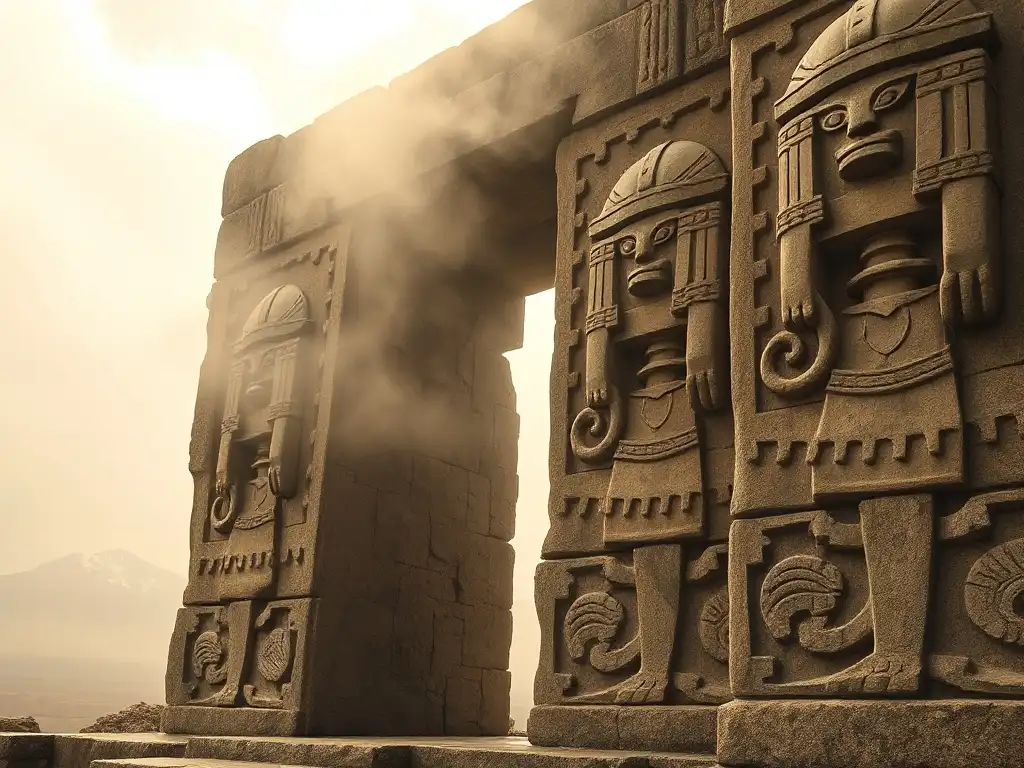
The Tiahuanaco civilization, flourishing in the Bolivian altiplano between 500 and 1000 CE, left an indelible mark on the religious landscape of the Andes. Its sophisticated pantheon of deities, complex mythology, and distinctive artistic motifs exerted a profound and lasting influence on subsequent Andean cultures, particularly the Inca. Understanding this legacy requires examining the persistence of Tiahuanaco religious concepts and practices long after the civilization's decline.
This influence wasn't a simple, direct takeover; rather, it was a complex process of adaptation, syncretism, and reinterpretation, resulting in a rich tapestry of Andean spirituality woven from various threads of cultural heritage. The Tiahuanaco deities influence on Inca beliefs is a compelling example of this cultural transmission and transformation. The powerful symbolism and iconography associated with Tiahuanaco deities resonated deeply, shaping religious practices and beliefs for centuries to come.
The Continuing Influence of Tiahuanaco Deities and Myths in Post-Inca Traditions
While direct textual evidence is scarce due to the limited written records from pre-Columbian Andean societies, archaeological findings and ethnographic accounts offer compelling insights into the persistence of Tiahuanaco religious elements. For example, the iconic chakana (Andean cross), a prominent symbol in Tiahuanaco art representing the four cardinal directions and cosmological order, continued to be a significant motif in Inca and later Andean iconography. This suggests a direct lineage and continuity in cosmological beliefs.
Furthermore, certain stylistic elements in Inca pottery and textiles bear striking resemblance to Tiahuanaco artistic conventions, indicating a continuation of aesthetic traditions linked to religious practices. The representation of specific Tiahuanaco deities, though possibly reinterpreted or syncretized with Inca divinities, may also be found subtly incorporated into Inca art and architecture.
Further research is needed to fully understand the extent of the transformation of these specific deities into the Inca pantheon, but the visual similarities are undeniable. The subtle but persistent presence of these elements speaks volumes about the enduring influence of Tiahuanaco's spiritual legacy.
The Archaeological Evidence: Tracing the Spread of Tiahuanaco Religious Influence
Archaeological evidence plays a crucial role in understanding the spread of Tiahuanaco religious influence. The distribution of Tiahuanaco-style ceramics, textiles, and architectural features across a vast geographical area, extending far beyond the immediate Tiahuanaco heartland, points to a widespread dissemination of religious ideas and practices. For instance, the discovery of Tiahuanaco-style artifacts in sites associated with later cultures, such as the Inca empire, provides tangible proof of cultural exchange and religious transmission.
The presence of similar architectural motifs, such as stepped pyramids and monumental gateways, in locations far removed from Tiahuanaco suggests the purposeful replication of sacred spaces and the deliberate adoption of Tiahuanaco religious principles. Analyzing the stylistic variations of these artifacts across different regions helps to trace the evolution and adaptation of Tiahuanaco religious beliefs as they were incorporated into the evolving spiritual landscapes of later Andean societies.
The meticulous study of these artifacts continues to unveil the intricate details of this cultural diffusion. Detailed analysis of ceramic styles, for example, reveals subtle shifts in iconography over time, reflecting the processes of adaptation and syncretism.
The Aymara Connection: Modern Interpretations of Tiahuanaco Deities
The Aymara people, indigenous to the Bolivian altiplano, maintain a strong connection to Tiahuanaco's legacy. Their oral traditions and contemporary religious practices often incorporate elements that can be traced back to Tiahuanaco beliefs. While the precise interpretations of Tiahuanaco deities may have evolved over time, certain core concepts, such as the veneration of the sun, earth, and water, have persisted in Aymara spirituality. The Aymara continue to associate specific sites within the Tiahuanaco ruins with particular deities or spirits, reflecting a continuing engagement with the ancient spiritual landscape. Studying contemporary Aymara interpretations offers valuable insights into the enduring power and resilience of Tiahuanaco's religious legacy. Their living traditions provide a vital link to the past, offering a unique perspective on how Tiahuanaco deities and myths have been reinterpreted and integrated into modern Andean spiritualities. This ongoing connection highlights the profoundly enduring impact of Tiahuanaco's spiritual world on the Andean region.
Conclusion: The Enduring Power of Tiahuanaco's Religious Heritage
The Tiahuanaco pantheon, with its enigmatic deities and complex mythology, left an indelible mark on subsequent Andean cultures. While the precise nature of the influence remains a subject of ongoing scholarly debate, the evidence strongly suggests a significant continuity of religious concepts and practices from the Tiahuanaco era into the Inca empire and beyond. This enduring legacy highlights the profound impact of Tiahuanaco's religious system on the broader Andean worldview.
The persistence of certain motifs, symbols, and even potentially specific deities across centuries underscores the deep-rooted nature of these beliefs and their ability to adapt and evolve within changing socio-political landscapes. Understanding this influence is crucial not only for comprehending Inca religion but also for appreciating the broader tapestry of Andean spiritual history.
Summarizing the Key Connections between Tiahuanaco and Inca Religion
Several key connections link Tiahuanaco's religious beliefs to those of the Inca. The stylistic similarities between Tiahuanaco iconography and Inca art, particularly in representations of deities and sacred animals, suggest a direct transmission of religious imagery. For example, the recurring motif of the kero (ceremonial drinking vessel), prevalent in both Tiahuanaco and Inca art, often depicts stylized figures that bear striking resemblances, suggesting a shared understanding of divine figures or ancestral spirits.
Furthermore, the emphasis on ancestor veneration, a central tenet of Inca religion, finds potential roots in the Tiahuanaco emphasis on powerful, possibly deified, ancestors. The Inca's capacocha sacrifices, while unique in their scale and practice, share a parallel with the possible sacrificial practices hinted at in Tiahuanaco archaeological findings. The precise nature of these rituals and their relationship remains debated, but the underlying concept of appeasement through offering suggests a common thread.
Further research, including detailed comparative analysis of iconography and the ongoing excavation of Tiahuanaco sites, is needed to fully elucidate the extent of this religious exchange. However, the existing evidence strongly suggests a significant degree of continuity and adaptation.
The Importance of Understanding Tiahuanaco for Andean Cultural Studies
Understanding the influence of Tiahuanaco deities on later Andean beliefs is paramount for a comprehensive understanding of Andean cultural studies. Tiahuanaco serves as a crucial link in the chain of Andean religious development, providing a context for understanding the later, more widely known cultures like the Inca. By studying Tiahuanaco's religious practices and beliefs, scholars gain valuable insights into the evolution of Andean cosmology, mythology, and ritual practices.
This understanding allows for a more nuanced interpretation of Inca religion, moving beyond a solely Inca-centric perspective to encompass a broader, more interconnected narrative of Andean spiritual history. The Tiahuanaco influence highlights the dynamic nature of Andean religious traditions, demonstrating their capacity for adaptation, syncretism, and long-term persistence.
Ignoring this crucial antecedent risks a fragmented and incomplete understanding of the rich and complex tapestry of Andean culture. The continued excavation and analysis of Tiahuanaco sites, combined with rigorous comparative studies of art, architecture, and textual sources (where available), will further illuminate this vital aspect of Andean history.
The Enduring Mysticism of the Tiahuanaco Pantheon
The Tiahuanaco pantheon remains shrouded in a certain degree of mystery. Many of the deities and their associated myths are not fully understood, even today. This inherent ambiguity contributes to the enduring fascination with Tiahuanaco and fuels ongoing research.
The lack of extensive written records from the Tiahuanaco period forces scholars to rely heavily on archaeological evidence, iconography, and comparative analysis with later Andean cultures to reconstruct their religious beliefs. This process of interpretation inherently involves a degree of speculation, adding to the mystique surrounding the Tiahuanaco pantheon. However, the very act of piecing together the fragments of this lost world offers a unique opportunity to engage with a culture that, despite its antiquity, continues to resonate with a sense of awe and wonder.
The enduring power of the Tiahuanaco deities lies not only in their historical influence but also in their capacity to inspire ongoing curiosity and scholarly investigation. The ongoing exploration of Tiahuanaco's religious heritage promises further revelations, enriching our understanding of this enigmatic civilization and its lasting impact on the Andean world.
Frequently Asked Questions
What is the significance of Tiahuanaco in Andean history?
Tiahuanaco was a powerful pre-Inca civilization located in modern-day Bolivia. Its influence spread widely across the Andes, impacting the culture and beliefs of later civilizations, including the Inca. Its sophisticated urban planning and artistic achievements are remarkable.
How did Tiahuanaco deities influence Inca beliefs?
Inca religion incorporated many elements of Tiahuanaco mythology, including deities and cosmological concepts. Some scholars believe that Viracocha, a key Inca creator god, has roots in Tiahuanaco religious figures. The adoption and adaptation of these beliefs demonstrate cultural continuity.
What specific Tiahuanaco deities are linked to Inca beliefs?
While direct correlations are debated, Viracocha is frequently cited as a potential link. Other deities and mythological motifs associated with water, the sun, and fertility likely found their way into Inca religious practices. Further research is ongoing to fully understand these connections.
Were there any significant differences between Tiahuanaco and Inca religious practices?
While sharing some common ground, differences existed. The Inca state religion, with its emphasis on the Sapa Inca's divine status, differed from Tiahuanaco's possibly less centralized religious structure. Ritual practices and iconography also showed variation.
What evidence supports the link between Tiahuanaco deities and Inca beliefs?
Evidence comes from archaeological findings, such as similarities in iconography and architectural styles. Religious texts and ethnographic accounts from the Spanish conquest period also offer clues, though interpretation can be complex. The persistence of certain motifs and beliefs across time strengthens the connection.
Final Reflection: Echoes of the Gods: Tiahuanaco's Enduring Legacy
The intricate cosmology of Tiahuanaco, far from being a relic of a bygone era, continues to resonate profoundly within the Andean cultural landscape. Its deities and myths, though often subtly transformed, remain powerful threads woven into the rich tapestry of later Andean beliefs, demonstrating the enduring power of cultural transmission and adaptation. The influence of Tiahuanaco's pantheon is not merely a historical footnote; it's a living testament to the enduring strength of indigenous spiritual traditions.
The impact of Tiahuanaco's religious system on subsequent Andean cultures, including the Inca, is undeniable. We see echoes of Viracocha, the creator god, in Inca mythology, and the complex iconography of Tiahuanaco deities finds parallels in later Andean art and religious practices. The past is never dead. It's not even past.
– William Faulkner. This quote perfectly encapsulates the enduring presence of Tiahuanaco's religious beliefs, which continue to shape our understanding of Andean history and spirituality. The subtle yet significant connections between these seemingly disparate cultures highlight the importance of recognizing the continuity of Andean traditions across time.
Consider the implications of this enduring legacy. How does understanding the persistence of Tiahuanaco's deities challenge our preconceived notions of cultural replacement and the linear progression of history? You, the reader, are now equipped with a deeper understanding of the complex interplay between past and present in the Andes. Take this knowledge, this appreciation for the enduring power of belief systems, and apply it to your own understanding of cultural continuity and the lasting impact of seemingly forgotten civilizations. Let the echoes of the Tiahuanaco gods inspire you to explore the hidden connections within your own cultural heritage.
Unlock the Mysteries of the Tiahuanaco Pantheon!
Thank you for exploring the rich mythology of Tiahuanaco with us! You've discovered the lasting impact of its deities and myths on subsequent Andean beliefs. Now, let's continue your journey of discovery.
- Connect with other enthusiasts: Join a local archaeology group or an online forum dedicated to Andean cultures to discuss and deepen your understanding of these fascinating mythologies and their contemporary relevance.
- Expand your knowledge: Delve further into the subject by reading books and articles on Andean civilizations. This will broaden your understanding and appreciation of their rich history.
- Share your passion: Share your newfound knowledge with friends and family, or post about it on social media to inspire others to learn about the captivating history of the Andes.
What aspect of Tiahuanaco's deities most captivates you, and how do you believe their myths might continue to shape modern Andean culture?