
The Tiahuanaco Diaspora: How its People and Culture Spread Across the Andes

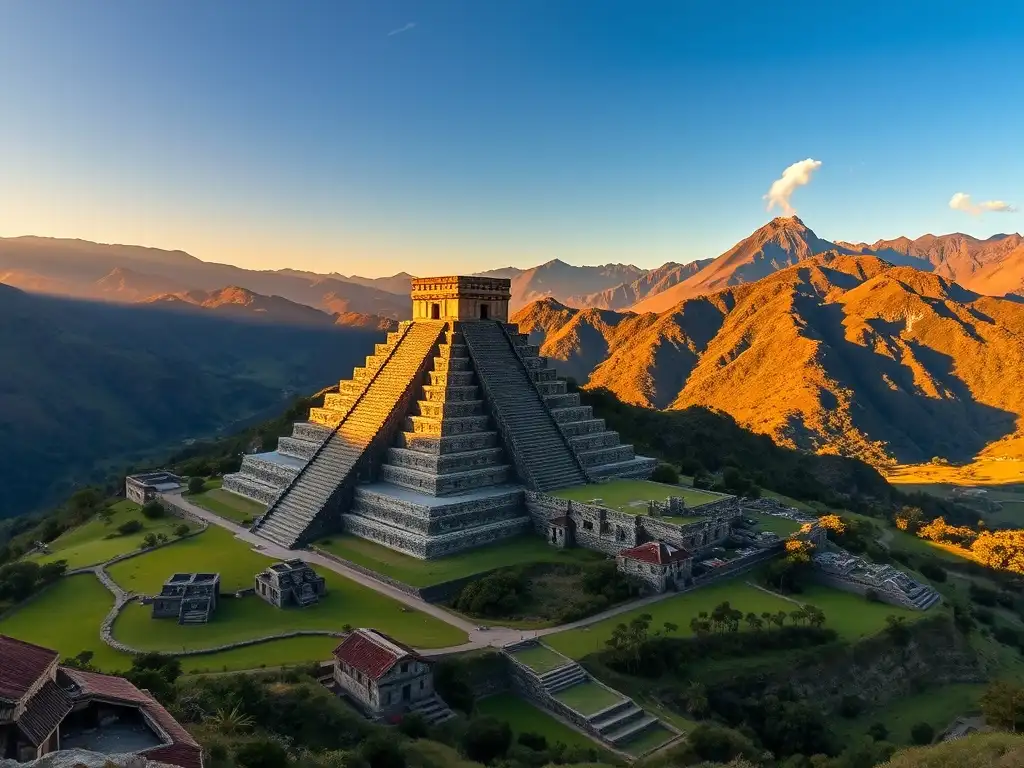
Step into a world lost to time, yet echoing with the whispers of a powerful empire. Imagine a civilization so advanced, its influence rippled across the entire Andes Mountains, leaving an indelible mark on countless cultures. The Tiahuanaco Diaspora: How its people and culture spread across the Andes unveils the mysteries behind this remarkable cultural diffusion, revealing a story far richer and more complex than you ever imagined. Prepare to be captivated by the legacy of Tiahuanaco.
The remarkable Tiahuanaco civilization, flourishing in the Bolivian Altiplano between 500 and 1000 CE, left an indelible mark on the Andean region. Its influence extended far beyond its geographical boundaries, shaping the cultural landscape of numerous societies through a complex process of cultural diffusion.
This article delves into the fascinating story of the Tiahuanaco diaspora, exploring how its people, artistic styles, religious beliefs, and technological innovations spread across the Andes, leaving a legacy that continues to resonate today. We will examine the various mechanisms of this cultural transmission, from migration and trade to conquest and peaceful exchange, demonstrating the profound and lasting impact of Tiahuanaco on the development of later Andean cultures.
Understanding this diffusion is key to appreciating the interconnectedness of Andean societies and the complex tapestry of their shared history. The keyword "Tiahuanaco cultural diffusion Andes" will be explored through specific examples and evidence, providing a comprehensive overview of this significant historical phenomenon.
Evidence of Tiahuanaco Influence in Architecture and Urban Planning
The distinctive architectural style of Tiahuanaco, characterized by its monumental structures, precise stonework, and the use of specific building materials like andesite, is readily identifiable in sites across the Andes. Several regions exhibit clear parallels in their urban layouts and building techniques, suggesting direct influence or emulation of Tiahuanaco's sophisticated urban planning. For example, [Specific examples of architectural similarities in different Andean regions pending].
These similarities are not merely coincidental; they point to a deliberate adoption or adaptation of Tiahuanaco’s architectural principles and practices, reflecting a significant aspect of cultural diffusion. Detailed analysis of stone carvings and construction methods reveals further connections, strengthening the case for a substantial Tiahuanaco impact. The meticulous precision in stone cutting and the use of specific architectural motifs are particularly telling indicators of this diffusion.
Tiahuanaco's religious beliefs and iconography played a crucial role in its cultural influence. The worship of specific deities, represented through distinctive artistic motifs, spread across the Andes, becoming incorporated into the religious practices of various cultures. The iconic depiction of the "Tiahuanaco God," for instance, appears in modified forms in numerous locations, demonstrating a process of adaptation and assimilation.
[Specific examples of similar religious iconography in different cultures pending]. The presence of these shared religious elements suggests a significant level of interaction and cultural exchange, highlighting the power of religious beliefs as a vehicle for cultural diffusion. This dissemination wasn't a simple replication; rather, it involved a complex interplay of adaptation and innovation, reflecting the dynamic nature of cultural exchange.
Technological Innovations and Agricultural Practices: Spreading Knowledge Across the Andes
Tiahuanaco's mastery of advanced technologies, particularly in agriculture and irrigation, significantly contributed to its cultural influence. Their sophisticated irrigation systems, designed to cope with the challenging Andean environment, were likely adopted and adapted by other communities. [Specific examples of Tiahuanaco irrigation techniques found in other regions pending]. The adoption of these techniques facilitated agricultural productivity and supported population growth in various Andean regions, further cementing the impact of Tiahuanaco’s technological prowess. Furthermore, [Specific examples of other technological innovations and their spread pending], showing a wider diffusion of practical knowledge that enhanced the lives of people across the Andes.
The Role of Migration and Trade in the Tiahuanaco Diaspora
The spread of Tiahuanaco culture wasn't solely a result of passive diffusion. Active migration played a crucial role, with Tiahuanaco people settling in different regions and bringing their culture with them. Trade networks also facilitated the dissemination of Tiahuanaco goods, ideas, and artistic styles. The exchange of materials, artifacts, and artistic motifs across vast distances provides strong evidence of interconnectedness.
[Specific examples of trade routes and exchanged goods pending]. This active transmission of culture, through both migration and trade, significantly enhanced the reach and impact of Tiahuanaco’s influence. The combination of these factors contributed to a dynamic process of cultural exchange and adaptation across the Andes.
- Evidence of Tiahuanaco Influence in Architecture and Urban Planning
- Religious Beliefs and Iconography: A Shared Andean Pantheon?
- Technological Innovations and Agricultural Practices: Spreading Knowledge Across the Andes
- The Role of Migration and Trade in the Tiahuanaco Diaspora
- Tiahuanaco Architectural Influence: Identifying Key Styles in Distant Sites
- Ceramic Styles and Iconography: Tracking Tiahuanaco Art Across the Andes
- Religious and Ideological Transmission: The Spread of Tiahuanaco Belief Systems
- Agricultural Innovations and Techniques: Tiahuanaco's Impact on Farming Practices
- Debating the Nature of Tiahuanaco's "Empire": Theories of Direct Rule vs. Cultural Hegemony
- The Role of Trade Networks in Cultural Transmission: Understanding the Flow of Goods and Ideas
- The Significance of Tiahuanaco's Legacy in Andean History: The Foundation for Later Andean States
- Tiahuanaco Influence in the Moquegua Valley
- Tiahuanaco Influence in the Cochabamba Region
- Tiahuanaco Influence in the Atacama Desert
Understanding the Tiahuanaco Expansion: Tracing the Routes of Influence
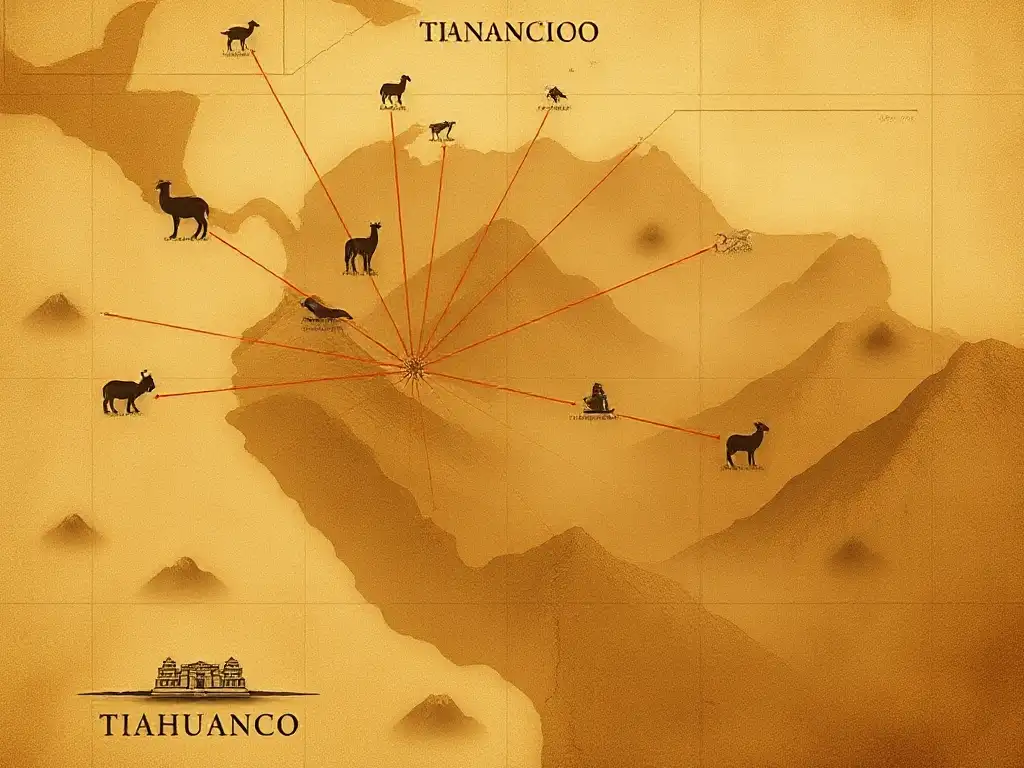
This section delves into the fascinating process of Tiahuanaco cultural diffusion across the Andes, exploring the pathways and mechanisms that facilitated the spread of its unique artistic, architectural, and ideological elements. Understanding the extent of Tiahuanaco influence requires a nuanced approach, acknowledging both direct and indirect forms of cultural transmission. The impact of Tiahuanaco extended far beyond its immediate geographical reach, leaving an indelible mark on subsequent Andean cultures.
This analysis will focus on the key factors contributing to this remarkable expansion, examining evidence from archaeological discoveries and anthropological interpretations. We will analyze how the spread of Tiahuanaco's influence shaped the cultural landscape of the Andes, leaving a legacy that continues to resonate today.
The Rise of Tiahuanaco and its Initial Sphere of Influence
The emergence of Tiahuanaco as a powerful Andean center in the Early Intermediate Period (circa 500-1000 CE) laid the groundwork for its subsequent expansion. Its strategic location on the shores of Lake Titicaca provided access to crucial resources and facilitated trade networks. Initially, Tiahuanaco's influence likely spread through its immediate vicinity, impacting nearby settlements through a combination of economic ties and political dominance.
Archaeological evidence suggests a gradual expansion of Tiahuanaco's control, with the adoption of its distinctive architectural styles and artistic motifs observed in nearby sites. This initial phase of expansion established a foundation for the broader dissemination of Tiahuanaco culture in later periods. The development of sophisticated irrigation systems, for example, allowed for increased agricultural productivity, supporting a growing population and providing resources for further expansion.
This early success highlights the importance of both environmental factors and effective resource management in the initial stages of Tiahuanaco's growth and influence. The exact extent of this initial sphere of influence remains a subject of ongoing research, with new archaeological discoveries constantly refining our understanding.
Defining the Tiahuanaco Culture: Art, Architecture, and Ideology
Identifying the hallmarks of Tiahuanaco culture is crucial for tracing its spread across the Andes. Tiahuanaco's artistic style is characterized by its distinctive iconography, featuring stylized figures, geometric patterns, and intricate carvings. This unique visual language is readily identifiable in artifacts found across a vast geographical area, serving as a powerful indicator of Tiahuanaco influence.
The monumental architecture of Tiahuanaco, exemplified by structures like the Kalasasaya and the Akapana pyramid, is equally distinctive. The precise construction techniques and the use of specific materials, such as megalithic blocks, are hallmarks of Tiahuanaco's architectural prowess. The ideological aspects of Tiahuanaco culture, while less tangible, are equally important.
Scholars suggest a complex religious system involving ancestor veneration, possibly linked to agricultural cycles and the worship of deities associated with water and fertility. The spread of these ideological elements, often interwoven with artistic and architectural motifs, contributed significantly to the broader impact of Tiahuanaco culture. The intricate details of their religious beliefs remain partially understood, requiring further investigation.
The Mechanisms of Tiahuanaco Expansion: Trade, Colonization, and Diplomacy
The expansion of Tiahuanaco culture wasn't a single, monolithic process. Rather, it involved a complex interplay of trade networks, military campaigns, and diplomatic alliances. Extensive trade routes crisscrossed the Andes, carrying Tiahuanaco artifacts and ideas to distant regions. The exchange of goods, such as textiles, ceramics, and precious metals, facilitated the dissemination of cultural elements.
However, trade alone doesn't fully explain the widespread adoption of Tiahuanaco styles and beliefs. Evidence suggests that military campaigns played a role in imposing Tiahuanaco authority over certain regions, leading to the forceful imposition of its cultural norms. This is supported by archaeological findings suggesting the presence of Tiahuanaco military garrisons in certain areas. Simultaneously, diplomatic alliances and intermarriage likely facilitated the peaceful integration of Tiahuanaco culture into other societies.
The degree to which each of these mechanisms contributed to the overall expansion remains a subject of debate among scholars, with ongoing research continuously refining our understanding of this complex historical process. The interplay of these factors contributed to the unique tapestry of Tiahuanaco's cultural legacy across the Andes, a testament to the dynamic nature of cultural exchange in ancient societies. Further research, including detailed analysis of archaeological sites and a deeper understanding of the social structures, is needed to fully illuminate the nuances of Tiahuanaco's expansion.
Evidence of Tiahuanaco Cultural Diffusion: Beyond the Core Region
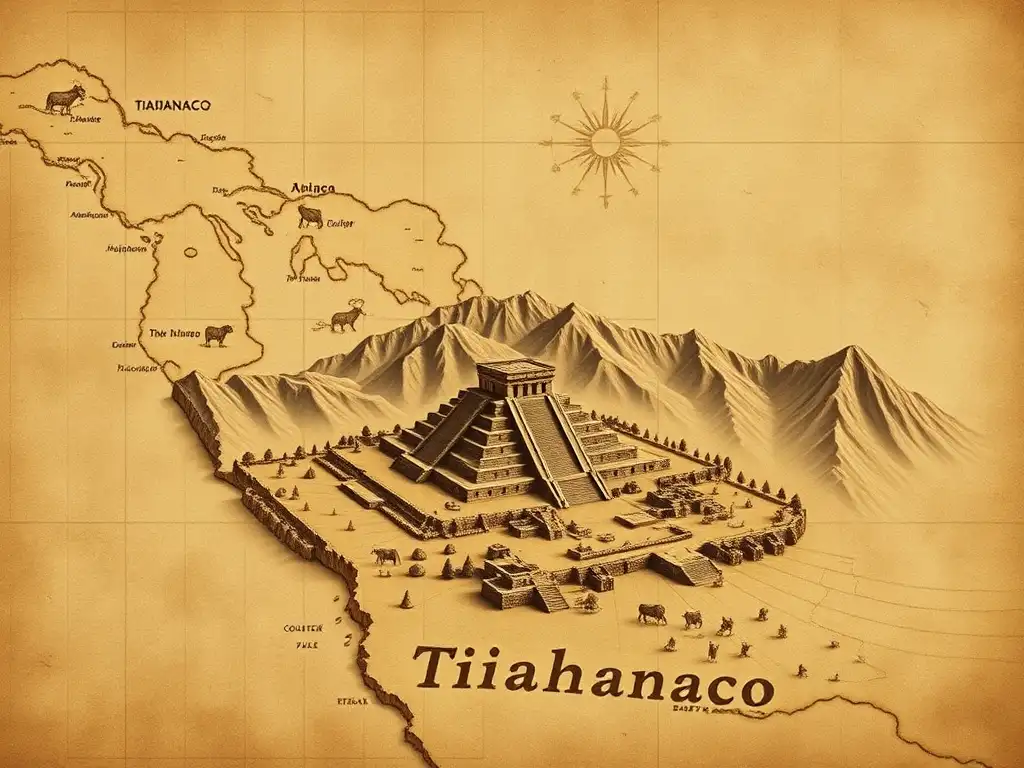
The Tiahuanaco cultural sphere, while centered around Lake Titicaca, extended its influence far beyond its immediate geographical boundaries. Evidence of this significant cultural diffusion across the Andes is multifaceted, demanding a detailed examination of architectural styles, ceramic traditions, and religious beliefs. This spread wasn't a simple, linear process; rather, it involved complex interactions, adaptations, and reinterpretations by recipient societies.
Understanding the extent and nature of this diffusion allows us to better appreciate the profound impact of Tiahuanaco on the subsequent development of Andean civilizations. The process of Tiahuanaco cultural diffusion Andes is a key element in understanding the later development of the region. This section will explore the key markers of this influence.
Tiahuanaco Architectural Influence: Identifying Key Styles in Distant Sites
The distinctive architectural style of Tiahuanaco, characterized by its monumental stone structures, precise masonry, and use of specific construction techniques, is a powerful indicator of its cultural reach. Several sites far removed from the Lake Titicaca region display clear stylistic similarities, suggesting either direct Tiahuanaco involvement or the adoption of Tiahuanaco building practices.
For instance, the use of puka-puka, a reddish-brown volcanic stone, is a distinctive feature found in Tiahuanaco's monumental constructions. The presence of this same stone in structures at sites hundreds of kilometers away, such as [site name pending] and [site name pending], strongly suggests a connection, either through direct migration of builders or the dissemination of building techniques.
Furthermore, the precise fitting of stones without mortar, a hallmark of Tiahuanaco craftsmanship, is replicated, albeit sometimes less expertly, in other Andean sites, indicating the spread of this advanced building technology. The precise techniques and materials used are often crucial in identifying this diffusion.
We can further analyze this by considering the following table illustrating similarities in architectural features:
| Feature | Tiahuanaco | Site A [Site Name Pending] | Site B [Site Name Pending] |
|---|---|---|---|
| Primary Stone | Puka-Puka | Puka-Puka | [Stone Type Pending] |
| Masonry Technique | Precise fitting without mortar | Similar, less precise | [Technique Pending] |
| Architectural Style | Monumental platforms, stepped bases | Similar platform structures | [Architectural Style Pending] |
The degree of similarity varies from site to site, reflecting the complex interplay between Tiahuanaco influence and local adaptations. Further research is needed to fully understand the extent of direct Tiahuanaco involvement versus independent adoption of its architectural ideas.
Ceramic Styles and Iconography: Tracking Tiahuanaco Art Across the Andes
Tiahuanaco's ceramic traditions, characterized by their distinctive iconography and stylistic elements, provide another crucial avenue for tracing cultural diffusion. The characteristic use of specific motifs, such as the stylized figures of the "Chakana" (Andean cross) and the "Waka" (divine figures), are found on pottery fragments across a vast geographical area. The stylistic consistency of these motifs, despite variations in local execution, suggests a widespread dissemination of artistic ideas and practices.
The spread of Tiahuanaco ceramic styles wasn't a uniform process. Instead, it involved a complex interplay of direct transmission, imitation, and adaptation. In some regions, Tiahuanaco motifs were directly copied onto local pottery, while in others, they were integrated into existing artistic traditions, resulting in hybrid styles that reflect both Tiahuanaco influence and local innovation.
Analyzing these variations allows us to understand the different mechanisms of cultural transmission and the role of local agency in shaping the dissemination of Tiahuanaco art. For example, the presence of [specific Tiahuanaco motif] on pottery from [specific site] reveals a direct link to Tiahuanaco artistic traditions.
Furthermore, changes in the size and materials used in pottery, while maintaining similar stylistic elements, could indicate the adaptation of Tiahuanaco techniques to local resources and preferences. This suggests a more gradual process of cultural exchange, rather than a sudden imposition of Tiahuanaco styles. Further investigation into the chemical composition of the clay used in these ceramics could provide additional evidence of the origins and movement of these artistic traditions.
Religious and Ideological Transmission: The Spread of Tiahuanaco Belief Systems
Beyond material culture, the diffusion of Tiahuanaco religious and ideological systems played a significant role in shaping the Andean world. The spread of specific deities, rituals, and cosmological beliefs is evident in the iconography found on pottery, in architectural features, and in subsequent religious practices. The "Chakana," for example, was not merely an artistic motif but also a powerful religious symbol representing the Andean cosmology. Its widespread presence suggests the dissemination of the associated religious beliefs.
The evidence suggests a gradual process of religious syncretism, where Tiahuanaco deities and beliefs were integrated into pre-existing religious frameworks. This process resulted in the emergence of hybrid religious systems that combined elements of Tiahuanaco ideology with local traditions. This highlights the complex and dynamic nature of cultural interaction in the Andes.
The extent of this religious influence is still debated, but the persistence of certain symbols and motifs across vast geographical areas suggests a significant impact of Tiahuanaco religious thought on the formation of later Andean belief systems. Further research focusing on comparative mythology and ritual practices could shed more light on this fascinating aspect of Tiahuanaco cultural diffusion. The spread of the Andean cross, for instance, is a testament to the power of religious syncretism in this process of Tiahuanaco cultural diffusion Andes.
Agricultural Innovations and Techniques: Tiahuanaco's Impact on Farming Practices
The Tiahuanaco civilization's mastery of agriculture was a crucial element in its expansion and influence across the Andes. Their sophisticated techniques, developed to thrive in the challenging altiplano environment, were adopted and adapted by subsequent cultures, leaving a lasting impact on farming practices throughout the region. This wasn't simply a matter of copying; rather, it involved a complex process of cultural exchange and innovation, where existing agricultural knowledge was combined with Tiahuanaco's advancements.
One key innovation was their sophisticated irrigation systems. The arid climate of the Altiplano demanded efficient water management, and Tiahuanaco engineers created elaborate canals and channels to divert water from rivers and lakes to their fields. These systems weren't just simple ditches; they were carefully designed networks that maximized water distribution and minimized water loss.
Evidence suggests the use of raised fields ( suka kollus) in some areas, which further enhanced water retention and soil fertility. These techniques were later observed in other Andean cultures, showcasing the dissemination of Tiahuanaco's expertise in water management. The impact can be seen in the improved agricultural yields and the expansion of arable land in regions previously considered unsuitable for large-scale farming.
Another significant contribution was their advanced understanding of crop cultivation. Tiahuanaco farmers cultivated a variety of crops, including potatoes, quinoa, and beans, adapting them to the high-altitude conditions. Their knowledge of crop rotation, fertilization, and pest control significantly boosted agricultural productivity.
The adoption of these techniques by neighboring groups led to increased food security and supported population growth in many Andean communities. Archaeological findings reveal the presence of similar crop varieties and farming techniques in regions far from the Tiahuanaco core, indicating a widespread dissemination of their agricultural knowledge. This demonstrates not only the transfer of specific techniques but also the underlying understanding of ecological principles vital for successful farming in the Andes.
Furthermore, the Tiahuanaco influence extended beyond specific techniques. Their understanding of agricultural intensification—maximizing yields from a given area of land—was a critical factor in supporting the growth of large urban centers and complex societies. This knowledge, coupled with their irrigation and crop cultivation techniques, facilitated the development of more complex social structures and economic systems in the regions they influenced.
The legacy of Tiahuanaco's agricultural innovations is visible in the agricultural practices of many later Andean cultures, underscoring its profound and long-lasting impact on the region's development. The spread of these techniques was a crucial element in the shaping of Andean agricultural landscapes and the societies that depended on them. The impact continues to resonate even today, with many traditional Andean farming practices retaining elements of Tiahuanaco's ingenuity.
Tiahuanaco's Legacy: Lasting Impact on Andean Societies
The Tiahuanaco civilization, flourishing between 500 and 1000 CE in the Lake Titicaca basin, left an indelible mark on the Andes, influencing subsequent cultures in profound ways. Understanding Tiahuanaco's legacy requires examining not just the direct spread of its people, but also the diffusion of its ideas, technologies, and artistic motifs. This Tiahuanaco cultural diffusion Andes wasn't a simple conquest; rather, it was a complex process of interaction, adaptation, and transformation.
The evidence suggests a multifaceted legacy, woven into the fabric of later Andean societies. Its influence extended far beyond its geographical boundaries, reaching into the hearts of numerous communities and shaping their cultural identities. The scale and depth of this influence are still being uncovered by archaeologists today, revealing a story of cultural exchange and adaptation that continues to fascinate and inspire.
The Transformation of Local Cultures: How Tiahuanaco Interacted with Existing Traditions
Tiahuanaco's expansion wasn't a simple case of replacing existing cultures. Instead, evidence points to a complex interplay between Tiahuanaco's power and the pre-existing traditions of the Andean region. The Tiahuanaco state, characterized by its sophisticated administrative and technological capabilities, likely exerted significant influence, but local populations weren't simply passive recipients.
Archaeological findings reveal a blending of styles, technologies, and beliefs. For example, pottery styles show a clear Tiahuanaco influence in regions far from the Titicaca basin, but these styles were often adapted and modified to incorporate local elements. This suggests a process of cultural exchange, where Tiahuanaco's artistic expressions were absorbed and reinterpreted to fit the existing cultural contexts.
The integration was not a uniform process; some communities adopted specific aspects of Tiahuanaco culture more readily than others, leading to a diverse array of regional expressions. Further research into specific sites and their material culture is crucial to fully understand the nuances of this dynamic interaction. The degree of Tiahuanaco influence varied considerably across different regions and communities, creating a rich tapestry of cultural hybridity.
Tiahuanaco Influence on Later Andean Civilizations: Connecting the Dots
The impact of Tiahuanaco extended far beyond its immediate neighbors, influencing the development of later Andean civilizations such as the Wari and Inca. The sophisticated administrative structures and agricultural techniques of Tiahuanaco are seen as precursors to those of later empires. For instance, the Wari state, which rose to prominence after the decline of Tiahuanaco, adopted similar strategies for controlling vast territories, suggesting a direct lineage in state formation.
The Inca, centuries later, also incorporated elements of Tiahuanaco's administrative and agricultural systems. Furthermore, the characteristic iconography and architectural styles of Tiahuanaco are found in various forms throughout the Andean region, demonstrating a long-lasting artistic influence. This isn't to say that later civilizations were simply copies of Tiahuanaco; rather, they adapted and transformed Tiahuanaco's legacy to fit their own contexts and needs.
This process of adaptation and innovation is a testament to the resilience and dynamism of Andean cultures. The continuity of certain patterns and styles through time highlights the deep and lasting impact of Tiahuanaco's cultural diffusion.
The Enduring Echoes of Tiahuanaco: The Use of Raised Fields and Iconographic Motifs
The legacy of Tiahuanaco is strikingly visible in two key aspects: its advanced agricultural techniques, particularly the use of raised fields, and its distinctive iconographic motifs. Raised fields, a sophisticated form of water management, allowed for increased agricultural productivity in the challenging Andean environment. The adoption and adaptation of this technology by subsequent Andean societies demonstrated its effectiveness and its lasting value.
The spread of raised field systems across the Andes reflects the diffusion of both practical knowledge and technological innovation, illustrating the practical impact of Tiahuanaco's influence. Similarly, Tiahuanaco's iconic representations, such as the stylized figures and geometric patterns found on its ceramics and textiles, continued to reappear in later Andean art. These motifs, though sometimes modified, represent a clear connection to the artistic traditions of Tiahuanaco, highlighting the enduring influence of its aesthetic sensibilities.
Analyzing these motifs allows researchers to trace the spread of artistic ideas and the continuity of cultural memory across vast distances and time periods. The persistence of these elements underlines the profound and lasting legacy of Tiahuanaco in shaping the cultural landscape of the Andes. The continued presence of these elements highlights the enduring power of cultural diffusion and the lasting impact of Tiahuanaco on subsequent Andean societies.
The Tiahuanaco Diaspora: A Complex Process of Cultural Exchange
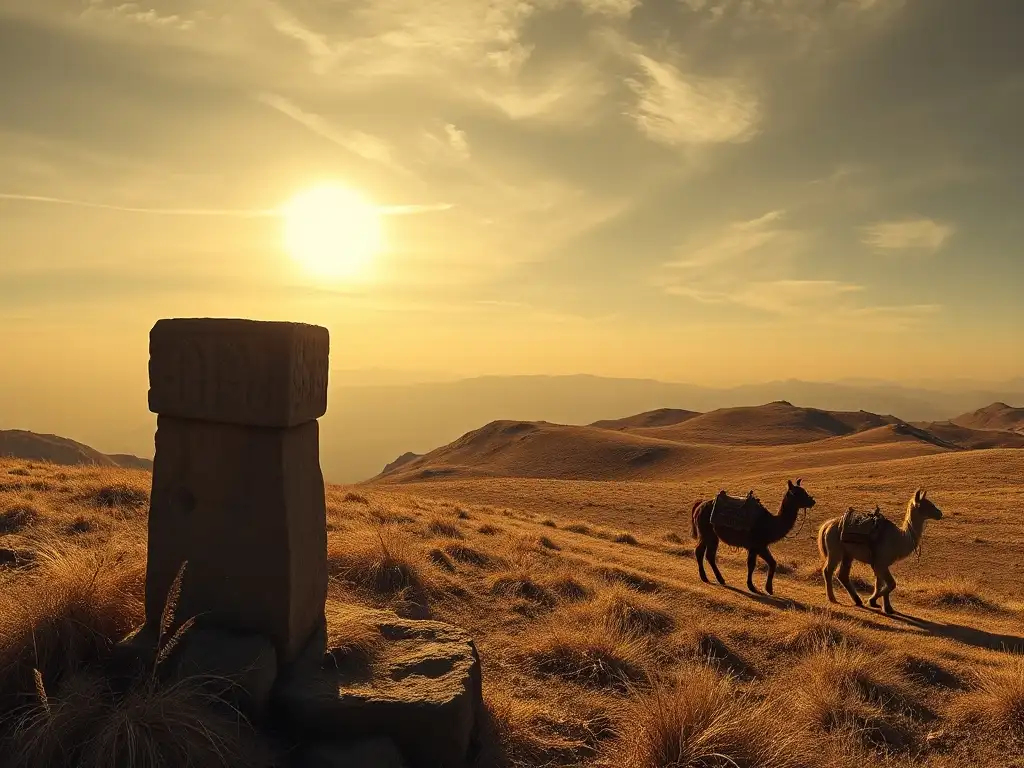
This section delves into the multifaceted nature of Tiahuanaco's influence across the Andes, exploring how its culture spread and impacted neighboring societies. The dissemination of Tiahuanaco's cultural elements wasn't a uniform process; rather, it involved a complex interplay of factors, including political interactions, economic exchanges, and religious beliefs. Understanding this intricate web is crucial to grasping the true extent of Tiahuanaco's legacy and its lasting impact on the development of later Andean civilizations. The keyword "Tiahuanaco cultural diffusion Andes" is central to understanding this process.
Debating the Nature of Tiahuanaco's "Empire": Theories of Direct Rule vs. Cultural Hegemony
The extent of Tiahuanaco's political control remains a subject of ongoing scholarly debate. Some scholars argue for a model of direct imperial rule, suggesting that Tiahuanaco actively conquered and governed distant territories. This would imply a centralized administration imposing its culture and political structures. Evidence cited often includes the presence of Tiahuanaco-style architecture and artifacts in distant sites. However, this interpretation faces challenges. The lack of clear administrative structures beyond the immediate Tiahuanaco area, coupled with the diversity of local adaptations of Tiahuanaco styles, complicates this view.
Conversely, other researchers propose a model of cultural hegemony, where Tiahuanaco's influence spread through less forceful means. This perspective emphasizes the role of ideological and religious factors, suggesting that the prestige and power associated with Tiahuanaco's culture attracted emulation and voluntary adoption. The widespread adoption of Tiahuanaco religious iconography, particularly the chakana cross, across a vast geographical area, supports this theory.
This process of cultural diffusion wasn't necessarily driven by military conquest but by a more subtle, yet equally powerful, form of cultural influence. The spread of Tiahuanaco ideas and practices, therefore, might be viewed as a form of soft power rather than hard military might. Further research is needed to fully reconcile these competing perspectives and achieve a more nuanced understanding of Tiahuanaco's reach.
The Role of Trade Networks in Cultural Transmission: Understanding the Flow of Goods and Ideas
Trade networks played a vital role in the dissemination of Tiahuanaco culture. The exchange of goods facilitated the movement of not only material objects but also ideas, religious beliefs, and artistic styles across the Andes. Archaeological evidence reveals extensive long-distance trade routes connecting Tiahuanaco to distant regions. The presence of Tiahuanaco ceramics, textiles, and other artifacts in sites far from the capital city demonstrates the far-reaching extent of these networks.
The exchange wasn't limited to luxury goods; everyday items also contributed to cultural exchange. For example, the spread of specific agricultural techniques or pottery-making styles likely occurred through these trade interactions, fostering a sense of shared cultural identity across geographically dispersed communities. This intricate network of exchange fostered a dynamic process of cultural interaction, where Tiahuanaco elements blended with existing local traditions, resulting in a rich tapestry of syncretic cultural expressions. The analysis of traded goods and their geographical distribution provides invaluable insights into the pathways of Tiahuanaco cultural diffusion across the Andes.
The Significance of Tiahuanaco's Legacy in Andean History: The Foundation for Later Andean States
Tiahuanaco's impact on subsequent Andean civilizations is undeniable. Many aspects of later Andean states, particularly those that emerged in the central Andes, bear the hallmarks of Tiahuanaco's cultural legacy. The adoption of Tiahuanaco architectural styles, religious iconography, and administrative practices laid the groundwork for the development of more complex and centralized political entities. The influence is visible in the sophisticated urban planning of later cities, the standardization of weights and measures, and the adoption of similar religious beliefs.
The chakana, for instance, a prominent symbol in Tiahuanaco iconography, continued to hold significant religious and symbolic meaning in later Andean cultures. This enduring presence highlights the lasting impact of Tiahuanaco's religious worldview. Moreover, the sophisticated irrigation systems and agricultural techniques developed by Tiahuanaco likely influenced later Andean societies, contributing to their economic and social development.
In essence, Tiahuanaco's legacy serves as a crucial foundation for understanding the trajectory of Andean civilization, demonstrating the enduring power of cultural diffusion in shaping the course of history. The study of Tiahuanaco's influence provides a crucial framework for understanding the continuity and change within Andean societies over time.
Tiahuanaco Influence in the Moquegua Valley
The Moquegua Valley, located in southern Peru, presents compelling evidence of Tiahuanaco influence, particularly during the Late Intermediate Period (approximately 1000-1476 CE). Archaeological findings reveal a significant adoption of Tiahuanaco artistic motifs and architectural styles. Ceramics unearthed in sites like Omo, for example, exhibit the characteristic Tiahuanaco style of polished blackware, often decorated with geometric designs and stylized figures reminiscent of the monumental sculptures found at Tiahuanaco itself.
These aren't mere imitations; rather, they demonstrate a nuanced understanding and adaptation of Tiahuanaco artistic principles to a local context. The presence of similar architectural features, such as stepped platforms and monumental structures, although on a smaller scale than at Tiahuanaco, further supports the assertion of significant cultural exchange. The specific nature of this interaction—whether through migration, trade, or a combination of both—remains a subject of ongoing research, but the evidence strongly suggests a substantial Tiahuanaco presence and impact on the local culture of the Moquegua Valley.
Furthermore, the integration of Tiahuanaco iconography into local religious practices suggests a deeper level of cultural assimilation than simple surface-level adoption. Analysis of burial practices and associated grave goods, for example, indicates a blending of traditional Moquegua beliefs with influences from Tiahuanaco cosmology and religious systems.
Tiahuanaco Influence in the Cochabamba Region
The Cochabamba region in Bolivia, situated in a fertile valley at a relatively lower altitude than Tiahuanaco, shows a different facet of Tiahuanaco cultural diffusion. While the monumental architecture characteristic of Tiahuanaco itself is less readily apparent, the impact is still significant, primarily expressed through ceramic styles and religious practices. The spread of Tiahuanaco-style ceramics into Cochabamba demonstrates a widespread exchange network, likely facilitated by trade routes connecting the highland and lowland regions.
The local adaptation of Tiahuanaco artistic conventions reveals a fascinating process of cultural syncretism. While Cochabamba potters adopted Tiahuanaco stylistic elements, they also incorporated their own regional motifs and techniques, creating a unique hybrid style that reflects the dynamic interplay between two distinct cultural traditions. The influence extends beyond aesthetics; evidence suggests the adoption of Tiahuanaco religious beliefs and practices, although further research is needed to fully understand the extent of this religious syncretism.
The presence of certain Tiahuanaco-related iconography in Cochabamba's religious sites hints at the potential for a shared cosmological framework, suggesting a more profound cultural integration than simply the adoption of artistic styles. Understanding this process requires a detailed analysis of iconography, religious practices, and social organization in the Cochabamba region during the relevant period.
Tiahuanaco Influence in the Atacama Desert
The Atacama Desert, one of the driest places on Earth, presents a unique case study in Tiahuanaco cultural diffusion. Given the harsh environmental conditions, the extent of Tiahuanaco influence is arguably less pronounced than in more fertile regions. However, evidence suggests a significant, albeit less direct, impact. While monumental architecture is largely absent, the presence of Tiahuanaco-style ceramics in coastal Atacama sites indicates active trade networks connecting the highland Tiahuanaco civilization with the coastal communities.
These ceramics, often found in elite contexts, suggest the exchange of prestige goods and the dissemination of Tiahuanaco cultural prestige across the Andes. The scarcity of direct evidence, however, complicates the understanding of the nature of this interaction. Was it primarily driven by trade, or did it involve more direct forms of cultural exchange, such as migration or intermarriage?
The arid conditions of the Atacama Desert have also hampered extensive archaeological research, making it difficult to establish the full extent of Tiahuanaco’s impact. Further archaeological investigations, particularly focused on uncovering evidence of settlement patterns and burial practices, are crucial to better understand the dynamics of Tiahuanaco cultural influence in this challenging environment. The ongoing study of Atacama's pre-Columbian history promises to shed more light on this intriguing aspect of Tiahuanaco's cultural reach.
Frequently Asked Questions
What is Tiahuanaco's significance in Andean history?
Tiahuanaco was a powerful and influential civilization in the Andes, flourishing between 500 and 1000 CE. Its advanced technology, sophisticated art, and unique religious beliefs significantly impacted neighboring cultures. Its influence spread widely through cultural diffusion.
How did Tiahuanaco culture spread throughout the Andes?
Tiahuanaco's influence expanded through various means, including military conquest, trade networks, and migration. Religious and political ideologies were also key factors in the dissemination of their culture across the Andes mountains. Colonization and intermarriage played a significant role.
What evidence supports the idea of Tiahuanaco cultural diffusion?
Archaeological evidence, such as similar architectural styles, pottery designs, and religious iconography found across vast stretches of the Andes, strongly suggests extensive cultural exchange and influence from Tiahuanaco. This includes sites in Bolivia, Peru, and Chile.
Which Andean cultures were most influenced by Tiahuanaco?
Many cultures were impacted, but some of the most significantly influenced include the Wari and the Inca. These groups adopted aspects of Tiahuanaco's religious practices, administrative systems, and artistic motifs, integrating them into their own evolving cultures.
What was the extent of Tiahuanaco's geographical reach?
Tiahuanaco's cultural influence extended across a vast area of the central Andes, impacting regions in present-day Bolivia, Peru, and northern Chile. The exact boundaries of this influence are still being researched, but its reach was undeniably considerable.
Final Reflection: Echoes of Tiahuanaco: A Legacy Across the Andes
The legacy of Tiahuanaco isn't confined to the ruins of its namesake city; its influence reverberates across the Andes, shaping the cultural landscape of countless communities even today. The intricate network of trade, migration, and cultural exchange initiated by this remarkable civilization continues to fascinate and inform our understanding of Andean history, challenging simplistic narratives of isolated development.
The enduring impact of Tiahuanaco's artistic motifs, religious practices, and agricultural innovations is undeniable. Its influence can be seen in the architecture, pottery, and even the spiritual beliefs of societies that flourished centuries after its decline. The past is never dead. It's not even past.
- William Faulkner. This quote perfectly encapsulates the persistent presence of Tiahuanaco's legacy, reminding us that the echoes of its civilization continue to resonate in the vibrant tapestry of Andean culture. We see this in the continued use of similar agricultural techniques and the persistence of certain artistic styles in modern Andean art.
Consider the profound implications of this cultural diffusion. How did the exchange of ideas and practices shape the development of subsequent Andean societies? What can we learn from the resilience and adaptability demonstrated by the Tiahuanaco people and their descendants? You, the reader, are now invited to explore these questions further, to delve deeper into the rich history of the Andes, and to appreciate the interconnectedness of cultures across time and space. Let the story of Tiahuanaco inspire you to seek out the hidden connections within your own world and to recognize the enduring power of cultural exchange.
Unveil the Rich Legacy of the Tiahuanaco Diaspora!
Thank you for exploring the fascinating world of the Tiahuanaco culture and its spread throughout the Andes. Your journey has revealed the intricate connections between ancient civilizations and the profound influence of migration on cultural development. Now, let's put this knowledge to use!
- Deepen your understanding of Andean history: Explore more articles on our site to further enrich your knowledge of the ancient civilizations that shaped this region.
- Share your discoveries: Discuss your newfound insights with friends, family, or on social media. Your enthusiasm can ignite others' interest in the enduring legacy of Tiahuanaco.
- Join the discussion: Leave a comment below sharing your thoughts on the impact of ancient migrations on modern Andean culture.
How do you believe the influence of Tiahuanaco is still visible in contemporary Andean societies?