
The Inca Practice of Pilgrimage to Holy Sites

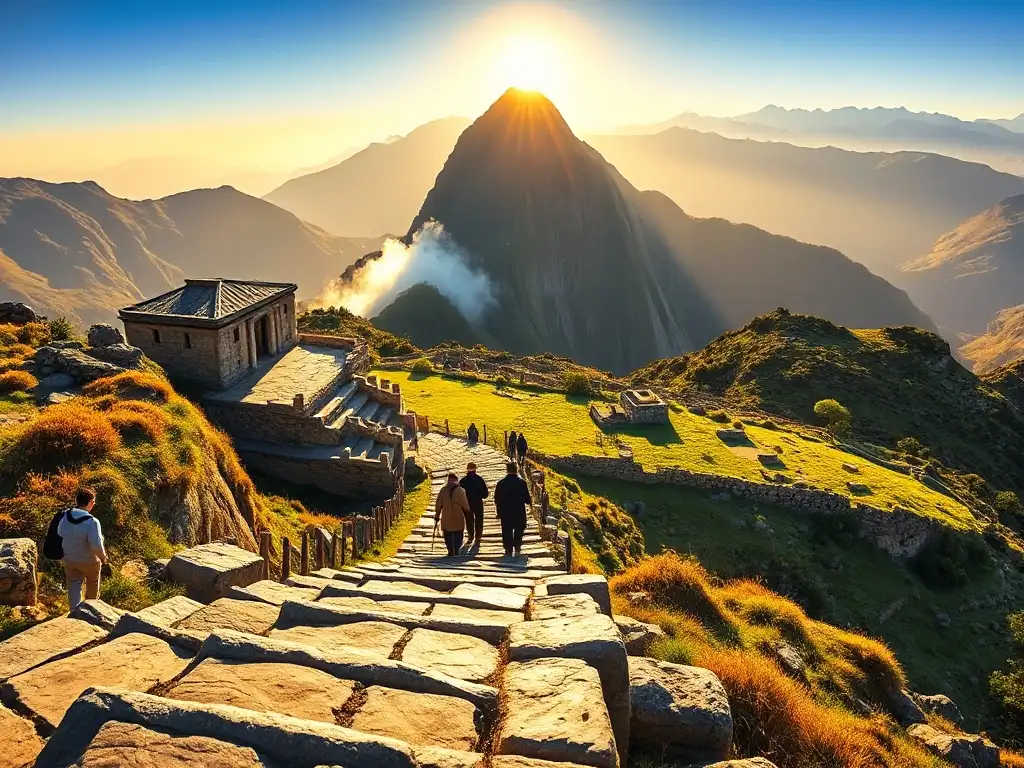
Uncover the mysteries of the Andes! Journey with us through time to explore the breathtaking ingenuity and spiritual depth of the ancient Andean civilizations. But prepare to be captivated by something truly extraordinary: the sacred pathways and hidden power of Inca pilgrimage sites. Their significance went far beyond mere travel; discover the secrets they held, and the enduring legacy they leave behind. Dare to delve deeper into this fascinating world?
The Inca Empire, renowned for its sophisticated engineering and intricate social structures, possessed a deeply spiritual worldview that permeated every aspect of life. Central to this worldview was the practice of pilgrimage to sacred sites, a complex system of religious journeys undertaken for various reasons, from personal devotion to communal celebrations.
This article delves into the fascinating world of Inca pilgrimage, exploring the motivations behind these arduous treks, the significance of the destinations, and the lasting impact of this religious practice on Inca society and its enduring legacy. We will examine key Inca pilgrimage sites, shedding light on their religious importance and the rituals performed there, ultimately providing a comprehensive understanding of the role of pilgrimage in shaping Inca culture and belief systems.
Understanding these sacred journeys provides invaluable insight into the heart of Inca spirituality and its profound influence on their civilization. This exploration will focus on the keyword "Inca pilgrimage sites" to help you navigate this captivating subject.
Understanding Inca Sacred Journeys
Inca pilgrimage wasn't simply a matter of travel; it was a deeply spiritual undertaking, often involving long and difficult journeys across challenging Andean terrain. Participants, ranging from individuals seeking personal blessings to large groups participating in communal rites, faced considerable physical hardship. These journeys, however, were viewed as acts of devotion, a way to honor the apus (mountain gods) and other deities crucial to Inca cosmology.
The arduous nature of the pilgrimage itself was believed to hold spiritual significance, demonstrating commitment and strengthening the connection between the pilgrim and the divine. Evidence suggests that these journeys were carefully planned, with provisions and resting places strategically located along the routes. The paths themselves, often traversing high mountain passes and treacherous landscapes, became sacred spaces, imbued with spiritual power.
Many routes were likely associated with specific deities or events, adding another layer of significance to the pilgrimage. The preparation for these journeys, including fasting and ritual cleansing, also underscores their spiritual importance.
The motivations for undertaking these journeys were diverse. Some pilgrims sought cures for illnesses, believing the sacred sites possessed healing powers. Others sought divine guidance or blessings for important life events, such as marriage or the harvest. Still others participated in communal pilgrimages, often associated with significant festivals or agricultural cycles.
These group pilgrimages served to strengthen community bonds and reinforce shared religious beliefs. Archaeological discoveries, such as the remains of resting places and offerings along pilgrimage routes, further illuminate the practices and beliefs surrounding these sacred journeys. The sheer scale and organization of these pilgrimages highlight the central role religion played in Inca society.
The Significance of Pilgrimage in Inca Culture
Pilgrimage was inextricably linked to the Inca worldview, reinforcing the hierarchy of the cosmos and the relationship between the human and divine realms. Sacred sites, often located in geographically significant areas like mountain peaks or springs, were considered places of immense spiritual power, where the veil between the human and spiritual worlds was thin. These places weren't merely geographic locations; they were considered portals to the divine, places where communication with the apus and other deities was believed to be possible.
The pilgrimage itself was a ritualized journey, involving specific practices and offerings designed to appease the deities and gain their favor. This included offerings of coca leaves, llama sacrifices (in some cases), and other precious objects.
The Inca Empire's vast road network, the Qhapaq Ñan, played a crucial role in facilitating pilgrimage. This intricate system of roads connected numerous sacred sites, allowing pilgrims to travel safely and efficiently across the empire. The presence of tambos (roadside inns) along these routes provided places to rest and replenish supplies, further emphasizing the importance of these journeys.
The integration of pilgrimage into the Inca state's infrastructure underlines its significance as a key component of Inca religious and social life. The enduring legacy of these pilgrimage routes and sacred sites continues to resonate today, offering a tangible link to the rich spiritual traditions of the Inca Empire. The precise locations and rituals associated with many Inca pilgrimage sites remain subjects of ongoing research, but the overall significance of pilgrimage in Inca culture is undeniable, revealing a society deeply connected to its spiritual beliefs and the power of sacred places.
Key Inca Pilgrimage Destinations
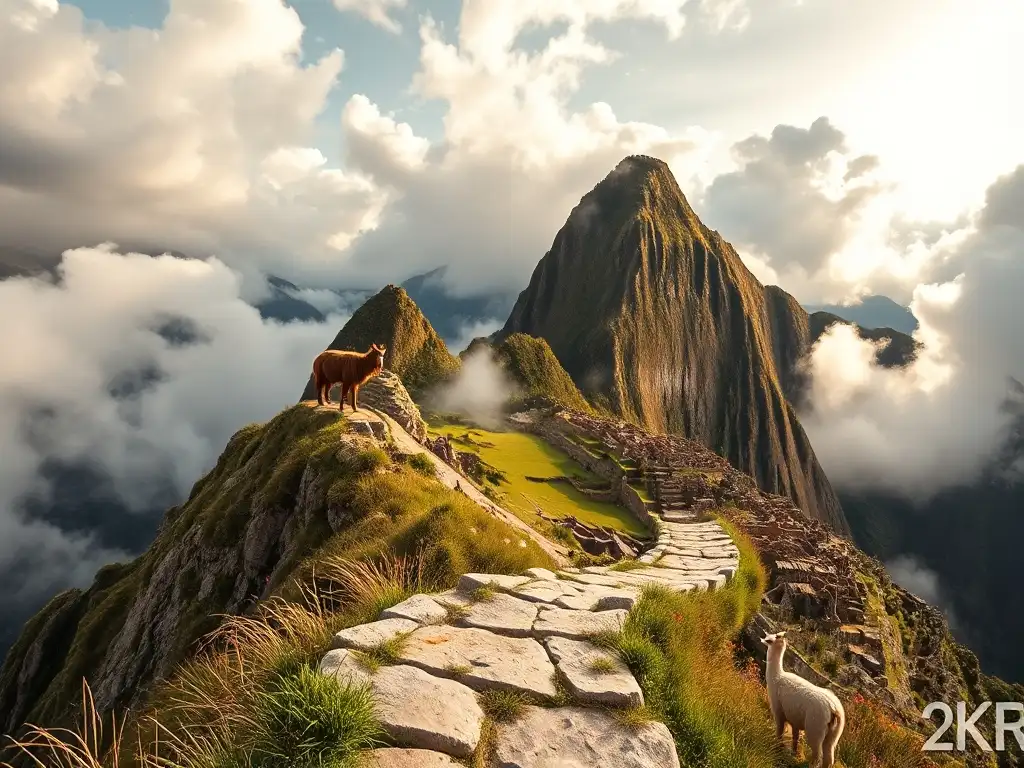
The Inca Empire, renowned for its sophisticated infrastructure and administrative prowess, also possessed a deeply spiritual worldview. Central to their religious practices was the concept of huacas, sacred places imbued with spiritual power. These huacas weren't merely geographical locations; they were considered living entities, actively participating in the cosmic order. Pilgrimage to these sacred sites was a crucial aspect of Inca religious life, fostering a connection between the earthly and spiritual realms and reinforcing the Inca worldview.
This practice, deeply ingrained in Inca society, involved arduous journeys undertaken by individuals and groups alike, demonstrating the profound importance of these destinations. Understanding the significance of these pilgrimage sites is key to comprehending the intricacies of Inca religion and its influence on the empire's social structure. The most important Inca pilgrimage sites were carefully chosen, often based on geographical features, astronomical alignments, or historical significance.
The sheer number of people undertaking these pilgrimages underscores their significance in Inca culture and belief systems. The frequency and intensity of these journeys also varied depending on the specific huaca and the occasion. Many sites saw annual pilgrimages, while others were visited only during specific festivals or times of crisis.
The Importance of Huacas in Inca Religious Practice
The concept of huacas is fundamental to understanding Inca pilgrimage. These sacred places, ranging from mountains and caves to springs and rocks, were believed to be inhabited by spirits or deities. Inca cosmology viewed the world as interconnected, with the huacas acting as focal points of this interconnectedness. They were not simply venerated; they were actively engaged with through offerings, prayers, and rituals.
Pilgrimages to these huacas were not merely acts of devotion; they were essential for maintaining the cosmic balance and ensuring the prosperity of the empire. The offerings made at these sites were diverse, ranging from agricultural products and textiles to precious metals and human sacrifices (in certain cases, though this is a matter of ongoing scholarly debate). The act of pilgrimage itself was considered a form of offering, demonstrating the pilgrim's devotion and commitment to the Inca religious system.
The physical journey, often challenging and demanding, mirrored the spiritual journey of connecting with the divine. Archaeological evidence, such as the remains of pilgrimage trails and the artifacts found at these sites, provides invaluable insights into the practices and beliefs surrounding Inca pilgrimage to huacas. The meticulous planning and organization involved in these journeys reflect the importance placed on these religious practices within the Inca social structure.
Coricancha: The Golden Temple and a Site of Pilgrimage
Coricancha, located in Cusco, the capital of the Inca Empire, was arguably the most significant huaca in the entire realm. This "Golden Enclosure" was not just a temple; it was the center of the Inca religious world, a place where the sun god, Inti, was especially revered. Its walls were adorned with gold plates, and its significance transcended mere material wealth; it symbolized the power and authority of the Sapa Inca, the emperor. The temple served as a major pilgrimage site, attracting people from across the empire.
Pilgrims came to pay homage to Inti, to seek blessings, and to participate in religious ceremonies. The rituals performed at Coricancha were elaborate and highly structured, reflecting the sophisticated religious organization of the Inca state. While specific details of these rituals remain somewhat elusive, archaeological findings and historical accounts offer glimpses into the grandeur and significance of these ceremonies.
The sheer scale of the Coricancha complex further underscores its importance as a pilgrimage site and a central location for Inca religious practices. The intricate design and the use of gold and other precious materials highlight the immense value placed on this sacred site. The building itself became a representation of the Inca's understanding of the cosmos and their place within it.
Pachacamac: Coastal Oracle and Pilgrimage Center
Located on the coast, Pachacamac was another extremely important pilgrimage site, though of a different character than Coricancha. Unlike the sun-focused worship of Coricancha, Pachacamac was associated with an earth deity, also named Pachacamac, considered a powerful oracle. People from across the Andes, even those who were not part of the Inca Empire, came to this site seeking guidance and prophecies. The location, overlooking the Pacific Ocean, added to its mystical aura.
The oracle's pronouncements were believed to have significant influence on political and agricultural decisions. Pachacamac's status as a pilgrimage center predated the Inca, with evidence suggesting its importance dating back centuries. The Incas, recognizing its power and influence, incorporated Pachacamac into their own religious system, further solidifying its role as a major pilgrimage destination.
The architectural remains at Pachacamac showcase the diverse styles and influences that converged at this important coastal center. The integration of Pachacamac into the Inca religious landscape demonstrates the Inca's ability to adapt and incorporate pre-existing religious beliefs and practices into their own system, thereby enhancing their control and influence across the vast Andean region. The diversity of pilgrims at Pachacamac highlights the significance of this site as a pan-Andean religious center, transcending the boundaries of the Inca Empire itself.
Lake Titicaca: A Sacred Site for Inca Pilgrims
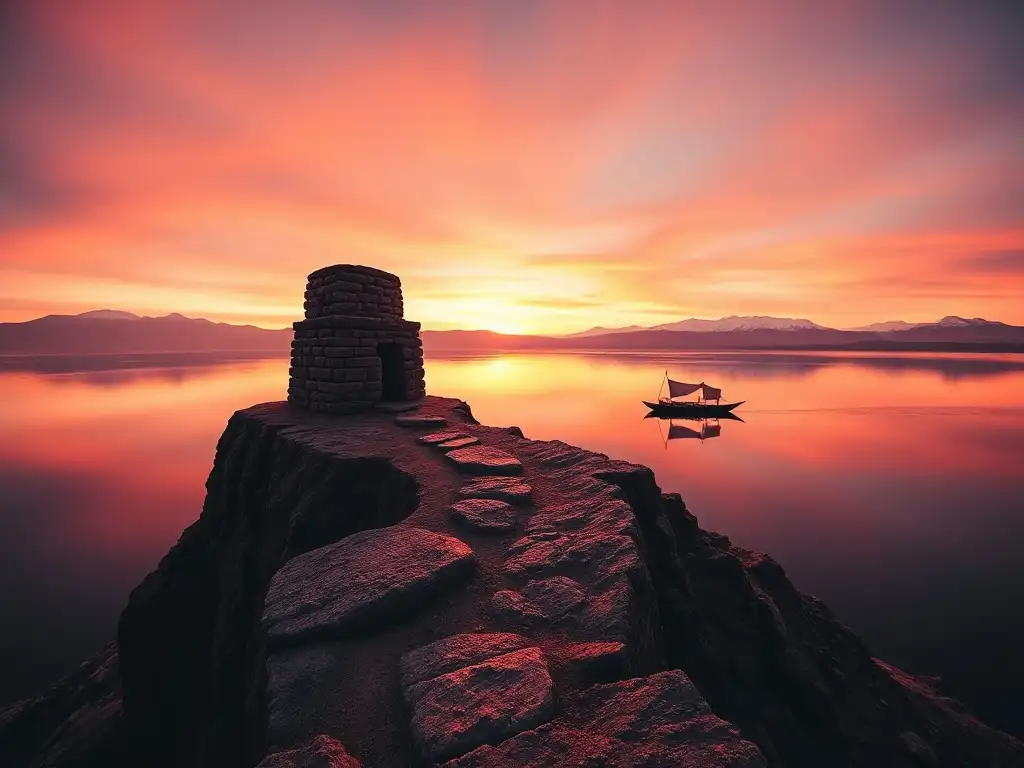
Lake Titicaca, the highest navigable lake in the world, held immense spiritual significance for the Inca. Its vastness, its islands, and the unique ecosystem fostered a deep reverence within Inca cosmology. Pilgrims journeyed to Lake Titicaca not just for its breathtaking beauty, but also for its perceived connection to the divine. The lake was believed to be the birthplace of the Inca civilization, a source of life and fertility.
Numerous legends and myths surround its origins, further cementing its sacred status. The floating islands of Uros, constructed from reeds, served as a testament to human ingenuity and adaptability, demonstrating a harmonious relationship between people and nature, a key theme in Inca spirituality. These islands, themselves, were considered sacred spaces, and the rituals performed there were deeply connected to the life-giving waters of the lake. The journey to Lake Titicaca was often a challenging one, highlighting the devotion of pilgrims who sought spiritual renewal and connection to the divine at this sacred site.
Archaeological evidence reveals remnants of Inca structures and ceremonial sites around the lake, further supporting its importance as a major pilgrimage destination. The Inca believed that the spirits of their ancestors resided in the lake, emphasizing the importance of ancestral veneration within their religious practices. Many Inca pilgrimage sites, including those around Lake Titicaca, served as places of both worship and renewal.
Ollantaytambo: A Gateway to Sacred Mountains
Ollantaytambo, a remarkably preserved Inca site nestled in the Sacred Valley, served not only as a significant administrative and agricultural center but also as a crucial gateway to the sacred mountains that dominated the landscape. Its imposing stone structures, strategically positioned amidst breathtaking Andean scenery, suggest a deliberate connection between the earthly realm and the spiritual world. The site's location at the foot of towering peaks, often shrouded in mist and considered the dwelling places of powerful deities, indicates its importance as a point of transition and preparation for mountain pilgrimages.
Pilgrims would have passed through Ollantaytambo before undertaking arduous treks to higher altitudes, seeking spiritual enlightenment and communion with the mountain spirits. The meticulously crafted terraces, agricultural ingenuity reflecting the Inca's deep respect for the land, also served as a testament to their connection to the natural world. The intricate network of pathways leading from Ollantaytambo into the mountains further suggests a carefully planned system for guiding pilgrims on their sacred journeys.
The powerful symbolism of the mountains, seen as sources of life and energy, and the strategic placement of Ollantaytambo as a threshold, underscore its role as a crucial pilgrimage site within the Inca Empire. The impressive ruins themselves, a testament to Inca architectural prowess, reinforce the site's importance as a sacred and significant location.
Mount Ausangate: A Mountain Pilgrimage Destination
Mount Ausangate, a majestic peak in the Andes, holds a central position in Andean cosmology and was a significant pilgrimage site for the Inca. This towering mountain, often covered in snow and ice, was considered an apu, a powerful mountain spirit, embodying the divine power of nature. Pilgrimages to Ausangate were arduous undertakings, requiring significant physical and spiritual preparation. Pilgrims would undertake long journeys, often enduring challenging terrain and harsh weather conditions, demonstrating their unwavering devotion.
The journey itself was seen as a spiritual process, a test of faith and endurance. The rituals performed on the mountain included offerings of coca leaves, food, and other items, intended to appease the apu and secure blessings. Ausangate’s significance extends beyond the Inca; it continues to hold deep spiritual meaning for indigenous communities in the region today.
The vibrant colors of the mountain, its glaciers, and the surrounding landscape all contribute to its mystical aura and its enduring power as a place of pilgrimage. Evidence suggests that specific routes and ceremonial sites were established along the pilgrimage paths, highlighting the structured nature of these religious journeys. The enduring legacy of Mount Ausangate as a sacred site underscores the deep reverence the Inca held for the natural world and their belief in the spiritual power of the mountains.
The Rituals and Practices of Inca Pilgrimage
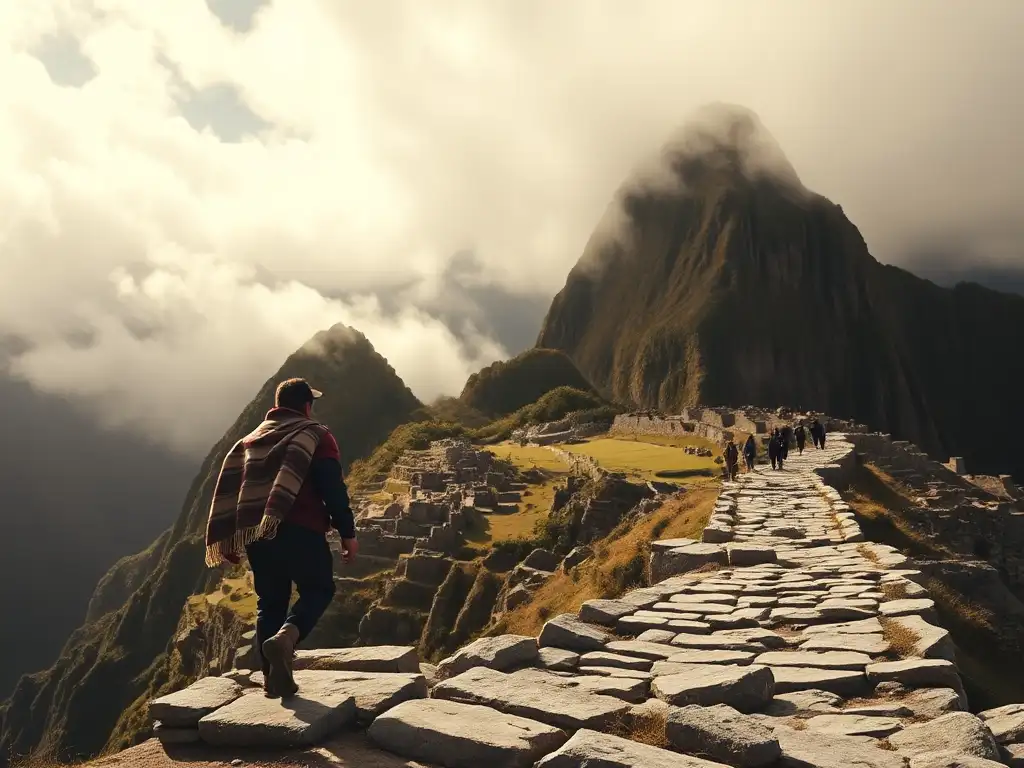
This section delves into the specific rituals and practices associated with Inca pilgrimages to their sacred sites. Understanding these details provides a richer appreciation for the profound religious significance these journeys held within Inca society. The Inca belief system deeply intertwined the physical world with the spiritual realm, and pilgrimages served as a crucial conduit between the two. The meticulous preparations, offerings, and priestly involvement all contributed to the power and purpose of these sacred journeys. Analyzing these elements offers a glimpse into the complexity and depth of Inca religious life, enriching our understanding of "Inca pilgrimage sites."
Preparations for the Inca Sacred Journey
Pilgrimages weren't spontaneous events; they were meticulously planned and involved significant preparation. Individuals, or groups undertaking a pilgrimage, would often begin months in advance. This involved physical preparation, ensuring they were fit enough for the often arduous journey to remote, high-altitude Inca pilgrimage sites.
Dietary restrictions were likely implemented, focusing on foods believed to enhance spiritual purity and stamina. The creation and gathering of offerings – a crucial aspect of the pilgrimage – also demanded time and effort. These offerings, discussed in more detail below, were not merely material goods; they represented a profound commitment and act of devotion.
Furthermore, spiritual preparation was likely undertaken, involving fasting, prayer, and possibly ritual cleansing ceremonies to ensure a spiritually pure state for the journey. Evidence suggests that specific prayers and incantations were learned and practiced before embarking on the pilgrimage. The entire process was a holistic endeavor, encompassing physical, mental, and spiritual readiness.
Offerings and Ceremonies at Inca Holy Sites
Upon reaching their destination – whether a mountain summit like Ausangate or a significant archaeological site like Machu Picchu – pilgrims engaged in elaborate ceremonies and presented offerings to the apus (mountain spirits) or other deities associated with the specific location. These offerings varied greatly, ranging from coca leaves and chicha (a fermented corn beverage) – common offerings throughout Inca society – to more elaborate items like textiles, gold and silver ornaments, and even animal sacrifices in certain cases. The quantity and type of offering likely reflected the pilgrim's status, devotion, or the perceived importance of the specific deity or apu.
Archaeological findings at numerous Inca pilgrimage sites support this, revealing caches of offerings carefully placed in designated areas. The ceremonies themselves likely involved prayers, songs, and possibly ritual dances. The specific rituals varied depending on the site and the deity being honored, but the overarching intention was to establish a connection with the spiritual realm and gain divine favor or blessings.
The act of making the pilgrimage itself was also considered an offering, a demonstration of devotion and commitment to the Inca faith. The placement of offerings, often in carefully constructed niches or caves, demonstrates a deliberate and ritualistic approach to communicating with the spirit world.
The Role of Inca Priests in Pilgrimages
Inca priests, or paqoq, played a vital role in organizing and leading many pilgrimages. They were not merely spiritual guides; they possessed specialized knowledge of sacred sites, rituals, and the intricacies of Inca cosmology. Their involvement ensured the proper conduct of ceremonies and the appropriate presentation of offerings.
They likely interpreted signs and omens, offering guidance and interpreting the will of the gods. The paqoq’s expertise was crucial, particularly during complex ceremonies or when dealing with potentially dangerous or sacred spaces. Their presence lent legitimacy and authority to the pilgrimage, reinforcing its religious significance.
While individual pilgrimages could occur, the involvement of paqoq suggests a level of organized religious activity, indicating a structured and hierarchical approach to Inca religious practice. Their knowledge and skills were essential for maintaining the integrity and continuity of Inca religious traditions and ensuring the effectiveness of the pilgrimage as a means of communicating with the spiritual world. The influence of the paqoq extended beyond the ceremonies themselves, shaping the preparation and even the selection of pilgrimage destinations.
Inca pilgrimages were far more than individual spiritual journeys; they profoundly impacted Andean society in numerous ways. The sheer scale of these events, often involving thousands of participants traveling considerable distances, fostered a strong sense of community and shared identity. The arduous journeys themselves served as a unifying experience, forging bonds between individuals from different regions and social strata who might not otherwise have interacted. Stories and experiences shared along the pilgrimage routes reinforced a collective narrative and strengthened social cohesion within the Inca Empire.
Furthermore, pilgrimages played a vital role in maintaining the political power of the Inca state. The elaborate organization and logistical support required for these massive movements demonstrated the Inca's administrative prowess and control over resources. By sponsoring and managing pilgrimages, the Inca rulers reaffirmed their authority and legitimacy, showcasing their ability to mobilize and provide for their subjects. The successful completion of a pilgrimage, often culminating in a grand festival at the sacred site, served as a powerful display of Inca power and control.
The economic impact of pilgrimages was also significant. The movement of large populations generated considerable demand for goods and services along the pilgrimage routes. This stimulated trade and economic activity in the regions traversed, supporting local economies and reinforcing the Inca's centralized economic system. The construction and maintenance of infrastructure, such as roads and resting places, associated with pilgrimage routes also provided employment and contributed to the overall economic prosperity of the empire. The exchange of goods and ideas during pilgrimages also facilitated cultural diffusion and the standardization of practices throughout the vast Inca territory.
Finally, Inca pilgrimages contributed to the preservation and transmission of religious knowledge and traditions. The pilgrimage routes themselves often incorporated significant ceremonial sites and landscapes, which served as living repositories of Inca religious beliefs and practices. The act of pilgrimage, the rituals performed at sacred sites, and the stories shared along the way ensured the continuity of religious traditions across generations.
This helped maintain the ideological unity and stability of the Inca Empire, strengthening its social fabric through shared beliefs and practices. The transmission of these beliefs and practices from generation to generation, reinforced through these pilgrimages, demonstrates the enduring power of Inca religious traditions and their significant social impact.
The Legacy of Inca Pilgrimage
The Inca Empire, renowned for its sophisticated infrastructure and intricate social structure, also possessed a deeply spiritual worldview. Inca religion was inextricably linked to the landscape, with numerous sacred sites scattered throughout the vast empire. Pilgrimage to these locations formed a crucial aspect of Inca religious practice, reflecting a profound connection between the human and divine realms.
These pilgrimages weren't merely journeys; they were acts of devotion, often involving arduous treks across challenging terrain, demonstrating the unwavering faith of the pilgrims. The legacy of these pilgrimages continues to resonate in modern Andean culture, influencing both spiritual practices and tourism. Understanding the historical context of Inca pilgrimage sites offers crucial insight into the complexities of Inca religion and its enduring impact.
Inca Sacred Sites Today: Preservation and Tourism
The preservation of Inca pilgrimage sites presents a complex challenge. Many sites, having endured centuries of exposure to the elements and, in some cases, deliberate destruction following the Spanish conquest, are in various states of disrepair. However, significant efforts are underway to protect and restore these invaluable historical and cultural assets. Archaeological research plays a vital role in understanding the sites' original layouts and functions, informing restoration projects.
Simultaneously, the burgeoning tourism industry presents both opportunities and threats. While tourism provides crucial funding for preservation efforts and raises awareness of Inca heritage, it also risks damaging the delicate ecosystems surrounding these sacred spaces. Sustainable tourism practices are essential to ensure that these sites remain accessible for future generations without compromising their integrity.
Careful management of visitor numbers, the implementation of strict guidelines regarding site access, and the development of educational programs for tourists are crucial steps in achieving this balance. For example, Machu Picchu, arguably the most famous Inca site, demonstrates the success of such a strategy. The implementation of strict regulations on visitor numbers and the ongoing conservation efforts have ensured its preservation while allowing for responsible tourism.
The Enduring Spiritual Significance of Inca Pilgrimage
Despite the passage of centuries and the imposition of different religious beliefs, the spiritual significance of Inca pilgrimage sites persists in modern Andean culture. Many indigenous communities continue to make pilgrimages to these locations, blending ancient traditions with contemporary expressions of faith. These pilgrimages are not merely historical reenactments; they are living expressions of a continuous spiritual connection to the ancestral past.
The sites themselves remain imbued with a palpable sense of sacredness, serving as focal points for prayer, ritual offerings, and communal gatherings. Indigenous knowledge keepers play a crucial role in maintaining and transmitting the traditions associated with these sites, ensuring the continuity of spiritual practices.
For instance, the annual pilgrimage to the mountain Ausangate in the Andes is an example of the persistence of this spiritual significance, where thousands of people gather to pay homage to the mountain spirit. This enduring spiritual connection highlights the resilience of Andean cultural heritage and the enduring power of Inca religious beliefs.
How Inca Pilgrimage Influences Modern Andean Culture
The legacy of Inca pilgrimage is a multifaceted one, deeply entwined with the spiritual, cultural, and economic fabric of modern Andean society. Understanding this legacy provides valuable insights into the resilience and adaptability of Andean culture.
Frequently Asked Questions
What were the most important Inca pilgrimage sites?
The most important Inca pilgrimage sites included sacred mountains like Huayna Picchu and Machu Picchu, as well as temples and ceremonial centers like Sacsayhuamán and Coricancha in Cusco. These places held religious and spiritual significance.
Why did the Inca people undertake pilgrimages?
Inca pilgrimages were undertaken for various reasons, including appeasing deities, seeking blessings, giving thanks for a good harvest, or requesting healing from illness. They were a crucial part of their religious life.
How did the Inca travel to these pilgrimage sites?
Inca pilgrims traveled using a vast network of roads, *the Qhapaq Ñan, often on foot, carrying offerings and provisions. The journey itself was considered part of the spiritual experience.
What types of offerings were made at Inca pilgrimage sites?
Offerings at Inca pilgrimage sites included food and drink, precious metals and textiles, and animal sacrifices. The type and quantity of offerings depended on the importance of the site and the reason for the pilgrimage.
What evidence remains of Inca pilgrimage sites today?
Today, we can still see ruins of temples, shrines, and pathways, along with archaeological artifacts left behind by pilgrims. These remnants provide valuable insights into Inca religious practices and beliefs.
Final Reflection: Echoes of the Andes: The Enduring Legacy of Inca Pilgrimage
The Inca practice of pilgrimage, far from being a relic of the past, offers a powerful lens through which to understand our contemporary relationship with spirituality, community, and the natural world. The intricate network of sacred sites, meticulously planned and deeply revered, speaks to a sophisticated understanding of landscape and its inherent power, a wisdom we can still learn from today.
The enduring impact of Inca pilgrimage is evident in the continued significance of these sites for both indigenous communities and modern travelers. These places, imbued with centuries of spiritual energy and cultural memory, continue to draw people seeking connection, reflection, and a sense of belonging. The mountains are not just mountains, they are the dwelling places of the gods.
This sentiment, though perhaps not directly from an Inca source, captures the profound spiritual connection the Inca felt, and that many still feel, to these sacred landscapes. The echoes of their rituals and beliefs resonate even now, shaping our understanding of Andean culture and reminding us of the enduring power of faith and tradition.
Consider, for a moment, the journeys undertaken by the Inca pilgrims. Imagine the dedication, the hardship, the profound spiritual purpose that drove them. Now, reflect on your own life: What journeys are you undertaking? What are your own sacred spaces, the places that nourish your soul and connect you to something larger than yourself? Let the legacy of Inca pilgrimage inspire you to seek out your own path, to find your own sacred spaces, and to connect with the enduring power of the natural world and the spirit within.
Embark on Your Own Pilgrimage of Discovery!
Thank you for exploring the fascinating world of Inca pilgrimage with us! You've discovered the importance of sacred sites in Andean culture and the spiritual journeys undertaken by countless people. Now, it's time to put that inspiration into action!
Here are some ways to deepen your understanding:
- Visit a local place of spiritual significance or natural beauty, and reflect on its meaning, as the Incas did. Consider visiting a significant landmark in your community, a peaceful natural area, or a place of personal reflection.
- Share your reflections on social media or with friends—what resonated most with you? Use the hashtag #IncaPilgrimage to join the conversation!
- Expand your knowledge by learning more about other indigenous cultures and their spiritual practices. This journey of understanding diverse cultural perspectives can be incredibly enriching.
Where will your personal pilgrimage take you, and what significance does it hold for you? We'd love to hear your thoughts in the comments below!