
The Weight of History: Understanding Materiality in Moche Pottery

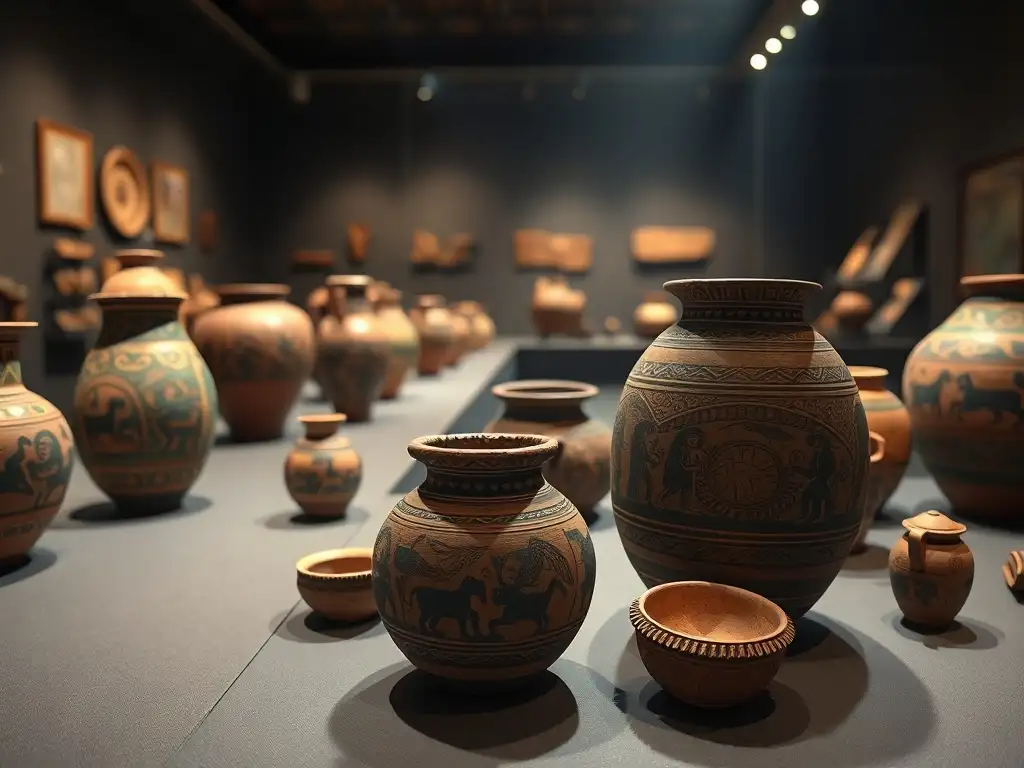
Dive into the captivating world of Andean civilizations! From the intricate artistry of the Incas to the enigmatic Nazca lines, we unravel the mysteries of these ancient societies. But what secrets do the materials themselves hold? Our exploration begins with “Moche pottery material analysis,” a deep dive into the techniques and technologies that shaped the iconic pottery of the Moche culture. Prepare to be amazed by the weight of history revealed through these remarkable artifacts – discover the stories etched in clay and learn how the very substance of these objects reveals their fascinating past.
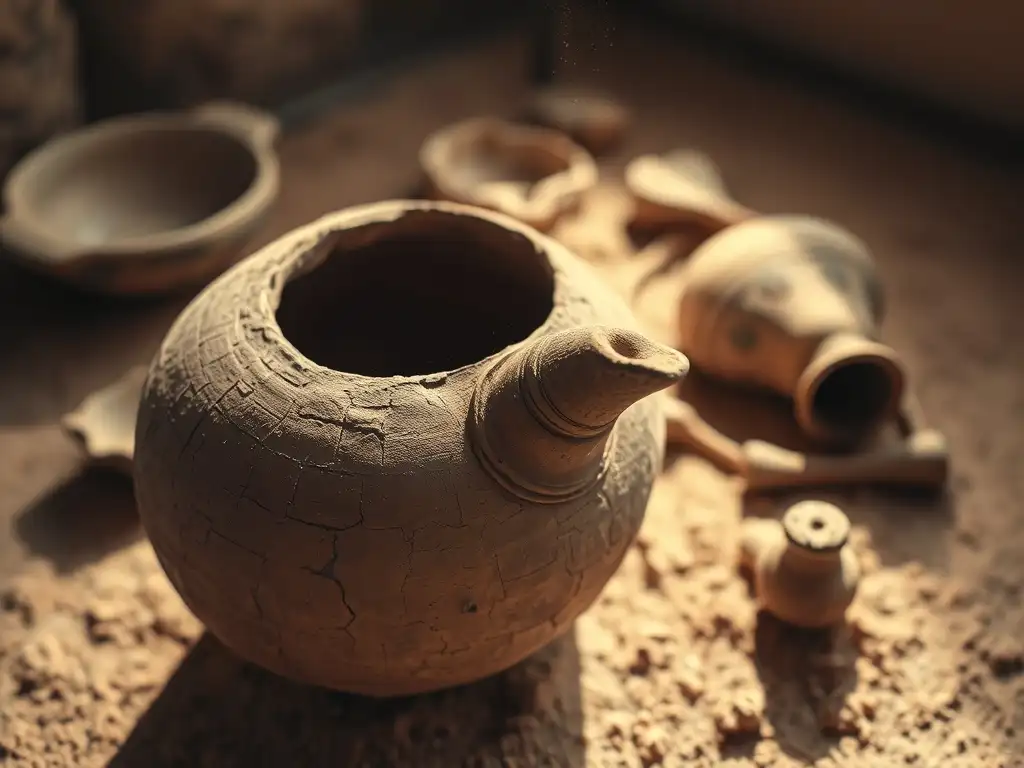
The vibrant and evocative world of Moche pottery, a hallmark of the ancient Andean civilization flourishing on Peru's northern coast (c. 100-800 CE), offers a captivating glimpse into their sophisticated artistry, religious beliefs, and daily life. Beyond the striking imagery of warriors, priests, and mythical creatures, lies a fascinating story embedded within the very material of these artifacts: the clay itself.
This article delves into the crucial field of Moche pottery material analysis, revealing how scientific examination of the clay's composition, mineralogy, and even the traces of pigments, helps us authenticate these treasures, understand their production techniques, and ultimately, connect more deeply with the Moche people who created them. By understanding the materiality of Moche pottery, we unlock a deeper understanding of their culture, their technology, and their lasting legacy.
This analysis isn't just about identifying fakes; it's about building a more complete and nuanced picture of this remarkable civilization. We'll explore the complexities of the clay itself, the regional variations in its sourcing, and the key minerals that give Moche pottery its unique character.
Introduction: Why Moche Pottery Material Analysis Matters
The authentication of Moche pottery is a complex undertaking, requiring a multidisciplinary approach. Simply relying on stylistic features alone is insufficient, as skilled forgers can convincingly replicate surface designs. This is where Moche pottery material analysis becomes indispensable.
Through scientific techniques such as petrographic microscopy, X-ray fluorescence (XRF), and other advanced methods, experts can analyze the clay's composition, identifying specific minerals and trace elements unique to particular geographic regions and production periods. This allows for a more accurate assessment of authenticity, distinguishing genuine artifacts from modern imitations. Furthermore, material analysis sheds light on the Moche's sophisticated understanding of their environment, their access to resources, and their technological prowess in transforming raw materials into exquisite works of art.
The analysis provides a tangible link to the past, allowing us to reconstruct aspects of their daily lives and economic systems. The study of the materials used provides valuable insights into the production process itself, revealing the Moche's technical skills and their choices in selecting and preparing the clay.
Deciphering the Clay: Moche Ceramic Material Composition
Moche pottery is characterized by its diverse range of clay compositions, reflecting both the availability of local resources and the potter's skill in manipulating these materials. The clays typically consist of a mixture of clay minerals, such as kaolinite and illite, along with non-clay minerals like quartz, feldspar, and mica. The precise proportions of these components vary significantly depending on the geographic location of the pottery's origin.
The color of the finished pottery, ranging from the characteristic reddish-brown to black, also reflects the chemical composition of the clay and the firing process. Different types of clay may have been selected for specific purposes, with finer clays used for more delicate vessels and coarser clays for larger, utilitarian pieces.
The careful selection and preparation of the clay were crucial steps in the pottery-making process, directly impacting the final product’s durability, aesthetic qualities, and overall appearance. Analysis of these materials reveals a surprising level of sophistication in the Moche's understanding of materials science.
Understanding Moche Clay Sources: Regional Variations
The geographical location of the clay source plays a pivotal role in determining the ceramic's composition. Analysis reveals distinct variations in mineral content across different regions within the Moche territory. For example, pottery from coastal areas might exhibit a higher concentration of quartz and other minerals derived from marine sediments, while pottery from inland regions might contain different mineral assemblages, reflecting the geological characteristics of the surrounding landscape.
This regional variation in clay sources is a crucial factor in provenance studies, helping researchers trace the origin of specific pottery pieces and map the extent of Moche trade networks. Mapping these sources helps us understand the movement of goods and people within the Moche realm. Detailed geochemical analysis is essential for pinpointing these origins with accuracy.
Key Minerals in Moche Pottery: A Scientific Perspective
The presence of specific minerals in Moche pottery provides valuable insights into the clay’s source and the firing process. For instance, the presence of hematite contributes to the characteristic red color of many Moche vessels. The concentration of other minerals, such as quartz and feldspar, can influence the pottery's texture, strength, and firing behavior.
The identification and quantification of these minerals through techniques such as petrographic microscopy and XRF analysis are essential for understanding the technological choices made by the Moche potters. These scientific techniques allow us to go beyond mere visual observation and uncover a wealth of information about the materials and techniques employed in Moche pottery production, leading to a more complete understanding of their craftsmanship and technological innovation. The careful study of these minerals helps us appreciate the sophisticated understanding the Moche possessed of their environment and its resources.
- Introduction: Why Moche Pottery Material Analysis Matters
- Deciphering the Clay: Moche Ceramic Material Composition
- What materials did the Moche use to create their pottery?
- How did the Moche's choice of materials impact the final product?
- What techniques did archaeologists use for material analysis of Moche pottery?
- Why is material analysis of Moche pottery important?
- What can material analysis tell us about Moche society?
Frequently Asked Questions
What materials did the Moche use to create their pottery?
The Moche primarily used clay as the base material for their pottery. They often incorporated temper, such as sand or shell, to improve the clay's workability and strength during firing. Different clay sources resulted in variations in color and texture.
How did the Moche's choice of materials impact the final product?
The clay type and temper significantly affected the pottery's color, texture, and durability. The choice of materials also influenced the pottery's ability to withstand the firing process. This directly impacted the final aesthetic and functionality of the piece.
What techniques did archaeologists use for material analysis of Moche pottery?
Archaeologists employ various techniques, including petrographic microscopy to identify clay minerals and temper, X-ray fluorescence (XRF) for elemental analysis, and thermoluminescence dating to determine the firing temperature and age.
Why is material analysis of Moche pottery important?
Material analysis provides crucial insights into Moche technology, trade networks, and resource management. It allows researchers to understand the production processes, the origins of raw materials, and the overall social and economic context of pottery production.
What can material analysis tell us about Moche society?
By analyzing the materials and techniques used in Moche pottery, we can learn about their artistic skills, social organization, and interaction with their environment. It helps us understand the status and role of potters within Moche society and the significance of pottery in their culture.
Final Reflection: The Enduring Legacy of Moche Clay
The meticulous analysis of Moche pottery's materiality isn't just an academic exercise; it's a vital key to unlocking a lost civilization's vibrant culture and complex society. Understanding the specific clays, pigments, and firing techniques employed by the Moche allows us to reconstruct their daily lives, artistic practices, and even their beliefs about the world. This knowledge, far from being confined to dusty museum archives, offers a powerful lens through which to view contemporary issues of resource management, artistic innovation, and the preservation of cultural heritage.
The enduring impact of Moche pottery extends far beyond its aesthetic appeal. The sophisticated techniques and symbolic imagery embedded within these vessels continue to inspire artists and researchers alike. Their intricate designs and the stories they tell resonate with a timeless quality, reminding us of the enduring power of human creativity and the importance of preserving our cultural past. The past is never dead. It's not even past.
- William Faulkner. This quote perfectly encapsulates the ongoing relevance of Moche pottery; its materiality speaks to us across millennia, offering invaluable insights into a civilization that, though vanished, continues to shape our understanding of the human experience.
Consider, for a moment, the implications of this research. What can you learn from the resourcefulness and artistic skill of the Moche? How can we apply their understanding of materiality to our own creative endeavors and our approach to environmental stewardship?
Let the intricate details of Moche pottery inspire you to delve deeper into your own creative potential and to appreciate the rich tapestry of human history woven into the very fabric of the objects we encounter. Let their legacy be a call to action, urging us to preserve and celebrate the cultural heritage of all civilizations, past and present.
Uncover New Layers of Moche Pottery!
Thank you for exploring the fascinating world of Moche pottery with us! We hope you've gained valuable insights into the intricate relationship between the pottery's materiality and the culture that created it. Now, let's build on your newfound knowledge!
Here are some engaging ways to continue your exploration:
- Delve deeper into Moche artistry by visiting your local museum or exploring online exhibits to see stunning examples of their pottery.
- Share your discoveries! Post a picture of your favorite Moche piece on social media and tag @AndeanCivilizations to connect with other enthusiasts.
- Start a book club focused on Andean artifacts – gather friends who share your interest to explore these fascinating histories together.
What aspect of Moche pottery captivates you most, and how will you further explore it?