
Andean Pottery: A Reflection of the Environment and Culture

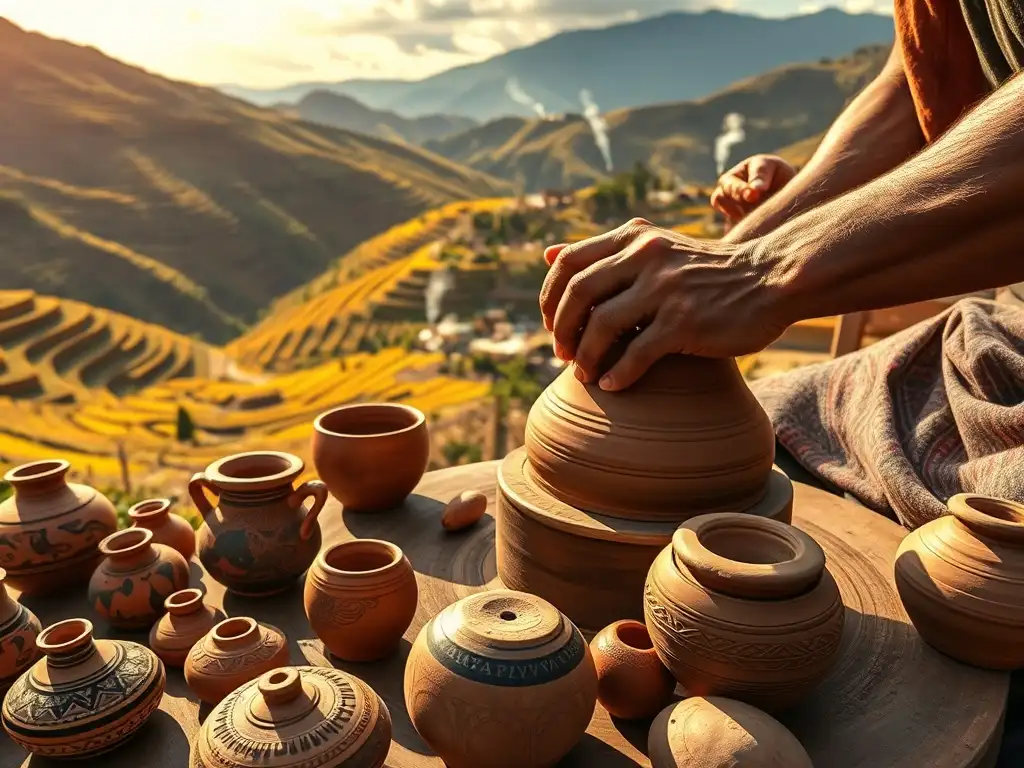
Welcome, explorer! Prepare to be captivated by the enigmatic artistry of the Andes. For centuries, these towering mountains witnessed the rise and fall of incredible civilizations, leaving behind a legacy as rich and varied as the landscapes themselves.
But have you ever considered the stories whispered by the clay? Journey with us as we delve into the fascinating world of Andean pottery styles and techniques, uncovering the secrets held within these ancient vessels and their profound connection to the environment and culture of the Andes. Discover how the earth itself shaped the art, and how the art, in turn, shaped a civilization.
The Andes Mountains, a spine of towering peaks and deep valleys stretching along the western coast of South America, provided a challenging yet remarkably fertile environment for the development of numerous sophisticated civilizations. This harsh landscape, characterized by diverse altitudes, climates, and resources, profoundly shaped the lives and cultures of these Andean peoples, influencing everything from their agricultural practices to their artistic expressions.
This article delves into the fascinating world of Andean pottery, exploring how its styles and techniques reflect both the ingenuity of these ancient societies in adapting to their environment and the rich tapestry of their cultural beliefs and practices. We will examine how the readily available materials, the specific needs of different communities, and the symbolic meaning imbued in the pottery itself all contributed to the diverse and breathtaking array of Andean ceramic art.
Understanding Andean pottery offers a unique window into the resilience, creativity, and complex social structures of these remarkable civilizations, providing invaluable insights into their relationship with the natural world and their own unique identities. This exploration will focus on the diverse styles and techniques employed, highlighting the key characteristics that distinguish the pottery of different Andean cultures, such as the Incas, Moche, Nazca, and Tiahuanaco.
Introduction to Andean Ceramic Art
Andean ceramic art is renowned for its remarkable diversity and sophistication. Spanning millennia, from the early formative periods to the Inca Empire, the pottery produced across the Andes showcases a stunning range of styles, techniques, and decorative motifs. The sheer variety reflects the geographical and cultural diversity of the region, with distinct regional styles emerging in response to local environmental factors and cultural traditions.
Early Andean pottery, often characterized by simple forms and rudimentary techniques, gradually evolved into highly complex and aesthetically refined pieces. The development of the potter's wheel, while present in some regions, was not universally adopted, with many Andean cultures continuing to employ hand-building techniques, demonstrating a mastery of shaping clay by hand. The materials used varied regionally; clays were sourced locally, often mixed with tempering agents like sand or shell to improve their workability and durability.
The firing techniques also varied, ranging from open-air bonfires to more sophisticated kilns, leading to differences in the final appearance and strength of the pottery. The colors, textures, and forms of Andean pottery were not merely aesthetic choices; they often held profound symbolic meaning, reflecting religious beliefs, social status, and daily life. For example, certain colors might be associated with specific deities or events, while particular shapes and designs could indicate the social standing of the owner or the purpose of the vessel.
The Significance of Pottery in Andean Societies
Pottery played a crucial role in Andean societies, extending far beyond its practical function as containers for food, water, and other goods. It served as a vital medium for artistic expression, religious ritual, and social communication. The intricate designs and iconography found on many pieces often depicted mythological figures, animals, and scenes from daily life, providing valuable insights into the beliefs and practices of these ancient cultures. For example, the Moche culture is famous for its highly realistic and detailed pottery depicting scenes of warfare, rituals, and everyday activities, offering a vivid glimpse into their society.
The Nazca, known for their geoglyphs, also produced remarkable pottery with intricate polychrome designs and often featured stylized depictions of animals and plants. The use of pottery in rituals is widely documented; vessels were used to offer libations to the gods, and certain types of pottery were specifically associated with funerary practices. Furthermore, the quality and style of pottery could often indicate social status. Elaborately decorated vessels, made with high-quality materials and employing advanced techniques, were likely reserved for the elite, while simpler pottery was used by the common people.
This social stratification, reflected in pottery styles, highlights the complex social structures and hierarchies present in Andean societies. The study of Andean pottery, therefore, provides a rich and multifaceted understanding of the cultural, religious, and social life of these remarkable civilizations. Further research into specific regions and cultures will reveal even more nuanced details about the diverse uses and significance of Andean pottery.
Andean Pottery Styles and Techniques: A Diverse Tradition
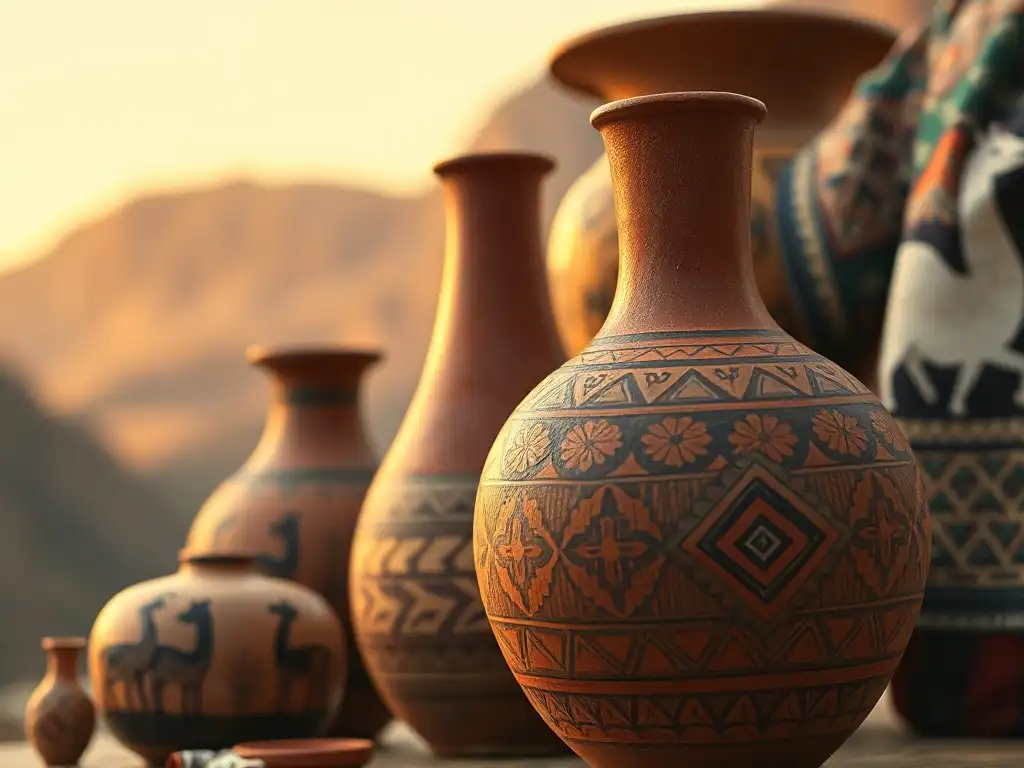
Andean pottery, a testament to the ingenuity and artistic expression of ancient Andean cultures, showcases remarkable diversity across time and geographical location. The styles and techniques employed reflect not only the artistic sensibilities of each civilization but also their unique adaptations to the challenging Andean environment. Understanding these variations provides invaluable insight into the complex social structures, religious beliefs, and daily lives of these fascinating peoples.
This section delves into the specific styles and techniques of several key Andean cultures, highlighting their distinctive characteristics and the evolution of ceramic production across millennia. The analysis of Andean pottery styles and techniques reveals a rich tapestry of cultural expressions interwoven with practical considerations.
Pre-Inca Pottery Traditions: Regional Variations
The pre-Inca period witnessed a flourishing of distinct regional pottery traditions. Each culture developed its own unique aesthetic preferences and technical innovations, reflecting their specific environments and cultural values. The differences in clay sources, firing techniques, and decorative styles created a vibrant mosaic of ceramic artistry across the Andes. This diversity serves as a powerful indicator of the decentralized political landscape that characterized much of pre-Inca Andean society. The absence of a unified empire allowed for independent artistic development, resulting in a remarkable array of stylistic variations.
Moche Pottery: Detailed Narrative Vessels
Moche pottery (c. 100-800 CE) is renowned for its incredibly detailed and lifelike narrative vessels. These intricately molded and painted ceramics often depict scenes of daily life, religious rituals, warfare, and mythology. The Moche artisans employed a sophisticated technique of slip painting, achieving vibrant colors and exceptional detail. For example, their depictions of human figures, often showing intricate facial features and elaborate headdresses, reveal a high level of artistic skill and observation.
The complexity of these narrative scenes suggests a complex social structure with specialized artisans and a strong emphasis on storytelling and religious symbolism. The use of fine-grained clays and careful firing techniques contributed to the durability and aesthetic appeal of these remarkable works. Many Moche vessels are realistically rendered portraits, and their stylistic variations suggest potential regional differences within Moche society.
Nazca Pottery: Vibrant Polychrome Designs
Nazca pottery (c. 100 BCE – 500 CE), found primarily in southern Peru, is celebrated for its vibrant polychrome designs. Using a complex layering technique, Nazca potters achieved a stunning array of colors and patterns, creating visually striking and sophisticated aesthetic effects. Their mastery of slip painting allowed them to render intricate geometric designs, stylized plant and animal motifs, and complex mythological scenes.
Unlike the Moche's narrative focus, Nazca pottery often features abstract designs, suggesting a different cultural emphasis. The use of bright, contrasting colors, such as reds, yellows, blacks, and whites, created a dynamic visual impact, and the precision of their execution highlights their advanced technical skills. The diversity of designs and color combinations within Nazca pottery suggests a possible connection to religious beliefs or social hierarchies, although further research is needed to fully understand their symbolic meaning.
Tiahuanaco Pottery: Geometric and Symbolic Forms
Tiahuanaco pottery (c. 500-1000 CE) is characterized by its geometric and symbolic forms. The ceramics of this powerful civilization, located on the shores of Lake Titicaca, are often decorated with stylized figures, geometric patterns, and intricate designs. Unlike the narrative focus of Moche or the vibrant colors of Nazca, Tiahuanaco pottery emphasizes bold geometric shapes and symbolic motifs, potentially reflecting a different cultural worldview.
The use of a limited color palette, often featuring earthy tones such as reds, browns, and blacks, contrasts sharply with the vibrancy of other Andean styles. This stylistic choice may reflect the cultural preferences and spiritual beliefs of the Tiahuanaco people. The prevalence of repeated motifs suggests a strong emphasis on order, symmetry, and symbolic representation.
Inca Pottery: Standardization and Functionality
Inca pottery (c. 1438-1533 CE) marks a significant shift from the regional variations of the pre-Inca period. The Inca empire's vast territory and centralized administration led to a degree of standardization in pottery production. While regional styles were not entirely eliminated, Inca pottery exhibits a greater uniformity in form and decoration compared to earlier periods. This standardization reflects the Inca's emphasis on control and organization throughout their empire. The focus shifted from highly individualized artistic expression to mass production, meeting the needs of a large and diverse population.
Inca Ceramic Forms: Aryballos and Plates
Common Inca ceramic forms include aryballos (small, globular vessels with a narrow neck) and plates. Aryballos were often used for storing liquids, while plates served as dining ware. The standardization of these forms facilitated mass production and distribution across the empire.
The relatively simple shapes and decorations of Inca pottery contrast with the more elaborate styles of earlier Andean cultures. However, this does not diminish their importance; the functionality and widespread use of Inca pottery reflect the empire's administrative efficiency and logistical prowess. The standardization of forms allowed for efficient production and distribution of essential goods across the extensive Inca empire.
Inca Pottery Decoration: Geometric Patterns and Motifs
Inca pottery decoration primarily features geometric patterns and motifs. While less elaborate than the narrative scenes of Moche or the polychrome designs of Nazca, Inca designs often incorporate symbolic elements reflecting the empire's ideology and religious beliefs. Common motifs include stepped frets, triangles, and zigzags, reflecting the Inca's appreciation for order and symmetry.
The use of a limited color palette, usually consisting of muted tones like black, red, and brown, further underscores the emphasis on functionality and standardization. The consistency in decoration across vast geographical areas highlights the empire's centralized control over craft production and its impact on artistic expression. The prevalence of geometric patterns and motifs in Inca pottery reflects the empire's emphasis on order, structure, and control.
Materials and Techniques: Adapting to the Andean Environment
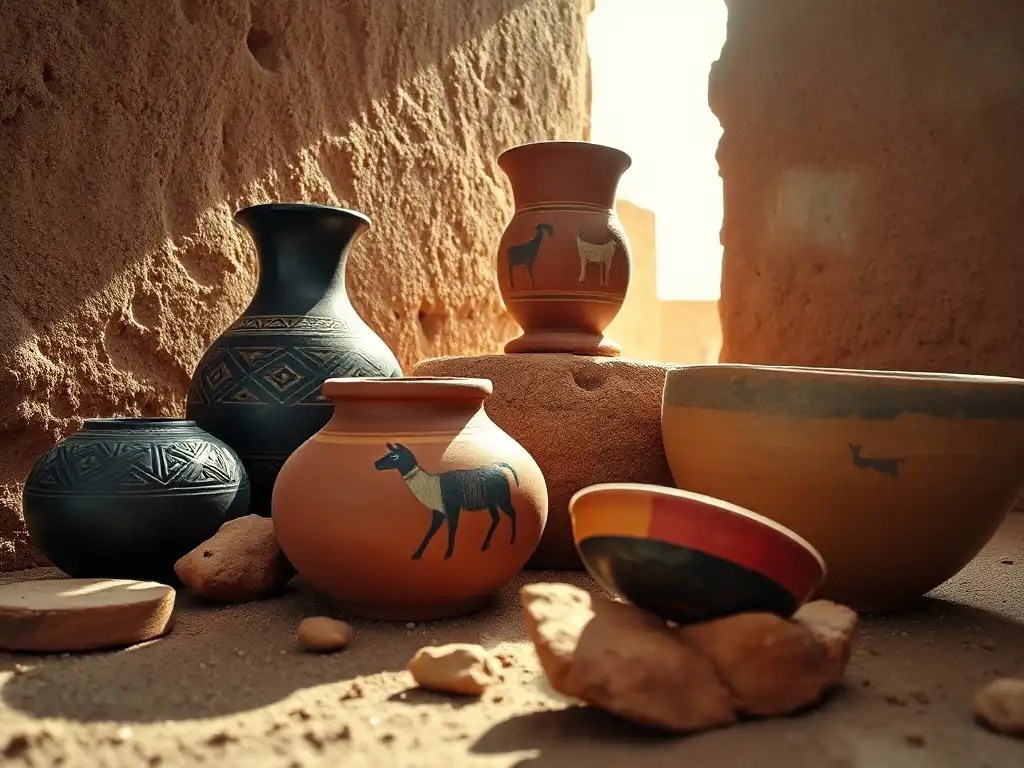
The remarkable diversity of Andean pottery styles and techniques is intrinsically linked to the challenging Andean environment. Potters cleverly adapted available resources and developed innovative methods to create durable and aesthetically pleasing vessels, reflecting both their ingenuity and deep understanding of their surroundings. The unique geological formations and readily available materials shaped not only the physical attributes of the pottery but also its symbolic meaning within the various Andean cultures. This section delves into the specifics of material sourcing, shaping, and firing techniques, highlighting the ingenuity and adaptability of Andean artisans.
Sourcing Clay: Local Resources and Geological Knowledge
Andean potters possessed an intimate knowledge of their local geology, expertly identifying and exploiting clay deposits best suited for their needs. The type of clay dictated the final properties of the pottery, influencing its color, texture, and durability. For instance, clays rich in iron oxides often resulted in reddish or brownish hues, while others yielded lighter, creamier tones.
The precise location of clay deposits varied significantly across the Andes, reflecting the diverse geological landscape. High-altitude regions might have yielded clays different in composition and characteristics than those found in coastal areas, resulting in distinct regional pottery styles. Evidence suggests that potters often traveled significant distances to procure specific types of clay, further emphasizing the importance of material quality in their craft.
Detailed studies of archaeological sites reveal the presence of specialized tools used for clay preparation, including grinding stones and sieves, indicating a meticulous approach to material selection and processing. This meticulous preparation was crucial to achieving the desired consistency and quality of the clay body, directly impacting the final product's strength and aesthetic appeal. Understanding the geological context of clay sourcing is critical to understanding the regional variations in Andean pottery styles and techniques.
Shaping Techniques: Coiling, Molding, and Wheel-Throwing
The shaping of Andean pottery involved a variety of techniques, each adapted to the specific needs of the culture and the desired form of the vessel. The most common method was coiling, where long rolls of clay were meticulously placed upon each other, creating a sturdy and flexible structure. This technique allowed for great flexibility in vessel shape and size, enabling the creation of everything from small, delicate figurines to large storage jars.
More intricate shapes often required the use of molds, which allowed for mass production of standardized forms. These molds, often made of clay or other readily available materials, facilitated the creation of complex designs and ensured consistency in size and shape across multiple vessels. While the potter's wheel was known in some Andean regions, it was not universally adopted.
Its use was more prevalent in certain periods and regions, suggesting its adoption may have been influenced by cultural exchange and technological diffusion. The choice of shaping technique impacted not only the final form of the vessel but also its intended use and cultural significance. The mastery of these techniques underscores the advanced skills and artistic capabilities of Andean potters.
Firing Methods: Open Fires and Kilns
The firing process was crucial in determining the pottery's durability and aesthetic qualities. Early Andean pottery was often fired in open fires, a process that resulted in uneven heating and a range of colors within a single piece. This method, though less controlled, was readily accessible and effective in producing functional pottery.
The development of kilns, however, represented a significant technological advancement. Kilns allowed for more precise temperature control, leading to more consistent firing results and a higher degree of durability. The construction of kilns varied across different Andean cultures and periods, reflecting regional adaptations and technological innovations.
Some kilns were simple, pit-style structures, while others were more sophisticated, utilizing various ventilation techniques to optimize the firing process. The use of kilns allowed potters to achieve specific colors and surface finishes, further enhancing the artistic and cultural significance of their creations. The evolution from open-fire techniques to the use of kilns exemplifies the ongoing development and refinement of Andean pottery technology, demonstrating a continuous process of adaptation and innovation within the Andean environment.
Pigments and Glazes: Natural Dyes and Mineral Compounds
The vibrant colors adorning Andean pottery weren't achieved through synthetic pigments. Instead, ancient artisans skillfully harnessed the natural resources of their environment, creating a stunning palette of hues derived from minerals, plants, and insects. This resourceful approach to pigment creation reflects the deep connection between Andean cultures and their surroundings, a relationship that permeated all aspects of their lives, from agriculture to artistic expression. The mastery of these natural pigments demonstrates a sophisticated understanding of chemistry and material science, far exceeding what might be initially assumed about ancient technologies.
One of the most commonly used pigments was derived from iron oxides. Different forms of iron oxide, depending on their crystalline structure and oxidation state, produced a range of colors, from the deep reds and browns characteristic of many Inca ceramics to the yellows and oranges seen in pottery from other Andean cultures. Hematite, a common iron oxide mineral, yielded rich reds, while goethite, another iron oxide, contributed to the yellow and ochre tones.
The precise shade achieved depended on the specific mineral source, the firing temperature, and even the type of clay used as a base. This meant that even seemingly similar pigments could result in variations in color, contributing to the uniqueness of each piece.
Beyond iron oxides, other minerals contributed to the Andean palette. Manganese oxides, for example, produced deep blacks and purples, while copper compounds were employed to achieve greens and blues, although these were less common due to the relative scarcity of suitable copper-bearing minerals in certain regions. The use of these mineral pigments wasn't haphazard; artisans carefully selected and prepared their materials, often grinding them to fine powders before mixing them with a binding agent, such as a clay slip.
The development and application of glazes further enhanced the visual appeal and durability of Andean pottery. While some Andean pottery was left unglazed, allowing the natural clay color and texture to show through, the use of glazes added a layer of protection and a lustrous finish. These glazes, often made from natural materials like volcanic ash or plant-based materials, were applied to the pottery before firing, creating a waterproof and aesthetically pleasing surface.
The interaction between the glaze and the underlying pigments during the firing process often resulted in unexpected and beautiful color variations, adding another layer of complexity to the artistic process. The application of glazes and the control of firing temperatures were critical in achieving the desired color and finish, showcasing the high level of skill and knowledge possessed by Andean potters.
The subtle variations in glaze and pigment application across different Andean cultures and time periods reflect a rich tapestry of artistic expression and technological innovation, deeply intertwined with the surrounding environment. Analyzing these materials offers invaluable insights into the sophistication of Andean artistry and their profound connection to the land.
The Role of Pottery in Andean Daily Life
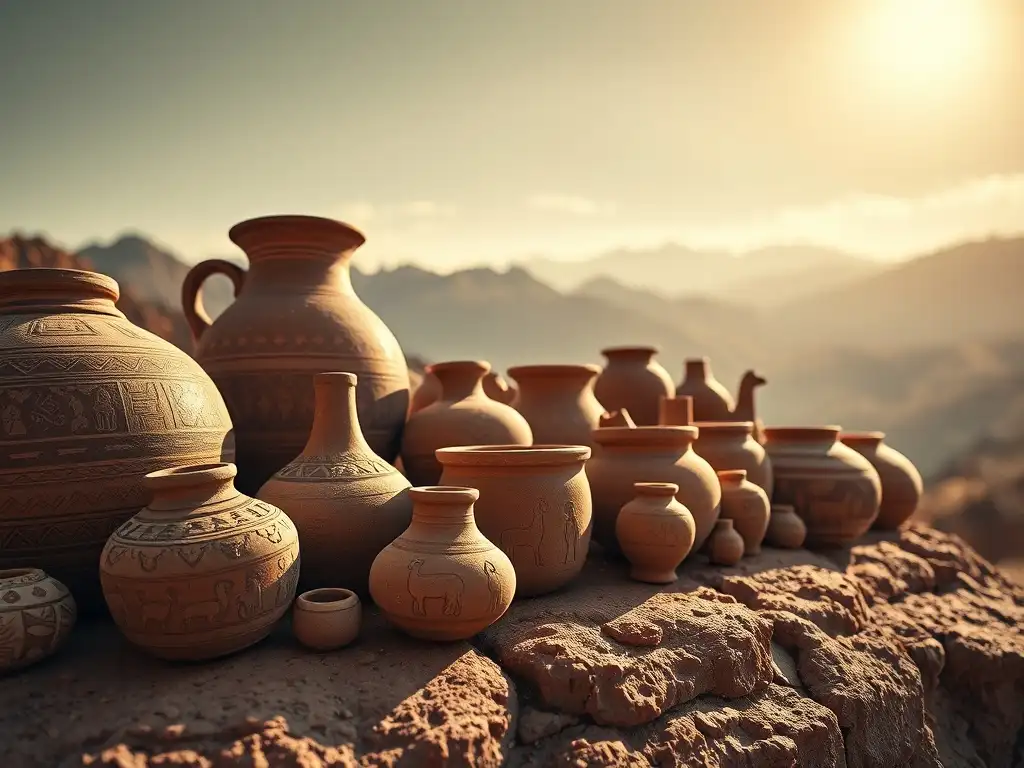
The remarkable artistry of Andean pottery wasn't merely decorative; it was deeply intertwined with the daily lives of Andean peoples. From humble cooking pots to elaborate ceremonial vessels, pottery played a crucial role in shaping their society and reflecting their worldview. Understanding the function of pottery provides invaluable insight into the practical and spiritual aspects of Andean civilizations.
The styles and techniques employed in creating these vessels varied considerably across different cultures and time periods, showcasing the ingenuity and adaptability of Andean potters. Analyzing these variations allows us to appreciate the nuanced relationship between Andean pottery styles and techniques and the diverse environments and cultures they inhabited.
Functional Pottery: Cooking, Storage, and Serving
Functional pottery constituted a significant portion of Andean ceramic production. Cooking pots, often large and sturdy, were essential for preparing food. Their shapes and sizes varied depending on the culinary practices of each culture.
For instance, the Moche are known for their highly polished, often black or red, cooking pots, while other cultures favored simpler, more utilitarian designs. Storage jars, some reaching impressive heights, were used to preserve food staples like grains, beans, and chili peppers, crucial for survival in the often harsh Andean environment. These jars were often sealed to maintain freshness and protect against pests.
Serving vessels, ranging from simple bowls to elaborate multi-handled jars, facilitated communal meals and social gatherings, underscoring the importance of shared food and social interaction in Andean society. The materials used, primarily clay, were carefully selected based on local availability and their suitability for specific purposes. The meticulous craftsmanship evident in even these everyday objects speaks to the high level of skill possessed by Andean potters.
Ritual and Ceremonial Pottery: Offerings and Burials
Beyond its practical applications, Andean pottery played a vital role in religious and ceremonial practices. Elaborate vessels, often adorned with intricate designs and vibrant colors, were created for offerings to deities and ancestors. These ritual objects were not simply containers; they were imbued with symbolic meaning, reflecting the beliefs and cosmology of the respective Andean cultures. For example, the Nazca culture is renowned for its highly stylized pottery depicting supernatural beings and complex mythological narratives.
These meticulously crafted vessels were often found in tombs and burial sites, suggesting their use in funerary rituals. The inclusion of pottery in burials highlights the importance of these objects in the afterlife beliefs of the Andean peoples. The careful selection of specific shapes, colors, and motifs in ritual pottery underscores the profound connection between the material world and the spiritual realm in Andean cultures.
Pottery as a Medium of Communication: Depicting Myths and Beliefs
Andean pottery served as a powerful medium for communicating myths, beliefs, and societal values. The intricate designs and imagery adorning many vessels offer valuable insights into the worldview and social structures of these ancient societies. Pottery frequently depicted scenes from daily life, mythological narratives, and depictions of deities, providing a visual record of their cultural beliefs.
The Moche, for example, are known for their incredibly detailed pottery depicting scenes of warfare, hunting, and religious ceremonies, offering a vivid window into their social organization and religious practices. The style and techniques used in depicting these narratives, such as the use of different colors and textures, further enhanced the communicative power of these ceramic artifacts.
The analysis of these visual representations allows researchers to gain a deeper understanding of the complex social, religious, and political systems that characterized Andean civilizations. The stylistic variations in depicting similar themes across different cultures also illuminate the diversity and regional variations within the broader Andean world.
Andean Pottery as a Window into the Past
Studying Pottery to Understand Ancient Andean Societies
Andean pottery styles and techniques offer invaluable insights into the daily lives, beliefs, and social structures of ancient Andean societies. The sheer variety of forms, decorations, and materials used reflects the diverse environments and cultures across the Andes. Pottery shards, often found in abundance at archaeological sites, provide crucial data for understanding past settlements and population movements.
For example, the presence of specific pottery styles in a particular region can help archaeologists pinpoint the timeline of occupation and identify potential trade routes. Analysis of the clay itself – its composition, sourcing, and the presence of tempering agents – can reveal information about the technological capabilities and resource management strategies of different groups.
The intricate designs adorning many Andean pots are not merely decorative; they frequently depict scenes of daily life, religious ceremonies, and mythological figures. These visual narratives offer a rich tapestry of information about social hierarchies, religious beliefs, and cosmological understandings. For instance, the depiction of specific animals or deities can indicate the importance of these elements within a particular society's worldview.
Similarly, the presence of particular motifs on elite vessels, contrasting with simpler designs on everyday pottery, highlights social stratification and the role of pottery in signifying status. Detailed stylistic analysis, coupled with radiocarbon dating, allows researchers to trace the evolution of pottery styles over time, charting cultural changes and interactions between different groups. This meticulous study of Andean pottery provides a powerful lens through which to understand the complex dynamics of Andean civilizations.
The Legacy of Andean Pottery: Contemporary Artisans
The tradition of Andean pottery is far from extinct. Contemporary artisans continue to produce stunning examples of this ancient craft, drawing upon traditional techniques and designs while also incorporating contemporary influences. This vibrant continuation ensures that the legacy of Andean pottery lives on, albeit with modern interpretations.
While many contemporary potters utilize traditional methods, such as hand-building and coil techniques, some incorporate new materials and technologies, resulting in a fascinating blend of old and new. The enduring popularity of Andean pottery among collectors and enthusiasts is a testament to the enduring appeal of these handcrafted pieces. This ongoing production also allows for the preservation of knowledge and skills that have been passed down through generations.
Observing contemporary artisans at work offers a unique opportunity to gain a deeper understanding of the techniques employed by their ancient counterparts, bridging the gap between past and present. The continued production of Andean pottery serves as a powerful reminder of the resilience and adaptability of Andean cultures. Studying contemporary pottery styles also allows for a fascinating comparison with ancient pieces, highlighting both continuity and change.
Preserving Andean Pottery: Archaeological Conservation Efforts
The preservation of Andean pottery is crucial for ensuring the long-term survival of this significant cultural heritage. Archaeological excavations often uncover fragile and deteriorated artifacts that require careful conservation treatment. This involves a multi-step process, starting with careful documentation and recording of the pottery's condition before any intervention. The specific techniques employed depend heavily on the condition of the pottery.
Some techniques include cleaning, consolidation (to strengthen weakened areas), and reconstruction (for fragmented pieces). Modern materials and methods are used to minimize further deterioration, while ensuring that the interventions are reversible if necessary. Specialized storage conditions, including controlled temperature and humidity, are essential for long-term preservation. Digital documentation, such as 3D scanning and photogrammetry, plays an increasingly important role in preserving detailed records of the pottery, enabling researchers to study it even if the original artifacts are too fragile to handle.
These efforts are not only crucial for the academic study of Andean pottery but also for the preservation of a vital part of Andean cultural heritage for future generations. Moreover, ethical considerations are paramount in these efforts, ensuring that the preservation of these cultural treasures respects the communities and cultures from which they originate. [Specific information pending on current conservation projects and funding sources].
Frequently Asked Questions
What makes Andean pottery unique?
Andean pottery is unique due to its diverse styles reflecting different cultures and regions. The use of local clays and innovative techniques, like negative painting and slipware, also contributes to its distinct character. Regional variations are significant, showcasing the ingenuity of Andean artisans.
What were the primary functions of Andean pottery?
Andean pottery served various purposes, including ceremonial rituals, everyday use (storage and cooking), and artistic expression. Some pieces were intricately decorated, demonstrating high artistic skill and social status. Others were utilitarian, designed for practical daily tasks.
What materials and techniques were used in Andean pottery production?
Andean potters utilized locally sourced clays, often mixing them with tempering materials for strength. Techniques included hand-building, modeling, and the use of molds. They employed various firing methods and decorative techniques like painting, incision, and stamping.
How did Andean pottery styles vary across different cultures?
Different Andean cultures developed distinct pottery styles. For example, Moche pottery is known for its realistic and often erotic depictions, while Nazca pottery is characterized by its polychrome designs and intricate geometric patterns. Inca pottery often features simpler designs but is known for its high-quality craftsmanship.
How did the environment influence Andean pottery?
The environment significantly impacted Andean pottery. The availability of specific clays and minerals influenced color palettes and techniques. Local flora and fauna frequently inspired decorative motifs, reflecting a close relationship between the artisans and their surroundings. The geographic features of the Andes also shaped the styles and forms of pottery.
Final Reflection: Echoes of the Andes: A Legacy in Clay
The vibrant artistry of Andean pottery isn't merely a relic of the past; it's a living testament to the enduring connection between human creativity and the natural world. The techniques and styles, passed down through generations, continue to resonate today, informing contemporary art and offering invaluable insights into ancient Andean societies and their sophisticated understanding of their environment. This enduring legacy challenges us to consider the profound impact that our relationship with the land has on our cultural expression.
The intricate designs, the masterful use of color, and the sheer diversity of Andean pottery styles speak volumes about the ingenuity and resilience of the Andean people. Their art wasn't simply decorative; it was a powerful means of storytelling, ritual, and social commentary, reflecting the complex interplay between humans and their environment. The earth provides the clay, the fire hardens it, and the artist breathes life into it.
– This unspoken principle underscores the deep spiritual connection between the Andean people and their craft. The enduring influence of these traditions continues to inspire artists and artisans today, reminding us of the importance of preserving cultural heritage and respecting the delicate balance of nature.
Consider the echoes of Andean pottery in your own life. What stories do the objects around you tell? How do they reflect your own relationship with your environment and your cultural heritage? I invite you to explore the rich tapestry of Andean pottery styles and techniques not just as historical artifacts, but as living expressions of human creativity and resilience. Let the legacy of these master artisans inspire you to connect more deeply with your own creative spirit and to appreciate the profound relationship between art, culture, and the natural world.
Unveil the Richness of Andean Culture Today!
Thank you for exploring the fascinating world of Andean pottery with us! Your interest not only expands your knowledge but also helps sustain the vibrant culture and history of these remarkable civilizations. Now, let's continue your journey of discovery.
Here are some ways to deepen your appreciation of Andean culture:
- Embrace your creativity: Try your hand at pottery inspired by Andean techniques. Experiment with clay and let your imagination guide you, or enroll in a local pottery class to learn traditional methods.
- Share your passion: Discuss your newfound knowledge with friends, family, or online. Share images of your favorite Andean pottery pieces and help spread awareness of this rich cultural heritage.
- Engage with the community: Participate in online forums or join local groups dedicated to Andean history. Attend workshops, lectures, or museum exhibitions that showcase Indigenous artistry and craftsmanship.
What aspects of Andean pottery most inspire you, and how do you believe they reflect the region's environment and culture?