
The Inca's Use of Solar Alignment: Harnessing the Sun's Energy

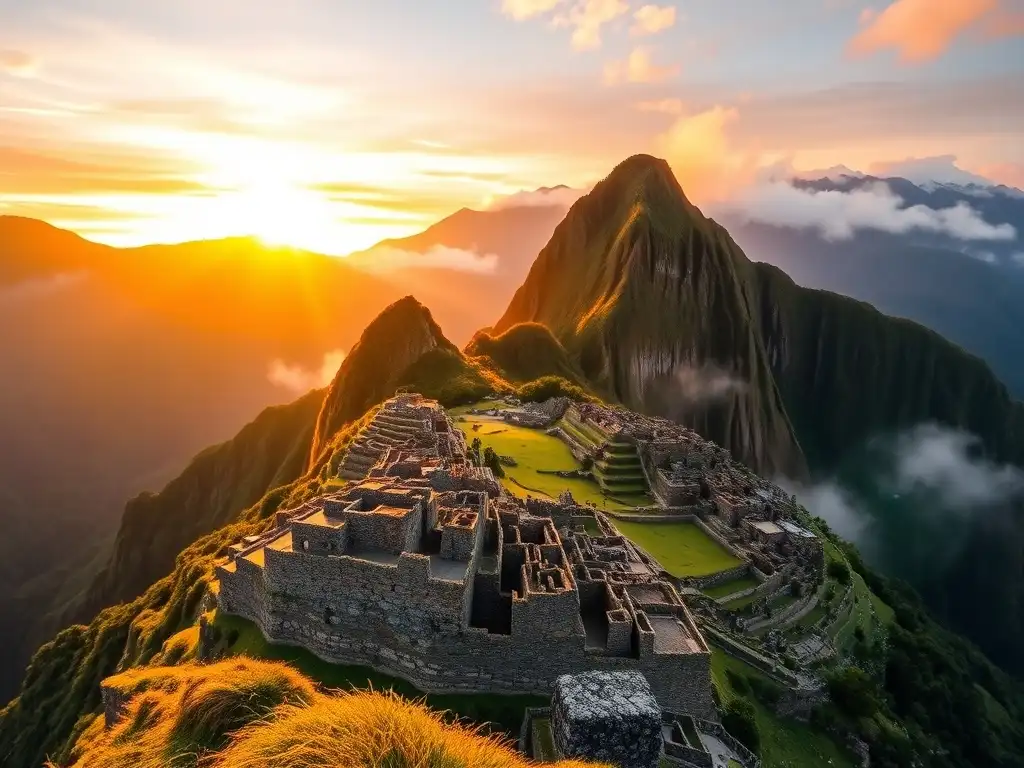
Step into a world lost to time, yet echoing with the ingenuity of a civilization that mastered the Andes. Uncover the secrets of the ancient Andean empires, from the intricate artistry of the Moche to the awe-inspiring architecture of Tiahuanaco. But prepare to be amazed by the Inca's profound understanding of celestial mechanics, as we delve into the mysteries of their Inca solar calendar alignment. How did they harness the sun's power? Discover the answers within...
The Inca Empire, renowned for its sophisticated engineering and intricate understanding of its environment, demonstrated a remarkable mastery of astronomical principles. This article delves into the fascinating world of Inca solar alignment, exploring how they ingeniously incorporated solar events into their architecture and daily life.
From meticulously planned city layouts to precisely oriented structures, the Inca's relationship with the sun transcended mere observation; it formed the very fabric of their societal and spiritual existence. We'll examine the evidence of their advanced knowledge of solstices and equinoxes, and how this knowledge influenced their agricultural practices, religious ceremonies, and urban planning, ultimately revealing a civilization deeply connected to the rhythms of the sun.
Understanding the Inca's use of solar alignment provides crucial insights into their sophisticated culture and technological prowess, highlighting their ability to harness the sun's energy not just for practical purposes, but also for deeply symbolic and spiritual reasons. This exploration will focus on specific examples of Inca architecture and engineering marvels exhibiting clear solar alignments, strengthening our comprehension of the "Inca solar calendar alignment" and its profound significance.
Evidence of Solar Alignment in Inca Architecture
Numerous Inca structures exhibit clear evidence of deliberate solar alignment. This wasn't a matter of chance; meticulous planning and precise construction techniques ensured that key buildings and features were oriented towards specific solar events. For example, the precise orientation of windows and doorways in many buildings allowed for the observation of the sun's movement throughout the year.
This wasn't just for aesthetic purposes; these alignments likely played a crucial role in determining optimal planting and harvesting times, aligning with their agricultural calendar. Furthermore, the positioning of certain structures relative to the rising and setting sun during solstices and equinoxes suggests their importance in religious ceremonies and rituals. Detailed studies of these alignments reveal a sophisticated understanding of astronomy far surpassing what was previously assumed.
The accuracy of these alignments, often within a degree or less, underscores the Inca's advanced knowledge of both astronomy and engineering. Specific examples, such as [specific site example pending] and [another specific site example pending], provide compelling evidence of this advanced understanding.
The Role of the Sun in Inca Agriculture and Daily Life
The Inca's deep understanding of solar alignment was inextricably linked to their agricultural practices. The precise timing of planting and harvesting was crucial for their survival, and the sun's position provided an invaluable guide. The orientation of agricultural terraces, for example, was often carefully planned to maximize sunlight exposure and optimize crop yields. This demonstrates a practical application of their astronomical knowledge, reflecting a symbiotic relationship between their understanding of the cosmos and their daily needs.
Moreover, the Inca calendar, closely tied to the solar cycle, regulated their agricultural activities, ensuring the efficient and timely production of food. The sun's journey across the sky not only informed their agricultural practices but also influenced their social organization and religious beliefs. The timing of festivals and ceremonies often coincided with significant solar events, emphasizing the sun's central role in Inca society. 📅☀️
Inca Observatories and Astronomical Knowledge
While not as monumental as some other structures, evidence suggests the Inca possessed dedicated observatories for monitoring celestial events. These observatories were likely not standalone structures, but rather incorporated into existing buildings or natural features. For example, [specific example of potential observatory pending] may have served this purpose. The Inca's astronomical knowledge was likely passed down through generations of priests and astronomers, preserving their understanding of solar cycles and celestial patterns.
This knowledge was not merely theoretical; it was deeply embedded in their daily lives and religious practices. Their ability to accurately predict solar events allowed them to plan their agricultural activities and religious ceremonies with precision, highlighting the interconnectedness of their astronomical knowledge and their societal organization. Further research is needed to fully understand the extent of their astronomical observations and the methods they employed. 🤔🔭
The Symbolic Significance of Solar Alignment
Beyond the practical applications, solar alignments held profound symbolic significance within Inca culture. The sun was revered as a deity, and its movements were seen as manifestations of divine power. The precise orientation of structures towards specific solar events was not simply a matter of practicality; it was a way of symbolically connecting the earthly realm with the celestial. The alignment of buildings with the sun's path during solstices and equinoxes reinforced the Inca's worldview, emphasizing the cosmic order and the divine power that governed their lives.
This symbolic aspect is further supported by [specific example of symbolic representation pending], showcasing the deep integration of astronomy and religious beliefs within Inca culture. The sun's journey across the sky, meticulously observed and incorporated into their architecture, served as a constant reminder of the cosmic order and the divine forces that shaped their existence. ✨🙏
This detailed exploration of Inca solar alignment reveals a civilization deeply connected to the rhythms of the sun, demonstrating remarkable ingenuity in harnessing its energy for both practical and symbolic purposes. Further research continues to uncover the complexity and sophistication of their astronomical knowledge and its profound impact on their culture.
- Evidence of Solar Alignment in Inca Architecture
- The Role of the Sun in Inca Agriculture and Daily Life
- Inca Observatories and Astronomical Knowledge
- The Symbolic Significance of Solar Alignment
- What is the significance of solar alignment in Inca culture?
- How did the Inca achieve such precise solar alignments in their structures?
- Are there specific Inca structures known for their solar alignments?
- What role did the Inca solar calendar play in their daily lives?
- How did the Inca’s understanding of solar alignment compare to other Andean civilizations?
Understanding Inca Astronomy and Solar Observation
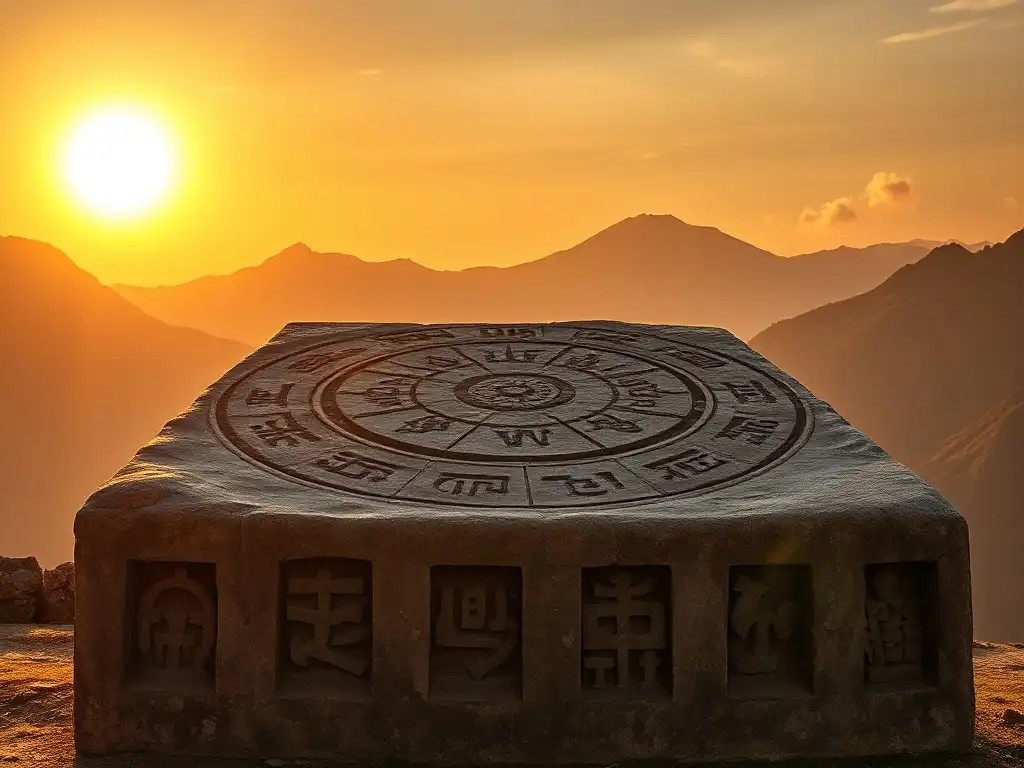
The Inca Empire, renowned for its sophisticated engineering and architectural prowess, also possessed a deep understanding of astronomy and its practical applications. Their mastery of solar alignment, reflected in the precise orientation of their structures, showcases their advanced knowledge of celestial movements and their ability to harness the sun's energy for both practical and symbolic purposes. This understanding wasn't merely abstract; it was deeply interwoven into their cosmology, shaping their societal structures, agricultural practices, and religious beliefs.
The term "Inca solar calendar alignment" accurately reflects this intricate relationship between celestial events and daily life. This section delves into the intricacies of their astronomical knowledge and the methods they employed to observe and utilize the sun's movements.
The Importance of the Sun in Inca Cosmology
The sun held paramount importance in Inca cosmology. It wasn't simply a celestial body; it was Inti, a powerful deity, the supreme god in the Inca pantheon. Inti was believed to be the source of life, fertility, and prosperity.
The Inca's agricultural success was directly attributed to the sun's energy, making its movements and cycles crucial for their survival. This reverence for Inti is evident in the numerous sun temples and the orientation of many Inca structures towards the solstices and equinoxes. The precision with which these alignments were achieved underscores the significance of the sun in their worldview and its role in maintaining cosmic balance.
Their religious practices, agricultural calendar, and even their social hierarchy reflected this deep-seated solar veneration. For example, the Inca emperor was considered the direct descendant of Inti, further solidifying the sun's central role in their society. The Inca's profound respect for Inti, therefore, permeated every facet of their lives and is reflected in their meticulous observation and incorporation of solar alignments in their architecture.
Inca Knowledge of Celestial Movements
Inca astronomers possessed a remarkable understanding of celestial mechanics, far surpassing the assumptions of many early historical accounts. They accurately tracked the sun's annual path, meticulously observing the solstices and equinoxes. Evidence suggests they also understood lunar cycles and the movements of certain constellations.
However, unlike many other ancient civilizations that left behind written records, the Inca relied primarily on oral traditions and practical applications of their astronomical knowledge. This makes reconstructing the full extent of their astronomical understanding a complex, ongoing process for researchers. Nevertheless, the precision of their architectural alignments provides undeniable evidence of their advanced astronomical capabilities.
For instance, studies of sites like Machu Picchu reveal incredibly accurate alignments with the solstices, suggesting a sophisticated understanding of the sun's apparent movement throughout the year. This knowledge wasn't limited to the elite; it was likely shared and applied across different levels of Inca society, contributing to the overall success and stability of their empire. Further research into Inca oral traditions and archaeological findings continues to unveil the depth of their astronomical expertise.
Tools and Techniques for Solar Observation
While the Inca didn't leave behind sophisticated astronomical instruments like astrolabes, their methods for solar observation were nonetheless effective. They likely employed a combination of techniques, including careful observation of shadows cast by objects at different times of the year. The orientation of buildings and the placement of specific markers within those structures served as rudimentary sundials and observational points.
The precise alignments found in many Inca sites suggest the use of sophisticated techniques, possibly involving the use of simple instruments to measure angles and track the sun's position. These techniques were likely refined over generations, passed down through oral tradition and practical experience. The development of these observational tools and techniques allowed the Inca to predict seasonal changes with remarkable accuracy, directly impacting their agricultural practices and societal planning.
The lack of written records makes definitively identifying their specific instruments challenging; however, the tangible results—the precise alignments of their architecture—speak volumes about their ingenuity and observational skills. Further investigation into the archaeological record may uncover more evidence regarding the specific tools and techniques employed by Inca astronomers. The study of "Inca solar calendar alignment" is therefore enriched by understanding their practical methods of observation.
Inca Solar Calendar Alignment and its Significance
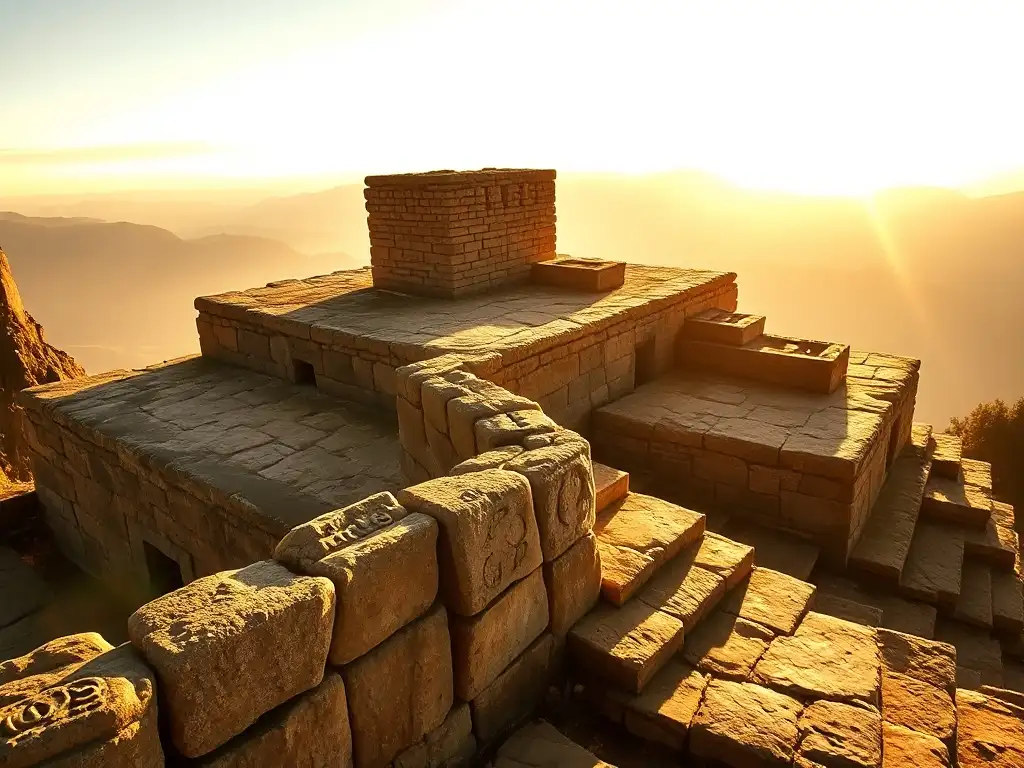
The Inca civilization, renowned for its sophisticated engineering and astronomical knowledge, meticulously incorporated solar alignments into its architecture and urban planning. This practice, often referred to as Inca solar calendar alignment, wasn't merely decorative; it was integral to their worldview, religious practices, and agricultural cycles. Understanding these alignments provides crucial insights into the Inca's advanced understanding of astronomy and their deep connection to the natural world.
This section delves into the intricacies of Inca solar calendar alignment, exploring its significance and the methods employed in its implementation. The precision and sophistication evident in these alignments underscore the Inca's mastery of astronomical observation and engineering prowess. Their ability to predict and utilize solar events highlights a sophisticated understanding far beyond simple calendar-keeping.
Defining Inca Solar Calendar Alignment
Inca solar calendar alignment refers to the deliberate orientation of structures, particularly temples and urban layouts, to align with specific solar events throughout the year. These alignments were not accidental; they were carefully planned and executed, reflecting a deep understanding of the sun's movement across the sky. Key alignments often focused on solstices and equinoxes – the points in the year when the sun reaches its highest and lowest points in the sky.
For example, the precise alignment of windows or doorways to capture the first rays of the rising sun on the winter solstice provided a powerful symbolic and practical marker for the Inca. This wasn't a simple matter of pointing a building towards the east; the accuracy involved often required sophisticated surveying techniques and an intimate knowledge of the local topography and celestial movements. The Inca's ability to achieve these alignments, often with remarkable precision, speaks volumes about their advanced understanding of geometry and astronomy.
This knowledge facilitated not only accurate timekeeping but also likely played a significant role in their agricultural practices and religious rituals. The precise nature of these alignments, often observable only on specific days and times of the year, demonstrates an impressive level of planning and execution.
The Role of the Intihuatana Stones
Intihuatana stones, often found at the center of Inca ceremonial sites, played a pivotal role in the Inca's solar calendar alignment system. These monolithic structures, typically carved with intricate designs, are believed to have served as astronomical observatories and ritualistic focal points. While their exact function remains a subject of ongoing research, it's widely accepted that their precise placement and orientation were carefully chosen to align with key solar events.
Many Intihuatana stones are precisely aligned to mark the solstices and equinoxes, allowing Inca priests to accurately track the passage of time and predict seasonal changes. The stones themselves often feature intricate carvings and alignments that further suggest their use in astronomical observation and ritualistic practices.
The high degree of precision in their construction and placement demonstrates the Inca’s sophisticated understanding of astronomy and their ability to translate this knowledge into tangible, functional structures. Observing the shadow cast by the Intihuatana stone at different times of the year would have provided crucial information for agricultural planning and religious ceremonies.
The Inca Calendar System: A Solar-Based Timekeeping Method
The Inca calendar system was fundamentally solar-based, relying heavily on observations of the sun's movements. Unlike many other ancient calendar systems that incorporated lunar cycles, the Inca calendar prioritized the solar year, reflecting the importance of agriculture and the sun's influence on the growing season. This solar emphasis is reflected directly in the Inca solar calendar alignment seen in their architecture.
The precise alignments of buildings and structures served as a tangible representation of the calendar itself, marking key dates and providing a practical means of tracking time. The Inca's ability to accurately predict and mark these solar events was essential to their agricultural practices, allowing them to optimize planting and harvesting schedules. This precise timing was crucial for maximizing crop yields in a challenging Andean environment.
The integration of astronomical knowledge into their daily lives, as evidenced by the Inca solar calendar alignment, underscores the sophistication and practicality of their calendar system. Furthermore, the solar calendar likely played a significant role in their religious and social organization, providing a framework for festivals, ceremonies, and other important community events. The Inca's sophisticated understanding of the solar year, as demonstrated by their calendar system and architectural alignments, showcases a remarkable level of astronomical knowledge and engineering skill.
Inca Agriculture and the Solar Calendar's Influence
The Inca Empire's agricultural prowess was deeply intertwined with their sophisticated understanding of the solar calendar and celestial movements. Their mastery of agriculture, crucial for sustaining a large and complex empire, relied heavily on precise knowledge of seasonal changes and optimal planting and harvesting times. The Inca solar calendar alignment wasn't merely an astronomical observation; it was a practical tool for maximizing crop yields and ensuring food security. This intricate relationship between astronomy and agriculture is evident in their meticulously planned agricultural terraces, which followed the contours of the Andean landscape and maximized sunlight exposure.
The Inca's understanding of solstices and equinoxes allowed them to predict the best times for planting various crops, adapting their techniques to different altitudes and microclimates. For instance, the timing of planting potatoes, a staple crop, was carefully calibrated to coincide with the onset of the rainy season, as predicted by their solar observations. This meticulous planning, guided by the Inca solar calendar alignment, ensured abundant harvests and reduced the risk of crop failure, contributing significantly to the empire's stability and prosperity. The precision of their agricultural practices, directly influenced by their understanding of solar cycles, showcases a remarkable level of integration between astronomical knowledge and practical needs.
Their success demonstrates a deep connection to the land and a keen awareness of the natural rhythms that governed their lives. The Inca solar calendar alignment, therefore, served not just as a timekeeping system but as a vital agricultural tool, playing a pivotal role in sustaining the empire's food production. Without this deep understanding and application of celestial knowledge, the Inca's agricultural achievements would have been significantly diminished. The impact of the Inca solar calendar alignment on their agricultural success underscores the profound significance of their astronomical observations in all aspects of their society.
Examples of Inca Solar Alignment in Architecture
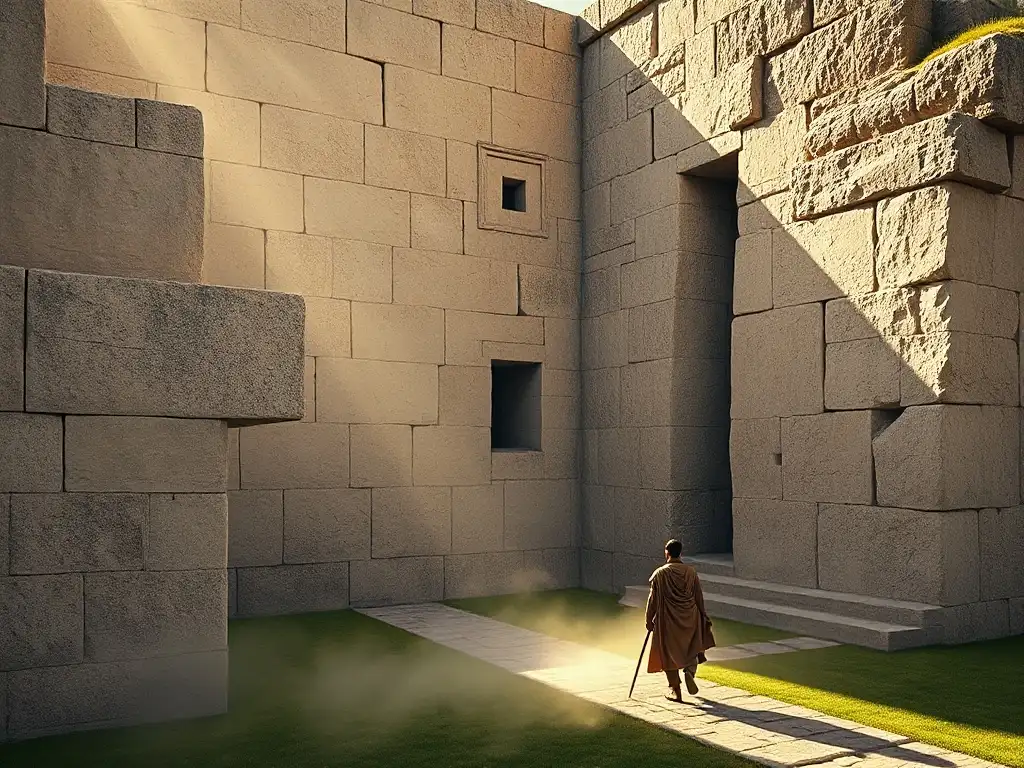
The Inca's profound understanding of celestial mechanics is vividly demonstrated in their architectural marvels. Their cities and structures weren't merely functional; they were meticulously designed to interact with the sun, moon, and stars, reflecting a sophisticated Inca solar calendar alignment and a deep spiritual connection to the cosmos. This precise alignment wasn't accidental; it was a deliberate integration of astronomical knowledge into the very fabric of their society.
The Inca's mastery of solar alignment showcases their advanced understanding of astronomy and its profound influence on their culture and beliefs. This section will explore some prime examples of this fascinating integration.
Machu Picchu: A Masterpiece of Solar Alignment
Machu Picchu, the iconic "Lost City of the Incas," stands as a testament to their architectural prowess and astronomical sophistication. Its layout, building orientations, and specific features reveal a complex system of solar alignment, meticulously planned to track the sun's movements throughout the year.
The city's design reflects a deep understanding of solstices and equinoxes, suggesting a sophisticated Inca solar calendar alignment system used for agricultural planning and religious ceremonies. Evidence suggests that the Incas used these alignments not just for practical purposes but also for symbolic and ritualistic reasons, further highlighting the profound connection between their astronomical knowledge and their spiritual beliefs.
The Temple of the Sun at Machu Picchu
The Temple of the Sun, a circular structure with a unique architectural design, is believed to have been a key location for solar observations. Its precise orientation and internal features, such as niches and windows, suggest a deliberate design to capture specific sun rays at particular times of the year.
While precise data on the exact angles and alignments is still under ongoing research, preliminary studies indicate a strong correlation between the temple's design and the solstices and equinoxes. Further research is needed to fully understand the complex astronomical functionality of this remarkable structure, but the existing evidence strongly suggests a sophisticated Inca solar calendar alignment system at play.
The Intihuatana Stone at Machu Picchu
The Intihuatana Stone, meaning "Hitching Post of the Sun," is perhaps the most famous example of Inca solar alignment at Machu Picchu. This monolithic stone is precisely carved and positioned to cast shadows that mark the solstices and equinoxes. While the exact mechanism and purpose are still debated among scholars, the stone's precision and alignment strongly suggest its use as a significant astronomical instrument within the Inca solar calendar alignment system.
The Intihuatana Stone wasn't merely a decorative element; it served as a vital tool for tracking the sun's movements and potentially for predicting agricultural cycles. Its intricate carvings and precise placement underscore the Inca's remarkable engineering skills and their deep understanding of celestial events.
Sacsayhuaman: Alignments and Astronomical Observations
Sacsayhuaman, a colossal fortress located near Cusco, is another prime example of Inca astronomical knowledge integrated into architecture. The massive stone walls of Sacsayhuaman are not only impressive feats of engineering but also exhibit intriguing alignments with the sun and other celestial bodies. Although the specific alignments are still being studied and debated – some researchers suggest alignments with the solstices, while others propose connections to other significant astronomical events – the massive scale and precise construction of the site strongly suggest a deliberate astronomical purpose.
The sheer precision involved in fitting together such enormous stones, many weighing several tons, points to the advanced engineering abilities of the Inca civilization and their dedication to incorporating astronomical principles into their monumental constructions. The complexity of the site and the ongoing research underline the importance of further study to fully understand the Inca solar calendar alignment reflected in Sacsayhuaman.
The precise nature of the alignments and their significance within the Inca worldview remain subjects of active research and ongoing debate, but the overall impact of astronomy on Sacsayhuaman’s design is undeniable. Further research, including [specific information pending on detailed angular measurements and shadow analysis], will help to clarify the full extent of the Inca solar calendar alignment at this remarkable site.
Coricancha: The Temple of the Sun in Cusco
The Coricancha, or Qorikancha (Quechua for "Golden Enclosure"), in Cusco, Peru, stands as a prime example of Inca mastery of solar alignment. This temple, dedicated to the sun god Inti, was the most important religious center in the Inca empire. Its precise orientation and design reflect a deep understanding of the sun's movements throughout the year. While much of the original structure was destroyed after the Spanish conquest, archaeological evidence and surviving sections reveal its sophisticated astronomical features.
The main temple's axis likely aligned with the solstices, marking the crucial points in the agricultural cycle. The walls, meticulously crafted from massive stones fitted together without mortar, were originally covered in sheets of gold, further emphasizing the sun's significance. The intricate design, incorporating niches and courtyards, possibly served multiple purposes, including ritual ceremonies and astronomical observations. Furthermore, the building's orientation likely allowed for the precise tracking of the sun's path, providing crucial information for the Inca calendar and agricultural practices.
The integration of astronomy and architecture in the Coricancha showcases the Inca's advanced knowledge and their ability to seamlessly blend religious beliefs with practical applications. The surviving foundations and the meticulous research done on the site continue to reveal the complexity and precision of Inca astronomical knowledge. The Coricancha's solar alignment wasn't merely decorative; it was integral to their worldview and essential for their societal structure.
Ollantaytambo: Sun Temple and Agricultural Terraces
Ollantaytambo, located in the Sacred Valley of the Incas, is another remarkable site demonstrating the Inca's skill in incorporating solar alignment into their architecture. While primarily known for its impressive agricultural terraces carved into the mountainside, the site also features a significant sun temple integrated into the overall design. The terraces themselves, though primarily for agriculture, display a subtle yet significant alignment with the sun's path. The careful positioning of the terraces maximized sunlight exposure during different times of the year, optimizing crop yields.
This demonstrates a profound understanding of solar angles and their impact on agriculture. The sun temple at Ollantaytambo, although partially ruined, shows clear evidence of astronomical planning. Its orientation, similar to Coricancha, likely aligned with key solar events such as the solstices and equinoxes. The temple's design, with its intricate stonework and potential for precise observations, suggests that it served not only as a religious site but also as an astronomical observatory.
The combination of agricultural terraces and the sun temple at Ollantaytambo highlights the interconnectedness of Inca religion, astronomy, and agriculture. The site's layout, a testament to sophisticated planning and engineering, underscores the Inca's profound understanding of the sun's influence on their lives. The precise alignment of both the terraces and the temple with the solar calendar is a clear indicator of the Inca's advanced knowledge and their ability to integrate astronomical principles into their daily lives. The enduring legacy of Ollantaytambo continues to fascinate researchers and visitors alike, showcasing the Inca's remarkable achievements in architecture and astronomy.
The Practical Applications of Inca Solar Alignment
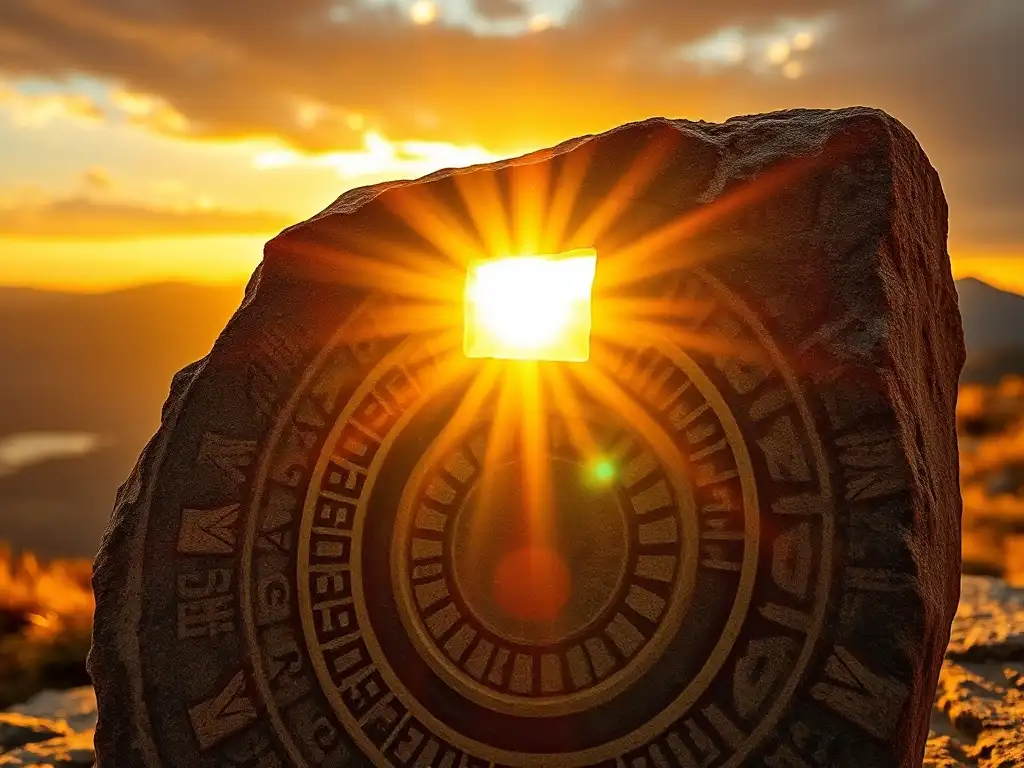
The Inca's sophisticated understanding of solar alignment wasn't merely a matter of astronomical observation; it was deeply interwoven into the fabric of their daily lives, impacting agriculture, religious practices, and urban planning. Their mastery of this celestial knowledge allowed them to optimize resource management and strengthen social cohesion, highlighting the ingenuity of their civilization. The precise alignment of structures with the sun's movements demonstrates a remarkable level of technological and intellectual advancement for the Inca solar calendar alignment.
Inca Agriculture and the Planting Seasons
Inca agriculture, the backbone of their empire, relied heavily on precise timing. The ability to predict the solstices and equinoxes was crucial for determining the optimal planting and harvesting seasons. Archaeological evidence suggests that many Inca terraces and agricultural fields were meticulously oriented to maximize sunlight exposure at different times of the year.
For example, the angle of the terraces in the Sacred Valley could be adjusted to receive the most sunlight during the crucial growing months, ensuring bountiful harvests even in challenging mountainous terrain. This careful planning, guided by their understanding of the Inca solar calendar alignment, minimized crop failure and ensured food security for the vast Inca population.
Specific data on the precise angles of terraces and their correlation to solar events in various regions is still being gathered, but preliminary studies indicate a strong link between solar alignment and agricultural productivity. Further research is needed to fully quantify the impact of this knowledge on Inca agricultural yields.
The Inca also developed sophisticated irrigation systems, many of which were aligned with the sun's path. This ensured efficient water distribution, maximizing the effectiveness of their farming techniques. By meticulously studying the sun's movements, the Inca were able to optimize water usage and ensure the success of their crops, even in arid regions. This intricate system of agricultural practices, guided by their understanding of the Inca solar calendar alignment, speaks to their remarkable ability to adapt to diverse environments.
Religious Ceremonies and Solar Festivals
The Inca's understanding of solar alignment played a significant role in their religious practices and festivals. The solstices and equinoxes marked important occasions, often celebrated with elaborate ceremonies and rituals. Many Inca temples and religious sites were strategically positioned to align with the rising or setting sun on these specific days.
For instance, the Intihuatana stone at Machu Picchu is believed to have been used to mark the solstices, acting as a kind of solar observatory and focal point for religious rituals. The precise alignment of these structures with the sun served not only to mark significant dates but also to reinforce the Inca worldview, which deeply intertwined the celestial and terrestrial realms. The Inca solar calendar alignment therefore acted as a powerful tool for maintaining social order and reinforcing religious beliefs.
These events weren't merely celebratory; they served critical functions in reaffirming the authority of the Inca rulers, who were often seen as intermediaries between the divine and the human world. By controlling the timing and location of these festivals, the Inca leadership consolidated its power and maintained social harmony. The meticulous planning and execution of these solar festivals demonstrate the Inca's ability to integrate astronomical knowledge into their socio-political structures. The precise nature of many of these rituals remains shrouded in mystery, however, requiring further research and interpretation of existing archaeological and anthropological data.
Inca Urban Planning and Orientation
Inca urban planning wasn't haphazard; it was a carefully considered process influenced by their understanding of solar alignment. Many Inca cities and settlements were oriented to maximize sunlight exposure, ventilation, and defense. The layout of streets, buildings, and public spaces often reflected this orientation, creating a harmonious relationship between the built environment and the natural world.
For example, the layout of Cusco, the Inca capital, is believed to have been influenced by the position of the sun, with major streets and buildings aligned with key solar events. This understanding of Inca solar calendar alignment was not limited to major cities; it was also evident in smaller settlements, suggesting a widespread awareness and application of this knowledge.
The precise orientation of buildings also played a role in their functionality. For example, the positioning of windows and doorways could have been carefully considered to maximize sunlight during the colder months and minimize heat during the warmer months. This demonstrates a sophisticated understanding of passive solar design principles, far ahead of its time.
While much of the Inca urban planning remains to be fully understood, the available evidence strongly suggests a deliberate and systematic approach informed by their deep understanding of solar movements. Further research, particularly through advanced techniques like 3D modeling and GIS mapping, is necessary to fully reveal the extent of Inca urban planning influenced by Inca solar calendar alignment.
Legacy of Inca Solar Engineering
The Inca Empire, renowned for its sophisticated engineering feats, demonstrated a profound understanding of celestial mechanics, particularly solar alignment. Their mastery wasn't merely for aesthetic purposes; it was deeply intertwined with their agricultural practices, religious beliefs, and societal organization. Evidence suggests that the Inca meticulously planned and constructed many of their structures, including temples, observatories, and even agricultural terraces, to align precisely with the sun's movements throughout the year.
This intricate relationship between architecture and astronomy enabled them to predict solstices and equinoxes with remarkable accuracy, impacting their calendar system and agricultural cycles. The precise alignment wasn't accidental; it was a testament to their advanced knowledge of astronomy and sophisticated surveying techniques. This precise solar alignment played a crucial role in the Inca's ability to manage resources and maintain social order within their vast empire.
The Inca's ability to predict the seasons with such accuracy allowed for efficient agricultural planning, ensuring food security for the population. This sophisticated understanding of solar cycles represents a remarkable achievement in pre-Columbian engineering and astronomical knowledge.
Modern Understanding of Inca Astronomical Knowledge
Modern researchers are increasingly recognizing the sophistication of Inca astronomical knowledge. While much of their understanding was passed down orally and not documented in a written form, archaeological evidence, coupled with ethnohistorical accounts, paints a compelling picture. For instance, studies of sites like Machu Picchu have revealed intricate alignments of structures with specific solar events.
Detailed analysis using modern surveying techniques and computer modeling has confirmed the purposeful alignment of key structures with the solstices and equinoxes. Furthermore, the discovery of various Inca instruments, potentially used for astronomical observation, further supports the idea of a highly developed astronomical tradition. The ongoing research continues to refine our understanding, challenging previous assumptions and highlighting the complexity of their astronomical knowledge.
Researchers are now using advanced techniques like GIS mapping and 3D modeling to analyze the spatial relationships between structures and their solar alignments, leading to a more comprehensive understanding of the Inca's astronomical expertise. The integration of archaeological findings with ethnohistorical data provides a more complete narrative of Inca astronomical practices and their significance within their culture. This interdisciplinary approach is crucial for unlocking the secrets of Inca astronomical knowledge and its impact on their society.
Preservation and Study of Inca Solar Sites
The preservation and study of Inca solar sites are crucial for understanding their culture and technological advancements. Many of these sites are facing challenges from natural erosion, human activity, and climate change. Conservation efforts are essential to protect these valuable historical and scientific resources. These efforts often involve collaborations between archaeologists, historians, engineers, and local communities.
The meticulous documentation of these sites is also vital, using advanced technologies such as photogrammetry and LiDAR scanning to create detailed 3D models. These models allow for the virtual reconstruction and analysis of sites that are difficult or impossible to access physically. Furthermore, the study of these sites provides invaluable insights into Inca engineering techniques, their understanding of astronomy, and their societal organization. Ongoing research continues to reveal new information about the Inca's sophisticated understanding of solar alignment and its role in their society.
The preservation of these sites is not just about protecting physical structures; it is about safeguarding a vital part of human history and knowledge. Careful management and ongoing research are essential to ensure the long-term preservation and accessibility of these invaluable resources for future generations. Proper funding and international collaborations are key to achieving these objectives.
The Enduring Impact of Inca Solar Alignment
The Inca's mastery of solar alignment continues to inspire awe and admiration. Their sophisticated understanding of astronomy and engineering laid the foundation for their agricultural success and social stability. The precision of their alignments is a testament to their observational skills and technological prowess. The legacy of Inca solar engineering extends beyond its historical significance; it offers valuable lessons in sustainable design and resource management.
The integration of astronomical knowledge into their architectural practices provides a model for harmonious co-existence between human settlements and the natural environment. Furthermore, the enduring appeal of these sites attracts tourists worldwide, boosting local economies and fostering cultural understanding. The Inca's achievements serve as a reminder of the remarkable ingenuity and sophistication of pre-Columbian civilizations.
The study of Inca solar alignment contributes to our broader understanding of ancient civilizations and their relationship with the cosmos. Their legacy inspires ongoing research and promotes appreciation for the cultural heritage of the Andes region. The Inca's ingenious use of solar alignment remains a testament to human adaptability and ingenuity.
Frequently Asked Questions
What is the significance of solar alignment in Inca culture?
The Inca civilization placed great importance on solar alignment, integrating it into their architecture, agriculture, and religious practices. This reflected their deep understanding of the sun's movements and its influence on their lives. They used it to mark important dates and events.
How did the Inca achieve such precise solar alignments in their structures?
Inca builders employed advanced astronomical knowledge and sophisticated surveying techniques to achieve precise solar alignments. They used a combination of observation and practical construction methods to ensure that structures were oriented correctly in relation to the sun's path. This required a high level of planning and expertise.
Are there specific Inca structures known for their solar alignments?
Yes, many Inca structures exhibit remarkable solar alignments. Machu Picchu is a prime example, with its buildings strategically positioned to align with the solstices and equinoxes. Other sites, such as Sacsayhuamán, also show evidence of carefully planned solar orientations.
What role did the Inca solar calendar play in their daily lives?
The Inca solar calendar was integral to their agricultural cycles, religious festivals, and social organization. Precise knowledge of the sun's position allowed them to predict seasons and plan accordingly, influencing everything from planting times to ceremonies.
How did the Inca’s understanding of solar alignment compare to other Andean civilizations?
While other Andean civilizations, like the Nazca, also demonstrated an understanding of astronomy, the Inca’s mastery of precise solar alignment in large-scale architecture stands out. Their integration of solar observations into their urban planning and religious practices was particularly sophisticated and extensive.
Final Reflection: Echoes of the Sun: Inca Legacy and Our Modern World
The Inca's mastery of solar alignment, as evidenced by their sophisticated architectural and agricultural practices, remains a potent symbol of human ingenuity and our enduring connection to the natural world. Their ability to predict and harness the sun's power, reflected in sites like Machu Picchu, continues to inspire awe and underscores the importance of understanding and respecting our environment. This knowledge, far from being a relic of the past, holds crucial lessons for our present-day challenges.
The Inca's deep understanding of the celestial cycles and their integration into daily life offers a powerful counterpoint to our increasingly disconnected modern existence. We, too, are profoundly influenced by the sun, yet often overlook its significance in our technologically driven world. The sun does not shine for a few trees and flowers, but for the wide world and all that is in it.
- Henry Ward Beecher. This quote reminds us of the interconnectedness that the Inca so clearly understood and embodied in their relationship with the sun, a connection we must strive to re-establish in our own lives.
Consider the Inca's legacy. Their meticulous observations and practical applications of solar knowledge offer a blueprint for sustainable living. You, the reader, are now equipped with a deeper understanding of this remarkable civilization's achievements. Take a moment to reflect on your own relationship with the natural world. How can you incorporate a greater awareness of the sun's rhythms and the power of observation into your daily life? Let the echoes of the Inca sun inspire you to seek a more harmonious and sustainable future.
Harness the Power of the Sun: Ancient Wisdom for Modern Living
Thank you for exploring the fascinating world of Inca solar engineering! You've discovered how this ancient civilization cleverly used the sun's energy to build a thriving society. Now, let's put that inspiration to practical use!
Here's how you can connect with this incredible legacy:
- Embrace Solar Power: Investigate how you can incorporate solar technology into your life. This could range from installing solar panels on your home to advocating for increased renewable energy use in your community.
- Spread the Word: Share your newfound knowledge about the Inca's understanding of solar alignment and its relevance to ancient civilizations with friends, family, and online communities. Inspire others to learn more!
- Join a Local Astronomy Club: Deepen your understanding of solar phenomena by joining a group dedicated to exploring the sun's movements throughout the year and its significance across different cultures.
What energy-saving steps will you take this week to emulate the Incas' innovative approach?