
Beyond the Incas: LesserKnown Rebellions in the Andean Highlands

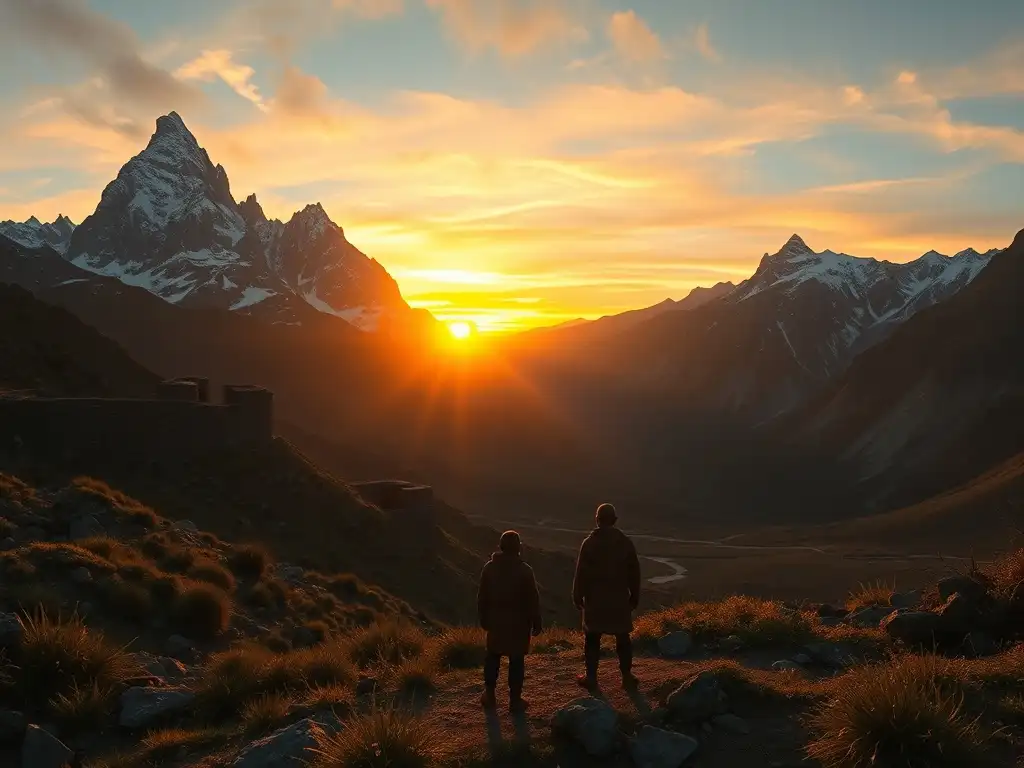
Uncover a hidden chapter in history. Beyond the grandeur of the Inca Empire lies a world of fierce resistance and untold stories. For centuries, the Andean highlands echoed with the cries of rebellion, far exceeding the commonly known narratives. Dive into the fascinating world of Andean civilizations rebellions and discover the unexpected struggles that shaped the destiny of these remarkable cultures during the Spanish Conquest. Prepare to be captivated by the resilience and ingenuity of those who dared to defy the empire.
The Spanish conquest of the Andes wasn't a monolithic event, neatly culminating in the fall of the Inca Empire. The narrative often focuses on the dramatic downfall of the Inca, overlooking a complex tapestry of resistance and rebellion woven throughout the Andean highlands. This article delves into the lesser-known uprisings that challenged Spanish rule, revealing a history of defiance far more nuanced and widespread than traditionally portrayed.
We will explore the diverse strategies employed by various Andean communities, highlighting their resilience and the lasting impact of their struggles against colonial oppression. Understanding these rebellions provides a crucial perspective on the enduring legacy of Andean civilizations and their multifaceted response to Spanish conquest.
This exploration moves beyond the familiar Inca narrative to reveal the rich and complex history of Andean resistance, illuminating the diverse ways in which these communities fought for their survival and cultural preservation. The keyword "Andean civilizations rebellions" is key to understanding this rich and complex history.
Introduction: Resistance Beyond the Inca Empire
The conquest of the Inca Empire by Francisco Pizarro in 1533 is a pivotal moment in Andean history, often presented as the definitive end of Inca power. However, this narrative significantly underplays the widespread and sustained resistance that followed. The Inca Empire, while powerful, was not a homogenous entity. It encompassed diverse ethnic groups, each with its own history, traditions, and social structures.
The fall of the Inca did not translate into immediate or universal subjugation. Many communities, previously incorporated into the Inca empire or existing independently, actively resisted Spanish rule, employing diverse tactics ranging from open warfare to subtle acts of defiance. These rebellions, often overlooked in traditional historical accounts, offer a critical counter-narrative to the simplistic triumphalist version of the Spanish conquest. The sheer number and variety of these uprisings underscore the depth and breadth of Andean resistance.
The Túpac Amaru Rebellions: A Legacy of Defiance
The name Túpac Amaru is synonymous with Andean resistance. However, several individuals adopted this name, fueling different rebellions throughout the colonial period. These uprisings, while sharing a common thread of anti-colonial sentiment, were distinct in their scope, leadership, and strategies.
For example, the rebellion led by Túpac Amaru I in the late 16th century involved a complex interplay of indigenous alliances and strategies, while later Túpac Amaru rebellions, such as that led by José Gabriel Condorcanqui in the late 18th century, demonstrated a different understanding of resistance and leveraged different social and political contexts. These rebellions, though ultimately unsuccessful in overthrowing Spanish rule, significantly impacted the colonial administration and fostered a sense of collective Andean identity in the face of oppression. The sheer scale of these uprisings, encompassing vast geographical areas and involving numerous indigenous communities, underscores the depth and resilience of Andean resistance to colonial rule.
Other Notable Andean Rebellions: A Diverse Landscape of Resistance
Beyond the well-known Túpac Amaru rebellions, numerous other uprisings challenged Spanish authority. These varied significantly in scale and organization. Some were localized, involving specific communities resisting oppressive taxation or forced labor. Others involved broader coalitions of indigenous groups united against common colonial grievances.
These included, but were not limited to, [Specific examples of other rebellions pending] These diverse forms of resistance highlight the creativity and adaptability of Andean communities in their struggle against colonial domination. The variety of tactics employed – from armed conflict to religious syncretism and cultural preservation – demonstrates the multifaceted nature of Andean resistance. The sheer diversity of these uprisings underscores the complex and multifaceted nature of Andean resistance to Spanish rule. Understanding these lesser-known rebellions is essential for a complete understanding of Andean history during the colonial period.
The Lasting Impact of Andean Resistance
The struggles against Spanish rule profoundly shaped the cultural and political landscape of the Andes. While the Spanish ultimately consolidated their control, the legacy of these rebellions continues to resonate today. The resilience and determination of Andean communities in the face of overwhelming odds serve as a powerful testament to their enduring spirit. These rebellions contributed to the development of a shared Andean identity, forged in the crucible of resistance.
Furthermore, many aspects of Andean culture and traditions survived, often adapting and blending with elements of Spanish culture. The ongoing study of these rebellions offers valuable insights into the complexities of colonialism, resistance, and cultural survival. The impact of these rebellions is still felt today, shaping the cultural and political landscape of the Andes.
- Introduction: Resistance Beyond the Inca Empire
- The Túpac Amaru Rebellions: A Legacy of Defiance
- Other Notable Andean Rebellions: A Diverse Landscape of Resistance
- The Lasting Impact of Andean Resistance
- What were some significant Andean rebellions besides those against the Inca Empire?
- How did geography influence Andean rebellions?
- What were the common causes of rebellions in the Andean region?
- What were the typical outcomes of these Andean rebellions?
- How did the nature of Andean rebellions differ from those in other parts of the world?
The Early Rebellions: Initial Andean Uprisings Against Spanish Rule
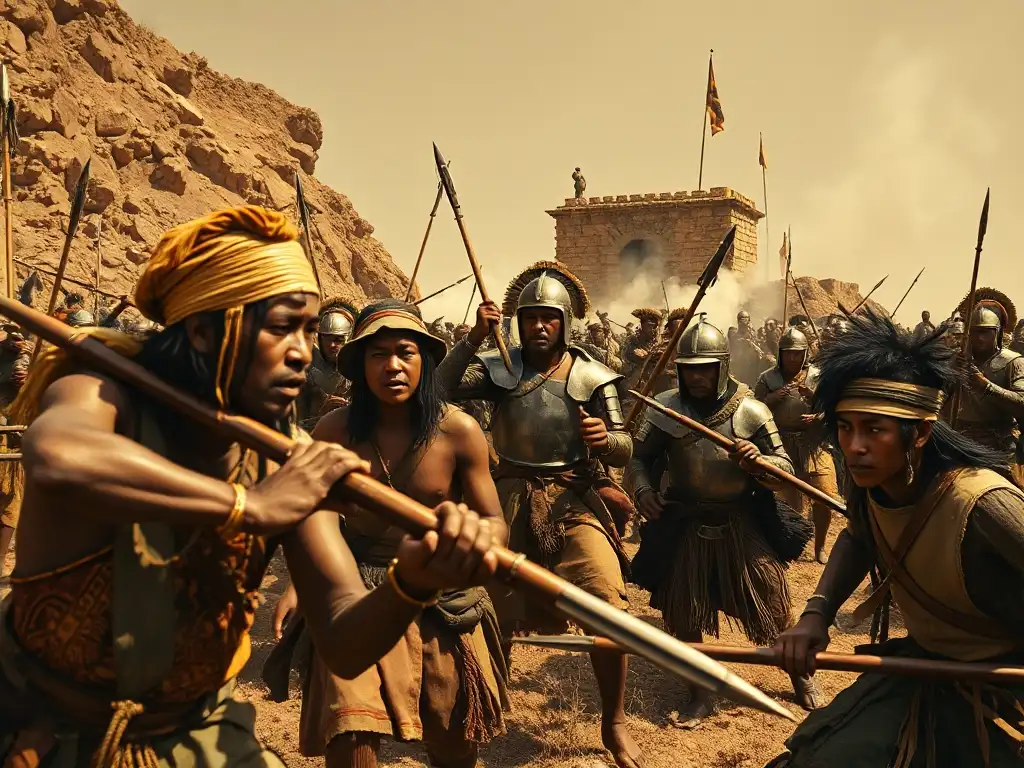
The Spanish conquest of the Andes wasn't a swift, singular event; it was a protracted process punctuated by fierce resistance from various Andean groups. While the Inca Empire's fall is well-documented, numerous smaller, often overlooked rebellions significantly shaped the early colonial period. These early uprisings, fueled by resentment towards Spanish oppression, religious upheaval, and the disruption of traditional Andean societal structures, laid the groundwork for larger-scale resistance movements in later years.
Understanding these early Andean civilizations rebellions provides a crucial perspective on the complexities of the conquest and its lasting impact. The sheer number and diversity of these rebellions highlight the widespread dissatisfaction with Spanish rule and the tenacity of Andean resistance to foreign domination. Analyzing these early conflicts allows for a more nuanced understanding of the "Andean civilizations rebellions" narrative, moving beyond the often-simplified narratives focused solely on the Inca.
The Chalco Rebellion: A Forgotten Act of Andean Defiance
The Chalco Rebellion, occurring in the early 1530s, exemplifies the decentralized nature of early Andean resistance. While lacking the centralized organization of later rebellions, it showcased the potent combination of indigenous tactical knowledge and unwavering determination in the face of overwhelming Spanish military might. Specific details regarding the leadership and exact dates remain scarce due to limited historical documentation focusing primarily on the larger Inca uprisings.
However, accounts from Spanish chroniclers suggest the rebellion involved coordinated attacks on Spanish settlements and supply lines in the highlands. The Chalco people, utilizing their intimate knowledge of the terrain, employed guerilla tactics, inflicting significant casualties on the Spanish before being ultimately subdued. This smaller-scale conflict, though often forgotten, underscores the pervasive resistance to Spanish rule extending beyond the Inca Empire's core territories.
The Chalco rebellion’s legacy lies not just in its immediate impact, but in its contribution to the broader context of Andean resistance against the Spanish, demonstrating the widespread nature of the discontent. Further research is needed to fully understand the scope and impact of this crucial, yet understudied, rebellion.
The Manco Inca Rebellion: A Pivotal Moment of Indigenous Resistance
The Manco Inca Rebellion (1536-1537), arguably the most significant early Andean rebellion, represents a powerful attempt to reclaim Inca territory and restore indigenous rule. Manco Inca Yupanqui, a puppet ruler initially installed by the Spanish, ultimately launched a devastating campaign against the conquistadors, leveraging his knowledge of Inca military strategies and the loyalty of many indigenous communities. The rebellion was characterized by sieges of major Spanish settlements, including Cusco, the former Inca capital.
While ultimately unsuccessful in its overarching goal of restoring the Inca Empire, the rebellion inflicted substantial losses on the Spanish, delaying their consolidation of power and highlighting the persistent threat posed by indigenous resistance. The rebellion's strategic use of ambushes, the mobilization of large indigenous armies, and the exploitation of the Spanish logistical vulnerabilities showcased the continuing military capacity of the Andean populations. This pivotal moment fundamentally altered the dynamics of the conquest, forcing the Spanish to adopt more brutal and coercive methods to maintain control.
The Manco Inca Rebellion serves as a powerful example of the resilience of Andean civilizations and their capacity for organized resistance against overwhelming odds. The scale and intensity of this conflict solidified its place as a landmark event in the history of Andean civilizations rebellions.
The Impact of Early Uprisings on Andean Society
The early Andean rebellions, though often defeated militarily, profoundly impacted Andean society. These uprisings resulted in significant loss of life and widespread displacement of indigenous populations. The Spanish responded with brutal reprisals, further exacerbating the suffering and contributing to the collapse of traditional social structures.
However, these rebellions also fostered a sense of shared identity and collective resistance among various Andean groups. The initial uprisings, though ultimately unsuccessful in achieving their immediate goals, planted the seeds for future resistance movements, shaping the ongoing struggle for autonomy and self-determination. The legacy of these early conflicts is visible in the continued cultural practices and traditions that survived despite Spanish attempts at suppression.
Furthermore, the strategic and tactical innovations employed during these rebellions were adopted and adapted in subsequent uprisings, demonstrating a continuous evolution of resistance strategies. The long-term impact of these early Andean civilizations rebellions extends beyond the immediate military conflicts, influencing the social, political, and cultural landscape of the Andes for centuries to come. The study of these early uprisings provides a critical lens through which to understand the complexities of Andean history and the enduring spirit of resistance against oppression.
Regional Resistance Movements: Diverse Forms of Andean Opposition
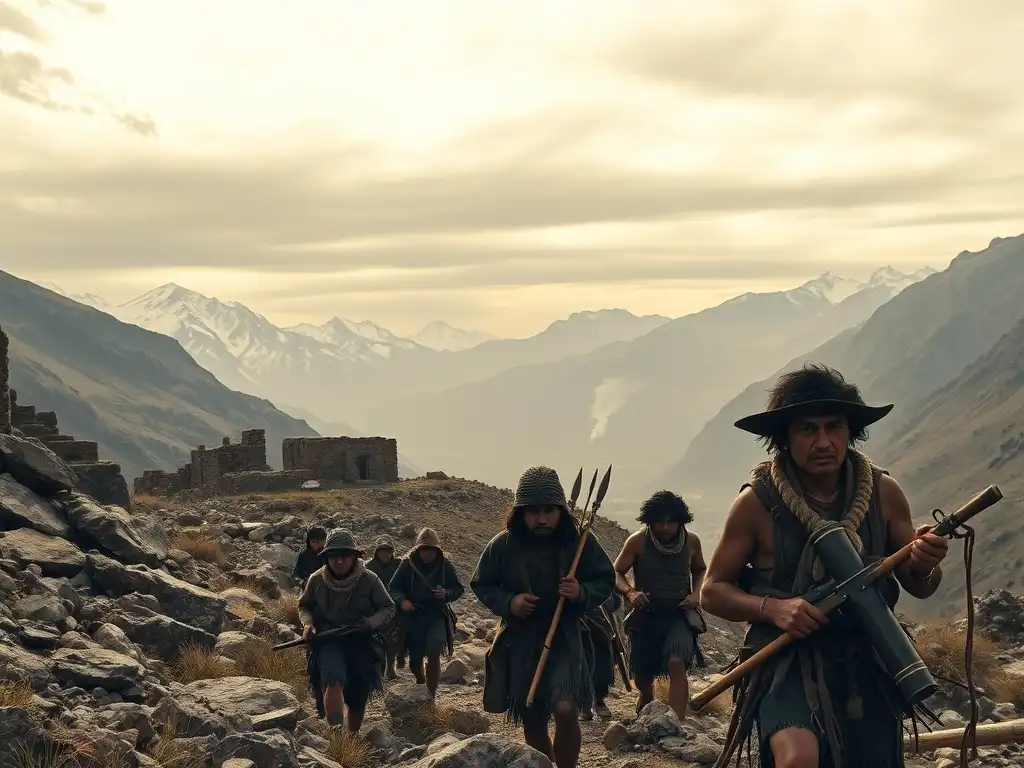
The Spanish conquest of the Andes wasn't a monolithic event; it was met with diverse and multifaceted resistance throughout the vast and varied landscape. While the Inca Empire's fall is well-documented, numerous smaller-scale rebellions, often overlooked in broader narratives of Andean civilizations rebellions, played a crucial role in shaping the colonial era.
These uprisings, characterized by their regional specificity and unique strategies, highlight the resilience and adaptability of Andean communities in the face of overwhelming odds. Understanding these localized conflicts provides a more nuanced perspective on the broader history of Andean resistance to Spanish rule and offers valuable insight into the complexities of Andean civilizations and their interactions with the colonizers.
The sheer diversity of tactics employed, from guerilla warfare to strategic alliances, underscores the ingenuity and determination of the Andean peoples in their struggle for survival and autonomy. Analyzing these diverse forms of opposition reveals a tapestry of resistance woven across the Andean highlands and beyond.
The Chachapoya Uprising: Resistance in the Cloud Forests of Northern Peru
The Chachapoya, inhabitants of the cloud forests of northern Peru, presented a unique challenge to the Spanish conquistadors. Their mountainous terrain, characterized by dense jungles and treacherous cliffs, provided a natural defense against Spanish advances. Unlike the Inca, who relied on a centralized, hierarchical structure, the Chachapoya were organized into smaller, independent communities.
This decentralized structure, while potentially weakening their overall military power, allowed them to wage a protracted and effective guerilla war against the Spanish. Historians suggest that their knowledge of the terrain, coupled with their effective use of ambush tactics, significantly hampered Spanish efforts to establish control over the region.
The Chachapoya resistance, though ultimately unsuccessful in preventing Spanish colonization, lasted significantly longer than many other Andean uprisings, testament to their tenacity and the effectiveness of their strategies in the challenging cloud forest environment. Unfortunately, precise details regarding casualty numbers and the duration of the conflict remain scarce, highlighting the need for further historical research on this crucial aspect of Andean civilizations rebellions.
The Huanca Resistance: Strategic Alliances and Shifting Loyalties
The Huanca, inhabiting the central Andes, initially collaborated with the Spanish, hoping to exploit the changing political landscape to their advantage. However, as the brutality of Spanish rule became increasingly apparent, many Huanca communities shifted their allegiances and joined forces with other indigenous groups in rebellion. This demonstrates the fluid nature of alliances during the conquest, where pragmatism and survival often dictated choices.
The Huanca resistance was notably characterized by its strategic use of alliances, forming shifting coalitions with other groups to challenge Spanish authority. This highlights the complex political dynamics at play in the Andean highlands, where pre-existing rivalries and alliances were manipulated and re-negotiated in response to the Spanish threat.
Further research is needed to fully understand the intricacies of these alliances and the long-term consequences of the Huanca's participation in the Andean civilizations rebellions. The available historical records, fragmented and often biased, present a challenge to fully reconstructing the Huanca's resistance.
Uprisings in the Southern Andes: The Chiriguano Wars and Their Aftermath
The Chiriguano, inhabiting the Gran Chaco region of present-day Bolivia and Argentina, waged a protracted series of wars against the Spanish that lasted for centuries. Unlike other Andean uprisings often characterized by initial resistance followed by gradual subjugation, the Chiriguano maintained a high level of autonomy and actively resisted Spanish control for an exceptionally long period. Their success stemmed from a combination of factors, including their mastery of guerilla warfare in the challenging Chaco environment, their strong social organization, and their ability to forge alliances with other indigenous groups.
The Chiriguano wars serve as a compelling example of sustained resistance against colonial power, demonstrating the enduring spirit of Andean peoples. The impact of these protracted conflicts on the demographic and social structures of the region remains a subject of ongoing scholarly debate.
More research is needed to fully analyze the long-term consequences of these Andean civilizations rebellions and their lasting legacy on the cultural landscape of the southern Andes. The scarcity of primary sources on the Chiriguano wars presents an obstacle to achieving a more comprehensive understanding of their struggles.
Motivations and Strategies of Andean Rebellions
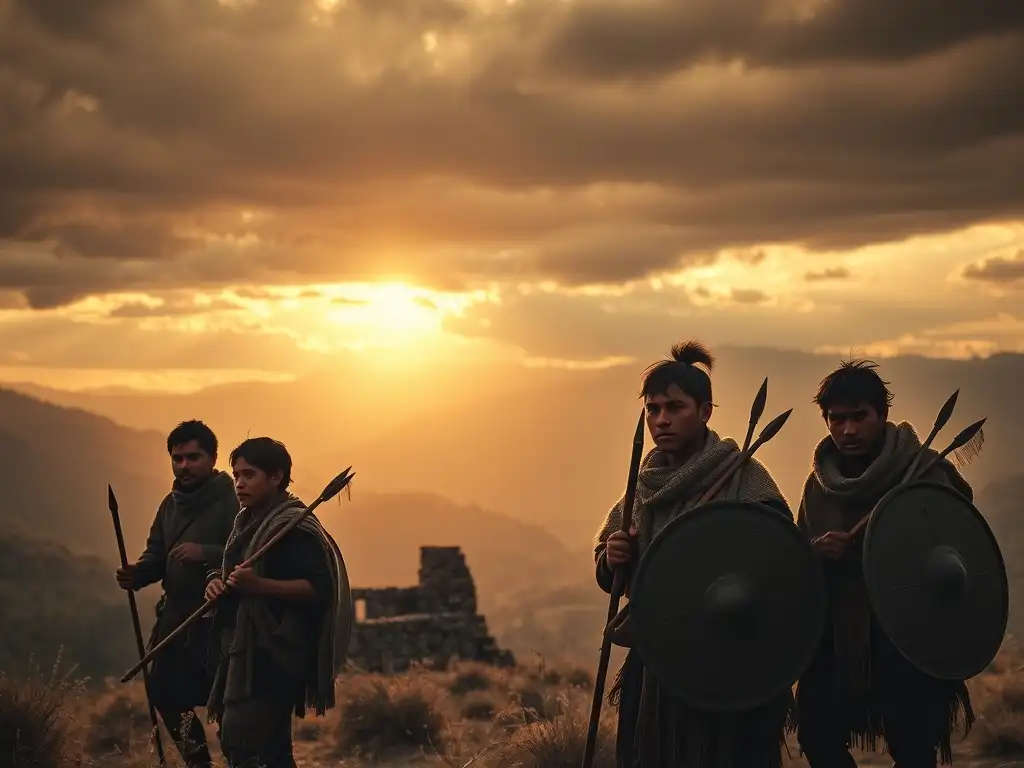
The Spanish conquest of the Andes wasn't a swift, decisive victory. Instead, it sparked widespread and prolonged resistance, fueled by a complex interplay of economic exploitation, religious upheaval, and resourceful leadership among the indigenous populations. Understanding the motivations and strategies employed by these Andean civilizations during their rebellions is crucial to grasping the true depth and complexity of the colonial period. The term "Andean civilizations rebellions" itself encompasses a multitude of uprisings, each with unique characteristics shaped by specific local conditions and grievances.
Economic Exploitation and Andean Grievances
The Spanish conquest fundamentally altered the Andean economic landscape. The mita, a pre-Columbian labor system, was brutally repurposed by the Spanish into forced labor in mines (particularly silver mines) and on encomiendas (land grants). This system led to widespread death from overwork, malnutrition, and disease. The indigenous population, accustomed to a system of reciprocity and community-based resource management, faced a drastic shift towards forced labor for the enrichment of the Spanish crown and its colonial elite. This economic exploitation fueled resentment and became a primary driver of rebellion.
Furthermore, the Spanish imposed a tribute system, demanding payments in gold, silver, and other goods. This placed an immense burden on already struggling communities, exacerbating existing inequalities and driving many to desperation. The disruption of traditional agricultural practices and trade networks further contributed to widespread economic hardship, pushing many Andean communities towards open rebellion as a last resort. Quantitative data on the mortality rates within the mita system, while difficult to obtain with complete accuracy, consistently paints a grim picture of widespread suffering and death, directly contributing to the intensity of the rebellions.
Religious Conflicts and Indigenous Beliefs
Religious conflict played a significant role in fueling Andean rebellions. The Spanish aggressively sought to suppress indigenous religious practices and beliefs, imposing Catholicism through forced conversions and the destruction of sacred sites. This assault on deeply held spiritual beliefs caused widespread resentment and sparked resistance. The Inca religion, with its complex pantheon of gods and intricate rituals, was particularly targeted. The destruction of huacas (sacred places) and the suppression of traditional ceremonies served as potent symbols of colonial oppression, fueling the flames of rebellion.
The imposition of a foreign religion was not simply a matter of cultural imposition; it was also an attack on the social and political order of Andean societies. Religious practices were intrically linked to social structures and political authority. By dismantling indigenous religious systems, the Spanish sought to undermine the very foundations of Andean society, thereby paving the way for their own domination.
This deliberate targeting of religious beliefs and practices significantly contributed to the intensity and longevity of the Andean civilizations rebellions. The syncretic religious practices that emerged in response to the Spanish conquest, while representing a form of adaptation, also often served as a covert means of maintaining indigenous identity and resistance.
Leadership and Organization in Andean Rebellions
The success of any rebellion hinges on effective leadership and organization. Andean rebellions varied greatly in their organizational structures, ranging from localized uprisings led by charismatic local leaders to broader, more coordinated movements involving multiple ethnic groups. Many rebellions were led by individuals who held traditional authority within their communities, leveraging their existing influence to mobilize resistance against the Spanish. In some instances, descendants of Inca nobility played crucial roles, rallying their people around claims of restoring Inca rule and reclaiming ancestral lands.
The effectiveness of Andean resistance was often dependent on the ability of leaders to unite diverse groups under a common banner. This required skillful negotiation and strategic alliances, often transcending traditional ethnic divisions. While the Spanish often relied on internal divisions amongst the indigenous population to maintain control, successful rebellions demonstrated the capacity of Andean communities to overcome these divisions and forge powerful coalitions against colonial rule.
The use of guerrilla warfare tactics, taking advantage of the Andean terrain and employing hit-and-run strategies, played a significant role in the success of several rebellions, demonstrating a remarkable level of military adaptability and resilience in the face of overwhelming odds. Further research into the specific leadership structures and organizational strategies employed in various Andean rebellions would provide a more comprehensive understanding of the factors that contributed to their success or failure.
The Legacy of Andean Resistance: Long-Term Impact and Influence
The brutal Spanish conquest of the Andes left an indelible mark, but the story isn't solely one of subjugation. The fierce resistance offered by various Andean groups, though ultimately unsuccessful in preventing colonial rule, profoundly shaped the region's future. Understanding the legacy of these rebellions is crucial to appreciating the complexities of Andean history and the enduring strength of Andean culture. The impact reverberates even today, influencing everything from cultural practices to political movements.
The sheer tenacity displayed in the face of overwhelming odds serves as a powerful testament to the resilience of the Andean peoples. Analyzing the long-term consequences of these uprisings reveals a complex interplay of cultural preservation, adaptation, and the slow, persistent germination of independence movements. The fight for autonomy, though often suppressed, never truly died.
The Persistence of Andean Culture and Identity
Despite the systematic efforts by the Spanish to suppress indigenous cultures, Andean traditions demonstrated remarkable persistence. The rebellions, while often militarily unsuccessful, served as crucial moments of cultural affirmation. For instance, the Túpac Amaru II rebellion (1780-1783) wasn't just a military campaign; it was a powerful assertion of Inca identity and a rejection of colonial impositions.
The use of Inca symbols, language (Quechua), and traditional practices within the rebellion acted as powerful symbols of resistance, helping to maintain a sense of cultural continuity. Even after the rebellion's crushing defeat, these cultural elements persisted in rural communities, often subtly interwoven with aspects of Spanish Catholicism. This syncretism, a blending of indigenous and colonial beliefs, allowed Andean culture to survive and adapt, ensuring its continuity across generations.
The continued use of traditional weaving techniques, agricultural practices, and storytelling served as powerful ways to transmit cultural knowledge and maintain a distinct Andean identity in the face of oppression. The resilience of Andean languages, particularly Quechua, is another significant indicator of this cultural persistence. Even today, Quechua remains a vital part of the cultural landscape, a testament to the enduring spirit of Andean resistance.
The Seeds of Later Independence Movements
The Andean rebellions against Spanish rule laid the groundwork for later independence movements in the 19th century. The experiences of resistance, the organization of rebel armies, and the development of networks of communication and support during these earlier struggles provided valuable lessons and precedents. The strategies and tactics employed by indigenous leaders, often adapted and refined over the course of several decades of conflict, informed the strategies of later creole revolutionaries.
The memory of past rebellions, passed down through generations, fueled a sense of shared identity and purpose among those who would eventually fight for complete independence from Spain. Furthermore, the social and political unrest generated by the earlier rebellions created an environment ripe for the emergence of new ideas about self-governance and national identity.
The challenges faced during the colonial period, and the lessons learned from both success and failure during those uprisings, directly contributed to the development of a more cohesive and effective revolutionary movement in the years leading up to independence. The seeds of rebellion, sown in the 18th century, finally blossomed in the 19th.
Lessons from Andean Resistance
The study of Andean rebellions offers invaluable lessons about the nature of resistance, the dynamics of colonial power, and the enduring strength of indigenous cultures. These uprisings demonstrate the importance of understanding the specific context of resistance, highlighting the diverse motivations and strategies employed by different groups. While some rebellions focused on reclaiming lost territories or restoring traditional power structures, others emphasized religious or economic grievances.
Analyzing these different approaches reveals the complexity of the Andean resistance movement and the various factors that contributed to its success or failure. The resilience of Andean culture, despite centuries of oppression, underscores the importance of preserving cultural heritage and the power of collective identity in the face of adversity. The long-term impact of these rebellions serves as a reminder that even seemingly unsuccessful struggles can have profound and lasting consequences, shaping the cultural, political, and social landscape for generations to come.
The legacy of Andean resistance continues to inspire and inform movements for social justice and self-determination around the world. 🇿🇦 The study of these events provides a rich and complex understanding of the enduring spirit of the Andean peoples.
Frequently Asked Questions
What were some significant Andean rebellions besides those against the Inca Empire?
The article highlights several lesser-known rebellions, such as those against the Moche and Wari empires. These uprisings often stemmed from social inequalities and economic exploitation. Further research into specific regional conflicts will reveal more examples.
How did geography influence Andean rebellions?
The rugged terrain of the Andes Mountains often provided strategic advantages to rebel groups, allowing them to evade larger, more organized armies. Mountain passes and remote valleys offered natural fortifications.
What were the common causes of rebellions in the Andean region?
Rebellions frequently resulted from oppressive rule, heavy taxation, forced labor, and religious conflicts. Economic hardship and social injustice were also significant contributing factors.
What were the typical outcomes of these Andean rebellions?
Outcomes varied greatly. Some rebellions resulted in regime change or significant concessions from the ruling power. Others were brutally suppressed, resulting in massacres and the reinforcement of existing power structures.
How did the nature of Andean rebellions differ from those in other parts of the world?
Andean rebellions were often characterized by their localized nature, driven by specific grievances within particular regions or ethnic groups. The complex social structures and diverse environments of the Andes shaped the unique character of these uprisings, compared to, for example, large-scale European peasant revolts.
Final Reflection: Echoes of Resistance in the Andes
The echoes of Andean resistance, far from silenced by the passage of time, resonate powerfully in the ongoing struggles for self-determination and social justice across the globe. The lesser-known rebellions detailed in this article serve as potent reminders that the narrative of conquest is never complete, always contested by the voices and actions of those who refuse subjugation. Understanding these often-overlooked uprisings is crucial to a more nuanced and accurate understanding of Andean history and its enduring legacy.
The enduring impact of these rebellions extends far beyond the historical record; they continue to shape the cultural identity and political landscape of the Andes. These struggles, often waged with limited resources against overwhelming odds, embody a spirit of resilience that continues to inspire. The struggle for liberation is not a sprint, but a marathon, and the seeds of resistance are sown in the hearts of the oppressed.
This quote, while not directly from the Andean context, perfectly encapsulates the enduring spirit of those who dared to challenge the established order. Their stories, though often untold, are vital to understanding the complexities of power, resistance, and the enduring human spirit.
Consider, for a moment, the courage it took to rise up against seemingly insurmountable odds. Let the stories of these unsung heroes inspire you to examine your own capacity for resistance, for speaking truth to power, and for fighting for a more just and equitable world. You, too, possess the power to challenge injustice and to create a more meaningful future. Let the legacy of Andean rebellion ignite within you a flame of hope and a commitment to building a world where the voices of the marginalized are finally heard and their struggles are finally understood.
Unveil the Untold Stories of the Andes!
Thank you for joining us on this fascinating journey into the lesser-known rebellions of the Andean Highlands. We hope you found this exploration of history beyond the Inca empire enriching and insightful. Now, let's delve even deeper!
Here are some ways you can continue to engage with this compelling narrative:
- Connect with a local history group or participate in online forums dedicated to Andean history to share your insights and learn from others.
- Explore your local library or online archives for books, documentaries, and articles that offer a more in-depth understanding of Andean history.
- Share your newfound knowledge with friends, family, and on social media to spark conversations and raise awareness about these crucial historical events.
Which aspect of Andean history has captivated you the most, and how will you share its story with others?