
The Shaman's Tools: Artifacts of Power and Transformation in Andean Cultures

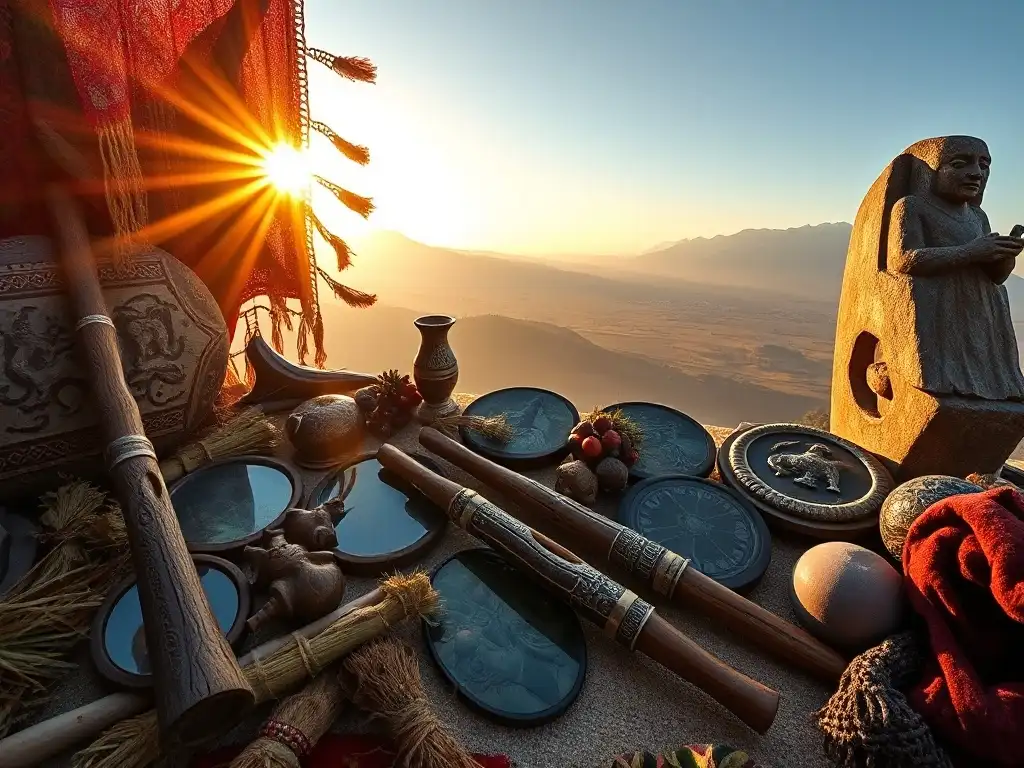
Uncover the mysteries hidden within the breathtaking landscapes of the Andes! Journey with us into a world of powerful shamanistic practices and delve into the captivating symbolism of Andean shaman artifacts. What secrets do these ancient objects hold, and what can their meaning reveal about the complex spiritual beliefs of the Incas, Moche, and other remarkable Andean civilizations? Prepare to be amazed as we explore the intricate world of Andean religion and cosmovision—starting with the enigmatic power of their shamanistic tools.
The Andean world, a tapestry woven from the threads of diverse cultures like the Incas, Moche, Nazca, and Tiahuanaco, reveals a profound spiritual landscape dominated by the power and influence of shamans. These spiritual leaders weren't merely healers; they were intermediaries between the human and supernatural realms, wielding knowledge of the cosmos and employing ritual objects to effect profound transformations.
This article delves into the fascinating world of Andean shaman artifacts, exploring their meaning and significance within the context of ancient Andean religious practices. We will examine the diverse array of objects used in shamanic rituals, uncovering the symbolic power embedded within them and their crucial role in shaping Andean cosmovision.
Understanding these artifacts provides a crucial window into the beliefs, practices, and societal structures of these remarkable civilizations, shedding light on the complex relationship between the human and spiritual worlds as understood by the Andean people. The exploration of "Andean shaman artifacts meaning" will reveal how these objects facilitated communication with the spirit world and influenced the lives of the Andean communities.
Understanding Andean Shamanism and its Ritual Objects
Andean shamanism was far from a monolithic practice. While common threads connect the diverse Andean cultures, the specific rituals and the objects used varied considerably depending on the region, time period, and specific shamanic tradition. However, several key elements consistently appear throughout the different cultures. Shamans were considered to possess exceptional abilities, often attributed to inherited lineage or rigorous training.
Their role extended beyond healing; they acted as advisors, mediators in conflicts, and interpreters of dreams and omens. Their connection to the spirit world was facilitated by a variety of ritual objects, imbued with spiritual power and symbolic meaning. These objects weren't merely tools; they were extensions of the shaman's own power, acting as conduits to the supernatural.
The most common artifacts include:
- Ceremonial vessels: Elaborately decorated pottery, often containing remnants of ritual substances. The designs themselves often held symbolic meaning, reflecting specific deities or cosmological concepts. The shape and material of the vessel also played a role in its function and symbolic power.
- Textiles: Woven fabrics with intricate designs, frequently used in ceremonies and adorned by shamans. Specific colors and patterns held symbolic significance, representing different deities or spiritual forces.
- Feathers: Often associated with specific birds considered sacred, feathers were used in headdresses, adornments, and ritual paraphernalia. The type of bird and the way the feathers were arranged could convey a specific message or invoke a particular deity.
- Metal objects: Gold, silver, and copper were highly valued and used to create ritual objects, such as masks, ornaments, and ceremonial tools. The metal itself was often considered to possess inherent spiritual power.
- Figurines: Small sculptures representing deities, animals, or ancestors, used in rituals and often buried as offerings. The style and materials used varied considerably depending on the culture and time period.
These objects, meticulously crafted and imbued with meaning, were not simply decorative. They were integral components of Andean shamanic practices, facilitating communication with the spirit world and enabling the shaman to perform their vital role in society.
The Significance of Artifacts in Andean Shamanic Practices
The use of artifacts in Andean shamanic practices extended beyond mere symbolic representation. These objects served as essential tools in a variety of rituals and ceremonies, facilitating interaction with the spiritual world and impacting the lives of the community. For instance, ceremonial vessels were used to prepare and consume ritual beverages, like chicha, believed to possess intoxicating and visionary properties. Textiles were used to create sacred spaces, to adorn participants in ceremonies, and to act as conduits for spiritual energy.
Feathers, often associated with birds of prey, symbolized power, strength, and connection to the upper world. Metal objects, particularly gold and silver, were associated with the sun and were believed to hold inherent spiritual power. Figurines served as representations of deities or ancestors, allowing shamans to interact with them during rituals.
The meaning of these artifacts wasn't static; it evolved based on the specific context of the ritual and the shaman's interpretation. Understanding the intricate symbolism embedded within these objects requires careful consideration of the cultural context, the specific materials used, and the associated rituals. Further research into specific examples of Andean shaman artifacts found in archaeological sites is crucial to further unravel the complexity of their meaning and significance.
The analysis of these artifacts, combined with ethnographic studies of surviving Andean traditions, reveals a rich and nuanced understanding of Andean shamanic practices and their profound impact on Andean society. The continued study of "Andean shaman artifacts meaning" promises to further illuminate the spiritual landscape of these remarkable ancient civilizations.
- Understanding Andean Shamanism and its Ritual Objects
- The Significance of Artifacts in Andean Shamanic Practices
- The Power of the Mesa: A Shaman's Sacred Altar
- Chonta Wood: The Spiritual Connection Through Shamanic Sticks
- The Role of Rattles and Musical Instruments in Shamanic Healing
- The Meaning and Importance of Andean Textiles in Shamanic Rituals
- Animal Totems and Their Representation in Shamanic Artifacts
- The Use of Sacred Plants and Their Containers in Shamanic Practices
Key Andean Shaman Artifacts and Their Meanings
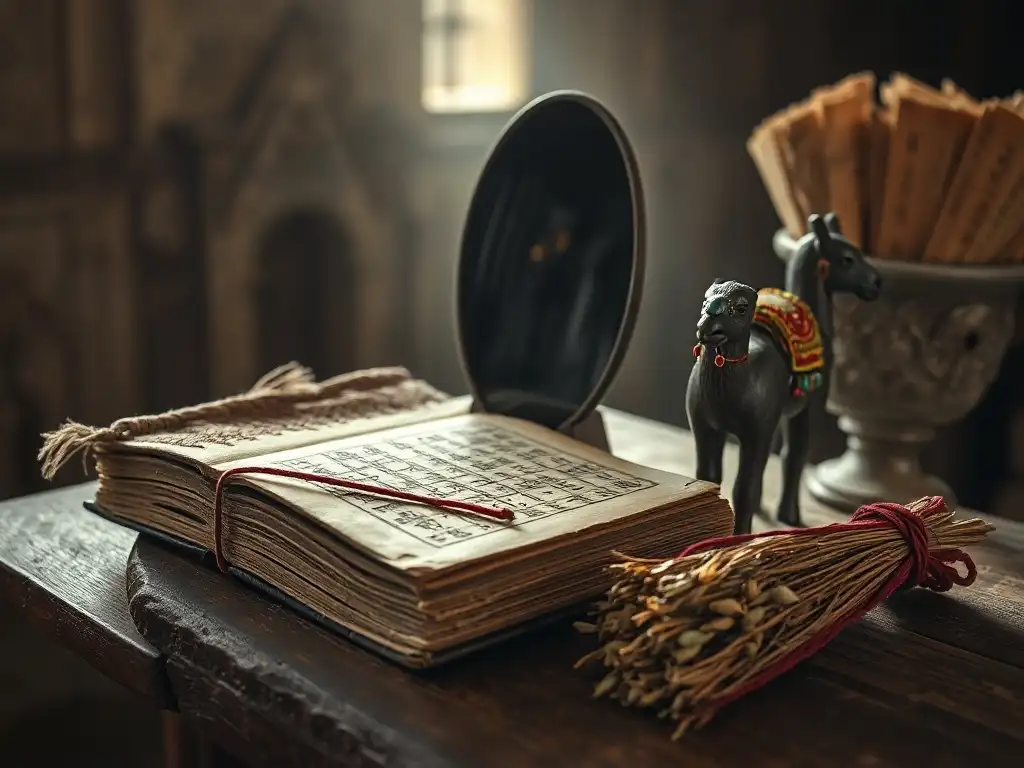
This section delves into the symbolic significance and practical uses of key artifacts employed by Andean shamans. Understanding these objects provides crucial insight into the complex spiritual practices and beliefs of these ancient cultures. The meaning ascribed to these artifacts wasn't merely decorative; they were integral to the shaman's ability to connect with the supernatural world, facilitating healing, divination, and communication with the spirits. The study of Andean shaman artifacts meaning reveals a rich tapestry of cosmological beliefs and ritual practices.
The Power of the Mesa: A Shaman's Sacred Altar
The mesa (table) is arguably the most important artifact in Andean shamanic practice. More than just a table, the mesa is a microcosm of the cosmos, a carefully arranged landscape representing the shaman's power and connection to the spiritual realm. It's a dynamic, evolving space, constantly adjusted according to the specific ritual or healing session. The mesa is typically covered with a richly colored cloth, often adorned with intricate designs.
Upon this cloth, the shaman arranges a variety of objects, each carrying specific symbolic meaning. These can include miniature representations of mountains, animals, and deities; small figurines representing ancestors or spirits; sacred plants like coca leaves and san Pedro cactus; and various tools used in divination and healing, such as shells, stones, and feathers. The arrangement of these elements on the mesa is not arbitrary; it reflects a complex cosmology that connects the earthly realm with the supernatural. The careful placement of each object reflects the shaman's understanding of the interconnectedness of the cosmos and his or her ability to manipulate spiritual energies.
The mesa itself becomes a conduit for these energies, a focal point for the shaman's ritual practices, and a powerful symbol of their authority and spiritual expertise. The vibrant colors and intricate designs further enhance the mesa's sacred function, contributing to the overall atmosphere of the ritual. The meticulous preparation and arrangement of the mesa are crucial aspects of the shaman's work, reflecting the profound respect and reverence they hold for the spiritual world. Detailed studies of preserved mesas from various Andean cultures reveal intriguing variations in their composition and arrangement, suggesting regional differences in shamanic practices and beliefs.
Chonta Wood: The Spiritual Connection Through Shamanic Sticks
Chonta wood, derived from the Bactris gasipaes palm tree, holds significant spiritual importance in many Andean cultures. Its strength, durability, and unique properties make it a preferred material for crafting various shamanic tools. The use of chonta wood in shamanic rituals reflects a deep understanding of the plant's symbolic and practical value. The selection of chonta wood itself is often steeped in ritual, with shamans carefully choosing specific pieces based on their size, shape, and perceived spiritual energy.
Uses and Symbolism of Chonta Wood in Andean Rituals
Chonta wood is frequently used to create huacas, small carved figures representing deities or spirits. These huacas serve as intermediaries between the shaman and the supernatural world. The shaman might use them during divination rituals or to channel the energy of specific deities. Furthermore, chonta wood is often used to make palos, or shamanic sticks, used for a variety of purposes.
These sticks can be used to direct energy during healing ceremonies, to represent specific deities or spirits, or as tools for divination. The markings and carvings on these sticks often hold specific symbolic meanings, further enhancing their spiritual power. The versatility of chonta wood allows shamans to utilize it for many different rituals and ceremonies, highlighting its importance in their spiritual practice. The durability of the wood ensures that these tools can be passed down through generations, maintaining a connection to ancestral shamanic practices.
The choice of chonta wood over other materials underscores its perceived spiritual potency and its ability to act as a conduit for spiritual energy. Ethnographic studies of contemporary Andean shamanic practices continue to reveal the multifaceted uses and enduring significance of chonta wood in maintaining the continuity of these ancient traditions. The detailed carvings and symbolic representations found on these artifacts offer valuable insights into Andean cosmology and the complex relationship between humans and the spiritual world.
The Role of Rattles and Musical Instruments in Shamanic Healing
The rhythmic sounds of rattles and musical instruments were integral to Andean shamanic practices, acting as more than mere accompaniment. These artifacts served as powerful tools for inducing altered states of consciousness, facilitating communication with the spirit world, and promoting healing. Shamans skillfully manipulated the sounds, believing they could directly influence the energy flow within both the patient and the surrounding environment.
The vibrations weren't just auditory; they were felt physically, creating a resonant experience that facilitated spiritual connection and therapeutic transformation. Different instruments held unique symbolic meanings and were associated with specific deities or spirits. For example, the pututu, a long shell trumpet, was often used to announce important events or summon spirits, its deep resonant sound believed to carry messages across vast distances, both physical and spiritual.
The varied soundscapes created during rituals played a crucial role in achieving a state of trance, allowing the shaman to access other realms and interact with spiritual entities on behalf of the community. This intricate relationship between sound, spirituality, and healing is a testament to the sophisticated understanding of acoustics and their therapeutic potential within Andean cultures. The careful selection and manipulation of these instruments underscore the shaman's expertise and their ability to harness the power of sound for the benefit of their community.
The Sound of Power: Andean Shamanic Instruments
Beyond the pututu, a diverse array of instruments contributed to the sonic landscape of Andean shamanic rituals. These included various types of flutes, panpipes ( antara), drums ( tinku), and rattles made from gourds or seeds. Each instrument possessed unique sonic qualities and symbolic associations. Flutes, with their delicate melodies, were often linked to the breath of life and the connection between the earthly and spiritual realms.
Panpipes, with their layered harmonies, were associated with the diverse energies of the Andes mountains themselves. The rhythmic beating of drums, on the other hand, created a powerful, driving force, mirroring the heartbeats of the earth and the pulse of life. Rattles, with their percussive and unpredictable sounds, were believed to mimic the chaotic energy of the spirit world, helping the shaman to navigate and control these often unpredictable forces.
The skillful combination of these instruments, orchestrated by the shaman, created a powerful sonic tapestry, weaving together the diverse energies of the Andean cosmos and facilitating the shaman's journey into the spirit world. The specific instruments used often varied depending on the ritual's purpose and the specific spirits being contacted. This careful selection and use of instruments highlight the shaman's deep understanding of the sonic landscape and its potential to facilitate healing and transformation.
The Meaning and Importance of Andean Textiles in Shamanic Rituals
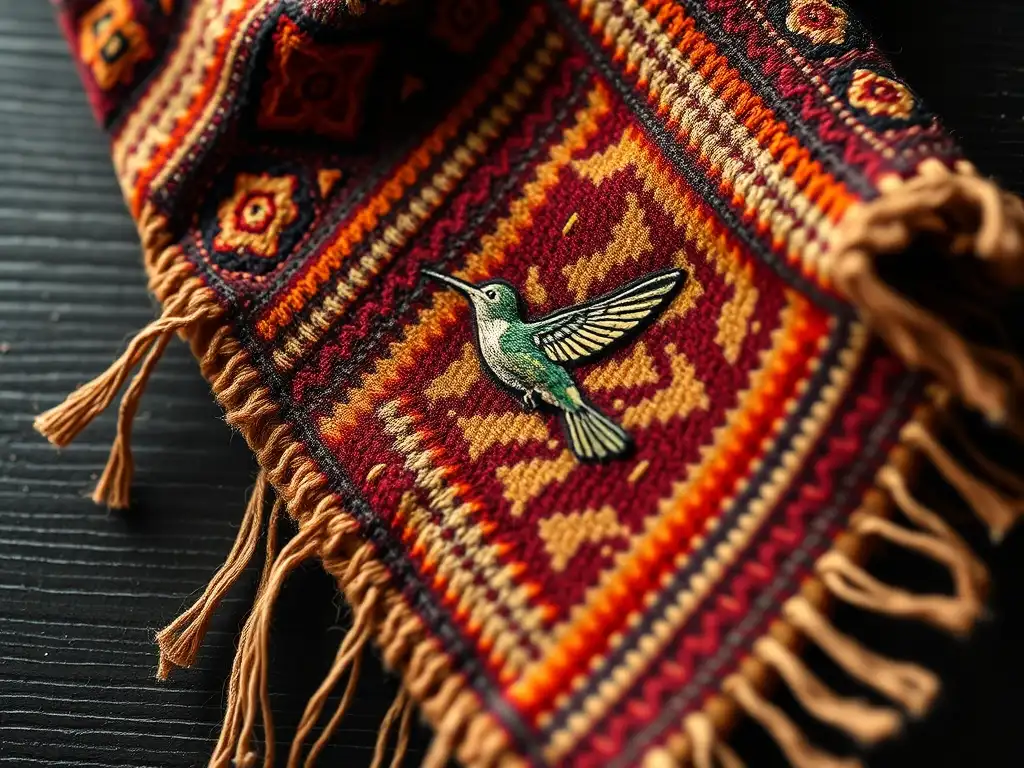
Textiles in Andean cultures were not merely functional; they were imbued with profound spiritual significance, serving as potent tools in shamanic rituals. The intricate weaving techniques, the selection of colors and fibers, and the symbolic designs all held deep meaning, reflecting a complex cosmology and worldview. Textiles functioned as mediators between the human and spiritual realms, facilitating communication with ancestral spirits and deities.
Shamans often wore elaborately adorned garments during rituals, their textiles acting as a visual representation of their spiritual power and connection to the supernatural. The vibrant colors used in the textiles represented different energies and forces within the Andean worldview, with specific colors associated with specific deities or elements of nature. For instance, red might represent the sun's life-giving energy, while blue might represent the water's life-sustaining power.
The patterns woven into the textiles were equally significant, often depicting mythological figures, celestial events, or sacred landscapes. These visual narratives helped to tell stories and transmit knowledge across generations, solidifying the connection between the present and the past, the living and the ancestors.
Sacred Weavings: Connecting with the Spirit World
The creation of these sacred textiles was itself a ritualistic process. The careful selection of fibers, often from alpaca or llama, was imbued with spiritual significance. The act of weaving itself was considered a sacred act, a form of prayer and meditation, connecting the weaver with the spiritual world.
Shamans often played a central role in the creation of these sacred textiles, guiding the weaving process and imbuing the finished product with their spiritual power. These textiles were not just worn; they were used in various ritual practices. They could be used as offerings to deities, as shrouds for the deceased, or as tools for divination.
The intricate designs and symbolic patterns helped to connect the shaman with the spirit world, providing a visual pathway for communication and understanding. The enduring legacy of these textiles speaks to the deep spiritual significance of weaving in Andean cultures and its enduring power to connect the past, present, and future. The meticulous craftsmanship and symbolic richness of these textiles continue to fascinate and inspire, offering a profound insight into the spiritual beliefs and practices of the Andean shamans.
Animal Totems and Their Representation in Shamanic Artifacts
Animal totems held immense significance in Andean shamanic practices, representing powerful forces of nature and embodying specific attributes crucial for spiritual journeys and healing. These animals weren't merely depicted; their presence in artifacts signified a deep connection between the shaman and the spiritual world, often acting as intermediaries or guides. The careful selection and artistic rendering of these animals in artifacts reflects the shaman's understanding of their power and the intricate cosmology of the Andean worldview.
The choice of animal wasn't arbitrary; it was carefully considered based on the specific ritual, the shaman's personal power animal, and the needs of the community. Certain animals were associated with specific deities or celestial bodies, further enriching the symbolic meaning embedded within the artifact.
The Andean Condor, Jaguar, and Serpent: Powerful Symbols
The Andean condor, with its soaring flight and majestic presence, often symbolized power, strength, and the ability to connect the earthly and celestial realms. Depictions of condors in artifacts, whether carved in wood, sculpted in metal, or woven into textiles, frequently represented the shaman's ability to reach higher spiritual planes. The jaguar, a creature of both strength and stealth, was often associated with shamanic power, representing the ability to see into the unseen world and navigate the complexities of the spiritual realm.
Its representation in artifacts might suggest the shaman's mastery over the forces of nature and their ability to harness the power of the wild. Finally, the serpent, a symbol of fertility, transformation, and healing in many cultures, also held significant meaning in Andean shamanism.
Serpents, often depicted in intricate designs on pottery or textiles, could represent the cyclical nature of life, death, and rebirth, reflecting the shaman's role in mediating these processes. The intertwined nature of these three powerful symbols often reflects the interconnectedness of the Andean worldview and the shaman's ability to navigate this complex system.
The Use of Sacred Plants and Their Containers in Shamanic Practices
Sacred plants played a crucial role in Andean shamanic practices, acting as powerful facilitators of spiritual journeys and healing rituals. The use of these plants wasn't casual; it was deeply embedded within a complex system of knowledge and ritual, with specific plants associated with specific deities or spiritual purposes. Shamans carefully cultivated, harvested, and prepared these plants, often utilizing elaborate rituals to ensure their potency and efficacy.
The containers used to store and transport these sacred plants were also imbued with symbolic meaning, often crafted with intricate designs and materials reflecting their significance. These containers weren't merely utilitarian; they were integral to the ritual itself, acting as vessels for the sacred power contained within the plants.
Coca Leaves and Ayahuasca: Facilitating Spiritual Journeys
Coca leaves, a staple of Andean culture, were not only a source of energy and sustenance but also played a vital role in shamanic practices. Chewed or brewed into a tea, coca leaves were believed to enhance awareness, facilitate communication with the spirit world, and provide access to visionary states. Archaeological findings frequently uncover coca leaves alongside other shamanic artifacts, highlighting their importance in ritual contexts.
While Ayahuasca isn't traditionally Andean in origin, its use in some later Andean traditions and its close conceptual relationship to other powerful entheogens used in the region merits mention. The ingestion of these substances, often within specific ritual contexts and accompanied by carefully orchestrated ceremonies, allowed shamans to enter altered states of consciousness, enabling them to diagnose illnesses, communicate with spirits, and perform healing rituals.
The containers used for these plants, often intricately carved or painted, further emphasized their sacred nature and the importance of the rituals they were part of. The careful preparation and handling of these sacred plants underscores the deep respect and understanding that Andean shamans held for their power and the potential they offered for spiritual transformation.
The Transformation and Healing Power of Andean Shamanic Tools
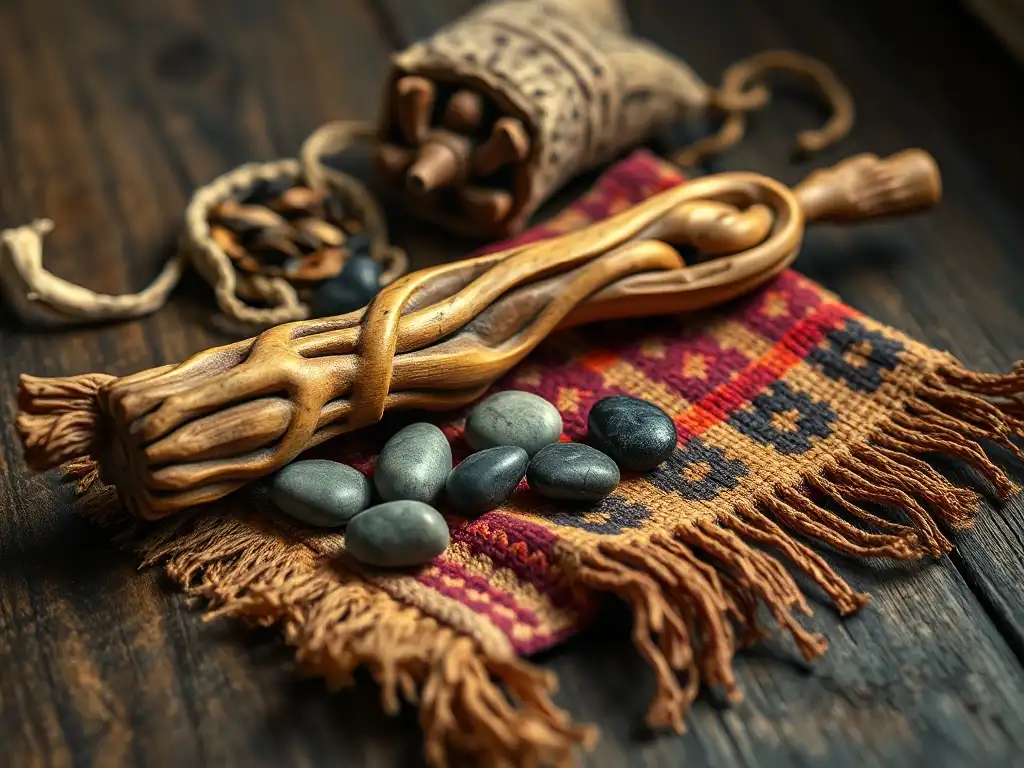
Andean shamanic artifacts weren't merely decorative objects; they were powerful instruments believed to facilitate transformation, healing, and communication with the spirit world. Their meaning extended far beyond their material composition, imbued with spiritual potency through ritual and use. Understanding the significance of these artifacts requires appreciating the Andean worldview, where the physical and spiritual realms were inextricably intertwined.
The effectiveness of these tools wasn't solely dependent on their physical properties but also on the shaman's skill, spiritual power, and connection to the sacred. This intricate relationship between artifact, shaman, and cosmology is crucial to understanding their role in Andean societies. The power wasn't inherent in the object itself, but activated through the shaman's expertise and ritual practice.
Using Artifacts for Divination and Prophecy
Divination, the practice of seeking knowledge about the future or the unknown, was a central aspect of Andean shamanism. Various artifacts served as tools for this purpose. For example, intricately carved huacas (sacred objects), often depicting deities or mythical beings, were used in rituals to interpret omens and predict events.
The shaman, through trance or other altered states of consciousness, would interact with the huaca, interpreting its symbolic language to glean insights. Furthermore, specific types of stones, bones, or shells might be used in tapu rituals, where the arrangement or movement of these objects provided guidance. The interpretation of these divinatory practices was highly nuanced, often relying on years of training and experience.
Detailed records of divinatory practices, unfortunately, are scarce due to the destruction of many written sources and the oral nature of much of the shamanic tradition. However, surviving archaeological evidence and ethnographic studies from later Andean cultures provide valuable clues about these practices, offering insight into the multifaceted meaning of Andean shaman artifacts.
Artifacts as Tools for Energy Manipulation and Healing
Many Andean shamanic artifacts were believed to possess the capacity to manipulate energy, both for healing and for causing harm. Kero (ceremonial cups), often elaborately decorated, were not simply vessels for drinking; they were believed to channel energy during rituals. The shaman might use a kero to bless or cure an individual, directing positive energy through the vessel.
Similarly, tumi (ceremonial knives) were not just tools; they were used in ritual contexts to cut away negative energies or illnesses. The act of using the tumi wasn't simply a physical one but a symbolic act of spiritual cleansing. The specific materials used in creating these artifacts – certain types of stones, metals, or woods – were also considered important for their energetic properties.
For instance, specific stones were associated with particular deities or energies, enhancing their efficacy in healing rituals. The power to heal or harm was believed to reside both within the artifact and within the shaman's ability to harness and direct that power. The precise methods of energy manipulation remain largely understood through interpretations of archaeological findings and surviving practices in contemporary Andean communities.
The Role of Andean Shamanic Artifacts in Community Rituals
Andean shamanic artifacts played a vital role in community rituals, reinforcing social cohesion and maintaining cosmic balance. These rituals were often elaborate affairs, involving the participation of many community members. Artifacts served as focal points, enhancing the power and efficacy of the ceremonies. For example, large, intricately woven textiles, often depicting deities or mythical scenes, were used in public ceremonies to connect the community with the spiritual realm.
The presence of these artifacts, coupled with the shaman's actions, created a powerful atmosphere, fostering a sense of unity and shared identity. The use of these artifacts in community rituals also served to reaffirm the shaman's authority and status within the community. Their possession and skilled manipulation demonstrated the shaman's connection to the spirit world and their ability to mediate between the human and divine realms.
The significance of these artifacts in community rituals highlights their function as more than just tools; they were key elements in maintaining social order and ensuring the wellbeing of the community. Further research is needed to fully explore the diversity of ritual practices and the specific role of different artifacts across various Andean cultures and time periods. The complexity of these rituals and their significance to Andean society underscore the importance of studying these artifacts within their cultural and historical context.
The Legacy of Andean Shaman Artifacts in Contemporary Practices
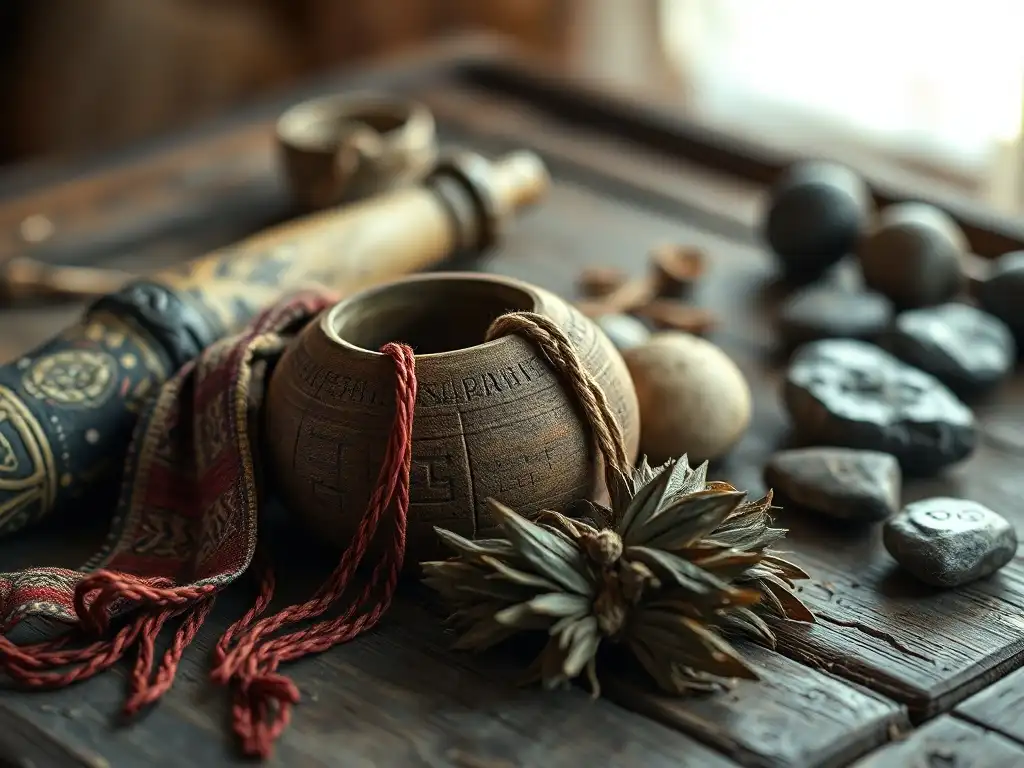
The enduring power of Andean shamanic traditions is vividly reflected in the continued relevance of their artifacts. These objects, far from being mere relics of the past, maintain a potent symbolic and spiritual significance for many Andean communities today. Understanding this legacy requires acknowledging the complex interplay between historical context, cultural continuity, and contemporary reinterpretations.
The meaning imbued in these artifacts isn't static; it evolves and adapts across generations, shaped by both internal cultural shifts and external influences. The vibrant tapestry of Andean spirituality continues to be woven with threads from the past, demonstrating the remarkable resilience of ancient practices. The study of Andean shaman artifacts meaning, therefore, is not simply an archaeological endeavor, but a vibrant exploration of living culture.
Modern Interpretations of Traditional Shamanic Tools
Modern interpretations of traditional Andean shamanic tools often involve a blend of ancient knowledge and contemporary perspectives. For example, the huaca, a sacred object imbued with spiritual power, might be understood today not only through its original ritualistic context but also through the lens of contemporary Andean spirituality and indigenous revitalization movements. While traditional uses persist—such as the use of specific herbs and coca leaves in healing ceremonies—new contexts have emerged.
Some artisans now create contemporary versions of ancient tools, blending traditional techniques with modern materials. This creative process reflects a dynamic engagement with heritage, resulting in a contemporary expression of ancient Andean shamanic practices. This adaptation isn't a betrayal of tradition, but rather a testament to its enduring relevance.
The meaning of these artifacts is actively renegotiated, reflecting the ever-evolving relationship between past and present. This ongoing process of interpretation enriches our understanding of Andean shaman artifacts meaning, showcasing the continuous adaptation of ancient practices.
Preserving the Knowledge of Andean Shamanic Traditions
The preservation of knowledge surrounding Andean shamanic traditions is crucial for safeguarding the cultural heritage of the Andes. This requires a multi-faceted approach, combining academic research with community-based initiatives. Ethnographic studies, meticulously documenting traditional practices and oral histories, are essential. Furthermore, collaborative projects involving archaeologists, anthropologists, and Andean communities themselves are vital for ensuring that knowledge is shared respectfully and accurately.
The creation of archives and museums dedicated to Andean artifacts, with community participation in curation and interpretation, is critical. This ensures that these objects are not simply displayed as static artifacts, but rather presented within their rich cultural context. Efforts to document and preserve traditional techniques for crafting shamanic tools are also essential.
Documenting the intricate techniques involved in crafting these tools—from the selection of materials to the specific rituals involved—helps to maintain the integrity of these practices. Protecting this knowledge isn't just about preserving objects; it's about protecting the living culture they represent. This proactive approach is vital for a nuanced understanding of Andean shaman artifacts meaning.
Ethical Considerations in the Study and Use of Shamanic Artifacts
The study and use of Andean shamanic artifacts raise significant ethical considerations. Respect for cultural heritage is paramount. This necessitates obtaining informed consent from communities before undertaking research or exhibiting artifacts. Repatriation of artifacts to their communities of origin is often a crucial step in ensuring ethical stewardship.
The commercialization of these objects must be approached with sensitivity, avoiding practices that exploit cultural heritage or commodify sacred items. Academic research should prioritize collaboration with indigenous communities, ensuring that their voices and perspectives are central to the research process. The interpretation of Andean shaman artifacts meaning should always be guided by a commitment to respectful engagement and the avoidance of misrepresentation.
This ethical framework is essential to avoid perpetuating harmful stereotypes or misinterpreting the significance of these sacred objects. The responsible study of Andean shaman artifacts meaning demands a commitment to the principles of cultural respect and collaboration. This commitment is crucial for fostering mutual understanding and ensuring the preservation of Andean cultural heritage.
Conclusion: The Enduring Power of Andean Shaman Artifacts
The study of Andean shaman artifacts offers a captivating glimpse into the complex spiritual beliefs and practices of ancient Andean societies. These objects, far from being mere tools, served as powerful conduits connecting the earthly and spiritual realms, embodying the shaman's ability to navigate and manipulate these forces.
Their intricate designs, materials, and symbolic representations reflect a deep understanding of the cosmos and a sophisticated cosmology. Analyzing these artifacts allows us to better understand not only the role of the shaman within Andean society but also the intricate worldview that shaped their lives and beliefs.
The enduring power of these artifacts lies not only in their historical significance but also in their continued ability to inspire awe and wonder, prompting us to contemplate the enduring mysteries of the human spirit and our connection to the natural world. Understanding the Andean shaman artifacts meaning requires a multi-faceted approach, combining archaeological evidence with anthropological interpretations and a sensitivity to the enduring spiritual traditions of the Andes.
Reflecting on the Deep Meaning of Andean Shamanic Objects
The meaning embedded within Andean shamanic objects is multifaceted and often layered. Consider, for example, the huacas, sacred objects often crafted from stone, bone, or metal. These were not merely decorative items; they were imbued with spiritual power, believed to house the spirits of ancestors or deities. Their intricate carvings and symbolic representations often depicted mythological beings, celestial bodies, or scenes from creation myths, reflecting a complex cosmology and a deep understanding of the relationship between humans and the cosmos.
The use of specific materials also held significance. For instance, gold, associated with the sun and its life-giving power, was often used in ceremonial objects, while feathers from rare birds represented spiritual connection and power. Careful analysis of the materials and iconography reveals a depth of meaning often lost to modern interpretation, requiring careful scholarly analysis and a respectful understanding of indigenous perspectives. Further research is needed to fully elucidate the nuances of meaning embedded in specific object types and their regional variations.
We need more detailed studies on the specific symbolic language used in different Andean cultures to fully appreciate the complexity of their religious practices. The study of these objects requires an interdisciplinary approach, combining archaeological findings with ethnographic research and a commitment to understanding these objects within their original cultural context. This deeper understanding reveals not only the Andean shaman artifacts meaning but also the profound spiritual beliefs that shaped Andean societies.
The Continued Relevance of Andean Shamanism in the Modern World
While Andean shamanism may have evolved over time, its core principles and practices continue to resonate in the modern world. Many indigenous communities in the Andes maintain vibrant shamanic traditions, integrating ancient practices with contemporary challenges. The use of traditional healing methods, often incorporating ritual objects and herbal remedies, remains significant in many communities.
These practices represent a continuous thread connecting the past with the present, demonstrating the enduring power of Andean spiritual beliefs. Moreover, the study of Andean shamanism offers valuable insights into contemporary discussions of spirituality, healing, and the relationship between humans and the natural world. The emphasis on interconnectedness, harmony with nature, and the importance of ritual practice in Andean shamanism provides a valuable perspective for modern societies grappling with environmental challenges and the search for spiritual meaning.
The continued relevance of Andean shamanism lies in its ability to offer alternative perspectives on health, well-being, and our place in the world. Understanding the Andean shaman artifacts meaning within this contemporary context can offer a richer understanding of the enduring legacy of Andean spiritual traditions and their continued impact on the region's cultural landscape. Further research should focus on documenting and preserving these living traditions, ensuring the continued transmission of knowledge and the respect for the cultural heritage of Andean communities.
Frequently Asked Questions
What are Andean shaman artifacts?
Andean shaman artifacts are objects used in rituals and ceremonies by shamans of ancient Andean cultures. These artifacts often hold symbolic meaning related to spiritual power, healing, and connection to the supernatural. Examples include textiles, ceramics, and gold objects.
What is the significance of gold in Andean shaman artifacts?
Gold held immense spiritual significance in Andean cultures. It was associated with the sun, power, and divinity. Gold artifacts were often used in ceremonies and worn by shamans to enhance their connection to the spiritual realm.
How did Andean shamans use these artifacts?
Shamans used artifacts in a variety of ways, including in healing rituals, divination, and communication with spirits. The artifacts served as conduits to the supernatural and aided in the shaman's ability to influence the world.
What are some common types of Andean shaman artifacts?
Common artifacts include textiles with intricate designs, ceramic vessels depicting deities or spirits, and gold and silver jewelry representing celestial bodies or animals. Each artifact type had specific uses and symbolic meanings within the shamanistic practices.
Where can I learn more about the meaning of Andean shaman artifacts?
You can explore museums with Andean collections, academic journals focusing on Andean archaeology, and books on Andean spirituality and shamanism. Further research will reveal the complex symbolism and cultural context surrounding these fascinating objects.
Final Reflection: Echoes of the Andes: Legacy and Legacy-Making
The enduring power of Andean shamanic artifacts isn't confined to dusty museum shelves; it resonates deeply within contemporary society, a testament to the enduring human need for connection, healing, and spiritual understanding. These objects, far from being mere relics of a bygone era, offer a potent lens through which we can examine our own relationship with spirituality, ritual, and the natural world. Their continued study and appreciation are crucial to understanding not only the past, but also the present and future of indigenous knowledge and its relevance to global challenges.
The intricate carvings, the carefully chosen materials, the imbued power – these elements speak to a profound understanding of the interconnectedness of all things, a worldview that feels increasingly vital in our fragmented modern world. The earth is what we all have in common.
This simple statement, though not directly from an Andean source, encapsulates the core message woven into the very fabric of these artifacts: a deep reverence for the land and its life-giving energies, a lesson we desperately need to relearn. The ongoing struggle for indigenous rights and the preservation of cultural heritage is intrinsically linked to the preservation of this wisdom.
Consider the stories held within these objects. Consider the rituals they facilitated, the healing they inspired, the communities they bound together. You, the reader, are now part of this ongoing conversation. Let the echoes of the Andes inspire you to seek deeper connections with the natural world, to appreciate the wisdom of ancient traditions, and to champion the preservation of cultural heritage for generations to come. What steps can you take, in your own life, to honor the enduring legacy of Andean shamanism and its profound message of interconnectedness?
Unveil Your Inner Shaman and Transform Your Life!
Thank you for exploring the fascinating world of Andean artifacts and their profound significance. We hope you've gained valuable insights into the power and transformative potential embedded within these rich cultures. Now that you've begun this journey into ancient wisdom, it's time to take the next step!
- Deepen your understanding of Andean spirituality by reading our in-depth guide on the role of sacred sites in ritual practices.
- Share your newfound knowledge with friends and family, sparking conversations about the importance of cultural understanding and appreciation.
- Join our vibrant community of enthusiasts! Subscribe to our newsletter for exclusive articles, events, and engaging discussions about Andean traditions.
What aspect of Andean spirituality resonates most with you, and how will you integrate it into your life?