
The Coca Leaf's Sacred Journey: Andean Rituals of Divination and Healing

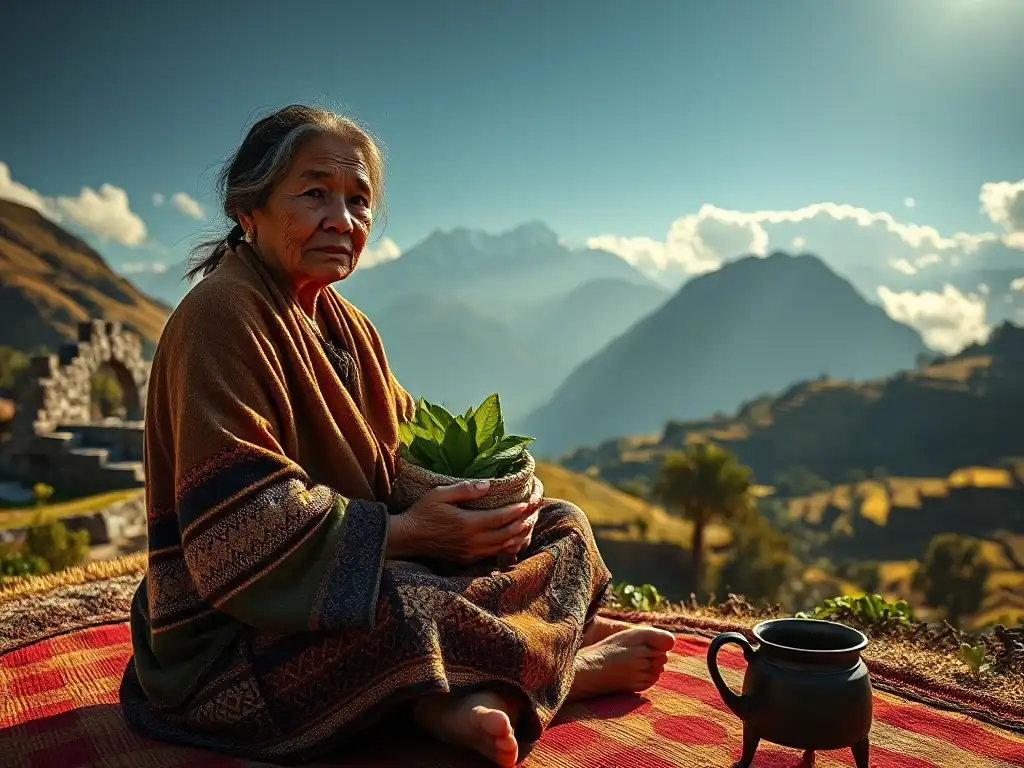
Step into a world lost in time, where the whispers of ancient spirits still linger amongst the towering Andes. For centuries, the coca leaf held a sacred place in Andean life, far beyond its simple use as a stimulant. Prepare to unravel the mysteries surrounding Andean coca leaf divination rituals, a practice deeply woven into the fabric of their complex spiritual beliefs. Discover the secrets behind these potent ceremonies and their enduring legacy, a journey that will challenge your perceptions of ancient Andean religion and cosmovision. Are you ready to explore the sacred journey of the coca leaf?
The coca leaf, Erythroxylum coca, holds a position of profound significance within the Andean worldview, far exceeding its simple classification as a stimulant. For millennia, it has served as a vital component in a complex tapestry of rituals, ceremonies, and daily life across various Andean cultures, including the Inca, Moche, Nazca, and Tiahuanaco civilizations.
This article delves into the sacred journey of the coca leaf, specifically focusing on its role in divination and healing practices, revealing the intricate relationship between the plant, the spiritual realm, and the Andean people. We will explore the diverse techniques employed, the interpretations of the leaf readings, and the enduring cultural relevance of these ancient practices within contemporary Andean communities.
Understanding these rituals provides crucial insight into the Andean cosmovision, their deep connection with nature, and their sophisticated understanding of the human experience. This exploration will highlight the rich history of Andean coca leaf divination rituals, offering a nuanced perspective on a practice deeply rooted in their spiritual beliefs and traditions.
The Significance of the Coca Leaf in Andean Culture
The coca leaf's importance transcends mere economic or medicinal value; it is imbued with deep spiritual meaning. Considered a sacred gift from the gods, it facilitated communication with the spirit world and played a central role in maintaining harmony between the human and supernatural realms. The leaves were not simply chewed; their use involved precise rituals and interpretations, reflecting a sophisticated understanding of botany, spirituality, and social dynamics.
The act of offering coca leaves to deities, ancestors, or Pachamama (Mother Earth) was, and remains, a common practice, demonstrating respect and seeking blessings or guidance. Different types of coca leaves, varying in shape, size, and even color, held specific significance depending on the ritual and the community's traditions.
Detailed accounts from Spanish chronicles, though often biased, provide glimpses into the widespread use of coca in pre-Columbian Andean societies, showcasing its integration into various aspects of daily life, from agricultural practices to political governance. The enduring presence of coca leaf rituals in contemporary Andean communities underscores its lasting power and cultural relevance.
Divination Techniques Using Coca Leaves: La Lectura de la Coca
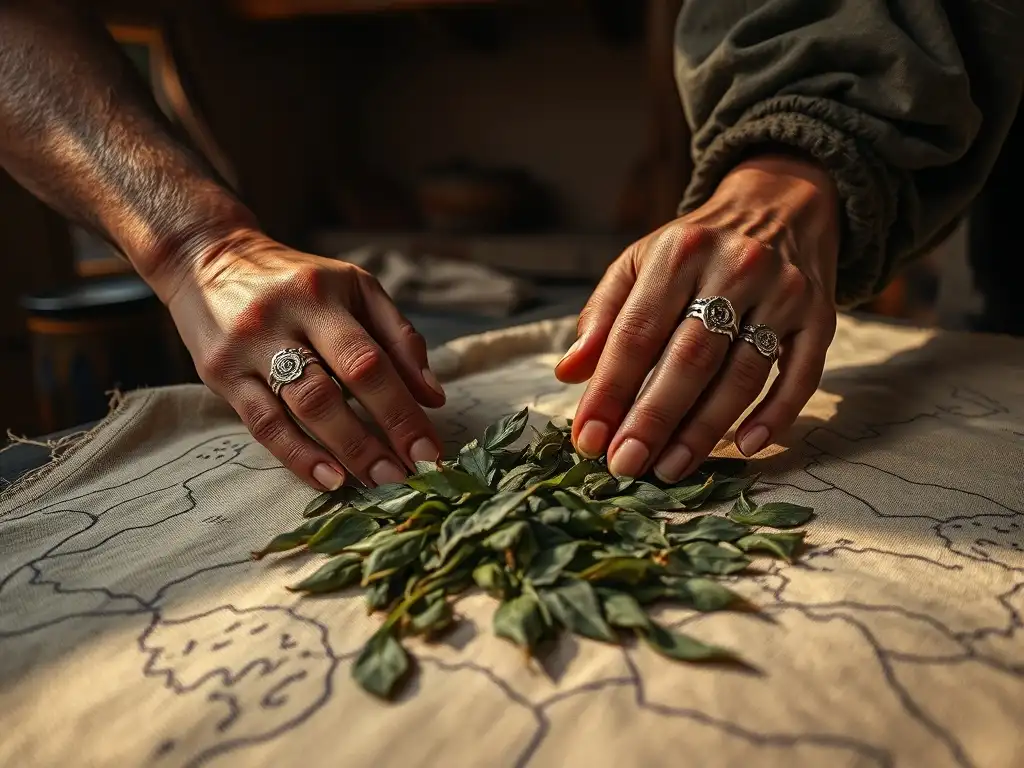
The most well-known use of coca leaves is in divination, a practice known as la lectura de la coca (the reading of the coca). This involves carefully spreading a small handful of leaves onto a flat surface and interpreting their arrangement. The process is not arbitrary; specific positions, orientations, and even the presence of certain imperfections on the leaves hold symbolic meaning, guiding the interpretation.
Experienced practitioners, often yatiri (shamans) or individuals with inherited knowledge, interpret the arrangement, providing insights into the future, offering guidance on important decisions, or diagnosing illnesses. The interpretation is not a simplistic yes or no answer but a nuanced understanding of the energies at play, considering factors such as the time of day, the specific location, and the individual's personal circumstances.
Different communities have unique systems of interpretation, adding to the complexity and richness of this practice. The act of divination itself is considered a sacred dialogue between the human and the spiritual world, facilitated by the coca leaf's intermediary role.
Healing Practices and the Coca Leaf: A Holistic Approach
Beyond divination, coca leaves played, and continue to play, a crucial role in Andean healing practices. The leaves were used not only as a medicinal substance—offering analgesic and stimulant properties—but also as a vital component in shamanic healing ceremonies. Shamans often incorporated coca leaves into their rituals, using them to enhance their connection with the spirit world and to facilitate the healing process.
The coca leaf's presence was believed to enhance the effectiveness of other medicinal plants and remedies. The holistic approach to healing in Andean traditions emphasizes the interconnectedness of the physical, spiritual, and environmental elements, with the coca leaf serving as a powerful symbol of this interconnectedness. [Specific examples of traditional healing practices involving coca leaf pending] Further research is needed to fully document the diversity of healing applications across different Andean regions.
The Coca Leaf Today: Preservation of Tradition and Modern Challenges
Despite facing modern challenges, including legal restrictions and stigmatization, the coca leaf remains a vital element of Andean culture and spiritual practices. Many communities continue to utilize the leaf in traditional divination and healing ceremonies, preserving ancient knowledge and traditions. However, the increasing influence of globalization and modernization presents challenges to the preservation of these practices. The struggle to balance the preservation of traditional practices with the demands of modern life is a significant contemporary issue facing Andean communities.
Understanding and respecting the cultural significance of the coca leaf is crucial for supporting the preservation of this rich heritage. [Data on the number of communities still practicing coca leaf rituals pending]. The future of Andean coca leaf traditions depends on ongoing efforts to document, protect, and celebrate this integral aspect of their cultural identity.
- The Significance of the Coca Leaf in Andean Culture
- Divination Techniques Using Coca Leaves: La Lectura de la Coca
- Healing Practices and the Coca Leaf: A Holistic Approach
- The Coca Leaf Today: Preservation of Tradition and Modern Challenges
The Significance of the Coca Leaf in Andean Culture
The coca leaf ( Erythroxylum coca) holds a position of profound significance within Andean cultures, far exceeding its simple botanical classification. For millennia, it has served as a vital component of daily life, deeply interwoven with social interactions, spiritual practices, and medicinal applications. Understanding its multifaceted role is crucial to grasping the complexities of Andean spirituality and the intricate relationship between humans and the natural world.
This section will delve into the historical and contemporary uses of the coca leaf, emphasizing its spiritual importance in Andean divination rituals and healing practices. We will explore how its use transcends mere recreational consumption, embodying a profound connection to the Andean worldview and its understanding of the cosmos.
The enduring legacy of the coca leaf underscores its enduring importance in shaping Andean identity and cultural practices. This deeply rooted connection is evident in its continued presence in modern Andean life, where its symbolic and practical significance remains undiminished.
The Coca Leaf: More Than Just a Plant
The coca leaf is far more than a simple plant to Andean communities; it’s a sacred entity, a gift from the gods, imbued with spiritual power. Its leaves are not merely chewed for their stimulating effects but are viewed as a conduit to the spiritual realm, a tool for communication with the unseen world. The plant's life cycle, from seed to harvest, is often imbued with ritualistic significance, reflecting the cyclical nature of Andean cosmology.
The careful cultivation and harvesting of coca leaves are often accompanied by prayers and offerings, acknowledging the plant's spiritual potency and expressing gratitude for its gifts. This reverence is not merely symbolic; it reflects a deep-seated understanding of the interconnectedness of all living things within the Andean ecosystem. The coca leaf isn't just consumed; it's respected, honored, and integrated into the fabric of Andean life.
Its use is regulated by intricate social protocols, emphasizing the importance of reciprocity and respect within the community. The very act of chewing coca is a social activity, fostering community bonds and facilitating communication.
Historical Use of Coca in the Andes
Archaeological evidence suggests the use of coca dates back thousands of years, with findings of coca leaves in pre-Inca sites suggesting its importance throughout various Andean cultures. From the Moche and Nazca civilizations to the Inca Empire, coca played a crucial role in religious ceremonies, medicinal practices, and daily life. For example, [specific details on Moche/Nazca/Inca use of coca pending].
The Inca, in particular, recognized coca's importance, integrating it into their elaborate state rituals and using it as a form of payment and tribute. The coca leaf, therefore, wasn’t merely a stimulant; it was a powerful symbol of social status, economic power, and spiritual connection. Its use wasn't universally accessible; access was often controlled by the elite, highlighting its importance within the hierarchical structures of Andean societies.
The extensive historical evidence points to the coca leaf's enduring and central role in shaping Andean culture and society over millennia. The historical record underscores its profound impact and its enduring presence in the Andean cultural landscape.
Coca's Role in Andean Spirituality and Cosmovision
In Andean spirituality, the coca leaf serves as a vital link between the human and spiritual realms. It's employed in divination rituals, allowing practitioners to commune with spirits and gain insights into the future. The process often involves carefully arranging the leaves and interpreting their patterns, a practice requiring years of training and deep understanding of Andean cosmology.
The interpretation isn't arbitrary; it's rooted in a complex system of symbols and meanings derived from the plant's properties and its relationship to the Andean worldview. Furthermore, coca is used in healing ceremonies, facilitating communication with protective spirits and assisting in the treatment of various ailments. The leaves are often offered to deities and ancestral spirits as a sign of respect and gratitude, strengthening the bond between the living and the spiritual world.
The use of coca in these rituals highlights the deep spiritual significance of the plant and its central role in maintaining harmony between the human and spiritual realms within the Andean cosmovision. The coca leaf, therefore, acts as a mediator, a facilitator of communication with the unseen world, and a vital component of Andean spiritual practices. Its use is a testament to the enduring power of Andean traditions and their profound connection to the natural world.
Andean Coca Leaf Divination Rituals: Unveiling the Future
This section delves into the fascinating world of Andean coca leaf divination rituals, exploring their significance within the rich tapestry of Andean spirituality. These rituals, deeply rooted in Andean cosmovision, offer a window into the beliefs and practices surrounding communication with the spiritual world and the interpretation of omens. The coca leaf, Erythroxylum coca, far from being merely a stimulant, holds a sacred place in Andean cultures, acting as a conduit between the human and spiritual realms.
Understanding these practices requires appreciating the profound respect and reverence afforded to this plant. The act of divination itself is not simply a prediction of the future, but a complex interaction with ancestral spirits and the forces of nature.
Understanding Andean Divination Practices
Andean divination practices are not monolithic; they vary across different cultures and regions within the Andes. However, common threads weave through these diverse traditions. A core belief underpins these practices: the universe is a living, interconnected entity, communicating through subtle signs and symbols. The yatiri (shaman or spiritual leader) acts as an intermediary, interpreting these signs to provide guidance and insight.
Their expertise is not solely based on learned techniques but also on a deep connection with the spiritual realm, cultivated through years of training and ritual practice. This connection allows them to access and interpret the messages embedded within the coca leaves. The process is often accompanied by prayers, offerings, and the use of other sacred objects, further emphasizing the ritual's spiritual significance.
The act of divination is not a casual undertaking but a solemn ceremony demanding respect and reverence. The accuracy of the divination is believed to be influenced by the yatiri's spiritual purity and connection to the cosmos. For example, a yatiri who has not observed proper fasting or purification rituals may receive less accurate readings.
The Art of Coca Leaf Reading: Interpreting the Signs
The interpretation of coca leaves is a complex art, passed down through generations of yatiri. The leaves themselves are not simply read individually but are analyzed in relation to their arrangement, their position relative to one another, and their overall appearance. Specific leaf formations, such as those resembling animals or objects, carry particular symbolic meanings.
For instance, a leaf shaped like a serpent might signify a hidden enemy, while a leaf resembling a mountain could indicate obstacles to overcome. The color of the leaves, their texture, and even the presence of small holes or blemishes contribute to the overall interpretation. Additionally, the yatiri often incorporates other elements into their reading, such as the position of the sun or moon, the sounds of nature, or even the client's own dreams or anxieties.
This holistic approach emphasizes the interconnectedness of all things, ensuring a nuanced and comprehensive reading. This process is not simply about predicting the future, but about providing guidance and understanding in navigating the complexities of life. The reading aims to offer practical advice and spiritual insights, empowering the individual to make informed decisions.
Different Coca Leaf Divination Techniques
Several techniques exist within Andean coca leaf divination. One common method involves the yatiri carefully spreading a handful of coca leaves on a cloth or surface. They then analyze the arrangement of the leaves, paying close attention to the patterns and formations that emerge. Another method involves the yatiri holding a small bundle of coca leaves and asking a specific question.
The way the leaves fall or are drawn from the bundle provides clues for interpretation. The number of leaves used, their orientation, and any unusual features are all taken into consideration. Furthermore, some yatiri incorporate other elements into their readings, such as interpreting the sounds of the leaves as they are scattered or the way the wind moves them. The complexity and nuance of these techniques highlight the depth and sophistication of Andean divination practices.
The diversity of methods underscores the rich cultural heritage surrounding coca leaf divination and its enduring significance within Andean societies. Variations in techniques exist across different Andean communities, reflecting the unique cultural expressions within this vast and diverse region. Further research is needed to fully document and understand the full spectrum of coca leaf divination techniques practiced across the Andes. [Specific information pending on less common techniques and regional variations].
Healing Practices with Coca: Traditional Andean Medicine
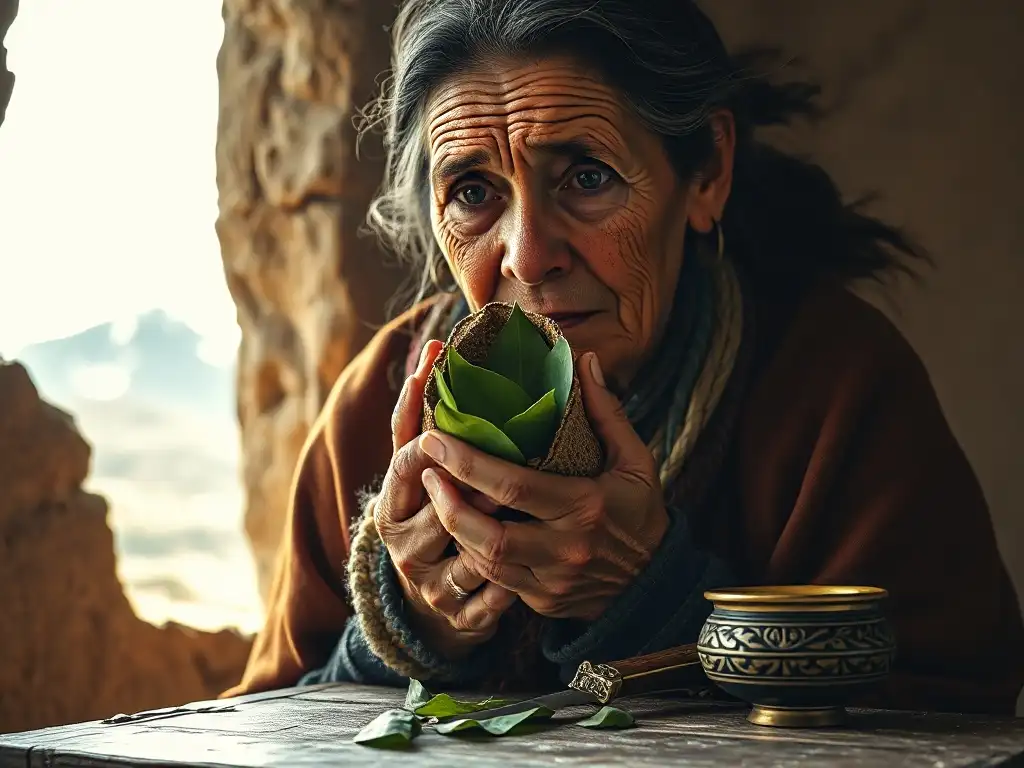
The coca leaf, Erythroxylum coca, holds a central place not only in Andean spiritual practices but also in traditional medicine. For centuries, Andean communities have utilized coca for a wide array of physical and spiritual ailments, viewing it as a sacred plant with potent healing properties. Its use transcends mere medicinal application; it's deeply interwoven with their cosmology and understanding of the interconnectedness of the physical and spiritual realms.
The belief is that coca acts as a conduit, facilitating communication with the spirit world and promoting holistic well-being. This understanding shapes the rituals and practices surrounding its use in healing. The effectiveness of coca in treating specific conditions is often attributed to its analgesic, stimulant, and nutritional properties, although scientific research on these traditional uses is still ongoing and requires further investigation.
Many claim it aids in altitude sickness, digestive issues, and even fatigue, acting as a natural remedy for common complaints in the challenging Andean environment. It's important to note that the use of coca for medicinal purposes should be approached with caution and ideally under the guidance of experienced traditional healers.
Coca Leaf for Physical and Spiritual Healing
Coca's medicinal applications in Andean traditions are diverse and reflect a holistic approach to health. It's not simply a treatment for a specific symptom; rather, it's seen as a way to restore balance and harmony within the individual and their connection to the cosmos. For example, coca leaves are often chewed to alleviate headaches, toothaches, and digestive problems.
They are also believed to boost energy levels and combat fatigue, especially crucial in the high-altitude environments where many Andean communities reside. Beyond physical ailments, coca plays a significant role in addressing spiritual imbalances. It's used to cleanse negative energies, to strengthen the spirit, and to facilitate communication with ancestral spirits and deities.
The act of chewing coca is often accompanied by prayers and offerings, reinforcing its sacred role in the healing process. Traditional healers might prescribe specific coca preparations depending on the nature of the illness, whether physical or spiritual, demonstrating a sophisticated understanding of the plant's versatility. The preparation and administration methods themselves are often integral to the healing process, contributing to the overall efficacy of the treatment.
The Role of Shamans and Healers in Coca Rituals
Shamans and healers, known as yatiri or curanderos, are central figures in Andean coca rituals, particularly those focused on healing. Their deep knowledge of the plant's properties, combined with their spiritual abilities, allows them to guide the healing process effectively. They act as intermediaries between the physical and spiritual worlds, using coca to diagnose illnesses, communicate with spirits, and prescribe remedies.
Their role extends beyond simply administering coca; they often perform complex rituals involving prayers, offerings, and other sacred objects. The shaman's expertise is crucial in determining the appropriate amount and preparation method for coca, ensuring that the ritual is conducted correctly and achieves its intended purpose. The process is often deeply personal, tailored to the specific needs and circumstances of the individual seeking healing.
Training to become a skilled yatiri involves years of apprenticeship and rigorous spiritual practice, emphasizing the profound respect and reverence held for the coca leaf and the healing tradition it embodies. The shaman’s intuition and connection to the spiritual realm are considered essential components of successful Andean coca healing rituals.
Preparing and Administering Coca in Healing Ceremonies
The preparation and administration of coca in healing ceremonies are far from arbitrary; they are meticulously executed according to established traditions. The leaves are often carefully selected, cleaned, and sometimes mixed with other herbs or substances depending on the specific ailment. The methods of preparation vary considerably, ranging from simple chewing to more complex infusions and decoctions. For example, coca leaves might be chewed alone or with a small amount of lime or ashes to enhance their effects.
In other cases, they might be brewed into a tea or incorporated into other medicinal preparations. The yatiri might also use coca leaves in divination rituals to gain insights into the cause of the illness and guide the healing process. The specific techniques and procedures are often passed down through generations within families and communities, preserving a rich heritage of traditional knowledge. Moreover, the setting and context of the ceremony are also crucial.
The ritual often takes place in a sacred space, accompanied by prayers, offerings, and the invocation of ancestral spirits. This holistic approach emphasizes the significance of the entire process, not just the coca leaf itself, in achieving successful healing. The precise methods and ingredients remain largely undocumented, making further research crucial to the complete understanding of Andean coca healing practices.
The Sacred Offering of Coca: Connecting with the Spirits
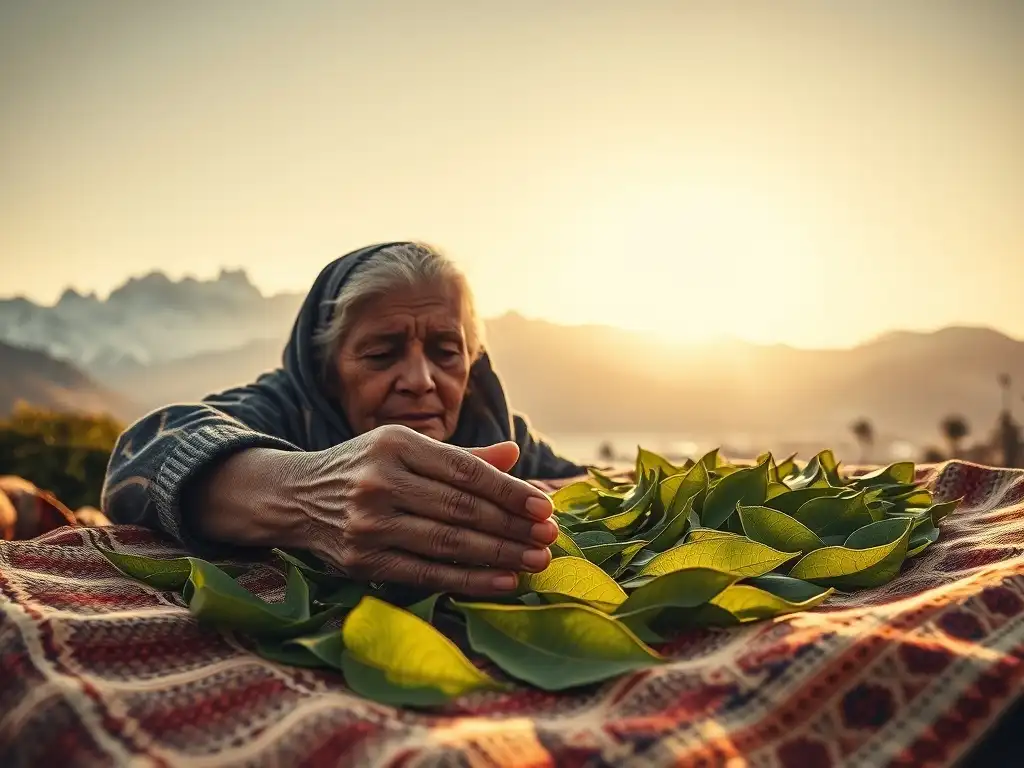
The coca leaf ( Erythroxylum coca) holds a position of profound reverence within Andean cultures, far exceeding its simple use as a stimulant. For centuries, it has served as a vital component in rituals of divination, healing, and communication with the spirit world.
Understanding the Andean coca leaf divination rituals requires appreciating its multifaceted role as a sacred offering, a conduit to the unseen, and a powerful symbol of reciprocity between the human and spiritual realms. The practice is deeply rooted in the animistic worldview of the Andes, where the natural world is imbued with life and spirit.
This section explores the ways in which coca leaves are offered, the significance of specific offerings, and the occasions that call for these sacred acts. The understanding of these rituals provides insight into the complex relationship between Andean peoples and their environment, illuminating their sophisticated spiritual practices and their profound respect for the interconnectedness of all things.
Coca as an Offering to Pachamama and Apus
Pachamama, the Earth Mother, and the Apus, the mountain spirits, are central figures in Andean cosmology. They are considered the benevolent providers of life and sustenance. Offering coca leaves to Pachamama and the Apus is a fundamental act of respect and gratitude, a way of acknowledging their power and seeking their favor. The act is not merely symbolic; it is believed to establish a direct connection, fostering reciprocity and ensuring continued abundance.
The leaves are often scattered on the earth, placed on mountaintops, or carefully deposited in sacred springs. The quantity of coca offered varies depending on the specific intention and the perceived importance of the request. A larger offering might be made during times of need, such as drought or illness, while a smaller offering might be given as a daily act of thanks.
The act of offering itself is imbued with significance, often accompanied by prayers, chants, and specific gestures intended to convey respect and reverence. For example, a farmer might offer coca leaves to Pachamama before planting crops, seeking a bountiful harvest. Similarly, travelers might offer coca to the Apus for safe passage through the mountains.
The Ritual of the K'intu: Offering Selected Coca Leaves
The k'intu is a specialized ritual involving the careful selection and interpretation of coca leaves. It's a form of divination, used to gain insight into the future, seek guidance on important decisions, or diagnose illness. Practitioners, often yatiri (shamans) or experienced community members, meticulously examine the leaves, paying close attention to their shape, color, and arrangement. Specific leaf patterns are associated with various meanings, forming a complex system of symbolic interpretation.
The ritual often involves a prayer or a series of questions directed to the spirits. The responses are gleaned from the leaves' configuration and the practitioner's intuitive understanding of their symbolic language. This process isn't merely about predicting the future; it's about engaging in a dialogue with the spiritual world, seeking guidance and understanding.
The k'intu underscores the vital role of coca as a medium for communication between the human and spiritual realms. The ritual's effectiveness is believed to depend on the practitioner's skill, their spiritual connection, and the sincerity of the seeker's intentions. Careful observation and interpretation are key to deciphering the subtle messages embedded within the coca leaves.
Specific Occasions for Coca Offerings
Coca leaf offerings are not confined to specific ceremonies; they are integrated into the fabric of daily life. They are offered on a wide range of occasions, reflecting the multifaceted role of coca in Andean culture. These occasions include:
- Important Life Events: Birth, marriage, and death are marked by coca offerings, seeking blessings, guidance, and peaceful transitions.
- Agricultural Cycles: From planting to harvest, coca is offered to ensure a bountiful yield and protect crops from harm.
- Healing Rituals: Coca is often included in healing ceremonies, used to cleanse the body and spirit and to facilitate communication with healing spirits.
- Celebrations and Festivals: Coca is a frequent element in celebrations and festivals, enhancing the festive atmosphere and strengthening communal bonds.
- Daily Acts of Gratitude: Even mundane tasks can be accompanied by small coca offerings, expressing gratitude for everyday blessings.
The ubiquity of coca offerings underscores its central role in Andean life, reflecting a deep-seated spiritual connection to the natural world and a constant engagement with the spiritual realm. The practice is not merely ritualistic; it is a living expression of a worldview that embraces the interconnectedness of all things.
The use of coca leaves in these rituals highlights the enduring significance of this sacred plant in the Andean worldview and its importance in maintaining a harmonious relationship between the human and spiritual worlds. Further research into specific regional variations of these rituals would enrich our understanding of this complex and fascinating practice.
The Cultural Significance of Coca: Beyond Rituals

The coca leaf ( Erythroxylum coca) holds a position of paramount importance within Andean cultures, extending far beyond its use in divination and healing rituals. Its significance is deeply intertwined with social structures, economic realities, and spiritual beliefs, shaping Andean life for millennia. Understanding the multifaceted role of coca is crucial to appreciating the full depth and complexity of Andean traditions.
The plant isn't merely a tool for divination or medicine; it’s a vital component of the Andean worldview, a symbol of reciprocity, and a cornerstone of social interaction. The Andean coca leaf divination rituals are just one facet of this rich and complex relationship.
Coca leaves are not simply consumed for their stimulating effects; they are integral to daily life in many Andean communities. The offering of coca leaves, known as acullico, is a common gesture of respect and goodwill. It accompanies greetings, negotiations, and requests, symbolizing reciprocity and a shared understanding. This practice reinforces social bonds and fosters a sense of community.
For example, a farmer might offer coca leaves to a landowner before asking for permission to graze livestock. Similarly, coca is exchanged during social gatherings, solidifying relationships and creating a sense of shared experience. The act of sharing coca is a powerful social act, building trust and facilitating communication.
The leaves themselves are often carefully selected and presented, reflecting the social importance of this seemingly simple act. The quality of the coca offered can even indicate the level of respect intended. This demonstrates that Andean coca leaf divination rituals, while significant, represent only a part of the broader social significance of the coca leaf.
The Importance of Respecting Coca's Sacred Nature
The Andean worldview imbues coca with a sacred quality. It’s not merely a plant; it’s a living entity with its own spirit, deserving of respect and proper treatment. Before using coca for any purpose, including divination, individuals often engage in prayers and offerings, acknowledging the plant's power and seeking its blessings. Improper handling or careless consumption are considered disrespectful and potentially harmful.
The belief in coca's sacredness extends to its cultivation and harvesting, with specific rituals and practices observed to ensure a bountiful and healthy crop. This reverence underscores the deep spiritual connection between the Andean people and the natural world, highlighting that Andean coca leaf divination rituals are grounded in a profound respect for the source of their power. Ignoring this sacred dimension diminishes the understanding of the rituals themselves and their role in Andean cosmology.
Contemporary Uses and Challenges of Coca in the Andes
Despite its enduring cultural significance, coca faces contemporary challenges. International drug control policies have often stigmatized coca, associating it solely with cocaine production, overlooking its traditional and medicinal uses. This has led to restrictions on coca cultivation and trade, impacting the livelihoods of many Andean communities who rely on coca for their economic and cultural survival.
Furthermore, the increasing influence of Western culture and globalization threatens to erode traditional coca practices. However, efforts are underway to promote sustainable coca agriculture and to protect the cultural heritage associated with this sacred plant. The advocacy for the recognition of traditional coca use is crucial for preserving the cultural identity of Andean communities and the continuity of practices like Andean coca leaf divination rituals.
The future of coca hinges on balancing the need for responsible management with the preservation of its cultural and spiritual significance. The challenges are significant, but the enduring importance of coca in Andean life suggests that its sacred journey will continue.
Preserving Andean Coca Leaf Traditions
The enduring legacy of coca leaf divination and healing rituals in Andean cultures faces numerous modern challenges. Understanding and addressing these challenges is crucial for preserving this vital aspect of Andean heritage and ensuring its continuity for future generations. The intricate connection between the coca leaf, Andean spirituality, and the environment necessitates a multifaceted approach to safeguarding these traditions.
The continued practice of these rituals is not merely a cultural preservation effort; it represents the safeguarding of a profound worldview and a unique system of knowledge passed down through centuries. The significance of the coca leaf extends beyond its ritualistic use; it holds deep economic and social importance for many Andean communities. Protecting these traditions therefore requires a holistic approach that considers social, economic, and environmental factors.
The Importance of Protecting Indigenous Knowledge
The knowledge surrounding coca leaf divination is deeply intertwined with indigenous Andean epistemologies. This knowledge isn't just a set of techniques; it's a complex system of understanding the world, interpreting signs, and connecting with the spiritual realm. The transmission of this knowledge has historically occurred through oral traditions, apprenticeships, and familial lineages.
However, the pressures of modernization, including migration to urban centers and the influence of Western medicine, threaten the continuity of this oral transmission. The loss of experienced practitioners, coupled with a lack of formal documentation, creates a significant risk of losing this invaluable knowledge base. Active efforts are needed to document these practices, support the training of new practitioners, and create accessible resources that preserve and share this unique Andean heritage.
Initiatives that involve indigenous communities in the documentation and preservation process are particularly crucial, ensuring that the knowledge remains rooted in its cultural context and avoids misrepresentation or appropriation. This requires not only recording the techniques but also understanding the underlying philosophies and beliefs that shape the rituals. For example, detailed accounts of specific interpretations of leaf patterns and their associated meanings are essential for accurate preservation.
Supporting Sustainable Coca Cultivation Practices
The sustainable cultivation of coca is intrinsically linked to the preservation of coca leaf divination rituals. Unsustainable practices, such as deforestation and the overuse of pesticides, threaten both the environment and the quality of the coca leaf itself. The coca leaf used in rituals needs to be cultivated with respect for traditional methods and ecological balance.
This includes promoting agro-ecological practices that minimize environmental impact and enhance biodiversity. Supporting local farmers in adopting sustainable agricultural techniques is vital not only for the long-term health of the ecosystem but also for the economic viability of coca cultivation. Sustainable coca farming ensures the continued availability of high-quality coca leaves, essential for the proper performance of divination rituals.
The economic empowerment of coca farmers also plays a critical role in preserving the traditions, as it ensures that communities can continue to cultivate and utilize the coca leaf without facing economic hardship. Initiatives that promote fair trade practices and sustainable market access for coca farmers are crucial in this regard. For example, supporting cooperatives that focus on sustainable cultivation and fair pricing mechanisms can significantly contribute to preserving both the environment and the cultural traditions associated with the coca leaf.
The Future of Coca Traditions in the Andes
The future of Andean coca leaf divination rituals depends on a collective effort to protect indigenous knowledge, support sustainable cultivation practices, and foster intercultural dialogue. This requires engaging with various stakeholders, including indigenous communities, researchers, policymakers, and international organizations. Collaboration is key to creating effective strategies for the preservation and promotion of these traditions.
Education plays a vital role in raising awareness about the cultural significance of coca leaf rituals and combating misinformation and stigmatization. Promoting intercultural understanding and respect for Andean traditions is crucial to ensure their continued practice and appreciation. Furthermore, incorporating these rituals into educational programs can help transmit this knowledge to younger generations, ensuring the continuity of these valuable practices.
The continued research on the ethnobotanical aspects of coca, along with rigorous documentation of ritual practices, is essential for a comprehensive understanding and preservation of this rich cultural heritage. Ultimately, the future of Andean coca leaf divination rituals hinges on the recognition of their inherent value, the support of sustainable practices, and the active involvement of all stakeholders in safeguarding this significant part of Andean cultural identity. The ongoing dialogue and collaboration between different actors are essential to ensure the long-term viability of these sacred traditions for generations to come.
Frequently Asked Questions
What is the significance of the coca leaf in Andean cultures?
The coca leaf holds deep spiritual and cultural significance in Andean societies. For centuries, it has been used not only as a stimulant but also in rituals of divination and healing, connecting people to the spiritual world. It's considered a sacred plant.
How was coca leaf used in divination rituals?
Andean peoples used coca leaf divination, or la hoja de coca, to gain insights into the future, seek guidance, and understand the will of the spirits. Reading the patterns formed by the scattered leaves provided answers to questions and offered direction. This practice is still relevant today.
Which Andean cultures practiced coca leaf divination?
Many Andean cultures, including the Inca, Moche, Nazca, and Tiahuanaco, incorporated coca leaf divination into their spiritual practices. The specific techniques and interpretations might vary, but the fundamental belief in the leaf's power remained consistent across these groups.
What are some examples of questions asked during coca leaf divination?
Questions ranged from personal matters like health and relationships to community concerns such as harvests and weather patterns. People would consult the leaves to seek guidance on important decisions or to understand the causes of misfortune.
Is coca leaf divination still practiced today?
Yes, coca leaf divination continues to be practiced in many Andean communities today. While the practice has adapted and evolved, it retains its importance as a means of connecting with the spiritual realm and seeking guidance in daily life. It remains a vital part of Andean culture.
Final Reflection: Echoes of the Sacred Leaf in a Changing World
The enduring power of the coca leaf in Andean culture transcends mere plant use; it represents a living connection to ancestral wisdom and spiritual practice. While modern society often overlooks or misunderstands these traditions, the continued practice of coca leaf divination highlights the resilience of indigenous knowledge systems in the face of globalization and cultural shifts. The sacred rituals surrounding the coca leaf remain a vibrant testament to the enduring strength of Andean spirituality.
The coca leaf's role in divination and healing is not simply a historical artifact; it's a dynamic force shaping Andean identity and community even today. Its use continues to provide solace, guidance, and a profound connection to the spiritual realm. The intricate interpretations woven into each reading, passed down through generations, speak to the depth and complexity of this ancient practice. The coca leaf is not just a plant, but a living oracle, a bridge between the human and spiritual worlds.
This sentiment, often echoed by practitioners, underscores the profound significance of the leaf within Andean cosmology.
Consider the implications of this enduring tradition. How can we, as global citizens, better understand and appreciate the richness of diverse cultural practices? You are invited to reflect on the ways in which respecting and learning from indigenous knowledge systems can enrich our own lives and contribute to a more just and equitable world. Let the sacred journey of the coca leaf inspire you to seek out and celebrate the wisdom held within diverse cultural traditions, fostering a deeper understanding and appreciation for the interconnectedness of all life.
Embrace the Wisdom of the Coca Leaf!
Thank you for exploring the rich traditions surrounding the coca leaf and its profound role in Andean culture. You've discovered how this sacred plant is interwoven with rituals of divination and healing, fostering deeper understanding and respect for indigenous practices. Now, let's delve even deeper!
Here are some ways you can engage with these ancient traditions and make a meaningful contribution:
- Sample a traditional herbal tea incorporating coca or similar Andean plants to experience their unique flavors and potential health benefits.
- Share this article with friends and family or post it on social media to spark conversations about cultural preservation and the importance of respecting indigenous knowledge.
- Attend a workshop or community gathering focused on Andean healing practices or plant-based therapies—connect with others who share a passion for these sacred traditions.
Which aspect of Andean culture most resonates with you, and how will you integrate this new knowledge into your life?