
The Influence of Inca Religion on Their Burial Practices

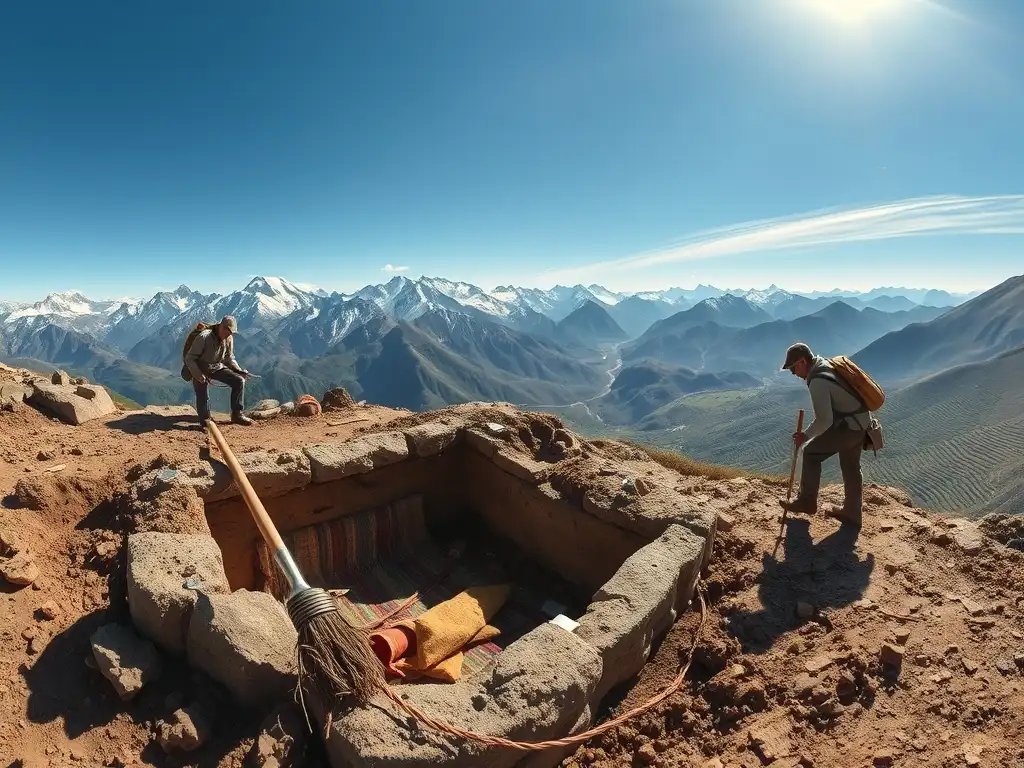
Step into a world lost to time, yet echoing with the whispers of a magnificent empire. Uncover the secrets of the Andes, where towering mountains held sacred significance and the echoes of ancient rituals still resonate. Prepare to be captivated by the intricate connection between Inca religion and their profoundly symbolic burial rituals. What mysteries lie hidden beneath the earth? Journey with us to discover the answers.
- Inca Religion Burial Rituals: Exploring the Afterlife in the Andes
- The Spiritual World of the Incas and Death
- Preparing for the Journey: Inca Funeral Rites
- Burial Sites and Their Sacred Meaning
- The Influence of Inca Cosmology on Burial Practices
- Variations in Inca Burial Practices Across Regions
- The Legacy of Inca Burial Rituals
-
Frequently Asked Questions
- What role did religion play in Inca burial rituals?
- How did Inca beliefs about the afterlife affect their burial customs?
- What were some common practices in Inca burial rituals?
- How did the Inca's belief in the power of nature influence their burial sites?
- Were all Inca burials equally elaborate? How did social status impact burial practices?
- Final Reflection: Echoes of the Andes: Inca Religion and its Enduring Legacy
- Unveil the Secrets of Inca Spirituality Today!
Inca Religion Burial Rituals: Exploring the Afterlife in the Andes
The Inca Empire, renowned for its sophisticated engineering and vast territorial reach, held a deeply complex and multifaceted religious system that profoundly influenced every aspect of their lives, including their burial practices. Understanding Inca religion is crucial to deciphering their elaborate funerary rituals, which weren't merely about disposing of the dead but rather about ensuring a smooth transition to the afterlife and maintaining a harmonious relationship between the living and the deceased.
This article delves into the intricate connection between Inca religion and their burial rituals, examining the beliefs, practices, and societal implications surrounding death and the hereafter. We will explore how their worldview shaped their approach to death, focusing on the specific rituals and the symbolic meaning embedded within them, revealing a fascinating glimpse into the heart of Inca spirituality.
The significance of mummification, the offerings placed with the deceased, and the construction of elaborate tombs will be analyzed, providing a comprehensive understanding of the "Inca religion burial rituals" and the profound respect they held for their ancestors.
The Inca Cosmology and its Impact on Funerary Practices
Inca cosmology viewed the world as a carefully balanced system, interconnected between the earthly realm and the spiritual world. The hanan pacha (upper world), kay pacha (middle world – where the living resided), and ukhu pacha (underworld) were not separate entities but interconnected parts of a whole. Death was not seen as an ending but as a transition to the ukhu pacha, a realm where ancestors continued to exert influence on the living.
This belief profoundly shaped Inca burial practices. The meticulous preparation of the body for mummification, the careful selection of grave goods, and the strategic placement of tombs all reflect this interconnected worldview.
The elaborate rituals surrounding death were not simply about disposing of the body, but about facilitating a safe passage for the deceased into the ukhu pacha and maintaining their connection to the living. The deceased were considered members of the community even in death, and their continued well-being was believed to be vital to the prosperity of the living.
Mummification: Preserving the Body for the Afterlife
Mummification was a central element of Inca burial rituals. It wasn't merely a method of preservation; it was a sacred process believed to facilitate the deceased's journey to the afterlife. The process was incredibly detailed, involving the removal of internal organs, the drying of the body, and the wrapping of the remains in fine textiles.
The mummies were often adorned with elaborate clothing, jewelry, and other grave goods, reflecting the individual's social status and providing them with necessities for their journey. The mummies weren't simply buried; they were frequently kept within the family's home, treated as honored members of the household, and even participated in communal activities, further highlighting the belief in the continued existence and influence of the deceased. The level of care taken in mummification underscores the importance placed on the deceased's well-being in the afterlife.
Grave Goods: Offerings for the Journey and the Afterlife
The grave goods placed with the deceased were not merely possessions; they were offerings intended to provide for their needs in the ukhu pacha. These offerings varied depending on the social status of the deceased, ranging from simple tools and pottery to elaborate gold and silver ornaments. Food, textiles, and other necessities were also included, ensuring that the deceased had everything they needed for their journey and their continued existence in the afterlife.
The selection of grave goods provides invaluable insights into the social structure, economic activities, and religious beliefs of the Inca civilization. The presence of specific items, such as tools or agricultural products, can even reveal details about the deceased's occupation and role within their community. Analyzing these artifacts allows us to reconstruct a more complete picture of Inca society and their beliefs.
Tomb Construction and Location: Sacred Spaces for the Deceased
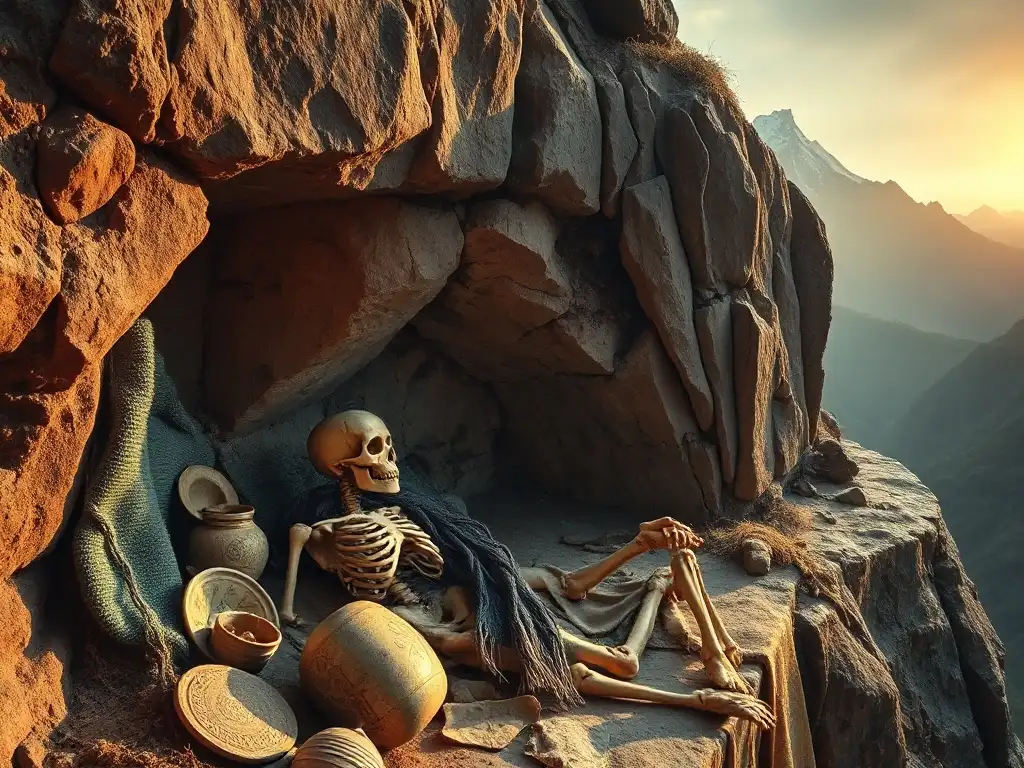
The construction and location of Inca tombs were carefully planned, reflecting the sacred nature of death and the importance of the deceased's connection to the living. Tombs ranged from simple pits to elaborate structures, often integrated into the landscape. Their locations were chosen strategically, often on elevated ground or in proximity to sacred sites, emphasizing their significance within the Inca worldview.
The construction of the tombs itself was a ritualistic act, reflecting the respect and reverence held for the deceased. The careful planning and execution of these burial sites provide further evidence of the Inca’s sophisticated understanding of their environment and the deep spiritual significance they attributed to their funerary practices. The design and placement of tombs varied based on the social status and importance of the individual, ranging from simple burial pits for commoners to elaborate mausoleums for elites.
The Role of Priests and Shamans in Inca Burial Rituals
Inca priests and shamans played a critical role in all aspects of Inca burial rituals. They oversaw the mummification process, guided the selection of grave goods, and performed ceremonies to ensure a safe passage for the deceased into the afterlife. Their knowledge of Inca cosmology and religious beliefs was essential to the proper execution of these rituals.
Their participation underscored the sacred nature of death and the importance of connecting the living and the dead. The influence of these religious figures is evident throughout the entire funerary process, from the initial preparation of the body to the final placement of the deceased in their tomb. Their expertise ensured that the rituals were performed correctly, promoting the well-being of both the deceased and the community.
The Spiritual World of the Incas and Death
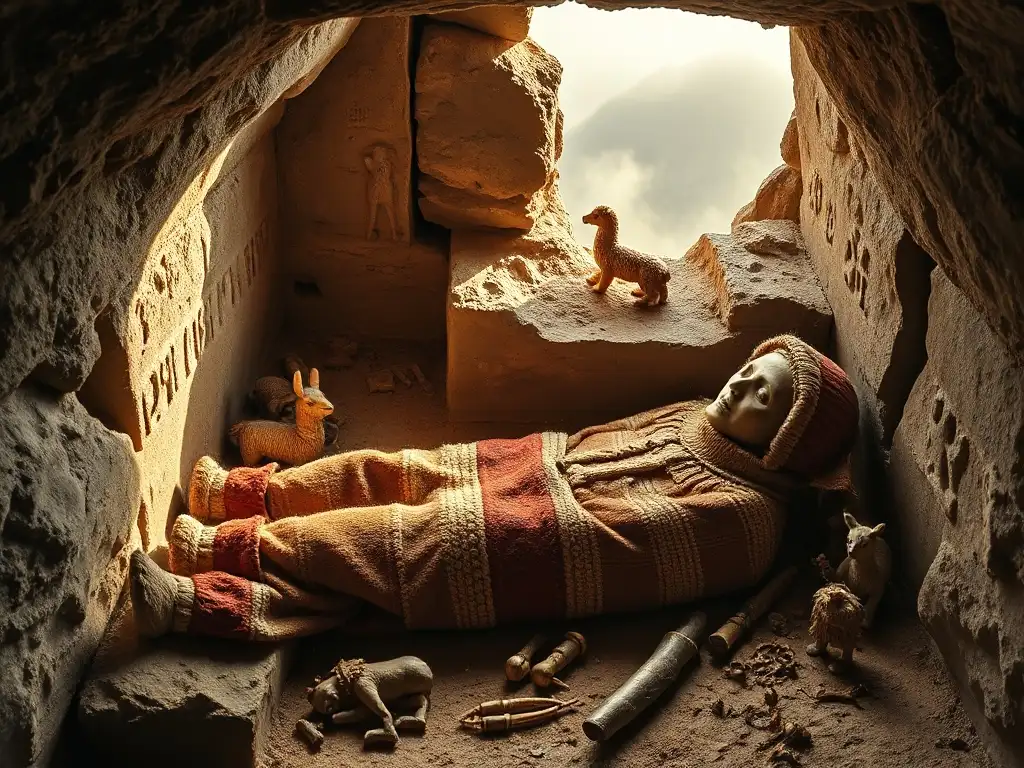
The Inca worldview was deeply intertwined with the natural world and the spiritual realm. Their religion wasn't codified in written texts like those of other civilizations, but rather passed down through oral traditions, rituals, and practices. Understanding Inca religion is crucial to deciphering their complex burial rituals, which weren't simply about disposing of the dead, but rather about maintaining a connection with the ancestors and ensuring the continuation of life.
The Inca concept of pachacuti, a cyclical view of time and renewal, heavily influenced their beliefs about death and the afterlife. This cyclical perspective meant that death wasn't an end, but a transition to a different plane of existence, still capable of influencing the living world. This belief system profoundly shaped how the Inca approached death and burial, leading to elaborate ceremonies and practices aimed at honoring and appeasing the deceased.
The significance of huacas, sacred places or objects imbued with spiritual power, also played a vital role in their burial rituals, as these sites were often chosen for internments. Many aspects of Inca religion, including their sophisticated astronomical observations and their reverence for nature, influenced the selection of burial sites and the rituals performed. The intricate relationship between the living and the dead is a key to understanding the motivations behind their extensive burial practices.
Inca Beliefs About the Afterlife
Inca beliefs about the afterlife were complex and varied depending on the social status of the deceased. For the commoners, the afterlife was likely envisioned as a continuation of life, albeit in a less vibrant form. Death was seen as a transition to the Ukhu Pacha, the underworld, a shadowy realm beneath the earth.
However, the elite, including royalty and powerful figures, held a different position in the cosmology. They were believed to attain a closer proximity to the gods, potentially even achieving a form of immortality or apotheosis. This is supported by the lavish burials of Inca rulers, often interred with elaborate grave goods, indicating a belief in a continued existence and the need for provisions in the afterlife.
The inclusion of mummies within these elaborate tombs further underscores the Inca belief in maintaining a connection with the deceased. These weren't just inert remains; they were considered active participants in the spiritual realm, capable of influencing the living.
The concept of ancestor veneration was paramount. The deceased, particularly those of higher social standing, were seen as powerful intermediaries between the living and the spiritual world. This belief fueled the meticulous preparations for and execution of burial ceremonies, designed to ensure a smooth transition for the departed and to maintain their active role within the community, even in death.
The elaborate offerings placed in tombs—ranging from textiles and pottery to gold and silver artifacts—were not mere grave goods but rather gifts intended to sustain the deceased in their afterlife journey and to appease their spirits. Detailed archaeological evidence supports these beliefs, with many tombs revealing a wealth of artifacts meticulously arranged alongside the deceased.
The Role of Ancestor Veneration in Inca Society
Ancestor veneration was not a peripheral aspect of Inca society; it was central to their social structure and political power. The Inca believed that their ancestors possessed immense power and could influence events in the living world. This belief led to the establishment of specific rituals and practices aimed at honoring and appeasing the deceased.
The mummification process itself was a significant ritual, demonstrating the Inca's profound respect for their ancestors and their belief in the continued existence of the deceased. The mummies weren't simply preserved bodies; they were actively integrated into family life and participated in important ceremonies and festivals. They were dressed in fine clothing, adorned with jewelry, and often fed and cared for by their descendants.
The capacocha sacrifices, while controversial, also highlight the significance of ancestor veneration. These sacrifices, involving the selection of children from across the empire, were believed to appease the gods and ensure the prosperity of the Inca state. The chosen children, often considered to be spiritually pure, were seen as intermediaries between the human and divine realms.
Their sacrifice was a way to honor the ancestors and secure their continued favor. The location of these sacrifices, often at high-altitude mountain peaks considered sacred, further emphasizes the importance of these rituals in maintaining the spiritual balance of the Inca world. The detailed archaeological records of these sacrifices, along with the recovered artifacts, provide valuable insights into the intricate religious beliefs and practices that underpinned Inca society.
The continued study of these practices offers a deeper understanding of the complexities of Inca religion and its influence on their daily lives and beliefs about death and the afterlife. The significance of these rituals in maintaining social order and political power cannot be overstated. The Inca religion, with its emphasis on ancestor veneration and the continued influence of the deceased, was an integral part of the social fabric of the Inca Empire.
Preparing for the Journey: Inca Funeral Rites
Inca religion profoundly impacted their burial practices, reflecting their complex cosmology and beliefs about the afterlife. Understanding Inca religion burial rituals requires examining the meticulous preparations undertaken before, during, and after death. The process wasn't merely about disposing of the deceased; it was a sacred journey, ensuring a smooth transition to the next world and maintaining a connection with the living.
This intricate system of beliefs and practices is revealed through archaeological discoveries and surviving accounts, though much remains shrouded in the mysteries of time. The meticulous attention to detail showcased in Inca funerary rites underscores the central role religion played in all aspects of their lives.
Mummification Practices in the Inca Empire
Mummification wasn't universally practiced across all Andean cultures, but it reached its peak sophistication within the Inca Empire. The process, far from being a simple preservation technique, was a deeply spiritual ritual. The goal wasn't merely to prevent decay, but to maintain the physical form of the deceased, believing the kapak, or vital essence, remained tethered to the body.
The process involved several steps. First, the internal organs were removed, a procedure likely performed by specialized priests or shamans. Then, the body was washed and dried using herbs and salt. Finally, the body was wrapped in layers of fine textiles, often adorned with intricate designs.
High-status individuals received particularly elaborate treatment, with further applications of resins and oils to preserve the skin and features. Royal mummies were often dressed in their finest clothing and adorned with jewelry and other precious objects. These mummies weren't simply hidden away; they often participated in important ceremonies, serving as powerful symbols of ancestral power and continuity. The Inca believed that these carefully preserved remains retained the capacity to influence the living world, acting as intermediaries between the physical and spiritual realms.
Offerings and Grave Goods in Inca Burials
Inca burial rituals involved the inclusion of a wide array of grave goods, reflecting the deceased's status and the beliefs surrounding the afterlife. These offerings weren't merely symbolic; they were considered essential provisions for the deceased's journey. Grave goods ranged from everyday items like pottery and tools to luxurious items such as gold and silver jewelry, textiles, and finely crafted weapons.
The quantity and quality of these offerings directly correlated with the social standing of the deceased. A commoner's grave might contain only basic necessities, while an emperor's tomb could be filled with an incredible array of treasures, reflecting the Inca's belief in a hierarchical afterlife mirroring their earthly society.
The selection of grave goods also revealed the importance of specific items within Inca culture. For instance, the inclusion of chicha (corn beer) vessels indicated the continued importance of this sacred beverage in the afterlife. Similarly, the presence of tools and weapons suggested that the deceased's skills and roles would continue in the next world.
The inclusion of coca leaves, a sacred plant with potent spiritual significance, further emphasized the continuity of religious practices across the realms of the living and the dead. Analysis of these artifacts provides invaluable insights into Inca beliefs about the afterlife and the importance of maintaining social structures even in death.
The Significance of Textiles in Inca Funeral Ceremonies
Textiles played a crucial role in Inca religion burial rituals, far surpassing their mere utilitarian function. The intricate weaving techniques and symbolic designs woven into the textiles used for shrouds, clothing, and other grave goods were deeply connected to Inca cosmology and spirituality. The choice of colors, patterns, and materials held specific meanings, reflecting the deceased's status, lineage, and relationship to the gods.
For example, the use of vibrant colors like red and gold often symbolized royalty and power, while other colors represented specific deities or natural forces. The intricate designs, often featuring geometric patterns and representations of animals and plants, encoded complex narratives and symbolic messages. These messages likely relayed the deceased's life story, their place within the community, and their intended transition into the afterlife.
The meticulous craftsmanship involved in creating these textiles underscores their sacred nature, signifying the immense value placed on these objects within Inca funerary practices. The study of these textiles provides a window into the rich symbolic language used by the Inca, revealing further details about their beliefs and worldview. The preservation of these textiles, many of which have survived for centuries, offers invaluable insights into the sophisticated artistry and spiritual significance of Inca burial customs.
Burial Sites and Their Sacred Meaning
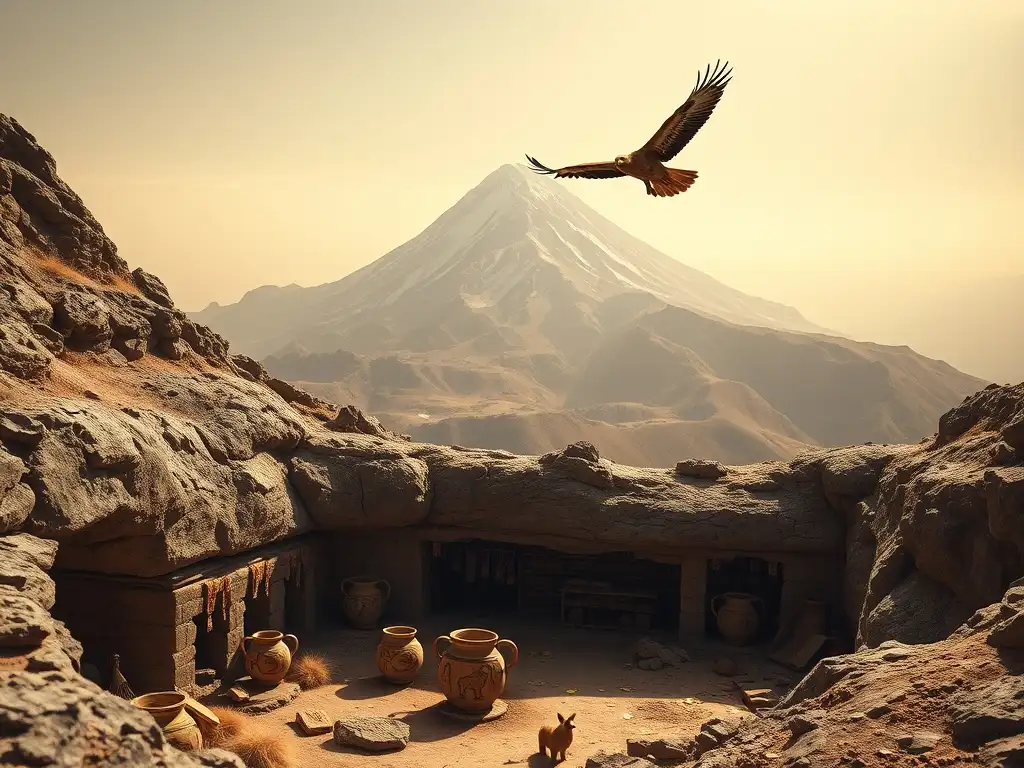
The Inca worldview deeply influenced their burial practices, reflecting a complex interplay of religious beliefs, social structures, and environmental considerations. Understanding Inca religion burial rituals requires appreciating the sacred significance attached not just to the act of burial itself, but also to the chosen locations. The mountains, rivers, and even specific microclimates held profound spiritual meaning, shaping where and how the Inca interred their dead.
The Inca believed in the continuity of life after death, a concept that permeated every aspect of their funerary rituals. This belief system dictated not only the careful preparation of the body but also the meticulous selection of burial sites, transforming ordinary landscapes into sacred spaces.
Inca Royal Tombs and Their Characteristics
Inca royal tombs represent the pinnacle of their funerary architecture and ritualistic complexity. Unlike the simpler burials of commoners, royal tombs were often elaborate structures, sometimes integrated into existing natural formations or meticulously constructed within mountain recesses. These tombs were not merely repositories for the deceased; they were carefully designed spaces imbued with symbolic meaning, reflecting the power and status of the deceased ruler.
For example, the tomb of Pachacuti, the first Inca emperor, is believed to have been located high in the Andes, a location chosen for its proximity to the sacred apus (mountain spirits). While the precise location remains a mystery, archaeological evidence suggests that royal tombs were frequently accompanied by rich grave goods, including gold and silver artifacts, textiles, ceramics, and even human sacrifices, reflecting the Inca belief in providing the deceased with everything they might need in the afterlife. The sheer scale and complexity of these tombs highlight the immense resources and manpower dedicated to honoring their rulers.
Further research is needed to fully understand the variation in royal tomb construction across different regions of the Inca empire, as evidence suggests regional styles existed. [Specific information pending regarding regional variations in royal tomb construction].
Commoner Burial Practices and Their Variations
In contrast to the grandeur of royal tombs, commoner burial practices varied considerably depending on geographical location and social status within the community. While royal burials involved elaborate ceremonies and preparations, commoner burials were often simpler, reflecting the resources available to the community. However, even the simplest burials were imbued with ritualistic significance. Bodies were typically placed in a flexed position, often wrapped in textiles and accompanied by simple grave goods, such as pottery and tools.
The location of commoner burials also varied. While some were placed in individual graves, others were buried in collective tombs, suggesting a communal approach to burial in some communities. Evidence suggests that the practices of Inca religion burial rituals for commoners were influenced by local traditions, resulting in regional variations in burial customs.
[Specific data on regional variations in commoner burial practices is needed for a complete analysis]. This demonstrates the adaptive nature of Inca religious practices, blending imperial norms with pre-existing beliefs and customs. A further study of the grave goods found in commoner burials could provide valuable insights into their daily lives and beliefs.
Sacred Places Associated with Inca Burials
The selection of burial sites was not arbitrary; the Inca carefully chose locations that held spiritual significance. Mountains, considered sacred abodes of powerful deities, were frequently chosen for both royal and commoner burials. These sites often featured natural features, such as caves or rock formations, which were believed to provide access to the spirit world. The proximity to water sources, such as rivers or springs, also played a significant role, as water was considered essential for life, both in this world and the next.
Additionally, certain archaeological sites, such as Machu Picchu, reveal evidence of both residential and funerary activity, suggesting that these places served as both living and sacred spaces connected to the afterlife. The integration of burial sites within larger ceremonial complexes highlights the interconnectedness of life and death within the Inca worldview. This understanding of Inca religion burial rituals and their connection to the landscape offers valuable insights into the beliefs and practices of this remarkable civilization.
Further research into the specific geographical distribution of burial sites across the Inca Empire could provide a more comprehensive understanding of the spatial distribution of religious beliefs. [Data on the geographical distribution of burial sites is needed to complete this analysis]. The meticulous selection of burial sites underscores the profound spiritual significance the Inca attributed to the afterlife.
The Influence of Inca Cosmology on Burial Practices
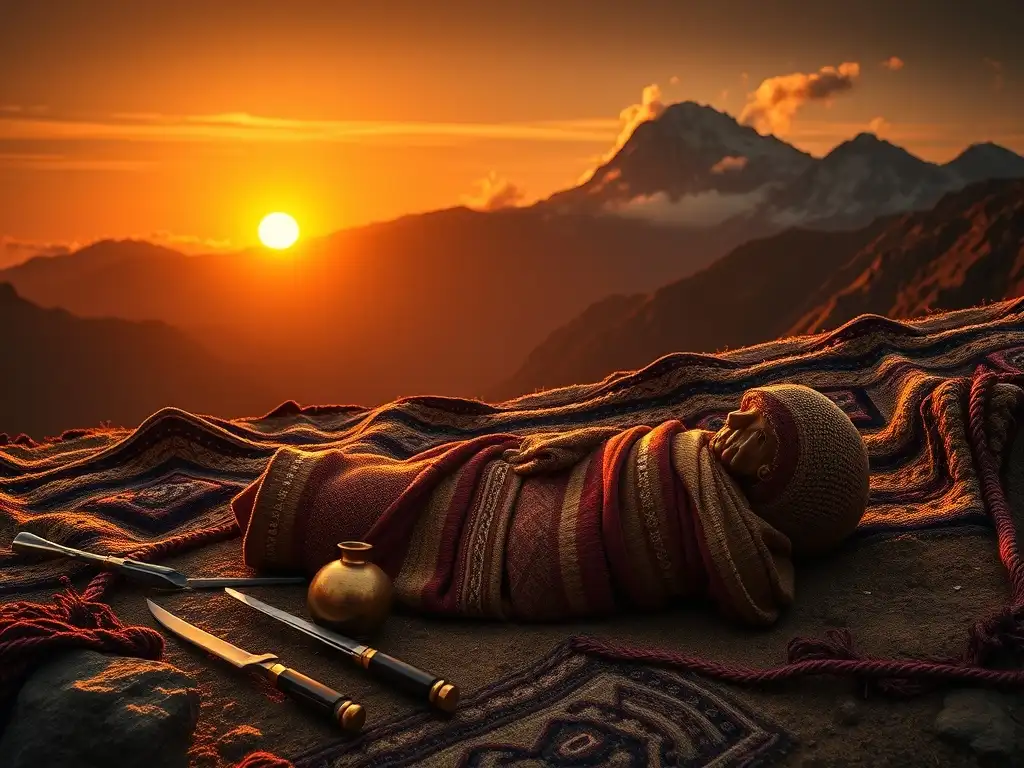
The Inca worldview, deeply rooted in cosmology, profoundly shaped their burial practices. Understanding their intricate relationship with the cosmos is crucial to deciphering the complexities of their funerary rituals. Inca religion wasn't simply a set of beliefs; it was a lived experience, permeating every aspect of life, including death.
Their beliefs about the afterlife directly influenced how they prepared for death and honored their deceased. The meticulous nature of Inca burial rituals reflects a profound respect for the cyclical nature of life and the interconnectedness of the living and the dead. This section will explore the key cosmological elements that underpinned Inca burial practices, focusing on their understanding of the three worlds, the roles of specific deities, and the overarching concept of Pacha.
The Connection Between the Three Worlds and Burial Rituals
Inca cosmology envisioned three interconnected worlds: the Hanan Pacha (upper world), the Kay Pacha (present world), and the Ukhu Pacha (underworld). These weren't simply geographical locations but rather realms of existence, each with its own deities and significance. Burial rituals aimed to facilitate the deceased's safe passage through these worlds. The deceased's journey wasn't seen as an end but as a continuation of their existence, a transition requiring careful preparation.
For example, the elaborate mummification process wasn't merely for preservation; it was a ritualistic preparation for the afterlife journey. The mummies, often adorned with precious textiles and artifacts, were believed to retain a portion of the deceased's sisa (spirit) and needed to be equipped for their journey through the Ukhu Pacha. The placement of grave goods—food, clothing, tools, and even coca leaves—reflects the belief that the deceased would require these items in the afterlife.
The orientation of the graves, often aligned with celestial bodies, further underscores the importance of the cosmos in their funerary practices. The careful placement of the body, the inclusion of specific offerings, and the construction of elaborate tombs, all served to ensure a smooth transition between the Kay Pacha and the Ukhu Pacha.
Detailed records of specific grave goods and burial sites would further enhance our understanding of these practices. [Specific information pending: further research on regional variations in burial practices and grave goods].
Inca Deities and Their Role in the Afterlife Journey
Several Inca deities played crucial roles in the afterlife journey. Mama Pacha, the Earth Mother, was believed to govern the underworld and guide the deceased. Offerings were made to appease her and ensure a safe passage for the departed soul. Similarly, Wiracocha, the creator god, was believed to oversee the entire cosmic order, including the transition between worlds. His presence was implicitly invoked in all major rituals, including those surrounding death and burial.
The role of other deities varied depending on the deceased's social standing and the specific circumstances of their death. For example, the sun god, Inti, held particular importance for the Inca elite, and their burial rites often involved elaborate ceremonies and offerings reflecting their close relationship with the deity. [Specific information pending: detailed analysis of the role of specific deities in different types of burial rituals].
The complexity of the Inca pantheon and their influence on burial rituals highlight the deeply religious nature of their society and their belief in the continuity of life beyond death. The rich tapestry of Inca mythology provided a framework for understanding death, not as an ending, but as a transformation.
The Concept of “Pacha” and its Impact on Inca Funeral Rites
The concept of Pacha—the interconnectedness of the three worlds—was central to Inca religion and profoundly influenced their burial practices. Pacha wasn't merely a physical space but a holistic concept encompassing time, space, and the entire cosmic order. The Inca believed that the living and the dead were intrinsically linked within this cosmic framework. Death, therefore, wasn't a complete severance but a transition within the continuous flow of Pacha.
The Inca understanding of Pacha explains the importance placed on maintaining harmony between the worlds. Proper burial rituals were seen as essential for maintaining this balance, preventing disruption to the cosmic order. Neglecting these rituals was believed to bring misfortune and imbalance to the living.
The meticulous nature of the burial rites, therefore, reflects a deep-seated concern with maintaining the delicate equilibrium of Pacha. The cyclical nature of Inca life, deeply intertwined with the agricultural cycle and the movements of the celestial bodies, further reinforces the significance of Pacha in shaping their understanding of death and the afterlife. The intricate relationship between the living and the dead, as understood through the lens of Pacha, underscores the profound significance of Inca burial rituals within their broader religious and cosmological framework.
This holistic perspective offers a compelling explanation for the meticulous nature and deep symbolism embedded in Inca funerary practices. The preservation of Inca mummies, for instance, wasn't just a matter of technical skill; it was an act of maintaining the connection between the living and the dead within the ever-flowing stream of Pacha.
Variations in Inca Burial Practices Across Regions
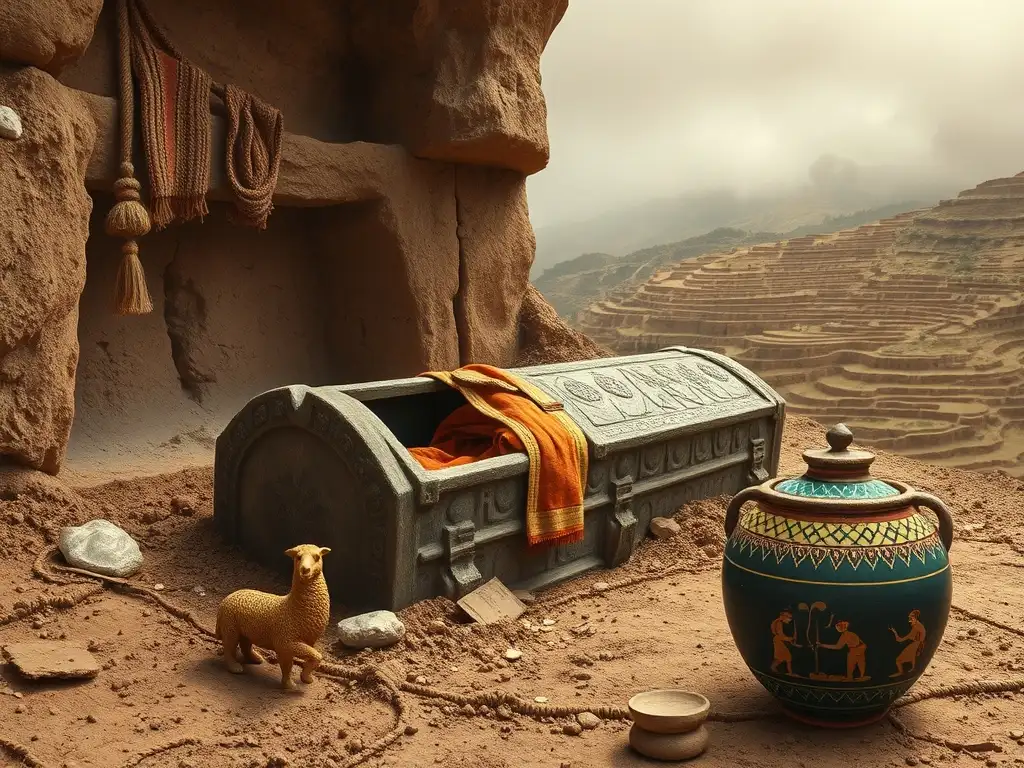
The Inca Empire, vast and diverse in its geography and conquered populations, didn't adhere to a single, monolithic set of burial rituals. While core beliefs surrounding death and the afterlife informed practices across the empire, significant regional variations existed, reflecting both pre-Inca traditions and adaptations to local environments. Understanding these variations is crucial to appreciating the complexity of Inca religion and its interplay with the diverse cultures incorporated into the empire. Analyzing Inca religion burial rituals reveals fascinating insights into their worldview and social structures. The keyword phrase "Inca religion burial rituals" perfectly encapsulates this multifaceted exploration.
Regional Differences in Inca Mummification Techniques
Mummification, a central aspect of Inca funerary practices, wasn't uniformly executed throughout the empire. While elite mummies, often those of rulers or high-ranking officials, received elaborate treatment involving evisceration, desiccation, and the application of resins and textiles, the methods varied regionally. In coastal regions, where arid conditions naturally aided preservation, simpler techniques might have sufficed.
In contrast, the high Andes, with their fluctuating temperatures and humidity, demanded more intensive methods to achieve successful mummification. The availability of specific resources, such as particular resins or textiles, also influenced regional techniques. For example, evidence suggests that the use of certain herbs and plants in the mummification process differed according to the specific ecological zone.
This demonstrates a pragmatic adaptation of religious practices to the constraints of the physical environment. Further research is needed to fully understand the complete range of regional variations in mummification techniques. [Specific data on regional variations in plant/herb usage pending].
Grave goods, reflecting the deceased's social status and regional context, provide invaluable insights into Inca society. Elite burials often contained lavish offerings: gold and silver ornaments, finely woven textiles, ceramics, and tools. These items signified wealth, power, and access to resources.
However, the specific types of grave goods varied regionally. For instance, coastal burials might include more marine-related artifacts, while those in the highlands might feature agricultural implements or textiles specific to the Andean altiplano. The presence or absence of certain items could also indicate the deceased's role within the community, with priests or shamans possibly buried with ritual objects distinct from those of warriors or farmers.
Even within a specific region, the quality and quantity of grave goods clearly distinguished between the elite and commoners. A systematic study of grave goods across different regions could offer a more refined understanding of Inca social stratification and regional economic variations. The following table offers a preliminary comparison:
| Region | Elite Grave Goods | Commoner Grave Goods |
|---|---|---|
| Coastal (e.g., Moche) | Gold ornaments, shell artifacts, fine ceramics | Simple pottery, basic tools, textiles |
| Highland (e.g., Cuzco) | Gold and silver objects, elaborate textiles, | Pottery, simple tools, possibly some textiles |
| Amazonian | [Specific information pending] | [Specific information pending] |
Unique Burial Customs in Different Parts of the Inca Empire
Beyond mummification and grave goods, unique burial customs further highlight regional variations in Inca funerary practices. For example, some regions practiced collective burials, interring multiple individuals in a single tomb, while others favored individual interment. The orientation of bodies, the presence of specific ritual objects, and even the construction of tombs themselves varied considerably across the empire.
These differences likely reflect the integration of pre-Inca traditions into the Inca worldview. Archaeological evidence from sites across the empire, meticulously analyzed and compared, is vital for disentangling these regional variations and understanding the complex interplay between Inca imperial power and local cultural practices. The continued study of "Inca religion burial rituals" promises to reveal further nuances in their beliefs and practices.
Further research is crucial to fully document and interpret these regional differences, potentially revealing previously unknown aspects of Inca religious beliefs and practices. The meticulous excavation and analysis of additional sites will be key to uncovering more information. 🕵️♂️
The Legacy of Inca Burial Rituals
The Inca Empire, renowned for its sophisticated engineering and vast territorial reach, also possessed a deeply complex and influential religious system. This belief system profoundly shaped many aspects of Inca life, none more so than their intricate burial rituals. Understanding these rituals offers invaluable insights into the Inca worldview, social structure, and beliefs about life after death.
The term "Inca religion burial rituals" encapsulates the interwoven nature of religious belief and funerary practices, a central theme explored in this section. The careful study of these rituals reveals not just how the Inca treated their dead, but also how they perceived the living world and their place within the cosmos. The meticulous nature of their burial practices underscores the importance of the afterlife in Inca cosmology.
Insights into Inca Religious Beliefs Through Burial Practices
Inca burial practices weren't simply about disposing of the deceased; they were elaborate ceremonies reflecting their spiritual beliefs. The huacas, or sacred places, played a crucial role. Bodies were often interred within these sites, considered gateways to the spirit world. The location itself held symbolic significance, further emphasizing the connection between the living and the dead. Furthermore, the positioning of the body, the inclusion of grave goods, and the overall construction of the burial site all offer valuable clues about Inca religious beliefs.
For example, the presence of kero (ceremonial drinking vessels) and other precious artifacts suggests a belief in a continued existence where such items would be needed. The careful mummification process, often involving elaborate preparations and the placement of the mummy in a fetal position, hints at a cyclical view of life and death, reflecting the Inca understanding of rebirth and renewal. The elaborate textiles, adornments, and food offerings found in some tombs indicate a belief in providing for the deceased in the afterlife, mirroring their needs and status in the earthly realm.
Analysis of these offerings provides detailed information about the diet, craftsmanship, and social stratification of Inca society. The variation in burial practices across different regions and social classes also reveals nuances in religious beliefs and social structures.
Archaeological Discoveries and Their Revelations About Inca Funerals
Archaeological excavations have unearthed numerous Inca burial sites, providing invaluable data on their funerary practices. The discovery of royal tombs, such as the one at the site of [Specific site name pending], reveals the opulence and grandeur reserved for the Inca elite. These discoveries often include detailed information on the deceased's identity, social standing, and the rituals performed during their burial.
The meticulous recording and analysis of these finds allow researchers to reconstruct the sequence of events during an Inca funeral, from the initial preparation of the body to the final sealing of the tomb. For instance, the discovery of multiple burials within a single site suggests communal burial practices, potentially reflecting kinship ties or shared social standing. The presence of specific artifacts, like gold ornaments and jade objects, indicates the importance of these materials in Inca religious beliefs and their association with power and prestige.
Moreover, the study of skeletal remains provides insights into the health and lifestyle of the deceased, offering further context to the broader picture of Inca society and religious practices. The careful examination of bone structure, isotopic analysis, and the presence of pathologies all contribute to a more complete understanding of Inca life and death.
Contemporary Perspectives on Inca Burial Traditions
Modern perspectives on Inca burial traditions draw upon archaeological evidence, anthropological studies, and historical accounts to interpret these practices within their broader cultural context. Contemporary scholars continue to analyze the symbolic meaning of grave goods, the significance of burial locations, and the social implications of different burial practices. This ongoing research helps to refine our understanding of Inca religion and its influence on their daily lives, challenging older interpretations and incorporating new perspectives.
Furthermore, there's a growing awareness of the ethical considerations surrounding the study and preservation of Inca burial sites. The respectful treatment of ancestral remains and the protection of these sacred places are paramount. Contemporary research emphasizes the importance of collaboration with indigenous communities and their traditional knowledge in the interpretation and preservation of Inca heritage.
This collaborative approach ensures that the study of Inca burial rituals is not only scientifically rigorous but also culturally sensitive and respectful of the descendants of the Inca civilization. The ongoing dialogue between archaeologists, anthropologists, and indigenous communities is crucial for a nuanced and responsible understanding of Inca burial traditions and their lasting legacy.
Frequently Asked Questions
What role did religion play in Inca burial rituals?
Inca religion deeply influenced their burial practices. Ancestor veneration was central, with elaborate rituals ensuring a smooth transition to the afterlife and continued connection with the living. Royal mummies received the most elaborate treatment.
How did Inca beliefs about the afterlife affect their burial customs?
Inca beliefs depicted the afterlife as a continuation of life, albeit in a different realm. Burials aimed to provide the deceased with necessary provisions for this journey, including food, clothing, and tools. The deceased's social status determined the richness of the grave goods.
What were some common practices in Inca burial rituals?
Common practices included mummification, particularly for elites, accompanied by offerings of food, drink, and prized possessions. Secondary burials, where bodies were initially interred and later re-interred, also occurred. The location of the burial site often held symbolic significance.
How did the Inca's belief in the power of nature influence their burial sites?
The Inca's deep connection to nature shaped their burial choices. Sites were often chosen for their spiritual significance, like high mountaintops or caves, aligning with their cosmology. Natural features were incorporated into the burial process, reflecting their reverence for the environment.
No, the elaborateness of Inca burials varied greatly depending on social status. Elites received elaborate treatment, including mummification, rich grave goods, and carefully constructed tombs. Commoners, conversely, had simpler burials with fewer offerings.
Final Reflection: Echoes of the Andes: Inca Religion and its Enduring Legacy
The intricate relationship between Inca religion and their elaborate burial practices remains profoundly relevant today, offering a powerful lens through which to understand not only the Inca civilization but also the enduring human need to connect with the spiritual realm. The meticulous detail and symbolic richness of their funerary rituals speak volumes about their worldview, a worldview that continues to fascinate and inspire awe centuries later.
The impact of Inca religious beliefs on their burial customs extends far beyond the archaeological record; it resonates within our contemporary understanding of death, spirituality, and the preservation of cultural heritage. The reverence shown to ancestors, the belief in the afterlife, and the elaborate preparations undertaken for the deceased all speak to a deep-seated human desire to honor the past and ensure continuity. Death is not an ending but a transformation,
a sentiment echoed across cultures and time periods, finds powerful expression in the Inca's meticulous burial rituals. Understanding these practices allows us to appreciate the profound spiritual depth of their civilization and the enduring human quest for meaning beyond the physical world.
Consider, for a moment, the implications of this rich legacy. How do your beliefs and values shape your own understanding of death and the afterlife? What rituals and traditions do you hold dear, and how do they reflect your own spiritual journey? Let the meticulous care and profound symbolism of Inca burial practices inspire you to reflect on your own mortality, your own legacy, and the enduring power of faith and belief in shaping our lives and leaving a lasting impact on the world.
Unveil the Secrets of Inca Spirituality Today!
Thank you for exploring the fascinating world of Inca religion and its profound influence on burial practices. You've uncovered the significant role spirituality played in their lives and rituals. Now, let's delve even deeper!
Here are some ways to expand your understanding and share this rich cultural heritage:
- Visit a local museum or cultural center to discover artifacts and exhibits related to Andean civilizations and their burial traditions. You might be surprised by what you find!
- Join a discussion group or online forum dedicated to ancient cultures. Sharing your insights and thoughts on how Inca practices influence modern spirituality can lead to enriching conversations.
- Share your key takeaways on a blog or social media post. Consider tagging relevant accounts or hashtags (such as #IncaCulture or #AndeanCivilizations) to spark further discussion and broaden the reach of your insights.
What aspect of Inca religion captivates you most, and how do you see its echoes in contemporary spiritual practices?