
Beyond the Museum: Identifying Genuine Moche Pottery in Private Collections

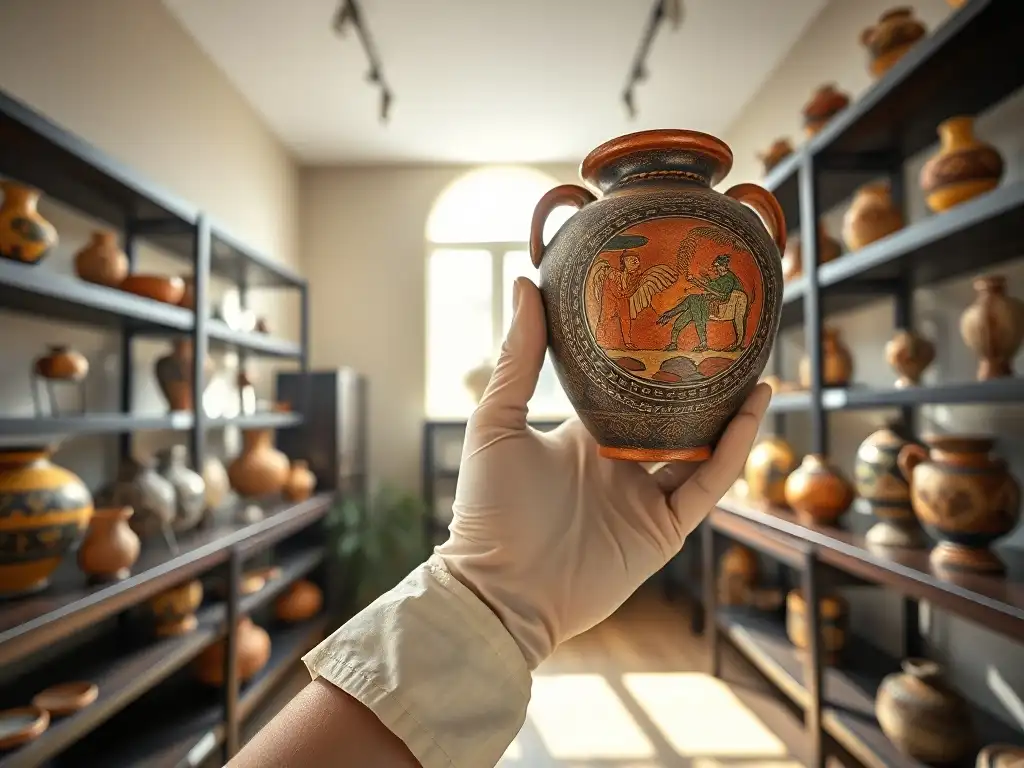
Dive into the mesmerizing world of Andean Civilizations, where lost empires whisper secrets through their breathtaking artistry. From the intricate textiles of the Nazca to the awe-inspiring architecture of the Incas, a legacy of innovation and cultural richness awaits. But how can you distinguish the genuine from the imitation? This journey begins with the crucial skill of Genuine Moche pottery identification, a quest to unlock the authenticity behind these captivating artifacts. Dare to explore the fascinating world of Andean artifacts and discover the truth behind your treasured pieces.
The vibrant, often erotic, and undeniably captivating artistry of the Moche civilization continues to fascinate collectors and enthusiasts worldwide. Moche pottery, with its intricate detail and unique stylistic features, represents a significant piece of pre-Columbian Andean heritage. However, the growing popularity of these artifacts has unfortunately led to a surge in forgeries and misattributions.
This article serves as a guide for navigating the complex world of Moche pottery acquisition, focusing on practical methods to distinguish genuine pieces from expertly crafted imitations. We will explore the key characteristics that define authentic Moche pottery, highlighting the crucial elements to examine before purchasing or appraising any piece, ultimately empowering collectors to make informed decisions and contribute to the responsible preservation of this invaluable cultural legacy.
Understanding the nuances of Moche pottery identification is not simply about acquiring a beautiful object; it's about participating in the ethical stewardship of a remarkable historical record. The ability to distinguish genuine Moche pottery from fakes is essential for both collectors and institutions alike, ensuring the protection of cultural heritage and the preservation of accurate historical knowledge.
The Challenge of Authentic Moche Pottery Identification
Identifying genuine Moche pottery requires a keen eye for detail and a solid understanding of the stylistic conventions, manufacturing techniques, and materials employed by the Moche artisans. Many factors contribute to the difficulty of authentication. Forgeries are often remarkably sophisticated, employing advanced techniques to mimic the appearance of age and wear. Furthermore, the passage of time and exposure to the elements can alter the appearance of even genuine pieces, making identification even more challenging.
Several key characteristics can help distinguish authentic Moche pottery:
- Clay Composition and Texture: Authentic Moche pottery typically utilizes specific clay types sourced from local regions. The texture can vary, but genuine pieces often exhibit a particular smoothness or slight graininess depending on the type of clay and firing process. Counterfeit pieces may use different clays, resulting in a noticeably different texture or feel.
- Slip and Pigment: The vibrant colors and intricate designs on Moche pottery are achieved through the application of slips (a liquid clay mixture) and pigments. Authentic Moche pigments are typically mineral-based and exhibit a particular luminosity and depth of color. Modern pigments may lack this quality. The application of the slip and pigment should also be examined for consistency and precision, as Moche artisans were masters of their craft.
- Firing Techniques: Moche pottery was typically fired using open-air kilns, resulting in variations in color and texture across the surface. These variations are often subtle but can be indicative of authenticity. Uniformly fired pieces may suggest a modern production process.
- Stylistic Elements: Moche pottery is known for its distinctive stylistic elements, including representations of deities, mythical creatures, and scenes of daily life. Understanding the iconography and stylistic conventions of different Moche periods is crucial for authentication. Inconsistencies or anachronisms in style can indicate a forgery.
- Signs of Age and Wear: Genuine Moche pottery will typically show signs of age and wear, such as discoloration, minor scratches, and potentially even repairs from past damage. While excessive wear can be a red flag (suggesting damage or clumsy restoration), the absence of any wear might be suspicious.
The Allure and Risks of Collecting Ancient Moche Artifacts
The allure of collecting ancient Moche artifacts is undeniable. The exquisite craftsmanship, the historical significance, and the sheer beauty of these pieces make them highly sought-after by collectors. However, the acquisition of such artifacts carries significant risks, particularly the risk of acquiring forgeries or pieces obtained illegally. The illegal looting of archaeological sites not only damages invaluable historical resources but also fuels the market for illicit antiquities. Responsible collecting requires a commitment to ethical sourcing and a thorough understanding of the legal and ethical considerations involved.
Purchasing Moche pottery from reputable dealers and auction houses who provide provenance documentation can significantly reduce the risk of acquiring illicit artifacts. Independent authentication by qualified experts is also highly recommended, especially for high-value pieces. Collectors should be aware that even with due diligence, there is always a degree of risk involved in acquiring ancient artifacts. The rewards of responsible collecting, however, are immense – the opportunity to own and appreciate a piece of history while contributing to its preservation. The ethical collector is not just a buyer, but a guardian of cultural heritage.
- The Challenge of Authentic Moche Pottery Identification
- The Allure and Risks of Collecting Ancient Moche Artifacts
- Essential Guides and Books on Moche Art and Archaeology
- "The Art of the Moche: A Visual Guide to Pottery and Iconography" (Example Book)
- Online Databases and Archives of Moche Pottery
- Using Online Resources for Moche Pottery Research
- Recommended Tools for Moche Pottery Examination
- High-Powered Magnifying Glass with LED Illumination
- How can I tell if a piece of Moche pottery is genuine?
- What are some common characteristics of fake Moche pottery?
- Where can I find reliable resources to help me identify Moche pottery?
- What is the significance of the style and imagery found in genuine Moche pottery?
- Why is it important to identify genuine Moche pottery?
Understanding Moche Pottery: Key Characteristics for Authentication
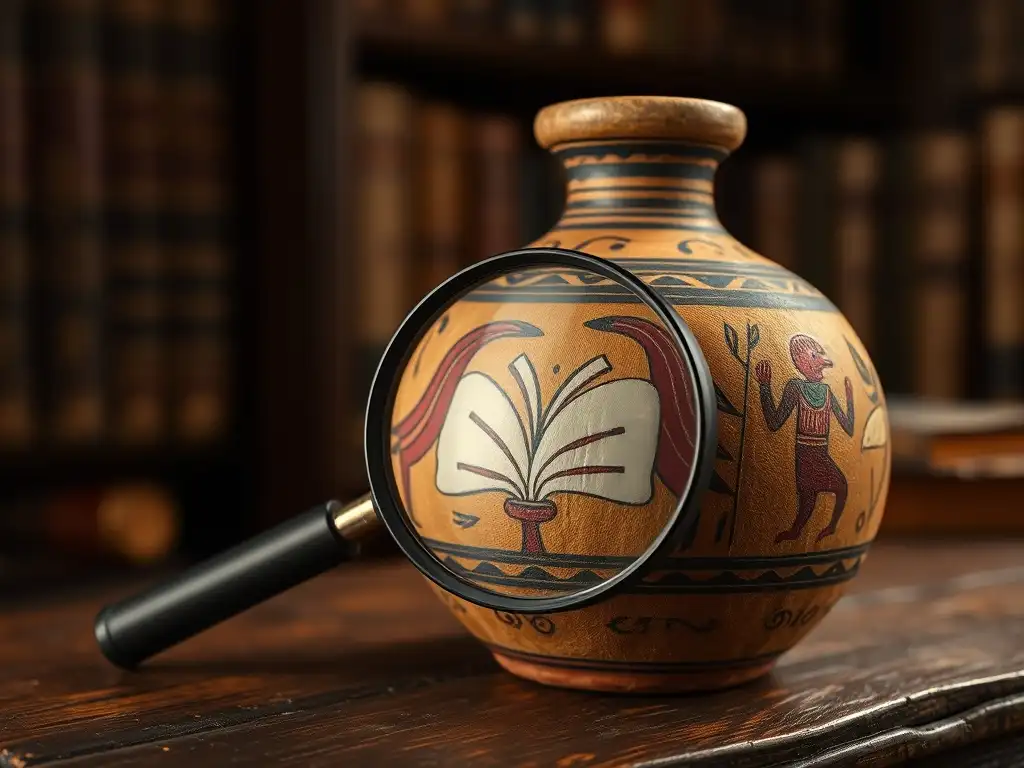
Authenticating Moche pottery requires a keen eye for detail and a comprehensive understanding of their artistic techniques and stylistic evolution. Genuine Moche pottery identification hinges on recognizing several key characteristics, often subtle yet crucial for distinguishing originals from modern reproductions. These characteristics go beyond simply appreciating the artistry; they involve a deep dive into the materials, techniques, and stylistic conventions employed by the Moche artisans. This section will equip you with the knowledge to confidently assess the authenticity of Moche pottery pieces.
Moche Pottery Styles: A Visual Guide to Time Periods
Moche pottery production spanned several centuries, resulting in a fascinating evolution of styles and decorative motifs. Understanding this chronological progression is vital for accurate identification. Early Moche pottery (ca. 100-300 CE) often exhibits simpler forms and less elaborate decoration compared to later periods. The use of slip (a liquid clay coating) varied across different phases, influencing the final appearance and texture.
For instance, early Moche pieces might feature more matte finishes, while later periods showcase highly polished surfaces achieved through meticulous burnishing. Furthermore, the types of pigments used changed over time, impacting the vibrancy and longevity of the colors. Careful examination of the pottery's surface, paying attention to the slip quality, color intensity, and signs of wear, can provide valuable clues about its age.
A detailed chronological study, supported by archaeological evidence, is essential for precise dating. Unfortunately, a complete, universally accepted style guide for every Moche period is lacking; further research is needed to fully refine this aspect of Genuine Moche pottery identification.
Iconography of Moche Ceramics: Decoding Meaning and Motifs
Moche pottery is renowned for its intricate and expressive iconography. The motifs depicted—from deities and mythical creatures to scenes of daily life and rituals—are not merely decorative; they convey profound cultural and religious significance. Understanding the symbolic language embedded in these designs is crucial for authentication. Reproductions often lack the depth and sophistication of Moche iconography, relying on superficial imitation rather than genuine understanding.
For example, the depiction of specific deities, like Ai Apaec, requires accurate representation of their attributes and symbolic elements. Similarly, the portrayal of ritual scenes, often involving sacrifices or ceremonies, necessitates a grasp of the Moche worldview and their artistic conventions. Misrepresentations or inconsistencies in the depiction of these motifs are strong indicators of inauthenticity.
A thorough knowledge of Moche mythology and iconography, gained through scholarly research and museum studies, is essential for Genuine Moche pottery identification. Consider, for example, the subtle variations in the portrayal of a specific deity's headdress across different Moche phases. Such nuanced details are often overlooked in reproductions.
Techniques in Moche Pottery Manufacturing: Identifying Handcrafted vs. Modern Replicas
Analyzing the manufacturing techniques employed in a Moche pottery piece is paramount for authentication. Moche artisans utilized sophisticated techniques, including coil building, paddle-and-anvil smoothing, and highly skilled painting. These techniques left characteristic marks and imperfections on the finished product, which are often absent in modern replicas.
Modern forgeries frequently lack the subtle irregularities and imperfections inherent in handcrafted pottery. For example, the presence of fingerprints or tool marks on the surface, although seemingly minor, are strong indicators of hand-crafting. Similarly, variations in the thickness of the vessel walls, or slight inconsistencies in the application of paint, are hallmarks of handmade objects. Examining the base of the pottery for signs of hand-forming and the firing process can also provide valuable insights.
Conversely, perfectly uniform surfaces and machine-like precision are often red flags suggesting a modern origin. The analysis of the clay itself—its composition and the presence of specific minerals—can also contribute to the authentication process. This requires specialized knowledge and access to scientific testing methods. Therefore, for a definitive analysis, consultation with experts in ceramic analysis is often necessary for Genuine Moche pottery identification.
Common Problems in Moche Pottery Identification
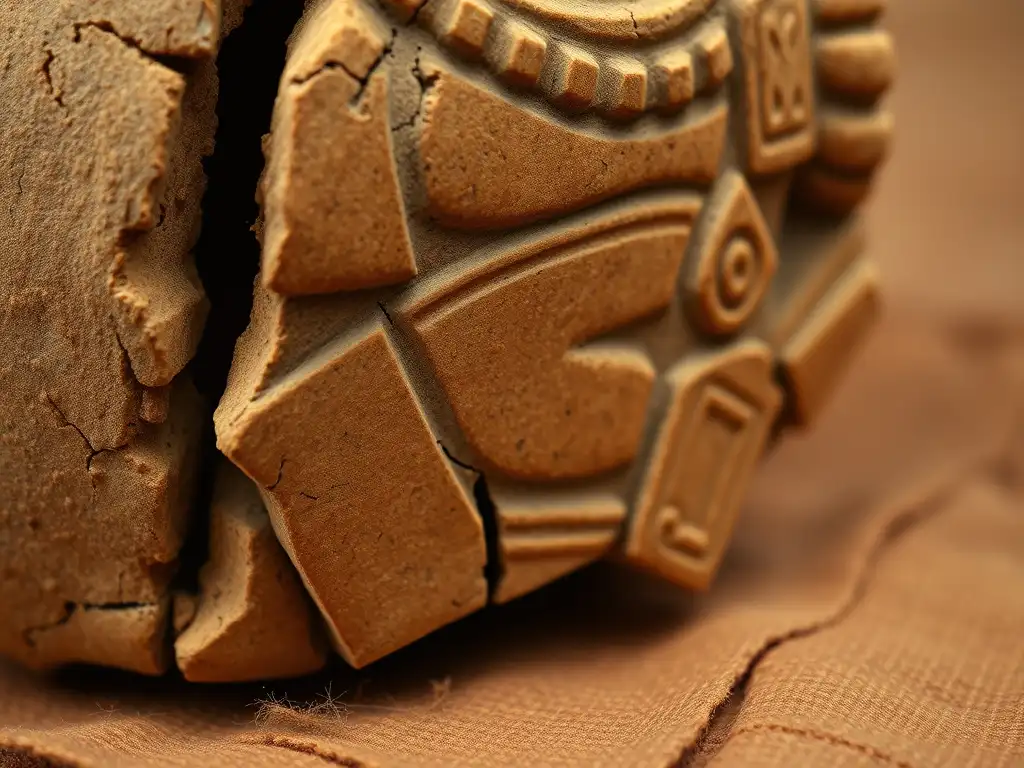
Identifying genuine Moche pottery requires a keen eye and a deep understanding of the stylistic nuances, materials, and manufacturing techniques employed by these master artisans. Unfortunately, numerous challenges complicate this process, leading to misidentification and the proliferation of forgeries within private collections. This section will explore some of the most prevalent hurdles encountered when attempting to authenticate Moche pottery. The complexities involved highlight the need for careful examination and, ideally, consultation with experts in Andean archaeology and art history. Successful "Genuine Moche pottery identification" relies on a multifaceted approach, combining visual inspection with an understanding of historical context.
The Rise of Moche Pottery Replicas and Forgeries
The increasing popularity of Moche pottery as a collectible item has unfortunately fueled a parallel market in replicas and forgeries. These reproductions range from crude imitations to sophisticated counterfeits that can deceive even experienced collectors. Sophisticated forgers often utilize modern materials and techniques to mimic the appearance of aged pottery, employing techniques like artificially creating surface weathering and applying pigments to match the colors and styles found in authentic Moche pieces.
This sophisticated replication makes "Genuine Moche pottery identification" extremely challenging. The use of modern materials, such as readily available clays with different mineral compositions from those used by the Moche, can often be detected through scientific analysis – but this is not always readily accessible to private collectors. Furthermore, the forgers are constantly evolving their methods, making the identification process an ongoing challenge.
Distinguishing between genuine and forged pieces requires a careful consideration of various factors, including the clay composition, paint application, and stylistic consistency. The economic incentives driving the production of these forgeries are substantial, demanding a vigilant and informed approach to collecting.
Damage and Restoration: Distinguishing Original from Modified Pieces
Many Moche pottery pieces found today exhibit damage sustained over centuries. This damage, ranging from minor cracks to significant fragmentation, often necessitates restoration. However, determining the extent of original versus restored material is crucial for authentication. Poorly executed restorations can significantly alter the aesthetic and historical value of a piece, potentially obscuring important details and compromising its integrity.
A seemingly minor repair using inappropriate materials, such as modern adhesives or fillers, can be a major red flag. The challenge lies in differentiating between legitimate repairs undertaken by qualified conservators using historically appropriate materials and methods, and amateur attempts that compromise the authenticity and value of the artifact. A well-executed restoration should be virtually invisible to the naked eye and should not detract from the overall aesthetic integrity of the piece.
Conversely, clumsy repairs, noticeable patching, or the use of modern materials are telltale signs of questionable provenance and can significantly impact the assessment of a piece's authenticity. Detailed photographic documentation and provenance records are therefore vital in cases of restored Moche pottery. This is a significant element of "Genuine Moche pottery identification".
The Problem of Provenance: Tracing the History of a Moche Vessel
Establishing the provenance – the documented history of ownership – of a Moche vessel is paramount for authentication. A clear and unbroken chain of custody, ideally stretching back to the original excavation or discovery, strengthens the authenticity claim significantly. The absence of such documentation, however, raises significant concerns. Without a verifiable history, it becomes extremely difficult to confirm that a piece is not a recently created forgery.
Many Moche artifacts enter the market without proper documentation, making it challenging to verify their origins. This lack of provenance, coupled with the sophistication of modern forgeries, makes the "Genuine Moche pottery identification" process even more difficult. Collectors should always insist on thorough provenance documentation, including photographic records, excavation reports (if applicable), and records of previous owners.
This detailed history acts as a crucial safeguard against acquiring fraudulent artifacts. The pursuit of verifiable provenance is essential for responsible collecting and contributes significantly to the preservation of cultural heritage. A robust provenance record is an indispensable element in establishing the authenticity of any Moche artifact, thereby enhancing the credibility and value of a private collection.
Identifying Fake Moche Pottery: Common Deception Tactics
Collectors of Moche pottery, especially those new to the field, often fall victim to deceptive practices. Understanding these tactics is crucial for acquiring genuine pieces. Forgers employ various methods to mimic the style and appearance of authentic Moche artifacts, ranging from simple imitation to sophisticated counterfeiting techniques. One common tactic involves using modern materials and techniques to create a convincing replica.
This might involve using readily available clays of similar color, but lacking the specific mineral composition and texture found in authentic Moche clay. The firing process is also crucial; forgers often lack the precise temperature control and kiln atmosphere used in ancient Moche pottery production, resulting in variations in color and texture. These subtle differences, however, can be detected by experienced eyes.
Another prevalent deception involves the alteration of existing, but less valuable, pottery. This could involve adding painted details, or even reshaping a piece to resemble a more desirable Moche style. For example, a simple bowl might be altered to mimic the form of a more complex ceremonial vessel. This practice often involves crudely applying paint over existing surfaces, which can be easily identified by examining the paint's consistency, texture, and the presence of inconsistencies or overpainting.
Furthermore, the alteration may result in inconsistencies in the overall aesthetic, betraying the artificial nature of the modifications. A trained eye can easily spot such manipulations. The application of modern paints and glazes is another giveaway; the chemical composition differs significantly from ancient pigments.
Finally, some forgers attempt to pass off pottery from other cultures or time periods as Moche pottery. This might involve pieces from other Andean cultures, such as the Nazca or Chimú, or even entirely unrelated cultures. These pieces lack the distinctive characteristics of Moche pottery, such as their specific iconography, stylistic elements, and the characteristic clay composition. A thorough understanding of Moche artistic conventions and pottery styles is essential to differentiate genuine pieces from imitations.
Careful examination of the piece's form, decoration, and material composition is vital in identifying such forgeries. This includes looking for inconsistencies in style and technique that would not be present in an authentic piece. Consulting with experts and comparing the piece to established examples of Moche pottery from reputable sources is also highly recommended. The careful study of established catalogs and museum collections is invaluable in developing a discerning eye for genuine Moche pottery.
Practical Solutions for Genuine Moche Pottery Identification
This section delves into practical methods for determining the authenticity of Moche pottery found in private collections. The identification of genuine Moche pottery requires a multi-faceted approach, combining visual inspection with scientific analysis. Successfully navigating the complexities of authentication requires diligence and a keen eye for detail. Remember, the market for pre-Columbian artifacts is rife with forgeries, so a cautious and methodical approach is crucial for responsible collecting and preservation of cultural heritage. This guide empowers collectors to make informed decisions and contributes to the preservation of Moche artistic legacy.
Expert Consultation: The Value of Professional Authentication Services
Seeking expert consultation is paramount when assessing the authenticity of Moche pottery. Professional authentication services provide invaluable insight and reduce the risk of acquiring forgeries. These services typically employ specialists with extensive knowledge of Moche ceramic styles, production techniques, and materials. A reputable expert will conduct a thorough examination, considering various factors including:
- Stylistic Analysis: Experts analyze the pottery's form, decoration, and iconography, comparing it to established Moche stylistic canons. Minute details, like the depiction of specific deities or scenes, can be crucial in determining authenticity. Variations in painting techniques and the use of specific pigments are also key indicators.
- Material Analysis: The composition of the clay, the type of slip (a liquid clay coating), and the presence of specific temper (material added to clay to improve its properties) are carefully examined. Moche potters utilized specific clay sources and techniques, deviations from which can suggest a forgery.
- Provenance Research: Establishing the pottery's provenance—its history of ownership and location—is critical. A verifiable chain of custody strengthens the claim of authenticity. Experts can trace the piece's history through documentation, auction records, or museum catalogs.
The cost of professional authentication varies depending on the complexity of the analysis and the expert's reputation. While it represents an investment, the cost is often justified by the potential financial and cultural value of a genuine Moche piece. Engaging a qualified expert significantly reduces the risk of acquiring a fake and protects the integrity of your collection.
Archaeological Ceramic Analysis Services: A Detailed Examination
Beyond expert visual assessment, advanced archaeological ceramic analysis services provide a deeper understanding of a Moche pot's origins and authenticity. These services often involve:
- Petrographic Analysis: This technique examines the microscopic composition of the clay, identifying the specific minerals and materials used in its production. This information can pinpoint the geographic origin of the clay and help distinguish between authentic Moche pottery and modern imitations. Differences in mineral composition can be subtle but highly significant in authentication.
- Thin-Section Analysis: Creating thin sections of the pottery allows for detailed microscopic examination of the clay structure, revealing information about firing techniques and the presence of any alterations or repairs. This can help identify inconsistencies indicative of forgery.
- Elemental Analysis: Using techniques like X-ray fluorescence (XRF) spectroscopy, the elemental composition of the pigments and clay can be precisely determined. This can reveal the specific ingredients used by Moche artisans and identify any modern materials used in a forgery. This analysis provides strong scientific evidence supporting or refuting authenticity.
These scientific methods offer objective evidence to complement visual analysis, providing a more robust and reliable assessment of authenticity. The results of these analyses are typically documented in a detailed report which can be used as irrefutable proof of authenticity.
Utilizing Scientific Testing: Thermoluminescence and Radiocarbon Dating
For particularly valuable or questionable pieces, scientific dating methods such as thermoluminescence (TL) and radiocarbon (¹⁴C) dating can be employed.
- Thermoluminescence (TL) Dating: This technique measures the accumulated radiation trapped within crystalline materials, such as the clay in pottery. By measuring this trapped energy, scientists can estimate the time elapsed since the pottery was last heated to a high temperature (during firing). This provides an approximate date of manufacture. However, TL dating requires careful sampling and analysis, and its accuracy can be affected by various factors. It is particularly useful for dating ceramics that have not been significantly reheated since their original firing.
- Radiocarbon (¹⁴C) Dating: This method is typically used for organic materials found in association with the pottery, such as plant remains or organic pigments. By analyzing the remaining ¹⁴C isotopes, scientists can determine the age of the organic material, providing a chronological context for the pottery. This method is less direct than TL dating but can provide valuable corroborating evidence. The presence of organic materials suitable for ¹⁴C dating is not always guaranteed.
While these scientific techniques are powerful tools, they are often expensive and require specialized equipment and expertise. They are most beneficial when used in conjunction with other methods of analysis, providing a comprehensive assessment of authenticity. The results from these tests, when available, provide a strong scientific basis for claims of authenticity or forgery.
Where to Find Reputable Moche Pottery Experts
Locating experts in Moche pottery authentication is crucial for anyone seeking to verify the authenticity of a piece. Unfortunately, there isn't a central, globally recognized registry of Moche pottery experts. However, several avenues can lead you to qualified individuals. Your success depends on diligent research and a discerning eye.
First, consider reaching out to established museums with significant Andean collections. Museums like the Larco Museum in Lima, Peru, possess extensive Moche pottery holdings and employ curators and researchers with decades of experience. While they may not offer private appraisals, contacting their research departments might yield valuable advice or recommendations for qualified independent experts. Their staff frequently publishes scholarly articles and participates in academic conferences – a strong indicator of their expertise. Remember to be polite and respectful of their time and resources; explain your situation clearly and concisely.
Secondly, explore university archaeology departments, particularly those with strong Andean archaeology programs. These departments often house leading researchers in pre-Columbian art and archaeology. Professors and doctoral candidates specializing in Moche culture might be willing to offer their expertise, though this often comes with a fee for their professional time and analysis. Check university websites for faculty profiles and contact information. Look for individuals who have published extensively on Moche pottery styles, iconography, and techniques.
Thirdly, professional art appraisal organizations sometimes include specialists in pre-Columbian art. While finding someone specifically focused on Moche pottery might be challenging, a reputable appraiser with broad Andean expertise can still offer insightful preliminary assessments. However, always verify their credentials and experience, checking for affiliations with recognized professional bodies and a proven track record of successful appraisals. Remember to ask for references and inquire about their specific experience with Moche pottery.
Finally, online forums and communities dedicated to ancient art collecting can be helpful, but proceed with caution. While you might find enthusiasts with considerable knowledge, always cross-reference information and be wary of unsubstantiated claims. Focus on individuals who can provide verifiable credentials and supporting evidence for their expertise. The online world, while vast, is also filled with misinformation, so thorough verification remains paramount. Genuine Moche pottery identification requires a discerning eye and a commitment to finding trustworthy experts. Don't rush the process; the value of your piece depends on accurate authentication.
Recommended Tools and Resources for Moche Pottery Collectors
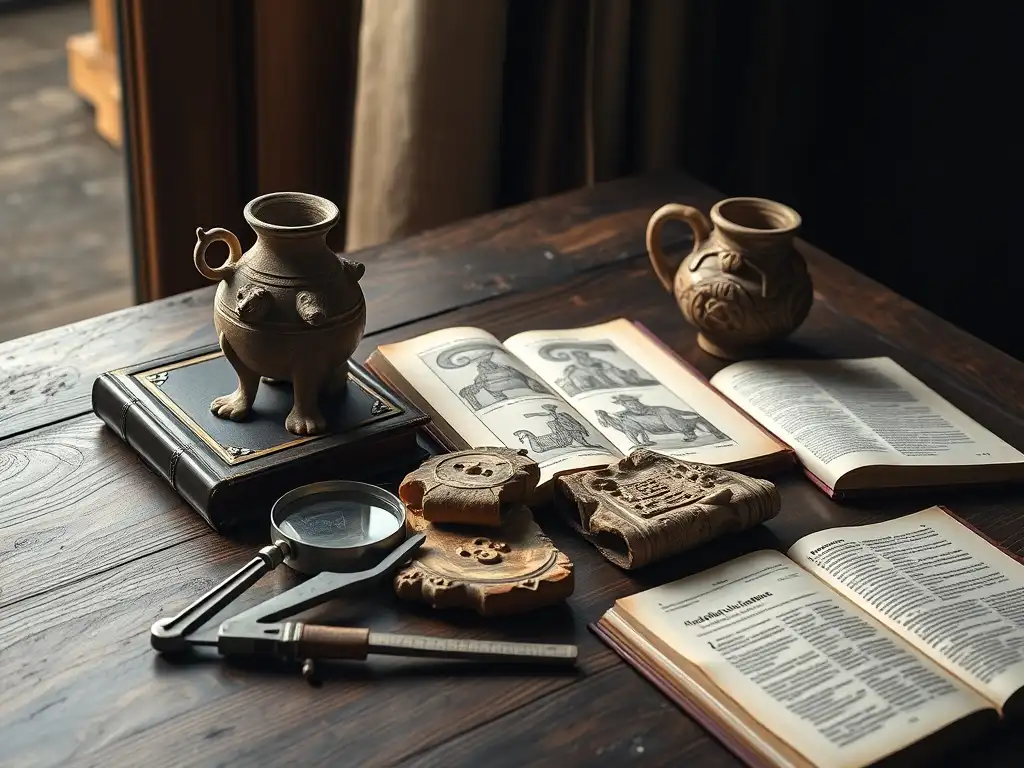
This section provides a curated list of essential tools and resources to aid collectors in their quest for authentic Moche pottery. Developing a keen eye for genuine artifacts requires diligent study and access to reliable information. The resources listed below represent a starting point for your journey into the fascinating world of Moche pottery identification. Remember, responsible collecting involves understanding the provenance and ethical implications of acquiring these ancient treasures. The goal is to appreciate and preserve Moche artistry for future generations.
Essential Guides and Books on Moche Art and Archaeology
Serious Moche pottery collectors should build a robust library of scholarly works and authoritative guides. These resources offer crucial insights into stylistic variations, manufacturing techniques, and common forgeries. A well-rounded collection will include both general overviews of Moche culture and specialized studies focusing on pottery. Below are examples of the types of books that can aid in Genuine Moche pottery identification:
- Comprehensive Overviews: Look for books that provide a broad understanding of Moche society, art, and religion. These texts often include detailed sections on pottery, illustrating various styles and techniques. Understanding the cultural context is vital for discerning genuine pieces from imitations.
- Specialized Studies: Seek out books focused specifically on Moche pottery. These might delve into specific stylistic periods, regional variations, or particular types of vessels. These specialized resources provide granular details that are essential for advanced identification.
- Catalogs and Museum Publications: Museum catalogs and publications frequently contain high-quality images and detailed descriptions of Moche pottery from their collections. These resources are invaluable for comparing your pieces to known authentic examples. Many museums make their catalogs available online, expanding accessibility for researchers and collectors alike.
- Technical Analysis Books: Books detailing the scientific analysis methods used to authenticate ancient artifacts are also valuable. This knowledge helps collectors understand the techniques used to determine the age and origin of pottery, strengthening their ability to identify genuine Moche pottery. Understanding the chemical composition of the clay, pigments, and firing techniques is crucial for assessing authenticity.
"The Art of the Moche: A Visual Guide to Pottery and Iconography" (Example Book)
Let's imagine a hypothetical yet highly informative book titled "The Art of the Moche: A Visual Guide to Pottery and Iconography." This book would serve as a cornerstone resource for Moche pottery enthusiasts. It would feature:
- High-Resolution Images: Hundreds of images of Moche pottery, showcasing a wide range of styles, techniques, and motifs. Images would be meticulously documented with details on provenance, dimensions, and any known restoration work.
- Detailed Descriptions: Each pottery piece would be accompanied by a detailed description, analyzing its stylistic features, iconography, and potential cultural significance. The descriptions would be written by experts in the field, ensuring accuracy and reliability.
- Comparative Analysis: The book would include comparative analyses of different Moche pottery styles, highlighting similarities and differences across time periods and geographical regions. This section would be crucial for learning to distinguish authentic pieces from imitations.
- Glossary of Terms: A comprehensive glossary would define key terms related to Moche pottery, ensuring clear understanding for readers of all levels of expertise. This would include technical terms related to pottery production and stylistic analysis.
- Chronological Overview: A clear chronological overview of Moche pottery styles would provide a framework for understanding the evolution of the art form over time. This would help in dating and authenticating pieces based on their stylistic features.
Online Databases and Archives of Moche Pottery
The digital age offers unparalleled access to information, including extensive databases and archives dedicated to Moche pottery. These online resources provide invaluable tools for Genuine Moche pottery identification, supplementing the information gathered from books and other physical resources. However, it's crucial to approach online resources critically, verifying information with multiple sources before making any conclusions.
- Digital Museum Collections: Many museums have digitized portions of their collections, making high-resolution images and detailed descriptions of Moche pottery readily accessible. These online catalogs offer a vast resource for comparative analysis.
- Academic Databases: Academic databases such as JSTOR and Project MUSE often contain scholarly articles and papers focusing on Moche archaeology and art. These sources offer in-depth analyses of pottery styles, techniques, and iconography.
- Specialized Websites and Blogs: Several websites and blogs are dedicated to Andean archaeology and art, offering valuable information and insights into Moche pottery. However, it's essential to assess the credibility of these sources carefully, verifying information against established scholarly works.
Remember that responsible collecting necessitates careful research and ethical sourcing. Using these tools and resources responsibly contributes to the preservation and appreciation of Moche cultural heritage. The goal is not just to own a piece, but to understand its history and significance.
Using Online Resources for Moche Pottery Research
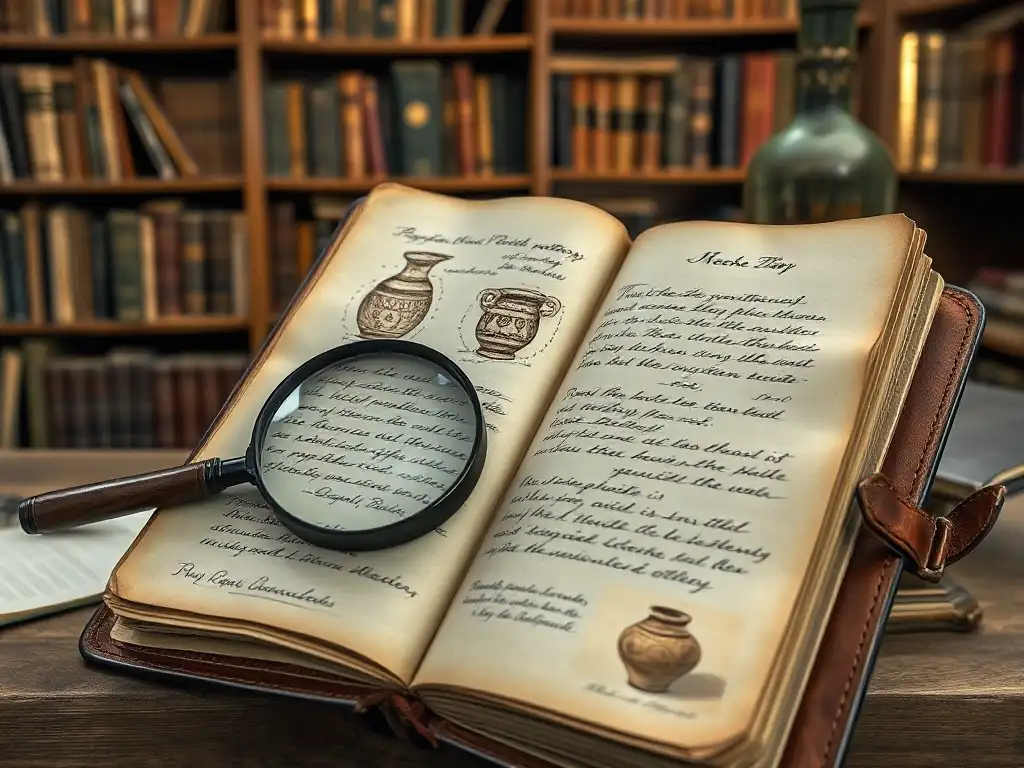
The digital age offers unparalleled access to information crucial for authenticating Moche pottery. Several reputable online databases and academic journals provide high-resolution images and detailed descriptions of known Moche artifacts. These resources are invaluable for comparative analysis. For example, the online catalog of the [museum name pending] provides detailed records, including provenance information, stylistic analyses, and even chemical compositions for a significant portion of their Moche collection.
Cross-referencing your piece with these established records can help pinpoint similarities and discrepancies, potentially revealing forgeries or misattributions. Furthermore, scholarly articles published in journals like [Journal name pending] often present cutting-edge research on Moche pottery styles, techniques, and materials. Careful study of these publications can enhance your understanding of subtle variations in design, clay composition, and pigment use, all essential elements in genuine Moche pottery identification. Remember to always be critical of the sources you use, verifying their credibility and the expertise of the authors.
The sheer volume of information available online necessitates a discerning approach, prioritizing peer-reviewed research and established museum databases over less credible sources. Effective use of these online tools requires patience and meticulous comparison. Don't rush the process; thorough research is paramount in determining the authenticity of your Moche pottery.
Recommended Tools for Moche Pottery Examination
Beyond online resources, a discerning collector needs a range of physical tools to examine Moche pottery effectively. A crucial tool is a high-quality magnifying glass, preferably with adjustable magnification power. This allows for a detailed examination of the surface texture, paint application, and any potential signs of damage or repair. Furthermore, a strong light source is essential for revealing subtle details often missed under standard lighting conditions.
A portable UV light can be particularly helpful in detecting inconsistencies in the pigments or the presence of modern glues or resins used in restoration or forgery. Additionally, a non-contact thermometer can be useful for assessing the firing temperature of the pottery, providing insights into its potential age and authenticity. A well-equipped collector might also consider investing in a digital microscope with imaging capabilities. This advanced tool permits high-resolution images and detailed analysis, which can be compared to images in online databases or shared with experts for further consultation.
Finally, a set of calibrated calipers can help measure the dimensions of the piece accurately, providing quantitative data for comparative analysis. The combination of these tools—a magnifying glass, UV light, non-contact thermometer, digital microscope, and calipers—offers a comprehensive approach to evaluating Moche pottery. Remember, the goal is not just visual inspection, but a thorough scientific investigation using a range of analytical tools.
High-Powered Magnifying Glass with LED Illumination
A high-powered magnifying glass with integrated LED illumination is a cornerstone of any serious Moche pottery collector's toolkit. The magnification power should ideally be adjustable, allowing for detailed examination at various levels. A magnification range of 10x to 30x is generally sufficient for identifying subtle details in the pottery's surface. The integrated LED illumination is crucial because it provides even, bright lighting, eliminating shadows and ensuring a clear view of the piece.
This is particularly important when examining intricate details such as painted designs, surface textures, and any signs of wear or damage. Poor lighting can easily obscure crucial details, leading to inaccurate assessments. The LED light should be bright enough to illuminate the entire surface of the pottery evenly, but not so intense that it damages the piece or causes glare. Consider a magnifying glass with a built-in stand for hands-free operation, allowing for thorough and comfortable examination.
Furthermore, the lens itself should be of high optical quality, free from distortions or imperfections. A high-quality magnifying glass with these features can significantly enhance the accuracy and efficiency of your examination process, allowing you to identify subtle characteristics indicative of genuine Moche pottery. Remember to handle the magnifying glass carefully to avoid damage to the lens, ensuring years of reliable service in your quest for authentic Moche artifacts.
Case Studies: Successful Genuine Moche Pottery Identification
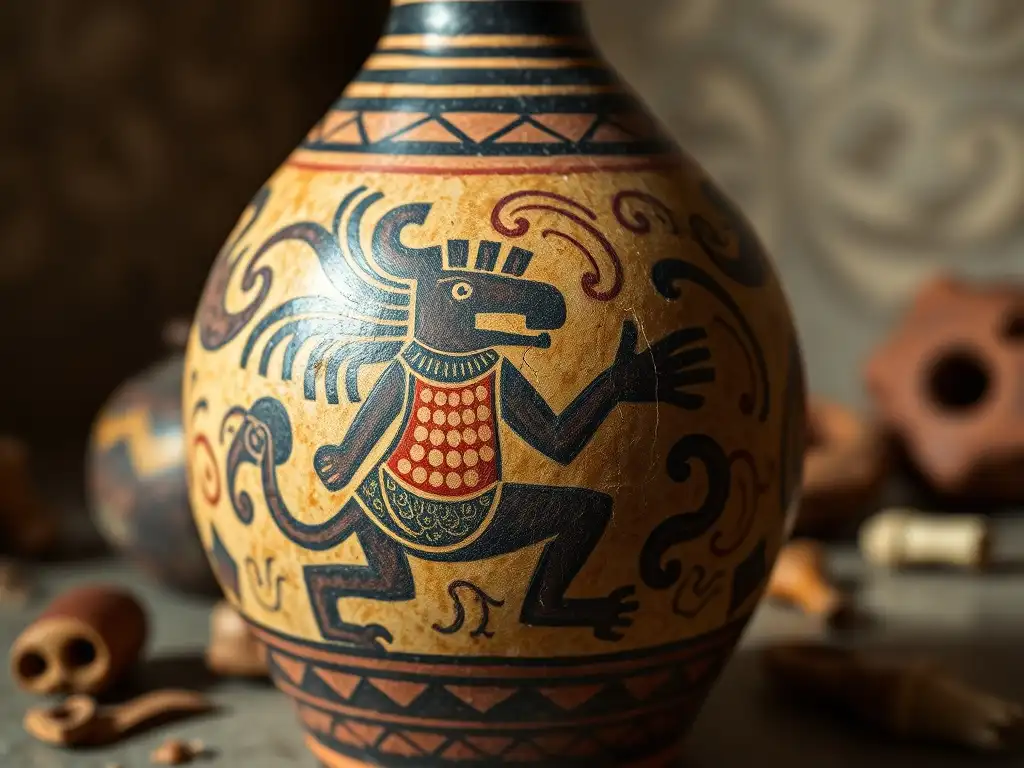
This section presents real-world examples of successful Moche pottery authentication, highlighting key features and techniques used to distinguish genuine artifacts from forgeries. Understanding these case studies will significantly improve your ability to perform Genuine Moche pottery identification. Each case illustrates different aspects of Moche artistry and the challenges involved in verifying authenticity.
Case Study 1: Identifying a Genuine Moche Warrior Figure Vessel
A private collector submitted a ceramic vessel depicting a Moche warrior. Initial examination revealed a striking resemblance to known Moche warrior figures, including the characteristic headdress, weaponry, and posture. However, doubts arose regarding its authenticity due to some inconsistencies in the paint application. A closer analysis, using a high-powered magnifying glass, revealed subtle details crucial for Genuine Moche pottery identification:
- Clay Composition: Analysis of the clay revealed a composition consistent with known Moche sources. The presence of specific minerals and the texture of the clay matched samples from known Moche sites. Forgeries often use modern clays, which lack the characteristic mineral composition.
- Firing Techniques: Examination of the vessel's surface showed evidence of a reduction firing process—a hallmark of Moche pottery. The slight variations in color and texture indicated that the piece had undergone the same firing process used in ancient Moche kilns. This is a critical element in Genuine Moche pottery identification.
- Paint Application: While the initial observation suggested inconsistencies, the closer analysis revealed that the seeming imperfections were actually characteristic of the Moche painting technique. The slight irregularities in the paint application, and the use of multiple layers of paint with visible transitions, were consistent with the Moche style. This contrasts with the often-uniform and overly-perfect paint application seen in forgeries.
- Iconography: The specific iconography depicted on the warrior figure—the style of the headdress, the type of weaponry, and the warrior's posture—matched known Moche representations. The details were consistent with the artistic conventions of the Moche culture, further supporting its authenticity.
Case Study 2: Authenticating a Moche Fineline Painting Vessel
Another case involved a vessel showcasing intricate fineline painting—a highly refined Moche artistic technique. The piece depicted a complex scene, likely a mythological narrative. Authenticating this type of piece requires a different set of analytical skills for Genuine Moche pottery identification. Key elements included:
- Line Precision and Consistency: Moche fineline painting is characterized by exceptionally fine lines, executed with remarkable precision and consistency. The lines in this vessel displayed the characteristic thinness and smoothness, without the wavering or inconsistencies common in forgeries.
- Pigment Analysis: Analysis of the pigments used in the painting revealed a composition consistent with those used by the Moche. The presence of specific minerals and the way the pigments were applied provided further evidence of authenticity. Forgeries often use modern pigments that lack the unique chemical signatures of ancient Moche materials.
- Preservation: The level of preservation on the vessel was consistent with its age and the typical weathering patterns observed on genuine Moche pottery. The presence of minor wear and tear, but the absence of significant damage, suggested an artifact that had survived centuries.
- Contextual Clues: Although not directly visible on the vessel itself, the collector provided information about the circumstances of its discovery. This contextual information, while not definitive proof, added to the overall evidence supporting the authenticity of the piece.
Lessons Learned from Real-World Moche Pottery Authentication
These case studies underscore the importance of a multi-faceted approach to Genuine Moche pottery identification. Successful authentication relies on a combination of:
- Visual Inspection: A thorough visual examination, using magnification tools if necessary, is crucial for identifying subtle details in the clay, paint application, and iconography.
- Scientific Analysis: Scientific techniques, such as clay composition analysis and pigment analysis, provide objective evidence that can confirm or refute authenticity.
- Contextual Information: While not always available, information about the vessel's provenance and discovery context can be valuable.
- Expert Consultation: In many cases, consultation with experts in Moche archaeology and art history is essential for accurate and reliable Genuine Moche pottery identification. The complexity of Moche artistic conventions and the sophistication of forgeries necessitates this collaborative approach. Remember, careful observation, scientific rigor, and expert knowledge are indispensable for navigating the intricate world of Moche pottery and ensuring the authenticity of your collection. 🕵️♂️
Protecting Your Investment and Preserving Moche Heritage
Acquiring genuine Moche pottery is not only a rewarding experience for collectors but also a significant responsibility. These artifacts represent a vital part of Peru's cultural heritage, and their preservation is crucial. A genuine Moche piece is a valuable investment, but its worth extends far beyond monetary value.
Understanding how to protect your investment and contribute to the preservation of this heritage is paramount. This section details best practices for acquiring authentic Moche pottery ethically and legally, while also highlighting the importance of supporting preservation efforts in the Moche regions. The thrill of owning a piece of history should never come at the expense of its integrity or the cultural legacy it represents.
Best Practices for Acquiring Moche Pottery Authentically
The acquisition of Moche pottery requires meticulous due diligence. Avoid impulsive purchases; instead, prioritize thorough research and verification. Several key steps can significantly reduce the risk of acquiring a forgery:
- Provenance Documentation: Demand comprehensive provenance documentation. This should trace the artifact's ownership history back as far as possible, ideally to its initial excavation or discovery. Look for records from reputable archaeological digs, museums, or established art dealers. Lack of clear provenance is a major red flag. 🧐
- Expert Authentication: Seek expert authentication from recognized specialists in pre-Columbian art and archaeology. These experts possess the knowledge and experience to identify subtle features that distinguish genuine Moche pottery from fakes. Their assessment should be detailed and well-documented.
- Material Analysis: Consider non-invasive material analysis. Techniques like X-ray fluorescence (XRF) can analyze the pottery's chemical composition, helping to identify the type of clay used and potentially reveal inconsistencies indicative of forgery. This adds an extra layer of verification to provenance and visual inspection.
- Visual Examination: Thoroughly examine the pottery yourself. Pay close attention to details such as the style of painting, the quality of the craftsmanship, and the presence of any signs of repair or restoration. Compare your piece to documented examples in museum collections or reputable publications. Authentic Moche pottery exhibits a unique aesthetic and technical skill.
- Reputable Dealers and Auctions: Source your pottery from reputable dealers and auction houses with established reputations for authenticity and ethical sourcing. Beware of suspiciously low prices or sellers lacking transparency. A high price doesn't guarantee authenticity, but a suspiciously low price almost certainly signals a problem.
The Importance of Ethical Collecting and Legal Acquisition
Ethical collecting is not merely a moral imperative; it's also crucial for the long-term preservation of Moche cultural heritage. The illegal excavation and trafficking of ancient artifacts contribute to the destruction of archaeological sites and the loss of invaluable historical information. Genuine Moche pottery identification is crucial for combating this illicit trade.
By ensuring your acquisitions are ethically sourced and legally obtained, you actively support the preservation of these irreplaceable artifacts. This means:
- Avoiding the Black Market: Never purchase Moche pottery from sources suspected of engaging in illegal activities. Supporting the black market fuels looting and the destruction of archaeological sites.
- Compliance with Laws and Regulations: Familiarize yourself with national and international laws and regulations regarding the import and export of cultural artifacts. Ensure all necessary permits and documentation are in order. Ignorance of the law is no excuse.
- Transparency and Disclosure: Be transparent about the origin and acquisition of your Moche pottery. This promotes accountability and helps combat the illegal trade. Openness is key to responsible collecting.
Supporting Cultural Preservation Efforts in Moche Regions
Beyond ethical collecting, actively supporting preservation efforts in Moche regions demonstrates a commitment to protecting this invaluable heritage. This can take various forms:
- Donating to Archaeological Organizations: Consider donating to reputable archaeological organizations working in Peru to support their excavation, research, and preservation projects. Your contribution directly supports the protection of Moche sites and artifacts.
- Supporting Museums and Cultural Institutions: Museums play a vital role in preserving and showcasing Moche pottery. Support these institutions through memberships, donations, or attendance at their events. This helps ensure these artifacts are accessible for research and public appreciation.
- Advocating for Cultural Heritage Protection: Raise awareness about the importance of protecting Moche cultural heritage among your network. Support legislation and initiatives aimed at combating the illegal trade in antiquities. Your voice matters.
By following these guidelines, collectors can acquire and appreciate genuine Moche pottery responsibly, contributing to the preservation of this extraordinary cultural legacy. Remember, the value of these artifacts extends far beyond their monetary worth; they are irreplaceable witnesses to a remarkable civilization. 🌎
Identifying genuine Moche pottery requires a careful and considered approach. It's not simply a matter of looking for flashy colors or intricate designs; rather, it's about understanding the nuances of the artistic style, the techniques employed, and the materials used. This process demands a keen eye, a solid understanding of Moche artistic conventions, and, ideally, the expert opinion of a qualified archaeologist or art conservator.
Relying solely on online resources or untrained opinions can lead to costly mistakes and contribute to the unfortunately rampant problem of fraudulent artifacts in the market. Remember, the thrill of owning a piece of history should never overshadow the ethical responsibility of ensuring its authenticity and contributing to the preservation of Moche heritage.
The information presented here serves as a starting point for your journey into the fascinating world of Moche pottery. While this guide provides valuable insights, always remember that thorough research and professional consultation are crucial for making informed decisions. Investing in a genuine piece of Moche pottery is not just acquiring an artifact; it's about becoming a steward of a rich and significant cultural legacy.
By approaching the process responsibly and ethically, you can ensure that your investment protects both your financial interests and the invaluable cultural heritage of the Moche civilization. The preservation of these artifacts is paramount, and your due diligence contributes directly to that important goal. So, proceed with caution, conduct thorough research, and always seek expert advice when in doubt.
Only then can you truly appreciate the beauty and historical significance of owning a genuine piece of Moche artistry. The joy of owning a genuine piece is exponentially greater when you know it's authentic and you've acquired it ethically.
Frequently Asked Questions
How can I tell if a piece of Moche pottery is genuine?
Authenticating Moche pottery requires careful examination. Look for characteristic stylistic elements, such as the unique painting techniques and iconic imagery found in Moche art. Consider consulting with a reputable expert for a professional opinion.
What are some common characteristics of fake Moche pottery?
Counterfeit pieces often lack the subtle nuances of genuine Moche pottery. Look for inconsistencies in painting style, clay type, and overall craftsmanship. Poorly executed details are a major red flag.
Where can I find reliable resources to help me identify Moche pottery?
Reputable museums and academic publications offer valuable resources. Searching for scholarly articles and museum catalogs on Moche art will provide you with helpful information and images for comparison.
What is the significance of the style and imagery found in genuine Moche pottery?
Moche pottery reflects their complex culture and beliefs. The detailed depictions of rituals, deities, and daily life offer invaluable insights into their society. The vibrant colors and intricate designs are hallmarks of Moche artistic skill.
Why is it important to identify genuine Moche pottery?
Protecting cultural heritage is crucial. Identifying genuine artifacts helps prevent the illegal trade of stolen or looted artifacts. Owning and appreciating authentic pieces allows for a deeper understanding and appreciation of Moche culture.
Final Reflection: The Enduring Legacy of Moche Pottery
The illicit trade in ancient artifacts continues to threaten cultural heritage worldwide, and the demand for genuine Moche pottery remains a significant driver. Understanding the intricacies of authentication is not merely an academic pursuit; it's a crucial step in protecting irreplaceable pieces of history and ensuring their preservation for future generations.
The impact of the Moche civilization extends far beyond the dusty shelves of museums. Their artistry, imbued with vibrant colors and intricate designs, continues to captivate and inspire. Their pottery tells a story – a story of a sophisticated society, their beliefs, and their daily lives. This legacy, however, is fragile, threatened by the very forces that seek to profit from its beauty. The past is never dead. It's not even past.
– William Faulkner. This quote rings true when considering the enduring power of Moche pottery and the responsibility we have to protect it.
Consider the implications of your own choices. Are you actively seeking out verified sources when purchasing artifacts? Are you supporting ethical practices within the art market? By educating ourselves and making informed decisions, we can collectively combat the illegal trade and ensure that the vibrant legacy of the Moche people continues to thrive, not just in museums, but in our understanding and appreciation of their remarkable culture. Let us be the guardians of this extraordinary heritage.
**Unveil the Secrets of Authentic Moche Pottery Today! **
Thank you for exploring the fascinating world of Moche pottery with us! You've gained valuable insights into identifying genuine pieces that reflect the rich history of Andean civilizations. Now, let's put that knowledge to practical use!
Here's how you can continue your journey of discovery:
- **Explore local museums and galleries:** Seek out exhibitions featuring Andean artifacts, and engage with knowledgeable curators who can share their expertise in identifying authentic Moche pottery.
- **Connect with fellow enthusiasts:** Join online communities and social media groups dedicated to ancient cultures. Exchange insights, discuss identification techniques, and share your discoveries with other passionate collectors.
- **Share your passion:** Create a blog or social media presence to showcase the authentic Moche pottery you encounter. This not only helps preserve your discoveries but also inspires others to appreciate the artistry and history behind these remarkable pieces.
What captivating piece of Moche pottery has recently intrigued you, and what stories do you believe it reveals about its creation and the culture that produced it?