
The Breath of the Past: The Role of Oral Tradition in Andean Continuity

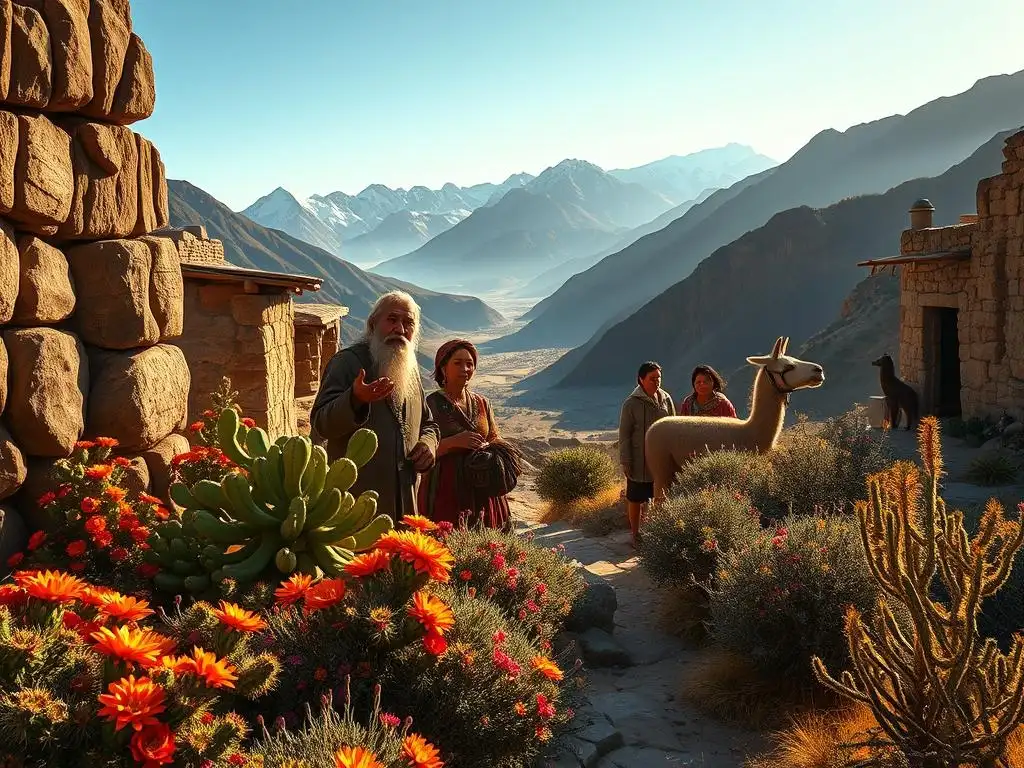
Step into a world lost to time, yet echoing in the whispers of the wind. The Andean Civilizations website unveils the fascinating tapestry of ancient cultures, from the Incas' majestic empire to the enigmatic Nazca lines. But what truly bound these societies together across millennia? Discover the captivating power of Andean oral tradition history, a living legacy that shaped their identities and ensured the survival of their stories. Unravel the secrets held within these ancient voices – your journey into the breath of the past begins now.
The Andes Mountains, a spine of rock and ice running down the western coast of South America, are not just a geographical feature; they are a living testament to millennia of human history. For centuries, before the advent of written records, the vibrant cultures of the Andes – the Inca, Moche, Nazca, Tiahuanaco, and countless others – relied heavily on oral tradition to transmit knowledge, history, beliefs, and societal values across generations.
This intricate web of storytelling, song, and ritual formed the bedrock of Andean identity and ensured the continuity of their rich cultural heritage. This article delves into the profound significance of Andean oral tradition, exploring its mechanisms, its impact on shaping Andean societies, and its enduring legacy in the modern world.
We will uncover how this powerful tool not only preserved history but also shaped the very fabric of Andean life, offering a unique perspective on the "Andean oral tradition history" and its lasting influence. Understanding this tradition is key to understanding the Andean civilizations themselves.
Introduction to Andean Oral Tradition and its Historical Significance
Andean oral tradition wasn't simply a collection of disconnected stories; it was a meticulously structured system of knowledge transmission. This system involved a complex interplay of various methods:
- Storytelling (Willka): Narratives, often epic in scale, recounted the origins of the world, the deeds of heroes and ancestors, and the moral lessons crucial for societal cohesion. These weren't mere tales; they were living history, passed down through generations with meticulous care. The accuracy and detail in these accounts often astounded early European chroniclers.
- Music and Song (Harawi): Music played a vital role, carrying historical information, religious beliefs, and social commentary. Songs served as mnemonic devices, helping to ensure the accurate transmission of complex genealogies, agricultural practices, and cosmological understanding. The harawi, for example, often served as a powerful means of expressing social commentary and resistance.
- Rituals and Ceremonies: Rituals and ceremonies, imbued with symbolic meaning, acted as repositories of cultural knowledge. These events often reenacted historical events or mythological narratives, reinforcing collective memory and social identity. The meticulous nature of these ceremonies highlights the importance of precise and accurate transmission of information.
- Mnemonic Devices: The Andean people employed sophisticated mnemonic techniques, such as knotted cords ( quipus) and memory palaces, to aid in the recollection and accurate transmission of vast amounts of information. These techniques were essential for preserving complex data like census records, astronomical observations, and historical chronicles.
The impact of this oral tradition on Andean societies was profound. It shaped their worldview, their social structures, and their relationship with the natural world. It provided a framework for understanding their place in the cosmos and guided their daily lives. The oral tradition was instrumental in shaping their social organization, political systems, and economic activities.
For example, [Specific examples of how oral traditions shaped Andean social structures pending]. The enduring legacy of this oral tradition is evident in the continuing influence of Andean languages and cultural practices today. The survival of many cultural elements demonstrates the resilience and effectiveness of this ancient system of knowledge transmission.
Understanding the Essence of Andean Oral History
The essence of Andean oral history lies in its holistic approach to knowledge. It wasn't merely about recording events; it was about understanding the interconnectedness of all things – the cosmos, the ancestors, the land, and the community. This understanding permeated all aspects of Andean life, from agriculture and governance to religious practices and artistic expression.
The narratives weren't static; they evolved and adapted over time, reflecting the changing circumstances of the communities that transmitted them. This organic process allowed the oral tradition to remain relevant and meaningful across generations, while simultaneously preserving a core of essential cultural values. This dynamism is a key characteristic of effective oral traditions, allowing them to adapt to changing contexts while preserving their core meanings.
Furthermore, the oral tradition fostered a strong sense of collective identity and continuity. By sharing common stories and beliefs, Andean communities forged a sense of belonging and shared purpose. This collective memory was essential for maintaining social cohesion and resilience in the face of challenges. The narratives reinforced social norms, values, and expectations, contributing to the stability and longevity of Andean societies.
The study of Andean oral tradition presents significant challenges. The lack of written records necessitates reliance on ethnographic research, linguistic analysis, and the interpretation of surviving material culture. However, the rewards are equally significant, offering a unique window into the worldview, beliefs, and social structures of these remarkable civilizations. Understanding the Andean oral tradition offers a deeper appreciation for the richness and complexity of Andean cultures and their lasting impact on the world. The careful study and preservation of what remains is crucial for understanding the "Andean oral tradition history" and ensuring its legacy continues.
- Introduction to Andean Oral Tradition and its Historical Significance
- Understanding the Essence of Andean Oral History
- What is the significance of oral tradition in Andean history?
- How did Andean oral traditions impact the development of Andean civilizations?
- What forms did Andean oral traditions take?
- How reliable is information passed down through Andean oral traditions?
- How did the Spanish conquest affect Andean oral traditions?
The Transmission of Knowledge Through Generations in the Andes
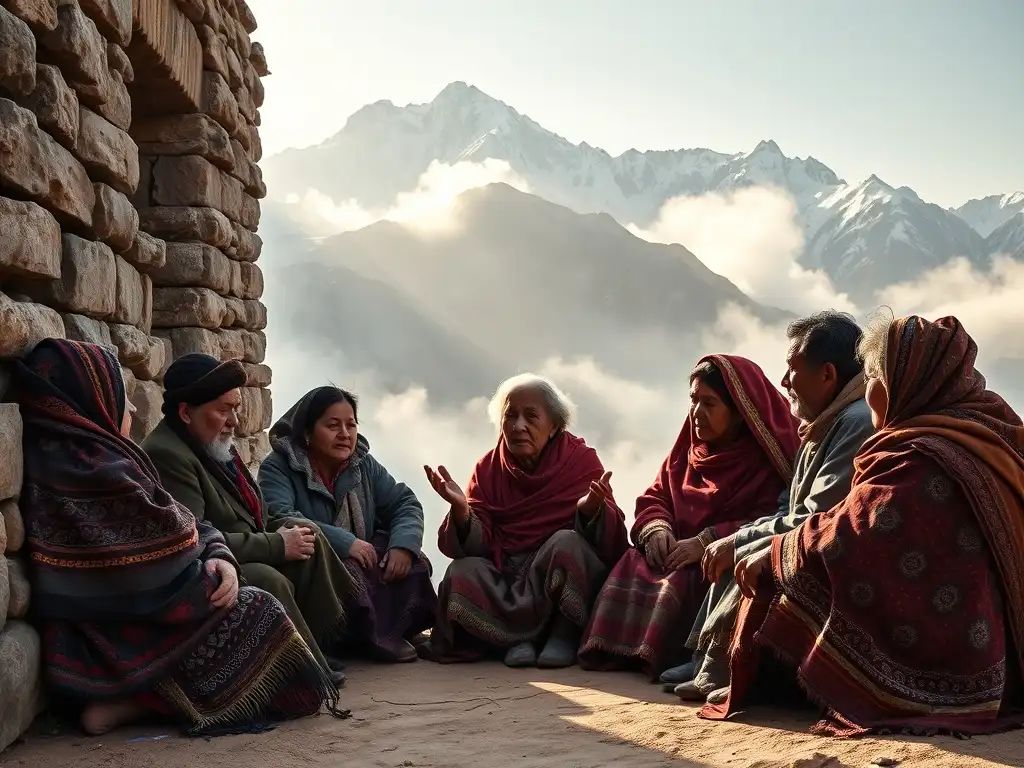
The Andes Mountains, a spine of towering peaks stretching along the western coast of South America, are not just a geographical feature; they are the cradle of a rich tapestry of cultures, languages, and traditions. For millennia, before the advent of widespread writing systems, the Andean peoples relied heavily on oral tradition to transmit their invaluable knowledge, history, and cultural heritage across generations. This oral tradition, a living archive of Andean history, wasn't simply a method of storytelling; it was a dynamic, evolving system intricately woven into the fabric of Andean life, deeply impacting their social structures, spiritual beliefs, and daily practices.
Understanding this oral tradition is key to unlocking a deeper appreciation of Andean civilizations and their enduring legacy. The preservation and study of Andean oral traditions are crucial not only for understanding their past but also for safeguarding their future. The vibrant narratives, songs, and rituals passed down through generations provide invaluable insights into the complexities of Andean societies.
This section will delve into specific examples of how this transmission shaped Andean societies and continues to resonate today. The keyword "Andean oral tradition history" is central to this understanding.
Storytelling as a Cornerstone of Andean Cultural Preservation
Storytelling in the Andes wasn't merely entertainment; it was a vital mechanism for preserving and transmitting knowledge, values, and social norms. Narratives, often embellished with rich imagery and symbolic language, conveyed historical events, agricultural techniques, medicinal practices, and spiritual beliefs. For example, the Quechua people of Peru used habladores (storytellers) to recount epic tales of their ancestors' struggles, victories, and wisdom. These stories weren't static accounts; they were dynamically reinterpreted and adapted by each generation, reflecting the changing social and environmental contexts.
This adaptability ensured the oral tradition's relevance and continuity through time. The stories also served as a powerful tool for social control, teaching moral lessons and reinforcing community values. Consider the tales surrounding the Apu (mountain spirits), which instilled respect for nature and the importance of maintaining ecological balance.
These narratives were not just narratives; they were living documents, constantly evolving yet maintaining their core message. The effectiveness of this method is evident in the enduring relevance of many Andean traditions even today. The continued practice of storytelling in modern Andean communities demonstrates the enduring power of this ancient technique.
The Role of Andean Myths and Legends in Shaping Identity
Andean myths and legends are fundamental to understanding the collective identity and worldview of Andean civilizations. These narratives often feature powerful deities, mythical creatures, and supernatural events that explain the origins of the world, the human race, and the natural phenomena that shaped their lives. For instance, the creation myths of different Andean groups offer diverse yet interconnected narratives about the emergence of the world and humanity's place within it. These myths often incorporate elements of nature, reflecting a deep connection between the Andean peoples and their environment.
The stories of Viracocha, Pachamama, and Inti, for example, reveal a complex cosmology that shaped religious practices, social hierarchies, and agricultural cycles. Analyzing these myths reveals not only the beliefs of past Andean societies but also the enduring influence of these beliefs on contemporary Andean cultures. Moreover, these narratives helped to establish a shared sense of identity and belonging among different Andean communities, even across vast geographical distances.
The common threads within these seemingly disparate narratives underscore the underlying unity of Andean cultures, despite their regional variations. The enduring presence of these myths and legends in modern Andean life, often adapted and reinterpreted, demonstrates their continuous role in shaping identity and cultural continuity. The study of these myths offers a crucial perspective on the evolution of Andean worldview and the persistence of their cultural heritage.
Forms and Variations of Oral Tradition Across Andean Cultures
The Andean oral tradition history is incredibly rich and diverse, reflecting the varied geography and distinct cultures that flourished across the Andes Mountains. It wasn't a monolithic entity but rather a vibrant tapestry woven from numerous threads, each representing a specific community's unique approach to preserving and transmitting knowledge. This diversity is reflected not only in the content of the oral traditions but also in their forms and methods of transmission.
While some communities relied heavily on narrative storytelling, others prioritized song, ritual, or practical demonstrations. Understanding this variety is crucial for appreciating the complexity and resilience of Andean cultural heritage.
The survival of these traditions, often passed down through generations with remarkable fidelity, is a testament to their inherent value and their deep integration into the social fabric of Andean societies. The lack of widespread written records only amplified the importance of these oral forms, making them the primary vehicle for historical preservation, social cohesion, and cultural transmission.
Diverse Narrative Styles in Andean Communities
Andean communities employed a variety of narrative styles, each tailored to the specific context and purpose of the storytelling. For instance, some narratives were highly stylized and formalized, adhering to strict conventions of structure and language. These often served ritualistic purposes, recounting myths of creation or heroic deeds of ancestral figures. Others were more flexible and improvisational, adapting to the audience and the specific situation.
These might include everyday stories, anecdotes, or humorous tales used to entertain and socialize. The use of figurative language, such as metaphors and similes, was common, adding layers of meaning and enhancing the memorability of the narratives. The style of storytelling itself could also vary significantly, with some storytellers using dramatic gestures and vocal inflections while others maintained a more subdued and understated approach.
The effectiveness of a storyteller often depended on their ability to connect with the audience, drawing them into the narrative and making the stories resonate on a personal level. Detailed ethnographic studies reveal a fascinating range of narrative techniques, highlighting the artistry and skill involved in preserving and transmitting cultural knowledge through oral means. Further research is needed to fully document the diversity of narrative styles across all Andean communities, particularly those in remote or less-studied regions.
The Significance of Songs and Music in Andean Memory
Music and song played—and continue to play—a vital role in preserving Andean oral tradition history. Songs served as mnemonic devices, embedding historical events, genealogies, and cultural values into memorable melodies and lyrics. This approach allowed for the transmission of complex information across generations, ensuring that crucial knowledge wasn't lost. Different musical styles were associated with specific events or social contexts, adding further layers of meaning and cultural significance.
For example, ceremonial songs often involved intricate harmonies and rhythmic patterns, reflecting the spiritual and ritual importance of the occasion. Work songs, on the other hand, were more functional, providing a rhythmic accompaniment to tasks like weaving or farming. The ability to sing and play traditional Andean instruments is often seen as a marker of cultural identity and a demonstration of skill and knowledge.
The preservation of these musical traditions is not only crucial for maintaining cultural continuity but also for understanding the historical and social context in which they emerged. Many songs contain valuable historical data, offering insights into past events, social structures, and belief systems. The study of Andean music provides a rich source of information for scholars researching Andean oral tradition history.
The Quechua Tradition of "Yachay Wasikuna" Storytelling
The Quechua tradition of "Yachay Wasikuna" (houses of knowledge) represents a particularly fascinating example of how oral tradition was formally structured and institutionalized within Andean communities. These weren't physical buildings but rather designated spaces, both real and metaphorical, where elders and knowledgeable individuals imparted wisdom and cultural knowledge to younger generations. The term encompasses a range of practices, including formal storytelling sessions, rituals, and practical demonstrations of skills.
The "Yachay Wasikuna" tradition emphasized the importance of experiential learning, with young people actively participating in the learning process. The knowledge imparted wasn't limited to historical narratives; it also included practical skills related to agriculture, medicine, craftsmanship, and social organization. This holistic approach to education ensured that cultural transmission encompassed both theoretical and practical aspects of Andean life.
The decline of the "Yachay Wasikuna" tradition in recent decades due to modernization and social changes highlights the vulnerability of these vital institutions and underscores the need for efforts to revitalize and preserve this essential aspect of Andean cultural heritage. More research is needed to fully understand the regional variations in "Yachay Wasikuna" practices and their impact on the transmission of Andean knowledge. Documenting these practices is essential for safeguarding this invaluable aspect of Andean oral tradition history.
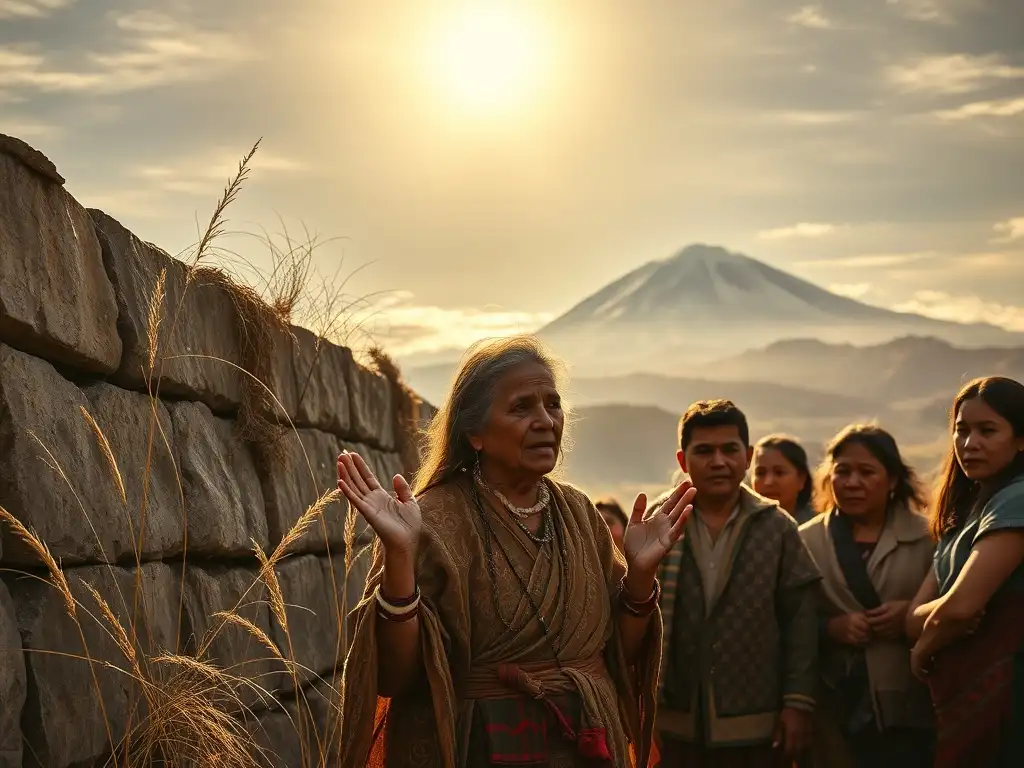
The Andean oral tradition wasn't merely a method of storytelling; it was the bedrock upon which Andean social structures were built and maintained. Its influence permeated every aspect of life, from daily routines to complex political systems. The intricate web of narratives, songs, and rituals served as a powerful tool for transmitting values, laws, and historical accounts, shaping individual identities and collective memory within the diverse Andean communities.
This section will explore the profound impact of oral tradition on social cohesion and the preservation of ancestral knowledge. Understanding this impact is crucial to appreciating the resilience and continuity of Andean cultures throughout centuries of change. The keyword "Andean oral tradition history" is deeply embedded in this analysis.
Oral narratives, often passed down through generations, functioned as powerful instruments for maintaining social cohesion within Andean societies. These weren't simply entertaining tales; they served vital roles in reinforcing social norms, resolving conflicts, and transmitting crucial historical and cultural knowledge. For example, myths about powerful deities or ancestors explained the origins of communities and their customs, fostering a sense of shared identity and belonging.
These stories reinforced social hierarchies and expectations, defining appropriate behavior and maintaining social order. The repetition of these narratives during communal gatherings strengthened group bonds and created a shared understanding of their history and place within the larger Andean world. Furthermore, the use of mnemonic devices, such as repetitive phrases, songs, and dramatic performances, greatly aided in the memorization and accurate transmission of these vital narratives.
The effectiveness of this method is evidenced by the persistence of many of these traditions into the modern day. The continuity of these practices, passed down through generations, demonstrates the power of oral tradition in shaping and sustaining Andean social fabric. This aspect of Andean oral tradition history is crucial in understanding the enduring strength of Andean communities.
Andean Oral Tradition and the Preservation of Ancestral Knowledge
Andean oral tradition played a pivotal role in preserving and transmitting ancestral knowledge across generations. This knowledge encompassed a vast range of subjects, including agricultural techniques, medicinal practices, astronomical observations, and intricate systems of governance. Unlike written records, which can be lost or destroyed, oral tradition ensured the continuity of this vital information. Specialized individuals, often shamans or elders, held the responsibility of memorizing and interpreting these complex bodies of knowledge.
They acted as living libraries, passing down intricate details about planting cycles, the properties of medicinal plants, the movements of celestial bodies, and the intricate legal codes that governed their societies. Their expertise was crucial for the survival and prosperity of their communities. This preservation wasn't merely a passive process; it involved active engagement and interpretation, adapting the knowledge to changing circumstances while retaining its core principles. The dynamism of this process is evident in the rich diversity of Andean traditions that persist to this day, demonstrating the remarkable adaptive capacity of oral transmission in preserving ancestral wisdom.
This preservation of ancestral knowledge forms a significant part of Andean oral tradition history. The continued relevance of this knowledge highlights the enduring importance of oral tradition in maintaining the cultural integrity of Andean communities. The sophisticated understanding of astronomy, for instance, reflected in the precise alignment of certain structures, underscores the depth and complexity of the knowledge transmitted orally through generations.
The Challenges and Resilience of Andean Oral Traditions in Modern Times
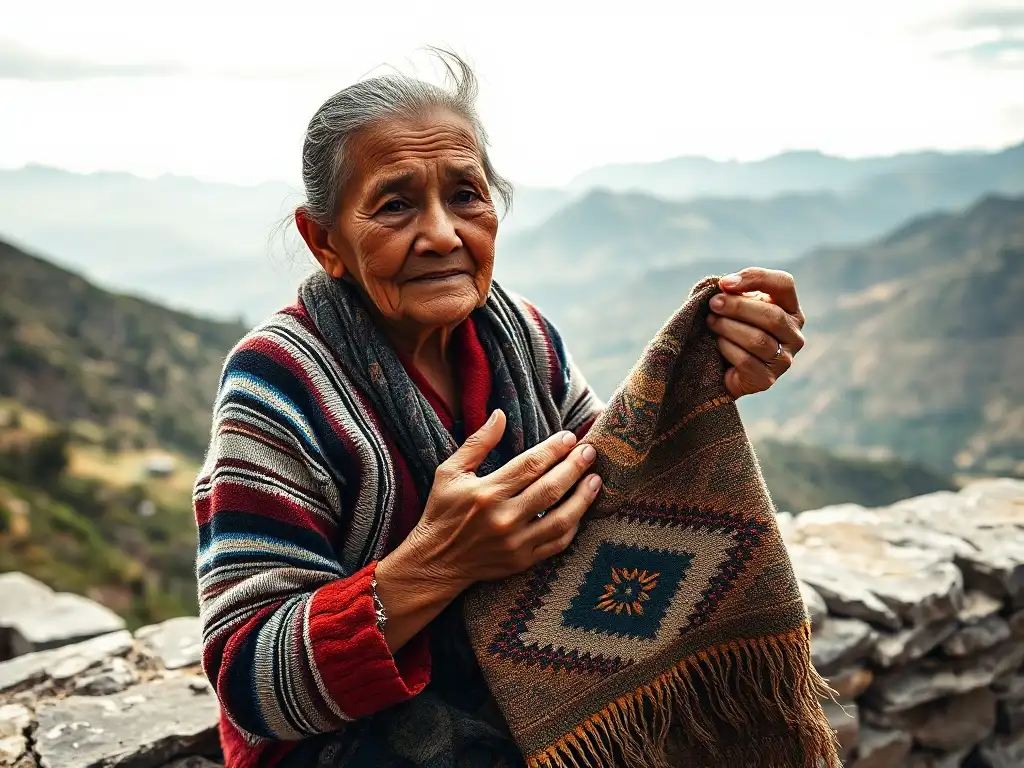
The vibrant tapestry of Andean oral tradition, woven through millennia, faces unprecedented challenges in the modern era. While the echoes of ancient stories and songs continue to resonate, the forces of globalization, modernization, and societal shifts threaten to unravel this precious heritage. Understanding these threats and the ongoing efforts to revitalize Andean oral traditions is crucial for preserving a vital part of human history and cultural diversity. The keyword "Andean oral tradition history" is intrinsically linked to this delicate balance between preservation and loss.
Threats to the Continuity of Oral Practices
The transmission of Andean oral tradition, historically reliant on intergenerational storytelling and ritualistic performances, is increasingly disrupted. Several factors contribute to this erosion:
- Language Loss: The decline of indigenous Andean languages directly impacts the survival of oral traditions. Many stories, songs, and knowledge systems are inextricably linked to specific languages, and as these languages fade, so too does the rich cultural heritage they carry. For example, the dwindling number of Quechua speakers in certain regions leads to a corresponding loss of ancestral narratives and medicinal knowledge passed down orally for generations. This poses a significant threat to the preservation of "Andean oral tradition history".
- Migration and Urbanization: The movement of Andean communities from rural areas to urban centers disrupts traditional social structures and weakens the bonds that facilitate the transmission of oral traditions. Elders, often the keepers of this knowledge, may find themselves isolated in unfamiliar environments, unable to share their stories with younger generations. The vibrant communal settings where oral traditions thrived are replaced by fragmented urban landscapes, hindering the natural flow of cultural inheritance.
- Influence of Global Media: The pervasive influence of global media, particularly television and the internet, competes for attention and time, potentially diminishing the interest in traditional oral storytelling. Younger generations may find themselves more captivated by global entertainment than the narratives of their ancestors, leading to a disconnect from their cultural roots and the history embedded within their oral traditions. This shift necessitates innovative strategies to make Andean oral tradition relevant and engaging for contemporary audiences.
- Lack of Documentation and Archiving: The absence of systematic documentation and archiving of oral traditions further exacerbates the risk of loss. While some efforts exist to record and preserve these narratives, a significant amount of knowledge remains undocumented, vulnerable to being lost forever. The urgency to record and preserve these fleeting stories is paramount to safeguard "Andean oral tradition history."
The Revitalization of Andean Oral Heritage
Despite the considerable challenges, significant efforts are underway to revitalize and safeguard Andean oral traditions. These initiatives demonstrate a powerful commitment to preserving this invaluable cultural heritage:
- Community-Based Initiatives: Many Andean communities are actively involved in preserving their oral traditions through workshops, storytelling events, and the establishment of community archives. These grassroots efforts empower local communities to take ownership of their cultural heritage, ensuring its continuity for future generations. This participatory approach is fundamental to the long-term survival of "Andean oral tradition history".
- Educational Programs: The integration of Andean oral traditions into educational curricula is crucial for raising awareness and fostering appreciation among younger generations. By incorporating these narratives into school programs, a connection to the past is established, ensuring that the rich history and cultural identity are not lost.
- Technological Innovation: The application of technology, such as audio and video recording, digital archives, and online platforms, offers new opportunities to document, preserve, and disseminate Andean oral traditions to a wider audience. This innovative approach makes it possible to reach beyond geographical limitations and share this precious heritage globally.
- Collaboration and Partnerships: Collaboration between researchers, educators, community leaders, and government agencies is essential to create a comprehensive strategy for the preservation of Andean oral traditions. By working together, these stakeholders can leverage their respective expertise and resources to implement effective and sustainable preservation programs. This collaborative effort is crucial for ensuring the long-term viability of "Andean oral tradition history".
The ongoing struggle to preserve Andean oral traditions highlights the complex interplay between cultural preservation and the forces of modernization. However, the resilience of Andean communities and the innovative strategies employed offer hope for the continued flourishing of this rich and vital cultural heritage. The future of "Andean oral tradition history" depends on the continued commitment to these preservation efforts.
The Enduring Legacy of Andean Oral Tradition
The Andean region boasts a vibrant tapestry of cultures, each interwoven with a unique oral tradition that has shaped its identity and ensured its continuity across millennia. This legacy, far from being a static relic of the past, remains a dynamic force shaping present-day Andean societies. Understanding this enduring legacy requires appreciating its multifaceted nature, encompassing not only narratives and songs but also practical knowledge, social structures, and spiritual beliefs.
The transmission of this knowledge, often through generations within families and communities, has been crucial in preserving agricultural techniques, medicinal practices, and artistic expressions. For example, the intricate knowledge of coca cultivation, a plant central to Andean life, has been passed down orally, maintaining its significance in both ritual and everyday life. Similarly, traditional weaving techniques, passed down through generations of women, represent a living testament to the enduring power of oral tradition in preserving artistic heritage and cultural identity.
The sheer diversity of Andean languages and dialects further complicates the picture, highlighting the localized nature of much of this oral heritage. Each community holds a unique collection of stories, songs, and practices, creating a rich mosaic of cultural expressions. The study of Andean oral tradition, therefore, demands a nuanced approach that acknowledges this remarkable diversity.
Andean Oral Tradition: A Vital Link to the Past
Andean oral tradition isn't merely a collection of stories; it's a living archive of history, providing invaluable insights into the complexities of past Andean societies. Unlike written records, which often reflect the perspectives of elites, oral traditions offer a broader, more inclusive perspective, encompassing the experiences and perspectives of diverse social groups. These narratives, often embedded within myths and legends, provide crucial information about social structures, political systems, and economic activities. For instance, the oral histories of the Quechua people often recount details about pre-Inca societies, offering alternative perspectives to the official Inca narratives recorded by Spanish chroniclers.
These accounts frequently highlight the importance of kinship ties, reciprocal obligations, and community-based governance, aspects often overlooked in written documentation. Furthermore, Andean oral tradition provides vital information about the pre-Columbian world, offering clues to understanding the beliefs, practices, and worldview of ancient Andean civilizations. The rich mythology surrounding deities like Inti (the sun god) and Pachamama (Mother Earth) illuminates the spiritual landscape of these societies, revealing a deep connection to the natural world.
Studying these narratives allows us to reconstruct a more complete and nuanced picture of the past, moving beyond the limited scope of written archives. The careful documentation and analysis of this oral history are essential for a comprehensive understanding of Andean civilizations and their enduring influence. The careful preservation of these stories is not just an academic exercise; it is a vital act of cultural preservation.
The Future of Andean Oral History and Cultural Preservation
The preservation of Andean oral tradition faces significant challenges in the modern era. Globalization, urbanization, and the dominance of written languages threaten to erode the transmission of this invaluable cultural heritage. The younger generations are often more exposed to global media and less inclined to engage with traditional oral narratives. This poses a critical threat to the survival of many indigenous languages and the cultural knowledge embedded within them.
However, there is a growing movement to revitalize and preserve Andean oral traditions. Communities are actively working to document their oral histories, often with the support of researchers and cultural organizations. This involves recording narratives, songs, and rituals, and translating them into other languages to ensure their accessibility to a wider audience. Digital technologies are playing a significant role in this process, offering new tools for preserving and disseminating oral traditions.
Furthermore, educational initiatives are promoting the teaching of indigenous languages and the importance of oral history in schools, fostering a renewed appreciation for this cultural legacy amongst younger generations. The future of Andean oral history hinges on the continued commitment to cultural preservation, the active participation of communities, and the effective use of modern technologies to ensure that the breath of the past continues to resonate for generations to come. The successful preservation of Andean oral tradition is not merely a matter of historical accuracy; it is vital for maintaining cultural diversity and ensuring the continuity of unique Andean identities.
Frequently Asked Questions
What is the significance of oral tradition in Andean history?
Oral tradition played a crucial role in preserving Andean history, culture, and knowledge before the advent of writing. It transmitted stories, beliefs, and historical accounts across generations, ensuring cultural continuity. This preserved vital information about their past.
How did Andean oral traditions impact the development of Andean civilizations?
Oral traditions shaped social structures, religious beliefs, and political systems. They provided a framework for understanding the world, establishing social order, and legitimizing power. Shared narratives fostered unity and collective identity.
What forms did Andean oral traditions take?
Andean oral traditions were expressed through various forms, including myths, legends, songs, poetry, and narratives. These were often accompanied by ritual performances, dances, and music, enhancing their impact and memorability.
How reliable is information passed down through Andean oral traditions?
While not always perfectly accurate in a purely factual sense, Andean oral traditions offer valuable insights into Andean worldviews and historical experiences. They reveal cultural values and beliefs, even if specific details might be subject to change over time.
How did the Spanish conquest affect Andean oral traditions?
The Spanish conquest significantly impacted Andean oral traditions. While some traditions survived through resistance and adaptation, many were suppressed or altered by colonial policies and the imposition of European culture. The transmission of knowledge was disrupted.
Final Reflection: Echoes of the Andes: A Legacy of Whispers
The enduring power of Andean oral tradition isn't merely a historical curiosity; it's a vibrant force shaping identities and communities today. The intricate tapestry woven from ancestral stories, songs, and rituals continues to bind generations, offering a powerful counterpoint to the homogenizing forces of globalization. This living history, passed down through generations, holds the key to understanding not just the past, but the very soul of Andean culture.
The impact of oral tradition extends far beyond the academic sphere; it's deeply embedded in the social fabric of Andean life. It informs social structures, spiritual beliefs, and artistic expressions, constantly evolving yet retaining its core essence. As the renowned Andean scholar, Maria Rostworowski, once noted, Oral tradition is not simply a repository of the past; it is a dynamic process of creation and recreation, a living dialogue between generations.
This resonates deeply with my own experiences witnessing the passionate storytelling and vibrant ceremonies that keep these traditions alive.
Consider the stories you carry within your own family. Think about the narratives that shape your understanding of the world and your place within it. Now, imagine the power of a tradition that has endured for millennia, a legacy passed down through countless voices. Let the echoes of the Andes inspire you to explore your own heritage, to listen to the stories whispered across generations, and to recognize the profound impact of oral tradition in shaping our shared human experience. Embrace the breath of the past; it holds the seeds of a vibrant future.
Embrace and Elevate Your Connection to Andean Heritage!
Thank you for exploring the rich tapestry of Andean oral traditions! Your curiosity has revealed the vital role these narratives play in preserving cultural identity. Now, let's consider how you can further engage with this vibrant heritage.
Here are some ways to get involved:
- Attend a local storytelling event or workshop to experience the power of oral tradition firsthand.
- Share this article with friends and family to spark conversations about the importance of preserving cultural histories.
- Discover Andean music or art that reflects these traditions and consider integrating them into your daily life.
What unique stories or traditions have you encountered that connect you to your Andean heritage? Share your thoughts below!