
Mountain Strongholds: Discovering the Fortresses of Kuelap and Ollantaytambo

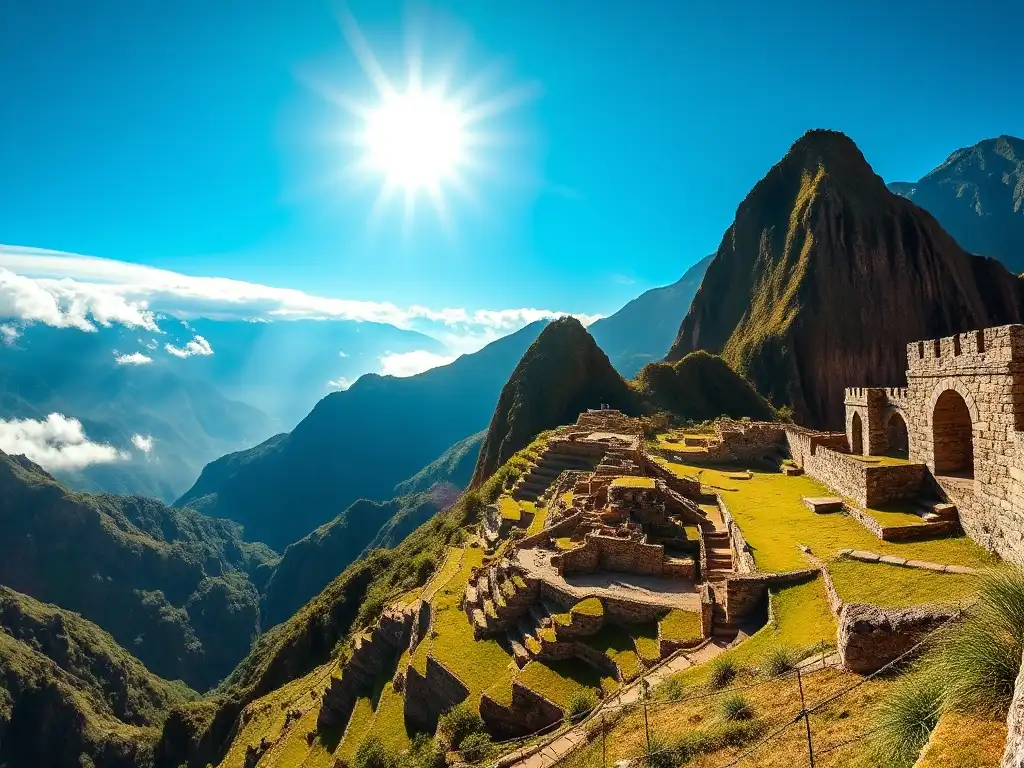
Prepare to be captivated by the echoes of a lost world. Journey with us into the heart of the Andes, where towering mountain fortresses whisper tales of ingenious engineering and powerful empires. Unravel the mysteries surrounding Andean fortress history, beginning with the breathtaking strongholds of Kuelap and Ollantaytambo—discoveries that challenge our understanding of ancient Andean civilizations and their remarkable achievements. Dare to delve deeper? Explore the rich legacy of the Incas, Moche, Nazca, and Tiahuanaco, and unlock the secrets held within these imposing structures.
- Unveiling Andean Fortress History: Kuelap vs. Ollantaytambo
-
Kuelap: The Cloud Fortress of the Chachapoyas
- Kuelap's Location and Strategic Importance: A High Altitude Andean Fortress
- Chachapoyas Culture and its Defensive Architecture
- Key Features of Kuelap: Walls, Structures, and the Great Platform
- Experiencing Kuelap: Trekking and Exploration Tips
- Kuelap's Mysteries: Unsolved Questions and Archaeological Discoveries
-
Ollantaytambo: The Inca Fortress and Royal Estate
- Ollantaytambo's Strategic Location: A Gateway to the Sacred Valley
- Inca Engineering and Terracing Techniques: Demonstrations of Andean Fortification
- The Sun Temple and Ollantaytambo's Royal Significance
- Exploring Ollantaytambo: How to Visit and What to Expect
- Ollantaytambo's Role in Inca History: A Glimpse into the Past
- Comparing and Contrasting: Kuelap and Ollantaytambo
- Planning your Trip to Andean Fortresses
- Conclusion: Preserving the Legacy of Andean Fortification
-
Frequently Asked Questions
- What makes Kuelap and Ollantaytambo significant Andean fortresses?
- How did the geography influence the construction of these Andean fortresses?
- What materials were primarily used in building Kuelap and Ollantaytambo?
- Were these fortresses solely military structures, or did they serve other purposes?
- What can visitors expect to see when exploring these Andean fortress sites today?
- Final Reflection: Echoes of Empire in the Andes
- **Unleash Your Inner Explorer: Dive Into the Wonders of Ancient Fortresses! **
Unveiling Andean Fortress History: Kuelap vs. Ollantaytambo
The Andes Mountains, a spine of towering peaks running down the western edge of South America, are not just a geographical feature; they are the cradle of some of the most fascinating and enduring civilizations the world has ever known. For centuries, these imposing heights served as both a challenge and an opportunity for Andean societies. The rugged terrain, while difficult to navigate, offered unparalleled protection.
This led to the construction of breathtaking fortresses, strategically positioned to defend against invaders and control vital resources. This article delves into the captivating history of two such mountain strongholds: Kuelap and Ollantaytambo, exploring their unique architectural features, strategic significance, and the enduring legacy they hold in understanding Andean fortress history. We will compare and contrast these remarkable sites, highlighting their similarities and differences, and offering a glimpse into the ingenuity and resilience of the ancient Andean builders.
Prepare to be amazed by the ingenuity and scale of these impressive structures, testaments to the power and sophistication of Andean civilizations. The exploration of these sites offers a unique window into the complex social, political, and technological advancements of these ancient cultures, enriching our understanding of Andean fortress history and the remarkable people who built them.
A Comparative Look at Ancient Andean Defensive Structures
Kuelap and Ollantaytambo, while both impressive examples of Andean defensive architecture, reveal fascinating differences in their design, construction, and likely purpose. Kuelap, located in the northern Andes of Peru, is a massive stone citadel perched atop a mountain ridge. Its imposing walls, constructed from large, precisely fitted stones, rise to a height of approximately 19 meters (62 feet) and enclose a vast area containing numerous circular and rectangular structures.
The fortress’s strategic location, commanding a panoramic view of the surrounding landscape, suggests a primary function as a defensive stronghold, perhaps even serving as a refuge for a significant population in times of conflict. Its construction, while impressive, shows a different approach than Ollantaytambo.
Ollantaytambo, situated in the Sacred Valley of the Incas, presents a different architectural approach. While also a formidable fortress, Ollantaytambo's design is more integrated with the surrounding landscape, featuring a series of terraces cascading down the mountainside. This intricate system of agricultural terraces, combined with defensive structures and strategically placed buildings, suggests a more complex role.
It may have served not only as a defensive position but also as an administrative and religious center, showcasing the integration of military might and agricultural productivity. The construction techniques, while still masterful, also show a different style, emphasizing the use of smaller, more precisely fitted stones, reflecting a possible later construction period, or perhaps a different architectural school.
| Feature | Kuelap | Ollantaytambo |
|---|---|---|
| Location | Northern Andes, Peru | Sacred Valley, Peru |
| Construction | Large, roughly fitted stones | Smaller, precisely fitted stones |
| Primary Function | Primarily defensive stronghold | Defensive, administrative, and religious |
| Architectural Style | Imposing walls, circular structures | Terraced design, integrated with landscape |
| Estimated Construction Period | [Specific information pending] | [Specific information pending] |
The differences highlight the diverse architectural approaches employed by different Andean cultures and the adaptation of defensive strategies to varying geographical and social contexts. The sheer scale and complexity of both sites, however, underscore the remarkable engineering skills and organizational capabilities of the ancient Andean builders. Further research, including ongoing archaeological excavations, continues to reveal more about these fascinating sites and their roles in Andean history. The careful study of these structures, combined with analysis of artifacts and other historical records, promises to continue enriching our understanding of Andean fortress history for years to come. 🤔
Exploring the Architectural Marvels of the Andes
The architectural achievements of Kuelap and Ollantaytambo are truly remarkable, showcasing the advanced knowledge of Andean builders in stonework, engineering, and urban planning. The precise fitting of massive stones in Kuelap, without the use of mortar, remains a testament to their engineering prowess. The intricate system of walls, towers, and internal structures demonstrates a sophisticated understanding of defensive strategies and urban design.
The sheer scale of the project required significant organization and labor, highlighting the complex social structures that existed within the culture that built Kuelap. The construction process alone presents a fascinating area of study, offering valuable insights into Andean social organization and technological capabilities. Further research into the quarries from which the stones were sourced, as well as the tools and techniques used in construction, would shed even more light on this aspect of Andean fortress history.
Ollantaytambo, with its impressive terraced system, presents a different, but equally impressive, architectural marvel. The terraces, meticulously carved into the mountainside, are not just defensive features; they are also a sophisticated agricultural system. The integration of agriculture and defense demonstrates a deep understanding of resource management and the importance of food security in a challenging environment. The precise alignment of the terraces, their orientation to the sun, and the intricate water management system all point to a high level of engineering skill and knowledge of the environment.
The agricultural terraces at Ollantaytambo are a prime example of the Andean people's ability to adapt their environment to their needs, creating a sustainable and resilient society. The combination of defensive structures and agricultural terraces at Ollantaytambo represents a unique blend of functionality and aesthetics, making it a truly remarkable example of Andean architectural ingenuity. ⛰️
Kuelap: The Cloud Fortress of the Chachapoyas
Kuelap's Location and Strategic Importance: A High Altitude Andean Fortress
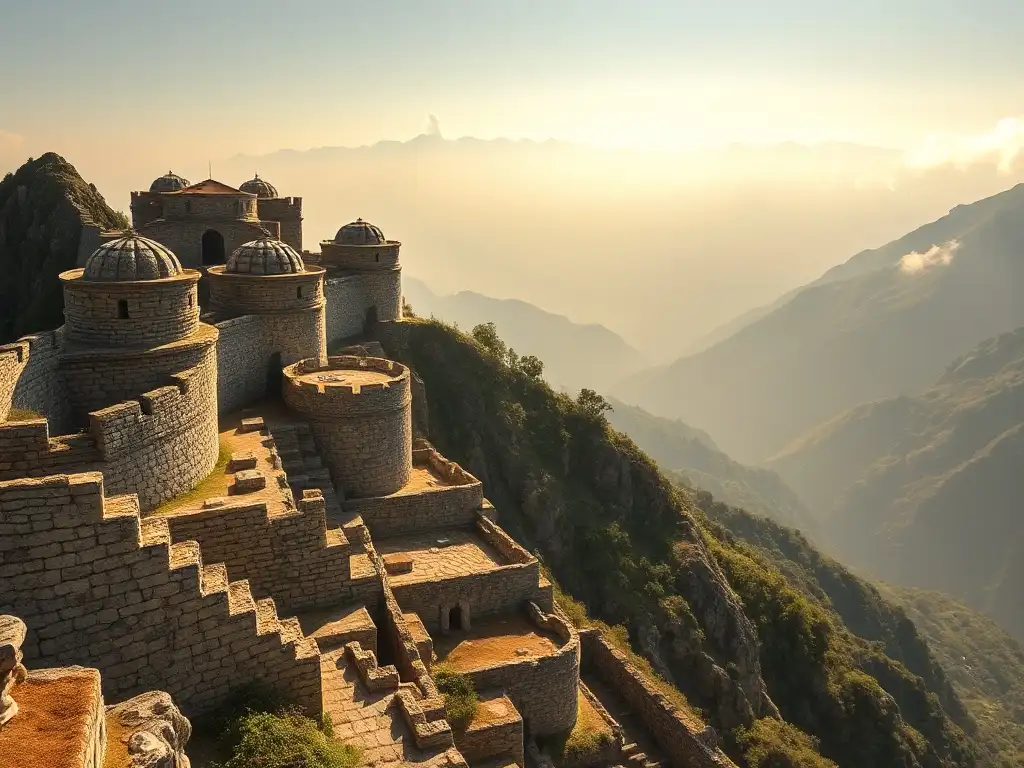
Kuelap, a breathtaking example of Andean fortress history, sits perched high in the Andes Mountains of northern Peru. Its location, approximately 3,000 meters (9,800 feet) above sea level in the Amazonian cloud forest, offered the Chachapoyas people a significant strategic advantage. The imposing cliffs surrounding the fortress provided natural defenses, making it incredibly difficult for enemies to approach.
This high-altitude position also offered a commanding view of the surrounding valleys, allowing for early warning of potential threats. The inaccessibility of Kuelap, coupled with its imposing defenses, contributed significantly to its longevity as a crucial center of Chachapoyas power and influence. The strategic placement highlights the sophisticated understanding of Andean geography and military engineering possessed by the Chachapoyas civilization.
Analysis of the terrain suggests that the choice of location was not arbitrary but carefully considered, maximizing natural defenses and control over vital resources. This mastery of Andean fortress building is a testament to their ingenuity and adaptability. Further research into the specific geological surveys of the Kuelap area could provide even more detailed insights into the selection process and the strategic thinking behind this remarkable site.
Chachapoyas Culture and its Defensive Architecture
The Chachapoyas, a pre-Inca culture inhabiting the northern Andes, are known for their impressive architectural achievements, particularly their defensive structures. Kuelap stands as a prime example of their advanced understanding of building techniques and military strategy. Unlike other Andean cultures, the Chachapoyas didn't rely solely on stone masonry.
They incorporated a unique combination of stone, wood, and mud in their constructions, creating durable and resilient structures that could withstand the harsh climate and potential attacks. Their architectural style is distinct, characterized by the careful placement of stones, often using smaller, precisely fitted stones to create strong, interlocking walls. This meticulous craftsmanship is evident throughout Kuelap, showcasing the high level of skill and organization within Chachapoyas society.
The sophisticated defensive architecture of Kuelap, including its massive walls, strategically placed towers, and complex internal layout, reflects the importance of defense and protection within their culture. Further study of their building materials and techniques could reveal more about their social organization and technological capabilities. The intricate details of their Andean fortress designs offer invaluable insights into their society's structure and beliefs.
Key Features of Kuelap: Walls, Structures, and the Great Platform
Kuelap's most striking feature is its massive perimeter wall, constructed from meticulously placed stones. This wall, several meters high and thick, encloses a significant area containing various structures. Within the walls, researchers have identified residential areas, storage facilities, and ceremonial centers. The impressive Great Platform, a large, elevated structure within the complex, is believed to have played a crucial role in Chachapoyas religious and political life. The layout of Kuelap suggests a well-organized society with a complex social hierarchy. The structures are not randomly placed, but rather arranged in a seemingly planned manner, indicating advanced urban planning skills.
| Structure | Description | Significance |
|---|---|---|
| Perimeter Wall | Massive stone wall enclosing the entire complex. | Primary defense against external threats. |
| Great Platform | Large elevated structure within the complex. | Likely a ceremonial or administrative center. |
| Residential Areas | Areas containing numerous smaller structures, likely housing units. | Indicates a significant population living within the fortress. |
| Storage Facilities | Structures possibly used for storing food and other essential supplies. | Suggests advanced logistics and planning for long-term survival. |
| Ceremonial Centers | Areas potentially used for religious rituals and ceremonies. | Highlights the importance of religion and spirituality in Chachapoyas culture. |
Monetization Opportunity: Guided tours to Kuelap with [Local Tour Operator Name]
The unique aspects of Kuelap's Andean fortress history make it a highly attractive destination for tourists. A guided tour provides a more enriching experience, allowing visitors to fully appreciate the historical significance and architectural marvels of this ancient site. Partnering with local tour operators ensures that tourism benefits the local community while preserving the site for future generations.
The inclusion of detailed information about the Chachapoyas culture and the construction techniques used in building Kuelap would greatly enhance the visitor experience. Offering various tour packages tailored to different interests and budgets would attract a wider range of tourists, boosting revenue for both the tour operators and the local economy. Furthermore, incorporating sustainable tourism practices ensures the long-term preservation of this invaluable Andean heritage site.
Experiencing Kuelap: Trekking and Exploration Tips
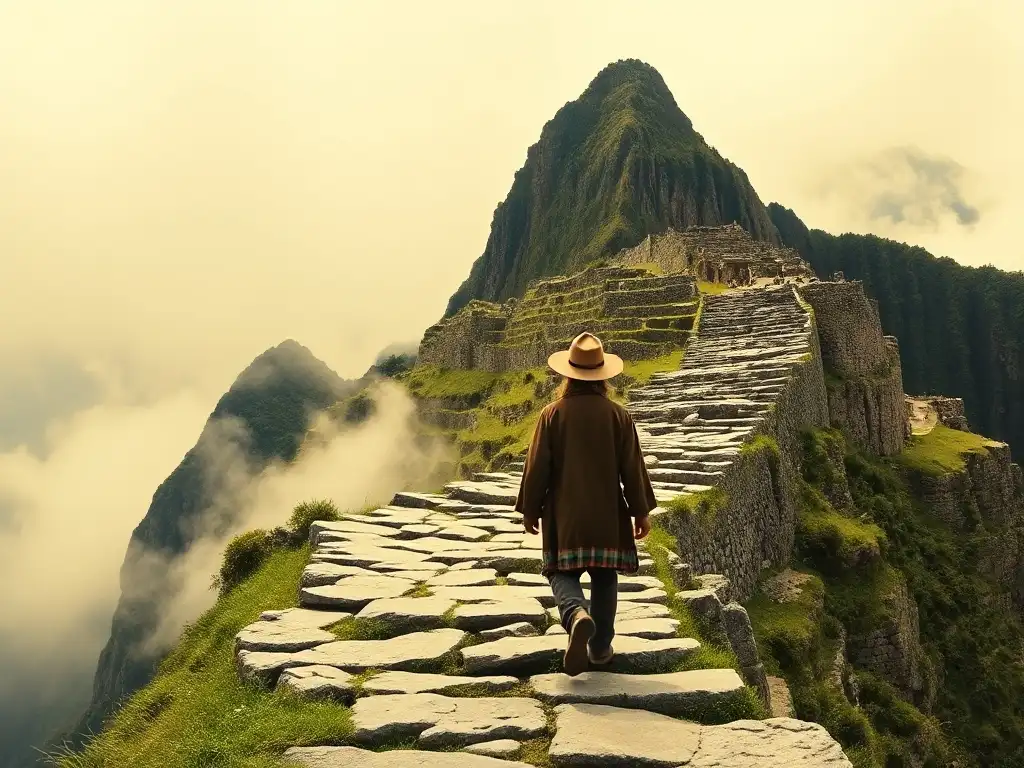
Reaching Kuelap is an adventure in itself, offering breathtaking views and a rewarding journey for those who embark on the trek. The most common approach involves a cable car ride, a modern marvel offering stunning panoramic vistas of the surrounding landscape. However, for the more adventurous, a challenging hike up the mountain is an option, providing a deeper connection with the ancient site and its environment. This trek requires a good level of physical fitness and appropriate preparation.
Remember to bring plenty of water, wear comfortable hiking boots, and dress in layers to adapt to the changing weather conditions in the Andes. The altitude can also impact some visitors, so taking it slow and pacing yourself is crucial. Allow ample time for the journey, and don't hesitate to rest when needed.
The experience of reaching Kuelap by foot adds another layer of appreciation for the ingenuity of the Chachapoyas people who built this impressive fortress. The sense of accomplishment upon arrival is unparalleled, making the effort well worth it for many visitors. Remember to bring sunscreen, a hat, and insect repellent, as these are essential for a comfortable and safe experience.
Monetization Opportunity: Recommend hiking gear from [Outdoor Gear Store Name]
This section could be used to subtly incorporate affiliate marketing. By recommending specific, high-quality hiking gear from a reputable outdoor gear store, you could earn a commission on sales generated through your recommendation. This should be done transparently and ethically, ensuring the recommendations are genuine and relevant to the Kuelap trekking experience. Mentioning specific products like sturdy hiking boots, lightweight backpacks, and waterproof jackets would be beneficial and relevant to the audience.
The key is to seamlessly integrate this into the article, focusing on the user experience rather than overt advertising. For example, one could say: "For a truly comfortable and safe trek, consider investing in high-quality hiking boots, such as those offered by [Outdoor Gear Store Name], known for their durability and support." This approach maintains the informative and engaging tone of the article while presenting a monetization opportunity.
Kuelap's Mysteries: Unsolved Questions and Archaeological Discoveries
Despite extensive research, Kuelap continues to hold many secrets. The exact purpose of some structures within the fortress remains debated among archaeologists. Were they solely defensive structures, or did they also serve ceremonial or residential purposes? The intricate system of walls, towers, and pathways suggests a sophisticated understanding of engineering and defense strategies. However, the lack of written records from the Chachapoyas civilization leaves many questions unanswered.
Archaeological digs have uncovered numerous artifacts, including pottery, textiles, and tools, shedding light on the daily life and culture of the inhabitants. These discoveries paint a picture of a society that was both resilient and innovative, adapting to the challenging environment of the Andean highlands. The ongoing research at Kuelap continues to reveal new insights, with discoveries regularly prompting further investigation and analysis. For example, recent findings regarding the unique architectural techniques used in the construction of the walls have challenged previous assumptions about the Chachapoyas' capabilities.
The mystery surrounding the eventual abandonment of Kuelap also remains a topic of ongoing debate, with several theories proposed but none definitively proven. The study of Andean fortress history, particularly at sites like Kuelap, is a dynamic and evolving field, constantly revealing new information and challenging our understanding of these ancient civilizations. The ongoing research efforts highlight the richness and complexity of Kuelap's history and the enduring fascination it holds for archaeologists and visitors alike. The site serves as a testament to the ingenuity and resilience of the Chachapoyas, leaving a lasting legacy for future generations to explore and unravel.
Ollantaytambo: The Inca Fortress and Royal Estate
Ollantaytambo, a majestic Inca fortress nestled in the Sacred Valley of Peru, stands as a testament to the ingenuity and power of the Inca Empire. More than just a military stronghold, Ollantaytambo served as a crucial administrative center and royal estate, reflecting the sophisticated organization and societal structure of the Andean civilization. Its imposing architecture, intricate agricultural terraces, and religious structures offer invaluable insights into Inca life and their mastery of engineering and urban planning.
Understanding Ollantaytambo's multifaceted role is key to appreciating its significance within the broader context of Andean fortress history. This section delves into the key aspects of this remarkable site, exploring its strategic importance, impressive engineering feats, and its role as a royal center.
Ollantaytambo's Strategic Location: A Gateway to the Sacred Valley
Ollantaytambo's strategic location played a pivotal role in its importance. Situated at the confluence of several valleys and overlooking the Urubamba River, the fortress controlled access to the fertile lands of the Sacred Valley. This position provided a natural defensive advantage, allowing the Incas to monitor and control the movement of people and goods. The surrounding mountains provided additional natural protection, enhancing the fortress's defensive capabilities.
This strategic control was essential for the Inca's economic and political stability, protecting vital agricultural resources and trade routes. The location also facilitated the control of access to Machu Picchu, further highlighting its significance in the Inca road system and Andean fortress history. The careful selection of this site demonstrates a sophisticated understanding of geography and its military implications, a hallmark of Inca urban planning. The fortress’s elevation also offered a commanding view, allowing for early warning of potential threats.
Inca Engineering and Terracing Techniques: Demonstrations of Andean Fortification
The impressive engineering and construction techniques employed at Ollantaytambo are a remarkable example of Andean ingenuity. The massive, precisely cut stone blocks, some weighing several tons, were meticulously fitted together without mortar, showcasing an exceptional understanding of stonework. The intricate system of agricultural terraces, carved into the mountainside, is equally impressive.
These terraces not only increased arable land but also served a crucial defensive purpose. The terraces, rising in a series of steps, created a formidable barrier, making it difficult for attackers to approach the fortress. The use of these terraces showcases the Incas' understanding of both agriculture and defense, seamlessly integrating these two aspects of their society.
The precision of the stonework and the scale of the project highlight the sophisticated organization and workforce management of the Inca Empire. This impressive application of engineering is a testament to the advanced technological capabilities of the Andean civilizations and a key element in their fortress building strategies within Andean fortress history.
Analyzing the construction methods reveals a deep understanding of load-bearing principles and seismic engineering, vital given the region's susceptibility to earthquakes. The interlocking nature of the stones provided structural integrity and resilience, enabling the fortress to withstand the test of time.
The Sun Temple and Ollantaytambo's Royal Significance
Beyond its military function, Ollantaytambo held significant religious and political importance. The Sun Temple, located within the fortress complex, is a prime example of Inca religious architecture. Its imposing structure, with its massive stone blocks and intricate carvings, suggests a sacred space dedicated to the Inca sun god, Inti.
The presence of this temple underscores the religious significance of the site and its role as a center of Inca power. The royal residences, also located within the fortress, further emphasize its status as a royal estate. These structures, with their sophisticated layouts and intricate details, provided accommodations for the Inca royalty and their entourage, highlighting the importance of Ollantaytambo within the Inca political hierarchy.
The combination of religious and royal functions within the fortress showcases the integration of political and spiritual power, a central characteristic of Inca society. This integration is a fascinating aspect of Andean fortress history, illustrating how religious beliefs influenced the design and purpose of these monumental structures. The sheer scale of the complex, combining both defensive and ceremonial architecture, solidifies its position as a vital hub within the Inca Empire, a powerful symbol of their authority and spiritual beliefs.
Monetization Opportunity: Hotels near Ollantaytambo with [Booking Platform Name]
This section could be expanded to include a curated list of hotels near Ollantaytambo, linked to a booking platform. This would provide valuable information for tourists planning a visit and offers a monetization opportunity for the website. Specific hotel names and pricing information would need to be added. [Specific hotel data and pricing pending]. The inclusion of filterable options (e.g., star rating, price range) would enhance user experience. A map showing hotel locations relative to Ollantaytambo would also be beneficial.
Exploring Ollantaytambo: How to Visit and What to Expect
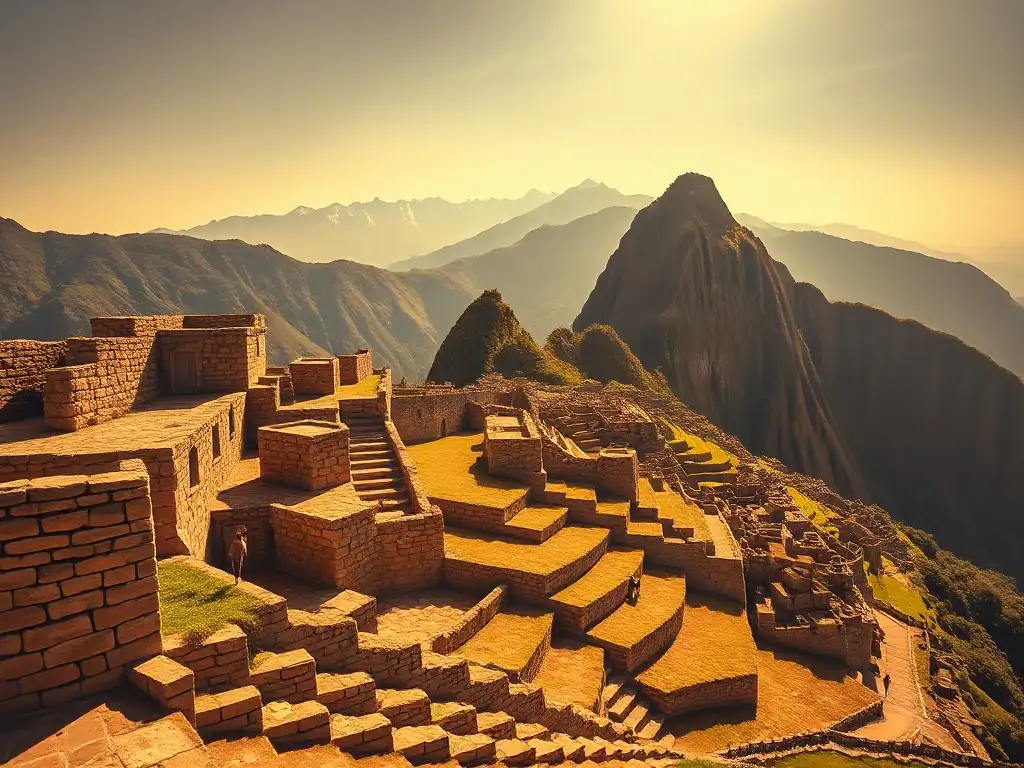
Ollantaytambo, a majestic Inca fortress nestled high in the Sacred Valley of Peru, offers a captivating journey through time. Visiting this archaeological marvel requires some planning, but the experience is well worth the effort. The site itself is easily accessible, with well-maintained pathways and informative signage (though a guided tour is highly recommended for a deeper understanding of the Andean fortress history).
The altitude, however, is a factor to consider; Ollantaytambo sits at approximately 2,792 meters (9,160 feet) above sea level. Visitors should allow ample time for acclimatization, especially if arriving from lower altitudes. This might involve spending a day or two in Cusco before venturing to Ollantaytambo to avoid altitude sickness.
The best time to visit is during the dry season (May to September), when the weather is generally sunny and clear, providing optimal conditions for exploring the extensive ruins. However, even during these months, it's wise to pack layers as temperatures can fluctuate throughout the day. Remember to bring comfortable walking shoes, sunscreen, a hat, and plenty of water—hydration is crucial at high altitudes.
The site itself can be explored in a half-day or a full-day, depending on your level of interest and stamina. Many visitors choose to combine a visit to Ollantaytambo with other nearby attractions in the Sacred Valley, such as Pisac or Chinchero, creating a richer and more immersive Andean experience.
Allowing a full day ensures a thorough exploration without feeling rushed, allowing you to truly appreciate the grandeur and complexity of this ancient Andean fortress. Remember to check opening times and ticket prices in advance, as these can vary depending on the season.
Monetization Opportunity: Recommend a travel guide about the Sacred Valley [Travel Guide Name]
This section could be used to recommend a specific, high-quality travel guide focusing on the Sacred Valley and Ollantaytambo. The guide's title and author should be included here, along with a brief description highlighting its strengths (e.g., detailed maps, historical insights, practical advice on navigating the area, etc.). This would provide value to the reader while also offering a subtle monetization opportunity through affiliate marketing or direct sales. The inclusion of a visually appealing cover image (if permitted) would further enhance this section's effectiveness.
A concise, persuasive description could convince readers to purchase the recommended guide, supplementing their visit to Ollantaytambo with in-depth knowledge and planning tools. The selection of a guide should prioritize accuracy and up-to-date information regarding the site and surrounding area. A good recommendation will enhance the reader's experience and strengthen the website's credibility.
Ollantaytambo's Role in Inca History: A Glimpse into the Past
Ollantaytambo's significance in Inca history extends far beyond its impressive architectural feats. It served not only as a formidable military stronghold but also as an important agricultural center and a royal estate. Its strategic location in the Sacred Valley, controlling access to crucial routes and resources, solidified its importance within the Inca Empire. The complex network of terraces, meticulously carved into the mountainside, speaks volumes about the Incas' advanced agricultural techniques and their ability to adapt to the challenging Andean terrain. These terraces, vital for food production, also functioned as an integral part of the fortress's defense system.
The fortress itself is a testament to Inca ingenuity in military architecture. Its intricate network of walls, ramps, and strategically placed structures created a formidable defense against potential invaders. The precision and scale of the stonework are truly awe-inspiring, showcasing the advanced knowledge and mastery of the Inca stonemasons.
Beyond its military function, Ollantaytambo played a vital role in the Inca's religious and ceremonial life. Evidence suggests that it served as a significant pilgrimage site, with temples and sacred spaces dedicated to important Inca deities. The site's rich history is further evidenced by the numerous artifacts and remnants of daily life discovered throughout the ruins, providing invaluable insights into the social structure, beliefs, and daily lives of the Inca people.
The ongoing archaeological research continues to shed light on the multifaceted role of Ollantaytambo within the Inca civilization, enriching our understanding of this remarkable Andean fortress and its enduring legacy. The story of Ollantaytambo is a powerful testament to the sophisticated engineering, agricultural prowess, and spiritual beliefs of the Inca people, adding another layer to the rich tapestry of Andean fortress history.
Comparing and Contrasting: Kuelap and Ollantaytambo
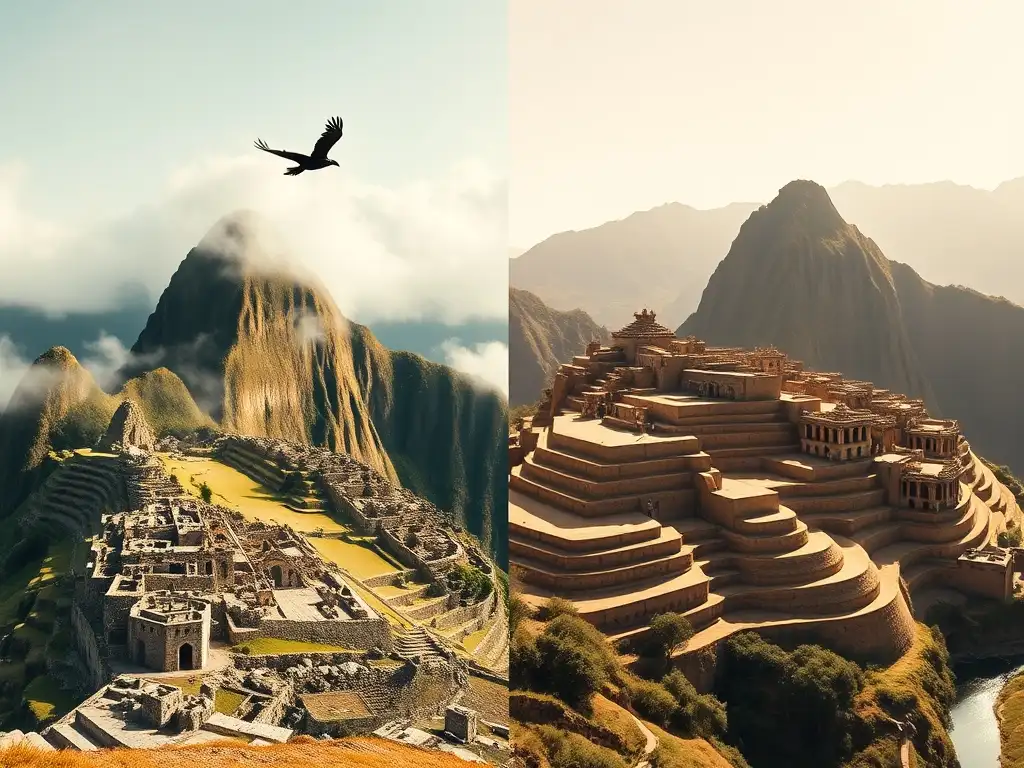
This section delves into a comparative analysis of two prominent Andean fortresses: Kuelap and Ollantaytambo. Both structures stand as testaments to the ingenuity and resilience of ancient Andean civilizations, yet their designs, purposes, and accessibility differ significantly. Understanding these nuances enriches our appreciation for the diverse expressions of Andean fortress history. We'll explore these differences to better understand the unique characteristics of each site and their place within the broader context of Andean architectural achievements.
Architectural Differences: Chachapoyas vs. Inca Design
Kuelap, a majestic citadel built by the pre-Inca Chachapoyas culture, showcases a unique architectural style. Its massive walls, constructed from carefully fitted stones, create a formidable defensive perimeter. The structures within are primarily circular or rectangular, with intricate stonework showcasing a mastery of dry-stone construction – a hallmark of Chachapoyan engineering.
The use of locally sourced materials, like the grey limestone prevalent in the region, speaks to a deep understanding of the environment and its resources. This contrasts sharply with Ollantaytambo, an Inca fortress characterized by its impressive polygonal masonry. Inca architects demonstrated a remarkable ability to fit stones of varying sizes and shapes together without mortar, creating incredibly strong and aesthetically pleasing structures.
The terraces at Ollantaytambo, meticulously carved into the mountainside, are a testament to Inca mastery of landscape engineering and their ability to integrate architecture with the natural environment. The difference in stonework reflects not only differing cultural aesthetics but also potentially different construction techniques and engineering philosophies. The Chachapoyas' preference for simpler, more utilitarian designs, compared to the Inca's more elaborate and complex structures, highlights the distinct evolution of Andean fortress architecture.
Strategic Purposes: Why Were These Andean Fortresses Built?
While both Kuelap and Ollantaytambo served defensive purposes, their strategic roles differed. Kuelap's imposing location high in the Andes, accessible only via narrow, winding paths, suggests a primary focus on protection from external threats. Its remote location, combined with its formidable defenses, made it an almost impregnable stronghold, ideal for safeguarding the Chachapoyas population and their resources. Scholarly research suggests that Kuelap may have also served as a ceremonial center, given the presence of structures that don't appear purely defensive in nature. [Specific information pending regarding the proportion of defensive vs. ceremonial structures in Kuelap].
Ollantaytambo, on the other hand, while defensively significant, also served as a crucial administrative and agricultural center within the Inca Empire. Its strategic position along the Urubamba River valley controlled access to vital agricultural lands and served as a crucial point along the Inca road system. The extensive agricultural terraces speak to the Inca's ability to maximize agricultural output in a challenging environment, ensuring food security for the population.
Ollantaytambo's defensive features, while impressive, seem to have been integrated into a broader, more multifaceted urban plan. This contrasts with Kuelap's primarily defensive focus, demonstrating a shift in the strategic priorities of Andean fortresses over time, reflecting the evolution from smaller, independent communities to a vast, centralized empire.
Access and Tourism: Which Fortress is Easier to Visit?
Accessibility significantly impacts the tourist experience at both sites. Reaching Kuelap requires a more challenging journey, often involving a cable car ride or a strenuous hike. This makes the experience more adventurous but potentially less accessible to visitors with mobility limitations. The remote location of Kuelap also means fewer amenities and support services are available compared to Ollantaytambo.
Ollantaytambo, situated closer to Cusco and along a well-established tourist route, offers easier access. The site is well-maintained, with ample infrastructure for visitors, including restrooms, parking, and guides. This accessibility makes Ollantaytambo a more convenient and comfortable destination for a wider range of tourists. However, this ease of access can also lead to higher visitor numbers and potentially a less immersive experience compared to the more remote Kuelap. The choice between these two incredible Andean fortresses ultimately depends on the visitor's priorities – adventure versus convenience.
Monetization Opportunity: Recommend travel insurance [Travel Insurance Company]
Planning a trip to explore these incredible Andean fortresses? Ensure your journey is protected with comprehensive travel insurance. Unexpected events can occur, and having the right coverage can provide peace of mind and financial security. [Travel Insurance Company] offers a range of plans to suit your needs and budget, allowing you to focus on enjoying the remarkable history and breathtaking scenery of the Andes.
The Cultural Impact and Legacy of these Andean Sites
The cultural impact of Kuelap and Ollantaytambo extends far beyond their impressive architectural achievements. These sites serve as powerful testaments to the ingenuity and societal organization of the pre-Columbian Andean civilizations. Kuelap, for example, demonstrates the Chachapoya's sophisticated understanding of defensive architecture and their ability to thrive in a challenging mountainous environment.
The elaborate wall system, strategically placed watchtowers, and complex internal layout speak to a highly structured society capable of large-scale construction projects requiring significant manpower and coordination. Its legacy continues to inspire awe and wonder, attracting tourists and researchers alike, and fueling ongoing archaeological investigations that continually reveal new insights into Chachapoya culture. The enduring presence of Kuelap contributes significantly to Peruvian national identity and its cultural tourism industry.
Ollantaytambo, on the other hand, reflects the Inca's imperial power and advanced engineering capabilities. Its intricate agricultural terraces, meticulously carved stonework, and impressive religious structures showcase the Inca's mastery of hydraulic engineering and their deep connection to the land. The site’s strategic location along a vital Inca road network highlights its importance as both a military stronghold and an administrative center.
Ollantaytambo's legacy is interwoven with the broader Inca narrative, serving as a tangible link to the empire's vast reach and sophisticated administrative system. The site's enduring cultural significance is evident in its continued use by local communities, its role as a major tourist destination, and its ongoing preservation efforts. Moreover, Ollantaytambo's legacy resonates deeply within Peruvian culture, inspiring artistic expression and contributing significantly to the nation's cultural heritage and tourism sector.
The ongoing archaeological research and preservation efforts at both sites ensure that their cultural impact and legacy continue to be celebrated and studied for generations to come. The enduring power of these Andean fortresses lies not only in their physical presence but also in their ability to connect us to the rich and complex history of the Andean civilizations and their enduring cultural influence. These sites serve as powerful reminders of the ingenuity, resilience, and cultural achievements of past Andean societies, shaping our understanding of "Andean fortress history" and contributing significantly to the cultural landscape of modern Peru.
Planning your Trip to Andean Fortresses
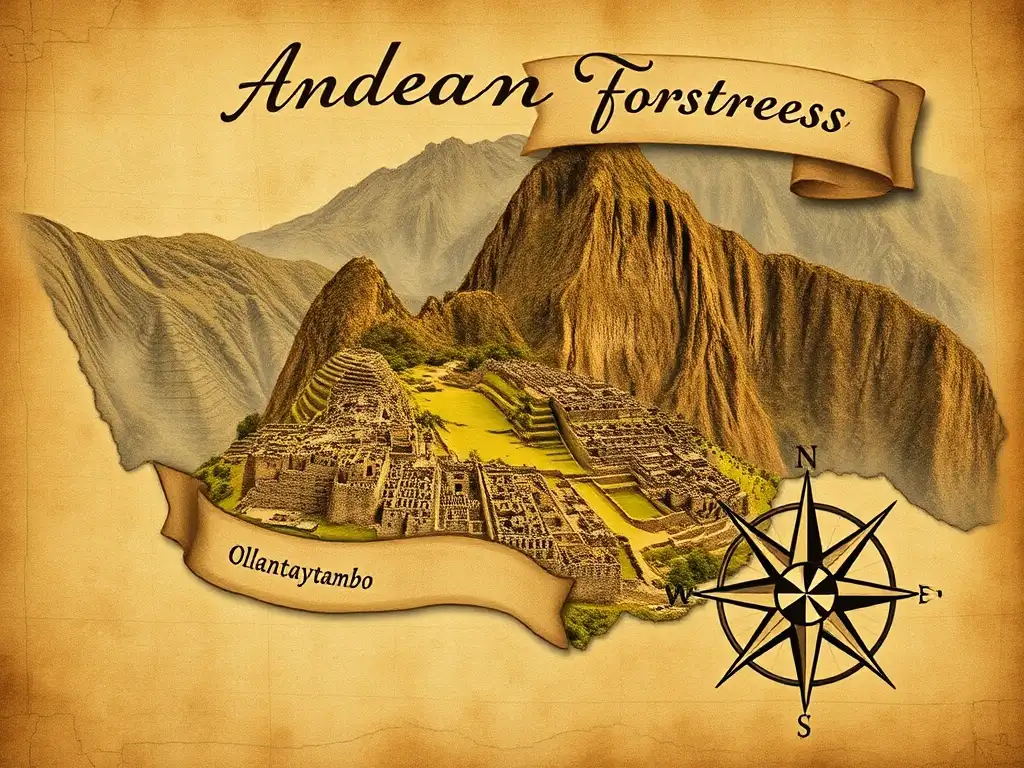
This section provides essential information for planning your journey to explore the magnificent Andean fortresses of Kuelap and Ollantaytambo. Understanding the logistical aspects of your trip will significantly enhance your experience, allowing you to fully appreciate the rich history and breathtaking architecture of these incredible sites. Careful planning is key to unlocking the secrets of these impressive Andean fortress history landmarks.
Travel Tips for Visiting Kuelap and Ollantaytambo
Visiting Kuelap and Ollantaytambo requires careful consideration of several factors. Both sites offer unique challenges and rewards.
- Kuelap: Reaching Kuelap involves a journey to Chachapoyas, followed by a cable car ride or a challenging hike. Pre-booking your cable car tickets is strongly recommended, especially during peak season. Pack comfortable walking shoes, as even the cable car option involves some walking on uneven terrain. The altitude can be a factor; acclimatizing for a day or two before your visit is advisable. Remember to bring sunscreen, a hat, and plenty of water. The Andean fortress history at Kuelap is unparalleled.
- Ollantaytambo: Ollantaytambo is more accessible, located closer to Cusco. However, the site itself is extensive and involves significant uphill walking. Wear appropriate footwear and bring water. Consider hiring a local guide to gain a deeper understanding of the site's history and significance within the broader context of Andean fortress history. The intricate agricultural terraces are a testament to the ingenuity of the Inca civilization.
| Fortress | Accessibility | Altitude (approx.) | Key Considerations |
|---|---|---|---|
| Kuelap | Cable car/hike | 2,800 meters | Altitude, pre-booking cable car tickets, sturdy shoes |
| Ollantaytambo | Easier access from Cusco | 2,792 meters | Significant uphill walking, comfortable shoes |
Remember to pack layers of clothing, as the weather in the Andes can change rapidly. A light rain jacket is always a good idea. Learning a few basic Quechua phrases can also enhance your interactions with local communities. Respecting the cultural significance of these sites is paramount; avoid touching any structures and follow any guidelines provided by park authorities.
Recommended Itineraries: Combining Both Sites in Your Andean Adventure
Combining visits to Kuelap and Ollantaytambo allows for a comprehensive exploration of Andean fortress history. However, it requires careful planning due to their geographical distance. Here are two sample itineraries:
Itinerary 1 (7 days):
- Arrive in Lima, fly to Chachapoyas.
- Acclimatize and explore Chachapoyas.
- Visit Kuelap.
- Fly from Chachapoyas to Cusco.
- Explore Cusco and the Sacred Valley.
- Visit Ollantaytambo.
- Depart from Cusco.
Itinerary 2 (10 days):
This itinerary allows for more leisurely exploration and includes additional sites in the Sacred Valley.
- Arrive in Lima, fly to Cusco.
- Acclimatize in Cusco.
- Explore Cusco and surrounding areas.
- Travel to the Sacred Valley.
- Visit Ollantaytambo.
- Fly from Cusco to Chachapoyas.
- Acclimatize and explore Chachapoyas.
- Visit Kuelap.
- Explore more of the Amazonas region.
- Depart from Chachapoyas or Lima.
These are just suggestions; you can customize your itinerary to fit your interests and time constraints. Remember that travel times between locations can be significant.
Choosing the Right Time to Visit: Weather and Crowd Considerations
The best time to visit both Kuelap and Ollantaytambo is during the dry season (May to September). The weather is generally sunny and clear, ideal for exploring these sites. However, this is also peak tourist season, so expect larger crowds and higher prices for accommodation and tours.
The shoulder seasons (April and October) offer a good compromise: pleasant weather with fewer crowds. The rainy season (November to March) can make travel more challenging, with potential for trail closures and less pleasant viewing conditions. However, you might encounter fewer crowds and potentially lower prices.
Monetization Opportunity: Recommend a specific travel agency that specializes in Andean travel [Travel Agency Name Pending]
This section could be monetized by partnering with a reputable travel agency specializing in Andean tours. A brief description of their services and a call to action could encourage readers to book their trip through the recommended agency. This would provide valuable revenue opportunities while offering readers a convenient way to plan their Andean adventure. The inclusion of a specific travel agency's information would require further research to identify a suitable partner.
Conclusion: Preserving the Legacy of Andean Fortification
The imposing structures of Kuelap and Ollantaytambo stand as testaments to the ingenuity and resilience of Andean civilizations. Their survival, however, is not guaranteed. Understanding the significance of these sites within the broader context of Andean fortress history is crucial for their continued preservation. The challenges are multifaceted, demanding a collaborative effort from governments, researchers, and tourists alike.
The Importance of Conservation and Responsible Tourism
The delicate balance between preserving these invaluable archaeological sites and making them accessible to the public requires careful management. Conservation efforts must prioritize minimizing environmental impact. This includes controlling erosion, managing water runoff, and mitigating the effects of climate change. Furthermore, sustainable tourism practices are paramount.
Over-tourism can lead to damage through increased foot traffic, pollution, and the potential for looting. Implementing controlled access, educating visitors about responsible behavior, and investing in sustainable infrastructure are critical steps. The economic benefits of tourism should directly support the preservation efforts, creating a positive feedback loop that benefits both the local communities and the historical sites themselves. Data on visitor numbers and their impact should be regularly monitored and used to adapt management strategies.
For example, implementing timed-entry systems or limiting group sizes could help to minimize damage and improve the visitor experience. A well-managed tourism sector can contribute significantly to the financial sustainability of conservation initiatives, ensuring the long-term protection of Andean fortress history. This includes supporting local communities who are often the custodians of these sites, ensuring that economic benefits are shared equitably.
Continuing the Exploration of Andean Fortress History
The exploration of Andean fortress history is far from over. Ongoing archaeological research continues to uncover new insights into the construction techniques, social organization, and daily life within these mountain strongholds. Technological advancements, such as ground-penetrating radar and 3D modeling, offer new possibilities for non-invasive investigation. This allows researchers to uncover hidden structures and better understand the layout and function of these complex sites without causing further damage.
Furthermore, interdisciplinary approaches, integrating archaeology with anthropology, history, and environmental science, provide a richer understanding of the context in which these fortresses were built and inhabited. By combining traditional methods with modern technology, researchers can deepen our understanding of Andean civilizations and their impressive engineering feats. The ongoing study of these sites provides crucial context for interpreting the societal and political structures of the time, filling in gaps in our understanding of Andean fortress history.
The potential for new discoveries underscores the importance of continued research and investment in the preservation and study of these remarkable sites, ensuring that future generations can appreciate and learn from the legacy of Andean ingenuity. The careful documentation and analysis of these findings are essential for sharing this knowledge and ensuring its accessibility to a wider audience. 🌎
Frequently Asked Questions
What makes Kuelap and Ollantaytambo significant Andean fortresses?
Kuelap and Ollantaytambo are significant because they represent remarkable feats of engineering and strategic military positions within the Andes Mountains. They offer crucial insights into the military and societal structures of the respective pre-Columbian cultures.
How did the geography influence the construction of these Andean fortresses?
The rugged Andean terrain dictated the construction, with fortresses built into cliffs and mountainsides for natural defense. This challenging environment demanded innovative architectural solutions and advanced engineering skills.
What materials were primarily used in building Kuelap and Ollantaytambo?
Both fortresses utilized locally sourced stone, expertly cut and fitted together. Kuelap features large, meticulously placed stones, while Ollantaytambo's construction includes massive blocks of precisely shaped granite.
Were these fortresses solely military structures, or did they serve other purposes?
While primarily defensive structures, these fortresses also served administrative and ceremonial functions. They likely housed elites, officials, and priests, and were centers of religious and political power.
What can visitors expect to see when exploring these Andean fortress sites today?
Visitors can explore impressive stone walls, intricate terraces, and residential areas. They offer a captivating glimpse into the daily life, technology, and culture of the ancient Andean civilizations that built them.
Final Reflection: Echoes of Empire in the Andes
The enduring legacy of Kuelap and Ollantaytambo isn't simply about stones and mortar; it's a testament to the ingenuity, resilience, and complex societies that thrived in the Andes long before the arrival of Europeans. These mountain strongholds stand as powerful symbols of a rich and often overlooked history, reminding us of the sophisticated cultures that shaped this landscape. Their continued existence challenges simplistic narratives of conquest and highlights the enduring power of cultural heritage.
Exploring these fortresses felt like stepping back in time, a profound experience that underscored the interconnectedness of past and present. The sheer scale of these structures, the intricate details of their construction, and the breathtaking landscapes surrounding them all contributed to a sense of awe and wonder. The past is never dead. It's not even past.
– William Faulkner. This quote resonates deeply, as the echoes of the Chachapoyas and Inca civilizations continue to reverberate through the very stones of Kuelap and Ollantaytambo, influencing our understanding of Andean history and shaping our present.
Consider the stories these walls could tell, the lives lived within their shadows. Let the majesty of these ancient fortresses inspire you to delve deeper into the history of the Andes, to seek out the untold narratives and celebrate the achievements of these remarkable cultures. You, too, can become a custodian of this legacy, by sharing your knowledge, supporting preservation efforts, and fostering a deeper appreciation for the rich tapestry of Andean civilization. Let the mountains themselves be your guide, and let the echoes of empire inspire your own journey of discovery.
**Unleash Your Inner Explorer: Dive Into the Wonders of Ancient Fortresses! **
Thank you for exploring the fascinating histories of Kuelap and Ollantaytambo with us! We hope this journey into these incredible mountain strongholds has sparked your curiosity and deepened your appreciation for their rich past.
Now, let's put that inspiration into action! Here are a few ways to further enrich your exploration:
- **Plan your visit to Kuelap or Ollantaytambo:** Begin organizing your next adventure! Research transportation options, accommodation, and local guides to maximize your experience.
- **Connect with fellow history enthusiasts:** Join online forums or local history groups to share your discoveries and learn from others who share your passion for ancient civilizations.
- **Create a visual record:** Whether through sketches, photography, or a blog, document your experiences and insights as you explore these magnificent fortresses.
What aspect of Kuelap or Ollantaytambo most captivates you, and how do you plan to delve deeper into its mysteries? Share your thoughts below!