
Machu Picchu's Agricultural Techniques: Adapting to the Andean Environment

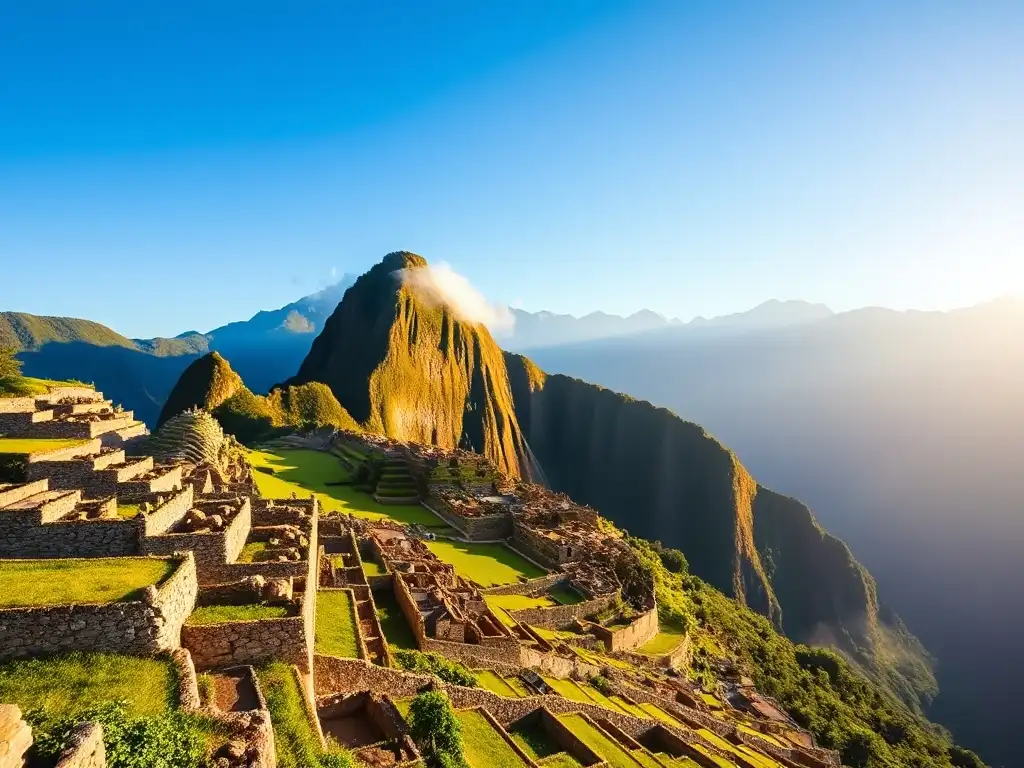
Step into a world lost to time, yet echoing with innovation and resilience. Imagine a civilization thriving amidst the seemingly impossible peaks of the Andes Mountains. Discover the secrets behind their astonishing achievements, starting with the ingenious Andean agricultural techniques that allowed the Inca Empire, and other remarkable cultures, to flourish. Unravel the mysteries of Machu Picchu's agricultural prowess—a testament to human ingenuity in the face of nature's challenges. Prepare to be amazed.
The breathtaking citadel of Machu Picchu, perched high in the Andes Mountains, stands as a testament to the Inca Empire's ingenuity and mastery of their environment. While the stunning architecture and sophisticated urban planning often steal the spotlight, the Incas' remarkable agricultural practices were equally crucial to their success.
This article delves into the innovative Andean agricultural techniques employed at Machu Picchu, showcasing how they overcame the challenges of the steep, mountainous terrain and unpredictable climate to create a remarkably productive and sustainable food system. Understanding these techniques provides a crucial insight into the resilience and advanced knowledge of this remarkable civilization, highlighting their deep connection to and profound understanding of their environment.
We will explore the ingenious methods used to cultivate crops in the demanding Andean highlands, revealing the secrets behind Machu Picchu's agricultural prowess and its contribution to the overall prosperity of the Inca Empire. This exploration will illuminate the ingenuity behind the "Andean agricultural techniques" that allowed this civilization to flourish.
Introduction to Inca Agriculture in the Andes
Inca agriculture wasn't merely a means of subsistence; it was a sophisticated system deeply integrated into their social and religious life. The Incas, recognizing the limitations imposed by the harsh Andean environment, developed a range of innovative techniques to maximize agricultural output. These techniques weren't uniformly applied across the empire; they were adapted to the specific ecological conditions of each region.
However, several common strategies were employed throughout the Andes, including terracing, irrigation, and crop diversification. The Incas' understanding of water management was particularly impressive, with intricate systems of canals and aqueducts channeling water to even the most remote fields. This meticulous approach to water management, combined with their sophisticated knowledge of soil types and crop rotations, allowed them to achieve remarkable yields, even in challenging environments.
Their agricultural success was crucial not only for feeding their large population but also for maintaining social stability and political power. The efficient distribution of food resources played a vital role in the empire's overall strength and longevity. The organization and management of this system itself represent a significant achievement in Andean agricultural techniques.
The Challenge of Farming in the Andean Highlands
Farming in the Andes presented significant obstacles. The steep slopes, rocky terrain, and unpredictable weather patterns—characterized by intense sun, torrential rains, and freezing temperatures—made cultivating crops incredibly difficult. Soil erosion was a constant threat, requiring careful management and conservation practices. The altitude also posed a challenge, with shorter growing seasons and lower oxygen levels affecting crop yields.
Despite these challenges, the Incas developed ingenious solutions. Their mastery of terracing, for example, allowed them to create level platforms on steep slopes, significantly increasing arable land and reducing soil erosion. These terraces weren't simply built; they were carefully designed to optimize sunlight exposure and water drainage. Furthermore, the Incas developed sophisticated irrigation systems, channeling water from streams and rivers to irrigate their terraced fields.
These systems were often remarkably intricate, demonstrating a deep understanding of hydraulic engineering and water management. The integration of these techniques, alongside careful crop selection and crop rotation, enabled the Incas to overcome the environmental limitations and create a remarkably productive agricultural system. The ingenuity displayed in overcoming these challenges is a key element of understanding Andean agricultural techniques.
Terracing: The Foundation of Andean Agriculture at Machu Picchu
The breathtaking landscape of Machu Picchu is not just a testament to Inca architectural prowess; it's also a stunning example of their mastery of Andean agricultural techniques. Terracing, the creation of step-like fields on slopes, formed the very foundation of their agricultural system, allowing them to cultivate crops on otherwise unusable terrain.
These weren't simply haphazardly carved slopes; they were meticulously planned and executed, demonstrating a deep understanding of hydrology, soil science, and the challenges of high-altitude farming. The Incas' ability to transform steep, mountainous slopes into productive farmland is a remarkable feat of engineering and agricultural ingenuity, showcasing their profound connection to and respect for their environment.
The effectiveness of these terraces allowed for a high population density in the region, and the surplus of food produced likely contributed to the power and stability of the Inca Empire. The precision and scale of the terracing at Machu Picchu are truly awe-inspiring, a testament to the Inca's advanced understanding of agriculture.
How Inca Terraces Functioned
Inca terraces functioned as miniature ecosystems, each designed to optimize sunlight exposure, water retention, and soil fertility. The walls, built from locally sourced stone, were not merely retaining structures; they served as crucial components of the entire system. They prevented soil erosion, which is a significant problem in mountainous regions, and created level platforms for planting. The terraces also helped to regulate temperature and humidity, creating microclimates suitable for a variety of crops.
Furthermore, the careful placement of terraces allowed for efficient water management, with water channeled from higher elevations to irrigate the lower terraces. This sophisticated system allowed for year-round cultivation, maximizing crop yields and ensuring food security for the population of Machu Picchu. The intricate design and construction, reflecting a deep understanding of environmental factors, ensured the long-term sustainability of the agricultural system.
Types of Terraces Used at Machu Picchu
Machu Picchu showcases a variety of terrace types, each adapted to the specific topography and microclimate of its location. Some terraces are relatively small and narrow, nestled into steep slopes, while others are larger and wider, located on gentler inclines. The size and shape of the terraces were carefully considered, reflecting the Inca’s keen observation of the land and their ability to adapt their techniques to the particular conditions. The stone walls themselves varied in construction, reflecting both the available materials and the specific engineering challenges of each location.
Some walls are built from large, precisely cut stones, while others utilize smaller, less precisely fitted stones. This variation highlights the flexibility and adaptability of Inca engineering and their ability to utilize available resources effectively. Archaeological research continues to unveil the nuances of these diverse terracing systems, adding to our understanding of Inca agricultural practices.
The Importance of Terracing for Soil Conservation
The importance of terracing in soil conservation at Machu Picchu cannot be overstated. The steep slopes of the Andes are prone to erosion, and without terracing, the topsoil would have been washed away by rain, rendering the land unproductive. The terrace walls acted as barriers, preventing soil loss and maintaining the fertility of the fields. This is particularly significant in a high-altitude environment where soil regeneration is a slower process.
The longevity of Machu Picchu's agricultural system is a direct result of the effective soil conservation provided by the terracing. The terraces not only prevented erosion but also helped to create a more stable and fertile soil profile, enhancing crop yields and ensuring food security for the Inca population. This sustainable approach to agriculture is a key element of the Inca's success in adapting to the challenging Andean environment.
Water Management Systems: Irrigating Machu Picchu's Crops
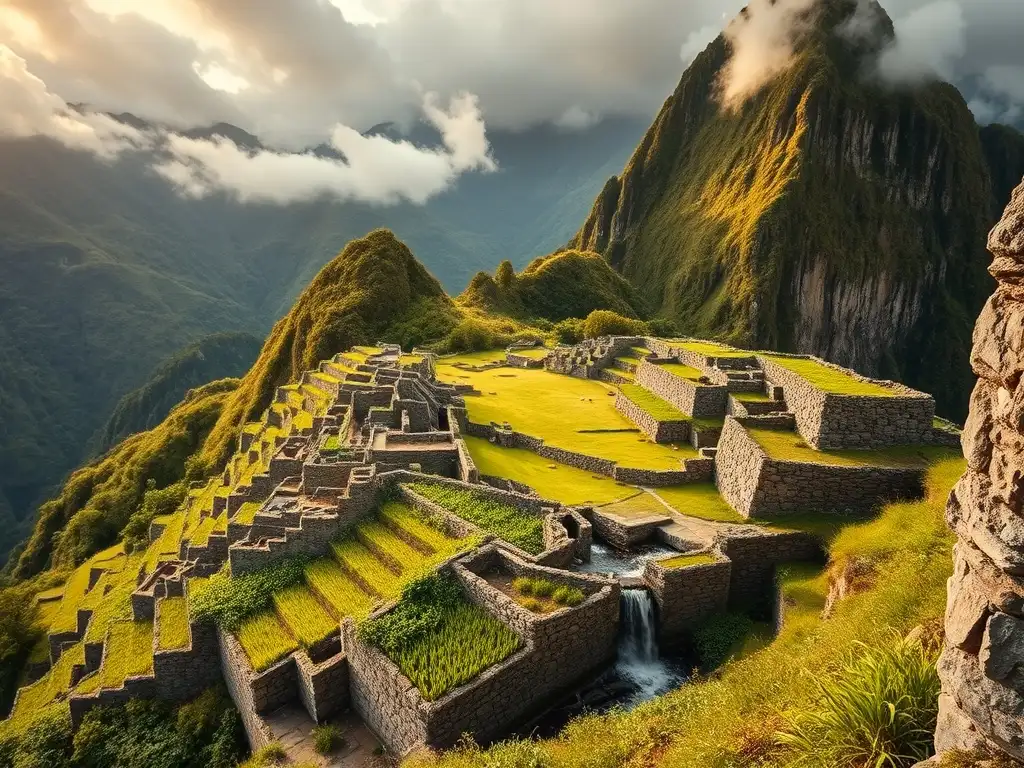
Water was, and continues to be, a precious resource in the Andes. The Inca civilization at Machu Picchu developed sophisticated water management systems to ensure a reliable supply for irrigation, reflecting their deep understanding of hydrology and their ability to engineer complex infrastructure. These systems weren't simply about bringing water to the fields; they were carefully designed to optimize water distribution and minimize water loss, showcasing remarkable ingenuity and environmental awareness. The intricate network of canals and aqueducts is a testament to their advanced engineering skills and their commitment to sustainable agriculture.
Advanced Inca Irrigation Techniques
Inca irrigation techniques at Machu Picchu were far from rudimentary. They involved a complex network of canals, aqueducts, and reservoirs, carefully designed to transport water from sources high in the mountains to the agricultural terraces below. The engineers utilized gravity to move water efficiently, minimizing the need for energy-intensive pumping systems.
They also developed techniques for managing water flow, including the use of weirs and spillways to control the amount of water reaching each terrace. The precise construction of these systems ensured that water was distributed evenly across the agricultural fields, maximizing crop yields. The integration of these systems with the terracing demonstrates a holistic approach to water management and agriculture.
Canals and Aqueducts at Machu Picchu
The canals and aqueducts at Machu Picchu are marvels of Inca engineering. They were constructed from carefully fitted stones, often lined with a waterproof material to prevent leakage. The routes were carefully chosen to minimize the need for steep inclines, maximizing the efficiency of water flow. The system was remarkably durable, with many sections surviving for centuries.
These structures not only transported water but also served as a crucial part of the overall landscape, integrating seamlessly with the terraces and other architectural features. The scale and precision of these systems are a testament to the Inca's advanced engineering skills and their understanding of hydraulic principles. The durability and effectiveness of the canals and aqueducts highlight the sophistication of Inca water management.
Adapting to the Variable Rainfall Patterns
The Andes experience highly variable rainfall patterns, with both wet and dry seasons. The Inca agricultural system at Machu Picchu was designed to cope with these fluctuations. The reservoirs played a crucial role in storing water during the wet season for use during the dry season. This ensured a consistent supply of water for irrigation throughout the year, mitigating the impact of unpredictable rainfall.
The design of the terraces themselves also contributed to water conservation, with their sloped surfaces helping to collect and retain rainwater. This integrated approach to water management ensured the resilience of the agricultural system in the face of climatic variability. The ingenuity of the system allowed the Incas to maintain agricultural productivity despite the unpredictable weather patterns of the Andean region. This adaptability is a key factor in understanding the long-term success of their agricultural practices.
Soil Enrichment and Fertilization Practices
The Incas, masters of Andean agricultural techniques, understood the importance of soil health for successful crop production in the challenging Andean environment. Their methods weren't simply about planting seeds; they involved a complex system of soil enrichment and fertilization to maximize yields. This wasn't a haphazard approach; rather, it was a carefully considered strategy based on centuries of observation and adaptation.
They recognized that the steep, mountainous terrain and varying altitudes demanded specific techniques to ensure fertile ground. Their practices weren't just about immediate results; they were designed for long-term sustainability, reflecting a deep understanding of the delicate balance of the Andean ecosystem. The Incas' success lay in their holistic approach, combining ingenuity with a respect for the environment.
Natural Fertilizers Used by the Incas
The Incas primarily relied on natural fertilizers, avoiding the harsh chemicals that would later characterize industrial agriculture. Animal manure, a readily available resource from their llama and alpaca herds, was a cornerstone of their fertilization practices. This provided essential nutrients to the soil, improving its structure and fertility. Additionally, they utilized guano, the excrement of seabirds, a rich source of nitrogen and phosphorus, crucial for plant growth.
Access to guano was carefully managed, reflecting a sustainable resource management strategy. The Incas also incorporated compost, created from decaying organic matter, into their fields, further enriching the soil and promoting healthy microbial activity. This meticulous attention to natural fertilization contributed significantly to their agricultural success in the demanding Andean environment. The effectiveness of these methods is demonstrated by the enduring agricultural productivity of the region even today.
Understanding Soil Composition in the Andes
The Incas possessed a deep understanding of the diverse soil compositions across the Andean landscape. They recognized that soil varied significantly with altitude, slope, and exposure to sunlight. This understanding informed their choice of crops and cultivation techniques. For example, they adapted their planting methods to accommodate the different soil types found on the terraces at Machu Picchu, optimizing yields based on the specific characteristics of each plot.
They weren't simply planting crops; they were conducting a complex experiment, constantly adapting their techniques to maximize the potential of each unique soil composition. This sophisticated knowledge of soil science played a critical role in the success of their agricultural system. Detailed records of their soil management practices, while not explicitly documented in the way we understand written records, are implicitly evident in the remarkable success of their agricultural achievements.
Sustainable Soil Management Techniques at Machu Picchu
Machu Picchu’s agricultural success wasn't accidental; it was a product of sophisticated soil management. The Incas employed terracing on a massive scale, creating a network of flat platforms on the steep slopes. This prevented soil erosion, a significant threat in mountainous areas, and allowed for efficient water management. They also implemented crop rotation, alternating the types of crops planted in each field to prevent soil depletion and maintain its fertility over time.
This meticulous system was integral to the long-term sustainability of their food production. The ingenuity and careful planning evident in their approach underscore the depth of their agricultural knowledge and their commitment to sustainable practices. The enduring legacy of Machu Picchu's agricultural system serves as a testament to the Incas' remarkable ability to adapt to the challenges of the Andean environment.
Crop Diversity at Machu Picchu: Maximizing Resources
The Incas’ agricultural prowess at Machu Picchu wasn't solely about mastering individual crops; it was about strategically diversifying their crops to maximize resource utilization and ensure food security. This approach was crucial for mitigating the risks associated with climate variability and potential crop failures in the high-altitude Andean environment. Their diverse agricultural portfolio was a testament to their ingenuity and foresight, ensuring a stable food supply even in the face of unforeseen challenges. The selection of crops wasn't random; it was based on a deep understanding of the region's climate and soil conditions.
Key Crops Cultivated by the Incas
Potatoes, maize (corn), and quinoa were staples of the Inca diet, forming the backbone of their agricultural system. These crops were chosen for their adaptability to the high-altitude conditions and their nutritional value. However, the Incas cultivated a much wider range of crops, including beans, squash, tomatoes, and various fruits, demonstrating a remarkable level of agricultural diversification. This diversity ensured resilience against crop failure and provided a varied and nutritious diet for the population. The meticulous cultivation of these diverse crops highlights the sophistication of the Inca agricultural system.
Adaptation of Crops to High-Altitude Conditions
The Inca's success in cultivating crops at high altitudes was a testament to their understanding of plant adaptation. They selected varieties of potatoes, maize, and quinoa that were particularly well-suited to the cold temperatures, short growing seasons, and intense sunlight of the Andean highlands. They developed specialized techniques for planting, cultivating, and harvesting these crops to maximize their yields in challenging conditions.
Their knowledge of plant genetics, albeit implicitly understood, played a crucial role in their ability to adapt crops to the unique environment of Machu Picchu. This adaptation was not merely a matter of chance; it was the result of careful selection and generations of experience.
Potatoes, Maize, and Quinoa Cultivation at Machu Picchu
The cultivation of potatoes, maize, and quinoa at Machu Picchu involved intricate techniques tailored to the specific conditions. Terracing provided level plots for planting, while irrigation systems ensured adequate water supply. The Incas carefully managed the spacing and density of their crops, optimizing sunlight exposure and resource utilization.
They also developed specific methods for storing harvested crops to ensure food security throughout the year. The successful cultivation of these staple crops at Machu Picchu is a clear indication of the Incas' advanced agricultural knowledge and their exceptional ability to adapt to the challenging Andean environment. The enduring legacy of these farming practices continues to inspire modern agricultural techniques.
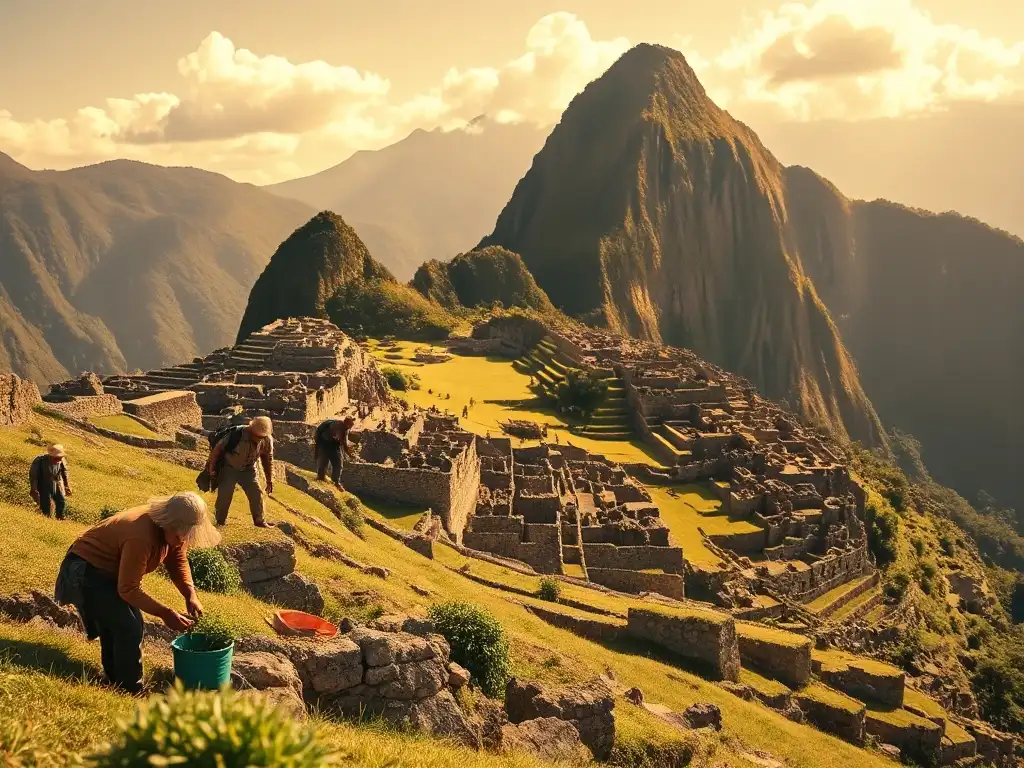
The success of Andean agricultural techniques, particularly at Machu Picchu, was intrinsically linked to sophisticated labor systems and a highly organized social structure. The Inca Empire, renowned for its meticulous planning and efficient administration, implemented strategies that ensured sufficient food production to sustain its vast population and maintain its powerful military. This wasn't merely a matter of individual effort; it was a collective endeavor, underpinned by a complex interplay of labor organization, resource allocation, and community participation.
The Inca's ability to cultivate the challenging Andean terrain was a testament to their understanding of both agricultural principles and the importance of communal cooperation. They understood that efficient food production wasn't just about maximizing yields; it was about ensuring the stability and prosperity of the entire empire. This social organization, deeply ingrained in Inca society, provided the framework for implementing and maintaining their advanced agricultural practices.
Inca Labor Systems and Agricultural Production
Inca agricultural production relied heavily on a system of state-controlled labor. The emperor, Sapa Inca, held ultimate authority over land and resources, directing labor to various projects, including farming. This centralized control allowed for large-scale projects like terracing and irrigation systems to be undertaken effectively. Specialized labor groups, skilled in specific agricultural tasks, worked in coordination to ensure high yields.
These groups weren't just farmers; they were engineers, builders, and managers, all working within a hierarchical structure that efficiently allocated resources and expertise. Records, though limited, suggest a high degree of planning and coordination went into the timing of planting, harvesting, and storage, demonstrating a level of sophistication rarely seen in other contemporary societies. The state's control over resources and labor ensured that even in challenging environments, agricultural production met the needs of the empire.
Community Involvement in Farming at Machu Picchu
While the Inca state played a crucial role in organizing agricultural production, community participation was equally vital. Farming at Machu Picchu wasn't solely the responsibility of state-appointed workers; local communities actively contributed to the cultivation and maintenance of the agricultural terraces. This collaborative approach fostered a sense of collective ownership and responsibility, leading to greater efficiency and sustainability.
The design of the agricultural terraces themselves encouraged community involvement, with smaller plots assigned to individual families or groups, ensuring a direct link between labor and reward. Evidence suggests a system of reciprocal labor exchange within communities, strengthening social bonds and promoting communal responsibility for the success of the agricultural enterprise. This integrated system combined state-level organization with local community participation, creating a resilient and productive agricultural system.
Mit'a Labor and its Role in Agricultural Production at Machu Picchu
The mit'a system, a form of mandatory labor service in the Inca Empire, played a significant role in agricultural production at Machu Picchu and throughout the empire. This system required citizens to dedicate a portion of their time to public works projects, including the construction and maintenance of agricultural terraces, irrigation canals, and storage facilities. While the mit'a was not exclusively focused on agriculture, its contribution to the development and upkeep of Machu Picchu's agricultural infrastructure was substantial.
This labor force provided the manpower necessary for large-scale projects that would have been impossible for smaller communities to undertake alone. The mit'a system, while demanding, was integral to the Inca's ability to create and maintain the impressive agricultural feats visible at Machu Picchu today. The system's organization ensured a steady supply of labor, contributing to the empire's agricultural success.
Legacy of Inca Agricultural Practices: Lessons for Today
The ingenuity of Inca agricultural techniques continues to resonate today, offering valuable lessons in sustainable land management and resource conservation. Their methods, honed over centuries of adapting to the challenging Andean environment, provide a powerful example of how human ingenuity can overcome environmental limitations. The legacy of Inca agriculture is not merely historical; it holds immense relevance for addressing contemporary challenges in food security and environmental sustainability. Understanding their practices can inform modern approaches to agriculture, particularly in regions with similar environmental constraints.
Sustainable Farming Practices From the Andes
Inca agricultural practices were inherently sustainable. Their techniques, such as terracing, irrigation, and crop rotation, minimized soil erosion, optimized water use, and maximized yields with minimal environmental impact. The use of natural fertilizers and the integration of diverse crops helped maintain soil fertility and biodiversity.
These methods, practiced without the benefit of modern technology, demonstrate a deep understanding of ecological principles and the importance of working in harmony with nature. Modern agriculture could learn much from these time-tested techniques, particularly in the face of growing concerns about climate change and resource depletion. The Inca's approach serves as a powerful example of sustainable intensification.
The Relevance of Traditional Techniques
The relevance of traditional Andean agricultural techniques extends beyond their inherent sustainability. Many of these practices remain highly applicable in contemporary contexts, particularly in mountainous regions with limited arable land. Terracing, for example, remains a highly effective method for cultivating slopes, preventing erosion, and maximizing land use. Similarly, Inca irrigation techniques, emphasizing water conservation and efficient distribution, offer valuable lessons for modern water management strategies. The integration of traditional techniques with modern technologies offers a powerful approach to enhancing agricultural productivity while minimizing environmental impact. These practices offer adaptable solutions for areas facing similar challenges.
Modern Applications in Water Management and Soil Conservation
Modern applications of Inca agricultural techniques are already being explored in various contexts. Researchers are studying Inca terracing designs to improve slope stability and prevent soil erosion in modern agricultural projects. The principles of Inca water management are being applied to improve irrigation efficiency and reduce water waste in arid and semi-arid regions.
By integrating traditional knowledge with modern technologies, it’s possible to create more sustainable and resilient agricultural systems. This approach offers hope for addressing the growing challenges of food security and environmental sustainability in a world facing increasing resource scarcity and climate change. The Andean legacy continues to inspire innovative solutions for the future.
Conclusion: The Ingenuity of Andean Agricultural Techniques
The agricultural practices employed at Machu Picchu and throughout the Inca Empire stand as a testament to the ingenuity and adaptability of Andean civilizations. Facing the challenges of a mountainous terrain, unpredictable weather patterns, and limited arable land, the Inca developed sophisticated techniques that maximized crop yields and ensured food security for their vast population. Their understanding of terrace farming, water management systems, and crop diversification wasn't simply a matter of survival; it was a sophisticated system reflecting a deep knowledge of their environment and a remarkable capacity for innovation.
This wasn't merely farming; it was a complex interplay of engineering, environmental science, and social organization, all working in harmony to support a thriving civilization. The legacy of these Andean agricultural techniques continues to inspire modern agricultural practices, demonstrating the enduring value of sustainable and environmentally conscious approaches to food production. Their success underscores the importance of understanding and respecting the delicate balance between human needs and the natural world, a lesson that remains profoundly relevant today.
The ingenuity displayed in conquering the challenges of the Andean landscape serves as a powerful reminder of human potential and the enduring resilience of ancient civilizations. Studying these techniques offers invaluable insights into sustainable agriculture and resource management, providing valuable lessons for addressing modern challenges related to food security and environmental sustainability. The precision and effectiveness of Inca agricultural methods highlight their deep understanding of ecology and their ability to adapt to the unique conditions of their environment, leaving a remarkable legacy for future generations.
- Introduction to Inca Agriculture in the Andes
- The Challenge of Farming in the Andean Highlands
- Terracing: The Foundation of Andean Agriculture at Machu Picchu
- Water Management Systems: Irrigating Machu Picchu's Crops
- Soil Enrichment and Fertilization Practices
- Crop Diversity at Machu Picchu: Maximizing Resources
- The Role of Labor and Social Organization in Agriculture
- Legacy of Inca Agricultural Practices: Lessons for Today
- Conclusion: The Ingenuity of Andean Agricultural Techniques
- What innovative agricultural techniques did the Inca utilize at Machu Picchu?
- How did the Andean environment influence agricultural practices?
- What crops were primarily cultivated by the Inca in Machu Picchu?
- How did the Inca manage water resources for agriculture?
- Were Andean agricultural techniques sustainable?
Frequently Asked Questions
What innovative agricultural techniques did the Inca utilize at Machu Picchu?
The Inca employed terracing, creating level platforms on steep slopes to maximize arable land and prevent soil erosion. They also used raised fields (waru waru) and irrigation channels to optimize water usage.
How did the Andean environment influence agricultural practices?
The challenging terrain, including steep mountains and limited flat land, necessitated innovative techniques like terracing and raised fields. The altitude and variable climate also impacted crop selection and planting schedules.
What crops were primarily cultivated by the Inca in Machu Picchu?
Potatoes, maize (corn), beans, and quinoa were staple crops. Their cultivation was crucial for sustaining the large population at Machu Picchu and surrounding areas. Other crops included squash and various fruits.
How did the Inca manage water resources for agriculture?
The Inca built extensive irrigation systems, including canals and aqueducts, to channel water from sources like springs and rivers to their fields. Water management was crucial for successful agriculture in the dry Andean climate.
Were Andean agricultural techniques sustainable?
While highly effective for their time, the long-term sustainability of some techniques is debated. Terracing, if properly managed, can be highly sustainable. However, over-cultivation and deforestation could lead to environmental problems.
Final Reflection: Echoes of the Inca: Machu Picchu's Enduring Legacy
The ingenious agricultural techniques employed at Machu Picchu offer not just a glimpse into Inca ingenuity, but a vital lesson for sustainable food production in the face of modern environmental challenges. Their mastery of terracing, irrigation, and crop diversification remains a powerful testament to human adaptability and a stark contrast to the unsustainable practices prevalent today.
The impact of Machu Picchu's agricultural innovations extends far beyond the historical context. Their understanding of the delicate balance between human needs and environmental preservation continues to resonate, reminding us of the importance of respecting ecological limits. The land was their mother, and they treated it with respect.
This simple statement encapsulates the Inca philosophy, a philosophy we desperately need to re-embrace in our increasingly fragile world. The ingenuity displayed in their agricultural practices serves as a powerful counterpoint to the environmentally damaging methods of modern intensive farming.
Consider the lessons of Machu Picchu. Imagine the possibilities if we, too, could integrate such respect for the environment into our own agricultural practices. You have the power to make a difference, whether it's by supporting sustainable farming initiatives, reducing your food waste, or simply choosing to learn more about environmentally conscious food production. Let the echoes of the Inca inspire you to cultivate a more sustainable future, one that honors the delicate balance between human needs and the health of our planet.
Harness the Wisdom of the Ancients Today!
Thank you for exploring the remarkable agricultural techniques of Machu Picchu with us! You've discovered valuable insights into how Andean civilizations ingeniously adapted to their challenging environment and thrived. Now, let's apply that wisdom to your own life!
Here are a few **simple steps** you can take to make a real difference:
- **Adopt sustainable gardening practices** by incorporating techniques like terrace farming or crop rotation, inspired by ancient methods.
- **Share your newfound knowledge** with friends and family; host a discussion or workshop about these fascinating and effective methods to inspire others!
- Get involved in your local community garden or join an agricultural group focused on sustainability—contribute your ideas and learn from others!
As you reflect on these ancient practices, consider this: **How can the wisdom of past agricultural innovations influence our modern food production systems? ** Share your thoughts in the comments below!