
The Importance of Linguistic Diversity: Why Quechua Matters

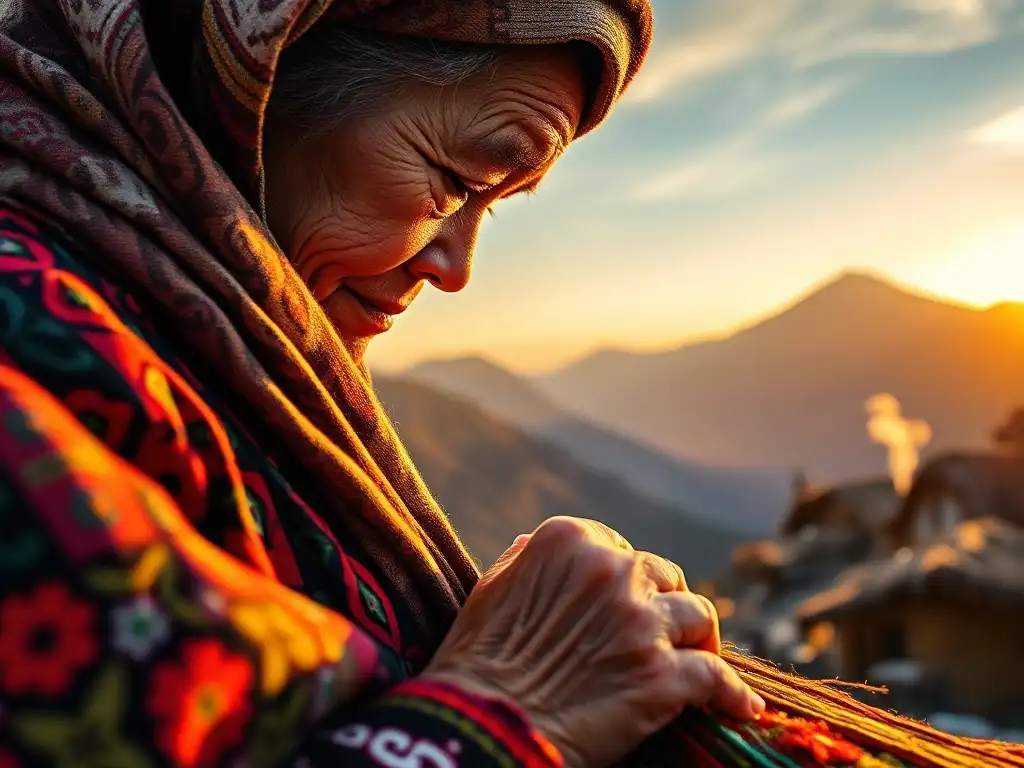
Unravel the mysteries of the Andes! Journey through millennia of breathtaking artistry, innovative engineering, and vibrant cultures—from the Incas to the Nazca. But what truly bound these magnificent civilizations together, weaving their disparate threads into a rich tapestry of history? Discover the surprising importance of the Quechua language in shaping the ancient Andean world and unlock the secrets it holds within. Delve into the fascinating story of linguistic diversity and its profound impact... the answers await.
The Andes Mountains, a spine of towering peaks running down the western coast of South America, are not only a geographical marvel but also the cradle of a rich tapestry of ancient civilizations. From the sophisticated Incas to the enigmatic Nazca, these cultures left behind a legacy of breathtaking artistry, intricate engineering, and complex social structures.
However, understanding the full scope of their achievements requires acknowledging the crucial role played by language, particularly the Quechua language, in shaping their identities, societies, and ultimately, their survival. This article delves into the profound importance of Quechua, exploring its historical significance within the context of the ancient Andean civilizations and highlighting its enduring relevance today.
We will examine not only its linguistic features but also its cultural and social impact, illustrating why preserving and understanding Quechua is vital to a complete appreciation of Andean heritage. The Quechua language importance to the ancient Andean civilizations cannot be overstated; it's a key to unlocking a deeper understanding of their world.
Quechua: A Lingua Franca of the Inca Empire and Beyond
The Inca Empire, at its zenith, controlled a vast territory encompassing modern-day Peru, Bolivia, Ecuador, parts of Argentina, and Chile. Remarkably, this vast and diverse population was united, at least in part, by a common language: Quechua. While various Quechua dialects existed, the language served as a crucial administrative tool, facilitating communication between different ethnic groups and regions within the empire.
This role as a lingua franca enabled efficient governance, trade, and the dissemination of Inca culture and ideology. The Inca's skillful use of Quechua as a unifying force is a testament to its power and demonstrates the language's importance in maintaining social order and political stability within a tremendously diverse empire. Beyond the Inca Empire's borders, various Quechua dialects continued to thrive, demonstrating its resilience and adaptability even after the Spanish conquest.
The Enduring Cultural Significance of Quechua
Even after the Spanish conquest significantly altered the political and social landscape of the Andes, Quechua persisted. Its survival is not merely a linguistic phenomenon; it reflects the enduring cultural identity of the Quechua-speaking populations. The language carries within it a wealth of oral traditions, songs, stories, and knowledge systems that have been passed down through generations.
These traditions embody the worldview, beliefs, and values of the Andean peoples, offering invaluable insights into their relationship with the environment, their social structures, and their spiritual beliefs. The preservation of Quechua is therefore crucial for safeguarding this rich cultural heritage and ensuring its transmission to future generations. Many cultural practices and traditional knowledge are intrinsically linked to the Quechua language, making its survival essential for maintaining cultural continuity.
Quechua Today: Revitalization Efforts and Linguistic Diversity
The Quechua language faces ongoing challenges in the modern era, including the dominance of Spanish and other languages. However, significant efforts are underway to revitalize and promote Quechua. These initiatives range from educational programs incorporating Quechua into the curriculum to the development of Quechua-language media and literature.
Recognizing the importance of linguistic diversity, many organizations and communities are actively working to preserve and promote Quechua, ensuring its continued use and evolution. This commitment underscores the understanding that the Quechua language is not merely a historical artifact but a vibrant and living language with a crucial role to play in the cultural identity and future of Andean communities. The success of these efforts will depend on continued support and collaboration from various stakeholders, including governments, educational institutions, and community members themselves.
Conclusion: The Unbreakable Link Between Quechua and Andean Identity
The Quechua language is more than just a means of communication; it is an integral part of the cultural fabric of the Andes. Its historical importance in facilitating the growth and administration of the Inca Empire, its enduring cultural significance in preserving oral traditions and knowledge systems, and the ongoing efforts for its revitalization all highlight its crucial role in shaping Andean identity. Understanding the Quechua language importance to the ancient Andean civilizations is fundamental to understanding the region's rich and complex history and its vibrant cultural heritage.
The preservation of Quechua is not just a linguistic imperative; it is a cultural necessity. Its continued survival ensures the preservation of a unique and invaluable aspect of human civilization.
- Quechua: A Lingua Franca of the Inca Empire and Beyond
- The Enduring Cultural Significance of Quechua
- Quechua Today: Revitalization Efforts and Linguistic Diversity
- Conclusion: The Unbreakable Link Between Quechua and Andean Identity
- What is the Quechua language and its connection to the ancient Andean civilizations?
- Why is the Quechua language considered important to understanding ancient Andean civilizations?
- How many Quechua dialects exist, and what are the implications for research?
- What is the current status of the Quechua language, and what efforts are being made to preserve it?
- How does learning Quechua enhance understanding of Andean art, culture, and technology?
Understanding the Significance of the Quechua Language in Andean History
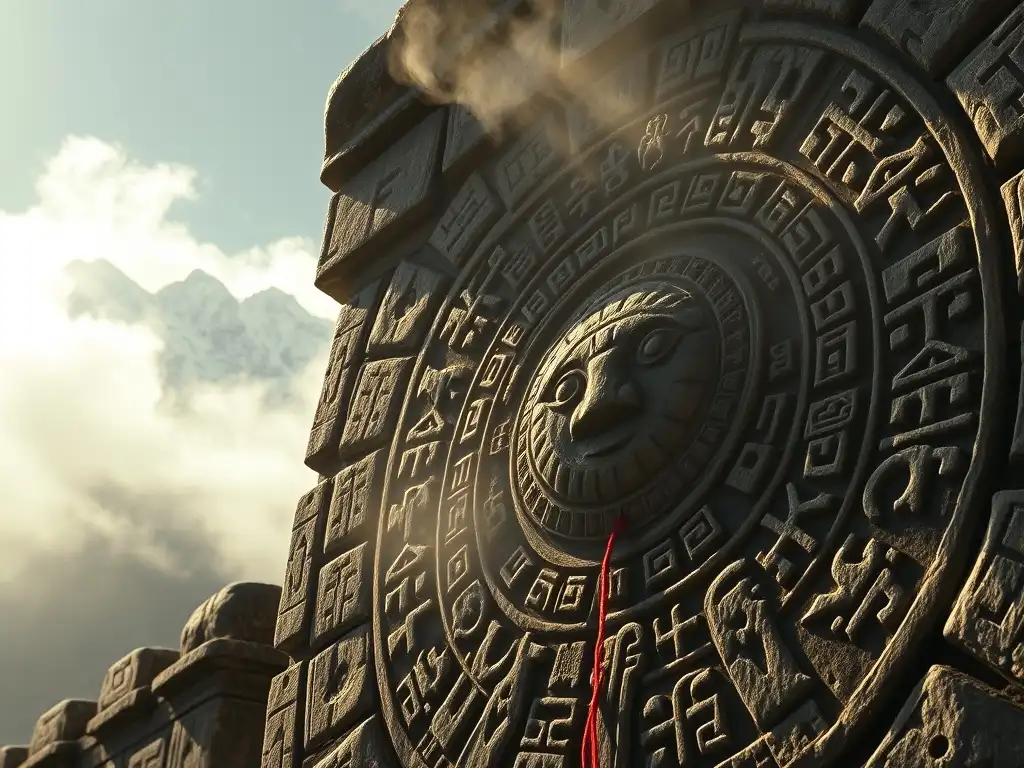
The Quechua language, far from being a relic of the past, holds immense significance in understanding the rich tapestry of ancient Andean civilizations. Its enduring presence offers a unique window into the social structures, beliefs, and technological advancements of cultures like the Inca, but also provides crucial insights into the pre-Inca societies that shaped the Andean world. The sheer geographical spread of Quechua dialects across the Andes – from Colombia to Argentina – speaks volumes about the power of cultural exchange and the interconnectedness of these seemingly disparate groups.
Studying Quechua isn't simply about deciphering ancient texts; it's about reconstructing a complex historical narrative, one woven from the threads of daily life, mythology, and political power. Its continued use by millions today is a testament to its resilience and its profound connection to Andean identity.
This linguistic legacy allows us to approach the study of ancient Andean societies with a depth and nuance impossible through other means. Understanding its grammatical structures, vocabulary, and variations reveals invaluable information about the social and political organization of these societies, their agricultural practices, and their worldview.
Quechua: A Linguistic Bridge to Ancient Andean Civilizations
Quechua's importance in understanding ancient Andean civilizations stems from its direct connection to the Inca Empire, the most extensive and influential pre-Columbian state in South America. While the Inca utilized a sophisticated system of quipus (knotted strings) for record-keeping, Quechua served as their official administrative language, facilitating communication and control across a vast and diverse empire. However, Quechua's roots predate the Inca by centuries.
Archaeological and linguistic evidence suggests that Quechua, or its proto-forms, was spoken in various parts of the Andes long before the Inca rise to power. This pre-Inca presence is crucial because it suggests a level of linguistic and cultural continuity across different Andean societies, highlighting the interconnectedness of these groups even before the Inca unification. The presence of Quechua loanwords in other Andean languages further supports this theory, indicating extensive interaction and cultural exchange.
Analyzing these linguistic borrowings allows researchers to trace trade routes, migration patterns, and the diffusion of ideas across the Andean region. The Quechua language, therefore, acts as a linguistic bridge, connecting us to not only the Inca but also to the complex tapestry of pre-Inca cultures that shaped the Andean world.
The Enduring Legacy of Quechua Speakers
The continued vitality of Quechua in the 21st century is a testament to its enduring cultural significance. Millions of people across the Andes still speak Quechua as their first or second language, preserving a rich oral tradition and a wealth of knowledge passed down through generations. This linguistic persistence is not merely a matter of tradition; it is deeply intertwined with Andean identity and resistance. In many communities, Quechua serves as a symbol of cultural pride and a means of maintaining distinct cultural practices in the face of globalization and societal pressures to adopt dominant languages.
The continued use of Quechua also fosters the preservation of traditional knowledge related to agriculture, medicine, and other aspects of Andean life. This knowledge, often encoded in Quechua proverbs, songs, and narratives, offers valuable insights into sustainable practices and traditional wisdom. Furthermore, the ongoing efforts to revitalize and promote Quechua through educational programs and community initiatives demonstrate the commitment of Quechua speakers to preserving their linguistic heritage.
This ongoing struggle for linguistic preservation is a vital part of the story of Quechua and its continued importance in the modern Andean world. The Quechua language, therefore, is not just a historical artifact; it is a living, breathing testament to the resilience and cultural richness of the Andean peoples. Its continued use ensures the preservation of a vital part of the Andean heritage for future generations.
The Rich Cultural Tapestry Woven by the Quechua Language
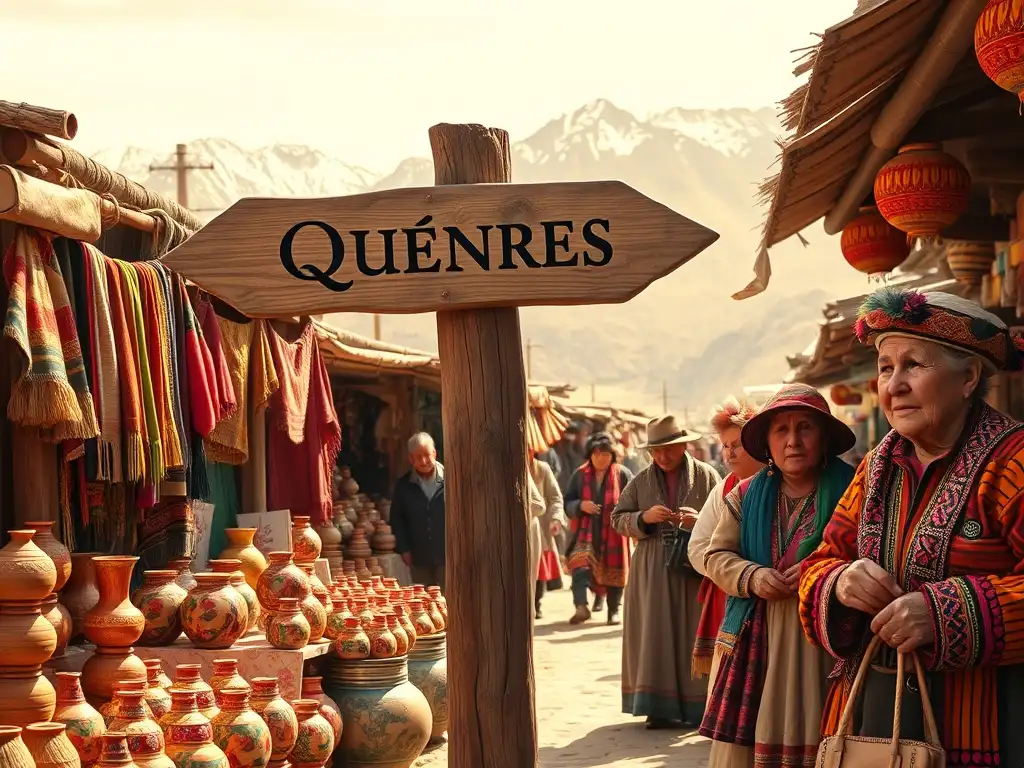
The Quechua language, far from being a relic of the past, remains a vibrant thread in the rich tapestry of Andean culture. Its importance to understanding the ancient Andean civilizations cannot be overstated. For centuries, Quechua served as the lingua franca across vast swathes of the Andes, facilitating communication and cultural exchange between diverse communities.
This linguistic unity fostered a shared sense of identity and facilitated the transmission of knowledge, traditions, and beliefs across generations. The enduring presence of Quechua today is a testament to its resilience and its deep connection to the heart of Andean identity. Understanding its significance allows us to better appreciate the complexities and nuances of the societies that shaped the Andes.
Quechua and its Connection to Andean Traditions and Customs
Quechua is intrinsically linked to the daily lives, traditions, and customs of Andean communities. It's not merely a tool for communication; it's the very language through which Andean worldview is expressed. Many traditional practices, from agricultural techniques passed down through generations to intricate weaving patterns, are intimately connected to Quechua vocabulary and terminology. For example, the specific Quechua names for different types of potatoes reflect a deep understanding of their diverse properties and cultivation methods, knowledge accumulated over millennia.
Similarly, the rich vocabulary surrounding Andean cosmology – the names of constellations, deities, and sacred sites – is inextricably bound to the Quechua language. The loss of Quechua would represent a profound loss of this invaluable cultural heritage, severing the connection between present-day communities and their ancestral past. The preservation of Quechua is therefore crucial for maintaining the authenticity and continuity of Andean traditions.
Preserving Cultural Heritage Through the Quechua Language
The preservation of the Quechua language is paramount for safeguarding the cultural heritage of the Andean region. Efforts to revitalize and promote Quechua are crucial not only for linguistic diversity but also for maintaining the vibrant cultural landscape of the Andes. These efforts often involve community-based initiatives, educational programs focusing on Quechua immersion, and the documentation of oral traditions and stories passed down through generations.
Organizations and individuals dedicated to Quechua language preservation are working tirelessly to ensure its survival and continued use, recognizing its crucial role in maintaining a unique and valuable cultural identity. This work includes developing Quechua language dictionaries and grammars, creating educational materials, and promoting the use of Quechua in various media.
The successful preservation of Quechua will directly contribute to a more complete and nuanced understanding of the ancient Andean civilizations and their lasting legacy. The continued use of Quechua ensures that the rich cultural heritage of these civilizations is not lost to time.
The Role of Quechua in Andean Art, Music, and Storytelling
Quechua plays a vital role in the artistic expressions of Andean cultures. From ancient pottery inscriptions to contemporary music and literature, the language serves as a powerful medium for storytelling and artistic creation. Traditional Andean music, for instance, often incorporates Quechua lyrics that convey profound meanings and narratives relevant to Andean life, history, and spirituality.
Similarly, many forms of Andean art, including textiles, carvings, and paintings, feature Quechua words or phrases that add layers of meaning and context. The use of Quechua in these art forms helps maintain a direct link to the past, allowing contemporary artists to draw inspiration from and engage with the rich cultural heritage of their ancestors. The continued use of Quechua in art, music, and storytelling ensures that the traditions and stories of the Andean people are not only preserved but also continue to evolve and inspire new generations.
This ensures the vibrancy and continued relevance of Andean cultural expressions. The preservation of Quechua is therefore inextricably linked to the preservation of the artistic soul of the Andes.
The Vital Importance of Protecting and Promoting Quechua

The Quechua language, far from being a relic of the past, holds immense importance for understanding the rich tapestry of ancient Andean civilizations and ensuring the vibrant cultural heritage of present-day Andean communities. Its preservation is not merely a linguistic exercise; it's a crucial step in safeguarding a wealth of knowledge, traditions, and perspectives that are deeply intertwined with the history and identity of millions. The Quechua language importance ancient Andean civilizations extends beyond mere historical significance; it's a living testament to resilience, adaptation, and the enduring spirit of Andean peoples.
Understanding its significance requires delving into its historical context, its current status, and the vital role it plays in shaping the future of the Andean region. The continued existence of Quechua is vital to the preservation of a unique cultural heritage, and its loss would represent an irreplaceable blow to global linguistic diversity.
Why Linguistic Diversity Matters for Andean Societies
Linguistic diversity is not simply a collection of different languages; it's a reflection of the diverse ways of knowing, understanding, and interacting with the world. Within the Andean context, Quechua represents more than just a means of communication; it embodies a worldview, a set of values, and a unique cultural perspective that has been shaped over millennia. The loss of Quechua would mean the erosion of this unique perspective, silencing the voices and experiences of countless individuals and communities.
Consider the intricate system of Andean agriculture, passed down through generations in Quechua, containing invaluable knowledge about sustainable farming practices and crop diversification. This knowledge, often encoded in oral traditions and songs, is irreplaceable and at risk of disappearing with the language. The loss of this linguistic diversity directly impacts the sustainable development of Andean societies, potentially leading to the loss of crucial knowledge in areas such as medicine, astronomy, and environmental management.
The vibrant cultural expressions – music, storytelling, and ritual practices – are deeply rooted in the Quechua language, making its survival essential for the continuation of these traditions. The preservation of Quechua is, therefore, not just a linguistic issue, but a matter of cultural survival and sustainable development for the Andean region.
The Threat of Language Loss and its Impact on Quechua Culture
The Quechua language faces significant threats, primarily from the dominance of Spanish and other global languages. Globalization, migration to urban centers, and educational policies that prioritize Spanish have contributed to a decline in Quechua speakers, particularly among younger generations. This language shift is not merely a matter of linguistic change; it represents a profound cultural loss. The transmission of traditional knowledge, values, and cultural practices often occurs within the family and community, primarily through the Quechua language.
As Quechua speakers decrease, there is a corresponding decline in the transmission of this invaluable cultural heritage. The impact is multifaceted, affecting everything from traditional medicine and agriculture to artistic expression and social structures. For instance, the intricate system of kinship terms, embedded within the Quechua language, provides a framework for social organization and interaction that is gradually being lost.
This loss of linguistic diversity translates into a loss of cultural identity, potentially leading to social fragmentation and a diminished sense of belonging for Quechua-speaking communities. The consequences are far-reaching and affect not only the cultural landscape but also the social and economic well-being of these communities. Quantifying the exact impact is challenging due to [specific data on economic impact of Quechua language loss pending], however, the qualitative impact is undeniable.
Strategies for Revitalizing and Strengthening the Quechua Language
Revitalizing the Quechua language requires a multi-pronged approach that combines community-based initiatives with broader societal support. Key strategies include implementing bilingual education programs that value and integrate Quechua alongside Spanish. This approach ensures that children are not only fluent in Spanish but also maintain their connection to their cultural heritage through Quechua. Furthermore, incorporating Quechua into media, literature, and popular culture can increase its visibility and appeal, particularly among younger generations.
This could involve creating Quechua-language television programs, radio broadcasts, and online resources. Another crucial step is to support and promote research on Quechua linguistics, literature, and cultural practices. This research can inform language revitalization efforts and provide valuable insights into the richness and complexity of the Quechua language and culture. Community-based language nests, where children are immersed in the Quechua language from a young age, have proven effective in promoting language acquisition and maintenance.
Moreover, supporting community initiatives that promote Quechua language use in everyday settings, such as community gatherings, festivals, and local markets, is vital. The revitalization of Quechua is not merely a linguistic endeavor; it's a cultural project that requires the collective effort of communities, governments, and organizations committed to preserving linguistic and cultural diversity. The success of these strategies hinges on recognition of the intrinsic value of Quechua and its importance to the cultural identity and well-being of Andean communities. The future of Quechua depends on the commitment to ensuring its continued vitality and presence in the Andean landscape.
Quechua's Influence on Modern Andean Life
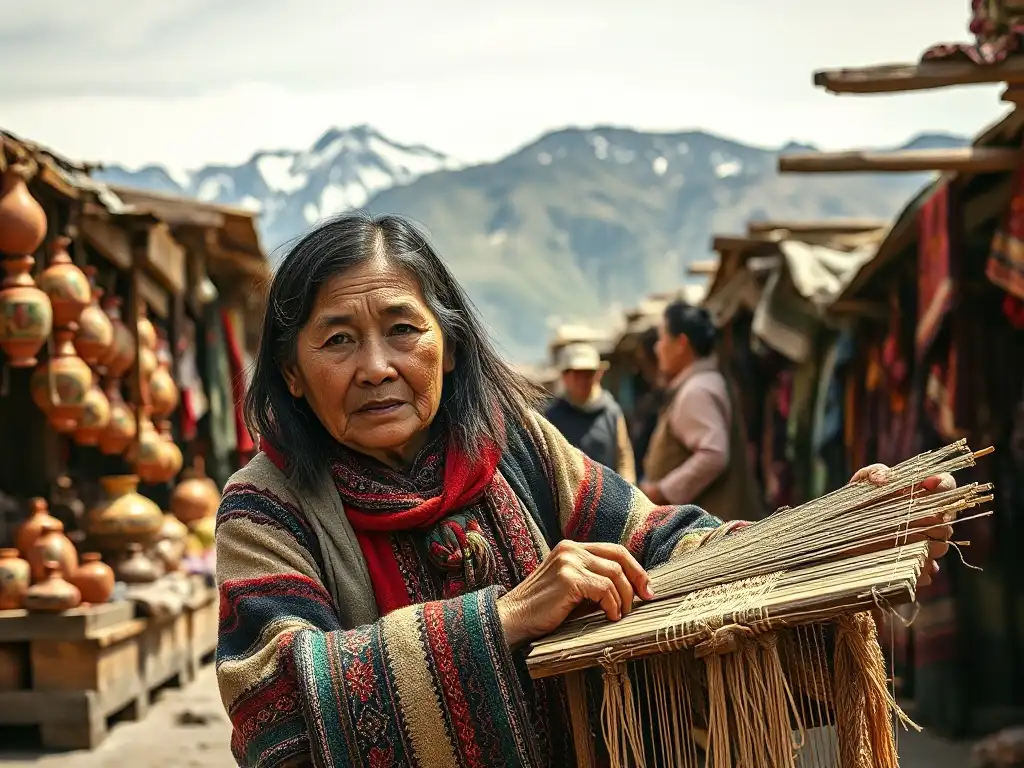
Quechua's impact extends far beyond its historical significance; it remains a vibrant and integral part of modern Andean life. Its continued use demonstrates its resilience and adaptability, showcasing its importance to the cultural identity and daily lives of millions. Understanding Quechua's modern influence is crucial to grasping the full scope of its historical legacy and its continuing relevance in the 21st century. The language isn't just a relic of the past; it's a living testament to the enduring spirit of Andean cultures. This section will explore the language's presence in contemporary Andean communities and its ongoing evolution.
Quechua in Contemporary Andean Communities
Despite the pressures of globalization and the dominance of Spanish, Quechua persists in many Andean communities. It's not merely a spoken language; it's the foundation of social interaction, cultural transmission, and even economic activity. In numerous rural areas, Quechua remains the lingua franca, the primary language used for daily communication, from family conversations to marketplace transactions. This linguistic vitality is evident in the continued use of Quechua in traditional ceremonies, storytelling, and song.
The preservation of these cultural practices is intrinsically linked to the continued use of the Quechua language. For example, in the Sacred Valley of Peru, Quechua is commonly spoken alongside Spanish, and many indigenous communities actively work to maintain its prevalence in schools and local government. This dedication ensures the continuity of their cultural heritage and identity. The strength of these communities is directly tied to the strength of their language.
The Adaptability and Evolution of the Quechua Language
Quechua isn't a monolithic entity; it encompasses a diverse range of dialects, each with its own unique characteristics and variations. This linguistic diversity reflects the geographical and cultural diversity of the Andes. The language has proven remarkably adaptable, absorbing loanwords from Spanish and other languages while retaining its core structure and meaning.
This demonstrates a dynamic linguistic process, showcasing Quechua's resilience in the face of external influences. This constant evolution is not a sign of weakness, but rather a testament to its ability to thrive and adapt within a changing world. The incorporation of new vocabulary reflects the changing needs of the communities that speak it, making it a living, breathing language constantly adjusting to the realities of modern life.
This adaptability is a key factor in its ongoing survival. For instance, new technological terms are constantly being integrated into the language, demonstrating its ability to remain relevant in the digital age.
Quechua's Relevance in the 21st Century
The importance of Quechua in the 21st century extends beyond its cultural significance. Its preservation is crucial for linguistic diversity, contributing to the global tapestry of languages. The loss of Quechua would be a significant loss for the world's linguistic heritage.
Furthermore, understanding Quechua provides invaluable insights into the history, culture, and worldview of the Andean civilizations. Its continued use helps maintain a rich tradition of oral history, traditional knowledge, and unique cultural practices. The Quechua language is not merely a tool for communication; it's a repository of knowledge and a vital component of Andean cultural identity.
Efforts to revitalize and promote Quechua are essential not only for the Andean communities but also for the preservation of global linguistic diversity. The continued study and promotion of Quechua are vital steps in ensuring its survival for future generations. The Quechua language, therefore, holds immense value in the 21st century, enriching both the Andean region and the global community.
The Quechua Language: A Key to Understanding Ancient Andean Wisdom
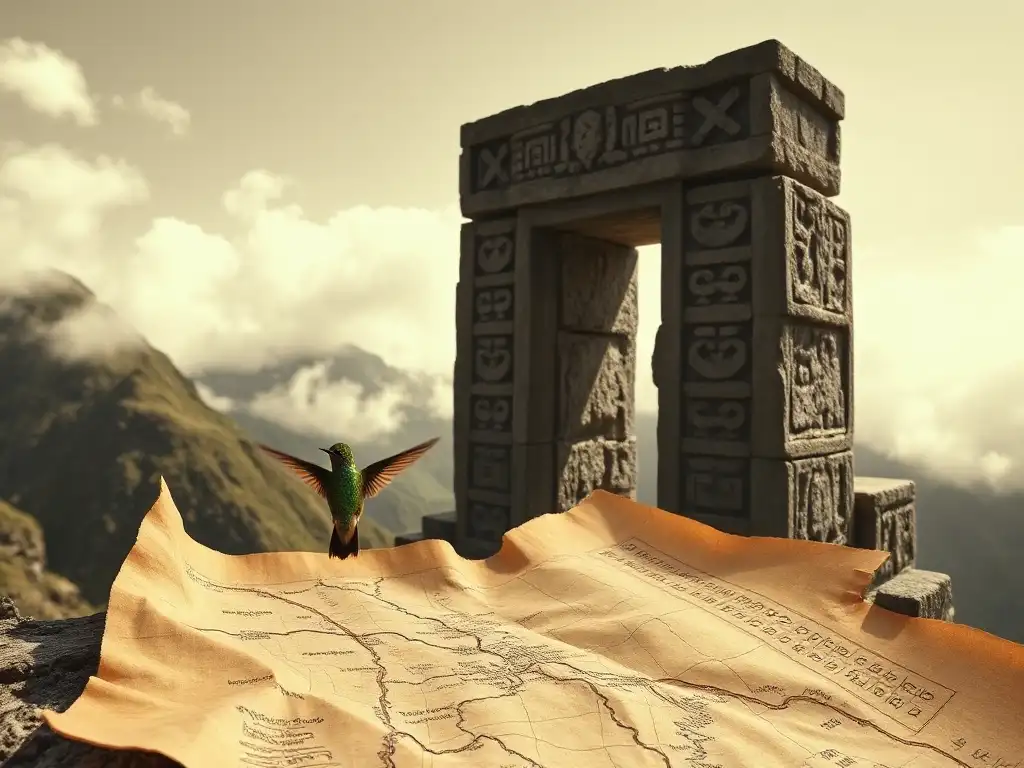
The Quechua language, far from being a relic of the past, remains a vibrant thread connecting us to the rich tapestry of ancient Andean civilizations. Its enduring presence is a testament to its importance, not just as a means of communication, but as a repository of invaluable historical and cultural knowledge. Understanding its significance unlocks a deeper appreciation for the ingenuity and complexity of these societies.
The Quechua language importance to the study of ancient Andean civilizations cannot be overstated; it's a crucial key to understanding their worldview, social structures, and technological advancements. Many aspects of Andean life, previously obscured by the passage of time and the imposition of other languages, are illuminated through the lens of Quechua.
Deciphering Historical Texts and Knowledge Through Quechua
A significant portion of our understanding of pre-Columbian Andean societies comes from painstakingly deciphered texts and oral traditions preserved in Quechua. These sources offer invaluable insights into aspects of life that might otherwise remain unknown. For instance, detailed Quechua chronicles provide information on Inca administrative systems, agricultural practices, and even aspects of their religious beliefs.
The intricate system of quipus, knotted cords used for record-keeping, though not directly written Quechua, was likely interpreted and understood through the language, providing a window into economic and social structures. The survival of these records, often passed down through generations orally before being committed to writing, underscores the vital role of Quechua in maintaining cultural memory. Furthermore, the linguistic analysis of Quechua reveals subtle nuances in vocabulary and grammar that shed light on the evolution of Andean thought and society over centuries.
The detailed study of Quechua dialects reveals regional variations in culture and practice, enriching our understanding of the diversity within the Andean world. Without Quechua, a significant portion of this irreplaceable historical knowledge would be lost forever.
Quechua as a Gateway to Understanding Andean Cosmovision
Beyond historical records, the Quechua language offers a unique window into the Andean cosmovision – their understanding of the universe and their place within it. The language itself is imbued with a deep respect for nature, reflecting a worldview intimately connected to the Andes' mountains, rivers, and celestial bodies. Many Quechua words and expressions directly relate to the intricate relationship between humans and the natural world, highlighting the spiritual significance of the landscape.
For example, the concept of Pachamama, Mother Earth, is deeply embedded in Quechua culture and its language, representing the profound respect for the environment that characterized Andean societies. Analyzing the Quechua vocabulary related to agriculture, astronomy, and mythology reveals a sophisticated system of knowledge deeply intertwined with their spiritual beliefs.
This intimate connection between language and worldview makes Quechua a powerful tool for understanding the Andean perspective on existence. The nuanced understanding of Quechua allows researchers to access a rich tapestry of beliefs and practices that shaped Andean societies, demonstrating the Quechua language importance in understanding their complex spiritual systems.
The Quechua Language and its Intrinsic Value to Humanity
The preservation of Quechua is not merely an academic pursuit; it is a matter of safeguarding a vital part of humanity's cultural heritage. The Quechua language importance extends beyond its historical and anthropological value. Its continued use represents the resilience of indigenous cultures and the importance of linguistic diversity globally.
The loss of Quechua would represent the irreversible loss of a unique way of seeing the world, a unique system of knowledge, and a unique cultural expression. The ongoing efforts to revitalize and promote Quechua are crucial not only for the Andean communities who speak it but also for the global community that benefits from the richness and diversity of human languages.
The Quechua language, with its rich history and enduring presence, stands as a powerful symbol of cultural preservation and the vital role that indigenous languages play in shaping our understanding of the world. Its survival is a testament to the resilience of Andean cultures and a reminder of the immeasurable value of linguistic diversity for all of humanity.
Conclusion: A Call to Action for Quechua Preservation
The Quechua language, a vibrant testament to the enduring legacy of the ancient Andean civilizations, faces significant challenges in the modern world. Its continued decline represents not only a loss of linguistic diversity but also a potential erasure of invaluable cultural knowledge, historical perspectives, and unique ways of understanding the world. The importance of Quechua extends far beyond mere linguistic preservation; it's a matter of safeguarding a rich tapestry of traditions, beliefs, and social structures integral to the Andean identity.
Understanding the Quechua language's importance in the context of the ancient Andean civilizations provides a compelling argument for its revitalization and protection. The survival of Quechua is not simply a matter of academic interest; it's a crucial element in the ongoing struggle for cultural survival and the celebration of Andean heritage. We must actively participate in its preservation to ensure its continued flourishing for generations to come.
The Future of the Quechua Language
The future of the Quechua language hinges on concerted efforts from various stakeholders. Governmental initiatives promoting bilingual education, incorporating Quechua into official contexts, and supporting community-based language programs are crucial. Furthermore, the active involvement of Quechua-speaking communities is paramount. Their ownership and leadership in language revitalization efforts are essential for ensuring authenticity and long-term sustainability.
Technological advancements also play a significant role. Developing Quechua language resources, such as dictionaries, online courses, and digital storytelling platforms, can broaden access to the language and make it more appealing to younger generations. Research into the language's evolution and its unique linguistic features can further enhance its understanding and appreciation.
The development of Quechua-language media, literature, and music is crucial for fostering a sense of pride and cultural identity among Quechua speakers. Without proactive measures, the linguistic diversity present in the ancient Andean civilizations risks being significantly diminished, impacting the cultural landscape irreversibly. The future is not predetermined; it is shaped by the actions we take today.
How You Can Support the Preservation of Quechua
You can contribute to the preservation of the Quechua language in several ways. Even small actions can have a significant cumulative impact:
- Learn some basic Quechua phrases: Even a few words demonstrate respect for the language and its speakers.
- Support Quechua language education initiatives: Donate to or volunteer with organizations dedicated to promoting Quechua language learning.
- Engage with Quechua culture: Attend cultural events, listen to Quechua music, and read Quechua literature. This helps create demand and appreciation for the language.
- Advocate for Quechua language rights: Support policies that promote bilingualism and the inclusion of Quechua in official settings.
- Share your knowledge: Spread awareness about the importance of Quechua and the challenges it faces. Educate others about the richness of the Andean linguistic heritage.
- Use Quechua resources: Utilize available online resources to learn the language and support the creators of these materials.
By actively engaging with the Quechua language and culture, you become a vital part of its preservation and contribute to the ongoing celebration of the rich linguistic heritage of the ancient Andean civilizations. The preservation of Quechua is not just the responsibility of scholars and activists; it's a collective endeavor that requires the participation of everyone who values linguistic diversity and cultural heritage. Let's work together to ensure that the vibrant voice of Quechua continues to resonate for generations to come. 🇿🇦 🇵🇪 🌎
Frequently Asked Questions
What is the Quechua language and its connection to the ancient Andean civilizations?
Quechua is a family of related languages spoken by millions across the Andes. It was the lingua franca of the Inca Empire and remains a vital part of Andean cultural identity, connecting modern communities to their rich history.
Why is the Quechua language considered important to understanding ancient Andean civilizations?
Quechua provides invaluable insights into Inca history, social structures, and beliefs. Studying Quechua helps us understand their worldview and the complex workings of their vast empire. Many ancient texts and oral traditions were preserved in this language.
How many Quechua dialects exist, and what are the implications for research?
There are many different Quechua dialects, reflecting the diverse geography and cultures of the Andes. This linguistic diversity makes research challenging but also reveals fascinating insights into the regional variations within the Inca world.
What is the current status of the Quechua language, and what efforts are being made to preserve it?
While facing challenges from Spanish and other languages, Quechua remains a vibrant language. Revitalization efforts are underway through education initiatives, media production, and community-based language programs, aiming to ensure its survival.
How does learning Quechua enhance understanding of Andean art, culture, and technology?
Learning Quechua opens a direct window into the cultural heart of the Andean world. It allows for a deeper understanding of Andean art, traditions, and technology by accessing original sources and interpretations free of external biases, enriching our comprehension of their complex achievements.
Final Reflection: The Enduring Legacy of Quechua
The vibrant tapestry of human experience is woven from countless threads of language, and the near-extinction of any one of them represents an irreparable loss to our collective heritage. The continued struggle to preserve Quechua, a language deeply rooted in the ancient Andean civilizations, serves as a stark reminder of the urgent need to protect linguistic diversity globally. Its survival is not merely an academic pursuit; it is a fight for cultural preservation and a testament to the resilience of human spirit.
The impact of Quechua's near-extinction would be devastating, not only for the communities who speak it but for the world at large. Its rich vocabulary, nuanced grammar, and intricate storytelling traditions hold invaluable insights into the history, worldview, and cultural practices of the Andean people. Losing Quechua would mean losing a vital piece of the puzzle that helps us understand the past and build a more inclusive future. A language is not just a means of communication; it is a carrier of culture, a repository of knowledge, and a bridge to understanding.
This quote perfectly encapsulates the profound significance of protecting languages like Quechua.
Consider, for a moment, the stories whispered on the wind across the Andes, the songs sung for generations, the wisdom passed down through oral traditions – all encoded within the Quechua language. You have the power to contribute to its survival. Learn a few phrases, support organizations dedicated to language preservation, and share the beauty and importance of Quechua with others. Let us work together to ensure that the voices of the Andes continue to resonate for generations to come, enriching our world with their unique perspectives and timeless wisdom.
**Celebrate and Advocate for Quechua Today! **
Thank you for exploring the rich linguistic diversity of our world and discovering the unique importance of Quechua. This language embodies the cultural heritage and resilience of Andean civilizations. Now, let's work together to preserve it!
Here are some ways you can help:
- **Learn Quechua:** Immerse yourself in its beauty and contribute to the vibrant culture's survival. Many classes are available online and in communities.
- **Share this information:** Spread awareness of Quechua and its significance with friends and family. Let them know how they can help too.
- **Support Andean communities:** Participate in events or initiatives that promote Quechua language learning and revitalization. Your involvement makes a real difference.
Learning and advocating for Quechua will significantly contribute to preserving Andean culture for future generations. **Your actions can help ensure this rich heritage continues to thrive. **