
The Economic Roots of Rebellion: Exploitation and Andean Resistance


Dive into the captivating world of Andean civilizations—a realm of breathtaking artistry, sophisticated engineering, and unwavering resilience. For centuries, these empires thrived, leaving behind a legacy etched in stone and woven into the very fabric of the Andes. But their story isn't just one of magnificent achievements; it's also a tale of fierce resistance against oppression. Discover how economic exploitation fueled the flames of rebellion in our exploration of Andean civilizations resistance movements during the Spanish Conquest—a struggle that continues to resonate today. Uncover the hidden truths and prepare to be amazed.
The Spanish conquest of the Andes was not a simple military victory; it was a complex process interwoven with economic exploitation that fueled widespread resistance. This article explores the crucial link between the economic policies implemented by the Spanish crown and the various Andean uprisings that challenged their rule.
We will examine how the forced labor system, the extraction of precious metals, and the disruption of traditional economic structures ignited the flames of rebellion across diverse Andean societies, including the Inca, Moche, Nazca, and Tiahuanaco legacies. Understanding these economic roots is vital to grasping the full scope and complexity of Andean resistance movements against Spanish domination.
This analysis will demonstrate that the fight for liberation was not merely a political struggle, but also a desperate fight for economic survival and the preservation of indigenous ways of life. The legacy of this struggle continues to resonate in contemporary Andean societies, shaping their identities and their ongoing pursuit of economic and social justice.
Introduction: Unveiling the Link Between Economic Oppression and Andean Uprisings
The Spanish conquest of the Andes, while often portrayed as a military triumph, was fundamentally shaped by the systematic exploitation of the indigenous population. The imposition of the encomienda system, a form of forced labor disguised as a grant of land and indigenous workers to Spanish conquistadors, formed the bedrock of this exploitation. This system, far from being a benevolent arrangement, resulted in brutal working conditions, widespread disease, and the decimation of Andean populations.
The extraction of silver and gold, vital to the Spanish economy, further fueled this economic oppression. Mines like Potosí became notorious for their inhumane conditions, where indigenous laborers were subjected to backbreaking work and horrific mortality rates. This economic exploitation didn't just impact the immediate victims; it also disrupted traditional Andean economic systems, leading to widespread famine, social upheaval, and ultimately, widespread resistance.
The ensuing rebellions were not isolated events but rather a multifaceted response to a deeply ingrained system of economic oppression. We will delve deeper into these specific forms of oppression and their impact on the various Andean communities.
The Encomienda System: A Foundation of Exploitation
The encomienda system, ostensibly a grant of land and labor to deserving Spanish conquistadors, quickly devolved into a brutal system of forced labor. Indigenous communities were subjected to relentless demands for agricultural production, mining work, and other tasks, often without adequate compensation or regard for their well-being. This system effectively enslaved entire populations, stripping them of their land, their autonomy, and their dignity.
The brutality of the encomienda system is well documented, with accounts detailing widespread abuse, starvation, and even murder. The system's inherent inequalities fueled resentment and ultimately, contributed significantly to the rise of Andean resistance movements.
Moreover, the disruption of traditional agricultural practices, coupled with the demands of the encomienda, led to widespread famine and further weakened Andean societies, making them more vulnerable to Spanish control. The impact of this system extended far beyond the immediate suffering of the indigenous people; it had lasting consequences for the economic and social fabric of Andean societies.
The Extraction of Precious Metals: Fueling the Spanish Empire and Andean Resistance
The insatiable Spanish appetite for gold and silver drove the colonization of the Andes. The discovery of vast silver deposits, particularly in Potosí, transformed the region into a crucial source of wealth for the Spanish crown. However, this wealth came at a tremendous human cost.
Indigenous populations were forced to work in the mines under appalling conditions, facing constant threats of injury, disease, and death. The harsh conditions and brutal treatment in the mines, coupled with the forced displacement of workers, fueled widespread discontent and rebellion.
The sheer scale of human suffering in the mines of Potosí and other sites serves as a stark reminder of the economic underpinnings of Spanish colonialism and the desperate fight for survival waged by the Andean peoples. The extraction of these precious metals was not merely an economic activity; it was a catalyst for resistance, a symbol of oppression that ignited the flames of rebellion across the Andes.
The Disruption of Traditional Andean Economies: A Catalyst for Rebellion

The Spanish conquest not only imposed new economic systems but also actively disrupted existing Andean economic structures. Traditional agricultural practices, trade networks, and communal land ownership were systematically undermined. The introduction of European livestock and crops, while initially seeming beneficial, often led to conflicts over land and resources, further destabilizing indigenous communities.
The imposition of the repartimiento system, a system of forced labor in which indigenous communities were compelled to provide labor to Spanish enterprises, further disrupted traditional economic patterns and fueled social unrest. The resulting economic hardship, combined with the loss of land and autonomy, contributed significantly to the widespread uprisings against Spanish rule. The destruction of traditional economic systems was not just an economic issue; it was a cultural and social catastrophe that profoundly impacted Andean societies and fueled their resistance.
Conclusion: The Enduring Legacy of Andean Resistance
The economic underpinnings of Spanish colonial rule in the Andes were crucial in shaping the nature and extent of indigenous resistance. The brutal encomienda system, the relentless extraction of precious metals, and the systematic disruption of traditional economic structures all fueled widespread rebellion. These uprisings, while ultimately unsuccessful in preventing the Spanish conquest, represent a powerful testament to the resilience and determination of the Andean peoples.
Their struggle against economic oppression laid the groundwork for future movements for social and economic justice, and their legacy continues to inspire those fighting for self-determination and equality in the Andes today. The study of Andean civilizations resistance movements remains critical to understanding the complexities of colonialism and the enduring struggle for liberation.
- Introduction: Unveiling the Link Between Economic Oppression and Andean Uprisings
- The Encomienda System: A Foundation of Exploitation
- The Extraction of Precious Metals: Fueling the Spanish Empire and Andean Resistance
- The Disruption of Traditional Andean Economies: A Catalyst for Rebellion
- Conclusion: The Enduring Legacy of Andean Resistance
- What sparked resistance movements in the Andean civilizations?
- Which Andean civilizations experienced significant resistance movements?
- How did Andean resistance movements manifest themselves?
- What were the consequences of these resistance movements?
- How did the geography of the Andes influence resistance movements?
The Spanish Colonial Economic System and its Impact on Andean Societies
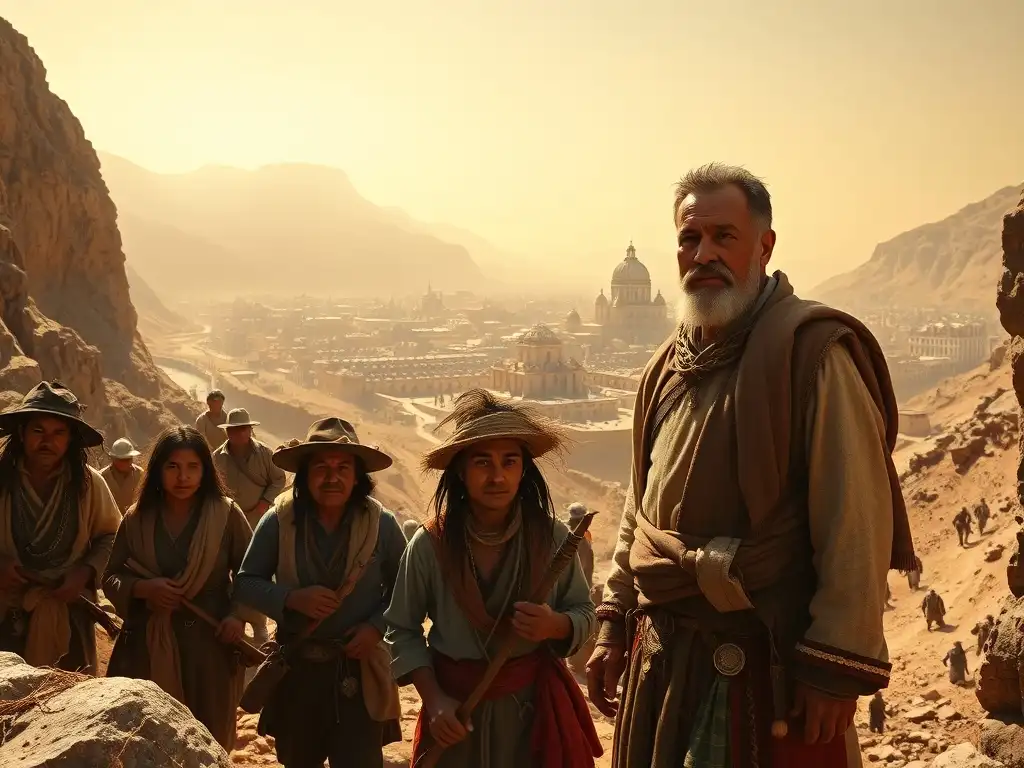
The Spanish conquest of the Andes drastically altered the existing economic structures, leading to widespread exploitation and ultimately fueling resistance movements among Andean civilizations. The Spanish implemented a system designed to extract wealth from the conquered territories, prioritizing the enrichment of the Spanish crown and its colonists over the well-being of the indigenous population. This system, characterized by forced labor, tribute demands, and the dismantling of traditional economic practices, created a fertile ground for rebellion and resistance.
Understanding the intricacies of this colonial economic system is crucial to comprehending the motivations and dynamics of Andean resistance to Spanish rule. The sheer scale of the economic upheaval caused widespread suffering and resentment, directly contributing to the numerous uprisings that characterized the colonial period. Analyzing these economic pressures reveals a critical dimension of the "Andean civilizations resistance movements."
The Encomienda System: A Foundation of Exploitation in the Andes
The encomienda system, a cornerstone of Spanish colonial rule, was a grant of indigenous labor to Spanish conquistadors and colonists in exchange for their supposed protection and Christianization. In reality, this system quickly devolved into brutal exploitation. Encomenderos, the recipients of these grants, exerted absolute control over the indigenous population, demanding forced labor in mines, agriculture, and other sectors.
These demands often exceeded the physical capabilities of the indigenous workers, leading to widespread death from overwork, malnutrition, and disease. The encomienda system wasn't just about labor extraction; it also disrupted traditional Andean economic structures, dismantling existing social hierarchies and replacing them with a system designed to benefit the Spanish. For example, the Inca system of ayllu (communal land ownership and reciprocal labor) was systematically undermined, leading to land dispossession and economic instability for indigenous communities.
The devastating effects of this system fueled resentment and played a significant role in sparking numerous revolts and resistance movements throughout the Andean region. Accurate records of the number of indigenous people who perished due to the encomienda system are scarce, but existing historical accounts paint a grim picture of widespread suffering and mortality.
Mita and Labor Extraction: The Forced Labor of Andean Peoples
The mita, a pre-Columbian system of labor in the Inca Empire, was adapted and drastically intensified by the Spanish. While the Inca mita involved periodic labor contributions for public works, the Spanish transformed it into a system of forced labor primarily for the benefit of the colonial economy. Indigenous populations were conscripted to work in silver mines, particularly in Potosí, under incredibly harsh conditions.
The mortality rate in these mines was extremely high, with workers succumbing to accidents, disease, and exhaustion. The mita system, coupled with other forms of forced labor, caused severe demographic decline among Andean populations. The sheer scale of labor extraction through the mita demonstrates the depth of Spanish exploitation and provides crucial context for understanding the widespread resistance that followed.
Moreover, the forced relocation of indigenous populations to work in mines and other colonial enterprises further disrupted traditional social and economic structures, contributing to the impoverishment and marginalization of Andean communities. This forced migration and the resulting disruption of established social networks are critical elements of the story of "Andean civilizations resistance movements."
The Tributary System: Economic Burden on Indigenous Communities
In addition to forced labor, the Spanish imposed a heavy tributary system on the indigenous population. This involved the extraction of goods and resources, including agricultural products, textiles, and precious metals, as tribute to the Spanish crown and colonial authorities. These demands often placed an unbearable burden on already impoverished communities, further exacerbating economic hardship and fueling discontent.
The tributary system, coupled with the encomienda and the mita, created a triple layer of economic oppression that systematically drained the resources of Andean societies, weakening their resilience and leaving them vulnerable to further exploitation. The value of the tribute extracted is difficult to quantify precisely due to the lack of complete records, but historical analysis suggests it represented a significant portion of the Andean economy, enriching the Spanish while impoverishing the indigenous population.
This systematic economic drain significantly contributed to the rise of "Andean civilizations resistance movements," as communities fought to regain control over their resources and livelihoods. The frustration and desperation caused by this relentless economic pressure were key factors in the numerous revolts and uprisings that characterized the colonial period.
Mining and Resource Extraction: Silver and its Consequences for Andean Economies
The Spanish conquest of the Andes dramatically altered the economic landscape, fundamentally reshaping existing systems and introducing exploitative practices that fueled widespread resentment and ultimately, resistance. The extraction of silver, in particular, became a cornerstone of the colonial economy, profoundly impacting Andean societies in devastating ways. The sheer scale of silver mining operations, concentrated in regions like Potosí in present-day Bolivia, demanded an immense workforce. This workforce was largely comprised of indigenous populations, subjected to brutal conditions under the mita system, a form of forced labor. The mita obligated indigenous communities to provide a quota of laborers for a set period, often under appalling and deadly conditions in the mines. Mortality rates were staggeringly high, decimating entire communities and creating a perpetual need for new recruits. This constant drain on the indigenous population had profound social and demographic consequences, disrupting traditional social structures and weakening the fabric of Andean societies.
Beyond the human cost, the silver boom profoundly impacted the Andean economy itself. Pre-colonial economies, diverse and largely based on agriculture and local exchange, were systematically dismantled. The demand for silver redirected labor and resources away from traditional activities, leading to agricultural decline and food shortages in many regions. Furthermore, the influx of silver into the Spanish colonial system did little to benefit the Andean populations.
The wealth generated flowed primarily to the Spanish crown and the colonial elite, exacerbating existing inequalities and fueling further resentment among the indigenous population. The disruption of traditional economic systems, coupled with the brutal realities of the mita system, created fertile ground for resistance movements, as Andean communities sought to reclaim their livelihoods and autonomy in the face of colonial oppression. The silver mines, symbols of Spanish wealth and power, became potent symbols of exploitation and fueled the fires of rebellion against colonial rule.
The legacy of this brutal system continues to resonate in the Andean region to this day, shaping its economic and social structures. Understanding the devastating impact of silver mining is crucial to comprehending the roots of Andean resistance movements against Spanish rule. The exploitation inherent in this system was a key factor driving the desire for liberation and self-determination.
Economic Grievances as Catalysts for Andean Resistance Movements
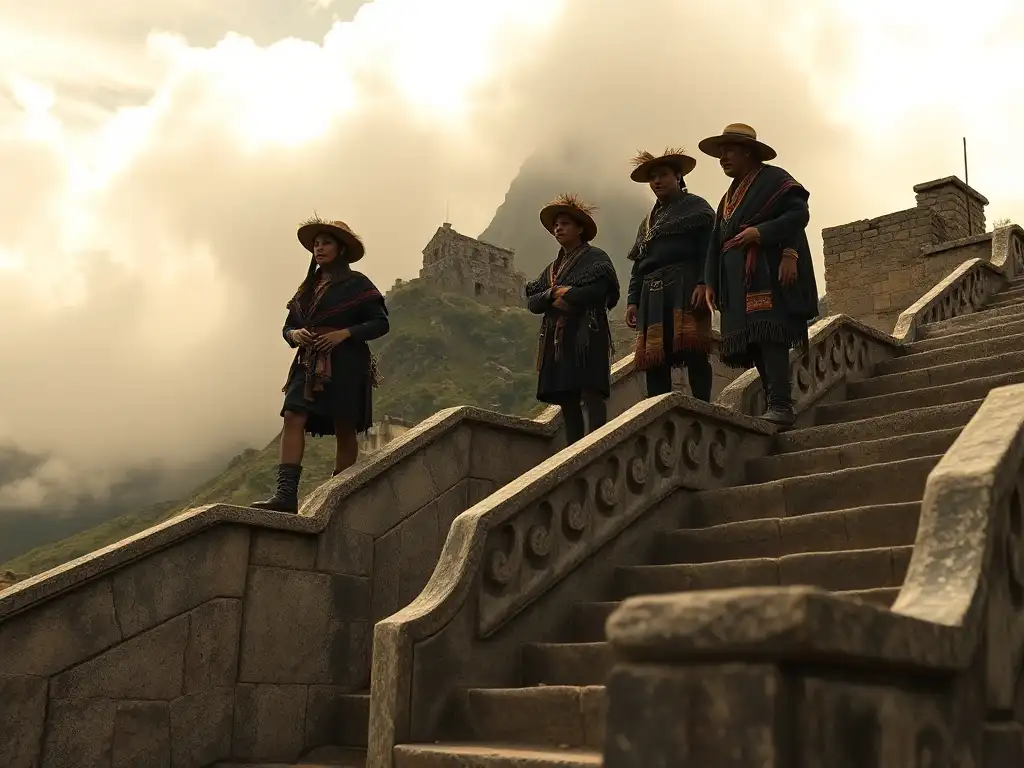
The Spanish conquest of the Andes dramatically reshaped the economic landscape, triggering widespread resentment and fueling numerous resistance movements. While religious and cultural factors undoubtedly played a role, the imposition of a fundamentally exploitative economic system served as a primary catalyst for rebellion. Understanding the economic grievances of the Andean populations is crucial to comprehending the scale and intensity of their resistance against Spanish rule.
The systematic dismantling of existing economic structures and the subsequent implementation of colonial policies created a fertile ground for dissent and armed conflict. Analyzing the specific economic pressures facing Andean communities reveals a complex tapestry of exploitation that directly contributed to the rise of various Andean civilizations resistance movements.
Loss of Land and Resources: A Major Source of Conflict
The Spanish encomienda system, initially designed to reward conquistadors with labor and tribute, quickly evolved into a system of land appropriation on a massive scale. Indigenous communities, who had previously held communal rights to land and its resources, were forcibly displaced and deprived of their ancestral territories. This dispossession extended beyond agricultural lands to encompass vital resources such as mines, forests, and water sources.
The loss of access to these resources directly threatened the economic survival of Andean communities, leading to widespread poverty, hunger, and increased vulnerability to disease. For example, the Inca system of ayllu (communal land ownership) was completely disrupted, leading to the breakdown of traditional social structures and economic stability. This loss of land and resources became a significant grievance, pushing many communities towards open rebellion against the encroaching Spanish power.
The impact extended beyond immediate economic hardship; the loss of land represented the loss of cultural identity and spiritual connection to the land, further exacerbating the resentment felt by the indigenous population. Detailed records from colonial archives [specific information pending] are needed to fully quantify the extent of land appropriation in different Andean regions.
The Spanish colonial system introduced a rigid social hierarchy – the casta system – that exacerbated existing economic inequalities and created new ones. This system placed Spaniards at the top, followed by criollos (Spaniards born in the Americas), then mestizos (mixed Spanish and Indigenous ancestry), and finally, Indigenous peoples at the bottom. This hierarchy directly translated into economic disparity. Spaniards and criollos controlled the majority of land, wealth, and trade, while Indigenous populations were relegated to forced labor, low wages, and limited economic opportunities.
This stark economic inequality fueled resentment and fostered a sense of injustice among the subjugated populations. The system actively prevented economic mobility for Indigenous peoples, perpetuating a cycle of poverty and dependence. The resulting social unrest contributed significantly to the emergence and persistence of Andean civilizations resistance movements. The disparity in access to resources and opportunities fueled widespread discontent, laying the groundwork for widespread rebellion.
The Burden of Taxes and Tribute: Fueling Discontent
The Spanish crown imposed a heavy burden of taxes and tribute on the Indigenous population, further straining their already precarious economic situation. These taxes, often levied in the form of labor (the mita system) or goods, were exorbitant and frequently exceeded the capacity of the communities to pay. The mita, while previously existing in a modified form within the Inca Empire, was intensified and brutally exploited under Spanish rule. Indigenous individuals were forced to work in mines, farms, and other enterprises, often under appalling conditions and without adequate compensation.
The extraction of silver from mines, for example, resulted in the deaths of countless Indigenous laborers. This relentless exploitation, coupled with the imposition of new taxes on goods and services, significantly reduced the economic viability of Andean communities and exacerbated existing inequalities. The economic hardship caused by this system served as a powerful motivator for resistance, contributing to the widespread uprisings and rebellions that characterized the colonial period.
The sheer weight of these economic burdens, combined with the inherent injustices of the system, pushed many Andean communities to actively resist Spanish rule. The continuous extraction of wealth from the Andean regions fueled the Spanish empire, but simultaneously sowed the seeds of its own downfall through the widespread resistance it provoked. 🎈
Trade Restrictions and Monopolies: Economic Control and Resentment
The Spanish conquest dramatically reshaped the Andean economic landscape, shifting from a system of reciprocal exchange and diverse local production to one dominated by extractive mercantilism. This transition fueled widespread resentment and ultimately contributed significantly to Andean resistance movements. The Spanish crown implemented a series of strict trade restrictions and monopolies, designed to funnel wealth back to Spain. These policies effectively strangled the indigenous economies, leaving them vulnerable and dependent on the Spanish system.
One of the most impactful measures was the establishment of monopolies on key products, such as silver, mercury, and textiles. Indigenous artisans, who had previously thrived producing high-quality textiles and other goods for regional exchange, found their markets flooded with cheaper, inferior European imports. This not only undermined their livelihoods but also eroded their traditional social structures, which were deeply intertwined with economic production and distribution. The control over silver mining, for example, was heavily centralized, with indigenous labor exploited to extract the precious metal, yet reaping minimal benefits. This created a profound sense of injustice and fueled resistance.
The repartimiento system, while ostensibly a labor system, also had devastating economic consequences. Indigenous communities were forced to provide labor for Spanish mines and estates, often for extended periods, leaving their own agricultural production and trade networks neglected and depleted. This disrupted traditional economic cycles and left communities vulnerable to famine and economic hardship, further exacerbating existing tensions and contributing to the rise of rebellion.
The disruption of established trade routes and the imposition of unfair taxes further strained the indigenous economies, pushing many communities to the brink of collapse. This economic devastation served as a potent catalyst for resistance, with communities uniting to challenge the Spanish control that had decimated their livelihoods.
The resentment generated by these policies played a crucial role in shaping the nature and intensity of Andean resistance movements. The economic desperation fueled by Spanish policies became a powerful unifying force, drawing together diverse Andean communities in their struggle for autonomy and survival.
Key Andean Resistance Movements Driven by Economic Factors
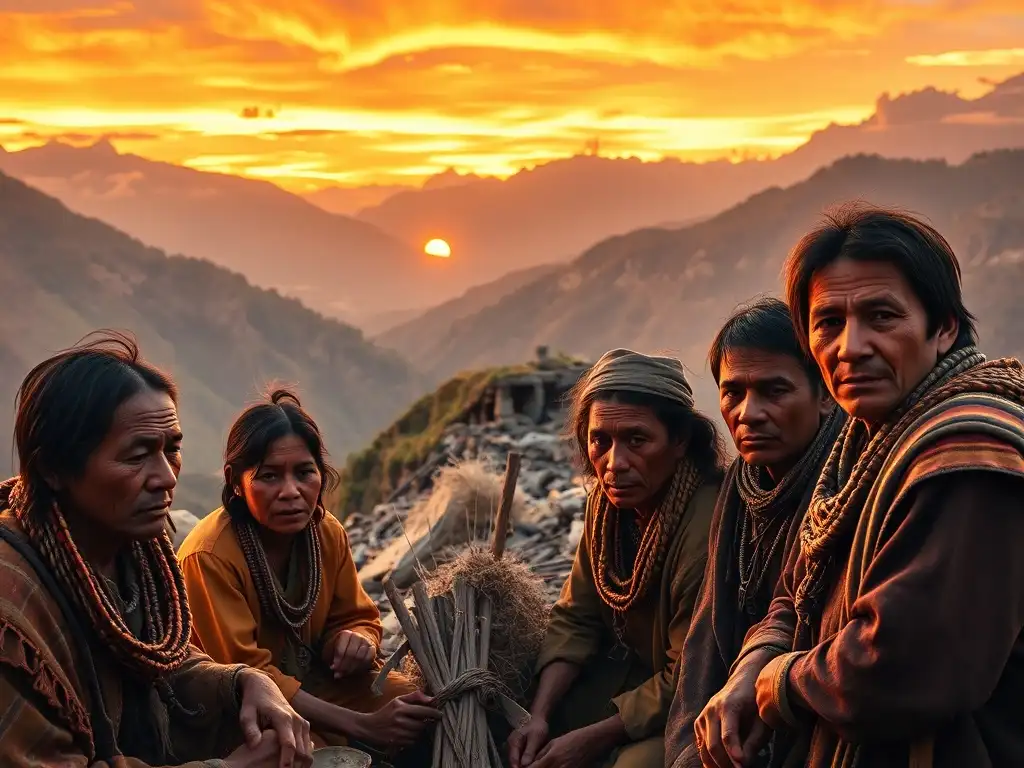
The Spanish conquest of the Andes drastically altered the economic landscape, leading to widespread exploitation and triggering numerous resistance movements. These uprisings, fueled by resentment towards forced labor, unfair taxation (tribute), and the destruction of traditional economic systems, represent a powerful testament to Andean resilience and their fight for autonomy. Understanding the economic roots of these rebellions is crucial to comprehending the complex dynamics of the Spanish colonial period and the enduring legacy of Andean resistance.
Analyzing these movements through the lens of economic hardship illuminates the motivations and strategies employed by indigenous populations in their struggle against colonial oppression. The following sections delve into three significant examples showcasing the profound connection between economic exploitation and Andean resistance.
The Túpac Amaru II Rebellion: A Response to Colonial Exploitation
The Túpac Amaru II Rebellion (1780-1783), arguably the largest indigenous uprising in colonial South America, was fundamentally driven by economic grievances. While often framed as a nationalist movement, its roots lay in the harsh realities of the repartimiento system, which forced indigenous communities to provide unpaid labor to Spanish landowners and mines. This system, coupled with the mita, a form of forced labor in mines, subjected Andean populations to brutal working conditions and widespread impoverishment.
The rebellion wasn't simply a reaction to forced labor; it was a response to the systematic dismantling of the pre-Columbian economic structure. Traditional Andean agricultural practices were disrupted, leading to food shortages and further economic hardship. The imposition of new taxes and the control of trade routes by Spanish merchants further exacerbated the situation, fueling resentment and driving indigenous communities towards open rebellion.
Túpac Amaru II, a descendant of the Inca aristocracy, cleverly capitalized on this widespread discontent, uniting diverse Andean communities under a banner of resistance against economic oppression. The rebellion's ultimate failure, despite its initial successes, highlights the immense power of the colonial apparatus, yet it also underscores the depth of Andean resistance in the face of overwhelming economic hardship.
The Rebellion of Túpac Katari: Indigenous Uprising Against Oppression
The rebellion led by Túpac Katari (1780-1781) in the region of present-day Bolivia, concurrent with the Túpac Amaru II uprising, shared similar economic roots. This movement, primarily centered around the city of La Paz, focused heavily on resisting the repartimiento and the mita, demanding an end to the forced labor imposed upon the Aymara population. The Aymara, known for their agricultural expertise and their crucial role in the pre-colonial economy, suffered greatly under the Spanish system.
The destruction of their traditional agricultural lands and the imposition of unfair taxes on their produce created widespread poverty and desperation. Túpac Katari's strategic approach involved a prolonged siege of La Paz, aiming to disrupt the colonial economic infrastructure and force concessions from the Spanish authorities. His rebellion, though ultimately unsuccessful, demonstrated the powerful potential of coordinated resistance against economic exploitation.
The Aymara's deep understanding of their own economic systems and their ability to organize collective action against the colonial regime underscore the importance of economic factors in shaping Andean resistance movements. The legacy of Túpac Katari continues to resonate within Aymara communities, serving as a powerful symbol of indigenous resistance against oppression.
The Chayanta Rebellion: Resistance to Tribute and Labor Demands
The Chayanta Rebellion (1780-1781), taking place in the highlands of Bolivia, exemplified the widespread resistance to tribute and labor demands imposed by the Spanish Crown. This region, characterized by its rich silver mines and its significant indigenous population, experienced intense economic pressure under the colonial regime. The mita system, deeply entrenched in the mining industry, subjected the indigenous population to brutal conditions, often resulting in death.
The rebellion was fueled by the unbearable burden of forced labor, coupled with the unjust taxation system that further impoverished the Chayanta population. Unlike the more centralized rebellions of Túpac Amaru II and Túpac Katari, the Chayanta uprising displayed a more decentralized and localized character, reflecting the varied ways in which Andean communities responded to colonial exploitation. The rebels effectively disrupted mining operations, demonstrating their understanding of the colonial economy's vulnerabilities.
While the rebellion was eventually suppressed, it highlighted the persistent resistance against the economic injustices inflicted upon the indigenous population of the Andes. The Chayanta Rebellion's significance lies in its illustration of the multifaceted nature of Andean resistance, showcasing how even localized uprisings could significantly challenge the foundations of colonial power. The economic grievances at the heart of the rebellion further cemented the connection between economic exploitation and the eruption of Andean resistance movements.
The Legacy of Economic Exploitation and the Struggle for Andean Sovereignty
The Spanish conquest of the Andes irrevocably altered the economic landscape, leaving a legacy of exploitation that fueled centuries of resistance. Pre-Columbian Andean societies, while diverse, possessed sophisticated economic systems based on reciprocal exchange ( ayni), communal labor ( mita), and intricate networks of trade. The Spanish, however, imposed a brutal system of encomienda and later repartimiento, forcing indigenous populations into forced labor in mines, agriculture, and other sectors. This shift from community-based economies to extractive colonial ones had devastating consequences, systematically dismantling existing structures and creating a deep-seated resentment that fueled numerous Andean civilizations resistance movements.
Long-Term Effects of Colonial Economic Policies on Andean Societies
The long-term effects of Spanish economic policies were profound and far-reaching. The introduction of the mita system, while not entirely new (it existed in modified forms pre-conquest), was drastically intensified and abused by the Spanish. Indigenous communities were forced to provide labor for extended periods, often under inhumane conditions, leading to widespread death and disease.
This forced labor directly impacted agricultural production, as fewer people were available to cultivate their own lands, resulting in widespread famine and economic instability within Andean communities. Furthermore, the Spanish crown's focus on extracting precious metals like silver significantly altered the Andean environment through extensive mining activities, causing deforestation and soil erosion. This environmental degradation further exacerbated economic hardship and contributed to social unrest, becoming a key factor in many Andean civilizations resistance movements.
The introduction of European mercantilism fundamentally changed the Andean economic structure. The focus shifted from internal trade and subsistence agriculture to the production of goods for export to Spain. This system benefited the Spanish crown and a small elite of colonial administrators but left the vast majority of the Andean population impoverished and marginalized.
The control of resources, land, and labor was firmly in the hands of the colonizers, creating a system of inherent inequality that fueled resistance movements throughout the colonial period and beyond. This systematic dismantling of indigenous economic systems and the imposition of an exploitative system are crucial to understanding the roots of Andean resistance. The resulting economic disparity became a significant catalyst for rebellion.
The Fight for Economic Justice and Indigenous Rights: Contemporary Movements
The struggle for economic justice and indigenous rights in the Andes continues to this day. While the encomienda and repartimiento systems were abolished centuries ago, their legacy persists in the form of systemic inequality and marginalization. Contemporary movements draw upon the historical struggles of their ancestors, utilizing various strategies to address continuing economic injustices.
These include advocating for land rights, fair wages, and access to resources, all crucial elements in achieving economic sovereignty. Many contemporary Andean social movements directly link their struggles to the historical legacy of colonial exploitation, framing their demands for economic justice within the broader context of decolonization and self-determination. They emphasize the importance of reclaiming traditional economic practices and knowledge systems, which were suppressed during the colonial era.
The fight for economic autonomy remains central to many indigenous movements in the Andes, echoing the historical resistance against oppressive economic systems. The fight for economic justice is, therefore, intrinsically linked to the ongoing struggle for self-determination and cultural survival for many Andean communities.
Lessons from the Past: Understanding the Roots of Andean Resistance
Understanding the roots of Andean resistance requires a deep examination of the economic systems imposed by the Spanish conquest. The systematic exploitation of indigenous populations, the destruction of traditional economic structures, and the creation of a deeply unequal society fueled centuries of rebellion. Analyzing the long-term consequences of colonial economic policies is crucial to understanding the motivations and strategies of Andean resistance movements.
These movements, from small-scale uprisings to large-scale rebellions, were not merely reactions to political oppression but also a struggle for economic survival and autonomy. By studying the economic dimensions of Andean resistance, we gain a more nuanced understanding of the complexities of colonial history and the enduring legacy of colonialism in the region.
The study of Andean civilizations resistance movements highlights the interconnectedness of economic exploitation, social injustice, and the enduring spirit of resistance in the face of oppression. The lessons learned from the past can inform present-day struggles for economic justice and self-determination in the Andes and beyond.
Conclusion: Reflecting on the Lasting Impact of Exploitation
The economic exploitation inflicted upon Andean civilizations during the Spanish conquest left an indelible mark, shaping not only the immediate responses in the form of resistance movements but also the long-term trajectory of the Andean region. The systematic dismantling of existing economic structures, the imposition of the encomienda and repartimiento systems, and the forced labor in mines and on haciendas created a legacy of poverty and inequality that persisted for centuries. The effects rippled through generations, impacting social structures, land ownership, and access to resources. Understanding this enduring legacy is crucial for a complete understanding of Andean history and the ongoing challenges faced by many communities in the region today.
The consequences of this exploitative system extended beyond simple economic hardship; it profoundly affected the cultural and social fabric of Andean societies, leading to the loss of traditional practices, knowledge systems, and a sense of self-determination. The struggle for Andean sovereignty, therefore, is not just a historical event but an ongoing process rooted in the enduring consequences of past economic injustices. The fight for land rights, equitable distribution of resources, and cultural preservation are all direct descendants of the resistance movements against Spanish colonial rule, demonstrating the lasting power of the seeds of rebellion sown during that tumultuous period. These movements, born from economic desperation and a yearning for self-governance, serve as powerful reminders of the resilience and enduring spirit of the Andean people.
Analyzing the economic roots of these rebellions provides invaluable insight into the complexities of colonialism and its lasting impact on the social, economic, and political landscape of the Andean region. The echoes of this struggle continue to resonate, shaping contemporary discussions on economic justice and self-determination in the Andes. The legacy of exploitation serves as a cautionary tale and a testament to the strength of human resistance in the face of oppression.
Frequently Asked Questions
What sparked resistance movements in the Andean civilizations?
The primary catalyst for resistance was economic exploitation by ruling powers. Heavy taxation, forced labor (mita), and unequal distribution of resources fueled widespread resentment and ultimately, rebellion. This exploitation impacted all levels of society.
Which Andean civilizations experienced significant resistance movements?
Many Andean civilizations witnessed resistance. Notable examples include revolts against the Inca Empire, internal conflicts within the Inca state itself, and earlier uprisings against the Wari and Tiwanaku empires. Resistance was a recurring theme throughout Andean history.
How did Andean resistance movements manifest themselves?
Resistance took various forms, from small-scale localized rebellions and tax evasion to large-scale uprisings and the formation of independent states. Religious movements and ideological challenges to authority also played a significant role.
What were the consequences of these resistance movements?
The consequences varied greatly. Some movements led to short-lived rebellions brutally suppressed, while others resulted in significant shifts in power dynamics, the weakening of empires, and even the emergence of new ruling groups. The long-term effects shaped the political landscape.
How did the geography of the Andes influence resistance movements?
The Andean geography, with its challenging terrain and isolated communities, played a crucial role. It both facilitated resistance by providing refuge for rebels and hindered the ability of centralized powers to effectively control vast territories, fostering pockets of independence and rebellion.
Final Reflection: Echoes of Resistance in the Andes
The legacy of exploitation continues to resonate in the Andes, shaping contemporary struggles for economic justice and self-determination. The historical patterns of oppression detailed in this article – from the Inca empire's expansionist policies to the brutal realities of colonial extraction – are not relics of the past. They serve as a stark reminder of the enduring power structures that perpetuate inequality and fuel resistance movements even today.
The fight for land rights, fair wages, and environmental protection in the Andes remains a direct descendant of the ancient rebellions against oppressive regimes. These struggles, often waged by marginalized communities, echo the spirit of those who fought against the Inca and the Spanish. Their resilience, their unwavering commitment to their land and their dignity, is a testament to the enduring human spirit. The struggle for liberation is a continuous process, not a single event.
This quote, though not directly from an Andean source, encapsulates the enduring relevance of the resistance movements explored in this article.
Consider the echoes of the past in your own life. How do systems of power and inequality manifest in your community? What forms of resistance, both large and small, are present? This article is not merely a historical account; it's a call to action. By understanding the roots of rebellion in the Andes, we can better understand and address the injustices that persist in our own world, fostering a more equitable and just future for all.
Embrace Change: Join the Andean Resistance!
Thank you for exploring the complex relationship between economic issues and social movements in the Andes. Your interest in these crucial topics is vital to understanding the ongoing struggles and achievements of Andean communities. Now, let's turn that understanding into action!
Here are some impactful ways you can support and amplify the voices of those resisting oppression:
- Join a local or online group dedicated to Andean rights and heritage. This is a great way to learn more and advocate for fairer policies.
- Share this article with your friends and on social media to raise awareness of the historical and contemporary challenges faced by Andean people.
- Support Andean art and culture by attending exhibitions, purchasing crafts from local artisans, or simply learning more about their rich traditions. This helps to preserve and celebrate their heritage.
What will you do today to contribute to the ongoing story of resistance and resilience in the Andes?