
Where Ancient Traditions Meet Modern Commerce: Discovering the Best Andean Craft Markets

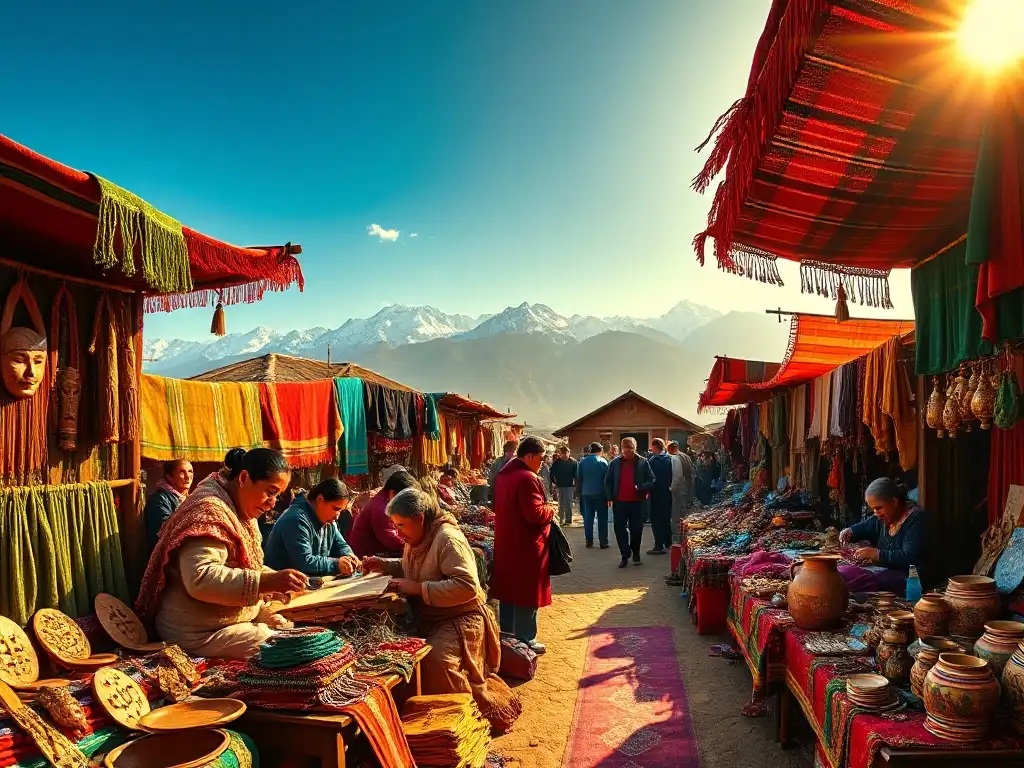
Step into a world lost in time, yet vibrantly alive. Imagine bustling marketplaces echoing with the whispers of ancient Andean civilizations – the Incas, Moche, Nazca, and Tiahuanaco. This is more than just history; it's a living legacy. Discover the secrets behind the exquisite craftsmanship and uncover the best locations to experience the magic firsthand – your journey to the heart of the Andean craft market locations begins now.
The Andes Mountains, a spine of majestic peaks stretching along the western edge of South America, are not only a breathtaking geological marvel but also the cradle of vibrant and enduring cultures. For millennia, Andean peoples have crafted intricate textiles, stunning pottery, and finely wrought metalwork, reflecting a deep connection to their ancestral heritage and the natural world around them.
This rich artistic tradition continues to thrive today, finding expression in bustling craft markets that offer a unique window into the heart of Andean life. This article explores the best locations to find these treasures, guiding you on a journey to discover authentic Andean craftsmanship and experience the vibrant intersection of ancient traditions and modern commerce.
We'll delve into what makes these markets special, highlighting the unique offerings and the cultural immersion they provide, ensuring you find the perfect Andean craft to cherish as a memento of your journey. We'll be focusing on the key locations for finding the best Andean handicrafts, using the term "Andean craft market locations" to help you easily find this information.
Unveiling the Heart of Andean Art: Exploring Authentic Craftsmanship
Andean craft markets aren't just places to buy souvenirs; they are living museums showcasing the incredible skill and artistry of Andean artisans. From the intricately woven textiles of the highlands, often featuring vibrant colours and symbolic designs passed down through generations, to the meticulously crafted ceramics depicting ancient deities and mythical creatures, each piece tells a story. The craftsmanship is often breathtaking, reflecting techniques honed over centuries.
You'll find everything from delicate silver jewelry adorned with precious stones to intricately carved wooden masks and stunning examples of pre-Columbian-inspired pottery. Many artisans work directly in the markets, offering a chance to witness their skills firsthand and even commission custom-made pieces. This direct interaction provides a deeper understanding of the cultural significance of the crafts and allows for a more meaningful and personalized shopping experience.
The diversity of styles and materials across different regions is astounding, reflecting the unique cultural identities of the various Andean communities. For example, the textiles of the Lake Titicaca region differ significantly from those found in the Cusco area, each showcasing distinct weaving techniques and patterns.
Why Visit an Andean Craft Market? A Journey Beyond Souvenirs
Visiting an Andean craft market offers far more than just the opportunity to acquire unique and beautiful handicrafts. It's an immersive cultural experience that allows you to connect directly with the heart of Andean communities. Beyond the tangible goods, you'll encounter the warmth and hospitality of the artisans, learning about their techniques, inspirations, and the stories behind their creations.
The vibrant atmosphere, filled with the sounds of bartering and the sights of colorful displays, creates a truly memorable experience. The markets themselves often reflect the local architectural styles, further adding to the cultural immersion. Furthermore, supporting these markets directly contributes to the economic well-being of Andean communities, helping to preserve their traditional crafts and sustain their livelihoods.
It's a chance to engage in responsible tourism, ensuring that the cultural heritage of the Andes continues to flourish for generations to come. Consider it an investment not just in a beautiful object, but in the preservation of a rich and vibrant culture. Buying from these markets means directly supporting the artisans and their families 👨👩👧👦, ensuring the continuation of these amazing traditions.
Finding Authentic Andean Textiles: A Buyer's Guide to Quality
Finding truly authentic Andean textiles requires a discerning eye and a bit of knowledge. The market is unfortunately flooded with imitations, often made with cheaper materials and lacking the intricate craftsmanship of traditional pieces. To ensure you're investing in a genuine article, consider these key factors:
The materials are paramount. Authentic Andean textiles are typically made from natural fibers like alpaca, llama, vicuña, or cotton. Alpaca wool, in particular, is highly prized for its softness, warmth, and luxurious feel. However, many imitations use synthetic blends or lower-quality wool, which can be easily identified by their texture and lack of the characteristic softness of alpaca. Look for inconsistencies in the fiber, as a truly handmade piece will have some natural variations. Cheap imitations often exhibit a uniform, almost artificial, texture.
Examine the craftsmanship. Traditional Andean weaving techniques are incredibly intricate and time-consuming. Look for complex patterns, detailed designs, and a high level of precision in the weaving. Loose threads, uneven weaving, or a generally sloppy finish are strong indicators of a lower-quality, mass-produced item. The finer the weave, the higher the quality. Consider the overall construction; authentic pieces often show signs of careful handwork, even slight imperfections which add to their character and authenticity rather than detract.
Finally, consider the provenance. Where did you purchase the textile? Reputable shops often have information about the artisans who created the piece, offering insight into their techniques and heritage. Asking questions about the origin and creation process can help you verify authenticity and support ethical sourcing. Be wary of suspiciously low prices, as these often indicate mass-produced imitations, lacking the artistry and value of a genuine Andean textile. Remember, a truly authentic piece is an investment, reflecting the skill and tradition of the artisans who created it.
Identifying Genuine Alpaca Wool: Tips and Tricks
Distinguishing genuine alpaca wool from cheaper alternatives requires careful observation. Alpaca wool is known for its exceptional softness, lightness, and warmth. It also possesses a unique luster and drape. Here's how to tell the difference:
- Feel: Genuine alpaca wool is incredibly soft and luxurious to the touch. It's finer and smoother than sheep's wool, with a noticeably different texture. Run your fingers across the fabric – a truly fine alpaca wool will feel almost silky. Cheap imitations often feel scratchy or coarse.
- Look: Alpaca wool has a subtle sheen or luster that synthetic fibers lack. Examine the fabric closely; genuine alpaca will have a slightly irregular surface, reflecting the natural variations in the fiber. Mass-produced imitations often appear too uniform and polished.
- Burn Test (Use with Caution): A small, inconspicuous fiber can be carefully burned. Alpaca wool will smell like burning hair and leave a small, easily crumbled ash. Synthetic fibers will often melt, forming a bead or leaving a residue. This method should only be used as a last resort and on a very small, hidden fiber sample.
- Price: Genuine alpaca wool is more expensive than synthetic alternatives. Extremely low prices should raise a red flag. However, remember that fair pricing supports the artisans and their craft.
Recognizing Traditional Weaving Techniques: Backstrap Loom vs. Treadle Loom
Andean textiles are renowned for their intricate weaving techniques. Two prominent methods, the backstrap loom and the treadle loom, produce distinct characteristics in the finished product.
The backstrap loom is a portable, ancient technique still widely used across the Andes. This loom is characterized by its simple construction and allows for complex designs. Textiles woven on a backstrap loom often display a slightly irregular width and a unique texture reflecting the artisan's skill in manipulating the warp threads. These textiles often have a more rustic, hand-crafted feel. The designs tend to be more geometric and symbolic, reflecting the cultural heritage of the weaver.
The treadle loom, a more modern adaptation, allows for greater control over the weaving process and the production of wider fabrics. Textiles from treadle looms tend to be more uniform in width and may feature more complex patterns, though the level of detail and sophistication varies greatly depending on the artisan's skill. While still often handmade, treadle-loom textiles may exhibit a slightly more refined, less rustic aesthetic compared to those created on a backstrap loom. Recognizing the subtle differences in texture and pattern can help identify the weaving technique and enhance your appreciation of the craftsmanship involved.
The Top Andean Craft Market Locations: A Curated Selection
Several locations across the Andes offer unparalleled opportunities to discover authentic Andean crafts. These markets represent a vibrant tapestry of cultural heritage and artistic skill. The quality and selection of goods vary, but each location offers a unique experience:
The selection of specific market locations requires further research and precise data on current market accessibility and offerings. [Specific information pending: A list of 5-7 specific Andean craft market locations with brief descriptions of their offerings and any noteworthy aspects (e.g., specialization in certain crafts, unique atmosphere, etc.) should be added here.] This information will greatly enhance the article and provide valuable detail for readers interested in "Andean craft market locations." The inclusion of details such as opening hours, accessibility, and nearby attractions would further improve the reader's experience and assist with planning a visit.
- Unveiling the Heart of Andean Art: Exploring Authentic Craftsmanship
- Why Visit an Andean Craft Market? A Journey Beyond Souvenirs
- Finding Authentic Andean Textiles: A Buyer's Guide to Quality
- The Top Andean Craft Market Locations: A Curated Selection
Cusco, Peru: The Gateway to Inca Craftsmanship
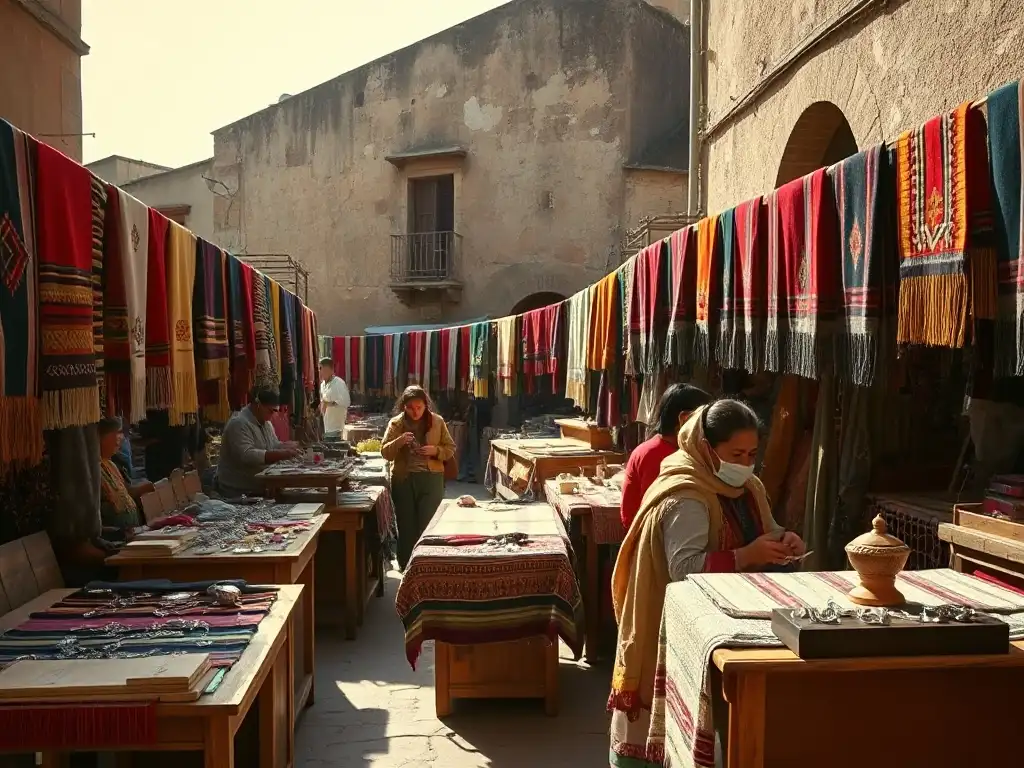
Cusco, the former capital of the Inca Empire, pulsates with the rhythm of ancient traditions interwoven with modern commerce. Its bustling markets offer a captivating journey through time, showcasing the enduring legacy of Inca artistry and the vibrant creativity of contemporary Andean artisans. The city's strategic location, nestled high in the Andes, has historically made it a crucial center for trade and cultural exchange, a legacy reflected in the rich diversity of crafts available today.
Finding authentic Andean crafts in Cusco isn't just about shopping; it's about immersing yourself in a living cultural heritage. The sheer variety of goods, from intricate textiles to finely carved wood sculptures, guarantees a unique and unforgettable experience for every visitor seeking "Andean craft market locations."
San Blas Artisan Market: A Bohemian Hub for Unique Finds
San Blas, a charming neighborhood perched on a hillside overlooking Cusco, is renowned for its concentration of artisan workshops and studios. The San Blas Artisan Market, a collection of smaller shops and stalls, offers a more intimate and personalized shopping experience compared to larger, more commercial markets. Here, you can interact directly with the artisans, learn about their techniques, and often witness the creation process firsthand. The atmosphere is distinctly bohemian, with cobblestone streets, colorful buildings, and a palpable sense of artistic energy.
This makes San Blas an ideal location for discovering truly unique and one-of-a-kind pieces, often reflecting a more contemporary interpretation of traditional Andean aesthetics. The focus is less on mass-produced souvenirs and more on handcrafted items with a distinct artistic flair. This is a fantastic option for those searching for authentic Andean craft market locations offering unique and personalized experiences.
Featured Artisans: "Teresa's Textiles" - Highlighting a specific artisan and their work
One notable artisan in San Blas is Teresa, whose shop, "Teresa's Textiles," showcases her exquisite handwoven textiles. Teresa utilizes traditional Inca techniques, passed down through generations of her family, to create breathtaking tapestries, wall hangings, and clothing. She uses natural dyes derived from local plants and minerals, resulting in vibrant and richly textured fabrics. Her work is not merely decorative; it tells a story, weaving together ancient patterns and modern sensibilities.
Observing the intricate detail of her work, you can appreciate the time and skill involved in each piece. She often incorporates contemporary motifs alongside traditional Inca designs, creating pieces that feel both timeless and relevant. The quality of her materials and craftsmanship is undeniable, making her textiles a cherished heirloom-quality purchase for those seeking authentic Andean craft market locations offering high-quality goods.
Pisac Market: A Traditional Market Experience near Sacred Valley
Located in the Sacred Valley, a short distance from Cusco, Pisac Market offers a more traditional Andean market experience. Unlike the artisan-focused atmosphere of San Blas, Pisac is a larger, more bustling market where you can find a wider array of goods, including clothing, food, souvenirs, and of course, an impressive selection of handicrafts. The market is held every day, but Tuesdays are particularly vibrant, with a greater number of vendors and a more lively atmosphere.
This location is a great example of a classic "Andean craft market locations" experience, offering a glimpse into the daily life of the Andean people. The market spills out onto the plaza, creating a colorful and lively spectacle.
Bargaining Tips: How to Negotiate Respectfully
Bargaining is customary in Andean markets, but it's crucial to do so respectfully. Start by politely inquiring about the price, and then offer a lower price, keeping in mind a fair value for the artisan's time and skill. A smile and a friendly demeanor go a long way. Remember, you are not just buying a product; you are supporting a community and its traditions.
Avoid aggressive haggling; instead, engage in a friendly conversation, building a rapport with the vendor. A successful negotiation should benefit both parties, ensuring a fair price for both the buyer and the seller. This respectful approach enhances the overall experience of exploring Andean craft market locations.
Must-Buy Items: Handwoven Textiles, Jewelry, and Ceramics
Pisac Market presents a treasure trove of must-buy items. Handwoven textiles, particularly alpaca wool sweaters, ponchos, and scarves, are renowned for their softness, warmth, and intricate designs. Silver jewelry, often incorporating traditional Andean motifs, is another popular choice. The artisans' skill in crafting intricate designs is evident in the quality and detail of their work.
Finally, the market offers a wide selection of ceramics, ranging from simple utilitarian pieces to intricately decorated vases and bowls. These items often feature traditional Andean imagery, offering a tangible connection to the region's rich cultural heritage. These are excellent souvenirs reflecting the authentic Andean craft market locations and the skill of the artisans.
Otavalo, Ecuador: The Textile Capital of the Andes
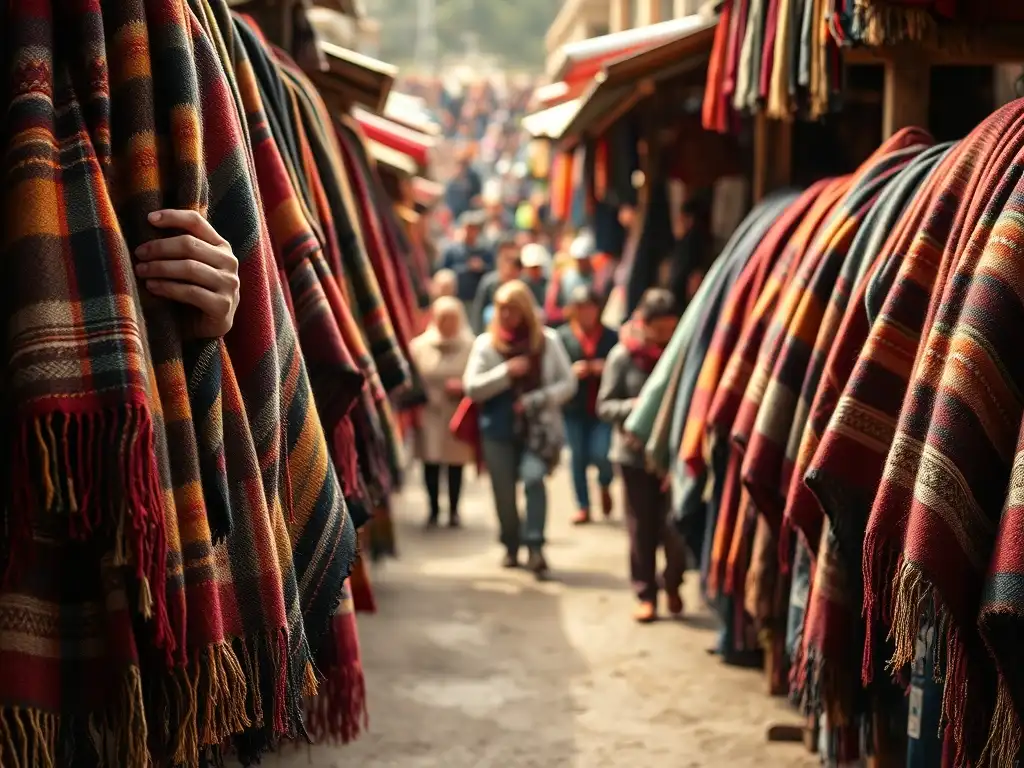
Otavalo, nestled in the highlands of Ecuador, is renowned as the textile capital of the Andes. Its fame stems from the incredible artistry and vibrant colors found in its traditional textiles, attracting both local and international buyers seeking authentic Andean crafts. The town's rich history in weaving, passed down through generations, is evident in the intricate designs and high-quality materials used in the creation of its products.
This legacy ensures that Otavalo remains a significant location for experiencing the best of Andean craft, making it a must-visit destination for anyone interested in "Andean craft market locations". The sheer volume and variety of textiles on offer provide a unique opportunity to discover the heart of Andean textile traditions.
Plaza de Ponchos: A Vibrant Display of Andean Textiles
The Plaza de Ponchos is the undisputed heart of Otavalo's craft market. This sprawling marketplace, open daily, is a sensory explosion of color, texture, and sound. Thousands of vendors display their wares, creating a vibrant and bustling atmosphere. The sheer scale of the market is impressive; navigating its labyrinthine alleys is an adventure in itself.
You'll find everything from intricately woven textiles to handcrafted jewelry, ceramics, and leather goods. The energy is infectious, and the sheer variety of products ensures there’s something to captivate every visitor. The experience is far more than simply shopping; it's an immersion in Andean culture.
Featured Products: Colorful Tapestries, Shawls, and Ponchos
The Plaza de Ponchos is particularly famous for its stunning array of textiles. Woven tapestries depicting Andean landscapes and mythical creatures are a highlight, showcasing the incredible skill of Otavalo's weavers. Soft, luxurious shawls in a rainbow of colors are another popular choice, perfect for keeping warm in the cool Andean air. Of course, the iconic Andean poncho, a symbol of cultural identity, is abundantly available in a wide range of styles, sizes, and designs.
Many feature intricate patterns and symbols, each telling a unique story. The quality of the materials, often using locally sourced alpaca and sheep's wool, is exceptional. You can find everything from simple, everyday items to elaborate, heirloom-quality pieces.
Understanding the Symbolism in Otavalan Weavings
Otavalan weaving isn't just about aesthetics; it's a rich tapestry of symbolism. Many designs incorporate ancient Andean motifs, representing nature, mythology, and spirituality. For example, the recurring image of the condor might symbolize strength and freedom, while geometric patterns could represent the Andean cosmology.
Understanding these symbols adds another layer of appreciation to the textiles. While some vendors may be able to explain the meaning behind specific designs, researching common Andean symbols beforehand can greatly enhance your shopping experience and allow you to make more informed and meaningful purchases. This adds a deeper dimension to your understanding of “Andean craft market locations” and their cultural significance.
While the Plaza de Ponchos offers a fantastic overview of Otavalo's textile production, venturing beyond the main square reveals a wealth of hidden artisan workshops. These smaller, family-run businesses often offer a more intimate and personalized shopping experience. Here, you can observe the weaving process firsthand, witnessing the dedication and skill that goes into creating these beautiful pieces.
Many workshops also offer custom orders, allowing you to commission unique and personalized items. This interaction with the artisans offers a deeper understanding of the craft and its cultural significance, going beyond the simple transaction of buying a product. It's a chance to connect with the people behind the artistry and learn about their traditions.
Visiting a Family-Run Weaving Workshop
Visiting a family-run weaving workshop is an unforgettable experience. You'll witness generations of knowledge and skill being passed down, seeing the intricate process from the preparation of the wool to the final stages of weaving. The atmosphere is usually relaxed and welcoming, and the artisans are often happy to share their knowledge and answer questions.
This direct interaction provides a unique insight into the world of Andean textile production, offering a more authentic and meaningful experience than simply browsing a bustling marketplace. It also provides an opportunity to support local artisans and their families directly, contributing to the preservation of this vital cultural heritage and enhancing your understanding of "Andean craft market locations" on a personal level. The opportunity to purchase directly from the artisan often results in acquiring unique, high-quality items at fair prices.
La Paz, Bolivia: The Altiplano's Treasure Trove
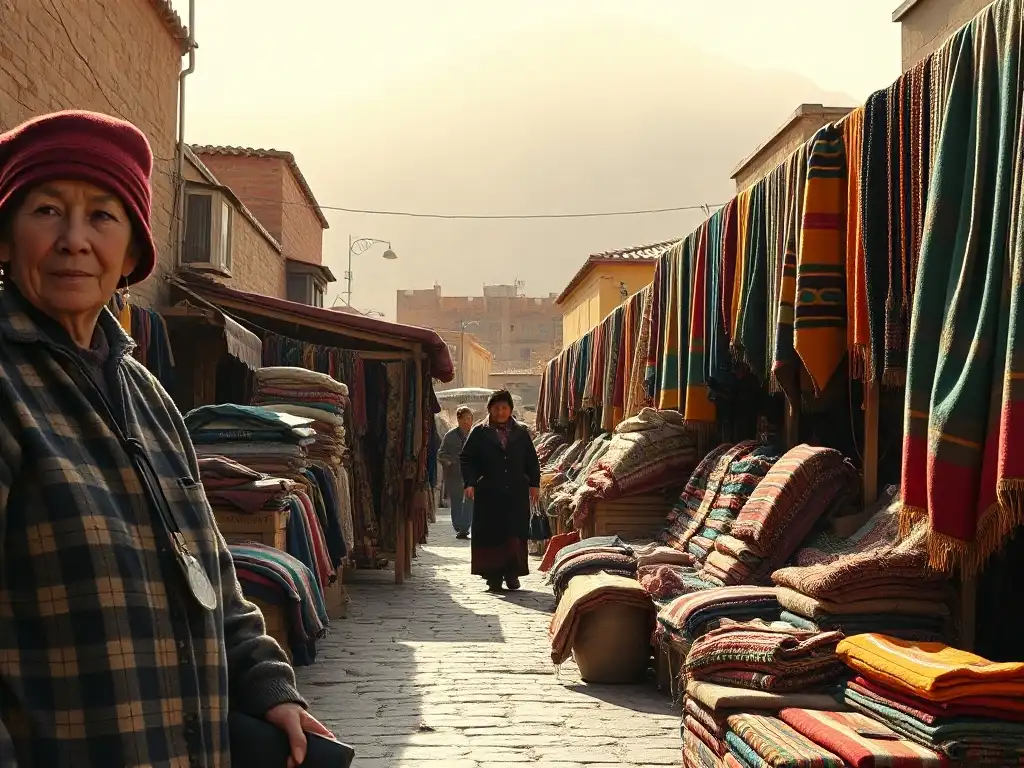
La Paz, Bolivia, perched high in the Andes, offers a captivating blend of ancient traditions and modern commerce. Its bustling markets are a treasure trove for anyone seeking authentic Andean handicrafts. The city's strategic location, coupled with its rich cultural heritage, makes it a central hub for the exchange of unique and exquisitely crafted goods.
Navigating the vibrant streets, one encounters a kaleidoscope of colors, textures, and aromas, each telling a story of skilled artistry and ancient Andean techniques passed down through generations. The sheer volume and variety of products available make La Paz an unparalleled destination for those seeking to discover the best Andean craft market locations. This section will focus on two key areas: the enchanting Mercado de las Brujas and the artisan-filled Calle Sagarnaga.
El Mercado de las Brujas (Witches' Market): Unique and Mystical Finds
The Mercado de las Brujas, or Witches' Market, is arguably La Paz's most famous and intriguing market. It's not your typical craft market; it's a vibrant tapestry woven with threads of ancient Andean spirituality and modern commerce. Here, you'll find more than just souvenirs; you'll find items imbued with deep cultural significance, used in traditional Andean healing practices and rituals.
The air is thick with the scents of herbs, dried llama fetuses (used in certain rituals), and exotic incense, creating a sensory experience unlike any other. The market offers a unique window into the beliefs and practices of the Aymara people.
Traditional Remedies and Ritual Items
Within the Witches' Market, you'll discover a fascinating array of traditional remedies and ritual items. These include carefully dried herbs and plants, believed to possess healing properties, meticulously packaged and labeled in both Spanish and Aymara. There are also intricately crafted amulets and charms, often made from llama bone or silver, designed to protect against evil spirits or bring good luck. Many vendors sell coca leaves, a sacred plant in Andean culture, often chewed for its energizing and medicinal properties.
The market also offers a variety of candles, incense, and other ritualistic objects used in traditional ceremonies. The sheer variety reflects the rich tapestry of Andean beliefs and practices. One can easily spend hours exploring the stalls, absorbing the atmosphere and learning about the cultural significance of each item.
Exploring the Aymara Culture through its Crafts
The crafts sold at the Witches' Market are not merely decorative; they offer a tangible connection to the Aymara culture. The intricate designs often incorporate traditional symbols and motifs, reflecting the Aymara worldview and their deep connection to the Andes. The use of natural materials, such as alpaca wool, llama bone, and various herbs, further underscores this connection to the land.
By purchasing these crafts, visitors not only acquire unique souvenirs but also contribute to the preservation of a rich cultural heritage. This makes the Witches' Market more than just a place to shop; it's a place to learn, to experience, and to connect with a living culture. Understanding the cultural context adds another layer of appreciation to the already unique and beautiful items on offer.
Calle Sagarnaga: A Street Full of Craft Shops
Calle Sagarnaga, located in the heart of La Paz, is a street dedicated to the sale of handcrafted goods. Unlike the eclectic mix of the Witches' Market, Calle Sagarnaga offers a more curated selection of high-quality Andean crafts, often displayed in attractive, well-organized shops. The street itself is a feast for the senses, with vibrant textiles, intricate silver jewelry, and beautifully carved wooden objects lining the sidewalks and spilling out from the shop doorways. It's a more polished experience compared to the Witches' Market, but still retains the authenticity and charm of a traditional Andean craft market.
Featured Products: Hand-carved Wooden Masks, Musical Instruments, and Knitted Goods
Calle Sagarnaga offers a diverse range of products, but some stand out for their quality and craftsmanship. Hand-carved wooden masks, often depicting mythical creatures or important figures from Andean mythology, are a popular choice. These masks showcase the skill of local artisans and represent a significant part of Andean artistic tradition.
Furthermore, a wide variety of traditional musical instruments, such as panpipes and charangos (small Andean guitars), are available, offering visitors a chance to take home a piece of the region’s vibrant musical heritage. Finally, the street is also known for its high-quality knitted goods, primarily made from alpaca wool. These range from intricately patterned sweaters and scarves to richly textured blankets, showcasing the warmth and beauty of Andean textiles.
The range of products caters to a variety of tastes and budgets, ensuring there's something for every visitor. The craftsmanship and attention to detail are evident in every item, confirming Calle Sagarnaga's position as a prime location for finding exceptional Andean handicrafts.
More than Just Shopping: Understanding the Cultural Significance
Shopping in La Paz's artisan markets is far more than a simple transaction; it's a journey into the heart of Bolivian culture. These markets aren't just places to buy goods; they are vibrant hubs where traditions are preserved and passed down through generations. The textiles, woven with intricate designs passed down through centuries, tell stories of ancient Andean cosmology, reflecting beliefs and practices that have endured for millennia.
Similarly, the ceramics, often adorned with symbolic imagery, are not mere decorative objects but vessels carrying the weight of ancestral knowledge. Even the simple act of bargaining, a common practice in these markets, reflects a social interaction deeply rooted in Andean traditions of reciprocal exchange and community building. The atmosphere itself, buzzing with activity and the chatter of Quechua and Spanish, is a sensory immersion into a living cultural landscape.
Understanding this deeper cultural context enriches the shopping experience, transforming it from a simple purchase into a meaningful engagement with Bolivian heritage. The vibrant colors, unique patterns, and the palpable energy of the market all contribute to a powerful cultural experience. One can almost feel the weight of history in each handcrafted item.
Interacting with Local Artisans: Learning Their Stories
One of the most rewarding aspects of visiting La Paz's craft markets is the opportunity to interact directly with the artisans themselves. Many markets offer a chance to witness the creation process firsthand, observing weavers skillfully manipulating their looms or potters shaping clay into intricate forms. Engaging in conversation with these artisans allows you to learn about their techniques, their inspirations, and the stories behind their creations.
You'll discover the painstaking detail and dedication involved in producing each piece, understanding the immense cultural value and historical significance embedded within the craft. For example, you might hear tales of family traditions passed down through generations, or learn about the symbolic meaning of specific designs and motifs.
These personal interactions humanize the shopping experience, connecting you directly to the source of these incredible crafts and fostering a deeper appreciation for the artistry and cultural heritage they represent. Remember to be respectful and patient, allowing them to share their stories at their own pace.
Respectful Tourism: Supporting Sustainable Practices
Supporting sustainable practices is crucial when shopping in La Paz's artisan markets. By choosing to purchase handcrafted goods directly from local artisans, you contribute directly to their livelihoods and help preserve traditional crafts. This conscious consumerism supports the continuation of age-old techniques and ensures the survival of unique cultural expressions.
Avoid purchasing items that might be mass-produced imitations, instead seeking out authentic, handcrafted pieces from independent artisans. Ask questions about the materials used and the production process, ensuring that environmentally friendly practices are employed. Fair prices, reflecting the time and skill involved in crafting these items, are also essential to support sustainable practices and ensure that artisans receive a fair wage for their work.
Remember, your purchasing decisions have a significant impact; by choosing ethically and respectfully, you contribute to the preservation of Andean cultural heritage for generations to come. This conscious approach not only benefits the artisans but also enhances the overall experience of exploring these incredible markets.
Maximizing Your Andean Craft Market Experience
This section focuses on optimizing your experience when visiting Andean craft markets, ensuring you get the most out of your shopping adventure and discover authentic, high-quality handicrafts. Understanding the nuances of timing and transportation is key to a successful trip.
Tips for Planning Your Visit: Best Times and Transportation
Planning your visit to an Andean craft market requires considering several factors. The best time to visit often coincides with local festivals or celebrations, as these events usually feature a wider selection of goods and a more vibrant atmosphere. However, these periods can also be more crowded and potentially more expensive. Researching specific market schedules and local events beforehand is crucial. For example, the Otavalo Market in Ecuador is bustling year-round, but certain days of the week see significantly higher visitor numbers.
Transportation to these markets varies greatly depending on location. Some, like those in larger cities, are easily accessible by taxi or public transport. Others, particularly those in more remote areas, might require a longer journey, potentially involving buses or even private hires. Consider the accessibility of the market and plan your transport accordingly. For instance, reaching the Pisac Market near Cusco, Peru, often involves a scenic bus ride through the Sacred Valley, a journey that adds to the overall experience. Pre-booking transport, especially for less accessible markets, is highly recommended, particularly during peak season.
| Market Location | Best Time to Visit | Recommended Transportation |
|---|---|---|
| Otavalo, Ecuador | Weekends (especially Saturday) | Bus, Taxi |
| Pisac, Peru | Market days (check local listings) | Bus, Private Hire |
| Chinchero, Peru | Market days (check local listings) | Bus, Private Hire |
| Arequipa, Peru | Year-round, but check for local events | Taxi, Walking |
Remember to factor in travel time when planning your itinerary. Allow ample time for the journey to and from the market, especially if you're visiting a remote location. This will prevent rushing and allow you to fully enjoy the experience.
Budgeting for Your Andean Craft Purchases: Price Ranges and Considerations
Budgeting for your Andean craft purchases is essential. Prices vary significantly depending on the type of craft, the materials used, and the level of craftsmanship. While some items might be relatively inexpensive, others, particularly those made with precious metals or intricate textiles, can command significantly higher prices.
It's crucial to remember that haggling is often expected in Andean markets. Don't be afraid to negotiate politely, but always be respectful. A good starting point is to offer around half the initial asking price, then work your way up to a mutually agreeable figure. Remember that a fair price benefits both you and the artisan.
Here’s a general price range guide (note that these are estimates and can vary greatly):
- Low-end items: Small textiles, simple jewelry, trinkets (< $10 - $20 USD)
- Mid-range items: Larger textiles, more elaborate jewelry, hand-carved wooden items ($20 - $100 USD)
- High-end items: Fine silver jewelry, intricately woven textiles, antique pieces ($100+ USD)
Remember that authenticity is key. Be wary of overly cheap items that might be mass-produced imitations. Look for handcrafted details and unique characteristics that indicate genuine artisan work. Consider supporting local artisans by purchasing directly from them, rather than from larger retailers.
Caring for Your Andean Treasures: Preserving Your Unique Finds
Once you've acquired your Andean treasures, proper care is essential to preserve their beauty and longevity. Many Andean crafts are made from delicate materials, requiring specific handling and storage.
Textiles, for instance, often benefit from gentle hand washing with cold water and a mild detergent. Avoid harsh chemicals or machine washing, which can damage the fibers. Air drying is preferred over machine drying. For delicate items, consider professional cleaning.
Silver jewelry should be cleaned regularly to prevent tarnish. Use a soft cloth and a specialized silver cleaner. Store silver pieces in airtight containers to protect them from exposure to air and moisture.
Wooden items should be protected from extreme temperatures and humidity. Avoid direct sunlight and store them in a cool, dry place. A light application of furniture polish can help maintain their finish.
Proper storage is key to preserving your Andean crafts. Use acid-free tissue paper or cloth to wrap delicate items, preventing scratches and damage. Store them in a cool, dry place, away from direct sunlight and moisture. Consider using protective cases or boxes for particularly valuable or fragile pieces. With proper care, your Andean handicrafts will serve as cherished reminders of your journey for years to come. 🛍️
Supporting Local Communities: The Impact of Your Purchases
Purchasing handicrafts directly from Andean artisans in local markets has a significant and positive impact on the communities that produce them. This isn't just about buying a beautiful textile or a finely carved piece of wood; it's about contributing to the economic well-being of families and preserving centuries-old traditions. Your purchase provides a direct source of income, enabling artisans to continue their craft and pass their skills down through generations.
This sustainable economic model helps prevent the loss of traditional techniques and knowledge, which are increasingly threatened by globalization and mass-produced goods. The money you spend isn't just fleeting; it's an investment in the cultural richness of the Andes.
Consider the ripple effect: The artisan's income supports their family, allowing them to afford food, education, and healthcare. This improved quality of life fosters stronger communities, reducing the need for migration to urban centers in search of better opportunities. Furthermore, the demand for handcrafted goods encourages the preservation of local ecosystems.
Many Andean crafts utilize natural materials sourced from the surrounding environment, creating a symbiotic relationship between the artisan, their craft, and their natural surroundings. By supporting these local economies, you actively contribute to a more sustainable and equitable future for the Andean region. The simple act of buying a handcrafted item becomes a powerful act of cultural preservation and community empowerment.
Remember, your purchase is a vote of confidence in the incredible skill and heritage of Andean artisans. Choosing to buy ethically ensures that these vibrant traditions continue to thrive for years to come. The beauty of the Andes is not just in its landscapes, but also in the people who inhabit it and the art they create.
Frequently Asked Questions
Where can I find the best Andean craft markets?
You'll find vibrant markets throughout the Andes, but particularly in major cities like Cusco, Arequipa, and Quito. Smaller towns and villages also offer unique, authentic crafts. Look for markets near significant historical sites.
What kind of crafts can I expect to find in Andean markets?
Expect a wide variety of textiles, including alpaca and llama wool garments, intricate weavings, and colourful hand-dyed fabrics. You'll also find pottery, ceramics, jewellery, and wood carvings, reflecting the diverse Andean cultures.
Are the prices negotiable in Andean craft markets?
Generally, yes, bargaining is expected and even encouraged in many Andean markets. Politely negotiate to reach a fair price, respecting the artisan's work and effort. Remember that a small amount of bargaining shows respect for the artisan's skills.
How can I ensure I'm buying authentic Andean crafts?
Look for handcrafted items, paying attention to detail and quality. Ask the artisans about their techniques and materials. Supporting local artisans directly contributes to the preservation of Andean traditions and helps ensure authenticity.
What's the best time of year to visit Andean craft markets?
The best time to visit often depends on the specific region and weather conditions. However, the dry season (May to September) generally offers the most pleasant weather for exploring markets and surrounding areas. Consider the specific festivals and events happening during your visit for a richer cultural experience.
Final Reflection: Weaving the Past into the Present: The Enduring Legacy of Andean Crafts
The vibrant tapestry of Andean craft markets isn't just a tourist attraction; it's a living testament to the enduring spirit of a culture that seamlessly blends ancient traditions with modern commerce. These markets are not merely places to buy souvenirs; they are dynamic hubs where history, artistry, and community intertwine, offering a glimpse into the heart of Andean life. Their continued existence is a powerful symbol of resilience and cultural preservation in a rapidly changing world.
The impact of these markets extends far beyond the immediate economic benefits. They serve as vital repositories of knowledge, passing down centuries-old techniques and stories from one generation to the next. These aren't simply goods being exchanged; they are vessels carrying the weight of history and cultural identity. As the renowned anthropologist, Claude Lévi-Strauss, once observed: Myth is the ultimate expression of the human mind's capacity to create order and meaning in the world.
The crafts themselves, and the markets where they are traded, are a form of living myth, constantly being reinterpreted and renewed.
Consider the stories woven into each textile, the intricate designs etched into each piece of pottery, the careful craftsmanship evident in every handcrafted item. These are not just objects; they are narratives, tangible expressions of a rich and complex heritage. You, the reader, are now invited to actively engage with this legacy.
Seek out these markets, not just as a consumer, but as a participant in a living cultural exchange. Support the artisans, learn their stories, and carry a piece of this vibrant history with you, ensuring that the threads of Andean tradition continue to be woven into the fabric of our shared future.
Explore the Vibrant World of Andean Craft Markets!
Thank you for joining us on this journey through the rich tapestry of Andean crafts! We hope you've gained insights into how ancient traditions blend seamlessly with modern commerce. Now, it's time to get involved and immerse yourself in this vibrant culture!
- Plan Your Visit: Choose a craft market that appeals to you and add it to your itinerary. Experience the creativity and passion of local artisans firsthand! Perhaps visit the bustling Otavalo market in Ecuador, or explore the smaller, more intimate markets in Cusco, Peru.
- Support Local Artists: Purchase unique handcrafted items directly from the artisans. Your support helps preserve these cherished traditions and brings a piece of the Andes into your home. Consider buying a hand-woven textile or a beautifully carved piece of wood.
- Share Your Experience: Spread the word about the incredible stories behind these crafts! Post your pictures and experiences on social media and inspire your friends to discover the beauty and artistry of the Andes for themselves.
What unique Andean craft or artisan are you most excited to discover?