
Aymara Cosmology: Exploring the Spiritual Worldview of an Andean People

Step into a world lost to time, yet echoing with vibrant life. Dive into the fascinating tapestry of Andean civilizations, where towering empires and intricate artistry intertwined with profound spiritual beliefs. Uncover the secrets of Aymara cosmology and its influence on Inca beliefs – a journey that will challenge your perceptions and reveal the awe-inspiring complexity of these ancient Andean cultures. Prepare to be captivated by a legacy that continues to resonate today.
The Aymara people, inhabiting the high Andes of Bolivia, Peru, and Chile, possess a rich and complex cosmology deeply intertwined with their daily lives and social structures. Unlike the more widely known Inca beliefs, which often dominate narratives of Andean spirituality, Aymara cosmology offers a unique perspective on the relationship between humanity and the cosmos. This article delves into the key elements of Aymara spiritual worldview, exploring their understanding of the universe, the sacred mountains ( apus), and the interconnectedness of all living things.
We will examine how Aymara cosmology informs their practices, beliefs, and social organization, highlighting the significant differences and similarities with other Andean cultures, particularly the Inca. Understanding Aymara cosmology provides crucial insight into the diversity and richness of Andean spiritual traditions, challenging simplistic generalizations about "Inca beliefs" and revealing a vibrant tapestry of indigenous worldviews.
This exploration will shed light on the enduring relevance of Aymara cosmology in the contemporary world. The keyword "Aymara cosmology Inca beliefs" will be explored throughout the text, highlighting the distinctions and overlaps between these two significant Andean spiritual systems.
The Aymara Universe: A Three-Layered World
Aymara cosmology envisions a three-layered universe: the aka pacha (lower world), the kaya pacha (present world), and the ala pacha (upper world). The aka pacha is the underworld, home to ancestral spirits and powerful deities. The kaya pacha is the world we inhabit, the realm of human experience and interaction. The ala pacha represents the celestial realm, the abode of the sun, moon, stars, and other celestial bodies, considered sacred and influential forces.
These three layers are not separate entities but are interconnected, constantly interacting and influencing each other. This understanding of a dynamic and interconnected cosmos shapes the Aymara worldview, influencing their agricultural practices, social structures, and spiritual rituals. The Aymara believe that maintaining harmony between these three layers is crucial for the well-being of the community and the natural world.
This intricate relationship underscores the deep respect the Aymara have for the environment and their ancestral heritage. Further research is needed to fully understand the nuances of the interactions between these layers, specifically concerning the role of specific deities and rituals in maintaining cosmic balance. [Specific information pending: Detailed descriptions of rituals and deities associated with each layer].
The Sacred Mountains (Apus) and Their Significance
The towering Andes mountains, known as apus to the Aymara, hold immense spiritual significance. These mountains are not merely geographical features but are considered sacred entities, powerful deities that influence the lives of the people below. The apus are believed to be the protectors and providers, influencing weather patterns, agricultural yields, and the overall well-being of the communities.
The Aymara offer prayers, sacrifices, and other rituals to appease and honor the apus, seeking their blessings and protection. Each apu has its own unique characteristics and personality, reflecting the diverse geography and ecological zones of the Andes. The relationship between the Aymara and the apus is a reciprocal one, based on mutual respect and a deep understanding of the interconnectedness of all living things.
This relationship highlights the importance of environmental stewardship in Aymara cosmology, emphasizing the need for a harmonious coexistence between humans and nature. [Specific information pending: Examples of specific rituals performed for different apus and the specific benefits sought].
Aymara Cosmology and Inca Beliefs: Points of Convergence and Divergence
While both Aymara and Inca cultures share some common Andean roots, their cosmologies exhibit distinct characteristics. Both cultures recognize the importance of the mountains and celestial bodies, but the specific deities and rituals associated with these elements differ significantly. For instance, while both cultures venerate the sun, the specific ways in which they express this veneration vary considerably.
The Inca emphasis on a centralized state and imperial power is reflected in their cosmology, which often portrays a hierarchical structure of deities. In contrast, Aymara cosmology emphasizes a more decentralized and community-based approach to spiritual practices. Further research is needed to fully map the complex interplay between Aymara and Inca beliefs, particularly regarding the syncretism that occurred during and after the Inca Empire.
The comparison between Aymara cosmology and Inca beliefs reveals the rich diversity of Andean spiritual traditions, challenging the monolithic portrayal of "Inca beliefs" often found in historical accounts. This nuanced understanding highlights the importance of studying individual indigenous cosmologies to accurately represent the complexities of Andean spiritual heritage. [Specific information pending: Detailed comparison of specific deities and rituals in Aymara and Inca cosmologies].
Contemporary Relevance of Aymara Cosmology
Despite centuries of colonization and cultural pressure, Aymara cosmology continues to thrive in contemporary society. Many Aymara communities maintain their traditional practices and beliefs, integrating them with modern realities. Aymara cosmology offers a valuable framework for understanding the interconnectedness of all living things and the importance of environmental stewardship. Its emphasis on community and reciprocity provides a powerful model for social organization and sustainable living.
The resilience of Aymara cosmology in the face of modern challenges demonstrates its enduring power and relevance. Understanding and respecting this rich spiritual heritage is crucial for fostering intercultural dialogue and promoting a more sustainable and equitable future. [Specific information pending: Examples of contemporary Aymara communities preserving their cosmology and its influence on contemporary social movements].
- The Aymara Universe: A Three-Layered World
- The Sacred Mountains (Apus) and Their Significance
- Aymara Cosmology and Inca Beliefs: Points of Convergence and Divergence
- Contemporary Relevance of Aymara Cosmology
Understanding Aymara Beliefs: An Introduction to their Cosmology
The Aymara people, inhabiting the Andean highlands of Bolivia, Peru, and Chile, possess a rich and complex cosmology deeply intertwined with their daily lives. Unlike many Western belief systems, Aymara cosmology isn't a codified religion with a single holy book or central deity. Instead, it's a holistic worldview encompassing their understanding of the universe, their place within it, and their relationship with the natural world and the supernatural.
This intricate system of beliefs significantly impacts their social structures, agricultural practices, and artistic expressions. Understanding Aymara cosmology provides crucial insight into their unique cultural identity and resilience. It's important to note that Aymara cosmology is not static; it's a dynamic system that has evolved and adapted over centuries, influenced by both internal developments and external interactions, including—though not exclusively—the influence of Inca beliefs.
This section explores the foundational elements of Aymara spirituality, highlighting its key components and their relevance to the Aymara way of life. The influence of Inca beliefs on contemporary Aymara spiritual practices will be a recurring theme throughout this exploration.
The Significance of Cosmology in Aymara Culture
Aymara cosmology isn't merely a set of abstract beliefs; it's the very foundation of Aymara society. It dictates their social organization, their agricultural cycles, and their understanding of illness and healing. The cosmos, in the Aymara worldview, is not separate from the human world but intimately connected.
This interconnectedness is reflected in their agricultural practices, where rituals and offerings are integral parts of the planting and harvesting seasons. The success of their crops is directly linked to their relationship with the apus (mountain spirits) and the pachamama (Mother Earth). Failure to maintain harmony with these spiritual forces is believed to lead to poor harvests and other misfortunes.
Furthermore, Aymara healers, yatiris, play a crucial role in maintaining this balance, mediating between the human and spiritual worlds through rituals and the use of medicinal plants. Their knowledge of cosmology is essential to their healing practices, as they diagnose and treat illnesses based on their understanding of the cosmic order and its potential disruptions. The impact of Inca beliefs on this system is evident in some ritual practices and the incorporation of certain Inca deities into the Aymara pantheon, although the core tenets of Aymara cosmology remain distinct.
Aymara Worldview: Connecting with Nature and the Spirits
The Aymara worldview emphasizes a profound connection with nature. The pachamama, Mother Earth, is a central figure, providing sustenance and life. The apus, mountain spirits, are revered as powerful protectors and sources of water, essential for agriculture. The Aymara believe that these spirits inhabit the mountains and influence the weather patterns, making them crucial to their survival.
This animistic perspective extends beyond the mountains to include other elements of the natural world, such as rivers, lakes, and even specific plants and animals. Each possesses its own spirit and plays a role in the intricate web of life. This interconnectedness is reflected in their rituals, which involve offerings to the spirits and requests for their benevolent intervention. The Aymara cosmology also incorporates a complex understanding of time, often cyclical rather than linear.
The concept of tiempo andino (Andean time) differs significantly from Western linear conceptions, emphasizing the importance of cyclical processes and the interconnectedness of past, present, and future. The influence of Inca beliefs on Aymara cosmology is demonstrably less pronounced in this area, with the cyclical nature of time being a deeply rooted aspect of pre-Inca Andean spiritual thought. The Aymara worldview, therefore, is deeply rooted in a holistic understanding of the cosmos, where humans are integral parts of a vibrant and interconnected web of life, shaped by the spirits of the mountains and the nurturing embrace of Mother Earth. This perspective, while influenced by historical interactions, remains fundamentally distinct and showcases the richness of Aymara cultural heritage.
Key Elements of Aymara Cosmology
This section delves into the core tenets of Aymara cosmology, exploring its intricate relationship with the natural world and the spiritual forces that shape Aymara life. Understanding Aymara cosmology provides crucial insight into their worldview and its influence on their social structures, agricultural practices, and artistic expressions. It's important to note that while Aymara cosmology shares some similarities with Inca beliefs, there are also distinct differences reflecting their unique cultural heritage and historical trajectory.
The Aymara worldview, deeply rooted in their ancestral lands, offers a fascinating perspective on the interconnectedness of humanity and the cosmos. This understanding is vital for appreciating the richness and complexity of Andean spirituality, going beyond simplistic comparisons with other Andean cultures.
The Concept of Pachamama: Mother Earth in Aymara Tradition
Pachamama, the Earth Mother, is central to Aymara cosmology and daily life. She is not merely a passive element of the environment but an active, sentient being deserving of respect and reverence. The Aymara believe Pachamama provides sustenance, fertility, and protection. Their agricultural practices are deeply intertwined with appeasing and honoring Pachamama through offerings of coca leaves, alcohol, and food, ensuring bountiful harvests and the well-being of the community.
This relationship is not merely symbolic; it's a practical and spiritual necessity. Ignoring Pachamama's needs is seen as inviting misfortune and imbalance. The concept of Pachamama extends beyond the physical land; it encompasses the entire ecosystem, including the mountains, rivers, and all living creatures.
This holistic view underscores the Aymara's deep respect for nature and their commitment to living in harmony with it. This intricate relationship between the people and Pachamama is a vital component of Aymara identity and cultural continuity. The rituals and ceremonies surrounding Pachamama are a testament to the enduring power of this ancient belief system, even in the face of modernization.
The Role of Apus: Sacred Mountains in Aymara Spirituality
The Apus, or sacred mountains, are revered as powerful spiritual entities within Aymara cosmology. These towering peaks are not merely geographical features; they are considered the homes of powerful spirits and are integral to the Aymara understanding of the cosmos. Each Apu is believed to possess its own unique personality and influence, often acting as protectors or guardians of specific communities or regions.
The Aymara maintain a close relationship with the Apus, offering prayers, coca leaves, and other offerings to maintain their favor and seek their protection. This interaction is a continuous dialogue, reflecting the dynamic relationship between the spiritual and physical realms. The importance of the Apus is reflected in the Aymara's careful stewardship of the mountain ecosystems, reflecting a deep respect for the spiritual and ecological significance of these majestic landmarks.
Many Aymara communities have specific rituals and traditions associated with particular Apus, highlighting the personalized nature of this spiritual relationship. The Apus are not simply worshipped; they are seen as active participants in the life of the Aymara people, shaping their destinies and influencing their daily lives.
The Importance of the Sun (Inti) and the Moon (Phaxsi) in Aymara Beliefs
Inti, the sun, and Phaxsi, the moon, hold significant positions within Aymara cosmology, representing vital life-giving forces. The sun, a source of warmth and energy, is associated with masculinity, strength, and creation. The moon, linked to femininity, cycles, and nurturing, plays a crucial role in the Aymara agricultural calendar and various rituals.
The Aymara observe the movements of the sun and moon closely, using their cycles to guide agricultural practices and plan important ceremonies. The sun and moon are not simply celestial bodies; they are active participants in the cosmic order, influencing the balance of nature and the lives of the Aymara people. Many Aymara festivals and celebrations are timed to coincide with specific solar and lunar events, highlighting their profound importance in the Aymara spiritual calendar.
These celestial bodies are seen as powerful deities, worthy of respect and veneration, reflecting the Aymara's deep understanding of the intricate relationship between the heavens and the earth, a key element of their cosmology and a foundational aspect of their cultural identity. The intricate interplay between Inti and Phaxsi mirrors the balance and harmony sought in all aspects of Aymara life. This delicate balance, reflected in their cosmology, is a testament to the sophistication of their understanding of the natural world and their place within it.
Spirits and Ancestors: The Invisible World in Aymara Cosmology
The Aymara worldview is profoundly shaped by the belief in a vibrant and interactive world of spirits and ancestors. This isn't a separate realm, but rather an interwoven layer of existence, constantly influencing the physical world and the lives of the living. Aymara cosmology doesn't posit a strict separation between the living and the dead; instead, the ancestors remain active participants in the community, their influence felt in daily life, harvests, and even the weather patterns.
This connection is fostered through various rituals and practices, ensuring a continuous flow of communication and energy between the living and the spirit world. The respect shown to apus (mountain spirits) and other natural entities is a testament to this deeply ingrained belief.
Unlike some Western conceptions of the afterlife, the Aymara don't necessarily envision a heaven or hell. Instead, the focus is on the continuous cycle of life, death, and rebirth, with ancestors playing a crucial role in guiding and protecting their descendants. They are not merely passive observers but active agents, capable of intervening in the lives of the living, both positively and negatively, depending on the relationship maintained by the living with the spirits.
This necessitates a constant awareness of the spiritual world and a commitment to respectful behavior towards both the visible and invisible realms. Neglecting these responsibilities can lead to misfortune or illness, highlighting the interconnectedness of the physical and spiritual dimensions.
The concept of Achachilas, powerful mountain spirits, is central to Aymara cosmology. These are not simply inanimate geographical features but sentient beings, possessing immense power and influence. They are revered and appeased through offerings and rituals, ensuring their benevolent protection over the community. The annual festivals and ceremonies dedicated to the Achachilas underscore the importance of maintaining a harmonious relationship with these powerful spiritual entities.
Failure to do so could result in natural disasters or other calamities, reinforcing the importance of respecting the spiritual balance. These beliefs, passed down through generations, continue to shape the Aymara relationship with their environment and their understanding of the world. Furthermore, the reverence for these spirits and ancestors underscores the deeply rooted connection between Aymara spirituality and their land. The mountains are not just geographical landmarks; they are living, breathing entities that hold significant spiritual power.
The Aymara also believe in a variety of other spirits, some benevolent and others malevolent. These spirits inhabit various aspects of the natural world, from lakes and rivers to plants and animals. Understanding and interacting with these spirits is crucial for navigating daily life and ensuring good fortune. Shamans and healers play a critical role in mediating between the living and the spirit world, providing guidance and protection.
Their expertise in interpreting signs and communicating with spirits is essential for maintaining a harmonious balance between the visible and invisible realms. This intricate web of spiritual interactions emphasizes the profound impact of Aymara cosmology on their daily lives and their deep connection with the natural world. The constant negotiation and interaction with the spirit world is not a peripheral concern, but a central element in shaping Aymara identity and worldview.
The veneration of ancestors also plays a significant role in Aymara life. Ancestor worship is not merely a historical remembrance but an ongoing relationship. Ancestors are seen as powerful intermediaries between the living and the spirit world, capable of influencing events and offering protection. This ongoing interaction with ancestors is reflected in various rituals and ceremonies, where offerings and prayers are made to seek their guidance and blessing.
The belief in the continued presence and influence of ancestors reinforces the concept of community and the importance of respecting the wisdom and experiences of past generations. The line between the living and the dead is blurred, creating a vibrant and dynamic spiritual landscape. This dynamic interplay between the living, the ancestors, and the spirits forms the core of Aymara cosmology and provides a framework for understanding their world.
Aymara Cosmology and the Inca Connection
This section delves into the fascinating interplay between Aymara cosmology and the beliefs of the Inca Empire, exploring both the points of convergence and divergence in their spiritual worldviews. While the Inca exerted significant political and military dominance over the Aymara, the pre-existing Aymara cosmology left an undeniable imprint on Inca religious practices and beliefs, creating a complex tapestry of shared and distinct spiritual traditions.
Understanding this intricate relationship provides crucial context for interpreting Andean religious practices as a whole and highlights the enduring influence of Aymara spiritual thought. We will explore the similarities and differences, the potential influence of Aymara cosmology on Inca practices, and the shared Andean heritage that binds these rich cultural traditions.
Similarities and Differences Between Aymara and Inca Worldviews
Both Aymara and Inca cosmologies share a common thread: a deep reverence for the pacha, the Andean concept encompassing the cosmos, encompassing the earthly realm, the underworld, and the celestial sphere. However, the nuances in their interpretations differ significantly.
The Aymara worldview emphasizes a close relationship between humans and nature, viewing the pachamama (Mother Earth) as a life-giving force demanding respect and reciprocity. Their cosmology is deeply interconnected with agriculture and the cyclical nature of life and death, reflected in their rituals and agricultural practices. They often view mountains as sacred entities, dwelling places of powerful spirits. This animistic worldview imbues the natural world with spiritual significance.
In contrast, while the Inca also revered the pachamama, their cosmology incorporated a more hierarchical structure with a pantheon of gods, including Viracocha, the creator god, Inti (the sun god), and Mama Killa (the moon goddess). The Inca state religion was highly centralized, with elaborate temples and priesthoods dedicated to maintaining cosmic order. While they also recognized the spiritual power of mountains, their relationship with nature was perhaps less intimately intertwined than that of the Aymara.
| Feature | Aymara Cosmology | Inca Cosmology |
|---|---|---|
| Central Figure | Pachamama (Mother Earth), local deities | Viracocha, Inti, Mama Killa, other deities |
| Cosmic View | Close relationship with nature, animistic | Hierarchical pantheon, centralized state religion |
| Ritual Emphasis | Agricultural cycles, reciprocity with nature | State-sponsored ceremonies, temple worship |
| Sacred Places | Mountains, lakes, springs | Temples, mountain peaks, specific geographical locations |
The table above highlights key distinctions, yet it's crucial to remember that these are broad generalizations. Local variations existed within both Aymara and Inca societies, leading to diverse interpretations and practices. Furthermore, the Inca's conquest and subsequent integration of Aymara populations led to a syncretism of beliefs, blurring the lines between distinct traditions.
How Aymara Cosmology Influenced Inca Religious Practices
The Inca's expansion into Aymara territories resulted in the absorption of various cultural elements, including religious beliefs and practices. While the Inca imposed their own state religion, evidence suggests that Aymara cosmological concepts influenced Inca religious practices in subtle yet significant ways.
For instance, the Inca's emphasis on capac (power) and ayni (reciprocity) – principles vital to maintaining social harmony and cosmic balance – may have been partly influenced by pre-existing Aymara concepts emphasizing reciprocal relationships with the pachamama. The Inca’s reverence for certain mountains as sacred sites, often associated with deities or ancestors, might also reflect the Aymara's deep-seated veneration of mountain spirits. Further research is needed to fully determine the extent of this influence, but the similarities between certain rituals and beliefs suggest a significant cultural exchange.
The incorporation of Aymara deities or sacred sites into the Inca pantheon is a possibility that warrants further investigation. [Specific examples of syncretism pending further research].
Despite the distinctions between Aymara and Inca cosmologies, a shared Andean heritage underpins their spiritual beliefs. Both cultures recognized the interconnectedness of the cosmos, the importance of maintaining balance within the pacha, and the significance of rituals to ensure prosperity and appease supernatural forces. The concept of pacha, albeit interpreted differently, serves as a unifying element in their worldviews.
The reverence for mountains, the importance of ancestor veneration, and the use of coca leaves in rituals are further examples of shared Andean spiritual practices. This shared heritage highlights the rich tapestry of Andean spiritual traditions, demonstrating the continuity and evolution of spiritual beliefs across time and space.
The enduring legacy of Aymara cosmology is evident in the continued practice of traditional Andean beliefs even today, underscoring the resilience and adaptability of these ancient spiritual systems. The study of Aymara cosmology provides a crucial lens through which to understand the broader context of Andean spirituality and its lasting influence on contemporary Andean cultures.
Aymara Rituals and Practices Rooted in their Cosmology
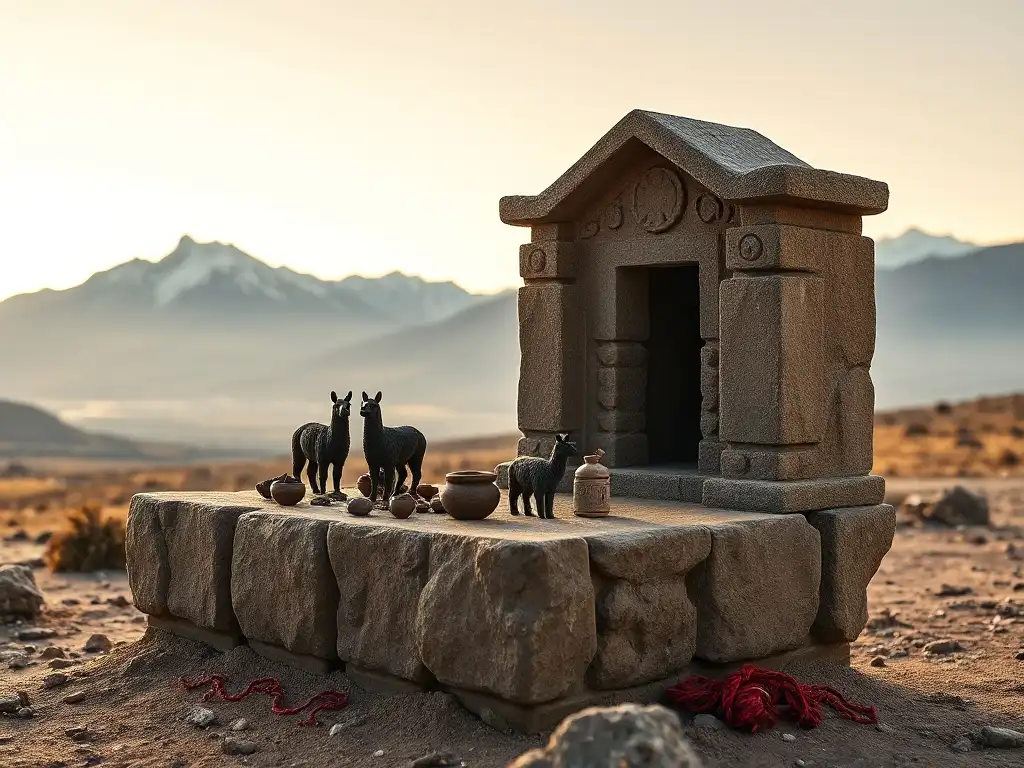
The Aymara worldview, deeply intertwined with their cosmology, manifests in a rich tapestry of rituals and practices aimed at maintaining harmony with the Pachamama (Mother Earth) and the Apus (mountain spirits). Understanding these rituals provides crucial insight into Aymara beliefs and their relationship with the natural world, a relationship far more intimate and reciprocal than a simple observation of nature.
This intricate system of beliefs, actions, and interactions directly influences daily life and shapes the Aymara cultural identity, significantly differing from, yet sometimes overlapping with, Inca beliefs. The focus is less on a centralized deity and more on a balanced relationship with the interconnected forces of the cosmos.
Offerings and Ceremonies: Honoring the Pachamama and Apus
Offerings to the Pachamama are central to Aymara life. These aren't merely symbolic gestures; they are considered vital for maintaining the fertility of the land and ensuring the well-being of the community. Common offerings include coca leaves, alcohol (often chicha), food, and small figurines. These offerings are often placed in specially designated spots, such as cracks in the earth or near springs, during specific ceremonies or at times of need, such as planting or harvesting seasons.
The act of offering is not just about giving; it's about establishing a dialogue, a reciprocal exchange of energy between the human world and the spiritual realm. The Apus, the mountain spirits, also receive significant reverence. They are considered powerful protectors and intermediaries between the earthly and spiritual worlds. Ceremonies honoring the Apus often involve treks to high altitudes, accompanied by prayers, offerings, and sometimes even dances aimed at appeasing or requesting their favor.
The frequency and nature of these ceremonies vary depending on local traditions and specific needs. For example, a poor harvest might lead to more frequent and elaborate offerings to the Pachamama seeking a better yield in the coming season. Detailed records of the specific offerings and their regional variations are still being compiled by anthropologists, highlighting the complexity and diversity within Aymara traditions.
Aymara Shamanism: Connecting with the Spiritual Realm
Aymara shamanism plays a crucial role in mediating between the human and spiritual worlds. Yatiri, or shamans, are highly respected figures within the community, possessing the ability to communicate with spirits, diagnose illnesses, and perform healing ceremonies. Their knowledge is passed down through generations, often involving rigorous apprenticeships and deep engagement with the natural world.
The yatiri use various tools and techniques in their practice, including divination using coca leaves (reading the patterns and the way they fall), herbal remedies, and rituals involving music and dance. Their role extends beyond healing; they also act as advisors and guides, offering spiritual counsel and interpreting the will of the Pachamama and the Apus. The importance of the yatiri in Aymara society underscores the deep spiritual dimension of their culture and the belief in the interconnectedness of all living things.
Unlike some other Andean cultures, Aymara shamanistic practices are less hierarchical, with varying levels of expertise and influence depending on the individual yatiri’s abilities and reputation within the community. This decentralized approach contrasts with the more structured religious system of the Inca Empire.
Traditional Aymara Festivals and their Cosmological Significance
Aymara festivals are vibrant expressions of their cosmology, providing opportunities for communal celebration and reaffirmation of their beliefs. These festivals are intricately linked to the agricultural cycle and the movements of the sun and stars. Examples include the Aymara New Year, which is celebrated in June and marks the beginning of the agricultural cycle, and various harvest festivals held throughout the year.
These events often involve music, dance, feasting, and offerings to the Pachamama and the Apus. The dances themselves often symbolically represent the interaction between the human and spiritual worlds, reflecting the cyclical nature of life and the importance of maintaining balance within the cosmos. The costumes, music, and rituals employed during these festivals vary regionally, reflecting the diversity of Aymara traditions and their adaptation to specific ecological contexts.
Further research is needed to fully document the unique characteristics of these festivals across various Aymara communities, especially those located in remote areas. The detailed study of these festivals reveals not only the richness of Aymara culture but also provides valuable insights into their understanding of time, space, and the interconnectedness of the natural and spiritual worlds – a perspective often quite different from the centralized, hierarchical religious structures found in Inca beliefs.
The Influence of Aymara Cosmology on Contemporary Life
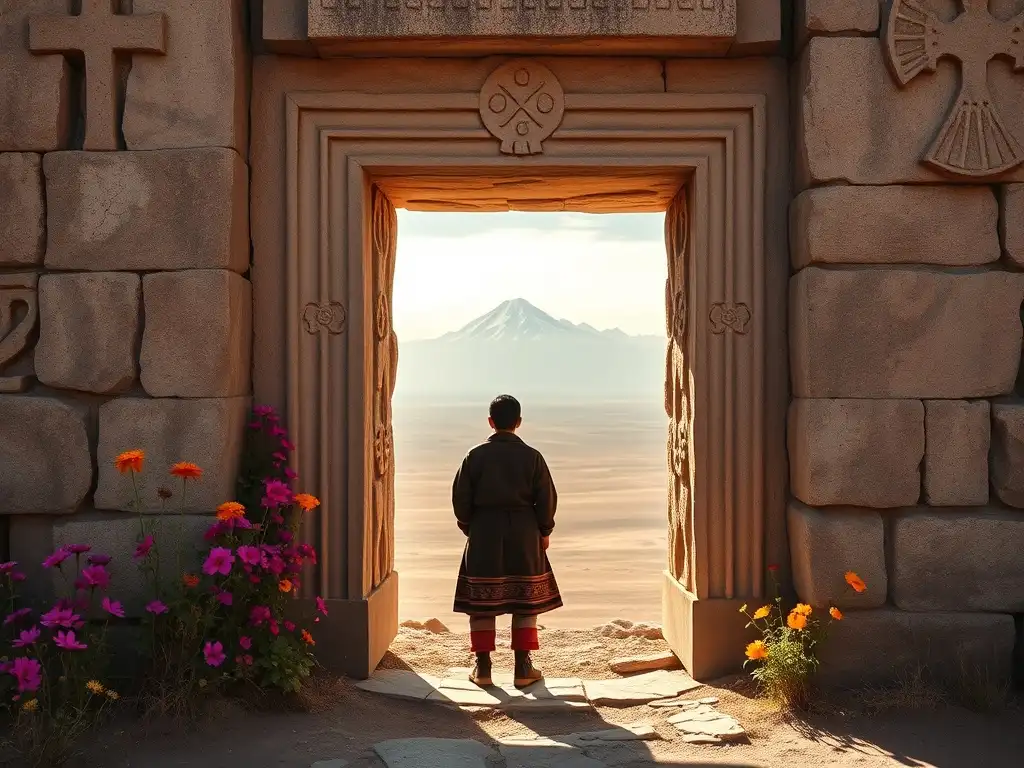
Aymara cosmology, with its intricate web of beliefs and practices, continues to exert a profound influence on the lives of Aymara people today. While modernization and globalization have undeniably impacted their traditions, the core tenets of their spiritual worldview remain deeply ingrained in their daily routines, social structures, and even their political activism. Understanding this enduring influence requires examining how Aymara cosmology shapes their perspectives on everything from agriculture and healthcare to community organization and environmental stewardship.
The interconnectedness of the spiritual and material worlds, a central theme in Aymara thought, is not a relic of the past but a living reality that informs their present and shapes their future. This influence isn't merely a passive inheritance; it’s an active engagement with a cosmology that provides a framework for navigating the complexities of modern life. The resilience of Aymara cosmology in the face of external pressures speaks volumes about its power and enduring relevance.
We see this resilience not only in the continued practice of ancient rituals but also in the innovative ways Aymara people are adapting their traditional beliefs to contemporary challenges, ensuring their spiritual heritage remains vibrant and relevant for generations to come. This adaptability demonstrates a dynamic relationship between tradition and modernity, a testament to the inherent flexibility and strength of Aymara cosmology itself.
Preserving Aymara Traditions in the Modern World
The preservation of Aymara traditions in the modern world is a complex and multifaceted endeavor. Facing the pressures of globalization and the encroachment of dominant cultures, Aymara communities actively engage in strategies to maintain their cultural heritage. This involves a conscious effort to transmit knowledge and practices from one generation to the next through various means. Formal education plays a crucial role, with some schools incorporating Aymara language and cultural studies into their curricula.
However, the transmission often occurs informally, through family storytelling, participation in community rituals, and hands-on learning of traditional crafts and agricultural techniques. Furthermore, the rise of Aymara-led organizations and initiatives dedicated to cultural preservation has greatly contributed to safeguarding their heritage. These groups actively work to document Aymara traditions, promote the Aymara language, and advocate for the rights and recognition of Aymara communities.
The challenge lies in balancing the preservation of authenticity with the need for adaptation to contemporary contexts. This delicate balance is evident in the creative ways Aymara people integrate their traditional beliefs and practices into modern life, demonstrating a dynamic interplay between tradition and change. The success of these preservation efforts is vital not only for the Aymara people but also for the broader understanding and appreciation of Andean cultural diversity.
The Enduring Relevance of Aymara Spiritual Beliefs
Aymara spiritual beliefs, deeply rooted in their cosmology, continue to hold profound significance in their lives, providing a framework for understanding the world and their place within it. The concept of Pachamama, the Earth Mother, remains central, influencing their agricultural practices, environmental consciousness, and social interactions. The belief in a harmonious relationship between humanity and nature is not merely a philosophical ideal but a practical guide for daily life.
Respect for the natural world and the interconnectedness of all living things permeates their worldview. Their understanding of illness and healing is also intrinsically linked to their spiritual beliefs, often incorporating traditional medicinal practices alongside modern healthcare. Furthermore, their cosmology provides a moral compass, shaping their social values and ethical considerations.
The enduring relevance of these beliefs is evidenced in their continued practice and adaptation to modern challenges. Even in urban settings, Aymara people maintain connections to their spiritual heritage, demonstrating the resilience and adaptability of their cosmology in a rapidly changing world. The persistence of these beliefs is a powerful testament to the enduring strength of their spiritual traditions and their capacity to provide meaning and purpose in the face of modernity.
The Practice of Ch’alla: Offering to Pachamama in Daily Life
Ch’alla, the ritual offering to Pachamama, is an integral part of daily life for many Aymara people. It's not merely a ceremonial act but a fundamental expression of their relationship with the Earth Mother. Ch’alla involves pouring alcohol, coca leaves, and other offerings onto the earth, expressing gratitude and seeking blessings for good fortune, health, and prosperity. The act is performed on various occasions, from daily agricultural work to significant life events like births, marriages, and deaths.
The frequency and nature of the offerings vary depending on individual circumstances and the specific needs or intentions of the person performing the ritual. Ch’alla is not a passive act of appeasement but an active engagement with the spiritual world, fostering a sense of reciprocity and mutual respect between humanity and nature. It's a living testament to the dynamic interplay between the spiritual and material realms in Aymara cosmology.
The continued practice of Ch’alla demonstrates the enduring relevance of Aymara spiritual beliefs in contemporary society, highlighting their ability to adapt and integrate into the daily lives of Aymara people, even in the face of modernization and globalization. The ritual acts as a powerful reminder of the deep connection between Aymara people and their environment, a connection that shapes their worldview and informs their actions. Through Ch’alla, Aymara people reaffirm their commitment to a harmonious coexistence with Pachamama, ensuring the continuity of their spiritual heritage.
Aymara Cosmology: A Deep Dive into Andean Spirituality
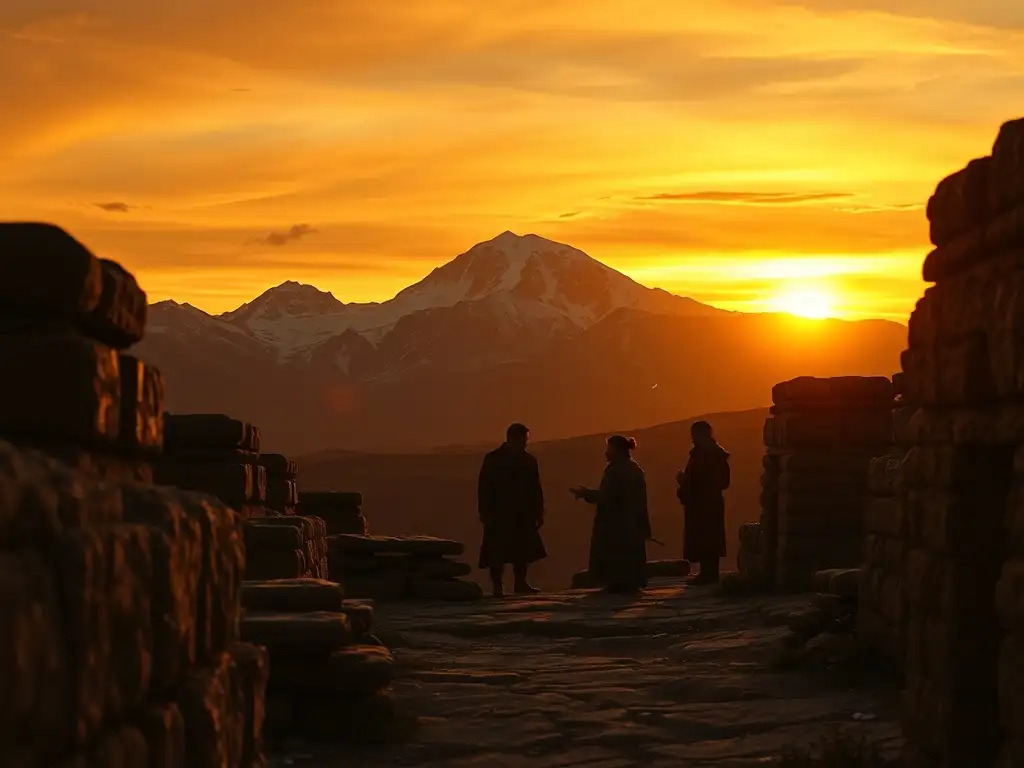
This section delves into the fascinating spiritual worldview of the Aymara people, exploring their unique cosmology and its connection to Inca beliefs, offering a nuanced understanding of their relationship with the natural world and the spiritual realm. While influenced by broader Andean traditions, Aymara cosmology possesses distinct characteristics that set it apart. This exploration will uncover the intricate tapestry of beliefs that shaped Aymara society and continue to resonate within their culture today. Understanding Aymara cosmology provides crucial insights into the rich tapestry of Andean spiritual thought.
Exploring the Aymara concept of time and space
The Aymara perception of time and space differs significantly from Western linear models. Instead of a sequential, forward-moving timeline, Aymara cosmology views time as cyclical and interconnected. The past, present, and future are not distinct entities but rather interwoven threads within a continuous flow. This cyclical understanding is deeply rooted in the agricultural cycle, mirroring the rhythms of planting, harvesting, and renewal observed in nature.
The concept of pacha, often translated as "world" or "cosmos," encompasses this holistic view, encompassing not only the physical environment but also the spiritual and ancestral realms. The pachamama (Mother Earth) is central to this understanding, representing the life-giving force that sustains all living things. Aymara cosmology emphasizes a deep interconnectedness between the physical and spiritual dimensions within pacha, with the spiritual world actively influencing the material world.
Their understanding of space is equally holistic; mountains, lakes, and celestial bodies are not merely geographical features but possess spiritual significance, acting as conduits between the human and spiritual realms. This is reflected in their rituals and ceremonies, often performed at sacred sites imbued with ancestral power. The Aymara worldview emphasizes the importance of living in harmony with pacha, respecting its rhythms and maintaining a balanced relationship with its various components.
The Aymara understanding of life and death
Death, in Aymara cosmology, is not viewed as an absolute end but rather as a transition to another realm within pacha. The soul, or aluma, continues to exist and interact with the living world. Ancestors play a vital role in Aymara spiritual life, acting as intermediaries between the living and the spiritual realm. Their guidance and protection are sought through rituals and offerings.
The concept of reciprocity, a cornerstone of Aymara cosmology (discussed further below), extends beyond interactions among the living; it includes the ancestors and the spiritual world. Respect for ancestors and their continued influence on the community are essential aspects of Aymara beliefs. The achuy, or shaman, plays a crucial role in mediating between the living and the deceased. They possess the ability to communicate with spirits, guiding souls to the afterlife and ensuring the well-being of the community.
Death, therefore, is not a final separation but a continuation of the interconnectedness that defines Aymara cosmology. The cyclical nature of time is reflected in the understanding of life and death as part of a continuous cycle of renewal and transformation within pacha. This perspective fosters a deep respect for life and a recognition of the interconnectedness of all beings.
The importance of reciprocity in Aymara cosmology
Reciprocity, or ayni, is a fundamental principle governing Aymara social relations and their interaction with the natural world. It's a concept deeply embedded in their cosmology and daily life. Ayni signifies a balanced exchange of goods, services, and energy, ensuring harmony and stability within the community and the broader ecosystem. This principle extends beyond human interactions, encompassing their relationship with pachamama.
Offerings and rituals are performed to express gratitude to the earth for its bounty and to maintain a balanced exchange. Failure to reciprocate, whether in human interactions or towards the natural world, is believed to disrupt this balance, leading to misfortune or illness. The concept of ayni is not merely an economic or social system; it is a spiritual principle reflecting the interconnectedness of all things within pacha. This inherent interconnectedness underscores the importance of living in harmony with nature and maintaining respectful relationships with both the living and the deceased.
The intricate web of reciprocal relationships underscores the holistic and interconnected nature of Aymara cosmology, emphasizing the importance of balance and sustainability in all aspects of life. This emphasis on reciprocity is a key element distinguishing Aymara cosmology from other Andean belief systems, highlighting its unique cultural and spiritual identity. The enduring relevance of ayni in contemporary Aymara society further emphasizes its profound influence on their worldview and social fabric.
Conclusion: Appreciating the Richness of Aymara Cosmology
This exploration into Aymara cosmology reveals a deeply complex and nuanced worldview, significantly impacting the lives and societies of the Aymara people for centuries. Unlike simpler interpretations, Aymara cosmology isn't merely a set of beliefs; it's a living, breathing system that informs their daily practices, social structures, and relationship with the natural world.
Understanding this intricate tapestry of spiritual beliefs provides crucial insight into their history, resilience, and ongoing cultural significance within the broader Andean context. The interconnectedness of the physical and spiritual realms, the reverence for ancestral spirits ( Achachilas), and the profound respect for Pachamama (Mother Earth) are not merely abstract concepts but fundamental pillars shaping their identity and worldview.
The subtle interplay between these elements, combined with their unique understanding of time and space, offer a fascinating case study in the diversity of Andean spiritual traditions. The enduring relevance of Aymara cosmology in the modern era underscores its importance as a vibrant and dynamic system, continuing to evolve while retaining its core principles.
The enduring legacy of Aymara beliefs within the Andean region
The influence of Aymara cosmology extends far beyond the immediate Aymara communities. Its impact can be observed in the broader Andean region, subtly woven into the cultural fabric of neighboring groups and even influencing aspects of Inca beliefs. While the Inca empire exerted significant political and military control, the pre-existing spiritual traditions of the conquered populations, including the Aymara, left an indelible mark on Inca religious practices.
Evidence suggests a syncretism, a blending of beliefs, where Inca deities and rituals absorbed elements of Aymara cosmology. This mutual exchange is not a simple case of dominance and assimilation; it demonstrates a more complex interaction, a testament to the resilience and adaptability of Aymara spiritual thought. The veneration of mountains, the importance of ritual offerings, and the deep respect for the forces of nature—these are themes common to both Aymara and Inca beliefs, indicating a shared cultural heritage deeply rooted in the Andean landscape.
Further research is needed to fully delineate the extent of this cross-cultural influence, but the existing evidence strongly suggests a significant contribution of Aymara cosmology to the broader Andean spiritual landscape. The study of "Aymara cosmology Inca beliefs" thus reveals a rich and complex history of cultural exchange and adaptation. Understanding this relationship allows us to appreciate the profound influence of Aymara spiritual traditions on the Andean world.
Further exploration of Aymara spiritual traditions
Further research into Aymara cosmology should focus on several key areas. Firstly, a deeper investigation into the role of specific rituals and ceremonies is crucial. Detailed ethnographic studies, including participant observation and interviews with Aymara elders, can provide valuable insights into the practical application of their cosmological beliefs. Secondly, a comparative analysis with other Andean cosmologies, such as those of the Quechua or the Inca, would help illuminate the unique aspects of Aymara spirituality while highlighting shared Andean themes. This comparative approach will allow for a more nuanced understanding of the diversity and interconnectedness of Andean spiritual traditions.
Thirdly, exploring the impact of globalization and modernization on contemporary Aymara spiritual practices is essential. How are traditional beliefs adapting to changing social and economic circumstances? Are there tensions between traditional cosmology and modern influences? Addressing these questions will contribute to a more comprehensive understanding of the ongoing evolution of Aymara spirituality.
Finally, it's important to acknowledge the need for further research into the specific relationship between Aymara cosmology and Inca beliefs. More detailed studies are needed to fully understand the extent of the mutual influence and the processes of cultural exchange that shaped the religious landscape of the Andean region. This includes examining archaeological evidence, analyzing historical texts, and conducting thorough ethnographic research within both Aymara and Inca descendant communities. The continued study of Aymara cosmology promises to unveil further fascinating details about this rich and complex worldview, contributing significantly to our understanding of Andean history and culture.
Frequently Asked Questions
What is Aymara cosmology?
Aymara cosmology is the spiritual worldview of the Aymara people, an indigenous group from the Andes. It centers on a complex relationship between the human world and the spiritual realm, encompassing concepts of balance, reciprocity, and the interconnectedness of all things. This includes a strong connection to the earth and mountains.
How does Aymara cosmology differ from Inca beliefs?
While both Aymara and Inca beliefs share some Andean roots, they have distinct features. Aymara cosmology emphasizes a more local and community-based spirituality, while Inca religion was more centralized and hierarchical, focused around the Inca emperor and state religion. Both systems, however, acknowledge the power of nature.
What are some key elements of Aymara spiritual beliefs?
Key elements include the worship of Apus (mountain spirits), the importance of Pachamama (Mother Earth), and the concept of Ayni (reciprocity). These beliefs guide their daily lives and agricultural practices, emphasizing harmony with nature.
How did the Aymara interact with their environment according to their cosmology?
Aymara cosmology dictates a deep respect for the environment. Their practices, including farming and rituals, reflect a belief in the interconnectedness of all living things and the need to maintain balance within the ecosystem. This is reflected in their sustainable agricultural practices.
How relevant is Aymara cosmology today?
Aymara cosmology remains highly relevant to the Aymara people today. It continues to shape their social structures, spiritual practices, and relationship with the land. It is a living tradition that is actively preserved and practiced in contemporary Aymara communities.
Final Reflection: Weaving the Threads of Aymara Cosmology
The intricate tapestry of Aymara cosmology, with its profound connection to the Andean landscape and its enduring spiritual practices, remains deeply relevant today. Its emphasis on reciprocity, respect for nature, and the interconnectedness of all living things offers a powerful counterpoint to the often-exploitative relationship modern societies have with the environment. Understanding this worldview is not simply an academic exercise; it's a crucial step towards building a more sustainable and ethically responsible future.
The enduring influence of Aymara cosmology on the Andean cultural landscape is undeniable, shaping not only religious practices but also social structures and environmental stewardship. Its emphasis on community and collective responsibility resonates deeply with contemporary discussions of social justice and environmental activism. The mountains are not just rocks; they are living beings, our ancestors, and we must respect them.
This simple yet profound statement encapsulates the Aymara worldview and its enduring relevance in a world grappling with ecological crises and social inequalities. The echoes of this ancient wisdom continue to inspire movements for indigenous rights and environmental protection, reminding us of the interconnectedness of all things.
Consider, for a moment, the profound implications of this cosmology. How might embracing the Aymara principles of reciprocity and respect for the natural world transform your own interactions with the environment and your community? I invite you to reflect on the ways in which this ancient wisdom can inform your own life, fostering a deeper connection with the world around you and inspiring action towards a more just and sustainable future. Let the threads of Aymara cosmology weave themselves into your own understanding of the world, enriching your perspective and empowering you to contribute to a more harmonious existence.
Dive Deep into Aymara Wisdom!
Thank you for exploring the fascinating world of Aymara cosmology. Your journey through the rich spiritual landscapes of the Andes has provided valuable insights into the Aymara worldview.
Now, let's build on this understanding. Here are some ways to further connect with Aymara culture and enrich your spiritual journey:
- Attend an Aymara cultural event or festival. Immerse yourself in the community and its traditions.
- Explore Andean spiritual practices and philosophies. Deepen your understanding and appreciation through further reading and research.
- Share this article with others who might find the Aymara perspective inspiring. Spark a conversation about how these teachings can positively influence your lives.
How can you integrate Aymara teachings into your daily life to cultivate a stronger sense of connection and community?