
The Legends and Myths of Machu Picchu: Folklore and Oral Traditions

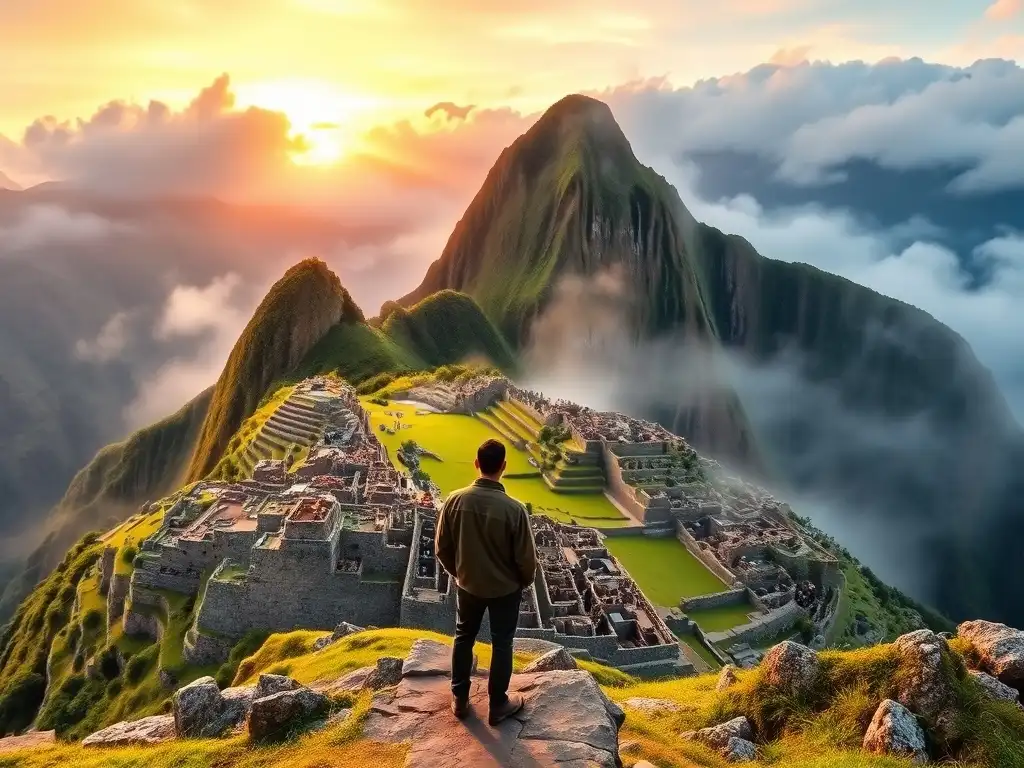
Dive into the enigmatic world of the Andes! Prepare to unravel the captivating stories and hidden truths behind the majestic peaks and ancient ruins. From the sun-drenched valleys to the cloud-piercing heights, we'll journey through the rich tapestry of Andean civilizations. But our exploration begins with a mystery… Machu Picchu Inca myths and legends: what secrets do these legendary ruins whisper to those who dare to listen? Uncover the breathtaking history and captivating folklore—your adventure starts now.
- Machu Picchu Inca Myths and Legends: Unveiling the Folklore of the Sacred City
- The Creation Myths of Machu Picchu and the Inca Empire
- Machu Picchu Legends: Stories Woven in Stone
- Exploring the Oral Traditions of Machu Picchu
- The Role of Machu Picchu in Inca Rituals and Ceremonies
- Debunking Common Misconceptions About Machu Picchu Myths
- The Enduring Legacy of Machu Picchu's Myths and Legends
-
Frequently Asked Questions
- What are some popular myths and legends surrounding Machu Picchu?
- How did Inca myths and legends influence the construction of Machu Picchu?
- What role did oral traditions play in preserving Machu Picchu's legends?
- Are there any myths about the disappearance of the Inca people from Machu Picchu?
- How do modern interpretations of Machu Picchu's myths and legends differ from traditional Inca beliefs?
- Final Reflection: Echoes of the Inca in the Andes
- Unveil the Mysteries of Machu Picchu!
Machu Picchu Inca Myths and Legends: Unveiling the Folklore of the Sacred City
Machu Picchu, the iconic "Lost City of the Incas," perched high in the Andes Mountains, is more than just a breathtaking archaeological site. It's a repository of captivating stories, whispered through generations, that intertwine history with myth and legend. This article delves into the rich tapestry of Inca myths and legends associated with Machu Picchu, exploring the oral traditions that have shrouded this sacred city in an aura of mystery and wonder for centuries.
We will examine the origins of these narratives, their enduring power, and the ways in which they continue to shape our understanding of this remarkable place and the Inca civilization itself. From tales of powerful deities to explanations of the city's construction and purpose, the legends of Machu Picchu offer a unique and compelling perspective on Inca cosmology, beliefs, and societal structures.
Understanding these myths allows us to move beyond the physical ruins and connect with the spiritual and cultural heart of this extraordinary site. Prepare to embark on a journey through time, where history and legend intertwine to reveal the captivating soul of Machu Picchu.
Introduction to the Mystical Side of Machu Picchu
Machu Picchu's mystique is deeply rooted in its dramatic setting and the enduring power of Inca folklore. The sheer inaccessibility of the site, nestled amidst towering peaks and shrouded in mist, fueled the imagination of both the Incas and later explorers. The very name, "Old Mountain," evokes a sense of age and reverence. Inca mythology is replete with stories of powerful apus (mountain spirits), who were believed to inhabit and protect the sacred peaks.
Machu Picchu, strategically located amidst several significant apus, was undoubtedly considered a place of immense spiritual importance. Many legends link the city to these powerful entities, portraying it as a site of communion between the human and divine realms. These narratives are not simply fanciful tales; they reflect the Inca worldview, their deep connection with nature, and their sophisticated understanding of the cosmos.
The incorporation of astronomical alignments within the city's architecture further emphasizes its sacred significance and its connection to the celestial realm. The intricate stonework itself, often cited as evidence of advanced Inca engineering, is also viewed by some as a testament to supernatural assistance, solidifying the belief in the city's mystical origins. The legends surrounding Machu Picchu, therefore, are not separate from its history but rather an integral part of its very essence.
Origins of Machu Picchu's Mystical Narratives
The origins of Machu Picchu's myths are complex, tracing back to both pre-Inca traditions and the Inca Empire itself. Oral traditions, passed down through generations of Quechua-speaking communities, form the bedrock of these narratives. Unfortunately, the Spanish conquest significantly disrupted these oral histories, leading to the loss of some knowledge. However, surviving accounts, combined with archaeological findings and anthropological research, allow us to piece together fragments of these ancient stories.
Many legends describe the city's construction as divinely inspired, with some claiming that it was built by supernatural beings or with the assistance of powerful spirits. These stories frequently feature Inti, the Inca sun god, and other important deities, highlighting the profound religious significance attributed to the site. Other myths focus on the lives and deeds of Inca rulers, often associating specific features of Machu Picchu with their reign or particular events in Inca history. These narratives are not static; they evolved over time, adapting to changing social contexts and incorporating new elements.
The blend of historical events and mythical embellishments creates a rich and multifaceted narrative that continues to fascinate and inspire. The ongoing research and study of these oral traditions are crucial to preserving and understanding the full scope of Machu Picchu's legendary past. Further research into pre-Inca narratives and the impact of the Spanish conquest on oral traditions is needed to fully understand the evolution of these myths.
The Creation Myths of Machu Picchu and the Inca Empire
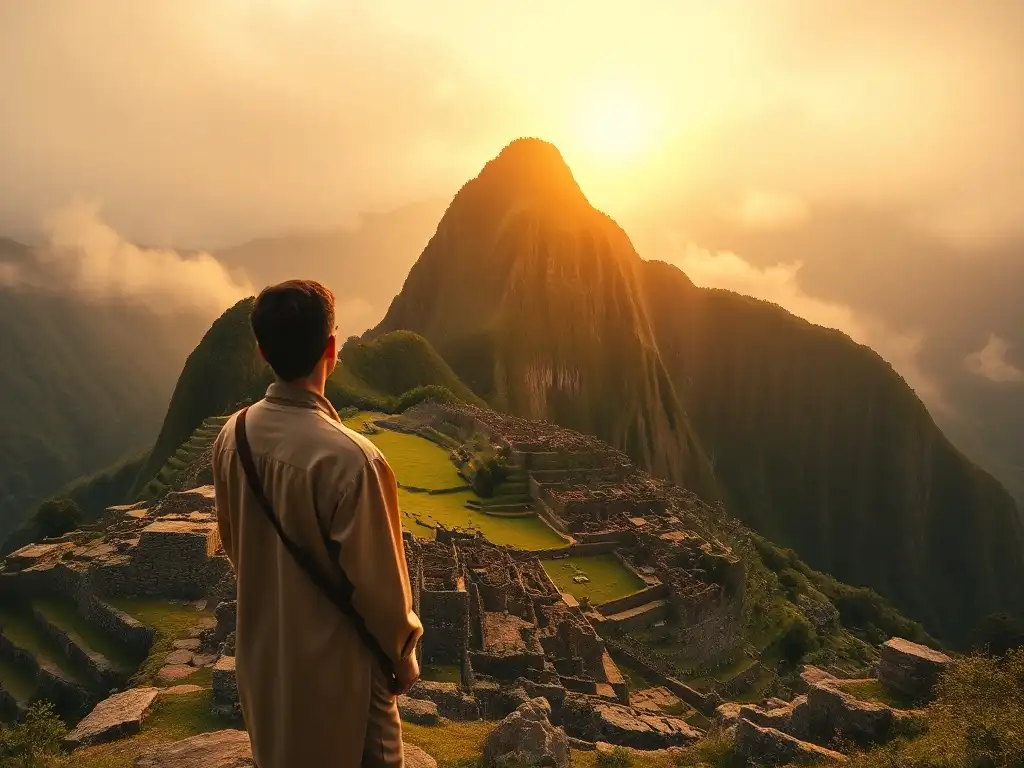
This section delves into the fascinating creation myths surrounding Machu Picchu, exploring how these narratives intertwine with broader Inca cosmology and beliefs. Understanding these myths provides crucial context for appreciating the site's significance beyond its impressive architecture and engineering. Machu Picchu wasn't merely a city; it was a sacred space imbued with deep spiritual meaning, a reflection of the Inca worldview.
The legends associated with its founding are not simply stories; they are key to understanding the Inca relationship with their environment and their perception of the divine. These narratives illuminate the Inca's profound connection to the Andes mountains, their reverence for nature, and their sophisticated understanding of the cosmos. The stories passed down through generations offer a glimpse into the heart of Inca culture and the spiritual essence of Machu Picchu.
The Inca Cosmovision and its Influence on Machu Picchu Legends
The Inca cosmovision, a complex system of beliefs about the universe, heavily influenced the legends surrounding Machu Picchu. The Incas saw the world as a harmonious interplay between the hanan pacha (upper world), the kay pacha (present world), and the ukhu pacha (underworld). Machu Picchu, nestled high in the Andes, served as a powerful symbol of this interconnectedness.
Legends often depict the site as a bridge between these realms, a place where the gods interacted with humans. The mountain itself, with its towering peaks and cloud-shrouded heights, was considered sacred, a manifestation of divine power. The Inca myths and legends of Machu Picchu are deeply rooted in this understanding, illustrating the spiritual significance attributed to the location and its construction.
For example, stories often describe how the choice of location was divinely guided, emphasizing the site's connection to celestial events and the spirits of the mountains. The placement of buildings, terraces, and water channels often reflects this cosmological understanding, with specific features aligned with astronomical patterns or symbolic of cosmic energies.
The Sun God Inti and His Role in the Founding of Machu Picchu
Inca mythology prominently features Inti, the sun god, considered the most important deity in the Inca pantheon. Legends surrounding Machu Picchu often attribute its founding to Inti’s divine intervention or guidance. Some narratives portray Inti directly guiding the construction, providing supernatural assistance or revealing the ideal location through dreams or visions.
These stories emphasize Inti's role not only as a creator god but also as a protector and benefactor of the Inca people. Machu Picchu, built on a site of immense natural beauty and strategically positioned for agricultural efficiency, is portrayed in these myths as a gift from the sun god, a testament to his favor upon the Inca.
The city's layout, orientation towards the sun, and the incorporation of solar observatories further support this connection, reinforcing the narrative of divine involvement in its creation. The use of gold, a metal strongly associated with Inti, in ceremonies and adornments further solidifies the sun god's association with the sacred site.
Pachamama, the Earth Mother, and the Sacredness of the Site
Pachamama, the Earth Mother, is another crucial figure in Inca mythology, representing the fertility and bounty of the land. Legends about Machu Picchu frequently highlight Pachamama's role in the site's creation and continued prosperity. The agricultural terraces, meticulously carved into the mountainside, are often interpreted within the context of honoring Pachamama, demonstrating the Inca's respect for the land and their dedication to sustainable practices.
Stories might depict Pachamama blessing the land, ensuring its fertility and providing for the needs of the people living in Machu Picchu. The abundance of water channels and irrigation systems, essential for successful agriculture, are presented in the myths as gifts from Pachamama, reflecting the deep symbiotic relationship between the Incas and their environment.
The site's integration with the natural landscape, its harmonious coexistence with the surrounding environment, underscores the profound reverence held for Pachamama and her influence on the sacredness of Machu Picchu. The legends, therefore, are not merely historical accounts; they are also a testament to a sustainable and deeply spiritual relationship with the Earth.
Machu Picchu Legends: Stories Woven in Stone
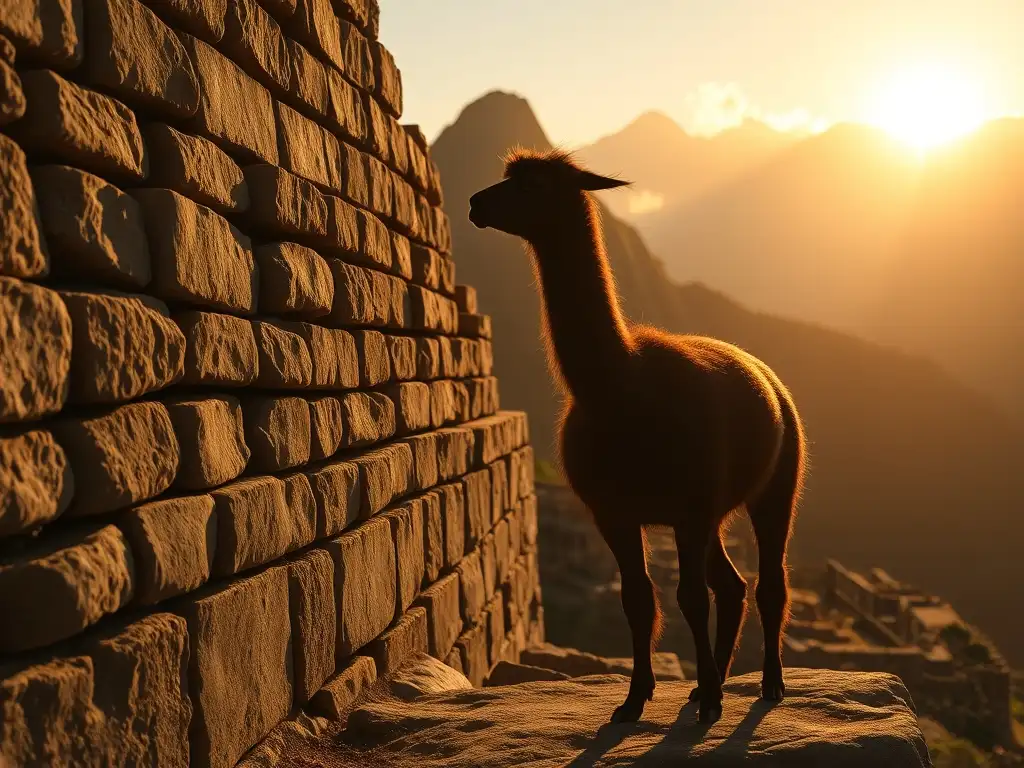
Machu Picchu, the iconic lost city of the Incas, isn't just a marvel of engineering and architecture; it's also a repository of captivating legends and myths. These narratives, passed down through generations via oral traditions, add another layer of intrigue and mystique to this already fascinating site. Understanding these Inca myths and legends provides a deeper appreciation for the cultural significance of Machu Picchu and the worldview of its inhabitants.
The stories are not merely whimsical tales; they often reflect societal structures, beliefs about the natural world, and the spiritual landscape of the Andean people. The persistence of these narratives underscores the enduring power of storytelling and the importance of preserving cultural heritage. Many of these stories intertwine with the physical landscape, imbuing the stones themselves with meaning and history.
The Legend of the Lost City and its Discovery
The very discovery of Machu Picchu in 1911 by Hiram Bingham is shrouded in a certain amount of legend itself. While Bingham's expedition is historically documented, the narratives surrounding the city's prior "discovery" by local people and the extent of its use before the Inca Empire's collapse remain a subject of ongoing discussion and speculation. Some legends speak of a hidden city, deliberately concealed to protect its treasures and inhabitants from invaders.
These stories often involve secret passages, hidden entrances, and clever camouflage techniques used by the Inca to shield Machu Picchu from prying eyes. The legend of its rediscovery, therefore, becomes intrinsically linked to the pre-existing myths surrounding its deliberate concealment, adding a layer of mystery to its already remarkable history.
The very act of rediscovering Machu Picchu, then, becomes a modern-day validation of these older, oral traditions, transforming the historical narrative into a blend of fact and folklore. The precise nature of the Inca's use of the site before its supposed abandonment, and the reasons behind that abandonment, continue to fuel speculation and enrich the existing legends.
The Virgins of the Sun and Their Connection to Machu Picchu
One persistent theme in Machu Picchu's lore centers around the acllas, or "Virgins of the Sun." These women, chosen for their beauty and intelligence, served as priestesses and played a significant role in Inca society. Legends suggest that some acllas resided in Machu Picchu, dedicated to religious practices and weaving intricate textiles.
These women were believed to possess special spiritual powers and were highly revered. The stories often portray them as guardians of sacred knowledge and keepers of the city's secrets. While archaeological evidence doesn't definitively confirm the presence of a large acllahuasi (a convent for the Virgins of the Sun) within Machu Picchu, the persistent presence of the legend speaks volumes about the perceived importance of these women in the Inca cosmology and their potential association with the sacred site.
The enduring myth of the acllas at Machu Picchu highlights the significant role women played in Inca society, a detail often overlooked in historical accounts. Further research might uncover more details about the potential presence of these revered women within the citadel.
The Apus, the Mountain Spirits, and their Protection of the Citadel
In Inca mythology, the Apus are powerful mountain spirits, considered sacred and revered. Legends associated with Machu Picchu emphasize the profound connection between the city and the surrounding mountains, particularly Huayna Picchu and Machu Picchu Mountain. These mountains are not merely geographical features; they are considered living entities, imbued with spiritual power and protective of the city nestled within their embrace.
Stories tell of the Apus watching over Machu Picchu, safeguarding it from harm and ensuring its prosperity. The strategic location of the city, nestled amongst these towering peaks, is often interpreted as a deliberate choice to harness the spiritual energy and protection offered by the Apus. The integration of the city's architecture with the natural landscape further reinforces this connection, suggesting a deep understanding of the spiritual significance of the mountains and their role in the Inca worldview.
The persistent association of the Apus with Machu Picchu highlights the importance of nature worship in Inca culture and the deep spiritual connection between the Incas and their environment. The legends surrounding the Apus and their protection of Machu Picchu emphasize the sacredness of the site and its integration into the broader Andean cosmology. This symbiotic relationship between the city and the mountain spirits remains a central theme in the rich tapestry of Machu Picchu's folklore.
Exploring the Oral Traditions of Machu Picchu
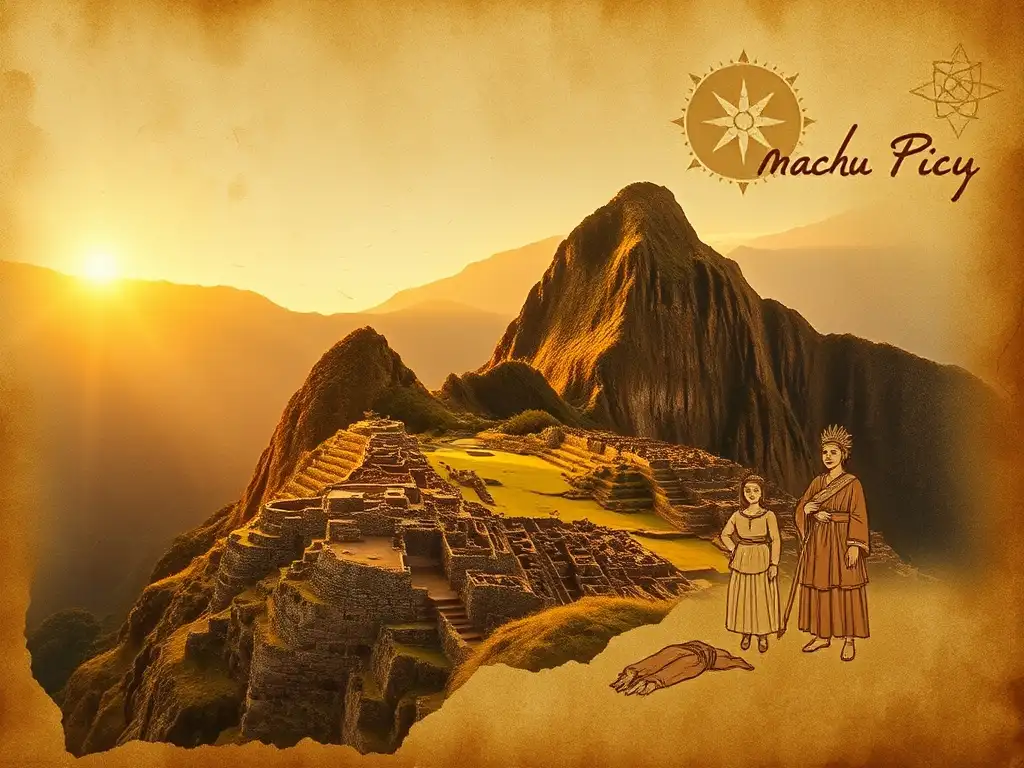
This section delves into the captivating oral traditions surrounding Machu Picchu, exploring the myths and legends that have woven themselves into the very fabric of the site's mystique. These stories, passed down through generations of Quechua-speaking communities, offer a fascinating glimpse into the Inca worldview and their relationship with the sacred landscape of Machu Picchu. Understanding these narratives provides a richer, more nuanced understanding of the site beyond its archaeological significance, revealing the enduring power of Inca folklore and its continued relevance today.
Many of these legends are intertwined with the natural environment, reflecting the Inca's deep reverence for the mountains, animals, and the spiritual forces they believed inhabited them. The preservation of these oral traditions is crucial for understanding the complete picture of Machu Picchu's history and cultural significance. The enduring power of these Machu Picchu Inca myths and legends highlights the lasting impact of Inca culture.
The Legend of the Condor and the Puma at Machu Picchu
The majestic Andes are home to two powerful symbols in Inca mythology: the condor, representing the sun and the upper world, and the puma, embodying the earth and the underworld. Legend speaks of a powerful spiritual connection between these two creatures and Machu Picchu. One version tells of a fierce battle between a giant condor and a colossal puma, their struggle shaping the very mountains surrounding the citadel.
Their clash created deep crevices and dramatic peaks, mirroring the complex topography of the area. Another version portrays the condor and puma as guardians, their watchful presence protecting the sacred city and its inhabitants. This legend emphasizes the Inca belief in the interconnectedness of the natural world and the spiritual realm, with the animals acting as intermediaries between these two planes of existence.
The story's vivid imagery underscores the Inca's profound respect for the powerful forces they believed shaped their world. The enduring presence of both the condor and the puma in Andean iconography reinforces the centrality of this myth in the cultural imagination. The legend's survival underscores the importance of Machu Picchu Inca myths and legends in understanding Inca cosmology.
This captivating tale centers on a beautiful Inca princess, said to have been either a daughter of the Sapa Inca or a high-ranking noblewoman. Legend claims she was deeply in love with a commoner, a forbidden romance that threatened to destabilize the Inca social order. To escape the wrath of her family and preserve their love, the princess and her beloved fled to Machu Picchu, taking with them a vast treasure—gold, jewels, and sacred artifacts.
They concealed the treasure somewhere within the citadel, possibly in a hidden chamber or cleverly disguised within the ruins themselves. The princess, heartbroken by the loss of her former life and fearful of discovery, is said to have eventually died at Machu Picchu, her spirit forever bound to the hidden wealth. The legend continues to inspire treasure hunters, who over the centuries have searched for this lost Inca fortune, fueling the enduring mystique surrounding Machu Picchu.
This legend highlights the themes of forbidden love, social upheaval, and the enduring allure of lost treasures—all elements that resonate deeply within the human experience. The enduring popularity of this story reflects the continued fascination with Machu Picchu Inca myths and legends and their power to inspire imagination.
The Tale of the Stone that Cries at Machu Picchu
Among the many stones that comprise Machu Picchu, one is said to possess a unique, almost supernatural quality: it cries. This legend speaks of a stone imbued with the sorrow and suffering of the Inca people, its tears reflecting their hardships, their struggles, and their ultimate defeat by the Spanish conquistadors. The stone's tears are described as a mystical dew, appearing only under certain conditions—perhaps during a full moon, or after a particularly heavy rainfall.
Some claim to have witnessed this phenomenon, describing the stone as weeping, its surface glistening with an otherworldly moisture. This legend speaks to the enduring pain and trauma associated with the Inca's conquest and the lasting impact on their descendants. The legend serves as a poignant reminder of the human cost of colonization and the enduring cultural memory of a people who have strived to preserve their heritage.
The story underscores the enduring power of Machu Picchu Inca myths and legends to transmit cultural memory and collective trauma across generations. The mystery surrounding the "weeping stone" adds an element of intrigue and serves as a powerful testament to the enduring spirit of the Inca people.
The Role of Machu Picchu in Inca Rituals and Ceremonies
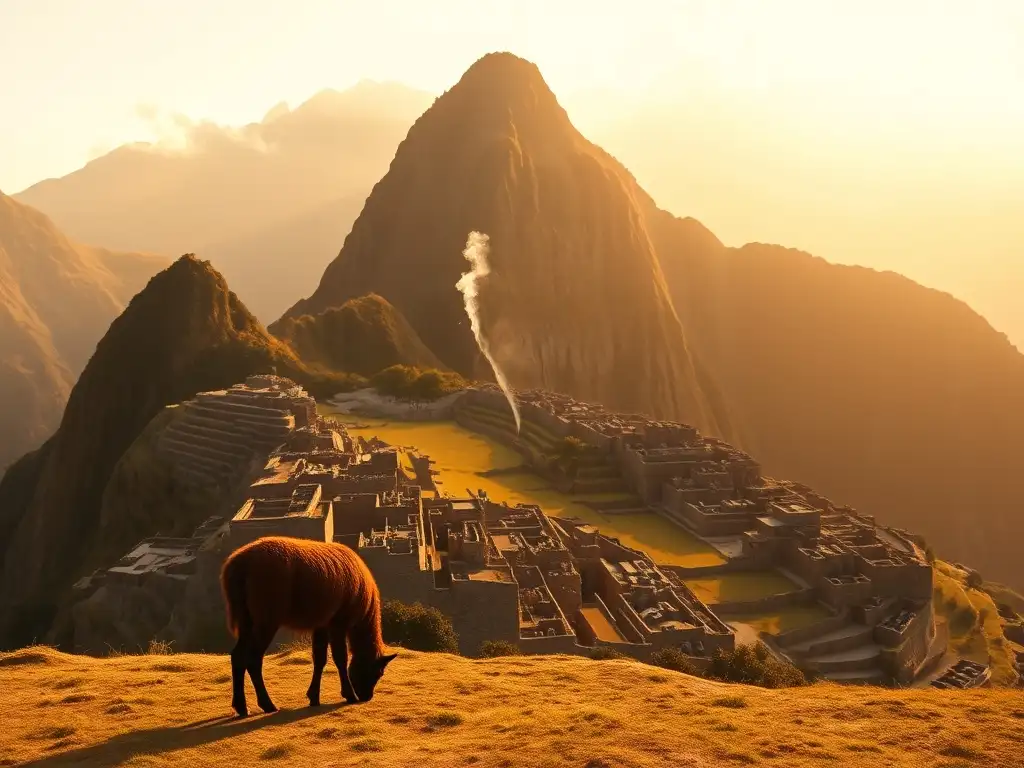
Machu Picchu's status as a significant site within the Inca Empire extended far beyond its architectural marvel. Evidence strongly suggests its crucial role as a center for religious rituals and ceremonies, deeply intertwined with Inca cosmology and beliefs. The mountain's strategic location, its connection to celestial events, and the presence of numerous sacred structures all point to its importance as a place of worship and spiritual significance.
Understanding Machu Picchu requires acknowledging its function not merely as a city, but as a living, breathing testament to Inca spirituality. The sheer scale and sophistication of its religious architecture further underscores this central role. We'll delve into specific examples to illustrate this profound connection.
The Significance of Inti Raymi in Machu Picchu's History
Inti Raymi, the Inca festival celebrating the winter solstice and the sun god Inti, was a pivotal event in the Inca calendar. While the precise nature of Inti Raymi celebrations at Machu Picchu remains a subject of ongoing research, its significance within the broader Inca context strongly suggests its likely observance at this sacred site. The orientation of certain structures towards the rising sun, combined with the discovery of ceremonial objects and potential sacrificial remains, hints at the possibility of elaborate rituals performed during this crucial time of year.
The meticulous astronomical alignments present within the architecture of Machu Picchu strongly support the hypothesis that the site was designed to facilitate the observation and celebration of celestial events, including Inti Raymi. Further investigation, particularly through careful analysis of archaeological findings and comparative studies with other known Inca ceremonial sites, is needed to fully elucidate the specifics of Inti Raymi celebrations at Machu Picchu.
The potential discovery of additional artifacts or inscriptions could shed more light on this fascinating aspect of Machu Picchu's history. The mystery surrounding the specific rituals performed during Inti Raymi at Machu Picchu adds to its allure and underscores the ongoing importance of archaeological research.
Rituals Performed at Machu Picchu: A Glimpse into Inca Spirituality
Beyond Inti Raymi, other rituals likely took place at Machu Picchu, reflecting the multifaceted nature of Inca spirituality. The presence of numerous huacas (sacred objects or places) within the city suggests a complex system of interconnected beliefs and practices. The Temple of the Sun, for instance, with its unique architectural features and potential connection to solar worship, likely served as a focal point for various rituals related to the sun god Inti and other deities.
Similarly, the Temple of the Three Windows might have been used for ceremonies connected to the Andean worldview and its emphasis on the interaction between the earthly and celestial realms. Archaeological evidence, including the discovery of sophisticated water management systems and the presence of various types of agricultural terraces, provides insights into the close relationship between Inca spirituality and their practical understanding of the natural world.
The intricate network of paths and plazas further suggests the carefully orchestrated movements and processions during these rituals. The sheer number of structures within Machu Picchu, many with clear ceremonial functions, testifies to the rich and complex tapestry of Inca religious life.
The Connection Between the Sacred Sites and Inca Beliefs
The sacred sites within Machu Picchu are not isolated entities but integral parts of a broader cosmological system. The Inca worldview emphasized the interconnectedness of the natural world, with mountains, rivers, and celestial bodies all possessing spiritual significance. Machu Picchu's location, nestled within the Andes Mountains and overlooking the Urubamba River, reflects this deep-seated connection to the natural environment.
The Inca belief in the Pachamama (Mother Earth) and the Apus (mountain gods) is clearly reflected in the careful integration of the city into its surroundings. The agricultural terraces, constructed with remarkable precision, demonstrate the Inca's reverence for the land and their understanding of its vital role in maintaining the balance of the cosmos. The meticulous planning and execution of the city’s construction, combined with the evidence of elaborate rituals, reveals a profound understanding of the relationship between the physical and spiritual realms.
The enduring legacy of Machu Picchu lies not only in its architectural achievements but also in the profound insights it offers into the spiritual beliefs and practices of the Inca civilization. Further research into the specific rituals performed at Machu Picchu will undoubtedly provide a deeper understanding of the Inca worldview and their intricate relationship with their environment. The ongoing exploration of Machu Picchu continues to reveal new and exciting facets of Inca culture and spirituality, solidifying its place as a truly exceptional archaeological site.
Debunking Common Misconceptions About Machu Picchu Myths
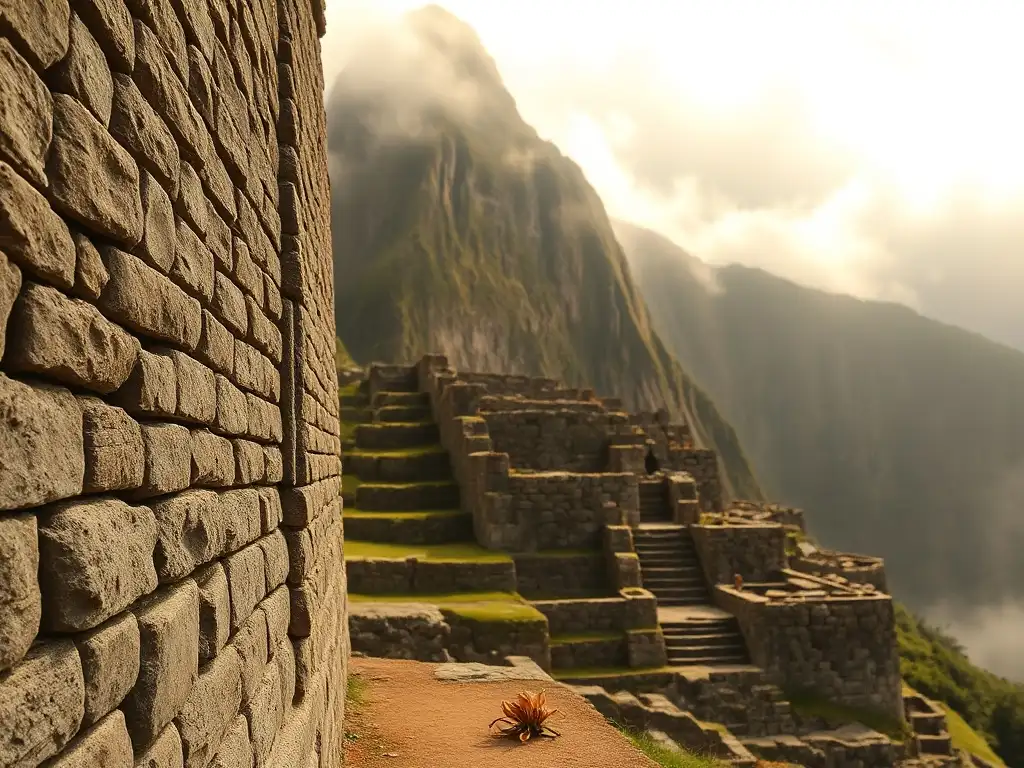
Machu Picchu's allure is inextricably linked to the captivating myths and legends surrounding its discovery and purpose. However, many popular narratives surrounding Machu Picchu Inca myths and legends are often embellished or entirely fabricated. Separating fact from fiction requires careful examination of both archaeological evidence and the surviving oral traditions, often fragmented and interpreted through a modern lens. This section aims to clarify some common misconceptions, replacing speculation with substantiated knowledge.
Separating Fact from Fiction in Machu Picchu's Folklore
One persistent myth portrays Machu Picchu as a solely sacred site, untouched by the daily lives of the Inca people. While its elevated position and architectural features certainly suggest a significant ceremonial function, archaeological evidence reveals a complex reality. Excavations have uncovered residential areas, agricultural terraces, and storage facilities, indicating that Machu Picchu served as more than just a temple.
It was a vibrant, functioning community, likely supporting a diverse population with roles ranging from priests and nobility to farmers and artisans. The presence of both sacred and secular structures points to a multifaceted purpose, rather than the simplistic "lost city of the Incas" narrative often presented.
Furthermore, the romantic notion of a hidden city, mysteriously abandoned and rediscovered centuries later, needs nuance. While its rediscovery was relatively recent, historical accounts suggest that the site wasn't entirely lost to knowledge after the Spanish conquest; local populations retained some awareness of its existence, although the full extent of its significance remained obscured until Hiram Bingham's expedition.
Another misconception centers around the specific Inca myths and legends associated with particular structures. Many narratives ascribe specific divine purposes to individual buildings, often lacking concrete archaeological support. While symbolic interpretations are valid, it's crucial to avoid imposing modern frameworks onto a culture vastly different from our own.
The meanings attributed to various structures are likely far richer and more complex than what simplified narratives suggest. Further research and analysis of Inca cosmology and social structure are necessary to fully understand the significance of individual buildings within the broader context of Machu Picchu. For example, the Intihuatana stone, often described as a sundial solely dedicated to sun worship, likely held a more complex role within Inca astronomy and ritual practices.
Analyzing the Historical Basis for Machu Picchu Legends
Many Machu Picchu Inca myths and legends have roots in the oral traditions passed down through generations of Quechua-speaking communities. These stories, though often fragmented and adapted over time, offer valuable insights into Inca worldview and beliefs. However, the challenge lies in reliably reconstructing these narratives and separating authentic elements from later accretions.
The Spanish conquest significantly disrupted Inca society and culture, leading to the loss of many historical records and the suppression of indigenous knowledge. Consequently, many narratives are incomplete or have been subtly altered to fit later cultural contexts. Careful analysis of surviving oral histories, alongside archaeological findings, is essential to discern the historical kernel within the legendary accounts.
For instance, stories about powerful Inca rulers and their connection to Machu Picchu are often interwoven with supernatural elements, making it crucial to distinguish between factual accounts of historical figures and mythical embellishments. The process requires a multidisciplinary approach, combining anthropological research with archaeological data to create a more comprehensive understanding.
The scarcity of written Inca records further complicates the process. The Inca did not possess a written alphabet in the same way as many other ancient civilizations. Their knowledge was primarily transmitted orally, making the reconstruction of their history and beliefs a challenging endeavor.
This reliance on oral transmission inevitably led to variations and adaptations in storytelling across different communities, resulting in diverse versions of the same legend. This presents both a challenge and an opportunity for researchers. The variation itself reveals much about the fluidity of Inca culture and the ways in which their myths evolved and adapted to changing circumstances.
The Influence of Western Interpretation on Inca Mythology
The interpretation of Machu Picchu Inca myths and legends has been significantly shaped by Western perspectives, often imposing preconceived notions onto the Inca worldview. Early explorers and researchers, often operating within a Eurocentric framework, filtered their observations through their own cultural lenses, sometimes unintentionally misrepresenting or simplifying Inca beliefs and practices. This resulted in narratives that, while captivating, may not accurately reflect the complexities of Inca mythology.
For example, the initial interpretations of Machu Picchu often focused on its supposed military significance, overlooking its more nuanced roles as a religious center and a thriving community. This bias toward military interpretations stemmed partly from a Western preoccupation with conquest and power dynamics.
Furthermore, the romanticized image of Machu Picchu, often presented as a lost city of unparalleled beauty and mystery, has fueled a plethora of fictional accounts and imaginative interpretations. These narratives, while entertaining, can overshadow more nuanced and historically accurate understandings of the site and its significance. To counter this, a more critical and self-aware approach is necessary.
Researchers must actively strive to decolonize the narrative surrounding Machu Picchu, giving voice to indigenous perspectives and actively engaging with Quechua communities to understand their interpretations of their own heritage. Only by acknowledging the influence of Western biases and actively seeking alternative perspectives can we hope to achieve a more complete and accurate understanding of the myths and legends associated with this iconic site.
The Enduring Legacy of Machu Picchu's Myths and Legends
Machu Picchu, the iconic "Lost City of the Incas," isn't just a marvel of engineering and architecture; it's also a repository of captivating myths and legends that continue to fascinate and inspire. These narratives, passed down through generations via oral traditions, offer a unique window into the Inca worldview, their beliefs, and their relationship with the Andean landscape.
Understanding these Machu Picchu Inca myths and legends is crucial to appreciating the site's full significance, moving beyond the purely historical and archaeological interpretations. The stories themselves are interwoven with the very fabric of the mountain, shaping how we perceive this extraordinary place and its inhabitants.
The enduring power of these narratives lies in their ability to connect us with the past, fostering a deeper understanding of the Inca civilization and their spiritual connection to their environment. Analyzing these legends reveals not just historical facts, but also the cultural values and beliefs that fueled Inca society.
How Inca Folklore Continues to Shape Our Understanding of Machu Picchu
Inca folklore surrounding Machu Picchu often centers on themes of creation, deities, and the sacredness of nature. Many stories involve Inti, the sun god, and Pachamama, the earth mother, highlighting the profound reverence the Inca held for the natural world. For example, some legends associate Machu Picchu's location with specific astronomical alignments, suggesting a deliberate connection between the city's construction and celestial events.
These alignments, whether purely coincidental or intentionally designed, have fueled speculation about the city's function as a religious or ceremonial center. The intricate stonework itself often inspires tales of superhuman abilities or divine intervention, emphasizing the Inca's mastery of engineering and their belief in the power of the spiritual realm. These narratives, while often lacking concrete historical evidence, enrich our understanding of Inca cosmology and their perception of Machu Picchu as a place of immense spiritual significance.
The stories aren't merely entertaining tales; they are vital keys to unlocking a deeper appreciation of the Inca worldview and their relationship with their sacred landscape. Analyzing these stories provides valuable insight into Inca social structures, religious beliefs, and their intricate understanding of the cosmos.
Preserving the Oral Traditions of the Inca People
The preservation of Inca oral traditions relating to Machu Picchu presents a significant challenge. The Spanish conquest led to the suppression of many indigenous practices and beliefs, resulting in a loss of knowledge and cultural continuity. However, many stories have survived, passed down through generations within Quechua communities inhabiting the surrounding areas.
Ethnographic research and collaborations with local communities are crucial for documenting and preserving these invaluable narratives. This involves careful recording of stories, songs, and rituals, ensuring accurate transcription and translation. The preservation of these oral traditions is not merely an academic exercise; it is a vital act of cultural preservation, recognizing the importance of indigenous voices in shaping our understanding of the past.
Furthermore, this effort actively combats the erasure of indigenous knowledge and empowers local communities to reclaim and share their heritage. The task demands sensitivity, respect, and a collaborative approach, ensuring that the stories are preserved authentically and ethically. This process involves careful consideration of intellectual property rights and the ethical implications of preserving and disseminating indigenous knowledge.
Conclusion: The Mystical Charm of Machu Picchu and its Legends
The myths and legends associated with Machu Picchu add a layer of mystique and wonder to this already awe-inspiring site. These stories, passed down through generations, offer a unique perspective on Inca history, culture, and spirituality. They transcend the realm of mere historical accounts, revealing the profound connection between the Inca people, their environment, and their beliefs.
By understanding and preserving these oral traditions, we enrich our appreciation of Machu Picchu, moving beyond a purely archaeological understanding to embrace a more holistic and culturally sensitive interpretation. The enduring power of these Machu Picchu Inca myths and legends lies in their ability to connect us with the past, fostering a sense of wonder and inspiring further exploration of this extraordinary site and its enigmatic history.
The ongoing preservation of these stories is vital for ensuring that the rich cultural heritage of the Inca remains alive and continues to inspire generations to come. 🌎
Frequently Asked Questions
What are some popular myths and legends surrounding Machu Picchu?
Many legends surround Machu Picchu, including tales of hidden treasures, secret passages, and the city's sudden abandonment. These stories often blend with Inca history and beliefs, adding to the site's mystique.
How did Inca myths and legends influence the construction of Machu Picchu?
Inca cosmology and beliefs heavily influenced Machu Picchu's design and location. The city's layout possibly reflects sacred geography and astronomical alignments, reflecting their worldview. Spiritual significance was clearly central to its construction.
What role did oral traditions play in preserving Machu Picchu's legends?
Oral traditions were crucial in transmitting stories and myths across generations before written records became widespread. These passed-down narratives preserved knowledge of Machu Picchu's history and significance, even after the Inca empire fell.
Are there any myths about the disappearance of the Inca people from Machu Picchu?
Several legends explain the city's abandonment, ranging from epidemics and internal conflicts to divine intervention or a deliberate strategic retreat. These narratives highlight the Inca's relationship with their environment and the spiritual world.
How do modern interpretations of Machu Picchu's myths and legends differ from traditional Inca beliefs?
Modern interpretations often blend archaeological findings with traditional stories, offering new perspectives. While respecting the cultural significance of the legends, researchers also seek historical accuracy and contextual understanding of the Inca civilization.
Final Reflection: Echoes of the Inca in the Andes
The enduring power of Machu Picchu's legends isn't just a historical curiosity; it's a vibrant testament to the enduring strength of oral tradition in shaping our understanding of the past. These myths, passed down through generations, offer a glimpse into the Inca worldview, their relationship with the natural world, and the profound spiritual significance they attributed to this breathtaking citadel. The stories themselves, woven into the very fabric of the landscape, continue to resonate with visitors today, enriching their experience far beyond the impressive stonework.
The impact of these narratives extends beyond simple storytelling; they represent a living connection to a rich cultural heritage. They remind us that history isn't solely confined to dusty textbooks and archaeological digs, but exists in the whispers of the wind through the mountains, in the echoes of ancient songs, and in the very stones of Machu Picchu itself. The past is never dead. It's not even past.
– William Faulkner. This quote perfectly encapsulates the enduring relevance of these Inca myths and legends, demonstrating how they continue to inform our understanding of the Inca civilization and its legacy.
Consider, for a moment, the power of a story to transport you to another time and place. The legends of Machu Picchu do just that, inviting you to engage with a culture long gone, to feel the weight of history, and to appreciate the enduring human need to create and share narratives that explain the world around us.
Let the echoes of these ancient tales inspire you to seek out the stories in your own life, to explore the myths and legends that shape your own community, and to understand the enduring power of oral tradition in preserving our collective heritage.
Unveil the Mysteries of Machu Picchu!
Thank you for exploring the fascinating folklore and oral traditions surrounding Machu Picchu with us! We hope you enjoyed discovering the rich stories that define this iconic site. Now, let's put that newfound knowledge into action!
- Join a local guided tour to experience Machu Picchu's legends firsthand and immerse yourself in its vibrant culture.
- Share your favorite myth from this article with friends and family or on social media—help keep these captivating stories alive!
- Consider contributing to an online forum dedicated to Andean traditions, where you can share your insights and learn from fellow enthusiasts.
Which legend captivated you the most, and how do you think it shapes our understanding of Machu Picchu today?