
Inca Law and Justice: Maintaining Order in a Complex Society

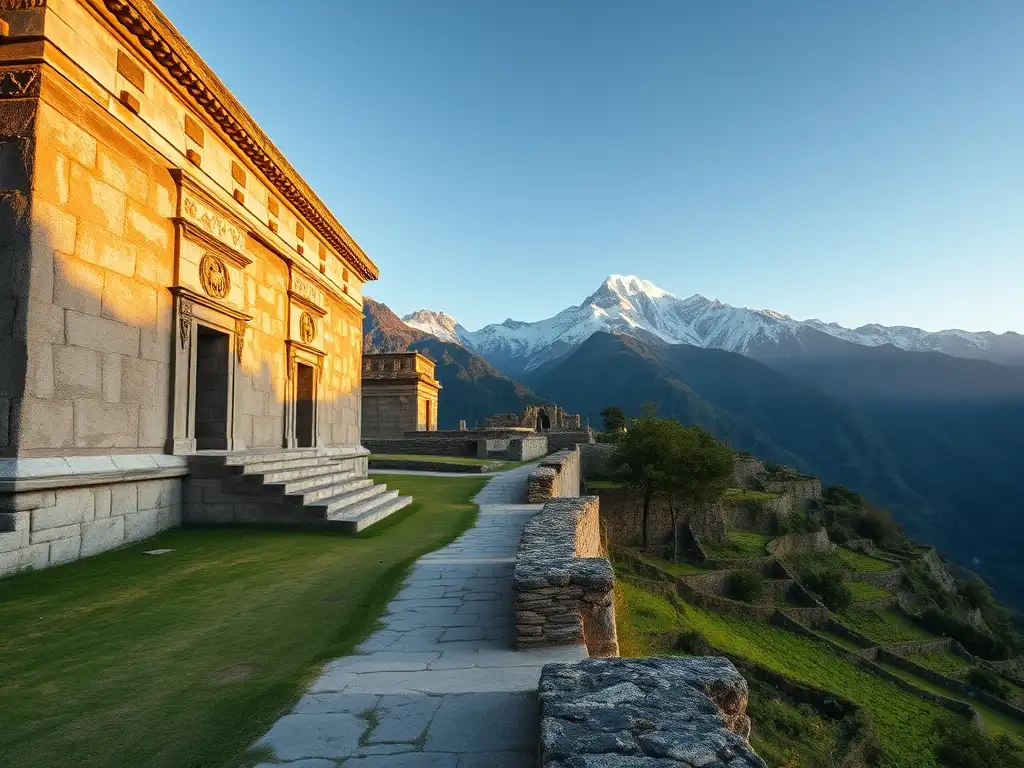
Step into a world lost to time, yet echoing with the whispers of a sophisticated empire. Imagine a society where justice wasn't just a concept, but a meticulously crafted system woven into the very fabric of daily life. Discover the intricacies of the Inca legal system of the Andes, a remarkable achievement that shaped the lives of millions across the breathtaking landscapes of the Andes Mountains. Prepare to unravel the mysteries of order and governance in this fascinating civilization – your journey into the heart of Inca law begins now.
-
Inca Legal System of the Andes: Maintaining Order in a Complex Society
- The Foundations of Inca Law and Justice
- The Role of the Inca and State in the Legal System
- The Hierarchy of Justice in the Inca Empire
- Inca Laws and Regulations: A Detailed Overview
- Administration of Justice: The Inca Legal Process
- Methods of Punishment and Social Control in Inca Society
- The Impact and Legacy of the Inca Legal System
- Case Study: The Punishment of a Corrupted Official
- Comparison with Chimor Legal Practices
- Frequently Asked Questions
- Final Reflection: Echoes of the Inca Justice System in Modern Society
- Unveil the Wisdom of Inca Justice!
Inca Legal System of the Andes: Maintaining Order in a Complex Society
The Inca Empire, a vast and sophisticated civilization that flourished in the Andes Mountains for centuries, possessed a remarkably well-organized legal system. This system, far from being arbitrary or capricious, was intricately woven into the fabric of Inca society, playing a crucial role in maintaining order, resolving disputes, and ensuring the smooth functioning of the empire.
Understanding the Inca legal system provides invaluable insight into the complexities of Inca governance, social structures, and daily life. This article delves into the key aspects of Inca law and justice, exploring its foundations, the role of the state, and the mechanisms employed to ensure compliance and social harmony.
We will examine how this system, deeply rooted in Inca cosmology and social values, effectively managed a diverse population spread across a challenging and geographically varied landscape. The keyword "Inca legal system of the Andes" is central to this exploration, illuminating a fascinating aspect of this remarkable civilization.
The Foundations of Inca Law and Justice
Inca law wasn't codified in a written document like many modern legal systems. Instead, it was a complex interplay of customary practices, religious beliefs, and the pronouncements of Inca rulers and officials. The foundation of Inca justice rested upon a strong moral code emphasizing community harmony, respect for authority, and reciprocal obligations within the ayllu, the fundamental socio-economic unit of Inca society. Justice wasn't merely about punishment; it was about restoring balance and social equilibrium.
This concept is reflected in the emphasis placed on reconciliation and community-based dispute resolution. The Inca worldview, deeply intertwined with religious beliefs, profoundly influenced legal practices. For example, violations of religious taboos or acts considered sacrilegious carried severe penalties, highlighting the inseparable nature of law and religion in Inca culture. The Inca worldview emphasized the importance of collective well-being and viewed transgressions as disruptions of the cosmic order.
The Inca legal system was not static; it adapted to the specific circumstances and needs of different regions and communities. While core principles remained consistent, local customs and traditions played a role in the application of justice, demonstrating a degree of flexibility within the overall framework. This adaptability was essential to the effective governance of such a diverse and geographically dispersed empire. Additionally, the Inca system prioritized preventative measures.
Clear social hierarchies, defined roles, and strong community bonds helped to minimize conflicts before they escalated into major disputes. This proactive approach to social order was a key element of the Inca’s success in maintaining stability across their vast empire. The system, though unwritten, was highly effective in maintaining order and resolving disputes within the communities. The penalties for transgressions varied significantly depending on the severity of the offense and the social standing of the individual involved.
The Role of the Inca and State in the Legal System
At the apex of the Inca legal system stood the Sapa Inca, the emperor, whose authority was considered divine. He was the ultimate source of justice and his decisions were final. However, the Sapa Inca didn't directly handle every case. A hierarchical system of officials, including curacas (local leaders), tucuyricuy (inspectors), and other appointed judges, ensured the day-to-day administration of justice.
These officials were responsible for investigating crimes, mediating disputes, and imposing penalties according to established norms and customs. The state played a vital role in upholding the law, with officials regularly traveling throughout the empire to oversee local administration and ensure the proper functioning of the legal system. This system of oversight helped to maintain consistency and prevent abuses of power at the local level.
The Inca state also employed a sophisticated system of record-keeping, using quipus (knotted cords) to document legal matters, track cases, and record penalties. While the exact nature of quipu-based legal records remains a subject of ongoing research, it's clear that they played a significant role in the administration of justice. The efficiency of this system allowed for effective communication and coordination across the vast distances of the empire.
Furthermore, the Inca state actively intervened in disputes to ensure fairness and prevent escalation. The emphasis on community harmony meant that the state often prioritized reconciliation over harsh punishment, using mediation and restorative justice practices to resolve conflicts whenever possible.
This approach, coupled with effective surveillance and a hierarchical system of justice, contributed significantly to the stability and longevity of the Inca Empire. The Inca legal system, therefore, was a complex and multifaceted institution that played a critical role in maintaining order and social harmony within this remarkable civilization.
The Hierarchy of Justice in the Inca Empire
The Inca legal system wasn't a monolithic entity; instead, it reflected the empire's hierarchical structure. Justice wasn't dispensed uniformly across the vast Andean landscape. At the local level, disputes were initially handled by community leaders, often curacas (local chiefs) who acted as judges and mediators. These individuals possessed a deep understanding of customary law and local traditions, resolving many conflicts peacefully through negotiation and reconciliation.
Their decisions were based on a combination of Inca law and pre-existing indigenous practices, demonstrating the empire's pragmatic approach to governance. More serious cases, involving crimes against the state or inter-community disputes, were escalated to higher authorities. Provincial governors held greater judicial power, with their decisions subject to review by higher officials. Ultimately, the Sapa Inca, the emperor, held supreme judicial authority, capable of overriding any lower court's decision.
This hierarchical structure ensured that justice was relatively accessible, while simultaneously allowing for centralized control and consistency in the application of Inca law. The system, however, could also be susceptible to biases depending on the social standing of the individuals involved. For instance, a commoner's complaint against a noble might face more hurdles than a complaint between two individuals of similar social standing.
Inca Laws and Regulations: A Detailed Overview

The Inca legal system, while not codified in writing like many European systems, was surprisingly sophisticated and comprehensive. Oral traditions, meticulously preserved and passed down through generations of amautas (wise men and scholars), played a critical role in maintaining and transmitting legal principles. These traditions encompassed a vast array of laws and regulations that governed nearly every aspect of Inca life.
These weren't simply abstract principles; they were deeply embedded in the fabric of daily existence. While the exact details of many laws remain debated amongst scholars due to the lack of written records, archaeological evidence and accounts from Spanish chroniclers provide significant insights into their nature and scope. The Inca system emphasized communal responsibility and collective well-being, placing a high value on social harmony and mutual support.
Penalties for infractions were designed not only to punish offenders but also to deter future wrongdoing and to restore balance within the community. The effectiveness of this system lay in its integration with the broader social and religious structures of the Inca Empire. It wasn't a separate entity but rather an integral part of the empire's overall functioning.
Laws Governing Social Conduct and Family Life
Inca laws governing social conduct and family life reflected a strong emphasis on community values and social order. Respect for elders, adherence to traditional customs, and the maintenance of harmonious family relationships were paramount. Marriage, for example, was a significant social institution, regulated by customary law and overseen by community leaders. Polygamy was practiced, particularly among the elite, but generally monogamy was the norm.
Divorce was possible, but it required the intervention of community authorities and often involved restitution or other forms of compensation. Incest was strictly prohibited, reflecting the importance of maintaining social cohesion and avoiding potential conflicts. Furthermore, laws concerning inheritance, property rights, and child-rearing were all carefully defined, ensuring a level of social stability and predictability within the community. Disputes arising from family matters were initially addressed within the family itself, with community leaders intervening only when internal resolution proved impossible.
Regulations on Land Ownership and Resource Management
Land ownership in the Inca Empire was a complex issue, reflecting the empire’s unique socio-economic system. While the Sapa Inca held ultimate ownership of all land, it was allocated to communities and individuals for use, rather than outright possession. This system, often referred to as ayllu, emphasized collective responsibility for land management and resource utilization. Regulations concerning land use were meticulously defined to ensure sustainable practices and to prevent resource depletion.
Irrigation systems, crucial for agriculture in the Andean highlands, were meticulously maintained and managed collectively. Similarly, laws governed the harvesting of crops, the grazing of livestock, and the use of forests and other natural resources. These regulations aimed to balance the needs of the community with the long-term sustainability of the environment. Violations, such as unauthorized land use or wasteful resource consumption, could lead to significant penalties, ranging from fines to expulsion from the community.
Inca Criminal Law and Punishments
Inca criminal law focused on maintaining social order and deterring harmful behavior. Crimes ranged from minor offenses, such as theft or vandalism, to more serious crimes like murder, treason, and rebellion. Punishments varied depending on the severity of the crime and the social status of the offender. Minor offenses might result in fines, community service, or public shaming.
More serious crimes could result in corporal punishment, such as flogging or mutilation. The death penalty was reserved for the most egregious offenses, such as treason or rebellion against the Inca state. Interestingly, the Inca system emphasized restorative justice, seeking to repair the harm caused by the crime rather than simply inflicting punishment.
This often involved reconciliation between the offender and the victim, as well as community-based restorative measures. While the Inca legal system lacked formal prisons in the way many modern systems do, detention and exile were used in certain cases. The overall system aimed to maintain social harmony and prevent future transgressions through a combination of punitive and restorative measures.
Administration of Justice: The Inca Legal Process
The Inca legal system, while lacking a codified written law like those of later European societies, was remarkably efficient in maintaining order across a vast and diverse empire. Justice wasn't dispensed through abstract legal principles but rather through a pragmatic approach focused on restoring balance and harmony within the community. This system relied heavily on a complex network of officials and a hierarchical structure that mirrored the empire's administrative organization.
The kurakas, local leaders, played a crucial initial role in resolving disputes within their communities. More serious cases, or those involving disputes between different ayllus (kinship groups), would ascend the hierarchical ladder, eventually reaching higher-level authorities in the provincial and imperial capitals. The entire process emphasized restorative justice, aiming not just to punish offenders but also to repair the harm caused and reintegrate them into society.
This approach differed significantly from the punitive systems of many other ancient civilizations. The emphasis was on community reconciliation and the maintenance of social order, rather than solely on retribution. Oral tradition played a vital role in preserving legal precedents and customs, ensuring consistency across different regions.
Procedures for Resolving Disputes and Conflicts
Disputes were typically handled through a series of steps, beginning with mediation and negotiation at the local level. The kuraka, often assisted by respected elders or community members, would attempt to facilitate a peaceful resolution between the parties involved. Evidence was gathered through testimony from witnesses and consideration of the social standing and reputation of those involved. If mediation failed, the case would escalate to higher authorities.
Appeals were possible, with cases potentially reaching the Sapa Inca himself in extreme circumstances. The process was often public, with community involvement crucial in ensuring fairness and transparency. This participatory approach fostered a sense of collective responsibility for maintaining social order and helped prevent the escalation of minor conflicts into major disturbances. The Inca system prioritized practical solutions and aimed to minimize long-term social disruption.
The Role of Judges and Officials in the Inca Justice System
The Inca justice system utilized a tiered structure of officials, each with specific responsibilities in administering justice. At the local level, kurakas acted as primary judges, resolving minor disputes and mediating conflicts. Provincial governors, tukuy rikukuna, handled more serious cases and oversaw the administration of justice in their respective regions. At the highest level, the Sapa Inca, the emperor, served as the ultimate authority, though he typically delegated judicial functions to his appointed officials.
These officials weren't necessarily trained legal professionals in the modern sense, but they were respected community leaders with extensive knowledge of customary law and social norms. Their decisions were guided by a deep understanding of Inca societal values and the need to maintain harmony and balance within the community. Corruption, while undoubtedly present to some degree, was actively discouraged through a system of checks and balances and the potential for appeals to higher authorities.
The Inca approach to punishment was less about inflicting pain and more about restoring social order and deterring future offenses. While corporal punishment existed, it wasn't the primary method of dealing with crime. The Inca system relied heavily on a combination of penalties designed to rehabilitate offenders and to send a message to the wider community about acceptable behavior.
Public shaming and restitution were common practices, reflecting the importance of community involvement in maintaining social control. The severity of the punishment was generally proportional to the gravity of the offense, with emphasis on repairing the harm caused and restoring balance within the community. The system was not entirely without harsh penalties, but these were generally reserved for serious crimes that threatened the stability of the empire.
Types of Penalties and Their Application
Penalties ranged from fines and community service to exile and, in extreme cases, death. Fines often involved the forfeiture of property or labor services. Community service was a common form of punishment, requiring offenders to perform tasks that benefited the community. Exile was used for more serious offenses, removing the individual from their community and potentially disrupting their social networks.
Capital punishment was reserved for the most egregious crimes, such as treason or murder, and was often carried out publicly to serve as a deterrent. The application of these penalties was influenced by several factors, including the severity of the crime, the social standing of the offender, and the overall impact on community harmony. The goal was not simply to punish, but to restore balance and prevent future transgressions.
The Importance of Public Humiliation and Restitution
Public humiliation played a significant role in Inca justice. Offenders might be forced to parade through the streets, publicly confess their wrongdoing, or endure other forms of public shaming. This served not only as punishment but also as a powerful deterrent and a way to reaffirm community norms. Restitution was another key element. Offenders were often required to compensate their victims for the harm caused, either through material goods or labor.
This restorative approach prioritized repairing the damage done and reintegrating the offender back into the community. The emphasis on public accountability and restitution helped reinforce social cohesion and helped prevent the escalation of conflicts. The system sought to balance the need for punishment with the importance of restoring harmony within the community. This approach reflects a broader Andean emphasis on collective responsibility and the importance of maintaining social balance.
The Impact and Legacy of the Inca Legal System

The Inca legal system, while seemingly austere by modern standards, played a crucial role in maintaining order and stability across a vast and diverse empire. Its impact resonates even today. The system's effectiveness stemmed from its deep integration into the fabric of Inca society.
Laws weren't simply abstract rules; they were interwoven with religious beliefs, customary practices, and the intricate social hierarchy. This holistic approach fostered a sense of collective responsibility and ensured widespread compliance. The emphasis on community participation in justice, as we'll explore later, further cemented the system's influence.
The Inca's sophisticated system of record-keeping, using quipus (knotted strings) for detailed accounting and potentially legal documentation, allowed for efficient administration and the tracking of legal proceedings. This advanced record-keeping system, although not fully understood today, highlights the sophistication of their legal infrastructure. The enduring legacy of Inca legal principles can be seen in the continued emphasis on communal responsibility and customary law in many Andean communities, showcasing the lasting power of this ancient system.
How Inca Law Maintained Social Stability
The Inca legal system's success in maintaining social stability lay in its multifaceted approach. First, the clear hierarchical structure ensured accountability at all levels. From the Sapa Inca at the apex to local authorities, everyone was subject to the law.
Secondly, the system emphasized restorative justice, focusing on repairing harm rather than solely on punishment. This approach fostered reconciliation within communities and prevented escalating conflicts. The integration of religious beliefs into the legal system added another layer of social control.
Infractions were often viewed as offenses against the gods, adding a powerful moral dimension to the legal process. Finally, the system's efficiency in resolving disputes, facilitated by the readily available local authorities and the swift application of justice, prevented minor conflicts from escalating into larger societal disruptions. This combination of hierarchical accountability, restorative justice, religious influence, and efficient dispute resolution contributed significantly to the remarkable social stability enjoyed by the Inca Empire, despite its size and complexity.
The Influence of Inca Legal Practices on Modern Andean Communities
While the Inca Empire fell centuries ago, the echoes of its legal practices continue to influence modern Andean communities. Many communities retain strong traditions of communal justice, resolving disputes through community councils and elders, mirroring the Inca emphasis on collective responsibility. The concept of ayllu, the traditional Andean community system, continues to shape social structures and often plays a crucial role in conflict resolution.
While formal legal systems now exist in Andean nations, customary law and traditional practices often hold significant weight, especially in rural areas. The emphasis on restorative justice, seen in the Inca system, is also reflected in some modern Andean approaches to conflict resolution, prioritizing reconciliation and community healing over punitive measures. The enduring influence of Inca legal traditions highlights the enduring relevance of their approach to justice and social order in the context of Andean cultures.
Case Study: The Punishment of a Corrupted Official
One example of the Inca legal system in action involves the punishment of a corrupted official. While specific details are scarce due to limited surviving documentation, accounts suggest that officials found guilty of embezzlement, bribery, or abuse of power faced severe consequences. These might range from fines and forced labor to exile or even death, depending on the severity of the crime and the official's position.
The punishment served not only as retribution but also as a powerful deterrent to others. The public nature of many punishments further reinforced the system's authority and ensured that the consequences of violating the law were widely known. This example illustrates the Inca Empire's commitment to upholding justice and accountability, even within its own ranks.
The severity of the penalties for corruption underscored the importance of integrity and ethical conduct within the Inca government and its administration. Further research into specific cases is needed to fully understand the nuances of the legal process and the diversity of punishments implemented.
Comparison with Chimor Legal Practices
While the Inca legal system, with its emphasis on centralized authority and a complex bureaucracy, held sway across a vast empire, other Andean societies developed their own distinct legal frameworks. The Chimor, for example, a powerful kingdom on the northern coast of Peru, presented a fascinating contrast. While lacking the Inca's expansive reach, Chimor's legal system, though less documented, reveals intriguing similarities and differences.
Both societies relied heavily on a hierarchical structure, with power concentrated at the top. However, the Chimor's system, arguably, possessed a greater degree of regional autonomy, allowing for more localized dispute resolution. This decentralized approach may have stemmed from the Chimor's coastal geography, which fostered a more fragmented social structure compared to the Inca's more unified, highland-based empire.
Unlike the Inca's extensive network of officials, the Chimor's administration relied more on a system of local leaders and chiefs, who likely played a significant role in mediating conflicts within their respective territories. While the Inca emphasized standardization across the empire, Chimor's legal practices likely varied from region to region, reflecting the unique social and economic conditions of each area.
The available evidence suggests a greater reliance on customary law and traditional practices within Chimor communities, compared to the Inca's more formalized and codified system. This difference is evident in the limited archaeological evidence available for Chimor legal practices, which reveals less evidence of centralized record-keeping and formal legal codes compared to the Inca.
Further research is needed to fully understand the nuances of Chimor law, particularly regarding the mechanisms for resolving disputes and enforcing judgments. However, comparing the two systems highlights the diversity of legal approaches within the Andean world, showcasing how different societies adapted their legal frameworks to their specific social, political, and geographic contexts. The Chimor's legal system serves as a valuable comparative case study, allowing for a richer understanding of the Inca system's unique features and its place within the broader spectrum of Andean legal traditions.
The differences underscore the fact that while both societies prioritized social order, they achieved it through distinct methods reflecting their unique societal structures and environmental challenges. The contrast between the centralized Inca system and the potentially more decentralized Chimor system offers a compelling example of the diverse ways in which Andean societies approached governance and the administration of justice.
Frequently Asked Questions
What was the basis of the Inca legal system?
The Inca legal system, known as ama sua, was based on customary law and religious beliefs. It emphasized community harmony and reciprocity, aiming for social balance rather than strict codified laws.
How did the Inca enforce their laws?
Enforcement relied heavily on social pressure and community accountability. Local authorities and officials played a key role, with punishments ranging from fines to exile, depending on the severity of the offense.
What role did religion play in the Inca legal system?
Religion was deeply intertwined with the legal system. Religious leaders often acted as judges, and divine will was considered a factor in legal decisions. Offenses were often seen as disrupting the cosmic order.
Did the Inca have prisons?
While the Inca didn't have prisons in the modern sense, severe offenders might face detention or exile. Punishments focused on restoring balance and community harmony rather than long-term incarceration.
How did the Inca legal system adapt to different regions?
The Inca Empire was vast and diverse. The legal system was flexible, adapting to local customs and practices while maintaining a core set of principles emphasizing social order and reciprocity throughout the empire.
Final Reflection: Echoes of the Inca Justice System in Modern Society
The intricate legal framework of the Inca Empire, far from being a relic of the past, offers crucial insights into the enduring challenges of maintaining order and justice within complex societies. Its sophisticated system of dispute resolution, community involvement, and emphasis on restorative justice continues to resonate in contemporary discussions about equitable legal systems and social harmony. The principles embedded within Inca law remain strikingly relevant in our modern world, prompting us to reconsider our own approaches to justice and governance.
The Inca's emphasis on community participation and the integration of law with social structures is particularly compelling. Their system, while vastly different from our own, highlights the importance of considering the social context within which legal frameworks operate. The Inca understood that true justice required more than just codified laws; it demanded a deep understanding of social dynamics and a commitment to restoring balance within the community. Justice is not merely the punishment of the guilty, but the restoration of harmony.
This sentiment, though not directly from Inca sources, encapsulates the spirit of their legal system and its enduring relevance.
Consider the implications of the Inca approach to justice in your own life. How can we, in our own communities and societies, better integrate principles of restorative justice and community involvement into our legal systems? How can we move beyond punitive measures to focus on healing and reconciliation?
Let the legacy of the Inca legal system inspire you to explore these questions and to actively participate in building a more just and equitable world. The echoes of their wisdom still call to us, urging us to strive for a society where justice is not just served, but truly felt by all.
Unveil the Wisdom of Inca Justice!
Thank you for exploring the intricate world of Inca law and justice with us! You've discovered how this remarkable system maintained order in a complex society, showcasing the sophistication of the Inca civilization. Now, let's delve even deeper!
Here are some ways to expand your understanding and engage further with this fascinating topic:
- **Expand your knowledge:** Explore additional resources on Andean civilizations to learn about other aspects of Inca culture, such as their governance and societal values. Many excellent articles and books are available online and in libraries.
- **Share your discoveries:** Discuss Inca justice with friends, family, or online communities, helping to spread awareness of this rich cultural heritage. Sharing your insights can spark engaging conversations and further exploration.
- **Connect with fellow enthusiasts:** Join online forums or historical societies to connect with other history buffs and share your thoughts on ancient justice systems. Engaging in discussions with others can broaden your perspective and deepen your understanding.
What aspects of Inca law do you believe are most relevant and effective, and how might they inspire modern approaches to justice?