
Desert Marvels: Uncovering the Ancient City of Caral

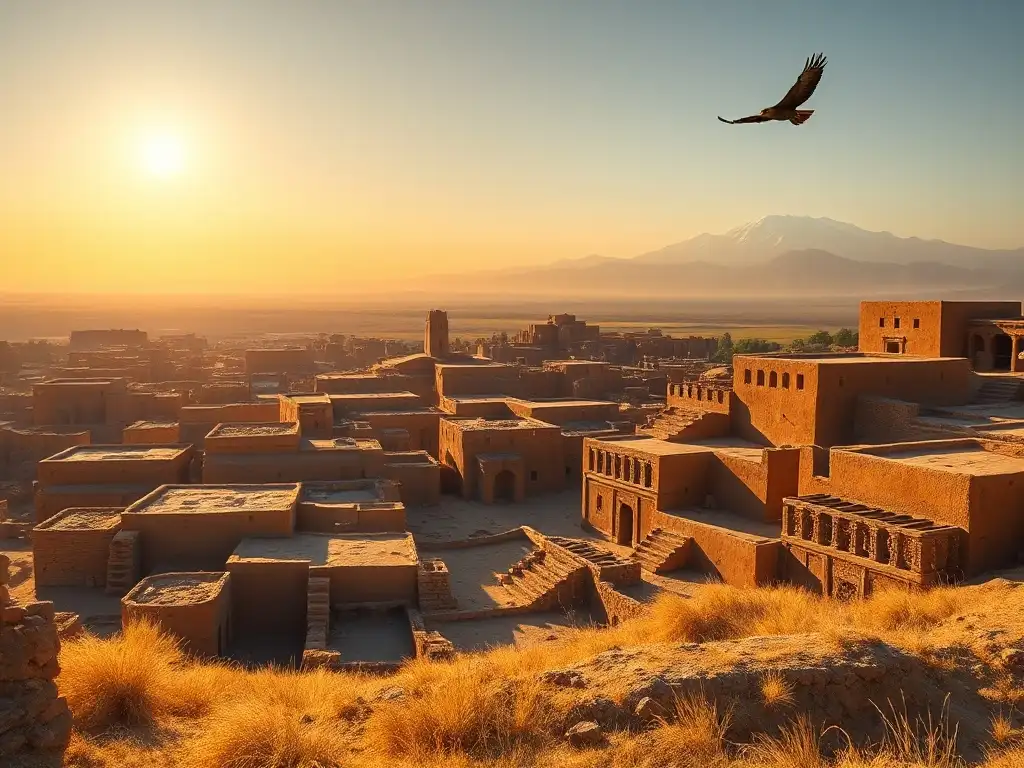
Step into a world lost to time, where towering pyramids whisper secrets of a civilization older than the Incas. Dive into the enigmatic world of the Andean civilizations, and prepare to be amazed. Forget everything you think you know about ancient South America—the ancient city of Caral history is about to rewrite it. Uncover the mysteries of this desert marvel and journey through millennia of ingenuity and cultural richness. Are you ready to explore?
The ancient city of Caral, nestled in the Supe Valley of Peru, stands as a testament to the ingenuity and complexity of pre-Columbian Andean civilizations. Far predating the Inca Empire, Caral challenges our understanding of societal development in the Americas, offering a glimpse into a sophisticated urban center that flourished over five thousand years ago. This article delves into the fascinating history of Caral, exploring its unique architectural features, social structures, and lasting legacy, providing a comprehensive overview of this remarkable archaeological site for those interested in the ancient city of Caral history.
We’ll journey through time, uncovering the secrets this desert marvel holds and placing it within the broader context of Andean civilization development, highlighting its significance as one of the oldest urban centers in the Americas. Prepare to be amazed by the ingenuity and complexity of a society that thrived centuries before many other known ancient civilizations.
Introduction to the Ancient City of Caral: A Journey Through Time
Caral-Supe, often simply referred to as Caral, is not just an ancient city; it's a monumental achievement of early urban planning. Excavations have revealed a remarkably well-preserved city, boasting large pyramidal structures, plazas, residential areas, and intricate irrigation systems. Dating back to approximately 2600 BCE, Caral predates many other well-known ancient civilizations, including the Egyptian pyramids and Mesopotamian city-states.
This challenges previously held beliefs about the timeline of societal development in the Americas, and places Caral firmly at the forefront of early urban societies. The city’s layout showcases a sophisticated understanding of urban planning, with evidence of carefully planned residential areas, public spaces, and ceremonial centers. The scale of the construction is astounding, indicating a highly organized society capable of mobilizing significant labor and resources.
Archaeologists continue to uncover new insights into Caral’s social structure, economic systems, and religious beliefs, constantly rewriting our understanding of this fascinating ancient city. The discovery of sophisticated musical instruments, such as flutes crafted from bird bones, further emphasizes the advanced cultural development of the Caral civilization.
Understanding the Significance of Caral's History
The significance of Caral's history extends far beyond its impressive architecture. Its existence challenges the traditional narrative of societal development in the Americas, suggesting that complex urban societies emerged much earlier than previously thought. The city's advanced irrigation systems, for instance, demonstrate a profound understanding of water management, crucial for survival in the arid coastal region. Furthermore, the absence of evidence for warfare or social stratification, in contrast to many other ancient cities, suggests a relatively peaceful and egalitarian society.
This unique aspect of Caral's social organization sets it apart from many other contemporaneous civilizations. Analysis of the unearthed artifacts, including textiles and tools, provides valuable insights into the daily lives of the Caral people, their economic activities, and their artistic expressions. The discovery of various types of crops grown in the surrounding area also reveals the sophistication of Caral's agricultural practices and their ability to sustain a large urban population.
Ongoing research continues to unravel the mysteries of Caral, revealing more about its trade networks, religious practices, and ultimately, its contribution to the broader history of Andean civilizations. The careful preservation and ongoing study of Caral are crucial for understanding the development of early urban societies and their influence on subsequent Andean cultures. The ancient city of Caral history is a testament to human ingenuity and resilience, offering valuable lessons for understanding the complexities of ancient societies.
- Introduction to the Ancient City of Caral: A Journey Through Time
- Understanding the Significance of Caral's History
Planning Your Visit to the Archaeological Site of Caral
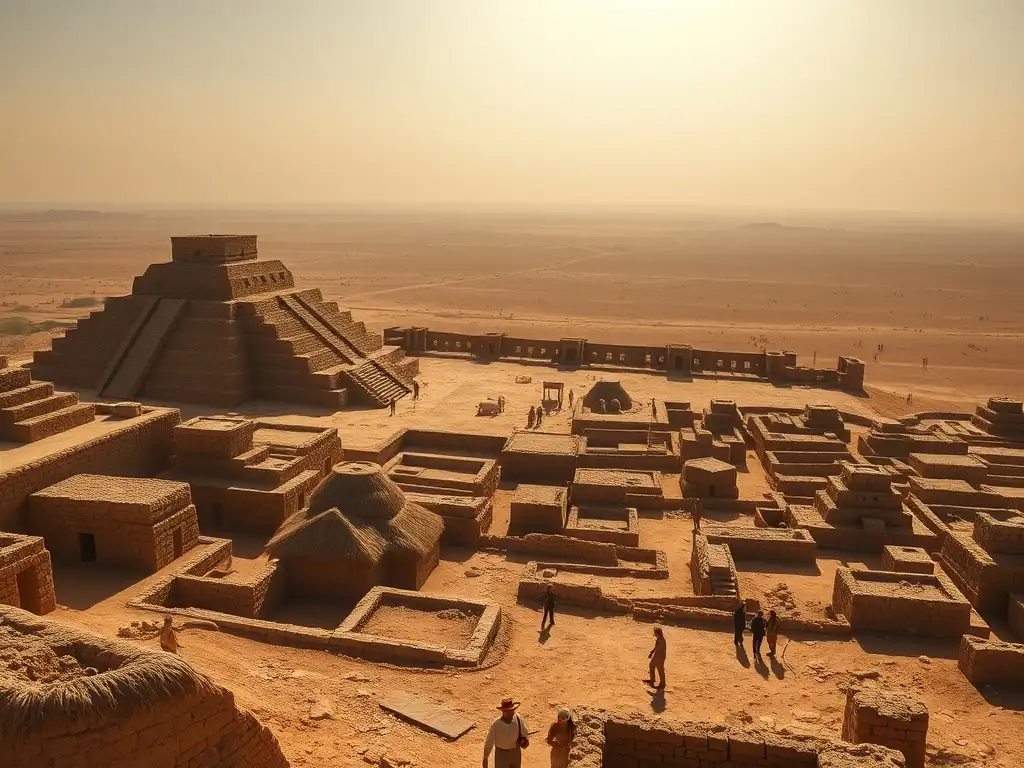
This section focuses on practical information to help you plan your trip to the fascinating ancient city of Caral, ensuring a smooth and enriching experience exploring this remarkable site. Understanding the logistics beforehand will maximize your time and appreciation for this significant piece of ancient Andean history.
Getting to Caral: Transportation Options and Recommendations
Reaching the ancient city of Caral requires careful planning, as it's not directly accessible by major highways. The most common approach involves a combination of travel methods. You'll likely need to start your journey in Lima, Peru's capital city. From Lima, you have several options:
- Private Car: Renting a car offers the greatest flexibility. The drive from Lima to Supe, the nearest town to Caral, takes approximately 2-3 hours, depending on traffic and road conditions. Remember to check road conditions before you go, as some routes might be affected by weather, especially during the rainy season. This option provides the most control over your schedule and allows for exploration of the surrounding areas.
- Bus: Several bus companies operate routes from Lima to Supe. This is a more economical option than renting a car, but it will require more time and less flexibility. Buses are generally comfortable, but the journey can be lengthy. Once in Supe, you'll need to arrange local transportation to reach the Caral site itself, which may involve a taxi or colectivo (shared taxi).
- Organized Tours: Consider booking a guided tour. Many tour operators offer day trips from Lima that include transportation to and from Caral, a guided tour of the site, and potentially other nearby attractions. This is a convenient option, especially for first-time visitors, as it handles all the logistical arrangements. However, it's usually more expensive than independent travel.
Remember to factor in travel time to and from Supe to the Caral archaeological site. Local transportation options from Supe to Caral are limited, so plan accordingly. Confirming transportation details in advance is crucial for a smooth visit to this important ancient city of Caral history. Pre-booking transportation, especially during peak season, is highly recommended.
When to Visit Caral: Best Time of Year and Weather Considerations
The best time to visit Caral is during the dry season, which runs from April to October. During these months, the weather is generally sunny and warm, ideal for exploring the outdoor archaeological site. Temperatures are pleasant, typically ranging from the mid-70s to low 80s Fahrenheit (mid-20s to high 20s Celsius). However, even during the dry season, it's advisable to bring sunscreen, a hat, and sunglasses to protect yourself from the strong Andean sun.
The rainy season (November to March) brings significant rainfall and can make the site muddy and difficult to navigate. Some paths might be impassable, and the overall experience might be less enjoyable. While the landscape might look different and lusher, the rain can significantly impact your ability to fully appreciate the ancient city of Caral history.
Consider the following when choosing your travel dates:
| Season | Weather Conditions | Advantages | Disadvantages |
|---|---|---|---|
| Dry Season (Apr-Oct) | Sunny, warm, dry | Ideal for exploring the site, pleasant weather | Can be crowded, higher prices for accommodation |
| Rainy Season (Nov-Mar) | Rainy, muddy, potentially cooler | Fewer crowds, potentially lower prices | Difficult to navigate the site, limited accessibility |
Planning your visit during the shoulder seasons (April/May and September/October) might offer a good compromise between pleasant weather and fewer crowds. Remember to check the specific weather forecast closer to your travel dates, as weather patterns can be unpredictable. Packing layers is always a good idea, as temperatures can fluctuate throughout the day, even during the dry season. A thorough understanding of the weather conditions is crucial for a successful visit to this significant site of ancient city of Caral history.
Exploring the Ruins of Caral: A Step-by-Step Guide
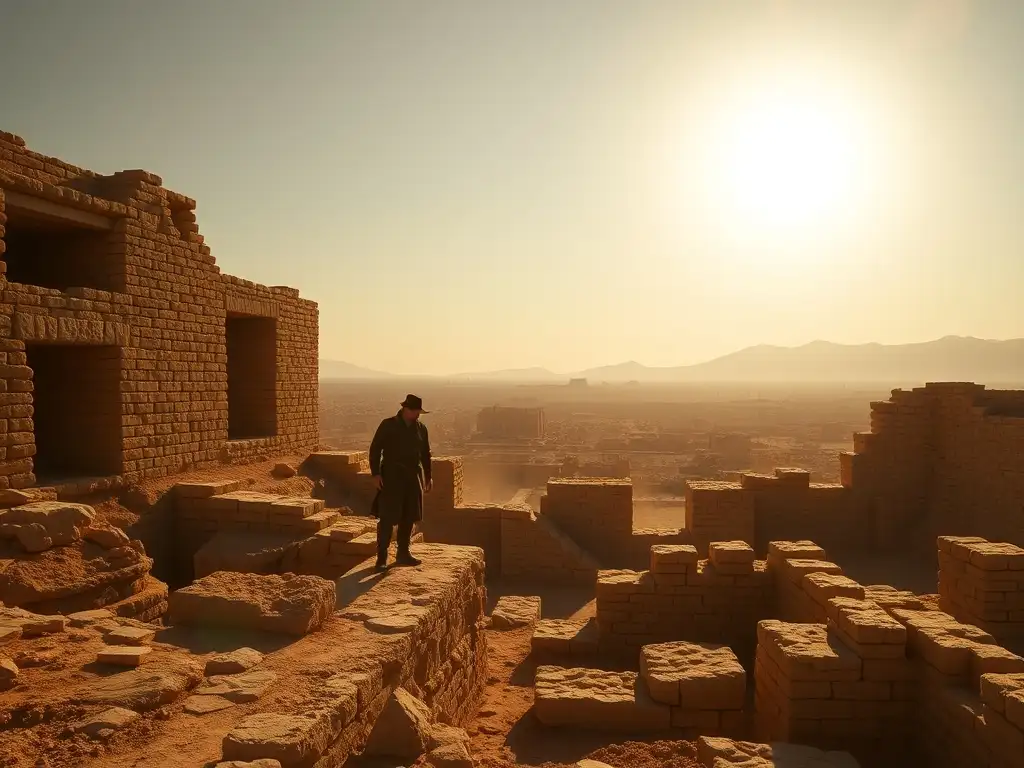
This section provides a detailed exploration of the ancient city of Caral, focusing on its layout and the interpretation of its archaeological remains. Understanding the physical structure of Caral is crucial to appreciating its significance in the history of Andean civilizations and its unique position as one of the oldest urban centers in the Americas.
We will delve into the key structures, their potential functions, and the insights they offer into the daily lives and societal organization of Caral's inhabitants. This detailed look at the ancient city of Caral history will allow for a deeper understanding of this remarkable site.
The Central Plaza: Heart of the Ancient City of Caral
The central plaza of Caral forms the heart of the ancient city, a vibrant hub of activity in its prime. Archaeological evidence suggests it served as a focal point for both religious and social gatherings. Its impressive size, approximately 70 meters by 50 meters, underscores its importance within the city's layout. Surrounding the plaza are several monumental structures, including large pyramids and platforms, all meticulously constructed from adobe bricks.
The plaza itself is not a flat expanse; rather, it features subtle undulations and raised areas, possibly reflecting different functional zones within the central space. Careful analysis of soil samples from the plaza has revealed traces of organic matter, suggesting the presence of vegetation and possibly even ceremonial offerings. The careful arrangement of these structures reflects a sophisticated understanding of urban planning, far exceeding the expectations for a settlement of its age.
The layout is not random; rather, it follows a deliberate pattern, hinting at a complex social hierarchy and a well-organized society. The sheer scale of the central plaza and its surrounding structures underlines the importance of communal activities in Caral's social fabric. The size and complexity of the area suggest that large-scale gatherings, possibly involving hundreds of people, were common occurrences.
Identifying Key Structures and Their Historical Functions
Caral's architecture is characterized by its monumental structures, primarily large pyramids and platforms. These structures, built from carefully crafted adobe bricks, were not merely residential buildings; their scale and design suggest a more complex social and religious function.
Several key structures have been identified:
| Structure Type | Number Identified | Potential Function | Evidence |
|---|---|---|---|
| Main Pyramids | At least six | Religious centers, possibly for elite residences | Size, elevated position, associated artifacts |
| Residential Structures | Numerous | Housing for various social groups | Varying sizes and construction quality |
| Circular Structures | Several | Possible ceremonial or storage areas | Unique architectural style, location within city |
| Platforms | Many | Possibly for public gatherings or ceremonial use | Size, elevated position, proximity to plazas |
The identification of these structures and their potential functions is an ongoing process. New discoveries and refined analytical techniques continue to shed light on the complexity of Caral's urban planning and social organization. Further research, including detailed analysis of the materials used in construction and the distribution of artifacts within the structures, is crucial for a more comprehensive understanding of their roles in the ancient city of Caral's history.
The ongoing investigation of the city's layout continues to reveal new insights into the lives and societal structures of its inhabitants. Detailed mapping and analysis of the city’s different zones are contributing to a more nuanced understanding of the ancient city’s social and political organization.
Interpreting the Archaeological Findings: Understanding Caral's Culture
The archaeological findings from Caral provide valuable insights into the culture and daily lives of its inhabitants. The discovery of various artifacts, including musical instruments (such as panpipes and flutes), textiles, and evidence of sophisticated agricultural practices, paints a picture of a complex society. The presence of these artifacts suggests a level of artistic expression and technological advancement that was previously unexpected for a civilization of its age. The sophisticated irrigation systems used to cultivate crops like cotton and squash are testament to their advanced agricultural knowledge, which was essential for supporting a large urban population.
The absence of evidence for warfare or significant social stratification is particularly noteworthy, unlike many other ancient Andean civilizations. This suggests a relatively peaceful and egalitarian society, although the precise nature of social organization within Caral remains a topic of ongoing research and debate. The discovery of intricate textiles and musical instruments points to a rich cultural life, while the sophisticated irrigation systems demonstrate their remarkable engineering skills.
Furthermore, the careful planning and construction of the city itself indicate a highly organized and cooperative society. The unique aspects of Caral’s culture contrast sharply with those of later Andean civilizations, highlighting its unique position in the pre-Columbian history of the Andes.
The ongoing research promises to further illuminate the fascinating culture of this ancient city. The ongoing excavation and analysis of artifacts from the ancient city of Caral continue to reveal new details about this remarkable society and its contribution to the history of Andean civilizations.
Enhancing Your Caral Experience
This section focuses on maximizing your visit to the ancient city of Caral, enriching your understanding of its history and providing practical tips for a smoother and more memorable experience. We'll delve into aspects beyond the archaeological site itself, exploring the surrounding culture and offering advice on accommodation and photography. Remember, experiencing Caral is not just about the ruins; it's about immersing yourself in the vibrant tapestry of Peruvian culture and the breathtaking landscape.
Local Culture and Cuisine: Discovering the Flavors of the Region
The region surrounding Caral boasts a rich culinary heritage, deeply intertwined with its history and the ancient city's agricultural advancements. Understanding the local cuisine adds another layer to your appreciation of the ancient city of Caral history. Don't miss the opportunity to sample traditional dishes that have evolved over centuries, reflecting the ingenuity and resourcefulness of the people who inhabited this area.
Many dishes feature ingredients readily available in the Supe Valley, such as camarones (shrimp), papas (potatoes – a staple crop since pre-Inca times! ), and various choclos (corn). You'll find hearty stews, flavorful seafood dishes, and unique preparations of aji (chili peppers), reflecting the region's diverse microclimates and agricultural practices. Look for restaurants offering authentic Peruvian cuisine, where you can experience the flavors of the Supe Valley and connect with the region's culinary traditions.
Consider trying ceviche – a fresh seafood dish marinated in lime juice – or adobo, a flavorful meat stew. These dishes, while not directly from the Caral period, represent the enduring legacy of Andean culinary innovation. The availability of specific dishes may vary seasonally, so be sure to ask locals for recommendations.
The food is a window into the soul of a culture. In the Supe Valley, that window offers a breathtaking view of ancient ingenuity and modern culinary artistry.
Accommodation Options Near Caral: From Basic Lodges to Comfortable Hotels
Finding the right accommodation near Caral is crucial for a comfortable and convenient visit. Options range from simple, budget-friendly lodges to more comfortable hotels offering a wider array of amenities. The proximity of your accommodation will significantly impact your travel time to and from the archaeological site. Consider factors such as transportation options, distance from the site, and the level of comfort you desire when making your choice.
Choosing accommodation near Caral allows you to manage your time effectively, especially if you're planning a day trip or a longer exploration of the region. Researching options beforehand is highly recommended, as availability can fluctuate, particularly during peak tourist seasons.
| Accommodation Type | Amenities | Price Range (USD) | Distance from Caral (approx.) |
|---|---|---|---|
| Basic Lodge | Basic Room, Shared Bathroom | $20 - $40 | 30-60 minutes |
| Mid-Range Hotel | Private Room, Private Bathroom, Wi-Fi | $50 - $100 | 15-45 minutes |
| Boutique Hotel | Private Room, Private Bathroom, Amenities, Restaurant | $100 - $200+ | 15-30 minutes |
Remember to book in advance, especially during peak seasons, to secure your preferred accommodation.
Capturing the Memories: Photography Tips for the Desert Landscape
The stark beauty of the Caral desert landscape provides a stunning backdrop for your photographs. However, the intense sunlight and unique lighting conditions require careful consideration. Here are some tips to help you capture memorable images of the ancient city of Caral and its surroundings:
- Time of Day: The best time for photography is during the "golden hour"—sunrise and sunset—when the soft light enhances the textures and colors of the landscape. Avoid midday shooting when the harsh sunlight creates harsh shadows. ☀️
- Composition: Use the vastness of the desert as a canvas. Experiment with different angles and perspectives to capture the scale and grandeur of the ruins. Consider using leading lines, such as pathways or walls, to draw the viewer's eye into the image.
- Equipment: A wide-angle lens is ideal for capturing expansive landscapes, while a telephoto lens can isolate specific details of the architecture. A tripod is recommended, especially during low-light conditions. 📸
- Post-Processing: Enhance your images with careful post-processing. Adjust contrast, brightness, and saturation to bring out the best in your photographs. Consider using editing software to correct any color imbalances caused by the intense desert sunlight.
By following these tips, you can capture stunning images that will serve as lasting memories of your visit to the ancient city of Caral, preserving your experience of this remarkable archaeological site. Remember to respect the site and its surroundings while taking your photographs.
Conclusion: Reflecting on the Legacy of the Ancient City of Caral
The ancient city of Caral, a testament to the ingenuity and societal complexity of the Norte Chico civilization, continues to captivate archaeologists and history enthusiasts alike. Its discovery challenged long-held assumptions about the development of complex societies in the Andes, pushing back the timeline of urban development significantly. The sophisticated irrigation systems, monumental architecture, and evidence of a complex social hierarchy paint a vivid picture of a civilization that flourished centuries before the rise of the Incas or other well-known Andean cultures.
Understanding Caral's history provides crucial insights into the diverse paths of societal evolution in the Americas and the world. The meticulous research and ongoing excavations at the site constantly reveal new details, adding layers to our understanding of this remarkable ancient city.
The implications of Caral's existence extend beyond simply adding another chapter to the history of the Andes; it fundamentally reshapes our understanding of early civilization and the pre-Columbian world. The legacy of Caral is one of innovation, resilience, and a profound connection to the land—a legacy that continues to resonate today.
Why the Ancient City of Caral Remains a Must-See Destination
Caral's significance extends beyond the academic realm; it offers a compelling and unique experience for visitors. Unlike many ancient sites characterized by imposing fortifications or elaborate palaces, Caral offers a glimpse into the daily life of a sophisticated, yet surprisingly peaceful, civilization. The well-preserved pyramids and plazas allow visitors to imagine the bustling activity of the city's inhabitants thousands of years ago. The scale of the structures, combined with the breathtaking setting of the Supe Valley, creates an atmosphere of awe and wonder. The experience transcends a simple historical tour; it's a journey through time, offering a profound connection to a civilization that shaped the course of Andean history. The site’s meticulous preservation and the informative displays at the museum enhance the visitor experience, ensuring that the ancient city of Caral's story is accurately and engagingly presented. For those seeking a deeper understanding of Andean history and a unique travel experience, a visit to the ancient city of Caral is undoubtedly a must. The preservation efforts ensure the site remains accessible for future generations, allowing them to connect with this incredible piece of ancient city of Caral history. Visiting Caral is not simply seeing ruins; it is experiencing a living connection to a pivotal moment in human history.
The site offers a unique opportunity to witness firsthand the remarkable achievements of a civilization that developed independently, challenging preconceived notions about the development of complex societies. It's a journey that inspires reflection on the enduring power of human ingenuity and our shared history. Furthermore, the sustainable tourism practices implemented at Caral serve as a model for responsible engagement with ancient sites, ensuring the preservation of this invaluable heritage for years to come. The ancient city of Caral history is not just a story of the past; it is a living testament to the enduring power of human civilization and a must-see destination for anyone interested in archaeology, history, and the wonders of the ancient world. 🗺️
Frequently Asked Questions
What is Caral, and why is it significant?
Caral is a pre-Columbian city located in the Supe Valley of Peru. Its significance lies in being one of the oldest and most complex societies in the Americas, predating even the Inca civilization. It offers crucial insights into early urban development.
How old is the ancient city of Caral?
The city of Caral is estimated to be around 5,000 years old, making it one of the oldest urban centers in the Americas. This predates many other well-known ancient civilizations. Radiocarbon dating has been crucial in determining its age.
What kind of technology did the Caral people possess?
The Caral civilization demonstrated advanced irrigation systems, sophisticated architecture (including large pyramids), and developed textile production. Their knowledge of engineering and social organization was remarkably advanced for its time.
What is known about the daily life of Caral's inhabitants?
Evidence suggests a complex social structure with specialized labor. Archaeological findings indicate agricultural practices, trade networks, and possibly a theocratic system of governance. Much is still being discovered.
How can I learn more about the ancient city of Caral?
You can explore the official Caral website, visit the archaeological site itself (located in Peru), read academic publications and books on the subject, and watch documentaries about the civilization. Many resources are available online.
Final Reflection: Echoes of Caral in a Modern World
The meticulous uncovering of Caral's secrets not only illuminates a pivotal chapter in human history but also offers a profound understanding of societal development and sustainability. Its sophisticated irrigation systems, complex social structures, and surprisingly advanced technologies challenge our preconceived notions of early civilizations and resonate deeply with the challenges we face today. The lessons learned from Caral are not confined to dusty museum exhibits; they are urgently relevant in our quest for sustainable practices and equitable societies.
Caral's enduring legacy lies not just in its architectural marvels but in the questions it raises about our own relationship with the environment and the complexities of social organization. The city's careful planning and resource management offer a stark contrast to the unsustainable practices of many modern societies. The past is never dead. It's not even past,
wrote William Faulkner, and Caral's story powerfully demonstrates this. Its existence forces us to reconsider our own trajectory and the choices we make that shape our future. The echoes of Caral's ingenuity and resilience continue to reverberate, prompting us to examine our own societal structures and strive for a more sustainable and equitable world.
Consider the ingenuity of Caral's builders, their ability to thrive in a harsh environment, and the intricate social systems they developed. Now, consider your own life, your community, and the world around you. What lessons can you glean from Caral's story? How can you apply the principles of sustainable living, community building, and resource management to your own life? Let the echoes of Caral inspire you to build a future that is both prosperous and sustainable, a future worthy of the legacy of this remarkable ancient city.
**Unleash Your Inner Explorer: Dive Deeper into Caral! **
Thank you for joining us on this fascinating journey through the ancient city of Caral! We hope you've discovered the marvels of its history and culture. Now, let's continue exploring this incredible site and the rich heritage of Andean civilizations.
Here's how you can further your exploration:
- **Discover More:** Immerse yourself in Caral's wonders by visiting the official website and museums dedicated to the site. Every detail reveals more about its profound significance.
- **Share Your Insights:** Spread the word! Discuss your newfound knowledge on social media or with friends, sparking interest in Caral's rich history.
- **Join the Conversation:** Engage with online communities and forums dedicated to Andean civilizations; you might uncover fascinating insights that deepen your understanding.
What aspect of Caral most captivated you, and how has it shaped your perspective on ancient civilizations? We'd love to hear your thoughts!