
Nazca Lines: The Stories and Legends Surrounding the Geoglyphs


Step into a world of enigma and wonder, where the arid plains of Peru hold secrets whispered across millennia. For centuries, the Nazca Lines have baffled explorers and ignited imaginations. Prepare to unravel the captivating legends and stories surrounding these colossal geoglyphs – a journey into the heart of the Nazca civilization awaits. Dare to discover the truth behind these ancient marvels?
The Nazca Lines, etched into the Peruvian desert, remain one of archaeology's greatest enigmas. These vast geoglyphs, depicting animals, plants, and geometric shapes, stretch for miles across the arid landscape, visible only from the air. Their sheer scale and mysterious origins have fueled countless theories and legends, captivating researchers and inspiring awe for centuries.
This article delves into the captivating stories and enduring legends surrounding these enigmatic figures, exploring the ancient Nazca culture and examining the various hypotheses surrounding their purpose. We will uncover the rich tapestry of myths and interpretations woven around these colossal earthworks, attempting to unravel the mysteries that have captivated humanity for generations. Prepare to journey into the heart of the desert and discover the compelling narratives behind the Nazca Lines, a testament to the ingenuity and spiritual depth of a remarkable ancient civilization.
Introduction to the Nazca Lines and Their Enigma
The Nazca Lines, located in the Nazca Desert of southern Peru, comprise hundreds of geoglyphs—giant designs etched into the ground. These colossal figures, ranging from simple lines and geometric shapes to intricate representations of animals such as hummingbirds, monkeys, and lizards, often span hundreds of feet in length. Their creation, sometime between 500 BC and 500 AD, remains a subject of intense debate.
What makes them particularly intriguing is their invisibility from ground level; their true scale and complexity only become apparent from the air, a fact that has led to numerous speculations about their purpose and the advanced knowledge of the Nazca people. The sheer precision and scale of these works are astonishing, raising questions about the tools and techniques used by the Nazca culture to create such monumental artwork.
The lack of clear evidence, combined with the vast expanse of the desert, makes the Nazca Lines a truly captivating and enduring mystery. The sheer scale alone is impressive; some figures measure over 1,000 feet long!
The Ancient Nazca Culture and Its Connection to the Geoglyphs
Understanding the Nazca Lines requires understanding the Nazca culture itself. This pre-Columbian civilization flourished in the arid coastal region of southern Peru from approximately 100 BC to 800 AD. They were renowned for their sophisticated irrigation systems, allowing them to cultivate crops in the harsh desert environment.
Their mastery of ceramics is also well-documented, with intricate pottery depicting vibrant imagery and complex designs. The Nazca people were highly skilled artisans and engineers, demonstrating an advanced understanding of their environment and the resources available to them. The connection between their sophisticated culture and the creation of the geoglyphs is undeniable, yet the precise reasons behind their creation remain elusive.
Archaeological evidence suggests a strong link between the lines and the Nazca's religious and ceremonial practices. Many theories propose that the geoglyphs served as part of rituals or religious ceremonies, possibly associated with water, fertility, or astronomical observations. Further research into Nazca burial sites and religious artifacts could shed more light on this fascinating connection.
Theories About the Purpose of the Nazca Lines
Numerous theories attempt to explain the purpose of the Nazca Lines. Some suggest they served as astronomical calendars, aligning with celestial events like solstices and equinoxes. Others propose they were pilgrimage routes, with the figures acting as markers along sacred paths.
A popular, though largely unsubstantiated, theory suggests they were used for ritual purposes, perhaps related to water ceremonies or fertility rites, reflecting the Nazca people's dependence on water in their arid environment. Another theory posits that the lines were used in some form of communication, possibly signaling to other settlements or acting as a form of territorial demarcation. The lack of definitive evidence leaves room for diverse interpretations and ongoing debate.
The mystery surrounding their purpose continues to fuel scientific research and inspires countless speculations, making the Nazca Lines a timeless enigma and a testament to the enduring power of human creativity and mystery. More research and analysis are crucial to fully understand the significance of these enigmatic geoglyphs. Perhaps future discoveries will one day reveal the true meaning behind these incredible works of art.
- Introduction to the Nazca Lines and Their Enigma
- The Ancient Nazca Culture and Its Connection to the Geoglyphs
- Theories About the Purpose of the Nazca Lines
Nazca Lines Legends: Exploring the Myths
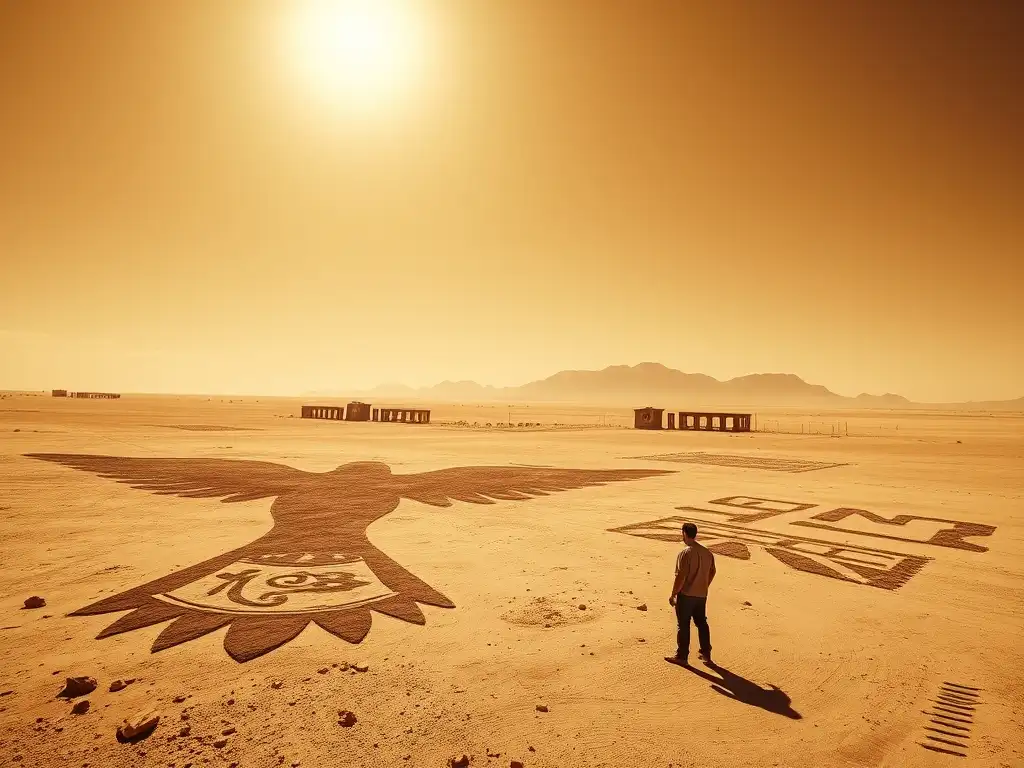
The Nazca Lines, enigmatic geoglyphs etched into the Peruvian desert, have captivated researchers and fueled speculation for decades. Beyond the scientific explanations of their creation, a rich tapestry of legends and stories surrounds these colossal figures. These narratives, passed down through generations of Andean peoples, offer fascinating alternative perspectives on the lines' purpose and significance, enriching our understanding of the Nazca culture and their worldview.
Understanding these legends is crucial to grasping the full significance of the Nazca Lines, moving beyond mere geometrical analysis to encompass the spiritual and cultural context in which they were created. The enduring mystery of the Nazca Lines is inseparable from the myths and beliefs that intertwine with their existence.
The Myth of Viracocha and the Nazca Drawings
One prevalent legend connects the Nazca Lines to Viracocha, a creator god in several Andean cosmologies. Viracocha, often depicted as a bearded man, is credited with creating the world and humanity. According to this myth, the Nazca Lines are not simply drawings, but rather a celestial map, a representation of Viracocha's cosmic design.
The lines, in this interpretation, are pathways connecting sacred sites, reflecting the routes Viracocha took during his creation. The intricate details of the geoglyphs, from the stylized animals to the geometric patterns, are seen as symbolic representations of the cosmos and Viracocha's divine power. This interpretation suggests a profound cosmological significance, linking the earthly realm to the celestial sphere through the artistry of the Nazca people.
Some believe that the lines were used in rituals to communicate with Viracocha, ensuring the continued prosperity and fertility of the land. The precise alignment of certain lines with celestial events further supports this interpretation, adding weight to the idea of an astronomical and religious purpose.
Legends of the Nazca People: The Legend of the Hummingbird
Among the many geoglyphs, the hummingbird stands out as a particularly striking and symbolically rich image. The legend of the hummingbird, deeply rooted in Nazca folklore, associates this creature with the spirit world and the ability to traverse between realms. The hummingbird, with its incredible speed and agility, is seen as a messenger of the gods, capable of carrying messages between the earthly and spiritual planes.
The Nazca people, deeply connected to their environment, likely viewed the hummingbird as a symbol of vitality, resilience, and connection to the supernatural. The creation of the hummingbird geoglyph, therefore, may be interpreted as a tribute to this powerful creature, a way of honoring its sacred role in their belief system.
The legend emphasizes the hummingbird's role as a mediator between humans and the divine, suggesting that the geoglyph served as a visual manifestation of this spiritual connection. Further research into hummingbird symbolism in Nazca iconography could reveal more nuanced interpretations of this captivating legend.
Legends of the Nazca People: The Legend of the Spider
Another intriguing legend involves the spider, a creature often associated with weaving, creation, and the intricate patterns of life. The spider, in Nazca mythology, might symbolize the skillful craftsmanship of the Nazca people themselves, their ability to create intricate textiles and designs. The immense scale of the Nazca Lines, their precision, and their complex designs might be seen as a reflection of this weaving skill on a monumental scale.
The spider's web, with its intricate network of lines, offers a striking visual parallel to the Nazca Lines themselves. This legend suggests that the creation of the lines was not merely a feat of engineering, but a demonstration of artistic skill and spiritual devotion, a testament to the Nazca people's deep connection to their land and their creative prowess.
The spider's association with creation also links the lines to the act of bringing forth life and fertility, further enriching the symbolic meaning of these remarkable geoglyphs. The legend of the spider provides a compelling narrative that connects the Nazca Lines to the broader context of Nazca artistry and their worldview.
Analyzing the Stories Behind the Nazca Geoglyphs
The Nazca Lines, etched into the Peruvian desert, remain one of archaeology's greatest enigmas. While their precise purpose continues to be debated, numerous compelling theories weave together to form a rich tapestry of legends and stories surrounding these enigmatic geoglyphs. These narratives, passed down through generations, offer invaluable insights into the beliefs, rituals, and worldview of the Nazca culture.
Understanding these stories is crucial to appreciating the profound significance of the lines themselves, moving beyond simple observation to a deeper understanding of their cultural context. Analyzing these narratives allows us to explore the multifaceted nature of the Nazca Lines, revealing their potential roles in astronomical observations, water rituals, and shamanic practices. The enduring mystery of the Nazca Lines is inextricably linked to the captivating legends and stories surrounding their creation and purpose.
The Astronomical Significance of the Nazca Lines: Connecting to the Cosmos
Many researchers believe that the Nazca Lines possess a significant astronomical component. The alignment of certain geoglyphs with solstices and equinoxes suggests a sophisticated understanding of celestial movements. For instance, some lines appear to trace the paths of constellations visible from the Nazca desert, hinting at a connection between the earthly designs and the celestial sphere.
This astronomical interpretation is supported by the discovery of several Nazca sites containing astronomical observatories. These observatories, often built on elevated points, provided optimal viewing conditions for tracking the movements of stars and planets. The precision of the alignments suggests a deep knowledge of astronomy and a profound connection between the Nazca people and the cosmos.
The idea that the Nazca Lines served as a giant astronomical calendar, guiding agricultural practices and religious ceremonies, adds another layer of complexity to the already captivating narrative surrounding these enigmatic figures. The intricate relationship between the Nazca Lines and the celestial realm offers a compelling explanation for their creation, enriching the existing legends and stories with a scientific dimension.
Nazca Lines and Water Rituals: The Importance of Water in the Desert
The arid climate of the Nazca desert underscores the crucial role of water in the survival and cultural practices of the Nazca people. Many theories propose that the lines were integral to water-related rituals and ceremonies, reflecting the community's deep dependence on this precious resource. The lines themselves might have acted as channels for guiding rainwater, or perhaps served as symbolic representations of underground water sources.
Some researchers suggest that the geoglyphs' shapes—such as stylized animals associated with water, like birds and snakes—reinforced the importance of water in Nazca mythology and religious beliefs. The painstaking effort invested in creating these massive designs further emphasizes the profound significance of water in the Nazca worldview.
This interpretation transforms the lines from mere artistic expressions into powerful symbols of survival, resilience, and the spiritual connection to the life-giving water source in a harsh desert environment. The focus on water rituals adds another layer to the stories surrounding the Nazca Lines, highlighting the ingenuity and spiritual depth of the Nazca civilization.
The Role of Nazca Lines in Shamanic Practices and Rituals
The enigmatic nature of the Nazca Lines has fueled speculation regarding their use in shamanic practices and rituals. Some researchers propose that the lines served as pathways for shamanic journeys, facilitating altered states of consciousness and communication with the spirit world. The vast scale and the often-abstract nature of the geoglyphs might have been intended to inspire awe and reverence, facilitating a connection between the earthly and spiritual realms.
The act of creating the lines themselves, a monumental undertaking requiring considerable community effort, could have been a ritual in itself, reinforcing social bonds and spiritual unity. Furthermore, the apparent connection between certain geoglyphs and hallucinogenic plants suggests the possibility of ritualistic use of these substances in conjunction with the lines. This interpretation aligns with the understanding of shamanism in other Andean cultures, where altered states of consciousness play a significant role in communication with the spirit world.
The integration of shamanistic practices into the narratives surrounding the Nazca Lines provides a fascinating perspective, adding a layer of mystical depth to the already intriguing stories. The possible use of the lines in shamanic rituals brings a new dimension to our understanding of the culture and beliefs of the Nazca people, enriching the existing legends with a powerful spiritual context.
Popular Interpretations and Misconceptions about Nazca Lines
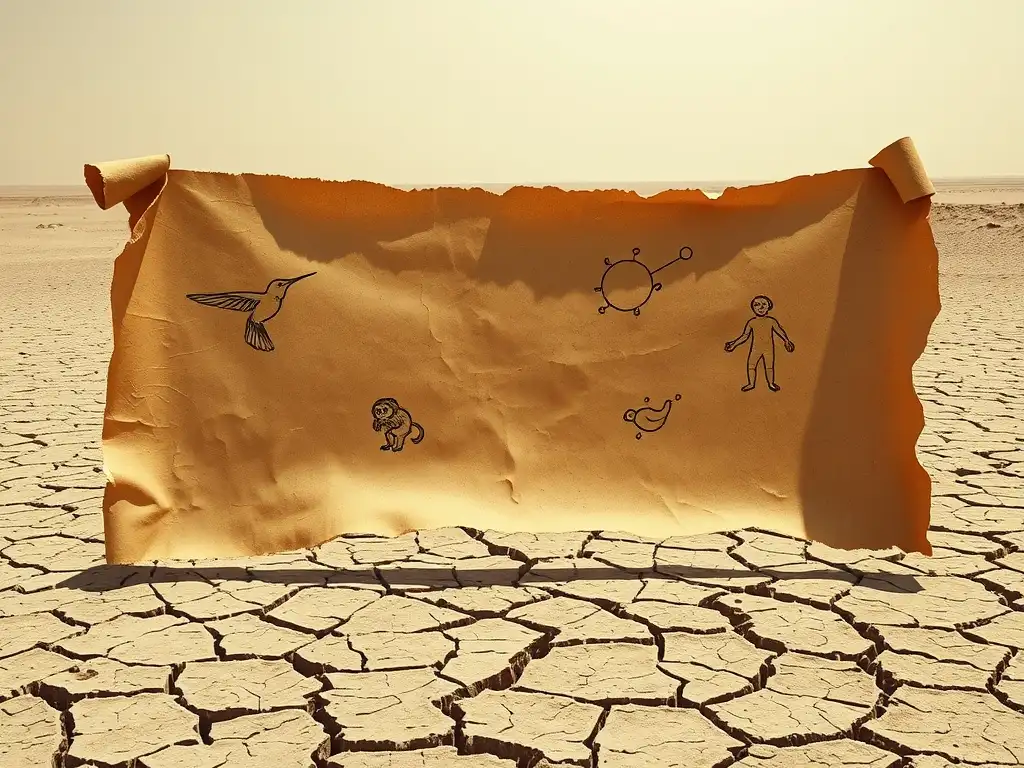
The Nazca Lines, those enigmatic geoglyphs etched into the Peruvian desert, have captivated imaginations for decades. Their sheer scale and mysterious nature have fueled countless theories, some grounded in evidence, others firmly in the realm of speculation. This section aims to explore some of the most popular interpretations and misconceptions surrounding these incredible works, clarifying the facts from the fiction and highlighting the ongoing research that continues to unravel their secrets. Understanding the range of theories surrounding the Nazca lines legends and stories is crucial to appreciating the complexity of their creation and meaning.
Debunking the Myth of Alien Intervention in Nazca
Perhaps the most pervasive misconception surrounding the Nazca Lines is the belief that they were created by extraterrestrial visitors. This theory, while captivating, lacks substantial scientific backing. Proponents often point to the lines' immense size and intricate designs as evidence beyond the capabilities of ancient civilizations. However, a closer examination reveals a more grounded explanation.
The Nazca people possessed sophisticated engineering and astronomical knowledge, as evidenced by their complex irrigation systems and precise calendar calculations. Their understanding of geometry and surveying, coupled with readily available materials like wood and simple tools, allowed them to create these impressive geoglyphs. While the precise methods remain a subject of ongoing study, the idea that advanced technology beyond the capabilities of the Nazca was necessary is unsupported by archaeological evidence.
The precision of the lines is impressive, but achievable with careful planning and a deep understanding of the landscape. The "alien" theory, therefore, serves more as a captivating narrative than a scientifically sound explanation. The enduring fascination with the Nazca lines legends and stories often overshadows the very real and impressive capabilities of the Nazca culture.
The Nazca Lines as an Ancient Calendar: Fact or Fiction?
Another prominent theory posits that the Nazca Lines served as a giant astronomical calendar, aligning with celestial events like solstices and equinoxes. This hypothesis gains some traction from the Nazca's demonstrated astronomical knowledge, reflected in their other architectural achievements. However, definitive proof remains elusive. While some lines might correlate with astronomical positions, proving a deliberate and comprehensive calendrical function for the entire network of geoglyphs is challenging.
The sheer number and variety of designs make it difficult to establish a consistent and universally applicable astronomical interpretation. Furthermore, many lines do not appear to align with any known celestial events, suggesting a more complex, multifaceted purpose. More research is needed to fully assess the potential astronomical significance of the Nazca lines legends and stories, and to determine whether this interpretation holds true for the entire complex or only specific elements within it.
Examining the Evidence: What We Really Know about Nazca Geoglyphs
Despite the persistent mysteries, archaeological evidence provides a clearer picture of the Nazca Lines' creation and possible functions. We know they were created over centuries, with different styles and designs emerging over time. The lines themselves were formed by removing the dark reddish-brown surface stones to reveal the lighter subsoil, a meticulous process requiring considerable labor.
Analysis of the geoglyphs reveals a variety of designs, including animals, plants, geometric shapes, and human figures. These designs are not randomly scattered; they exhibit patterns and relationships that suggest a complex system of communication and possibly ritualistic practices. The current consensus among researchers leans towards a combination of ritualistic, social, and possibly even territorial marking functions.
The Nazca lines legends and stories, therefore, are best understood as a product of a sophisticated culture expressing itself through a unique and lasting medium. Further research, including advanced surveying techniques and detailed analysis of the surrounding landscape, is crucial to unlocking the full story behind these remarkable geoglyphs. The ongoing study of these ancient works continually refines our understanding, adding new layers to the already fascinating narrative surrounding the Nazca Lines.
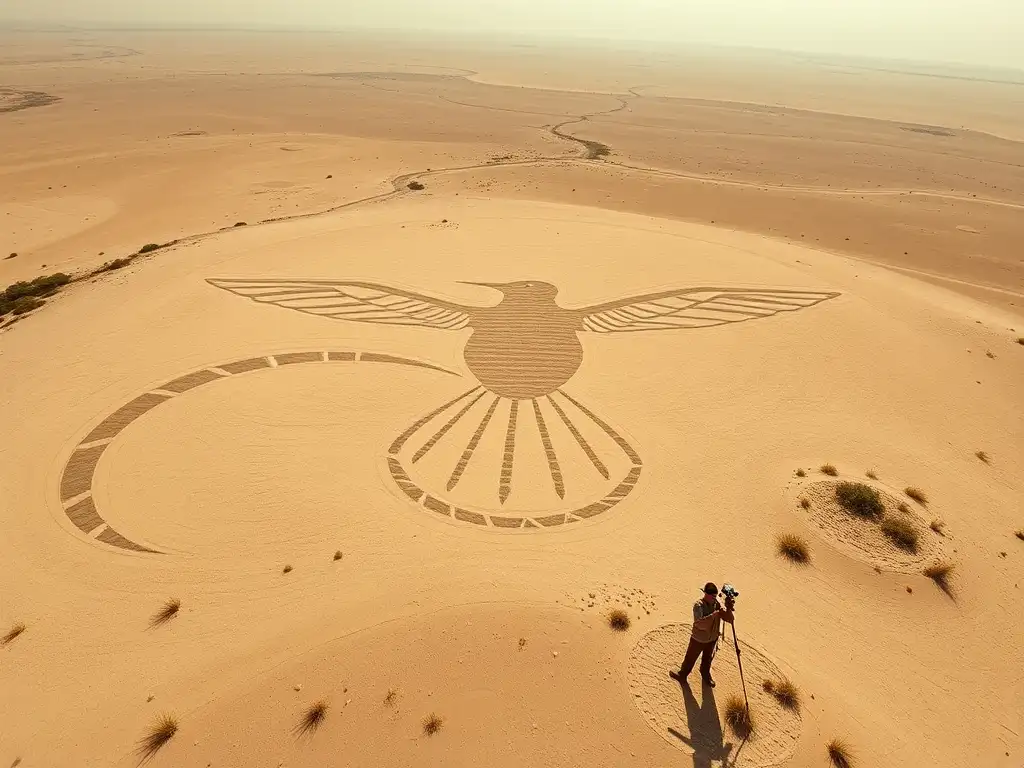
The Nazca Lines continue to fascinate and challenge researchers, leading to ongoing investigations that employ innovative techniques and methodologies. While the precise purpose of these geoglyphs remains a subject of debate, modern research has significantly advanced our understanding of their creation, age, and potential significance. This section delves into recent breakthroughs in our knowledge of these enigmatic figures. The keyword "Nazca lines legends and stories" is interwoven with the factual discoveries to provide a comprehensive perspective.
Archaeological Investigations and Findings at Nazca
Archaeological digs in the Nazca region have yielded crucial information supplementing the existing knowledge of the Nazca lines. Excavations near the geoglyphs have unearthed evidence of settlements, workshops, and ceremonial sites, providing insights into the lives of the Nazca people who created these immense works. Findings include fragments of pottery, textiles, and tools, offering clues about the technology and social organization involved in the construction process.
For example, the discovery of specialized tools used for leveling the ground before creating the lines suggests a higher level of planning and engineering than previously thought. Furthermore, analysis of the unearthed artifacts helps date the creation of the lines more precisely, refining our understanding of their timeline within the broader context of Nazca culture.
This meticulous investigation continues to refine our understanding of the Nazca lines, moving beyond mere speculation towards a deeper appreciation of their cultural and historical context. The legends and stories surrounding the lines are enriched by these tangible discoveries, providing a more grounded understanding of the creators and their world.
New Technologies in the Study of the Nazca Lines
Modern technology plays a pivotal role in the ongoing study of the Nazca Lines. Aerial photography, satellite imagery, and 3D modeling techniques provide unprecedented detail and perspectives, allowing researchers to map the lines with greater accuracy and identify previously unknown geoglyphs. The use of LiDAR (Light Detection and Ranging) has been particularly transformative, penetrating the surface vegetation to reveal the underlying shapes with remarkable clarity.
This technology has enabled the detection of numerous previously unseen figures and has allowed researchers to study the lines' intricate details and subtle variations in construction. Furthermore, the application of Geographic Information Systems (GIS) facilitates the organization, analysis, and interpretation of the vast amount of data gathered. The integration of these advanced technologies with traditional archaeological methods provides a powerful toolkit for unlocking the secrets of the Nazca Lines.
These advancements are not only revealing new facts about the lines themselves but are also challenging existing interpretations and fueling new hypotheses regarding their purpose and significance. This technological approach allows researchers to test ancient legends and stories against the evidence provided by the lines themselves.
The Future of Nazca Lines Research and Preservation
The future of Nazca Lines research promises exciting developments. Continued archaeological investigations, coupled with advancements in remote sensing and data analysis techniques, will undoubtedly lead to further discoveries and a deeper understanding of their creation and purpose. Furthermore, the focus on preservation is crucial.
The fragility of the lines and the impact of environmental factors and human activity necessitate ongoing efforts to protect these invaluable cultural heritage sites. This includes developing strategies for sustainable tourism, managing land use around the geoglyph sites, and implementing effective conservation measures to combat erosion and other forms of degradation. The integration of local communities in preservation initiatives is also vital.
These efforts will ensure that the Nazca Lines, with their enduring legends and stories, are safeguarded for future generations to explore and appreciate. The ongoing research and preservation efforts are crucial for unraveling the mysteries surrounding the Nazca lines, ensuring that the stories and legends surrounding these ancient wonders continue to inspire and intrigue.
The Enduring Fascination with the Nazca Lines
The Nazca Lines, etched into the Peruvian desert, continue to captivate the world's imagination. Their sheer scale, intricate detail, and enigmatic purpose have fueled countless theories and interpretations for decades. This enduring fascination stems not only from their visual impact but also from the profound questions they raise about the Nazca culture, their beliefs, and their advanced understanding of engineering and astronomy.
The lines' mysterious nature, coupled with the breathtaking landscape in which they are situated, transforms a simple visit into a profound exploration of human ingenuity and the enduring power of mystery. This persistent intrigue has solidified their place as a significant cultural icon, attracting scholars, tourists, and adventurers alike, bolstering the Peruvian economy and ensuring the Nazca Lines remain a central focus of archaeological and anthropological study.
The mystery surrounding their creation is arguably as compelling as the geoglyphs themselves, fostering ongoing debate and research. The very act of deciphering these ancient marks feels like participating in a grand historical puzzle, further adding to their allure.
Nazca Lines: A Testament to Ancient Andean Ingenuity
The creation of the Nazca Lines required a remarkable level of precision and planning, showcasing the advanced technological capabilities of the Nazca people. Consider the sheer scale of the project: some lines stretch for kilometers, demanding meticulous surveying and coordination across vast distances. The process, likely involving generations of workers, involved clearing away the reddish-brown topsoil to reveal the lighter-colored subsoil, creating the stark contrast visible today.
Archaeological evidence suggests the use of simple tools, yet the resulting accuracy is astonishing. The ability to create such large-scale designs with seemingly rudimentary tools highlights the Nazca's profound understanding of geometry, measurement, and land management. Furthermore, the longevity of the lines, surviving centuries of erosion and environmental changes, is a testament to both the quality of the workmanship and the unique characteristics of the desert environment.
The engineering feat itself, regardless of the intended purpose, represents a significant achievement in ancient Andean technology and provides invaluable insight into the societal organization and resource management of the Nazca civilization. This level of precision and planning points to a sophisticated understanding of mathematics and spatial relationships far exceeding previous assumptions about their technological capabilities.
The Importance of Preserving the Nazca Lines for Future Generations
The Nazca Lines are not merely a historical curiosity; they are a fragile and irreplaceable part of humanity's cultural heritage. Their preservation is crucial for ensuring that future generations can appreciate and learn from this extraordinary achievement. Unfortunately, the lines are vulnerable to both natural and human-induced damage. Erosion from wind and rain, as well as the impact of human activity, such as unauthorized access and construction, pose significant threats.
Therefore, ongoing conservation efforts are essential. These efforts involve a multifaceted approach: implementing strict access controls to limit visitor impact, monitoring environmental changes, and implementing preventative measures to mitigate erosion. Furthermore, educational initiatives are vital to raising public awareness about the importance of preserving this unique site. Promoting responsible tourism and fostering a sense of stewardship among visitors are key components of a sustainable preservation strategy.
The long-term preservation of the Nazca Lines requires a collaborative effort involving governmental agencies, local communities, and international organizations dedicated to protecting cultural heritage sites. Failure to act decisively risks the irreversible loss of this invaluable piece of history, depriving future generations of the opportunity to marvel at and learn from these enigmatic works. The careful balance between accessibility and preservation is paramount to ensure the Nazca Lines' survival.
Conclusion: The Nazca Lines Legacy and the Continuing Mystery
The Nazca Lines remain a powerful symbol of human ingenuity and the enduring mysteries of the past. Their precise purpose continues to be debated, but their existence serves as a testament to the remarkable skills and cultural achievements of the Nazca civilization. The ongoing research and conservation efforts highlight the importance of preserving these fragile geoglyphs for future generations.
The enigmatic nature of the Nazca Lines, combined with their breathtaking scale and location, ensures their enduring fascination. They stand as a reminder of the rich tapestry of human history and the enduring power of unanswered questions. The stories and legends surrounding the Nazca Lines are not merely myths; they are reflections of a culture that continues to captivate and inspire.
The legacy of the Nazca Lines is not just about the lines themselves, but about the ongoing quest to understand their creators and their enduring impact on our understanding of ancient Andean cultures. Their continued study promises to unveil further insights into this remarkable civilization and its unique place in history. The mystery persists, fueling further research and ensuring the Nazca Lines' place as a global icon.
Frequently Asked Questions
What are the Nazca Lines?
The Nazca Lines are giant geoglyphs etched into the Peruvian desert. They depict animals, plants, and geometric shapes, and their creation remains a mystery. Their scale is astonishing, visible only from the air.
Who created the Nazca Lines and why?
The Nazca culture is credited with creating the lines between 500 BC and 500 AD. The exact purpose is unknown, but theories include ceremonial, astronomical, or religious significance. Some believe they were pathways for deities.
What are some of the most famous Nazca Lines figures?
Among the most famous are the hummingbird, monkey, spider, and lizard. These figures are incredibly detailed and span hundreds of feet in length. Their intricate designs are a testament to the Nazca's engineering skills.
Are there any legends or stories associated with the Nazca Lines?
Many legends surround the lines. Some local stories connect them to water sources or ancient rituals. Others involve mythological beings and their connection to the desert landscape. These oral traditions offer valuable insight.
How can I learn more about the Nazca Lines and their legends?
You can visit the Nazca Lines in Peru and take a flight for the best view. Museums and archaeological sites in the region offer further information. Numerous books and documentaries also explore the mysteries of the lines and their associated legends and stories.
Final Reflection: Unraveling the Enigma of the Nazca Lines
The enduring mystery of the Nazca Lines continues to captivate us today, a testament to humanity's innate curiosity and our persistent quest to understand our past. These colossal geoglyphs, etched into the Peruvian desert millennia ago, remain a powerful symbol of a civilization's ingenuity and a profound connection to the land. Their existence challenges our assumptions about ancient societies and forces us to reconsider our understanding of artistic expression and cultural significance.
The Nazca Lines' impact extends far beyond the arid plains of Peru; they resonate deeply within our collective consciousness, prompting ongoing discussions about ancient cultures, technological advancements, and the enduring power of human creativity. Their enigmatic nature fuels speculation and inspires artistic interpretations, echoing across various disciplines. The Nazca Lines are not just lines on the ground; they are a window into a lost world, a testament to the human spirit's capacity for wonder and creation.
This sentiment, though simple, captures the profound emotional response these ancient marvels evoke, a response that transcends time and cultural boundaries.
Consider the implications of this enduring mystery. What can we learn from the Nazca people's dedication to creating such monumental works? How can we apply their ingenuity and perseverance to the challenges we face today? You, the reader, are now part of this ongoing conversation. Take a moment to reflect on the stories and legends surrounding the Nazca Lines, and let their enduring mystery inspire you to explore the hidden narratives within your own world. Let the spirit of discovery, so evident in the creation of these geoglyphs, guide your own journey of exploration and understanding.
Unveil the Mysteries of the Nazca Lines!
Thank you for exploring the enchanting world of the Nazca Lines with us! We hope you've discovered the rich history and captivating legends that make these geoglyphs so fascinating. Now, let's continue your journey of discovery!
- Dive Deeper: Explore the cultural significance of the Nazca Lines in our related articles to further your understanding of Andean history. Learn about the sophisticated astronomical knowledge and societal structures that may have influenced their creation.
- Share the Wonder: Discuss your newfound insights with friends or share this article on social media to spread awareness of these ancient marvels.
- Join the Adventure: Consider a visit to the Nazca Lines! Research guided tours or virtual experiences that offer a closer look at these remarkable creations. A flight over the lines provides a truly unforgettable perspective.
What aspect of the Nazca Lines most captivates you—their historical context, the surrounding myths and legends, or the enduring enigma of their creation?