
Inca Technology: Innovations and Advancements of Their Time

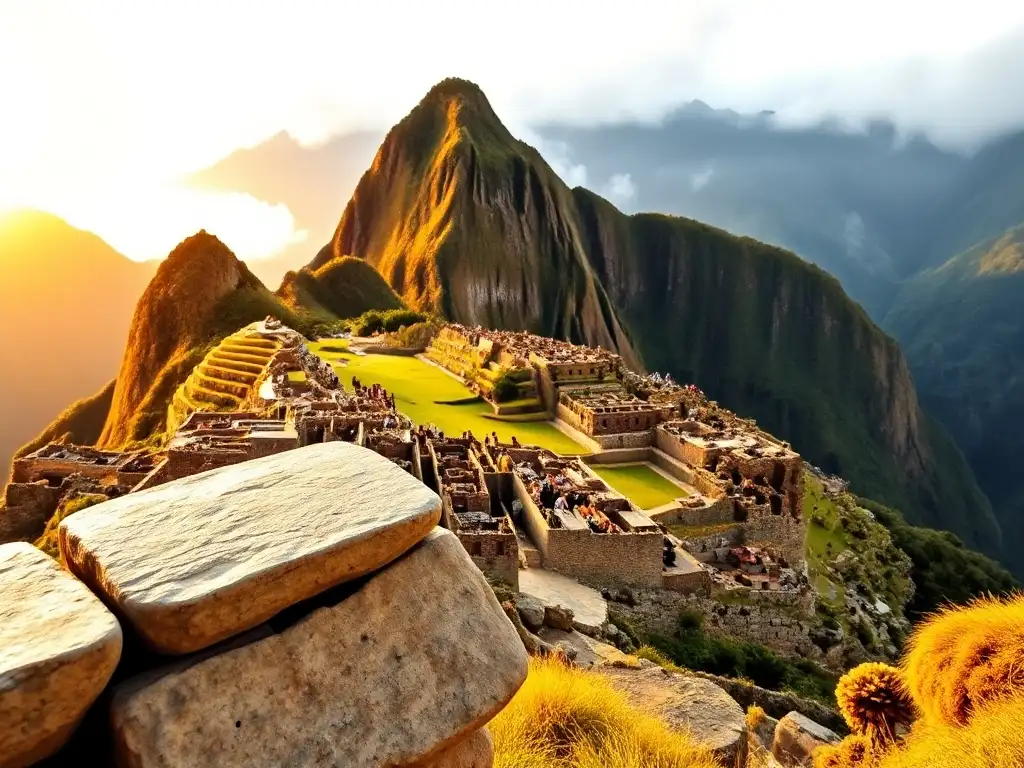
Step into a world lost to time, yet echoing with the ingenuity of a civilization that defied the Andes' harsh terrain. Prepare to be amazed as we unravel the secrets of Inca engineering innovations, a testament to the unparalleled skill and vision of the Andean people. From breathtaking mountaintop citadels to intricate irrigation systems, their achievements continue to baffle and inspire. Discover the remarkable story behind these advancements and uncover the ingenuity that shaped an empire. Dive in and explore the wonders that await!
The Inca Empire, sprawling across the Andes Mountains, achieved remarkable feats of engineering and technological prowess despite lacking metal tools like those used in the Old World. Their innovations, born from necessity and ingenuity, allowed them to build a vast and complex empire, connecting distant regions and managing a diverse population.
This article delves into the impressive technological achievements of the Inca, specifically focusing on their sophisticated road system, a testament to their mastery of engineering and a critical element of their administrative and governmental control. We will explore the ingenuity behind their infrastructure, examining the construction techniques and the profound impact these roads had on the communication and trade networks that underpinned Inca power and societal organization.
Understanding Inca engineering innovations is key to appreciating the remarkable scale and sophistication of this pre-Columbian civilization. Their achievements stand as a powerful example of human adaptation and problem-solving in challenging environments, offering valuable insights into sustainable and resilient infrastructure development.
Introduction to Inca Engineering and Technological Prowess
The Inca civilization, flourishing in the harsh Andean terrain, developed impressive technological solutions to overcome significant environmental challenges. Their ingenuity wasn't limited to grand projects like the Qhapaq Ñan (the vast Inca road system); it permeated all aspects of their lives, from agriculture and irrigation to textiles and metallurgy. While lacking wheeled vehicles or draft animals commonly found in other ancient civilizations, the Inca compensated with innovative techniques and a deep understanding of their environment.
Their mastery of stonework, for example, is evident in the precision and durability of their buildings, demonstrating advanced knowledge of construction and materials science. This understanding of materials, combined with their sophisticated organizational skills, allowed them to mobilize vast labor forces to undertake projects of unprecedented scale for their time. The Inca's technological achievements were intrinsically linked to their social and political structures, showcasing a highly organized and centralized system of governance.
Inca Roads: Advanced Infrastructure for a Vast Empire
The Inca road system, known as the Qhapaq Ñan, is arguably their most remarkable technological achievement. Stretching over 40,000 kilometers across treacherous mountains, deserts, and jungles, this network of roads connected the far-flung corners of the empire, facilitating communication, trade, and the movement of troops. The strategic placement and impressive engineering of these roads highlight the Inca's sophisticated understanding of geography and their ability to adapt their construction techniques to diverse terrains.
The roads weren't simply pathways; they were a vital component of the Inca's administrative and military might, allowing for efficient governance and control of a vast, geographically challenging empire. Their construction required immense organization, manpower, and an understanding of engineering principles far beyond what many might expect from a "pre-industrial" society.
The Qhapaq Ñan: The Inca Road System
The Qhapaq Ñan wasn’t a single road, but a complex network of pathways, bridges, and resting places. Its construction involved overcoming significant geographical obstacles, including steep mountains, deep valleys, and dense forests. The roads varied in width and construction depending on their importance and the terrain. Some were narrow, barely wide enough for a single person, while others were wider, accommodating the passage of llamas carrying goods.
The system included strategically placed tambos (resting places) for travelers, providing shelter and supplies along the way. The overall design and organization of the Qhapaq Ñan demonstrate a level of planning and coordination rarely seen in other pre-Columbian societies. The precise location and alignment of the roads suggest a sophisticated knowledge of surveying and cartography.
Construction Techniques of Inca Roads
Inca road construction involved meticulous planning and execution. They used locally sourced materials, adapting their techniques to the specific challenges of each location. Stone was a primary material, expertly fitted together without mortar using techniques that ensured durability and stability. In mountainous regions, they carved roads into cliffsides, employing impressive feats of engineering to overcome steep inclines.
Where rivers and ravines presented obstacles, they built suspension bridges, often using strong fibers like ichu grass or vines. The Inca's mastery of stonework is evident in the precision and durability of their roads, which have withstood the test of time in many places. Their construction techniques showcase a deep understanding of engineering principles and an ability to adapt to diverse environments. The precision of the stonework, even in remote locations, is a testament to the Inca's skill and dedication.
The Impact of Inca Roads on Communication and Trade
The Qhapaq Ñan had a profound impact on the Inca Empire. It facilitated rapid communication across vast distances, allowing the central government to maintain control and respond quickly to events in distant regions. The movement of troops was significantly improved, enabling the Inca to suppress rebellions and defend their borders effectively. Trade flourished along the roads, connecting different regions and fostering economic integration within the empire.
The roads also facilitated the movement of goods, including food, textiles, and other essential resources, contributing to the empire's economic stability and social cohesion. The Qhapaq Ñan wasn't just a transportation network; it was a critical element of the Inca's administrative and economic system, directly contributing to the empire's success and longevity. The efficiency of communication and trade along these roads contributed significantly to the empire's overall stability and prosperity.
Inca Agricultural Innovations: Maximizing Food Production
The Inca Empire's success was significantly driven by its sophisticated agricultural practices, which allowed them to support a large population in a challenging Andean environment. Their agricultural innovations were not merely about food production; they were a testament to their deep understanding of their environment and their ability to adapt and thrive within it. The Inca's ingenuity in maximizing food production is a key component of understanding their overall technological prowess and their ability to govern such a vast and diverse empire.
Their methods were crucial for maintaining social stability and preventing widespread famine. This mastery of agriculture is a compelling example of Inca engineering innovations.
Terraced Farming: Adapting to the Andean Landscape
Terraced farming was a cornerstone of Inca agricultural innovation. The steep slopes of the Andes presented a significant challenge for cultivating crops, but the Inca ingeniously carved terraces into the mountainsides. These terraces, often supported by carefully constructed retaining walls, created level plots of land where crops could be grown effectively. This not only increased the amount of arable land available but also helped to prevent soil erosion and conserve water.
The scale and precision of these terraced fields are breathtaking, showcasing the Inca's organizational skills and engineering capabilities. The terraces were not just functional; they also created a visually stunning landscape. Examples of this impressive feat of Inca engineering innovations can be found throughout the Andes.
Irrigation Systems: Managing Water Resources
Water management was critical for Inca agriculture. They developed intricate irrigation systems to channel water from rivers and streams to their fields, especially important in drier regions. These systems involved canals, aqueducts, and reservoirs, often constructed with remarkable precision. Their understanding of water flow and the ability to build durable and efficient channels were vital for ensuring consistent crop yields.
The ingenuity of these systems is particularly impressive given the challenging terrain. The Inca's mastery of water management represents a significant achievement in Inca engineering innovations and is a crucial aspect of their agricultural success. These systems highlight their practical knowledge and technological advancements.
Crop Diversification and Storage Techniques
The Inca did not rely on a single crop but cultivated a wide variety of plants adapted to different altitudes and climates. This diversification minimized the risk of crop failure and ensured food security. They also developed sophisticated storage techniques, utilizing storehouses called qollqas to preserve surplus food for times of scarcity.
These qollqas were often strategically located and built to maintain optimal storage conditions, demonstrating their understanding of preservation techniques. The combination of crop diversification and effective storage strategies showcases the Inca’s comprehensive approach to agriculture and their proactive measures to ensure the empire’s food security. This forward-thinking approach is a remarkable aspect of Inca engineering innovations in the agricultural sector.
Inca Architecture and Construction: Master Builders of the Andes
Inca architecture is a testament to their advanced engineering and construction skills. Their structures are not only aesthetically impressive but also remarkably durable and well-adapted to the Andean environment. The precision and ingenuity displayed in Inca construction techniques continue to fascinate and inspire engineers and architects today. The scale of their projects and the complexity of their designs are a testament to their sophisticated organizational capabilities and their mastery of stonework. Their legacy in architecture is a significant contribution to the study of Inca engineering innovations.
Inca Masonry: Precision and Durability
Inca masonry is renowned for its precision and durability. The stones used in Inca structures were often fitted together so tightly that a knife blade could not be inserted between them. This remarkable precision was achieved without the use of mortar, relying instead on the careful shaping and placement of the stones. The durability of Inca structures is a testament to their understanding of stonework and their ability to create buildings that could withstand earthquakes and other natural disasters. This remarkable skill is a testament to the advanced engineering and precision of Inca engineering innovations.
The Use of Stone in Inca Structures
The Inca’s use of stone was far more than just a building material; it was an integral part of their culture and worldview. Different types of stone were selected and used according to their properties and intended purpose. Their understanding of the strength and properties of various stones allowed them to build structures of exceptional durability and stability. The skillful cutting, shaping, and fitting of these stones represent a high level of technical expertise. The Inca's mastery of stonework is a significant aspect of their technological achievements, displaying ingenuity in Inca engineering innovations.
Key Architectural Achievements: Machu Picchu, Sacsayhuamán, Coricancha
Machu Picchu, Sacsayhuamán, and Coricancha are just a few examples of the remarkable architectural achievements of the Inca Empire. Machu Picchu, the iconic "Lost City of the Incas," is a testament to their engineering prowess, perched high in the Andes Mountains. Sacsayhuamán, near Cusco, is known for its massive cyclopean walls made of precisely fitted stones.
Coricancha, the Temple of the Sun in Cusco, was a masterpiece of Inca architecture, showcasing their skill in stonework and their understanding of architectural design. These structures stand as enduring symbols of Inca engineering innovations and their cultural achievements. They represent the culmination of centuries of technological advancement and architectural innovation.
Inca Hydraulic Engineering: Controlling Water for Agriculture and Urban Centers
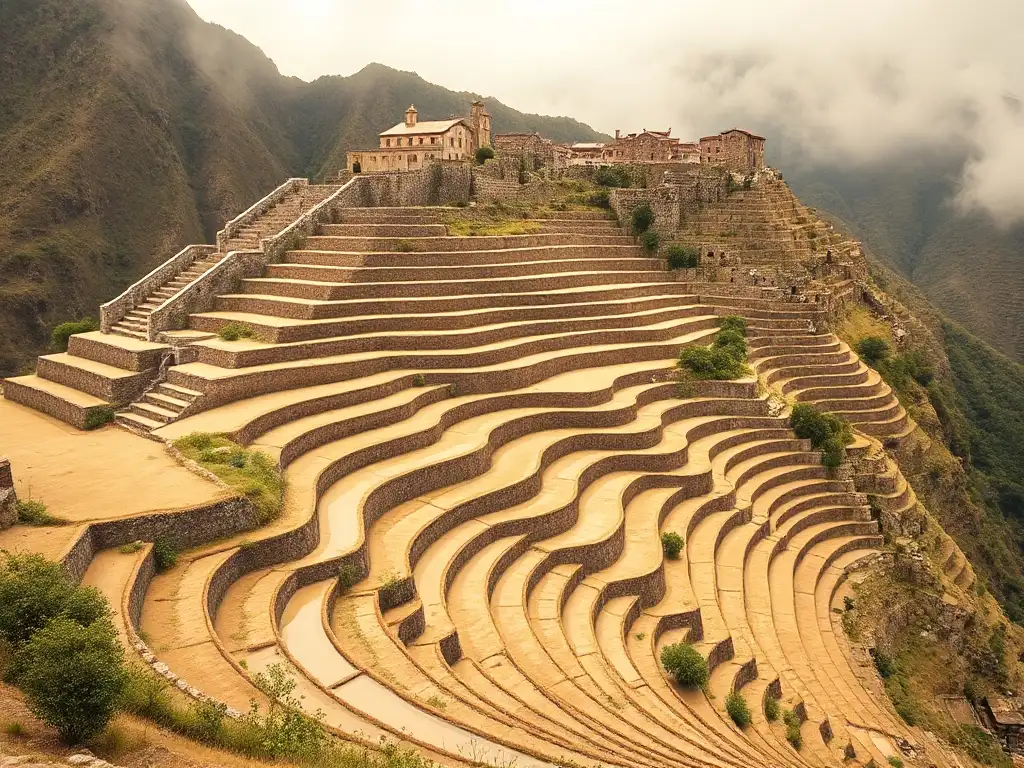
The Inca's mastery of hydraulic engineering is a testament to their advanced understanding of water management. Their ability to control water sources was crucial for their agricultural success and the flourishing of their urban centers, particularly in the challenging Andean terrain. This involved a sophisticated network of canals, aqueducts, and irrigation systems that efficiently transported water across vast distances and diverse landscapes.
The Inca's achievements in this field were not merely practical; they also held significant cultural and religious importance, reflecting their deep connection to the natural world and their reverence for water as a life-giving force. Their innovations in water management represent a remarkable feat of engineering and planning, showcasing their organizational prowess and deep understanding of hydrology.
The ingenuity and scale of their water projects are still studied and admired today, offering valuable lessons in sustainable water resource management. The legacy of Inca hydraulic engineering continues to inspire modern approaches to water infrastructure development, particularly in arid and mountainous regions.
Canals and Aqueducts: Transporting Water Efficiently
Inca canals and aqueducts were marvels of engineering, demonstrating a profound understanding of topography and hydraulic principles. These weren't simple ditches; they were carefully planned and constructed systems, often involving intricate terracing and the use of stone channels to minimize water loss through seepage. Some canals stretched for kilometers, transporting water from distant sources to irrigate agricultural lands or supply urban centers.
The construction techniques employed varied depending on the terrain and the availability of materials. In some areas, they used stone blocks precisely fitted together to create channels that were both durable and efficient. In other locations, they utilized natural features like ravines and slopes to their advantage, channeling water flow with minimal disruption to the landscape.
The precision and scale of these projects highlight the advanced organizational capabilities of the Inca Empire. Detailed knowledge of the water table and the landscape was essential for successful construction, indicating a high level of expertise in surveying and engineering. The ability to create such extensive and well-maintained systems demonstrates the Inca's capacity for long-term planning and their commitment to sustainable resource management.
Water Management in Inca Cities
Inca cities were not merely settlements; they were carefully planned urban centers where water management played a crucial role in daily life. The sophisticated systems that supplied water to these cities were integrated into their overall design. Water was channeled through intricate networks of canals and aqueducts, providing a reliable source for drinking, sanitation, and agriculture within the city walls.
The distribution of water was carefully controlled, ensuring equitable access for all residents. Public fountains and reservoirs were common features, demonstrating a commitment to public health and hygiene. The integration of water management into the urban fabric highlights the Inca's holistic approach to city planning and their understanding of the essential role of water in maintaining a healthy and thriving community.
The efficient and equitable distribution of water was a key factor in the stability and prosperity of Inca cities. These systems provided not only a practical solution to the needs of the population but also served as a symbol of Inca power and organization.
The Significance of Water in Inca Society
Water held profound cultural and religious significance in Inca society. It was not merely a resource; it was considered a sacred element, essential for life and deeply connected to their spiritual beliefs. Water was associated with fertility, abundance, and the divine.
Many Inca rituals and ceremonies involved water, highlighting its importance in their worldview. The careful management of water resources was not just a practical necessity but also a way to honor and maintain a harmonious relationship with the natural world. This reverence for water is reflected in the meticulous planning and construction of their hydraulic engineering projects.
The Inca's sophisticated water management systems were not simply technological achievements; they were also expressions of their religious beliefs and cultural values. This deep-seated respect for water played a crucial role in shaping their social structure and their relationship with the environment. The Inca's holistic approach to water management underscores the interconnectedness of their technological advancements and their spiritual beliefs.
Inca Textile Technology: Intricate Designs and Advanced Weaving
Inca textile technology was remarkably advanced for its time, characterized by intricate designs, vibrant colors, and sophisticated weaving techniques. The production of textiles was a highly specialized craft, with skilled artisans creating fabrics of exceptional quality and beauty. The Inca's mastery of textile production was not just a matter of aesthetics; it played a significant role in their social, economic, and political life.
Textiles served as a medium for artistic expression, social status, and religious symbolism. The Inca's skill in weaving and dyeing is evident in the surviving examples of their textiles, which are remarkable for their fine detail, intricate patterns, and vibrant colors. The techniques they employed represent a high level of technical expertise, and the quality of their work is unparalleled.
Materials Used in Inca Textiles
The Inca utilized a variety of materials in their textile production, adapting to the diverse environments of their vast empire. Alpaca and llama wool were primary materials, prized for their softness, warmth, and durability. Cotton was also widely used, particularly in warmer regions, providing a lighter and more breathable fabric. Other materials, such as vicuña and guanaco wool, were used for finer and more luxurious textiles, often reserved for the elite.
The careful selection and preparation of these materials were essential in producing high-quality textiles. The Inca developed sophisticated techniques for spinning and dyeing fibers, resulting in a wide range of colors and textures. The availability of various materials allowed for a diversity of textile products, each tailored to specific purposes and social contexts. The variety and quality of the materials used, combined with the advanced weaving techniques, underscore the sophistication of Inca textile production.
Weaving Techniques and Patterns
Inca weaving techniques were exceptionally sophisticated, demonstrating a remarkable understanding of textile technology. They employed a range of techniques, including tapestry weaving, brocade, and sumptuary weaving, each producing unique textures and patterns. The intricate designs woven into their textiles showcased their artistic skill and creativity. Geometric patterns, stylized animals, and religious symbols were frequently incorporated into their designs.
The precision and complexity of these patterns are a testament to the weavers' skill and dedication. The use of different colors and textures added depth and complexity to the designs, creating visually stunning and highly symbolic textiles. The sophisticated weaving techniques employed by the Inca were passed down through generations, maintaining a high level of quality and consistency. The intricate patterns and designs served not only as aesthetic features but also as indicators of social status and regional identity.
The Importance of Textiles in Inca Culture and Society
Textiles played a vital role in Inca culture and society, serving as a medium for artistic expression, social status, and religious symbolism. Clothing made from fine textiles was an indicator of social rank, with the elite wearing garments made from the finest materials and most intricate designs. Textiles were also used in religious ceremonies and rituals, with specific fabrics and designs associated with particular deities or events. The production and distribution of textiles were closely regulated by the Inca government, reflecting their importance in the economy and social structure.
Textiles were not just everyday items; they were integral to the social, political, and religious life of the Inca Empire. Their significance extended beyond their practical use, serving as powerful symbols of identity, status, and cultural heritage. The enduring legacy of Inca textiles underscores their artistry and their profound impact on Inca society.
Inca Metallurgy: Working with Metals in the Andes
The Inca's mastery of metallurgy stands as a testament to their advanced technological capabilities. Their skill in extracting, refining, and shaping metals like gold, silver, copper, and bronze was unparalleled in the pre-Columbian Americas. This expertise wasn't merely decorative; it played a crucial role in their social structure, religious practices, and daily life. The Inca utilized various alloys, demonstrating an understanding of material science that facilitated the creation of durable and aesthetically pleasing objects.
Their techniques, passed down through generations, involved sophisticated processes that allowed them to produce intricate artifacts. The Inca's metalworking wasn't solely about functionality; it was deeply intertwined with their worldview and spiritual beliefs. The shimmering gold and silver objects were not just tools or adornments, but powerful symbols of authority and divinity.
Mining Techniques and Metal Extraction
Inca mining operations were extensive and well-organized. They employed sophisticated techniques to locate and extract ores from challenging terrains, often high in the Andes mountains. Evidence suggests the use of advanced tools, including copper and bronze chisels and hammers, along with ingenious systems for water management to aid in the mining process. They likely used fire-setting, a method involving heating rock faces to fracture them, combined with hand tools to break up and remove ore.
The scale of some Inca mines indicates a considerable workforce, highlighting the importance of mining to the empire's economy and power. The extraction process wasn't limited to easily accessible deposits; the Inca demonstrated remarkable ingenuity in accessing remote and difficult-to-reach ore veins. This required careful planning, logistical expertise, and a significant investment of labor.
The Production of Tools, Weapons, and Ornaments
The Inca produced a diverse range of metal objects, from everyday tools to elaborate ceremonial artifacts. Copper and bronze were used to create tools such as axes, chisels, and knives, essential for agriculture, construction, and warfare. Gold and silver, more precious metals, were primarily used for ornaments, religious objects, and prestigious items associated with the Inca elite. The level of craftsmanship evident in these objects is astonishing.
Intricate designs, delicate filigree work, and the precise shaping of metals showcase the Inca's artistry and technical skill. The production of these items was a specialized craft, likely undertaken by skilled artisans in designated workshops. The Inca's ability to create such a wide variety of metal objects highlights their comprehensive understanding of metallurgy and their capacity for large-scale production.
The Significance of Metalworking in Inca Society
Metalworking held immense social and religious significance in Inca society. The control over metal resources and the production of metal objects were closely linked to political power and social status. Gold and silver artifacts were reserved for the elite, signifying their high rank and connection to the divine. Metal objects played an important role in religious ceremonies and rituals, used as offerings to deities or as symbols of power and authority.
The use of specific metals in certain objects likely held symbolic meaning, reflecting the Inca's complex worldview and beliefs. The mastery of metallurgical techniques contributed significantly to the Inca Empire's wealth, prestige, and social organization. The skill and artistry displayed in Inca metalwork continue to fascinate and inspire today.
Inca Communication and Record Keeping: Innovations Beyond Writing

While the Inca did not possess a writing system in the conventional sense, they developed sophisticated methods for communication and record-keeping that were remarkably effective for managing their vast empire. Their innovations in communication and information management were crucial to maintaining order, coordinating resources, and transmitting information across long distances. These systems were integral to the Inca's administrative efficiency and the overall success of their empire. The ingenuity of their methods is particularly impressive considering their technological limitations.
The Quipu: A System of Knotted Cords
The quipu is arguably the Inca's most remarkable innovation in record-keeping. This system used knotted cords of varying colors and lengths to represent numerical data, as well as potentially other information. The complexity of the quipu system suggests a high level of mathematical understanding and a capacity for detailed record-keeping.
While the precise meaning of many quipus remains debated, research indicates their use in census taking, tax collection, and the recording of historical events. The quipu's ability to store and transmit information across generations is remarkable, demonstrating the Inca's capacity for organizational efficiency. Its use highlights the Inca's sophisticated understanding of data management and their ability to adapt their record-keeping systems to their needs.
Inca Messengers and Communication Networks
The Inca empire relied on a highly efficient system of messengers (chasquis) to transmit information across vast distances. These runners, stationed at strategic points along well-maintained roads, formed a relay system that allowed for rapid communication. Messages were relayed quickly, enabling the central government to maintain control over its far-flung territories.
This network was vital for the empire's administration, allowing for the efficient distribution of resources and the rapid response to emergencies. The effectiveness of the chasqui system is a testament to the Inca's logistical expertise and their understanding of the importance of rapid communication in managing a large empire. The organization and discipline required to maintain this system were considerable.
The Role of Oral Tradition in Inca Society
Oral tradition played a crucial role in preserving and transmitting knowledge in Inca society. Trained storytellers, known as amautas, memorized and recited historical accounts, myths, and other important information. This oral history served as a crucial means of preserving cultural knowledge, transmitting traditions, and educating younger generations.
The memorization and recitation of extensive narratives required exceptional memory skills and a deep understanding of Inca culture. The reliance on oral tradition underscores the importance of memory and storytelling in Inca society and demonstrates their capacity for preserving and transmitting vast amounts of information without a written language. This oral tradition, while not a system of writing in the usual sense, was an effective method of preserving and disseminating knowledge.
The Legacy of Inca Technological Achievements
The Inca Empire, despite lacking metal tools and beasts of burden, achieved remarkable feats of engineering and agricultural innovation. Their legacy extends far beyond the impressive ruins that still stand today; it represents a profound understanding of environmental adaptation and sustainable resource management. The intricate network of roads, sophisticated irrigation systems, and meticulously planned urban centers showcase their mastery of engineering principles. Their achievements were not simply about construction; they reflected a deep understanding of the Andean landscape and a sophisticated approach to resource utilization.
The Inca's success wasn't accidental; it stemmed from a combination of practical knowledge, meticulous planning, and a highly organized social structure that prioritized communal effort. Their innovations were not isolated incidents but rather part of a larger, integrated system designed to ensure the empire's prosperity and stability. This systemic approach to problem-solving and resource management is a crucial aspect of their enduring legacy.
Lasting Impact on Modern Engineering and Agriculture
The Inca's impact resonates even in modern engineering and agriculture. Their innovative terracing techniques, for example, are still studied and applied today in areas with challenging topography. These terraces not only increased arable land but also conserved water and reduced soil erosion—principles crucial for sustainable agriculture in mountainous regions. Similarly, their sophisticated irrigation systems, which included canals, aqueducts, and reservoirs, provided a reliable water source for crops, even during periods of drought.
These systems demonstrate a deep understanding of hydraulic engineering and water management, knowledge that continues to inform modern water resource management strategies. The Inca's road network, a marvel of its time, serves as a testament to their ability to overcome geographical obstacles. The construction techniques used, including the use of local materials and adaptive building methods, remain relevant in modern civil engineering. Their approach to sustainable construction, minimizing environmental impact, offers valuable lessons for contemporary projects.
Inca Innovations and Their Relevance Today
Many Inca innovations hold surprising relevance in the 21st century. Their emphasis on sustainable agriculture, for instance, offers valuable insights into addressing modern challenges like food security and climate change. Their understanding of water management is particularly pertinent in a world facing increasing water scarcity. Furthermore, their sophisticated system of record-keeping using quipus (knotted cords) highlights the importance of data management and information systems.
While the exact method of interpreting quipus remains a subject of ongoing research, their existence underscores the Inca's advanced understanding of information organization and communication. The principles of community-based resource management and collaborative construction employed by the Inca also resonate deeply with contemporary discussions of sustainable development and social equity. These lessons from the past provide valuable frameworks for addressing modern challenges.
Lessons from Inca Ingenuity
The Inca Empire’s ingenuity offers numerous valuable lessons for modern society. Their ability to adapt to challenging environments and create sustainable systems highlights the importance of understanding and respecting ecological limits. Their communal approach to problem-solving and resource management demonstrates the power of collaboration and collective action. Their emphasis on practical knowledge and innovation, even with limited resources, inspires us to find creative solutions to contemporary challenges.
The Inca's success wasn't solely based on technological advancements; it was rooted in a deep understanding of their environment and a highly organized social structure that prioritized communal well-being. Studying their achievements provides a valuable perspective on sustainable development, resource management, and the importance of community collaboration. Their legacy serves as a potent reminder of human ingenuity and the enduring power of adaptability.
Conclusion: The Brilliance of Inca Engineering Innovations
The Inca's engineering innovations represent a remarkable achievement in human history. Their ability to build impressive structures, develop sophisticated irrigation systems, and create an extensive road network, all without the benefit of advanced tools or animal power, underscores their ingenuity and organizational prowess. The enduring legacy of their achievements continues to inspire and inform modern engineering and agricultural practices. Their emphasis on sustainability, community collaboration, and adaptation to challenging environments offers valuable lessons for addressing the complex challenges facing our world today.
The study of Inca engineering serves as a powerful testament to human potential and the enduring brilliance of ancient civilizations. Understanding their innovations provides a rich tapestry of knowledge that can inform and inspire future generations. The brilliance of Inca engineering continues to resonate, reminding us of the potential for human ingenuity to overcome seemingly insurmountable obstacles and build sustainable systems for the benefit of all. 🎉
- Introduction to Inca Engineering and Technological Prowess
- Inca Roads: Advanced Infrastructure for a Vast Empire
- Inca Agricultural Innovations: Maximizing Food Production
- Inca Architecture and Construction: Master Builders of the Andes
- Inca Hydraulic Engineering: Controlling Water for Agriculture and Urban Centers
- Inca Textile Technology: Intricate Designs and Advanced Weaving
- Inca Metallurgy: Working with Metals in the Andes
- Inca Communication and Record Keeping: Innovations Beyond Writing
- The Legacy of Inca Technological Achievements
- Conclusion: The Brilliance of Inca Engineering Innovations
- What were some of the most significant Inca engineering innovations?
- How did Inca road systems facilitate their empire?
- What techniques did the Inca use in their impressive stonework?
- How did Inca irrigation systems support their population?
- What materials did the Inca primarily use in their construction?
Frequently Asked Questions
What were some of the most significant Inca engineering innovations?
The Incas excelled in road building, creating a vast network across challenging terrain. They also mastered stonework, evident in precise structures like Machu Picchu, and developed sophisticated irrigation systems to support agriculture.
How did Inca road systems facilitate their empire?
The extensive road network allowed for efficient communication, rapid troop movement, and the transport of goods across the vast Inca Empire, strengthening control and facilitating trade.
What techniques did the Inca use in their impressive stonework?
Inca stone masons employed remarkable techniques, including precise cutting and fitting of stones without mortar, creating incredibly strong and durable structures that have withstood the test of time. They also demonstrated mastery of complex architectural designs.
How did Inca irrigation systems support their population?
The Incas developed ingenious terracing and canal systems to manage water resources effectively, allowing them to cultivate crops in diverse environments and support a large population in challenging mountainous regions. This ensured food security.
What materials did the Inca primarily use in their construction?
The Incas primarily used stone, often sourced locally, demonstrating adaptive building practices based on available resources. They also utilized wood and adobe for certain structures, showcasing versatility in their construction techniques.
Final Reflection: Echoes of Ingenuity: The Enduring Legacy of Inca Engineering
The ingenuity of Inca engineering continues to resonate today, a testament to human adaptability and the power of collaborative problem-solving in the face of challenging environments. Their remarkable achievements, from intricate road systems to sophisticated agricultural techniques, offer invaluable lessons in sustainable design and resource management, lessons desperately needed in our increasingly complex world. We stand on the shoulders of giants, and understanding their innovations allows us to better address the challenges of our own time.
The impact of Inca engineering extends far beyond the Andes; it serves as a powerful reminder of the potential for human innovation when faced with seemingly insurmountable obstacles. Their mastery of stonework, their understanding of hydraulics, and their ability to create complex social structures to support these endeavors remain sources of inspiration. The Inca civilization was not just a collection of impressive structures, but a testament to the power of human ingenuity and organization.
This quote encapsulates the enduring legacy of their achievements, a legacy that continues to inspire architects, engineers, and historians alike. Their success reminds us that even with limited technology, human creativity and collaboration can achieve extraordinary feats.
Consider the ingenuity of the Inca's terrace farming, their intricate aqueducts, and their vast network of roads. These were not mere feats of engineering, but expressions of a deep understanding of their environment and a commitment to community. You too possess the capacity for innovation and problem-solving. Think about the challenges you face, and consider how the resourcefulness and collaborative spirit of the Inca might inspire your own approach. Embrace the spirit of ingenuity, and let the echoes of their achievements guide you towards creating a more sustainable and equitable future.
Unveil the Wonders of Inca Technology!
Thank you for exploring the fascinating innovations of the Inca civilization with us! We hope you gained valuable insights into their impact on the world. Now, let's delve deeper into their remarkable legacy.
- **Discover More:** Explore in-depth articles and presentations on our resources page, covering topics such as the intricate quipu record-keeping system and sophisticated agricultural techniques.
- **Join the Conversation:** Share your thoughts on the influence of ancient Inca technologies on modern innovations on our social media channels.
- **Experience History:** Plan a visit to an Inca site in the Andes Mountains to witness these incredible achievements firsthand—it's an unforgettable adventure!
What aspect of Inca technology most fascinates you, and how do you believe it has shaped today's technological landscape? Share your insights below!