
The Power of a Gentle Touch: Best Practices for Handling Andean Textiles

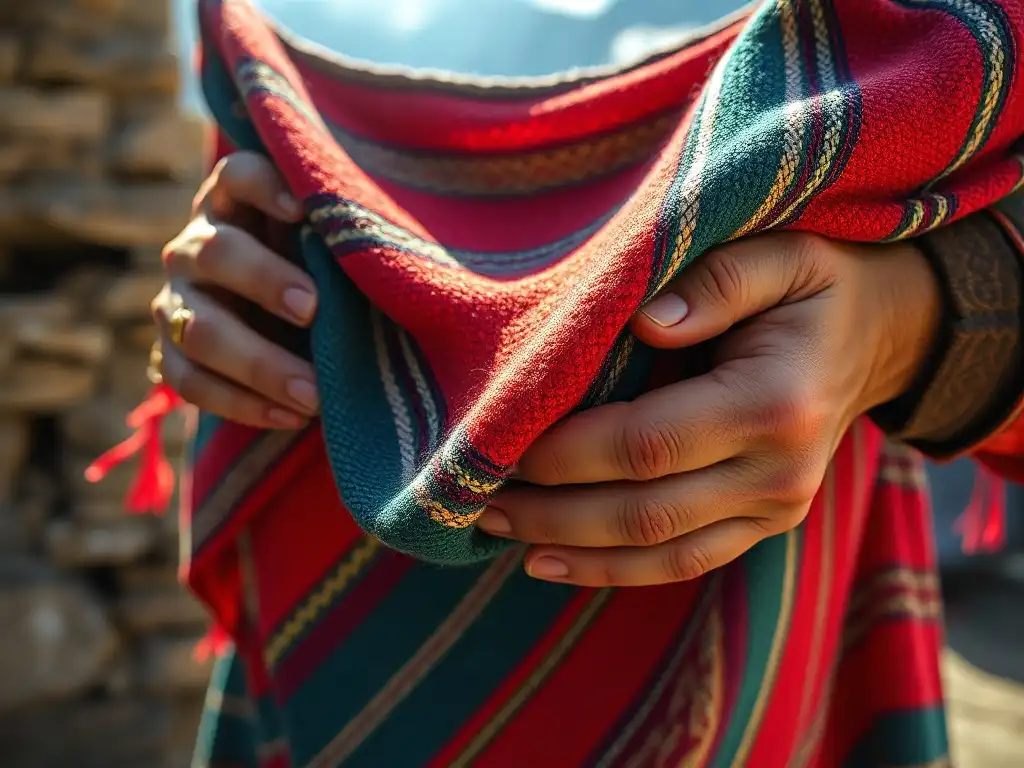
Step into a world woven with mystery and mastery. For centuries, the Andean civilizations have captivated us with their breathtaking artistry, and nowhere is this more evident than in their incredibly intricate textiles. But what secrets do these fragile treasures hold? Discover the delicate art of Andean textiles handling techniques and unlock the stories embedded within these ancient threads. Explore the fascinating world of Andean artifacts and learn how to respectfully appreciate these irreplaceable pieces of history. Prepare to be amazed.
Andean textiles represent a breathtaking tapestry of artistry, history, and cultural heritage. These meticulously crafted pieces, often imbued with centuries of stories and traditions, deserve the utmost care and respect. From the vibrant weavings of the Inca empire to the intricate designs of the Nazca and Moche cultures, these textiles are fragile witnesses to remarkable civilizations. Understanding and implementing proper handling techniques is crucial for preserving these invaluable artifacts for future generations.
This guide will explore best practices for handling Andean textiles, ensuring their longevity and allowing us to continue appreciating their beauty and significance. We'll delve into the specific challenges posed by these delicate materials and offer practical, evidence-based solutions to minimize damage and extend the lifespan of your treasured Andean textiles. Proper handling isn't just about preservation; it's about actively participating in the ongoing stewardship of a rich cultural legacy.
Introduction: Preserving the Legacy of Andean Weaving
Andean textiles are more than just beautiful fabrics; they are repositories of knowledge, reflecting the complex social structures, spiritual beliefs, and artistic achievements of ancient Andean societies. The intricate techniques employed, often passed down through generations, showcase incredible skill and ingenuity. However, the very materials used – often natural fibers like alpaca wool, llama wool, cotton, and vicuña – are susceptible to damage from improper handling. Factors such as light exposure, humidity, pests, and even the simple act of touching can contribute to deterioration.
Understanding the specific vulnerabilities of these textiles is the first step towards effective preservation. This section will lay the groundwork for understanding the importance of careful handling and introduce the fundamental principles that should guide your interactions with these precious artifacts. We will explore the unique characteristics of different Andean textile types and how these characteristics influence appropriate handling methods.
Understanding the Fragility of Andean Textiles: Material & Construction
The fragility of Andean textiles stems from several factors. Firstly, the materials themselves are often delicate. Natural fibers like alpaca and llama wool are less resilient than synthetic materials. Their structure can be easily damaged by abrasion, stretching, or excessive handling.
Secondly, the construction techniques, often involving complex weaving patterns and minimal or no reinforcement, contribute to their vulnerability. Ancient Andean weavers relied on meticulous hand techniques, creating a delicate balance in the fabric. This intricate weaving, while beautiful, can be susceptible to tearing or unraveling if mishandled. Finally, the age of many Andean textiles contributes to their fragility.
Years of exposure to the elements, improper storage, or even past restoration attempts can have left their mark, making them even more susceptible to damage. Understanding these vulnerabilities is key to developing appropriate handling practices. For example, the use of gloves is crucial to prevent the transfer of oils and dirt from our hands.
Best Practices: Handling Your Andean Textile Collection
Proper handling of Andean textiles involves a multi-faceted approach. The most important aspect is always to use clean, cotton gloves. This prevents the transfer of oils, dirt, and other contaminants from your hands to the delicate fibers. Avoid direct contact whenever possible. When displaying textiles, use acid-free archival materials and appropriate supports. Consider using padded hangers or mannequins designed for textiles, rather than hanging them directly on hooks.
When storing textiles, select a cool, dark, and dry environment with controlled humidity levels. Acid-free boxes or archival-quality storage containers are essential to protect against light damage, pests, and environmental contaminants. Furthermore, regular inspection for signs of damage or pest infestation is crucial for early detection and intervention. This proactive approach can help prevent significant damage and maintain the integrity of your collection. Consider consulting with a textile conservator for advice on specialized cleaning or repair techniques.
Preventing Damage: Environmental Factors and Pest Control
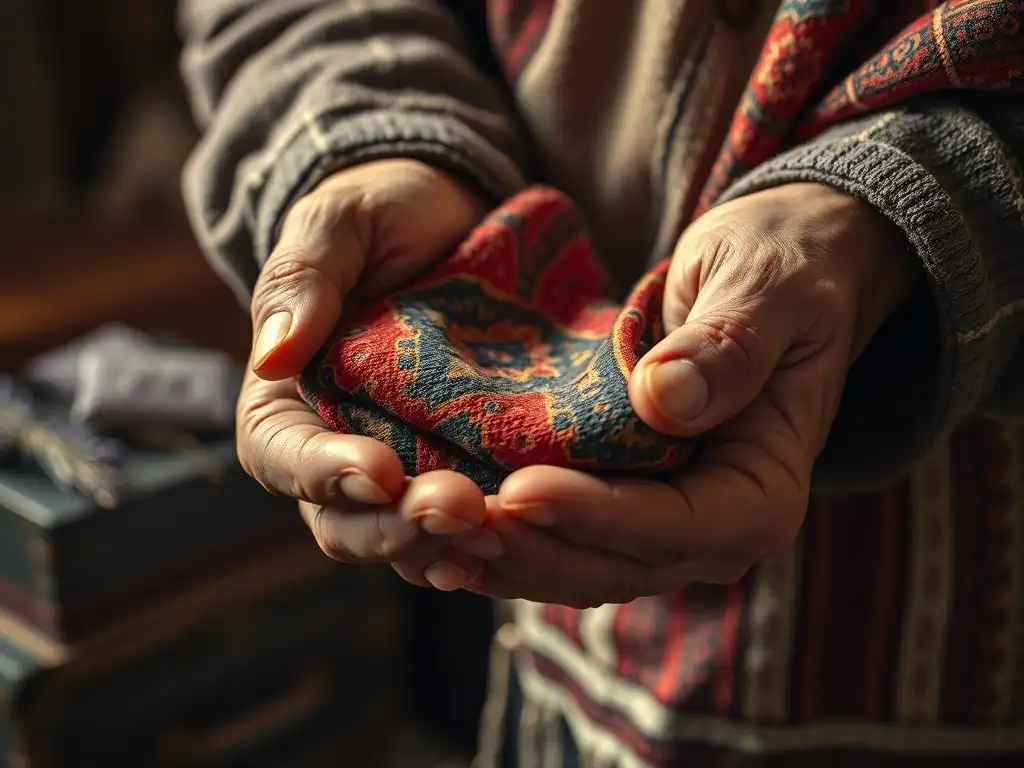
Environmental conditions play a significant role in the preservation of Andean textiles. Fluctuations in temperature and humidity can cause the fibers to expand and contract, leading to stress and potential damage. Sunlight, particularly ultraviolet (UV) light, is a major culprit in fabric degradation, causing fading and weakening of the fibers. Therefore, storing textiles in a cool, dark, and dry environment is paramount. Maintaining a stable relative humidity of around 50% is ideal.
Pest control is equally crucial. Insects and rodents can cause irreparable damage to textile fibers. Regular inspections and the implementation of preventative measures, such as using cedar chips or mothballs (in accordance with conservation standards), can help protect your collection from these threats. Remember, prevention is always better than cure when it comes to preserving these delicate artifacts.
Displaying Andean Textiles: Showcasing the Heritage Responsibly
Displaying Andean textiles allows others to appreciate their beauty and significance. However, it's crucial to do so responsibly, prioritizing the preservation of these fragile artifacts. Avoid exposing textiles to direct sunlight or harsh lighting. Use specialized, acid-free display cases with UV-filtering glass to minimize light damage. Ensure adequate support for the textiles to prevent stretching or sagging.
Rotating displays can help minimize the overall exposure time for each piece. Furthermore, clearly label each textile with relevant information, including its provenance, cultural significance, and any known conservation history. This not only enhances the visitor experience but also provides valuable context and contributes to the ongoing documentation of these cultural treasures. Remember, responsible display is an essential part of preserving the legacy of Andean weaving for future generations.
- Introduction: Preserving the Legacy of Andean Weaving
- Understanding the Fragility of Andean Textiles: Material & Construction
- Best Practices: Handling Your Andean Textile Collection
- Preventing Damage: Environmental Factors and Pest Control
- Displaying Andean Textiles: Showcasing the Heritage Responsibly
- What makes Andean textiles so delicate and require special handling?
- What are some common mistakes people make when handling Andean textiles?
- How should I properly support Andean textiles to avoid damage?
- What are the best ways to clean or store Andean textiles?
- Are there any specific handling techniques for different types of Andean textiles?
Understanding the Delicate Nature of Andean Fabrics
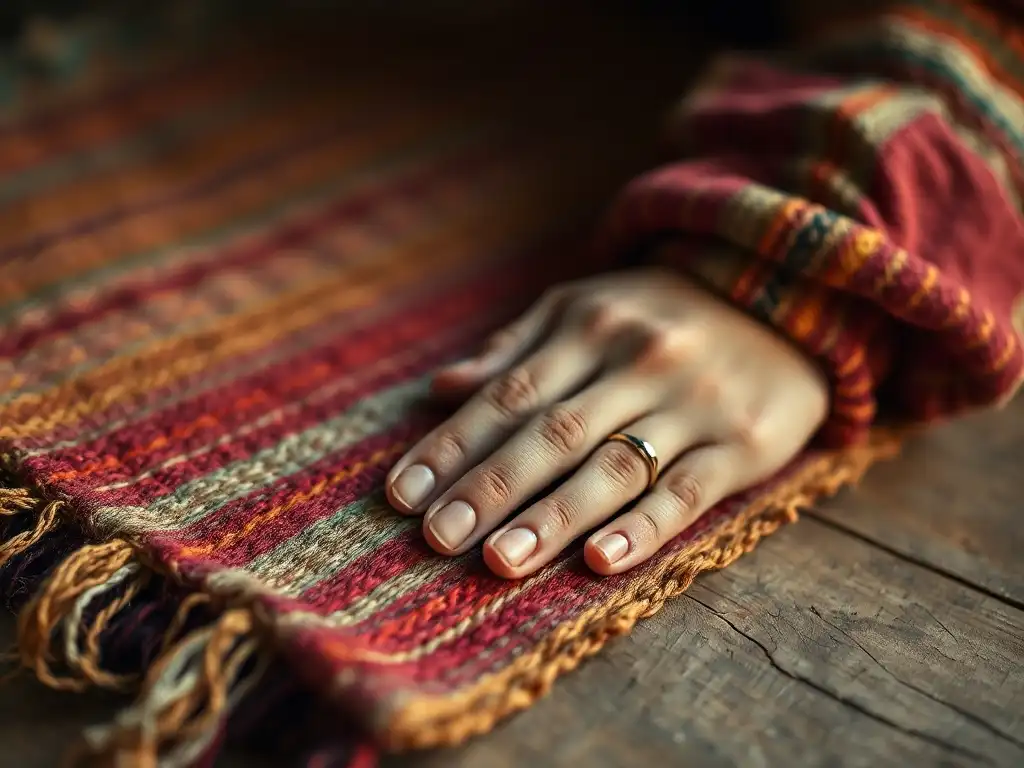
Andean textiles, a testament to the ingenuity and artistry of ancient civilizations, represent a fragile legacy demanding careful preservation. Understanding the materials and construction techniques is paramount to implementing proper handling practices. Many Andean textiles utilize natural fibers like alpaca, llama, vicuña, and cotton, all susceptible to damage over time. The dyes employed, often derived from plants and minerals, can be sensitive to light and environmental changes.
Furthermore, the intricate weaving techniques, some involving incredibly fine threads and complex structures, make these artifacts vulnerable to even the slightest mishandling. The age of these textiles, often centuries old, further exacerbates their fragility. Proper handling techniques are not just about preserving the aesthetic beauty of these pieces; they are crucial for ensuring their long-term survival and continued study by future generations. This section details the specific vulnerabilities of Andean textiles and why specialized handling is essential for their conservation.
Why Andean Textiles Require Special Handling
The delicate nature of Andean textiles necessitates specialized handling techniques. Unlike mass-produced modern fabrics, these artifacts often feature fine, loosely spun threads and intricate weaves that are easily damaged. The dyes used can be unstable and prone to fading or running if exposed to inappropriate conditions.
For example, exposure to direct sunlight can cause significant color degradation in textiles dyed with natural pigments derived from plants like cochineal or indigo. Furthermore, the materials themselves are susceptible to deterioration. Alpaca and llama wool, while strong, are sensitive to abrasion and can be weakened by improper handling.
The fragility is compounded by the age of many of these textiles; centuries of exposure to the elements can weaken fibers and make them more susceptible to damage. Therefore, employing gentle and informed handling practices is not merely a suggestion but a crucial step in protecting these irreplaceable pieces of history. Ignoring these precautions risks irreversible damage and the loss of valuable cultural heritage.
The Impact of Light, Moisture, and Pests on Ancient Textiles
Light, moisture, and pests represent significant threats to the longevity of Andean textiles. Excessive exposure to ultraviolet (UV) light, whether from sunlight or artificial sources, accelerates fiber degradation and color fading. This is particularly detrimental to textiles dyed with natural pigments, which are far more susceptible to light damage than synthetic dyes.
Similarly, fluctuating humidity and moisture can lead to mold growth, weakening fibers and causing irreparable damage. High humidity promotes the growth of microorganisms that feed on organic materials, while low humidity can make fibers brittle and prone to breakage. Pests, such as insects and rodents, pose another substantial threat.
These pests can chew through fibers, leaving holes and damage that significantly diminishes the textile's value and integrity. Effective pest control, including careful storage in climate-controlled environments, is essential for long-term preservation. Therefore, a comprehensive approach to conservation involves mitigating these environmental factors through proper storage, handling, and preventative measures.
Recognizing Signs of Damage in Andean Weavings
Identifying signs of damage is crucial for implementing appropriate conservation measures. Common indicators of deterioration include fading or discoloration of dyes, particularly in areas exposed to light. Weakened or broken fibers, often appearing as thin areas or holes in the fabric, are another key sign. The presence of stains, mold, or insect damage, such as holes or frass (insect droppings), requires immediate attention.
Furthermore, observe for loose or unraveling threads, which indicate potential structural weakness. The presence of significant creases or wrinkles may also suggest past mishandling. Careful examination under good lighting, ideally with magnification, is essential for thorough assessment.
Documenting the observed damage through detailed notes and photography is vital for tracking the condition of the textile over time and guiding future conservation efforts. Early detection of damage allows for prompt intervention, minimizing further deterioration and potentially preserving these precious artifacts for generations to come. The ability to recognize these subtle signs is a fundamental skill for anyone handling Andean textiles.
Essential Andean Textiles Handling Techniques
This section details best practices for handling Andean textiles, ensuring their preservation for future generations. Understanding the fragility of these ancient artifacts is paramount; improper handling can cause irreparable damage. These techniques focus on minimizing risk and maximizing the longevity of your collection. We'll cover workspace preparation, hand cleanliness, and appropriate cleaning products. Mastering these techniques is key to responsible stewardship of your Andean textile heritage.
Preparing Your Workspace for Handling Ancient Textiles
Before even touching an Andean textile, preparing a clean and stable workspace is crucial. Think of it as creating a "clean room" environment, albeit a less rigorous one. This minimizes the risk of accidental damage or contamination. The ideal workspace should be:
- Well-lit: Adequate lighting allows for careful examination of the textile's condition, identifying any pre-existing damage or areas requiring extra attention. Avoid direct sunlight, which can cause fading.
- Clean and dust-free: A clean surface is essential. Use a smooth, clean table covered with a clean, soft, and preferably neutral-colored cloth. White or light-colored cloths allow for better visibility of any loose threads or debris. Avoid using materials that might shed fibers.
- Organized: Keep all necessary tools within easy reach but not directly on the textile. This includes tweezers for removing loose threads (if necessary and only by trained professionals), soft brushes, and any approved cleaning materials. Minimize clutter to prevent accidental knocks or spills.
- Temperature and Humidity Controlled (if possible): Ideal conditions for Andean textile preservation are a cool, dry environment. Fluctuations in temperature and humidity can weaken fibers. While a perfectly controlled environment might not be feasible for all collectors, minimizing exposure to extreme conditions is crucial.
Remember, the goal is to create a calm, controlled environment that minimizes the risks associated with handling these precious artifacts. The appropriate environment will help in preserving the quality of your Andean textiles handling techniques.
The Importance of Clean Hands When Handling Delicate Textiles
Clean hands are paramount when handling Andean textiles. Oils, dirt, and even traces of cosmetics can transfer to the fibers, causing discoloration, staining, and weakening the fabric over time. Before handling any textile, meticulously wash your hands with a mild, unscented soap and lukewarm water. Thoroughly dry your hands with a lint-free towel. Avoid using lotions or creams beforehand, as these can leave residue.
Consider wearing cotton gloves. While not always necessary for brief examinations, gloves provide an extra layer of protection, minimizing the risk of accidental damage from oils or dirt. However, ensure the gloves are clean and free of any potentially damaging substances. The choice between bare clean hands and gloves depends on the textile's condition and the length of handling time. Always prioritize the preservation of the artifact. This emphasis on cleanliness is a cornerstone of effective Andean textiles handling techniques.
Recommended Cleaning Products for Textile Dusting
Dusting Andean textiles requires extreme caution. Never use harsh chemicals or abrasive cleaning agents. The goal is to gently remove surface dust without damaging the delicate fibers. Here are some recommended approaches:
| Cleaning Method | Description | Suitability | Precautions |
|---|---|---|---|
| Soft Brush | Use a soft-bristled brush (e.g., a sable or soft-bristled artist's brush) to gently remove loose dust. | Suitable for most textiles, especially those with loose weaves. | Brush gently in the direction of the weave. Avoid excessive pressure. |
| Compressed Air | Use a low-pressure air blower to gently remove surface dust. | Suitable for textiles that are sturdy and not overly fragile. | Maintain a safe distance to avoid damaging fibers. Use in a well-ventilated area. |
| Vacuuming (with caution) | Use a vacuum cleaner with a soft brush attachment on a low setting. This is a last resort. | Only suitable for robust textiles and by experienced professionals. | Test on an inconspicuous area first. Excessive suction can damage fibers. |
Remember, any cleaning should be minimal and performed only by trained conservators or with expert guidance. Prevention is always better than cure; careful handling and storage will significantly reduce the need for cleaning. Following these guidelines contributes significantly to the long-term preservation of your precious Andean textiles and demonstrates best practices in Andean textiles handling techniques.
Proper Lifting and Support Methods for Andean Textiles
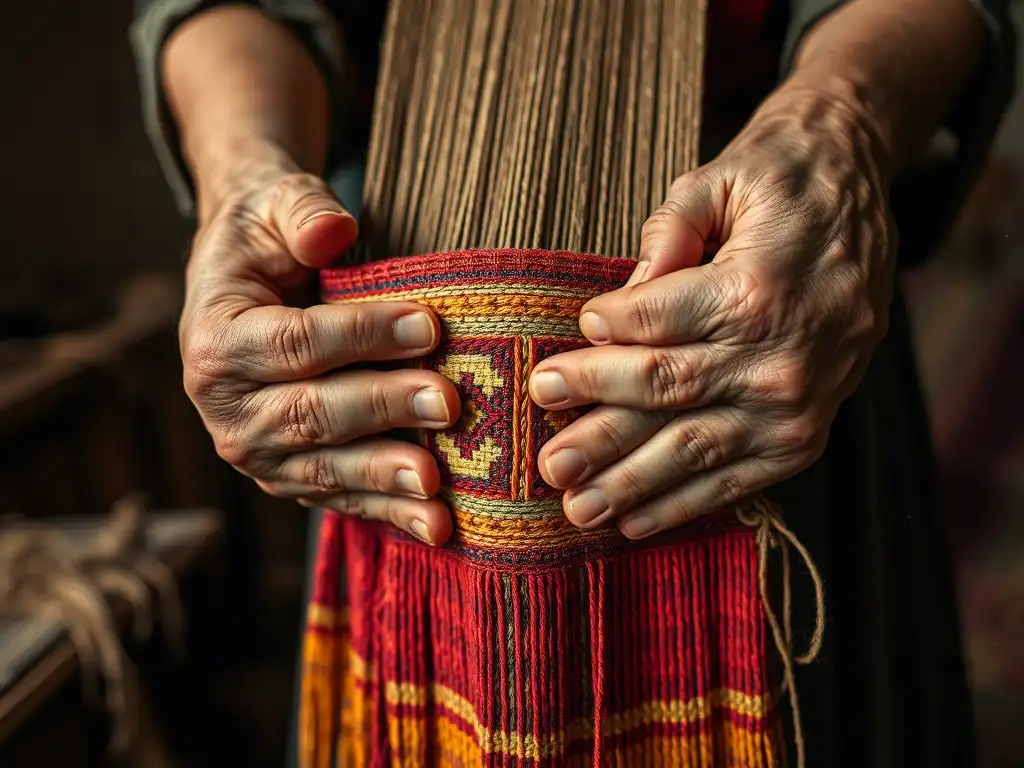
Handling Andean textiles requires a delicate touch and careful consideration of their age and fragility. Many textiles are centuries old, and their fibers, often made from alpaca, llama, or vicuña wool, can be brittle and prone to damage. Therefore, employing the correct lifting and support techniques is paramount to preserving these invaluable artifacts.
Before lifting any textile, assess its size and weight. Smaller pieces can often be lifted by gently grasping the edges, ensuring that you distribute your weight evenly to avoid stress on any single point. However, for larger or heavier textiles, using a stable, wide, and appropriately sized support is critical.
Think of it like handling a delicate painting: you wouldn't just grab it by the corners. For larger textiles, consider using a clean, cotton sheet or a specially designed textile support, carefully spreading the weight evenly across the surface. Avoid using materials that might snag or shed fibers, such as synthetic fabrics or towels.
When lifting, maintain a straight back and use your leg muscles to minimize strain and prevent accidental drops. Keep the textile close to your body to maintain balance and control. Remember, even a slight tear or snag can significantly diminish the value and historical integrity of an Andean textile. Slow, deliberate movements are crucial.
Rushing can lead to accidents and irreversible damage. The goal is to move the textile smoothly and securely, minimizing any potential stress on the fibers. Regularly inspect the support you are using to make sure it is still providing even distribution of weight and hasn't become damaged itself.
Avoiding Unnecessary Handling and Movement
The golden rule of Andean textile preservation is to minimize handling. Every time a textile is handled, there's a risk of damage, whether it's from the friction of fibers, the transfer of oils from your skin, or the potential for accidental tears or snags. Therefore, establishing a system to limit unnecessary handling is essential for long-term preservation.
This begins with proper storage. Textiles should be stored in a cool, dry, and dark environment, away from direct sunlight and fluctuating temperatures and humidity. Ideally, they should be stored flat, supported by acid-free tissue paper or archival-quality materials, to prevent creasing and damage. Avoid stacking textiles directly on top of each other, as this can lead to crushing and compression damage.
When display is necessary, consider the use of protective cases or frames designed specifically for textiles. These cases provide a barrier against dust, light, and physical contact. If handling is absolutely necessary for cleaning, repair, or study, always wear clean cotton gloves to minimize the transfer of oils and dirt from your hands.
Document every instance of handling, noting the date, time, and reason for the interaction – this meticulous record-keeping helps track the textile's history and its exposure to handling. Remember, the less you handle these precious artifacts, the better their chances of survival for generations to come. The beauty and cultural significance of Andean textiles demand this respectful approach to their care.
Safe Storage Solutions for Your Andean Textile Collection
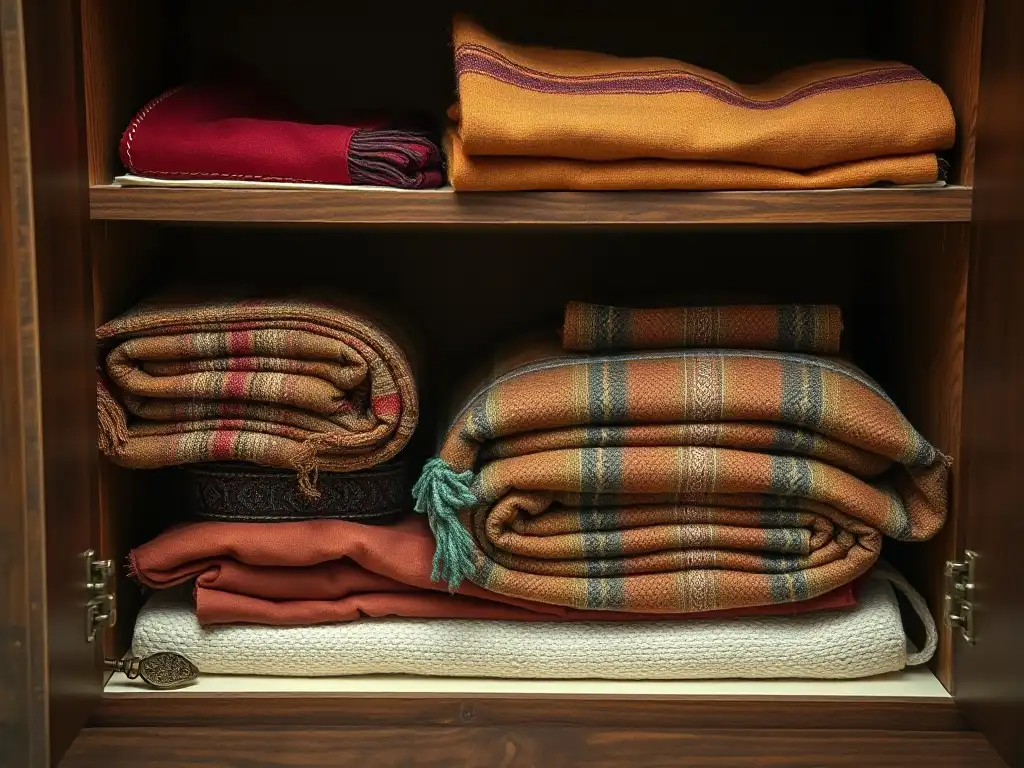
Protecting your Andean textile collection requires careful consideration of storage methods. Improper storage can lead to irreversible damage, including fading, weakening of fibers, and pest infestation. Understanding the best practices for Andean textiles handling techniques is crucial for preserving these invaluable artifacts for future generations. This section will outline key strategies for safe and effective storage.
Choosing the Right Storage Environment: Temperature and Humidity Control
The ideal environment for storing Andean textiles mimics the stable conditions they experienced for centuries in their original contexts. Fluctuations in temperature and humidity are major culprits in textile degradation. High humidity promotes mold and mildew growth, while excessive dryness can cause brittleness and fiber breakage. Optimal conditions generally involve a relatively constant temperature between 60-65°F (15-18°C) and a relative humidity of 40-50%.
Maintaining these levels requires careful monitoring. For smaller collections, a climate-controlled room or closet might suffice. Regular use of a hygrometer and thermometer is vital to track environmental conditions. For larger collections, dedicated archival storage facilities with sophisticated climate control systems are recommended. Consider the specific climate of your region – those in humid climates will require more aggressive humidity control measures than those in arid areas. Regular monitoring is key; even minor deviations from the ideal range can have long-term consequences for the textiles' integrity. Remember, consistent conditions are more important than achieving a precise numerical target.
Recommended Storage Materials for Andean Textiles
The materials used for storing Andean textiles are just as crucial as the environmental conditions. Acid-free materials are paramount to prevent chemical damage to the delicate fibers. Avoid using materials containing lignin, a component found in many types of paper and cardboard, as it produces acids over time.
Here's a table summarizing suitable and unsuitable storage materials:
| Material | Suitable? | Rationale |
|---|---|---|
| Acid-free paper | Yes | Provides a barrier against pollutants and minimizes acid transfer. |
| Acid-free boxes | Yes | Offers protection from light, dust, and pests. |
| Cotton muslin | Yes | Breathable and gentle on fibers; ideal for wrapping individual pieces. |
| Archival polyester | Yes | Strong, inert, and resistant to degradation. |
| Newspaper | No | Contains lignin and acidic inks, harmful to textiles. |
| Cardboard (untreated) | No | Often contains lignin, resulting in acid damage over time. |
| Plastic bags | No | Traps moisture and promotes mold growth. |
Consider using acid-free tissue paper to separate layers of folded textiles within storage boxes. This prevents abrasion and helps maintain the shape of the garments. For particularly fragile items, individual enclosures made of archival-quality polyester might be necessary. Always prioritize materials that are inert and will not interact chemically with the fibers of the textiles.
Proper Folding and Rolling Techniques for Storing Textiles
The way you handle and store Andean textiles significantly impacts their longevity. Improper folding or rolling can lead to creases, stress on the fibers, and even breakage. The goal is to minimize stress points and ensure even support.
For flat storage (folding): Carefully fold the textile along its natural creases or seams whenever possible. Avoid sharp bends or creases. Use acid-free tissue paper between layers to prevent abrasion and maintain shape.
For rolled storage: Roll textiles loosely around a neutral-colored, acid-free tube. Avoid tight rolling, which can strain the fibers. Secure the roll with a length of acid-free cotton ribbon or archival-quality polyester tape. Ensure the textile is evenly distributed to prevent stress points. The roll should be supported horizontally to prevent deformation.
Remember, the best method depends on the textile's size, shape, and fragility. Always handle Andean textiles with clean, gloved hands to avoid transferring oils and dirt. Regular inspection is critical to detect any signs of damage early, allowing for prompt intervention. By employing these careful Andean textiles handling techniques, you can safeguard your collection for years to come.
Protecting Your Collection from Pests
Andean textiles, with their delicate fibers and often centuries of age, are highly susceptible to pest damage. Moths, beetles, and other insects can quickly destroy the integrity of these precious artifacts, leaving irreparable holes and weakening the fabric structure. Preventing infestation is crucial for long-term preservation. This requires a multi-pronged approach, combining preventative measures with active pest control strategies when necessary.
One of the most effective preventative measures is maintaining a clean and dry storage environment. Regular cleaning, including vacuuming (with a HEPA filter to prevent the spread of dust particles that can harbor pests) and dusting, will remove debris that attracts insects. Humidity is a significant factor; high humidity encourages mold growth and provides ideal breeding conditions for many pests. A dehumidifier can help maintain optimal humidity levels (ideally between 40% and 50%), significantly reducing the risk of pest infestation. Regular monitoring of humidity levels using a hygrometer is highly recommended.
Furthermore, rigorous inspection of new acquisitions is essential. Before integrating any new textile into your collection, carefully examine it for signs of pest activity, such as webbing, holes, or insect frass (insect droppings). Quarantine new acquisitions for at least several weeks in a sealed container, preferably one that is airtight and can be frozen for a short period to kill any potential pests before introducing them to the main collection. Freezing is a powerful method and can be used as a treatment for lightly infested items.
Another crucial element in pest control is proper storage materials. Avoid using materials that might attract pests, such as untreated wood or cardboard. Opt for archival-quality materials, such as acid-free boxes, acid-free tissue paper, and archival-quality polyester or cotton fabrics for wrapping. These materials are designed to be inert and won't attract pests or damage the textiles over time.
Regularly check the condition of these materials, replacing any that show signs of deterioration. Using cedar chips or sachets is often recommended, but their effectiveness is debated and should be used cautiously. The oils in cedar can sometimes damage delicate fibers.
Finally, while preventative measures are paramount, it's important to know how to respond if an infestation occurs. If you discover pests, immediately isolate the affected textile(s) to prevent the spread. Contact a professional conservator specializing in textile preservation. They possess the expertise and specialized tools to safely and effectively treat infested items without causing further damage.
Never attempt to treat a major infestation yourself using home remedies, as these can often do more harm than good, potentially damaging the valuable Andean textiles. Remember, prevention is always better than cure when it comes to protecting your precious Andean textile collection.
Professional Conservation Services for Andean Textiles
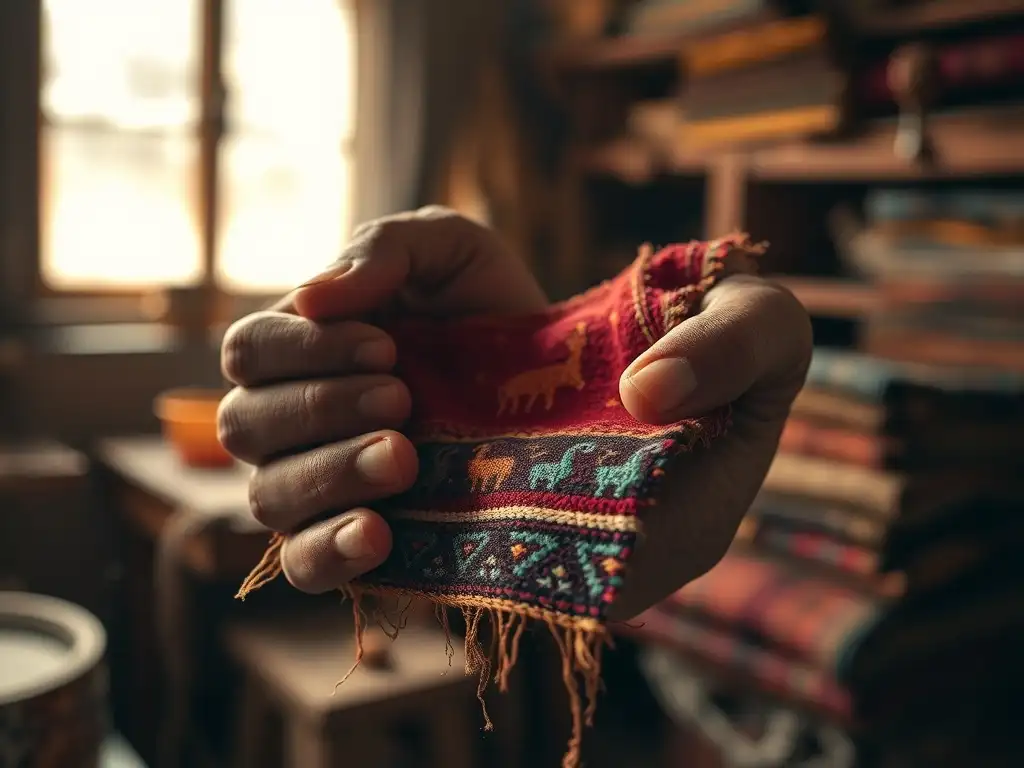
The delicate nature of Andean textiles, often centuries old and crafted from fragile materials like alpaca and llama wool, necessitates careful handling. While many cleaning and preservation techniques can be performed at home with proper training, some situations demand the expertise of professional textile conservators. Understanding when to seek professional help and how to find reputable experts is crucial for preserving these invaluable cultural artifacts. Knowing the associated costs is also essential for responsible stewardship.
When to Seek Professional Help: Recognizing Advanced Damage
Knowing when to call in the professionals is key to preventing further damage to your Andean textiles. Minor issues, like light soiling or loose threads, can often be addressed with careful home care. However, several indicators suggest the need for professional intervention:
- Extensive staining or discoloration: Deep-seated stains from spills, mildew, or insect damage often require specialized cleaning techniques beyond the scope of home care. The use of inappropriate cleaning agents can cause irreversible damage, emphasizing the need for professional expertise.
- Significant structural damage: Large tears, holes, significant weakening of the fabric, or severe fraying indicate substantial structural compromise. Professional conservators possess the skills and materials to carefully repair such damage using techniques that are both historically informed and scientifically sound.
- Insect infestation: Evidence of insect activity, such as holes, webbing, or the presence of insects themselves, requires immediate professional attention. Conservators can identify the type of pest, implement effective eradication strategies, and then carefully clean and stabilize the textile.
- Water damage: Exposure to water, whether from flooding or accidental spills, can lead to serious damage, including mold growth and fiber degradation. Immediate professional intervention is crucial to prevent irreversible damage and mitigate potential health hazards related to mold spores.
- Significant fading or color instability: Severe color fading, particularly in vibrant dyes characteristic of Andean textiles, may indicate a need for specialized stabilization and treatment to prevent further deterioration. Professional analysis can determine the cause of the fading and recommend appropriate conservation measures.
Finding Reputable Textile Conservation Experts
Locating a qualified textile conservator requires careful research. Look for professionals with:
- Specialized training and certifications: Seek individuals with formal training in textile conservation from accredited institutions. Certifications from relevant professional organizations, such as the American Institute for Conservation (AIC), provide valuable assurance of expertise. Look for a proven track record specializing in Andean textiles or similar materials.
- Experience with delicate materials: Andean textiles often incorporate intricate weaving techniques and fragile materials. Choose a conservator with experience working with similar materials, demonstrating a deep understanding of their specific needs and vulnerabilities.
- Positive reviews and references: Check online reviews and request references from previous clients. Speaking to past clients can provide valuable insights into the conservator's professionalism, communication style, and the quality of their work.
- Transparency and clear communication: A reputable conservator will provide a detailed assessment of the textile's condition, explain the proposed treatment plan clearly, and transparently discuss the costs involved. Avoid conservators who are vague or unwilling to answer your questions.
Understanding the Costs of Professional Textile Conservation
The cost of professional textile conservation varies considerably depending on several factors:
- Extent of damage: More extensive damage naturally requires more time and resources, leading to higher costs. A minor repair will be significantly cheaper than a complete restoration.
- Complexity of the textile: Intricate weaving patterns, the use of rare materials, and the textile's size all contribute to the complexity of the conservation process, impacting the overall cost.
- Conservator's experience and location: Experienced conservators with a strong reputation typically charge more than those with less experience. Geographic location also affects pricing due to variations in labor costs and overhead expenses.
- Materials and supplies: The cost of specialized materials and supplies used in conservation, such as adhesives, dyes, and support fabrics, will contribute to the overall expense.
Obtaining a detailed estimate from the conservator before proceeding is essential. This estimate should clearly outline the proposed treatment, the materials to be used, and a breakdown of the associated costs. Remember, investing in professional conservation is an investment in preserving valuable cultural heritage. The cost, while potentially significant, is often far outweighed by the long-term benefits of preserving these irreplaceable artifacts for future generations. The cost of neglecting proper care can be far greater than the cost of professional conservation.
Conclusion: Ensuring the Longevity of Andean Textile Art
The careful handling of Andean textiles is not merely a matter of preservation; it's a commitment to safeguarding a tangible link to a vibrant past. These textiles, imbued with intricate designs and rich symbolism, represent centuries of cultural heritage and artistic expression. By adhering to the best practices outlined above, we actively participate in the ongoing preservation of this invaluable legacy. Understanding the delicate nature of these artifacts—from the materials used to the techniques employed—is the first step towards ensuring their survival for generations to come.
Neglecting proper handling techniques risks irreversible damage, potentially losing irreplaceable pieces of Andean history. The investment in time and knowledge dedicated to proper care is a small price to pay for the preservation of such significant cultural artifacts. The longevity of these textiles is directly proportional to the care we give them.
The ongoing responsibility of preserving Andean heritage
Preserving Andean textiles is not a one-time task; it's an ongoing responsibility demanding consistent vigilance and care. Regular inspections for signs of damage, such as fraying, insect infestation, or discoloration, are crucial. These inspections should be conducted in a controlled environment, minimizing exposure to light and fluctuating temperatures. Consider creating a detailed inventory of your collection, including photographs and descriptions of each piece, noting any existing damage or areas of concern.
This detailed record allows for careful monitoring of the textile’s condition over time and helps track any changes that may occur. Furthermore, understanding the specific materials used in each textile is vital. For instance, the delicate nature of alpaca wool requires different handling techniques than the sturdier cotton or llama fiber.
The ongoing commitment to learning and adapting care strategies based on the specific characteristics of each textile is paramount for long-term preservation. This commitment reflects respect for the artistry and cultural significance embedded in each piece, ensuring that these works of art endure for future generations to appreciate and learn from. Remember, the preservation of Andean textiles is a shared responsibility, a collective effort to protect an irreplaceable part of our global cultural heritage.
Connecting with Andean culture through responsible care
Responsible care of Andean textiles transcends mere preservation; it represents a profound connection to the Andean cultures that created them. By handling these artifacts with respect and understanding, we engage in a dialogue across time, acknowledging the skill, artistry, and cultural significance woven into each thread. The meticulous care we take reflects our appreciation for the traditions, beliefs, and stories encapsulated within these textiles.
Each careful fold, each gentle cleaning, represents an act of honoring the creators and preserving their legacy. It is a way to honor the Andean people and their rich cultural heritage, ensuring that their artistic expressions continue to inspire and educate future generations. This connection extends beyond the individual collector; it involves a shared responsibility for the preservation of cultural heritage for the benefit of all.
The responsible handling of Andean textiles is a tangible expression of our respect for the past and a commitment to ensuring its survival for the future. This careful approach is crucial for maintaining the integrity of these artifacts and ensuring that their cultural significance remains alive and vibrant. It is a way of carrying forward the legacy of the Andean civilizations and keeping their traditions alive.
Resources and further learning on Andean textile conservation
For those wishing to deepen their understanding of Andean textile conservation, numerous resources are available. While specific information on readily available resources is [specific information pending], seeking out academic journals specializing in textile conservation and archaeology is a good starting point. Many museums and cultural institutions dedicated to Andean artifacts often offer workshops and educational programs on proper handling and preservation techniques. These programs often provide hands-on experience and valuable insights from leading experts in the field.
Additionally, online forums and communities dedicated to textile conservation can offer valuable advice and support. These platforms allow for the exchange of information and experiences, fostering a collaborative approach to preserving this important cultural heritage. Remember that continuous learning is key to responsible textile care.
Staying updated on the latest conservation techniques and best practices is crucial for ensuring the longevity of your collection. By actively seeking out and utilizing these resources, you contribute to the ongoing preservation of Andean textile art, ensuring that these remarkable creations continue to inspire and educate future generations. The commitment to continuous learning underscores a profound respect for the cultural significance of these artifacts and reinforces the collective responsibility for their preservation.
Frequently Asked Questions
What makes Andean textiles so delicate and require special handling?
Andean textiles are often fragile due to age, the natural materials used, and the intricate weaving techniques. Improper handling can cause irreparable damage to these precious artifacts.
What are some common mistakes people make when handling Andean textiles?
Common mistakes include excessive force, improper folding, exposure to direct sunlight, and using harsh cleaning agents. These actions can weaken fibers and cause fading or breakage.
How should I properly support Andean textiles to avoid damage?
Always support the full weight of the textile when handling it, avoiding stress on any single point. Use soft, clean cotton gloves and a stable, clean surface.
What are the best ways to clean or store Andean textiles?
Professional cleaning is highly recommended. For storage, use acid-free tissue paper and a breathable, archival-quality container in a cool, dry, and dark environment.
Are there any specific handling techniques for different types of Andean textiles?
While general principles apply, some textiles may require extra care depending on their material (e.g., cotton vs. alpaca) and weaving style. Consulting with a textile conservator is always advisable for unique or valuable pieces.
Final Reflection: Weaving a Legacy of Care for Andean Textiles
The delicate artistry of Andean textiles demands our respect, and their preservation is not merely a matter of conservation, but a responsibility to future generations. These intricate weavings, imbued with centuries of history and cultural significance, are facing unprecedented threats from improper handling and a lack of understanding. Their survival depends on our collective commitment to mindful practices.
The impact of these textiles extends far beyond their aesthetic beauty; they are living testaments to a rich cultural heritage, carrying stories of resilience, innovation, and deep connection to the land. The threads themselves whisper stories of the Andes, of the people who wove them, and of the enduring spirit of a culture.
Understanding and respecting these stories requires us to adopt the best practices outlined in this article, ensuring that future generations can appreciate and learn from these invaluable artifacts. This responsibility weighs heavily on us, as custodians of this incredible legacy.
Now, consider your own relationship with handcrafted items, and how you interact with delicate objects. Think about the stories held within the objects you cherish, and how you can ensure their preservation. Take a moment to reflect on the power of a gentle touch, and how this simple act can contribute to the longevity of these extraordinary works of art. Let us all become active participants in safeguarding the legacy of Andean textiles, ensuring that their vibrant threads continue to weave their magic for years to come.
Unleash Your Creativity with Andean Textiles!
Thank you for exploring the art and craftsmanship of Andean textiles. You've gained valuable insights into caring for these exquisite pieces. But don't stop there—let your passion inspire you to take action!
Here are some ways to connect more deeply with the world of Andean textiles:
- Embark on your own textile journey: Choose a traditional Andean weaving technique to learn. Research the process, gather the necessary materials, and create your own unique piece.
- Share your newfound knowledge: Spread the word! Share this article with friends or post about your favorite Andean textile on social media using #AndeanTextiles.
- Connect with the community: Visit a local museum or cultural center showcasing Andean art. Participate in workshops to meet fellow enthusiasts and learn from each other.
What aspect of Andean textiles inspires you most, and how will you incorporate it into your life? Let's discuss in the comments!