
Stone Age Pioneers: The Ingenious Beginnings of Andean Technology

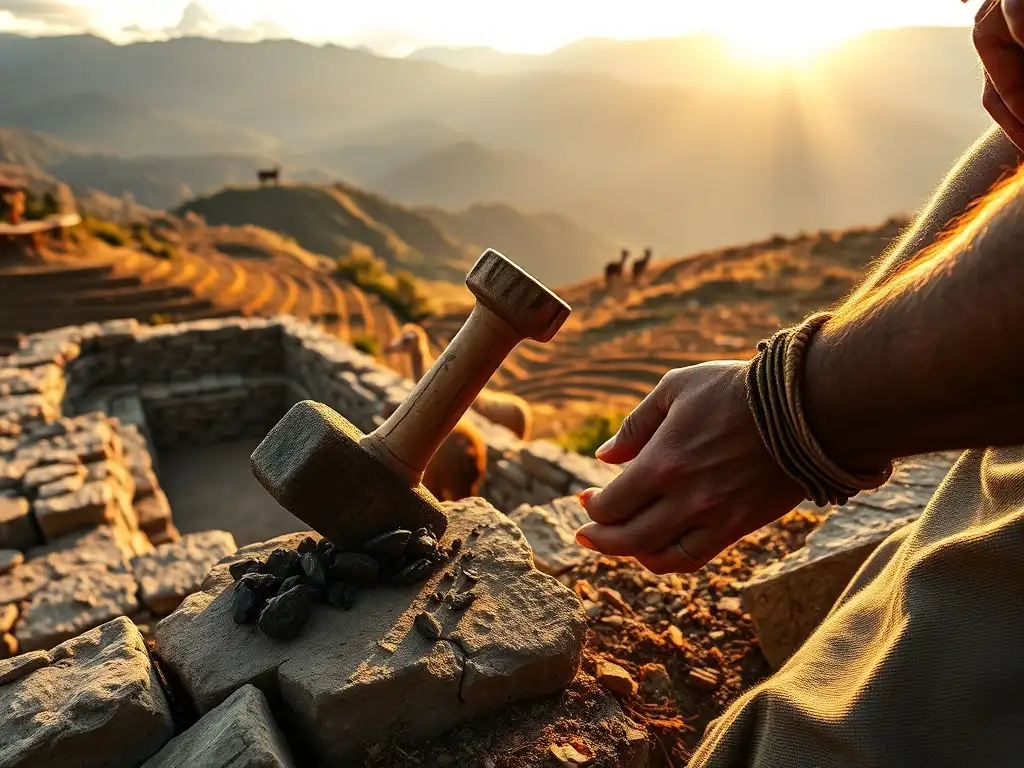
Welcome, explorer! Prepare to be amazed by the ingenuity of the Andean civilizations. For centuries, these remarkable cultures shaped the landscapes of South America, leaving behind a legacy of breathtaking artistry and unparalleled innovation. But what secrets lie hidden within their mastery of Andean civilizations stone technology? Discover the astonishing advancements that redefined their world, and unlock the mysteries of their stone age prowess – the journey begins now.
The Andes Mountains, a colossal spine running down the western coast of South America, cradled some of the most innovative and resilient civilizations the world has ever known. Long before the Inca Empire's sophisticated road systems and Machu Picchu's breathtaking architecture, the seeds of Andean ingenuity were sown during the Stone Age.
This article delves into the remarkable technological advancements of these early Andean peoples, exploring their mastery of stone tools, their innovative agricultural practices, and the surprisingly complex social structures that supported their burgeoning societies. We will uncover how their ingenuity, shaped by the challenging Andean environment, laid the groundwork for the impressive civilizations that would follow, providing a crucial understanding of the origins of Andean technology and its lasting impact.
Understanding these foundational technologies is key to appreciating the full scope and complexity of Andean civilizations and their remarkable achievements. We'll examine how seemingly simple stone tools were essential for survival and societal development, showcasing the resourcefulness and adaptability of these early Andean communities.
Early Andean Lithic Technology: Mastering Stone
The earliest Andean inhabitants faced a formidable challenge: a harsh, high-altitude environment demanding resourcefulness and innovation. Their response was a remarkable mastery of stone tool production. Archaeological evidence reveals a sophisticated understanding of lithic technology, encompassing diverse techniques to shape stone into tools for hunting, gathering, and processing resources.
These weren't crude, haphazard creations; rather, they represent a deep understanding of material properties and the application of considerable skill. Different stone types were selected based on their suitability for specific tasks – obsidian for its sharpness, quartzite for its durability. Techniques like percussion flaking and pressure flaking allowed for the creation of finely crafted tools, including projectile points, knives, scrapers, and hand axes.
The precision and artistry evident in some of these artifacts highlight the advanced level of craftsmanship achieved by these early Andean populations. Further research into specific tool types and their distribution across different regions will help us better understand the nuances of early Andean lithic technology and the exchange networks that connected these early communities.
Agriculture in the Andes: Adapting to Altitude
The development of agriculture was a pivotal moment in the history of Andean civilizations. The challenging terrain and altitude presented significant obstacles, but Andean ingenuity shone through. Early farmers adapted crops like potatoes, quinoa, and beans to the high-altitude conditions, developing sophisticated irrigation systems to maximize yields in arid environments. Terracing, a technique of creating flat agricultural plots on steep slopes, allowed for efficient land use and reduced soil erosion.
The development of these agricultural techniques was not only crucial for food security but also contributed to the growth of settled communities and the emergence of more complex social structures. The ingenious methods employed by these early Andean farmers demonstrate a deep understanding of their environment and an impressive capacity for adaptation and innovation. We can still see the legacy of these early agricultural practices in the Andes today, testament to their effectiveness and enduring impact.
The technological advancements of early Andean peoples were not isolated achievements. They were integral to the development of increasingly complex social structures. The collaborative effort required for successful agriculture, the shared knowledge needed for crafting sophisticated tools, and the organization necessary for managing resources all contributed to the growth of social networks and the emergence of leadership roles.
While the exact nature of these early social structures remains under investigation, archaeological evidence suggests a level of organization and cooperation that facilitated technological progress and sustained community growth. The sharing of knowledge and resources was crucial for survival in the challenging Andean environment.
Future research will focus on better understanding the social dynamics, power structures, and belief systems of these early Andean communities, helping us to better contextualize their technological achievements. The study of burial sites and ceremonial artifacts is providing valuable insights into the social organization and belief systems of these early Andean populations.
The Legacy of Innovation: A Foundation for Future Empires
The Stone Age innovations of the early Andean inhabitants were not simply a prelude to later empires; they were the very foundation upon which those empires were built. The mastery of stone technology, the development of high-altitude agriculture, and the growth of complex social structures provided the essential building blocks for the subsequent rise of civilizations like the Inca, Moche, Nazca, and Tiahuanaco. Understanding these early achievements allows us to appreciate the depth and continuity of Andean cultural development, demonstrating the enduring legacy of ingenuity and adaptation that has characterized the Andean region for millennia.
The ingenuity of these early Andean pioneers laid the foundation for the remarkable advancements that would follow, a legacy that continues to inspire awe and admiration today. Their innovative solutions to the challenges of their environment serve as a powerful testament to human resilience and the enduring power of technological advancement.
- Early Andean Lithic Technology: Mastering Stone
- Agriculture in the Andes: Adapting to Altitude
- The Social Fabric: Early Andean Societies
- The Legacy of Innovation: A Foundation for Future Empires
- What materials did Andean civilizations primarily use for their stone technology?
- How did Andean civilizations cut and shape stones for their constructions?
- What are some examples of impressive stonework from Andean civilizations?
- Did Andean civilizations have metal tools to assist in their stone technology?
- How did the environment influence the development of Andean stone technology?
Early Andean Cultures and Their Stone Tool Innovations
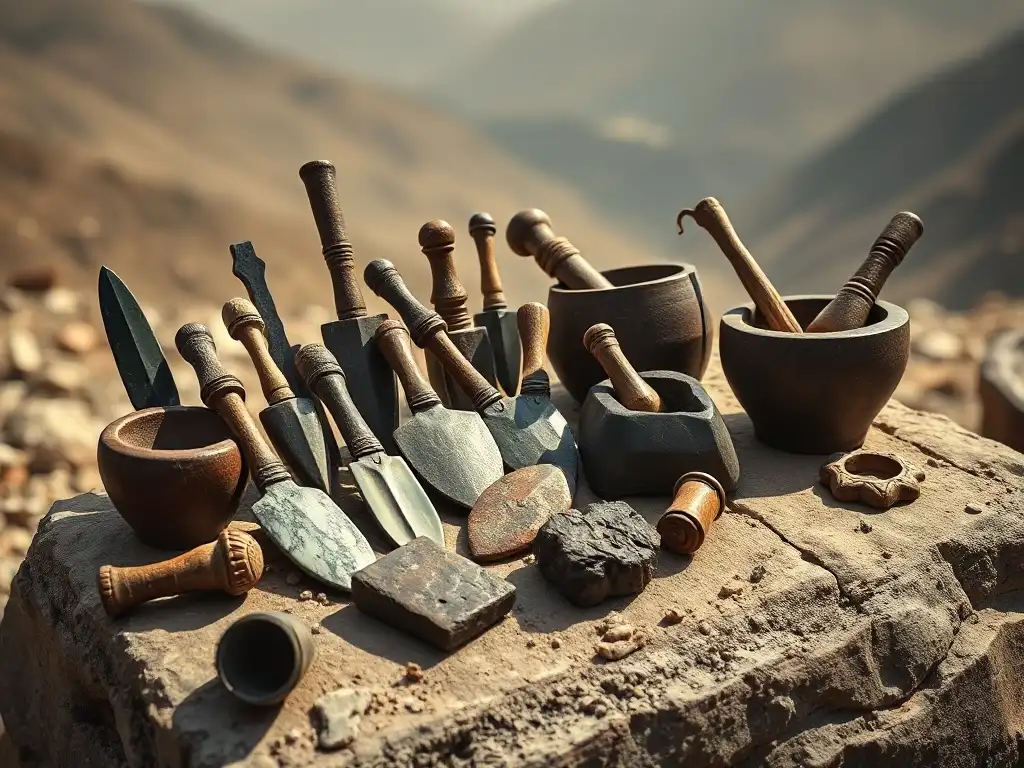
This section delves into the fascinating world of early Andean technology, focusing on the ingenuity and adaptation demonstrated by the first inhabitants of the Andes Mountains. We'll explore the innovative use of stone, a readily available resource, to shape their environment and build the foundations of future Andean civilizations. The mastery of stone technology wasn't merely a matter of survival; it was a crucial element in the development of complex social structures and the flourishing of Andean cultures. Understanding this early technological prowess is key to appreciating the full scope of Andean civilizations stone technology and its lasting impact.
The Dawn of Technology in the Andes: Pre-Ceramic Period
The pre-ceramic period in the Andes (circa 8000-1800 BCE) marks a significant era in the development of Andean civilizations stone technology. Archaeological evidence reveals a surprisingly sophisticated understanding of stone tool production, far exceeding simple knapping techniques. Early Andean peoples weren't just surviving; they were adapting and innovating.
This period saw the development of diverse stone tools tailored to specific tasks. For example, mano and metate – grinding stones – were crucial for processing grains and tubers, forming the basis of their agricultural practices. The precision and consistency in the manufacture of these tools suggest a deep understanding of material properties and a highly developed skillset passed down through generations.
Further evidence of this technological advancement is found in the production of finely crafted projectile points, indicating proficiency in hunting and warfare. These weren't crude tools; they were carefully designed implements reflecting a sophisticated understanding of engineering principles.
The materials used also demonstrate resourcefulness. Obsidian, a volcanic glass prized for its sharpness, was often transported considerable distances, showcasing established trade networks and a complex understanding of resource management. Other materials, such as basalt and andesite, were selected based on their durability and suitability for specific tasks. The choice of material and the techniques used reveal a deep connection between the early Andean peoples and their environment. They weren't simply using the available resources; they were actively selecting and refining them to meet their needs.
Stone Tools and the Initial Settlement of the Andean Region
The development of sophisticated stone tools was inextricably linked to the initial settlement and expansion of Andean populations. The ability to effectively harvest resources, whether through hunting or agriculture, was crucial for establishing permanent settlements. The creation of durable and efficient tools, such as sickles for harvesting crops and axes for clearing land, facilitated the transition from nomadic lifestyles to more settled agricultural communities.
The distribution of specific types of stone tools across the Andean region also offers insights into early migration patterns and cultural exchanges. The presence of similar tool types in geographically distant locations suggests the spread of technological innovations and potentially the movement of people across the Andes. Analyzing the stylistic variations in tool production can further reveal regional differences and potentially the emergence of distinct cultural groups. This intricate interplay between technology, settlement patterns, and cultural development highlights the importance of Andean civilizations stone technology in shaping the early history of the region.
The study of Andean stone tools continues to provide valuable insights into the resourcefulness, adaptability, and ingenuity of the region's earliest inhabitants. Their mastery of stone technology laid the groundwork for the impressive achievements of later Andean civilizations, demonstrating the crucial role of technological innovation in the development of complex societies. The legacy of these early pioneers is still evident in the sophisticated stonework found throughout the Andes, a testament to their remarkable skills and enduring impact.
Raw Materials and Their Significance in Andean Stone Technology
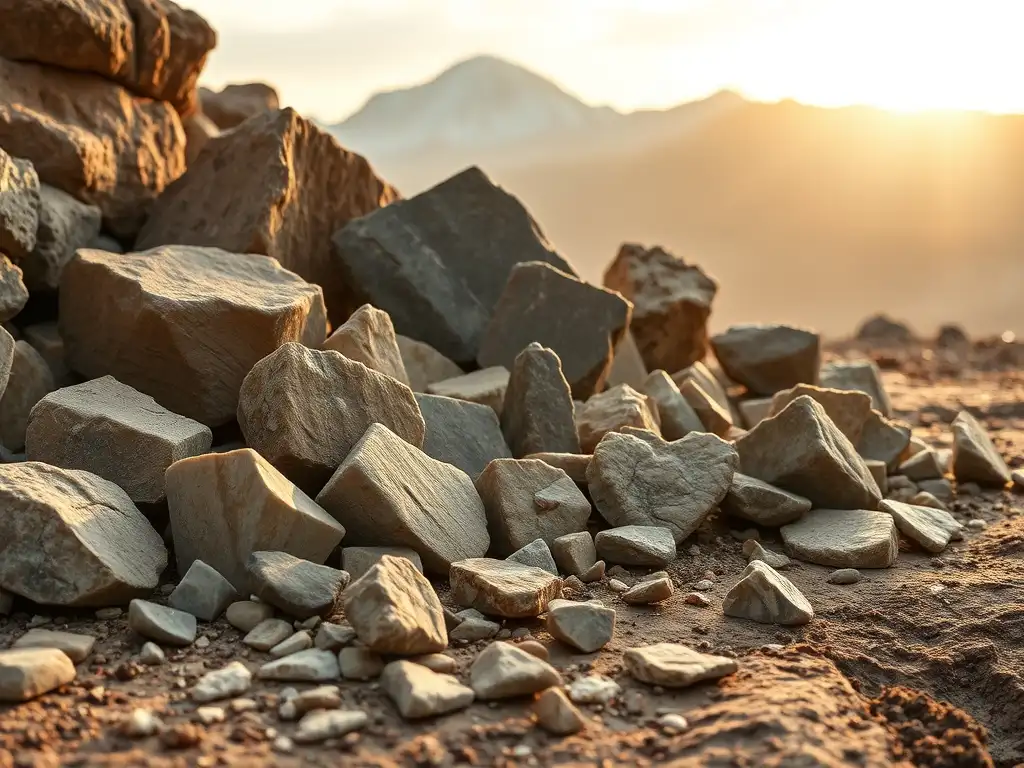
The development of Andean civilizations was intrinsically linked to their mastery of stone technology. The ingenuity displayed in shaping and utilizing diverse stone resources reflects a deep understanding of the available materials and their properties. Understanding the raw materials themselves is crucial to appreciating the advancements made by these early Andean societies.
This section will explore the sourcing, types, and significance of the stones used, focusing on their role in shaping the technological landscape of the Andes. The availability and quality of these resources significantly influenced the complexity and sophistication of their tools, weapons, and monumental architecture. This close relationship between available resources and technological development is a key aspect of understanding "Andean civilizations stone technology".
Sourcing Stone: Geological Context of Early Andean Societies
Early Andean societies were not uniformly distributed across the landscape; their settlement patterns were heavily influenced by the availability of essential resources, including stone. The geological diversity of the Andes provided a rich palette of materials, but access varied greatly depending on location. Coastal communities, for example, often relied on volcanic rocks transported from inland regions, while those in the highlands had ready access to a wider range of igneous, metamorphic, and sedimentary rocks.
The transportation of stone over significant distances suggests sophisticated organizational systems and a deep understanding of the value of specific stone types. Evidence suggests the use of established trade routes to facilitate the exchange of prized materials like obsidian, which wasn't available everywhere. This strategic sourcing reflects not only technological skill but also complex social and economic structures.
The location of quarries and workshops further illuminates the logistical challenges and organizational prowess of these early Andean communities. Analysis of tool manufacturing sites reveals patterns of resource exploitation and distribution, showcasing the ingenuity of these early Andean pioneers in managing and utilizing their stone resources.
Types of Stone Used in Early Andean Toolmaking
The diverse geology of the Andes provided early inhabitants with a wide variety of stones suitable for toolmaking. The most common included:
- Andesite: A volcanic rock prized for its durability and ability to hold a sharp edge. Widely used for tools like axes, chisels, and projectile points.
- Basalt: Another volcanic rock, often used for grinding stones, mortars, and pestles due to its hardness and resistance to abrasion.
- Obsidian: A volcanic glass renowned for its sharpness and ease of flaking, making it ideal for creating blades, knives, and arrowheads. (Further details on obsidian's importance are provided below).
- Chert: A sedimentary rock, used for making smaller tools and blades. Its availability varied considerably across the Andean region.
- Quartzite: A metamorphic rock, sometimes used for tools requiring high durability.
The selection of a particular stone type depended on the intended use of the tool, the availability of the material, and the skill of the artisan. The careful selection and skillful shaping of these stones demonstrate a remarkable level of technological expertise, even in the early stages of Andean development. The variety of stone types utilized showcases a nuanced understanding of material properties and their applications, underscoring the sophistication of early Andean stone technology.
The Importance of Obsidian in Ancient Andean Technology
Obsidian, a volcanic glass, holds a particularly significant place in Andean stone technology. Its exceptional sharpness, ease of flaking, and ability to retain a keen edge made it highly prized for the production of a wide array of tools and weapons. The transparency and reflective qualities of obsidian also led to its use in decorative and ceremonial objects. The sourcing of obsidian often involved long-distance trade networks, highlighting the importance of this material and the social connections it fostered.
The meticulous craftsmanship involved in obsidian toolmaking is evident in the precision and artistry displayed in many surviving artifacts. Archaeological evidence suggests specialized workshops and a high degree of skill among obsidian artisans. The distribution patterns of obsidian artifacts across the Andes provide valuable insights into trade routes, social interactions, and the spread of technological innovations.
Analysis of obsidian tools and their manufacturing techniques reveals a fascinating story of technological advancement and cultural exchange within early Andean societies. The prominence of obsidian in the archaeological record underscores its crucial role in shaping the technological and cultural landscape of the Andean region, solidifying its position as a cornerstone material in the history of "Andean civilizations stone technology".
Techniques and Methods of Andean Stone Tool Production
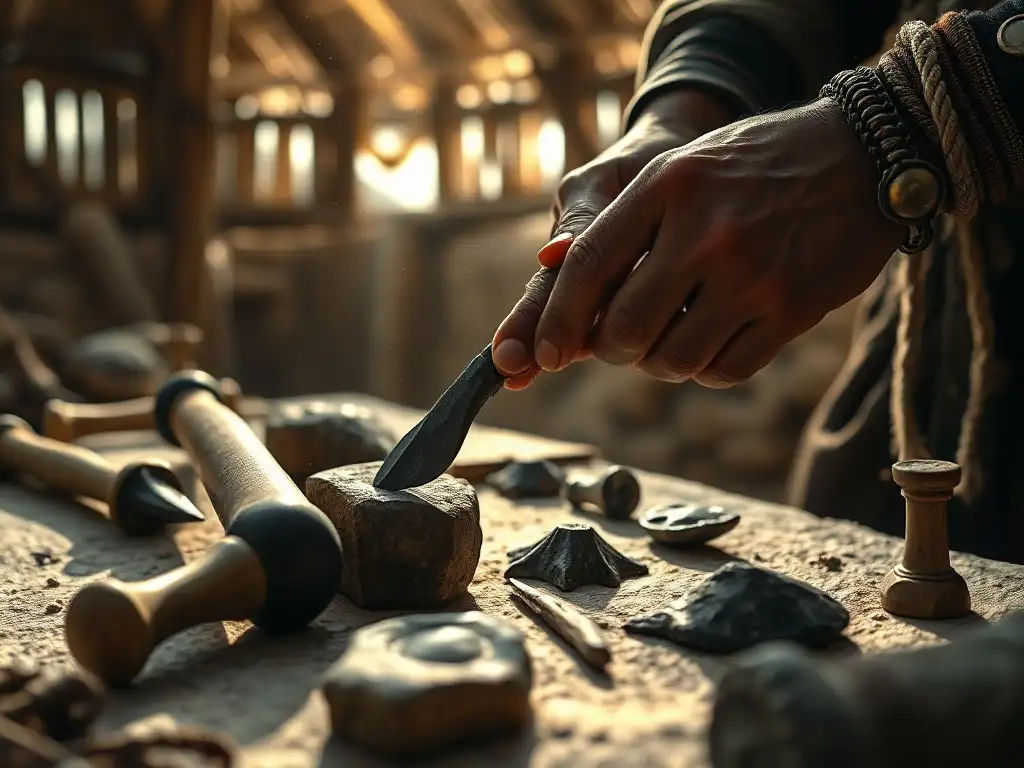
The mastery of stone technology was paramount to the survival and development of Andean civilizations. Long before the rise of the Inca Empire, sophisticated techniques for shaping stone were developed, reflecting a deep understanding of material properties and an impressive level of craftsmanship.
These methods, passed down through generations, allowed for the creation of tools crucial for hunting, agriculture, and construction, laying the foundation for the complex societies that would later flourish in the Andes. Understanding these techniques is key to appreciating the ingenuity and resilience of these early Andean peoples and their profound impact on the development of Andean civilizations stone technology.
Flaking Techniques: Core and Flake Tool Production
Flaking, the process of removing small pieces of stone from a larger core to create sharp edges, was a fundamental technique in Andean stone tool production. Archaeological evidence reveals a wide range of flaking techniques employed across different Andean cultures and time periods. The most common methods involved using a hammerstone (another piece of stone) or a bone/antler hammer to strike the core, carefully controlling the angle and force of the blow to produce flakes of desired size and shape.
The resulting flakes were often further modified to create various tools, such as knives, scrapers, and points. The cores themselves, after extensive flaking, could also be utilized as tools, particularly as choppers or pounders. The precision and control demonstrated in Andean flaking techniques suggest a deep understanding of the fracture properties of different stone types, allowing artisans to maximize the yield of usable flakes from a single core.
Analysis of ancient tools reveals a preference for certain types of stone, such as obsidian (for its sharp edges) and quartzite (for its durability), indicating a sophisticated understanding of material selection based on the intended use of the tool. Furthermore, the development of pressure flaking, a more refined technique involving applying pressure instead of percussion to detach flakes, demonstrates a significant advance in Andean stone technology. This allowed for greater precision and control, resulting in smaller, more delicate tools.
Grinding and Polishing Methods in Andean Stone Craft
Beyond flaking, grinding and polishing were crucial techniques employed in Andean stone craft, particularly in the creation of sophisticated tools and ceremonial objects. These methods involved using abrasive materials, such as sand, to gradually shape and smooth the stone surface. Grinding could be achieved by rubbing the stone against a flat surface or using a handheld grinding stone. Polishing, a more advanced technique, involved using finer abrasives and applying a greater degree of pressure and friction to create a highly refined and lustrous finish.
The development of grinding and polishing techniques allowed for the creation of tools with more intricate shapes and smoother surfaces, enhancing their functionality and aesthetic appeal. Examples include finely ground stone axes, meticulously polished ceremonial adzes, and intricately carved stone sculptures. The time and effort invested in these processes underscore the importance of these tools and objects within Andean societies.
The use of specialized grinding stones and the development of techniques to create specific shapes and textures point to a high level of skill and craftsmanship. The precision and artistry evident in many polished stone artifacts from the Andes are a testament to the advanced capabilities of Andean artisans. The development of these techniques also reflects an evolution in Andean stone technology, moving from primarily utilitarian tools to objects with both practical and symbolic significance.
Specialized Tools: Adapting Technology to Diverse Andean Environments
The diverse geography of the Andes, ranging from high-altitude plains to coastal deserts, required the development of specialized stone tools adapted to specific environmental conditions and tasks. For instance, the high-altitude regions required tools suited for working with harder, more resistant stone materials, while coastal areas saw the development of tools optimized for fishing and processing marine resources.
Different Andean cultures developed unique toolkits reflecting their particular environments and lifestyles. Agricultural communities relied on tools like ground stone hoes and manos and metates (grinding stones) for processing grains, while hunter-gatherer groups utilized specialized projectile points and scrapers. The development of these specialized tools demonstrates the adaptability and ingenuity of Andean peoples in harnessing stone technology to meet their diverse needs.
This adaptability is a key element in understanding the success and longevity of Andean civilizations. The creation of these tools also shows a strong connection between the environment and the technology developed by the inhabitants of the Andes, reflecting their deep understanding of their surroundings and their ability to adapt their technologies to them. Further research into specific regional variations in stone tool technology is crucial for a more complete understanding of this fascinating aspect of Andean prehistory.
Functional Applications of Andean Stone Implements
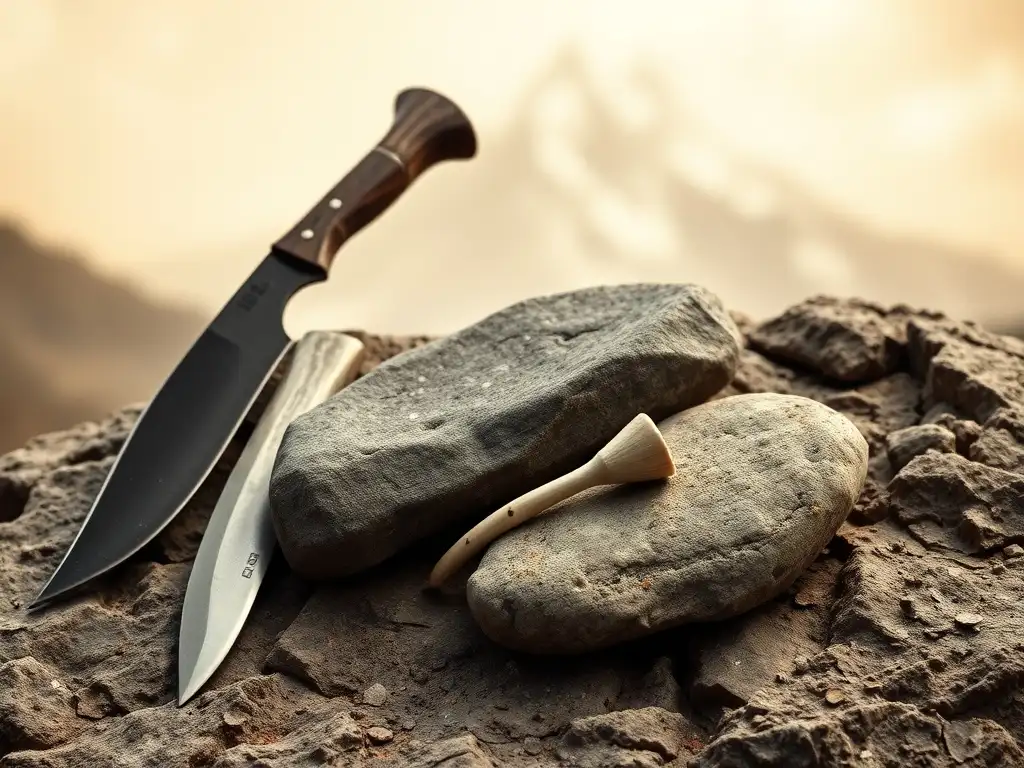
This section delves into the practical applications of stone technology within early Andean civilizations, highlighting the ingenuity and adaptability of these pioneering societies. The mastery of stone crafting wasn't merely an artistic endeavor; it was fundamental to their survival and cultural development. Analyzing the diverse tools reveals a sophisticated understanding of material properties and a remarkable capacity for innovation, significantly contributing to their success in diverse and challenging Andean environments. The term "Andean civilizations stone technology" accurately encapsulates the crucial role of stone in shaping their lives.
Hunting Tools: Projectiles and Processing Implements
Early Andean hunters relied heavily on stone tools for both hunting and processing game. Projectile points, crafted from obsidian, chert, and other lithic materials, display a remarkable diversity in shape and size, reflecting adaptation to different prey animals and hunting strategies. Smaller, delicately flaked points were likely used for smaller game like birds and rodents, while larger, heavier points were designed for larger animals such as deer or camelids. The precision and artistry evident in many of these projectile points underscore the advanced skills of Andean artisans.
Beyond projectile points, a range of tools was used for processing the hunted animals. Scrapers, for example, were employed to remove hide and flesh from bones, while choppers and pounders were used to break bones and extract marrow. The efficiency of these tools is evident in the abundance of animal remains found at archaeological sites across the Andes, testifying to the success of early Andean hunting practices.
Analysis of wear patterns on these tools provides further insight into their specific uses and the techniques employed by ancient hunters. Detailed studies reveal a nuanced understanding of tool use that varied based on the specific material and the type of animal being processed.
Agricultural Tools: Early Farming and Land Management
The development of agriculture was a pivotal moment in Andean history, and stone tools played a crucial role in this transformation. Early Andean farmers utilized a variety of stone tools for cultivating the land, planting seeds, and harvesting crops. Ground stones, often made from basalt or other hard rocks, were used for grinding grains and preparing food. These tools, while seemingly simple, represent a significant technological advancement, allowing for the efficient processing of crops and the creation of nutritious food sources.
Furthermore, evidence suggests the use of stone tools for terracing and irrigation, techniques crucial for managing the challenging Andean terrain. Stone implements were used to shape and level land, creating terraces that provided suitable plots for agriculture on steep slopes. Channels and other water management systems, constructed with stone, provided essential irrigation to crops, ensuring consistent yields even in arid environments. This demonstrates the sophisticated understanding of agricultural practices and land management prevalent in early Andean societies. The complexity of these systems underscores the advanced engineering skills and social organization required for their construction and maintenance.
Domestic Tools: Everyday Life in the Ancient Andes
Stone tools were not limited to hunting and agriculture; they were integral to various aspects of daily life in the ancient Andes. Simple tools like manos and metates (handstones and grinding slabs) were ubiquitous, used for grinding grains, seeds, and other plant materials. These tools, often found in domestic contexts, provide valuable insights into the daily routines and food preparation techniques of Andean households. The diversity of materials used in their creation, ranging from readily available stones to more exotic materials, suggests a level of specialization and trade networks even in early settlements.
Beyond food preparation, other domestic stone tools included pestles and mortars for crushing and grinding various substances, and smaller tools used for tasks like woodworking and textile production. The presence of these tools in archaeological contexts paints a vivid picture of daily life in early Andean communities, illuminating the crucial role of stone in shaping their culture and social structures. The enduring legacy of these tools is evident in the continued use of similar techniques in some Andean communities even today, demonstrating the remarkable adaptability and enduring impact of Andean stone technology.
The Legacy of Stone Technology in Later Andean Civilizations
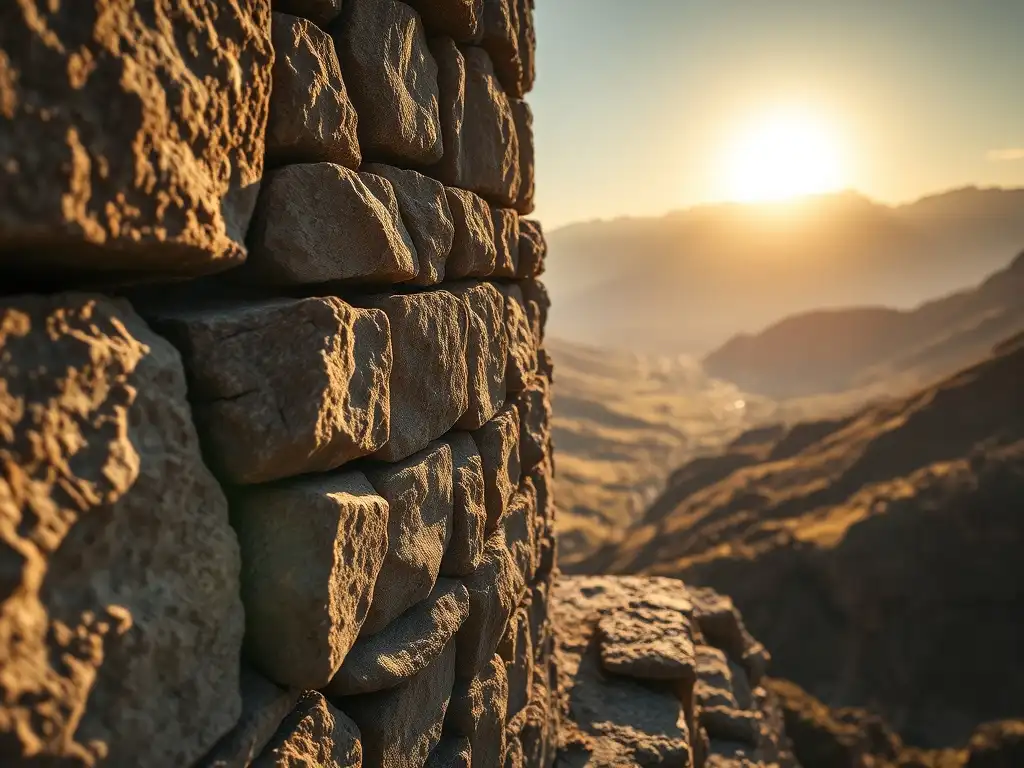
The mastery of stone technology wasn't a fleeting phase in Andean history; it laid the groundwork for the impressive achievements of later civilizations. The sophisticated stonework of the Inca, for example, owes a significant debt to the accumulated knowledge and techniques developed over millennia by preceding cultures. Understanding the evolution of Andean stone technology requires appreciating the continuous thread connecting these seemingly disparate societies.
This legacy is evident not only in the types of tools employed but also in the underlying principles of craftsmanship and resource management. The Inca's impressive road system, intricate irrigation channels, and monumental architecture, while utilizing advanced techniques, were built upon a foundation of skills honed over centuries of stone manipulation. Their advanced understanding of quarrying, shaping, and fitting massive stones was a direct descendant of the techniques perfected by earlier Andean civilizations.
Examining this continuity reveals a fascinating story of technological innovation and cultural transmission. This isn't merely a linear progression; it's a complex interplay of adaptation, innovation, and cultural exchange.
The Continuity of Stone Tool Use in Andean Cultures
The use of stone tools in Andean cultures exhibited remarkable continuity across millennia. While the sophistication and complexity of these tools undoubtedly increased over time, their fundamental role in daily life persisted. Early Andean societies relied heavily on stone tools for hunting, gathering, agriculture, and construction. These tools, often made from obsidian, andesite, and other readily available stones, served a vast array of purposes.
From simple hand axes and scrapers used for processing food and hides to more specialized tools like chisels and adzes employed in woodworking and construction, stone tools represented a core element of Andean technological capabilities. The transition from simpler chipped-stone tools to more finely crafted polished-stone tools marked a significant technological advancement, mirroring similar trends in other parts of the world. However, the specifics of this transition in the Andes, the timing, and the regional variations, require further investigation.
Detailed archaeological studies continue to uncover new insights into the diversity and evolution of stone tool technologies across different Andean cultures and regions. The persistence of stone tool use, even after the introduction of metalworking, highlights their enduring utility and importance within the Andean context. This continued use demonstrates that the knowledge and skills associated with stone tool production were passed down through generations, shaping the technological landscape of the Andes for thousands of years.
From Simple Tools to Complex Architectural Applications
The evolution of Andean stone technology is a compelling narrative of progress, demonstrating a remarkable transition from rudimentary tools to sophisticated architectural feats. Initial stages involved the creation of basic tools for subsistence activities. However, over time, the understanding of stone properties and manipulation techniques advanced dramatically. This progress is strikingly evident in the development of increasingly intricate and monumental architecture.
Consider the monumental structures of Tiahuanaco, with their precisely cut and fitted stones, or the impressive terraces of the Inca, which harnessed sophisticated engineering principles. These achievements were not simply the result of brute force; they represent a profound understanding of geometry, engineering, and the properties of stone. The shift from simple tools to complex architectural applications involved several key advancements: improved quarrying techniques, the development of specialized tools for shaping and fitting stone, and a deeper understanding of structural principles.
For instance, the precise fitting of stones in Inca constructions without mortar showcases an advanced level of craftsmanship and planning. Furthermore, the construction of large-scale irrigation systems, vital for Andean agriculture, also depended heavily on advanced stoneworking skills. The transition reflects not only technological innovation but also a growing societal complexity and organizational capacity capable of undertaking massive construction projects.
Andean Civilizations and the Mastery of Stone Working
The mastery of stone working became a defining characteristic of Andean civilizations, setting them apart from other contemporary societies. This expertise wasn't limited to a single culture but was a shared skill refined and adapted by various Andean groups across different time periods. The diverse techniques employed, ranging from simple percussion flaking to sophisticated polishing and carving, demonstrate a remarkable range of technological capabilities. The types of stone used also varied according to regional availability and desired properties.
Obsidian, for instance, was highly prized for its sharpness and was used extensively for tools and weaponry. Andesite and granite, known for their durability, were favored for architectural projects. The development of specialized tools, such as chisels, hammers, and grinding stones, further enhanced the precision and efficiency of stone working. The impact of this mastery extended beyond the realm of material culture; it profoundly influenced the religious and symbolic aspects of Andean life.
Stone was often used to create monumental sculptures and religious artifacts, reflecting the cultural significance attributed to this material and the skills required to manipulate it. The legacy of Andean stone working remains visible today in the impressive ruins and artifacts that continue to fascinate and inspire. The precision and artistry evident in these works stand as a testament to the ingenuity and skill of Andean civilizations, underscoring their profound understanding of stone technology and its role in shaping their world.
Andean Stone Technology: A Foundation for Future Innovations
This section delves into the profound impact of early stone technology on the development of Andean civilizations. The mastery of stone working wasn't merely a practical skill; it was a cornerstone of social organization, economic prosperity, and cultural expression. The ingenuity displayed in shaping stone into tools, weapons, and monumental architecture laid the groundwork for the sophisticated societies that would flourish in the Andes.
Understanding this early technological prowess is crucial to comprehending the trajectory of Andean civilizations and their remarkable achievements. The development of sophisticated stone tools directly correlated with advancements in agriculture, allowing for increased food production and population growth. This, in turn, facilitated the creation of larger, more complex social structures and the emergence of specialized labor.
The ability to craft durable and effective tools significantly impacted the daily lives of Andean peoples, influencing everything from hunting and gathering to construction and artistry. The legacy of this early technological innovation resonates even today.
The Impact of Early Technology on Andean Development
The development of Andean stone technology had a cascading effect on various aspects of societal development. Consider, for example, the transition from simple chipped stone tools to finely polished implements. This refinement represents a significant cognitive leap, demanding greater precision and planning in the manufacturing process. This advancement wasn't isolated; it coincided with improvements in agricultural techniques, allowing for more efficient cultivation of crops like potatoes and maize. The increased food supply supported larger populations, leading to the formation of villages and eventually, more complex settlements.
The construction of monumental architecture, a hallmark of many Andean cultures, also relied heavily on advanced stoneworking techniques. The precise fitting of massive stones in structures like those at Ollantaytambo (Inca) and Tiahuanaco demonstrates a high level of engineering skill and social organization. This level of architectural achievement required coordinated labor, specialized knowledge, and sophisticated tools, all stemming from the foundational advancements in stone technology.
The ability to create durable and intricate stone structures served not only practical purposes but also symbolic and religious ones, reinforcing social hierarchies and strengthening cultural identities. Furthermore, the development of efficient stone tools for mining and quarrying allowed for the extraction of valuable resources, fueling economic growth and technological innovation in a self-reinforcing cycle. This early technological success in the Andes is a testament to human ingenuity and adaptability in challenging environments.
Insights into Early Andean Culture through Stone Tools
Stone tools serve as invaluable windows into the past, offering tangible evidence of early Andean culture and providing insights into daily life, social structures, and belief systems. The types of stone used, the techniques employed in their manufacture, and the styles of finished tools all provide clues about the technological capabilities, artistic sensibilities, and social organization of ancient Andean communities.
Analysis of stone tools can reveal much about the environment and resources available to early Andean populations. For instance, the prevalence of certain types of stone in a particular region might indicate preferred quarries or trade networks. The presence of specialized tools, such as obsidian blades for surgery or intricate bone tools for textile production, suggests the existence of specialized labor and social stratification.
Furthermore, the stylistic variations in stone tools, such as unique forms or decorative elements, can help archaeologists identify different cultural groups and trace their movements and interactions. The careful study of stone tools, therefore, provides a rich tapestry of information that illuminates the lives and societies of Andean civilizations. The meticulous craftsmanship evident in many stone artifacts highlights the artistry and skill of ancient Andean artisans, showcasing their deep understanding of materials and techniques.
The Enduring Relevance of Andean Stone Technology Studies
The study of Andean stone technology continues to hold significant relevance in several fields. Archaeological research continues to uncover new insights into the development and evolution of these technologies, refining our understanding of Andean cultural history. Furthermore, understanding the techniques used by ancient Andean peoples can inform contemporary approaches to sustainable resource management and material science. The ingenuity of ancient Andean stoneworkers, working with limited tools and resources, offers valuable lessons for modern engineers and designers seeking innovative and environmentally friendly approaches to construction and material processing.
Moreover, the study of Andean stone technology contributes significantly to our understanding of human ingenuity and adaptation. The ability of Andean communities to thrive in challenging environments, utilizing readily available resources to create sophisticated tools and structures, underscores the resilience and adaptability of human societies. This knowledge is particularly relevant in the face of contemporary environmental challenges.
The continued study of Andean stone technology is, therefore, not just a historical pursuit; it is a valuable endeavor with potential applications in various fields, from archaeology and anthropology to engineering and environmental science. The legacy of Andean stone technology serves as a reminder of the enduring power of human creativity and the interconnectedness of past and present.
Frequently Asked Questions
What materials did Andean civilizations primarily use for their stone technology?
Andean civilizations utilized a variety of readily available stones, including andesite, basalt, and diorite, selecting materials based on their properties and intended use. Their mastery extended to shaping and fitting these stones with remarkable precision.
How did Andean civilizations cut and shape stones for their constructions?
They employed sophisticated techniques including stone hammers, chisels, and abrasives to shape stones. Evidence suggests the use of water and sand as abrasives to smooth and refine surfaces.
What are some examples of impressive stonework from Andean civilizations?
The Machu Picchu terraces and walls, the Sacsayhuamán fortress, and the Tiahuanaco structures showcase their incredible mastery of stonework, demonstrating precise fitting and monumental scale.
Did Andean civilizations have metal tools to assist in their stone technology?
While they later developed metallurgy, much of their early stonework was accomplished using stone tools alone, demonstrating advanced techniques and a deep understanding of stone properties. The precision achieved is remarkable considering this limitation.
How did the environment influence the development of Andean stone technology?
The challenging Andean terrain and the availability of specific stones in different regions directly influenced the techniques and styles of stonework in various Andean cultures. This resulted in diverse regional styles.
Final Reflection: Echoes of Ingenuity in the Andes
The mastery of stone by Andean civilizations wasn't merely a technological achievement; it was the bedrock of their societal structures, a testament to human ingenuity that continues to resonate today. Their innovative techniques, from precise stonework to sophisticated irrigation systems, shaped not only their landscapes but also their cultural identities, leaving an undeniable legacy that we can still marvel at centuries later. The precision and artistry displayed in their constructions are a powerful reminder of the potential of human collaboration and innovation.
The impact of Andean stone technology extends far beyond the impressive ruins we see today. It represents a profound understanding of the natural world and a capacity for adaptation that remains incredibly relevant in our own era of environmental challenges. The mountains are our teachers,
a Quechua proverb reminds us, highlighting the deep connection between the Andean people and their environment, a connection reflected in their sustainable and ingenious use of stone. This deep-seated respect for nature and resourcefulness should serve as a powerful example for us today, as we grapple with the consequences of unsustainable practices.
Consider the ingenuity of these ancient builders, their unwavering dedication to crafting a world from the very stone that surrounded them. You too possess the capacity for innovation and resilience. Reflect on the challenges you face, and consider how the resourcefulness and collaborative spirit of the Andean pioneers might inspire your own approach to problem-solving. Let the echoes of their ingenuity guide you towards creating a more sustainable and innovative future, one built not just on stone, but on the enduring power of human creativity and determination.
Unleash Your Inner Pioneer: Explore Andean Innovations!
Thank you for joining us on this incredible journey exploring Andean technology! We hope you've gained a new appreciation for the remarkable ingenuity of these ancient civilizations. Now, let's delve deeper into the innovative spirit that shaped the Andes.
Here are some ways to connect with this timeless legacy and engage with our vibrant community:
- **Join our Andean Innovations Workshop:** Participate in hands-on sessions where you'll learn to recreate ancient technologies.
- Visit local museums and exhibitions showcasing Andean artifacts to further deepen your understanding of these pioneering techniques.
- **Share your thoughts** in our community forum. Which aspects of Andean technology are most inspiring to you?
As we draw inspiration from the wisdom of our ancestors, we'd love to hear your ideas: How could modern technology benefit from the ingenuity of Andean innovations?