
Modern Science Meets Ancient Wisdom: New Discoveries in Andean Technology

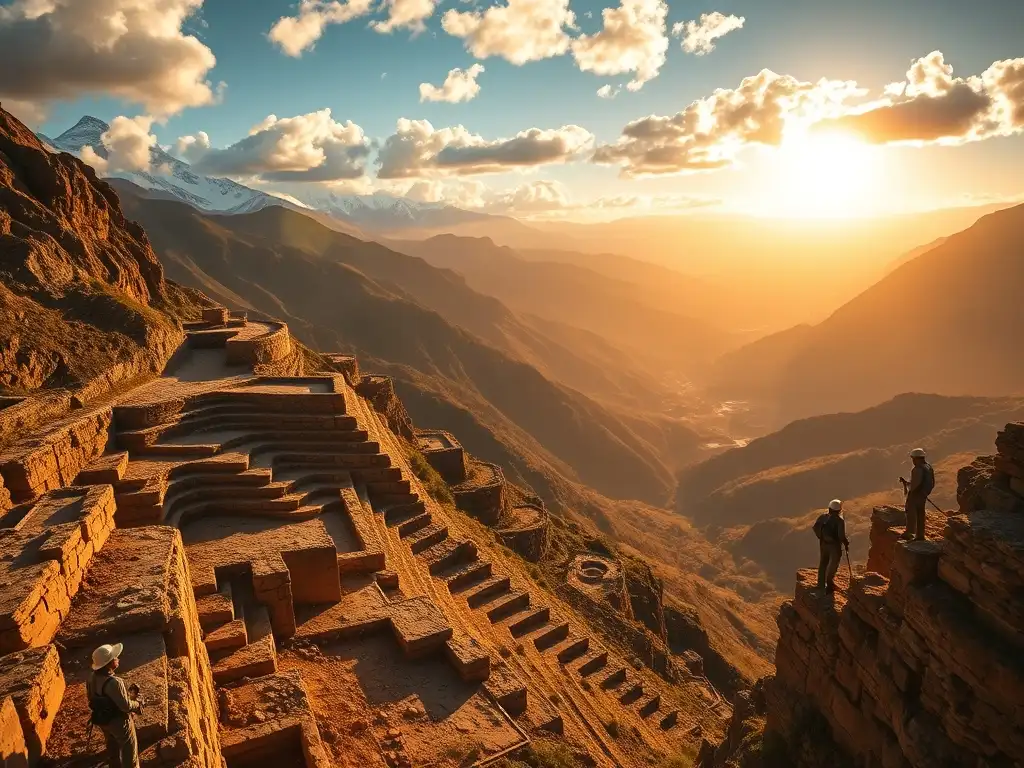
Step into a world lost to time, yet echoing with innovation. For centuries, the Andean civilizations have captivated imaginations with their breathtaking achievements. But what truly powered their rise? Prepare to be amazed as we delve into the fascinating realm of Andean civilization technology discoveries, revealing groundbreaking insights and challenging long-held assumptions about these remarkable cultures. Discover the ingenious solutions born from ancient ingenuity – a story waiting to be unearthed.
The Andes Mountains, a spine of towering peaks traversing the western edge of South America, are not just a geographical marvel; they are a cradle of remarkable civilizations. For centuries, the ingenuity of Andean cultures like the Inca, Moche, Nazca, and Tiahuanaco has captivated archaeologists and historians. Recent advancements in scientific techniques, however, are shedding new light on the sophisticated technologies employed by these ancient Andean peoples, revealing levels of innovation previously unimagined. This article explores some of the most exciting recent discoveries in Andean technology, demonstrating the sophisticated understanding of engineering, metallurgy, and agriculture these societies possessed, and challenging preconceived notions about their capabilities. We will delve into the surprising applications of their knowledge and the ongoing efforts to decipher the mysteries embedded within their remarkable achievements. The study of Andean civilization technology discoveries continues to unveil a fascinating narrative of human ingenuity and adaptability in a challenging environment.
Unveiling the Secrets of Inca Metallurgy
The Inca Empire, known for its intricate road systems and impressive stonework, also possessed advanced metallurgical skills. Recent analyses using advanced microscopy techniques have revealed previously unknown details about Inca metalworking processes. For instance, studies on Inca gold artifacts have uncovered subtle variations in alloying techniques, suggesting a higher degree of control over the properties of their metals than previously understood.
Researchers have also identified the use of sophisticated hammering and annealing techniques to create incredibly thin and malleable gold sheets used in intricate jewelry and ceremonial objects. Furthermore, the precise methods used to create the iconic tumi ceremonial knives, with their characteristic crescent shape and intricate decoration, are still being investigated, with new findings constantly emerging.
The precision and artistry evident in these artifacts demonstrate a deep understanding of material science and a mastery of complex metallurgical processes. The discovery of previously unknown alloys and techniques is rewriting our understanding of Inca technological capabilities and their level of sophistication.
Deciphering Nazca's Hydraulic Engineering Marvels
The Nazca people, famed for their enigmatic geoglyphs, also demonstrated remarkable ingenuity in their water management systems. New research using geophysical surveys and remote sensing technologies is uncovering the complexity of their intricate canal networks, which allowed them to thrive in the arid coastal desert. These canals, some stretching for kilometers, were not only carefully planned but also cleverly designed to utilize subtle changes in elevation and gravity to distribute water efficiently.
Recent discoveries have revealed previously unknown features of these systems, including sophisticated water control structures and ingenious methods for preventing erosion and siltation. Analysis of sediment cores from these canals is also providing insights into the long-term sustainability of their water management strategies.
The sophistication of Nazca hydraulic engineering highlights their profound understanding of hydrology and their ability to adapt to a challenging environment. The resilience of these systems, some of which are still functioning today, is a testament to their innovative design and construction.
Reinterpreting Tiahuanaco's Architectural Achievements
The monumental architecture of Tiahuanaco, situated on the high Altiplano, continues to amaze researchers. New studies are focusing on the precise methods used to transport and erect massive stone blocks, some weighing several tons, to construct the iconic structures of this city. The precision of the stonework, with its incredibly tight fits and intricate carvings, has long been a source of wonder. Recent research suggests the use of advanced techniques, possibly involving ramps, levers, and sophisticated rope systems, to maneuver these massive stones into place.
The detailed analysis of the stone blocks themselves is also revealing clues about their origins and the quarrying techniques employed. The scale and precision of Tiahuanaco's architecture demonstrate a remarkable understanding of engineering principles and an impressive organizational capacity. Further research is needed to fully understand the methods employed, but the existing evidence points towards a highly organized and technologically advanced society.
The Ongoing Quest for Knowledge: Future Directions in Andean Technology Research
The study of Andean civilization technology discoveries is a dynamic field, constantly evolving with new discoveries and interpretations. Future research will likely focus on integrating various scientific techniques to create a more holistic understanding of ancient Andean technologies. This includes combining archaeological excavations with advanced imaging techniques, isotopic analysis, and computational modeling to gain deeper insights into the processes, materials, and social contexts of these technological advancements.
The continued application of cutting-edge methodologies promises to uncover even more surprising aspects of ancient Andean ingenuity, further enriching our understanding of these remarkable cultures and their enduring legacy. The quest to decipher the secrets of Andean technology is far from over, and future discoveries will undoubtedly continue to rewrite our understanding of their achievements.
- Unveiling the Secrets of Inca Metallurgy
- Deciphering Nazca's Hydraulic Engineering Marvels
- Reinterpreting Tiahuanaco's Architectural Achievements
- The Ongoing Quest for Knowledge: Future Directions in Andean Technology Research
- What technological advancements did the Andean civilizations achieve?
- How did Andean technology influence agriculture?
- What are some examples of impressive Andean stonework?
- What role did metallurgy play in Andean societies?
- How did modern science contribute to our understanding of Andean technology?
Unveiling the Ingenuity of Andean Civilizations Through Modern Science

Introduction to Advanced Research on Andean Technologies
The study of Andean civilization technology has experienced a renaissance in recent decades, fueled by the convergence of meticulous archaeological excavation and sophisticated scientific analysis. No longer are we limited to interpreting artifacts solely through visual observation. Modern techniques allow us to delve deeper into the materials, construction methods, and even the societal implications of Andean ingenuity.
This new wave of research is revealing astonishing levels of sophistication in areas ranging from metallurgy and textiles to hydraulic engineering and astronomical observation. For example, recent analyses using X-ray fluorescence spectroscopy have provided unprecedented insights into the precise composition of Inca gold alloys, revealing subtle variations in techniques across different regions and time periods. This data challenges previous assumptions about the standardization of Inca metallurgical practices and suggests a more nuanced understanding of regional specialization within the empire.
The application of these advanced scientific methods is not only expanding our understanding of Andean civilization technology discoveries, but also re-shaping our narrative of these remarkable societies. The implications of these findings extend far beyond simple technological achievements; they provide crucial context for understanding social structures, economic systems, and the overall complexity of Andean civilizations.
The Intersection of Archaeology and Cutting-Edge Scientific Methods
The advancements in Andean technology research are intrinsically linked to the successful integration of archaeology and cutting-edge scientific methodologies. Archaeologists, armed with increasingly refined excavation techniques, are uncovering incredibly well-preserved artifacts and sites. Simultaneously, scientists are developing and adapting new technologies specifically designed to analyze these materials without causing damage. This collaboration is proving invaluable.
For instance:
- Material Analysis: Techniques like X-ray diffraction (XRD), scanning electron microscopy (SEM), and gas chromatography-mass spectrometry (GC-MS) are used to analyze the chemical composition and structure of ancient materials, revealing details about their origins, manufacturing processes, and even the environmental conditions under which they were created. This allows researchers to trace the sources of raw materials used in Andean metalwork, pottery, and textiles, providing crucial insights into trade networks and resource management.
- Dating Techniques: Radiocarbon dating, luminescence dating, and other chronometric methods are vital for establishing precise timelines for technological advancements. This chronological framework is crucial for understanding the evolution of Andean technologies and their relationship to broader societal changes. For example, recent dating of Nazca lines has refined our understanding of their creation and potential purpose.
- 3D Modeling and Imaging: Advanced imaging techniques, such as ground-penetrating radar (GPR) and photogrammetry, are creating detailed 3D models of archaeological sites and artifacts. This allows researchers to virtually explore sites without causing further disturbance, and to analyze complex structures and patterns in ways that were previously impossible. This is particularly useful for studying monumental architecture, such as the intricate stonework of Machu Picchu.
The synergy between archaeological fieldwork and scientific analysis is revolutionizing our understanding of Andean civilization technology. The detailed data gleaned from these combined approaches is painting a far richer and more complex picture of the technological capabilities and innovative spirit of these ancient Andean societies. It is a testament to the power of interdisciplinary collaboration in unlocking the secrets of the past and enriching our understanding of Andean civilization technology discoveries. Further research in this area promises to unveil even more surprising insights into the ingenuity of these remarkable civilizations.
Innovative Andean Agricultural Techniques: Rediscovered and Analyzed
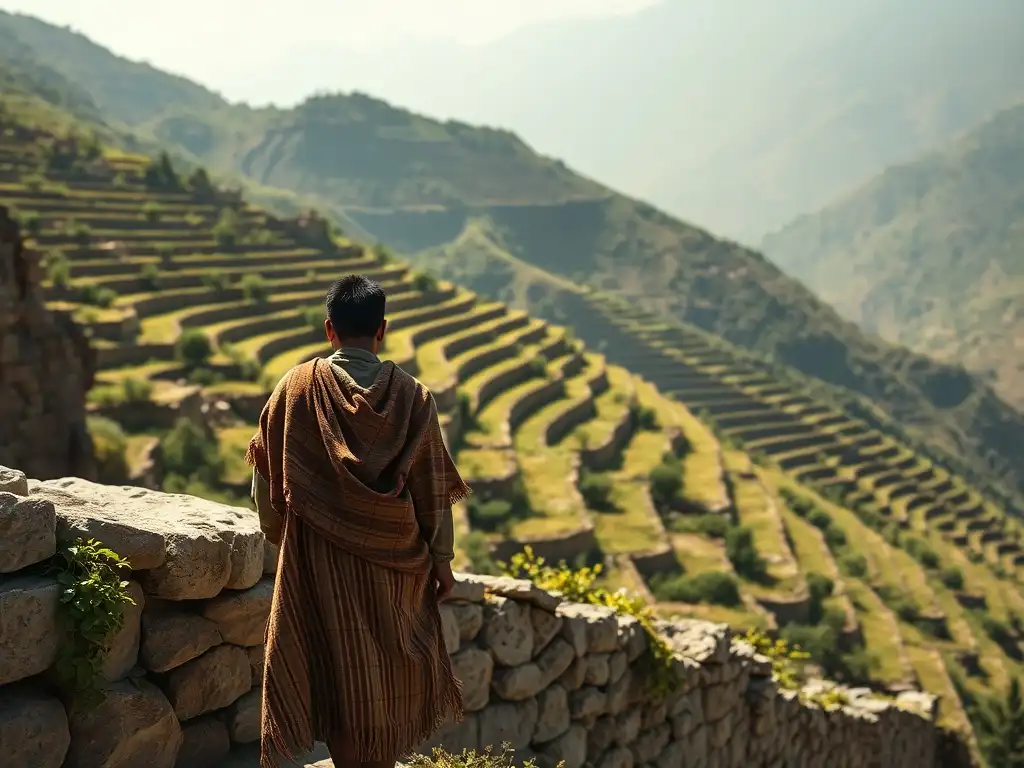
The Andes Mountains, a seemingly inhospitable environment, became a cradle of sophisticated agricultural practices thanks to the ingenuity of Andean civilizations. Modern science is now shedding new light on these techniques, revealing their complexity and effectiveness. These advancements weren't merely survival strategies; they were sophisticated systems reflecting a deep understanding of ecology and sustainable resource management.
Research into Andean civilization technology discoveries continues to unveil astonishing feats of engineering and agricultural prowess. The techniques employed demonstrate a remarkable level of adaptation to the challenging terrain and climate, offering valuable lessons for modern sustainable agriculture. This section will explore some of the most significant discoveries related to Andean agricultural innovations.
Terracing and Water Management: Sustainable Farming Practices of the Incas
Inca agricultural practices were remarkably advanced, particularly their mastery of terracing and water management. Terracing, the creation of step-like formations on hillsides, allowed for the cultivation of steep slopes, maximizing arable land in a mountainous region. These weren't simply haphazardly carved terraces; they were meticulously designed to optimize sunlight exposure and water retention. Evidence suggests the Incas carefully considered factors such as soil type, slope angle, and water availability when constructing their terraces.
The precision and scale of these projects are truly awe-inspiring, demonstrating a sophisticated understanding of engineering and environmental science. Furthermore, intricate canal systems diverted water from rivers and streams, irrigating the terraces and ensuring a consistent water supply, even during dry seasons. This integrated system of terracing and water management allowed the Incas to achieve high agricultural yields, supporting a large and densely populated empire.
Modern studies using Geographic Information Systems (GIS) are providing detailed maps of Inca terrace systems, revealing their complexity and extent. The sustainable nature of these practices is particularly relevant today, as we seek solutions to challenges such as climate change and land degradation. The Inca's approach to water conservation, for instance, offers valuable lessons for modern water management strategies.
Analyzing Ancient Irrigation Systems with Remote Sensing Technology
Modern technology is playing a crucial role in uncovering the secrets of Andean irrigation systems. Remote sensing techniques, such as satellite imagery and aerial photography, are allowing researchers to map ancient canals, aqueducts, and other irrigation infrastructure with unprecedented accuracy. These technologies provide a bird's-eye view of the landscape, revealing the extent and complexity of these systems that were previously hidden or difficult to access.
For example, the use of LiDAR (Light Detection and Ranging) has allowed archaeologists to penetrate dense vegetation and identify previously unknown irrigation features. This detailed mapping is providing valuable insights into the engineering skills and organizational capabilities of Andean civilizations. Analysis of the data reveals sophisticated water management strategies, including the use of reservoirs, tunnels, and siphons to transport water across challenging terrain.
The application of remote sensing techniques is not only improving our understanding of past irrigation practices but is also contributing to the preservation and protection of these valuable archaeological sites. By identifying vulnerable areas, researchers can develop strategies to protect these fragile ecosystems and prevent further damage. The integration of remote sensing with other techniques, such as ground-penetrating radar, is further enhancing the accuracy and detail of these studies.
Advanced Soil Analysis Reveals Secrets of Andean Crop Cultivation
Beyond impressive infrastructure, Andean agricultural success stemmed from a deep understanding of soil science. Modern soil analysis techniques are revealing the secrets of Andean crop cultivation, showing sophisticated practices that enhanced soil fertility and optimized crop yields. Researchers are analyzing ancient soil samples to identify the types of crops cultivated, the methods used to improve soil fertility, and the impact of these practices on the environment. Analysis reveals the use of fertilizers derived from animal manure, plant residues, and other organic matter.
Evidence suggests the practice of crop rotation, intercropping, and fallowing, techniques that maintain soil health and prevent nutrient depletion. The use of raised fields, another ingenious Andean innovation, allowed for better drainage and aeration, improving soil conditions in wetland areas. This advanced knowledge of soil management, combined with sophisticated irrigation systems and terracing, enabled Andean civilizations to sustain high population densities in challenging environments.
Further research is needed to fully understand the long-term effects of these practices on soil health and the sustainability of Andean agriculture. The lessons learned from these ancient practices hold significant potential for modern agriculture, particularly in addressing the challenges of sustainable food production in marginal environments. Understanding the Andean approach to soil health is crucial for creating more resilient and environmentally friendly agricultural systems.
Engineering Marvels of the Andes: New Insights into Construction Techniques
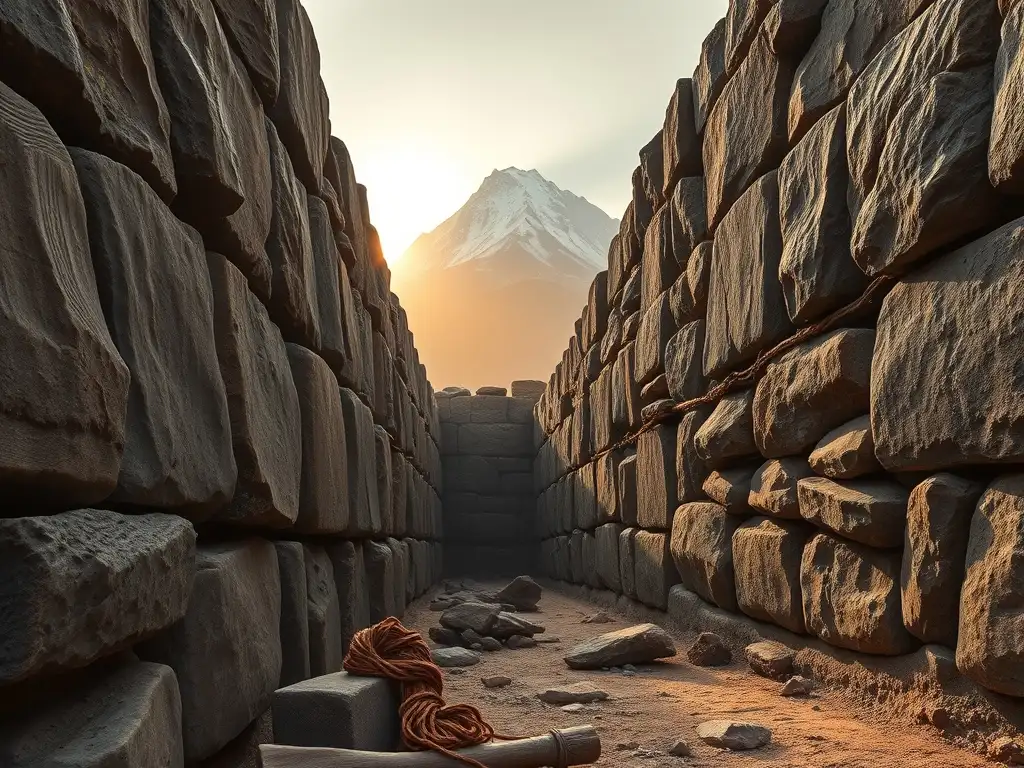
The Andes Mountains presented formidable challenges to the ancient civilizations that inhabited them. Yet, these societies developed sophisticated engineering techniques, allowing them to build impressive structures that continue to amaze modern researchers. Recent discoveries, coupled with advanced analytical tools, are shedding new light on the ingenuity and precision of Andean engineering.
This section will explore some of these advancements, focusing on the innovative construction methods employed in creating iconic structures and vast infrastructure networks. Understanding these techniques provides crucial insights into the resourcefulness and technological prowess of Andean civilizations, challenging previously held assumptions about their capabilities and significantly contributing to our understanding of "Andean civilization technology discoveries".
The Precision of Inca Masonry: Investigating the Construction of Machu Picchu
Machu Picchu, the iconic "Lost City of the Incas," stands as a testament to Inca engineering skills. The precision of the stonework, with blocks fitting together seamlessly without mortar, has long captivated researchers. Modern studies utilizing 3D laser scanning and photogrammetry are revealing intricate details previously unseen.
These techniques allow for the precise measurement of stone shapes and their spatial relationships, highlighting the sophistication of Inca planning and execution. For example, recent analysis suggests that the Incas used a system of carefully chosen and shaped stones, creating interlocking joints that enhanced the overall stability of the structures. This meticulous approach minimized the need for mortar, resulting in a remarkably durable and aesthetically pleasing construction.
Furthermore, the use of different types of stone, strategically placed, may have further contributed to the structural integrity of the buildings, defying the effects of earthquakes and weathering. This level of precision in construction is a significant aspect of "Andean civilization technology discoveries" and challenges our understanding of pre-Columbian engineering.
Reassessing Andean Roads and Infrastructure with Modern Surveying
Beyond monumental architecture, the extensive road networks of the Inca Empire represent a remarkable feat of engineering. These roads, traversing challenging mountain terrain, facilitated communication, trade, and military movements across vast distances. Modern surveying techniques, including GPS and GIS, are providing a more comprehensive understanding of the scale and complexity of these systems. Analysis of road gradients, alignments, and construction materials reveals sophisticated planning and engineering capabilities.
For instance, researchers have discovered that the Inca engineers skillfully utilized natural features, such as valleys and ridges, to minimize the need for extensive cutting and filling. Moreover, the use of sophisticated drainage systems prevented erosion and ensured the longevity of the roads. These "Andean civilization technology discoveries" regarding infrastructure highlight the remarkable logistical and engineering capabilities of the Inca Empire, demonstrating a level of sophistication that rivals many modern engineering projects.
Understanding the Seismic Resistance of Ancient Andean Structures
The Andes are a highly seismically active region. Despite this, many ancient Andean structures have withstood numerous earthquakes over centuries. This resilience is not merely due to chance; it reflects an inherent understanding of seismic principles incorporated into the design and construction of these buildings.
Modern research is employing techniques like finite element analysis to model the behavior of ancient structures under seismic loading. These studies are revealing the ingenious methods employed by Andean builders to mitigate earthquake damage. For example, the use of interlocking stones, flexible foundations, and strategically placed buttresses significantly enhanced the seismic resistance of buildings.
The incorporation of these features demonstrates a remarkable understanding of structural mechanics, far surpassing previous assumptions about Andean knowledge. Further research into these seismic-resistant techniques is crucial for "Andean civilization technology discoveries" and holds valuable lessons for modern earthquake-resistant construction. Understanding how these civilizations successfully built in such a challenging environment greatly informs our own engineering practices today.
Metallurgy and Material Science in Ancient Andean Societies

The study of Andean civilization technology discoveries has yielded fascinating insights into the sophisticated metallurgical and material science practices of ancient Andean societies. These civilizations, far from being technologically primitive, demonstrated a remarkable mastery of metalworking, ceramics, and textile production, showcasing advanced techniques and innovative materials. Their achievements continue to inspire awe and fuel ongoing research, pushing the boundaries of our understanding of ancient technologies.
The precision and artistry evident in their artifacts highlight the depth of their knowledge and skill. This section will delve into some of the most significant recent discoveries in this field, focusing on advancements in analytical techniques and the resulting new interpretations of ancient Andean practices.
Advanced Analysis of Andean Metalworking Techniques
Modern analytical techniques, such as X-ray fluorescence (XRF) spectroscopy and electron microscopy, are revolutionizing our understanding of Andean metalworking. These methods allow researchers to analyze the elemental composition of artifacts with unprecedented precision, revealing details about alloying techniques, heat treatment processes, and the sourcing of raw materials. For instance, recent studies using XRF have identified trace elements in Inca gold artifacts that point to specific sources of gold ore in the Andes, providing crucial information about ancient trade routes and economic networks.
Furthermore, analysis of the microstructure of ancient metal objects, using electron microscopy, has shed light on the sophisticated forging and annealing techniques employed by Andean artisans. The intricate designs and delicate features of many artifacts would not have been possible without a deep understanding of metal behavior at high temperatures and a mastery of shaping techniques.
This detailed analysis is refining our understanding of the skill and precision involved in Andean metallurgy, demonstrating a level of technical sophistication previously underestimated. The discovery of unique alloy compositions, specific to certain Andean cultures, further emphasizes the innovative nature of their metallurgical practices.
Discovering the Secrets of Ancient Andean Alloys
One of the most exciting areas of research focuses on the unique alloys developed by Andean civilizations. Their mastery of alloying, the process of combining different metals to create materials with enhanced properties, is particularly striking. For example, the Incas were renowned for their tumbaga, a gold-copper alloy prized for its rich color and malleability.
Recent studies have shown that the precise ratios of gold and copper in tumbaga varied depending on the intended use of the object, indicating a sophisticated understanding of the relationship between alloy composition and material properties. Similarly, the analysis of silver and copper alloys used by other Andean cultures has revealed subtle variations in composition, suggesting a deliberate control over the properties of the final product. The ability to create alloys with specific properties, such as hardness, ductility, and corrosion resistance, demonstrates a level of metallurgical knowledge that rivals that of many later civilizations.
The ongoing investigation into the precise techniques used to create these alloys promises further revelations about the ingenuity of Andean metallurgists. The secrets of these ancient alloys are gradually being revealed, showcasing the advanced knowledge and experimental approach of Andean artisans.
New Insights into the Production of Andean Ceramics and Textiles
Beyond metallurgy, significant advancements are also being made in our understanding of ancient Andean ceramic and textile production. Analysis of ceramic shards using techniques like petrographic microscopy and mass spectrometry reveals details about clay sources, firing temperatures, and the addition of tempering materials. These analyses are helping to trace the origins of ceramic vessels and to understand the technological choices made by different Andean groups.
Similarly, the study of ancient textiles using microscopy and fiber analysis is providing new insights into spinning, weaving, dyeing, and other textile-making techniques. The intricacy and beauty of Andean textiles, often incorporating multiple colors and complex designs, are a testament to the high level of skill and artistic expression of Andean artisans.
The complex designs, sometimes incorporating symbolic imagery and intricate patterns, are being deciphered through detailed analysis, revealing information about societal structures, religious beliefs, and daily life in these ancient civilizations. The ongoing research into Andean ceramics and textiles promises to further illuminate the ingenuity and artistry of these remarkable cultures, adding to our understanding of Andean civilization technology discoveries.
Andean Knowledge of Astronomy and Calendrical Systems: A Scientific Perspective

The Andes Mountains, a spine running down the western edge of South America, served as more than just a geographical feature for its ancient inhabitants; they were a celestial observatory, a vast calendar, and a source of profound cosmological understanding. Modern science, through the lens of archeoastronomy, is beginning to unlock the secrets embedded within these ancient Andean cultures' sophisticated astronomical knowledge and calendrical systems. Understanding their achievements requires moving beyond simplistic interpretations and embracing the complexity of their worldview, a worldview deeply intertwined with the natural rhythms of the Andes.
This section will explore how modern scientific tools and methodologies are shedding light on these previously enigmatic systems, revealing a level of sophistication that rivals many other ancient civilizations. The study of Andean civilization technology discoveries in this area is revolutionizing our understanding of pre-Columbian societies.
Understanding Andean Cosmological Views through Archeoastronomy
Archeoastronomy, the study of how ancient cultures used astronomy, provides crucial insights into the Andean worldview. By meticulously analyzing the alignment of structures like the Chankillo observatory in Peru, researchers have discovered that the Andean peoples possessed a highly accurate understanding of the solar cycle. Chankillo, dating back to 300 BC, features thirteen towers strategically positioned along a ridge, which appear to have served as a sophisticated solar calendar marking the solstices and equinoxes with remarkable precision.
This level of astronomical precision demonstrates a deep understanding of celestial mechanics and a commitment to precise timekeeping, far exceeding previous estimations of Andean technological capabilities. Further research into sites like Machu Picchu, with its intricate alignments to celestial events, continues to reveal the depth and breadth of Andean cosmological knowledge.
The integration of astronomical knowledge with their agricultural practices is also being investigated, highlighting the practical applications of this advanced understanding. Their understanding of the celestial sphere was not merely abstract; it was integral to their daily lives, deeply embedded in their agricultural cycles, religious beliefs, and social structures.
Interpreting Andean Calendars with Modern Astronomical Tools
Many Andean cultures utilized complex calendrical systems, often intertwined with their astronomical observations. These calendars were not merely for keeping track of time; they were integral to their agricultural practices, religious rituals, and social organization.
Modern astronomical tools, such as computer simulations and sophisticated dating techniques, are helping researchers decipher these intricate systems. For instance, the analysis of agricultural cycles in conjunction with archaeological finds reveals a remarkable correlation between planting and harvesting times and the astronomical events predicted by their calendar systems.
The use of sophisticated software allows researchers to model the movements of the sun and stars as they would have appeared in the Andean sky centuries ago, helping to pinpoint the exact astronomical events marked by specific structures or artifacts. This cross-disciplinary approach, combining archaeology, astronomy, and anthropology, is crucial for accurately interpreting the complexities of these ancient calendrical systems and understanding their significance within the broader context of Andean civilization technology discoveries.
The Significance of Andean Observatories: New Scientific Interpretations
The discovery and analysis of Andean observatories, such as Chankillo and others yet to be fully understood, are rewriting our understanding of Andean technological capabilities. These weren't simply places for casual stargazing; they were sophisticated instruments designed for precise astronomical observations. New research suggests that the design and construction of these observatories demonstrate a level of engineering and architectural skill previously underestimated.
The precision of the alignments, the use of specific materials, and the overall design of these sites indicate a deep understanding of both astronomy and engineering principles. Furthermore, the continued discovery of new sites and the application of advanced imaging techniques are revealing previously unseen details, further enhancing our appreciation of Andean ingenuity.
The ongoing research into these observatories, coupled with the development of new analytical tools, promises to unlock even more secrets about their function and the sophisticated astronomical knowledge of the Andean civilizations. These discoveries are reshaping our understanding of Andean civilization technology discoveries, highlighting the innovative and complex societies that thrived in the Andes.
The Legacy of Andean Technology: Implications for Modern Innovation
The study of Andean civilization technology discoveries continues to yield surprising insights, challenging conventional narratives about technological advancement and offering valuable lessons for contemporary innovation. For centuries, the ingenuity of Andean cultures, including the Incas, Moche, Nazca, and Tiahuanaco, has been underestimated. Modern scientific analysis, however, reveals a sophisticated understanding of materials science, engineering, and agricultural practices far exceeding previous assumptions.
This section will explore some of the most impactful implications of this rediscovered knowledge. The enduring legacy of Andean ingenuity offers a wealth of inspiration and practical applications for solving modern challenges, particularly in the realms of sustainable agriculture and resilient infrastructure. Understanding this heritage is not merely an academic exercise; it's a crucial step towards building a more sustainable and equitable future.
Applying Andean Principles of Sustainability to Modern Agriculture
Andean agricultural practices, developed over millennia in challenging high-altitude environments, showcase remarkable sustainability. Terracing, for instance, was not merely a method of creating arable land; it was a sophisticated system of water management and soil conservation. By meticulously shaping the landscape, Andean farmers minimized erosion, maximized water retention, and fostered biodiversity. This contrasts sharply with modern industrial agriculture, which often relies on intensive resource use and environmentally damaging practices.
Modern research is increasingly highlighting the benefits of adopting Andean principles. Studies show that terraced fields maintain higher soil fertility and biodiversity compared to conventional farming. Furthermore, the ingenious irrigation systems employed by Andean civilizations, including sophisticated canal networks and water storage techniques, offer valuable lessons for managing water scarcity in increasingly arid regions.
Researchers are actively exploring the potential of bio-inspired design, drawing upon the resilience and efficiency of Andean farming techniques to develop more sustainable agricultural practices for the 21st century. For example, mimicking the intricate layering of Andean terraces could lead to more efficient water use in modern vertical farming systems.
The Andean approach to agriculture wasn't simply about maximizing yield; it was deeply intertwined with a holistic understanding of the environment and its delicate balance. This philosophy offers a powerful counterpoint to the often exploitative nature of modern industrial agriculture, paving the way for a more environmentally conscious and socially just food system.
Drawing Inspiration from Andean Engineering for Resilient Infrastructure
Andean engineering feats, such as the impressive stonework of Machu Picchu or the intricate road networks spanning vast distances, stand as testaments to the advanced understanding of construction and materials science possessed by these ancient cultures. The precision and durability of their structures, achieved without modern tools or machinery, are particularly noteworthy. Recent studies have shown the use of sophisticated techniques in stone fitting, including the precise shaping and interlocking of stones to create incredibly strong and stable structures.
The resilience of Andean infrastructure in the face of earthquakes and other natural disasters also offers valuable lessons for modern engineering. The construction techniques employed, often involving complex interlocking systems and the use of locally sourced materials, resulted in structures capable of withstanding significant seismic activity. Modern engineers are increasingly looking to Andean examples for inspiration in designing more earthquake-resistant buildings and infrastructure. Analyzing the properties of the stone used, the construction methods, and the overall design principles can lead to breakthroughs in the development of more robust and sustainable infrastructure.
Moreover, the integration of Andean infrastructure with its environment is a key element worthy of study. The seamless blending of structures into the landscape, minimizing environmental impact, provides an important contrast to the often disruptive effects of modern construction projects. This holistic approach represents a valuable lesson for contemporary infrastructure development, emphasizing the importance of sustainability and environmental sensitivity. The integration of nature-based solutions into modern infrastructure design, inspired by Andean practices, could dramatically improve the resilience and sustainability of our built environment.
The Importance of Preserving and Learning from Andean Technological Heritage
Preserving and studying Andean technological heritage is not merely an academic pursuit; it holds significant practical implications for addressing contemporary challenges. The sophisticated knowledge systems developed by these ancient cultures offer valuable insights into sustainable agriculture, resilient infrastructure, and resource management. Furthermore, understanding the cultural context of these technologies is crucial for ensuring their responsible application in modern settings.
The continued excavation and analysis of Andean sites, combined with interdisciplinary research involving archaeologists, engineers, and other specialists, are essential for unlocking the full potential of this knowledge. This requires investment in research infrastructure, training of specialists, and the development of collaborative research projects involving local communities. Moreover, efforts to protect and preserve existing Andean sites are critical for safeguarding this invaluable heritage for future generations. The proper preservation of these sites is paramount not only for their historical significance but also for the continued extraction of knowledge and inspiration for modern innovation.
The exploration of Andean civilization technology discoveries offers a unique opportunity to bridge the gap between ancient wisdom and modern innovation. By learning from the past, we can build a more sustainable and resilient future for all. The ongoing study of Andean technology will continue to reveal further discoveries and provide valuable lessons for future generations of engineers, architects, and scientists.
This process of learning and adaptation is crucial for the development of innovative and sustainable solutions to the complex challenges facing our world. The legacy of Andean ingenuity serves as a powerful reminder of the importance of respecting and learning from the wisdom of past civilizations.
Frequently Asked Questions
What technological advancements did the Andean civilizations achieve?
The Andean civilizations, including the Incas, Moche, Nazca, and Tiahuanaco, made significant advancements in irrigation systems, metallurgy (particularly gold and silver working), textile production, road building, and stonework. Their achievements were remarkable considering their available resources.
How did Andean technology influence agriculture?
Andean technology significantly impacted agriculture. Sophisticated irrigation systems, including canals and terraces, allowed them to cultivate diverse crops in challenging terrains. Their knowledge of water management was crucial for their survival and prosperity.
What are some examples of impressive Andean stonework?
The precise stonework of Machu Picchu and other Inca sites exemplifies their mastery of engineering. The fitting of stones without mortar, and the construction of massive structures on steep slopes, are testament to their advanced techniques. Similar precision is seen in sites from other Andean cultures.
What role did metallurgy play in Andean societies?
Metallurgy was crucial, with gold and silver playing important roles in ritual and adornment. The Andean civilizations also developed skills in bronze and copper working, creating tools, weapons, and elaborate artifacts. These skills demonstrate advanced knowledge of metalworking techniques.
How did modern science contribute to our understanding of Andean technology?
Modern scientific techniques, such as archaeological excavation and material analysis, have helped us understand the complexity and sophistication of Andean technologies. These methods provide new insights into their engineering skills, materials science, and construction methods.
Final Reflection: Echoes of the Andes, Whispers of the Future
The ingenuity of the Andean civilizations continues to resonate today, challenging our assumptions about technological advancement and offering invaluable lessons in sustainable living. Their mastery of complex engineering, resource management, and agricultural practices, once dismissed as primitive, now stands as a testament to human adaptability and a powerful counterpoint to our modern, often unsustainable, approaches. The discoveries detailed in this article are not just historical curiosities; they are blueprints for a more resilient and equitable future.
The enduring legacy of Andean technology transcends mere archaeological findings; it speaks to the profound connection between humans and their environment. It reminds us that innovation doesn't always require advanced materials or vast energy consumption. The greatest glory in living lies not in never falling, but in rising every time we fall.
– Nelson Mandela. This quote, while not directly about Andean technology, perfectly encapsulates the spirit of resilience and innovation that characterized these societies, and which we can learn from today as we face our own modern challenges. Their ability to thrive in harsh environments, using locally sourced materials and sustainable practices, offers a powerful model for addressing climate change and resource depletion.
Consider the implications of these discoveries. How can we integrate the principles of Andean ingenuity – their understanding of water management, their sophisticated agricultural techniques, their remarkable architectural feats – into our own technological advancements? You are now equipped with a deeper understanding of the past; use this knowledge to shape a better future. Let the echoes of the Andes inspire you to explore innovative, sustainable solutions, and to build a world where technology serves humanity and the planet, not the other way around.
Unveil the Wisdom of the Andes Today!
Thank you for exploring the fascinating world of Andean technology and its unique blend of ancient wisdom and modern science! We hope you've gained valuable insights that will inspire further exploration. Now, let's put that knowledge into practice.
Here are some ways to continue engaging with the wonders of Andean civilizations:
- **Join our community** by subscribing to our newsletter for exclusive content and updates on Andean innovations and discoveries.
- **Explore our interactive map** showcasing ancient sites and modern technologies—discover how the past continues to shape the present and future!
- **Share your thoughts:** Discuss what most surprised you about Andean technology in the comments below or on social media; let's spark a conversation!
Which aspect of Andean technology intrigues you most, and how do you envision it reshaping our understanding of modern advancements?