
Inca Jewelry: Adornments of the Elite and Sacred

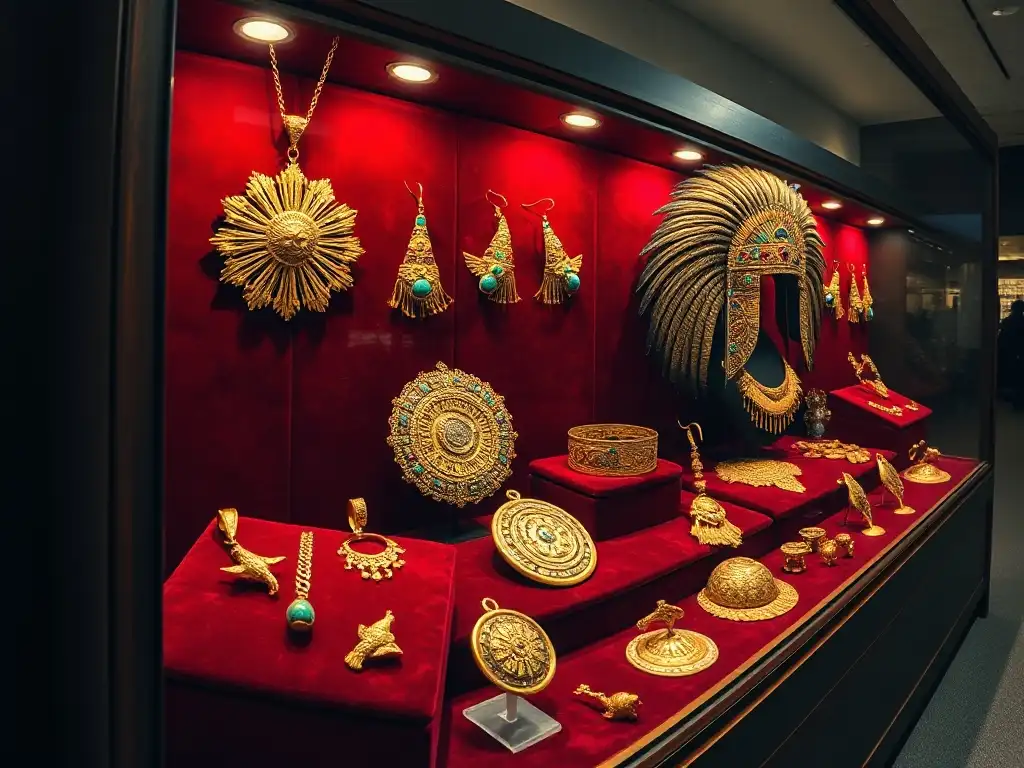
Step into a world lost to time, where the gleam of Inca gold jewelry designs whispered tales of power and divinity. Imagine the intricate artistry, the meticulous craftsmanship, the stories etched into each shimmering piece. This is more than just adornment; it's a window into the heart of the Inca Empire, a glimpse into a civilization that mastered both artistry and engineering. Uncover the secrets held within these exquisite artifacts – delve into the fascinating world of Andean civilizations and discover the splendor of Inca jewelry.
The Inca Empire, renowned for its sophisticated engineering, intricate textiles, and awe-inspiring architecture, also left behind a legacy of exquisite jewelry. This article delves into the fascinating world of Inca gold jewelry designs, exploring not only their aesthetic beauty but also their profound social, religious, and symbolic significance. From the intricate techniques employed by Inca goldsmiths to the materials meticulously chosen and the powerful meanings embedded within each piece, we will uncover the stories whispered by these ancient adornments.
Understanding Inca jewelry provides a unique window into the beliefs, social structures, and artistic mastery of one of the most remarkable civilizations of the Andes. We will examine how Inca gold jewelry designs reflect the power dynamics within the empire, the spiritual beliefs of the people, and the remarkable skill of their artisans.
This exploration will illuminate the role of jewelry as not merely decoration, but as a potent symbol of status, power, and connection to the divine. Prepare to be captivated by the artistry and the profound meaning inherent in these remarkable artifacts.
The Significance of Inca Gold Jewelry
Inca Metalworking and its Importance
Inca metalworking was a highly specialized craft, requiring advanced knowledge and skill. Gold, silver, and copper were the primary metals used, with gold holding particular importance due to its association with the sun god, Inti. The Inca's mastery of metalworking techniques, including hammering, embossing, casting, and alloying, allowed them to create intricate and detailed jewelry pieces.
The process was often collaborative, with specialists working together to produce these stunning artifacts. The sheer volume of surviving examples demonstrates the scale of this craft and its significance within Inca society. Accurate figures on the number of surviving pieces are difficult to obtain due to looting and the destruction of artifacts over the centuries, but museums and private collections worldwide hold a substantial number of examples.
[Specific information pending] on the total number of discovered Inca jewelry pieces. This high level of skill and organization is a testament to the sophistication of Inca society.
The Social Status Reflected in Inca Jewelry
Inca jewelry served as a powerful indicator of social status. Elaborate gold ornaments, often featuring intricate designs and precious stones, were reserved for the elite, including the Sapa Inca (emperor), his family, and high-ranking officials. The quantity and quality of the jewelry worn directly correlated with an individual's position within the social hierarchy.
Commoners, on the other hand, typically wore simpler adornments made from less expensive materials, such as bone, shell, or less refined metals. The intricate designs, the use of precious stones, and the sheer weight of the gold were all indicators of wealth and power. For example, elaborate headdresses adorned with gold and feathers were exclusive to the Inca royalty.
Sacred Meanings Behind Inca Ornaments
Beyond its social significance, Inca jewelry held deep spiritual meaning. Many ornaments were associated with deities or religious rituals. The sun, moon, and stars were frequently depicted, reflecting the Inca's reverence for the cosmos. Animals such as the condor and puma, symbolic of power and strength, also appeared in jewelry designs.
Gold's association with the sun god, Inti, made it a particularly sacred material. The use of specific motifs and designs often served as a form of communication, conveying messages of power, lineage, and religious beliefs. The intricate details often featured symbolic elements related to Inca mythology and cosmology, highlighting the deep connection between the material world and the spiritual realm.
Inca Gold Jewelry Designs: Materials and Techniques
Precious Metals Used in Inca Jewelry
The Inca utilized a variety of precious metals in their jewelry creation. Gold, highly valued for its association with the sun god, was the most prestigious. Silver, often used in combination with gold or independently, played a significant role, and copper, sometimes alloyed with other metals to create different colors and properties, was also employed.
The Inca were skilled at extracting, refining, and manipulating these metals to achieve the desired results. The use of specific metals in jewelry designs often carried symbolic weight, reflecting the beliefs and values of the culture. [Data pending] on the precise proportions of different metals used in various pieces.
Inca Goldworking Techniques: Hammering, Embossing, and Casting
Inca goldsmiths were masters of various techniques, including hammering, embossing, and casting. Hammering involved shaping the metal using repeated blows, while embossing created raised designs by pressing the metal from the back. Casting involved melting the metal and pouring it into molds, allowing for the creation of complex shapes.
The combination of these techniques enabled Inca artisans to produce incredibly intricate and detailed jewelry pieces that showcase their technical expertise and artistic vision. The precision and skill involved in these processes are remarkable, highlighting the advanced level of technology within the Inca Empire. Many examples demonstrate a sophisticated understanding of metallurgy and design principles.
The Use of Gemstones and Other Materials in Inca Adornment
Inca jewelry often incorporated gemstones and other materials, enhancing the aesthetic appeal and symbolic meaning of the pieces. Turquoise, lapis lazuli, and emeralds were popular choices, prized for their color and believed to possess magical or spiritual properties. Shells, feathers, and other organic materials were also used, demonstrating the diverse range of materials employed by Inca artisans. The careful selection and placement of these materials significantly contributed to the overall design and symbolic significance of the jewelry. The skillful integration of diverse materials demonstrates the artistry and innovative approach of Inca craftsmen.
Specific Types of Inca Jewelry
Inca Ear Spools: A Mark of Nobility
Inca ear spools, or chapi, were not merely adornments; they were powerful symbols of status and identity, particularly within the Inca elite. These large, often elaborately decorated plugs were inserted into pierced earlobes, stretching them considerably. The size and ornamentation of the spools directly reflected the wearer's social standing. Larger, more intricately designed spools, often crafted from gold, silver, or precious stones, signified high rank and power.
Simpler spools, made from materials like wood, bone, or shell, were worn by commoners. The craftsmanship involved in creating these spools was remarkable; many examples showcase intricate designs, including geometric patterns, animal motifs, and representations of deities. Archaeological finds consistently demonstrate the prevalence of ear spools in elite burials, further highlighting their importance as markers of social distinction within Inca society. The artistry and materials used in their creation reveal a sophisticated understanding of metallurgy and artistry.
Inca Necklaces and Pendants: Designs and Symbolism
Inca necklaces and pendants displayed a remarkable diversity of styles and materials. Gold, silver, and copper were frequently employed, often combined with precious stones like turquoise, lapis lazuli, and emeralds. These materials were not only aesthetically pleasing but also held significant symbolic value. Many pendants depicted deities, animals, or abstract designs, all carrying deep cultural and religious meaning.
For instance, pendants shaped like the condor, a sacred bird, symbolized power and strength, while those depicting feline figures might represent shamanic or supernatural forces. The intricate weaving techniques used in some necklaces, combining gold and other materials, showcase the Inca's mastery of craftsmanship. The arrangement of pendants within a necklace could also convey specific messages or denote the wearer's social position. The careful selection and arrangement of these elements demonstrates a sophisticated understanding of visual communication.
Inca Bracelets and Armbands: Materials and Decoration
Inca bracelets and armbands, like other forms of Inca jewelry, reflected both artistic skill and social status. These adornments were crafted from a variety of materials, including gold, silver, copper, shell, and various types of stone. Elaborate techniques, such as repoussé (hammering metal from the back to create a design on the surface) and filigree (creating delicate, intricate designs from fine wires), were commonly used to decorate these pieces.
The designs often featured intricate geometric patterns, stylized animal figures, or representations of important symbols. Some bracelets were solid bands of metal, while others were more complex, incorporating multiple elements or pendants. The presence of bracelets and armbands in elite burials underscores their significance as indicators of social rank and wealth.
Inca Finger Rings and Their Significance
While less common than other types of Inca jewelry, finger rings held a special significance. These rings were often crafted from gold, silver, or precious stones and were typically worn by individuals of high social standing. Their designs varied, but many incorporated symbolic motifs, reflecting the wearer's status or beliefs.
Unlike rings in many other cultures, which often serve primarily as decorative items, Inca finger rings might have had additional symbolic or ceremonial functions. Further research is needed to fully understand their specific roles within Inca society, but their presence in elite contexts suggests their importance as status symbols or indicators of religious affiliation. The limited number of surviving examples highlights their potential rarity and value within Inca society.
Inca Tupu Pins: Functionality and Ornament
Tupu pins were distinctive, often ornate, pins used to fasten clothing. While functional, they served as important decorative elements, showcasing the Inca's skill in metalwork. These pins were often crafted from gold, silver, or copper, and frequently incorporated intricate designs or symbolic motifs. The designs varied considerably, ranging from simple geometric patterns to more complex representations of animals or deities.
The size and decoration of the tupu reflected the wearer's social status, with larger, more elaborate pins indicating higher rank. The use of tupu pins illustrates the Inca's ability to seamlessly blend functionality with artistry, demonstrating their sophisticated understanding of both practical needs and aesthetic expression. Their presence in various archaeological contexts suggests their widespread use across different social strata.
Inca Jewelry and Religious Practices
Inca Jewelry in Ceremonial Contexts
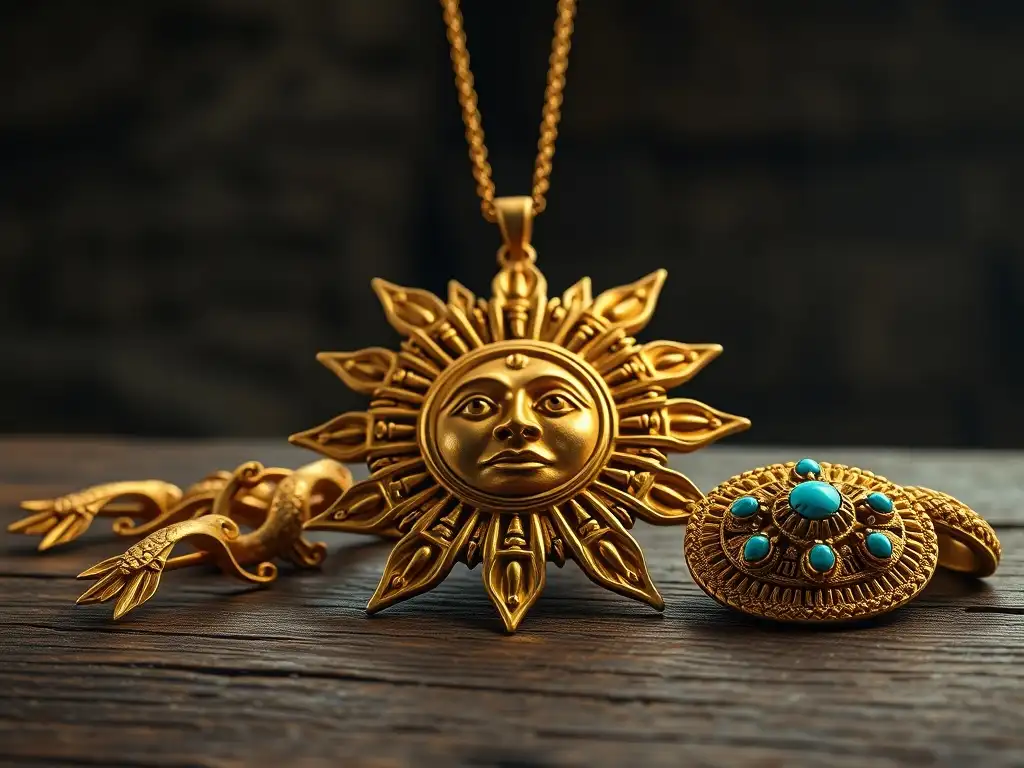
Inca ceremonial contexts frequently featured elaborate displays of jewelry. High-ranking individuals wore ornate pieces during religious festivals and rituals, demonstrating their connection to the divine and their role in maintaining cosmic order. Gold, in particular, was associated with the sun god Inti and held immense religious significance.
The use of specific symbols and motifs in jewelry worn during ceremonies further reinforced their religious meaning. For example, representations of the condor or puma could symbolize the power of the Inca ruler as a divine intermediary. Archaeological evidence from ceremonial sites reveals the abundance and sophistication of jewelry used in these events.
Inca Jewelry as Offerings to the Gods
Inca religious practices frequently involved the offering of precious metals and jewelry to the gods. This practice underscores the sacred nature of these materials and their role in maintaining cosmic balance. Gold, silver, and other precious materials were often melted down and cast into various forms for offerings, demonstrating the deep reverence the Inca held for their deities. The scale of these offerings, as evidenced by archaeological discoveries, indicates the immense importance of this practice within Inca religious life. These offerings were not merely material gifts but rather acts of profound religious devotion.
Inca Jewelry and the Afterlife: Burial Practices
Inca burial practices often included the inclusion of significant quantities of jewelry alongside the deceased. The type and quality of jewelry varied depending on the social status of the individual. Elite burials contained elaborate gold and silver ornaments, while those of commoners might have included simpler pieces made from less precious materials.
This practice suggests a belief in the afterlife and the continuation of social status and identity beyond death. The inclusion of jewelry in burials provides valuable insights into Inca beliefs about the afterlife and the significance of personal adornment in the spiritual realm. The careful placement and arrangement of jewelry within tombs often followed specific patterns, revealing a highly structured approach to burial rituals.
The Legacy of Inca Jewelry
Inca jewelry holds a unique place in the history of Andean art and craftsmanship. Its legacy extends far beyond its aesthetic appeal; it represents a complex interplay of religious beliefs, social hierarchy, and technological prowess. The intricate designs, the masterful use of gold, silver, and other precious materials, and the sheer artistry involved all contribute to the enduring fascination with Inca jewelry.
These pieces weren't merely adornments; they were powerful symbols, reflecting the wearer's status, beliefs, and connection to the Inca worldview. The legacy of Inca jewelry continues to inspire artists, historians, and researchers today, offering invaluable insights into the beliefs and practices of one of the most remarkable civilizations of the Americas. The survival of these pieces, despite the passage of centuries, speaks volumes about the quality of the craftsmanship and the enduring significance of these objects.
Inca Jewelry as a Reflection of Inca Culture
Inca jewelry wasn't created in a vacuum; it directly reflects the core values and beliefs of Inca culture. The use of specific motifs, such as the sun, the moon, and various animals, reveals the importance of these elements in Inca cosmology. For example, the frequent depiction of the condor, a powerful bird in Andean mythology, symbolized strength and leadership. Similarly, the use of gold, a metal associated with the sun god Inti, highlighted the Inca's reverence for the celestial bodies.
The intricate designs, often featuring geometric patterns and stylized representations of nature, showcase the Inca's sophisticated understanding of mathematics and their deep connection to their environment. Even the techniques employed, such as hammering, casting, and filigree, reflect the Inca's advanced metallurgical skills and their dedication to producing high-quality artifacts. Studying Inca jewelry provides a window into their spiritual beliefs, their social structure, and their connection to the natural world.
Inca Gold Jewelry Designs and their Influence on Later Cultures
Inca gold jewelry designs, characterized by their unique aesthetic and technical mastery, exerted a profound influence on subsequent artistic traditions in the Andes and beyond. The distinctive motifs, such as the recurring use of feline imagery, intricate knotwork patterns, and the representation of stylized birds and human figures, became iconic elements that were adopted and adapted by later cultures. The sophisticated techniques employed in Inca goldsmithing, like the lost-wax casting method, were passed down through generations, shaping the metalworking traditions of the region for centuries to come.
The impact of Inca aesthetics on colonial-era silversmithing is particularly evident, with many pieces incorporating elements reminiscent of Inca designs. This enduring influence underscores the high artistic standards and technical innovations achieved by Inca artisans.
The legacy of Inca gold jewelry designs continues to inspire contemporary artists and designers, serving as a testament to the enduring power and beauty of this ancient art form. The re-emergence of some Inca patterns in modern jewelry is a direct result of this lasting influence.
Preserving Inca Jewelry: Archaeological Discoveries
The preservation of Inca jewelry is a testament to both the durability of the materials used and the dedicated efforts of archaeologists. Numerous archaeological excavations throughout the Inca Empire have unearthed remarkable collections of jewelry, providing invaluable insights into Inca culture and craftsmanship. Sites such as Machu Picchu, the Royal Tombs of Sipán, and numerous other locations have yielded exquisite examples of Inca gold, silver, and precious stone jewelry.
These discoveries have not only enhanced our understanding of Inca artistry but have also raised critical questions regarding the preservation and ethical handling of these fragile artifacts. The meticulous techniques employed by archaeologists in excavation and conservation are crucial for ensuring that these irreplaceable pieces remain accessible for future generations.
Ongoing research continues to shed light on the context of these discoveries and to provide a more comprehensive understanding of the role of jewelry within Inca society. Proper cataloging and careful storage are critical parts of this preservation effort.
Contemporary Interpretations of Inca Jewelry Designs
Contemporary artists and designers continue to draw inspiration from the rich legacy of Inca jewelry, resulting in a fascinating blend of ancient motifs and modern aesthetics. Modern interpretations often incorporate traditional Inca designs, such as the use of geometric patterns, stylized animal figures, and representations of celestial bodies, into contemporary jewelry pieces. However, these modern interpretations are not mere copies; they often incorporate new materials, techniques, and creative approaches, resulting in unique and innovative designs.
This process reflects a broader trend in contemporary art, where artists often engage in dialogue with historical styles and traditions, reinterpreting and updating them for a contemporary audience. The enduring appeal of Inca jewelry designs ensures that this ancient art form continues to inspire and influence artists and designers today, ensuring its continued relevance in the 21st century. This contemporary reimagining shows the enduring appeal and timeless quality of Inca gold jewelry designs.
- The Significance of Inca Gold Jewelry
- Inca Gold Jewelry Designs: Materials and Techniques
- Specific Types of Inca Jewelry
- Inca Jewelry and Religious Practices
- The Legacy of Inca Jewelry
Frequently Asked Questions
What materials did the Inca use for their gold jewelry?
The Inca primarily used gold, silver, and copper, often in combination, for their jewelry. They also incorporated stones, such as turquoise and lapis lazuli, for added embellishment. Alloying techniques were also employed.
How did Inca gold jewelry designs reflect their culture?
Inca gold jewelry designs frequently depicted religious symbols, mythological figures, and animals, reflecting their beliefs and worldview. Geometric patterns also played a significant role, representing order and cosmic balance.
Were all Inca people able to wear gold jewelry?
No, gold jewelry was primarily associated with the elite and religious figures. Its use was a powerful symbol of status and connection to the divine. Commoners rarely, if ever, wore such adornments.
What techniques did Inca artisans use to create their gold jewelry?
Inca goldsmiths were highly skilled, employing techniques like hammering, casting, and repoussé to create intricate designs. They also utilized soldering to join different pieces of metal together.
Where can I see examples of Inca gold jewelry today?
Many examples of Inca gold jewelry are preserved in museums around the world, including the Museo Larco in Lima, Peru, and the American Museum of Natural History in New York City. You can also find images online.
Final Reflection: The Enduring Legacy of Inca Gold
The intricate artistry of Inca gold jewelry, far from being a relic of a bygone era, continues to resonate powerfully in contemporary design and inspires a profound appreciation for the ingenuity and spirituality of a lost civilization. The sheer skill involved in crafting these pieces, the symbolic weight imbued within each design, and the enduring allure of gold itself all contribute to their lasting impact. These aren't simply artifacts; they are testaments to a sophisticated culture that understood the power of adornment to express both social status and spiritual connection.
The enduring fascination with Inca gold jewelry speaks volumes about our own cultural values. We are drawn to its beauty, its mystery, and the stories it whispers of a world both familiar and utterly foreign. The craftsmanship, the use of unique techniques like repoussé and filigree, and the symbolic representations of animals and deities continue to inspire contemporary artists and designers. The past is never dead. It's not even past.
– William Faulkner. This quote perfectly encapsulates the enduring relevance of Inca gold, its designs echoing through time and influencing our aesthetic sensibilities even today.
Consider, for a moment, the intricate detail in each piece, the painstaking effort required to create such exquisite works of art. Let the legacy of the Inca goldsmiths inspire you to appreciate the artistry and craftsmanship in the world around you. Embrace the beauty of the past, not just as a historical curiosity, but as a source of inspiration and a reminder of the enduring power of human creativity. Let the legacy of Inca gold jewelry ignite your own creative spirit and encourage you to seek out and appreciate the artistry in your own life.
**Unveil the Enchantment of Inca Jewelry! **
Thank you for joining us on this exploration of the fascinating world of Inca jewelry! Your interest in these exquisite and sacred adornments reveals a keen appreciation for a rich tapestry of culture and craftsmanship. Let's delve deeper into this captivating heritage.
Here are some ways to further explore and share the brilliance of Inca jewelry:
- **Deepen your understanding:** Research a specific piece of Inca jewelry that captures your imagination and discover its historical significance. Learn about the techniques used to create it and the symbolism it represents.
- **Share your discoveries:** Discuss your findings with friends, family, or online communities to inspire others to appreciate the beauty and artistry of Andean traditions. Consider writing a blog post or creating a presentation to share your knowledge.
- **Join a community of enthusiasts:** Connect with local museums, historical societies, or online forums dedicated to Andean civilizations to engage in discussions and expand your knowledge. Participate in workshops or lectures to further your understanding.
Which aspect of Inca jewelry—its intricate designs, its symbolic meaning, or perhaps the stories it tells—resonates most deeply with you? Share your thoughts in the comments below!