
Inca Art Conservation: Challenges and Discoveries

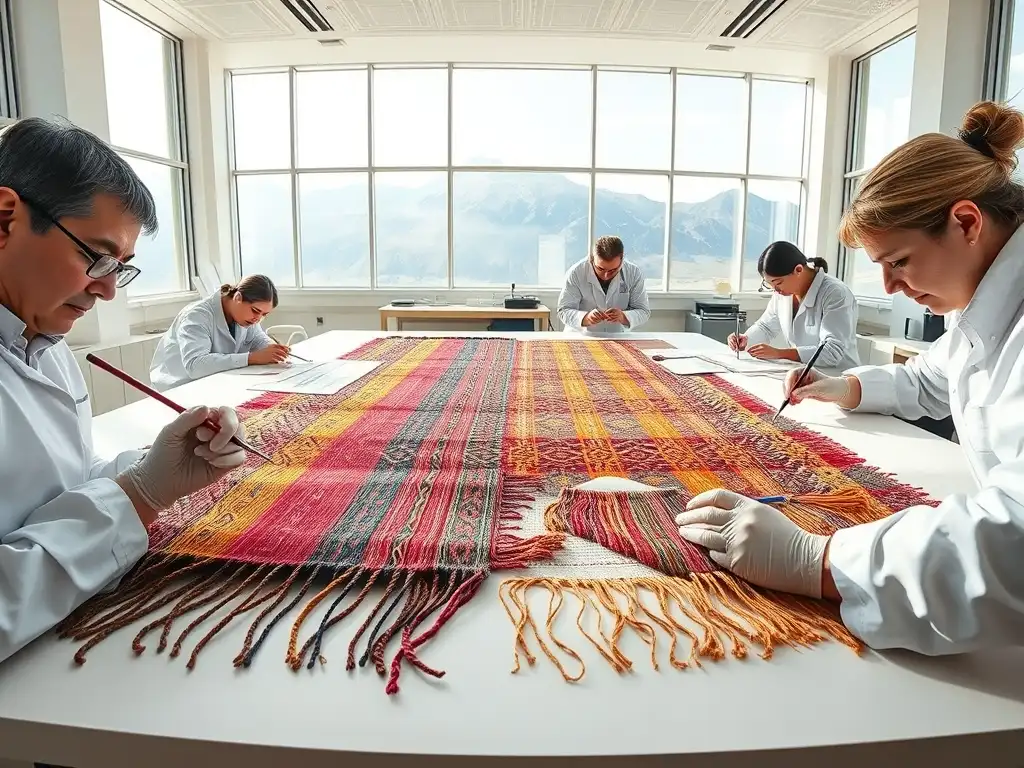
Step into a world lost to time, yet vividly preserved in stone and gold. Journey through the breathtaking artistry of the Andes, uncovering the secrets of a civilization that defied the elements for centuries. But how do we protect this legacy today? Explore the fascinating world of Inca art conservation methods – a critical battle against time, revealing both challenges and astonishing discoveries that rewrite our understanding of Inca ingenuity. Dive in and uncover the mysteries waiting within.
The Inca Empire, a civilization that flourished in the Andes Mountains from the 15th to the 16th century, left behind a remarkable artistic legacy. From intricately woven textiles and finely crafted gold and silver objects to imposing stone structures and vibrant ceramics, Inca art offers a fascinating glimpse into their sophisticated culture and advanced technology. However, the passage of time, exposure to the elements, and the impact of looting and improper handling have significantly damaged many invaluable artifacts.
This article delves into the complexities of Inca art conservation, exploring the unique challenges posed by the materials used and the innovative methods employed to preserve this irreplaceable heritage for future generations. We will examine the various Inca art conservation methods used, highlighting both the successes and the ongoing struggles in safeguarding this significant piece of world history.
Understanding these challenges is crucial to ensuring the long-term survival of Inca art and its continued ability to inform and inspire us. The preservation of Inca art is not merely a matter of maintaining physical objects; it's about preserving a vital part of human history and cultural identity.
Preserving the Legacy of Inca Art
The conservation of Inca art presents a unique set of difficulties. The materials used, often organic and susceptible to degradation, require specialized treatment. Textiles, for example, are vulnerable to insect infestation, light damage, and the weakening of fibers due to age and environmental factors.
The vibrant colors of Inca textiles, achieved through natural dyes, are particularly prone to fading. Similarly, metalwork, often made of gold, silver, and copper alloys, can suffer from corrosion, tarnishing, and the loss of delicate details. Stone sculptures and architecture face the threats of erosion, weathering, and even seismic activity.
Furthermore, the very act of excavation and removal of artifacts can cause damage if not handled with extreme care and precision. Careful excavation techniques, proper storage in controlled environments, and the use of non-invasive diagnostic tools are crucial first steps in Inca art conservation. This often involves meticulous documentation, creating detailed records of the artifacts' condition before, during, and after any intervention.
The development and application of appropriate Inca art conservation methods is a continuous process, demanding constant research and innovation. Conservators often employ a multidisciplinary approach, drawing on expertise from chemistry, biology, archaeology, and art history to develop tailored strategies for different materials and objects. For instance, the treatment of textiles might involve cleaning with specialized solvents, repairing damaged fibers, and consolidating weakened areas.
Metalwork conservation often focuses on removing corrosion products, stabilizing unstable alloys, and preventing further deterioration. The goal is always to minimize intervention while maximizing the preservation of the original material and aesthetic qualities. The ethical considerations are paramount, as the intervention must respect the integrity of the artifact and avoid causing further damage.
Understanding Inca Art Materials and Techniques
Understanding the original materials and techniques employed by Inca artisans is fundamental to successful conservation. Detailed analysis of the materials used – including the types of fibers in textiles (e.g., alpaca, llama, cotton), the composition of metal alloys, and the pigments used in ceramics and murals – allows conservators to develop targeted treatment strategies. For instance, identifying the specific dyes used in textiles can help determine the best methods for preventing fading.
Similarly, understanding the metallurgical techniques used in creating metal objects can guide the development of appropriate corrosion prevention strategies. Scientific analysis, such as X-ray fluorescence (XRF) spectroscopy and gas chromatography-mass spectrometry (GC-MS), is frequently used to identify the composition of materials and provide valuable insights into the manufacturing processes. This detailed knowledge helps conservators make informed decisions about the most appropriate conservation methods, ensuring that interventions are both effective and respectful of the original craftsmanship.
The development of new non-invasive analytical techniques continues to play a significant role in improving our understanding of Inca art and informing more effective conservation strategies. This ongoing research ensures that Inca art conservation methods remain at the forefront of the field and are continually refined to meet the ever-evolving challenges.
Challenges in Conserving Inca Artifacts
The conservation of Inca art presents a unique set of challenges due to the materials used, the environmental conditions of their discovery, and the passage of time. Many artifacts were crafted from organic materials highly susceptible to decay, while others, though seemingly durable, suffer from the effects of long-term exposure to the elements. The sheer age of these pieces, often thousands of years old, further compounds the difficulties faced by conservators.
Understanding these challenges is crucial to developing effective preservation strategies. The lack of original Inca documentation on preservation techniques adds another layer of complexity, forcing conservators to rely on scientific analysis and deduction.
Furthermore, the sheer volume of artifacts unearthed, from intricate textiles to delicate gold ornaments, necessitates careful prioritization and resource allocation to ensure the long-term survival of the most significant pieces. Ethical considerations also play a vital role; decisions about which pieces to prioritize and how best to conserve them must balance the need for preservation with the desire to make these cultural treasures accessible to the public.
Environmental Factors Affecting Inca Art Preservation
Environmental factors significantly impact the preservation of Inca art. Fluctuations in temperature and humidity, particularly in regions with high altitudes and varying climates, cause considerable damage. Exposure to sunlight, especially ultraviolet (UV) radiation, leads to fading and deterioration of pigments in textiles and ceramics. Changes in atmospheric pressure can also contribute to the cracking and warping of artifacts.
Furthermore, the presence of pollutants in the air, such as industrial emissions or even natural elements like dust and pollen, can accelerate degradation processes. In archaeological sites, the very process of excavation can expose artifacts to sudden and drastic changes in their environment, triggering rapid deterioration. Therefore, careful climate control is crucial in storage facilities and museums, mimicking as closely as possible the stable environment in which the artifacts were originally preserved. Protecting artifacts from environmental fluctuations is a critical component of long-term Inca art conservation.
Deterioration of Inca Textiles: A Conservation Perspective
Inca textiles, renowned for their intricate designs and vibrant colors, are particularly vulnerable to deterioration. The natural fibers used, such as alpaca and llama wool, are prone to insect infestation, fungal growth, and degradation due to exposure to moisture. The dyes, often derived from plants and minerals, can fade significantly over time, leading to a loss of color vibrancy and detail. The delicate weaving techniques, often incorporating complex patterns and multiple layers, make these textiles exceptionally fragile, prone to tearing and breakage.
The physical handling of these textiles during excavation and subsequent study poses a risk of further damage. Conservation strategies for Inca textiles involve careful cleaning, stabilization of the fibers, and the use of appropriate storage and display methods to minimize environmental stress. Research into the original dyeing techniques can also inform the development of conservation treatments that preserve the integrity of the colors.
The Fragility of Inca Metalwork and its Preservation
Inca metalwork, particularly pieces made of gold, silver, and copper alloys, also presents unique conservation challenges. While these metals are relatively durable, they are susceptible to corrosion and tarnishing over time, especially when exposed to air and moisture. The intricate techniques employed in the creation of these artifacts, such as hammering, casting, and soldering, can create areas of weakness that are prone to damage. The thinness of some gold sheets used in Inca jewelry makes them particularly vulnerable to deformation or tearing.
Furthermore, the use of mercury in some gilding processes has left behind residues that can be toxic and require careful handling. Conservation strategies for Inca metalwork involve the careful removal of corrosion products, stabilization of the metal surface, and the creation of protective coatings to prevent further deterioration. Careful handling and environmentally controlled storage are equally essential to prevent damage.
Inca Art Conservation Methods: A Detailed Look
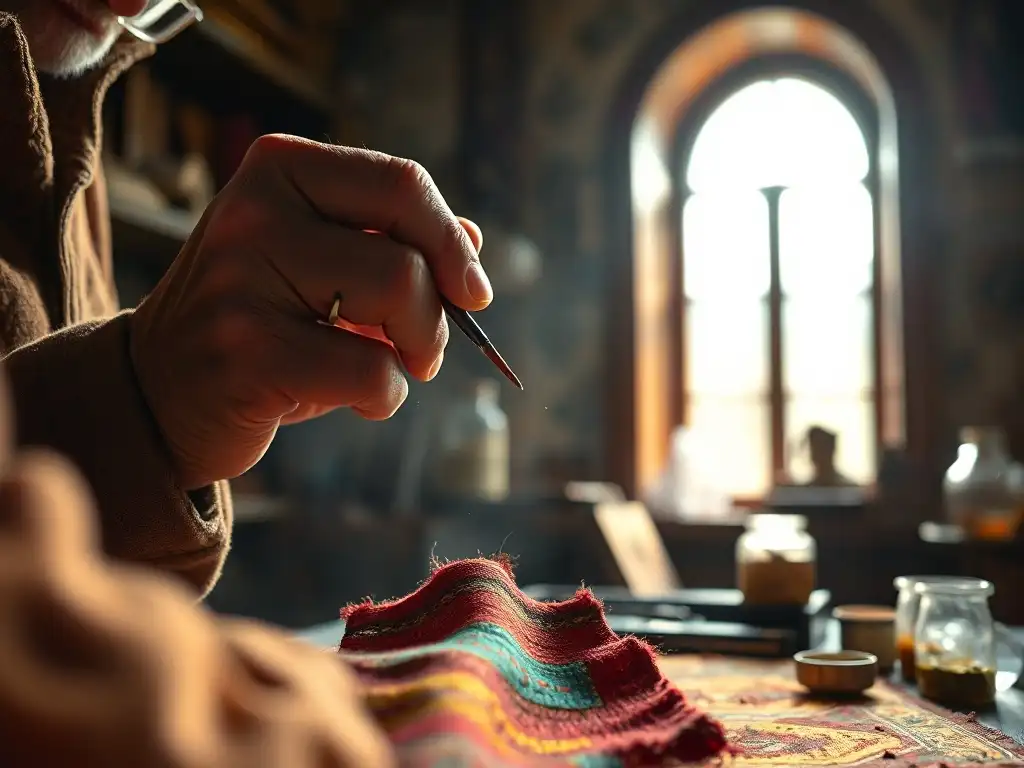
Effective Inca art conservation requires a multi-faceted approach that combines traditional knowledge with modern scientific techniques. The aim is to preserve the integrity of the artifacts while also making them accessible for study and appreciation. This requires a deep understanding of the materials used, the manufacturing processes, and the deterioration mechanisms involved.
Traditional Inca Techniques and their Relevance to Conservation
While detailed written records on Inca conservation practices are scarce, ethnoarchaeological studies and observation of contemporary Andean craft traditions offer valuable insights. Techniques like the use of natural dyes and plant-based adhesives, known to have been employed in Inca textile production, inform contemporary conservation efforts. Understanding the traditional methods of material preparation and artifact construction provides crucial context for developing effective conservation strategies. For example, studying traditional Andean textile repair techniques can help guide the restoration of damaged Inca textiles, ensuring that any intervention is as minimally invasive as possible and respects the original craftsmanship.
Modern Approaches to Inca Art Conservation
Modern scientific techniques play a crucial role in Inca art conservation. Non-invasive analytical methods, such as X-ray fluorescence (XRF) and gas chromatography-mass spectrometry (GC-MS), are used to analyze the composition of materials and identify deterioration products. This information helps conservators develop tailored treatment plans to address specific types of damage.
Advanced imaging techniques, such as X-ray computed tomography (CT), allow for the non-destructive examination of the internal structure of artifacts, revealing hidden details and informing conservation strategies. The development of new environmentally friendly materials and techniques for cleaning, consolidation, and protection further enhances the effectiveness of Inca art conservation efforts. The integration of traditional knowledge and modern scientific approaches ensures a comprehensive and effective strategy for the long-term preservation of this invaluable cultural heritage.
Case Studies in Inca Art Preservation
Inca art conservation is a complex field, demanding specialized knowledge and meticulous techniques. Successful preservation relies on understanding the materials, the degradation processes, and the cultural significance of each artifact. Let's examine several case studies highlighting the challenges and triumphs in Inca art conservation.
Conservation of the Paracas Textile Bundle at the Museo Nacional de Arqueología, Antropología e Historia del Perú
The Museo Nacional de Arqueología, Antropología e Historia del Perú houses a remarkable collection of Paracas textiles, which, while not strictly Inca, offer valuable insights into textile techniques that influenced Inca art. One particular case study involves a large textile bundle discovered in a Paracas necropolis. The bundle, containing numerous intricately woven textiles, suffered from significant damage due to age, humidity, and insect infestation.
Conservators employed a multi-stage approach: first, careful documentation of the bundle's condition, including detailed photography and analysis of the textile fibers. Then, a controlled environment was created to stabilize the textiles, reducing humidity and temperature fluctuations. Infestation was addressed through careful cleaning and the application of biocides.
Finally, the textiles were consolidated and supported using appropriate materials, ensuring their structural integrity for future generations. This meticulous process exemplifies the dedication and expertise required for preserving these fragile artifacts, offering valuable lessons applicable to Inca textile conservation. The project's success underscores the importance of preventative conservation measures, such as maintaining stable environmental conditions within museums.
Metalwork Conservation at Machu Picchu: Stabilizing Artifacts from the Royal Tomb
The discovery of royal tombs at Machu Picchu presented significant challenges for Inca art conservation. The metalwork artifacts, primarily gold and silver objects, were severely corroded due to exposure to the elements and the passage of time. Conservation efforts focused on stabilizing the corroded surfaces, removing harmful deposits, and preventing further deterioration.
This involved careful cleaning using specialized tools and solutions, followed by consolidation techniques to strengthen the weakened metal. The process required a detailed understanding of the alloys used in Inca metalwork and the chemical reactions that caused corrosion. Each artifact posed unique challenges, demanding a tailored approach.
For example, some pieces required more aggressive cleaning methods than others, while others necessitated the development of entirely new conservation techniques. The successful stabilization of these artifacts not only preserved invaluable historical objects but also provided crucial information about Inca metallurgical techniques and the materials they used. The experience gained from this project has significantly advanced our understanding of Inca metalwork conservation and informed future preservation efforts.
Preserving Inca Pottery and Ceramics at the Museo Larco
The Museo Larco boasts a vast collection of Inca pottery and ceramics, showcasing the remarkable artistry and technical skill of Inca artisans. The preservation of this collection presents several challenges, including the risk of cracking, flaking, and discoloration. Conservators at the Museo Larco utilize a variety of techniques, including careful cleaning, consolidation, and the application of protective coatings.
The choice of methods depends on the condition of each artifact and the type of ceramic material. For instance, fragile pieces may require more gentle cleaning methods and the application of specialized adhesives to repair cracks. The museum also maintains strict environmental controls to minimize the risk of further deterioration.
[Specific information pending regarding the exact conservation techniques used for a specific piece at the Museo Larco, including materials and success rates]. This ongoing effort highlights the continuous need for adaptation and innovation in Inca art conservation. The meticulous care taken by the Museo Larco's team ensures the long-term preservation of these invaluable cultural artifacts.
The Importance of Collaboration in Inca Art Conservation
The preservation of Inca art requires a collaborative effort involving various stakeholders. A multidisciplinary approach, encompassing expertise from archaeology, chemistry, materials science, and art history, is crucial for the successful conservation of these delicate artifacts.
The Role of Local Communities in Protecting Inca Heritage
Local communities play a vital role in protecting Inca heritage sites and artifacts. Their traditional knowledge and deep connection to the land provide invaluable insights into the cultural significance of these objects and the best practices for their preservation. Involving local communities in conservation projects fosters a sense of ownership and responsibility, ensuring the long-term sustainability of these efforts.
Community participation can range from assisting in the physical conservation of artifacts to educating future generations about the importance of preserving their cultural heritage. [Specific examples of successful community-based Inca art conservation projects pending]. The success of Inca art conservation significantly depends on building strong partnerships with local communities.
International Partnerships in Inca Art Preservation
International collaboration is essential for the preservation of Inca art. Sharing expertise, resources, and best practices across borders enhances the effectiveness of conservation efforts. International partnerships facilitate access to advanced technologies and specialized skills, enabling conservators to tackle complex challenges. Moreover, collaboration promotes the exchange of knowledge and the development of standardized conservation protocols, ensuring the consistent and effective preservation of Inca art worldwide. [Specific examples of successful international collaborations in Inca art conservation pending]. These partnerships are crucial for ensuring the long-term preservation of Inca art as a shared global heritage.
Discoveries and Breakthroughs in Inca Art Conservation
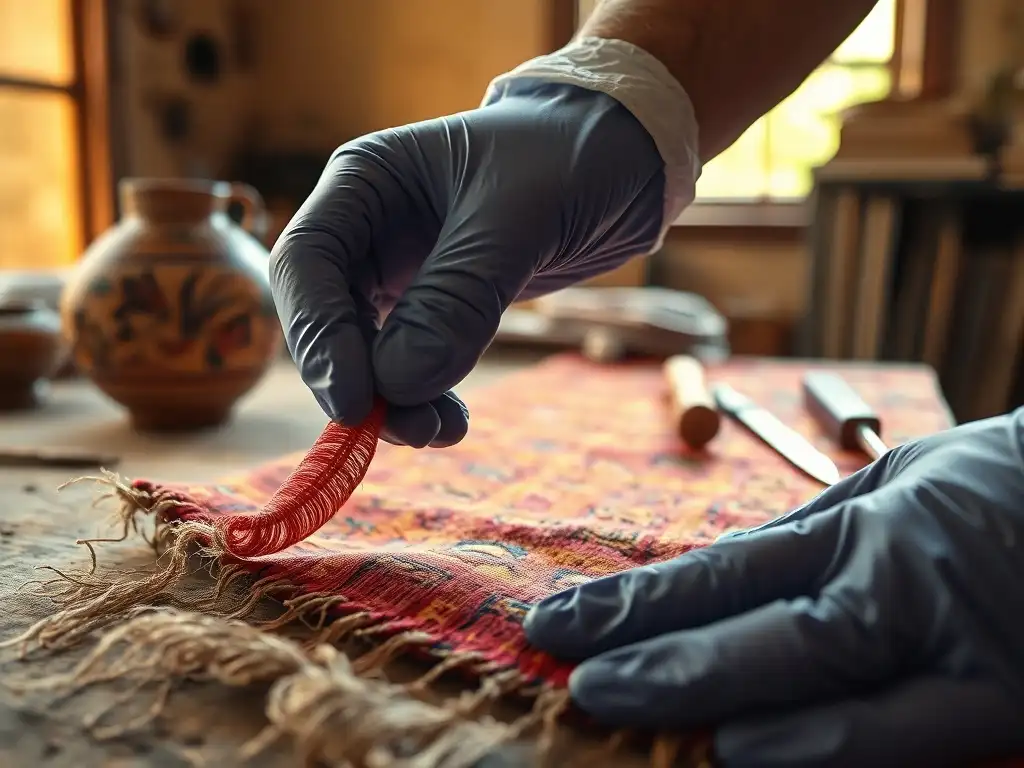
The field of Inca art conservation has witnessed significant advancements in recent years, leading to remarkable discoveries and breakthroughs. These advancements are not only enhancing our understanding of Inca art but also improving the preservation of these invaluable cultural artifacts for future generations. Researchers are constantly refining techniques and developing new approaches to address the unique challenges posed by the delicate nature of Inca materials and the harsh environmental conditions they have endured.
One notable area of progress is the improved understanding of the chemical composition of Inca pigments and dyes, which allows for more targeted and effective cleaning methods. This has resulted in the successful restoration of vibrant colors and intricate details on textiles and ceramics that were previously obscured by dirt and decay.
Furthermore, the development of non-invasive imaging techniques, such as X-ray fluorescence and multispectral imaging, has provided unprecedented insights into the internal structure and composition of Inca artifacts, revealing hidden layers of paint, repairs, and even the artist's original sketches. These advancements have revolutionized our ability to study Inca art and understand the creative processes employed by Inca artisans.
New Insights into Inca Art Techniques Through Conservation
Conservation efforts are not merely about preserving artifacts; they are also crucial for uncovering invaluable information about Inca art techniques. The meticulous process of cleaning and stabilizing Inca textiles, for example, often reveals intricate weaving techniques and the use of rare dyes. Analyzing the structure of these textiles under magnification allows researchers to identify the specific types of fibers used, the complexity of the weaving patterns, and the tools employed by the weavers.
Similarly, the conservation of Inca ceramics often reveals previously unknown aspects of pottery production, including the types of clay used, the firing techniques, and the decorative processes. For instance, the careful removal of accumulated dirt and grime from a ceramic vessel might reveal subtle variations in the application of paint, providing clues about the artist's skill and the stages of production.
By studying these details, researchers can gain a deeper understanding of Inca artistic practices and the social and economic contexts in which they were created. The careful documentation of these findings, combined with advanced analytical techniques, is revolutionizing our understanding of Inca artistic ingenuity.
Unveiling Hidden Details in Inca Artifacts
The meticulous work of Inca art conservation often leads to the unveiling of hidden details that were previously obscured or unknown. For example, the removal of layers of grime and deterioration from a piece of Inca goldwork might reveal intricate details in the craftsmanship, such as minute repoussé work or the use of incredibly fine wires. Similarly, the careful analysis of Inca textiles under ultraviolet light can reveal the presence of hidden patterns or designs that are invisible to the naked eye.
This process helps reveal the full extent of Inca artistic skill and creativity. The application of advanced imaging techniques, such as X-radiography, can also reveal hidden repairs or alterations made to artifacts over time. These discoveries provide invaluable insights into the methods used by Inca artisans and the history of the artifacts themselves.
The careful study of these details allows for a more nuanced and accurate interpretation of Inca art and its cultural significance. This detailed analysis helps us better appreciate the artistry and ingenuity of Inca civilization.
Future Directions in Inca Art Conservation
The future of Inca art conservation is bright, with exciting new avenues of research and technological advancements on the horizon. The field is constantly evolving, driven by a desire to improve preservation techniques and deepen our understanding of Inca artistic practices. A key focus is on the development of more sustainable and environmentally friendly conservation methods. This includes exploring the use of biodegradable materials and minimizing the use of harmful chemicals.
Furthermore, there is a growing emphasis on preventative conservation, which focuses on minimizing the risk of deterioration before it occurs. This involves improving storage conditions, controlling environmental factors, and developing effective monitoring systems. The integration of cutting-edge technologies, such as artificial intelligence and machine learning, promises to revolutionize the field further.
Emerging Technologies and their Potential Impact
Emerging technologies hold immense potential for revolutionizing Inca art conservation. Advanced imaging techniques, such as hyperspectral imaging and 3D scanning, offer non-invasive methods for analyzing artifacts in unprecedented detail. These technologies can reveal hidden features, structural weaknesses, and the effects of deterioration without causing damage to the artifacts themselves. Furthermore, the application of artificial intelligence and machine learning algorithms can assist in identifying patterns of deterioration and predicting future risks.
This allows for proactive conservation measures and targeted interventions to prevent further damage. The development of new materials and techniques in nanotechnology also holds great promise for the conservation of fragile artifacts. Nanomaterials can be used to strengthen weakened structures, repair damaged surfaces, and provide long-term protection against environmental factors. These emerging technologies are paving the way for a new era of Inca art conservation, ensuring the preservation of these invaluable cultural treasures for generations to come.
Developing Sustainable Conservation Practices
The development of sustainable conservation practices is paramount for the long-term preservation of Inca art. This involves minimizing the environmental impact of conservation treatments, using biodegradable materials, and reducing energy consumption. Furthermore, sustainable practices promote the use of locally sourced materials and support local communities involved in the conservation process.
A key aspect of sustainable conservation is the development of effective training programs for conservators, ensuring that the necessary expertise is available to safeguard Inca art for the future. This includes promoting ethical and responsible practices within the field, ensuring that the conservation of Inca art is carried out in a manner that respects cultural heritage and promotes its accessibility to the wider public.
The adoption of sustainable practices is not only environmentally responsible but also economically viable in the long term, ensuring the protection of these invaluable cultural treasures for future generations. This holistic approach ensures that the legacy of Inca art is preserved responsibly and ethically.
The Ongoing Effort to Protect Inca Art for Future Generations
The preservation of Inca art presents a unique set of challenges, demanding a multifaceted approach that integrates scientific analysis with cultural sensitivity. The delicate nature of many Inca artifacts, coupled with the environmental conditions of their discovery sites, necessitates careful planning and execution of conservation strategies. For example, textiles, often made from fragile camelid fibers, are particularly vulnerable to light damage, insect infestation, and fluctuations in humidity and temperature.
Therefore, climate-controlled storage facilities are crucial, and regular monitoring is essential to detect and address any deterioration early. Furthermore, the use of advanced imaging techniques, such as X-radiography and multispectral imaging, allows conservators to assess the condition of artifacts non-invasively, guiding treatment decisions and providing valuable insights into the materials and techniques used by Inca artisans. This non-invasive approach minimizes risk to the already fragile pieces.
The ongoing effort to protect Inca art is not solely a scientific endeavor; it deeply involves cultural considerations. Indigenous communities often hold strong spiritual and historical connections to these artifacts, and their participation in the conservation process is vital. Collaborations between archaeologists, conservators, and community members ensure that conservation practices respect cultural values and traditions.
This collaborative approach fosters a sense of ownership and responsibility, contributing to the long-term sustainability of conservation efforts. For instance, training programs that empower local communities with conservation skills not only preserve the artifacts but also empower the community to be active custodians of their heritage. This participatory approach is a key element of sustainable Inca art conservation.
Beyond the immediate challenges of preservation, the long-term preservation of Inca art requires comprehensive documentation and research. Creating detailed records of the artifacts' condition, treatment history, and provenance is crucial for future generations of conservators and researchers. This meticulous documentation helps to track changes over time, allowing for informed decision-making regarding future conservation interventions.
Similarly, ongoing research into Inca art materials and techniques expands our understanding of the artifacts' vulnerabilities and helps develop more effective conservation strategies. The development and implementation of new, environmentally friendly, and culturally appropriate conservation methods is an ongoing process that requires continuous investment and collaboration.
The ultimate goal is not just to preserve the physical objects, but to preserve the knowledge and cultural significance they embody, ensuring that these invaluable pieces of history continue to inspire and educate for centuries to come. The preservation of Inca art is therefore a testament to the ongoing commitment to protect and celebrate Andean cultural heritage.
- Preserving the Legacy of Inca Art
- Understanding Inca Art Materials and Techniques
- Challenges in Conserving Inca Artifacts
- Inca Art Conservation Methods: A Detailed Look
- Case Studies in Inca Art Preservation
- The Importance of Collaboration in Inca Art Conservation
- Discoveries and Breakthroughs in Inca Art Conservation
- Future Directions in Inca Art Conservation
- The Ongoing Effort to Protect Inca Art for Future Generations
- What are the biggest challenges in conserving Inca art?
- What materials were commonly used in Inca art that pose conservation problems?
- What modern techniques are used to conserve Inca artifacts?
- How is Inca art conservation different from conserving art from other cultures?
- Where can I learn more about Inca art conservation methods?
Frequently Asked Questions
What are the biggest challenges in conserving Inca art?
The biggest challenges include environmental factors like humidity and temperature fluctuations, biodeterioration from insects and fungi, and the fragility of many materials used in Inca art. Effective conservation requires careful monitoring and intervention.
What materials were commonly used in Inca art that pose conservation problems?
Inca art frequently used organic materials like textiles, wood, and feathers, which are highly susceptible to decay. Mineral pigments can also be unstable and prone to fading or flaking. Metalwork, while durable, can suffer from corrosion.
What modern techniques are used to conserve Inca artifacts?
Conservators employ a range of techniques including environmental control, cleaning methods using specialized solvents, consolidation to strengthen fragile objects, and restoration using compatible materials. Digital imaging also plays a crucial role in documentation and analysis.
How is Inca art conservation different from conserving art from other cultures?
While many principles are universal, Inca art conservation faces unique challenges due to the specific materials used and the environmental conditions of the Andes. Understanding the original techniques employed by Inca artisans is crucial for effective conservation.
Where can I learn more about Inca art conservation methods?
You can find more information through academic journals, museum websites, and research institutions specializing in Andean archaeology and conservation. Books on Inca art and archaeology often include sections on conservation.
Final Reflection: The Enduring Legacy of Inca Art
The meticulous preservation of Inca art is not merely an academic pursuit; it is a vital act of cultural remembrance, ensuring that the ingenuity and artistry of a vanished civilization continue to inspire and inform us. The challenges faced in conserving these fragile artifacts, from the effects of time and the elements to the complexities of ethical repatriation, highlight the delicate balance between preservation and understanding. The discoveries made through innovative conservation methods, however, offer a powerful testament to the resilience of both the art and the human spirit that created it.
The ongoing effort to conserve Inca art underscores the profound connection between the past and the present. It's a continuous dialogue, a testament to the enduring power of human creativity. The past is never dead. It's not even past.
- William Faulkner. This quote resonates deeply with the work of conservation; each painstakingly restored piece breathes new life into a history that continues to shape our world, reminding us of the shared human experience across millennia. The vibrant colors, intricate designs, and subtle techniques employed by Inca artisans continue to captivate and inspire contemporary artists and designers, proving the timeless relevance of their artistic legacy.
Consider, for a moment, the intricate details of a restored textile, the vibrant hues of a recovered ceramic vessel, or the carefully reconstructed gold ornament. Each piece holds within it not only the skill of its creators but also a story waiting to be rediscovered. You, the reader, are now part of this ongoing conversation.
Engage with the legacy of Inca art; learn more about the innovative conservation methods being employed, and support institutions dedicated to preserving this invaluable cultural heritage. Let the enduring beauty and artistry of the Inca inspire you to protect and celebrate the cultural treasures of our own time.
Unveil the Legacy of Inca Art: Take Action Today!
Thank you for exploring the fascinating world of Inca art conservation! Your interest helps preserve a vibrant cultural heritage. Let's turn this knowledge into action.
Here’s how you can make a difference:
- Join a local conservation group: Become involved with organizations dedicated to preserving Andean art and history. Many groups offer volunteer opportunities and educational programs.
- Share your passion: Spread the word about Inca art conservation on social media. Inspire others to learn about and support these important efforts.
- Explore and educate yourself: Visit museums showcasing Inca artifacts. Engage with museum staff and ask questions to deepen your understanding. Consider supporting museums through donations or memberships.
What aspect of Inca art inspires you most, and how will you contribute to its preservation? We'd love to hear your ideas!